

 English
 русский
 Español
 Deutsch
 عربى
 Français
 Português
Don't hesitate to send a message

Single jacket, EPDM rubber liner Features • 100% high tenacity polyester jacket, high-grade EPDM rub...
Content
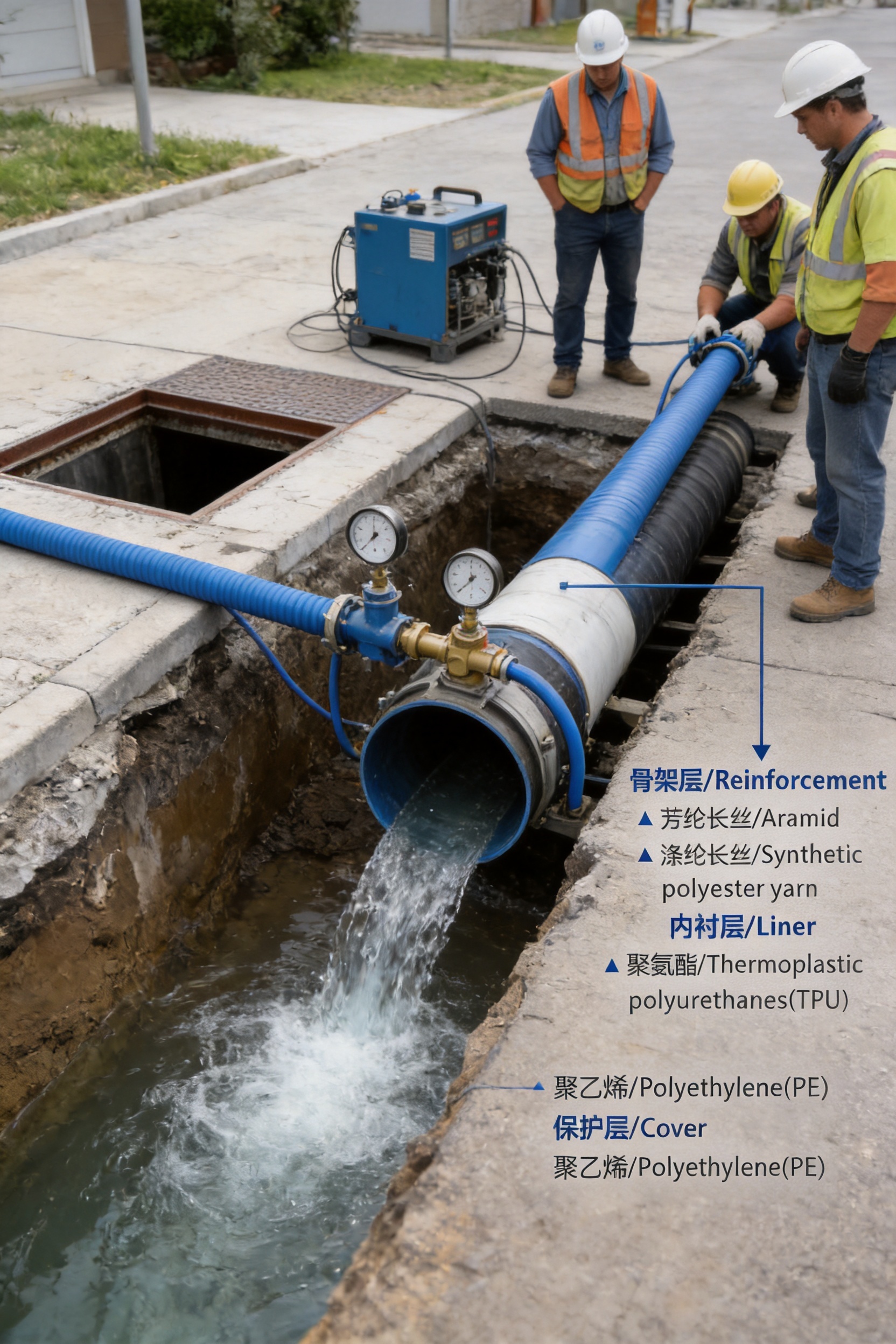
Potable water pipelines are among the most important assets in modern infrastructure. They transport treated water from reservoirs, treatment plants, and distribution facilities to homes, public institutions, commercial buildings, and industrial users. When these pipelines develop leaks, pressure weaknesses, or structural deterioration, the consequences can include water loss, service interruptions, road damage, contamination risks, and expensive excavation work.
Trenchless rehabilitation hose provides an efficient alternative to traditional open-cut replacement. Designed for the repair of drinking-water pipelines, tap-water systems, and reclaimed-water networks, this specialized hose can be installed with significantly less surface disruption than conventional excavation-based methods. It is available in a broad range of diameters, pressure ratings, and lengths, allowing project planners to select a configuration appropriate for different pipeline conditions.
The potable-water pipeline rehabilitation hose described in this article is manufactured for demanding water infrastructure applications. It is intended to solve leakage problems, restore or improve pressure-bearing capacity, and support long repair sections through a single installation. The product is available in sizes from 4 inches to 40 inches, with working pressure options extending up to 8.0 MPa in selected smaller diameters.
Its combination of dimensional flexibility, pressure capability, long continuous lengths, temperature resistance, and customizable appearance makes it a practical option for municipal water authorities, contractors, engineering firms, and infrastructure maintenance teams.
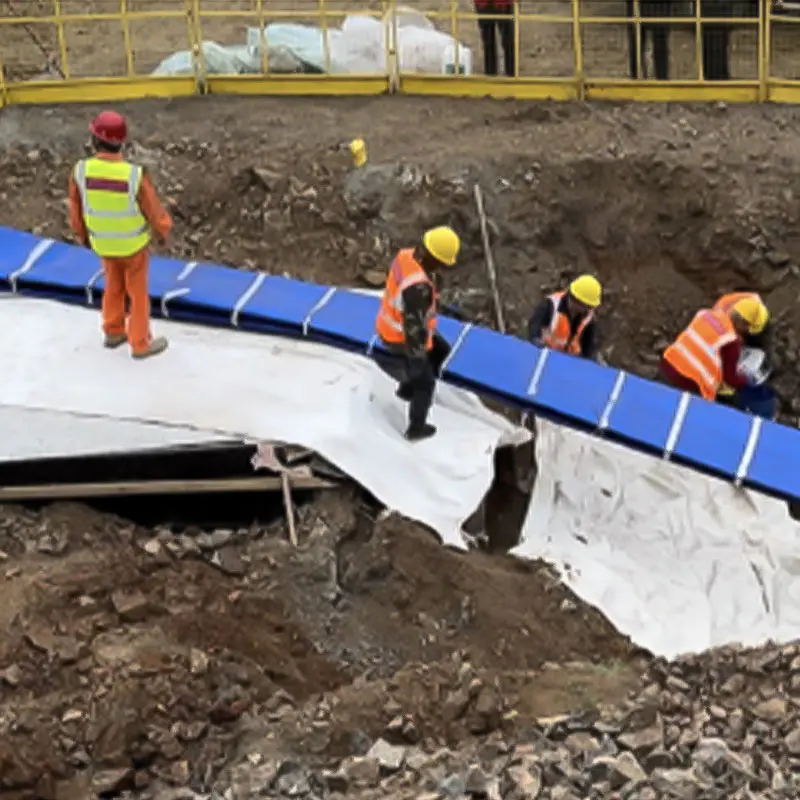
Trenchless Rehabailitation Hose: Potable Water Pipelines
Trenchless rehabilitation hose is a flexible pipeline-repair product used to renew the internal service function of an existing pipeline without requiring the entire line to be removed or exposed. Instead of replacing a damaged pipeline through continuous excavation, a hose-based rehabilitation system can be introduced into the existing route and connected to the required fittings or access points.
The method is especially valuable where excavation would affect roads, railways, waterways, buildings, landscaped areas, utilities, or densely populated neighborhoods. By reducing the need to open the ground along the entire pipeline route, trenchless rehabilitation can shorten construction disruption and reduce the amount of restoration work required after installation.
For potable-water pipelines, the rehabilitation hose must be selected according to the pipeline diameter, operating pressure, installation length, temperature conditions, water-service requirements, and connection arrangement. It must also be compatible with the project’s installation method and the condition of the host pipe.
The product covered here is designed for tap-water pipeline repair, drinking-water pipeline repair, and reclaimed-water pipeline repair. Its primary function is to provide a renewed pressure-bearing water passage inside or along the route of an existing pipeline. Depending on the project design, it may help address leakage, reinforce a weakened system, or improve the reliability of a distribution section.
One major application is the repair of tap-water pipelines. Municipal water networks often contain aging sections that experience leakage around joints, corrosion-related weakening, cracking, or local deformation. A rehabilitation hose can provide a new internal water conveyance path while limiting the need for widespread excavation.
A second application is drinking-water pipeline repair. Potable-water infrastructure must remain dependable because interruptions directly affect households, hospitals, schools, factories, and public facilities. A long-length hose solution can help contractors plan a more continuous rehabilitation operation and reduce the number of exposed work zones.
A third application is reclaimed-water pipeline repair. Reclaimed-water systems are increasingly used for irrigation, industrial processes, landscaping, and municipal services. These networks also require dependable pressure performance and leak control. The available diameter range allows the same general product family to serve different reclaimed-water distribution requirements.
The primary problem is leakage. Water loss from leaking pipelines can waste treated water, increase pumping expenses, damage surrounding soil, and create sinkholes or pavement deterioration. A properly selected and installed rehabilitation hose can form a renewed water-bearing passage and help control leakage from the rehabilitated section.
The product can also support the restoration or improvement of pressure-bearing capacity. Existing pipelines may continue to carry water but no longer provide adequate structural or pressure performance. A hose with an appropriate working-pressure rating can help engineers develop a rehabilitation plan for the affected section.
Another important benefit is the ability to repair long sections in one operation. The specified hose lengths range from 100 meters to as much as 5,000 meters, depending on the internal diameter. Long continuous lengths can reduce the number of intermediate connections, simplify logistics, and make it easier to coordinate a project with limited access points.
Traditional pipeline replacement often requires extensive excavation. The contractor may need to remove pavement, soil, landscaping, and other surface structures before accessing the damaged pipe. After installation, the same areas must be restored. This process can be costly and disruptive, particularly in urban environments.
A trenchless rehabilitation hose offers a different project strategy. Rather than exposing the full pipeline route, the work can be concentrated at selected access points. This can reduce traffic restrictions, noise, dust, spoil removal, and the risk of damaging nearby utilities. The exact level of benefit depends on the site and installation method, but the trenchless concept is inherently suited to locations where surface disturbance must be minimized.
The product range covers nominal internal diameters of 4, 6, 8, 10, 12, 14, 16, 20, 24, 28, 32, and 40 inches. In metric terms, the listed sizes range from 100 mm to 1,000 mm. This broad selection enables the product to serve small distribution sections as well as large municipal or industrial water pipelines.
A wide diameter range is important because water networks are rarely uniform. A local distribution branch may use a 100 mm pipeline, while a transmission or trunk section may require a 1,000 mm rehabilitation solution. Having multiple sizes from a single product family can simplify technical coordination and purchasing.
The listed working-pressure range extends from 0.5 MPa to 8.0 MPa, depending on hose diameter. Smaller sizes provide the highest available pressure options, while larger sizes are offered with pressure ratings appropriate to their dimensions and intended applications.
For example, the 4-inch configuration is listed with working-pressure options from 1.0 MPa to 8.0 MPa. The 6-inch configuration covers 0.6 MPa to 6.0 MPa, while the 8-inch configuration covers 0.6 MPa to 5.0 MPa. Larger diameters are available with working-pressure ranges suitable for medium- and lower-pressure distribution or transmission conditions.
Working pressure should never be selected solely by nominal pipeline diameter. Engineers must consider static pressure, surge pressure, pump operation, elevation changes, valve closure, temperature, installation conditions, and applicable project safety factors. The product data provides a starting point for selection, while the final specification should be confirmed for the actual system.
Long-length capability is one of the most notable advantages of this product. Depending on size, available lengths range from 100 meters to 5,000 meters. The 4-inch and 6-inch sizes can be supplied in lengths of 100 to 5,000 meters. The 8-inch through 16-inch sizes can generally be supplied in lengths of 100 to 3,000 meters. The 20-inch through 32-inch sizes are listed at 100 to 2,000 meters, while the 40-inch size is listed at 100 to 1,500 meters.
Long continuous hose sections can reduce the number of joints required during rehabilitation. Fewer joints may simplify installation planning and reduce the number of connection points that require inspection. Long lengths can also be useful when a project has limited entry locations or when the contractor wants to complete a long pipeline section during one coordinated shutdown.
The actual achievable installation length depends on the pipeline route, access arrangement, host-pipe condition, equipment, pulling or insertion method, and project design. Nevertheless, the available length range gives contractors considerable flexibility.
The product is specified for an operating temperature range of -40°C to 80°C. This range provides flexibility for projects exposed to cold outdoor environments, seasonal temperature variation, warm service conditions, or temporary storage and transport challenges.
Temperature performance is an important part of hose selection because polymeric materials can change in flexibility, dimensional stability, and pressure behavior as temperature varies. The specified range helps project teams evaluate suitability, but the complete system should also be assessed for water temperature, ambient exposure, installation conditions, and any chemicals present in the service environment.
The standard hose color is blue, which is widely associated with water-service products and can support visual identification during handling and installation. Other colors can be customized according to customer requirements.
Color customization may be useful when a contractor or utility uses different colors to distinguish potable water, reclaimed water, industrial water, temporary bypass lines, or project phases. Color does not replace technical labeling, pressure identification, or installation records, but it can support better organization at the job site.
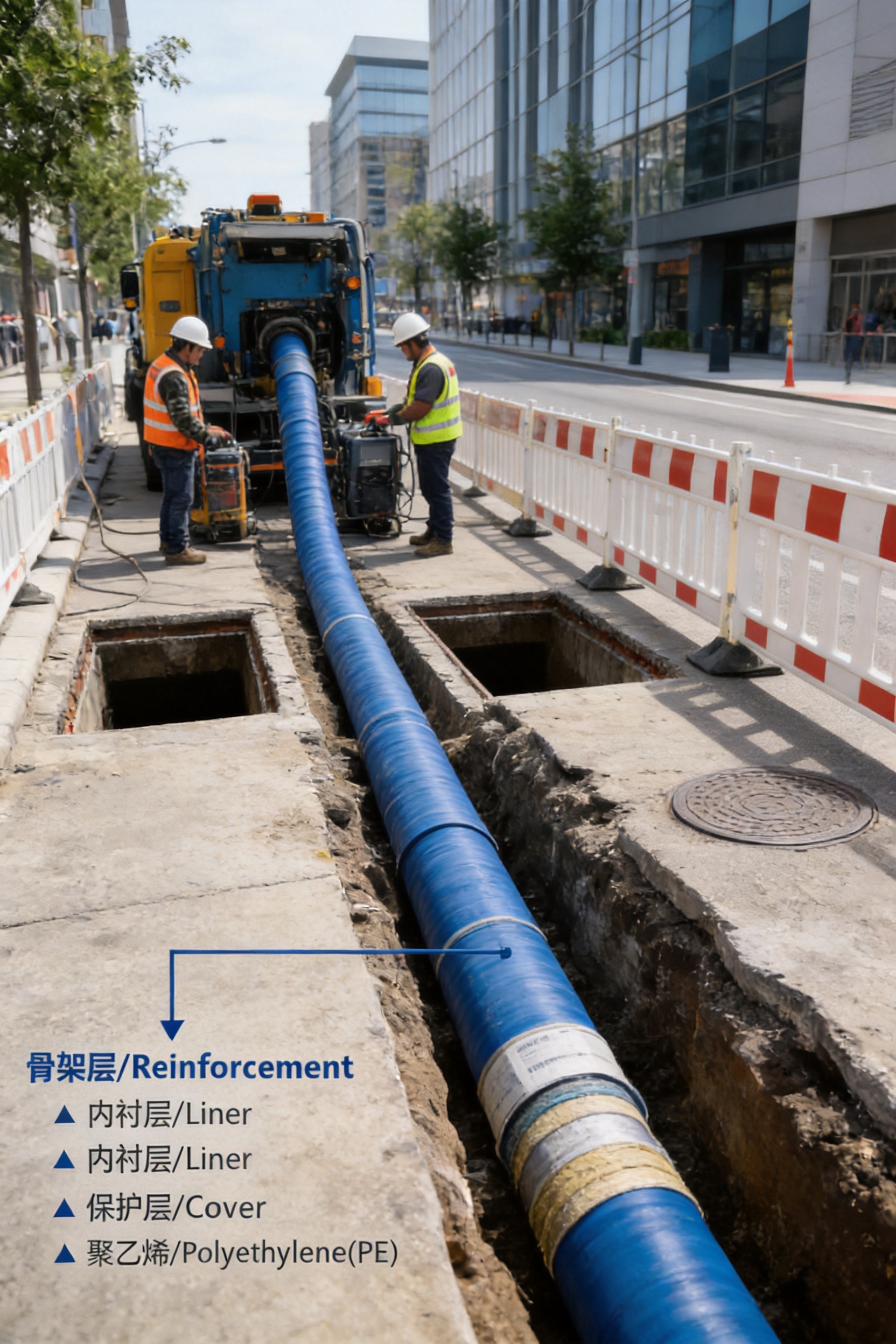
The following table summarizes the available nominal internal diameters, working-pressure ranges, burst-pressure ranges, and standard length ranges. The values are presented according to the supplied product information and should be confirmed against the final quotation and project-specific technical documentation.
| Nominal Internal Diameter | Approximate Metric Diameter | Working Pressure | Burst Pressure | Available Length |
|---|---|---|---|---|
| 4 inches | 100 mm | 1.0–8.0 MPa | 2.0–16.0 MPa | 100–5,000 m |
| 6 inches | 150 mm | 0.6–6.0 MPa | 1.2–12.0 MPa | 100–5,000 m |
| 8 inches | 200 mm | 0.6–5.0 MPa | 1.2–10.0 MPa | 100–3,000 m |
| 10 inches | 250 mm | 0.6–4.0 MPa | 1.2–8.0 MPa | 100–3,000 m |
| 12 inches | 300 mm | 0.6–3.0 MPa | 1.2–6.0 MPa | 100–3,000 m |
| 14 inches | 350 mm | 0.6–3.0 MPa | 1.2–6.0 MPa | 100–3,000 m |
| 16 inches | 400 mm | 0.6–2.5 MPa | 1.2–5.0 MPa | 100–3,000 m |
| 20 inches | 500 mm | 0.6–2.0 MPa | 1.2–4.0 MPa | 100–2,000 m |
| 24 inches | 600 mm | 0.6–2.0 MPa | 1.2–4.0 MPa | 100–2,000 m |
| 28 inches | 700 mm | 0.6–2.0 MPa | 1.2–4.0 MPa | 100–2,000 m |
| 32 inches | 800 mm | 0.6–2.0 MPa | 1.2–4.0 MPa | 100–2,000 m |
| 40 inches | 1,000 mm | 0.5–2.0 MPa | 1.0–4.0 MPa | 100–1,500 m |
Working pressure is the pressure range under which the hose is intended to operate when correctly selected and installed. Burst pressure is a higher test or failure-related reference value and should not be treated as a permissible operating pressure. A water system should always be designed with a suitable margin below the listed burst value.
Pressure transients are particularly important in pipeline rehabilitation. Sudden pump starts, rapid valve closure, power failures, and changes in elevation can generate surge pressures above the normal static operating pressure. A competent engineer should evaluate these conditions before choosing the hose specification.
Diameter selection should begin with the measured internal diameter and geometry of the host pipeline. Nominal size alone may not reflect the actual available space, especially when the existing pipe contains scale, deformation, deposits, protrusions, or damaged sections.
The project team should also evaluate the required flow rate and allowable hydraulic loss. A rehabilitation hose may have a different internal surface and effective internal diameter from the original host pipe. Hydraulic calculations can help verify whether the selected size will provide acceptable flow performance at the required pressure.
The manufacturer is an integrated enterprise covering research and development, production, sales, and service. This integrated structure is valuable for specialized pipeline products because the requirements of a rehabilitation project often extend beyond standard catalog selection.
A trenchless project may require a specific diameter, pressure rating, length, color, packaging method, connection arrangement, or material combination. When product development, manufacturing, sales, and service are coordinated within one organization, technical communication can be more direct. This helps reduce the risk of misunderstandings between the project specification and the final product.
Research and development is essential for hose products used in infrastructure applications. The hose must balance flexibility, pressure resistance, dimensional stability, handling characteristics, and durability. These requirements can sometimes conflict with one another. Increasing reinforcement may improve pressure capability but affect flexibility or weight. Changing a lining material may influence chemical resistance, friction, or service temperature.
An R&D-based manufacturing approach allows the producer to evaluate these relationships and adapt the product to different service conditions. For potable-water pipeline rehabilitation, the product focus is not simply on producing a flexible tube. It is on developing a hose system that can be supplied in useful diameters and lengths while supporting the pressure and installation demands of water infrastructure.
The company’s main product range includes lined fire hoses made from various materials. Experience with lined hose manufacturing is relevant to trenchless rehabilitation because both product categories depend on the relationship between the inner conveying layer and the outer structural or protective layers.
For a water-service rehabilitation hose, the inner surface must support water conveyance, while the overall hose must maintain its shape and pressure performance during handling and service. Material selection and layer integration are therefore central to product reliability.
The manufacturer also undertakes foreign-trade products made from rubber, PVC, polyurethane, and double-sided tape according to customer requirements. This material diversity demonstrates the ability to work with different polymer and product formats. It also supports customization when a project requires a particular material behavior or market specification.
A professional manufacturing process begins with the review of customer requirements. Product diameter, working pressure, burst-pressure target, length, color, application, packaging, and delivery conditions should be clarified before production. For potable-water pipeline rehabilitation, the service medium and intended use must be identified at the beginning of the process.
Material preparation follows specification confirmation. The selected lining and reinforcement materials should be checked for consistency and suitability before entering production. Accurate material preparation is important because variations in polymer composition, reinforcement, thickness, or adhesion can affect final hose performance.
The hose is then formed through a controlled layer-building process. Although the exact production method depends on the product design, the general objective is to create a continuous, uniform hose structure with stable dimensions and a secure relationship between the conveying layer and reinforcement. Consistency along the entire length is particularly important for long hoses used in one-time rehabilitation operations.
After forming, the product undergoes finishing and inspection. The hose may be cut or prepared to the required length, marked for identification, visually checked, and evaluated against the customer’s technical requirements. Pressure-related testing and dimensional checks are important parts of a quality-focused manufacturing program.
Finally, the product is prepared for storage and transport. Long-length hose must be packaged in a way that protects it from excessive bending, abrasion, contamination, and environmental exposure. Correct handling during delivery is important because damage before installation can affect project performance even when the product was manufactured correctly.
Customer requirements can vary considerably between domestic and international projects. Some buyers need a standard blue hose, while others require an alternative color for network identification. Some projects call for shorter sections because of access limitations, while others benefit from the longest practical continuous length.
The ability to customize color and supply a wide length range makes the product suitable for different procurement systems. International customers may also require specific packing instructions, labeling, documentation, or shipping arrangements. A manufacturer with experience serving multiple regions is better positioned to coordinate these requirements.
The company’s products are reported to be sold across more than 20 provinces, cities, and autonomous regions, while export production is carried out in cooperation with domestic foreign-trade companies. This distribution and export experience supports broader project communication and demonstrates familiarity with serving customers beyond a single local market.
Pipeline rehabilitation is often constrained by access. A project may have only two suitable entry points, or excavation may be permitted only at selected locations. In such cases, the ability to obtain a long continuous hose section can simplify planning.
Fewer section joints may reduce installation operations and the amount of connection hardware required. It may also decrease the number of locations requiring joint inspection, testing, or later maintenance. This does not eliminate the need for careful installation, but it can make the overall process more straightforward.
Long-length supply can also help reduce the duration of surface occupation. When a contractor can rehabilitate a longer section during one coordinated operation, traffic management and public disruption may be easier to control. The potential benefit is particularly relevant in urban areas where every additional work zone creates logistical and social costs.
However, long-length hose requires careful transport and handling. The project team should plan reel or coil dimensions, lifting points, delivery access, storage ground conditions, and protection from sharp objects. The hose should be handled according to the supplier’s instructions to prevent kinking, crushing, or abrasion.
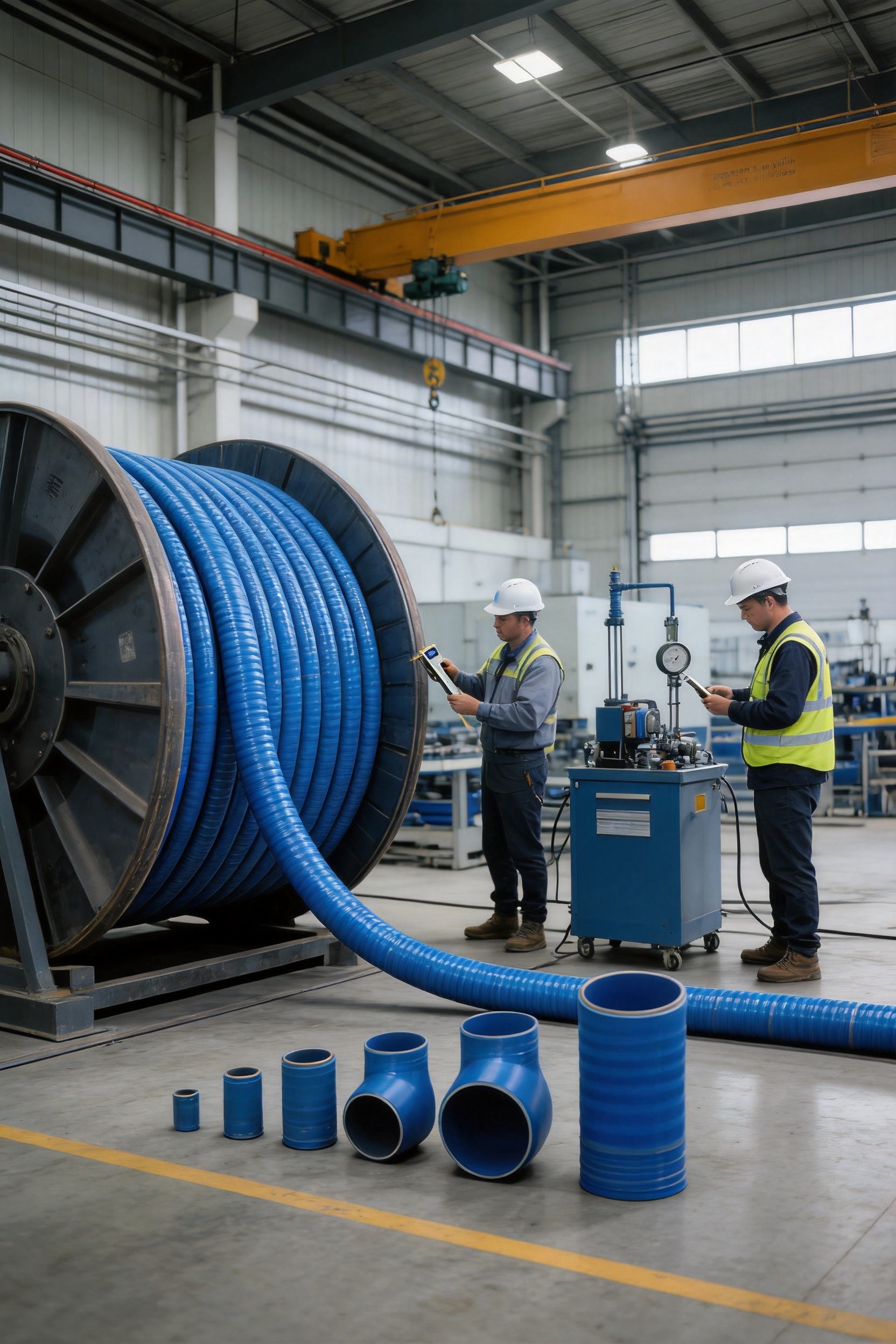
A successful rehabilitation project begins with inspection and assessment of the existing pipeline. The host pipe should be evaluated for internal obstructions, severe deformation, collapsed sections, sharp edges, excessive deposits, and inaccessible areas. Cleaning may be required before the hose is introduced.
The survey should confirm the host-pipe route, nominal diameter, actual internal dimensions, access points, bends, valves, service connections, elevation changes, and operating pressure. Existing drawings should be compared with field conditions because older infrastructure records may not accurately reflect later modifications.
Where possible, the pipeline should be inspected internally using suitable tools or visual methods. The information gathered helps determine whether the hose can pass through the existing line and whether additional preparation is required.
Cleaning removes deposits, loose corrosion products, sediment, and other materials that could obstruct insertion or damage the hose. The cleaning method should match the condition and material of the host pipe. Excessive force should be avoided where the existing pipeline is structurally weak.
Sharp projections and damaged fittings may need to be removed or isolated. The internal route should be as smooth as practical before the hose is installed. If the hose must pass through bends or irregular sections, the project engineer should confirm that the selected product and installation method are suitable.
Before installation, the contractor should establish the system shutdown procedure, bypass-water requirements, disinfection plan, pressure-testing procedure, and commissioning sequence. Potable-water projects require especially careful coordination because the rehabilitated section must be returned to service without compromising water quality.
Pressure testing should be performed according to the applicable project specifications and local regulations. The test pressure, test duration, allowable pressure loss, and inspection requirements should be defined before work begins.
The ends of the hose must be connected securely to the existing network or to specially prepared fittings. End treatment should accommodate the working pressure, axial forces, water flow, and connection geometry. The connection design may vary according to the host pipeline and the selected installation method.
Because connections are critical points in any rehabilitation system, they should be inspected and tested carefully. The number of connections may be lower when long continuous lengths are used, but each connection remains essential to the performance of the completed system.
Drinking-water pipeline rehabilitation has requirements that differ from many industrial hose applications. The product must be selected for the intended water service, and project teams should confirm all applicable material, hygiene, regulatory, and approval requirements before procurement.
The water-contact surface is particularly important. Customers should request the relevant technical documentation for the supplied product and verify that it is suitable for the intended potable-water application in the target market. Local authorities may require specific testing, declarations, or approvals.
Cleaning, flushing, disinfection, and commissioning should be performed according to the requirements of the water utility and applicable standards. These steps are separate from the hose’s pressure performance and should be included in the project method statement.
Water quality can also be affected by storage conditions. The hose should be protected from dirt, oils, chemicals, excessive sunlight, and other contaminants before installation. Ends should remain sealed or otherwise protected during transport and storage.
Open-cut replacement provides direct access to the damaged pipeline and can be appropriate where the route is accessible, surface restoration is simple, and the pipe condition requires complete removal. However, it may involve extensive excavation, spoil disposal, traffic control, utility relocation, and reinstatement.
Trenchless rehabilitation hose is more attractive when minimizing surface disturbance is a priority. It can reduce the amount of excavation required and may help maintain access to roads, buildings, and landscaped areas.
Short sectional repair is useful when damage is isolated to a small area. It may not be the best solution when leakage or structural weakness extends over a long section. A long-length rehabilitation hose can address a broader section in one operation and reduce the number of separate repair locations.
Rigid lining systems can provide strong structural performance, but they may require specialized equipment, strict installation controls, or more complex preparation. Flexible hose products offer handling advantages and can be supplied in long continuous lengths. The correct choice depends on pipeline condition, pressure requirements, access, geometry, and local engineering practice.
A temporary bypass hose is used to maintain water service while a permanent pipeline is repaired. A trenchless rehabilitation hose for potable-water pipelines serves a different purpose: it becomes part of the rehabilitated water conveyance system. The product must therefore be selected for the intended duration, pressure, water service, and installation conditions rather than treated as an ordinary temporary hose.
Quality in a rehabilitation hose is not limited to the appearance of the finished product. It includes material consistency, dimensional accuracy, pressure performance, length accuracy, surface condition, packaging, identification, and technical support.
A reliable product should maintain consistent characteristics along its full length. This is especially important for a 1,000-meter, 2,000-meter, or longer hose section, where a localized defect could create significant installation and replacement costs.
Lifecycle value should be considered alongside purchase price. A product that reduces excavation, shortens project duration, minimizes connections, and limits surface restoration may provide economic benefits beyond its initial cost. The final value depends on the entire project, including labor, equipment, traffic control, water shutdowns, restoration, and future maintenance.
The manufacturer’s integrated R&D, production, sales, and service structure can support lifecycle value by helping customers select an appropriate specification before production. Early technical communication is often more valuable than attempting to correct an unsuitable product after delivery.
Before ordering trenchless rehabilitation hose for a potable-water pipeline, the buyer should prepare a complete technical request. The request should identify the application, nominal and actual pipeline diameter, required length, working pressure, expected surge pressure, operating temperature, water type, color, packaging requirements, and delivery destination.
The buyer should also provide information about the host pipeline. Useful details include pipe material, age, internal condition, route length, access points, bends, valves, elevation changes, and cleaning limitations.
Technical questions should include whether the product is suitable for the intended potable-water service, which inspection and test documents are supplied, how the hose should be stored, what installation methods are recommended, and how the ends should be connected.
For large or technically complex projects, a pre-production review is recommended. The supplier, contractor, engineer, and water authority can confirm dimensions, pressure ratings, length, packaging, installation sequence, testing, and commissioning responsibilities.
Taizhou Shenlong Fire Science and Technology Co., Ltd. was established in 1995 and operates as an enterprise combining research and development, manufacturing, sales, and service. Its primary product range includes lined fire hoses made from various materials, while its broader production capability includes customer-specific products made from rubber, PVC, polyurethane, and double-sided tape.
This background is relevant to customers seeking a flexible industrial hose supplier rather than a single-purpose manufacturer. The company’s experience with multiple materials and export-oriented production can support projects requiring different product specifications and delivery arrangements.
The company reports that its products are sold in more than 20 provinces, cities, and autonomous regions. It also cooperates with four domestic foreign-trade companies to produce export products supplied to multiple countries. This experience can be useful for overseas buyers who require communication across different procurement practices and shipping arrangements.
The company’s products are used in fire protection, construction, water conservancy, and other industries. These application fields share a need for dependable fluid conveyance, practical handling, and suitable pressure performance. The trenchless rehabilitation hose for potable-water pipelines extends this product capability into pipeline renewal and water infrastructure maintenance.
Its stated address is No. 58, Kechuang Road, Sixiang Street, Medicine High-Tech District, Taizhou City, Jiangsu Province. Customers can contact the company for product selection, customization, technical consultation, and export inquiries.
It is used to repair or rehabilitate existing water pipelines with reduced surface excavation. The product is intended for tap-water pipelines, drinking-water pipelines, and reclaimed-water pipelines. It can help address leakage and support the restoration or improvement of pressure-bearing capacity.
The listed nominal internal diameters are 4, 6, 8, 10, 12, 14, 16, 20, 24, 28, 32, and 40 inches. The approximate metric sizes range from 100 mm to 1,000 mm.
The working-pressure range depends on the diameter. Available values extend from 0.5 MPa to 8.0 MPa across the product range. The 4-inch size has the highest listed working-pressure option, reaching 8.0 MPa.
Working pressure is the pressure range intended for normal operation when the hose is correctly selected and installed. Burst pressure is a higher reference value and must not be used as the normal operating limit. System surge and safety factors must be considered separately.
Available lengths range from 100 meters to 5,000 meters, depending on diameter. Smaller sizes can be supplied in the longest lengths, while larger sizes are available in lengths up to 1,500 or 2,000 meters according to the listed specifications.
The stated operating temperature range is -40°C to 80°C. Final suitability should be confirmed according to the actual water temperature, environmental conditions, installation method, and project requirements.
Blue is the standard color. Other colors can be customized according to customer requirements, which can help distinguish different water systems or project categories.
The product is described for drinking-water pipeline repair. However, the buyer should confirm the required potable-water material documentation, testing, and regulatory approvals for the destination market before ordering.
Yes. Reclaimed-water pipeline repair is listed as one of the application fields. The selected specification should match the reclaimed-water system’s pressure, temperature, chemical, and installation conditions.
Long lengths can reduce the number of intermediate joints, simplify installation planning, and support the rehabilitation of longer pipeline sections from limited access points. Proper transport and handling are essential to protect the hose before installation.
Color customization is specifically available. Other requirements, such as diameter, pressure rating, length, packaging, and material configuration, should be discussed with the manufacturer during technical review.
The host pipeline should be inspected for diameter, obstructions, deposits, deformation, sharp edges, access limitations, bends, and pressure conditions. Cleaning, connection design, pressure testing, flushing, disinfection, and commissioning should be planned before the hose is delivered.
Trenchless rehabilitation hose for potable-water pipelines provides a practical approach to repairing and renewing aging water infrastructure while limiting the disruption associated with open-cut replacement. Its principal advantages include a broad diameter range, pressure options up to 8.0 MPa in selected sizes, long continuous lengths, an operating temperature range of -40°C to 80°C, and customizable color.
The product is designed for tap-water, drinking-water, and reclaimed-water pipeline repair. It can help solve leakage, support pressure-bearing performance, and enable long one-time repair sections. These characteristics make it suitable for municipal water networks, water-conservancy projects, contractors, and infrastructure maintenance programs.
The manufacturer strengthens this product offering through integrated research and development, production, sales, and service capabilities. Its experience with lined fire hoses and multiple materials, including rubber, PVC, and polyurethane, supports a flexible approach to product development and customer customization. Its domestic distribution and export cooperation also provide a foundation for serving a broad range of project requirements.
For the best result, customers should evaluate the host pipeline carefully, select the pressure and diameter according to engineering conditions, confirm potable-water suitability, and establish a detailed installation and testing plan. When properly specified and installed, trenchless rehabilitation hose can provide an efficient, lower-disruption solution for extending the useful performance of important water pipelines.
1. Product technical information for trenchless rehabilitation hose for potable-water pipelines, including diameter, pressure, length, temperature, and color specifications.
2. Manufacturer-provided company profile and product capability information for Taizhou Shenlong Fire Science and Technology Co., Ltd.
3. General engineering principles for trenchless pipeline rehabilitation and water-distribution infrastructure maintenance.
4. General guidance on pressure testing, pipeline inspection, cleaning, flushing, disinfection, and commissioning of water-service pipelines.
5. General technical practice for the selection, handling, storage, and installation of flexible industrial hose products.
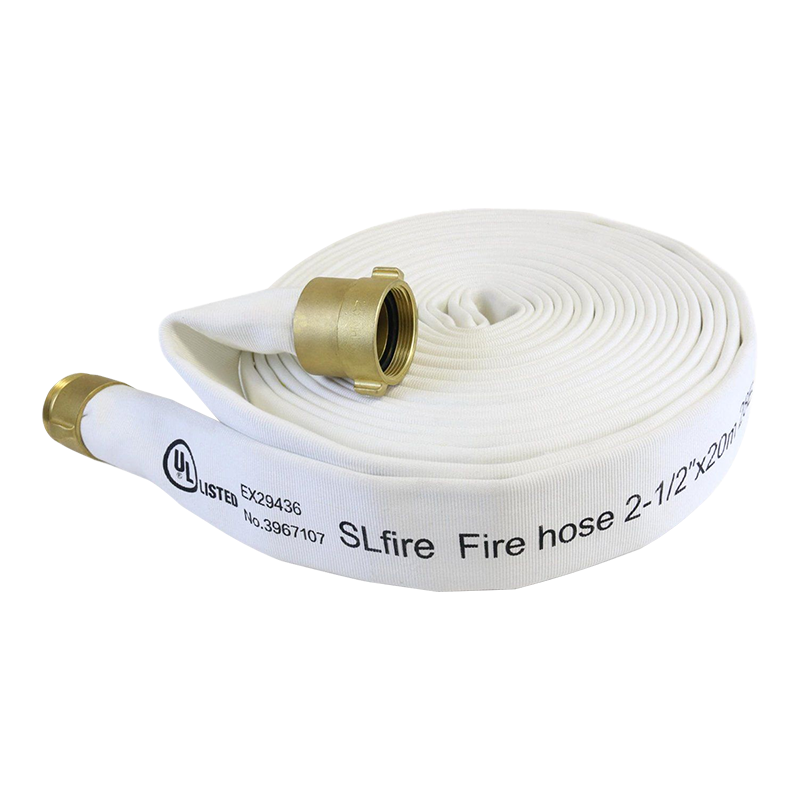
Single jacket, EPDM rubber liner Features • 100% high tenacity polyester jacket, high-grade EPDM rub...
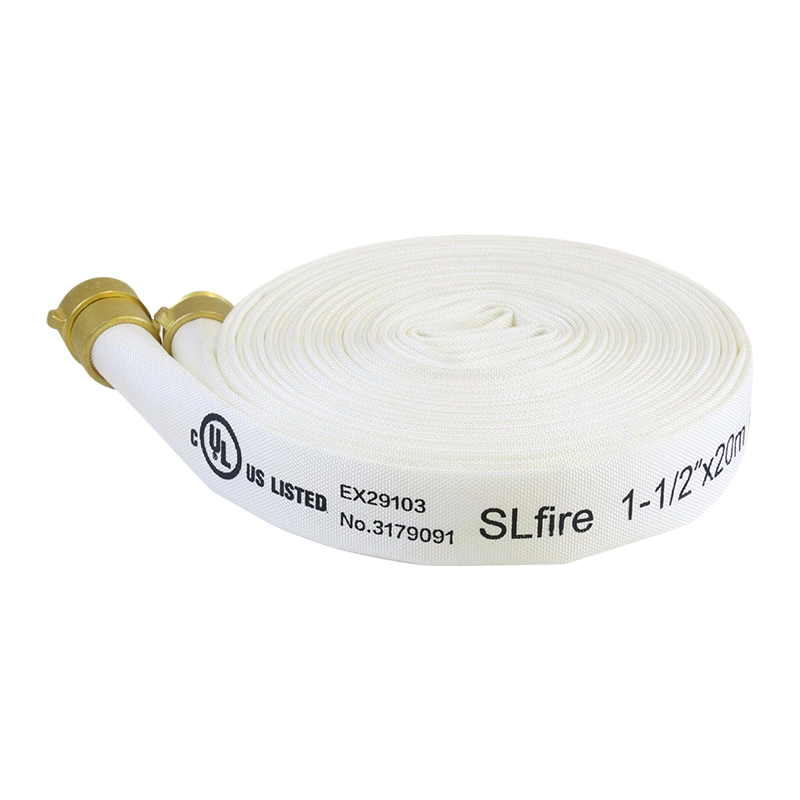
Single jacket, TPU liner •High-tenacity polyester yarn, circular woven in twill weave/plain weave,T ...
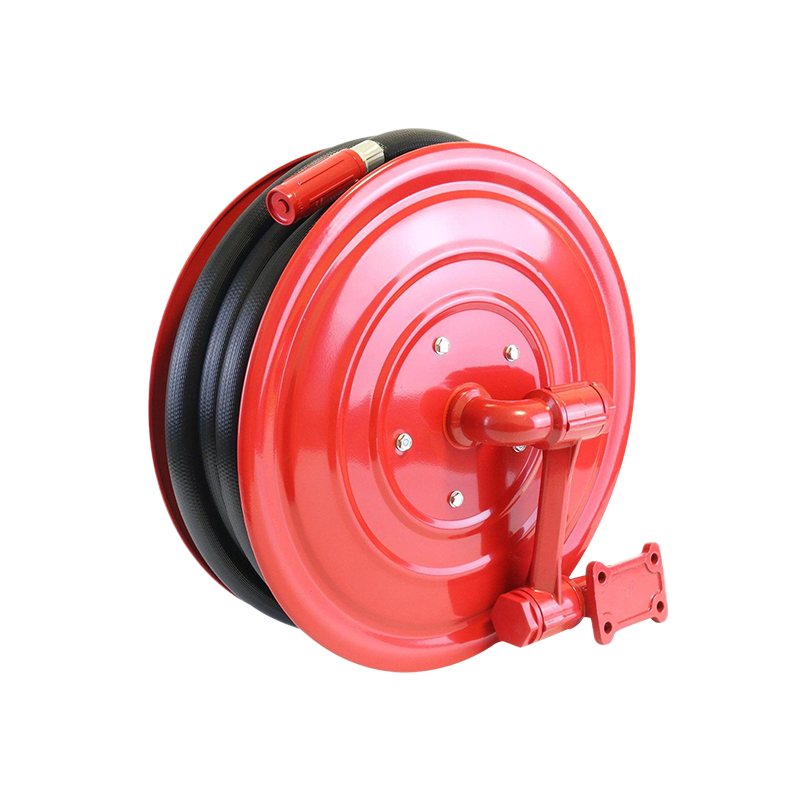
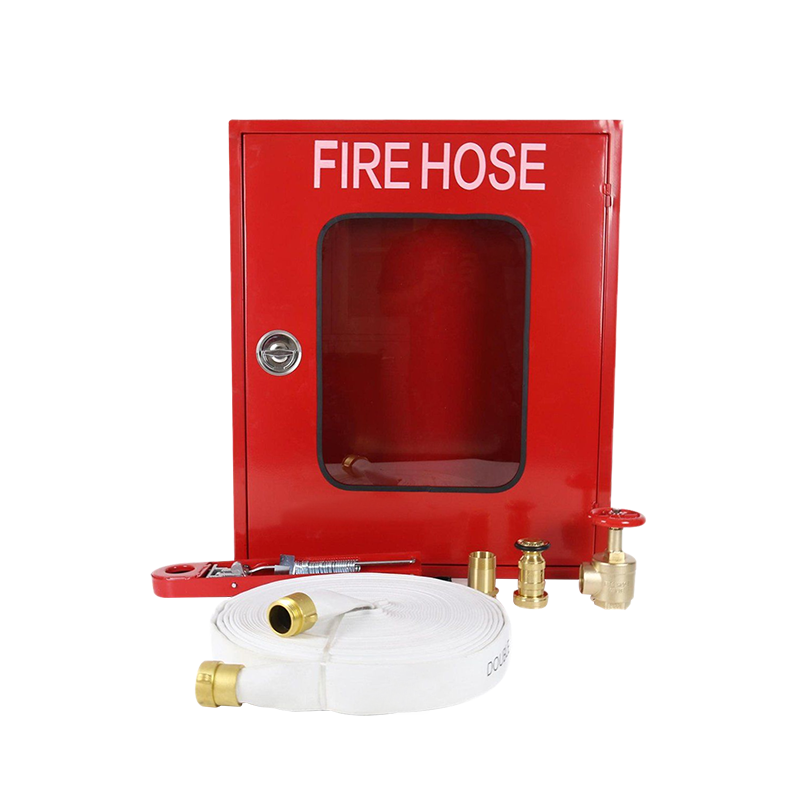
Fire cabinets are designed to accommodate fire hose,valve and other firefighting equipment. Type 201...
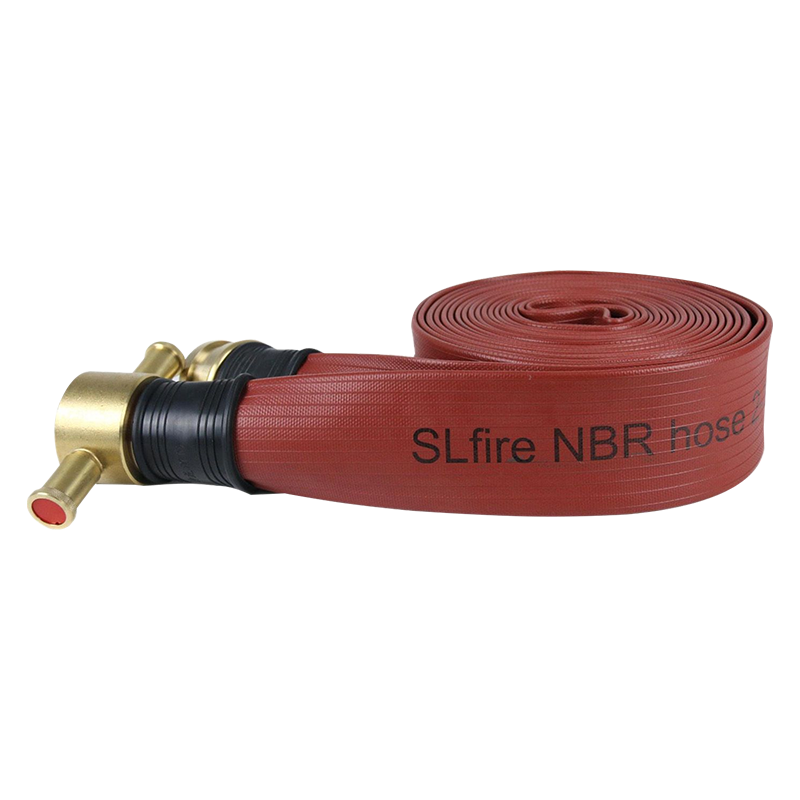
Nitrile covered hose •Nitrile/TPR blend as cover and lining, with 100% high-tenacity polyester yarn ...
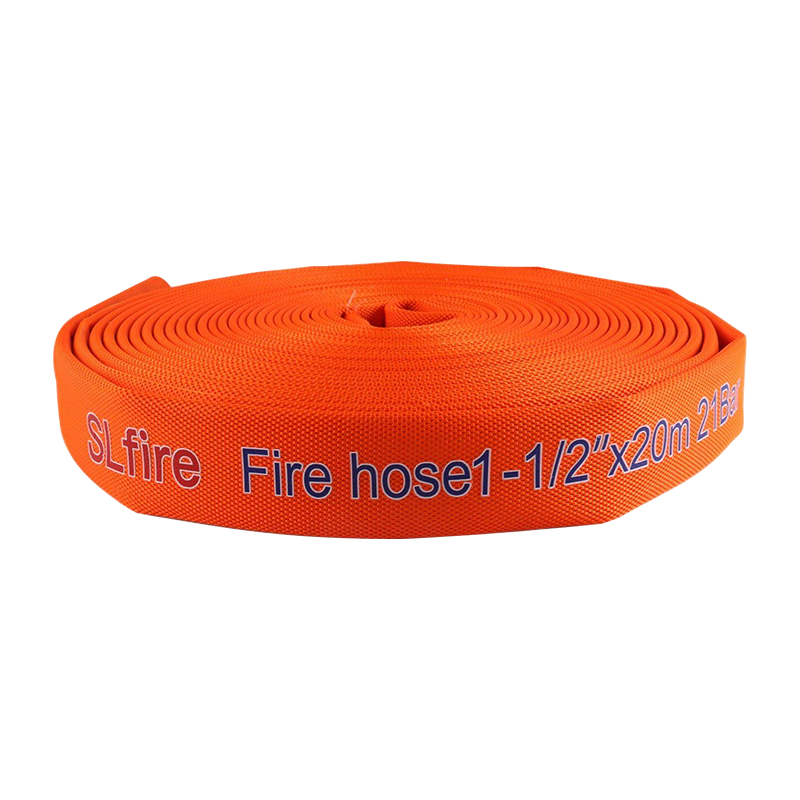
Single jacket, TPU liner •High-tenacity polyester yarn, circular woven in twill weave, TPU lining, f...
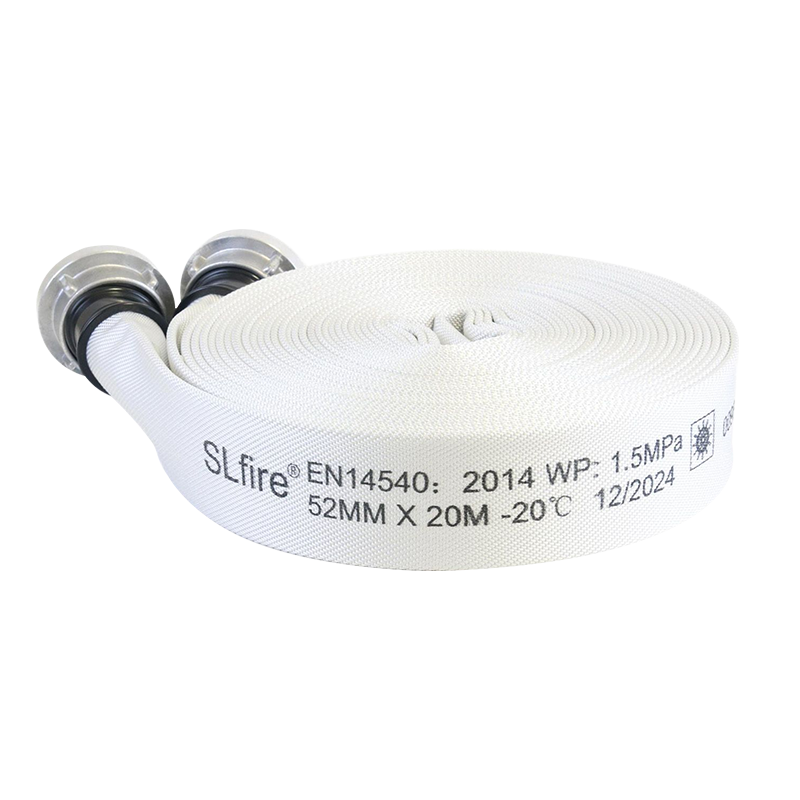
Marine hose Single jacket, PVC liner •100% high tenacity polyester yarn, circular woven in twill wea...
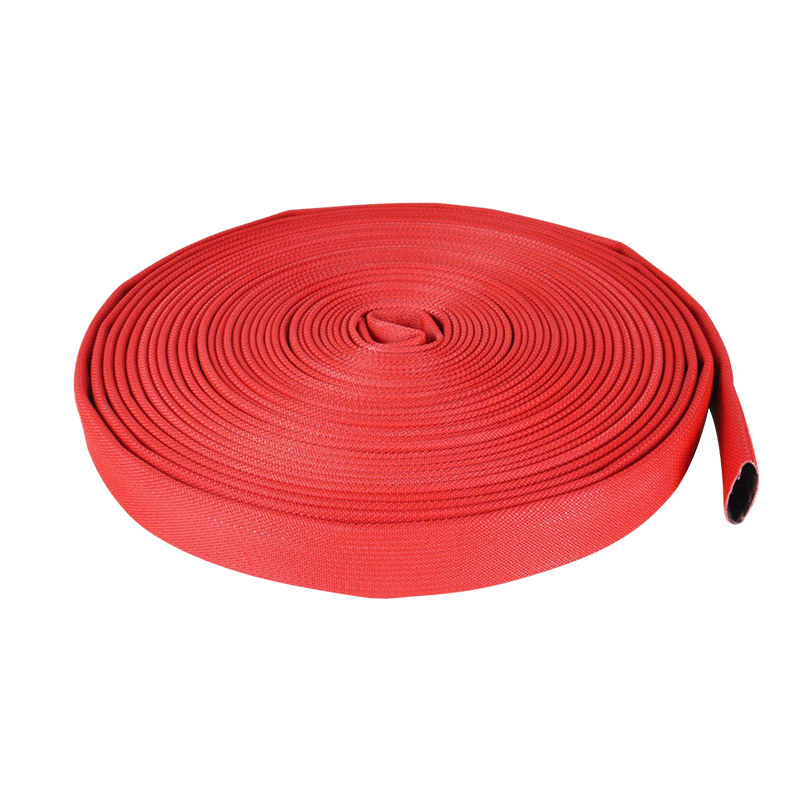
Marine hose Single jacket, PVC liner, PU coated •100% high tenacity polyester yarn,c ircular woven i...
 Call Us
+86 159-5116-9511
Need Support
Head Office
No.58, Kechuang Road, Sixiang Street Medicine Gaoxin District Taizhou City, Jiangsu Province

At a structure fire, the first line off the truck is the one that does the hardest work. Pulled around obstacles, dragged across gravel, charged with high-pressure water, and shut off at the nozzle d...
Copyright © Taizhou Shenlong Fire Science and Technology Co., Ltd. All Rights Reserved.
 Fire Hose Manufacturers, Fire Hydrant Hose Factory