

 English
 русский
 Español
 Deutsch
 عربى
 Français
 Português
Don't hesitate to send a message

Single jacket, EPDM rubber liner Features • 100% high tenacity polyester jacket, high-grade EPDM rub...
Content
Reliable water delivery depends on more than the hose alone. The nozzle at the end of a fire, industrial, agricultural, or utility hose determines how effectively water can be directed, controlled, and distributed. A well-designed nozzle must withstand demanding working conditions, provide a stable outlet stream, remain comfortable during operation, and support efficient use of available water. The 70mm FRENCE Hose Nozzle is designed around these practical requirements, offering a durable alumilum alloy construction, a precision-engineered outlet, and an ergonomic operating handle for professional users.
With a 70mm inlet size, this nozzle is intended for applications requiring a substantial water supply and dependable flow control. It is suitable for demanding environments where equipment may be exposed to frequent use, rough handling, moisture, pressure fluctuations, and the need for immediate response. Its robust structure helps support long service life, while its controlled outlet assists operators in directing water accurately toward the required area.
The nozzle is part of a broader range of fire and fluid-handling products manufactured by Taizhou Shenlong Fire Science and Technology Co., Ltd. The company has operated since 1995 and combines research and development, production, sales, and service. Its experience with lined fire hoses and related products provides an important foundation for understanding the connection between hose construction, couplings, nozzles, and complete water-delivery systems.
This article examines the design, performance benefits, manufacturing considerations, application value, and selection factors associated with the 70mm FRENCE Hose Nozzle. It also explains how the company’s product experience, production capabilities, and customer-oriented approach contribute to a dependable supply solution for distributors, contractors, fire-safety organizations, agricultural operators, and industrial users.
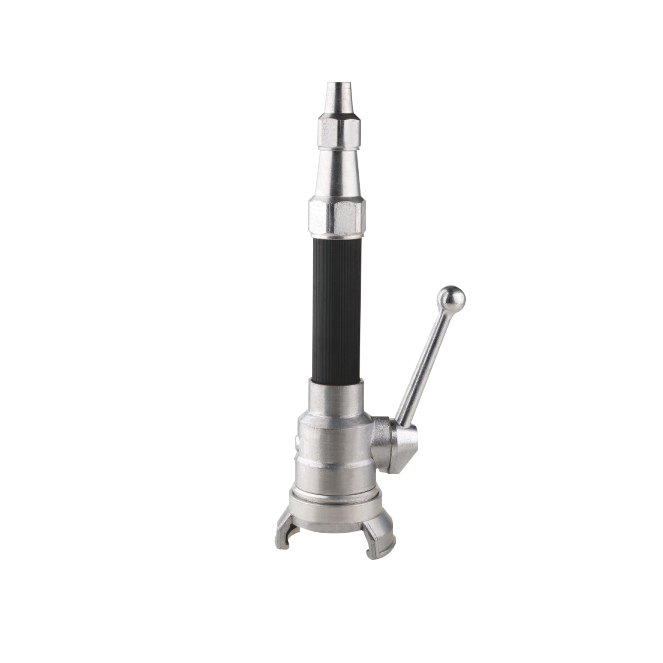
70MM FRENCE Hose Nozzle
The 70mm FRENCE Hose Nozzle is a professional water-discharge accessory with a 70mm inlet size. It is manufactured from alumilum alloy, a lightweight metal material selected for its combination of strength, corrosion resistance, and practical handling characteristics. The nozzle is designed to provide a controlled and consistent water outlet, helping operators apply water where it is needed instead of allowing an uncontrolled or poorly directed stream.
The product’s primary value lies in the relationship between its material, outlet geometry, and operating design. A strong body helps resist impact and daily wear. A carefully formed outlet supports predictable water movement. An ergonomic handle makes it easier for an operator to hold and position the nozzle, particularly during extended work or situations in which the user must adjust the direction of discharge quickly.
| Product Item | 70mm FRENCE Hose Nozzle |
| Product Category | Hose Nozzles |
| Material | Alumilum alloy |
| Inlet Size | 70mm |
| Primary Function | Controlled water discharge and directional flow |
| Typical Application Areas | Fire protection, industry, construction, agriculture, water management, and general utility use |
The 70mm inlet is an important specification because it identifies the connection size required for system compatibility. Before ordering, users should confirm the internal and external dimensions of the connecting hose, coupling, adapter, or valve. A correct connection helps maintain system integrity and reduces the risk of leakage, instability, or unnecessary pressure loss.
Although the nozzle is compact compared with a complete hose assembly, its influence on practical performance can be significant. The final discharge point is where operators convert pressurized water into a useful stream. If the nozzle is difficult to handle, poorly matched to the hose, or unable to maintain a stable outlet, the performance of the entire system may be reduced. This product is intended to provide a dependable terminal component for systems that require controlled delivery.
Water-delivery equipment must function under conditions that are not always predictable. Firefighting personnel may need to work rapidly in difficult environments. Industrial users may handle water, cleaning solutions, or process fluids for long periods. Agricultural users may need to direct water over a broad area while reducing unnecessary consumption. Construction and water-management teams may require a nozzle that can be moved, stored, connected, and reused frequently.
In each of these situations, the nozzle affects three central performance factors: control, coverage, and operator effort. Control refers to the ability to direct the discharge with confidence. Coverage refers to how effectively the water reaches the intended surface, zone, or hazard. Operator effort includes the physical force, grip, positioning, and adjustment required to use the equipment safely and efficiently.
The 70mm FRENCE Hose Nozzle addresses these factors through a precision-engineered outlet and ergonomic handle. The outlet is designed to help produce a consistent flow pattern rather than a random or unstable discharge. The handle provides a practical contact point for the user, supporting better positioning and more comfortable operation. Together, these features help transform the hose into a more manageable and effective working tool.
A nozzle also has to withstand the mechanical forces created by water movement. Larger inlet sizes can support substantial flow, but they may also produce considerable reaction force at the outlet. The body and handle must therefore be sufficiently robust for controlled operation. Alumilum alloy construction provides a useful balance between strength and manageable weight, helping users handle the nozzle without adding unnecessary bulk to the system.
Good nozzle design can also contribute to water efficiency. A controlled stream helps limit overspray, uneven distribution, and avoidable discharge outside the target area. In firefighting, accurate application can help concentrate water on a developing hazard. In agriculture, better direction can reduce water loss between the nozzle and the crop or soil. In industrial cleaning, controlled delivery can improve coverage while reducing excess water and cleanup requirements.
The nozzle is made from alumilum alloy as specified for the product. This material is selected for demanding equipment because it can provide useful strength without the excessive weight associated with some heavier metals. A lighter nozzle is easier to transport, connect, position, and operate, particularly when the hose itself is full of water and already presents a significant handling load.
Material selection affects both service performance and user experience. A nozzle must resist the repeated stresses caused by connection and disconnection, movement across work areas, accidental contact with surrounding surfaces, and exposure to water. A durable alloy body can help preserve the shape of the inlet and outlet, protect the internal passage, and maintain the overall structure during repeated use.
Alumilum alloy is also suitable for equipment exposed to moisture. While no metal component should be neglected during maintenance, an appropriate alloy can support resistance to ordinary environmental exposure when the product is correctly used, cleaned, dried, and stored. This is valuable for fire and agricultural equipment, which may be used outdoors or placed in storage between operations.
The material’s lower weight can offer advantages over heavier alternatives. A heavy nozzle can increase fatigue, make directional changes slower, and place additional strain on the hose connection. By contrast, a lighter alloy body can make it easier for an operator to maintain a stable position. This does not eliminate reaction force from the water stream, but it can improve the overall manageability of the assembly.
Material performance is also connected to manufacturing accuracy. A high-quality alloy body must be formed, machined, and finished consistently. Irregularities in the internal passage or connection area can affect flow, sealing, and installation. For this reason, a reliable manufacturing process is just as important as the nominal material specification. The value of the 70mm FRENCE Hose Nozzle comes from the combination of alloy selection and controlled production.
The outlet is the part of the nozzle that directly shapes the water stream. Its internal geometry influences the direction, continuity, and concentration of the discharge. A precision-engineered outlet supports more predictable flow, allowing the operator to aim the water with greater confidence. Consistency is especially important when the nozzle is used for emergency response, equipment cleaning, crop watering, or other tasks that depend on accurate coverage.
An uncontrolled outlet may produce turbulence, irregular spray, or a stream that changes noticeably as the operator moves the nozzle. These problems can make the equipment harder to use and may result in water being applied outside the desired area. By contrast, a carefully manufactured outlet can help maintain a stable discharge pattern and support more efficient water placement.
Controlled flow is not the same as restricted flow. The goal is to guide and organize the water rather than create unnecessary resistance. The correct balance depends on the hose, pump, pressure, coupling, and application. The 70mm FRENCE Hose Nozzle is designed to work as part of a complete water-delivery system, so users should evaluate the nozzle together with the upstream equipment instead of treating it as an isolated component.
For emergency services, a predictable outlet can help personnel apply water to a fire area while maintaining better control of the hose line. For industrial operations, it can assist with rinsing, washdown, or surface cleaning. For agriculture, it can support more deliberate watering patterns. For construction and water-management tasks, it can provide useful directional control when water must be moved across a work site.
The outlet’s performance should be maintained through regular inspection. Dirt, sediment, scale, or foreign material can interfere with water movement and change the discharge pattern. Operators should inspect the outlet after use, flush the nozzle when necessary, and avoid using tools or cleaning methods that could damage the opening. Proper care helps preserve the precision designed into the product.
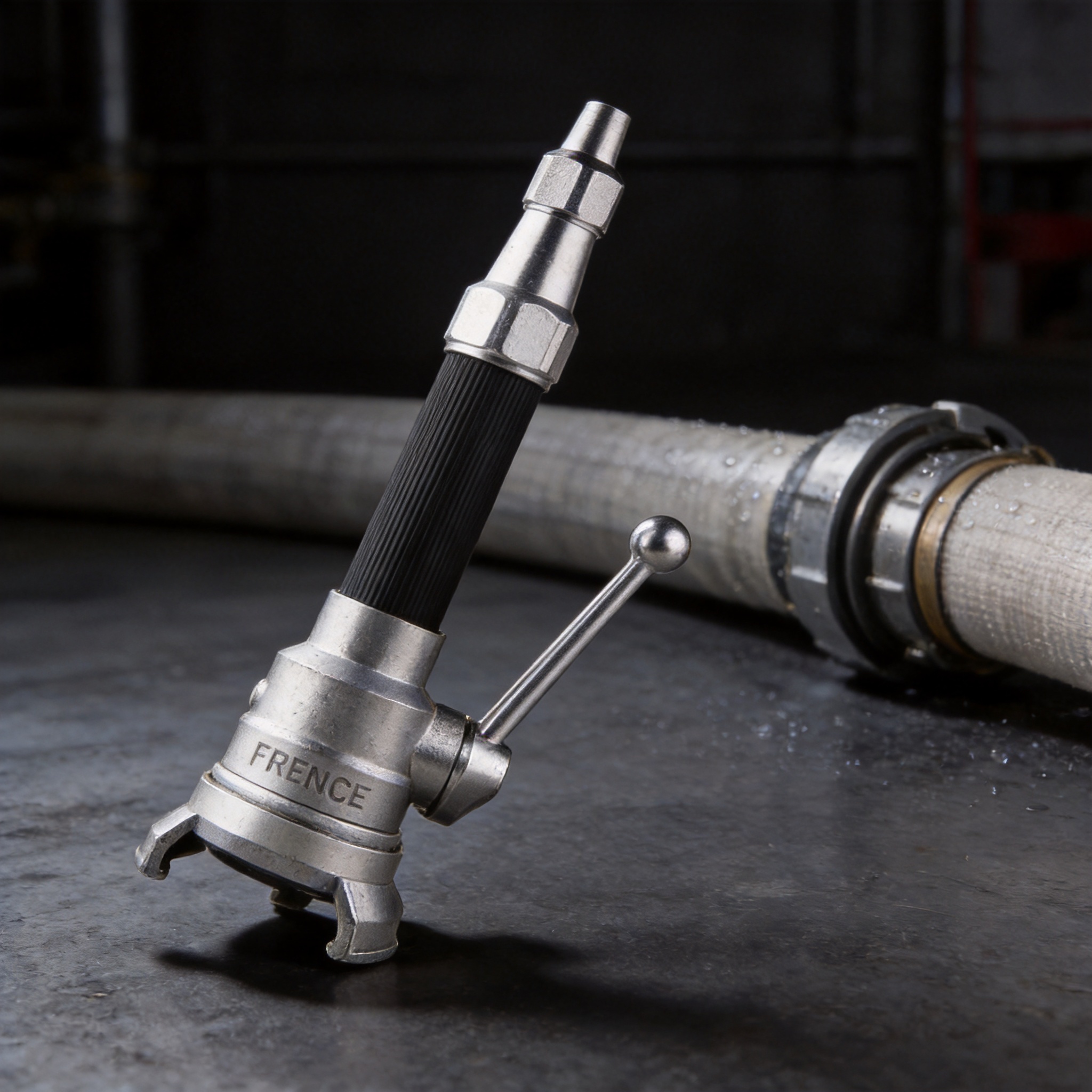
A hose nozzle is only effective when an operator can control it safely. Water pressure creates movement at the discharge point, and the hose may become heavy when filled. The ergonomic handle on the 70mm FRENCE Hose Nozzle is designed to provide a comfortable grip and a practical operating position. This feature supports better handling during both short tasks and extended use.
Comfort is not simply a convenience. It can affect accuracy, endurance, and safety. When a user’s grip becomes uncomfortable, the operator may shift position repeatedly, lose alignment, or require assistance to manage the hose. An appropriately shaped handle helps distribute the holding force more naturally and gives the operator a stable point from which to direct the outlet.
The handle also makes it easier to position the nozzle during changing conditions. A user may need to adjust the discharge angle, follow a moving work area, or move around an obstacle. A practical grip supports these movements without requiring the operator to hold the main body in an awkward way. This can be particularly valuable in fire response, where personnel need to react quickly and coordinate with other team members.
Ergonomics are also important for agricultural and industrial users who may operate equipment repeatedly throughout the day. Reduced hand strain can support more consistent work and lower the likelihood of premature fatigue. The benefit becomes more noticeable when the nozzle is used with a long hose, elevated flow rate, or frequent repositioning.
Users should still observe safe handling procedures. The handle does not remove the need to assess pressure, hose condition, connection security, and operator position. Where water reaction force is substantial, two-person operation or additional hose support may be appropriate. The handle is intended to improve control, not to replace proper training or system planning.
Many basic nozzles are designed primarily to provide a connection between a hose and a discharge opening. While they may be inexpensive, they can lack the material quality, dimensional consistency, comfort, and outlet control required for professional use. A low-quality nozzle may deform at the connection, develop rough internal surfaces, become difficult to grip, or provide an inconsistent water pattern.
The 70mm FRENCE Hose Nozzle offers several advantages when compared with a basic, poorly manufactured alternative. First, the alumilum alloy body is designed for durable service and practical handling. Second, the precision-engineered outlet supports a more controlled flow. Third, the ergonomic handle improves operator comfort and positioning. Finally, the product is supported by a manufacturer with long-term experience in fire hose production and related water-delivery products.
Durability can reduce the frequency of replacement. In demanding workplaces, equipment is often moved across hard surfaces, exposed to changing weather, and connected to hoses many times. A robust nozzle can remain useful through repeated service, helping users protect their investment and reduce interruptions caused by damaged terminal equipment.
Controlled flow can also provide an operational advantage. When the stream is easier to predict, users can apply water more accurately. This may improve work quality and reduce waste. In applications where water availability, pumping cost, or drainage capacity matters, avoiding unnecessary discharge can have a direct financial and environmental benefit.
Comfort is another differentiating factor. A nozzle that is technically functional but uncomfortable may reduce productivity and increase operator fatigue. The ergonomic handle of this product addresses the practical reality that people must hold and direct the equipment. A design that considers the user as well as the fluid path is better suited to professional work.
Finally, product value depends on supply reliability. A capable manufacturer can provide more than a single item; it can offer related hoses, couplings, fire accessories, cabinets, and other products needed for complete system planning. This broader capability helps distributors and project buyers simplify sourcing and maintain greater consistency across product categories.
Fire protection is one of the most important application areas for a 70mm hose nozzle. During a fire response, water must be delivered quickly, accurately, and with sufficient force to affect the hazard. The nozzle must also be manageable by trained personnel who may work in heat, smoke, limited visibility, or difficult terrain.
The 70mm inlet makes the nozzle suitable for systems designed around a substantial hose connection. Its robust alloy construction supports use in demanding environments, while the controlled outlet helps operators direct water toward the fire, surrounding surfaces, or exposed structures. The ergonomic handle assists with positioning and may help personnel maintain better control during operation.
Fire departments, industrial fire teams, commercial facilities, warehouses, construction sites, and municipal service organizations may evaluate this type of nozzle as part of their water-delivery equipment. The final selection should always be based on the required flow rate, operating pressure, connection standards, training procedures, and local regulations.
A nozzle should be regarded as one component in a coordinated fire-protection system. The hose must have suitable pressure and abrasion performance. Couplings must be correctly installed and secured. Pumps, hydrants, valves, and water sources must supply the required operating conditions. Cabinets and storage arrangements should protect the equipment while keeping it accessible. When these components are selected as a complete system, the value of the nozzle can be fully realized.
Routine inspection is essential for emergency equipment. Fire-service users should check the nozzle for cracks, dents, damaged threads, contamination, blocked openings, and signs of corrosion or abnormal wear. The handle should remain secure, and the connection should mate correctly with the intended coupling. After use, the nozzle should be rinsed if necessary, drained, dried, and returned to a designated storage location.
Industrial facilities use hose nozzles for equipment washdown, floor cleaning, process-area maintenance, cooling, dust suppression, and general water handling. Construction projects may use them for site cleaning, concrete-related work, dust control, soil wetting, and other temporary or permanent water-delivery tasks.
In these environments, equipment is often used frequently and exposed to rough conditions. A nozzle may be placed on concrete, dragged short distances, connected to different hose assemblies, or used in areas containing dust, mud, oil residue, and construction materials. The robust alumilum alloy body is intended to provide the durability needed for such conditions, while the ergonomic design supports repeated handling.
Controlled discharge is valuable in industrial washdown because excessive water can increase cleanup requirements, drainage loads, and operating costs. A stable stream gives personnel a better chance of targeting equipment surfaces and contaminated areas. In construction, controlled water application can help limit airborne dust without saturating nearby materials unnecessarily.
Industrial buyers should consider the fluid being handled. The product information identifies the nozzle for water delivery. If the nozzle will be exposed to chemicals, solvents, oils, abrasive particles, or high-temperature fluids, the purchaser should confirm material compatibility and operating limits before use. The nozzle should not be assumed suitable for every fluid simply because it is made from alloy.
Construction contractors can also benefit from standardized equipment. When hoses, couplings, and nozzles are selected from compatible specifications, field installation becomes easier and replacement planning is more efficient. A 70mm nozzle can serve as a consistent terminal component for projects that use matching hose assemblies across multiple work zones.
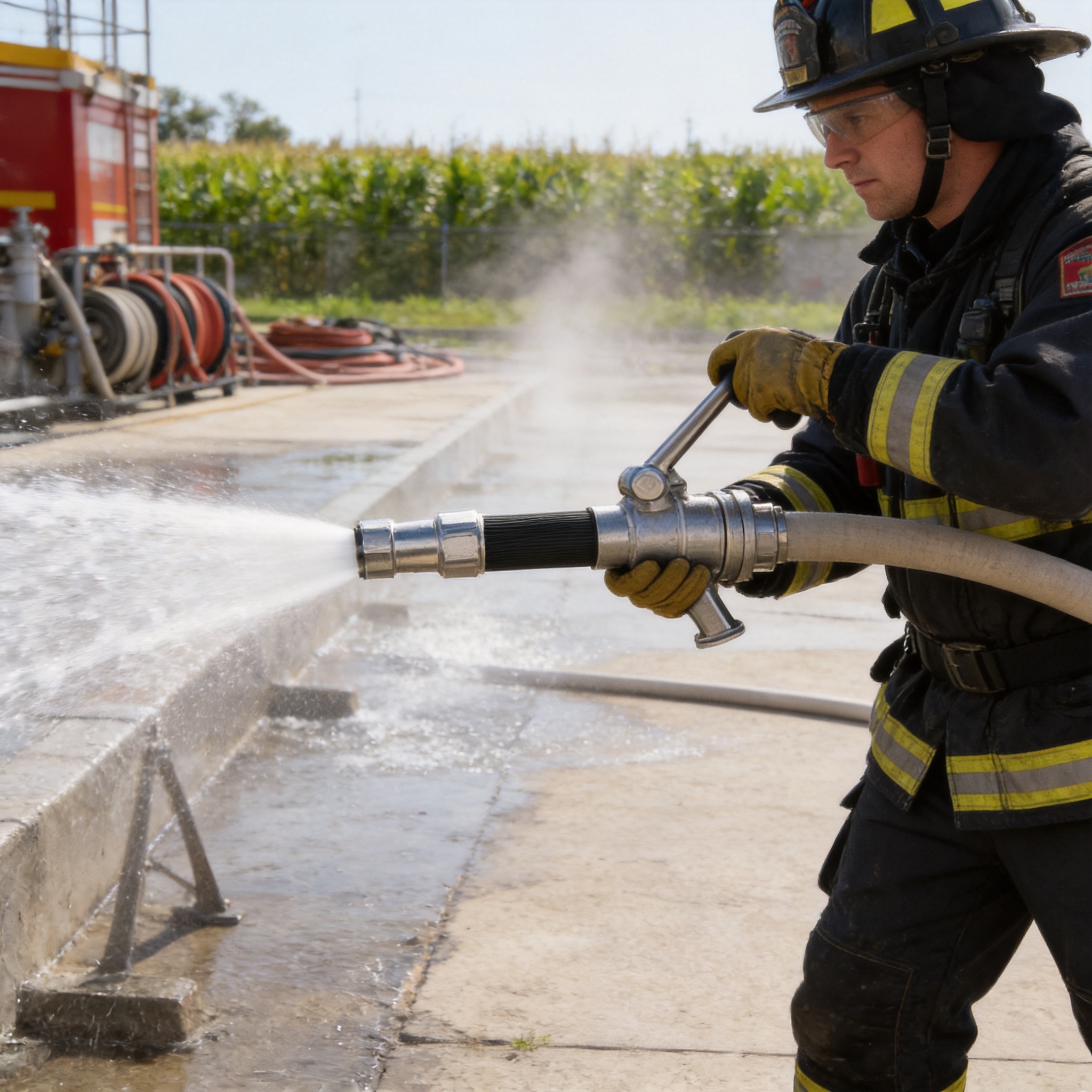
Agricultural operations require flexible water-delivery equipment for crop care, livestock-area cleaning, greenhouse maintenance, soil preparation, and general farm service. A nozzle must be easy to move around buildings, fields, storage areas, and irrigation points. It should also provide sufficient control to apply water without causing unnecessary runoff or damaging sensitive surfaces.
The 70mm FRENCE Hose Nozzle can be considered for agricultural tasks where a larger hose connection and directed water flow are required. Its ergonomic handle supports repeated movement, while the controlled outlet helps users concentrate water on the intended area. The alloy body offers a practical balance of durability and manageable weight for outdoor use.
Efficient water application is increasingly important in agriculture. Water that lands outside the target zone may contribute little to crop health while increasing consumption and runoff. A controlled nozzle cannot replace proper irrigation planning, but it can give the operator more influence over the direction and coverage of the stream.
Farm and irrigation users should protect the nozzle from sediment and debris. Open water sources may contain sand, organic material, or other particles that can enter the hose system. Suitable filtration, regular flushing, and inspection can help reduce the risk of blockage. After use, the nozzle should be drained and stored in a location that limits unnecessary exposure to mud, fertilizer, and corrosive substances.
Water-management teams may also use this type of nozzle for drainage support, channel maintenance, site watering, or municipal utility work. In each case, compatibility with the hose and coupling system should be verified. The correct inlet size is essential for a secure connection and reliable field performance.
Taizhou Shenlong Fire Science and Technology Co., Ltd. was founded in 1995. The company integrates research and development, production, sales, and service, creating a structure that supports product improvement and customer communication. Its primary product range includes lined fire hoses made from various materials, while its broader business also covers related foreign-trade products according to customer requirements.
This experience is relevant to the 70mm FRENCE Hose Nozzle because nozzle performance is closely connected to the wider hose system. A manufacturer familiar with fire hoses understands the importance of connection dimensions, flow behavior, pressure demands, material selection, storage, and field use. Such knowledge can support more practical product development than designing a nozzle without considering the rest of the system.
The company’s production background includes cooperation with domestic foreign-trade companies and the supply of products to many countries. Its products are sold across more than 20 provinces, cities, and autonomous regions and are used in fire protection, construction, water conservancy, and other industries. This range of markets exposes the company to different operating conditions, purchasing requirements, and application expectations.
Manufacturing strength is not limited to machinery. It also includes product organization, quality awareness, technical communication, order management, and after-sales service. A supplier that can coordinate these functions is better positioned to support repeat orders, distributor programs, project requirements, and customized sourcing requests.
For the nozzle itself, a disciplined production process should include material preparation, body forming or machining, outlet formation, handle assembly, dimensional inspection, surface finishing, and functional checks. The exact process may vary according to production volume and equipment, but every stage should contribute to consistent connection size, smooth water passage, secure assembly, and reliable appearance.
The first manufacturing consideration is the preparation of the alumilum alloy. The material must be suitable for forming or machining and free from defects that could compromise the body. Consistent material quality helps support stable production and reduces variation between individual units.
During body formation, attention should be given to wall thickness, connection areas, transitions, and structural sections around the handle. These areas experience different mechanical demands. A sound production process aims to produce a body that is strong enough for service while avoiding unnecessary weight.
Machining or finishing operations help establish the dimensions of the inlet, outlet, threads, sealing surfaces, and handle attachment points. Dimensional accuracy is essential because the nozzle must connect to compatible hose assemblies and couplings. Even a small inconsistency can make installation difficult or create leakage at the joint.
Manufacturers should use appropriate measuring tools and inspection procedures to verify critical dimensions. The 70mm inlet specification gives buyers a clear starting point, but the complete connection must also be evaluated for tolerance, sealing method, and compatibility with the intended system.
The outlet requires particular attention because it directly influences discharge quality. Internal roughness, burrs, misalignment, or contamination can disturb the water stream. Careful finishing helps create a cleaner passage and supports the controlled flow expected from a precision-engineered outlet.
Functional checks may include visual inspection, water testing, leakage checks, and evaluation of the discharge pattern under suitable conditions. These checks help identify issues that may not be visible from external appearance alone.
The ergonomic handle must be securely attached and positioned so the operator can hold the nozzle naturally. Final inspection should confirm that the handle is stable, the body is free of major defects, the inlet is unobstructed, and the outlet is properly formed.
Quality control is most effective when it is integrated throughout production rather than performed only at the end. Incoming material checks, process monitoring, in-process measurements, and final inspection together provide better control than a single final review. This approach can help manufacturers identify problems earlier and maintain more consistent output.
Buyers of fire and water-handling equipment often need more than one product. A project may require hose, nozzle, couplings, fire accessories, cabinets, and replacement components. Sourcing these items from a manufacturer with a broader product range can reduce communication complexity and make it easier to coordinate specifications.
Taizhou Shenlong Fire Science and Technology Co., Ltd. offers product categories that include fire hose, industrial hose, agricultural hose, hose couplings, hose nozzles, fire accessories, fire cabinets, and trenchless rehabilitation hose. This range allows customers to discuss individual components in the context of a complete fluid-handling or fire-protection system.
Integrated product capability may also help distributors build a more coherent catalog. Instead of handling unrelated products from many sources, a distributor can develop product packages around compatible hose sizes, connection types, and application areas. This can support inventory planning and make it easier for end users to identify suitable combinations.
For export buyers, communication and service are also important. The company’s experience with foreign-trade cooperation and international product supply indicates familiarity with overseas business requirements. Customers should still confirm specifications, packaging, documentation, delivery terms, testing expectations, and applicable standards for each order.
Customization may be considered where project requirements differ from standard products. Custom requests can involve packaging, labeling, connection arrangements, product combinations, or other commercial details. Any customization should be confirmed in writing before production so that both parties share the same understanding of materials, dimensions, quantities, testing, and delivery.
Purchasing managers should begin by identifying the intended application. A nozzle for emergency fire response may have different performance priorities from one used for agricultural watering or industrial cleaning. Understanding the operating environment helps determine whether the standard 70mm configuration is appropriate.
The next step is to verify the hose and coupling connection. The 70mm inlet must match the intended system. Buyers should check nominal size, connection style, sealing method, pressure requirements, and any local or project-specific standards. If several suppliers use different interpretations of nominal dimensions, technical drawings or samples may be useful before placing a large order.
Operating pressure and flow should also be evaluated. The performance of a nozzle depends on the water source, pump, hose diameter, hose length, elevation changes, valves, and other components. A nozzle should be selected as part of the complete hydraulic system. Buyers should request technical confirmation when the application involves unusual pressure, continuous operation, elevated temperature, or non-standard fluids.
Quantity and service conditions influence the purchasing decision. A facility requiring one replacement nozzle may prioritize immediate availability, while a distributor may need stable production capacity, packaging consistency, and repeat-order support. Project buyers may require inspection records, product identification, and coordinated delivery with hoses or other accessories.
Finally, buyers should consider total cost rather than only purchase price. A durable, comfortable, and controllable nozzle may reduce replacement frequency, labor interruptions, water waste, and operator fatigue. The most economical option is often the one that performs consistently throughout its expected service period.
| Selection Factor | Questions to Consider |
| Inlet Compatibility | Does the 70mm inlet match the hose, coupling, valve, and adapter? |
| Material | Is alumilum alloy appropriate for the water, environment, and handling conditions? |
| Flow Requirements | Does the nozzle suit the available pump pressure and required discharge pattern? |
| Operator Needs | Will the handle provide suitable control during the intended duration of use? |
| Maintenance | Can the nozzle be inspected, flushed, dried, and stored conveniently? |
| Supply Support | Can the supplier provide consistent quality, repeat orders, documentation, and related products? |

Before installation, inspect the nozzle, hose, coupling, and sealing surfaces. Confirm that the connection areas are clean and free from sand, metal fragments, thread damage, or other contamination. Foreign material between mating surfaces can prevent proper engagement and lead to leakage.
Connect the nozzle without forcing it. If the threads or coupling do not align smoothly, stop and inspect the components rather than applying excessive torque. Forced installation can damage the connection and make future removal more difficult. The connection should be secure but should not be tightened beyond the recommendation for the specific coupling system.
Before opening the water supply fully, position the nozzle in a safe direction and confirm that all personnel are clear of the discharge path. Increase flow gradually where practical. This allows the operator to assess the reaction force, verify the connection, and establish a stable stance before full operation.
During use, hold the nozzle with both hands when required by pressure or hose size. Keep a balanced posture and avoid standing directly behind an unstable hose line. Operators should communicate with other personnel, especially when the hose is long, the water source is remote, or the nozzle is being used in an emergency environment.
Do not use the nozzle as a lever, hammer, lifting point, or structural support. Avoid dragging it over abrasive surfaces whenever possible. Although the alloy body is designed for demanding use, unnecessary impact and misuse can shorten service life.
After use, close the water supply safely and release residual pressure before disconnecting the nozzle. Flush out sediment or contaminants if necessary. Drain the nozzle, dry the exterior, and inspect the outlet and connection area. Store it in a clean, dry, accessible location where it will not be crushed or exposed to avoidable chemical contamination.
Regular maintenance helps preserve the nozzle’s performance. A simple maintenance program should include visual inspection, cleaning, connection checks, outlet inspection, and storage control. The frequency depends on use. Emergency equipment kept in readiness should be inspected according to the organization’s established schedule, while industrial or agricultural equipment may require inspection after each major use.
Look for dents, cracks, loose handle components, damaged sealing surfaces, unusual discoloration, blocked openings, and deformation around the inlet. Any defect that could affect pressure containment, flow, or operator control should be evaluated before the nozzle is returned to service.
Cleaning should be appropriate for the material and the application. Water and a soft brush may be sufficient for ordinary dirt. If the nozzle has been exposed to salt, fertilizer, mud, or industrial residue, it may require more careful rinsing. Avoid harsh chemicals unless their compatibility with the alloy and any associated components has been confirmed.
The outlet should remain clear. A partially blocked opening may change the water pattern and increase operator difficulty. Do not insert sharp objects that could scratch or distort the outlet. If deposits cannot be removed using safe cleaning methods, the nozzle should be referred for professional assessment or replacement.
Storage conditions can influence service life. Keeping the nozzle dry and protected from impact reduces the risk of unnecessary deterioration. If the product is stored in a fire cabinet, the cabinet should be arranged so that the nozzle can be removed quickly without damaging the handle or connection.
Maintenance records can be useful for commercial and emergency organizations. Recording inspection dates, observed conditions, repairs, and replacement decisions helps managers identify recurring problems and plan inventory. It also supports a more systematic approach to equipment readiness.
Quality is a combination of design, material, production consistency, inspection, and customer support. A technically attractive nozzle has limited value if the delivered product varies significantly from the approved specification. Buyers therefore benefit from working with a supplier that treats manufacturing and service as connected responsibilities.
The company’s integrated structure, covering research and development, production, sales, and service, supports communication across the product life cycle. Feedback from customers can inform development. Production teams can respond to confirmed specifications. Sales personnel can clarify application requirements. Service teams can assist with product information and after-sales questions.
Long-term experience in fire hose manufacturing also contributes to practical reliability. Since 1995, the company has developed products for fire protection, construction, water conservancy, and other industries. The ability to serve multiple industries encourages attention to different environmental conditions, installation needs, and purchasing expectations.
Customers evaluating the 70mm FRENCE Hose Nozzle should request the information appropriate to their project. This may include material confirmation, inlet dimensions, product drawings, packaging details, inspection arrangements, and compatibility guidance. Clear technical communication before shipment helps prevent misunderstandings after delivery.
For wholesalers and distributors, consistent product identification is important. The product name, size, material, packaging, and application information should remain clear throughout the supply chain. Accurate labeling helps warehouse teams, sales staff, installers, and end users select the correct nozzle and avoid mixing incompatible components.
Water conservation is an important consideration across fire protection, industry, agriculture, and construction. A nozzle cannot determine the entire efficiency of a water system, but it does influence how water leaves the hose and reaches the work area. Controlled discharge can reduce unnecessary overspray and improve the operator’s ability to target the intended surface.
Efficient water use may also reduce energy consumption. Pumping, transporting, and disposing of water all require resources. If a controlled stream completes a task with less excess water, the system may reduce pumping time, drainage demand, and cleanup effort. These benefits depend on correct pressure, suitable hose design, and proper operator technique.
Durability contributes to sustainability as well. A product that remains functional for a longer period may require fewer replacements and less material consumption over its service life. Proper maintenance is essential to achieving this benefit. Damaged or poorly stored equipment may need replacement even when the basic material remains capable of further use.
At the end of its service life, the nozzle should be handled according to applicable local disposal and recycling requirements. Metal components may have recoverable value, but users should remove or manage any attached materials appropriately. Commercial facilities should follow their own environmental procedures.
The inlet size is 70mm. Users should confirm that the hose, coupling, adapter, and other connected components are compatible with this size before installation.
The product is specified as being made from alumilum alloy. This material provides a practical combination of strength, durability, and manageable weight for water-delivery applications.
The precision-engineered outlet is designed to provide a controlled and consistent water flow. This can help operators direct water more accurately, improve coverage, and reduce avoidable water waste.
The handle provides a more comfortable and stable grip. It helps operators position the nozzle, manage hose reaction force, and reduce hand strain during repeated or extended use.
It is designed for water-delivery applications and may be considered for fire-protection systems when its size, connection, flow, pressure, and operating characteristics match the requirements of the system. Fire-service users should also follow applicable regulations, training procedures, and inspection standards.
Yes, it can be considered for agricultural water-delivery tasks that require a 70mm connection and controlled directional flow. Users should protect the nozzle from sediment, fertilizer residue, and other contaminants and should confirm that the application matches the product’s intended water service.
Not necessarily. Nominal size alone may not guarantee compatibility. The connection type, dimensions, sealing method, pressure rating, and coupling standard should all be checked before use.
After use, flush out dirt or sediment, rinse the exterior, inspect the outlet, and allow the nozzle to dry. A soft brush may be used for ordinary contamination. Harsh chemicals and sharp cleaning tools should be avoided unless compatibility has been confirmed.
Potential application areas include fire protection, industrial washdown, construction, agriculture, water conservancy, utility work, and general water management. The specific suitability depends on the operating conditions and complete system configuration.
Buyers should confirm the inlet dimensions, connection style, material, operating requirements, packaging, inspection arrangements, order quantity, delivery schedule, and any customization requirements. For special fluids or unusual environments, material compatibility should also be discussed.
Taizhou Shenlong Fire Science and Technology Co., Ltd. has operated since 1995 and integrates research and development, production, sales, and service. Its experience with lined fire hoses and related products supports an understanding of complete water-delivery systems. The company also supplies products to multiple industries and international markets.
Users should avoid impact and misuse, keep the outlet clear, inspect the connection and handle, flush contaminants, release pressure before disconnection, and store the nozzle in a clean, dry, protected location. Regular inspections are particularly important for emergency-use equipment.
The 70mm FRENCE Hose Nozzle is designed to provide dependable water control in demanding environments. Its alumilum alloy body supports durability and manageable handling, while the 70mm inlet allows it to serve systems requiring a substantial water connection. The precision-engineered outlet helps provide a controlled and consistent discharge, and the ergonomic handle improves comfort and operator control.
Compared with basic nozzles that focus only on providing an outlet, this product addresses the wider requirements of professional use: material strength, flow consistency, connection reliability, handling comfort, and service practicality. These advantages can benefit fire departments, industrial facilities, construction contractors, farms, water-management teams, and distributors seeking a dependable nozzle for compatible hose systems.
The product is supported by the experience of Taizhou Shenlong Fire Science and Technology Co., Ltd., a company founded in 1995 with capabilities in research and development, production, sales, and service. Its background in lined fire hoses and related equipment provides a useful foundation for manufacturing products that function as part of complete water-delivery systems. Its broad product categories and experience serving domestic and overseas markets further support its role as a supply partner.
Correct selection, installation, operation, and maintenance remain essential. Buyers should verify compatibility with the hose and coupling, evaluate pressure and flow requirements, and follow suitable safety procedures. When properly matched to the application and maintained responsibly, the 70mm FRENCE Hose Nozzle can provide long-term value through reliable construction, precise water direction, and improved operator usability.
Taizhou Shenlong Fire Science and Technology Co., Ltd. Product Information: 70mm FRENCE Hose Nozzle.
Taizhou Shenlong Fire Science and Technology Co., Ltd. Corporate Profile and Product Category Information.
General Principles of Fire Hose, Coupling, and Nozzle System Selection.
Industrial Water-Delivery Equipment Maintenance and Inspection Practices.
Guidelines for Agricultural Water Application and Efficient Hose-Based Irrigation.
General Materials Engineering Principles for Aluminum-Alloy Fluid-Handling Components.
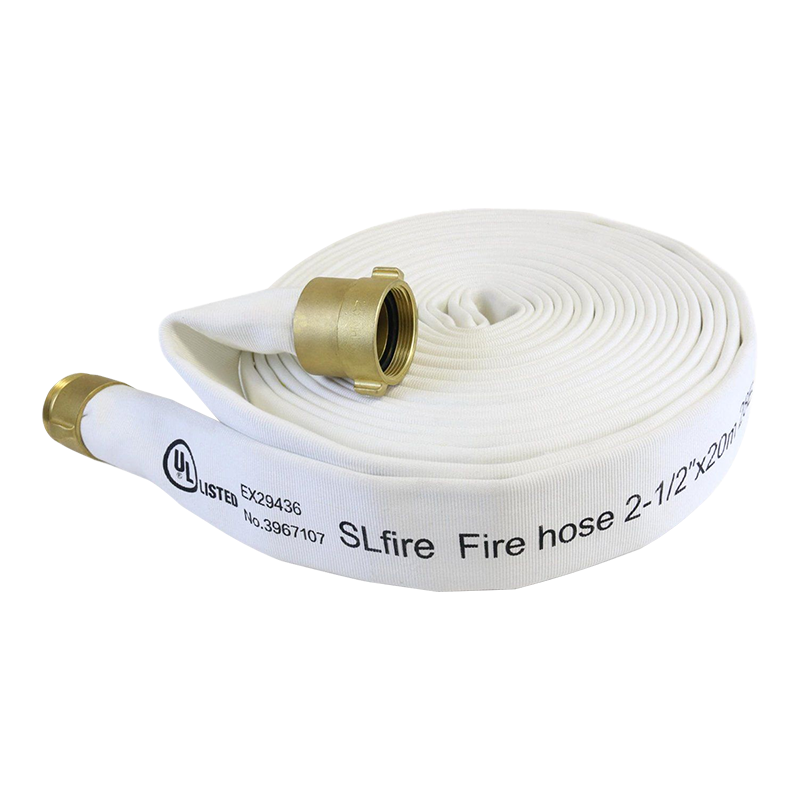
Single jacket, EPDM rubber liner Features • 100% high tenacity polyester jacket, high-grade EPDM rub...
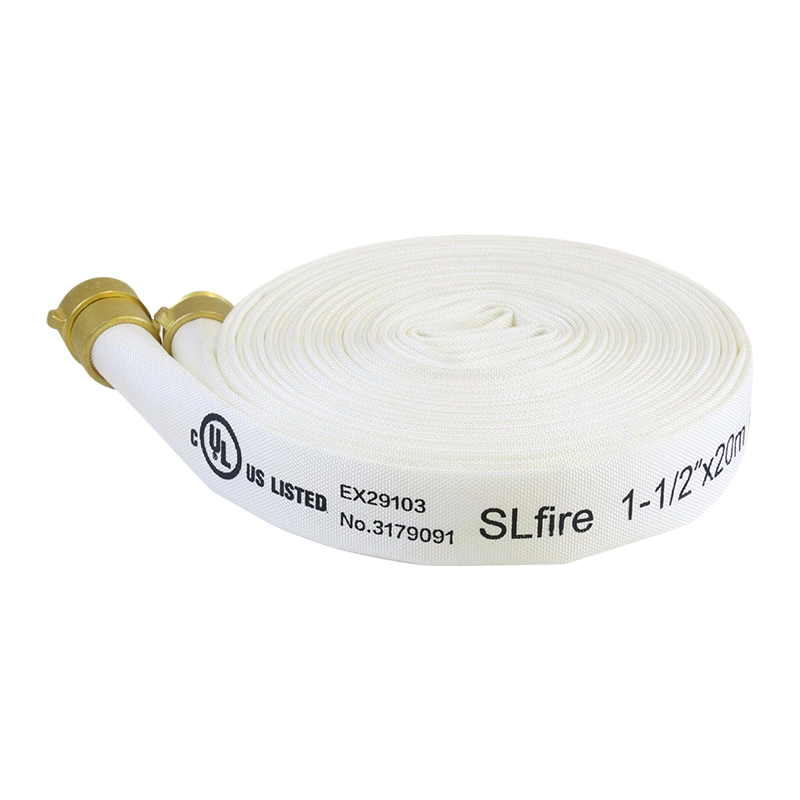
Single jacket, TPU liner •High-tenacity polyester yarn, circular woven in twill weave/plain weave,T ...
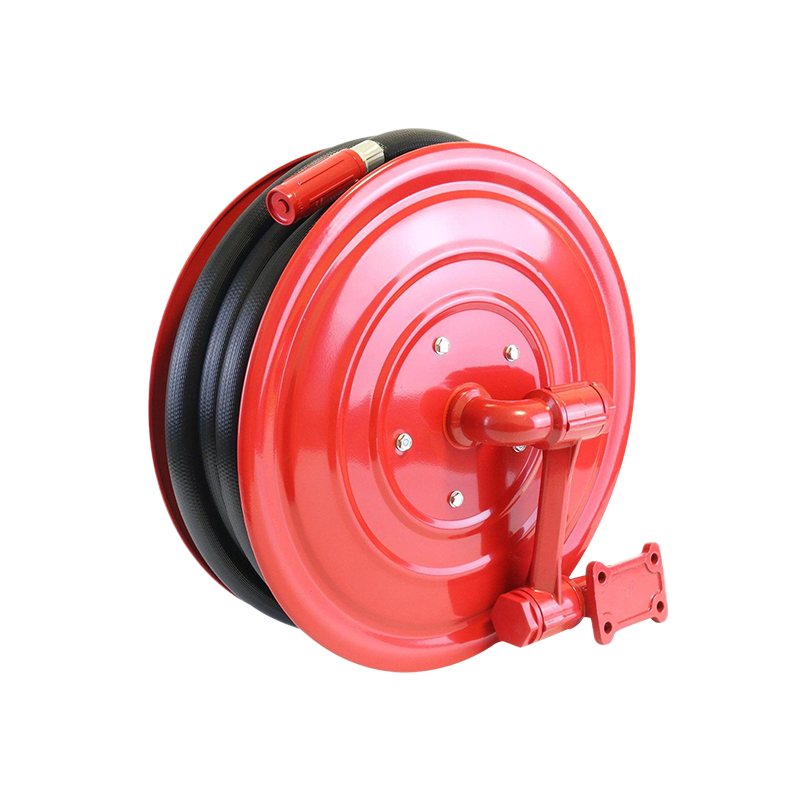
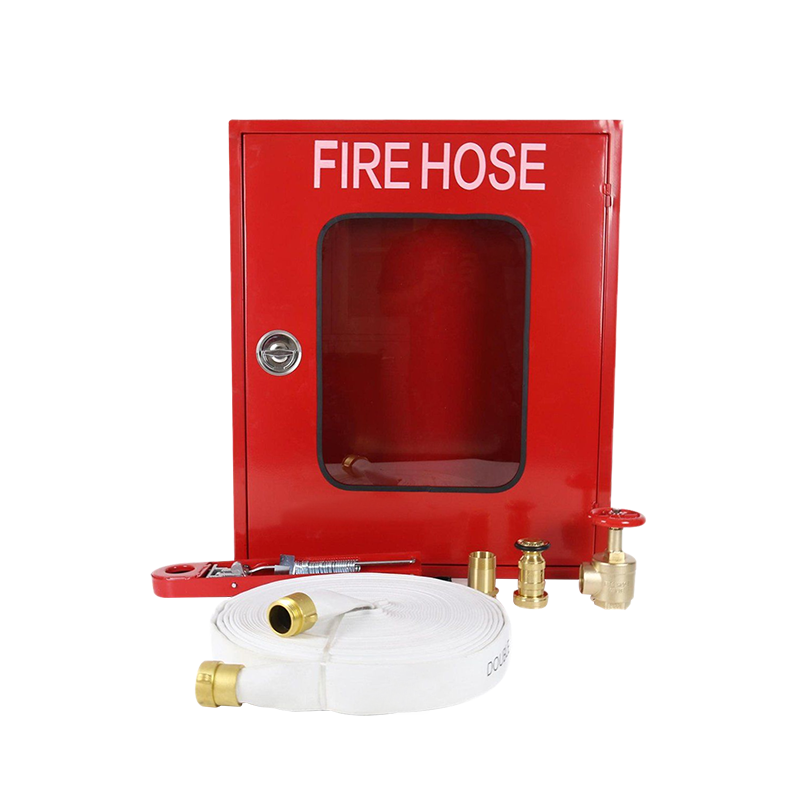
Fire cabinets are designed to accommodate fire hose,valve and other firefighting equipment. Type 201...
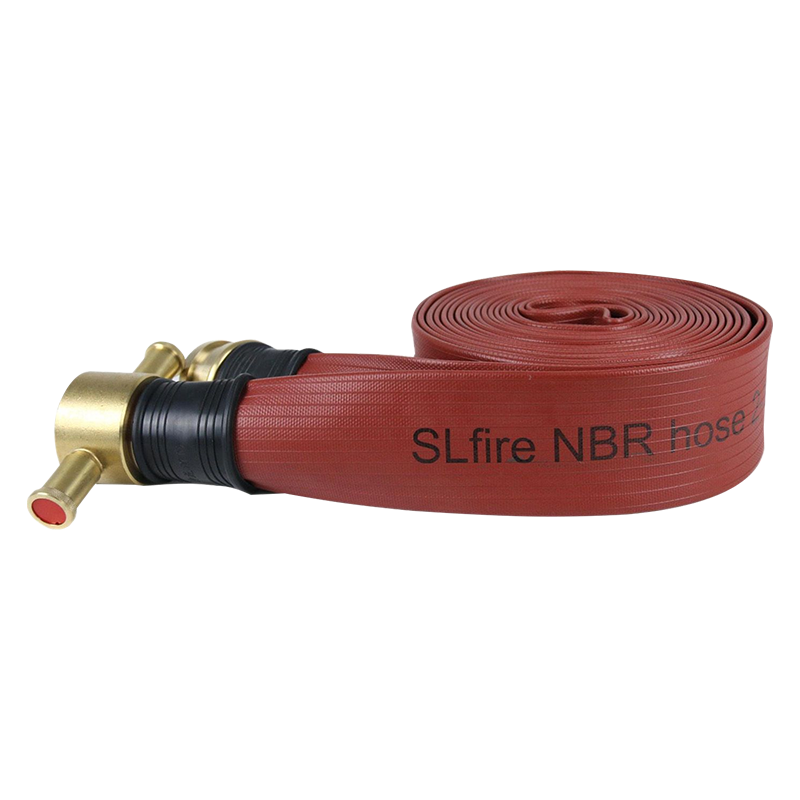
Nitrile covered hose •Nitrile/TPR blend as cover and lining, with 100% high-tenacity polyester yarn ...
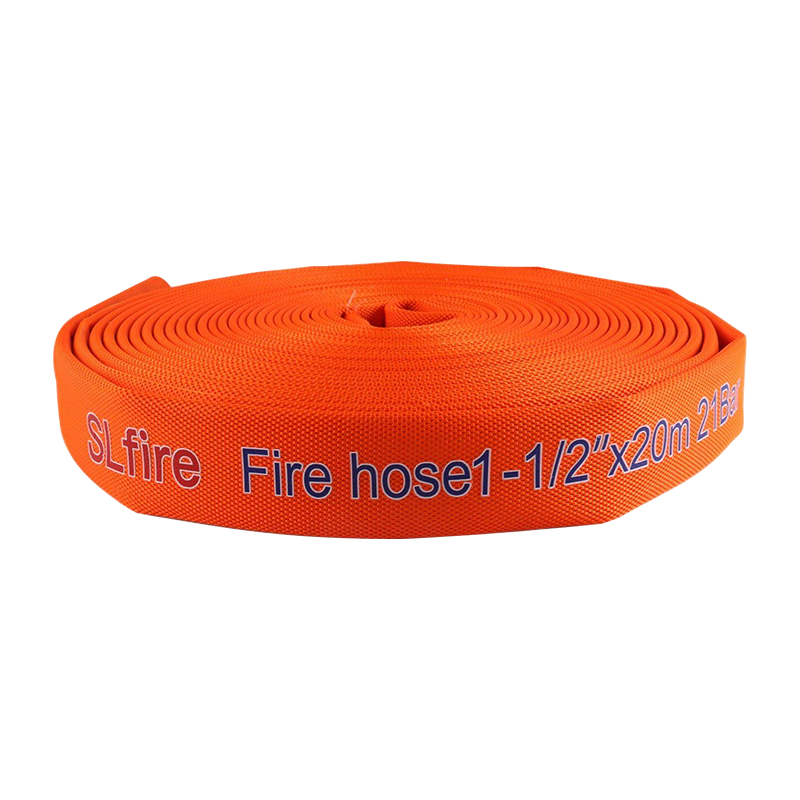
Single jacket, TPU liner •High-tenacity polyester yarn, circular woven in twill weave, TPU lining, f...
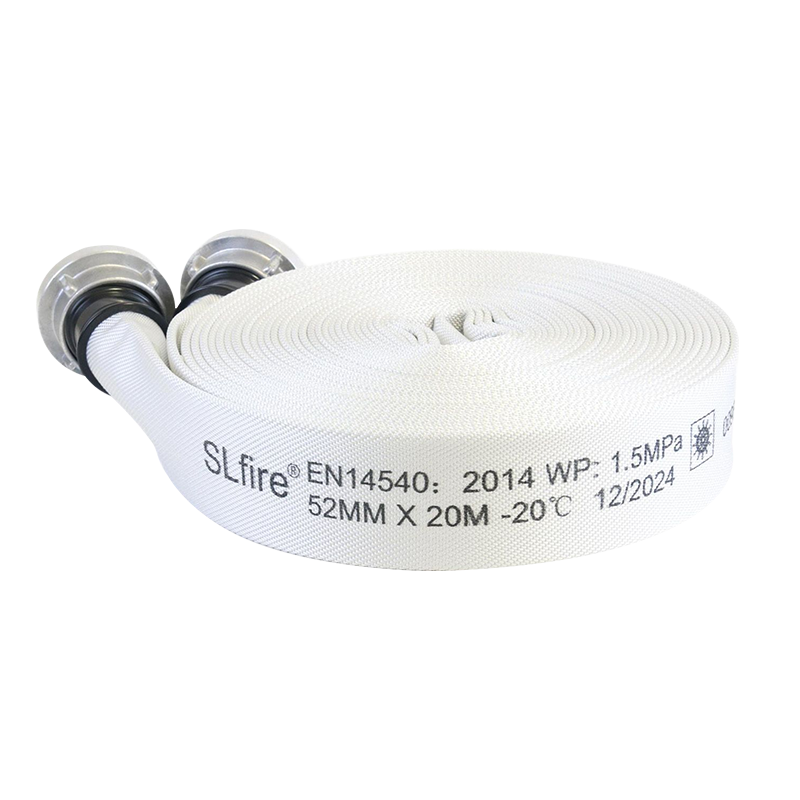
Marine hose Single jacket, PVC liner •100% high tenacity polyester yarn, circular woven in twill wea...
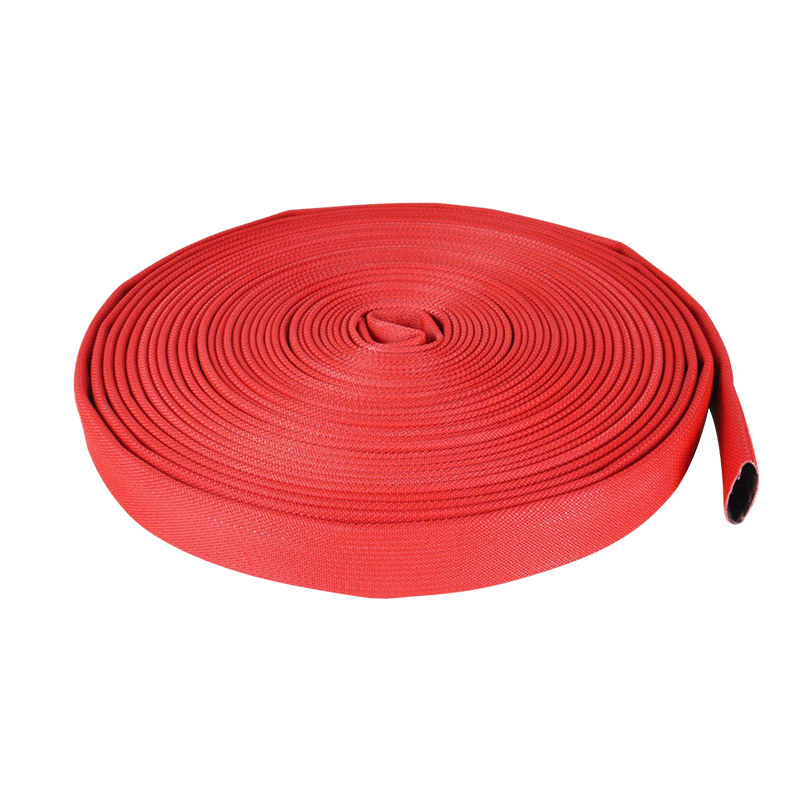
Marine hose Single jacket, PVC liner, PU coated •100% high tenacity polyester yarn,c ircular woven i...
 Call Us
+86 159-5116-9511
Need Support
Head Office
No.58, Kechuang Road, Sixiang Street Medicine Gaoxin District Taizhou City, Jiangsu Province

At a structure fire, the first line off the truck is the one that does the hardest work. Pulled around obstacles, dragged across gravel, charged with high-pressure water, and shut off at the nozzle d...
Copyright © Taizhou Shenlong Fire Science and Technology Co., Ltd. All Rights Reserved.
 Fire Hose Manufacturers, Fire Hydrant Hose Factory