

 English
 русский
 Español
 Deutsch
 عربى
 Français
 Português
Don't hesitate to send a message

Single jacket, EPDM rubber liner Features • 100% high tenacity polyester jacket, high-grade EPDM rub...
Content
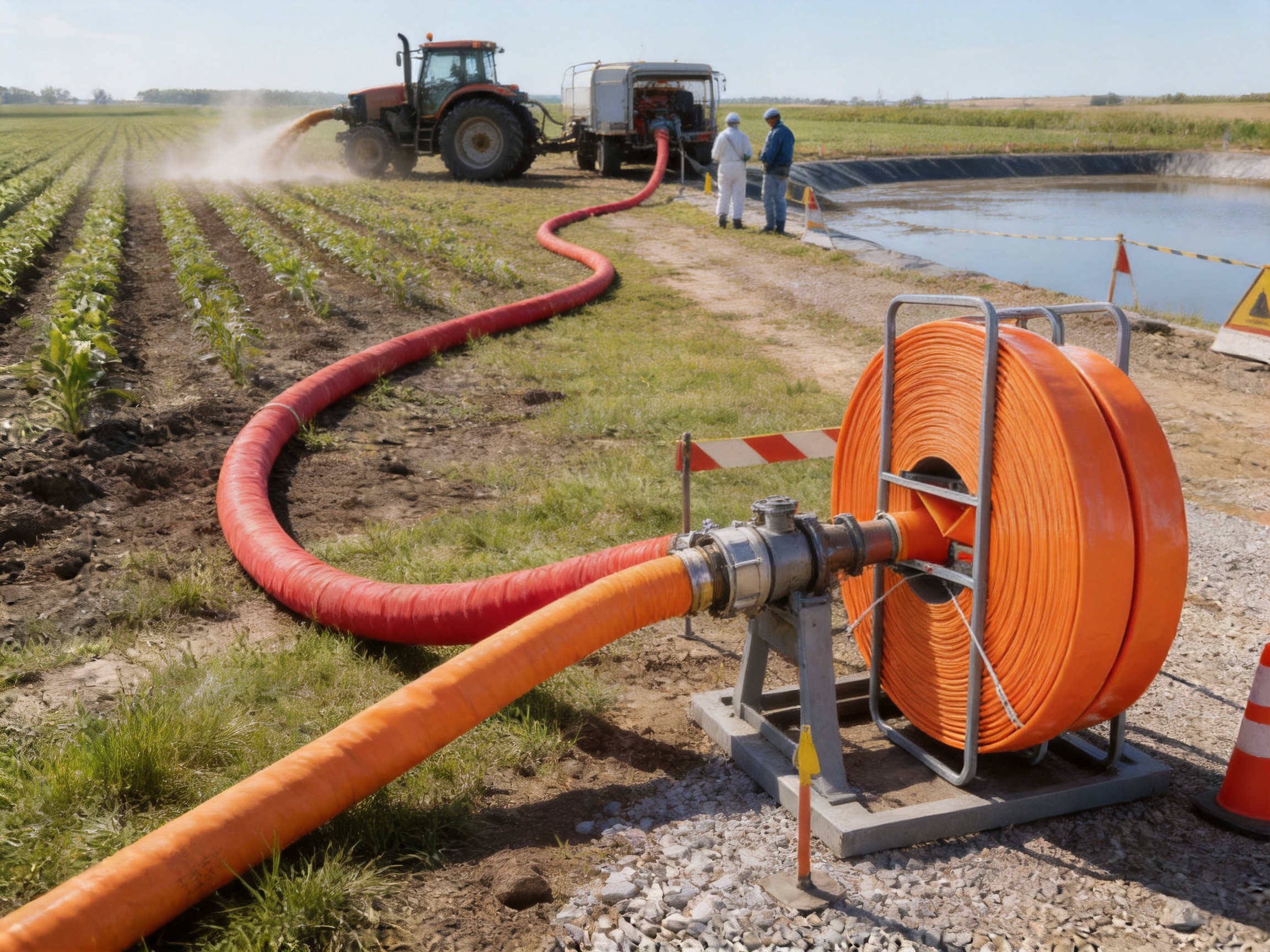
Modern agricultural operations require fluid-transfer equipment that can move large volumes of liquid quickly, safely, and economically. Liquid manure handling is especially demanding because the hose must tolerate pressure, repeated deployment, dragging across farmland, exposure to sunlight and weather, contact with oils and agricultural residues, and frequent folding or rolling for storage. A hose that performs well in clean-water service may not provide the durability, flexibility, or service life required in heavy-duty manure-transfer applications.
The TPU Layflat Hose Manure Dray Hose is designed for this demanding environment. It combines a high-strength polyester filament reinforcement with a thermoplastic polyurethane cover and lining. Its through-the-weave construction creates a closely integrated hose structure with strong adhesion between the reinforcement and TPU layers. The result is a flexible, high-pressure layflat hose intended for agricultural liquid manure transfer, irrigation support, water conveyance, slurry-related operations, and other large-volume fluid-handling tasks.
Manufactured by Taizhou Shenlong Fire Science and Technology Co., Ltd., the hose reflects the company’s long experience in producing lined fire hoses and other specialized flexible hose products. Although the product is intended for agricultural use, its construction benefits from manufacturing expertise developed in applications where pressure resistance, reliability, controlled production, and dependable connection performance are essential.
Liquid manure is not simply another low-pressure fluid. Agricultural manure-transfer systems may involve long distances, large pumps, uneven terrain, repeated installation and removal, and exposure to abrasive particles. The hose may be dragged over soil, gravel, concrete, or crop residue. It may also be subjected to sharp changes in pressure when pumps start, stop, or adjust flow.
These working conditions create several challenges. First, a hose must have sufficient pressure capacity to support the intended operating system. Second, it must remain flexible enough to deploy across fields and around equipment. Third, it must resist abrasion and weathering so that the outer surface does not deteriorate prematurely. Fourth, the lining must remain stable when exposed to the transported liquid and normal agricultural contaminants. Finally, the hose must be easy to drain, fold, roll, transport, and store between operations.
A rigid pipe can provide high structural stability, but it is difficult to relocate and requires more fittings, supports, and labor. Conventional flexible hoses may be easier to handle, but some designs are vulnerable to kinking, delamination, abrasion, or excessive weight. A reinforced TPU layflat hose addresses these concerns by combining the flexibility of a collapsible hose with the strength of a woven reinforcement system.
When the hose is not pressurized, its layflat form makes it compact and easier to handle than a permanently round hose. When pressurized, the tube opens to provide a large fluid passage. This characteristic can reduce storage volume and simplify field deployment, especially where hoses must be moved frequently from one section of a farm to another.
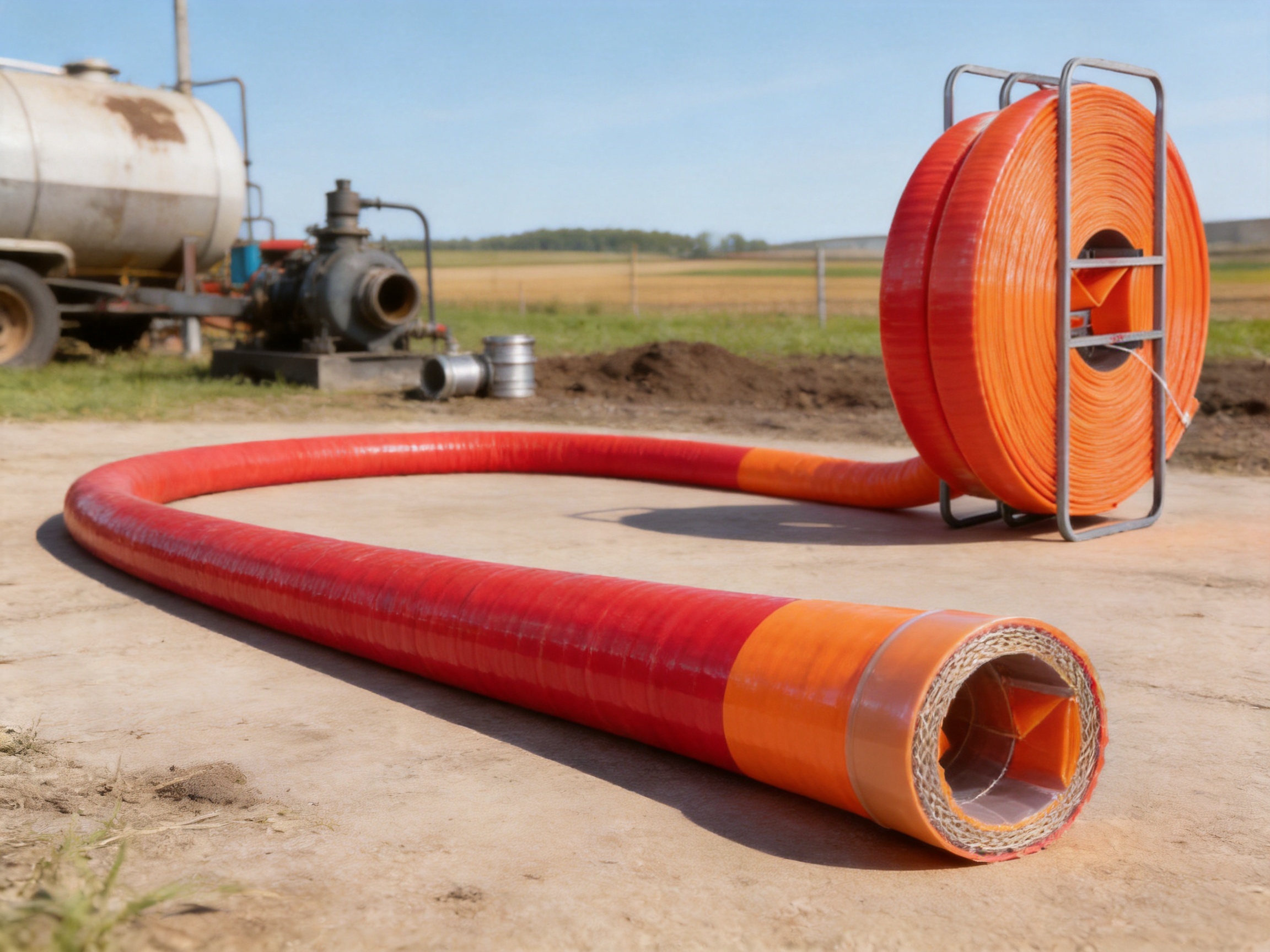
The structural foundation of the hose is a high-strength polyester filament reinforcement. Polyester is widely used in pressure hose construction because it offers a useful balance of tensile strength, dimensional stability, flexibility, and weight. The woven reinforcement carries much of the pressure-related load and helps the hose maintain its shape while fluid is being pumped through it.
The filament arrangement is important because pressure is distributed around the circumference of the hose rather than concentrated in a single area. A properly manufactured woven structure helps control expansion, supports the working pressure, and reduces the risk of localized distortion. It also allows the hose to fold flat when depressurized without requiring a heavy rigid wall.
For agricultural users, the reinforcement provides another important advantage: resistance to repeated handling. A manure dray hose is not necessarily installed once and left in position. It may be coiled, uncoiled, connected, dragged, flushed, disconnected, and stored many times during its working life. The woven polyester layer is intended to withstand these repeated cycles while supporting the TPU cover and lining.
Thermoplastic polyurethane, commonly called TPU, is used for both the cover and lining. This material offers a combination of flexibility, abrasion resistance, and environmental resistance that is well suited to agricultural hose service. The inner lining provides a continuous fluid-contact surface, while the outer cover protects the reinforcement from mechanical damage and environmental exposure.
TPU is particularly valuable where the hose may rub against soil, equipment, or rough ground. Its abrasion resistance helps reduce surface wear during ordinary field handling. The material is also resistant to ultraviolet radiation, oil, ozone, and weathering, which supports outdoor use in changing agricultural conditions.
The TPU lining also contributes to efficient fluid movement. A consistent internal surface can help reduce turbulence and support reliable flow through the hose. The exact flow performance will depend on internal diameter, pump capacity, fluid characteristics, hose length, elevation changes, and the condition of the system. Nevertheless, a properly formed lining is an important part of a dependable liquid-transfer assembly.
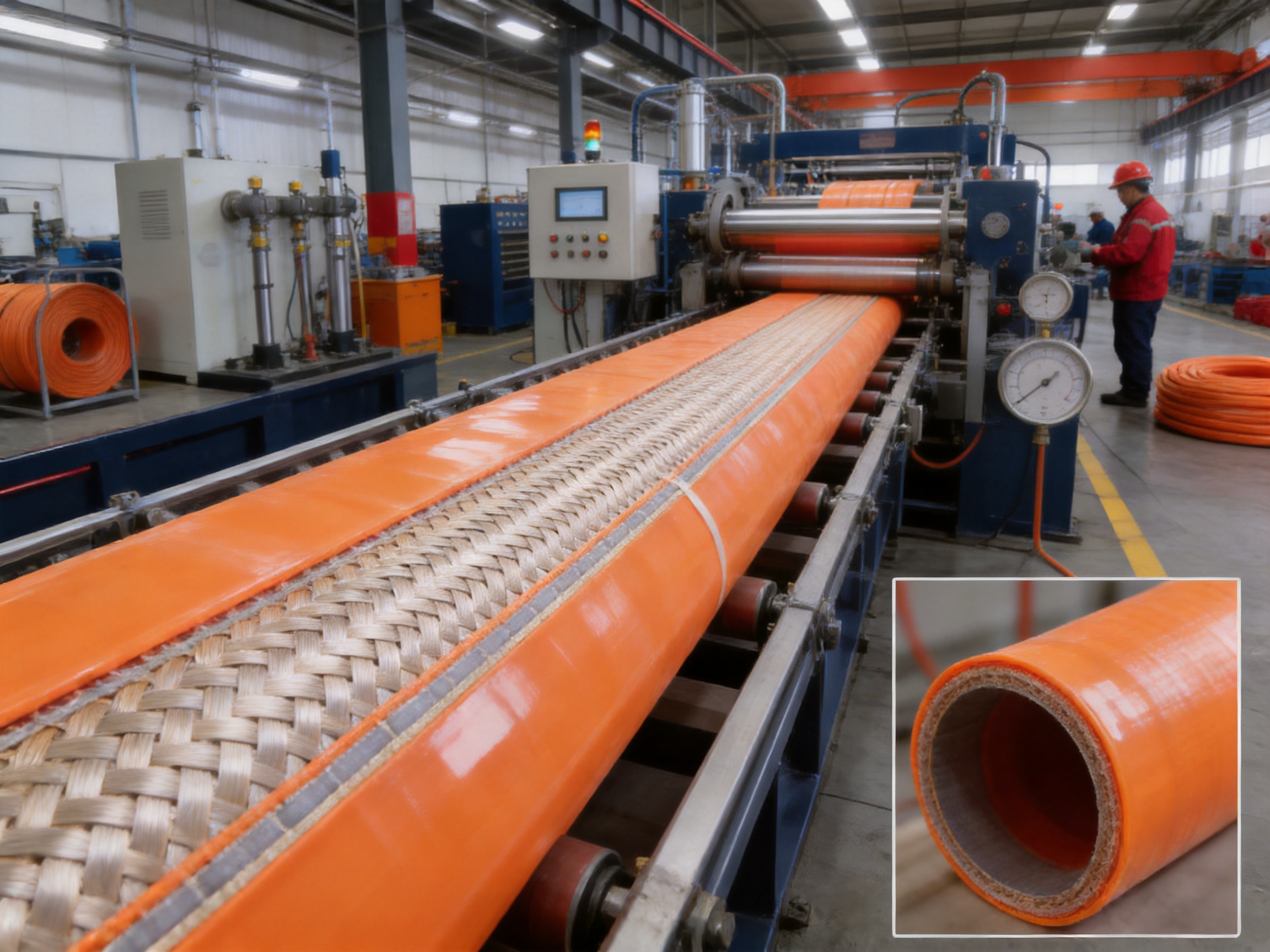
The product uses a through-the-weave process in which the TPU material and textile reinforcement are integrated during hose production. This process is central to the hose’s performance because it is designed to create strong adhesion between the reinforcement and the surrounding TPU layers.
Strong adhesion helps prevent the cover or lining from separating from the woven reinforcement. Delamination can become a serious problem in flexible hoses because repeated bending, pressure cycling, temperature changes, and mechanical handling place stress on the interfaces between materials. By integrating the components through the weave, the design aims to maintain a more stable composite structure.
The manufacturing process also supports consistent dimensional control. The reinforcement must be properly positioned, the TPU layers must be evenly formed, and the finished hose must be inspected for visible defects and dimensional variation. Consistency is particularly important when hoses are joined with couplings, because a stable internal diameter and wall profile help the connection remain secure and properly aligned.
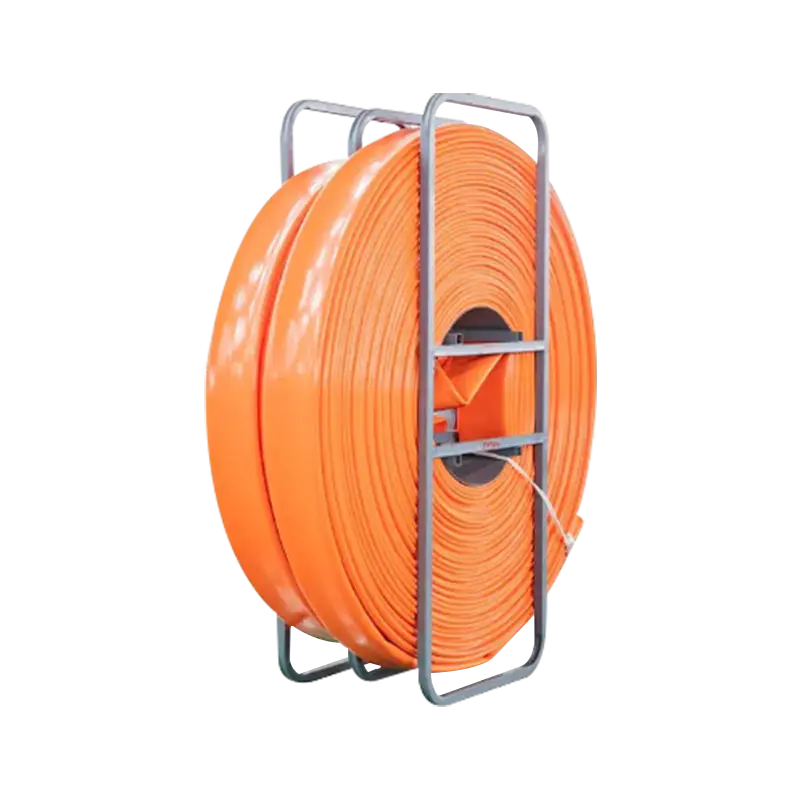
TPU Layflat Hose Manure Dray Hose
The combination of polyester filament reinforcement and TPU creates a hose designed for demanding tensile loads. During field use, the hose may be pulled across the ground or moved into position over considerable distances. High tensile strength helps the hose tolerate normal handling forces and reduces the likelihood of excessive stretching when it is managed correctly.
Tensile strength is not a substitute for proper handling. Users should avoid dragging the hose over sharp objects, pulling it by its coupling, or exceeding the recommended operating pressure. However, a strong reinforced structure gives the hose a more substantial performance margin than an unreinforced or lightly reinforced flexible tube.
One of the product’s principal advantages is the strong adhesion between the TPU layers and polyester reinforcement. In lower-quality multilayer hoses, poor bonding can allow the layers to separate after repeated pressure cycles or environmental exposure. Once separation begins, the hose may develop bulges, soft areas, leaks, or structural weakness.
The through-the-weave design is intended to reduce this risk. A stable bond helps maintain the hose’s overall integrity and supports reliable performance throughout repeated agricultural service. This is especially valuable in liquid manure applications because the hose may experience pressure, bending, vibration, and contamination at the same time.
Field conditions are rarely smooth or predictable. Soil may contain stones, plant residue, compacted tracks, and rough patches. Hoses may cross access roads, concrete surfaces, or areas around pumps and tanks. The TPU outer cover is designed to resist abrasion caused by ordinary contact with these surfaces.
Abrasion resistance can extend service life and reduce unplanned interruptions. It can also help maintain the appearance and integrity of the hose during storage and transportation. Even so, users should inspect the hose regularly and should not continue operating a hose that shows deep cuts, exposed reinforcement, blistering, or other serious damage.
Agricultural hoses are commonly stored or operated outdoors. Sunlight can degrade some polymers over time, while ozone and changing weather conditions may cause cracking or loss of flexibility in less suitable materials. Oil exposure may occur around tractors, pumps, tankers, and mechanical equipment.
The TPU material used in this product is designed to resist ultraviolet exposure, oil, ozone, and weathering. This makes the hose suitable for outdoor agricultural environments where it may be exposed to sunlight, rain, dust, temperature changes, and incidental contact with lubricants or fuel-related residues.
Resistance to environmental factors does not mean the hose is immune to all chemicals or unlimited exposure. Compatibility should be confirmed before transporting unusual liquids, cleaning agents, concentrated chemicals, or fluids outside normal manure and water-service conditions.
The stated temperature range is from -40°F to 165°F, or approximately -40°C to 74°C. This broad range allows the hose to remain useful across many seasonal conditions. It can support cold-weather handling and warm outdoor operations when the hose is used within the stated limits.
Temperature affects pressure performance, flexibility, and material behavior. Users should consider both ambient temperature and the temperature of the transported liquid. The hose should not be exposed to temperatures outside its rated range, and pressure limits should be reviewed when conditions are especially cold or hot.
When depressurized, the hose can lie flat, reducing its bulk compared with a permanently round hose of similar diameter. This makes it easier to coil, stack, transport, and store. For farms that maintain long hose runs or move equipment between fields, compact storage can reduce handling time and improve logistical efficiency.
Layflat construction can also simplify deployment. Workers can place the hose along a planned route before connecting the pump or opening the fluid supply. After use, the hose can be drained, cleaned as appropriate, rolled, and stored in a protected location.
The product is available in sizes from 3 inches to 8 inches internal diameter. This range supports different flow requirements and system layouts. Smaller diameters may be suitable for applications where flow volume, pump capacity, or portability is more limited. Larger diameters can support higher-volume transfer when the pump, fittings, and operating conditions are properly matched.
Diameter selection should not be based only on the desired flow rate. Users should also consider hose length, elevation, pump pressure, friction loss, connection size, liquid characteristics, and the need for manual handling. A larger hose may reduce friction loss but can require greater storage capacity and more effort to move when filled.
The following specifications are provided for the listed TPU Layflat Hose Manure Dray Hose models. Working pressure and burst pressure are presented in both psi and bar. The burst pressure is a test-related limit and must not be treated as an allowable operating pressure.
| Internal Diameter | Internal Diameter | Working Pressure | Working Pressure | Burst Pressure | Burst Pressure | Wall Thickness | Weight |
|---|---|---|---|---|---|---|---|
| Inches | Millimeters | psi | bar | psi | bar | Millimeters | kg/m |
| 3 | 80 | 232 | 16 | 696 | 48 | 3.1 | 0.78 |
| 4 | 100 | 190 | 13 | 560 | 39 | 3.0 | 1.00 |
| 5 | 125 | 190 | 13 | 560 | 39 | 3.3 | 1.70 |
| 6 | 150 | 150 | 10 | 435 | 30 | 3.0 | 1.80 |
| 8 | 200 | 150 | 10 | 435 | 30 | 3.5 | 2.50 |
The listed pressure values provide a useful starting point for system planning. The appropriate hose size should be selected together with the pump, manifold, coupling, valve, and discharge equipment. The lowest-rated component in the complete system may determine the safe working limit.
Working pressure is the maximum recommended pressure for normal operation under specified conditions. It is the value users should consider when designing and operating a liquid manure-transfer system. Pump pressure, static head, pressure surges, and restrictions in the discharge line should all be evaluated.
Burst pressure is considerably higher than working pressure in the listed specifications. It indicates a test or failure threshold rather than a pressure at which the hose should be operated. Regular operation near burst pressure can accelerate fatigue, increase the impact of pressure surges, and reduce service life.
Pressure can rise unexpectedly when a valve closes suddenly, a pipe becomes blocked, or a pump changes speed. These events may create water-hammer-like surges even when the normal gauge pressure appears acceptable. Properly sized pumps, gradual valve operation, pressure-relief provisions, and correct hose routing can help reduce these risks.
Users should also recognize that pressure ratings may be affected by temperature, chemical exposure, hose age, coupling installation, and visible damage. A hose that has been cut, crushed, deeply abraded, or improperly repaired should not be assumed to retain its original rating.
The hose is available in 100-meter and 200-meter lengths, with customer-requested lengths also possible. Long continuous sections can reduce the number of intermediate connections in an agricultural transfer line. Fewer connections may simplify installation and lower the number of potential leak points.
At the same time, extremely long sections can be more difficult to transport and manage. The best length depends on the farm layout, pump location, storage method, field access, and available handling equipment. Custom length production can help users balance installation efficiency with practical handling requirements.
Red and orange are listed as standard colors, while other colors may be available upon customer request. Bright colors can improve visibility in outdoor working areas and make hose routes easier to identify near vehicles, pumps, and field boundaries.
Color coding can also assist with inventory management. Farms operating different hose sizes or service categories may assign colors to particular applications, lengths, or equipment groups. Custom color requirements should be discussed during the ordering process to confirm production feasibility and minimum quantities.
The primary application is the transfer of liquid manure from storage pits, holding tanks, lagoons, collection systems, or mobile equipment to agricultural fields or treatment areas. The hose can be used as part of a pump-driven system when its pressure rating, diameter, and coupling arrangement are correctly matched to the equipment.
Its layflat form is helpful where the hose must be moved between fields or stored after seasonal use. Its abrasion-resistant TPU cover is also suited to ordinary contact with agricultural ground, provided the hose is routed carefully and protected from sharp edges.
Depending on compatibility testing and system design, the hose may be considered for other agricultural liquid-transfer duties involving water-based fluids or slurry-like materials. The user should verify that the transported medium does not contain chemicals, temperatures, or abrasive concentrations outside the hose’s intended service conditions.
Fluid consistency affects pump load and pressure loss. Dense or particle-laden materials may require larger diameters, slower operating speeds, filtration, or special connection arrangements. A hose should be selected as part of the entire transfer system rather than treated as an isolated component.
The same construction characteristics can be useful in agricultural water conveyance. Layflat hoses are commonly selected where flexible deployment, compact storage, and long-distance transfer are important. The available diameter range allows the hose to support both moderate and high-volume water movement when matched with suitable equipment.
For clean-water irrigation, users may benefit from the hose’s flexibility and outdoor weather resistance. However, operating pressure, pump performance, terrain, and connection design remain important factors in determining system reliability.
Beyond agriculture, reinforced TPU layflat hoses may be useful in construction dewatering, temporary water bypass systems, emergency pumping, industrial fluid movement, and other applications where a flexible high-strength hose is preferred. Application suitability should always be confirmed according to the fluid, pressure, temperature, and environmental conditions.
Taizhou Shenlong Fire Science and Technology Co., Ltd. was founded in 1995 and operates as a research and development, production, sales, and service enterprise. Its principal product experience is in lined fire hoses made from various materials. This background is relevant to the manure dray hose because fire hose manufacturing requires attention to textile reinforcement, polymer lining, pressure resistance, flexibility, bonding, dimensional consistency, and connection reliability.
The company also undertakes production of rubber, PVC, polyurethane, and double-sided tape products according to customer requirements. This broader material experience provides a foundation for understanding how different polymers and reinforcement structures behave in practical hose applications.
According to the supplied company information, the company’s products are sold in more than 20 provinces, cities, and autonomous regions, and the company cooperates with four domestic foreign trade companies to produce export products for multiple countries. This distribution and export experience can support customers seeking consistent communication, product customization, packaging coordination, and international supply arrangements.
The company’s products are used in fire protection, construction, water conservancy, and other industries. These sectors share several performance requirements with agricultural fluid transfer: dependable pressure handling, resistance to outdoor conditions, flexible deployment, and the ability to function as part of a larger pumping or distribution system.
Reliable hose manufacturing begins with controlled raw materials. Polyester reinforcement should have consistent filament properties, while TPU should be selected and processed to support the required flexibility, adhesion, abrasion resistance, and temperature performance. Variations in material composition can affect wall thickness, bonding, pressure capacity, and service life.
Production control also includes the arrangement of the reinforcement, the formation of the TPU layers, temperature management during processing, and the control of line speed. These variables influence whether the finished hose has a uniform wall, stable dimensions, and strong integration between the textile and polymer components.
Inspection should focus on both appearance and performance. Visual examination can identify surface defects, uneven sections, contamination, cuts, or irregularities. Dimensional checks can verify internal diameter and wall thickness. Pressure testing can provide evidence that the hose meets the intended performance requirements. Proper packaging and storage then help protect the hose before it reaches the customer.
A research and development function allows a manufacturer to respond to changing market requirements. Agricultural users may request different diameters, lengths, colors, coupling configurations, or material characteristics. Construction and industrial customers may require products adapted to different pressures, temperatures, or handling conditions.
Development work may involve evaluating polymer formulations, improving adhesion, refining weave structures, optimizing production parameters, and assessing the performance of new sizes. Such work is especially valuable for a product like a manure dray hose, which must balance pressure capacity, weight, flexibility, abrasion resistance, and cost.
Customer-requested lengths and colors demonstrate a degree of production flexibility. Customization can be valuable for distributors, equipment manufacturers, agricultural contractors, and large farms that want hose sections coordinated with a particular pumping system or inventory plan.
Before ordering customized products, customers should provide clear technical information, including required internal diameter, working pressure, hose length, end connections, fluid type, operating temperature, packaging expectations, and intended use. Clear specifications reduce misunderstandings and help the manufacturer recommend a suitable configuration.
Unreinforced plastic tubing may be suitable for low-pressure applications, but it generally does not provide the same structural support as a woven polyester-reinforced hose. Under pressure, unreinforced tubing may expand more easily, become difficult to handle, or fail when exposed to pulling and abrasion.
The TPU layflat manure dray hose offers a reinforced structure designed for substantially more demanding service. Its polyester filament layer supports pressure handling, while the outer TPU cover adds protection against field wear.
Rubber hoses can provide flexibility and good resistance in selected applications, but they may be heavier and more difficult to transport over long distances. They can also require greater storage space because they often retain a round profile when empty.
The TPU layflat design can reduce handling burden and storage volume. Its resistance to UV, ozone, oil, and weathering is useful for outdoor agricultural service. The most suitable choice will depend on fluid compatibility, pressure, temperature, flexibility requirements, and the specific rubber formulation being considered.
PVC layflat hose is widely used for water transfer and other general duties. In some applications, it may offer an economical solution. However, a TPU construction can provide a different balance of abrasion resistance, flexibility, adhesion, and temperature performance.
The through-the-weave TPU design is particularly advantageous where the hose will be repeatedly dragged, folded, pressurized, and exposed to changing weather conditions. Buyers should compare actual material specifications, pressure ratings, reinforcement structure, and test data rather than selecting only on price.
Rigid pipe can provide stable flow paths and permanent installation benefits, but it is less convenient for temporary field layouts or frequently changing agricultural operations. It generally requires more support structures, transport equipment, and labor for relocation.
A flexible layflat hose can be deployed only when needed and stored when the operation is complete. This makes it suitable for seasonal field transfer, temporary bypassing, and mobile pumping systems. The trade-off is that flexible hose requires more careful routing, inspection, and pressure management than a protected permanent pipeline.
Before installation, inspect the entire hose length for cuts, punctures, severe abrasions, exposed reinforcement, crushed areas, deformation, or contamination. Check that the coupling ends are clean and that seals, clamps, and connectors are in good condition.
Lay the hose along the planned route with gradual bends. Avoid sharp kinks, twists, and sudden changes in direction. A kink can restrict flow, increase localized pressure, and create stress on the reinforcement. If the route crosses a roadway or area of heavy traffic, use suitable protection or choose a safer route.
Do not pull the hose by its coupling. Pulling from the end connection can transfer excessive force to the fitting and the hose-to-coupling interface. If the hose must be moved, use appropriate handling techniques and distribute the load along the hose whenever possible.
Connect the hose using couplings that match the internal diameter, pressure rating, and intended service. Ensure that fittings are fully engaged and secured. A coupling that is too small, poorly aligned, damaged, or incorrectly clamped can become the weakest part of the system.
Increase pump pressure gradually. Observe the hose during initial pressurization and check for abnormal bulges, movement, leakage, or coupling displacement. Operators should remain clear of the hose and connections during pressure testing and normal operation.
When shutting down the system, reduce pressure in a controlled manner. Avoid sudden valve closure unless the system is specifically designed to manage pressure surges. After use, drain the hose as thoroughly as practical before moving or storing it.
Regular inspection is one of the most effective ways to extend hose service life. Inspect the outer cover for deep abrasion, cuts, cracks, gouges, discoloration, exposed reinforcement, or areas that appear unusually soft or swollen. Inspect the lining and end connections whenever accessible.
Pay close attention to locations where the hose passes around equipment, crosses rough ground, or repeatedly bends. These areas may experience more mechanical stress than the rest of the hose. Record inspection findings so that developing problems can be identified before the next operating cycle.
Residual manure or slurry can dry inside the hose and make later flushing more difficult. Cleaning practices should be selected according to the hose material, the transported fluid, environmental requirements, and the farm’s waste-management plan.
Flush the hose with a compatible medium when practical. Avoid harsh cleaning chemicals unless compatibility has been confirmed. Excessive chemical exposure may affect polymer properties or reduce adhesion over time. After cleaning, allow the hose to drain and dry as thoroughly as conditions permit.
Store the hose in a cool, dry, and protected location away from direct sunlight, sharp objects, excessive heat, and sources of ozone. Keep it away from fuels, solvents, and chemicals that may not be compatible with TPU.
Coil the hose without sharp folds or twists. Avoid placing heavy equipment on top of stored coils. If the hose will remain unused for an extended period, inspect it before storage and again before returning it to service.
Do not store a wet, contaminated hose in a sealed condition for long periods. Trapped moisture and residues may create odor, biological growth, or material contamination. Good drainage and ventilation support more reliable long-term storage.
Liquid manure systems can involve biological hazards, gases, slippery surfaces, and high mechanical pressure. Operators should follow site-specific safety procedures and use appropriate personal protective equipment. The hose should never be treated as a barrier against hazardous gases or as a substitute for safe tank and pit procedures.
Keep personnel away from pressurized connections and unsupported hose loops. Never attempt to repair, disconnect, or reposition a pressurized hose. Stop the pump, isolate the supply, and release pressure safely before servicing the line.
Do not exceed the listed working pressure. Consider pressure surges, elevation changes, and pump characteristics when evaluating the system. If a hose shows signs of failure, remove it from service immediately and replace it with a suitable product.
Use warning signs, barriers, or route marking where hoses cross working areas. Bright red or orange hose colors may improve visibility, but they do not eliminate the need for careful traffic control around tractors, trucks, and other equipment.
Diameter selection should begin with the required flow rate and the available pump capacity. Larger diameters generally provide a greater flow passage and may reduce friction losses over long distances. Smaller diameters may be easier to handle and may be sufficient for shorter lines or lower flow requirements.
Pressure rating must also be considered. The 3-inch model is listed at a working pressure of 232 psi, while the 4-inch and 5-inch models are listed at 190 psi. The 6-inch and 8-inch models are listed at 150 psi. These differences show why the selected diameter should be evaluated together with the operating pressure rather than by size alone.
Hose weight can affect field handling. The listed weights range from 0.78 kg/m for the 3-inch model to 2.50 kg/m for the 8-inch model. A long hose filled with liquid will weigh substantially more than the empty product, so mechanical assistance or additional personnel may be needed for large-diameter installations.
Length selection depends on route distance, storage capacity, transport arrangements, and the number of desired connections. Available 100-meter and 200-meter lengths can support long transfer runs, while custom lengths may help users create a more efficient system for a particular farm layout.
A hose is only as reliable as the consistency of its materials, construction, testing, and support. An experienced manufacturer can help customers evaluate the relationship between diameter, pressure, reinforcement, wall thickness, length, and application conditions.
Taizhou Shenlong Fire Science and Technology Co., Ltd. brings decades of experience in hose production, beginning in 1995. Its specialization in lined fire hoses provides relevant knowledge of textile reinforcement, polymer linings, pressure performance, and flexible hose manufacturing. The company’s additional experience with rubber, PVC, polyurethane, and double-sided tape products further supports its ability to work with different material systems.
The company’s combined research and development, production, sales, and service structure can help customers address both standard and customized requirements. This may include selecting suitable dimensions, discussing colors and lengths, coordinating packaging, and clarifying intended operating conditions before production.
For distributors and international buyers, production experience and export cooperation can also be important. Clear documentation, stable product specifications, responsive communication, and practical packaging all contribute to a smoother supply relationship.
Customers requesting a quotation should provide the intended application, fluid type, operating pressure, temperature range, required diameter, total length, preferred color, coupling requirements, and delivery expectations. Information about the pump and system layout can help the manufacturer confirm whether the proposed hose configuration is appropriate.
For manure-transfer projects, it is useful to describe whether the hose will be used for suction, discharge, field distribution, tanker connection, lagoon transfer, irrigation support, or another duty. The manufacturer can then distinguish between different service requirements and advise on the most suitable product arrangement.
Customers should also ask about available testing, packaging, minimum order quantities, customization limits, and recommended storage conditions. These details are especially important for long-distance shipments and large-volume agricultural projects.
The supplied company contact information identifies Taizhou Shenlong Fire Science and Technology Co., Ltd. as the manufacturer, with its facility located at No. 58, Kechuang Road, Sixiang Street, Medicine Gaoxin District, Taizhou City, Jiangsu Province. Direct communication with the manufacturer can help confirm current specifications and production availability.
It is a flexible, reinforced hose designed for transferring liquid manure and other suitable fluids. It uses high-strength polyester filament reinforcement with TPU as the inner lining and outer cover. Its layflat structure allows it to collapse when depressurized, making it easier to store and transport.
Through-the-weave refers to the manufacturing method used to integrate the TPU material with the woven polyester reinforcement. The process is intended to improve adhesion between the layers and reduce the risk of delamination during pressure cycling, bending, and repeated handling.
The listed internal diameters are 3, 4, 5, 6, and 8 inches, corresponding approximately to 80, 100, 125, 150, and 200 millimeters. Other dimensions may be discussed for customer-specific requirements.
The stated temperature range is -40°F to 165°F, or approximately -40°C to 74°C. Users should consider both ambient temperature and the temperature of the transported liquid and should remain within the specified range.
Yes. The TPU cover is designed to resist ultraviolet radiation, oil, ozone, and weathering, making the hose suitable for outdoor agricultural use. Proper storage and regular inspection are still necessary to maintain service life.
Not necessarily. Suitability depends on the fluid’s chemical composition, solids content, temperature, abrasiveness, and operating pressure. Compatibility should be confirmed before using the hose with unusual chemicals, concentrated additives, or highly abrasive materials.
Standard lengths include 100 meters and 200 meters. Customer-requested lengths may also be available, subject to production requirements and order details.
Red and orange are listed as standard colors. Other colors may be available upon customer request, depending on production feasibility.
No. Burst pressure is not a recommended operating value. The hose must be operated at or below its specified working pressure, with allowance for pressure surges, temperature effects, system design, and the condition of the hose.
Store it drained, reasonably clean, dry, protected from direct sunlight, and away from sharp objects, excessive heat, ozone sources, fuels, and incompatible chemicals. Coil it without sharp folds and avoid placing heavy objects on top of it.
Consider the required flow rate, pump capacity, hose length, friction loss, operating pressure, handling method, and connection size. Larger diameters may support higher-volume transfer, while smaller diameters may be easier to move.
Its key differentiators are the TPU cover and lining, high-strength polyester reinforcement, through-the-weave construction, strong layer adhesion, stated resistance to abrasion and outdoor exposure, and pressure ratings intended for demanding fluid-transfer applications.
The TPU Layflat Hose Manure Dray Hose is engineered for agricultural users who need a durable, flexible, and pressure-capable solution for liquid manure transfer. Its high-strength polyester filament reinforcement provides structural support, while the TPU cover and lining contribute abrasion resistance, environmental resistance, flexibility, and reliable fluid containment.
The through-the-weave manufacturing process is a major performance feature because it is designed to create strong adhesion between the hose layers and reduce the likelihood of delamination. This construction gives the product important advantages over unreinforced tubing, basic flexible hoses, and heavier alternatives that are more difficult to store and relocate.
With internal diameters from 3 to 8 inches, working pressures from 150 to 232 psi depending on size, standard lengths of 100 and 200 meters, and custom length and color options, the hose can be configured for different agricultural layouts and pumping requirements. Correct sizing, suitable couplings, controlled pressure, routine inspection, and proper storage remain essential to safe and dependable performance.
Supported by Taizhou Shenlong Fire Science and Technology Co., Ltd.’s experience in lined fire hose production, polymer products, research and development, sales, and service, the hose provides a practical option for modern farms, agricultural contractors, irrigation operators, and fluid-transfer distributors. When selected and maintained correctly, it can improve field mobility, simplify storage, reduce connection complexity, and support reliable high-volume liquid handling.
1. Product specification information for TPU Layflat Hose Manure Dray Hose, including dimensions, pressure ratings, wall thickness, weight, temperature range, available lengths, and color options.
2. Manufacturer information for Taizhou Shenlong Fire Science and Technology Co., Ltd., including company history, product experience, research and development, production, sales, service, and export cooperation.
3. General principles of thermoplastic polyurethane material selection for flexible industrial and agricultural hose applications.
4. General guidance on textile-reinforced hose construction, pressure containment, abrasion resistance, and layer adhesion.
5. General agricultural fluid-handling practices for hose routing, pressure control, inspection, cleaning, and storage.
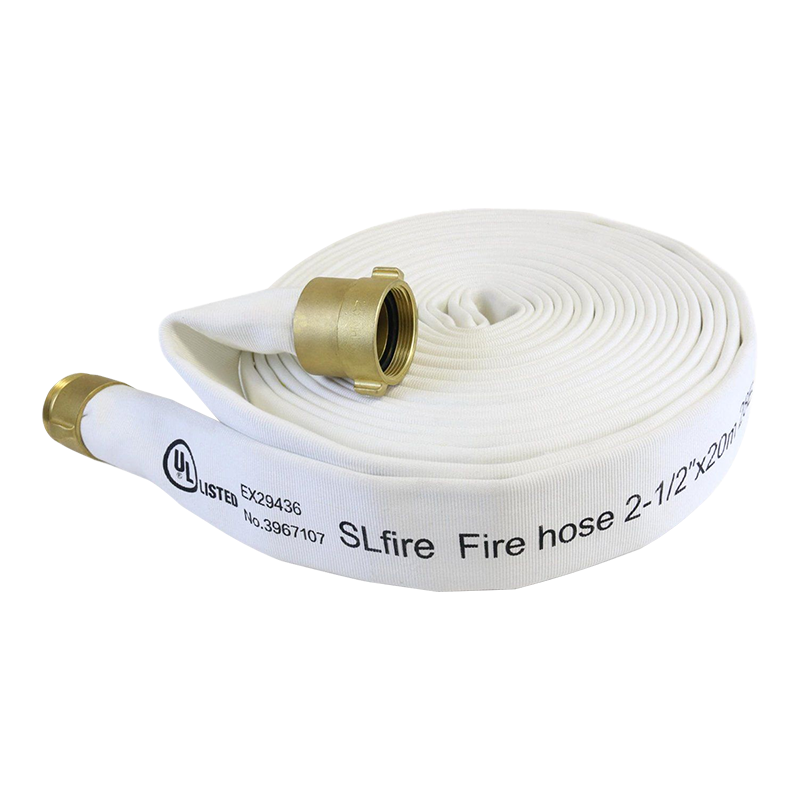
Single jacket, EPDM rubber liner Features • 100% high tenacity polyester jacket, high-grade EPDM rub...
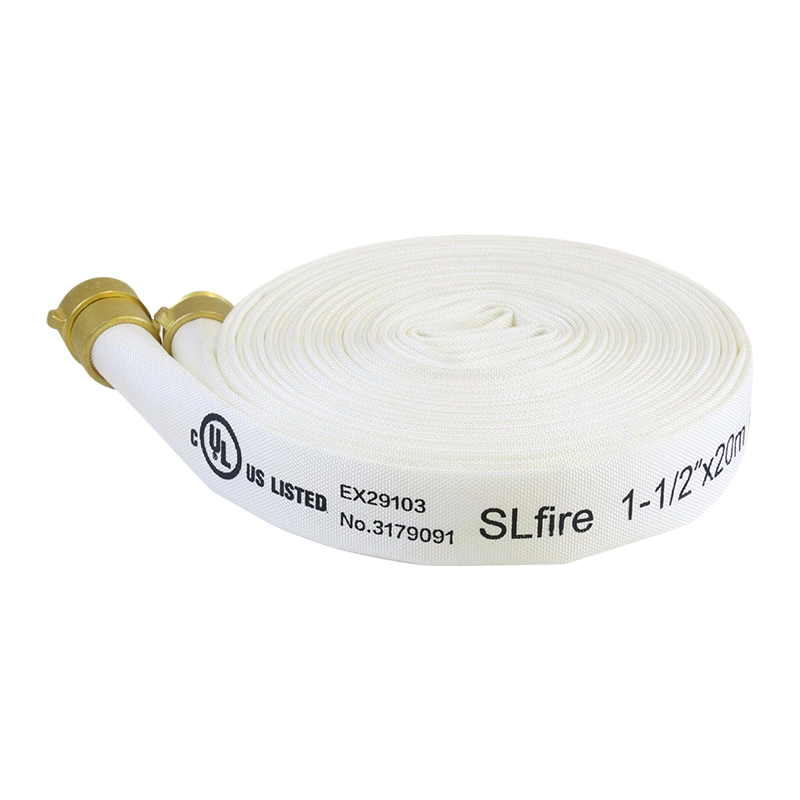
Single jacket, TPU liner •High-tenacity polyester yarn, circular woven in twill weave/plain weave,T ...
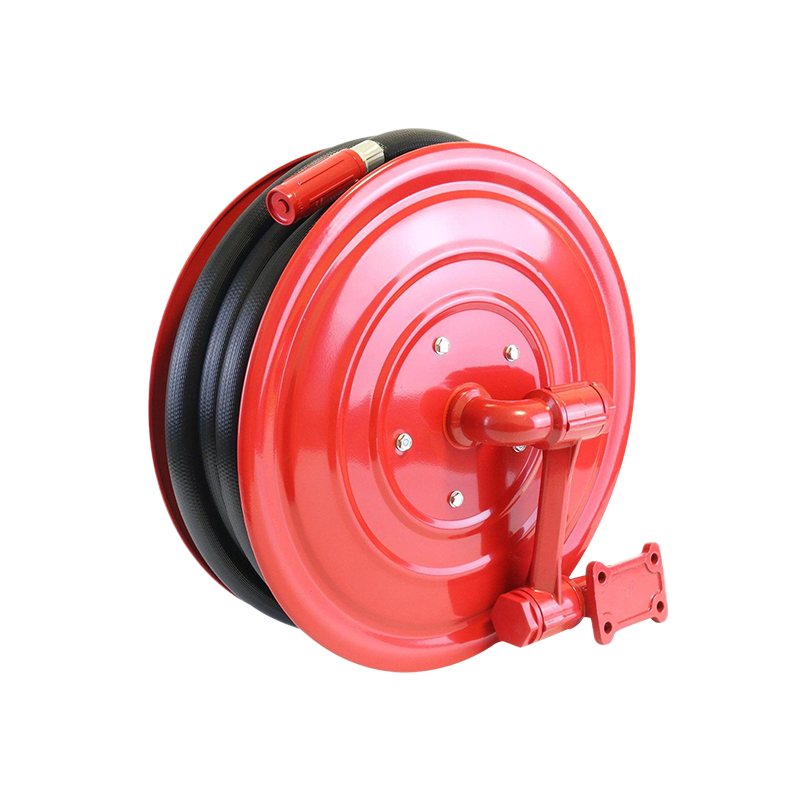
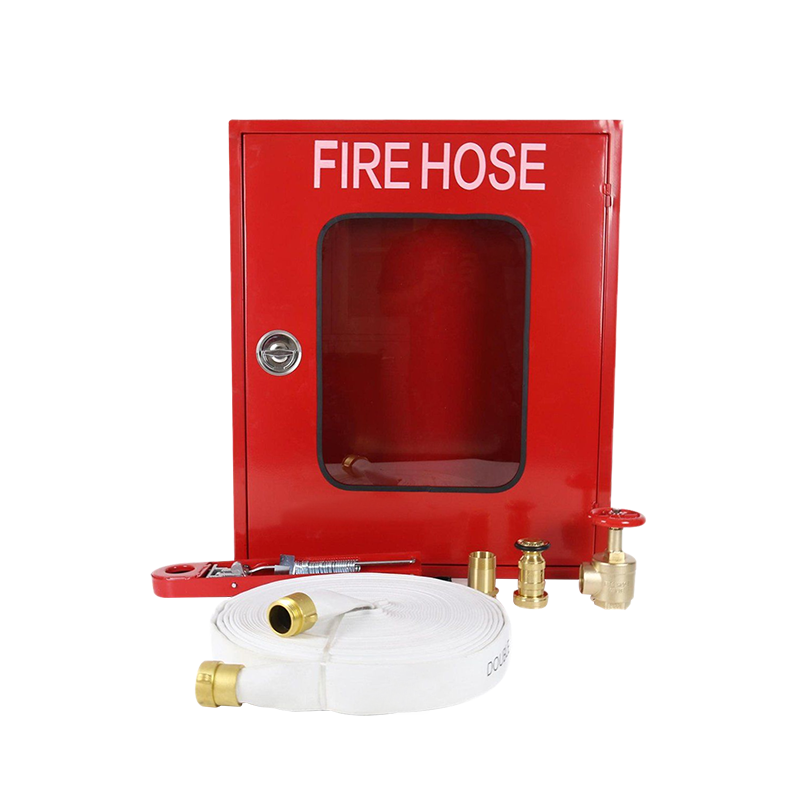
Fire cabinets are designed to accommodate fire hose,valve and other firefighting equipment. Type 201...
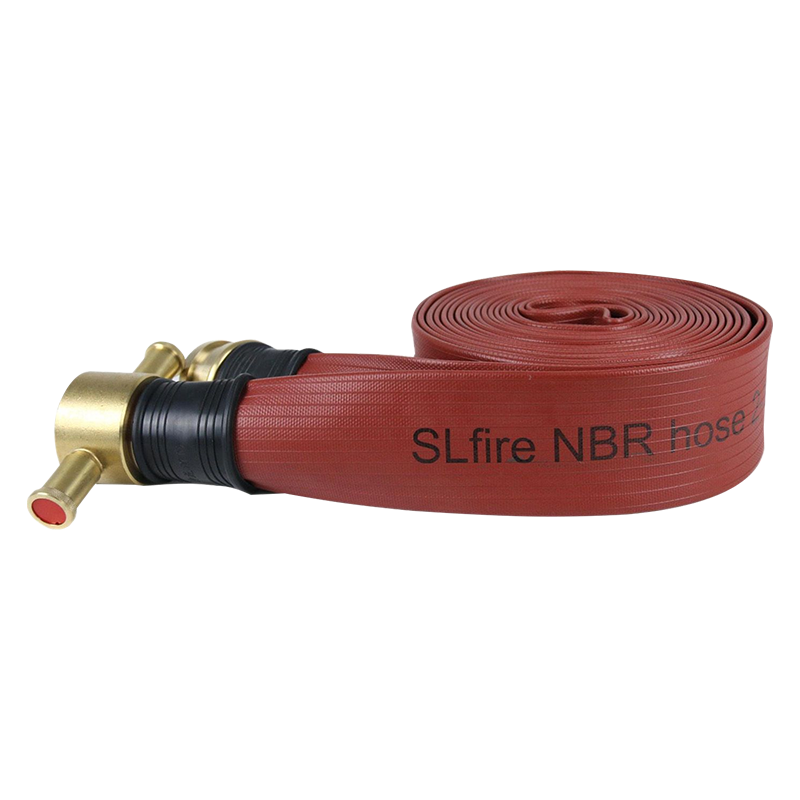
Nitrile covered hose •Nitrile/TPR blend as cover and lining, with 100% high-tenacity polyester yarn ...
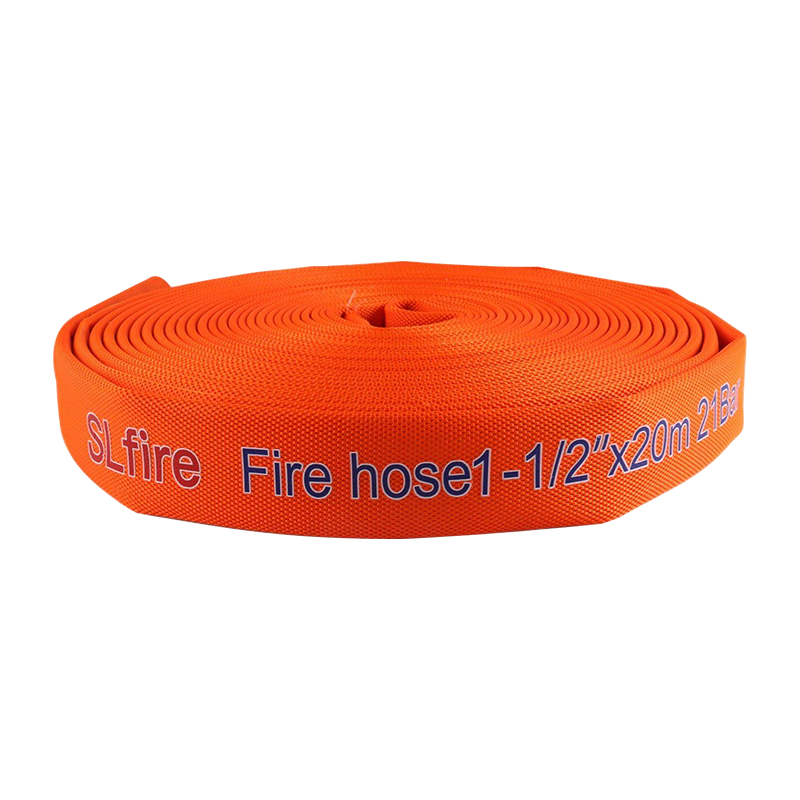
Single jacket, TPU liner •High-tenacity polyester yarn, circular woven in twill weave, TPU lining, f...
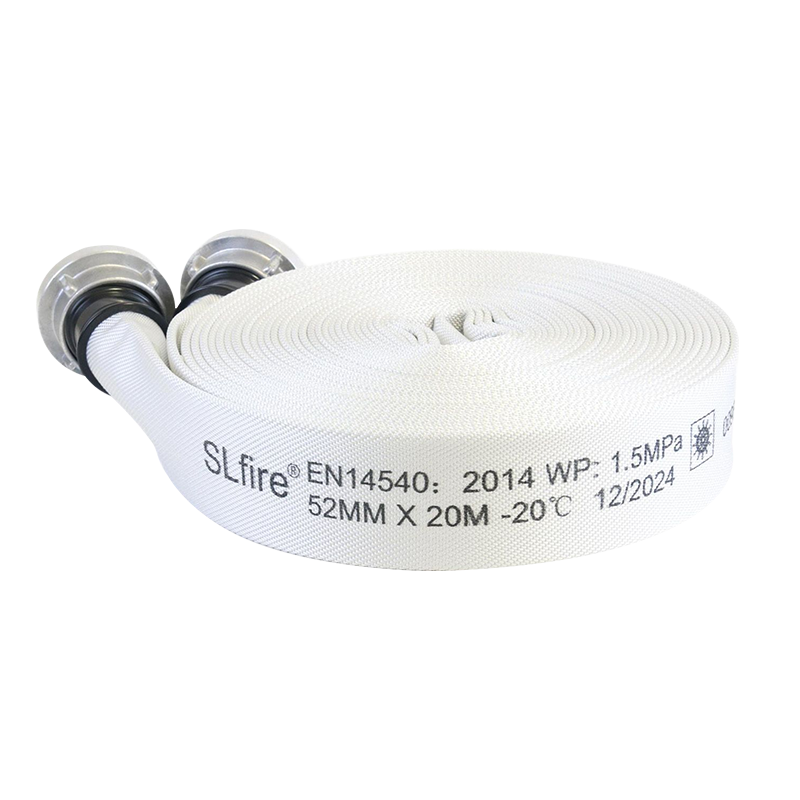
Marine hose Single jacket, PVC liner •100% high tenacity polyester yarn, circular woven in twill wea...
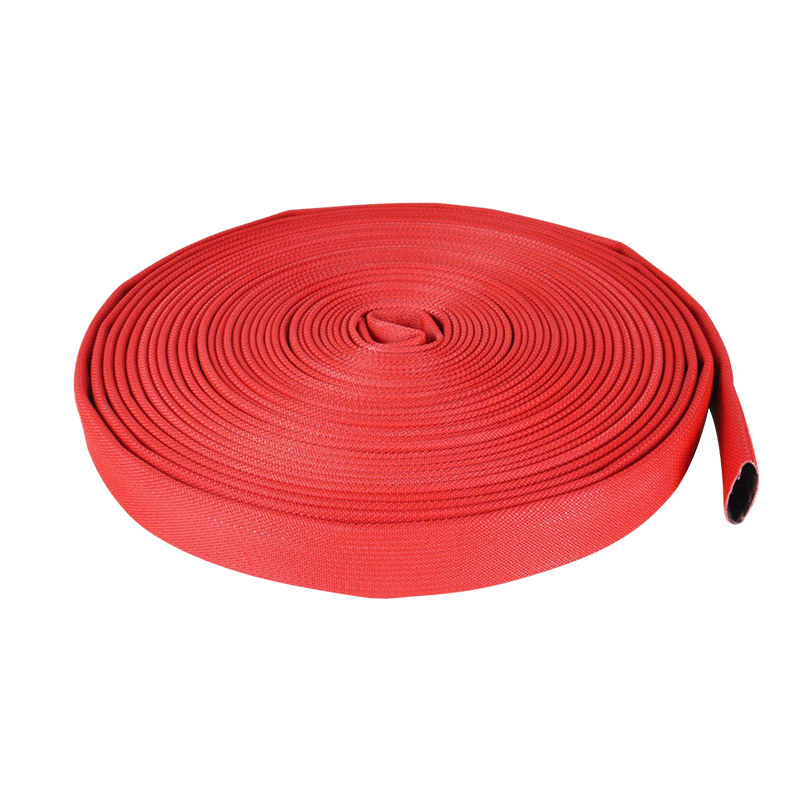
Marine hose Single jacket, PVC liner, PU coated •100% high tenacity polyester yarn,c ircular woven i...
 Call Us
+86 159-5116-9511
Need Support
Head Office
No.58, Kechuang Road, Sixiang Street Medicine Gaoxin District Taizhou City, Jiangsu Province

At a structure fire, the first line off the truck is the one that does the hardest work. Pulled around obstacles, dragged across gravel, charged with high-pressure water, and shut off at the nozzle d...
Copyright © Taizhou Shenlong Fire Science and Technology Co., Ltd. All Rights Reserved.
 Fire Hose Manufacturers, Fire Hydrant Hose Factory