

 English
 русский
 Español
 Deutsch
 عربى
 Français
 Português
Don't hesitate to send a message

Single jacket, EPDM rubber liner Features • 100% high tenacity polyester jacket, high-grade EPDM rub...
Content
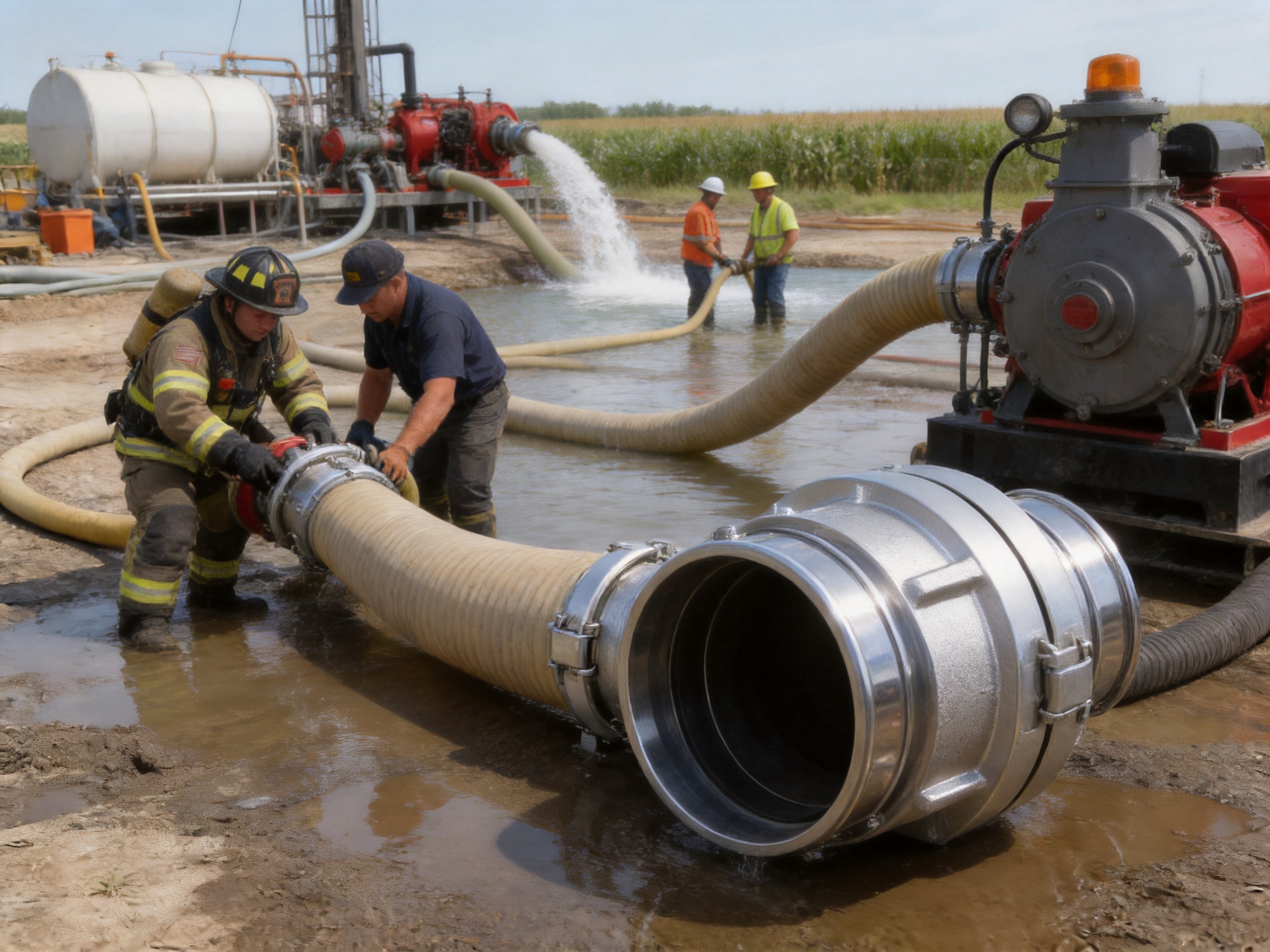
Reliable hose connections are essential wherever large volumes of water, liquid, or industrial media must be transferred safely and efficiently. In firefighting, water supply, construction, agriculture, mining, milling, and industrial processing, a hose assembly is only as dependable as its coupling. A coupling that is difficult to install, vulnerable to corrosion, or unable to withstand working pressure can reduce system performance and create unnecessary operational risks.
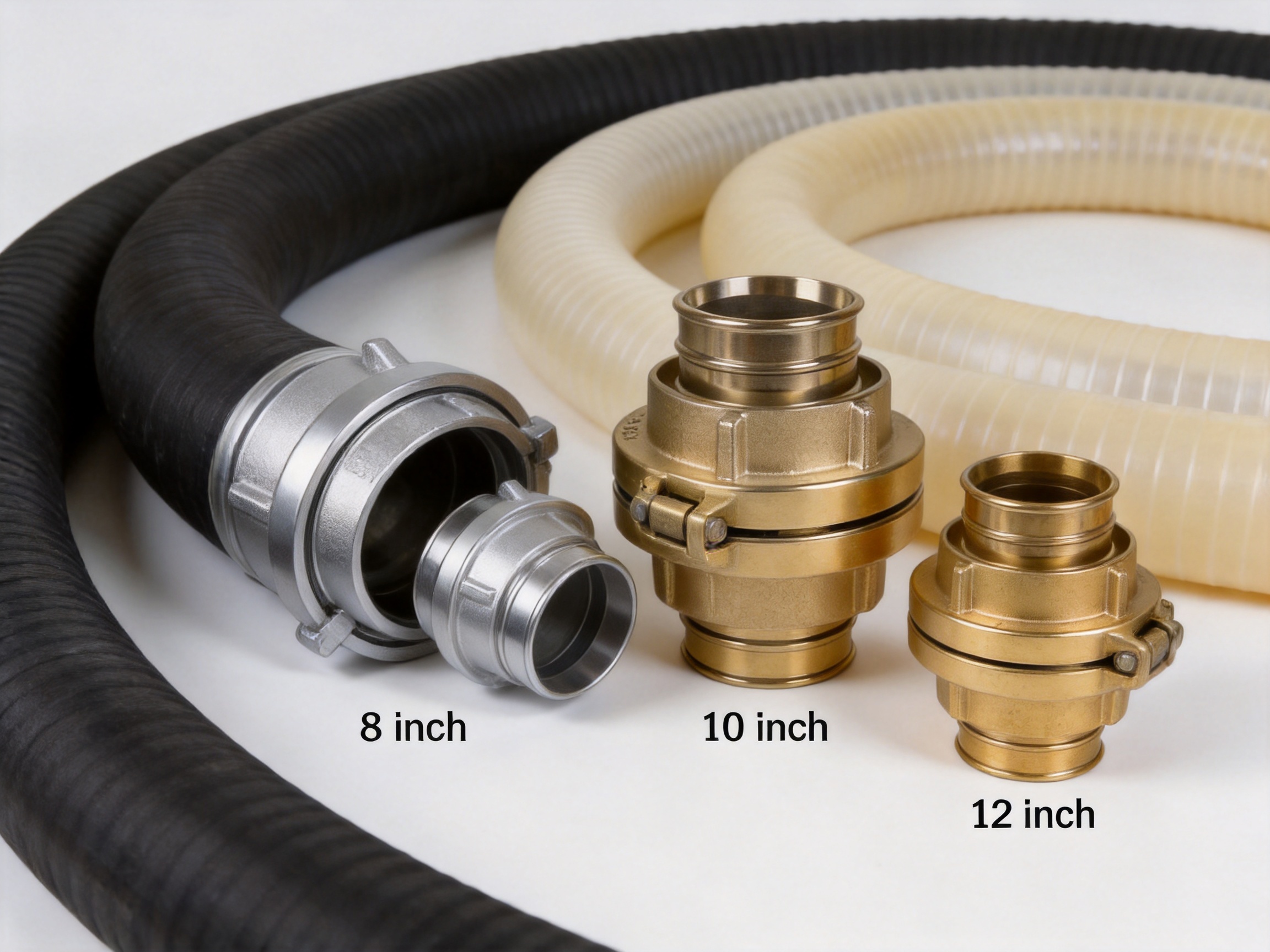
The Large Diameter STORZ Self-Locking Coupling is designed to address these challenges with a practical, durable, and highly adaptable connection solution. Available in 8-inch, 10-inch, and 12-inch sizes, with other dimensions available by request, this coupling is intended for large-diameter nitrile rubber lay-flat hoses and polyurethane lay-flat hoses. It can also be used with water suction and discharge hoses, industrial hoses, and milling hoses.
Its symmetrical STORZ configuration allows two compatible couplings to connect without a fixed male or female thread arrangement. This design supports fast coupling and uncoupling, reduces installation complexity, and helps operators work efficiently in demanding environments. The self-locking structure further improves connection security, while the use of aluminum alloy or brass provides a strong balance between mechanical performance, corrosion resistance, and manageable weight.
Manufactured by Taizhou Shenlong Fire Science and Technology Co., Ltd., the coupling benefits from a production system built around research and development, casting, forging, finishing, inspection, and application-oriented service. The company has operated since 1995 and has experience serving the fire protection, construction, water conservancy, and industrial sectors. Its manufacturing capabilities also support customized foreign trade products made from rubber, PVC, polyurethane, and other materials.
This article explains the construction, operating advantages, manufacturing processes, application range, selection factors, and maintenance considerations associated with the Large Diameter STORZ Self-Locking Coupling.
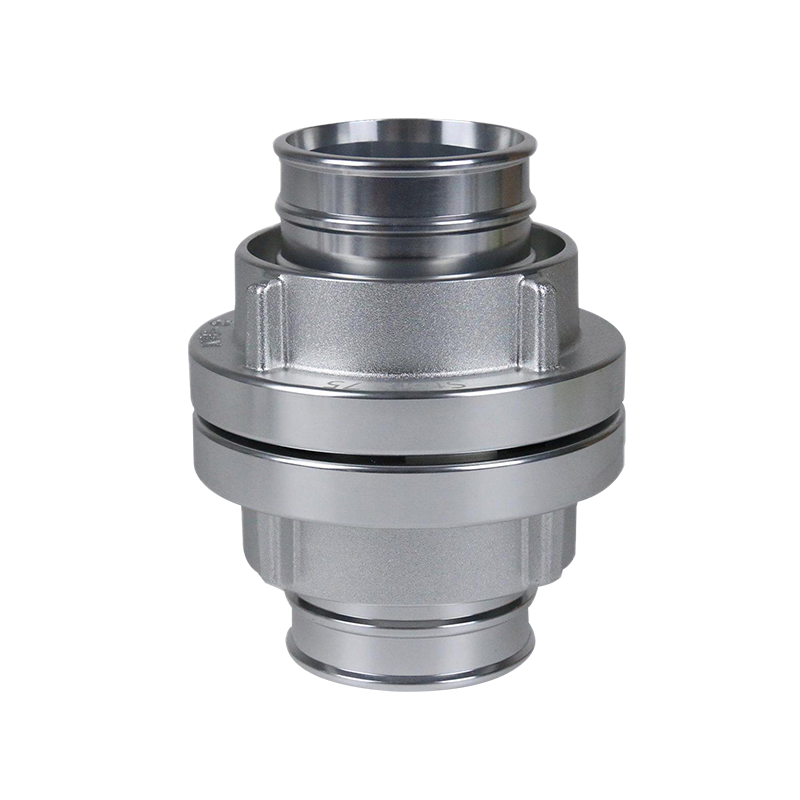
Large Diamter STORZ Self-Locking Coupling
Large-diameter hoses are used when a system must move a substantial volume of water or another compatible fluid over a short or extended distance. Unlike small hose assemblies, large-diameter systems place greater demands on every connection point. The coupling must handle the weight of the hose, the force generated by internal pressure, movement caused by pumping, and the practical conditions of field assembly.
In firefighting, large-diameter hoses may be used for water supply, relay pumping, hydrant connections, dewatering, or high-capacity discharge. In construction and water conservancy, they can support drainage, temporary water transfer, and site dewatering operations. Agricultural users may require them for irrigation and water distribution, while industrial facilities may use them to transport water or compatible liquids around processing areas.
A poorly matched coupling can cause leaks, pressure loss, hose damage, or delays during installation. Threads may become contaminated or damaged, sealing surfaces may deteriorate, and conventional connection systems may require additional tools. These concerns become more serious when the hose must be connected repeatedly or when personnel need to assemble the line in wet, muddy, dusty, or low-visibility conditions.
The STORZ connection principle provides a solution based on symmetrical lugs and a quarter-turn locking action. Because both coupling halves are structurally compatible, the operator does not need to identify a male side and a female side before making the connection. The connection can be made quickly by aligning the coupling heads, engaging the lugs, and turning the locking mechanism into position.
For large-diameter applications, a coupling must also retain dimensional consistency. Properly manufactured coupling halves need accurate lug geometry, stable sealing surfaces, and sufficient material strength. The production methods used for the Large Diameter STORZ Self-Locking Coupling—die casting, gravity casting, and forging—are selected according to the required material, size, structure, and performance objectives.
The Large Diameter STORZ Self-Locking Coupling is manufactured from aluminum alloy or brass. These materials are widely used in hose coupling production because they offer a useful combination of strength, corrosion resistance, machinability, and service practicality.
Aluminum alloy is especially suitable when reduced equipment weight is important. A lighter coupling is easier for operators to transport, position, and attach to a large hose. This can be valuable for emergency response teams, mobile pumping stations, agricultural operations, and construction sites where hose assemblies are repeatedly moved. Aluminum alloy also provides good resistance to many outdoor operating conditions when correctly finished and maintained.
Brass is selected when a heavier and highly robust metal connection is preferred. It offers good mechanical stability and corrosion resistance in many water-handling environments. Brass may be appropriate for systems where the coupling is exposed to frequent connection cycles, vibration, or demanding industrial service.
The coupling is available with a working pressure of 16 bar. Working pressure refers to the pressure level at which the coupling is intended to operate under appropriate installation and service conditions. The complete hose assembly must always be considered, including hose pressure rating, gasket condition, operating temperature, fluid compatibility, pump behavior, and any transient pressure or water hammer.
Standard large-diameter sizes include 8 inches, 10 inches, and 12 inches. These sizes are intended for high-flow hose applications where a smaller connection would restrict capacity or create excessive flow resistance. Other sizes may be requested for projects with special hose dimensions, system layouts, or equipment requirements.
| Item | Specification | Application Significance |
|---|---|---|
| Product type | Large Diameter STORZ Self-Locking Coupling | Designed for rapid connection of large-diameter hoses |
| Casting or forming method | Die casting, gravity casting, or forging | Allows production to be matched to structural and dimensional requirements |
| Working pressure | 16 bar | Suitable for many demanding water and industrial hose systems |
| Material | Aluminum alloy or brass | Balances strength, corrosion resistance, and handling requirements |
| Surface treatment | Vibratory grinding; anodizing options may be considered according to requirements | Improves surface finish and supports resistance to abrasion and corrosion |
| Available sizes | 8 inches, 10 inches, and 12 inches | Supports high-volume hose applications |
| Custom sizes | Available upon request | Supports project-specific hose and equipment configurations |
| Compatible hose types | Nitrile rubber lay-flat hose and polyurethane lay-flat hose | Provides flexibility across water transfer and industrial applications |
| Additional uses | Water suction and discharge hoses, industrial hoses, and milling hoses | Extends the coupling’s value beyond firefighting |
One of the principal advantages of the STORZ design is its symmetrical connection structure. Traditional threaded couplings often rely on a male component and a female component. Operators must identify the correct pairing, align the threads, and rotate the connection through several turns. Dirt, deformation, cross-threading, or corrosion can slow down the process and make field assembly more difficult.
A symmetrical STORZ coupling avoids the need to distinguish between male and female threads. Two matching coupling halves can be aligned and joined using the same basic connection principle. The operator engages the lugs and rotates the coupling until it locks. This arrangement is particularly useful when hoses must be deployed quickly or when several connection points are being assembled in succession.
The design also offers flexibility in hose orientation. Because the coupling is not dependent on a fixed threaded direction, operators can connect the hose according to the most practical position of the equipment and pipeline. This can simplify layout work around pumps, hydrants, tanks, manifolds, and temporary water systems.
The self-locking function provides an additional level of connection security. Once the coupling is correctly engaged and locked, the connection is less likely to loosen during normal operation. This is important in systems exposed to vibration, pressure fluctuation, hose movement, or repeated handling. A secure connection also helps protect the sealing element from uneven loading caused by incomplete engagement.
Although the STORZ mechanism is quick to operate, correct alignment remains important. Operators should ensure that the coupling faces are clean, the gasket is properly positioned, and the locking mechanism is fully engaged. Fast connection should not mean careless connection. A properly designed coupling delivers its best performance when it is installed and maintained according to sound hose-handling practices.
Large hose systems frequently need to be installed, repositioned, or removed. The quick-connect design of the STORZ coupling reduces the time needed for these tasks. It does not require the operator to make multiple threaded rotations, and the symmetrical format reduces the time spent identifying the correct coupling half.
Faster assembly can improve emergency response efficiency. Firefighting crews may need to establish a water supply line rapidly, while construction and drainage teams may need to remove water from a work area without extended preparation. In industrial plants, rapid disconnection can support cleaning, equipment changeover, and routine maintenance.
The coupling is designed to be assembled with simple hardware tools. This is an advantage in field conditions where specialized equipment may not be available. A straightforward connection process also helps standardize work across different operating teams and reduces the training burden for personnel who frequently handle hoses.
Threaded connections may require substantial torque, especially when large sizes are involved. In contrast, the STORZ connection uses a locking action that is easier to manage for large-diameter hose assemblies. While suitable tools may still be used to ensure a secure connection, the overall process is practical and direct.
Large couplings are exposed to contact with the ground, equipment, hose covers, and other hardware. Vibratory grinding helps produce a smoother and more uniform surface by removing sharp edges, casting irregularities, and unwanted roughness. A controlled surface finish can reduce the chance of snagging during handling and help protect adjacent hose materials.
Good abrasion resistance is particularly valuable in construction, firefighting, mining-related work, and industrial environments where couplings may be dragged or placed on rough surfaces. Operators should still avoid unnecessary dragging and should inspect couplings after contact with hard or abrasive objects.
Water, moisture, salts, cleaning chemicals, fertilizers, and industrial substances can attack metal surfaces over time. Aluminum alloy and brass are selected for their useful corrosion resistance, while surface treatment provides additional protection. Anodizing, where specified, can improve the surface properties of aluminum components and support long-term service in appropriate environments.
Chemical resistance depends on the specific fluid, concentration, temperature, exposure time, and material combination. The coupling should therefore be matched to the actual service medium. For general water transfer and many firefighting applications, the material options provide a reliable foundation. For aggressive chemicals, a compatibility review should be completed before purchase.
The 8-inch, 10-inch, and 12-inch sizes are intended for systems that require substantial flow capacity. A large-diameter connection helps reduce the restriction associated with smaller passages and supports efficient use of large lay-flat hoses. The correct size must be selected according to the hose inside diameter, pump capacity, required flow rate, and the dimensions of connected equipment.
Offering both aluminum alloy and brass gives users the ability to prioritize different performance criteria. Aluminum alloy can be selected when portability and reduced handling weight are important. Brass can be considered where a heavier metal connection is preferred for mechanical robustness and long-term service.
This material flexibility is an advantage over suppliers that offer only one metal option. It allows the coupling to be matched more closely to the working environment, handling requirements, budget, and equipment configuration.
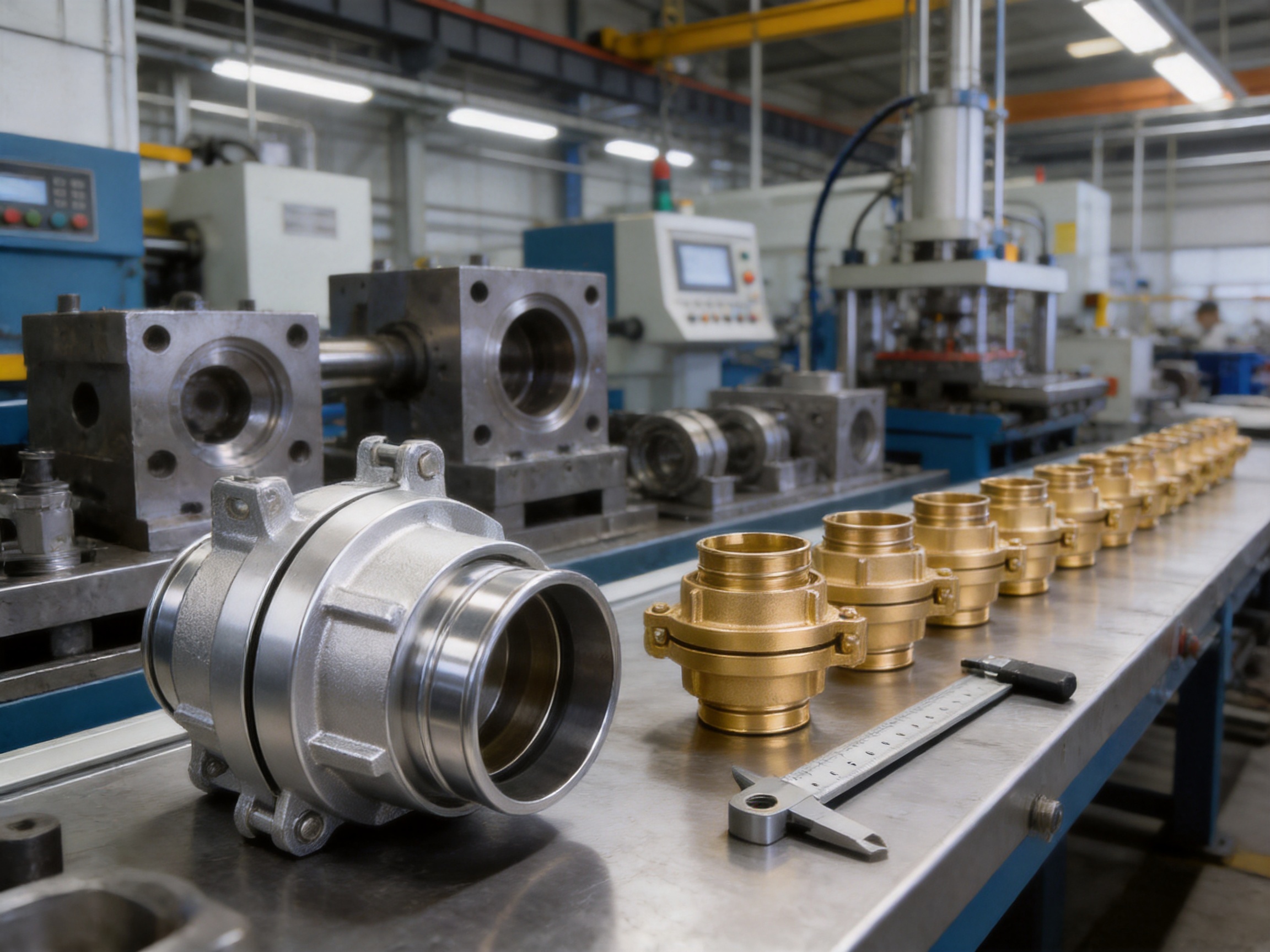
The performance of a large coupling begins with manufacturing quality. The product must maintain correct dimensions, stable locking geometry, sound material structure, and a consistent surface finish. Taizhou Shenlong Fire Science and Technology Co., Ltd. uses several manufacturing routes—die casting, gravity casting, and forging—to accommodate different product requirements.
Die casting uses a reusable metal mold into which molten metal is introduced under controlled conditions. This method is suitable for producing components with consistent external dimensions and repeatable shapes. For larger production quantities, die casting can support efficient manufacturing and stable batch-to-batch consistency.
Dimensional control is important for STORZ couplings because the lugs, locking areas, and sealing faces must work together accurately. Consistent casting reduces unnecessary variation between coupling halves and supports smooth assembly. Proper control of mold condition, metal temperature, filling, cooling, and release is essential to achieving reliable results.
After casting, components may require trimming, machining, deburring, surface finishing, and inspection. These secondary operations help refine the connection surfaces and ensure that the finished part is suitable for practical hose installation.
Gravity casting introduces molten metal into a mold using the force of gravity rather than high-pressure injection. This process can be useful when production flexibility, material utilization, and component structure are important. It may also support different design requirements or order volumes.
Gravity casting requires careful control of mold preparation, pouring, cooling, and solidification. The manufacturer must manage the risk of shrinkage, porosity, incomplete filling, and surface imperfections. Experienced process control and post-casting inspection are important for producing components that can withstand pressure and repeated handling.
For customers requiring specific sizes or customized configurations, gravity casting may provide a practical manufacturing option. It can be integrated with machining and finishing operations to achieve the dimensional accuracy required by the STORZ connection.
Forging shapes metal through controlled force, often producing a dense and mechanically strong structure. This method is suitable for components that must withstand demanding loads or repeated mechanical stress. Forged coupling parts may be selected when structural robustness is a primary concern.
The forging process requires suitable material preparation, controlled forming, heat management, trimming, and finishing. After forging, the part may undergo machining to produce accurate locking and sealing surfaces. The result is a component with a strong material structure and a surface geometry adapted to the connection system.
Casting or forging creates the basic component, but machining and finishing refine the final product. Critical areas include the coupling face, lug geometry, locking path, gasket seating area, and any hole or interface used during installation. These features must be produced with sufficient precision to support smooth operation and reliable sealing.
Dimensional control is particularly important for large couplings because even a small mismatch can become more noticeable as the connection size increases. Inspection tools and process checks can be used to verify critical dimensions, surface condition, and assembly compatibility.
Vibratory grinding places components in a controlled finishing environment where movement and abrasive media smooth the surface. This process can remove burrs, soften edges, improve appearance, and create a more uniform finish. It is useful for couplings that must be handled repeatedly by operators.
A smoother surface can also reduce the likelihood of sharp edges damaging hose covers, gloves, sealing components, or adjacent equipment. Surface finishing does not replace correct handling, but it supports safer and more convenient operation.
Additional surface treatment, including anodizing for suitable aluminum components, may be considered according to the application and customer requirements. The selected treatment should reflect the intended environment, exposure conditions, and desired service life.
A coupling manufacturer must do more than produce metal components. It must understand how those components behave in complete hose assemblies. Product quality therefore involves material selection, forming technology, dimensional accuracy, finishing, assembly performance, and customer application guidance.
Taizhou Shenlong Fire Science and Technology Co., Ltd. combines research and development, production, sales, and service. This integrated structure supports communication between design, manufacturing, and customer-facing teams. Feedback from firefighting, construction, water conservancy, and industrial applications can be used to improve product selection and production planning.
The company was founded in 1995 and has developed experience in the production of lined fire hoses made from various materials. Its broader product range includes fire hoses, industrial hoses, agricultural hoses, hose couplings, hose nozzles, fire accessories, fire cabinets, and trenchless rehabilitation hoses. This product background is relevant because coupling performance is closely connected to hose construction and end-use conditions.
In addition to its own product development and production activities, the company undertakes various foreign trade products according to customer requirements. These products may involve rubber, PVC, polyurethane, and double-sided tape. Such experience indicates a capacity to work with different materials, specifications, packaging needs, and export-oriented project requirements.
The company’s products are sold across more than 20 provinces, cities, and autonomous regions and are exported through cooperation with domestic foreign trade companies. Its products are used in fire protection, construction, water conservancy, and related industries. This market experience supports an understanding of different operating environments and buyer expectations.
Firefighting systems require dependable connections that can be assembled rapidly. Large-diameter STORZ couplings can be used with suitable fire hose assemblies for water supply, discharge, relay pumping, and temporary high-flow arrangements. The symmetrical design helps crews connect hoses efficiently without sorting male and female threaded components.
The 16-bar working pressure specification provides a strong basis for demanding water service when the complete hose system is correctly rated. Fire departments and emergency contractors should evaluate the coupling together with the hose, pump, hydrant, manifold, gasket, and operating procedures.
Construction sites often experience changing water conditions. Excavations, tunnels, foundations, and temporary drainage areas may require rapid water removal. Large-diameter lay-flat hoses are convenient because they can be rolled, transported, and deployed across changing work areas.
A self-locking coupling simplifies the connection of these hoses to pumps and discharge lines. Aluminum alloy can be useful when crews move equipment frequently, while brass may be selected for installations where a heavier, robust connection is preferred.
Agricultural operations may use large hoses for irrigation, field drainage, reservoir transfer, and water distribution. Equipment is often moved across uneven ground, and connections may be exposed to mud, moisture, fertilizers, and outdoor weather. Corrosion-resistant materials and a practical locking mechanism can improve convenience during seasonal installation and removal.
Users should select a coupling size that matches the hose and pump system. Oversized or undersized connections can reduce overall efficiency. Routine cleaning is also important because soil and organic material can interfere with locking or sealing surfaces.
Industrial facilities use hoses for water circulation, process support, equipment cleaning, cooling, and liquid transfer. The coupling’s material and finish can be selected according to the operating environment. Aluminum alloy is suitable for many general water applications, while brass may be considered where greater weight and mechanical stability are useful.
For industrial chemicals, the operator must confirm fluid compatibility before use. Chemical resistance is not identical for every substance, and the gasket material may be more vulnerable than the metal coupling. Temperature, pressure, concentration, and exposure duration should all be reviewed.
Milling hoses and related industrial systems may require strong, abrasion-resistant connections. The coupling can be used with compatible hose constructions where the connection is exposed to repeated movement, vibration, or contact with industrial equipment. The smooth finished surface helps reduce snagging and supports easier handling.
Because milling applications can involve abrasive particles or specialized media, the complete hose and coupling assembly should be selected for the actual material being transported. The coupling is not a substitute for a hose specifically designed for abrasive service.
Water suction and discharge systems place different demands on hose assemblies. Suction applications may involve vacuum conditions, pump startup forces, and changes in hose shape. Discharge applications may involve positive pressure and flow surges. The coupling must be installed with a suitable hose and gasket, and the assembly must be checked for leaks before full operation.
The large STORZ format is suitable for high-volume water movement, but the correct coupling size and hose construction remain essential. Users should avoid exceeding the stated working pressure and should account for temperature and pressure transients.
Choosing a coupling requires more than selecting the largest available size. The user should first identify the hose inside diameter, connection standard, required flow, pump capacity, operating pressure, fluid type, temperature, installation frequency, and environmental exposure.
The Large Diameter STORZ Self-Locking Coupling is intended for nitrile rubber lay-flat hoses and polyurethane lay-flat hoses, as well as suitable water suction and discharge hoses, industrial hoses, and milling hoses. The hose end must be properly prepared so that the coupling can be secured without crushing, slipping, or damaging the hose reinforcement.
The coupling and hose should be treated as one engineered assembly. A high-pressure coupling connected to a lower-rated hose does not increase the pressure rating of the hose. Similarly, a hose with strong reinforcement cannot compensate for an incorrectly fitted or damaged coupling.
The coupling has a working pressure of 16 bar. The user should compare this value with the hose working pressure and the actual operating pressure of the system. Pump startup, valve closure, elevation changes, and rapid flow changes may create pressure spikes above the normal operating level.
Safety margins should be considered during system design. Where pressure surges are possible, the operator may need additional controls such as gradual valve operation, surge management, pressure monitoring, or a different hose specification.
Aluminum alloy is a practical choice when lower weight and ease of handling are important. Brass may be selected when a heavier, solid connection is preferred. The final choice should consider corrosion exposure, mechanical loads, installation frequency, transport requirements, and the preferences of the operating team.
The available 8-inch, 10-inch, and 12-inch sizes cover many large-volume applications. The correct size should correspond to the hose and equipment rather than being selected only according to desired flow. A system designer should consider velocity, friction loss, pump performance, and connection dimensions.
Custom sizes can be requested when standard dimensions do not match an existing hose, manifold, pump, or industrial installation. Customized production should be discussed in advance so that drawings, measurements, material requirements, and performance expectations can be confirmed.
Outdoor installations may expose the coupling to rain, sunlight, mud, salt, fertilizer, and temperature changes. Industrial installations may involve oils, cleaning agents, chemicals, dust, or abrasive particles. The coupling material and surface treatment should be selected according to these conditions, and the sealing material should be confirmed separately.
Before installation, inspect both coupling halves and confirm that the locking areas are free from dirt, stones, dried mud, metal fragments, and other debris. Check the sealing gasket for cuts, deformation, hardening, or missing sections. A damaged gasket should be replaced before the hose is placed into service.
Align the coupling faces carefully and engage the lugs without forcing them at an angle. Once the lugs are correctly positioned, rotate the coupling through the locking path until the connection is fully secured. Operators should verify that the coupling has reached the proper locked position rather than assuming that partial engagement is sufficient.
When fitting a coupling to a hose, use an appropriate installation method that supports the hose structure and prevents damage to the reinforcement. Avoid excessive bending directly behind the coupling. The hose should be routed so that the coupling is not subjected to sideways loading, twisting, or continuous dragging.
After connection, introduce pressure gradually. Observe the coupling, gasket area, hose end, and nearby equipment for leakage or abnormal movement. If leakage is detected, depressurize the system before attempting adjustment. Never tighten, disconnect, or reposition a pressurized coupling.
During operation, avoid sudden valve closures and unnecessary pressure surges. Large-diameter hoses can move significantly when pressurized, so appropriate restraint and safe clearance should be maintained. Personnel should not stand directly over or in front of a connection that is under pressure.
Regular maintenance helps preserve the performance of the coupling and the entire hose assembly. After use, wash away dirt, mud, salt, and chemicals with a suitable cleaning method. Dry the coupling before storage, particularly when it has been exposed to contaminated water or corrosive substances.
Inspect the coupling for dents, cracks, distortion, damaged lugs, worn locking surfaces, or excessive corrosion. Small surface marks may not affect performance, but deformation in the connection area can prevent correct engagement. Any coupling that cannot lock smoothly or maintain a reliable seal should be removed from service for evaluation.
Gaskets should be inspected regularly because they are consumable sealing components. Heat, chemicals, compression, ultraviolet exposure, and repeated assembly can cause the gasket to lose elasticity. Keep replacement gaskets in a clean, protected storage area and select a material compatible with the intended fluid.
Lubrication requirements depend on the coupling design and the material of the gasket. If lubrication is used, it should be compatible with the gasket and the transported medium. Operators should avoid products that swell rubber, attract abrasive dust, or contaminate the hose interior.
Store couplings away from direct sunlight, extreme heat, corrosive vapors, and unnecessary mechanical loads. Do not place heavy equipment on coupling lugs or locking components. Hoses should be stored in a way that does not put continuous bending or twisting forces on the connection.
Service life depends on operating pressure, frequency of use, environmental exposure, handling practices, and maintenance quality. A coupling that is used occasionally in clean water may have a different service life from one that is dragged across abrasive ground every day. Regular inspection is therefore more reliable than assuming a fixed replacement interval.
For buyers, the value of a coupling is not limited to its catalog dimensions. Consistent production, responsive communication, material knowledge, and the ability to support custom requirements can reduce procurement risk. A manufacturer with experience in both hose and coupling products can better understand how the components interact in the field.
Taizhou Shenlong Fire Science and Technology Co., Ltd. has developed its business around research and development, manufacturing, sales, and service. Its long operating history since 1995 provides an established foundation for serving customers in fire protection, construction, water conservancy, and industrial markets.
The company’s product portfolio covers several hose categories and related fire protection equipment. This breadth can be useful to buyers who want to source compatible hoses, couplings, nozzles, cabinets, accessories, and rehabilitation hoses from an experienced supplier. It also allows technical discussions to consider the complete system rather than one isolated component.
Its manufacturing experience with rubber, PVC, polyurethane, and related products supports a flexible approach to customer requirements. The company cooperates with domestic foreign trade companies and supplies products to markets in more than 20 provinces, cities, and autonomous regions, while also supporting export-oriented orders.
For international buyers, project information should include the required size, material, working pressure, hose type, connection details, surface finish, quantity, packaging expectations, and destination requirements. Clear technical information allows the production team to recommend the most suitable manufacturing method and confirm whether a customized design is required.
A coupling’s economic value should be considered over its service life rather than only through its purchase price. A coupling that assembles quickly can reduce labor time. A coupling that resists corrosion and abrasion can reduce replacement frequency. A coupling that matches the hose accurately can reduce leakage, downtime, and maintenance costs.
The Large Diameter STORZ Self-Locking Coupling provides operational value through its quick connection structure, material options, large-size availability, and compatibility with multiple hose applications. These features can simplify equipment inventories, especially when one coupling family is used across several water transfer or industrial tasks.
Aluminum alloy versions may reduce transport and handling effort, which can be significant for mobile crews managing long lengths of large hose. Brass versions may provide a preferred solution for fixed or semi-fixed installations where the extra weight is acceptable and a solid metal connection is desired.
Custom-size availability can also prevent costly system modifications. Instead of replacing an existing hose, pump, or manifold to accommodate an unsuitable standard size, a project may be able to specify a coupling that matches the actual installation. Custom production should be planned carefully, but it can provide a more efficient long-term solution.
Even a well-manufactured coupling must be used responsibly. Users should follow applicable workplace safety procedures, inspect equipment before service, and ensure that personnel understand pressure hazards. The stated 16-bar working pressure should not be treated as permission to exceed the limits of the hose or the complete installation.
Connections should be made only when the system is depressurized. Operators should use suitable protective equipment and keep unnecessary personnel away from pressurized lines. In firefighting and industrial environments, additional site-specific rules may apply because of heat, chemicals, smoke, unstable ground, or moving machinery.
When a coupling is used with a fluid other than clean water, compatibility must be verified. Aluminum alloy, brass, gaskets, hose liners, and external hose covers may respond differently to chemicals and elevated temperatures. A technical review is recommended for unusual media or severe operating conditions.
A STORZ coupling is a symmetrical hose connection that uses interlocking lugs and a turning action rather than conventional male and female threads. Two compatible coupling halves can be joined without identifying a threaded gender arrangement. This supports fast connection and disconnection in many hose applications.
The standard sizes are 8 inches, 10 inches, and 12 inches. Other sizes may be requested for special hose assemblies, equipment interfaces, or project-specific requirements.
The stated working pressure is 16 bar. The complete hose assembly must also be rated for the intended pressure, and users should consider pressure surges, temperature, fluid compatibility, and the condition of the gasket and hose end.
The coupling can be manufactured from aluminum alloy or brass. Aluminum alloy is useful when low weight and easy handling are important. Brass may be preferred when a heavier and robust connection is required.
The coupling is designed for nitrile rubber lay-flat hoses and polyurethane lay-flat hoses. It can also be used with suitable water suction and discharge hoses, industrial hoses, and milling hoses when the dimensions, pressure rating, and material compatibility are correct.
The coupling is designed for assembly with simple hardware tools. Its quick-connect structure reduces dependence on complex equipment, although the exact installation method should be selected according to the hose construction and project requirements.
Vibratory grinding is used to improve the surface finish and remove rough edges and burrs. Additional treatment, such as anodizing for suitable aluminum components, may be considered according to customer requirements and the intended service environment.
Yes. Custom sizes can be requested. Buyers should provide hose dimensions, connection requirements, material preferences, operating pressure, application details, and quantity so that the manufacturer can evaluate the appropriate design and production method.
It is designed for demanding firefighting and industrial applications, including water suction and discharge. Before use, the coupling must be matched with a compatible fire hose assembly and installed according to safe operating procedures.
Clean and dry the coupling after use, inspect the locking areas and gasket, remove dirt from the connection surfaces, and store the component away from corrosive conditions and excessive mechanical loads. Replace damaged gaskets and remove deformed or cracked couplings from service.
Aluminum alloy is generally useful when reduced weight and portability are priorities. Brass may be selected when a heavier, solid metal connection is preferred. The decision should also consider corrosion exposure, mechanical loading, handling frequency, and the preferences of the operating team.
A coupling cannot increase the pressure rating or chemical resistance of a hose. The hose, coupling, gasket, pump, and connected equipment must be selected as a complete system. Correct compatibility helps reduce leakage, premature wear, and unsafe operating conditions.
The Large Diameter STORZ Self-Locking Coupling provides a practical connection solution for high-volume water transfer, firefighting, construction, agriculture, industrial hose systems, milling applications, and other demanding uses. Its symmetrical design allows quick connection without distinguishing between male and female threads, while the self-locking mechanism supports secure operation after correct engagement.
With a working pressure of 16 bar, standard sizes of 8 inches, 10 inches, and 12 inches, and material choices including aluminum alloy and brass, the coupling can be adapted to a wide range of project requirements. Vibratory grinding improves the surface finish, while optional surface treatments and carefully selected manufacturing methods support abrasion resistance, corrosion resistance, and chemical resistance.
The use of die casting, gravity casting, or forging allows production to be matched to the desired structure, dimensions, quantity, and performance requirements. Combined with machining, inspection, and finishing, these processes help create a coupling that is suitable for repeated field handling and demanding hose service.
Taizhou Shenlong Fire Science and Technology Co., Ltd. brings experience in research and development, manufacturing, sales, and service. Since its establishment in 1995, the company has developed products for fire protection, construction, water conservancy, and industrial applications. Its broader hose and fire equipment portfolio, material experience, custom product capability, and export-oriented cooperation provide additional support for buyers seeking reliable hose connection solutions.
For the best result, users should select the coupling according to hose dimensions, working pressure, fluid type, environmental exposure, and installation conditions. When correctly specified, installed, and maintained, the Large Diameter STORZ Self-Locking Coupling can improve connection efficiency, simplify hose handling, and contribute to dependable performance across demanding water and industrial systems.
1. Manufacturer product specifications for Large Diameter STORZ Self-Locking Couplings.
2. Manufacturer information concerning fire hose, industrial hose, agricultural hose, and related coupling production.
3. General engineering principles for hose coupling selection, pressure handling, and fluid transfer systems.
4. General maintenance practices for metal hose couplings, sealing gaskets, and large-diameter lay-flat hoses.
5. General materials guidance for aluminum alloy, brass, anodized surfaces, and vibratory finishing.
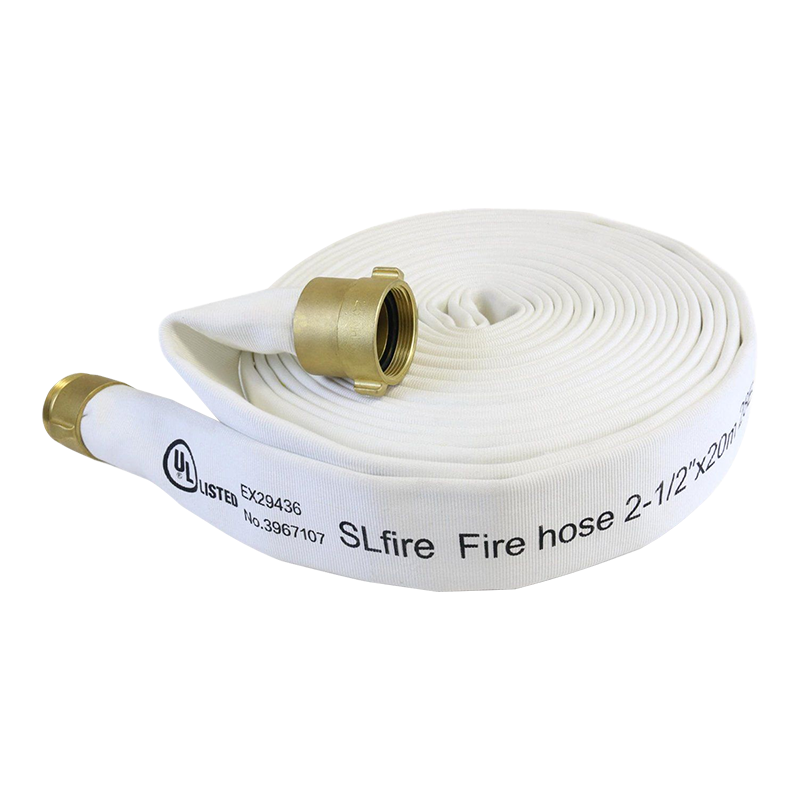
Single jacket, EPDM rubber liner Features • 100% high tenacity polyester jacket, high-grade EPDM rub...
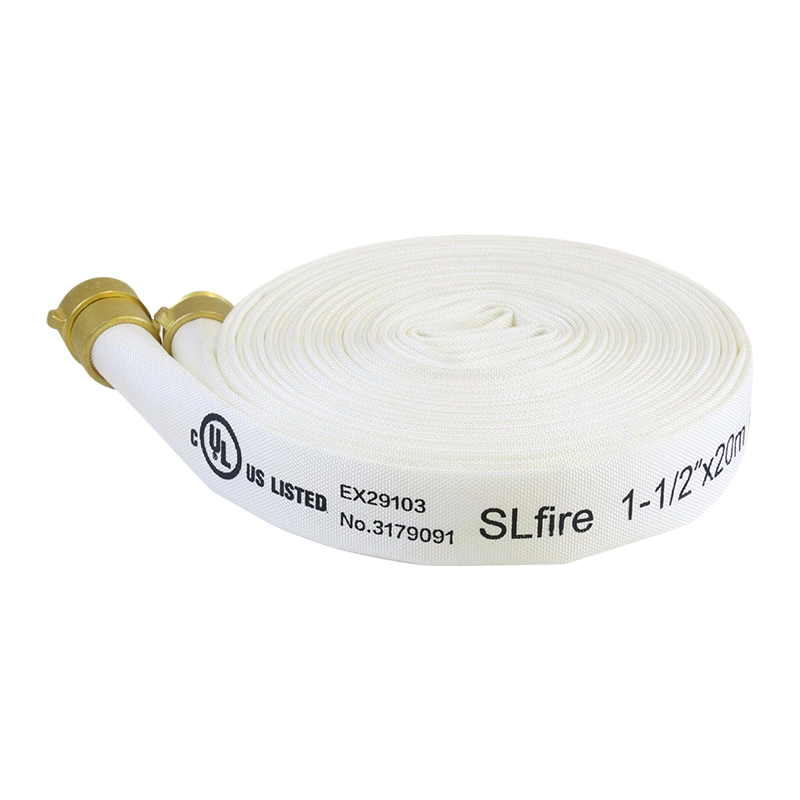
Single jacket, TPU liner •High-tenacity polyester yarn, circular woven in twill weave/plain weave,T ...
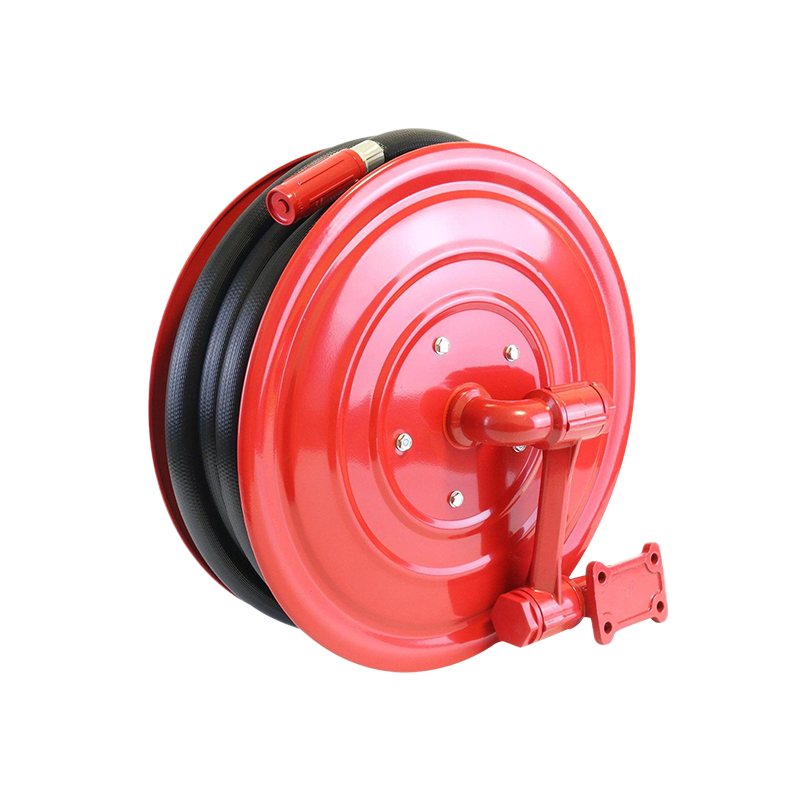
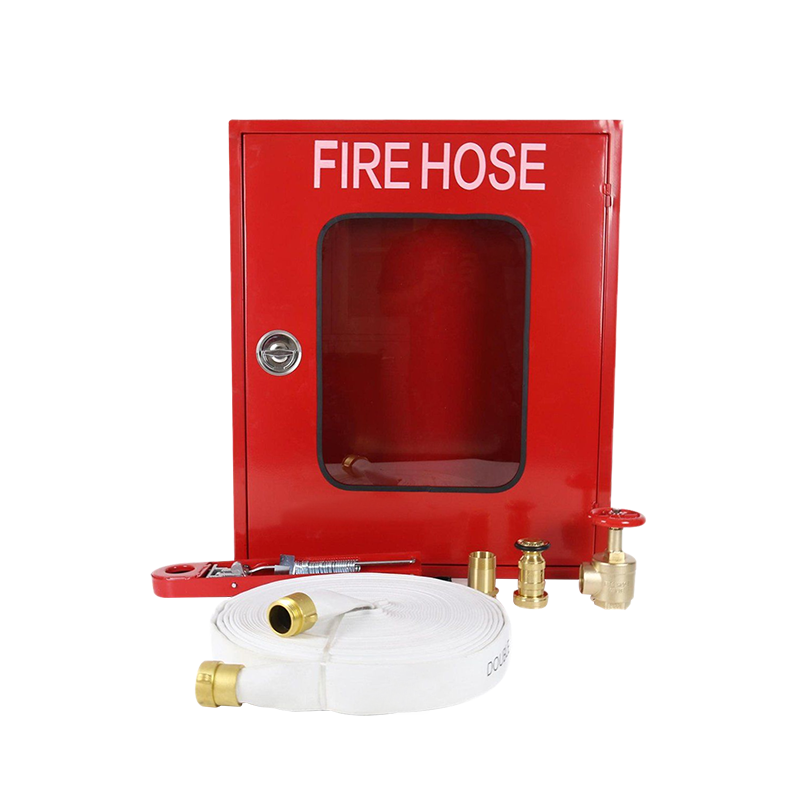
Fire cabinets are designed to accommodate fire hose,valve and other firefighting equipment. Type 201...
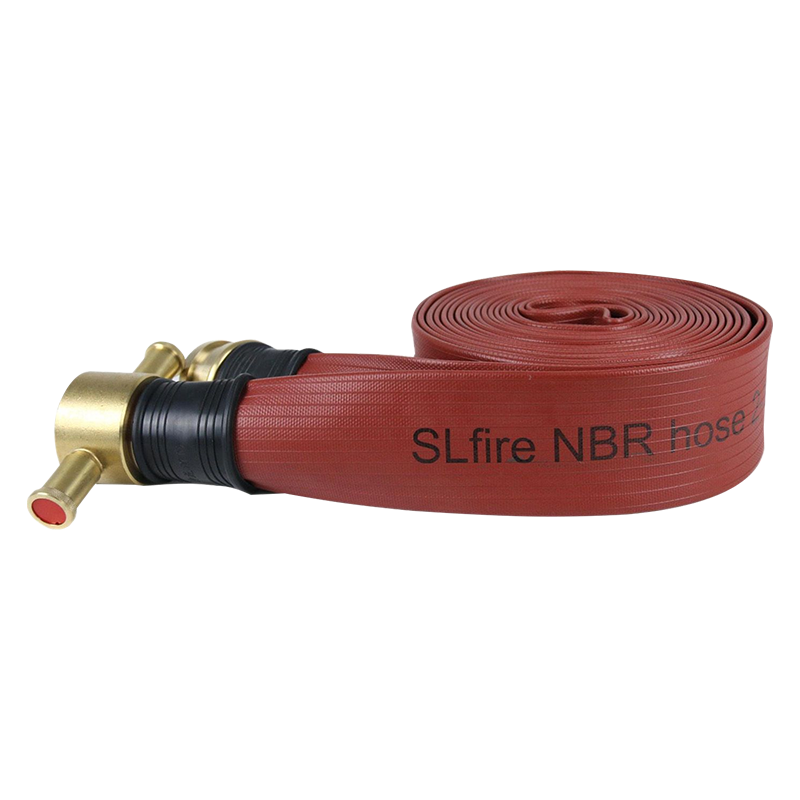
Nitrile covered hose •Nitrile/TPR blend as cover and lining, with 100% high-tenacity polyester yarn ...
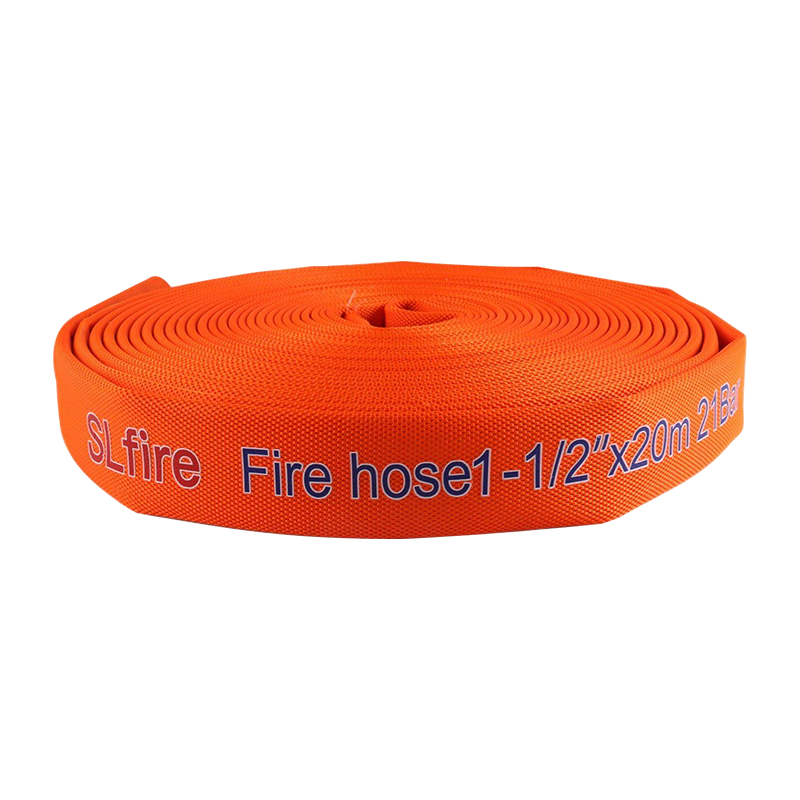
Single jacket, TPU liner •High-tenacity polyester yarn, circular woven in twill weave, TPU lining, f...
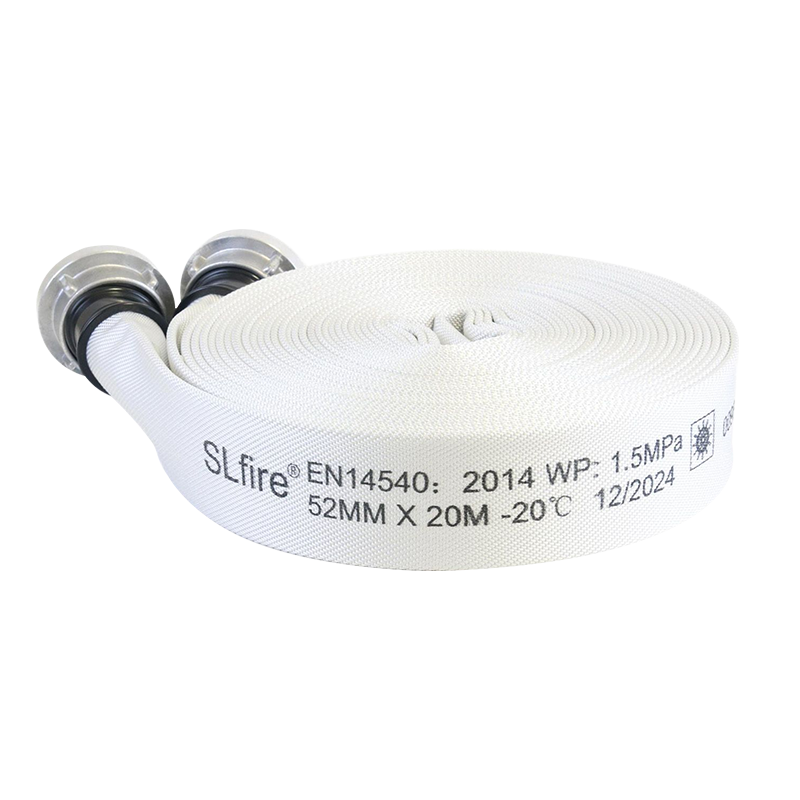
Marine hose Single jacket, PVC liner •100% high tenacity polyester yarn, circular woven in twill wea...
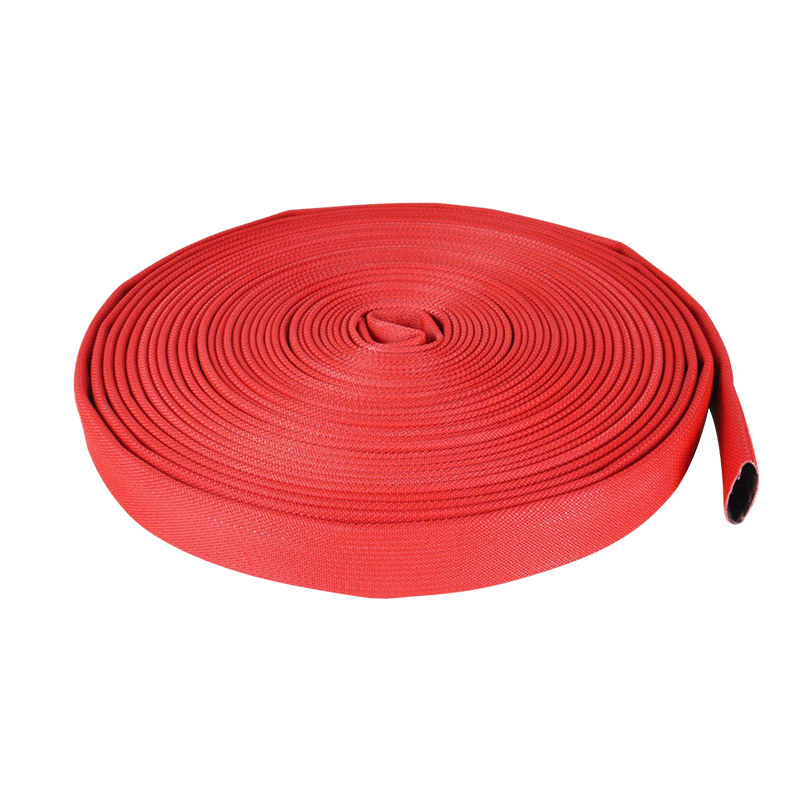
Marine hose Single jacket, PVC liner, PU coated •100% high tenacity polyester yarn,c ircular woven i...
 Call Us
+86 159-5116-9511
Need Support
Head Office
No.58, Kechuang Road, Sixiang Street Medicine Gaoxin District Taizhou City, Jiangsu Province

At a structure fire, the first line off the truck is the one that does the hardest work. Pulled around obstacles, dragged across gravel, charged with high-pressure water, and shut off at the nozzle d...
Copyright © Taizhou Shenlong Fire Science and Technology Co., Ltd. All Rights Reserved.
 Fire Hose Manufacturers, Fire Hydrant Hose Factory