

 English
 русский
 Español
 Deutsch
 عربى
 Français
 Português
Don't hesitate to send a message

Single jacket, EPDM rubber liner Features • 100% high tenacity polyester jacket, high-grade EPDM rub...
Content
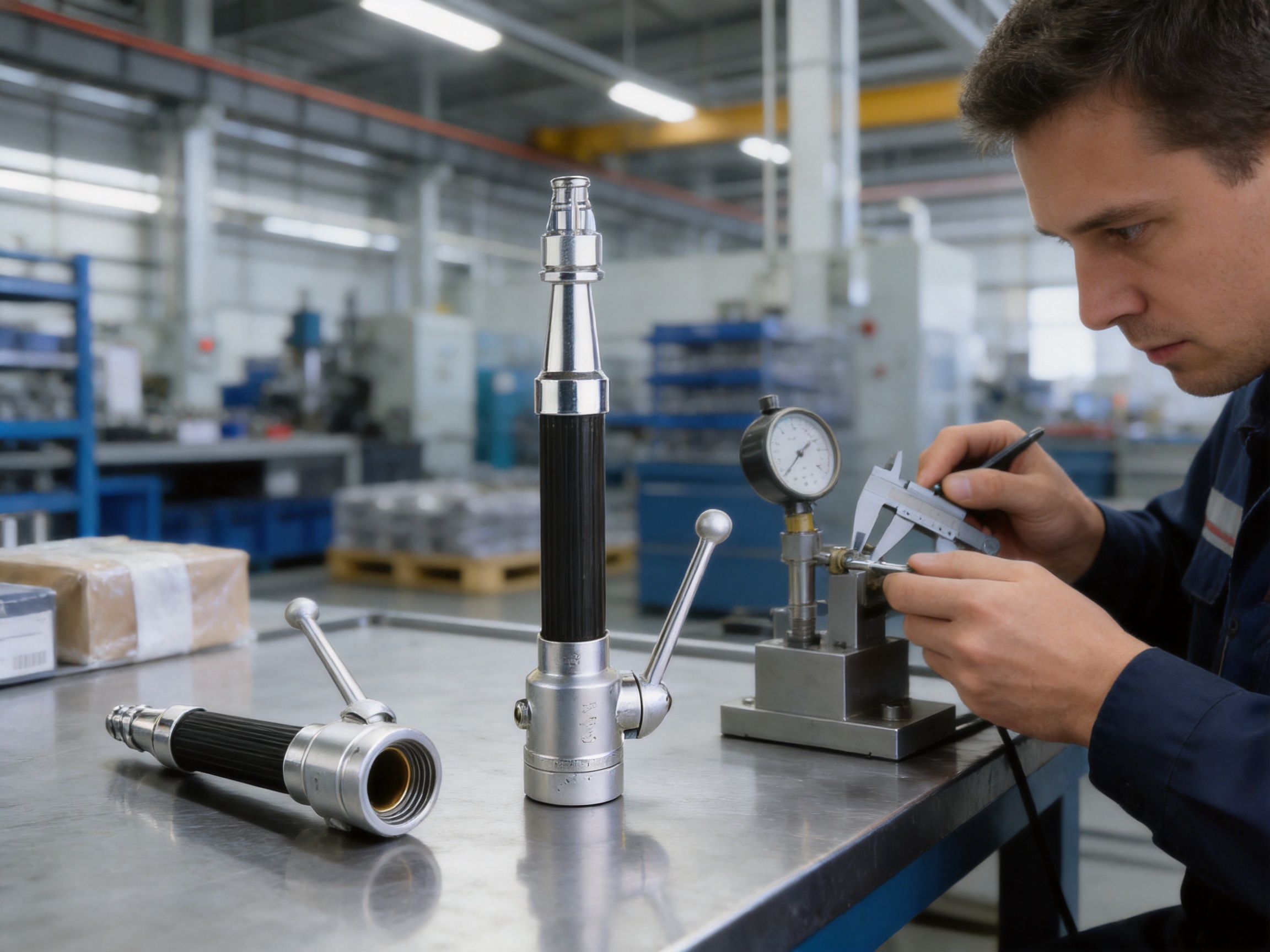
Reliable water-handling equipment must perform consistently under pressure, in demanding environments, and during operations where every second matters. The 2-inch by 2.5-inch AMERICAN Hose Nozzle is designed to provide a practical connection between a compatible hose and a high-volume discharge point. Its aluminum alloy construction combines useful mechanical strength with low weight, while its carefully designed internal passage helps support efficient water movement and a stable spray pattern.
This nozzle is suitable for a broad range of industrial, agricultural, commercial, construction, water-management, and firefighting-related applications. It is designed for users who need dependable water discharge without the unnecessary bulk associated with heavier metal components. The 2-inch inlet provides a secure connection to a compatible hose, while the 2.5-inch outlet supports discharge performance where a wider water exit is required.
Behind the product is Taizhou Shenlong Fire Science and Technology Co., Ltd., an established manufacturer with experience in research and development, production, sales, and service. Founded in 1995, the company has developed a broad product portfolio involving lined fire hoses and related water-delivery products. Its manufacturing background, quality-focused production approach, export experience, and ability to serve different industries provide a solid foundation for producing hose nozzles and other fluid-handling components.
A hose nozzle is the terminal component used to direct, control, or discharge water from a hose system. While a hose transports water, the nozzle determines how that water leaves the system. The nozzle’s internal geometry, outlet size, construction material, connection design, and surface quality all affect the user’s experience and the system’s overall performance.
The 2-inch by 2.5-inch configuration identifies two important dimensions. The 2-inch side is the inlet connection, which is designed to match a compatible hose or coupling. The 2.5-inch side is the outlet or discharge opening. This arrangement gives the nozzle a practical transition between the hose connection and the larger discharge area.
For operators, the size combination can offer a useful balance between connection compatibility and water delivery. A larger outlet may help reduce unnecessary restriction at the discharge point, depending on the rest of the system, available water pressure, hose construction, and coupling arrangement. Actual flow performance will always depend on the complete installation rather than the nozzle alone.
The nozzle is made from aluminum alloy. Aluminum alloy is widely used in industrial water equipment because it can provide a favorable balance of weight, strength, corrosion resistance, and machinability. Compared with many ferrous alternatives, an aluminum alloy nozzle is easier to lift, carry, install, and reposition. This can be especially valuable when equipment must be transported between work areas or handled repeatedly by one operator.
The product is intended for industrial, agricultural, and commercial use. It may also be used in water-discharge systems associated with construction, emergency response, water conservancy, maintenance, and other operations. Before installation, users should confirm the required pressure rating, connection standard, thread or coupling configuration, gasket requirements, and compatibility with the intended fluid.
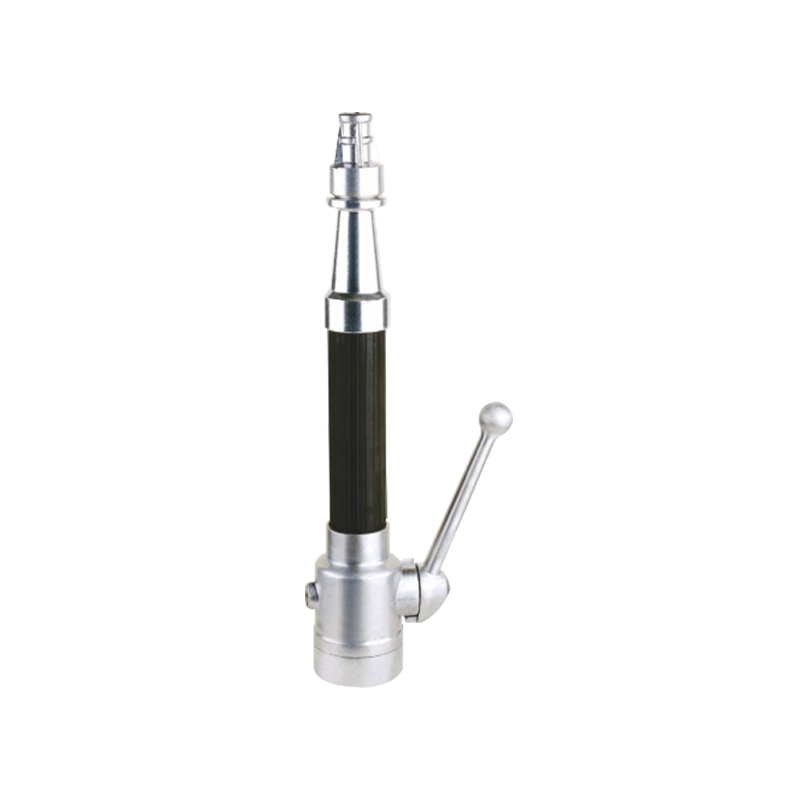
2" 2.5" AMERICAN Hose Nozzle
| Product | 2-Inch by 2.5-Inch AMERICAN Hose Nozzle |
| Product category | Hose Nozzles |
| Inlet size | 2 inches |
| Outlet size | 2.5 inches |
| Primary material | Aluminum alloy |
| Primary function | Water discharge and hose-end flow direction |
| Potential applications | Industrial, agricultural, commercial, construction, water management, and firefighting-related operations |
| Design emphasis | Durability, low weight, connection convenience, and efficient internal flow |
The specifications describe a compact but functional component for water-discharge systems. Although the nozzle is simple in appearance, its performance depends on careful dimensional control and a well-finished internal passage. The inlet and outlet must be produced accurately so that the component can be paired with compatible hoses, couplings, seals, and downstream equipment.
Because different markets may use different connection standards, buyers should identify the required connection type before ordering. The stated 2-inch inlet and 2.5-inch outlet describe the nominal size information provided for the product, but they do not replace confirmation of the exact thread, coupling, gasket, or interface standard.
One of the most practical advantages of aluminum alloy is its relatively low density. A lightweight nozzle can be easier to carry, connect, disconnect, and reposition than a comparable component made from heavier metal. This benefit matters in agricultural fields, construction sites, industrial plants, warehouses, emergency operations, and maintenance locations where equipment may need to be moved frequently.
Reduced weight can also simplify installation. When a hose is already filled with water, the combined assembly can become difficult to control. Keeping the nozzle itself lightweight helps reduce the total handling burden. It may also make the component more convenient for storage, transport, and deployment from a vehicle or equipment cabinet.
Although lightweight, aluminum alloy can provide the strength needed for many general-purpose water-discharge applications when the component is properly designed and used within its specified operating conditions. The alloy body is intended to withstand normal handling, connection, and water-service demands. Its strength-to-weight balance is one of the reasons aluminum alloy is commonly selected for portable industrial equipment.
Proper use remains essential. The nozzle should not be exposed to pressures beyond the system design limits, used as a lever, struck against hard surfaces, or forced onto an incompatible connection. Mechanical strength is most valuable when combined with appropriate installation, correct coupling practices, and regular inspection.
Aluminum alloy offers useful resistance to many common environmental conditions, including ordinary outdoor exposure and contact with fresh water. This makes it suitable for equipment that may be used in agricultural, construction, and water-management environments. A corrosion-resistant material can help preserve the nozzle’s appearance, dimensional integrity, and service usefulness over time.
However, corrosion resistance is not unlimited. Chemical compatibility should be reviewed when the nozzle will be exposed to salt water, aggressive chemicals, contaminated liquids, fertilizers, cleaning compounds, or unusual process fluids. Users should also avoid combining incompatible metals in a wet environment without considering galvanic corrosion. Proper storage, rinsing, drying, and inspection can extend service life.
Aluminum alloy can be formed and machined with precision, allowing manufacturers to produce accurate connection areas and smooth internal passages. A carefully manufactured nozzle can reduce rough edges, unwanted steps, and surface irregularities that might interfere with water flow or sealing performance.
The quality of the final component depends on the alloy selection, casting or forming method, machining accuracy, finishing process, inspection standards, and assembly practices. For this reason, material selection alone does not determine performance. A well-controlled manufacturing process is necessary to convert the advantages of aluminum alloy into a reliable finished nozzle.
The internal passage of a hose nozzle affects how smoothly water travels from the inlet to the outlet. Abrupt changes in direction, sharp internal shoulders, excessive roughness, and unnecessary restrictions can increase turbulence and energy loss. The 2-inch by 2.5-inch nozzle is described as having a smooth, flow-enhancing interior intended to minimize turbulence and support efficient water movement.
A smoother internal path can help produce a more consistent discharge. It may also reduce the tendency for water to separate from the internal wall when the flow changes direction. The result is a nozzle that is easier to use in applications where operators need a predictable stream or spray pattern.
Actual flow performance depends on several factors, including hose length, hose internal diameter, pump capacity, water pressure, elevation change, coupling design, bends in the hose, valve restrictions, and the condition of the nozzle. A nozzle cannot compensate for an undersized pump or a damaged hose. Nevertheless, a well-designed internal passage helps prevent the nozzle itself from becoming an unnecessary restriction.
The 2.5-inch outlet provides a discharge area intended to support powerful and consistent water delivery. The larger exit can be useful when the application requires a broad flow path rather than a highly restricted jet. The correct operating configuration should be selected according to the available pressure and the intended task. Users should always maintain control of the hose and nozzle, especially when pressure is high.
A nozzle’s discharge behavior should remain reasonably stable during normal operation. Inconsistent internal geometry can create irregular flow, vibration, or an uneven spray pattern. By emphasizing a smooth interior and accurate production, the nozzle is designed to support a more dependable water stream.
Consistent performance is valuable in agricultural irrigation, washdown work, industrial cleaning, construction-site water control, and emergency water delivery. Operators can work more efficiently when the water exits in a predictable manner and the nozzle does not create excessive turbulence.
Spray performance is also influenced by the type of downstream nozzle attachment, operating pressure, and the condition of the outlet. If the product is used with additional spray-control equipment, all components should be checked for compatibility and pressure suitability.
A hose nozzle is only as effective as its connection to the hose system. The 2-inch inlet is intended to provide compatibility with a wide range of suitable hoses and connection assemblies. A secure connection helps reduce leakage, prevents accidental separation, and allows the operator to direct water with greater confidence.
Connection security depends on more than nominal size. The hose, coupling, gasket, thread, clamp, or locking arrangement must all be correctly matched. Before operation, the user should examine the sealing surface for damage, remove dirt or grit, and ensure that the connection is fully engaged. A connection that appears tight but is not correctly aligned can still leak or fail under pressure.
When a gasket is required, it should be made from a material compatible with water, operating temperature, and any chemicals present in the system. Gaskets should be replaced if they are cracked, flattened, hardened, cut, or permanently deformed. Applying excessive force during installation can damage threads or sealing surfaces and may reduce reliability.
After assembly, the system should be pressurized gradually. A slow increase in pressure allows operators to identify leaks or movement before the equipment reaches full operating conditions. If leakage appears, the system should be depressurized before adjustments are made. Never attempt to tighten or disconnect a pressurized hose assembly.
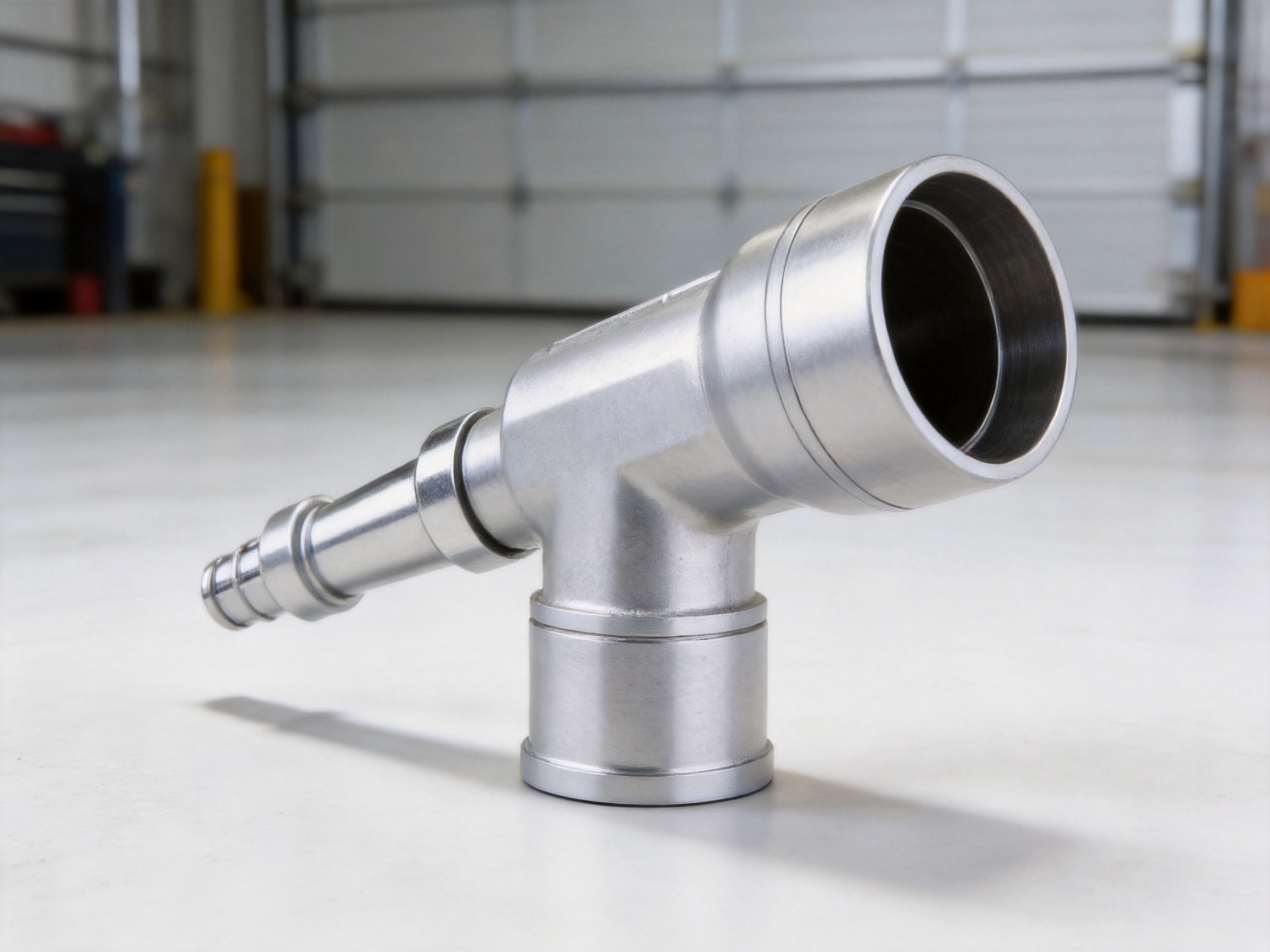
When comparing hose nozzles, buyers often consider price first, but total usefulness depends on weight, durability, flow behavior, connection reliability, maintenance needs, and manufacturing consistency. The aluminum alloy nozzle offers several advantages over basic, heavier, or poorly finished alternatives.
A heavy nozzle may provide a sense of solidity, but additional weight can become a disadvantage during repeated use. Workers may experience greater fatigue when carrying or holding the assembly. Heavy components can also place additional strain on hose couplings and support points. An aluminum alloy design can reduce this burden while still providing a robust body for ordinary water-service applications.
Some low-cost nozzles are made with insufficient wall thickness, weak connection areas, poor surface finishing, or inconsistent dimensions. Such products may be difficult to install and more vulnerable to impact, deformation, or leakage. A properly manufactured aluminum alloy nozzle is intended to offer a stronger and more dependable alternative to fragile components.
A nozzle with a rough or irregular interior can create avoidable turbulence and resistance. The smooth internal design of this product is intended to support better water movement than an unfinished or poorly machined passage. While no nozzle can eliminate all pressure loss, careful internal design can help ensure that more of the available system energy is used for discharge rather than overcoming unnecessary restriction.
Industrial and agricultural users often move equipment between locations. A lightweight nozzle is easier to include in a mobile water kit, service vehicle, irrigation setup, emergency response package, or construction toolbox. Its compact format can simplify storage and make deployment faster when a water source and hose are already available.
The product’s intended application range is broad. It can support water handling in commercial facilities, farms, industrial plants, construction areas, and water-management operations. This versatility can reduce the need to maintain many different nozzle types, provided that the connection requirements and operating conditions are suitable.
Industrial facilities frequently require dependable water delivery for equipment washing, floor cleaning, dust suppression, process support, cooling-related tasks, and general maintenance. A hose nozzle with a practical inlet size and a larger discharge outlet can be incorporated into a range of water-delivery arrangements.
In manufacturing plants, the nozzle may be used as part of a washdown system. Operators can connect it to a compatible hose and direct water toward floors, machinery exteriors, loading areas, or production-support spaces. The lightweight construction helps workers maneuver the nozzle during repeated cleaning operations.
In warehouses and logistics centers, the nozzle may support cleaning, drainage assistance, or emergency water-handling procedures. In utility and infrastructure work, it may be used for controlled water discharge in areas where a durable and portable component is required.
Industrial users should evaluate the water source, pressure, temperature, chemical exposure, and frequency of operation before selecting the nozzle. If the water contains abrasive solids or aggressive chemicals, a separate material-compatibility review is recommended.
Agricultural operations use hoses and nozzles for irrigation support, livestock-area cleaning, equipment washing, dust control, and general water distribution. The 2-inch inlet can be useful in systems where a substantial water volume is available, while the 2.5-inch outlet supports broad discharge rather than a highly restricted spray.
Farm operators may appreciate the product’s low weight when equipment must be carried across uneven ground or connected to hoses at multiple points. Aluminum alloy construction can also be practical in outdoor environments where equipment is exposed to changing weather conditions.
In agricultural applications, users should pay attention to fertilizer residues, pesticides, mineral deposits, and muddy water. The nozzle should be flushed with clean water after exposure to potentially corrosive substances. Any buildup around the inlet or outlet should be removed before it hardens and affects connection or flow.
The nozzle can also be considered for water transfer and washdown work around barns, storage areas, greenhouses, irrigation stations, and farm equipment. It should not be assumed to be suitable for drinking-water systems unless the complete product certification and material requirements have been verified.
Construction sites often need flexible water equipment for dust suppression, surface cleaning, concrete-related work, soil conditioning, and general site maintenance. A portable aluminum alloy nozzle can be transported with hoses and fittings between work zones without adding excessive weight to the equipment package.
Water-management teams may use hose-end components during drainage, maintenance, flushing, and temporary water-discharge operations. The nozzle’s connection size and outlet configuration can make it useful in systems where operators need a durable transition between a hose and a larger discharge opening.
Construction and water-management environments can be harsh. Components may be exposed to mud, sand, impact, vibration, and frequent assembly. Regular inspection is especially important in these conditions. The inlet and outlet should be checked for dents, cracks, thread damage, blockage, and deformation before use.
Fire-related operations demand equipment that is correctly specified, tested, and maintained. A hose nozzle may form part of a broader fire-water arrangement, but users must verify all applicable standards, certifications, pressure ratings, coupling requirements, and local regulations before using any component in a life-safety system.
The product’s aluminum alloy construction and flow-oriented interior can provide useful characteristics for certain water-discharge applications. Its manageable weight may help reduce operator fatigue, and its broad outlet is intended to support substantial water delivery. However, the product information provided does not specify a particular fire-service certification, operating pressure rating, spray-control mechanism, or regulatory approval. These details must be confirmed for the intended market and application.
Fire departments, industrial emergency teams, and facility managers should assess the complete assembly, including the hose, coupling, pump, valve, nozzle, gasket, and support equipment. A nozzle should never be placed into service for critical emergency response solely on the basis of size or appearance.
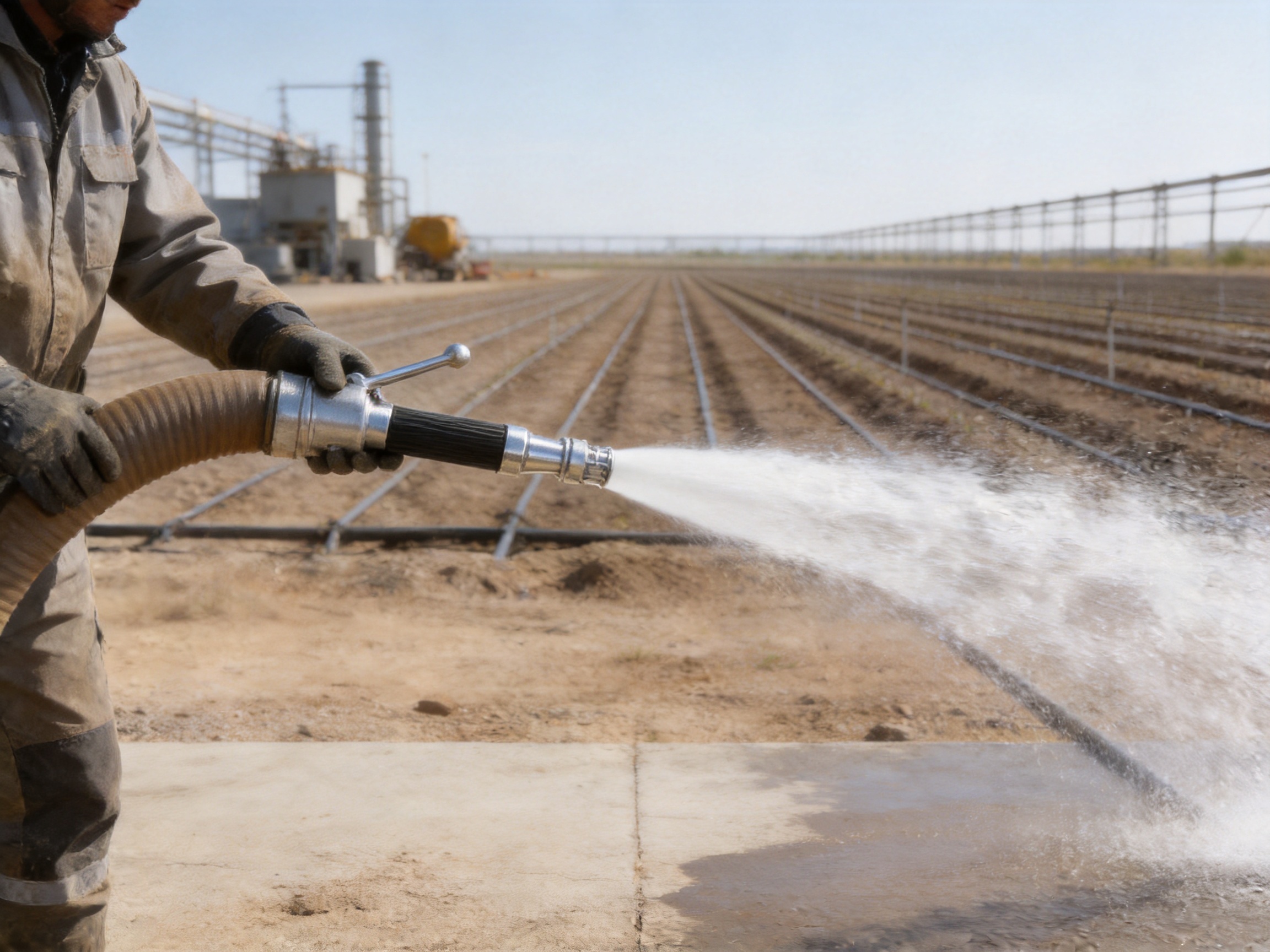
Taizhou Shenlong Fire Science and Technology Co., Ltd. was founded in 1995 and operates as an integrated enterprise covering research and development, production, sales, and service. This integrated structure can support better coordination between product design, manufacturing, customer communication, and after-sales assistance.
The company’s principal product background involves lined fire hoses made from various materials. It also undertakes foreign-trade products, including rubber, PVC, polyurethane, and double-sided tape products according to customer requirements. This experience across different materials and product categories indicates familiarity with material selection, production coordination, quality expectations, and export-oriented customer service.
The company reports that its products are sold in more than 20 provinces, cities, and autonomous regions and are exported through cooperation with four domestic foreign-trade companies. Such market exposure can help a manufacturer understand diverse product expectations, packaging needs, documentation requirements, and application environments.
Research and development is important for hose nozzles because relatively small design decisions can affect flow, connection reliability, weight, durability, and ease of use. An integrated research and production organization can evaluate design concepts with practical manufacturing considerations in mind.
For this nozzle, development priorities include maintaining a useful balance between inlet and outlet dimensions, producing a smooth internal passage, selecting a suitable aluminum alloy, and creating a body that is durable without becoming unnecessarily heavy. Design evaluation may also consider the needs of industrial, agricultural, commercial, and water-related users.
Producing a dependable aluminum alloy nozzle requires coordination among raw-material selection, forming or casting, machining, surface finishing, inspection, and packing. Each stage influences the final product. Material consistency supports predictable strength and machinability. Accurate forming establishes the basic body shape. Machining refines connection and sealing areas. Finishing removes unwanted edges and improves handling quality.
Process coordination is particularly important when serving overseas customers, because products may be installed with different hose systems and used in different climates. Clear specifications and controlled production help reduce variation between batches and improve the likelihood of proper field installation.
Quality control for a hose nozzle should include visual inspection, dimensional verification, connection-area inspection, internal-passage review, and functional testing appropriate to the product design. Important checks may include identifying casting defects, cracks, porosity, sharp edges, distortion, blocked passages, and surface damage.
Where applicable, pressure or leakage testing can help verify connection integrity. Inspection records and batch identification can also support traceability. Buyers with specialized requirements should discuss test methods, inspection documents, packaging specifications, and acceptance criteria before placing an order.
A manufacturer serving multiple regions must do more than produce the physical component. It must communicate specifications clearly, protect products during shipment, prepare suitable documentation, and respond to customer questions about installation and use. The company’s export cooperation and broad domestic distribution provide a foundation for handling these commercial requirements.
For distributors and industrial buyers, this experience can be valuable when ordering multiple products or combining nozzles with hoses, couplings, cabinets, fire accessories, and other water-handling equipment. A supplier with a broader product background may be better positioned to understand how the nozzle fits into a complete system.
The following process overview describes the general manufacturing considerations associated with an aluminum alloy hose nozzle. Exact production methods may vary according to the manufacturer’s equipment, alloy specification, design requirements, and customer order.
Production begins with defining the inlet size, outlet size, body profile, wall thickness, connection geometry, internal passage, and intended use. Engineering review should consider water flow, pressure, handling, manufacturability, sealing, and inspection access.
The aluminum alloy must be selected according to the required combination of strength, corrosion resistance, casting or machining behavior, and service environment. Consistent material sourcing helps support repeatable product performance.
The main body may be formed through a suitable metalworking method. The process should produce a stable shape with sufficient material around the inlet, outlet, and transition areas. These regions experience handling forces and connection loads, so dimensional accuracy and structural soundness are important.
After the basic body is produced, machining may be used to refine connection surfaces, openings, shoulders, and other functional areas. The goal is to produce accurate interfaces that work with compatible hoses, couplings, and seals.
The internal water path should be examined for roughness, flash, debris, abrupt obstructions, or other defects. Removing unwanted material and ensuring a smooth passage supports the product’s flow-oriented design.
Deburring improves handling safety and reduces the chance that sharp edges will damage gaskets, hoses, or operators’ hands. Surface treatment may also help protect the component during storage and use, depending on the specified finish.
Final inspection should confirm that the product matches the required size, material, appearance, and connection configuration. Testing may be performed according to internal procedures or customer requirements. Products intended for regulated applications may require additional certifications or third-party testing.
Packaging should protect the inlet, outlet, sealing areas, and finished surfaces from impact, moisture, dirt, and deformation. Proper packing is particularly important for export shipments involving repeated handling and long-distance transportation.
Before installation, inspect the hose, coupling, nozzle, gasket, and any supporting equipment. Confirm that the connection dimensions and standards match. Do not force a connection that is cross-threaded, misaligned, or visibly incompatible.
Clean dirt, sand, rust particles, and other debris from the mating surfaces. Foreign material can prevent proper sealing and may damage the connection during tightening. If a gasket is required, place it correctly and verify that it is not twisted or pinched.
Connect the nozzle by hand first, ensuring that the components are aligned. Tighten according to the requirements of the connection system. Avoid excessive force, impact tools, or improvised extensions unless specifically approved for the fitting design.
Support the hose where necessary so that the full weight of a water-filled line does not hang from the nozzle connection. A supported hose reduces stress on the coupling and makes the nozzle easier to control.
Pressurize the assembly gradually and inspect for leakage, movement, abnormal vibration, or unusual discharge behavior. If a problem appears, shut down the water source and depressurize the line before making corrections.
Good maintenance helps preserve the performance of any hose-end component. After use, rinse the nozzle if it has been exposed to mud, chemicals, fertilizer, dirty water, or other contaminants. Remove visible deposits from the inlet and outlet without damaging the surfaces.
Inspect the body for dents, cracks, deep scratches, corrosion, and impact damage. Examine the connection area for thread deformation, worn locking features, damaged gasket seats, or signs of leakage. A nozzle that has been dropped from a significant height should be checked before being returned to service.
Store the nozzle in a clean, dry location away from unnecessary heat, corrosive chemicals, and direct mechanical impact. If it is stored with a hose, avoid placing heavy objects on the outlet or connection area. Protective caps may be useful where the product will be stored for extended periods.
Do not use metal tools to remove deposits in a way that could gouge the internal passage. Do not drill, grind, weld, or modify the nozzle without engineering approval. Alterations may weaken the body, change the flow characteristics, invalidate testing, or create an unsafe pressure condition.
Buyers should begin by confirming the intended application. Industrial washdown, agriculture, construction, emergency water delivery, and fire-service use may require different specifications. The same nominal size does not automatically mean that every nozzle is interchangeable.
Confirm the following details before purchase:
Distributors may also wish to evaluate whether the nozzle can be supplied alongside compatible fire hoses, industrial hoses, agricultural hoses, hose couplings, fire accessories, and fire cabinets. A broader product range can simplify sourcing and help customers assemble more complete water-handling systems.
For custom requirements, buyers should provide drawings, connection standards, pressure conditions, material expectations, surface-finish requirements, logo or packaging needs, and target markets. Clear information at the quotation stage helps reduce misunderstandings and supports more efficient production planning.
A hose nozzle is a relatively compact product, but its reliability depends on manufacturing discipline. Suppliers with long-term experience in fire and water-related equipment are more likely to understand the importance of hose compatibility, sealing, flow, handling, storage, and field conditions.
Taizhou Shenlong Fire Science and Technology Co., Ltd. brings experience dating back to 1995 and operates across research and development, production, sales, and service. Its background in lined fire hoses and related products gives it familiarity with equipment used in fire protection, construction, water conservancy, and other demanding sectors.
The company’s experience with different materials, including rubber, PVC, and polyurethane products, may also support more informed coordination between nozzles, hoses, couplings, and complete water-delivery systems. While each product must still be evaluated according to its own specifications, this broader manufacturing background is an important consideration for professional buyers.
The nozzle is designed to connect to a compatible hose through its 2-inch inlet and discharge water through its 2.5-inch outlet. It helps direct and deliver water in industrial, agricultural, commercial, construction, water-management, and potentially fire-related applications subject to applicable requirements.
The product is made from aluminum alloy. This material provides a useful combination of low weight, strength, corrosion resistance, and suitability for precision manufacturing.
The 2-inch dimension refers to the inlet side, while the 2.5-inch dimension refers to the discharge outlet. Buyers should confirm the exact connection standard because nominal size alone does not identify every thread, coupling, or sealing configuration.
The product is described as suitable for both high-pressure and delicate tasks, but users must confirm the actual rated operating pressure before installation. The entire hose assembly, including the pump, hose, coupling, gasket, valve, and nozzle, must be rated for the intended pressure.
Not necessarily. The hose must have a compatible connection type, thread, coupling, sealing method, and pressure rating. A nominally similar size does not guarantee interchangeability.
The aluminum alloy body is lightweight, practical to handle, sufficiently strong for suitable water-service applications, and suitable for manufacturing a smooth internal passage. It can be easier to transport and reposition than a heavier alternative.
No. The outlet size can influence flow resistance, but actual flow depends on pump capacity, pressure, hose dimensions, hose length, valves, elevation, couplings, and other system conditions. The larger outlet is designed to support water discharge, but it cannot overcome limitations elsewhere in the system.
It may be considered for appropriate fire-water applications only after confirming all required pressure ratings, certifications, coupling standards, and local regulations. A product should not be used in a life-safety system without verifying its compliance with the relevant requirements.
Rinse it after exposure to dirt, chemicals, fertilizer, or contaminated water. Inspect the body, internal passage, connection areas, and gasket surfaces regularly. Store it clean and dry, and replace the component if it has serious cracks, deformation, or other damage.
Its advantages are associated with aluminum alloy construction, manageable weight, a flow-oriented internal design, a practical inlet-to-outlet configuration, and production by a manufacturer with long-term experience in fire hoses and water-related equipment. Buyers should still compare documented specifications and testing for their specific application.
Customers can discuss connection standards, packaging, documentation, inspection requirements, material expectations, and other project details with the supplier. Providing complete technical information before ordering helps determine whether customization or special production arrangements are needed.
The 2-inch by 2.5-inch AMERICAN Hose Nozzle is designed as a durable, lightweight, and practical water-discharge component. Its aluminum alloy body supports easier handling, while the smooth internal passage is intended to reduce turbulence and promote efficient water movement. The 2-inch inlet and 2.5-inch outlet provide a useful configuration for compatible industrial, agricultural, commercial, construction, and water-management systems.
Compared with heavier or poorly finished alternatives, the nozzle offers potential advantages in portability, handling comfort, corrosion resistance, connection convenience, and flow behavior. Its performance is strengthened by the manufacturing background of Taizhou Shenlong Fire Science and Technology Co., Ltd., a company founded in 1995 with integrated research and development, production, sales, and service capabilities.
The company’s experience with lined fire hoses, rubber, PVC, polyurethane, and other products supports a broader understanding of water-delivery equipment and export-oriented manufacturing. Its products are used across many regions and industries, including fire protection, construction, water conservancy, and related fields.
For the best results, buyers should confirm connection standards, pressure requirements, fluid compatibility, certifications, and installation conditions before purchase. When correctly matched with the hose and system, this aluminum alloy nozzle can provide a dependable solution for directing and discharging water in demanding working environments.
1. Product information supplied for the 2-inch by 2.5-inch aluminum alloy hose nozzle.
2. Company information supplied for Taizhou Shenlong Fire Science and Technology Co., Ltd.
3. General principles of hose, coupling, nozzle, and water-discharge system design.
4. General guidance on aluminum alloy selection, corrosion considerations, and industrial component manufacturing.
5. General practices for hose assembly inspection, pressure safety, gasket maintenance, and fluid-handling equipment storage.
6. General industrial recommendations for water-flow management, connection compatibility, and preventive maintenance.
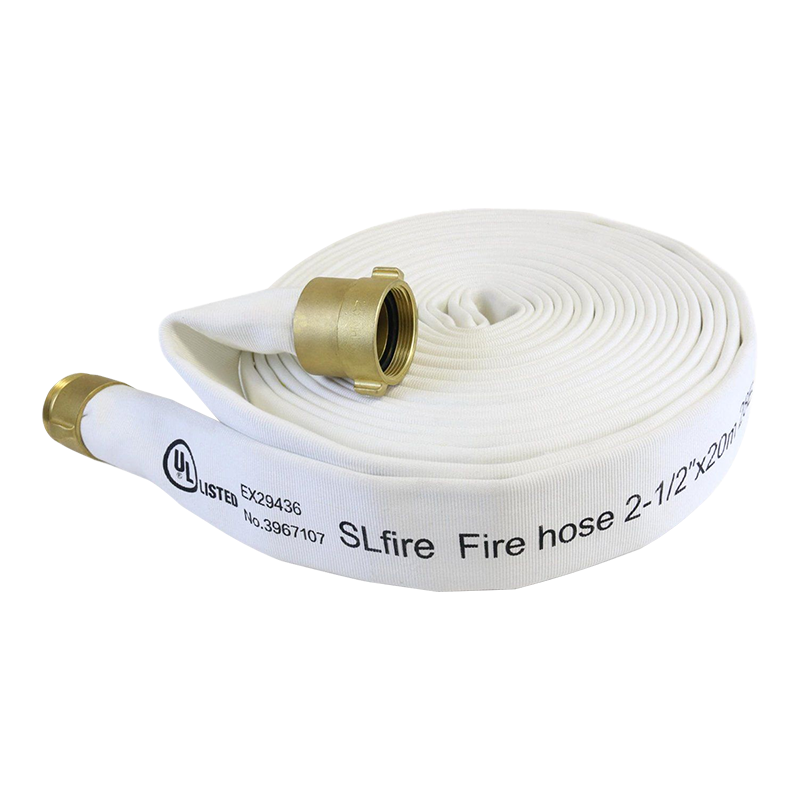
Single jacket, EPDM rubber liner Features • 100% high tenacity polyester jacket, high-grade EPDM rub...
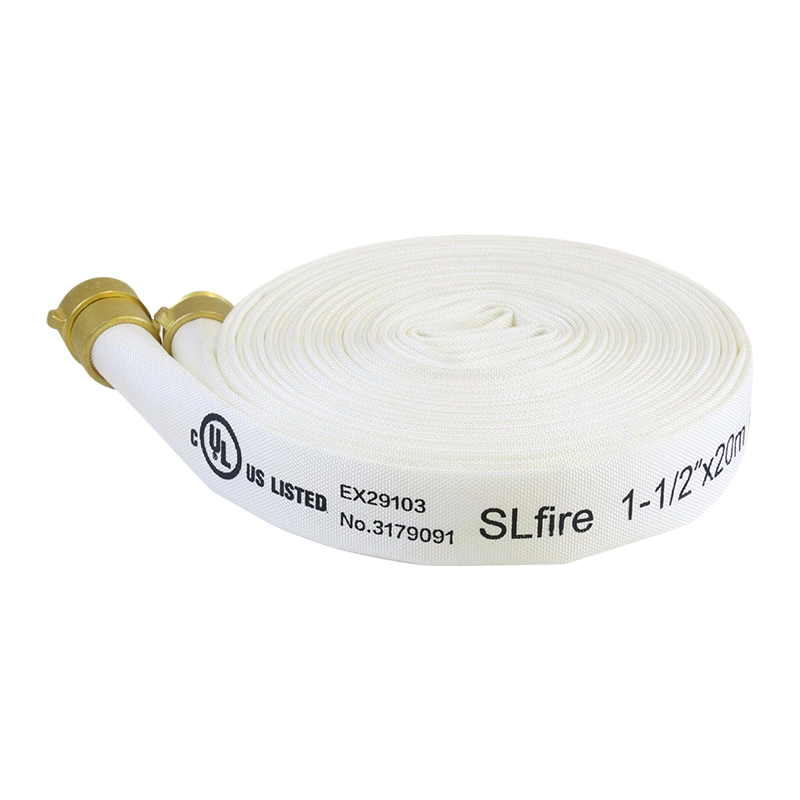
Single jacket, TPU liner •High-tenacity polyester yarn, circular woven in twill weave/plain weave,T ...
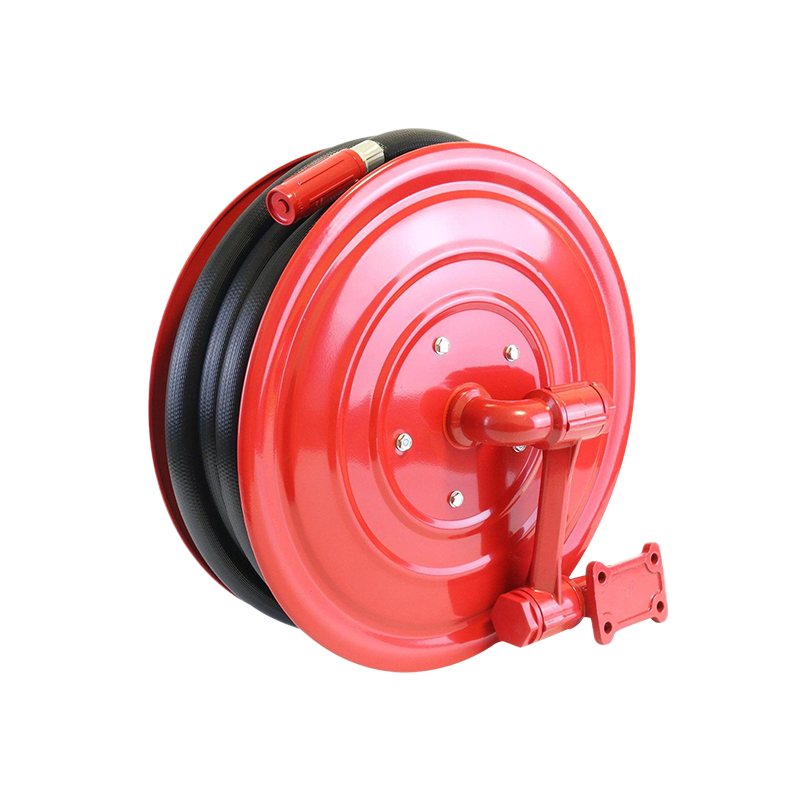
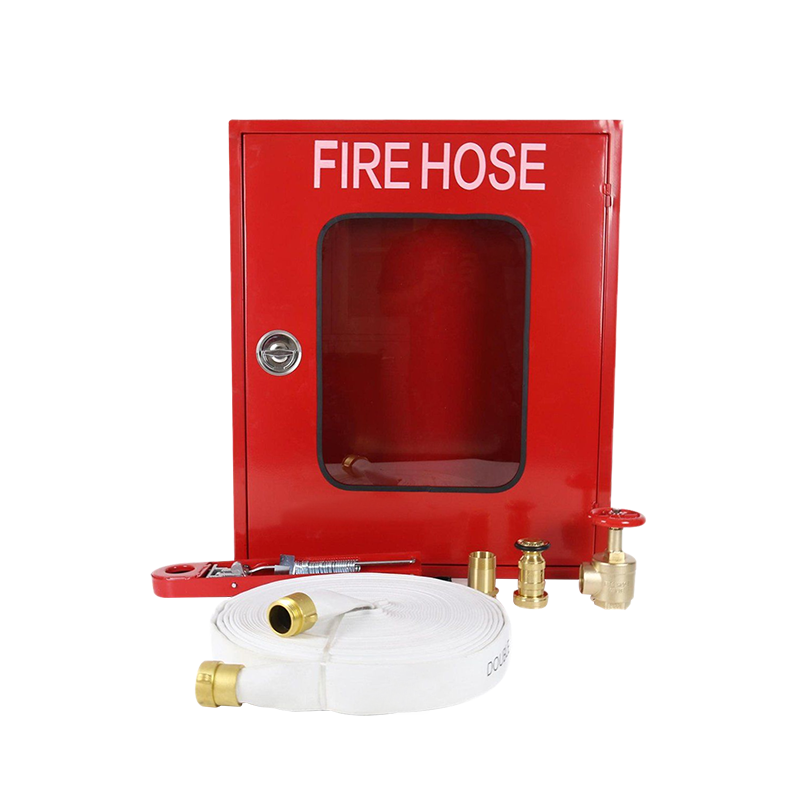
Fire cabinets are designed to accommodate fire hose,valve and other firefighting equipment. Type 201...
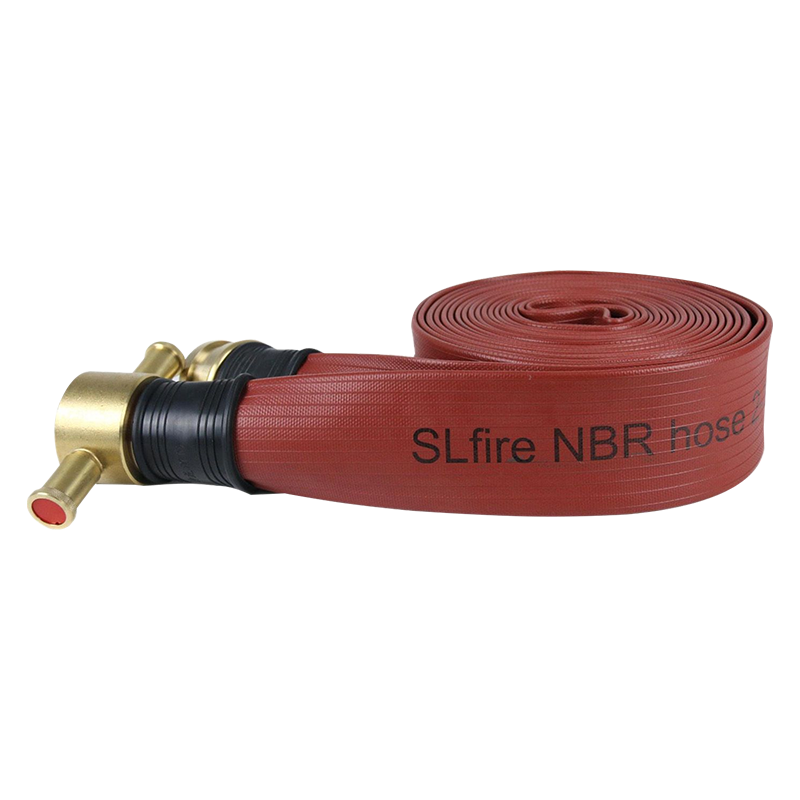
Nitrile covered hose •Nitrile/TPR blend as cover and lining, with 100% high-tenacity polyester yarn ...
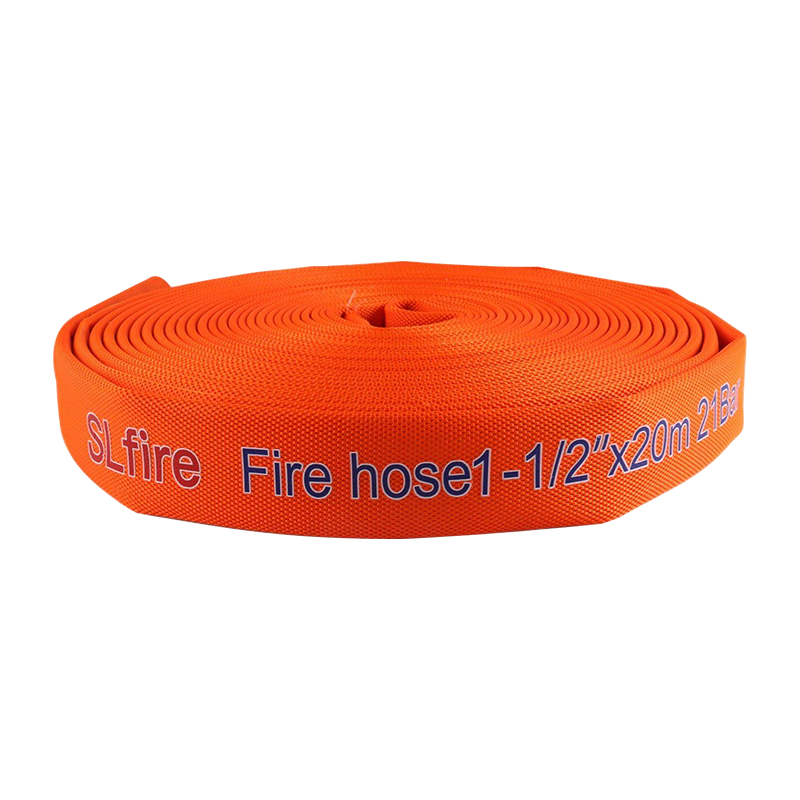
Single jacket, TPU liner •High-tenacity polyester yarn, circular woven in twill weave, TPU lining, f...
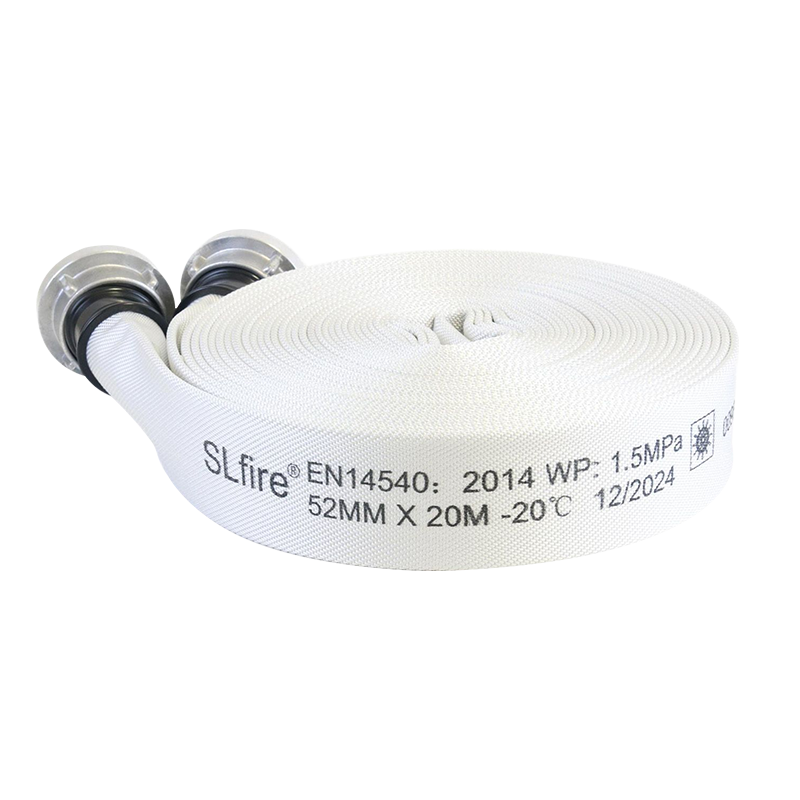
Marine hose Single jacket, PVC liner •100% high tenacity polyester yarn, circular woven in twill wea...
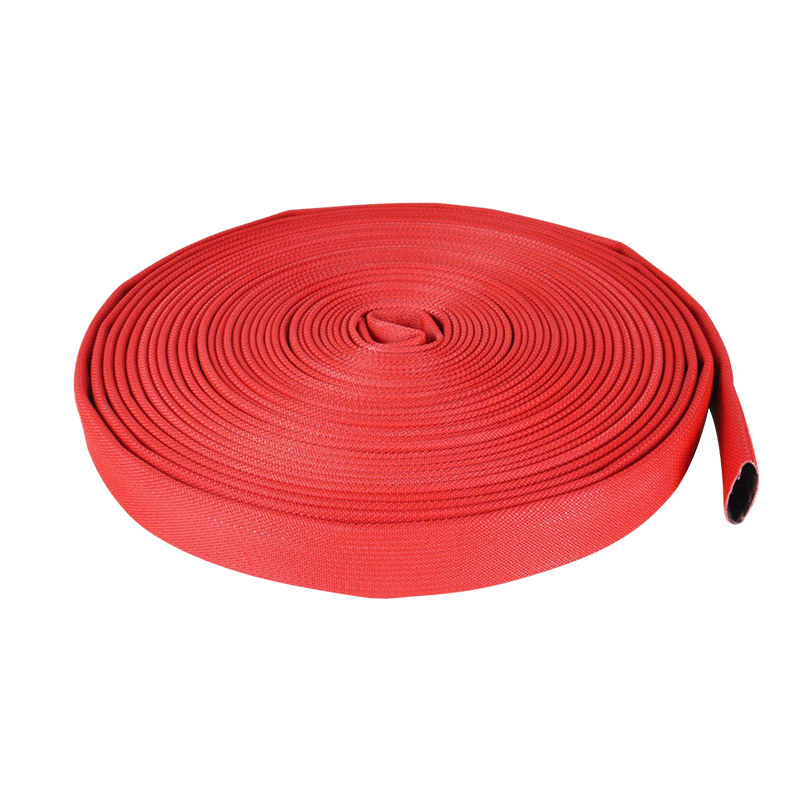
Marine hose Single jacket, PVC liner, PU coated •100% high tenacity polyester yarn,c ircular woven i...
 Call Us
+86 159-5116-9511
Need Support
Head Office
No.58, Kechuang Road, Sixiang Street Medicine Gaoxin District Taizhou City, Jiangsu Province

At a structure fire, the first line off the truck is the one that does the hardest work. Pulled around obstacles, dragged across gravel, charged with high-pressure water, and shut off at the nozzle d...
Copyright © Taizhou Shenlong Fire Science and Technology Co., Ltd. All Rights Reserved.
 Fire Hose Manufacturers, Fire Hydrant Hose Factory