

 English
 русский
 Español
 Deutsch
 عربى
عربى Français
 Português
Don't hesitate to send a message

Single jacket, EPDM rubber liner Features • 100% high tenacity polyester jacket, high-grade EPDM rub...
Content
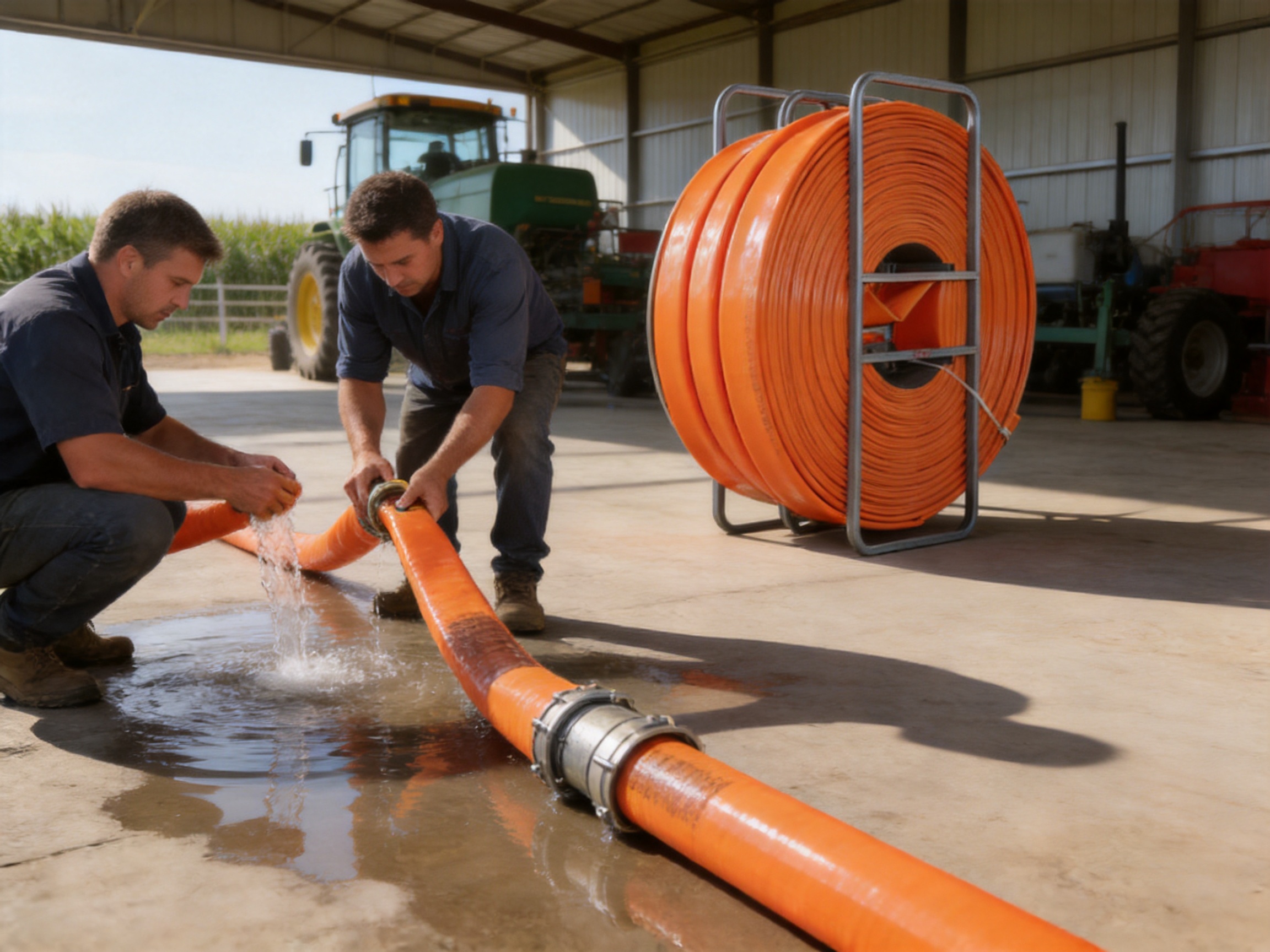
Modern agricultural operations require liquid-handling equipment that can move large volumes efficiently, withstand demanding outdoor conditions, and remain practical to transport, deploy, clean, and store. Manure transfer is especially challenging because the hose may be exposed to abrasive solids, repeated bending, ultraviolet radiation, oil, moisture, changing temperatures, and substantial internal pressure. A hose that is too rigid can be difficult to position across fields, while a hose with insufficient reinforcement may stretch excessively, burst, or suffer premature delamination.
The TPU Layflat Hose Manure Dray Hose is designed to address these challenges through a reinforced thermoplastic polyurethane construction and a through-the-weave manufacturing process. High-strength polyester filament provides structural reinforcement, while TPU forms both the cover and the lining. This combination produces a flexible layflat hose with high tensile strength, strong interlayer adhesion, abrasion resistance, and dependable weather resistance.
Designed for high-performance liquid manure applications, the hose is suitable for agricultural pumping, manure transfer, field irrigation support, water conveyance, and other demanding liquid-handling tasks. Its layflat design allows it to be rolled, transported, and stored more conveniently than many conventional rigid or semi-rigid pipelines. Available in 100-meter and 200-meter lengths, as well as customer-requested lengths, it can be adapted to different farm layouts and pumping distances.
A TPU layflat manure dray hose is a flexible, collapsible hose used to transport liquid manure and similar fluids from a storage tank, lagoon, pump, or processing system to a designated application area. Unlike a rigid pipe, the hose can be flattened when not pressurized. This makes it easier to handle, coil, load, and move between fields or operating areas.
TPU, or thermoplastic polyurethane, is used for both the hose lining and cover. It is valued for its balance of flexibility, toughness, abrasion resistance, and environmental durability. In this product, the TPU layers work together with a high-strength polyester filament reinforcement. The reinforcement carries the mechanical load generated by internal pressure and external handling, while the TPU lining provides a continuous fluid-contact surface.
The product is manufactured using a through-the-weave process. In simple terms, the TPU material is integrated with the reinforcing textile structure so that the lining, reinforcement, and cover form a strongly bonded hose body. This construction is intended to reduce the risk of separation between layers and provide greater structural stability during repeated pressurization, bending, dragging, and deployment.
For agricultural users, this design offers an important balance. The hose is sufficiently flexible for field installation, yet it has the strength required for high-volume liquid movement. It can be supplied with couplings and other connection components according to project requirements, allowing it to be incorporated into pumping and manure distribution systems.
Liquid manure is not always a simple fluid. Depending on the source and treatment method, it may contain suspended solids, fibrous material, sand, grit, organic particles, and other substances that can increase internal wear. The hose may also be dragged over soil, gravel, concrete, or other rough surfaces. These conditions can quickly expose weaknesses in ordinary lightweight hoses.
TPU provides a tough internal and external material for this type of service. Its resistance to abrasion helps protect the hose from wear caused by suspended particles and contact with the ground. Its flexibility allows the hose to bend around equipment, field boundaries, and uneven terrain without requiring the same number of rigid elbows or intermediate connections.
TPU is also resistant to oil, ozone, ultraviolet radiation, and weathering. These properties are useful in agricultural environments where hoses may remain outdoors for extended periods or encounter fuel residues, lubricants, sunlight, rain, and changing temperatures. Although every hose should be inspected and stored correctly, the material is designed to provide a longer service life than many less specialized alternatives when used within its rated conditions.
The specified operating temperature range is from -40°F to 165°F, or approximately -40°C to +74°C. This broad range supports use in many seasonal environments. Users should still consider the actual temperature of the transported liquid, the surrounding climate, the pressure condition, and the effect of prolonged exposure when selecting and operating the hose.
The through-the-weave process is one of the defining features of this hose. The construction uses high-strength polyester filament as reinforcement, with TPU forming the cover and lining. The reinforcing textile is not merely placed as a loose external layer. Instead, the TPU is integrated through the weave to create a more unified hose structure.
This approach is important because the performance of a layflat hose depends on how effectively its materials work together. The lining must contain the transported liquid, the reinforcement must withstand pressure and tensile loading, and the cover must protect the hose against external damage. If the layers are poorly bonded, repeated flexing and pressure cycles can create weak points, bubbles, separation, or delamination.
Through-the-weave construction helps improve adhesion between the TPU and polyester reinforcement. The resulting structure is intended to provide strong interlayer bonding and high resistance to separation. This is particularly valuable in manure transfer applications, where the hose can be repeatedly rolled, unrolled, dragged, pressurized, depressurized, and stored.
The use of high-strength polyester filament also contributes to dimensional stability. When pressure rises inside the hose, the reinforcement helps limit excessive expansion. Controlled expansion supports more consistent flow characteristics and reduces unnecessary stress on the TPU lining and cover.
Manufacturing consistency is essential for realizing these benefits. The reinforcement must be evenly distributed, the TPU must be applied consistently, and the bonding process must be controlled across the entire hose length. A professional production system should include inspection of raw materials, control of production parameters, dimensional checks, visual inspection, and pressure testing before delivery.
High tensile strength allows the hose to withstand the pulling forces that occur during installation and field movement. Agricultural operators often need to position hoses over long distances or around obstacles. A hose with strong reinforcement is better equipped to resist stretching during careful handling and deployment.
Tensile strength is also important when the hose is under pressure. Internal pressure creates stress in the hose wall, and the polyester reinforcement carries a significant portion of that load. The pressure rating should always be respected, but the reinforced structure provides the foundation for reliable operation within the specified working range.
Strong adhesion helps prevent delamination, which occurs when the lining, reinforcement, and cover begin to separate. Delamination may reduce mechanical strength, cause bulges, create leakage paths, and shorten service life. The through-the-weave process is designed to improve the bond between the TPU and the textile reinforcement.
For users, this means the hose is better suited to repeated handling than a construction that relies on weaker or less integrated bonding. Strong adhesion also helps maintain the hose’s structural integrity when it is exposed to pressure cycling, bending, temperature changes, and outdoor conditions.
Agricultural hoses are frequently placed on surfaces that are not smooth. Soil, gravel, crop residue, concrete, and equipment edges can all cause external abrasion. Liquid manure may also contain solids that produce internal wear during pumping.
The TPU cover is designed to resist this type of mechanical wear. Abrasion resistance does not mean the hose is immune to damage. Sharp edges, dragging over severe obstacles, vehicle traffic, and improper pulling methods can still cause harm. However, a TPU exterior provides a durable protective surface for normal agricultural handling and helps reduce wear compared with less robust hose materials.
Hoses used in farming are often exposed to sunlight and weather. Ultraviolet radiation can cause some polymer materials to become brittle, discolored, cracked, or weakened over time. Rain, humidity, temperature fluctuations, and ozone can add to the aging process.
The TPU material used in this hose is resistant to UV, ozone, and weathering. This makes it suitable for outdoor liquid-handling systems and temporary field installations. Even with weather-resistant materials, best practice is to drain the hose after use, remove accumulated manure or soil, protect it from unnecessary sunlight during long-term storage, and avoid leaving it exposed when it is not required.
Farm environments often include tractors, pumps, tankers, lubricants, diesel fuel, and hydraulic equipment. Accidental contact with oily substances can affect certain hose materials. TPU’s oil resistance provides an additional advantage in mixed agricultural work areas where contact with petroleum-based products may occur.
Oil resistance should be understood as a material property rather than a guarantee against every chemical. Before transporting chemicals, additives, cleaning agents, or unusual mixtures, users should confirm compatibility with the supplier. The hose is primarily intended for high-performance liquid manure and related water-based agricultural applications.
The stated temperature range of -40°F to 165°F, or -40°C to +74°C, supports use in cold winter conditions and warm summer environments. Flexibility at low temperatures is important because a hose may need to be deployed or moved during cold weather. Resistance to elevated temperatures is useful when the surrounding environment or transported liquid becomes warm.
Pressure and temperature should be considered together. A hose operated at high temperature may not have the same pressure capability as it does at moderate temperature. Users should therefore follow the product’s technical instructions, avoid exceeding the rated working pressure, and consult the supplier when operating conditions fall near the upper or lower limits.
The product is offered in several internal diameters to support different flow requirements. The available sizes listed for this model range from 3 inches to 8 inches. Working pressure varies according to diameter, while the listed burst pressure provides a higher limit used for testing and safety evaluation. Burst pressure is not an operating target and must never be treated as an acceptable working pressure.
Nominal Inner Diameter |
Inner Diameter |
Working Pressure |
Working Pressure |
Burst Pressure |
Burst Pressure |
Wall Thickness |
Weight |
Inch |
mm |
psi |
bar |
psi |
bar |
mm |
kg/m |
3 |
80 |
232 |
16 |
696 |
48 |
3.1 |
0.78 |
4 |
100 |
190 |
13 |
560 |
39 |
3.0 |
1.0 |
5 |
125 |
190 |
13 |
560 |
39 |
3.3 |
1.7 |
6 |
150 |
150 |
10 |
435 |
30 |
3.0 |
1.8 |
8 |
200 |
150 |
10 |
435 |
30 |
3.5 |
2.5 |
The 3-inch version has a listed working pressure of 232 psi, or 16 bar, and a burst pressure of 696 psi, or 48 bar. The 4-inch and 5-inch versions are listed at 190 psi, or 13 bar, working pressure and 560 psi, or 39 bar, burst pressure. The 6-inch and 8-inch versions are listed at 150 psi, or 10 bar, working pressure and 435 psi, or 30 bar, burst pressure.
These specifications allow users to select a hose according to pump capacity, required flow rate, operating distance, and system pressure. A larger diameter can help support high-volume transfer while reducing flow resistance, although the final selection should be based on the complete pumping system rather than diameter alone.
Weight is another important consideration. The listed weight ranges from 0.78 kg/m for the 3-inch hose to 2.5 kg/m for the 8-inch hose. Compared with rigid pipelines of equivalent flow capacity, a flexible layflat hose can be easier to transport and deploy, particularly when equipment must be moved between fields or storage areas.
PVC layflat hose is often selected for general water transfer because it can be economical and lightweight. However, agricultural manure handling may impose more severe demands than simple water pumping. Abrasive solids, repeated dragging, pressure cycling, and exposure to oil or weather can reduce the service life of less specialized PVC constructions.
The TPU Layflat Hose Manure Dray Hose is designed with a focus on high tensile strength, strong adhesion, and resistance to abrasion, UV, oil, ozone, and weathering. These characteristics make it a stronger candidate for demanding manure applications where durability and repeated use are important purchasing factors.
Material selection should still reflect the actual application. A basic PVC hose may be appropriate for low-pressure water transfer, temporary drainage, or light-duty use. TPU is more appropriate when the hose is expected to endure frequent handling, higher mechanical stress, and more challenging environmental exposure.
Rubber hose can provide excellent flexibility and resistance in many industrial applications, but it may be heavier and more difficult to transport over long agricultural distances. A heavy hose increases labor requirements and may require larger reels, stronger handling equipment, or more operators during deployment.
The TPU construction combines flexibility with a relatively manageable weight per meter. Its layflat form also reduces storage volume when the hose is drained and properly rolled. This can improve field logistics, particularly for contractors or farms that move pumping systems regularly.
Rigid pipe offers dimensional stability and can be useful for permanent installations. However, it requires more planning, fixed supports, elbows, joints, and storage space. It is less convenient when the delivery point changes or when a field must be accessed by different types of agricultural equipment.
A layflat hose provides a temporary or semi-mobile alternative. It can be routed across changing terrain, installed for seasonal operations, and removed after use. The ability to flatten the hose makes it easier to transport compared with rigid pipe sections.
Some multilayer hose designs rely on adhesive or mechanical interfaces that may weaken after repeated flexing and pressure changes. Once delamination begins, performance can deteriorate quickly. The through-the-weave process used for this product is intended to create stronger integration between the TPU and polyester reinforcement.
This construction advantage is especially relevant to manure dray operations because the hose is not used only in a stationary position. It may be repeatedly folded, rolled, dragged, pressurized, and stored. Strong layer adhesion helps it maintain integrity through these cycles when it is handled correctly.
The primary application is liquid manure transfer. The hose can connect pumps, storage systems, tankers, lagoons, and field distribution equipment. It can be used to move manure over distances where a rigid pipeline would be impractical or where the application area changes regularly.
It may also be used for agricultural water conveyance, irrigation support, slurry movement, and other compatible liquid-handling operations. The suitability of the hose depends on the fluid composition, temperature, pressure, solids content, and connection system. Compatibility should be verified before using the hose with fluids outside its intended application.
In livestock operations, the hose may support the movement of processed or diluted manure from storage facilities to spreading equipment. In crop production, it may help connect a pump station to a field distribution line. In agricultural contracting, different lengths and diameters can be selected for varying customer sites and pumping requirements.
The hose can also support temporary bypass systems and seasonal installations. For example, a farm may install a temporary transfer line during a manure management period, then drain, clean, roll, and store the hose before the next operating cycle. This flexibility can reduce the need for permanent infrastructure in areas where the pumping route changes throughout the year.
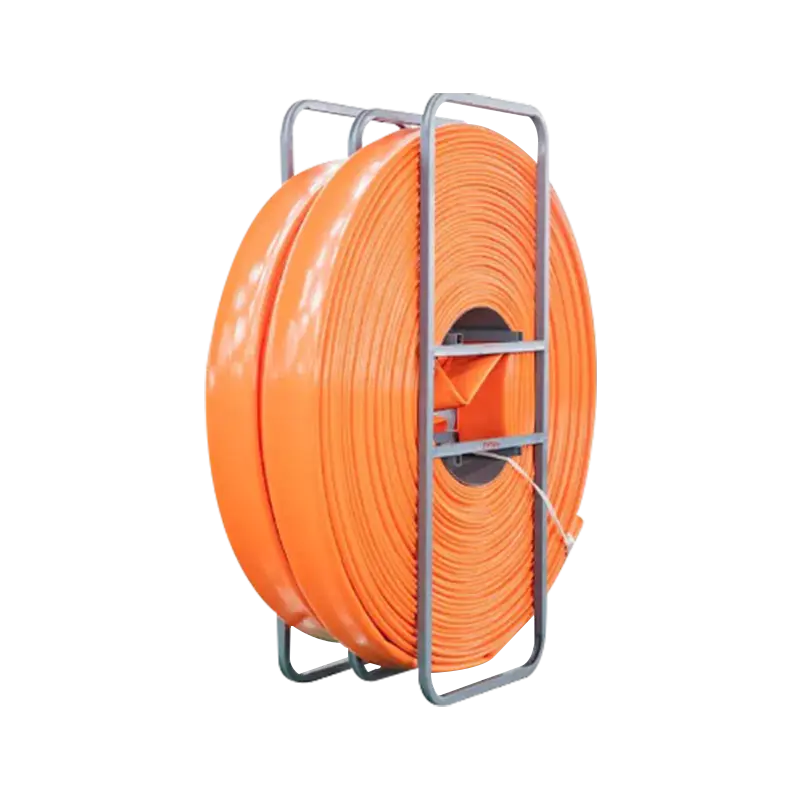
TPU Layflat Hose Manure Dray Hose
The layflat configuration provides practical benefits before, during, and after pumping. When empty, the hose can collapse into a compact profile. This makes it easier to place on a vehicle, carry around equipment, or arrange in a storage area. When pressurized, it opens to provide a continuous flow passage.
Transportation is often a major part of agricultural hose use. A farm may need to move the hose from a storage lagoon to several fields or between separate operating areas. A flexible hose that can be rolled and loaded efficiently helps reduce transportation time and storage demands.
Installation can also be faster than rigid pipe assembly. Instead of connecting numerous pipe sections, operators can lay out long hose lengths and connect them with appropriate couplings. Fewer intermediate joints can simplify the system and reduce the number of potential leakage points, although all end connections must be installed and secured correctly.
After pumping, the hose should be drained and cleaned according to the fluid-handling procedure. Removing manure residue helps reduce odor, biological buildup, and material stress. The hose can then be dried, inspected, and rolled for storage. A controlled rolling method helps prevent sharp folds and unnecessary twisting.
The standard supply lengths are 100 meters and 200 meters. These lengths are suitable for many agricultural layouts and can reduce the number of connections needed in a long transfer line. Customer-requested lengths are also available, providing additional flexibility for farms, equipment manufacturers, distributors, and project contractors.
Custom length selection should consider transport, storage, field layout, pump location, and the number of required connections. A single long length may reduce joints, but it can also be more difficult for a small team to move. Several manageable lengths may simplify deployment and repair. The best configuration depends on the operating method and available handling equipment.
The standard colors are red and orange, with other colors available upon customer request. Bright colors can improve hose visibility in outdoor working areas and help operators identify the temporary transfer line. Custom color options may assist with product identification, project branding, or separation of hoses used for different fluids, provided that the chosen color remains suitable for the intended environment.
Custom requirements may include length, color, coupling arrangement, packaging, and other project-specific details. Customers should provide the expected working pressure, fluid type, temperature, installation method, required diameter, and connection specifications when requesting a quotation or technical recommendation.
Taizhou Shenlong Fire Science and Technology Co., Ltd. was founded in 1995 and has developed experience in research and development, production, sales, and service. Although the company is widely associated with lined fire hoses and related products, its manufacturing capabilities also cover flexible products made from materials such as rubber, PVC, and polyurethane according to customer requirements.
This range of material experience is valuable for TPU layflat hose production. Different polymers have different processing characteristics, and textile reinforcement must be selected and integrated according to the intended performance. Knowledge of fire hose construction, pressure hose design, polymer processing, and export product requirements can support a more systematic approach to manufacturing agricultural hose.
The company’s products are used in fire protection, construction, water conservancy, and other industries. These sectors often demand dependable hoses that can tolerate pressure, outdoor exposure, frequent handling, and connection to pumps or fittings. Experience across these sectors can contribute to practical product development and application-focused engineering.
A strong manufacturing process begins with material control. TPU should be selected according to the required flexibility, abrasion resistance, temperature range, and fluid compatibility. Polyester reinforcement should provide the necessary tensile performance and dimensional stability. Consistency in raw materials is important because variation in polymer quality or textile structure can affect hose performance.
Production control is equally important. The through-the-weave process requires accurate integration of the TPU lining, polyester reinforcement, and TPU cover. The hose must be formed with consistent wall thickness, even reinforcement, and strong bonding throughout its length. Any irregularity may become a localized weak point under pressure or during dragging.
Inspection and testing should be incorporated into the manufacturing workflow. Typical quality activities may include dimensional checks, visual inspection, adhesion evaluation, pressure testing, and review of finished length and packaging. The exact test program may vary according to product size, customer requirements, and applicable standards.
The company’s export experience also supports the requirements of international customers. Products intended for overseas delivery must be packaged, labeled, documented, and protected during transportation. Clear technical information helps distributors and end users understand pressure limits, dimensions, storage instructions, and appropriate applications.
Manufacturing strength is not limited to machinery. It also includes product development, technical communication, customer service, production planning, and the ability to adapt specifications. The company’s stated research and development, production, sales, and service structure provides a foundation for handling customized hose requirements and supporting customers throughout the purchasing process.
The value of a manure hose should be evaluated by more than its purchase price. A hose that is difficult to deploy, frequently damaged, or unsuitable for the operating pressure may generate additional labor, downtime, replacement, and cleanup costs. A durable hose can support efficiency by remaining serviceable through more operating cycles.
The TPU Layflat Hose Manure Dray Hose contributes to efficiency through its combination of flexibility, strength, abrasion resistance, and manageable storage characteristics. Operators can use long lengths to reduce connection time, select larger diameters for high-volume movement, and roll the hose for transport after use.
Reduced handling difficulty can be especially important for agricultural contractors. Contractors may move equipment between multiple customer locations and must complete work within scheduled windows. A hose that can be transported and deployed efficiently can help improve equipment utilization and reduce nonproductive labor.
For farms with changing field conditions, a flexible transfer line can be more adaptable than fixed infrastructure. The hose can be routed around access roads, slopes, buildings, drainage channels, and crop areas. Proper planning remains essential, but the flexible format gives operators more options when conditions change.
Durability also supports efficiency by reducing unplanned interruptions. Abrasion resistance helps protect against normal external contact, while strong layer adhesion helps reduce the risk of delamination caused by repeated use. These features do not eliminate the need for inspection, but they can contribute to more predictable operation.
Before installation, inspect the hose for cuts, punctures, deep abrasions, exposed reinforcement, hardened areas, unusual bulges, and damaged couplings. Do not place a hose into service if its condition is uncertain. A small defect can become more serious when the hose is pressurized.
Confirm that the selected hose diameter and working pressure match the pump and transfer system. The pump should not be operated at a pressure higher than the hose’s rated working pressure. The listed burst pressure is a test-related limit and should not be used as a design or operating value.
Lay the hose along a route that minimizes sharp bends, excessive twisting, and contact with sharp objects. Avoid placing the hose directly across areas where vehicles may drive over it. If crossing a roadway or equipment path is unavoidable, use a suitable protective arrangement and follow site safety procedures.
When connecting the hose, ensure that couplings are correctly matched, fully engaged, and secured against movement. The connection should be aligned with the hose and pump outlet to prevent side loading. Improperly aligned couplings can create concentrated stress and leakage.
Open valves gradually and start the pump in a controlled manner. Sudden pressure changes can produce water hammer or pressure surges, which may stress the hose and fittings. During initial pressurization, inspect the entire visible line for leaks, abnormal expansion, or movement.
Do not drag a pressurized hose across rough ground. If repositioning is necessary, reduce pressure and use suitable handling methods. Avoid pulling the hose by its coupling unless the coupling and handling procedure are specifically designed for that purpose.
Regular inspection should be part of every manure transfer operation. Check the cover for abrasion, cuts, burns, chemical attack, and exposed reinforcement. Examine the ends and coupling areas carefully because these locations may experience additional mechanical stress.
After use, drain the hose as completely as practical. Remaining liquid manure can add weight, create odor, encourage biological buildup, and complicate storage. Flushing with clean water may be appropriate when permitted by the site’s environmental and waste-management procedures.
Cleaning should be performed without using chemicals that could damage TPU or weaken the reinforcement. If a detergent, disinfectant, or processing chemical is required, verify compatibility before application. Avoid excessive pressure during cleaning unless the hose is rated for that procedure.
Allow the hose to dry before long-term storage. Store it away from sharp objects, excessive heat, open flame, solvents, and unnecessary sunlight. A cool, dry, well-ventilated storage location is generally preferable. Keep the hose off the ground when possible to reduce contact with moisture, mud, rodents, and other sources of damage.
Roll the hose without twisting it. Sharp creases can create localized stress and make later deployment more difficult. If the hose is stored in long lengths, use a reel or organized coil that does not exceed the hose’s minimum recommended bending conditions.
Maintain records of use, inspection, repairs, and any pressure incidents. Tracking the hose’s operating history can help identify recurring problems and support timely replacement. Repairs should be evaluated by qualified personnel, and a hose that has experienced severe overpressure or major structural damage should not be returned to service without a reliable technical assessment.
Liquid manure systems can involve pressure, biological hazards, toxic gases, slippery surfaces, and heavy equipment. Operators should use appropriate personal protective equipment and follow site-specific safety procedures. The hose is one component of the system and does not remove the need for safe pumping, ventilation, and access control.
Keep people away from pressurized hose lines unless inspection is necessary and can be performed safely. Never attempt to repair, disconnect, or reposition a pressurized hose. Stop the pump, isolate the pressure source, and confirm that the line is depressurized before handling connections.
Manure storage areas can produce hazardous gases. Personnel should follow established confined-space and gas-monitoring procedures and should not enter tanks, pits, lagoons, or enclosed areas without proper authorization and protection.
Use signage or brightly colored hose where appropriate to identify temporary transfer routes. Red and orange standard color options can improve visibility in many outdoor work areas. However, visibility does not replace traffic control, protective barriers, or communication between equipment operators and ground personnel.
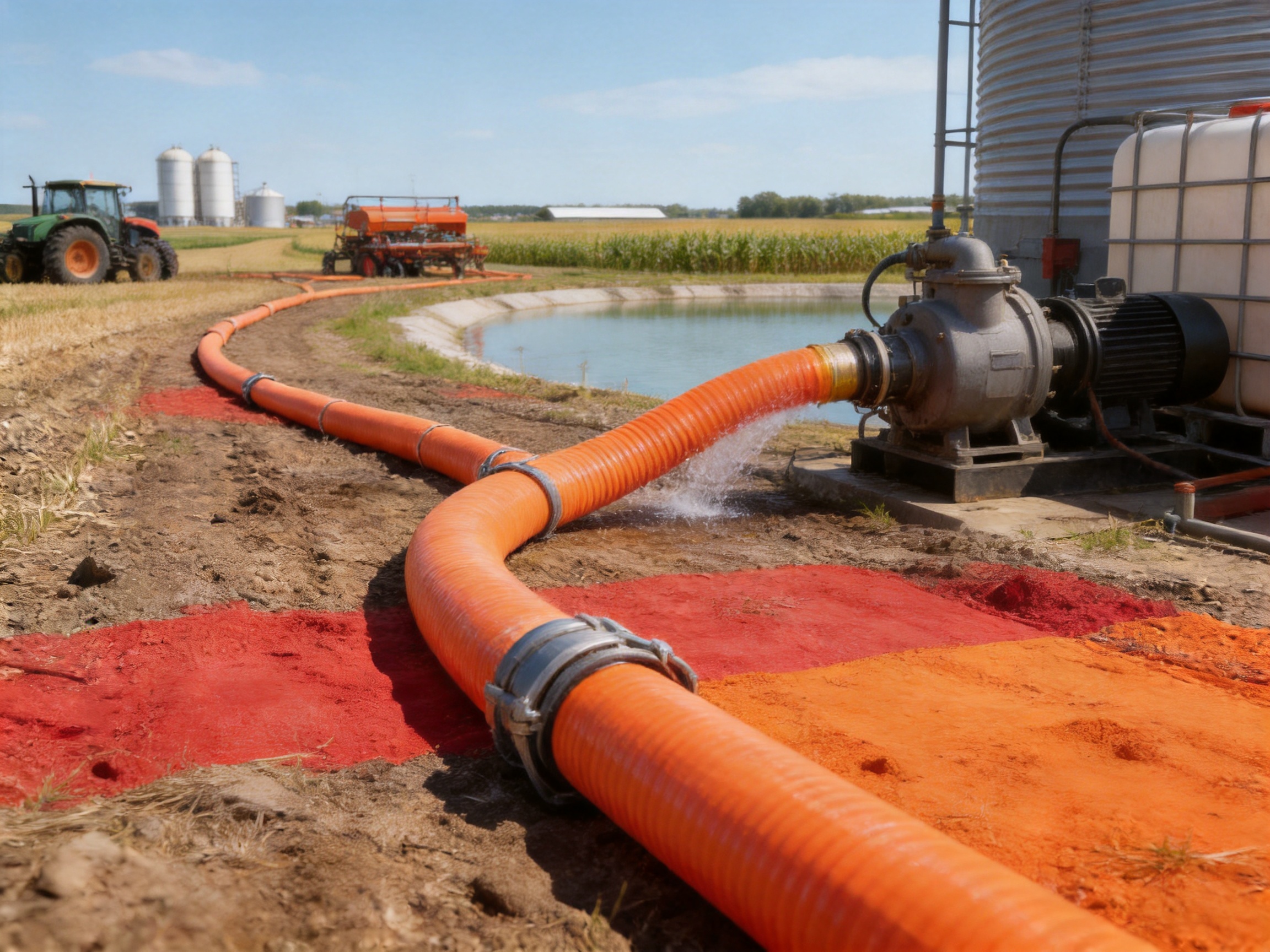
Choosing the correct diameter requires consideration of flow rate, pump pressure, transfer distance, elevation change, fluid viscosity, solids content, and the type of couplings used. A small-diameter hose may be easier to handle but can produce higher friction loss at a given flow rate. A larger-diameter hose may support higher flow with lower friction loss but may require more storage and handling capacity.
The 3-inch size is listed with the highest working pressure in the available specification range and may suit systems requiring a relatively compact transfer line and elevated pressure. The 4-inch and 5-inch sizes provide larger flow passages while maintaining a listed working pressure of 13 bar. The 6-inch and 8-inch sizes are intended for higher-volume transfer systems and have a listed working pressure of 10 bar.
These figures should be used as selection references rather than as a substitute for system engineering. The actual pressure at the hose may differ from the pump outlet pressure because of elevation, friction, valves, fittings, and flow conditions. Users should select a hose with an appropriate safety margin and confirm the complete system design with qualified technical personnel when required.
Length selection also affects operation. A 100-meter hose may be easier to handle and store, while a 200-meter hose can reduce the number of joints in a long field route. Custom lengths allow the hose to be configured around actual distances and equipment arrangements. Customers should balance connection reduction against the labor required to deploy and retrieve each length.
A hose is only as reliable as the connection system attached to it. Couplings must be matched to the hose diameter, pressure rating, fluid service, and pump or pipe interface. The connection should provide a secure seal without cutting, crushing, or excessively compressing the hose body.
Connection components should be inspected regularly for corrosion, deformation, damaged threads, worn seals, and loose fasteners. A coupling that appears serviceable but no longer holds the hose securely can create a serious failure point. Replacement seals and connection parts should be compatible with TPU and the intended manure service.
The system should be designed to minimize sharp changes in direction near the coupling. If the hose is forced to bend immediately at the connection, the end may experience concentrated stress. A gradual approach and suitable support can help distribute loads more evenly.
Where the hose connects to a pump, the pump outlet should be aligned with the hose route. Excessive vibration should be controlled with suitable supports or flexible connection arrangements. Pump pulsation, pressure surges, and sudden valve closure should be evaluated during system design.
Manure management is closely connected with environmental responsibility. A reliable transfer hose can help reduce the risk of leakage during movement, but operators must still plan routes carefully and monitor the system throughout pumping. Spills should be addressed immediately according to local environmental procedures.
The hose should not be used to transport a fluid that has not been evaluated for material compatibility. Manure compositions can vary, and additives or cleaning chemicals may change the chemical environment. When the fluid contains unusual concentrations of oils, solvents, acids, alkalis, or other aggressive substances, technical confirmation is recommended.
Ground conditions can influence hose life. A line laid over smooth soil may experience less abrasion than one placed on gravel or concrete. Crop residue, rocks, fence posts, machinery edges, and drainage structures should be considered before deployment. Clearing the route or using protective covers in high-risk areas can reduce external damage.
Weather planning is also important. Heavy rain may create soft ground and increase the risk of the hose becoming buried, pinched, or contaminated with mud. Freezing conditions may affect residual liquid inside the hose. Proper drainage and winter storage can help reduce these risks.
For distributors and professional agricultural users, supply capability is as important as product performance. Standard 100-meter and 200-meter lengths support regular inventory planning, while custom lengths allow the supplier to serve specialized projects. Standard red and orange colors provide readily identifiable options, and custom colors can support customer-specific requirements.
Taizhou Shenlong Fire Science and Technology Co., Ltd. combines research and development, production, sales, and service within its business structure. This integrated approach can help customers communicate technical requirements directly to a supplier familiar with hose construction and application conditions.
The company has supplied products across more than 20 provinces, cities, and autonomous regions and cooperates with domestic foreign trade companies for export production. Its product experience includes lined fire hoses and flexible products made from rubber, PVC, polyurethane, and other customer-requested materials. This background supports the ability to work with different specifications, packaging requirements, and international purchasing procedures.
For buyers, a capable supplier should be able to provide clear information about diameter, wall thickness, working pressure, burst pressure, weight, length, color, coupling options, and intended use. Technical communication before production can help prevent mismatched equipment and reduce problems during installation.
The primary use is the transfer of liquid manure in agricultural pumping and distribution systems. It can also be considered for compatible water, slurry, irrigation support, and other agricultural liquid-handling applications after confirming fluid compatibility and operating conditions.
The hose uses high-strength polyester filament as reinforcement, with TPU serving as the lining and cover. The materials are integrated through a through-the-weave process to support high tensile strength, strong adhesion, and resistance to abrasion and weathering.
Through-the-weave construction refers to the integration of TPU with the woven polyester reinforcement so that the lining, textile structure, and cover form a strongly bonded hose body. The purpose is to improve structural integrity and reduce the risk of layer separation during repeated use.
The listed inner diameters are 3 inches, 4 inches, 5 inches, 6 inches, and 8 inches, corresponding approximately to 80 mm, 100 mm, 125 mm, 150 mm, and 200 mm. Other specifications should be confirmed with the supplier when a project requires a different size.
Standard lengths are 100 meters and 200 meters. Customer-requested lengths are also available, subject to production and order requirements.
The standard colors are red and orange. Other colors may be available upon customer request. Color selection can support visibility, product identification, and separation of hoses used for different applications.
The specified temperature range is -40°F to 165°F, or approximately -40°C to +74°C. Users should consider temperature and pressure together and consult the supplier when operating near the limits.
No. Burst pressure is not an operating pressure. The hose must be operated at or below its specified working pressure, with appropriate consideration for pressure surges, temperature, fittings, and system conditions.
Drain and clean the hose after use, allow it to dry, and store it in a cool, dry location away from sharp objects, excessive heat, solvents, open flame, and unnecessary sunlight. Roll it without twisting or creating sharp creases.
No. Although TPU offers useful resistance to oil, ozone, UV radiation, and weathering, chemical compatibility depends on the specific substance, concentration, temperature, and exposure time. Confirm compatibility before using the hose with chemicals, additives, or cleaning agents.
A layflat hose is easier to transport, roll, store, and reposition. It is useful for temporary or changing field routes and can reduce the need for numerous rigid pipe sections and intermediate joints. Rigid pipe may still be preferable for permanent installations or applications requiring fixed infrastructure.
Customers should provide the required inner diameter, hose length, working pressure, fluid type, temperature, flow rate, coupling details, color preference, packaging requirements, and delivery destination. Detailed information helps the supplier recommend an appropriate configuration.
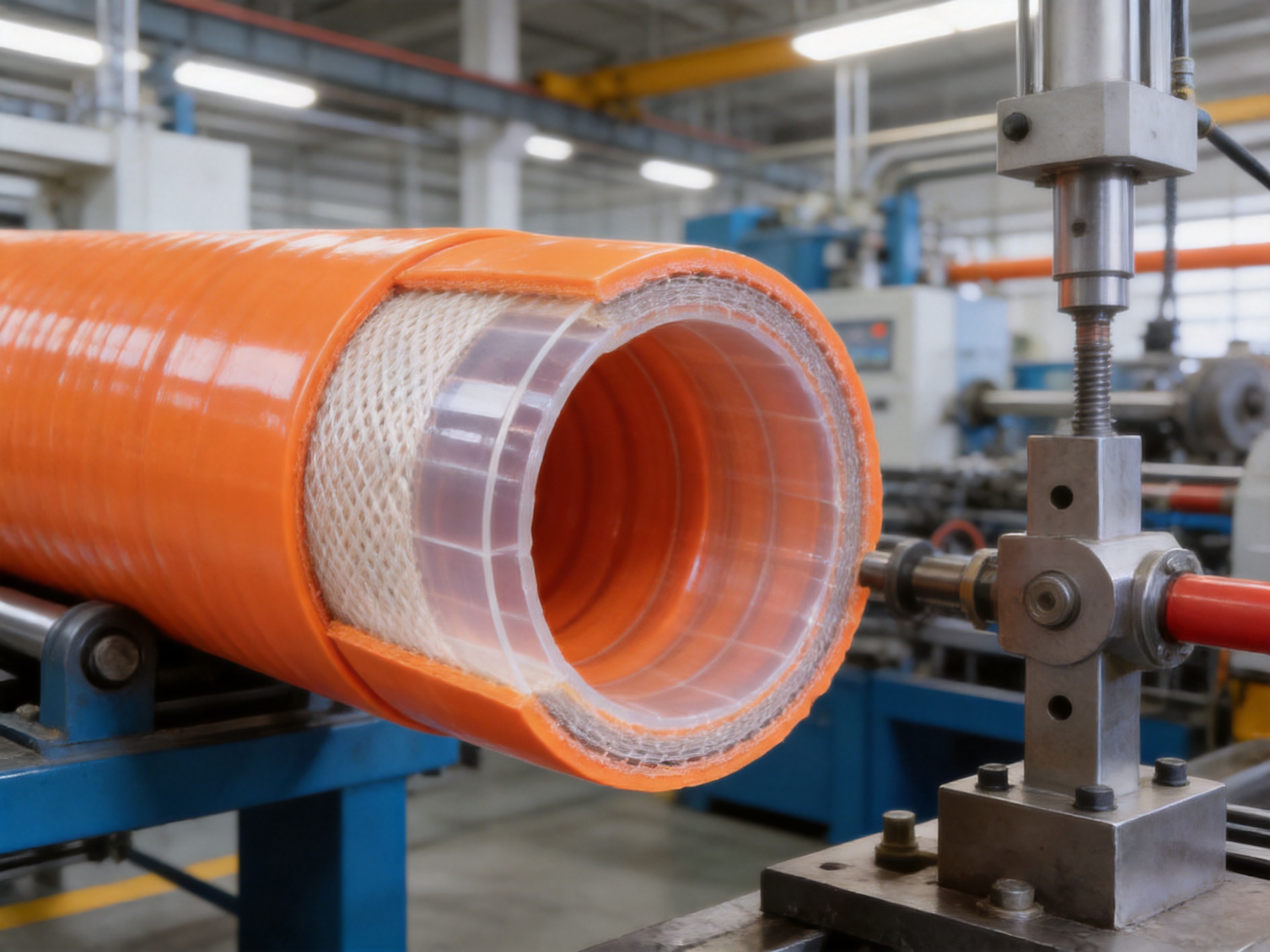
The TPU Layflat Hose Manure Dray Hose is designed for agricultural users who need a flexible, durable, and pressure-capable solution for liquid manure transfer. Its high-strength polyester filament reinforcement, TPU lining and cover, and through-the-weave construction create a hose body intended to withstand demanding field conditions.
Its key advantages include high tensile strength, strong interlayer adhesion, resistance to abrasion, UV, oil, ozone, and weathering, and a broad temperature range from -40°F to 165°F. The layflat format also supports convenient transport, deployment, retrieval, and storage. With sizes from 3 inches to 8 inches, standard lengths of 100 meters and 200 meters, and customer-requested options, the hose can be configured for a wide range of agricultural pumping systems.
The product is supported by the manufacturing experience of Taizhou Shenlong Fire Science and Technology Co., Ltd., a company established in 1995 with capabilities in research and development, production, sales, and service. Its experience with lined fire hoses and flexible rubber, PVC, polyurethane, and other products provides a foundation for producing application-oriented hose solutions.
Correct selection, installation, pressure control, inspection, cleaning, and storage remain essential to safe and long-term performance. When properly matched to the pumping system and used within its rated conditions, the TPU layflat manure dray hose can provide a practical alternative to less durable flexible hose, heavy rubber hose, or inflexible permanent piping.
1. Product technical information for TPU Layflat Hose Manure Dray Hose, including dimensions, pressure ratings, wall thickness, weight, temperature range, lengths, and colors.
2. Manufacturer-provided information concerning through-the-weave TPU layflat hose construction and material characteristics.
3. General principles of thermoplastic polyurethane hose design, textile reinforcement, abrasion resistance, and polymer bonding.
4. General agricultural fluid-transfer practices for manure pumping, hose deployment, inspection, cleaning, and storage.
5. General industrial hose safety principles concerning working pressure, burst pressure, pressure surges, couplings, and maintenance.
6. Company background information concerning research and development, production, sales, service, lined fire hose manufacturing, and related flexible products.
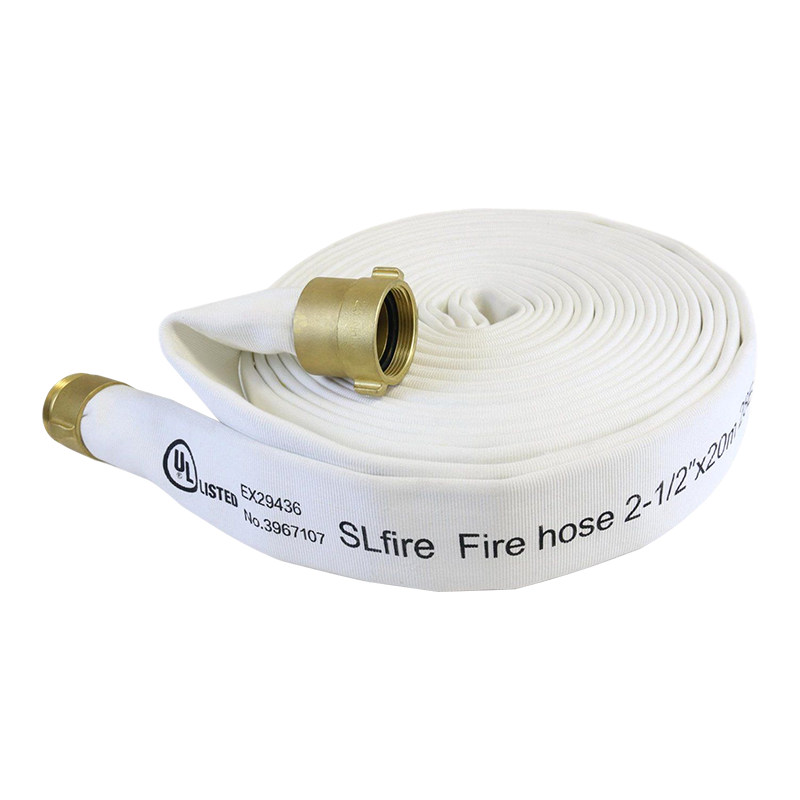
Single jacket, EPDM rubber liner Features • 100% high tenacity polyester jacket, high-grade EPDM rub...
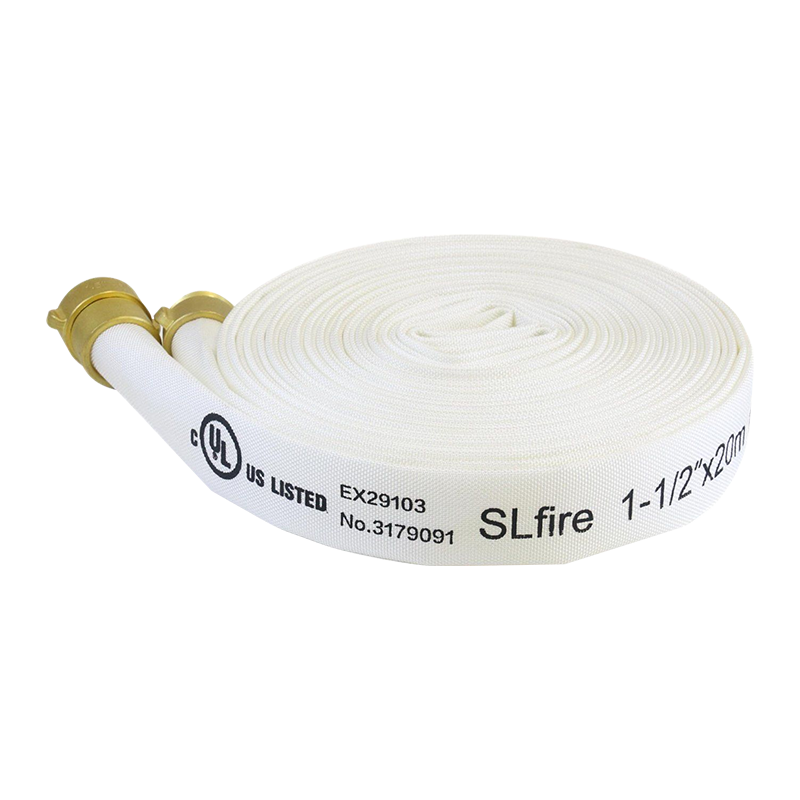
Single jacket, TPU liner •High-tenacity polyester yarn, circular woven in twill weave/plain weave,T ...
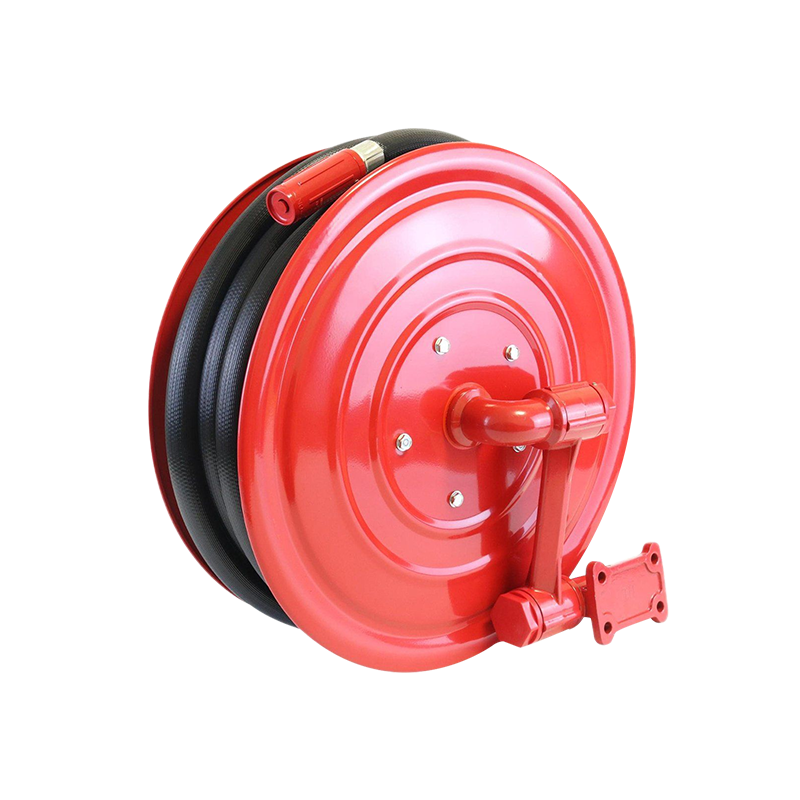
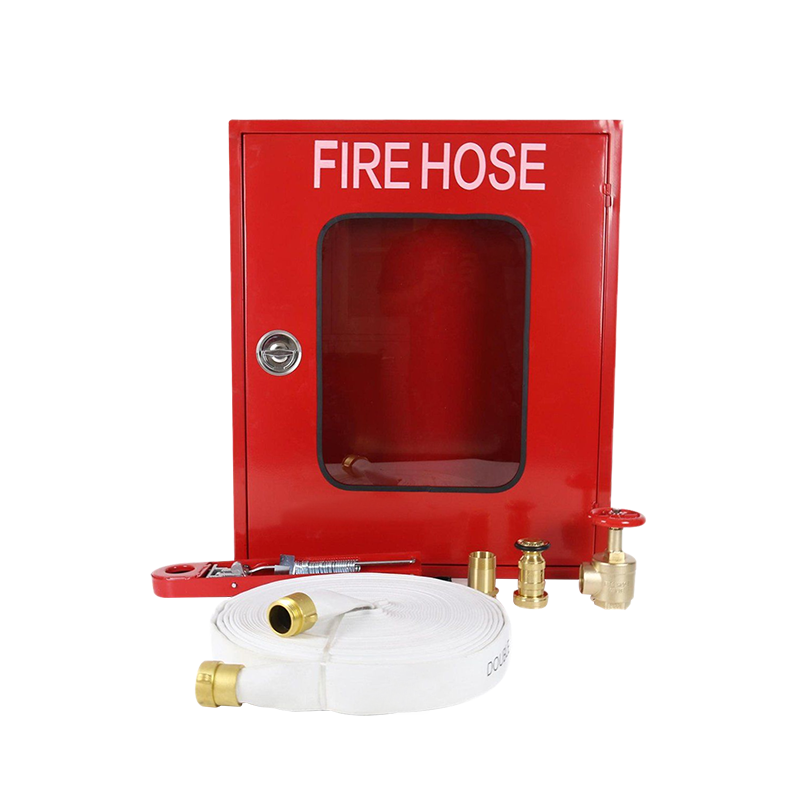
Fire cabinets are designed to accommodate fire hose,valve and other firefighting equipment. Type 201...
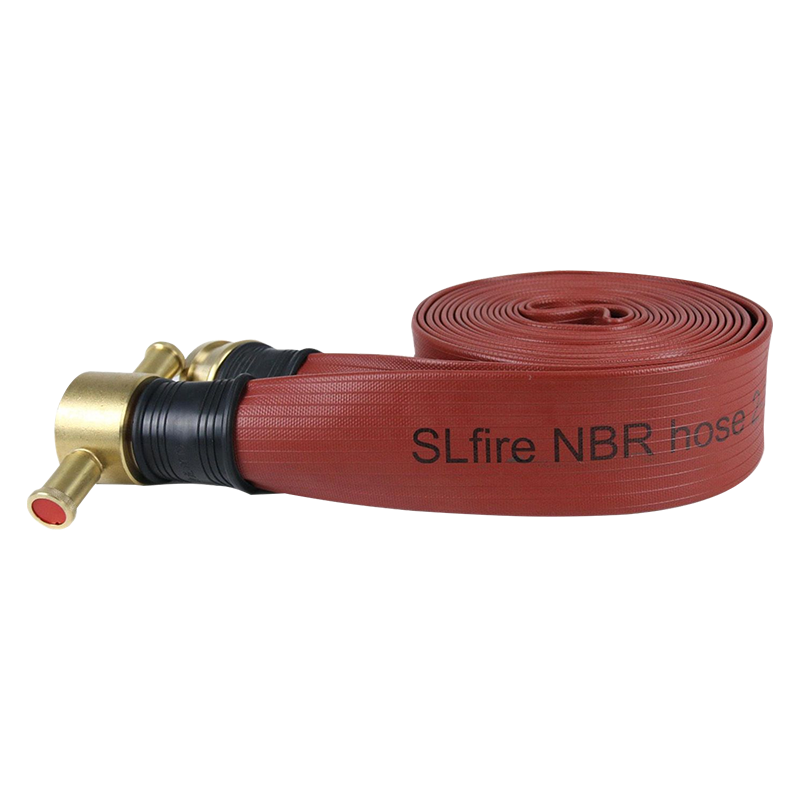
Nitrile covered hose •Nitrile/TPR blend as cover and lining, with 100% high-tenacity polyester yarn ...
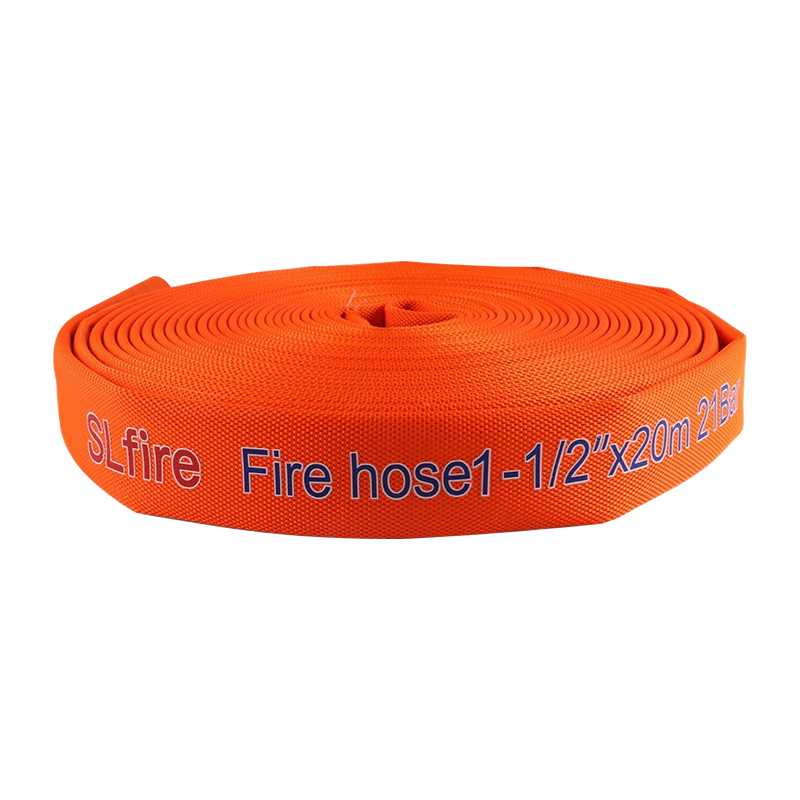
Single jacket, TPU liner •High-tenacity polyester yarn, circular woven in twill weave, TPU lining, f...
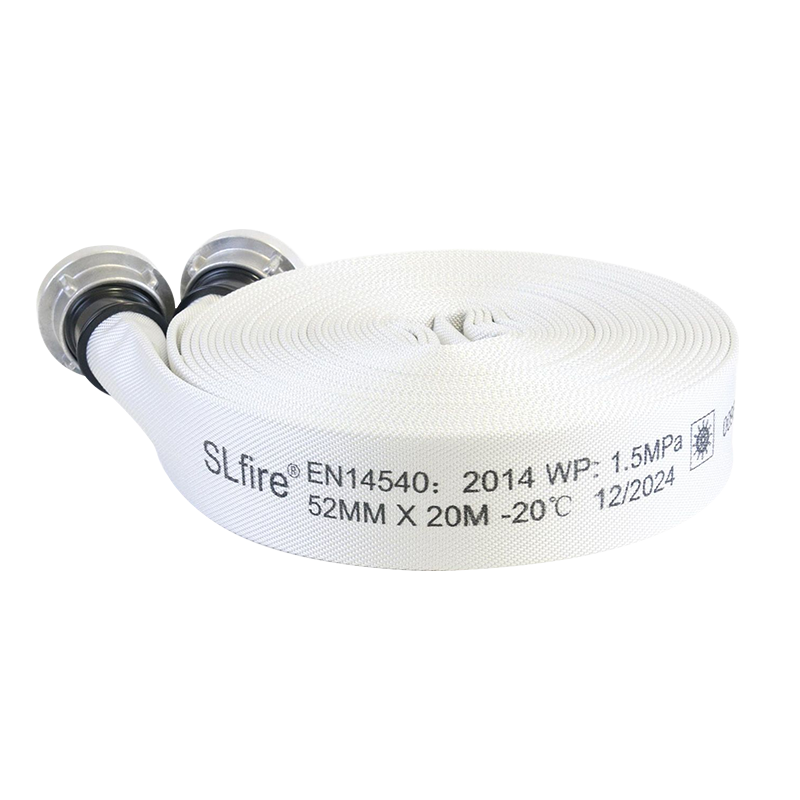
Marine hose Single jacket, PVC liner •100% high tenacity polyester yarn, circular woven in twill wea...
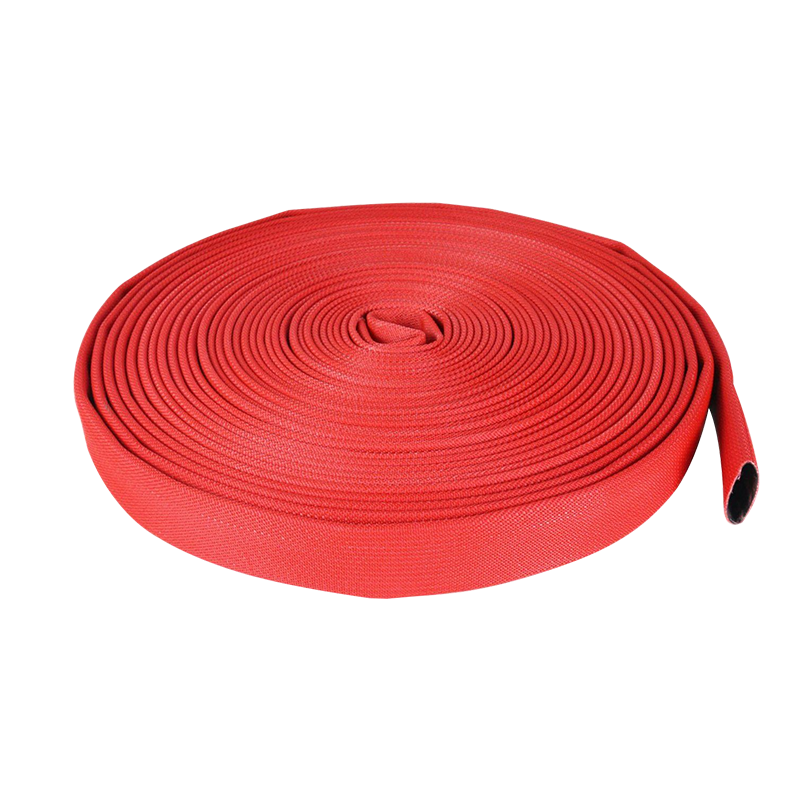
Marine hose Single jacket, PVC liner, PU coated •100% high tenacity polyester yarn,c ircular woven i...
 Call Us
+86 159-5116-9511
Need Support
Head Office
No.58, Kechuang Road, Sixiang Street Medicine Gaoxin District Taizhou City, Jiangsu Province

What Is a Fire Hose? A fire hose is a high-pressure flexible hose designed to carry water or fire retardant chemicals from a water source, such as a hydrant, pump, or tank, to a fire for suppression p...
Copyright © Taizhou Shenlong Fire Science and Technology Co., Ltd. All Rights Reserved.
 Fire Hose Manufacturers, Fire Hydrant Hose Factory