

 English
 русский
 Español
 Deutsch
 عربى
عربى Français
 Português
Don't hesitate to send a message

Single jacket, EPDM rubber liner Features • 100% high tenacity polyester jacket, high-grade EPDM rub...
Content
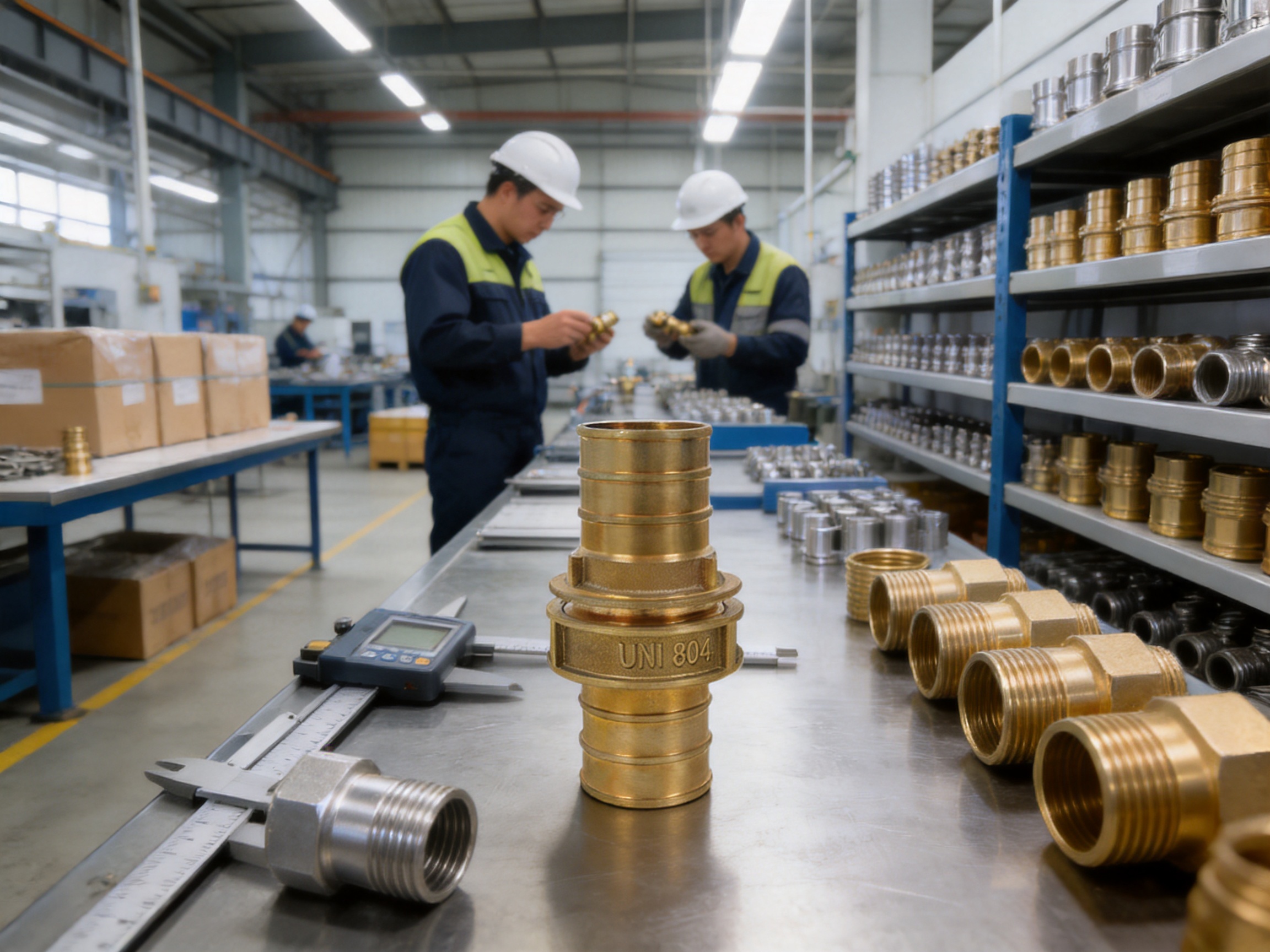
Reliable hose connections are essential wherever water, chemicals, petroleum products, or other fluids must be transferred safely and efficiently. A hose may be manufactured from high-quality materials and tested for pressure resistance, but the complete system can still fail if the coupling is poorly designed, difficult to operate, or vulnerable to corrosion. For this reason, professional users require couplings that combine secure mechanical engagement, dependable sealing, practical handling, and long-term durability.
ITALY UNI Hose Couplings are designed to meet these requirements through a forged construction, Italian-standard geometry, polished surface treatment, and a choice of aluminum alloy or brass materials. Available in 1-3/4 inch, or 45 millimeters, and 2-3/4 inch, or 70 millimeters, these couplings provide a practical connection solution for firefighting, irrigation, petroleum, chemical, construction, and water-management applications.
Each set includes a male piece and a female piece, allowing the two components to connect as a complete coupling assembly. The design supports quick operation without additional tools, helping users make or break a connection efficiently during installation, maintenance, emergency response, or routine hose deployment. With a working pressure of up to 16 bar, the coupling is suitable for many demanding fluid-transfer environments.
Behind the product is a manufacturer with experience dating back to 1995. Taizhou Shenlong Fire Science and Technology Co., Ltd. integrates research and development, production, sales, and service. This integrated structure supports consistent product improvement, responsive customer communication, and the ability to organize products for different international and industrial requirements.
A hose coupling is more than a simple accessory. It is a pressure-bearing connection point that links a hose to another hose, a hydrant, a pump, a nozzle, a valve, or a fixed installation. The coupling must remain mechanically secure while fluid pressure changes, equipment moves, and operators handle the hose under real working conditions.
In firefighting, connection speed can directly influence response time. Firefighters may need to connect multiple hose lengths, attach a hose to a hydrant, or replace a damaged section quickly. A coupling that requires complicated tools or excessive force can delay operation. In irrigation, workers may connect and disconnect hoses frequently as water is directed between fields, greenhouses, storage tanks, and pumping systems. In industrial facilities, the coupling may be exposed to moisture, chemicals, oil residues, vibration, and repeated handling.
These conditions make several performance characteristics especially important:
Mechanical strength is required to withstand internal pressure and external handling.
Dimensional consistency is necessary for reliable engagement between male and female components.
Corrosion resistance helps preserve the coupling when it is exposed to water, humidity, chemicals, or outdoor conditions.
Operational simplicity reduces installation time and the possibility of user error.
Material suitability allows the coupling to serve different industries and operating environments.
Serviceability and economical design help organizations control replacement and maintenance costs.
ITALY UNI Hose Couplings address these needs as a balanced solution rather than focusing on only one performance feature. They combine forged construction, practical materials, polished finishing, standardized sizing, and tool-free operation in one product family.
The coupling body is manufactured using a forging method. Forging forms metal under controlled pressure, producing a compact structure that is well suited to components exposed to mechanical loads and internal pressure. Compared with less robust manufacturing approaches, forging can help reduce internal discontinuities and improve the overall integrity of the finished component when the process is properly controlled.
For a hose coupling, structural integrity matters around the connection threads, sealing areas, locking surfaces, and body transitions. These zones experience pressure and mechanical stress during use. A coupling may also be pulled, twisted, dropped, or struck during installation and emergency deployment. A forged body provides a strong foundation for these operating conditions.
Forging is also valuable for achieving repeatable component geometry. A coupling must maintain accurate dimensions so that the male and female pieces engage correctly. Consistent geometry supports smooth operation and helps reduce the risk of loose or incomplete connections. When combined with suitable inspection and finishing procedures, forged production can contribute to dependable batch-to-batch quality.
The use of forging is an important advantage over low-strength alternatives that may be more vulnerable to deformation. A deformed coupling can become difficult to connect, may damage the hose end, or may fail to seal correctly. A robust forged structure helps preserve the shape of the coupling throughout its working life.
ITALY UNI Hose Couplings are specified for a working pressure of up to 16 bar. This rating makes them suitable for a broad range of firefighting, irrigation, and industrial fluid-transfer systems. The actual pressure suitability of a complete hose assembly depends on the hose, gasket, fittings, operating temperature, fluid, installation quality, and system design. Users should always verify that every component is appropriate for the intended service.
A coupling rated for 16 bar offers useful capacity for applications in which water or other fluids move under significant pressure. It can be applied to many portable and fixed systems, including pump discharge lines, hydrant connections, irrigation distribution systems, and selected industrial transfer arrangements.
Pressure performance should never be considered separately from correct installation. The hose must be fully inserted or properly secured, the coupling components must be completely engaged, and sealing elements must be clean and undamaged. Operators should inspect the assembly before pressurization and avoid using a coupling that shows cracks, severe wear, thread damage, or distortion.
When used within its specified limits and installed correctly, the coupling provides a dependable connection point for professional fluid-handling work.
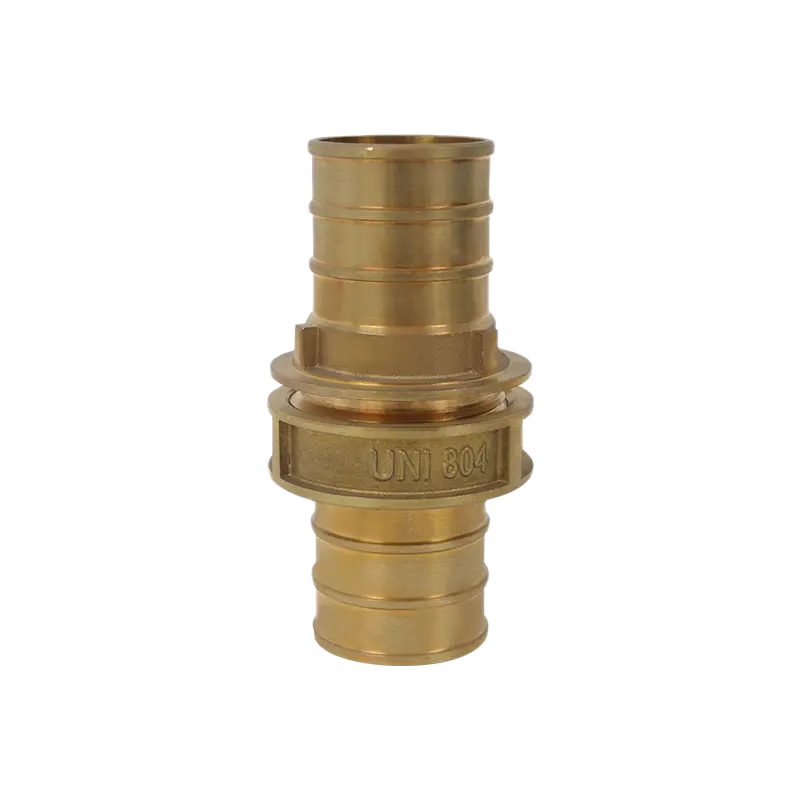
ITALY UNI Hose Couplings
The product is available in aluminum alloy and brass. Offering these two material options allows buyers to select a coupling according to application priorities such as weight, strength, handling, environmental exposure, compatibility, and budget.
Aluminum alloy is widely used for portable firefighting and fluid-transfer equipment because it offers a useful combination of strength and low weight. Lower weight can make a meaningful difference when personnel must carry, deploy, reposition, or store several hose assemblies. It can also reduce handling fatigue during repeated operations.
An aluminum alloy coupling is particularly practical for fire departments, emergency-response teams, irrigation crews, construction workers, and mobile service contractors. Its lighter construction can make hose deployment faster and more manageable without eliminating the structural benefits required for a pressure-bearing connection.
Aluminum alloy also provides natural resistance to many common atmospheric conditions. The polished surface treatment further improves the appearance and supports practical resistance against ordinary corrosion and chemical exposure. As with all metal products, suitability must be evaluated against the exact fluid and environment. Strongly corrosive chemicals, high temperatures, or unusual service conditions may require a specific material review before purchase.
Brass is valued for its durability, machinability, and dependable performance in many connection systems. It offers a substantial feel and is commonly selected for applications in which a robust metal coupling is preferred. Brass can be used in firefighting, irrigation, industrial, petroleum, and chemical-related installations, subject to compatibility requirements.
The choice between aluminum alloy and brass can be based on the balance between portability and material mass. Aluminum alloy is often attractive when low weight and quick handling are priorities. Brass may be preferred where a heavier, traditionally durable connection is desirable. Providing both materials gives distributors and end users more flexibility than a single-material product line.
Material selection should account for fluid type, pressure, temperature, environmental exposure, connection hardware, and local regulations. Professional buyers can discuss these factors with the supplier to identify the most appropriate version.
The coupling follows an Italian-standard design. A recognized standard profile helps establish a consistent relationship between dimensions, connection geometry, and operating method. This is important for users who maintain fleets of hoses and fittings or who need to source compatible components across different projects.
Standardized design reduces uncertainty during procurement. Instead of relying only on general descriptions such as “fire hose coupling,” buyers can specify the standard, nominal size, material, and connection type. This improves ordering accuracy and helps prevent mismatches between hose assemblies and accessories.
The two available sizes are 1-3/4 inch, corresponding to 45 millimeters, and 2-3/4 inch, corresponding to 70 millimeters. These sizes address common requirements in fire protection and fluid-transfer systems. The smaller option is useful for applications where a more compact hose assembly is required, while the larger option supports higher-volume hose systems and larger connection arrangements.
Before ordering, users should confirm the nominal size, mating standard, hose inner diameter, gasket requirements, and connection configuration. Standardization is most effective when the complete system is specified consistently.
Each set includes one male piece and one female piece. This complete arrangement simplifies purchasing and ensures that the two primary coupling components are supplied together. It is useful for assembling new hose sections, replacing worn fittings, or preparing spare equipment for emergency use.
The male and female pieces are designed to work together as a matched connection. When correctly engaged, they form a secure interface that supports reliable fluid transfer. Supplying both components also helps reduce the risk of purchasing an incomplete connection assembly.
Distributors can stock complete sets for faster order fulfillment, while end users can keep replacement sets available for maintenance and field operations. The paired configuration is especially valuable for organizations that need standardized hose equipment across several locations.
One of the principal advantages of the design is easy operation without additional tools. In emergency and industrial settings, users may not have time to locate wrenches or other equipment. A coupling that can be handled directly supports faster setup and reduces the number of items required at the worksite.
Tool-free operation also benefits irrigation and construction applications, where hose routes may change frequently. Workers can connect or disconnect assemblies more conveniently when moving water supplies between areas. For maintenance teams, simple operation can reduce service time and improve productivity.
Ease of operation does not mean that installation quality can be ignored. Operators should ensure that the coupling is correctly aligned, fully engaged, and properly sealed. The connection should be checked before pressure is introduced. If resistance, cross-threading, visible damage, or leakage occurs, the assembly should be depressurized and inspected rather than forced into position.
Compared with couplings that require specialized tools, the ITALY UNI design can offer a more economical and accessible working process. It is suitable for professional users who value speed but still require a mechanically reliable connection.
The couplings receive a polished surface treatment. Polishing provides a clean and professional appearance, but its value extends beyond visual presentation. A smooth surface is easier to wipe, inspect, and maintain. It can also help reduce the accumulation of dirt and residues compared with a rough or unfinished surface.
The polished finish contributes to fair corrosion and chemical resistance. This is important because hose couplings are often exposed to water, humidity, dust, cleaning agents, and industrial residues. Firefighting equipment may be used outdoors, stored in vehicles, or placed in wet environments. Irrigation equipment may remain near soil and standing water. Industrial couplings may encounter oils, process liquids, or cleaning chemicals.
No surface finish can make a coupling universally immune to every chemical or environmental condition. Users should rinse equipment after exposure to saltwater, corrosive substances, or contaminated liquids when appropriate. The coupling should be dried before long-term storage, and any damaged surface should be evaluated promptly. Routine care helps preserve both appearance and function.
Compared with unprotected or poorly finished alternatives, a polished coupling is easier to maintain and more suitable for organizations that require equipment to remain clean, identifiable, and ready for service.
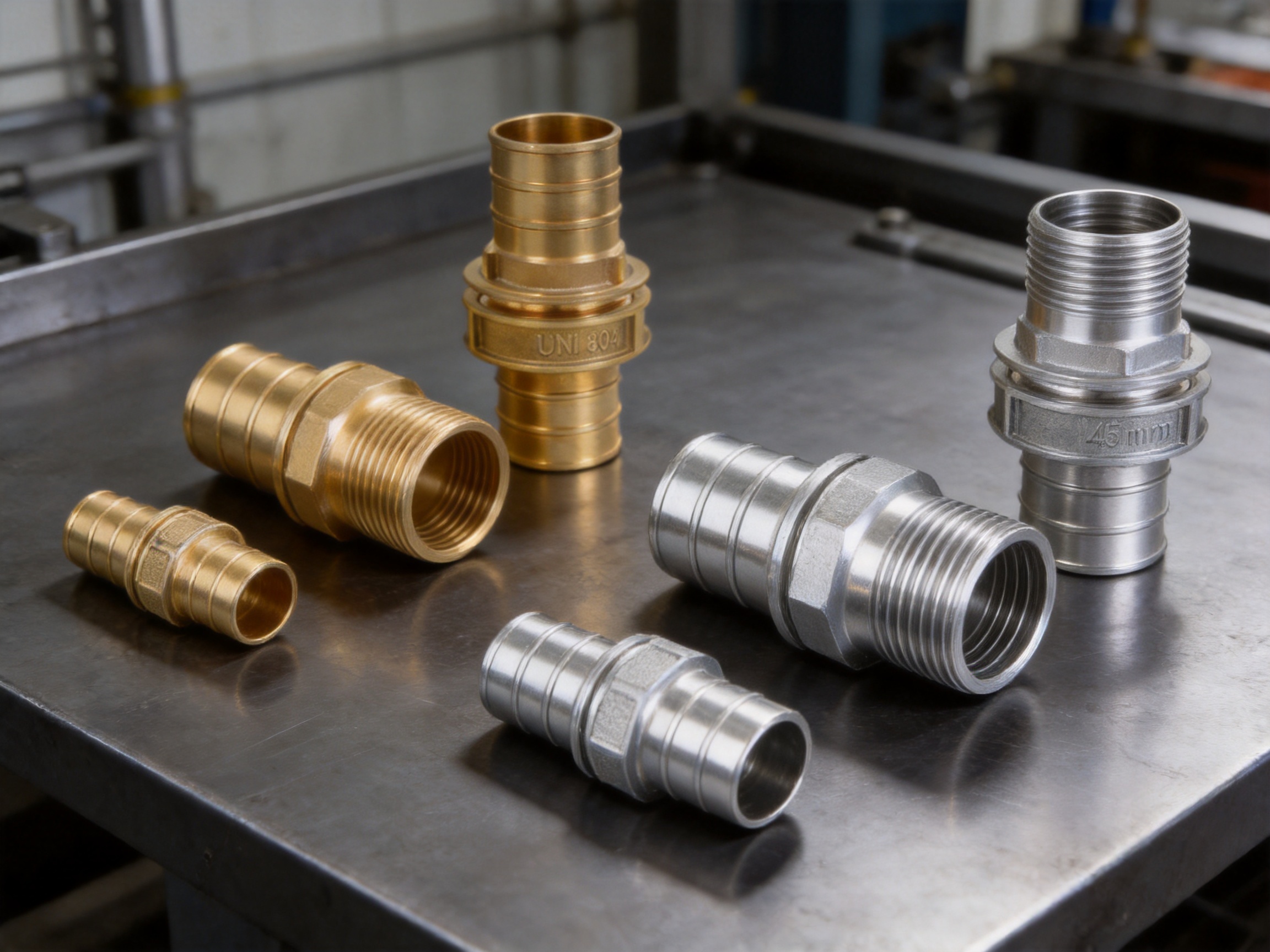
Firefighting is the most direct application for this coupling design. Fire hoses must be deployed rapidly and connected securely to hydrants, pumps, manifolds, branch pipes, and other equipment. A connection failure can interrupt water delivery at a critical moment, so strength, correct sizing, and operating simplicity are essential.
The 45 millimeter and 70 millimeter sizes allow users to configure equipment for different hose capacities and operational requirements. Aluminum alloy versions can support portable deployment, while brass versions provide an alternative for users seeking a heavier and durable metal connection.
Fire departments, industrial fire brigades, commercial buildings, warehouses, construction sites, and municipal water-response organizations can use these couplings as part of a planned hose and accessory inventory. They are also suitable for replacement programs in which damaged or outdated couplings must be exchanged with standardized components.
Agricultural operations often require flexible water distribution. Hoses may be moved between fields, pump stations, storage tanks, greenhouses, and drainage areas. A coupling that can be operated without tools allows workers to adjust hose layouts with less downtime.
The corrosion and chemical resistance of the polished metal surface is useful in outdoor agricultural environments, although the coupling should still be cleaned and stored correctly. Users should consider the water source, fertilizers, pesticides, and other substances that may contact the assembly. Compatibility should be verified whenever the hose carries anything other than clean water.
For irrigation contractors and agricultural distributors, the availability of two nominal sizes and two material choices supports a more flexible product offering. The coupling can be selected according to flow requirements, handling preferences, and site conditions.
Industrial and petroleum-related operations require careful attention to material compatibility, pressure, grounding, temperature, and regulatory requirements. Within a suitable system design, ITALY UNI Hose Couplings can provide a practical connection solution for selected transfer and service applications.
The forged body supports mechanical reliability, while the polished finish assists inspection and maintenance. The tool-free design can also be useful where hoses need to be repositioned or serviced regularly. However, users must confirm that the selected material and gasket are compatible with the specific petroleum product or chemical being handled.
A coupling should never be used with a hazardous fluid merely because its pressure rating appears suitable. Fluid compatibility, static-control requirements, operating temperature, vapor exposure, and local safety procedures must all be considered before deployment.
Chemical facilities may use hose assemblies for cleaning, transfer, flushing, processing, or emergency response. The polished aluminum alloy or brass coupling can be considered for appropriate chemical applications after a compatibility review.
The product information identifies chemical industries among its intended application areas and notes fair chemical resistance. This makes the coupling a practical candidate for many general service environments. Nevertheless, chemical resistance depends on concentration, temperature, exposure time, fluid composition, and the presence of other metals or elastomers in the complete assembly.
Responsible users should request technical confirmation when handling aggressive acids, strong alkalis, solvents, oxidizers, or specialized process chemicals. Selecting the correct material and sealing element is essential for safe operation.
Construction projects frequently require temporary water lines for dust suppression, concrete work, equipment cleaning, dewatering, and fire prevention. Hose systems may be installed and removed repeatedly as the project develops. A coupling that is easy to operate and available in standard sizes can help contractors adapt their water networks efficiently.
Water-conservancy projects, pumping stations, and related infrastructure also benefit from dependable hose connections. The coupling can support maintenance work, temporary bypass arrangements, emergency water supply, and general fluid distribution when the pressure and material requirements are suitable.
Many low-cost hose connection products are available in the market, but initial purchase price alone does not determine total value. A coupling that is difficult to install, inconsistent in size, prone to deformation, or poorly protected against the environment can create higher costs through leakage, downtime, labor, and premature replacement.
ITALY UNI Hose Couplings offer several advantages over less specialized alternatives.
First, the forged construction is appropriate for a pressure-bearing component and provides a strong structural foundation. This can be preferable to a lightweight product that sacrifices mechanical integrity for minimal production cost.
Second, the product is offered in both aluminum alloy and brass. Buyers can select between a lighter handling solution and a heavier metal option according to the application. A single-material range does not provide the same level of choice.
Third, the Italian-standard design gives buyers a clear specification for procurement and compatibility. Generic couplings without a defined standard may create uncertainty when they are connected to existing equipment.
Fourth, the male-and-female set format simplifies ordering and installation. Users receive the basic matched components together rather than having to identify and source each piece independently.
Fifth, tool-free operation supports quick deployment and maintenance. This is particularly important for firefighting, agricultural, construction, and mobile industrial work.
Sixth, polishing improves maintainability and contributes to corrosion and chemical resistance. The coupling is easier to inspect and keep presentable than an unfinished component.
Finally, the 16 bar working-pressure specification provides useful capacity for a broad range of professional applications. The combination of pressure capability and economical design can help organizations standardize equipment without compromising essential performance.
The manufacturer, Taizhou Shenlong Fire Science and Technology Co., Ltd., was founded in 1995. Long-term operation in the fire-hose sector provides valuable experience in understanding hose construction, coupling requirements, application conditions, and customer expectations.
The company integrates research and development, production, sales, and service. This structure is important because product performance depends not only on manufacturing but also on design feedback, quality communication, application support, and after-sales response.
Research and development allows the manufacturer to improve products in response to field requirements. Hose and coupling systems must evolve as users demand better weight control, greater durability, more convenient operation, improved corrosion resistance, and compatibility with different systems.
An integrated research and production organization can connect design decisions with manufacturing realities. This helps ensure that product concepts are practical to produce consistently and that customer feedback can be transferred into future improvements.
The company’s main products include various materials of lined fire hoses. This product focus gives the manufacturer a broader understanding of complete fire hose assemblies rather than treating couplings as isolated components. Knowledge of hose materials, reinforcement, lining, pressure behavior, and application conditions can contribute to better coupling selection and assembly support.
The company also undertakes foreign-trade products according to customer requirements, including rubber, PVC, polyurethane, and double-sided tape products. This experience indicates familiarity with customized product coordination, export-oriented communication, and varied material specifications.
Combining production, sales, and service helps the company support customers from initial inquiry through delivery and after-sales communication. Buyers can discuss size, material, application, packaging, and order requirements through one manufacturing organization rather than coordinating with multiple unrelated suppliers.
For distributors and project contractors, this can simplify sourcing and improve communication. Clear technical information is especially important when a customer needs a specific standard, a particular material, or a combination of hose and coupling products.
The company’s products are sold across more than 20 provinces, cities, and autonomous regions. It also cooperates with four domestic foreign-trade companies to produce export products that are shipped to multiple countries.
This market experience supports a practical understanding of different customer requirements, documentation expectations, logistics arrangements, and product applications. International buyers often need stable communication, clear specifications, reliable packaging, and consistent production. Experience with foreign-trade cooperation can help address these needs.
| Item | Specification |
| Product type | ITALY UNI hose coupling |
| Manufacturing method | Forged |
| Connection components | One male piece and one female piece per set |
| Working pressure | Up to 16 bar |
| Material options | Aluminum alloy or brass |
| Design standard | Italian standard |
| Surface treatment | Polished |
| Available sizes | 1-3/4 inch / 45 millimeters and 2-3/4 inch / 70 millimeters |
| Primary applications | Firefighting, irrigation, petroleum, chemicals, construction, and water-related operations |
| Operating feature | Easy operation without additional tools |
| Resistance characteristics | Fair corrosion and chemical resistance |
| Commercial positioning | Economical professional coupling solution |
Choosing the correct hose coupling begins with identifying the complete operating requirement. Buyers should not select a coupling based only on nominal diameter or appearance.
Verify the hose diameter and the required coupling size. The available options are 45 millimeters and 70 millimeters. The coupling should match the hose assembly and the connected equipment. A size that is too small can restrict flow, while an incorrect size may not engage properly.
Check whether the existing hydrant, nozzle, valve, pump, or hose fitting uses the Italian-standard connection profile. Standard compatibility is essential. If the system includes components from different standards, an appropriate adapter may be required.
Choose aluminum alloy when reduced weight and portability are important. Choose brass when a heavier, durable metal connection is preferred. For chemical, petroleum, or unusual fluid applications, confirm material compatibility before purchase.
Verify that the system operating pressure does not exceed the coupling’s 16 bar working-pressure specification. The hose, gasket, valve, and other components must also be rated for the same or higher conditions. Temperature can affect metals, elastomers, and fluids, so it should be included in the selection process.
Consider whether the coupling will be stored outdoors, inside a vehicle, near the sea, in a chemical plant, or in a humid warehouse. Proper storage reduces corrosion and preserves the connection surfaces. Couplings should be protected from unnecessary impact and contamination.
Before installation, inspect the male and female pieces for damage, dirt, deformation, or foreign material. Check the hose end and sealing components as well. The connection area should be clean so that debris does not interfere with engagement or sealing.
Align the male and female components correctly and engage them according to the coupling design. Do not force a connection that feels abnormal. Forcing can damage the connection surfaces or create a false sense of security.
After connection, verify that the components are fully engaged. The hose should be supported so that excessive bending or pulling is not transferred directly to the coupling. When the system is pressurized, inspect for leakage and monitor the connection for movement or unusual vibration.
After use, depressurize the hose before disconnecting. Clean away mud, dirt, chemicals, and other residues. If the coupling has been exposed to saltwater or aggressive substances, rinse it with a suitable cleaning medium and dry it thoroughly.
Periodic inspection should include the body, connection surfaces, threads or locking areas, sealing elements, and hose attachment point. Replace the coupling if it has cracks, deep gouges, severe corrosion, deformation, or persistent leakage. Maintenance records can help organizations identify recurring problems and schedule replacement before failure occurs.
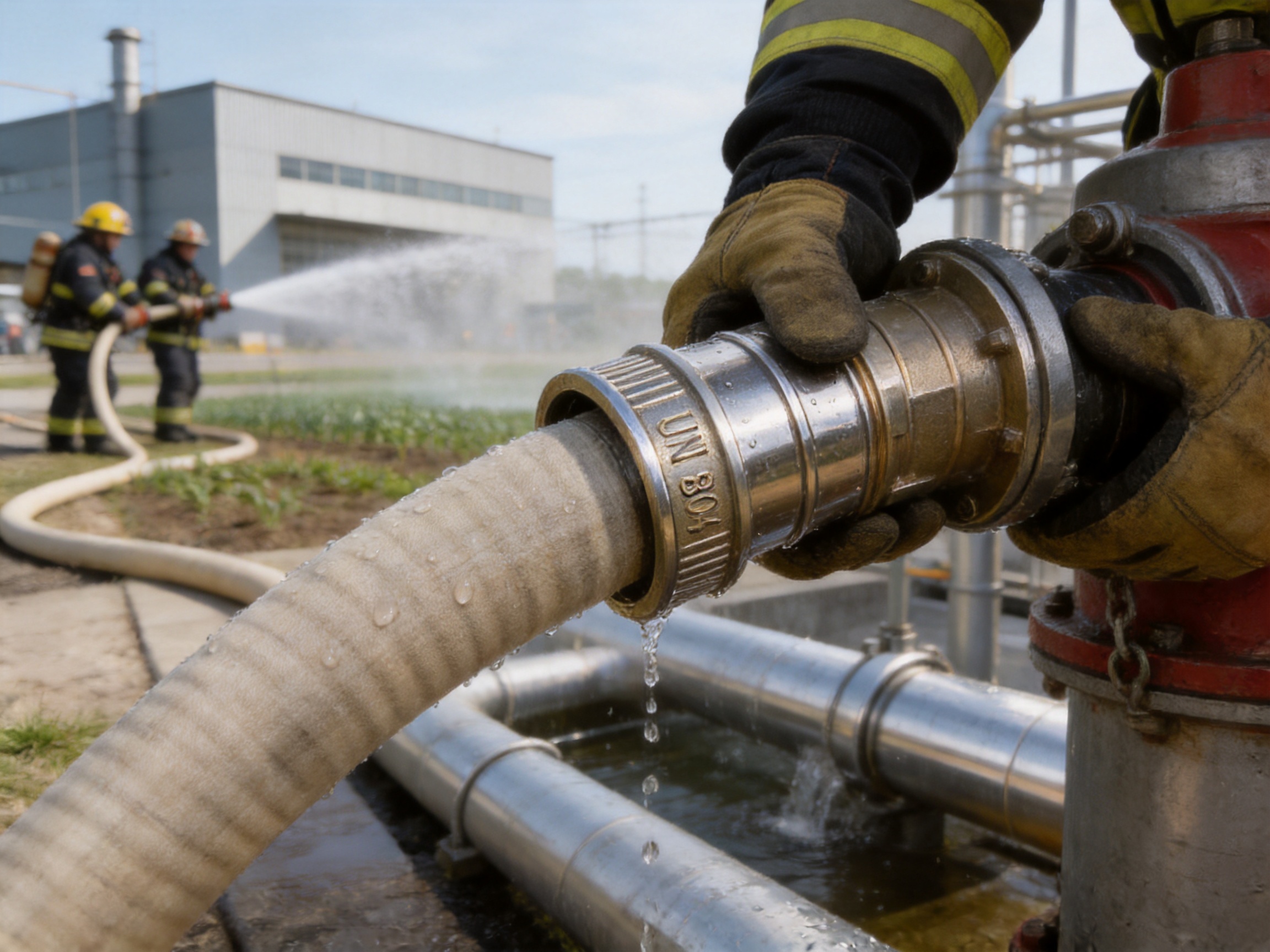
An economical coupling should not be confused with an inferior coupling. The most useful economy is achieved when a product balances purchase price, operating life, labor efficiency, maintenance, and application suitability.
ITALY UNI Hose Couplings are positioned as an economical solution while retaining important professional features. Forged construction supports durability, the polished finish supports maintainability, and tool-free operation reduces installation effort. The choice of two materials and two sizes also helps buyers avoid paying for features that are unnecessary for their particular application.
For distributors, an economical product with clear specifications can be easier to market and stock. For industrial users, standardized couplings can simplify spare-parts management. For fire departments and emergency teams, a reliable replacement coupling can help maintain readiness without excessive inventory expense.
Total value also comes from reduced downtime. A secure and practical connection can help reduce leakage, interruptions, and repeated installation work. When multiplied across many hoses and many operating cycles, these benefits can contribute significantly to the cost efficiency of a complete system.
Wholesale buyers often require more than a single product sample. They need consistent specifications, stable production, reliable communication, and packaging suitable for transportation and storage. A manufacturer with integrated research, production, sales, and service can provide a more coordinated supply process.
Project buyers may require couplings for new fire-protection installations, irrigation networks, industrial facilities, construction projects, or emergency equipment programs. They can specify the desired size, material, quantity, application, and delivery requirements. Clear communication at the quotation stage helps ensure that the supplied coupling matches the system design.
Distributors can also use the product as part of a broader hose and accessory portfolio. Since the manufacturer produces various lined fire hoses and related foreign-trade products, buyers may be able to coordinate multiple product categories through one supply relationship, depending on the order requirements.
Before confirming a large order, buyers should request current technical documents, verify the standard, review inspection expectations, and confirm packaging and shipping arrangements. These steps help reduce misunderstandings and support a successful long-term supply relationship.
Hose couplings should be operated only within their specified pressure and application limits. A 16 bar working-pressure specification does not mean the coupling should be exposed to pressure surges beyond the system design. Water hammer, pump cycling, sudden valve closure, and mechanical impact can increase stress on a hose assembly.
Users should also consider the difference between working pressure and test or burst pressure. These terms are not interchangeable. The complete assembly should be designed and tested according to the applicable industry procedures and local requirements.
When transferring petroleum products or chemicals, confirm material and gasket compatibility. Firefighting and industrial users should follow their internal safety procedures, personal protective equipment requirements, and emergency-response protocols.
Never disconnect a pressurized hose. Before maintenance, isolate the line, release pressure, and confirm that the coupling is safe to handle. Damaged or leaking components should be removed from service until they have been properly evaluated or replaced.
They are used to connect hose assemblies in firefighting, irrigation, petroleum, chemical, construction, and other fluid-transfer applications. Their suitability depends on the pressure, fluid, temperature, standard, and material requirements of the complete system.
The available sizes are 1-3/4 inch, or 45 millimeters, and 2-3/4 inch, or 70 millimeters. Buyers should confirm the nominal size of the hose and mating equipment before ordering.
Yes. Each set includes a male piece and a female piece. These components are intended to work together as a complete coupling set.
The specified working pressure is up to 16 bar. The hose, seals, valves, and other system components must also be rated appropriately, and the coupling should not be used outside its specified operating conditions.
The couplings are available in aluminum alloy and brass. Aluminum alloy is useful when lower weight and portability are priorities. Brass is a suitable alternative when users prefer a heavier metal coupling with durable service characteristics.
Yes. The product is manufactured using a forging method. Forged construction provides a strong foundation for a pressure-bearing connection and supports reliable mechanical performance when the coupling is correctly used.
The design is intended for easy operation without additional tools. Even so, users must align and engage the coupling correctly and should never force a damaged or abnormal connection.
The polished surface treatment contributes to fair corrosion and chemical resistance. The actual service life depends on the material, fluid, environment, cleaning routine, storage conditions, and exposure time. Compatibility should be confirmed for aggressive chemicals and petroleum products.
They are identified for chemical-industry applications, but the exact chemical must be reviewed before use. Concentration, temperature, exposure duration, gasket material, and system safety requirements all affect compatibility.
Inspect them regularly for dirt, deformation, cracks, severe corrosion, damaged connection surfaces, and leakage. Clean and dry the couplings after use, especially following exposure to chemicals, saltwater, or contaminated water. Replace any component that no longer provides a safe connection.
The product combines forged construction, Italian-standard design, aluminum alloy or brass material options, polished finishing, a 16 bar working-pressure specification, matched male and female pieces, and tool-free operation. This combination provides a broader professional value proposition than a generic connection component with limited specifications.
The product is manufactured by Taizhou Shenlong Fire Science and Technology Co., Ltd., a company founded in 1995 that integrates research and development, production, sales, and service. The company specializes in lined fire hoses and also coordinates various export-oriented products according to customer requirements.
ITALY UNI Hose Couplings provide a dependable and economical connection option for professional hose systems. Their forged construction supports structural reliability, while the 16 bar working-pressure specification makes them suitable for a wide range of demanding water and fluid-transfer applications. The availability of aluminum alloy and brass allows users to select the material that best matches their priorities.
The Italian-standard design, 45 millimeter and 70 millimeter sizes, male-and-female set configuration, polished surface, and tool-free operation make the couplings practical for firefighting, irrigation, petroleum, chemical, construction, and water-related work. Compared with less specialized alternatives, they offer a useful combination of strength, convenience, serviceability, and cost control.
The manufacturer’s experience since 1995, integrated research and development structure, production capabilities, fire-hose specialization, export cooperation, and customer-service organization further support the product. For distributors, contractors, fire departments, agricultural users, and industrial buyers, these couplings can serve as a standardized component in new installations, replacement programs, and emergency equipment inventories.
Proper selection and maintenance remain essential. Buyers should verify the standard, size, material, pressure, fluid compatibility, and complete system requirements before installation. When correctly specified and operated, these forged hose couplings can help create secure, efficient, and maintainable hose connections across a broad range of professional environments.
1. Manufacturer-provided product specification for ITALY UNI Hose Couplings.
2. Manufacturer-provided company information for Taizhou Shenlong Fire Science and Technology Co., Ltd.
3. General principles of forged metal component manufacturing and pressure-bearing connection design.
4. General guidance for hose assembly inspection, pressure safety, coupling maintenance, and fluid compatibility.
5. General industrial practices for firefighting hose systems, agricultural irrigation systems, and industrial fluid-transfer equipment.
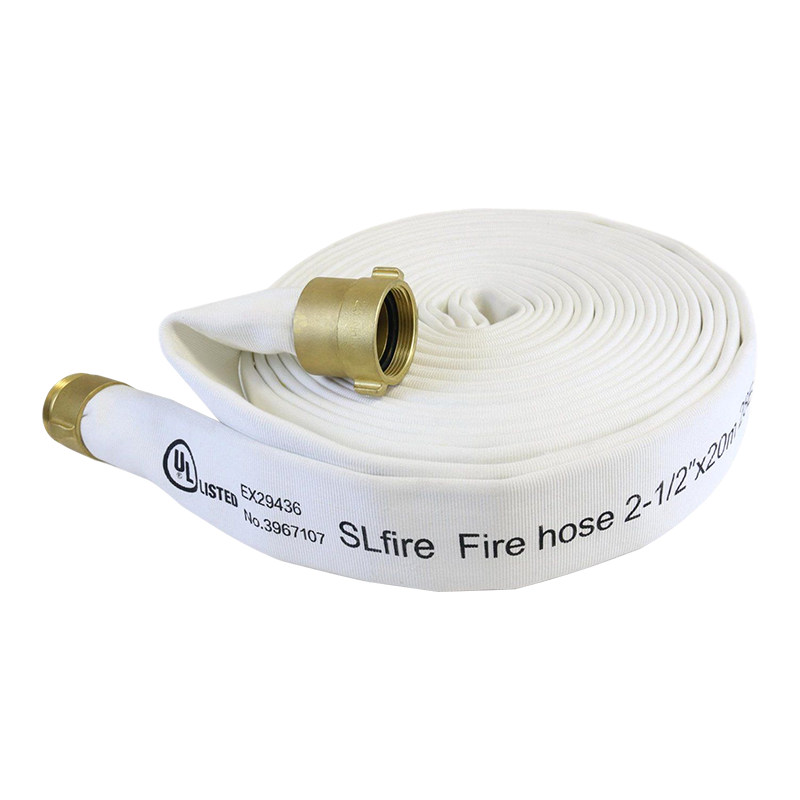
Single jacket, EPDM rubber liner Features • 100% high tenacity polyester jacket, high-grade EPDM rub...
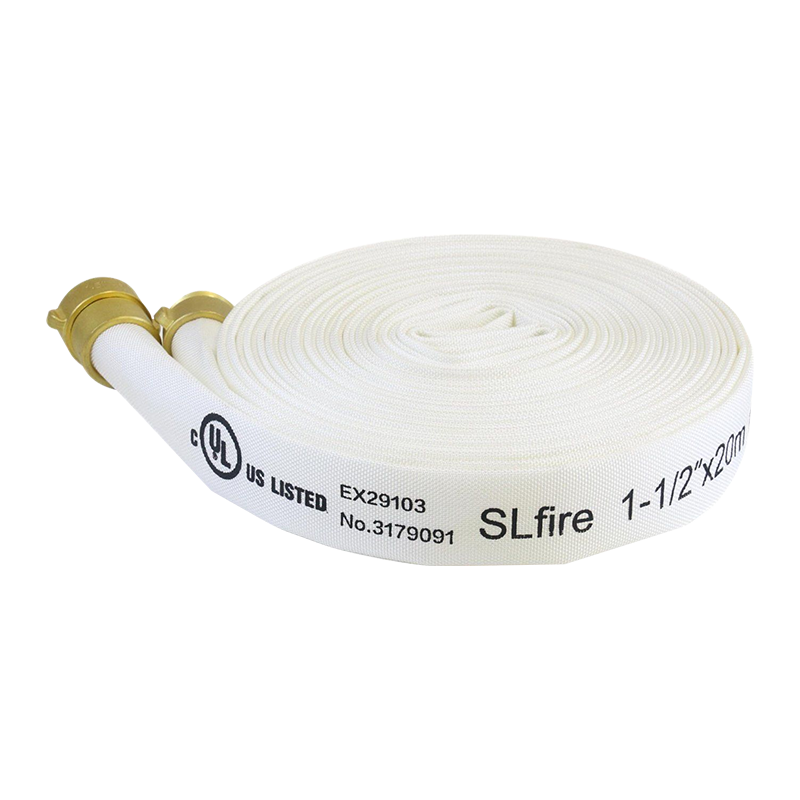
Single jacket, TPU liner •High-tenacity polyester yarn, circular woven in twill weave/plain weave,T ...
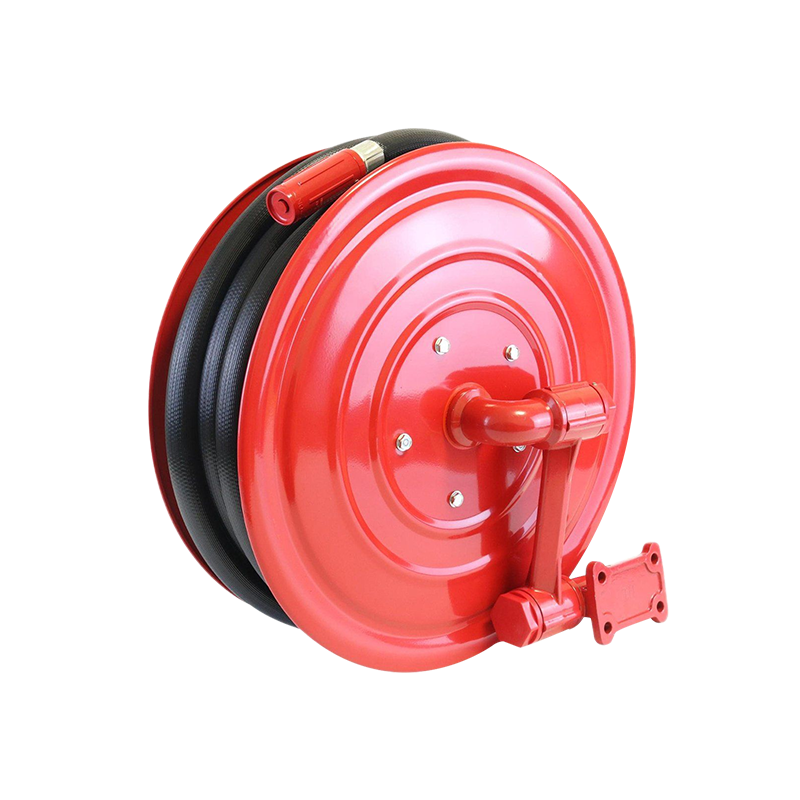
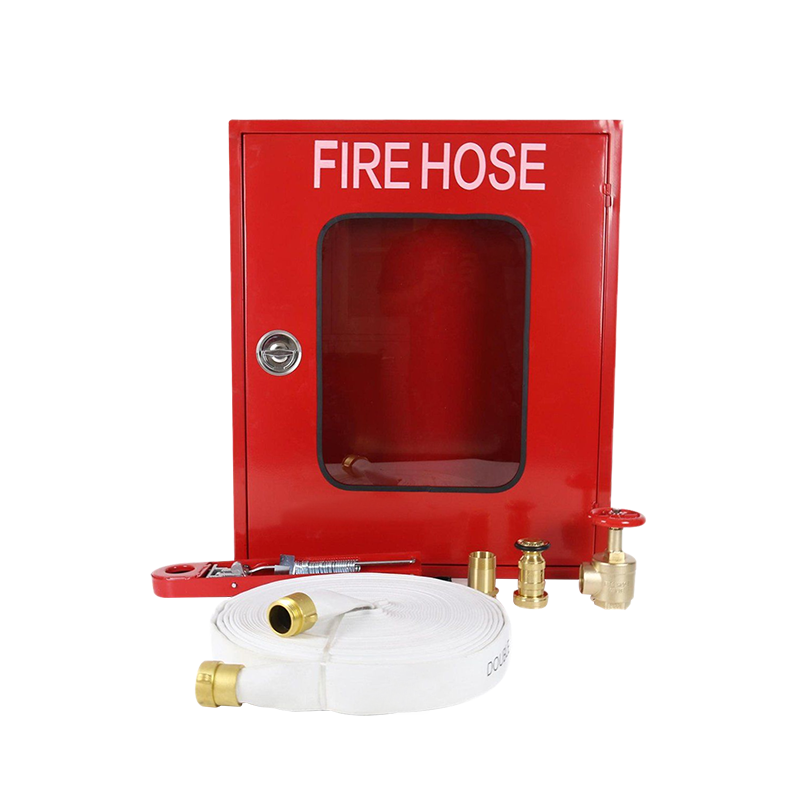
Fire cabinets are designed to accommodate fire hose,valve and other firefighting equipment. Type 201...
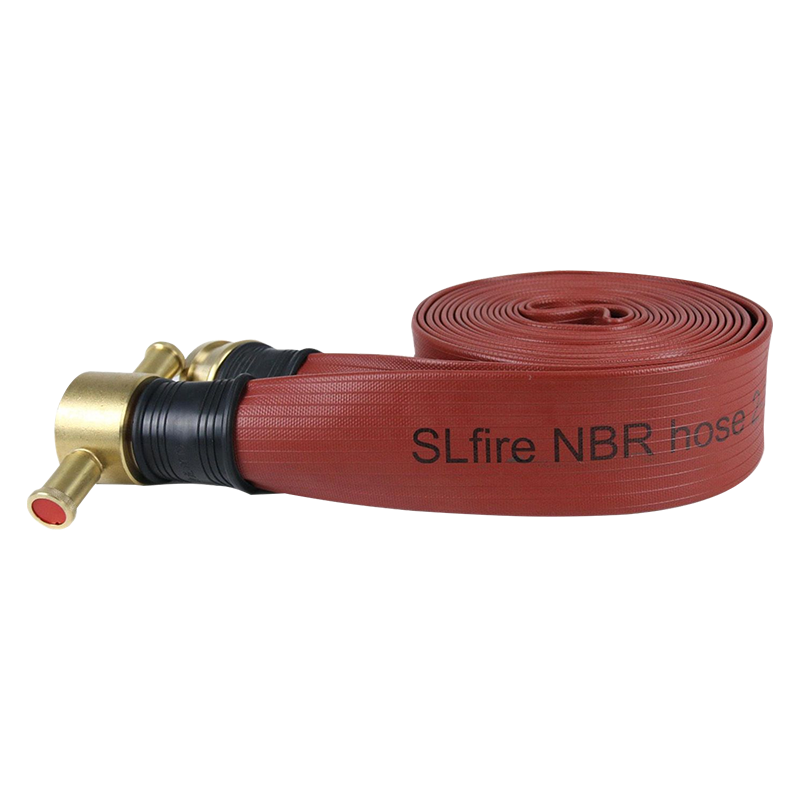
Nitrile covered hose •Nitrile/TPR blend as cover and lining, with 100% high-tenacity polyester yarn ...
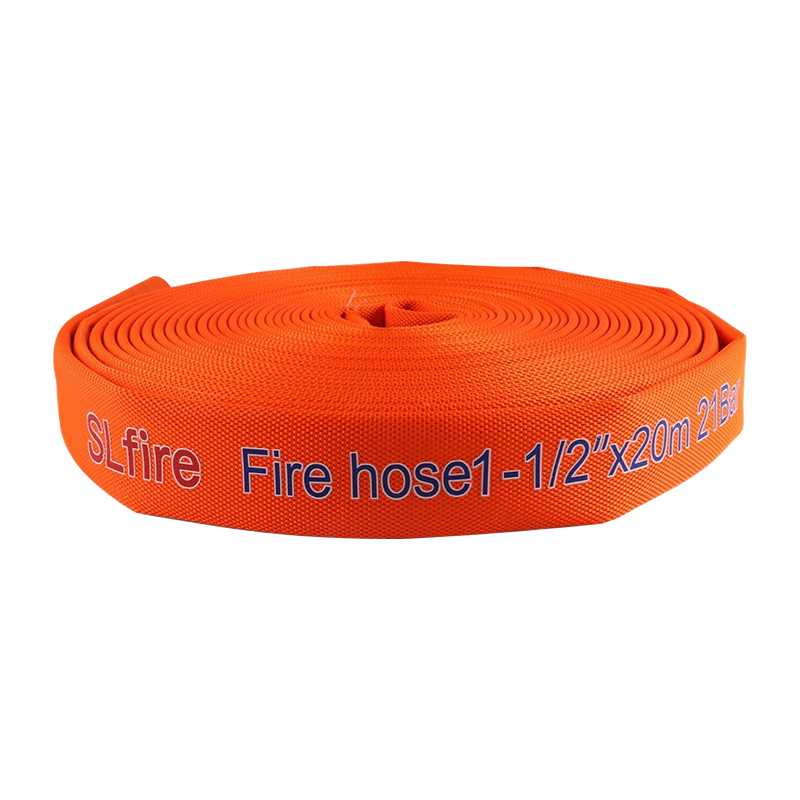
Single jacket, TPU liner •High-tenacity polyester yarn, circular woven in twill weave, TPU lining, f...
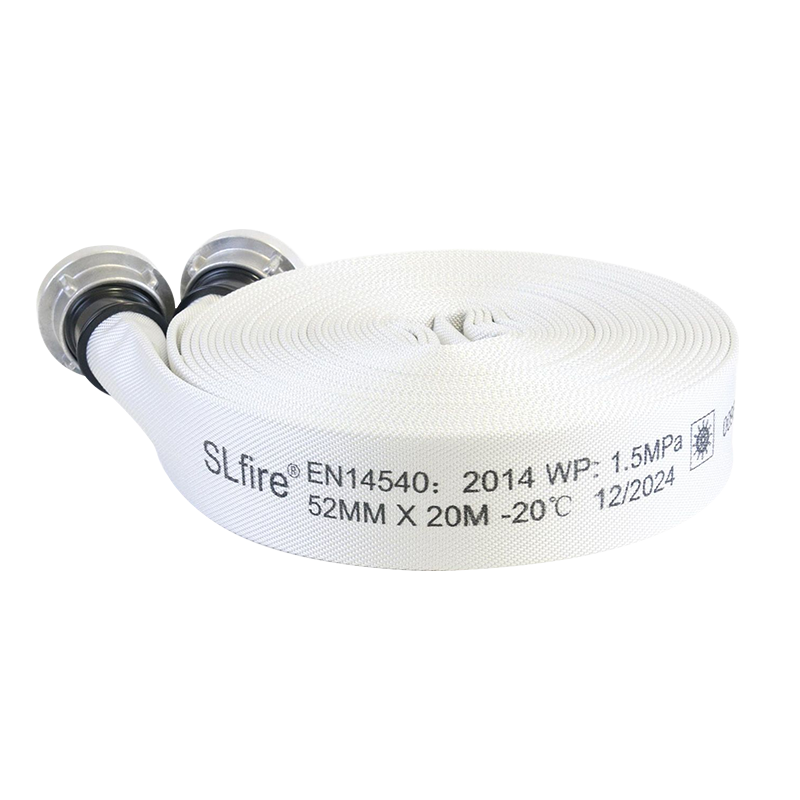
Marine hose Single jacket, PVC liner •100% high tenacity polyester yarn, circular woven in twill wea...
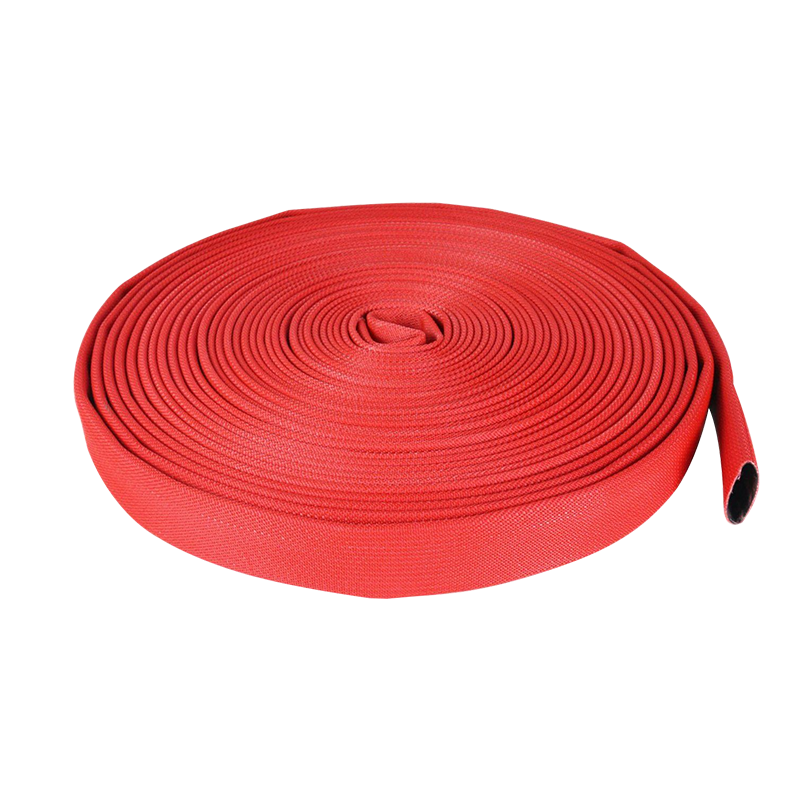
Marine hose Single jacket, PVC liner, PU coated •100% high tenacity polyester yarn,c ircular woven i...
 Call Us
+86 159-5116-9511
Need Support
Head Office
No.58, Kechuang Road, Sixiang Street Medicine Gaoxin District Taizhou City, Jiangsu Province

What Is a Fire Hose? A fire hose is a high-pressure flexible hose designed to carry water or fire retardant chemicals from a water source, such as a hydrant, pump, or tank, to a fire for suppression p...
Copyright © Taizhou Shenlong Fire Science and Technology Co., Ltd. All Rights Reserved.
 Fire Hose Manufacturers, Fire Hydrant Hose Factory