

 English
 русский
 Español
 Deutsch
 عربى
 Français
 Português
Don't hesitate to send a message

Single jacket, EPDM rubber liner Features • 100% high tenacity polyester jacket, high-grade EPDM rub...
Content
Fixed manual and swing manual fire hose reels provide a dependable first-response water supply for buildings where occupants or trained personnel may need to control a developing fire before emergency services arrive. By combining a permanently mounted drum, a long fire hose, a nozzle, an inlet connection, and a manual operating arrangement, these systems keep firefighting equipment organized, visible, and ready for immediate use.
The fixed manual and swing manual fire hose reels described in this article are designed for commercial, industrial, public, and infrastructure environments. They are supplied with a 30-meter length of 19 mm or 25 mm PVC fire hose and use a 510 mm steel drum finished with red epoxy powder coating. Their working pressure is rated at 12 bar, while the hose complies with EN 694 and the reel assembly is associated with EN 671 requirements.
These specifications make the reels suitable for locations such as warehouses, factories, workshops, logistics facilities, schools, shopping buildings, public halls, and large commercial premises. The equipment is intended to provide a controlled and reasonably accessible water supply, helping users respond quickly while reducing the time needed to locate, uncoil, and connect separate firefighting components.
Taizhou Shenlong Fire Science and Technology Co., Ltd. manufactures and supplies this type of fire protection equipment as part of a broader product range that includes lined fire hoses, industrial hoses, hose couplings, nozzles, fire cabinets, and trenchless rehabilitation hoses. Its experience in research and development, production, sales, and service supports an integrated approach to fire hose reel manufacturing and project supply.
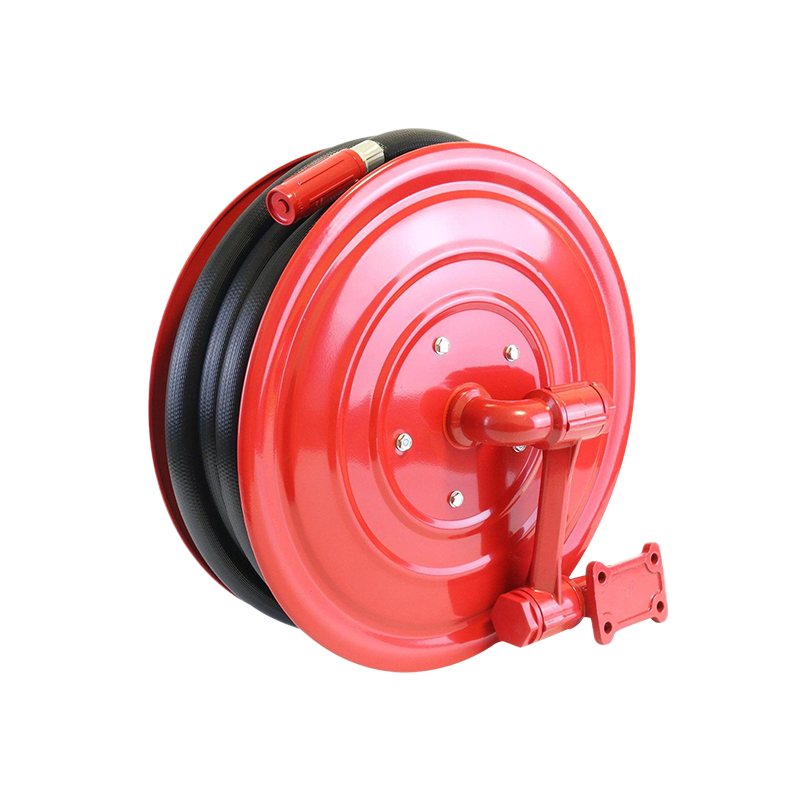
Fixed Manual / Swing Manual Fire Hose Reels
A fire hose reel is a permanently installed firefighting device that stores a hose on a rotating drum. The hose is connected to a building water supply through an inlet pipe and valve. When a fire occurs, the user opens or operates the water supply arrangement, pulls out the hose, and directs water through the attached jet or spray nozzle.
A fixed manual reel is installed in a stationary position. The drum remains aligned with its mounting location, and the operator manually unwinds the hose as needed. This configuration is straightforward, economical, and suitable where the reel can be positioned directly toward the area requiring protection.
A swing manual reel uses a swinging or pivoting mounting arrangement. The drum can be moved or turned toward the user, making hose withdrawal more convenient when the reel is installed close to walls, corners, columns, or cabinet openings. The swing function can also improve access in spaces where a fixed drum would restrict the direction of hose deployment.
Both designs serve the same fundamental purpose: keeping a long hose permanently connected and ready for use. The principal difference concerns mounting flexibility and user access rather than the basic water-delivery function. Selecting between a fixed and swing manual model depends on building layout, clearance, installation height, cabinet design, and the expected direction of hose deployment.
The following table summarizes the main specifications supplied for the fixed manual and swing manual fire hose reels.
| Specification | Details |
|---|---|
| Product type | Fixed manual and swing manual fire hose reel |
| Drum diameter | 510 mm |
| Drum material | Steel |
| Surface finish | Red epoxy powder coating |
| Hose material | PVC |
| Hose diameter | 19 mm or 25 mm |
| Hose length | 30 m |
| Working pressure | 12 bar |
| Reel standard | EN 671 |
| Hose standard | EN 694 compliance |
| Typical accessories | Fire hose, jet or spray nozzle, wall brackets, inlet pipe, and gate valve |
The combination of a 510 mm steel drum and a 30 m hose provides a practical balance between storage capacity and installation size. The reel is sufficiently compact for wall-mounted applications while still allowing the hose to reach areas beyond the immediate position of the unit.
The availability of both 19 mm and 25 mm hose diameters allows the equipment to be matched to project requirements. A smaller diameter may be preferred where compact handling and lower weight are important. A larger diameter may be selected where the installation requires a greater water-delivery capacity, subject to the building water system, design calculations, and applicable local requirements.
The fixed manual model is a practical choice for locations with a clear and unobstructed area in front of the reel. Its stationary mounting arrangement reduces mechanical complexity and can simplify installation, inspection, and maintenance.
One major advantage is predictable positioning. Building users, maintenance personnel, and inspectors can identify the precise location of the equipment and understand the direction in which the hose must be deployed. This predictability is valuable in emergency planning because the reel does not depend on a movable arm or pivot to reach the operating position.
A fixed reel can also be installed in corridors, plant rooms, production areas, warehouse walls, and other locations where the hose can be pulled directly outward. When the surrounding space is properly planned, the hose can be laid along the floor or around nearby obstacles without requiring the entire drum to swing.
Because the design is mechanically direct, a fixed manual reel may be attractive for projects that emphasize ease of installation and cost control. Fewer moving mounting components can reduce the number of parts requiring adjustment. The reel remains ready for service as long as the hose, valve, nozzle, water connection, and mounting hardware are correctly maintained.
Compared with some lightweight or poorly protected competing products, a steel-drum fixed reel with epoxy powder coating offers a more robust enclosure structure. The steel drum helps maintain the shape and stability of the assembly, while the red finish improves visibility and provides a protective surface suitable for demanding building environments.
The swing manual model is useful where the reel is installed in a position that may make direct hose withdrawal inconvenient. A pivoting or swinging bracket allows the drum to be directed toward the operating area, helping the operator pull the hose out with less interference from the wall or surrounding structure.
This arrangement is especially valuable in corners, narrow passageways, recessed locations, and fire cabinets. If a fixed drum were mounted parallel to a wall or positioned behind a cabinet opening, the hose could rub against edges during deployment. A swing mechanism can help align the reel with the user and reduce unnecessary bending at the hose outlet.
Another advantage is improved accessibility. A reel that can be moved toward the cabinet opening or corridor may be easier to inspect visually. Personnel can check the hose, nozzle, valve, and connection with less obstruction. Better access can contribute to more consistent routine inspections, although all inspection procedures should follow the site’s fire safety plan and applicable regulations.
The swing configuration can also help project designers make better use of limited wall space. Instead of requiring a large clearance directly in front of a fixed drum, the reel can be positioned so that the operator swings it into a practical working direction. This does not eliminate the need for adequate operating space, but it may provide greater flexibility in layout planning.
Compared with generic reels that offer only one mounting arrangement, the availability of fixed and swing manual versions allows contractors and facility managers to select a configuration based on the actual building geometry. This choice can improve usability without changing the core hose, drum, and water-supply specifications.
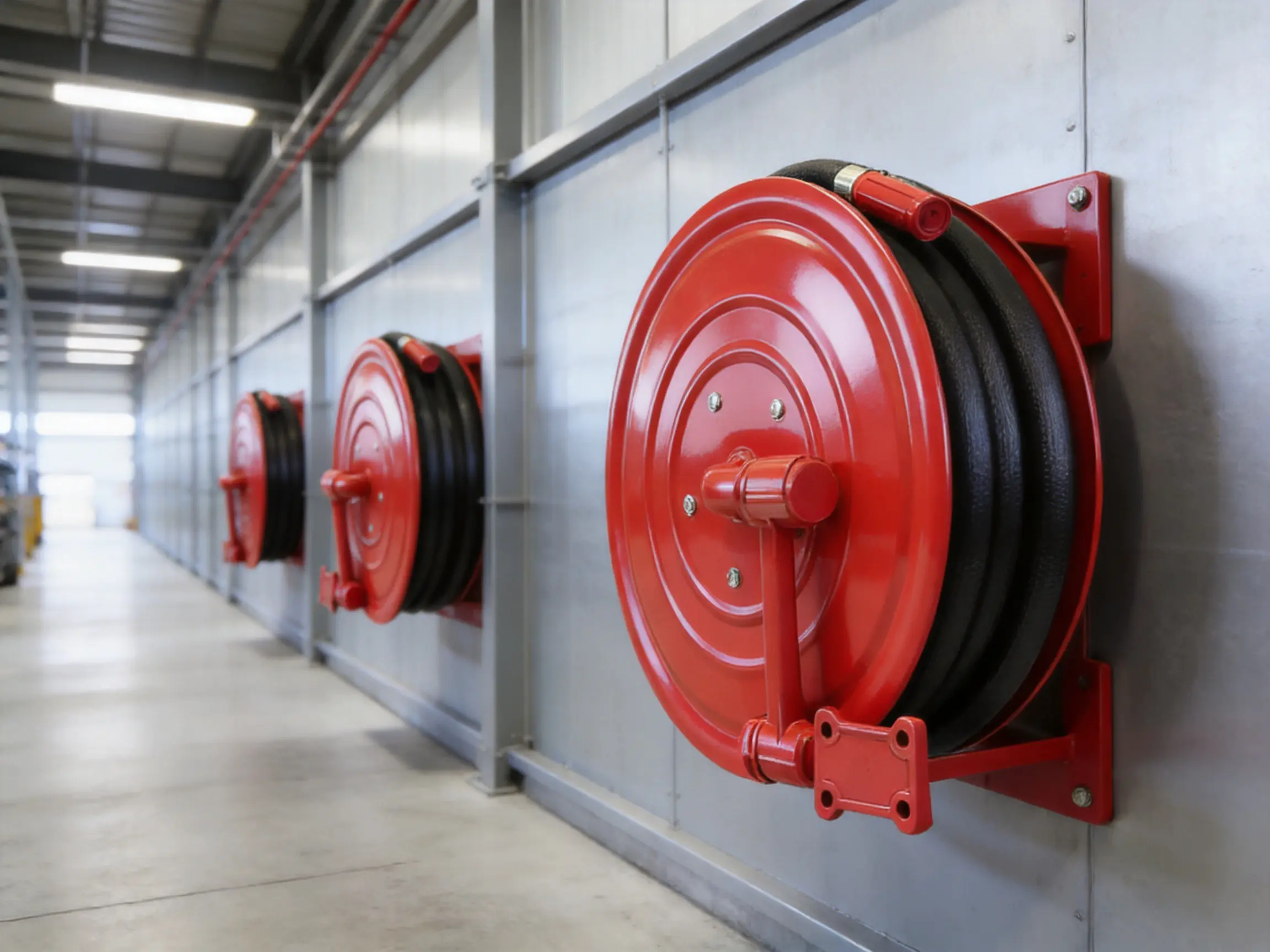
The drum is one of the most important structural components of a hose reel. It supports the stored hose, guides hose movement, and forms the central rotating body of the assembly. A 510 mm steel drum provides a firm foundation for a 30 m hose and is suitable for repeated industrial and commercial use when correctly installed and maintained.
Steel offers several practical benefits compared with thin plastic or inadequately reinforced alternatives. It provides structural rigidity, helps the drum retain its shape, and supports stable mounting. In a fire protection product, these qualities are important because the reel must remain secure and functional during routine storage, inspection, and emergency deployment.
The red epoxy powder finish serves both identification and protection purposes. Red is widely associated with fire protection equipment, allowing the reel to stand out against many interior wall surfaces. High visibility can reduce the time needed to locate the equipment during an emergency or scheduled inspection.
Powder coating is a dry finishing process in which electrically charged coating particles are applied to a prepared metal surface and then cured. When the preparation and curing stages are properly controlled, the coating forms a continuous protective layer over the steel. This layer helps protect the drum from ordinary surface exposure, handling marks, and environmental conditions found in many indoor industrial settings.
A professional manufacturing process should include attention to material preparation, coating coverage, curing conditions, and visual inspection. These controls help reduce problems such as uneven color, exposed metal, poor adhesion, and premature coating damage. The finished reel should be checked for coating consistency and for any surface defects that could affect appearance or protection.
The powder-coated steel construction also creates a more professional appearance than unfinished or lightly painted equipment. In commercial buildings, a consistent red finish helps integrate the reel into the overall fire safety system. In factories and warehouses, it provides a clear visual signal even where the surrounding equipment is complex or densely arranged.
The reels are supplied with PVC fire hose in either 19 mm or 25 mm diameter. PVC is widely used in hose applications because it can provide flexibility, comparatively low weight, and resistance to routine handling. These properties are valuable for hose reels, where the operator must pull the hose from the drum and guide the nozzle toward the fire area.
The 30 m hose length is intended to provide useful coverage from a single wall-mounted point. The actual protected area depends on the building layout, mounting position, hose routing, water pressure, and local fire protection design. A 30 m hose should not be treated as an automatic guarantee of coverage for every building; the installation must be planned so that the hose can reach the areas identified in the fire risk assessment.
The choice between 19 mm and 25 mm should be made with attention to hydraulic requirements and user handling. Smaller hose diameters may be easier for some operators to move and may occupy less space on the drum. Larger diameters may support a different flow requirement but can increase hose weight and handling effort. The correct selection should be confirmed by the project engineer or responsible fire protection specialist.
Hose compliance with EN 694 is an important product consideration. The standard is associated with fire-fighting hose applications for fixed systems and addresses relevant performance characteristics. Buyers should request appropriate technical documentation, product identification, and test information for the specific hose supplied with the reel.
Before shipment, the hose should be checked for correct length, diameter, surface condition, connection integrity, and compatibility with the nozzle and inlet arrangement. Proper winding is also important. A hose that is badly folded, twisted, or unevenly wound may be more difficult to deploy and may experience unnecessary stress during operation.
The stated working pressure of the reel assembly is 12 bar. This specification indicates the pressure level for which the equipment is designed during normal working conditions, but it should always be interpreted together with the manufacturer’s technical documentation, local regulations, and the pressure available in the building system.
Water delivery depends on more than the nominal hose diameter. The actual performance is influenced by inlet pressure, water supply capacity, pipe size, valve characteristics, hose length, nozzle design, elevation, friction losses, and the condition of the system. For this reason, facility designers should assess the complete hydraulic arrangement rather than evaluating the reel in isolation.
The supplied jet or spray nozzle provides control over the water stream. A jet setting can produce a concentrated stream for directed application, while a spray setting can broaden the discharge pattern. The appropriate nozzle use depends on the fire type, distance, operator training, and the building’s emergency response procedures.
Water should not be used on every type of fire. Electrical equipment, flammable liquid fires, reactive metals, and other hazards may require different extinguishing agents or specialized procedures. The presence of a hose reel does not replace a complete fire risk assessment, portable extinguisher program, alarm system, emergency plan, or professional firefighting response.
During commissioning, the installer should verify that the gate valve opens correctly, the inlet pipe is secure, the nozzle is compatible, and the water supply reaches the required pressure. Any system test should be performed by qualified personnel using safe procedures that prevent water damage, uncontrolled hose movement, and disruption to building operations.
A major benefit of the product configuration is that the main accessories are supplied as part of a coordinated reel system. These accessories include the fire hose, jet or spray fire hose nozzle, wall brackets, inlet pipe, and gate valve.
The fire hose is wound onto the drum and connected to the water inlet. The nozzle is attached to the hose outlet so that the operator does not need to search for a separate discharge device during an emergency. Wall brackets support the reel and help keep the assembly securely positioned.
The inlet pipe connects the reel to the building water supply, while the gate valve controls the flow. A properly arranged valve allows the reel to be isolated when maintenance is required and opened when the equipment is needed. Valve access should remain clear, and the installation should include any required labels or operating instructions.
Supplying compatible components together can offer an advantage over purchasing unrelated parts from multiple sources. Compatibility reduces the risk of mismatched threads, unsuitable connection sizes, incorrect pressure ratings, or nozzles that do not fit the hose outlet. It also simplifies procurement for contractors working on larger building projects.
Although the product is supplied as a coordinated system, installers should still verify every connection against the project specification. Local plumbing requirements, building codes, water supply standards, cabinet dimensions, and fire authority requirements may affect the final installation.
Warehouses often contain long storage aisles, high-value goods, packaging materials, and equipment that can allow a fire to spread quickly. A hose reel positioned near access routes can give trained personnel an immediate water source while an alarm is raised and evacuation begins. The 30 m hose length can provide useful reach across open areas when reels are located according to the building’s fire protection plan.
Factories and workshops may contain machinery, production lines, raw materials, and combustible residues. In these environments, the reel’s steel construction and visible red finish are useful for a permanent industrial installation. The fixed version can suit open production areas, while the swing version may be more convenient near machinery, corners, and enclosed work zones.
Large public buildings, including schools, commercial centers, offices, and public halls, require firefighting equipment that is easy to identify and simple to understand. A wall-mounted reel with a clearly visible nozzle and valve can support faster recognition. However, building owners should ensure that occupants receive appropriate guidance and that only trained or authorized persons attempt to fight a fire when it is safe to do so.
Logistics centers and distribution buildings can benefit from the selection of 19 mm or 25 mm hose. The choice can be adapted to the site’s water supply and handling requirements. Swing manual versions may be useful where the reel is installed beside loading routes, structural columns, or cabinet doors that could otherwise interfere with hose deployment.
Construction-related facilities and water infrastructure sites may also require durable hose reel equipment. The surrounding conditions should be evaluated carefully because dust, moisture, impact, temperature changes, and outdoor exposure can affect service life. Where the reel is installed outside or in a particularly aggressive environment, the purchaser should confirm whether additional protection or a specialized enclosure is required.
Taizhou Shenlong Fire Science and Technology Co., Ltd. was founded in 1995 and has developed experience in research and development, production, sales, and service. This combination is important for fire protection products because successful supply involves more than assembling a drum and hose. It requires product design, material selection, manufacturing control, documentation, communication with customers, and after-sales support.
The company’s main product range includes various materials of lined fire hoses. Its broader capability also covers other foreign trade products, including rubber, PVC, polyurethane, and double-sided tape products according to customer requirements. This material experience is relevant to hose reel production because the performance of a reel system depends on the interaction between metal components, polymer hose materials, seals, valves, and connection hardware.
A manufacturer with both product development and production functions can respond more effectively to project requirements. Customers may need different hose diameters, mounting arrangements, packaging methods, cabinet combinations, or accessory configurations. A coordinated manufacturer can review these needs at the design and production stages rather than treating each component as an unrelated purchase.
Manufacturing quality begins with incoming material control. Steel for the drum should be checked for dimensions, thickness, surface condition, and suitability for forming or fabrication. PVC hose should be checked for diameter, length, flexibility, surface integrity, and identification. Valves, nozzles, brackets, and connection parts should be inspected for dimensions and compatibility before assembly.
During drum production, forming and joining operations must maintain accurate geometry. A drum that is out of round or poorly aligned may cause uneven hose winding, increased friction, and difficult rotation. Brackets must be positioned accurately so that the finished reel can be mounted securely and the hose outlet remains accessible.
Surface treatment is another important production stage. Steel parts should be cleaned and prepared before epoxy powder coating. Coating thickness, coverage, curing temperature, and curing time should be controlled according to the coating system. Finished parts should be visually inspected for pinholes, scratches, exposed edges, color variation, and adhesion concerns.
Assembly requires careful attention to the sequence of components. The hose must be connected to the inlet and outlet components without excessive twisting. The nozzle must be secured but remain easy to operate. The gate valve must be installed in an accessible position. The reel should rotate as intended, and the swing bracket should move smoothly where that configuration is selected.
Functional inspection should include checking hose winding, drum movement, mounting stability, valve operation, nozzle operation, and visible leakage. Where applicable, pressure testing and product testing should be conducted according to internal quality procedures and relevant technical requirements. Documentation should identify the product model, hose specification, inspection status, and any applicable standard information.
The company’s experience serving domestic markets and cooperating with foreign trade companies also supports export-oriented production. Export supply requires attention to packaging, labeling, language requirements, shipping protection, documentation, and customer-specific specifications. Products sold across different regions may need to be reviewed against the requirements of the destination market before an order is confirmed.
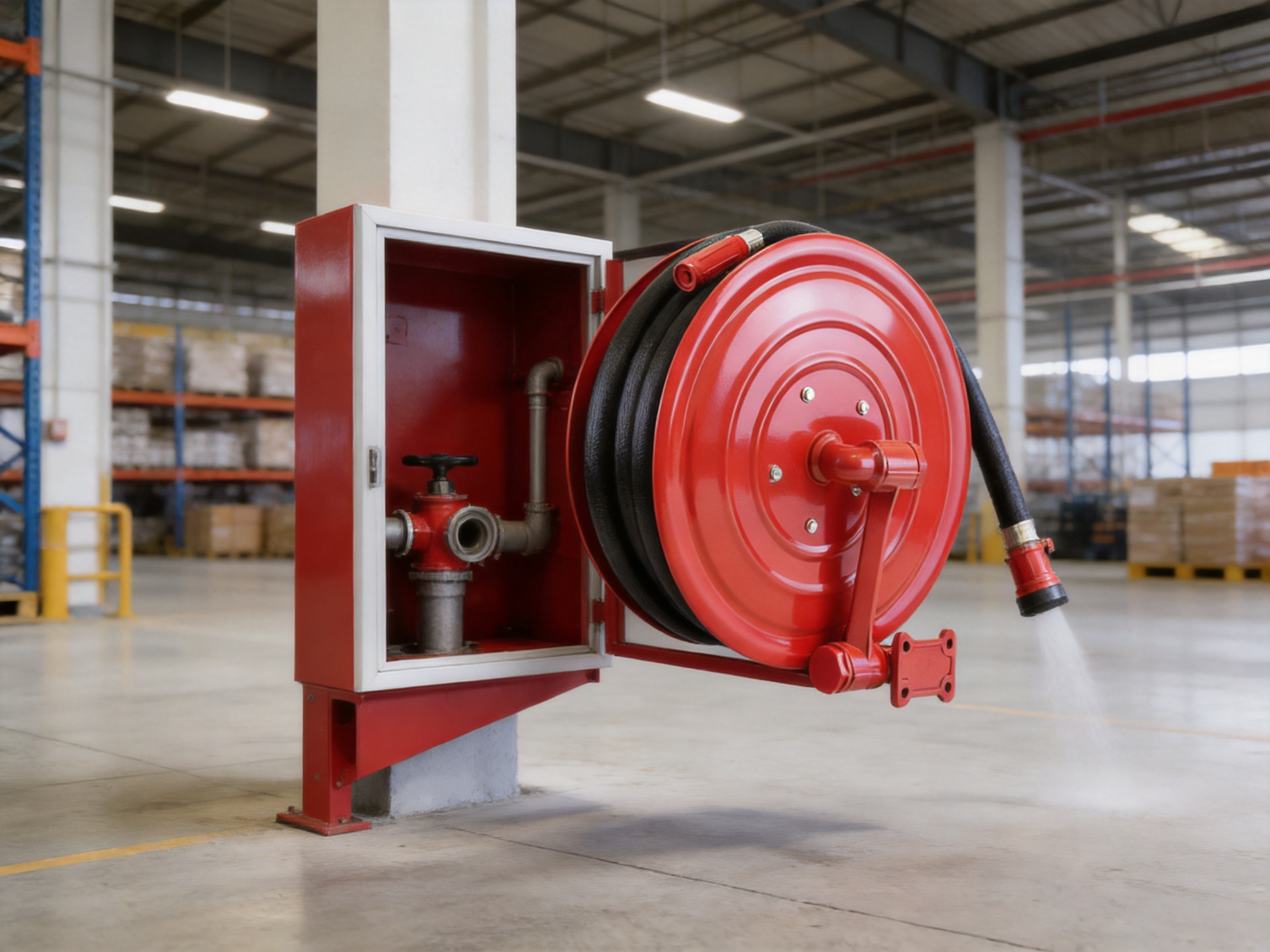
Fire hose reels from different suppliers may appear similar, but important differences can exist in material quality, drum alignment, coating preparation, hose performance, accessory compatibility, and documentation. Buyers should therefore compare complete product specifications instead of selecting solely on price or appearance.
The steel 510 mm drum is one differentiating feature of this product configuration. A properly made steel drum can provide a stable and durable base for the 30 m hose. Buyers should ask whether competing reels use steel, reinforced polymer, or lighter sheet materials, and whether the drum has been checked for roundness, balance, and structural stability.
The red epoxy powder finish is another comparison point. A professional powder coating system can offer a more consistent finish than basic liquid paint, provided that the metal preparation and curing process are controlled. Purchasers should assess whether the competitor provides information about coating type, surface preparation, and corrosion protection.
Hose standard information is equally important. The stated EN 694 compliance of the supplied hose gives buyers a defined reference for evaluation. A competitor may provide a hose with a similar appearance but without clear standard identification or supporting documentation. Technical transparency can help project managers verify that the selected equipment is appropriate for the intended application.
The availability of both fixed and swing manual versions provides a practical design advantage. Some suppliers offer only a single mounting style, forcing contractors to adapt the building layout or purchase additional hardware. Offering two configurations allows the equipment to be selected based on accessibility, wall position, cabinet arrangement, and hose deployment direction.
Integrated accessories can also reduce procurement complexity. A complete reel package helps lower the risk that a separately sourced nozzle, valve, or inlet pipe will be incompatible. This is particularly helpful for international projects where technical communication and replacement sourcing may take additional time.
Finally, a manufacturer with long-term experience and a broad hose product range can provide more informed technical support. Taizhou Shenlong Fire Science and Technology Co., Ltd. combines fire hose production with research, development, sales, and service, giving customers a single supplier for related hose and fire protection requirements.
Correct installation is essential for the performance of any hose reel. Before mounting the reel, the project team should confirm the location, wall strength, clearance, water supply route, operating height, hose reach, cabinet dimensions, and access for inspection.
The reel should be positioned where it is visible and readily accessible. It should not be blocked by stored goods, machinery, doors, temporary partitions, vehicles, or decorative materials. Signage may be needed to identify the equipment clearly, particularly in large warehouses or public buildings.
The wall or support structure must be capable of carrying the reel and resisting the forces created when the hose is pulled. Appropriate anchors and fasteners should be selected for the substrate. Where a swing manual reel is used, sufficient clearance must be left for the bracket and drum to move through their intended operating range.
The water connection should be routed so that it does not place unnecessary stress on the reel inlet. Pipework should be adequately supported, and the gate valve should be accessible for operation and maintenance. The connection should be checked for leakage after installation and after any pressure test.
The hose should be wound evenly on the drum without sharp folds or severe twists. The nozzle should be placed in a visible holder or designated position. Operating instructions should be displayed where required by the site’s fire safety plan. Installation should be completed by qualified personnel familiar with fire protection systems and local regulations.
A hose reel must remain ready for use throughout its service life. Regular inspection should verify that the reel is visible, accessible, and free from damage. The hose should be checked for cracking, cuts, abrasion, deformation, stiffness, or signs of chemical attack.
The drum should rotate smoothly, and the mounting bracket should remain secure. For swing manual models, the pivoting movement should be checked for obstruction, excessive looseness, or corrosion. The nozzle should be inspected for blockage and physical damage, while the gate valve should be operated according to the site maintenance procedure.
Any water test should be planned carefully. Uncontrolled discharge can damage flooring, stock, electrical equipment, or interior finishes. After testing, the hose should be drained as appropriate, inspected, and rewound evenly. A reel that has been used during an incident should receive a full inspection and service before being returned to standby status.
Maintenance records should identify the inspection date, person responsible, observed condition, corrective actions, and return-to-service status. Records help building owners demonstrate that the equipment is being managed systematically and can reveal recurring issues such as leakage, blocked access, or repeated hose damage.
Replacement components should match the original product specification. Using an unsuitable hose, nozzle, valve, bracket, or connection can affect performance and may invalidate the intended standard compliance of the assembly. Customers should consult the supplier when replacement parts are required.
A hose reel is a first-response firefighting device, not a substitute for evacuation or professional emergency response. If a fire is spreading rapidly, producing heavy smoke, blocking an exit, or involving a hazardous material, occupants should evacuate and contact emergency services immediately.
Only people who have received appropriate instruction should operate the reel. Users should know how to open the valve, hold the nozzle, maintain a safe escape route, and avoid approaching a fire beyond their capability. The operator should never allow the hose to become a trip hazard for evacuating occupants.
Water discharge can create electrical and slip hazards. The operator must assess the fire type and surrounding conditions before using the reel. Facility managers should incorporate hose reel awareness into emergency training and should make sure that the reel location does not conflict with evacuation routes.
Clear access is a safety feature. Even a technically high-quality reel cannot perform its intended role if it is hidden behind stock or blocked by equipment. The installation should be reviewed whenever the building layout changes.
A loose hose, separate nozzle, and unmounted valve may provide water-delivery components, but they do not offer the same level of organization as a purpose-built reel. A reel stores the hose in a defined location, keeps the nozzle with the hose, and allows the equipment to remain connected to the water supply.
Permanent mounting reduces the likelihood that the hose will be misplaced. It also allows fire safety personnel to inspect a known piece of equipment at a known location. The red finish improves recognition, while the drum helps prevent the hose from being left in a tangled pile.
The 30 m storage arrangement provides a practical reach without requiring a separate hose storage cabinet for every loose length. Fixed and swing manual choices allow the installation to be adapted to the building. Together, these features create a more organized and responsive system than an improvised hose arrangement.
Buyers should begin by defining the intended building application, hose diameter, hose length, reel configuration, cabinet or wall-mounting requirements, water pressure, nozzle type, and applicable standards. These details help the manufacturer provide a clear quotation and prevent misunderstandings during production.
The purchase order should identify whether the product is fixed manual or swing manual. It should also state the required hose diameter, quantity, accessory list, packaging requirements, labeling language, and destination market. If the reels will be installed in recessed or concealed cabinets, the buyer should provide cabinet drawings or dimensional requirements before production.
Technical documentation should be requested for the supplied hose and reel assembly. Important documents may include product specifications, material information, inspection records, pressure test information where applicable, installation instructions, packing lists, and certificates required by the project or importing authority.
Packaging should protect the epoxy-coated drum, nozzle, valve, bracket, and hose from impact and moisture during transportation. Export shipments should be reviewed for container loading, palletization, carton labeling, and protection against movement inside the transport package.
Customers should also confirm after-sales arrangements. Replacement hoses, nozzles, valves, and brackets may be needed during the product life cycle. A supplier able to provide related fire hoses and accessories can make future maintenance and expansion more convenient.
The standard configuration includes a 510 mm steel drum, red epoxy powder finish, 30 m PVC hose, 19 mm or 25 mm hose diameter, and a jet or spray nozzle. These specifications meet many common project requirements, but individual buildings may require additional review.
Customization discussions may involve mounting orientation, bracket arrangement, cabinet compatibility, connection standards, labeling, packaging, hose color, accessory selection, or project-specific documentation. Any variation should be confirmed in writing before production so that the reel, hose, and accessories remain compatible.
For projects involving large quantities, the manufacturer can coordinate product details across the order. Consistent drum dimensions, finish, hose specification, labeling, and packaging can simplify installation and future inspection. Batch-level communication is particularly important for projects distributed across multiple buildings or locations.
The company’s experience with different hose materials and foreign trade products supports communication with customers seeking tailored supply solutions. Nevertheless, customization should always remain consistent with safety requirements, the intended standard, and the hydraulic limitations of the installation.
The reel is primarily suited to indoor commercial and industrial applications, where the steel drum and powder coating can be protected from severe exposure. Site conditions should still be assessed before installation. High humidity, salt air, chemical vapors, direct sunlight, freezing temperatures, and frequent impact may require additional protective measures.
In industrial facilities, the reel should be kept away from corrosive substances and should not be used as a support for other equipment. The hose should not be dragged over sharp edges, exposed to hot surfaces, or stored under heavy objects. Good housekeeping around the reel helps protect both the equipment and the people who may need to use it.
Durability is influenced by manufacturing quality and operating discipline. A well-coated drum can still be damaged by impact, and a compliant hose can still fail if it is cut or exposed to unsuitable chemicals. Regular inspection and correct handling are therefore as important as the original material selection.
Before placing an order, the purchaser should confirm the following points:
1. Whether the required configuration is fixed manual or swing manual.
2. Whether the hose diameter should be 19 mm or 25 mm.
3. Whether a 30 m hose length is suitable for the planned coverage.
4. Whether the building water supply can support the required working conditions.
5. Whether the installation requires a wall bracket, cabinet, recessed housing, or concealed arrangement.
6. Whether the supplied jet or spray nozzle matches the project requirement.
7. Whether EN 671 and EN 694 documentation is required for approval.
8. Whether the red epoxy powder-coated steel drum is suitable for the site environment.
9. Whether export packaging, labels, and documents meet destination requirements.
10. Whether spare hoses, nozzles, valves, and other replacement parts should be ordered.
11. Whether installation and maintenance instructions are required in a particular language.
12. Whether the quantity and delivery schedule match the construction program.
This checklist helps buyers compare suppliers based on complete system value rather than unit price alone.
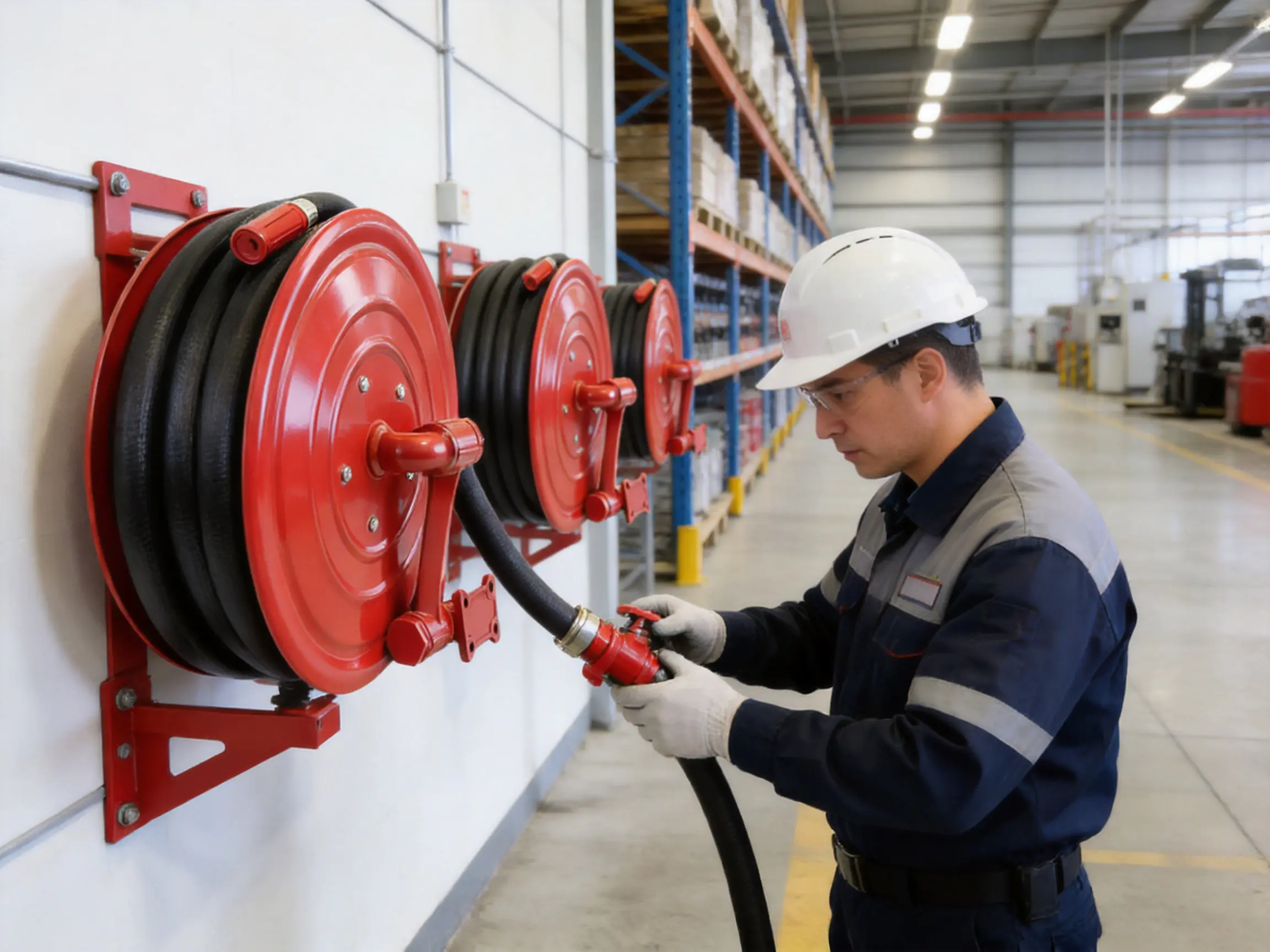
A fixed manual reel remains stationary on its wall or support position, while a swing manual reel uses a movable mounting arrangement that allows the drum to pivot toward the operating area. The fixed model is suitable for open, unobstructed locations. The swing model is useful where access or hose deployment may be affected by corners, cabinets, columns, or narrow spaces.
The standard hose length is 30 meters. The actual useful coverage depends on the reel location, building layout, hose routing, water supply, and local design requirements.
The product is available with a 19 mm or 25 mm PVC fire hose. The appropriate diameter should be selected according to hydraulic calculations, project specifications, operator handling requirements, and applicable regulations.
The drum is made from steel and finished with red epoxy powder coating. This construction provides a firm support for the hose and creates a highly visible protective surface.
The stated working pressure is 12 bar. The complete installation must also be evaluated against the actual building water supply, pipework, valve, nozzle, and local requirements.
The reel is specified with EN 671, and the supplied hose complies with EN 694. Buyers should request product-specific documentation and confirm any additional requirements imposed by local authorities or project consultants.
The listed accessories include the fire hose, jet or spray fire hose nozzle, wall brackets, inlet pipe, and gate valve. The exact package should be confirmed in the quotation and purchase order.
Typical applications include warehouses, factories, large public buildings, logistics facilities, workshops, schools, commercial premises, and other locations requiring an accessible water supply for first-response firefighting.
The product information states that fixed, swinging, recessed, and concealed versions are available. Cabinet dimensions, clearance, bracket type, and access requirements should be confirmed with the supplier before ordering a cabinet or recessed configuration.
No. Water may be unsuitable for electrical equipment, flammable liquid, reactive metal, and other specialized fire hazards. The fire risk assessment and emergency plan should determine the appropriate extinguishing equipment.
The hose should be inspected for cuts, abrasion, cracking, deformation, and chemical damage. The drum, bracket, valve, nozzle, and connections should also be checked. Testing and maintenance must be performed by qualified personnel according to the site program and applicable regulations.
The red finish improves recognition by distinguishing the reel from ordinary building equipment. The epoxy powder coating also provides a protective surface for the steel drum when properly applied and maintained.
Buyers should compare drum material, dimensions, coating system, hose standard, hose diameter, hose length, pressure rating, mounting arrangement, accessory compatibility, testing documentation, packaging, technical support, and replacement part availability.
The company cooperates with domestic foreign trade companies and supplies products to multiple markets. Export requirements should be discussed in advance, including labeling, documents, packaging, shipping arrangements, and destination-country compliance.
Fixed manual and swing manual fire hose reels offer an organized and accessible method of delivering water during the early stages of a fire emergency. Their 510 mm steel drum, red epoxy powder finish, 30 m PVC hose, 19 mm or 25 mm diameter options, 12 bar working pressure, and coordinated accessories create a practical package for commercial and industrial installations.
The fixed model provides simple, stable, and predictable wall-mounted operation. The swing model adds positioning flexibility where building geometry makes direct hose withdrawal more difficult. Together, the two configurations provide more choice than a single-style reel and allow designers to match the product to the site.
Compared with generic alternatives, the product offers clear specification information, a steel drum, a visible protective finish, EN 694 hose compliance, EN 671 association, and an integrated accessory package. These advantages should be considered alongside installation quality, water supply design, inspection procedures, operator training, and local regulatory approval.
With a history dating back to 1995, Taizhou Shenlong Fire Science and Technology Co., Ltd. combines research and development, manufacturing, sales, and service. Its experience with lined fire hoses and multiple polymer materials supports a broad understanding of hose-related products and gives customers a practical source for coordinated fire protection supply.
For projects requiring durable, visible, and accessible firefighting equipment, the fixed manual and swing manual fire hose reels provide a strong foundation. Final selection should be based on a complete review of the building, fire risk, hydraulic system, applicable standards, installation environment, and maintenance plan.
European Committee for Standardization. EN 671, Fixed Firefighting Systems: Hose Systems—Requirements and Test Methods.
European Committee for Standardization. EN 694, Fire-Fighting Hoses—Semi-Rigid Delivery Hoses for Fixed Systems.
International Organization for Standardization. General principles for fire safety design, equipment selection, inspection, and maintenance.
National fire protection guidance for commercial, industrial, warehouse, and public building installations.
Manufacturer product specifications for fixed manual and swing manual fire hose reels, including drum, hose, pressure, standard, and accessory information.
Manufacturer company information concerning research and development, production, sales, service, lined fire hoses, and related material capabilities.
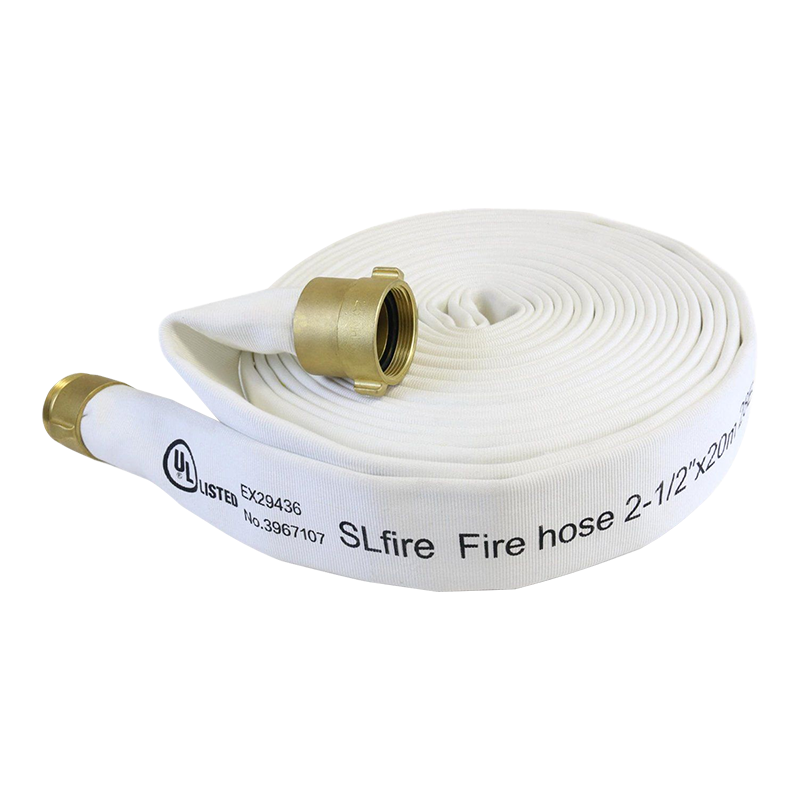
Single jacket, EPDM rubber liner Features • 100% high tenacity polyester jacket, high-grade EPDM rub...
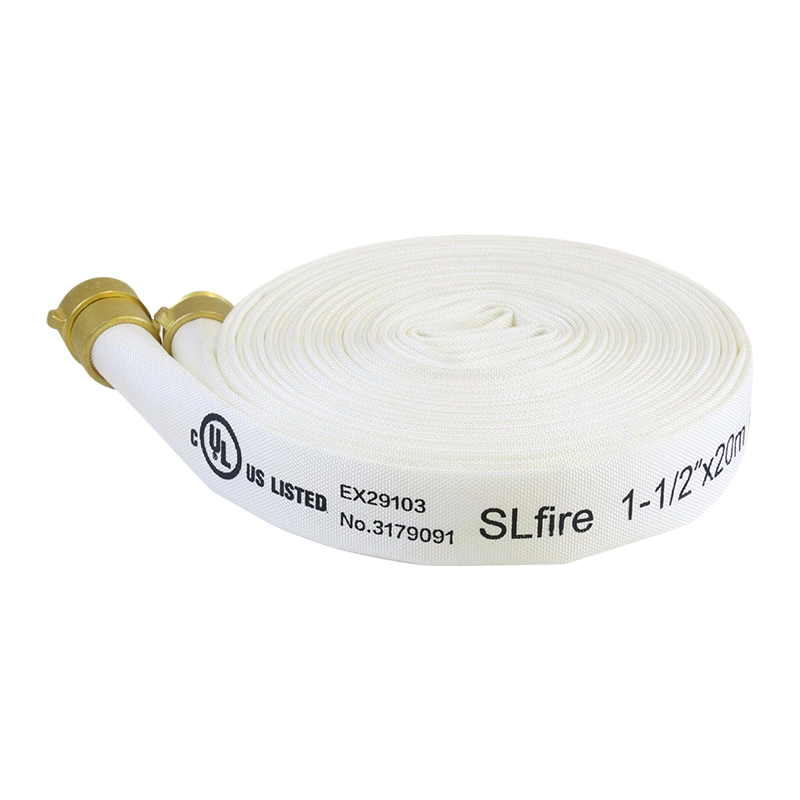
Single jacket, TPU liner •High-tenacity polyester yarn, circular woven in twill weave/plain weave,T ...
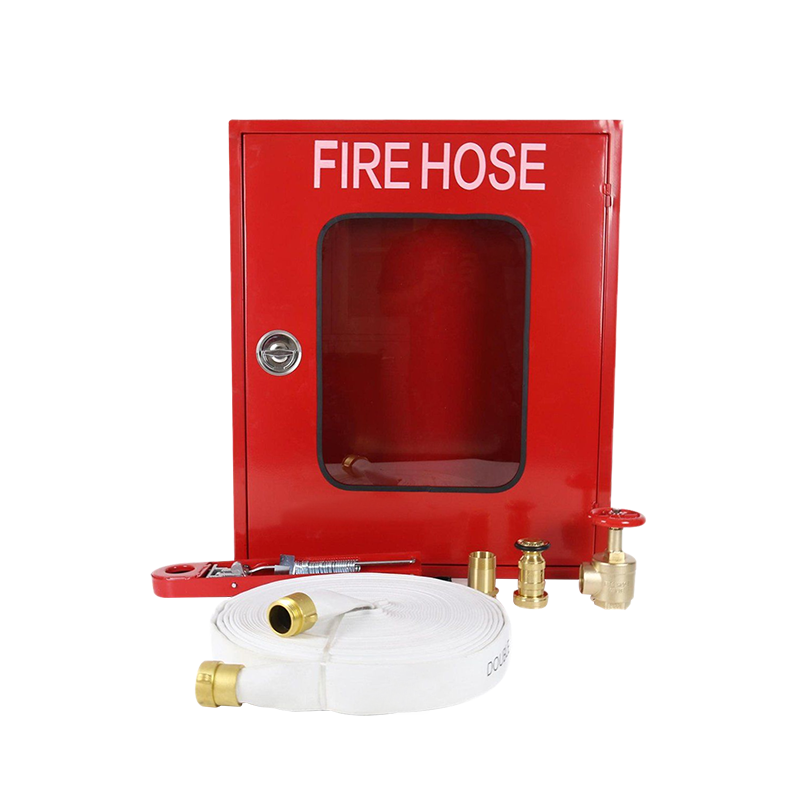
Fire cabinets are designed to accommodate fire hose,valve and other firefighting equipment. Type 201...
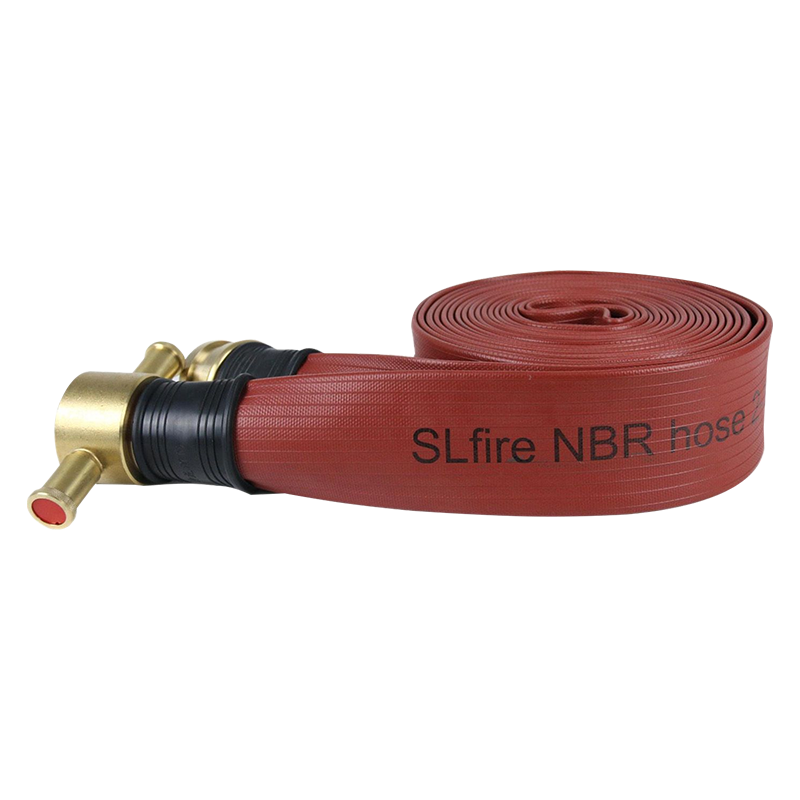
Nitrile covered hose •Nitrile/TPR blend as cover and lining, with 100% high-tenacity polyester yarn ...
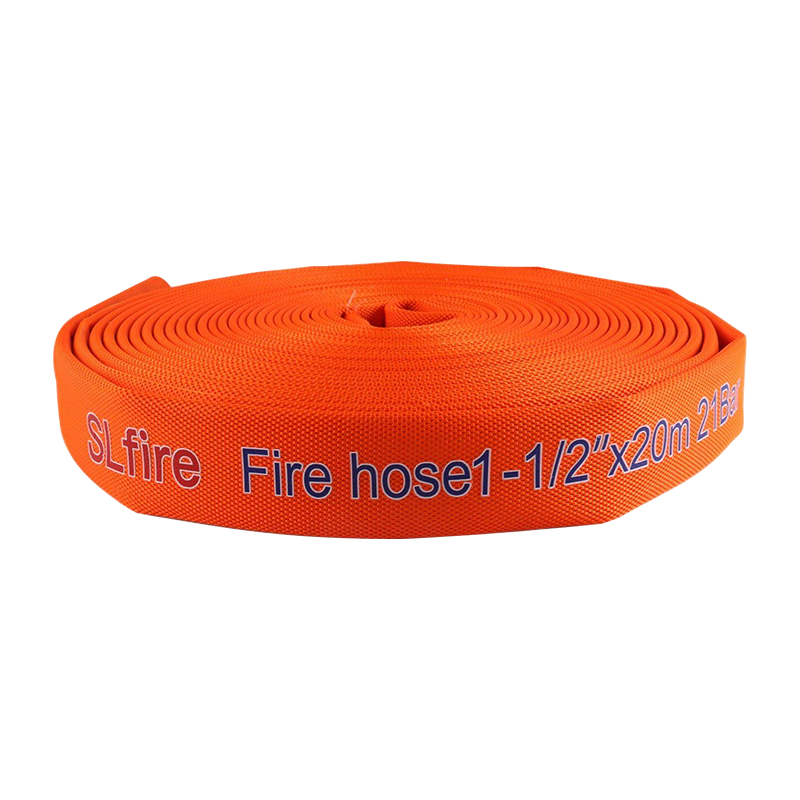
Single jacket, TPU liner •High-tenacity polyester yarn, circular woven in twill weave, TPU lining, f...
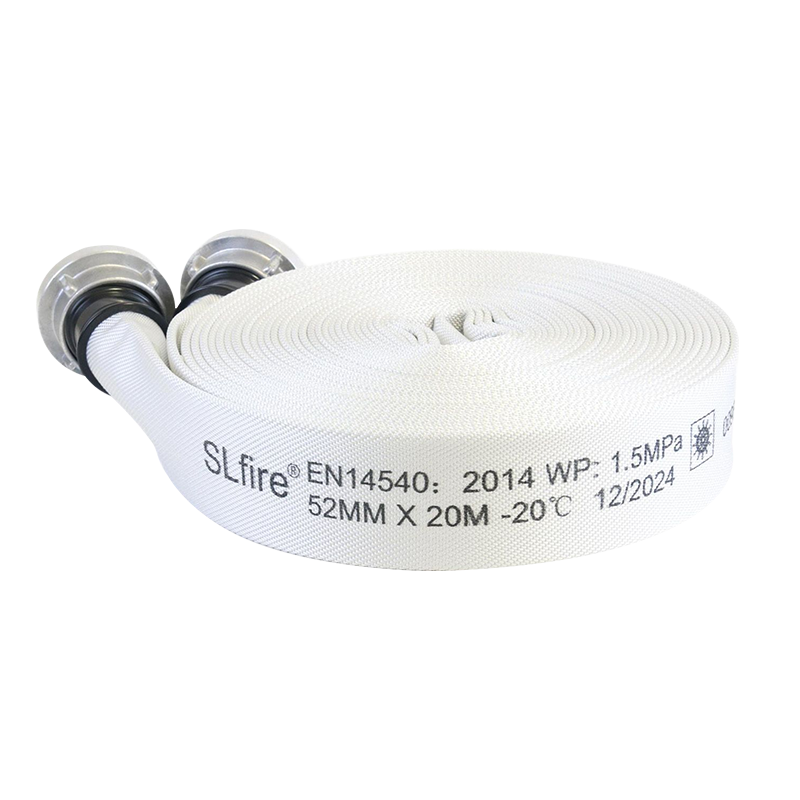
Marine hose Single jacket, PVC liner •100% high tenacity polyester yarn, circular woven in twill wea...
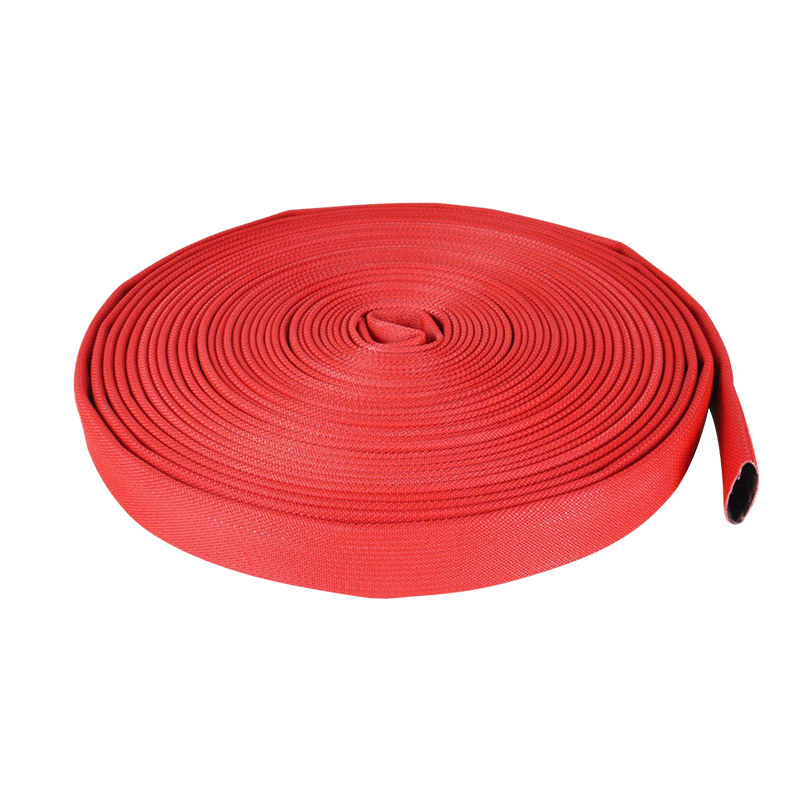
Marine hose Single jacket, PVC liner, PU coated •100% high tenacity polyester yarn,c ircular woven i...
 Call Us
+86 159-5116-9511
Need Support
Head Office
No.58, Kechuang Road, Sixiang Street Medicine Gaoxin District Taizhou City, Jiangsu Province

At a structure fire, the first line off the truck is the one that does the hardest work. Pulled around obstacles, dragged across gravel, charged with high-pressure water, and shut off at the nozzle d...
Copyright © Taizhou Shenlong Fire Science and Technology Co., Ltd. All Rights Reserved.
 Fire Hose Manufacturers, Fire Hydrant Hose Factory