

 English
 русский
 Español
 Deutsch
 عربى
 Français
 Português
Don't hesitate to send a message

Single jacket, EPDM rubber liner Features • 100% high tenacity polyester jacket, high-grade EPDM rub...
Content
French DSP hose couplings are designed for applications where hose connections must be made quickly, securely, and repeatedly. In firefighting, irrigation, petroleum handling, chemical service, construction, and water-related operations, the coupling is a critical part of the fluid-transfer system. A hose may have excellent pressure resistance and a durable lining, but the complete assembly cannot perform reliably unless the coupling connects efficiently and maintains a dependable seal.
The French DSP Hose Coupling combines a practical quick-turn connection method with durable aluminum alloy or brass construction. Its distinctive design uses identical female and male coupling parts. Instead of requiring separate connection halves with different configurations, the user aligns the parts, engages them, and turns them into position. This makes the coupling easy to operate in demanding working conditions and helps reduce the time required for hose deployment, replacement, and maintenance.
Manufactured by Taizhou Shenlong Fire Science and Technology Co., Ltd., the coupling is available in 1-1/2-inch, 2-1/2-inch, and 4-inch sizes. It is specified for a working pressure of up to 16 bar and can be supplied with sealing materials including NBR, EPDM, FPM, and PTFE. BSP and NPT thread options support different installation requirements, while polished or sandblasted surface treatments allow the coupling to be matched to the intended service environment and appearance requirements.
Beyond its basic connection function, this product represents a balance between operating convenience, material performance, manufacturing flexibility, and cost efficiency. It is suitable for users seeking a practical alternative to more complicated coupling systems while still requiring corrosion resistance, chemical resistance, and dependable sealing performance.
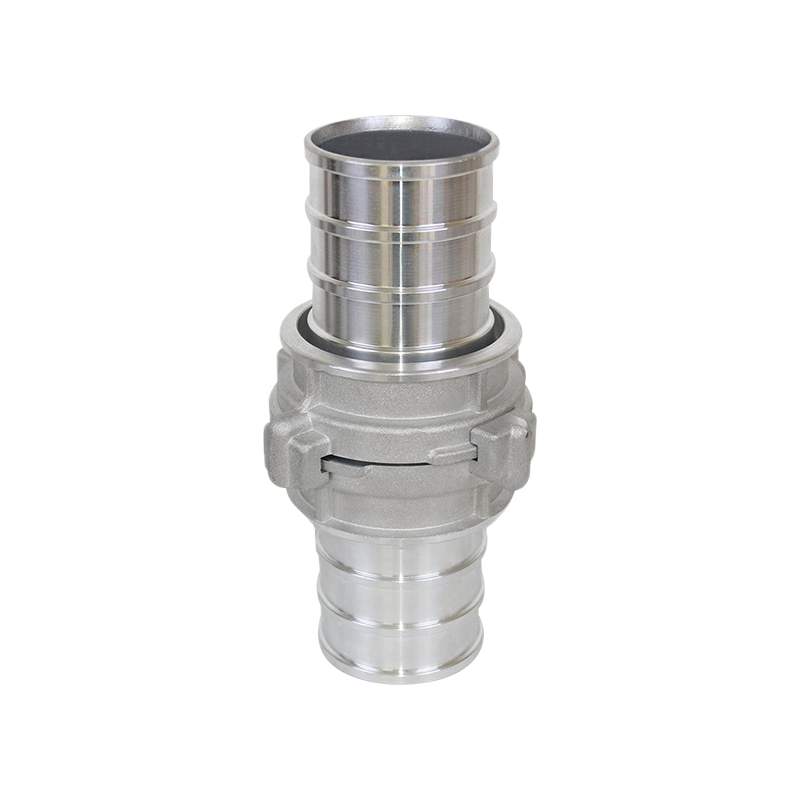
French DSP Hose Coupling
A hose coupling is a mechanical connector installed at the end of a hose. Its purpose is to join the hose to another hose, a hydrant, a pump, a valve, a nozzle, a pipe, or other fluid-handling equipment. The coupling must transfer pressure without allowing leakage, remain mechanically secure during operation, and permit disconnection when the hose is relocated, inspected, cleaned, or replaced.
The French DSP design is notable because the two connecting parts are identical. This feature simplifies identification and operation. The user does not need to determine which coupling half is male and which is female before beginning the connection. Both parts are designed to work together through a quick-turn engagement method. In applications where personnel must connect hoses under time pressure, this straightforward arrangement can improve handling efficiency.
Unlike systems that require tools, multiple fastening steps, or a specially configured adapter, the French DSP coupling can be connected and disconnected by hand. The operator brings the two parts together, engages the coupling mechanism, and turns the connection until it is secured. This approach is especially useful when gloves are being worn, when access is limited, or when hoses must be deployed rapidly.
The coupling body can be manufactured from aluminum alloy or brass. Aluminum alloy provides a low-weight solution for applications where portability and ease of handling are important. Brass offers a robust metallic construction and is widely selected for installations that require a substantial, durable coupling body. The availability of both materials allows buyers to select a configuration according to operating conditions, handling preferences, compatibility requirements, and project budget.
The coupling is also available with different sealing materials. NBR, EPDM, FPM, and PTFE each provide different performance characteristics. The selection should be based on the transported medium, temperature, chemical exposure, and expected service conditions. By offering multiple sealing options, the product can be adapted to more than one operating environment instead of relying on a single standard gasket material for every application.
The French DSP Hose Coupling is engineered for a maximum stated working pressure of 16 bar. This rating makes it suitable for many firefighting, irrigation, industrial water, and general fluid-transfer applications. The correct coupling must always be selected together with a hose and connected equipment that have compatible pressure ratings. A fluid-transfer assembly should be operated within the safe limits of its lowest-rated component.
| Specification | Available or Stated Option | Application Significance |
|---|---|---|
| Product type | French DSP Hose Coupling | Quick connection for hose and fluid-transfer systems |
| Casting method | Casting or forging | Supports different manufacturing and strength requirements |
| Working pressure | 16 bar | Suitable for many firefighting and industrial service applications |
| Body material | Aluminum alloy or brass | Offers a choice between lightweight handling and robust metallic construction |
| Surface treatment | Polishing or sandblasting | Provides different surface finishes and preparation options |
| Nominal sizes | 1-1/2 inch, 2-1/2 inch, and 4 inch | Supports multiple hose and equipment configurations |
| Sealing materials | NBR, EPDM, FPM, or PTFE | Allows selection according to fluid and environmental conditions |
| Thread options | BSP or NPT | Accommodates different threaded installation standards |
| Connection method | Manual quick-turn connection | Allows operation without special tools |
| Typical applications | Firefighting, irrigation, petroleum, and chemicals | Supports varied industrial and emergency-service requirements |
The three available sizes provide a useful range for different flow requirements. The 1-1/2-inch version can be used where a more compact hose assembly is preferred. The 2-1/2-inch size is widely suited to larger fire hose and higher-flow service arrangements. The 4-inch version is appropriate for large-diameter hose systems and applications where substantial fluid volume must be transferred.
Size selection should consider more than the hose outside diameter. Buyers should check the nominal hose size, coupling compatibility, internal flow path, connected equipment, pressure rating, and sealing arrangement. Matching all components before purchase helps avoid unnecessary adapters and reduces the risk of poor alignment or leakage.
The most visible advantage of this coupling is its simple connection process. The identical coupling parts reduce the need to identify separate mating components. Once the parts are aligned, the operator can complete the connection with a quick turn. This saves time during hose deployment and makes the coupling convenient for maintenance teams that frequently assemble and disassemble hose lines.
In firefighting, every step in hose deployment can affect the speed at which water reaches the point of use. A connection method that is intuitive and tool-free can help personnel establish a hose line efficiently. In irrigation and industrial service, the same feature can reduce labor during routine relocation, seasonal installation, and equipment cleaning.
Many industrial connections require wrenches, spanners, or other tools. Tools may be misplaced, difficult to use in wet conditions, or inconvenient when operators are wearing protective gloves. The French DSP coupling is intended to be connected by hand. This reduces the number of accessories needed in the field and supports faster response when a hose must be changed or extended.
Tool-free operation also helps simplify training. Personnel can focus on correct alignment, full engagement, and inspection of the seal rather than learning a complicated tightening procedure. Even with a simple coupling, operators should never rely on incomplete engagement or force a connection that does not align properly. Correct handling remains essential for safe service.
The identical male-and-female configuration is an important difference from many conventional coupling arrangements. With systems that use separate male and female parts, users must keep track of the orientation and ensure that the correct halves are installed on opposing ends. The French DSP design makes the coupling arrangement more uniform and can simplify inventory management.
A uniform coupling system can be particularly valuable for organizations managing many hoses. Replacement parts are easier to identify, and hose sections can be connected without searching for a particular mating end. This can improve operational flexibility when several hose lengths are stored together or when field conditions require an unexpected hose configuration.
A coupling must do more than join two hose ends. It must form a seal that remains reliable under working pressure. The French DSP coupling uses replaceable sealing materials selected from NBR, EPDM, FPM, and PTFE options. The appropriate seal helps prevent fluid from escaping at the connection point and supports stable system performance.
Leak resistance depends on several factors, including seal material, seal condition, coupling alignment, surface quality, pressure, temperature, chemical compatibility, and correct operation. The product’s sealing choices allow the coupling to be specified more carefully for the intended service. Users should communicate the transported medium and operating conditions when requesting a specific sealing configuration.
Aluminum alloy is a practical material for hose couplings that must be carried, installed, and relocated frequently. Its relatively low weight can reduce the physical effort required to handle a hose assembly. This is important for firefighting equipment, irrigation systems, mobile pumps, and other applications in which hoses are moved by hand.
An aluminum alloy coupling can also provide useful resistance to general corrosion when properly manufactured and finished. The exact performance depends on the alloy, casting or forging process, surface condition, exposure, and maintenance. For service in aggressive environments, material selection should be discussed with the supplier before ordering.
Brass is a recognized engineering material for fluid-handling fittings and couplings. It provides a solid, durable body and can be selected for applications where a heavier metallic construction is preferred. Brass may also be appropriate where the user values a traditional coupling material with good mechanical integrity and resistance to many common service environments.
The choice between aluminum alloy and brass is not simply a matter of price. It should take account of the required weight, mechanical loading, installation frequency, fluid compatibility, environmental exposure, and user preference. Providing both options gives the buyer greater flexibility than a single-material product line.
Polishing creates a smoother and cleaner-looking surface. It may be selected for appearance, ease of cleaning, or project specifications. A smooth surface can also make it easier to remove dirt and residue during routine maintenance. Polished couplings are often attractive for visible installations or equipment supplied to customers who require a refined finish.
Sandblasting provides a different surface texture and appearance. It can be used as a preparation or finishing method according to the required production specification. A sandblasted surface may be suitable where a uniform matte finish is preferred. The selected finish should be matched to the operating environment and any subsequent coating or treatment requirements.
Surface treatment is not merely cosmetic. The quality and consistency of the finish can influence inspection, cleanliness, coating adhesion where applicable, and the long-term appearance of the product. The availability of polishing and sandblasting allows the supplier to serve different purchasing standards and application preferences.
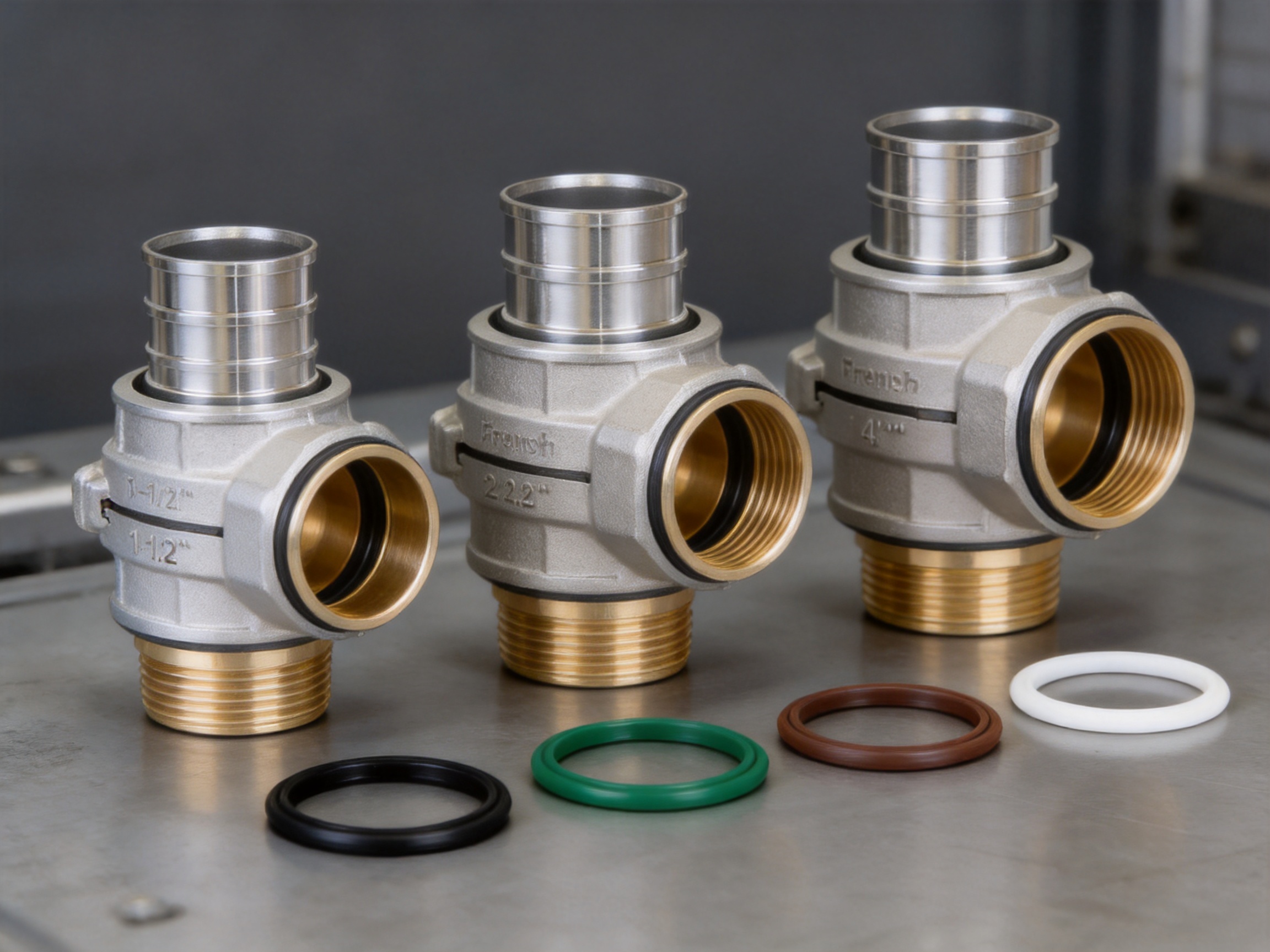
The listed casting methods for the French DSP Hose Coupling include casting and forging. These are established manufacturing routes for producing metallic coupling bodies and related components. Each process can be selected according to the design, material, quantity, dimensional requirements, and mechanical expectations of the order.
Casting allows molten metal to be formed into a defined shape. For coupling bodies, this process can support the production of complex external profiles and repeated parts in an efficient manner. Aluminum alloy and brass are both suitable for casting-based production when the material and process are correctly controlled.
A disciplined casting process begins with suitable raw material and an appropriate mold design. The metal must be melted and poured under controlled conditions. After solidification, the casting is removed, cleaned, trimmed, and prepared for subsequent machining or finishing. Areas such as the sealing seat, thread, connection profile, and contact surfaces require particular attention because dimensional accuracy directly affects assembly and leak prevention.
For a manufacturer, casting capability supports scalable production and helps maintain consistent product availability. It can also provide flexibility when different coupling sizes or body configurations are required. Quality evaluation should include visual inspection, dimensional checking, surface review, and verification that the finished component meets the applicable product requirements.
Forging forms metal through pressure or impact, generally improving the compactness and structural continuity of the material. A forged coupling can be selected where the application places greater emphasis on mechanical robustness or where the customer specifies a forged manufacturing route.
Forging typically involves preparing the material, applying controlled force to shape it, trimming excess material, and completing machining and finishing operations. The process requires suitable tooling and careful control of dimensions. When combined with precise machining, forging can produce a durable coupling body with a reliable fit between mating components.
The availability of both casting and forging demonstrates manufacturing flexibility. Rather than forcing every order into one production method, the supplier can consider the intended use, required quantity, material preference, and technical specification. This supports more appropriate product selection and can help customers balance performance with cost.
After casting or forging, important areas of the coupling may require machining. The connection profile, threaded sections, sealing surfaces, and other functional features must be produced accurately enough to allow smooth engagement. A quick-turn coupling depends on proper geometry: if the parts are too loose, the connection may be unstable; if they are too tight or poorly aligned, operation may become difficult.
Machining also helps remove irregularities from the raw formed component. Functional surfaces should be checked for burrs, sharp edges, deformation, and other conditions that could damage the gasket or interfere with assembly. Consistent machining is therefore an essential part of producing a coupling that is easy to use and dependable in service.
Reliable coupling production requires more than selecting a suitable alloy. Each finished part should be reviewed against the order requirements, including size, material, surface treatment, thread type, sealing material, and pressure specification. Dimensional consistency is especially important when identical coupling halves must connect with one another across multiple hose assemblies.
Manufacturing controls may include raw-material review, process inspection, dimensional measurement, visual examination, thread checking, sealing inspection, and pressure-related verification. The exact inspection plan can vary according to the product configuration and customer requirements. A purchaser seeking couplings for a critical installation should specify required documentation and inspection criteria at the quotation stage.
Taizhou Shenlong Fire Science and Technology Co., Ltd. integrates research and development, production, sales, and service. This integrated structure supports communication between product design, manufacturing, and customer service. It also enables the company to respond to product requirements involving material selection, sealing options, surface treatment, and application conditions.
The French DSP Hose Couplings are described as adhering to NFPA standards. Standards are important because they provide recognized technical guidance for fire protection equipment and related systems. However, the applicable standard depends on the complete product, the installation, the market, and the authority having jurisdiction. Customers should request the relevant technical documentation and confirm that the selected coupling configuration meets the requirements of their project.
A coupling should not be evaluated separately from the hose and connected equipment. The hose must be suitable for the transported medium and pressure. The pump, hydrant, valve, nozzle, or pipe connection must have compatible dimensions and ratings. The sealing material must tolerate the fluid and operating temperature. Correct installation and periodic inspection are also necessary for safe and effective performance.
For chemical or petroleum service, users should provide detailed information about the fluid. General statements about corrosion or chemical resistance do not replace compatibility verification. Some fluids can affect metals, elastomers, or polymeric seals in different ways. Selecting NBR, EPDM, FPM, or PTFE should therefore be based on actual service conditions rather than convenience alone.
Firefighting systems require equipment that can be deployed quickly and operated reliably. Hose couplings are used to connect hose lengths, hydrants, pumps, valves, and other components. A tool-free quick-turn connection can support rapid assembly, especially when crews must work in wet conditions or while wearing protective equipment.
The 1-1/2-inch and 2-1/2-inch sizes can serve different hose arrangements and flow requirements. The 4-inch size can be selected for larger-diameter systems where high-volume water transfer is required. The correct size depends on the hose, flow demand, pressure, and equipment connection.
Firefighting organizations may also benefit from a uniform coupling design. Because the French DSP coupling uses identical connection parts, personnel can reduce the chance of selecting incompatible coupling halves from storage. The product can be supplied in aluminum alloy or brass, allowing the organization to select a balance between portability and robust construction.
Before deployment, firefighting couplings should be visually inspected. The operator should confirm that the threads or locking surfaces are clean, the seal is present and undamaged, and the coupling turns smoothly. After connection, the coupling should be checked for complete engagement and leakage during controlled pressurization.
Irrigation systems often require hoses to be moved between fields, pumps, tanks, channels, and distribution points. Connections may be assembled and disassembled repeatedly during a growing season or when equipment is relocated. The French DSP coupling’s hand-operated design can reduce the time and effort associated with these changes.
Aluminum alloy can be attractive for mobile irrigation equipment because lower weight makes hose handling easier. Brass may be selected for fixed or semi-fixed installations where weight is less important than a solid, durable connection. The choice should be based on the location, frequency of movement, water quality, environmental exposure, and expected service life.
In irrigation, leakage can waste water and reduce pressure at sprinklers or outlets. A properly selected seal and correctly engaged coupling help maintain the integrity of the hose line. Operators should keep sealing areas clean and replace gaskets when they become hardened, cracked, deformed, or damaged.
Petroleum and chemical applications place additional demands on coupling selection. The coupling body, sealing material, surface finish, and connection method must all be considered. The product is offered with NBR, EPDM, FPM, and PTFE sealing options, allowing the configuration to be reviewed against the characteristics of the transported substance.
FPM and PTFE may be considered for certain demanding chemical or petroleum-related services, while NBR and EPDM can be suitable for other fluid-handling conditions. No seal material is universally compatible with every chemical. Buyers should provide the exact fluid name, concentration, temperature, pressure, and operating frequency so that the appropriate configuration can be evaluated.
In hazardous areas, the coupling should be incorporated into a complete system designed for the applicable safety requirements. Operators should follow site procedures for grounding, pressure control, spill prevention, cleaning, and emergency shutdown. A quick connection does not eliminate the need for proper safety management.
Surface condition is also important in chemical and petroleum service. The coupling should be inspected for pitting, attack, deformation, and residue. Any sign of material degradation should be evaluated before the assembly is returned to operation.
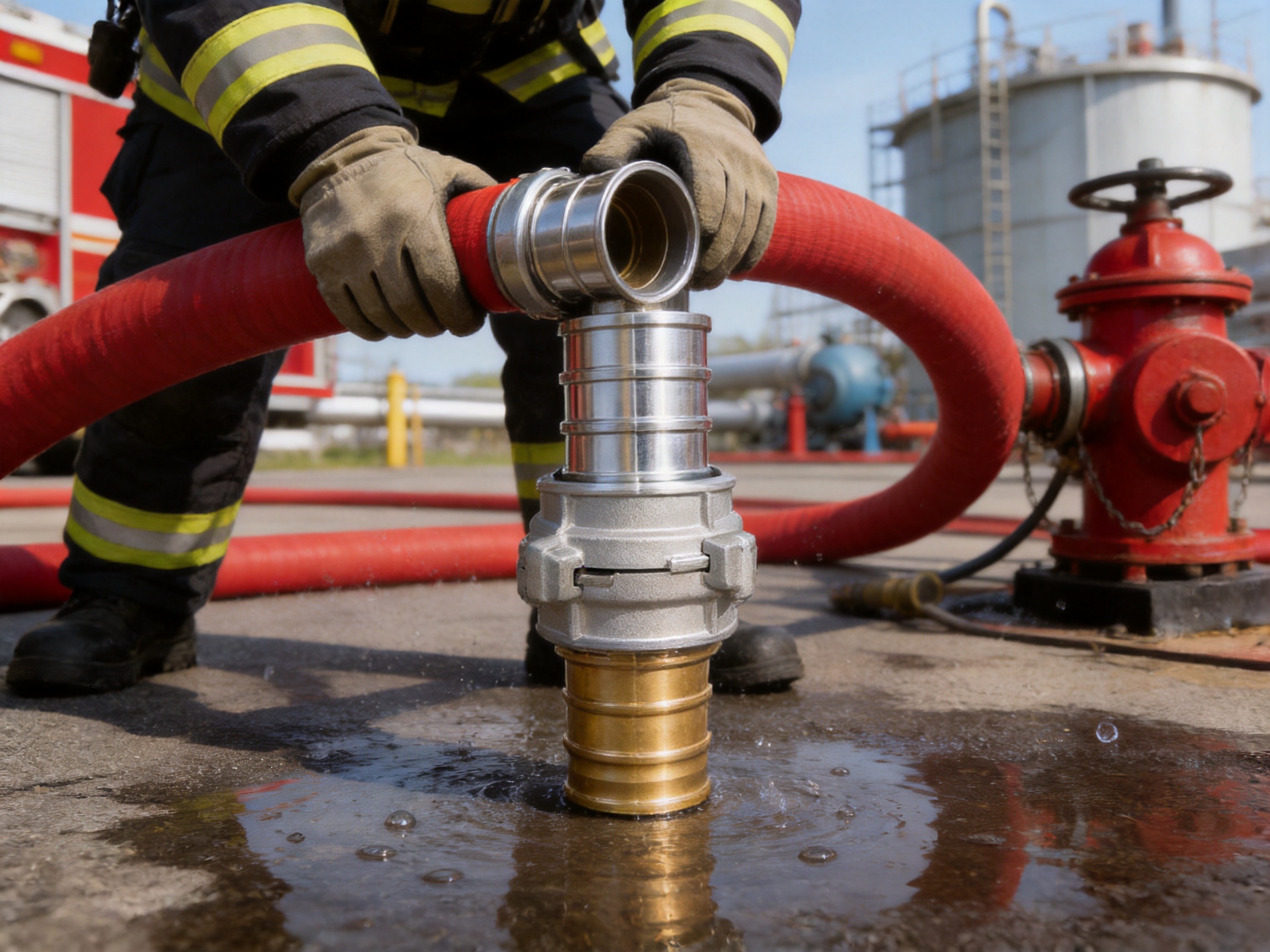
The French DSP Hose Coupling is described as an economical product. Its cost efficiency comes from several practical characteristics rather than from reducing the coupling to a basic, low-performance component. The tool-free design can reduce labor during installation and replacement. Identical coupling halves can simplify inventory and reduce the need to stock multiple types of mating parts. Aluminum alloy options can reduce handling effort, while casting and forging provide manufacturing flexibility for different orders.
A coupling that connects quickly can also reduce downtime. In industrial operations, even a short interruption can affect productivity. If a hose requires replacement or a line must be reconfigured, a simple connection system may help return equipment to service sooner. In firefighting, efficient deployment can provide operational value that is more important than the initial purchase price alone.
Economic efficiency should always be assessed over the expected service period. Buyers should consider purchase cost, installation time, replacement seal availability, maintenance requirements, compatibility with existing equipment, and the consequences of leakage or downtime. A coupling with appropriate material and seal selection can provide better overall value than a cheaper product that requires frequent replacement or causes connection problems.
Different industries use many coupling designs, including threaded couplings, flanged connections, cam-and-groove systems, claw couplings, and specialized locking arrangements. Each design has a suitable operating environment. The French DSP coupling distinguishes itself through the use of identical parts and a quick-turn, manual connection.
Compared with connections that require tools, the French DSP arrangement can be faster to operate and easier to use in the field. Compared with systems that use separate male and female halves, its identical-part design can simplify storage and reduce orientation concerns. Compared with a permanent flanged connection, it is more convenient where hoses must be moved or disconnected regularly.
The comparison should not be reduced to speed alone. A coupling must match the required pressure, fluid, temperature, size, installation standard, and safety rules. For permanent high-pressure piping, another connection type may be more appropriate. For flexible hose systems that require repeated manual connection, the French DSP design can provide a strong balance between convenience and dependable sealing.
| Evaluation Factor | French DSP Hose Coupling Benefit | Buyer Consideration |
|---|---|---|
| Connection speed | Quick-turn manual engagement | Confirm that the operator can align and fully engage the coupling |
| Tool requirement | Designed for operation without tools | Follow correct hand-tightening and inspection procedures |
| Part identification | Identical coupling halves | Verify that all hose ends use the same compatible profile |
| Material selection | Aluminum alloy or brass | Choose according to weight, environment, and mechanical needs |
| Seal selection | NBR, EPDM, FPM, or PTFE | Confirm chemical and temperature compatibility |
| Installation standard | BSP or NPT thread options | Match the thread to existing equipment and regional practice |
| Surface appearance | Polished or sandblasted finish | Select the finish according to project and maintenance preferences |
| Pressure capability | Stated working pressure of 16 bar | Check the complete assembly rating before operation |
The performance of a hose coupling begins with the quality of its design and continues through material selection, forming, machining, surface treatment, assembly, inspection, packaging, and service support. A product cannot be considered dependable solely because it has a suitable nominal size. Its functional surfaces must work together accurately, and the finished product must remain consistent from one order to the next.
The manufacturer’s history is an important part of its production strength. Taizhou Shenlong Fire Science and Technology Co., Ltd. was founded in 1995 and operates across research and development, production, sales, and service. This long-term industrial experience supports an understanding of fire hose and related fluid-transfer products. The company’s main product range includes lined fire hoses made from various materials, while its broader manufacturing and foreign-trade cooperation also covers rubber, PVC, polyurethane, and double-sided tape products according to customer requirements.
The company reports that its products are sold in more than 20 provinces, cities, and autonomous regions and are exported through cooperation with domestic foreign trade companies. This distribution experience can help the manufacturer understand different customer expectations, installation environments, and export requirements. For buyers, a supplier with experience across fire protection, construction, water conservancy, and related sectors can provide more useful product communication than a supplier focused only on one narrow component.
Research and development capability is valuable when a coupling must be adapted to a particular application. Customers may need a specific material, sealing compound, thread standard, surface finish, size, or packaging arrangement. An integrated manufacturer can coordinate these details across design and production instead of treating each requirement as an isolated purchasing request.
Manufacturing flexibility also supports order efficiency. Casting and forging options can be considered for different product requirements. Aluminum alloy and brass provide material alternatives. Polishing and sandblasting provide finish alternatives. BSP and NPT support different installation standards. Together, these options help create a product range that is more adaptable than a single fixed coupling specification.
Inspect both coupling parts before use. Remove dirt, sand, oil residue, and other contamination from the connection area. Check the gasket or sealing element for cracks, cuts, hardening, distortion, or missing sections. Examine the coupling body for visible damage, corrosion, damaged threads, or deformation.
Confirm that the hose size and coupling size correspond. Check that the connected equipment uses the correct BSP or NPT thread configuration where a threaded adapter is involved. Never force a coupling that does not align naturally. Misalignment can damage the connection profile and compromise the seal.
Bring the identical coupling parts together in the correct alignment. Engage the connection surfaces and turn the coupling by hand until it reaches the intended locked position. The movement should be controlled and smooth. If unusual resistance occurs, disconnect the parts and inspect them for contamination, cross-threading, damage, or an incorrectly positioned seal.
Do not use improvised tools to force the quick-turn mechanism unless the supplier’s technical instructions specifically permit such a method. Excessive force can damage the coupling or sealing surface. The connection should be secure without deforming the body or gasket.
Before applying full operating pressure, check that the connection is fully engaged. Pressurize the line gradually where operating procedures permit. Observe the connection for leakage, movement, or unusual vibration. If leakage is detected, depressurize the system before attempting to adjust or disconnect the coupling.
Once the coupling has passed the initial inspection, the complete hose assembly should still be monitored during operation. Changes in pressure, temperature, hose movement, and external loading can affect a connection over time. Couplings should not be used as handles, supports, or lifting points unless they are specifically designed for those loads.
Regular maintenance helps preserve the performance of any hose coupling. After use, the coupling should be cleaned according to the fluid handled. Water, firefighting residue, fertilizer, petroleum products, and chemicals can leave deposits that affect the connection mechanism or sealing surface. Cleaning should not introduce new damage through unsuitable solvents, abrasive tools, or excessive force.
Seals are wear components. Even when the metallic coupling body remains in good condition, the gasket may eventually lose elasticity or develop surface damage. NBR, EPDM, FPM, and PTFE have different service characteristics, so replacement seals should match the original specification or an approved alternative. Using an unverified gasket can create compatibility or leakage problems.
Couplings should be stored in a clean, dry location away from unnecessary heat, direct sunlight, corrosive chemicals, and mechanical impact. Seals should be protected from conditions that accelerate aging. Coupling parts should not be thrown into storage containers where threads, locking surfaces, or sealing seats can be damaged.
Inspection frequency depends on use. Equipment used frequently in firefighting or industrial operations may require inspection before and after each deployment. Irrigation equipment may be checked at the beginning and end of the season, as well as after relocation or exposure to contamination. Any coupling that shows severe corrosion, cracks, deformation, damaged connection surfaces, or persistent leakage should be removed from service and evaluated.
Buyers should provide complete technical information when requesting French DSP Hose Couplings. The required size is only one part of the specification. The order should identify the body material, surface treatment, sealing material, thread standard, quantity, working pressure, application medium, and any documentation requirements.
For firefighting projects, the buyer should confirm the applicable standard and authority requirements. For irrigation, the buyer should evaluate water quality, mobility, and seasonal storage. For petroleum and chemical handling, the exact fluid and temperature should be provided for seal compatibility review. For export projects, thread standard and regional installation practice should be checked carefully.
It is also useful to confirm whether the coupling will be attached to a hose by a particular method, such as crimping, clamping, or another specified assembly process. The hose construction and coupling attachment must be compatible. A high-quality coupling cannot compensate for an unsuitable hose attachment or incorrect assembly.
Customers should request samples or technical drawings when dimensions are critical. Confirming the connection profile before mass production helps prevent mismatch with existing equipment. For large projects, purchasers may also request sample inspection, pressure verification, material information, or a defined quality-control plan.

A French DSP Hose Coupling is a quick-connect hose coupling designed with identical connecting parts. The two parts are joined and secured through a quick-turn operation, allowing connection and disconnection without special tools.
No. The product is designed so that the female and male parts are the same. This simplifies operation and reduces the need to identify separate coupling halves during hose assembly.
The stated working pressure is 16 bar. The complete hose assembly must also be rated for the intended pressure, and the system should be operated within the safe limit of its lowest-rated component.
The coupling can be manufactured from aluminum alloy or brass. Aluminum alloy is useful where lower weight and easier handling are important. Brass can be selected where a robust, substantial metallic construction is preferred.
The listed sizes are 1-1/2 inch, 2-1/2 inch, and 4 inch. The correct size should match the hose, flow requirement, connected equipment, and installation arrangement.
The available sealing materials include NBR, EPDM, FPM, and PTFE. The correct material depends on the transported fluid, operating temperature, pressure, and chemical exposure.
It is listed for petroleum and chemical applications, but compatibility must be confirmed for the specific fluid. Buyers should provide the chemical name, concentration, temperature, and operating conditions before selecting the seal and body material.
The product can be supplied with BSP or NPT thread options. The selected thread must match the connected equipment or the specified adapter.
The coupling is designed for manual operation without tools. The user aligns the parts and turns the connection into position. Operators should not force the coupling and should inspect the connection before pressurizing the hose.
Polishing and sandblasting are listed as available surface treatments. The preferred finish can be selected according to appearance, cleaning, project, and application requirements.
Yes. Firefighting is one of the listed applications. The coupling’s quick-turn operation, tool-free handling, available sizes, and 16-bar working pressure make it suitable for many fire hose arrangements when the complete system is correctly specified.
Keep the coupling clean, inspect the connection surfaces and seals, protect the product from impact and corrosive exposure, and replace damaged or aged sealing components. The coupling should be depressurized before maintenance or disconnection.
The tool-free connection can reduce labor and operating time, while identical coupling halves can simplify inventory. Material, seal, size, thread, and finish options also allow the buyer to select a configuration appropriate to the application rather than purchasing unnecessary features.
An inquiry should include the required size, quantity, aluminum alloy or brass material, BSP or NPT thread, preferred surface treatment, sealing material, working pressure, transported medium, temperature, application, and any standard or inspection requirements.
The French DSP Hose Coupling is a practical solution for hose systems that require rapid connection, dependable sealing, and repeated field operation. Its identical coupling halves simplify handling, while the quick-turn mechanism allows manual connection without special tools. Available in 1-1/2-inch, 2-1/2-inch, and 4-inch sizes, the product can support different hose diameters and flow requirements.
Aluminum alloy and brass construction provide material flexibility. Polishing and sandblasting provide finish options. NBR, EPDM, FPM, and PTFE seals allow the coupling to be considered for different fluids and service conditions. BSP and NPT thread choices support different installation standards, and the stated 16-bar working pressure makes the coupling suitable for many firefighting, irrigation, petroleum, chemical, and industrial applications.
Its advantages over more complicated coupling systems include tool-free operation, simple part identification, flexible material selection, and economical use. These benefits are reinforced by a manufacturer with experience in research and development, production, sales, and service. Founded in 1995, Taizhou Shenlong Fire Science and Technology Co., Ltd. serves the fire protection, construction, water conservancy, and related sectors, with products distributed domestically and through export cooperation.
For the best result, buyers should select the coupling as part of a complete hose assembly. Correct size, pressure rating, thread standard, body material, seal material, fluid compatibility, installation method, and maintenance practice all contribute to reliable performance. When these factors are properly coordinated, the French DSP Hose Coupling offers a convenient and durable connection for demanding fluid-transfer environments.
1. Product specification information for French DSP Hose Coupling, including material, size, pressure, seal, thread, surface treatment, and application data.
2. General principles of hose coupling selection, installation, inspection, and maintenance for firefighting and industrial fluid-transfer systems.
3. General engineering information on aluminum alloy and brass components used in fluid-handling equipment.
4. General manufacturing principles for casting, forging, machining, and surface treatment of metallic couplings.
5. General guidance concerning elastomer and polymer sealing materials, including NBR, EPDM, FPM, and PTFE.
6. Company information supplied for Taizhou Shenlong Fire Science and Technology Co., Ltd., including its founding year, integrated operations, product sectors, and distribution experience.
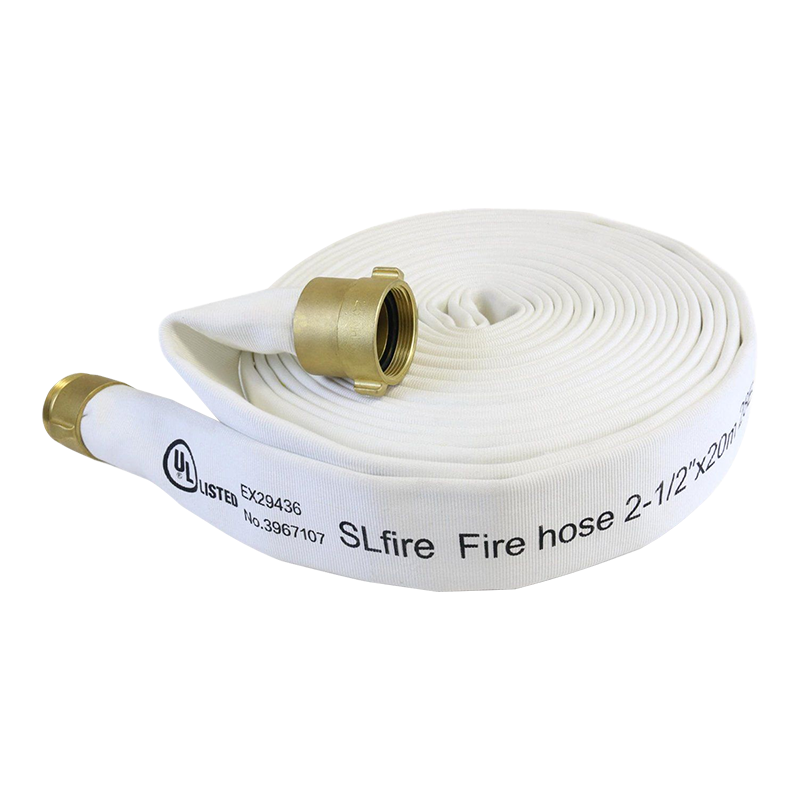
Single jacket, EPDM rubber liner Features • 100% high tenacity polyester jacket, high-grade EPDM rub...
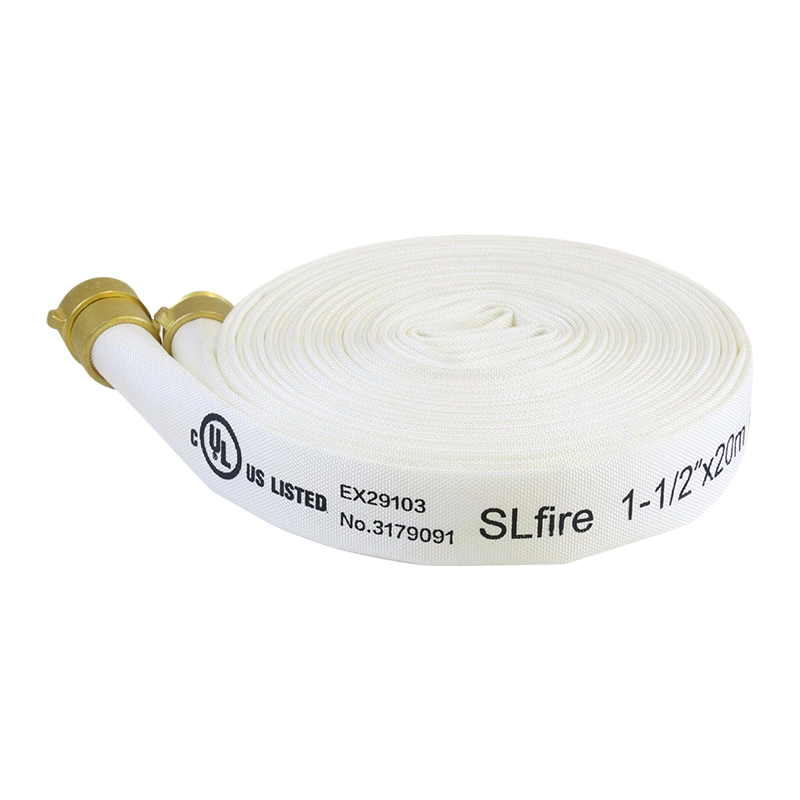
Single jacket, TPU liner •High-tenacity polyester yarn, circular woven in twill weave/plain weave,T ...
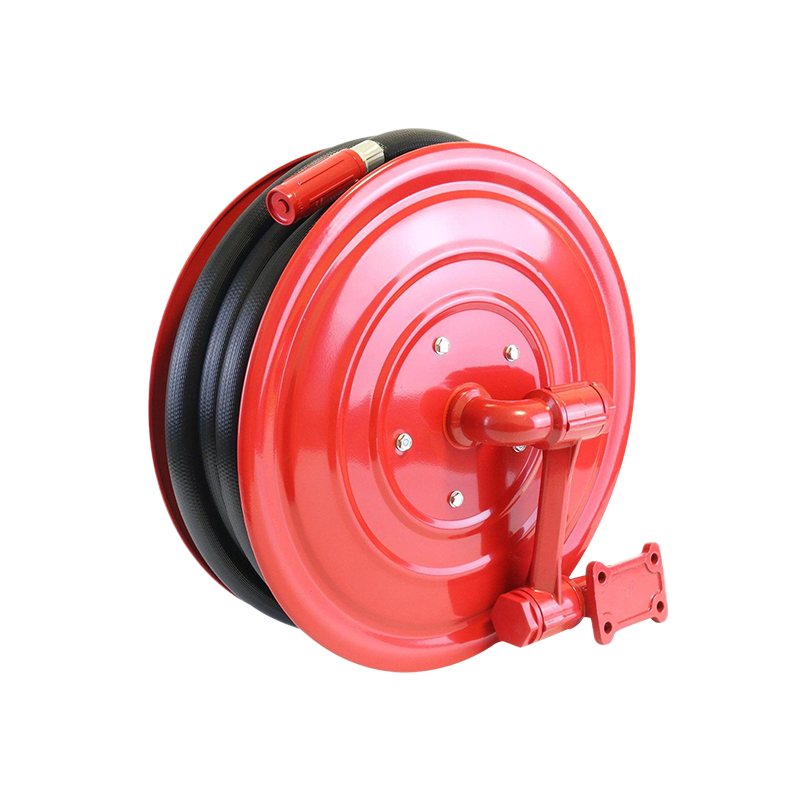
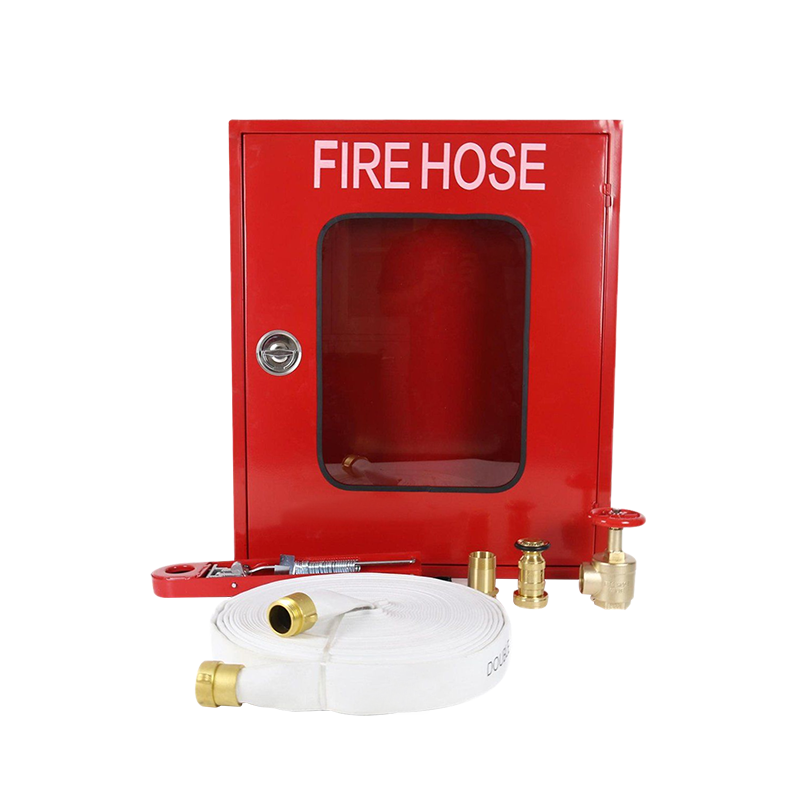
Fire cabinets are designed to accommodate fire hose,valve and other firefighting equipment. Type 201...
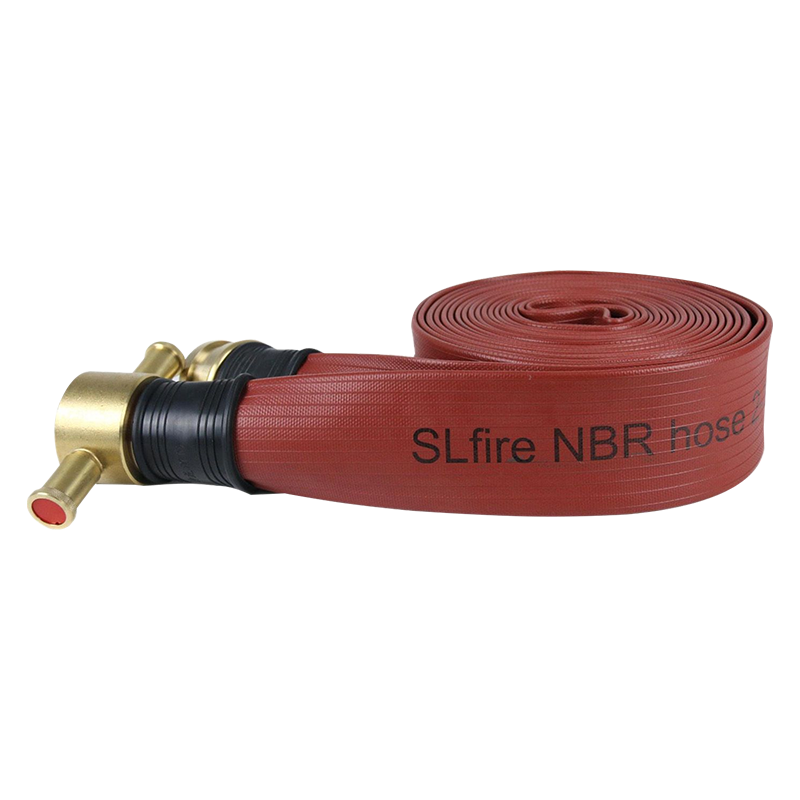
Nitrile covered hose •Nitrile/TPR blend as cover and lining, with 100% high-tenacity polyester yarn ...
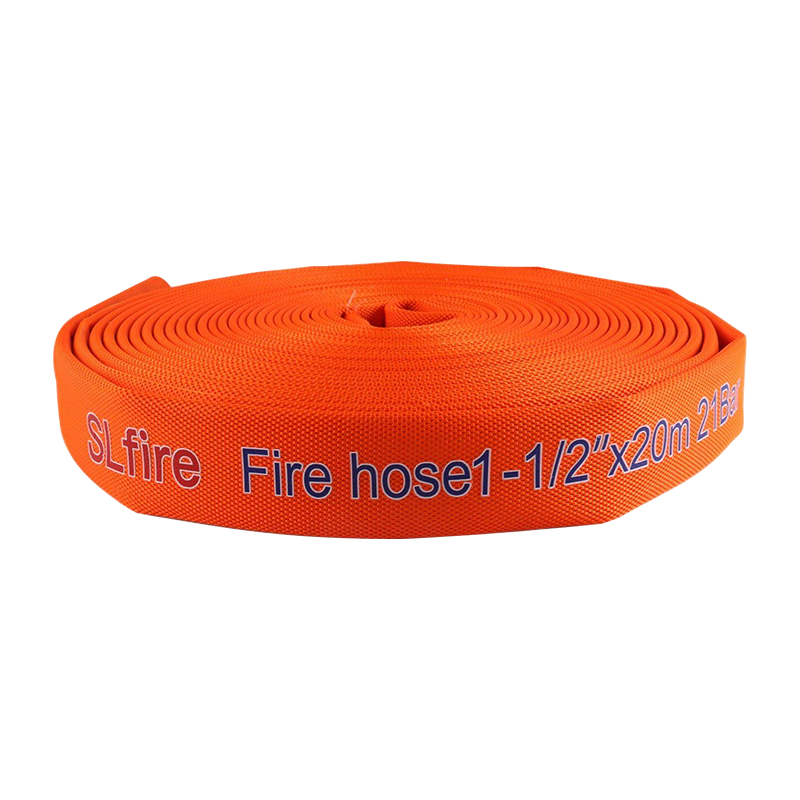
Single jacket, TPU liner •High-tenacity polyester yarn, circular woven in twill weave, TPU lining, f...
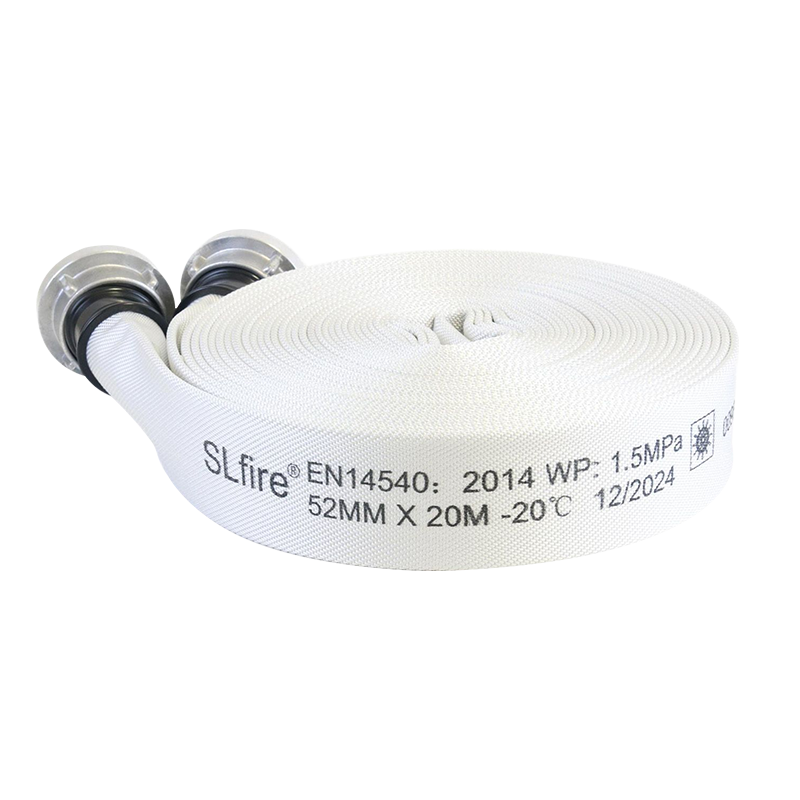
Marine hose Single jacket, PVC liner •100% high tenacity polyester yarn, circular woven in twill wea...
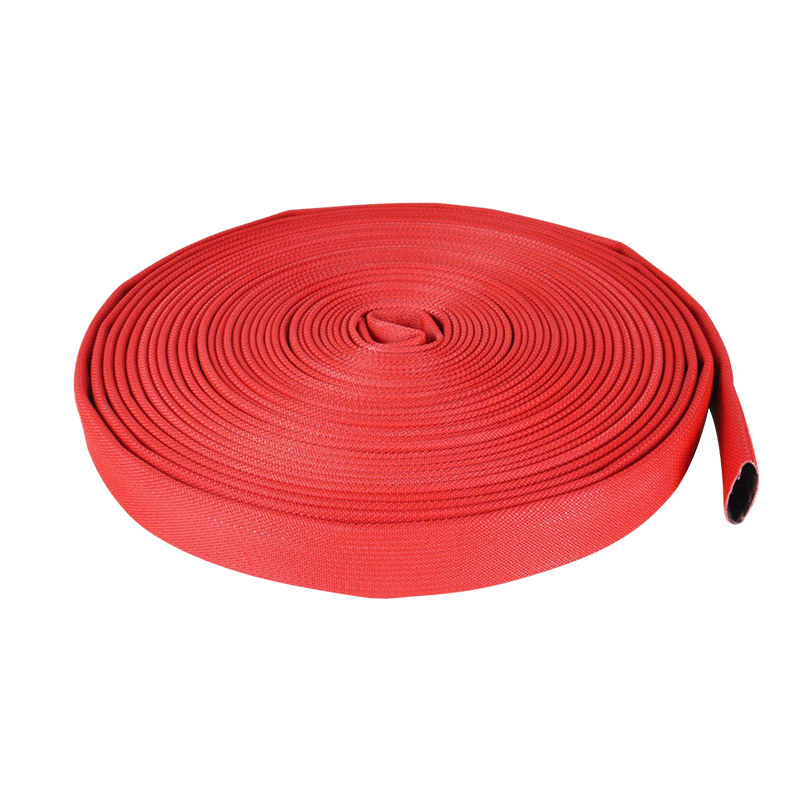
Marine hose Single jacket, PVC liner, PU coated •100% high tenacity polyester yarn,c ircular woven i...
 Call Us
+86 159-5116-9511
Need Support
Head Office
No.58, Kechuang Road, Sixiang Street Medicine Gaoxin District Taizhou City, Jiangsu Province

At a structure fire, the first line off the truck is the one that does the hardest work. Pulled around obstacles, dragged across gravel, charged with high-pressure water, and shut off at the nozzle d...
Copyright © Taizhou Shenlong Fire Science and Technology Co., Ltd. All Rights Reserved.
 Fire Hose Manufacturers, Fire Hydrant Hose Factory