

 English
 русский
 Español
 Deutsch
 عربى
عربى Français
 Português
Don't hesitate to send a message

Single jacket, EPDM rubber liner Features • 100% high tenacity polyester jacket, high-grade EPDM rub...
Content
In firefighting, industrial cleaning, emergency response, and demanding water control operations, a hose nozzle is not merely an accessory at the end of a hose line. It is the operator’s primary control point, the component that converts pressure and flow into a usable stream, and the tool that determines whether water can be applied accurately, safely, and efficiently. The Pistol Grip Fire Multi-Purpose Hose Nozzle is designed for this exact role, combining rugged aluminum construction, ergonomic handling, adjustable flow control, and broad connector compatibility in one practical and dependable product.
This nozzle is built for users who need flexibility in real working environments. Firefighters may need a straight stream for reach, a fog spray for heat absorption and protection, or a flush function to clear debris without stopping the operation. Industrial users may need controlled flow for washing equipment, rinsing surfaces, suppressing dust, or managing water discharge. Maintenance teams may need a nozzle that fits different hose systems without forcing them to replace existing couplings. The Pistol Grip Fire Multi-Purpose Hose Nozzle addresses these needs with multiple inlet sizes, global connector options, and a flow adjustment system that can be operated quickly in the field.
With inlet size options of 1.5 inches, 2 inches, 2.5 inches, and 3 inches, the nozzle can be matched to a wide range of fire hose and industrial hose configurations. It supports connector styles such as Storz, NH, Russian, and British Standard connections, helping users standardize equipment across different regions and operational requirements. Its rated flow range of 150 to 700 LPM and working pressure of 100 PSI, equal to approximately 7 bar, make it suitable for many professional water delivery applications.
Beyond specifications, the strength of this nozzle lies in how those specifications come together. It is lightweight enough for easy handling, strong enough for demanding use, and simple enough for fast operation under pressure. The pistol grip supports stable control, while the adjustable ring and three-position slide valve allow operators to shift between operating modes with confidence. Compared with many ordinary nozzles that offer limited flow options, limited connector choices, or heavier construction, this multi-purpose nozzle provides a more balanced combination of durability, compatibility, and ease of use.
Pistol Grip Fire Multi-Purpose Hose Nozzel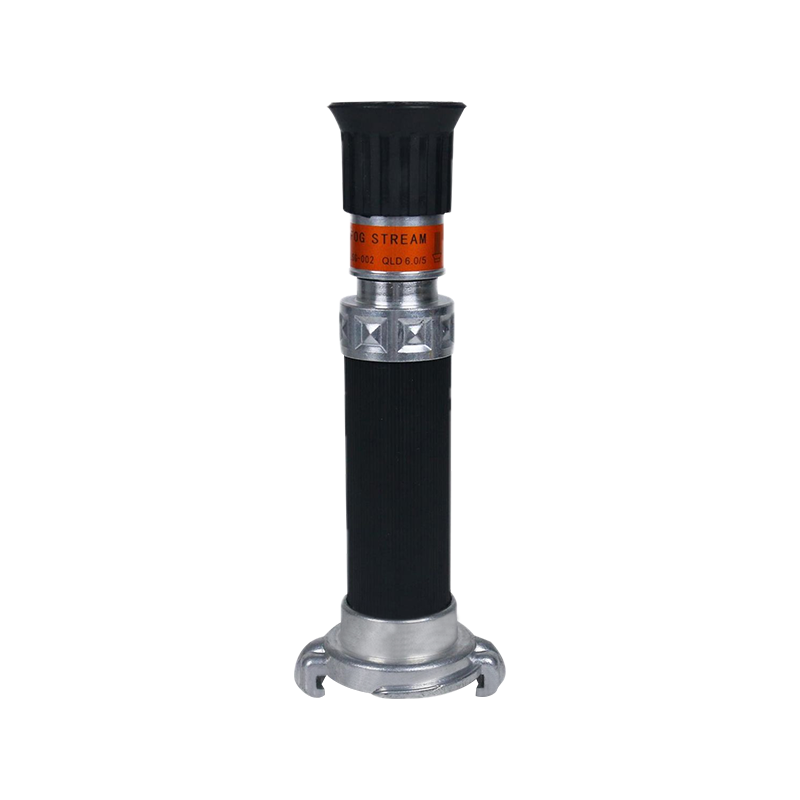
The Pistol Grip Fire Multi-Purpose Hose Nozzle is a constant gallonage nozzle designed to maintain a consistent flow within selected operating patterns. This means that when an operator changes between straight stream and fog spray, the nozzle is engineered to provide reliable water delivery rather than unpredictable performance. For emergency response teams, this consistency supports safer decision-making. For industrial users, it improves process control and reduces wasted water.
The nozzle is described as multi-purpose because it is not restricted to one narrow application. In firefighting, it can support attack lines, backup lines, equipment washing, and general fireground water application. In industrial environments, it can be used for cleaning, cooling, dust control, and washdown work. In municipal, construction, and water conservancy applications, it can assist with site maintenance, drainage support, and temporary water movement tasks. A well-designed nozzle must perform across these situations without becoming complicated, fragile, or difficult to maintain.
The pistol grip configuration gives the operator a more stable hold than a simple barrel-style nozzle. When water pressure is applied, reaction force can make a hose line difficult to control, especially when flows are high or the operator is working in wet, smoky, or awkward conditions. The pistol grip gives the hand a natural control point and reduces fatigue during extended use. This is particularly valuable when the nozzle is used for repeated cleaning passes, prolonged standby firefighting operations, or training exercises.
The nozzle’s aluminum construction is another major advantage. Aluminum provides an excellent balance between strength and weight. Heavy nozzles can be durable, but they increase user fatigue and can slow down deployment. Lightweight nozzles can be easy to carry, but if the material is weak, they may deform or fail under rough handling. A properly manufactured aluminum nozzle offers a practical middle ground: corrosion resistance, impact resistance, machinability, and manageable weight.
The broad inlet options make the nozzle adaptable. A 1.5-inch inlet can be suitable for smaller handlines and maneuverable hose setups. A 2-inch or 2.5-inch inlet can support higher volume operations. A 3-inch inlet allows compatibility with larger hose systems where greater flow capacity is required. This range reduces the need for multiple unrelated nozzle models and simplifies purchasing for organizations that manage different hose sizes.
Connector compatibility is equally important. Firefighting and industrial systems do not use one universal coupling standard. Depending on the country, region, department, or facility, different connection systems may be used. Storz couplings are common in many modern fire service applications because they allow quick connection without male or female thread orientation. NH threads are widely associated with fire service use in North America. Russian and British Standard connectors support compatibility with systems used in other regions. By offering various inlet and connector options, the nozzle becomes easier to integrate into existing equipment fleets.
The following table summarizes the main product characteristics and explains their practical significance for users who must select a nozzle for firefighting, industrial, or general water control service.
| Item | Specification | Operational Benefit |
|---|---|---|
| Product Type | Pistol Grip Fire Multi-Purpose Hose Nozzle | Combines ergonomic handling with adjustable stream control for professional use. |
| Material | Lightweight, hard aluminum | Provides durability, corrosion resistance, and easier handling during extended operation. |
| Inlet Sizes | 1.5 inches, 2 inches, 2.5 inches, 3 inches | Allows use with multiple hose sizes and operational flow requirements. |
| Connector Options | Storz, NH, Russian, British Standard, and other options | Supports compatibility with different regional and industrial hose systems. |
| Flow Rate | 150 to 700 LPM | Covers a wide range of firefighting, cleaning, and water control applications. |
| Working Pressure | 100 PSI, approximately 7 bar | Suitable for common professional hose line operating conditions. |
| Stream Patterns | Straight stream, fog spray, flush | Enables reach, coverage, heat absorption, protection, and debris clearing. |
| Control Method | Adjustable ring and three-position slide valve | Makes flow adjustment and stream selection easier for operators in the field. |
The specification range shows that the product is not designed as a single-function component. Instead, it is engineered to provide a controlled and adaptable water stream in different operating conditions. This versatility is valuable because users often cannot predict every situation they will encounter. A firefighter may shift from exterior exposure protection to direct fire attack. An industrial team may move from heavy washdown to controlled rinsing. A municipal crew may need both reach and broad coverage in the same operation. A multi-purpose nozzle reduces the number of tools required while increasing readiness.
The pistol grip is one of the most visible features of the nozzle, but its importance goes beyond appearance. A nozzle must be held securely while water pressure creates backward reaction force. If the operator’s grip is weak or unstable, the stream may drift, the hose line may whip, and the user may become fatigued quickly. The pistol grip gives the operator a firm point of leverage, making it easier to guide the stream and maintain control.
In firefighting, nozzle control directly affects safety. A straight stream must be aimed precisely to reach the seat of a fire or cool a specific surface. A fog stream must be positioned correctly to create protective coverage or absorb heat. If the operator struggles to control the nozzle, water application becomes less effective. The pistol grip supports better body mechanics, allowing the wrist, hand, and arm to work together rather than forcing the operator to rely only on grip strength.
For industrial cleaning, ergonomics also matter. Operators may use the nozzle repeatedly throughout a shift. Even when the working environment is not an emergency, fatigue can lead to lower productivity and higher risk of mistakes. A stable pistol grip reduces strain and allows the operator to maintain a consistent spray angle. This can improve cleaning uniformity, reduce overspray, and make the task more comfortable.
Compared with plain nozzles that require the operator to hold a smooth barrel under pressure, the pistol grip provides a more secure and intuitive handling experience. This is especially important in wet conditions where gloves, water, foam, mud, or oil may reduce friction. A controlled grip can help prevent accidental dropping and improve user confidence.
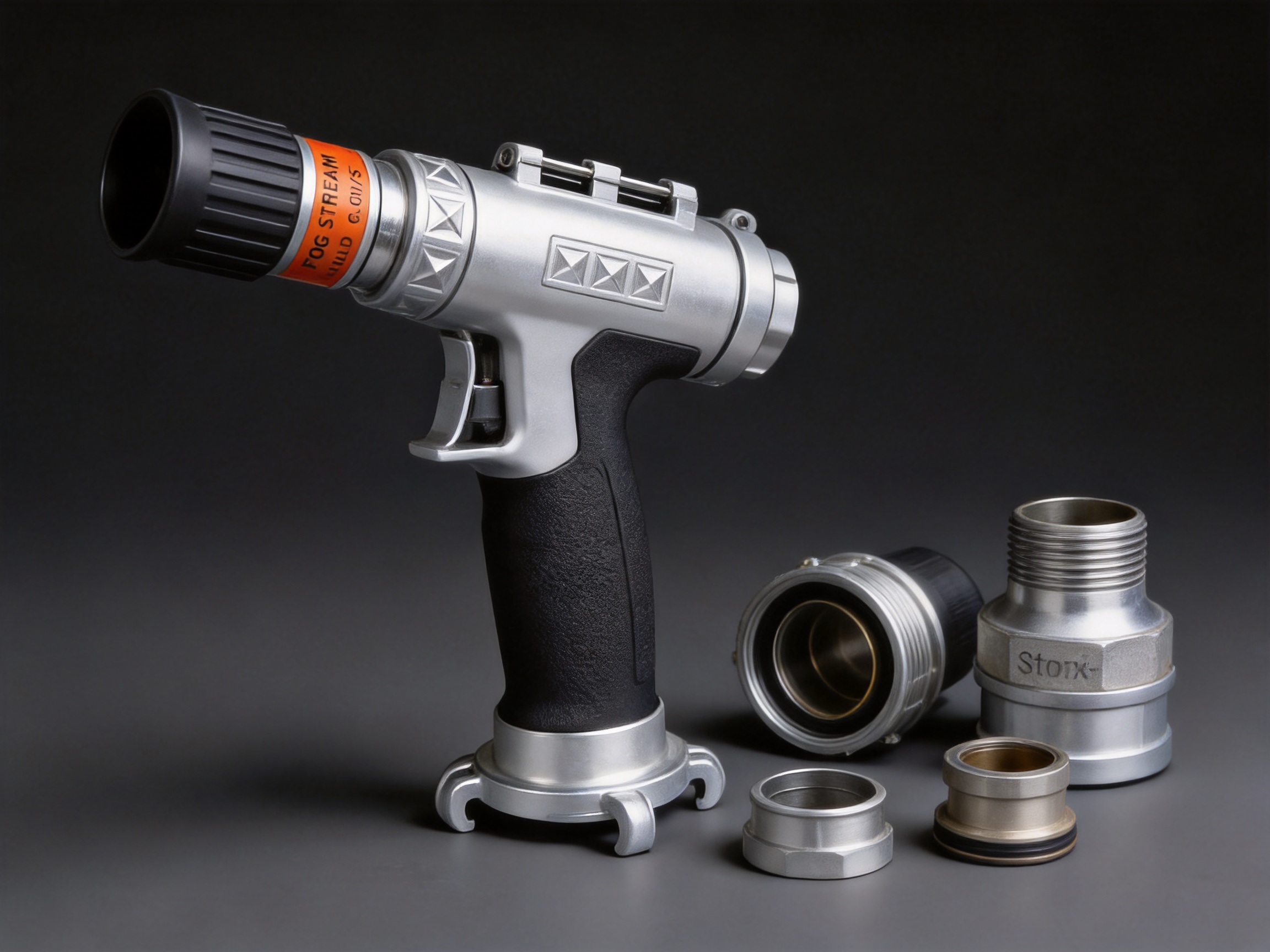
A major advantage of the Pistol Grip Fire Multi-Purpose Hose Nozzle is its ability to provide straight stream, fog spray, and flush functions without requiring shutdown for normal pattern changes. This gives operators greater flexibility and reduces interruptions. In real operations, stopping water flow may not be practical. A firefighter may need to shift stream type immediately. An industrial user may need to clear debris or change spray coverage without walking back to a valve. The nozzle’s adjustment features help solve these problems.
The straight stream function is useful when reach and penetration are important. In firefighting, a straight stream can deliver water farther and with greater directional force. It can help reach elevated targets, deeper fire areas, or distant surfaces. In industrial cleaning, it can remove heavier debris or apply water to a specific area with minimal spread.
The fog spray function creates a wider water pattern. This can be useful for heat absorption, vapor control, personnel protection, and area coverage. In fire service applications, fog patterns may be used to protect crews from radiant heat, cool hot gases, or cover a broader surface. In cleaning applications, a fog or spray pattern can rinse wider areas, reduce impact force, and improve coverage on irregular surfaces.
The flush function is particularly valuable in dirty water environments or when small debris may enter the nozzle. A nozzle that clogs easily can interrupt operations and create safety risks. The ability to flush helps clear obstructions while maintaining operational continuity. This feature is one reason multi-purpose nozzles are often preferred over simpler devices in demanding conditions.
The adjustable ring located at the middle position of the nozzle allows operators to control and adjust flow more easily. The three-position slide valve provides another practical control element. Together, these features enable the user to adapt the nozzle output quickly. The design aims to be simple enough for operation with gloves, which is important for firefighters and industrial workers.
Many competing low-cost nozzles offer only basic opening and closing control. Others provide pattern adjustment but lack clear flow control. Some may require the operator to shut down the line before clearing debris or changing function. By integrating multiple control options, this nozzle offers an advantage in operational speed and adaptability.
The nozzle is described as a constant gallonage nozzle, meaning that the flow remains consistent in all selected patterns within the designed operating range. This feature supports predictable performance. When firefighters or industrial users train with a nozzle, they develop expectations about reach, reaction force, water consumption, and coverage. If the nozzle output changes unpredictably, performance becomes harder to manage.
Constant gallonage helps fire teams coordinate pump pressure, hose layout, and water supply planning. A pump operator needs to know what the nozzle is expected to flow. A nozzle operator needs to anticipate how the line will react. A commander needs to understand whether available water supply is sufficient. Consistent flow behavior reduces uncertainty.
In industrial operations, predictable flow also improves efficiency. Cleaning teams may need to control how much water is used to avoid flooding or excessive wastewater. Maintenance personnel may need to rinse equipment without damaging sensitive surfaces. A nozzle that provides stable output helps users repeat successful results.
Compared with nozzles that vary significantly across patterns, a constant gallonage design can reduce training complexity. Users do not need to relearn the nozzle each time they change stream type. This is especially useful for organizations with multiple operators or frequent staff rotation.
The nozzle is made of light and hard aluminum, a material choice that contributes to both performance and usability. Aluminum is widely valued in firefighting and industrial equipment because it resists corrosion better than many ordinary steels while remaining much lighter than brass or heavy metal alternatives. This matters because a nozzle must be carried, connected, lifted, aimed, and operated under pressure.
Lightweight construction allows faster deployment. When crews are moving hose lines up stairs, around equipment, across construction sites, or through industrial yards, every reduction in weight helps. A lighter nozzle can be especially beneficial for smaller teams, long-duration operations, or users who must handle multiple tools.
At the same time, the aluminum must be strong enough to withstand impacts, coupling stress, water pressure, and field use. A quality aluminum nozzle is not simply cast into shape and shipped. It requires careful material selection, precision machining, proper finishing, controlled assembly, and inspection. These manufacturing steps help ensure that the nozzle body maintains dimensional accuracy and mechanical strength.
Corrosion resistance is another practical benefit. Fire and industrial nozzles may be exposed to water, foam solution, mud, chemicals, salt air, and outdoor storage conditions. While no material is completely immune to all environments, aluminum provides a strong foundation for long service life when properly processed and maintained. Surface finishing can further improve resistance to wear and environmental exposure.
Compared with plastic nozzles, aluminum provides greater confidence in high-stress professional use. Compared with heavier metal nozzles, aluminum improves handling comfort and mobility. This balance is one of the key reasons the product is suitable for both emergency and industrial users.
One of the strongest competitive advantages of this nozzle is its connector flexibility. Hose connections vary widely across markets and applications. Even within the same country, different industries or departments may use different coupling standards. A nozzle that fits only one connection type limits its usefulness and may require adapters, which can add cost, length, weight, and possible leak points.
This nozzle can be supplied with Storz, NH, Russian, British Standard, and other connector options. That compatibility makes it suitable for export, mixed equipment fleets, municipal systems, industrial plants, and organizations that work with different hose sources. For procurement teams, connector flexibility reduces the risk of ordering equipment that cannot be installed directly on existing hoses.
Storz couplings are valued for quick connection and disconnection. Because they are sexless couplings, either end can connect to another compatible Storz coupling. This can simplify hose deployment and reduce confusion during emergencies. NH threaded connections are commonly used in many fire service systems and remain important for compatibility with established equipment. Russian and British Standard connectors support international applications and regional requirements.
Offering multiple connector options also demonstrates manufacturing capability. Producing reliable connector interfaces requires accurate machining, thread control, sealing surface quality, and dimensional inspection. A poorly made connector can leak, bind, cross-thread, or fail to seal. A dependable nozzle supplier must control these details consistently.
For end users, the benefit is straightforward: one nozzle design can be adapted to many hose systems. This makes inventory management easier and supports standardization without sacrificing local compatibility.
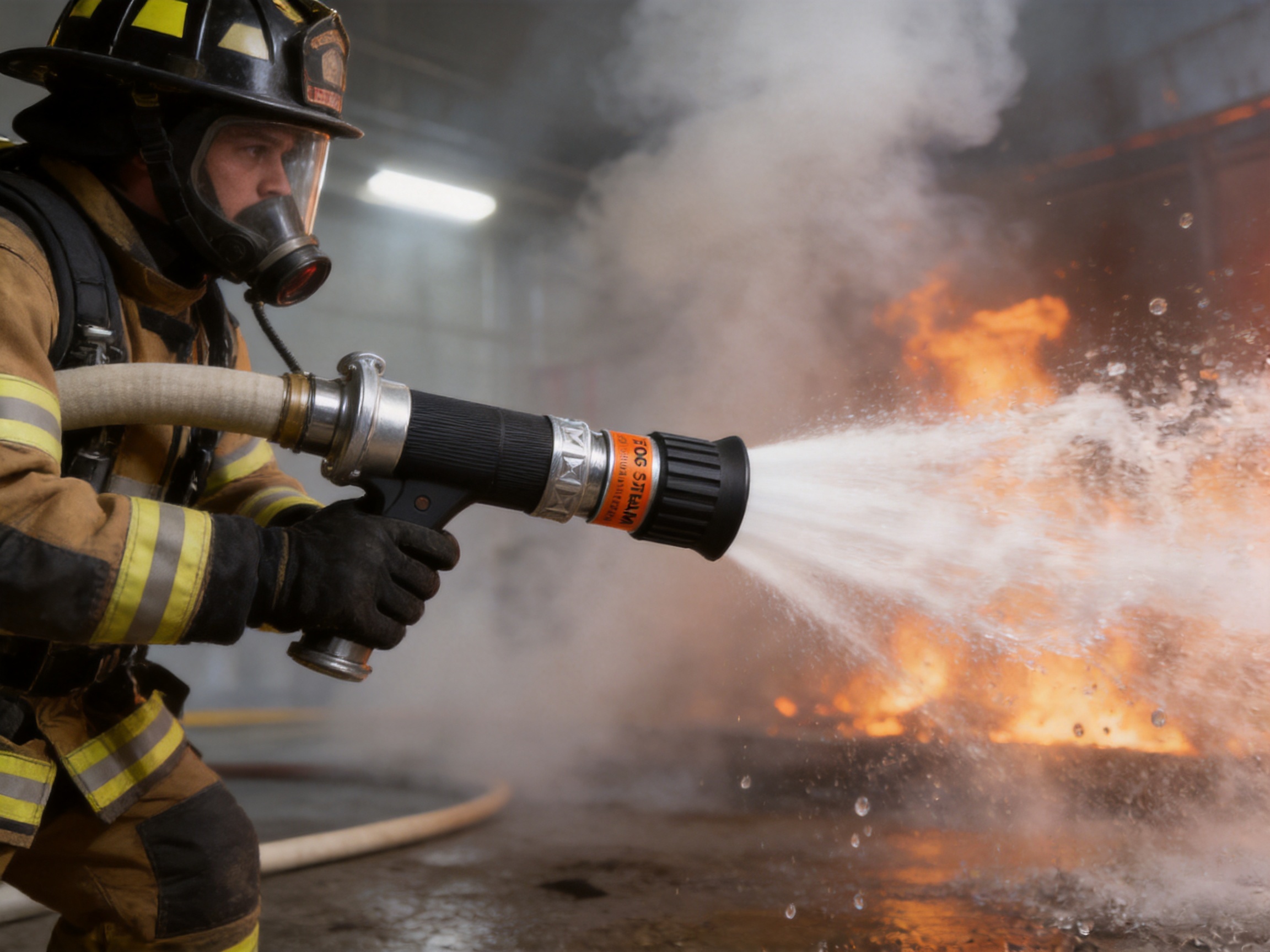
The market includes many hose nozzles, ranging from simple low-cost devices to specialized firefighting nozzles. The Pistol Grip Fire Multi-Purpose Hose Nozzle stands out because it combines several important qualities in one product rather than optimizing only one feature.
First, it provides broad size compatibility. Some competing nozzles are available only in one or two inlet sizes, which limits their use. This nozzle can be matched with 1.5-inch, 2-inch, 2.5-inch, and 3-inch hose systems, making it more adaptable for organizations with different flow requirements.
Second, it offers multiple connector standards. Competitors that provide only a local thread type may require additional adapters for export or mixed-fleet use. Adapters can be useful, but they also add complexity. A directly compatible connector is generally cleaner, stronger, and easier to manage.
Third, the nozzle includes straight stream, fog spray, and flush capability. Basic nozzles may provide only a narrow stream or only simple spray adjustment. The multi-pattern design gives users better control over water application and makes the nozzle more useful in changing conditions.
Fourth, the pistol grip improves handling. In professional use, operator comfort is not a luxury. It affects precision, safety, and endurance. A nozzle that is easier to hold can improve operational quality, especially at higher flow rates.
Fifth, the aluminum construction offers a balanced weight-to-strength ratio. Some low-cost alternatives may be too heavy, too fragile, or insufficiently resistant to corrosion. This product is designed to remain durable while supporting easier handling.
Sixth, the flow range of 150 to 700 LPM covers a wide operating envelope. Rather than being limited to light-duty rinsing or only high-volume application, it can serve a range of tasks. This versatility can reduce total equipment cost because one nozzle type can cover multiple needs.
Finally, the product is supported by a manufacturer with long-term experience in fire hose and related firefighting equipment. A nozzle is most valuable when it fits into a larger hose system. Manufacturing experience with hoses, couplings, and fire accessories helps ensure that design decisions consider real system compatibility rather than isolated component performance.
Taizhou Shenlong Fire Science and Technology Co., Ltd. was founded in 1995 and has developed as an enterprise integrating research and development, production, sales, and service. Its main products include various material-lined fire hoses, and the company can also undertake foreign trade products made from rubber, PVC, polyurethane, and double-sided tape according to customer requirements. This broad production background supports the development of accessories such as hose nozzles, couplings, and related fire equipment.
A manufacturer with decades of fire hose experience understands how nozzles interact with hose assemblies. The nozzle must not be considered separately from the hose, coupling, water source, pressure, and operating environment. If the nozzle is too heavy, it affects hose handling. If the connector is inaccurate, it affects sealing. If the flow control is inconsistent, it affects pump operation. Experience across the complete hose product category helps produce equipment that functions well as a system.
The company’s production experience also supports customization. Different customers may require different inlet sizes, coupling standards, packaging, surface finishes, or product markings. A manufacturer that already works with foreign trade products and varied materials is better prepared to respond to market-specific requirements. This is important for international buyers who need products aligned with local standards and user expectations.
The company’s products are widely used in fire, construction, water conservancy, and other industries. These are practical, demanding fields where equipment must perform in difficult conditions. Long-term involvement in such industries helps the manufacturer refine product design based on real operational feedback.
A high-quality hose nozzle depends on more than design. Manufacturing determines whether the product can deliver its intended performance consistently. For a pistol grip multi-purpose nozzle, critical production factors include aluminum material quality, body machining accuracy, valve fit, surface finishing, connector tolerances, sealing performance, flow calibration, and final inspection.
The process begins with material selection. Aluminum used for the nozzle body must provide suitable strength, machinability, and corrosion resistance. Material consistency is important because defects or impurities can affect durability. Reliable manufacturers control incoming materials and verify that they meet production requirements before machining begins.
Precision machining is essential for the nozzle body, inlet connection, internal water passages, adjustment ring, and valve components. The shape of internal passages affects flow quality and pressure loss. The accuracy of threaded or coupled interfaces affects sealing and installation. The fit of the slide valve affects smooth operation and leak resistance. Modern machining methods help maintain repeatable dimensions across production batches.
Surface treatment is another important step. Aluminum components may receive protective finishing to improve wear resistance, corrosion resistance, and appearance. A uniform surface finish also helps users clean and maintain the nozzle more easily. In fire and industrial environments, rough or poorly finished surfaces can collect dirt or become difficult to handle.
Assembly requires controlled fitting of seals, adjustment mechanisms, valve parts, and connectors. The adjustable ring must rotate smoothly without excessive looseness. The slide valve must move reliably into its operating positions. Seals must be installed correctly to reduce leakage and maintain pressure performance. Each assembly step affects the user experience.
Testing and inspection are vital. A nozzle should be checked for dimensional accuracy, connector fit, valve operation, leakage, and pressure performance. Flow testing or calibration helps confirm that the nozzle meets expected output. Pressure testing verifies that the nozzle can operate safely at the rated working pressure. Visual inspection ensures that surfaces, markings, and assembly quality meet customer requirements.
Packaging also matters for export and distribution. Fire equipment may travel long distances before reaching the user. Proper packaging protects the nozzle from impact, scratches, moisture, and contamination. For international customers, organized packaging and documentation can simplify receiving and inventory management.
These manufacturing controls create value that may not be visible at first glance. Two nozzles can look similar, but the better manufactured product will connect more smoothly, leak less, adjust more reliably, resist wear longer, and provide more consistent flow. This is where experienced production capability becomes a meaningful advantage over low-cost competitors.
In firefighting, nozzle selection influences crew safety, fire suppression effectiveness, and water management. The Pistol Grip Fire Multi-Purpose Hose Nozzle supports several common fireground needs. Its straight stream setting can help deliver water to a specific target with reach and impact. Its fog spray setting can provide wider coverage, cooling, and protective water curtains. Its flush function can clear debris that might interfere with operation.
The 150 to 700 LPM flow range gives departments flexibility. Lower flows may be useful for smaller lines, limited water supply, training, or controlled operations. Higher flows may be useful for stronger fire attack, exposure protection, or industrial fire scenarios. The 100 PSI working pressure aligns with many practical hose line conditions, supporting predictable nozzle behavior.
The pistol grip can help firefighters manage hose reaction, particularly when wearing gloves and protective clothing. Structural firefighting often requires movement in low visibility, high heat, and physically stressful conditions. A nozzle that is easier to grip and control can improve confidence and reduce fatigue.
Connector options are especially valuable for fire services because mutual aid and multi-agency operations may involve different hose standards. A department, industrial fire brigade, or contractor can select the connector version that matches its system. This reduces the need for emergency adapters and speeds deployment.
While every fire department must select equipment according to its tactics, training, and standards, this nozzle provides a practical combination of features suitable for many general firefighting and support roles.
Industrial users often need robust water control equipment that can survive daily use. Manufacturing plants, warehouses, shipyards, construction sites, mining operations, agricultural facilities, and municipal maintenance teams may use hose nozzles for cleaning, rinsing, cooling, and dust suppression. The Pistol Grip Fire Multi-Purpose Hose Nozzle is well suited to these tasks because it is durable, adjustable, and compatible with multiple hose systems.
For cleaning, the operator may need a concentrated stream to remove heavy dirt or a wider spray for rinsing large surfaces. The ability to change patterns helps complete work faster. The flush function can be useful when water contains particles or when hoses are used in outdoor environments where debris may enter the line.
The aluminum construction helps the nozzle withstand rough handling. Industrial equipment is often dragged across floors, placed on vehicles, exposed to weather, or stored in tool areas. A fragile nozzle can break quickly in such conditions. A well-built aluminum nozzle offers better service life.
Ergonomics are also important in industrial work. Repetitive cleaning can strain the hand and wrist. The pistol grip makes the nozzle easier to hold for longer periods, which can improve operator comfort and productivity. The adjustable ring and slide valve allow quick changes without excessive effort.
From a purchasing perspective, a multi-purpose nozzle can reduce inventory complexity. Instead of buying separate nozzles for different spray patterns or hose sizes, facilities can select versions of the same nozzle design for different lines. This simplifies training, spare parts planning, and replacement decisions.
Beyond firefighting and factory cleaning, the nozzle can serve construction, agricultural, and water conservancy applications. In construction, water may be needed for dust control, equipment washing, concrete-related cleanup, and temporary site maintenance. A nozzle with adjustable stream patterns allows workers to apply water with the right amount of force and coverage.
In agricultural environments, hoses are used for irrigation support, equipment cleaning, livestock area washing, and general water movement. A durable nozzle with multiple connector options can fit different farm or facility systems. The lightweight body is helpful when workers must move hoses frequently across large areas.
Water conservancy and municipal teams may use hose equipment for drainage support, channel maintenance, surface washing, and emergency water distribution. The nozzle’s range of inlet sizes allows compatibility with both smaller and larger hose lines. Its corrosion-resistant aluminum construction is useful for outdoor and damp environments.
These non-fire applications demonstrate why a multi-purpose design matters. A product that is too specialized may perform well in one scenario but become inefficient elsewhere. This nozzle offers a practical balance for organizations that need dependable water control in varied settings.
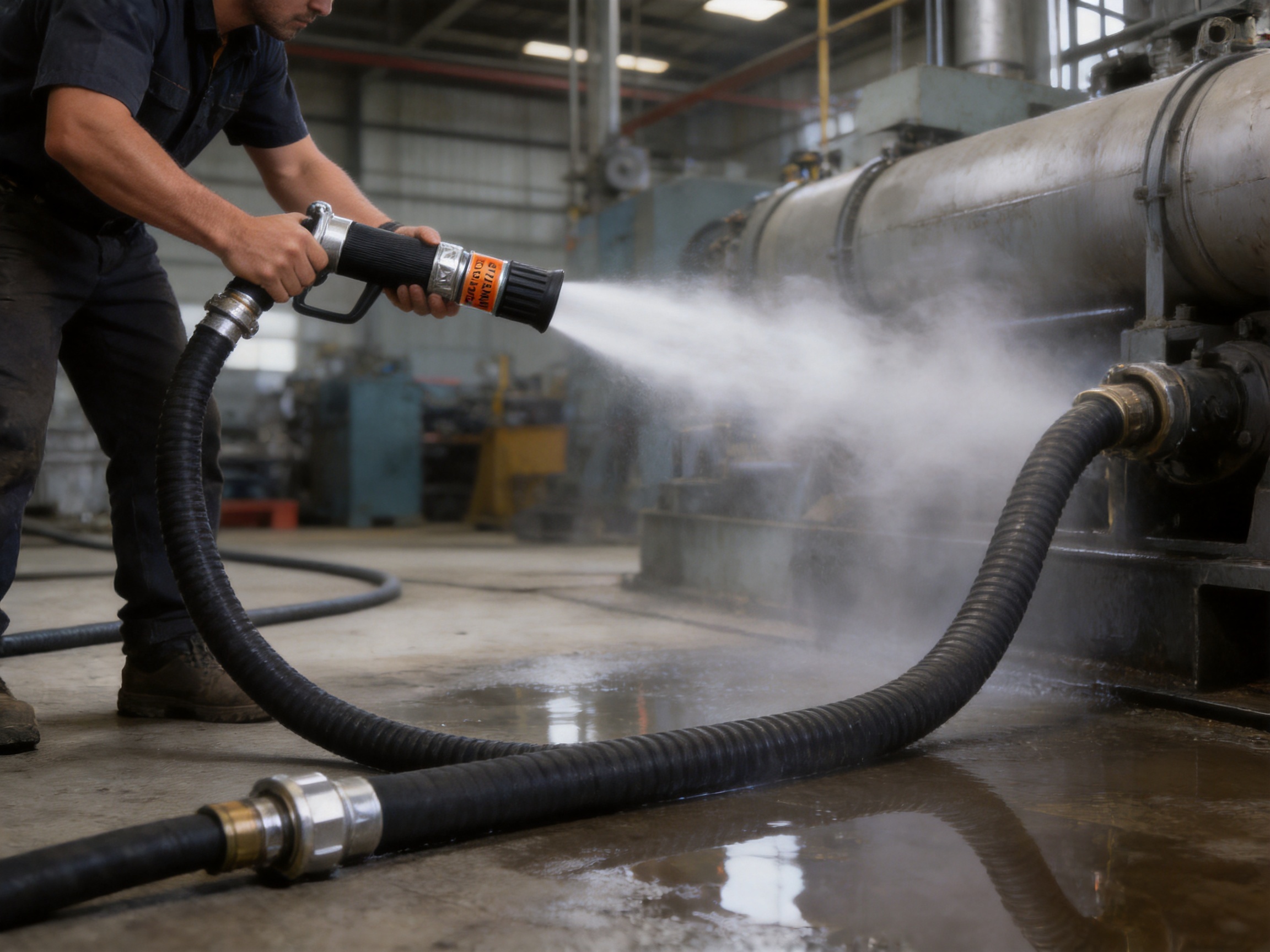
Proper maintenance helps any nozzle deliver longer service life. After use, the nozzle should be drained, inspected, and cleaned. If it has been exposed to dirty water, mud, foam, chemicals, or salt conditions, rinsing with clean water can help reduce residue buildup. The adjustment ring and slide valve should be checked for smooth movement. Coupling surfaces should be examined for damage, dirt, or deformation.
Operators should avoid dropping the nozzle from height or striking it against hard surfaces unnecessarily. Although the aluminum body is durable, repeated impact can damage threads, sealing faces, or adjustment components. During storage, the nozzle should be kept in a clean, dry, and accessible location. Fire service users may store it connected to a hose line or in a cabinet, while industrial users may keep it near washdown points.
Periodic inspection should include checking for leakage, verifying that the stream pattern changes correctly, and ensuring that the connector fits securely. If seals become worn, they should be replaced according to maintenance practices. A nozzle that is difficult to adjust should not be forced; it should be cleaned and inspected to identify the cause.
Training also supports service life. Operators who understand how to adjust flow, change patterns, and use the flush function are less likely to misuse the product. Clear training reduces accidental damage and improves safety.
When selecting this nozzle, buyers should consider hose size, connector type, required flow rate, working pressure, application environment, and user training needs. The product is available with 1.5-inch, 2-inch, 2.5-inch, and 3-inch inlet sizes, so the first step is matching the nozzle to the hose line. Choosing the correct connector standard is equally important. Buyers should confirm whether their system uses Storz, NH, Russian, British Standard, or another connection type.
Flow requirements should be evaluated based on the intended application. Firefighting operations may require specific flows according to departmental tactics. Industrial cleaning may prioritize adjustable output and manageable reaction force. Construction or agricultural use may require a balance between reach and water conservation.
Buyers should also consider long-term support. A nozzle is part of a larger equipment system, so compatibility with hoses, couplings, cabinets, and accessories matters. Working with a manufacturer experienced in fire hoses, industrial hoses, agricultural hoses, hose couplings, nozzles, fire accessories, fire cabinets, and trenchless rehabilitation hose products can simplify sourcing. A supplier with broad product categories can help customers build complete hose systems rather than purchasing isolated components from different sources.
For international buyers, export experience and connector customization are important. Equipment must meet local user expectations and fit existing infrastructure. The availability of multiple coupling standards makes this nozzle a practical choice for global markets.
The manufacturer behind this nozzle operates from Taizhou City, Jiangsu Province, and has long-term experience in fire equipment production. Founded in 1995, the company integrates research and development, production, sales, and service. This structure supports continuous product improvement because feedback from customers can be connected to production and design decisions.
The company’s main products include fire hoses with different material linings, and it also supplies industrial hose, agricultural hose, hose couplings, hose nozzles, fire accessories, fire cabinets, and trenchless rehabilitation hose. This product ecosystem is important because hose nozzles must work reliably with hoses and couplings. A supplier that understands each component can provide better system compatibility.
The company also undertakes foreign trade products according to customer requirements, including rubber, PVC, polyurethane, and double-sided tape products. This demonstrates flexible manufacturing capability and experience with varied material systems. Its products are sold in many provinces, cities, and autonomous regions, and export products are produced in cooperation with domestic foreign trade companies for many countries.
For customers, these strengths translate into practical benefits: broader product selection, better customization options, production experience, and service support. A nozzle purchase may be the first order, but many buyers eventually need hoses, couplings, cabinets, or other accessories. A comprehensive supplier can support long-term equipment planning.
The Pistol Grip Fire Multi-Purpose Hose Nozzle is a strong choice because it combines key features that users commonly need but do not always find together. It is lightweight but durable, adjustable but simple, compatible but not overly complex, and suitable for both firefighting and industrial applications. Its flow range of 150 to 700 LPM gives it broad usefulness, while its 100 PSI working pressure fits many practical systems.
The nozzle’s biggest advantage is balance. Some products focus only on low price and sacrifice durability. Some are heavy-duty but difficult to handle. Some offer advanced flow control but limited connector options. This nozzle provides a balanced solution by combining aluminum construction, pistol grip handling, adjustable flow control, multi-pattern output, flush capability, and global connector compatibility.
For professional users, equipment must perform when needed. A nozzle should connect securely, adjust smoothly, deliver predictable flow, resist corrosion, and remain manageable under pressure. This product is designed around those expectations.
The nozzle is designed for firefighting, industrial cleaning, construction site water control, agricultural washing, municipal maintenance, and other heavy-duty water delivery applications. It can provide straight stream, fog spray, and flush functions for different operating needs.
The nozzle is available with 1.5-inch, 2-inch, 2.5-inch, and 3-inch inlet sizes. This range allows users to match the nozzle to different hose diameters and flow requirements.
The nozzle can be supplied with connector options such as Storz, NH, Russian, and British Standard connections. Other connector requirements may also be considered depending on customer needs.
The nozzle supports a flow range of 150 to 700 LPM. This wide range makes it suitable for both controlled lower-flow operations and higher-flow firefighting or cleaning tasks.
The rated working pressure is 100 PSI, approximately 7 bar. Users should always operate the nozzle within the recommended pressure range and according to their system requirements.
Aluminum provides a strong combination of durability, corrosion resistance, and low weight. It helps make the nozzle easier to handle while maintaining the strength required for professional use.
The pistol grip improves handling and control, especially when the nozzle is operating under pressure. It helps reduce hand fatigue and allows the operator to guide the stream more accurately.
The flush function helps clear debris from the nozzle without requiring a complete shutdown in many situations. This is useful when water sources or hose lines may contain particles that could obstruct flow.
Compared with many ordinary nozzles, this product offers broader inlet size options, multiple connector standards, adjustable flow control, straight stream and fog spray functions, flush capability, and ergonomic pistol grip handling.
Fire departments, industrial plants, construction companies, municipal maintenance teams, agricultural facilities, water conservancy organizations, equipment distributors, and foreign trade buyers can benefit from the nozzle’s versatility and compatibility.
The Pistol Grip Fire Multi-Purpose Hose Nozzle is a practical and dependable solution for users who need controlled water delivery in demanding environments. Its lightweight aluminum construction supports durability and ease of handling. Its pistol grip improves operator control. Its adjustable ring and three-position slide valve enable practical flow and pattern adjustment. Its straight stream, fog spray, and flush functions make it adaptable to changing operational requirements.
The availability of 1.5-inch, 2-inch, 2.5-inch, and 3-inch inlet sizes, along with connector options such as Storz, NH, Russian, and British Standard, gives the nozzle strong compatibility with global hose systems. Its 150 to 700 LPM flow range and 100 PSI working pressure make it suitable for firefighting, industrial cleaning, construction, agriculture, water conservancy, and municipal service.
Equally important is the manufacturing background behind the product. With experience dating back to 1995, the manufacturer has developed capabilities in fire hose production, hose accessories, couplings, nozzles, fire cabinets, and customized foreign trade products. This foundation supports better system understanding, more reliable production, and stronger customization for diverse markets.
For buyers seeking a nozzle that balances durability, flexibility, compatibility, and ease of use, the Pistol Grip Fire Multi-Purpose Hose Nozzle offers a compelling option. It is not only a water outlet device; it is a control tool that helps operators apply water more effectively, safely, and efficiently across a wide range of professional applications.
National Fire Protection Association. NFPA 1964: Standard for Spray Nozzles and Appliances.
International Organization for Standardization. Firefighting Equipment and Fire Hose Performance Guidance Publications.
International Fire Service Training Association. Essentials of Fire Fighting and Fire Department Operations.
Society of Fire Protection Engineers. Fire Protection Engineering Handbook.
Industrial Hose and Coupling Technical Manuals. General Guidance on Hose Connections, Pressure Ratings, and Water Delivery Systems.
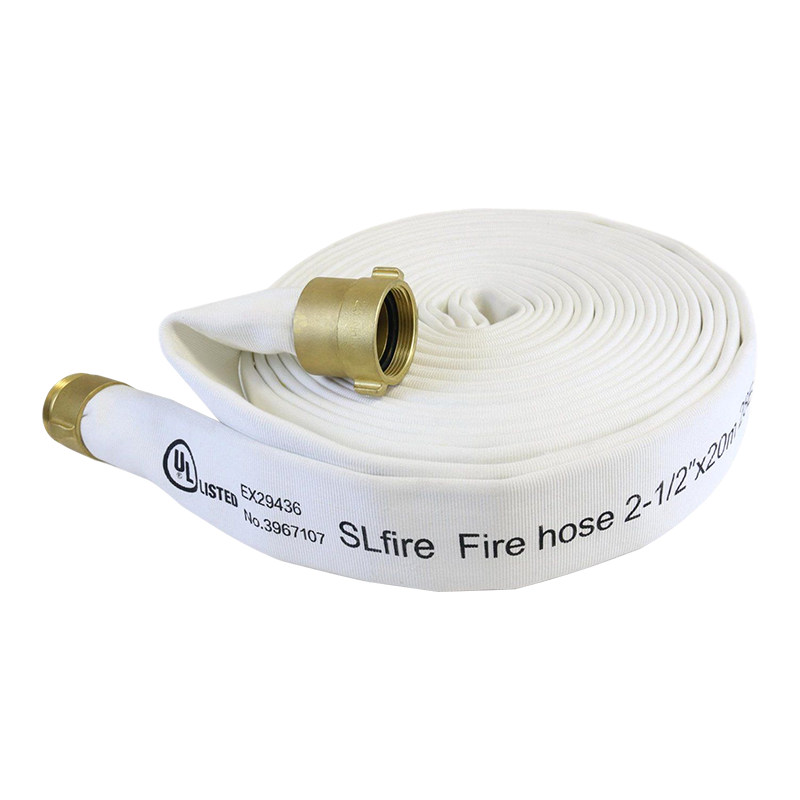
Single jacket, EPDM rubber liner Features • 100% high tenacity polyester jacket, high-grade EPDM rub...
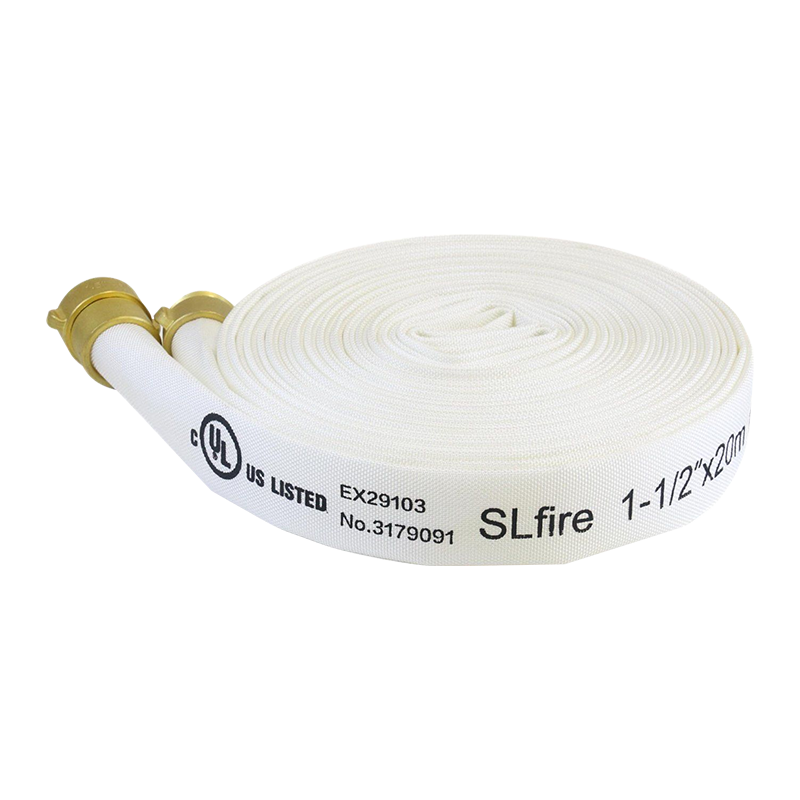
Single jacket, TPU liner •High-tenacity polyester yarn, circular woven in twill weave/plain weave,T ...
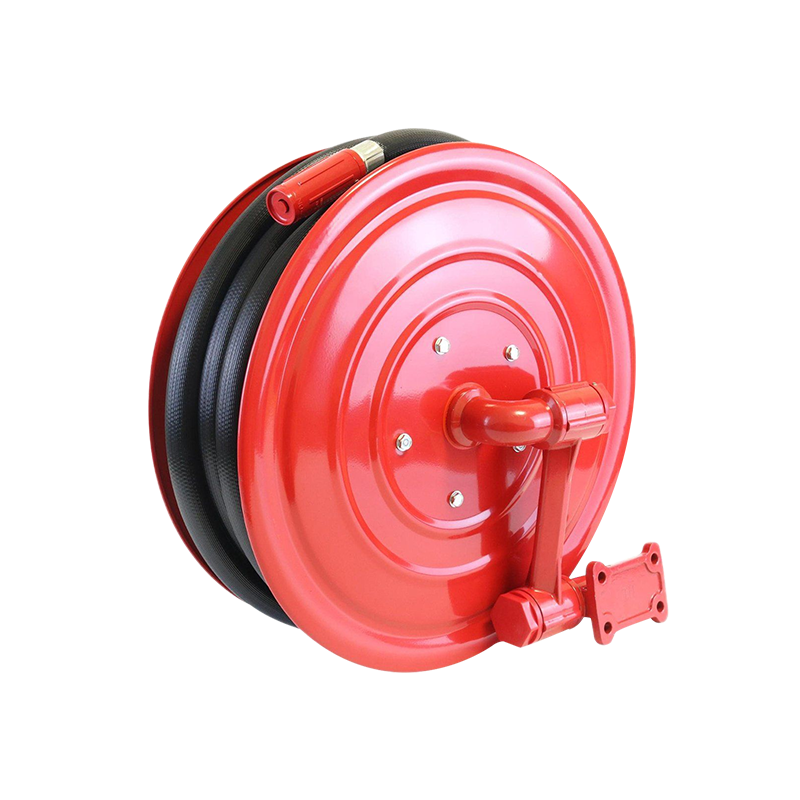
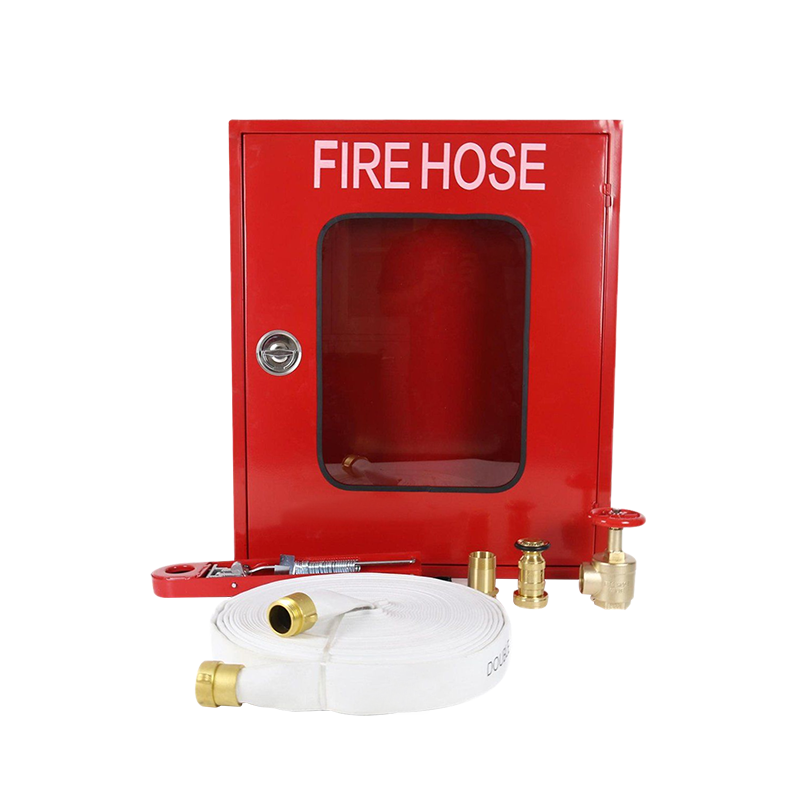
Fire cabinets are designed to accommodate fire hose,valve and other firefighting equipment. Type 201...
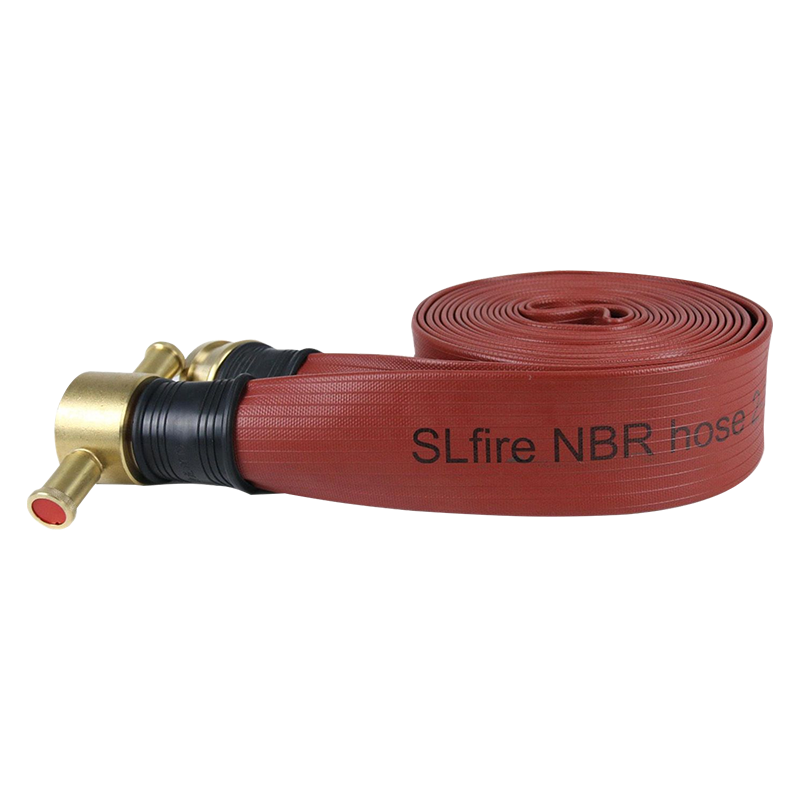
Nitrile covered hose •Nitrile/TPR blend as cover and lining, with 100% high-tenacity polyester yarn ...
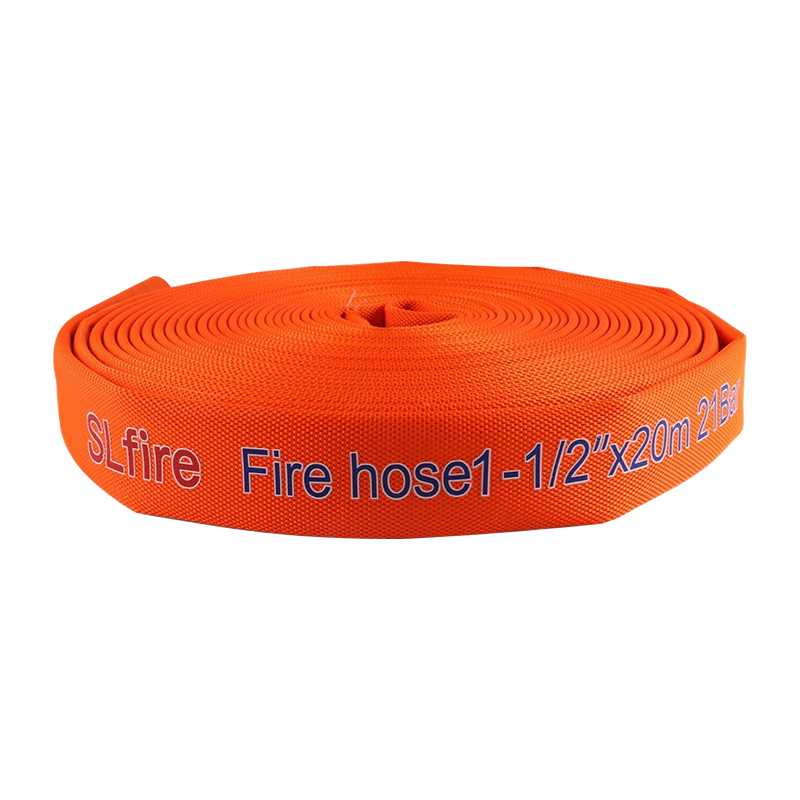
Single jacket, TPU liner •High-tenacity polyester yarn, circular woven in twill weave, TPU lining, f...
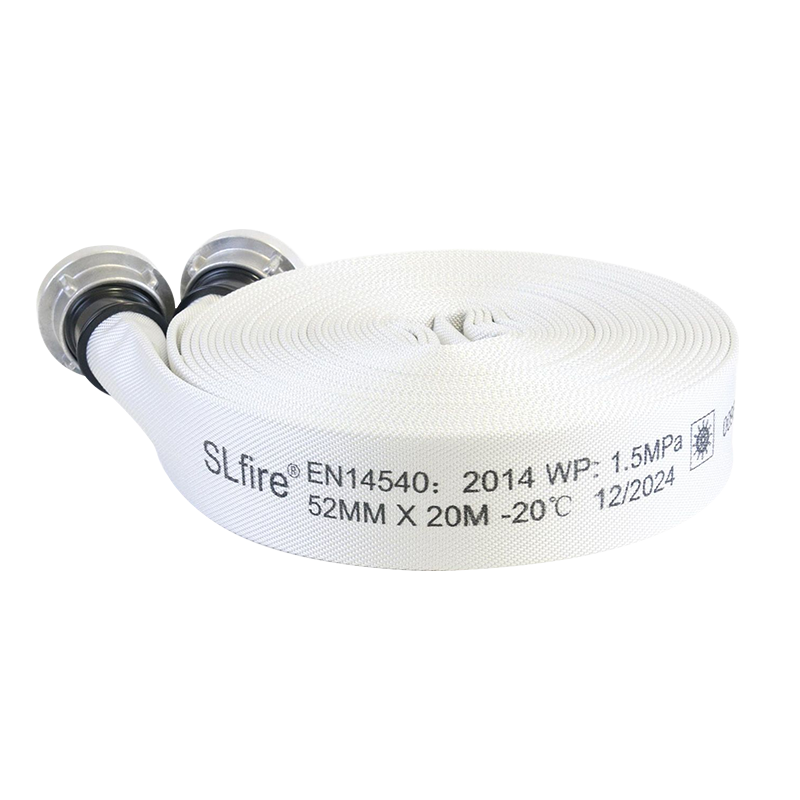
Marine hose Single jacket, PVC liner •100% high tenacity polyester yarn, circular woven in twill wea...
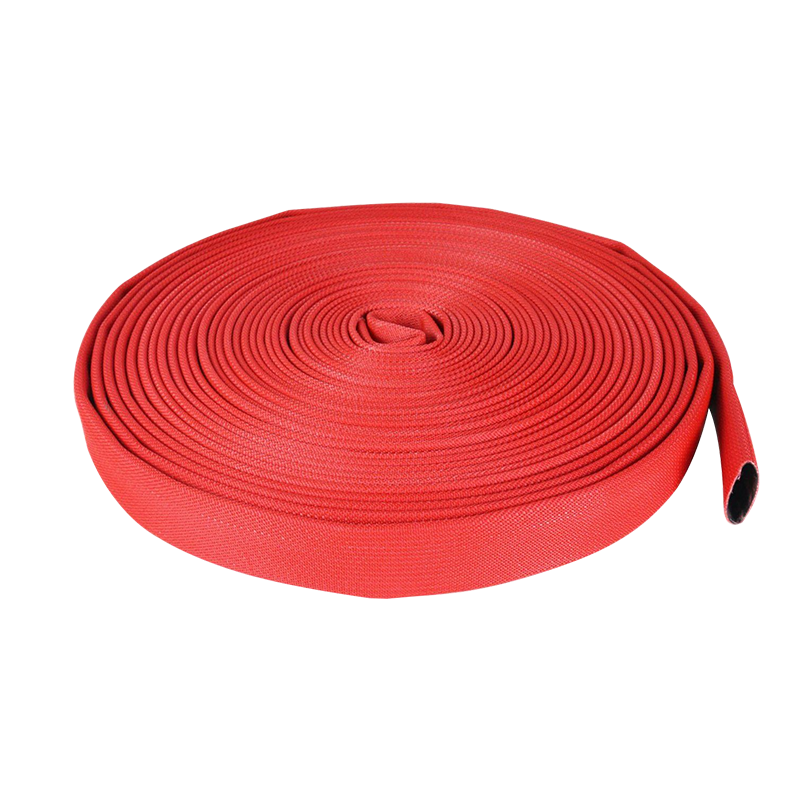
Marine hose Single jacket, PVC liner, PU coated •100% high tenacity polyester yarn,c ircular woven i...
 Call Us
+86 159-5116-9511
Need Support
Head Office
No.58, Kechuang Road, Sixiang Street Medicine Gaoxin District Taizhou City, Jiangsu Province

What Is a Fire Hose? A fire hose is a high-pressure flexible hose designed to carry water or fire retardant chemicals from a water source, such as a hydrant, pump, or tank, to a fire for suppression p...
Copyright © Taizhou Shenlong Fire Science and Technology Co., Ltd. All Rights Reserved.
 Fire Hose Manufacturers, Fire Hydrant Hose Factory