

 English
 русский
 Español
 Deutsch
 عربى
عربى Français
 Português
Don't hesitate to send a message

Single jacket, EPDM rubber liner Features • 100% high tenacity polyester jacket, high-grade EPDM rub...
Content
Modern emergency response, industrial water transfer, municipal maintenance, and agricultural pumping all depend on one essential component: a hose that can move large volumes of water reliably under difficult conditions. A supply hose is not simply a flexible tube. It is a working system that must resist abrasion, weather, oils, UV exposure, aging, pressure stress, repeated deployment, and long-term storage. The nitrile covered supply hose described here is designed for these exact challenges, combining a nitrile/TPR blend cover and lining with high-tenacity polyester yarn reinforcement to provide durability, flexibility, and dependable performance in harsh environments.
This product belongs to the supply hose category and is especially suitable for users who require a rugged, low-maintenance hose for fire service support, construction water movement, industrial cleaning, temporary water transfer, emergency pumping, and other demanding applications. Its exterior ribs improve abrasion resistance, while the nitrile-based structure helps protect the hose from UV rays, ozone, aging, mildew, oil, petrochemicals, and corrosion. Available in 50 ft, 75 ft, and 100 ft lengths, it offers practical options for different deployment distances and operational requirements.
The following article explains the product’s technical characteristics, real-world advantages, manufacturing principles, competitive strengths, recommended uses, maintenance approach, and buyer considerations. It also highlights the production capabilities and quality-focused manufacturing strengths behind the hose, showing why this type of nitrile covered supply hose is a strong choice for professional buyers seeking reliable fire hose and water transfer solutions.
Nitrile Covered Hose Supply Hose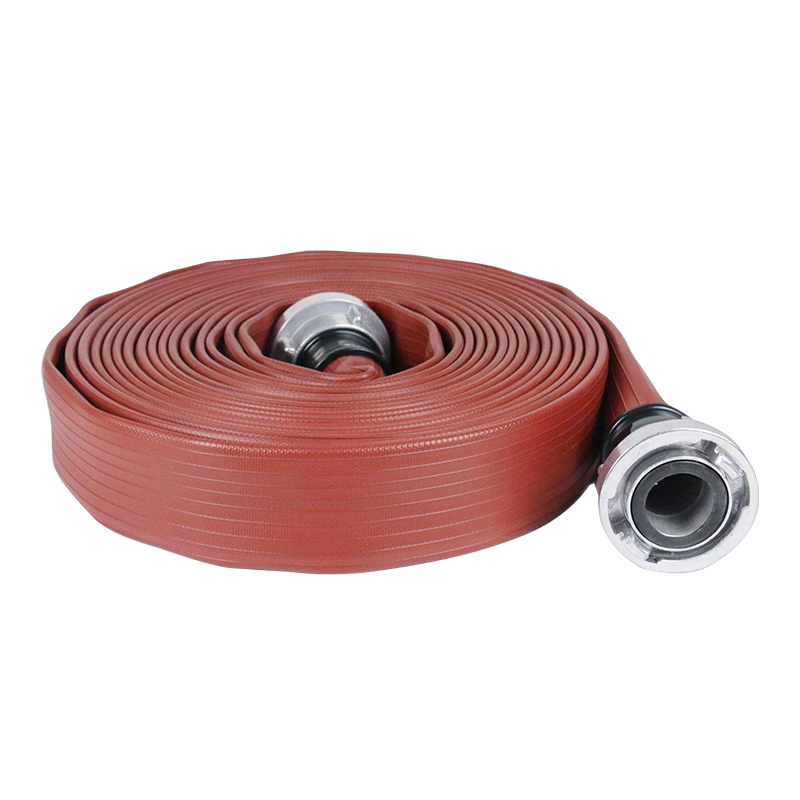
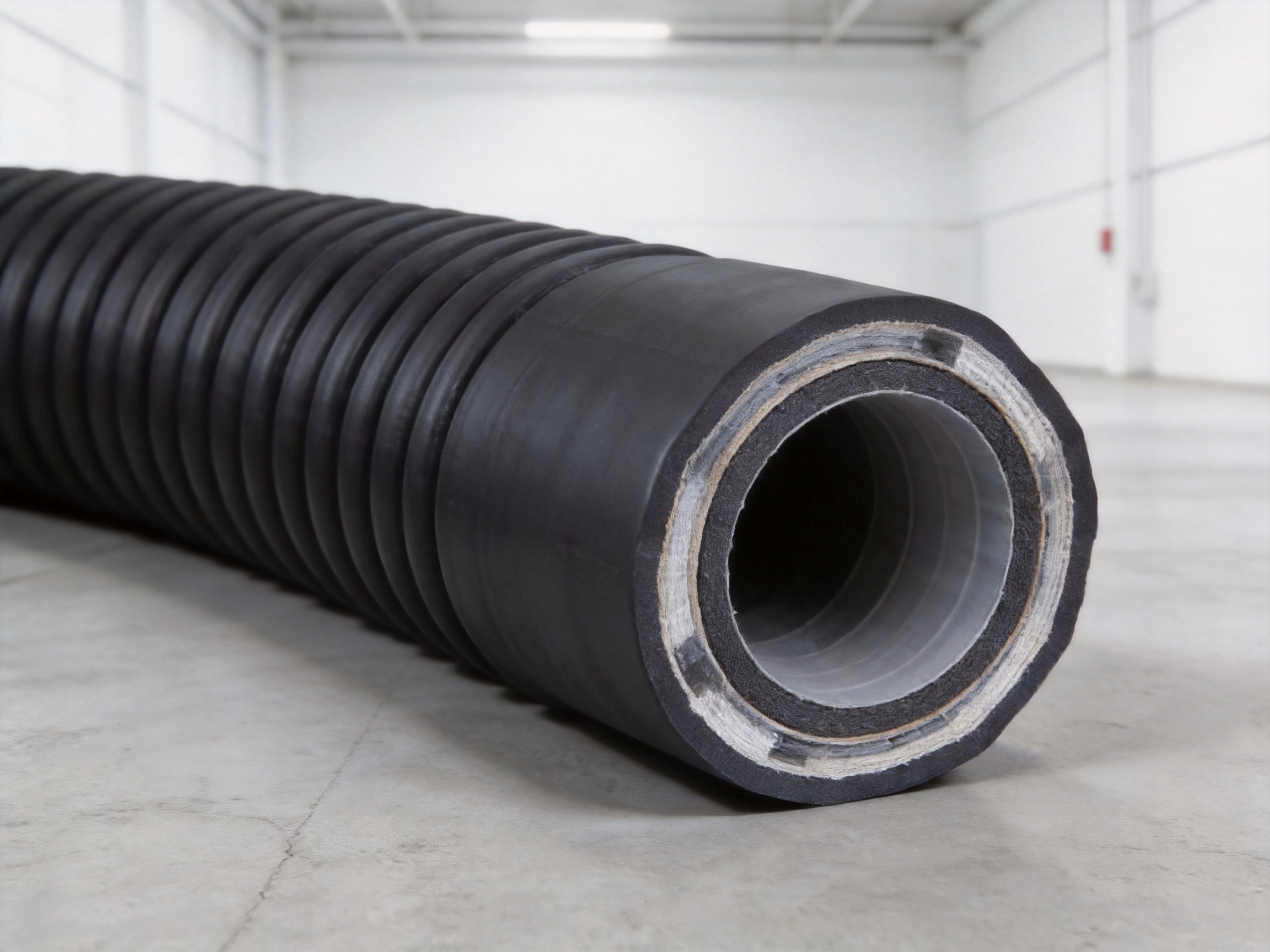
The nitrile covered supply hose is built with a nitrile/TPR blend used as both the cover and the lining. This construction provides a tough outer surface and a smooth, durable inner waterway. Between these layers, high-tenacity polyester yarn reinforcement adds strength, dimensional stability, and pressure-bearing capability. The result is a hose that is flexible enough for field handling yet rugged enough to withstand frequent use.
One of the defining features of this hose is its ribbed exterior cover. These ribs are not merely cosmetic. They increase the contact durability of the hose when it is dragged across asphalt, concrete, gravel, industrial floors, emergency scenes, or rough outdoor ground. Abrasion is one of the most common causes of premature hose failure, especially when hoses are repeatedly deployed, moved while pressurized, or used in environments where surfaces are uneven and harsh. The ribbed nitrile cover helps reduce wear and extends service life.
The hose is also designed to be highly resistant to environmental and chemical stress. UV rays can harden or crack many inferior hose materials over time. Ozone and aging can degrade rubber-like structures. Oil, mildew, and petrochemicals can weaken conventional covers and create safety risks. This nitrile covered supply hose addresses these challenges through material selection and construction design, making it suitable for outdoor storage, field operation, and contact with various contaminants encountered in fire, industrial, and municipal environments.
The operating temperature range is from -30 °C to 70 °C. This range allows the hose to remain functional in cold climates where flexibility is important, as well as in hot outdoor conditions where heat resistance is necessary. Although every hose should be used within recommended pressure, temperature, and chemical compatibility limits, this temperature range supports broad practical use in different regions and seasons.
The performance of a supply hose begins with its construction. In this product, three major elements work together: the nitrile/TPR cover, the nitrile/TPR lining, and the high-tenacity polyester yarn reinforcement. Each element contributes a specific benefit to the whole hose system.
The outer cover is the first defense against the environment. It must resist dragging, impact, UV exposure, moisture, oils, dust, mud, mildew, and chemical contaminants. The nitrile/TPR blend is selected to provide a balance between toughness and flexibility. Nitrile is known for oil and fuel resistance, while thermoplastic rubber materials can improve flexibility and processing consistency. Together, they create an outer layer that is well suited for demanding field conditions.
Compared with ordinary fabric-jacketed hoses, a nitrile covered hose can be easier to clean and less likely to trap dirt, oil, or mildew in exposed textile fibers. This is important for departments and worksites that value fast turnaround after use. A clean hose is not only more professional in appearance; it is also easier to inspect for damage. The nitrile surface helps support a maintenance-free or low-maintenance operating approach because it does not require the same level of drying and care often associated with traditional textile-covered hoses.
The inner lining is responsible for fluid contact and smooth water movement. A durable lining helps reduce internal wear and supports efficient flow. When the inner layer is compatible with water and resistant to common contaminants, the hose can deliver more reliable performance over time. A nitrile/TPR lining provides a resilient waterway that is less vulnerable to certain forms of degradation than lower-grade materials.
A good lining also contributes to deployment performance. It helps maintain the hose’s shape and supports consistent flow when the hose is charged. For supply operations, where large water volume and stable delivery are important, lining quality directly affects performance. In fireground operations, municipal water transfer, or industrial pumping, inconsistent flow can create operational delays. A well-built inner lining reduces that risk.
The reinforcement layer gives the hose its strength. High-tenacity polyester yarn is used because it provides a strong strength-to-weight ratio, good dimensional stability, and resistance to fatigue. The yarn structure helps the hose withstand working pressure and the repeated stress of deployment, pressurization, draining, rolling, and storage.
Reinforcement quality is a key difference between a reliable hose and a lower-cost hose that may fail prematurely. If the yarn is weak, uneven, poorly bonded, or incorrectly arranged, the hose may stretch excessively, kink more easily, or become vulnerable to pressure damage. In a professional supply hose, reinforcement must be uniform and consistent throughout the hose length. Advanced manufacturing processes help ensure that the polyester yarn is placed with proper tension and alignment.
| Feature | Description | Practical Benefit |
|---|---|---|
| Cover Material | Nitrile/TPR blend | Resists abrasion, UV, oil, mildew, ozone, aging, and petrochemicals |
| Lining Material | Nitrile/TPR blend | Provides a durable inner waterway and supports stable fluid transfer |
| Reinforcement | High-tenacity polyester yarn | Improves strength, pressure performance, and long-term durability |
| Exterior Design | Ribbed cover | Enhances abrasion resistance during dragging and field use |
| Temperature Range | -30 °C to 70 °C | Suitable for cold and hot operating environments |
| Available Lengths | 50 ft, 75 ft, and 100 ft | Allows selection based on deployment distance and jobsite needs |
| Maintenance Requirement | Low-maintenance design | Reduces downtime, cleaning effort, and ownership cost |
The market includes many types of supply hoses, including textile-jacketed hoses, rubber-lined hoses, PVC hoses, polyurethane hoses, and blended-material designs. Each type has a role, but the nitrile covered supply hose offers a strong balance of durability, environmental resistance, and ease of maintenance. For many professional users, these advantages can reduce operating costs and improve readiness.
Abrasion is one of the most important performance factors for supply hoses. During actual use, hoses are dragged from vehicles, pulled across pavement, routed around corners, laid over gravel, and sometimes moved while full of water. A hose that cannot resist abrasion may develop weak spots, expose reinforcement, or suffer from cover failure.
The ribbed nitrile exterior cover is designed to handle these stresses. Compared with a smooth, thin, or fabric-exposed exterior, the ribbed surface provides additional wear material and reduces direct damage to the structural body of the hose. This is especially valuable in fireground supply lines, where fast deployment may leave little time for careful placement. It is also useful in industrial and construction sites, where hoses frequently contact rough ground or equipment edges.
Many environments expose hoses to oil, fuel, lubricants, hydraulic fluids, and petrochemical residues. Conventional hose covers may soften, swell, stain, or degrade when exposed to these substances. Nitrile is widely valued for its oil resistance, making it a practical material for hoses used near vehicles, engines, pumps, industrial machinery, and fuel-handling areas.
This advantage matters for fire service operations as well. Fire hoses may be used at vehicle accidents, industrial fires, fuel storage areas, workshops, and roadways where oil and fuel contamination are common. A hose that resists these substances can remain safer and more reliable after exposure, provided it is cleaned and inspected properly.
Outdoor hoses must survive sunlight, atmosphere, humidity, and temperature changes. UV radiation can break down many polymers, causing surface cracking and loss of flexibility. Ozone can also attack certain rubber materials, especially when hoses are stored near electrical equipment or exposed to polluted air. Aging can make a hose brittle and less dependable.
The nitrile covered supply hose is engineered to resist UV rays, ozone, and aging, helping it remain functional over long periods. This is important for users who store hose reels outdoors, keep hose loaded on emergency vehicles, or deploy hoses in open environments for extended periods. A hose that maintains its material integrity over time can deliver better value than a cheaper hose that requires frequent replacement.
Maintenance time is an important hidden cost. A hose that must be dried thoroughly, cleaned carefully, protected from mildew, and frequently inspected for fabric damage may require more labor after every use. A nitrile covered hose can reduce this burden because its covered surface is easier to rinse and less likely to absorb contaminants into exposed fibers.
The low-maintenance design is especially helpful for fire departments, municipal teams, contractors, and industrial users who need rapid redeployment. After use, the hose can be cleaned, drained, inspected, and stored efficiently. Reduced maintenance does not mean inspection can be ignored, but it does mean the hose is designed to simplify routine care and minimize downtime.
The nitrile covered supply hose is suitable for a wide range of applications where durability and water transfer performance are required. Its construction makes it particularly useful in environments that combine physical wear, outdoor exposure, and operational urgency.
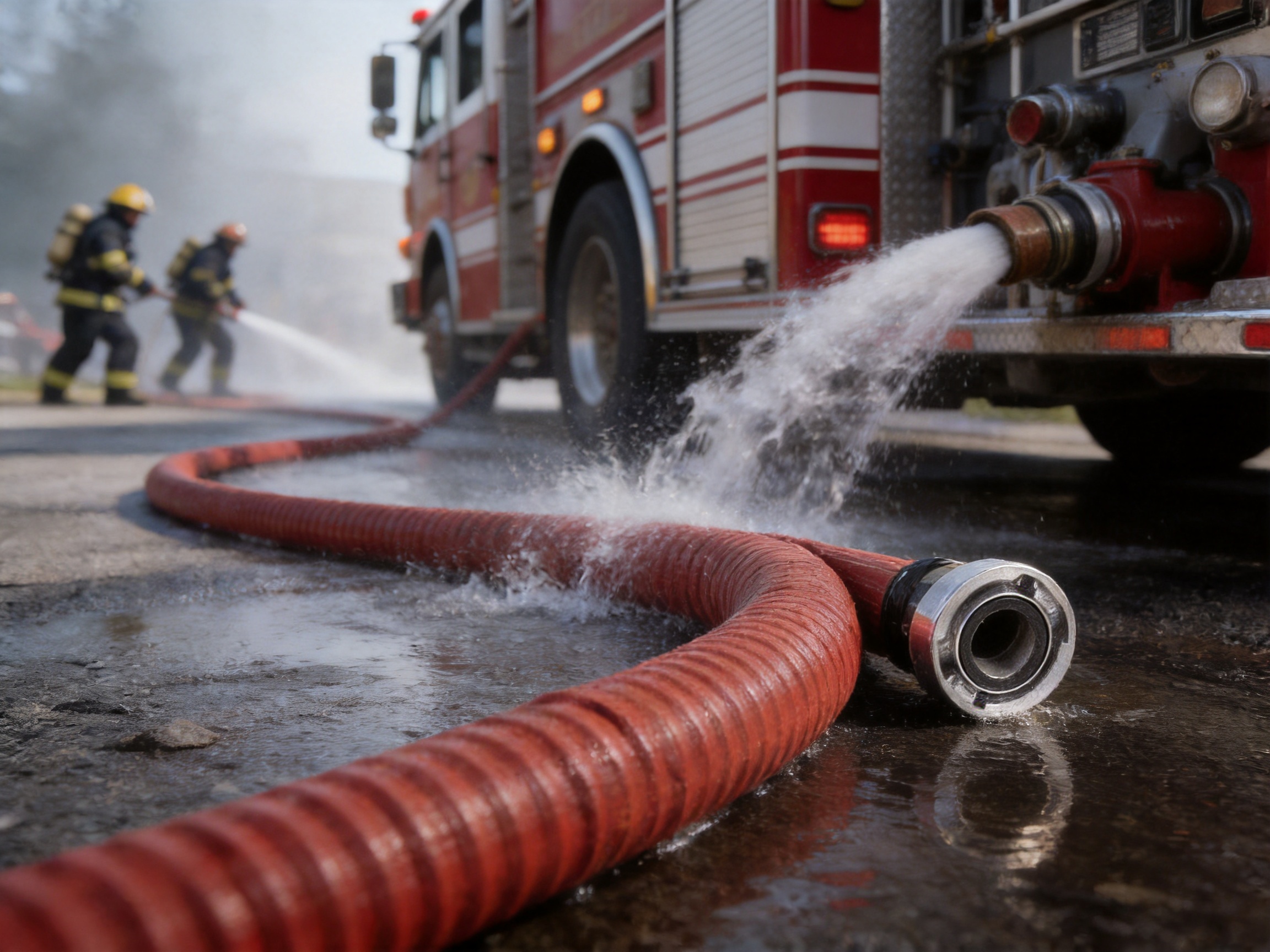
In fire service operations, supply hose is used to move water from hydrants, water tanks, relay pumping points, or drafting sources to fire engines and attack lines. Although attack hose receives much attention because it is used directly near the fire, supply hose is equally critical. Without dependable water supply, firefighting operations cannot be sustained.
A nitrile covered supply hose provides the durability needed for rapid deployment across streets, parking lots, industrial yards, and building sites. The ribbed cover helps resist pavement abrasion, while the resistance to oil and petrochemicals is useful at vehicle fires, industrial facilities, and fuel-contaminated scenes. Its low-maintenance design also helps departments return equipment to service quickly after incidents.
Industrial sites often require temporary or permanent water movement for cooling, cleaning, drainage, dust suppression, equipment service, and emergency backup. Hoses in these environments may encounter oils, chemicals, sharp surfaces, heavy traffic, and frequent handling. The nitrile covered supply hose is well suited for these challenges because it combines strength with resistance to common industrial contaminants.
For factories, warehouses, power plants, mining support operations, and maintenance contractors, hose failure can interrupt production or create safety risks. Choosing a durable supply hose can reduce unscheduled downtime and lower replacement frequency. The product’s available lengths allow users to select the right reach for different plant layouts and work areas.
Agricultural water transfer often involves long distances, rough ground, sunlight exposure, mud, fertilizers, oils from machinery, and seasonal temperature changes. The hose may be used for irrigation support, water tank filling, livestock water movement, drainage, and emergency rural fire support. A hose that resists mildew, UV, aging, and abrasion provides clear benefits in this environment.
The nitrile covered supply hose can be a practical option for farms, rural municipalities, water districts, and contractors. It is easier to handle than rigid piping and more robust than light-duty temporary hose. When stored properly and used within its rated conditions, it can offer long service life in rural and agricultural applications.
Construction sites and municipal projects frequently require water for dust control, concrete work, street cleaning, dewatering, and temporary bypass pumping. Hoses may be dragged across rebar areas, gravel, curbs, and concrete. They may also be exposed to sunlight for long periods. A ribbed nitrile cover helps resist surface wear, while the polyester reinforcement supports stable pressure performance.
Municipal service teams can also use this type of hose for emergency drainage, road washing, infrastructure maintenance, and water supply support during planned repairs. Because it is available in several lengths, it can be matched to different service vehicles and project types.
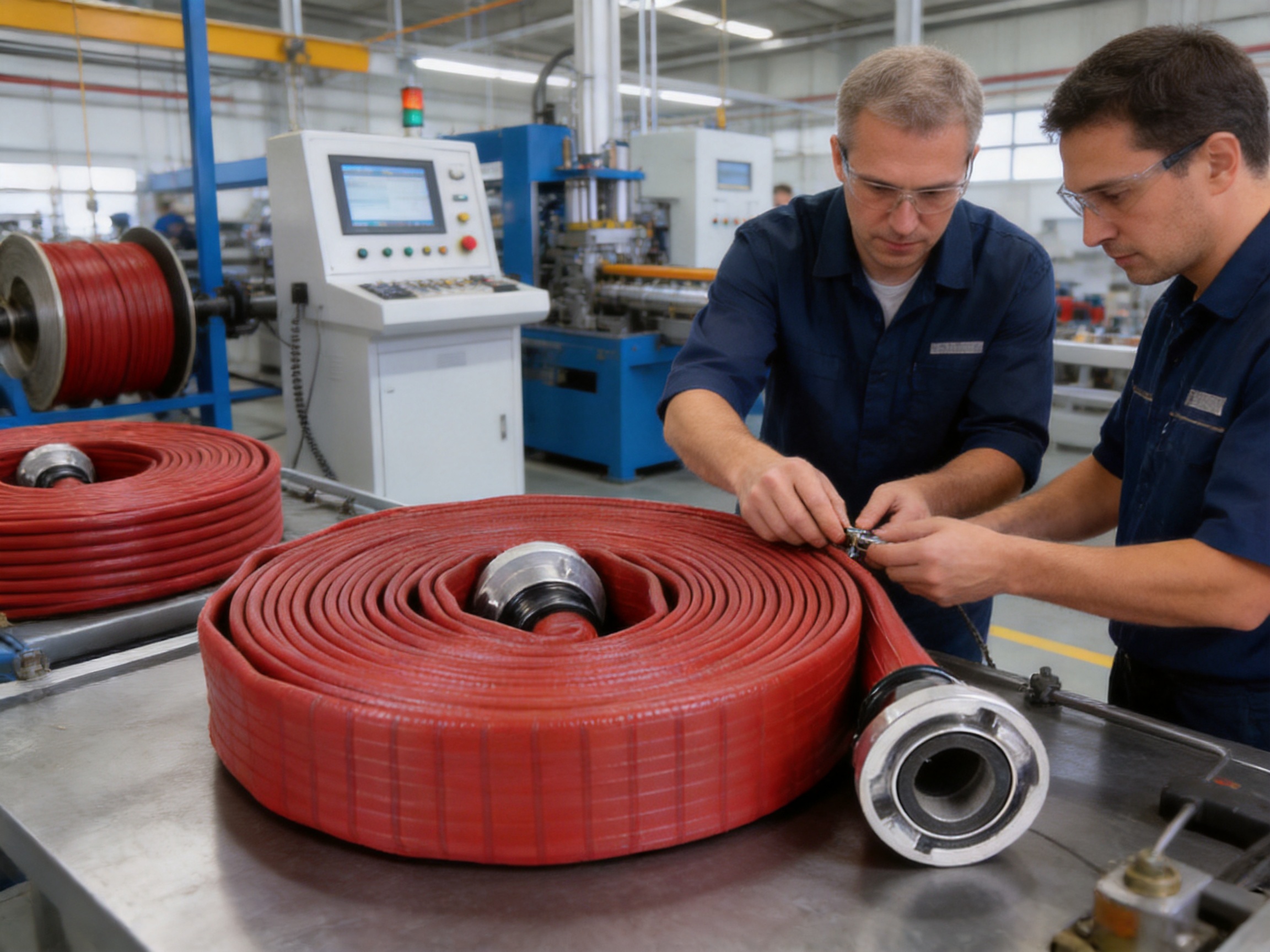
Reliable hose performance depends not only on material selection but also on manufacturing discipline. Taizhou Shenlong Fire Science and Technology Co., Ltd. was founded in 1995 and has developed as an enterprise integrating research and development, production, sales, and service. Its main products include various material-lined fire hoses, and it can also undertake foreign trade products such as rubber, PVC, polyurethane, and double-sided tape products according to customer requirements. This broad production background supports technical flexibility and practical manufacturing experience.
The company’s products are widely used in fire protection, construction, water conservancy, and related industries. They are sold across many provinces, cities, and autonomous regions and are also produced for export through cooperation with domestic foreign trade companies. This market experience is valuable because different regions and industries have different performance expectations. A manufacturer that serves multiple markets must pay close attention to consistency, adaptability, and quality control.
Manufacturing a nitrile covered supply hose begins with proper compound preparation. The nitrile/TPR blend must be formulated to achieve the intended balance of abrasion resistance, flexibility, oil resistance, weather resistance, and processability. If the compound is too hard, the hose may become difficult to handle. If it is too soft, the cover may wear too quickly. If the compound is poorly mixed, the hose may show inconsistent performance along its length.
Advanced manufacturing focuses on compound uniformity. Raw materials must be selected, measured, and processed according to controlled procedures. Additives for UV resistance, aging resistance, and performance stability must be distributed evenly. This step is essential because even a strong hose design can fail if the material compound is inconsistent.
The high-tenacity polyester yarn reinforcement must be applied with controlled tension and accurate structure. Reinforcement yarn carries pressure loads and supports the hose body. Uneven tension can create weak spots, inconsistent diameter, or poor expansion behavior. Proper alignment helps the hose maintain shape when pressurized and reduces the risk of premature fatigue.
A manufacturer with extensive hose production experience understands that reinforcement is not simply inserted into the hose; it must be integrated into the hose structure. The bonding between the reinforcement and the surrounding material layers affects strength and durability. Good process control ensures that the hose behaves consistently from one end to the other.
The ribbed exterior cover requires precision during formation. The ribs must be consistent in height, spacing, and bonding. If the ribs are irregular, the hose may not achieve the expected abrasion resistance or may show uneven wear. A properly formed ribbed cover provides extra protection while maintaining flexibility.
The cover also needs to bond well with the underlying hose structure. Delamination is a serious problem in any hose because it can lead to bubbles, weak areas, or failure under stress. Careful manufacturing processes reduce this risk by ensuring the cover and hose body work as one integrated system.
After the hose body is formed, curing or thermal processing helps stabilize the material structure. Proper curing affects flexibility, strength, chemical resistance, and long-term aging behavior. Over-curing or under-curing can reduce performance. Therefore, temperature, time, and process conditions must be controlled.
Finishing includes cutting the hose to required lengths, preparing ends for couplings if needed, inspecting surface quality, and verifying dimensions. The hose is available in 50 ft, 75 ft, and 100 ft lengths, and accurate length control helps users plan storage, deployment, and system layout. Dimensional consistency also supports coupling compatibility and predictable handling.
Professional hose manufacturing should include inspection and testing throughout production. Typical quality control may include visual inspection, dimensional checks, material consistency evaluation, pressure-related testing, adhesion review, and surface defect inspection. For supply hose applications, pressure integrity and cover durability are especially important.
A strong manufacturer does not rely only on final inspection. Quality must be built into every step, from raw material selection to reinforcement preparation, cover formation, curing, and packaging. This approach reduces variation and helps ensure that every hose delivered to customers reflects the intended design.
Buyers comparing supply hoses often evaluate price first, but true value depends on service life, reliability, maintenance time, and application suitability. A lower-cost hose may appear economical at purchase but can become expensive if it fails early, requires frequent cleaning, or cannot withstand field conditions. The nitrile covered supply hose offers several competitive advantages that improve total value.
Because the hose resists abrasion, UV, aging, ozone, oil, mildew, corrosion, and petrochemicals, it is designed for a longer useful life in challenging environments. While actual service life depends on pressure, handling, storage, and exposure, the material and construction advantages help reduce common causes of hose degradation.
Some hoses are suitable only for clean water or controlled environments. This nitrile covered hose can serve fire, industrial, construction, municipal, agricultural, and water conservancy applications. Versatility simplifies procurement for organizations that need one hose type for multiple tasks. It also helps distributors serve a wider customer base with a product that meets diverse needs.
The covered surface is easier to rinse and less likely to retain dirt compared with exposed textile jackets. This is valuable for emergency services and industrial teams that need to clean and reload equipment quickly. Easier cleaning also supports better inspection because surface damage is more visible after rinsing.
A very tough hose can be difficult to deploy if it is stiff. A very flexible hose can fail if it lacks strength. This product uses a nitrile/TPR blend and polyester reinforcement to create a balance between handling and durability. That balance is important in real operations, where workers must move quickly but cannot sacrifice safety or reliability.
Although the hose is designed to be low-maintenance, proper handling will always improve service life. Users should avoid unnecessary sharp bends, dragging over sharp metal edges, exposure to incompatible chemicals, and operation beyond recommended pressure or temperature limits. After use, the hose should be drained, rinsed if contaminated, inspected, and stored in a suitable location.
When a hose has been exposed to oil, fuel, petrochemicals, or dirty water, it should be cleaned according to the user’s safety procedures. The nitrile cover helps resist these contaminants, but removal is still important to prevent residue buildup and to maintain a safe working surface. Any hose showing cuts, exposed reinforcement, severe abrasion, blistering, coupling damage, or abnormal stiffness should be removed from service for evaluation.
Storage should avoid excessive heat, sharp objects, heavy compression, and unnecessary exposure to chemicals. Although the hose resists UV and aging, storing it properly when not in use will always support longer service life. Hose should be rolled or loaded in a way that prevents kinks and allows quick deployment.
Before purchasing a supply hose, buyers should consider the application, required length, expected environment, coupling type, pressure requirement, storage method, and maintenance practices. A hose used for municipal hydrant supply may have different requirements from a hose used for industrial drainage or agricultural pumping. Understanding the working conditions helps ensure proper selection.
The available 50 ft, 75 ft, and 100 ft lengths provide practical flexibility. A 50 ft hose is convenient when shorter runs and easier handling are required. A 75 ft hose offers a middle option for moderate distance. A 100 ft hose is useful when longer reach is needed and fewer coupling connections are preferred. Longer hose runs may reduce the number of sections needed but can also increase weight and storage space, so buyers should choose based on realistic operating conditions.
Buyers should also consider whether hoses will be exposed to oils, fuel, sunlight, rough ground, mildew-prone storage, or petrochemical environments. In these cases, the nitrile covered hose offers strong advantages over many conventional alternatives. For users who need fast cleaning and minimal maintenance, the covered design may provide additional value.
The nitrile covered supply hose is part of a broader product environment that may include fire hoses, industrial hoses, agricultural hoses, hose couplings, hose nozzles, fire accessories, fire cabinets, and trenchless rehabilitation hoses. A complete hose system requires compatibility among hose body, coupling, nozzle, pump, storage method, and operating procedure. A high-quality hose becomes even more effective when matched with reliable couplings and accessories.
Supply hose is commonly used to feed water to fire engines, distribution points, portable monitors, or other equipment. It may be paired with couplings selected for regional standards and customer needs. The manufacturer’s experience with different hose materials and related products supports customized solutions for domestic and foreign trade customers.
Taizhou Shenlong Fire Science and Technology Co., Ltd. has operated since 1995, giving it decades of experience in fire hose manufacturing and related product development. Its business combines research and development, production, sales, and service. This integrated structure helps the company respond to customer requirements from product design through delivery and after-sales support.
The company’s ability to produce various material-lined fire hoses and undertake rubber, PVC, polyurethane, and double-sided tape products demonstrates a broad technical foundation. Such experience is important because hose performance depends on understanding polymer behavior, reinforcement structures, coating methods, and end-use requirements. A manufacturer that works with multiple materials can better recommend suitable solutions for different applications.
Products are used in fire protection, construction, water conservancy, and other industries, indicating practical field relevance. The company’s cooperation with foreign trade partners also supports export product production, helping international buyers access hose solutions designed for varied market needs. For wholesale customers, distributors, contractors, and institutional buyers, these manufacturing and service capabilities can reduce sourcing risk.
Durability is not a single property. It is the combined result of abrasion resistance, chemical resistance, weather resistance, pressure integrity, flexibility, and maintenance behavior. The nitrile covered supply hose addresses these areas through its integrated design. Its exterior ribs protect against surface wear. Its nitrile/TPR blend resists oil, mildew, petrochemicals, UV rays, aging, ozone, and corrosion. Its polyester reinforcement supports structural strength.
This combination is particularly valuable in unpredictable field conditions. Emergency responders do not choose the surface where a hose will be deployed. Industrial workers may need to run hoses around equipment, across oily floors, or outside in direct sun. Agricultural users may deploy hoses over soil, gravel, and machinery paths. Municipal workers may use hoses in streets, drains, parks, and repair zones. A hose that tolerates diverse conditions gives operators greater confidence.
The purchase price of a hose is only one part of its total cost. Other costs include replacement frequency, maintenance labor, downtime, storage problems, cleaning time, and failure risk. A durable nitrile covered supply hose can help reduce these hidden costs. If a hose lasts longer, requires less maintenance, cleans faster, and performs reliably, it delivers better value over its life cycle.
For fire departments, reliability can also affect readiness. Equipment that is difficult to clean or slow to dry may delay return to service. For industrial users, hose failure can stop work or create safety hazards. For agricultural users, failed water transfer during critical periods can affect operations. Investing in a hose designed for difficult conditions can therefore be a practical operational decision, not merely a purchasing preference.
Safety should always guide hose selection and use. Users should ensure that the hose is appropriate for the intended pressure, fluid, temperature, and environment. The hose should be coupled correctly, deployed without severe kinks, and monitored during operation. Personnel should avoid standing directly over pressurized hose or near couplings under tension. Any hose showing visible damage should be inspected before further use.
The nitrile covered supply hose supports safety by resisting many common forms of degradation. A hose that withstands abrasion and environmental exposure is less likely to develop hidden weaknesses. However, no hose is indestructible. Proper training, inspection, and handling remain essential parts of safe operation.
It is used for moving water in fire service, industrial, municipal, construction, agricultural, and emergency pumping applications. It is especially useful where hoses must resist abrasion, sunlight, oil, mildew, petrochemicals, and rough handling.
The nitrile/TPR cover provides a tough protective surface with resistance to oil, UV rays, ozone, aging, mildew, corrosion, and petrochemicals. It also helps make the hose easier to clean than many exposed fabric-jacketed hoses.
The ribbed exterior improves abrasion resistance. When the hose is dragged across pavement, gravel, concrete, or industrial floors, the ribs help protect the hose body from wear and extend service life.
High-tenacity polyester yarn reinforces the hose, helping it withstand pressure and repeated handling. It improves strength, dimensional stability, and durability during deployment, operation, draining, rolling, and storage.
Yes. The hose is designed to resist UV rays, ozone, aging, and corrosion, making it suitable for outdoor operating environments. Proper storage when not in use is still recommended to maximize service life.
The nitrile cover is resistant to oil and petrochemicals, making the hose suitable for environments where such exposure may occur. However, users should clean the hose after contamination and confirm compatibility for any unusual chemical exposure.
The hose is designed for a temperature range from -30 °C to 70 °C. This supports use in many cold and hot climate conditions, provided the hose is used within all other operating limits.
The hose is available in 50 ft, 75 ft, and 100 ft lengths. These options allow users to select the most suitable length for their deployment distance, storage space, and handling requirements.
The hose is designed to be low maintenance. Users should still drain, rinse, inspect, and store it correctly after use. Low maintenance does not eliminate the need for routine safety inspection.
Compared with many textile-jacketed hoses, this nitrile covered hose offers easier cleaning, stronger resistance to mildew and contamination, improved abrasion protection from its ribbed cover, and better resistance to oil and petrochemical exposure.
The nitrile covered supply hose is a durable, versatile, and practical solution for demanding water transfer operations. Its nitrile/TPR cover and lining, high-tenacity polyester yarn reinforcement, ribbed abrasion-resistant exterior, and broad environmental resistance make it suitable for fire service, industrial, municipal, construction, agricultural, and emergency applications. With resistance to UV rays, aging, ozone, corrosion, oil, mildew, and petrochemicals, it provides a strong advantage over many conventional hose options.
Beyond the product itself, manufacturing experience and process control are essential. A company with decades of hose production history, integrated research and development, production, sales, and service capabilities, and experience across domestic and export markets can provide the consistency and support professional buyers need. From compound preparation and reinforcement control to cover formation, curing, inspection, and finishing, advanced manufacturing processes help ensure reliable hose performance.
For buyers seeking a supply hose that reduces maintenance effort, improves durability, supports outdoor and industrial use, and delivers long-term value, the nitrile covered supply hose is a compelling choice. Its design reflects the real conditions hoses face in the field: rough ground, weather, oils, repeated deployment, and the need for dependable water movement when performance matters.
National Fire Protection Association. Fire Hose, Appliances, and Streams: Principles of Selection, Care, and Use.
International Organization for Standardization. Rubber and Plastics Hoses: General Requirements and Test Methods.
Society of Fire Protection Engineers. Handbook of Fire Protection Engineering.
Industrial Hose Technical Committee. Guidelines for Hose Material Selection and Service Life Evaluation.
Polymer Engineering Reference Manual. Nitrile Rubber Properties, Oil Resistance, and Weathering Behavior.
Fire Service Training Manual. Water Supply Operations and Hose Deployment Practices.
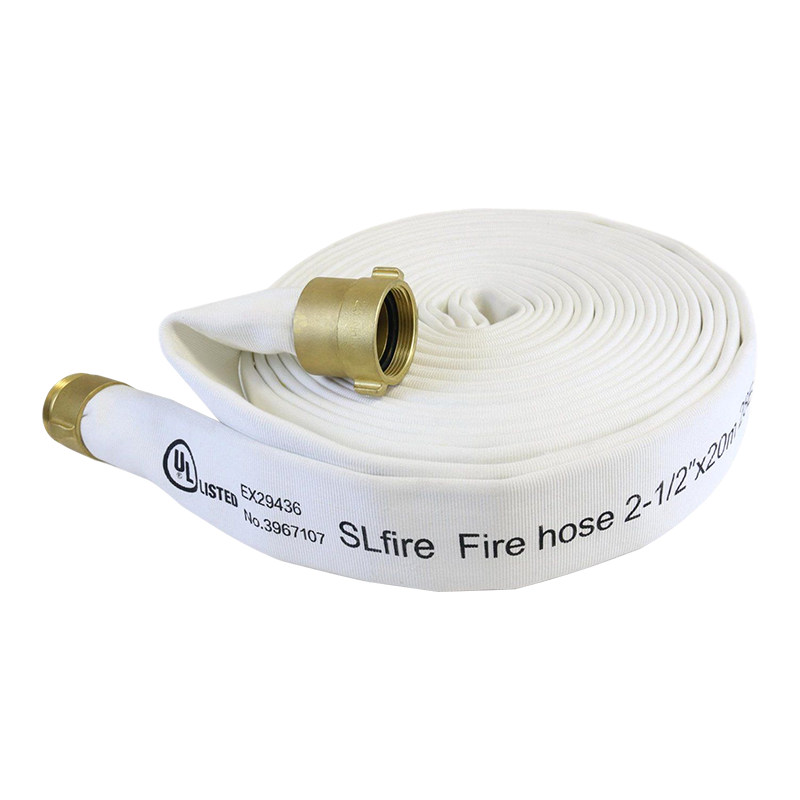
Single jacket, EPDM rubber liner Features • 100% high tenacity polyester jacket, high-grade EPDM rub...
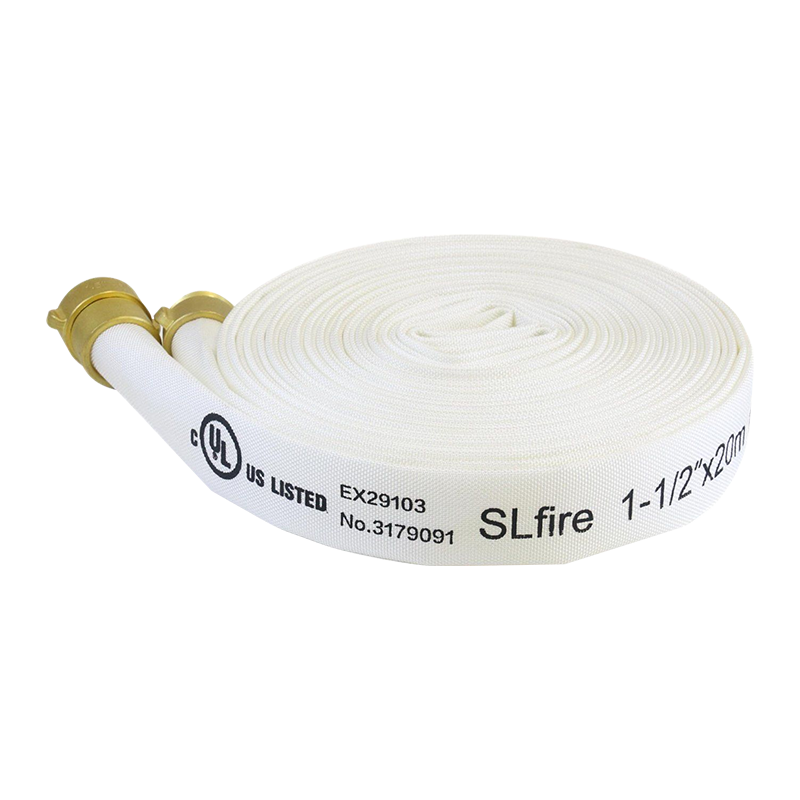
Single jacket, TPU liner •High-tenacity polyester yarn, circular woven in twill weave/plain weave,T ...
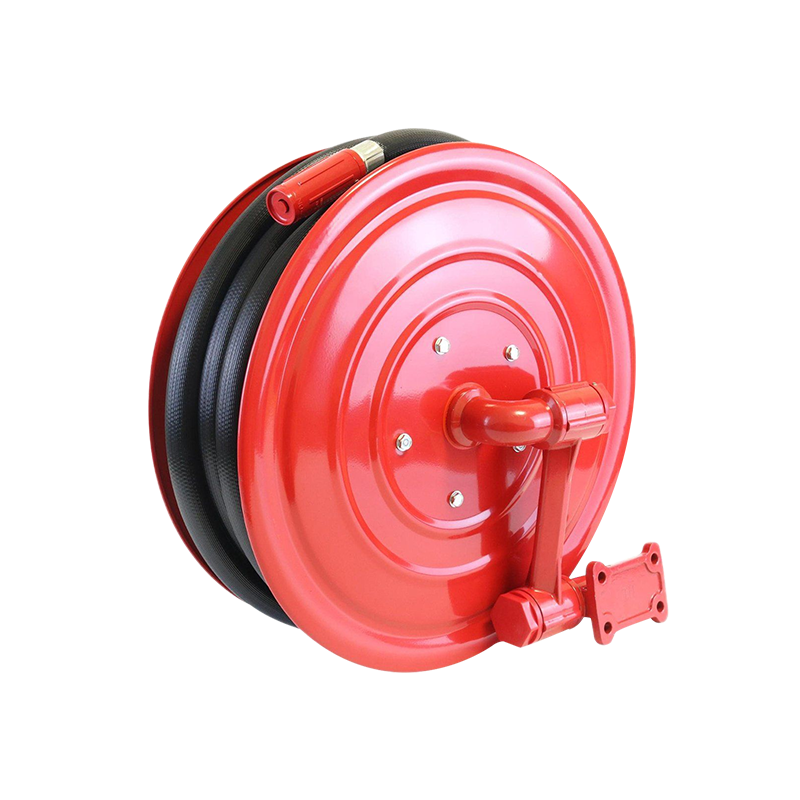
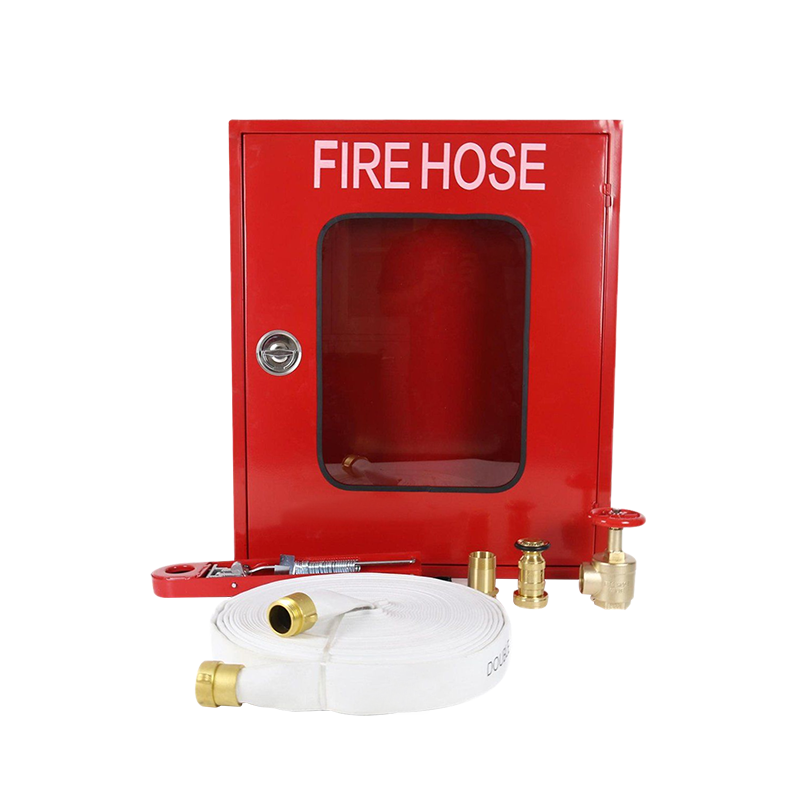
Fire cabinets are designed to accommodate fire hose,valve and other firefighting equipment. Type 201...
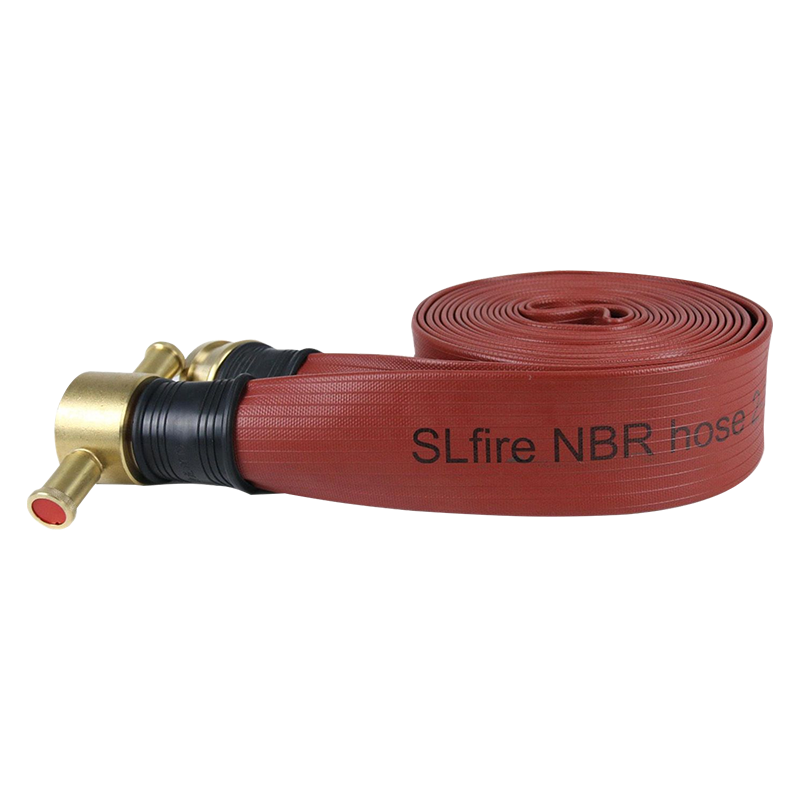
Nitrile covered hose •Nitrile/TPR blend as cover and lining, with 100% high-tenacity polyester yarn ...
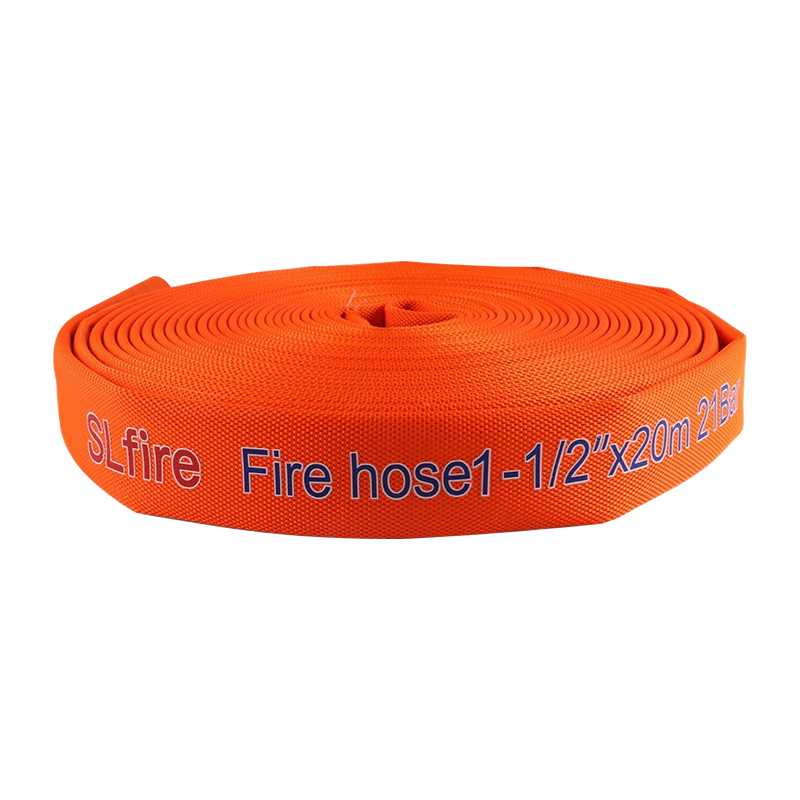
Single jacket, TPU liner •High-tenacity polyester yarn, circular woven in twill weave, TPU lining, f...
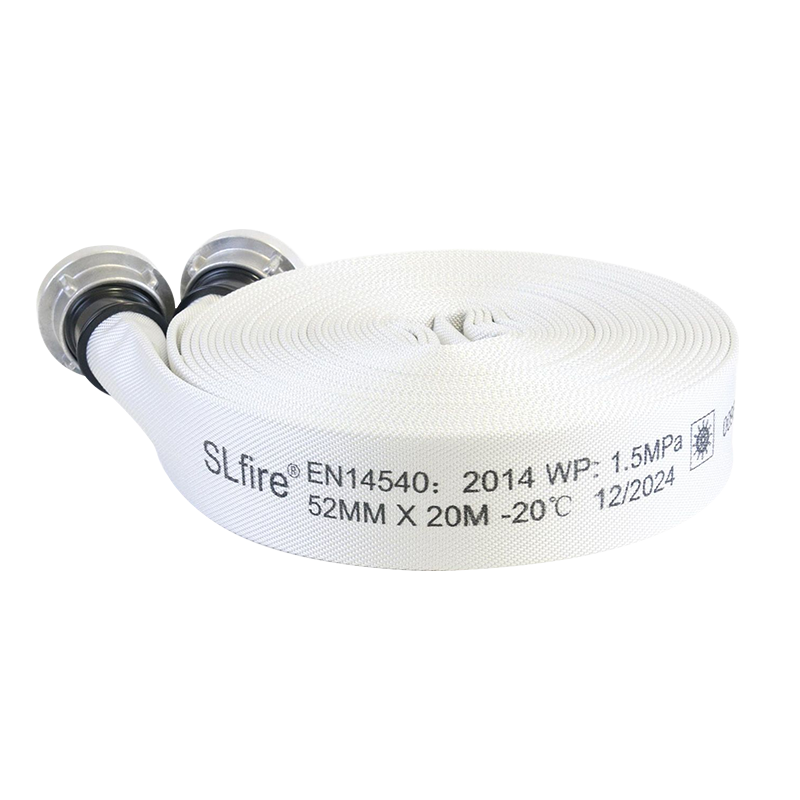
Marine hose Single jacket, PVC liner •100% high tenacity polyester yarn, circular woven in twill wea...
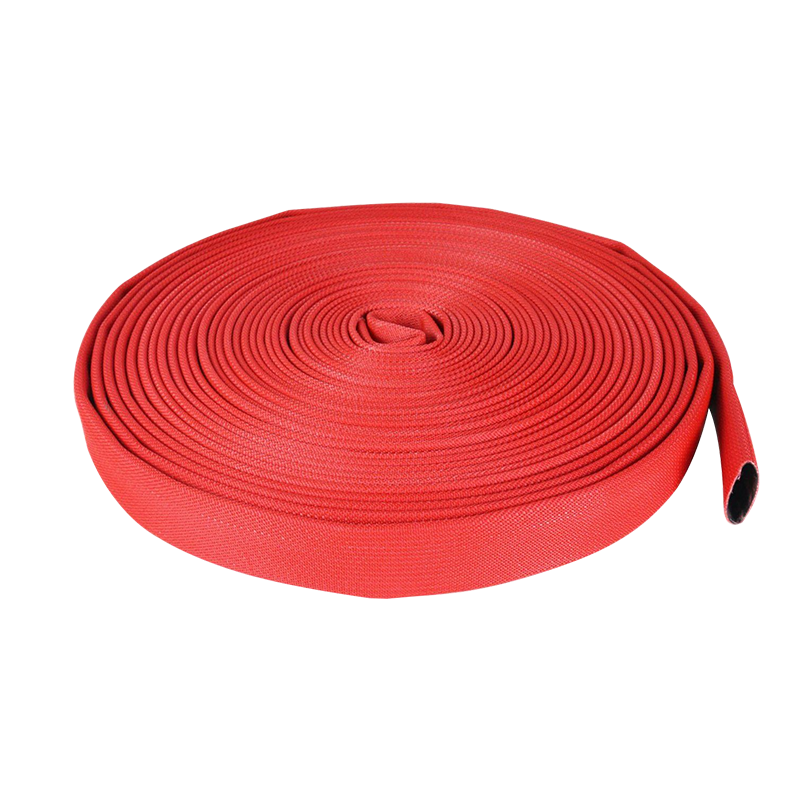
Marine hose Single jacket, PVC liner, PU coated •100% high tenacity polyester yarn,c ircular woven i...
 Call Us
+86 159-5116-9511
Need Support
Head Office
No.58, Kechuang Road, Sixiang Street Medicine Gaoxin District Taizhou City, Jiangsu Province

What Is a Fire Hose? A fire hose is a high-pressure flexible hose designed to carry water or fire retardant chemicals from a water source, such as a hydrant, pump, or tank, to a fire for suppression p...
Copyright © Taizhou Shenlong Fire Science and Technology Co., Ltd. All Rights Reserved.
 Fire Hose Manufacturers, Fire Hydrant Hose Factory