

 English
 русский
 Español
 Deutsch
 عربى
عربى Français
 Português
Don't hesitate to send a message

Single jacket, EPDM rubber liner Features • 100% high tenacity polyester jacket, high-grade EPDM rub...
Content
In firefighting, industrial water delivery, irrigation networks, petroleum handling, and chemical transfer, a hose system is only as dependable as the coupling that connects it. A hose may be strong, flexible, and pressure-resistant, but without a reliable coupling, the entire assembly can become vulnerable to leakage, separation, difficult operation, and premature service failure. The 16 Bar working pressure American Hose Coupling is designed to solve these problems through a combination of robust materials, precise casting, practical thread compatibility, and user-friendly operation.
This coupling is engineered for demanding environments where connection security, pressure stability, and speed of use matter. Manufactured from high-quality aluminum alloy or brass, it is suitable for applications that require both mechanical strength and corrosion resistance. With a working pressure rating of 16 Bar, compatibility with common American thread standards such as NH/NST and NPSH/NPT, and available sizes of 1-1/2 inches and 2-1/2 inches, it offers a practical solution for fire protection systems, irrigation equipment, petroleum transfer, and chemical service.
Unlike ordinary low-cost couplings that may compromise on material density, dimensional consistency, surface finishing, or thread accuracy, this American Hose Coupling is produced with attention to long-term performance. The casting process helps form a strong coupling body, while vibratory grinding improves surface finish, reduces sharp edges, and supports a more professional appearance. The result is a coupling that is not only durable but also easy to handle, easy to connect, and economical over its service life.
16Bar Working pressure American Hose Couplings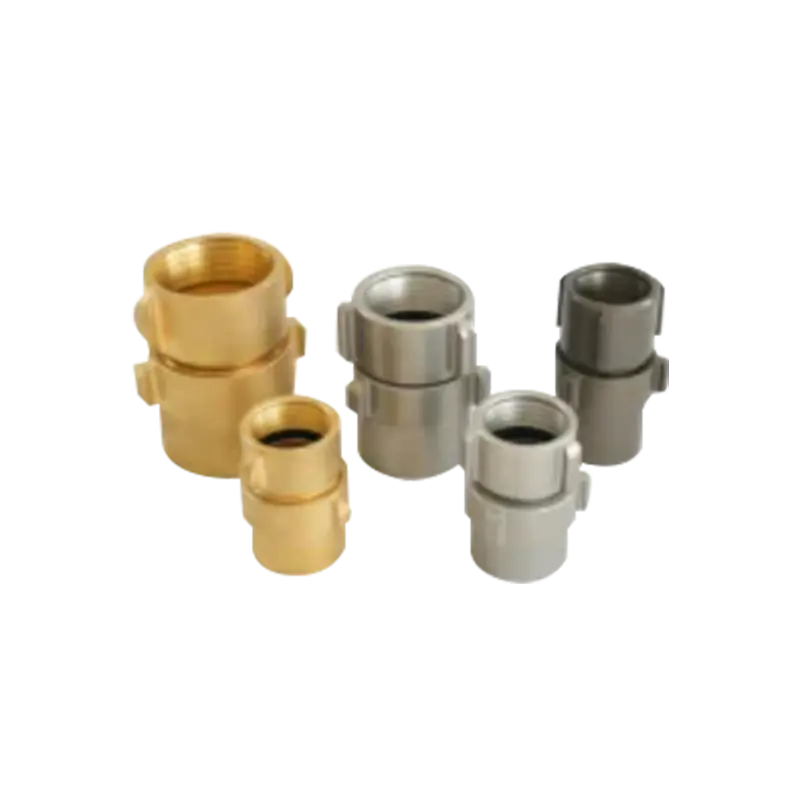
The 16 Bar American Hose Coupling is a hose connection component designed for quick, secure, and efficient fluid transfer. It serves as the interface between hoses, nozzles, hydrants, valves, pumps, and other equipment. In practical field use, the coupling must withstand internal pressure, external handling, environmental exposure, repeated connection cycles, and the mechanical stress caused by hose movement. This product is built to meet those requirements while remaining simple to operate.
The coupling is available in aluminum alloy and brass. Aluminum alloy provides a lightweight structure that is especially useful for firefighting and mobile hose deployment, where operators must carry, drag, connect, and disconnect hose assemblies rapidly. Brass provides excellent strength, solid feel, and dependable resistance in many water and industrial service conditions. By offering both material options, the product can be matched to different application priorities, whether the user values reduced weight, traditional durability, or specific compatibility with existing equipment.
The product is designed according to NFPA-related requirements, supporting professional use in fire protection and emergency environments. Its 16 Bar working pressure rating makes it suitable for systems that require stable performance under pressure. Although actual working conditions vary depending on hose type, fluid, temperature, installation method, and maintenance, the 16 Bar rating provides a strong foundation for many standard fire and industrial fluid transfer operations.
The available sizes, 1-1/2 inches and 2-1/2 inches, are common in firefighting and industrial hose systems. These sizes support widely used hose configurations and allow compatibility with many types of fire hose, hydrant hose, pump outlet hose, and utility hose. Thread options include NH/NST and NPSH/NPT, which are commonly used American thread systems. This compatibility reduces the risk of mismatching components and helps customers integrate the coupling into existing equipment fleets.
| Product Type | American Hose Coupling |
| Working Pressure | 16 Bar |
| Material Options | Aluminum Alloy or Brass |
| Manufacturing Method | Casting |
| Surface Treatment | Vibratory Grinding |
| Standard | NFPA-Oriented Design |
| Available Sizes | 1-1/2 inches and 2-1/2 inches |
| Thread Options | NH/NST and NPSH/NPT |
| Main Applications | Firefighting, Irrigation, Petroleum, Chemicals |
| Main Features | Tool-free operation, fair corrosion and chemical resistance, economical performance |
In a hose assembly, the coupling is a small component compared with the length of the hose, but it carries a critical responsibility. It is the point where pressure, mechanical force, sealing, alignment, and operator handling all meet. If the coupling is poorly manufactured, the user may experience leaks, difficult assembly, cross-threading, loosening under pressure, corrosion, deformation, or complete connection failure.
For firefighting, coupling reliability can influence response speed and operational safety. Firefighters must often connect hose lines in urgent conditions, sometimes in darkness, smoke, rain, mud, or high-stress environments. A coupling that requires extra tools, excessive force, or repeated adjustment wastes time. A coupling that fails under pressure can disrupt water supply and create hazards. Therefore, smooth engagement, stable sealing, and pressure endurance are essential.
For irrigation, coupling reliability affects water distribution efficiency. Leaking couplings waste water, reduce pressure at the discharge point, and increase pumping costs. Agricultural operations often require long hose runs and frequent repositioning. A coupling that is easy to operate and resistant to reasonable outdoor exposure can improve productivity and reduce downtime.
For petroleum and chemical applications, couplings must be chosen carefully according to the fluid and operating conditions. A secure coupling reduces the risk of spillage and helps maintain a cleaner working environment. Material selection, thread compatibility, and pressure capacity all contribute to safer handling. While every chemical or petroleum application should be evaluated according to the specific medium, temperature, and regulatory requirements, a well-made coupling provides a dependable mechanical foundation.
Compared with generic couplings that are manufactured without strict dimensional control or finishing processes, the 16 Bar American Hose Coupling delivers more predictable performance. Its design focuses on pressure service, operator convenience, material integrity, and practical compatibility. These advantages are especially important for customers who need consistent quality across repeated purchases, multiple project locations, or export markets.
Material selection is one of the most important decisions in coupling design. The materials used in this American Hose Coupling are aluminum alloy and brass, each offering distinct advantages. The ability to supply both options gives users flexibility and allows the coupling to be adapted to different operating environments.
Aluminum alloy is widely used in firefighting and fluid transfer components because it offers a favorable balance between strength and weight. A lighter coupling makes hose handling easier, especially when long hose lines are deployed, carried, dragged, rolled, or stored. In emergency response, reduced weight can support faster movement and lower operator fatigue.
Despite being lightweight, aluminum alloy can provide strong mechanical performance when properly cast and finished. The coupling body must resist pressure forces, thread stress, impact during handling, and repeated connection cycles. High-quality aluminum alloy helps the coupling maintain shape and function under demanding use. It is also suitable for applications where portability and quick deployment are priorities.
Aluminum alloy also has natural corrosion-resisting characteristics due to the formation of a protective oxide layer. In many water transfer and outdoor environments, this can help maintain product appearance and function. However, as with any metal, proper maintenance and suitable application matching are important. After exposure to aggressive fluids or contaminated environments, cleaning and inspection can help extend service life.
Brass is a long-established material for hose couplings, valves, nozzles, and fittings. It is valued for its durability, good machinability, corrosion resistance in many water service environments, and solid mechanical feel. Brass couplings are often preferred where users want a heavier-duty component with strong thread performance and traditional long-term dependability.
In many firefighting and industrial settings, brass offers excellent resistance to wear from repeated connection and disconnection. Its surface properties can support smooth thread engagement when properly manufactured. Brass can also be suitable in environments where aluminum may not be the preferred choice due to compatibility concerns. The availability of brass gives customers a dependable option for demanding service conditions.
By producing the coupling in both aluminum alloy and brass, the manufacturer provides a practical advantage over suppliers that offer only one material. Customers can choose aluminum alloy for reduced weight and cost-effective mobility, or brass for enhanced robustness and traditional fire-service preference. This flexibility helps distributors, contractors, and end users meet different project specifications with fewer sourcing complications.
The product is manufactured by casting, a process well suited for producing coupling bodies with practical shapes, stable structures, and repeatable form. Casting allows molten metal to be shaped into the required coupling geometry, including the body profile and connection features. When controlled properly, casting supports efficient production while maintaining the mechanical integrity needed for pressure service.
In coupling manufacturing, casting quality is essential. Defects such as porosity, incomplete filling, uneven wall thickness, or dimensional inconsistency can weaken the product or interfere with assembly. A strong manufacturing system must therefore control raw material selection, melting temperature, mold preparation, pouring technique, cooling conditions, and post-casting inspection.
Advanced production capability is reflected in the consistency of the finished coupling. A professional manufacturer understands that customers are not buying only a single fitting; they are buying repeatable connection performance. Every batch must meet expectations for size, pressure capability, thread compatibility, appearance, and usability. Through accumulated production experience and process control, the manufacturer can deliver couplings that are suitable for large orders and long-term supply programs.
Taizhou Shenlong Fire Science and Technology Co., Ltd. was founded in 1995 and has developed extensive experience in fire hose and related product manufacturing. The company integrates research and development, production, sales, and service. This integrated structure is a strength because coupling performance does not exist separately from hose performance. A company familiar with fire hoses, lined hoses, rubber products, PVC products, polyurethane products, double-sided tape products, and export requirements is better positioned to understand the connection needs of real hose systems.
The casting process used for the American Hose Coupling is supported by the company’s broader manufacturing knowledge. Fire-service products demand reliability, and the company’s long history in serving fire protection, construction, water conservancy, and other industries provides practical insight into field requirements. This experience helps ensure that the coupling is not merely manufactured to look correct but is designed and produced with the realities of installation and operation in mind.
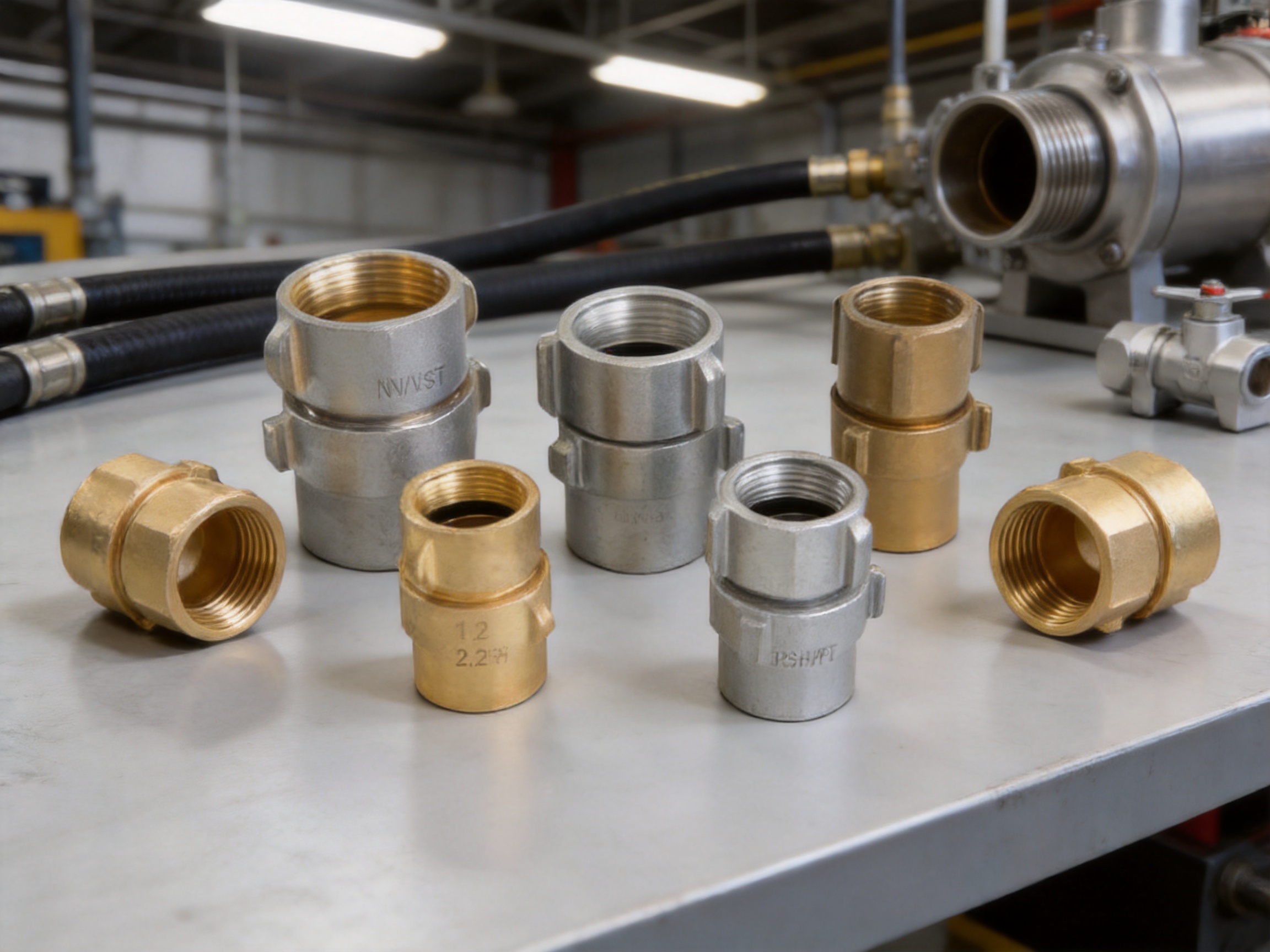
After casting, the surface condition of a coupling can influence safety, appearance, handling comfort, and assembly quality. Vibratory grinding is used as the surface treatment for this product. This process helps remove burrs, smooth edges, improve surface uniformity, and create a cleaner finished appearance. For a component handled frequently by operators, these details matter.
A coupling with rough edges or casting flash can scratch gloves, damage hose surfaces, interfere with proper connection, or create an unprofessional impression. Vibratory grinding reduces these issues. It supports a more refined surface that is easier to handle and more attractive for commercial supply. In export markets, visual quality can be important because customers often judge manufacturing care by the finish of the product.
Surface finishing also supports long-term maintenance. A smoother surface is generally easier to clean after exposure to mud, water, chemicals, or petroleum residues. In firefighting, couplings may be dragged across roads, concrete, soil, or debris. In irrigation, they may be used in fields and exposed to dirt and moisture. In industrial transfer, they may encounter oils or chemical splashes. A well-finished coupling is easier to inspect and maintain.
Compared with low-end products that may skip adequate finishing to reduce cost, this coupling’s vibratory grinding process provides a meaningful advantage. It improves user experience without overcomplicating the product. The coupling remains economical, but it does not ignore surface quality. This balance between cost and finish is one of the reasons the product is attractive to users who want dependable performance at a reasonable value.
A 16 Bar working pressure rating gives the coupling the capacity needed for many firefighting, irrigation, and industrial hose systems. Pressure rating is not only a number; it reflects the strength of the coupling body, the quality of materials, the accuracy of manufacturing, and the reliability of the connection interface. Under pressure, weak couplings may deform, leak, or separate. A well-designed coupling maintains structural stability and supports safe fluid delivery.
In fire protection applications, water supply pressure can vary depending on pumps, hydrants, hose length, elevation, nozzle selection, and operational strategy. A coupling rated for 16 Bar provides a strong working margin for many standard configurations. It is especially useful where the user needs confidence in the hose line connection during active operation.
In irrigation, pumping systems can generate significant pressure to move water across large fields, through long hose lines, or to elevated areas. A 16 Bar coupling helps maintain system integrity and reduces the likelihood of leakage at connection points. This supports better water use efficiency and more stable irrigation output.
In petroleum and chemical transfer, pressure stability must be considered together with fluid compatibility. The coupling’s pressure rating provides mechanical capability, while material choice must be matched to the medium. Aluminum alloy and brass offer broad utility, but users should always confirm compatibility with specific chemicals, fuels, additives, and operating temperatures. When correctly applied, the coupling can provide secure transfer performance in demanding environments.
Thread compatibility is one of the most important practical factors when selecting an American Hose Coupling. This product is available with NH/NST and NPSH/NPT thread options, allowing it to serve different hose and equipment configurations. Proper thread matching ensures that the coupling connects securely, seals correctly, and avoids damage caused by forced assembly.
NH, also known as NST, is commonly associated with fire hose threads in the United States. Many fire departments and fire protection systems use NST thread configurations. For firefighting applications, compatibility with NH/NST is essential because mismatched threads can delay operations or make equipment unusable. A coupling designed for this standard helps ensure that hoses, hydrants, adapters, nozzles, and other components work together as intended.
NPSH and NPT are also widely used in industrial, water transfer, and utility applications. NPT is a tapered pipe thread commonly used for threaded pipe connections, while NPSH is a straight hose thread. The availability of NPSH/NPT options gives the coupling broader application flexibility. Customers can select the thread type required for their existing equipment or project specification.
This thread versatility gives the product an advantage over competitors with limited configurations. A distributor or contractor may need to supply couplings for different markets, departments, and installation standards. Having multiple thread options reduces sourcing complexity and supports faster delivery for varied customer needs. It also reduces the risk of purchasing a coupling that cannot be used with existing systems.
The coupling is available in 1-1/2 inch and 2-1/2 inch sizes, two widely used dimensions in fire and industrial hose applications. The 1-1/2 inch size is commonly used for smaller handlines, utility water transfer, and certain firefighting operations. It offers a balance between flow capacity and manageable hose weight. The 2-1/2 inch size is commonly used where higher water volume is required, such as larger fire hose lines, hydrant connections, pump discharge lines, and industrial transfer operations.
By offering these two sizes, the coupling covers many common use cases without forcing users into uncommon or difficult-to-source configurations. Fire departments, contractors, agricultural operators, and industrial users can often integrate these sizes into existing equipment inventories. This simplifies purchasing and replacement planning.
The availability of common sizes also improves market acceptance. Distributors prefer products that can serve broad demand. Contractors prefer products that match project specifications. End users prefer products that can be replaced easily when needed. The 1-1/2 inch and 2-1/2 inch sizes provide this practical compatibility.
One of the product’s important advantages is easy operation without tools. In many field environments, workers need to connect and disconnect hoses quickly. Searching for tools, tightening difficult fittings, or correcting misaligned connections can waste valuable time. A coupling designed for tool-free operation improves efficiency and reduces dependence on extra equipment.
In firefighting, speed can be critical. Hose teams need couplings that can be connected quickly under stressful conditions. Tool-free operation supports rapid hose deployment, faster water delivery, and smoother coordination among crew members. It also reduces the chance that a missing or misplaced tool will delay the operation.
In irrigation, operators may move hoses across fields or connect different sections during the day. Tool-free connection reduces labor time and makes system adjustment easier. This can be especially valuable during seasonal operations when irrigation schedules are tight and equipment must be repositioned frequently.
In industrial use, tool-free operation supports safer and more convenient workflow. Workers can make connections with less physical strain and fewer extra steps. This is especially helpful in facilities where hose lines are connected and disconnected repeatedly for washing, transfer, drainage, or temporary service.
Compared with couplings that require special tools or excessive force, this product offers practical convenience. Ease of use is not merely a comfort feature; it contributes to productivity, safety, and operational reliability.
The coupling provides fair corrosion and chemical resistance, making it suitable for a variety of challenging service conditions. Corrosion resistance is important because hose couplings are often exposed to water, moisture, outdoor air, soil, industrial residues, and cleaning agents. A coupling that corrodes quickly may become difficult to connect, lose mechanical strength, or produce unreliable sealing performance.
Aluminum alloy and brass both offer useful corrosion resistance in many environments. Aluminum alloy forms a natural oxide layer that helps protect the surface, while brass is known for good durability in many water-related applications. However, material compatibility should always be considered. Some chemicals, salts, acids, alkalis, or petroleum additives may affect metals differently. Users should evaluate the intended medium and environment before final selection.
The surface treatment also contributes to practical durability by improving finish quality. A smoother surface can reduce areas where dirt and residues accumulate. It can also make cleaning easier after use. Proper cleaning, drying, storage, and inspection further enhance corrosion resistance and service life.
The product’s resistance characteristics give it an advantage over couplings made from inferior metals or poorly controlled alloys. Low-grade materials may corrode, crack, or wear faster, leading to more frequent replacement. A coupling made from quality aluminum alloy or brass offers better long-term value and helps reduce operational interruptions.
The coupling is described as economical, but economy should not be understood only as low purchase price. True economic value includes durability, ease of use, compatibility, reduced downtime, lower replacement frequency, and stable performance. A coupling that costs slightly less but fails early, leaks frequently, or damages other components may become expensive over time. A well-made coupling provides better value because it performs consistently throughout its service life.
The 16 Bar American Hose Coupling is economical because it combines proven materials, efficient casting, practical finishing, and broad compatibility. The manufacturing process supports reliable production without unnecessary complexity. The product is not overdesigned for exotic applications, but it is strong and practical for everyday demanding use. This makes it attractive to customers who need dependable couplings in quantity.
For distributors, economic value also means marketability. A coupling with common sizes, recognized thread options, and practical material choices is easier to sell. It can serve fire protection customers, agricultural customers, industrial customers, and municipal customers. This broad application range improves inventory efficiency.
For contractors, economic value means fewer delays on site. If the coupling fits correctly, connects smoothly, and withstands working pressure, installation and operation proceed more efficiently. Fewer leaks and mismatches mean less rework and fewer emergency replacements.
For end users, economic value means confidence. A dependable coupling allows the hose system to be used when needed. Whether the task is fighting a fire, irrigating crops, transferring petroleum products, or handling compatible chemicals, reliable connection performance directly supports productivity and safety.
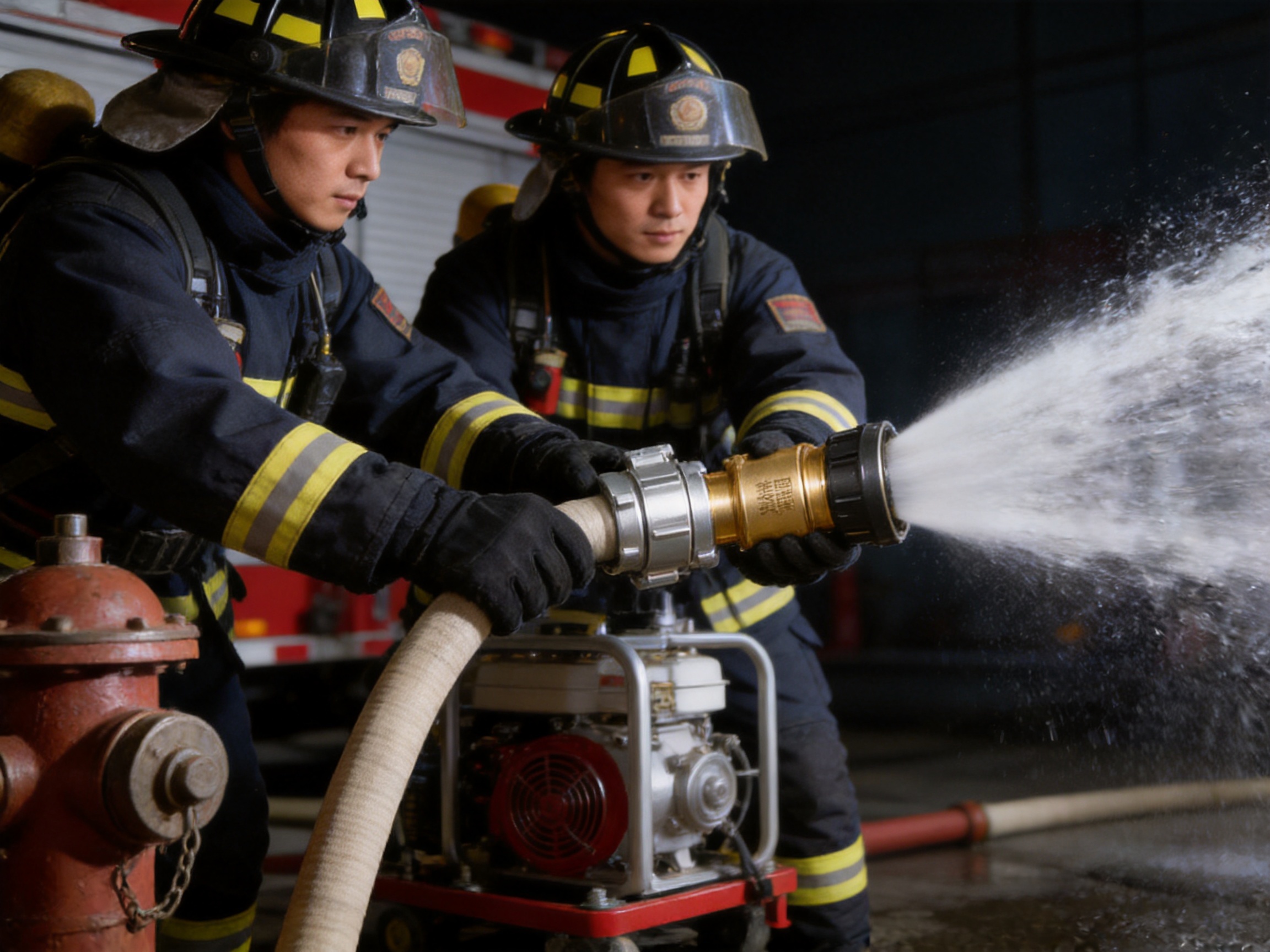
Firefighting is one of the most important applications for American Hose Couplings. Fire hose systems must deliver water quickly and reliably under pressure. Couplings are used to connect hose sections, hydrants, pumps, nozzles, valves, and adapters. In these systems, a coupling must be strong, fast to operate, and compatible with established thread standards.
The 16 Bar working pressure rating supports many firefighting operations. The NH/NST thread option is particularly relevant because it is widely used in fire service equipment. The availability of 1-1/2 inch and 2-1/2 inch sizes further supports common fire hose configurations. These features make the coupling suitable for fire departments, fire protection contractors, building fire systems, emergency response suppliers, and municipal equipment inventories.
Tool-free operation is especially valuable in firefighting. During an emergency, firefighters need to connect hose lines rapidly. A coupling that is easy to handle reduces delay and supports efficient deployment. The smooth finish produced by vibratory grinding also improves handling, especially when gloves are worn.
The manufacturer’s background in fire hose production strengthens the reliability of this product. Since the company specializes in various lined fire hoses and related products, it understands the importance of coupling compatibility with hose assemblies. This integrated knowledge helps ensure that the coupling meets the practical expectations of fire protection users.
Irrigation systems rely on efficient water movement. Couplings connect hose sections, pumps, sprinklers, valves, manifolds, and distribution lines. In agricultural environments, equipment may be exposed to soil, moisture, sunlight, fertilizers, and rough handling. A coupling must be durable enough for outdoor use while remaining easy to connect and disconnect.
The American Hose Coupling supports irrigation work through its pressure rating, practical sizes, and simple operation. A 16 Bar working pressure rating can support many pumping and water transfer tasks. The 1-1/2 inch size may be useful for moderate flow applications, while the 2-1/2 inch size can support larger water movement requirements. Thread options allow integration with compatible equipment.
Tool-free operation helps agricultural workers save time when repositioning hoses or modifying irrigation layouts. This is valuable during peak growing seasons when water scheduling is important. The coupling’s economical nature also matters in agriculture, where large systems may require many fittings and cost control is important.
Compared with lower-quality irrigation couplings that may leak, corrode, or become difficult to operate after repeated outdoor exposure, this product offers improved durability and usability. Proper maintenance, including cleaning after field use and storing in a dry location when not needed, can further extend service life.
Petroleum transfer applications require careful attention to safety, sealing, pressure, and material compatibility. Hose couplings may be used in fuel handling, oil transfer, maintenance operations, drainage, or temporary fluid movement. A coupling for petroleum-related work must be selected according to the specific fluid, temperature, pressure, and regulatory environment.
The 16 Bar American Hose Coupling can serve petroleum transfer applications when the selected material is compatible with the medium and the system requirements. Brass and aluminum alloy are both used in many industrial fittings, but compatibility should always be verified. Operators should consider the type of petroleum product, additives, exposure duration, and cleaning procedures.
The product’s secure connection design, thread options, and pressure capability support controlled transfer. Tool-free operation can also improve workflow in maintenance and service environments. However, users should always follow safety procedures, including grounding and bonding where required, spill prevention, proper hose selection, pressure control, and inspection before use.
The advantage of this coupling in petroleum service is its practical balance of strength, convenience, and economy. It is not a fragile general-purpose fitting; it is a pressure-rated hose coupling designed for demanding fluid transfer. When properly matched to the application, it can contribute to safer and more efficient operation.
Chemical handling is another application area for the coupling, but it requires responsible selection. Chemical compatibility depends on the exact chemical, concentration, temperature, pressure, exposure time, and cleaning method. Aluminum alloy and brass may be suitable for some chemical environments and unsuitable for others. Therefore, users should confirm compatibility before use.
When matched correctly, the coupling provides a secure mechanical connection for chemical transfer hoses. The 16 Bar pressure rating supports systems that require reliable performance under pressure. The surface finish supports easier cleaning and inspection. Tool-free operation can improve efficiency in facilities where hoses are frequently connected and disconnected.
In chemical handling, coupling quality is especially important because leaks can create safety risks, environmental concerns, and product loss. A well-made coupling with accurate threads and stable structure reduces the likelihood of mechanical connection problems. Compared with poorly finished or low-grade couplings, this product provides a more dependable option for compatible chemical applications.
Taizhou Shenlong Fire Science and Technology Co., Ltd. was founded in 1995, giving the company decades of experience in fire protection product manufacturing. Its main products include various materials of lined fire hoses, and it can also undertake production of rubber, PVC, polyurethane, and double-sided tape products according to customer requirements. This range demonstrates manufacturing flexibility and technical adaptability.
The company integrates research and development, production, sales, and service. This structure is important because modern customers expect more than a product shipment. They need technical communication, consistent quality, customization capability, timely delivery, and after-sales support. A manufacturer with integrated capabilities can respond more effectively to customer requirements and market changes.
The company’s products are widely used in fire protection, construction, water conservancy, and other industries. These industries demand durable products and stable supply. Fire protection requires reliability under emergency conditions. Construction requires practical and rugged equipment. Water conservancy requires products that can support large-scale water movement. Experience across these sectors strengthens the company’s understanding of real-world application needs.
The company also cooperates with domestic foreign trade companies to produce export products for many countries. Export experience matters because international customers often require consistent specifications, documentation, packaging, and quality control. Products must meet different market expectations and perform reliably under varied climates and operating practices. A manufacturer with export experience is better prepared to support global distributors and project buyers.
The 16 Bar American Hose Coupling offers several advantages over ordinary competitor products. These advantages are not based on a single feature but on the combination of material quality, pressure capability, thread compatibility, easy operation, surface finishing, and manufacturing experience.
Some couplings are limited to one thread type or uncommon sizes, which restricts their use. This product supports NH/NST and NPSH/NPT thread options and is available in 1-1/2 inch and 2-1/2 inch sizes. This makes it suitable for a wide range of American-style hose systems. Better compatibility reduces purchasing mistakes and improves field usability.
Some competitors offer only lightweight aluminum or only heavy brass. This product is available in both aluminum alloy and brass, allowing customers to choose according to application needs. Aluminum alloy provides mobility and reduced weight, while brass provides traditional durability and strong service performance.
The 16 Bar working pressure rating supports demanding hose systems. Low-quality couplings may not provide reliable pressure performance or may fail after repeated use. This coupling is designed for pressure service and is suitable for applications where connection reliability is essential.
Vibratory grinding gives the coupling a smoother, cleaner surface. This improves appearance and handling compared with rough, unfinished castings. A better finish also reflects better manufacturing care and supports easier cleaning and inspection.
Tool-free operation gives the coupling a practical advantage in firefighting, irrigation, and industrial use. Workers can connect and disconnect hoses more quickly, improving productivity and reducing operational delays.
The product is supported by a manufacturer with long experience in fire hose production and related fields. This background is valuable because coupling performance is closely connected to hose system performance. A company that understands hoses can produce couplings with better awareness of user needs.
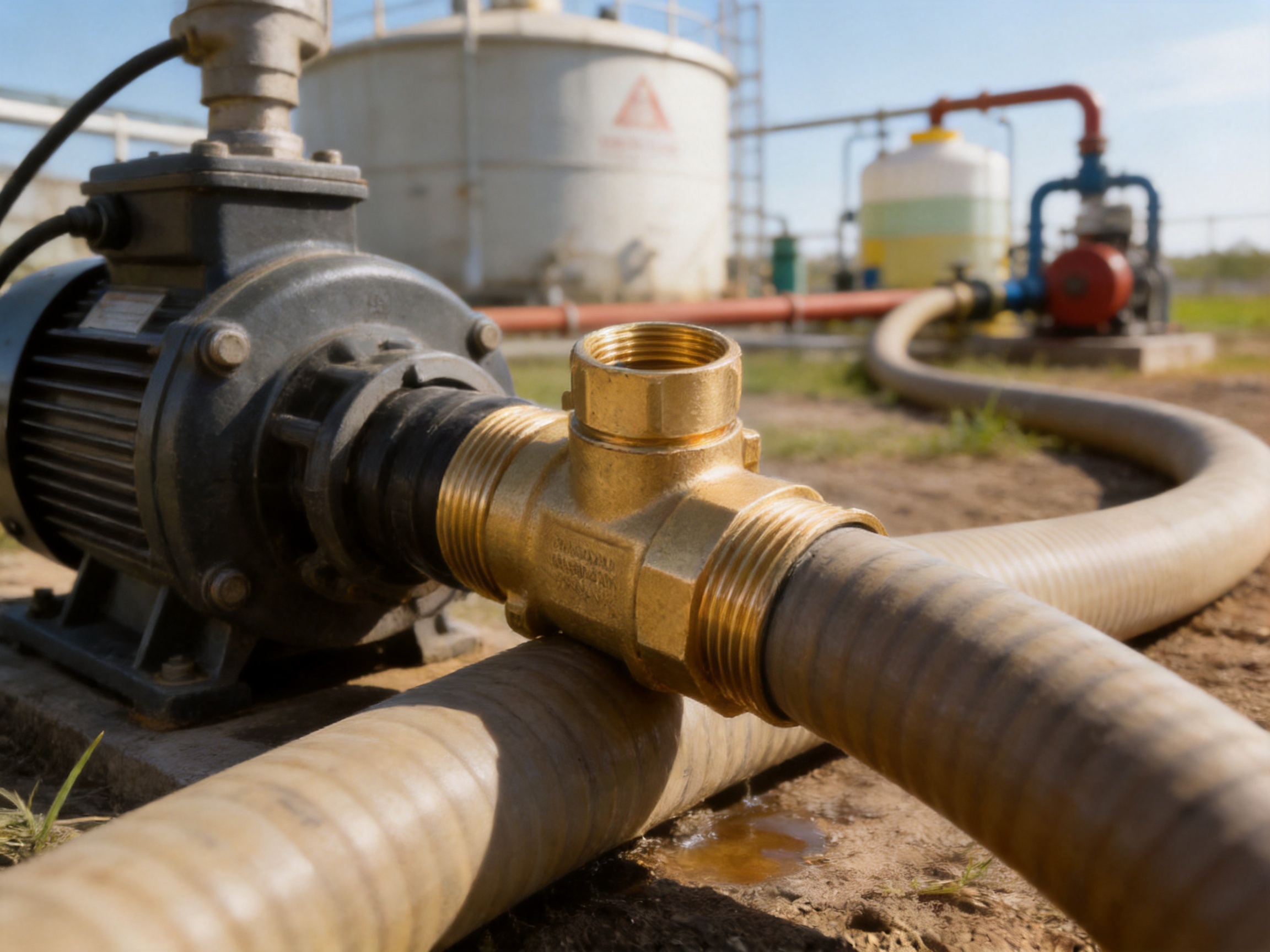
To achieve long-term performance, coupling quality must be supported by proper use and maintenance. Users should inspect couplings before operation, checking for thread damage, cracks, deformation, excessive corrosion, sealing problems, and contamination. A coupling with damaged threads should not be forced into service because cross-threading can damage both the coupling and the connected equipment.
After use, couplings should be cleaned, especially after exposure to mud, salt water, chemicals, petroleum products, or abrasive particles. Residues can affect thread engagement and accelerate corrosion. Drying before storage can help reduce moisture-related deterioration. Couplings should be stored in a clean, dry area and protected from unnecessary impact.
When selecting a coupling for chemical or petroleum service, compatibility should be confirmed. The hose, gasket, coupling material, and connected equipment must all be suitable for the fluid. Pressure rating should also be considered together with temperature, pulsation, and operational conditions. A coupling should never be used beyond its intended working limits.
For firefighting applications, regular inspection is especially important. Fire equipment may remain stored for long periods and then be required immediately in an emergency. Routine maintenance ensures that couplings remain ready for use. Departments and facilities should follow applicable inspection and testing procedures.
A hose system works as a chain of connected components. Hose material, lining, reinforcement, couplings, nozzles, valves, pumps, and operating procedures all influence performance. The coupling supports reliability by providing a secure mechanical and threaded connection. If the coupling is well made, it helps maintain pressure, reduce leakage, and support smooth flow.
The 16 Bar American Hose Coupling contributes to system reliability in several ways. Its material options allow proper selection for the environment. Its casting construction provides a strong body. Its vibratory grinding improves finish and handling. Its thread options support compatibility. Its tool-free operation improves response speed and reduces user difficulty. Its common sizes support standard hose systems.
These features work together. A coupling cannot be judged only by material, only by pressure rating, or only by appearance. A strong material with poor threads can still fail. A smooth finish with weak material is not enough. A pressure rating without compatibility is useless in the field. This product’s value lies in its balanced design, where each feature supports practical performance.
When selecting the 16 Bar American Hose Coupling, customers should begin by confirming hose size. Choose 1-1/2 inches or 2-1/2 inches according to the hose and system flow requirement. Next, confirm thread type. NH/NST should be selected where compatible fire hose thread systems are required. NPSH or NPT should be selected according to the connected equipment and sealing method.
Material selection should be based on the application. Aluminum alloy is recommended where reduced weight and easy handling are important. Brass is recommended where a heavier, traditional, durable coupling is preferred. For chemical and petroleum service, confirm compatibility before ordering.
Working pressure should also be verified. The coupling is rated for 16 Bar, but the complete hose assembly must be rated appropriately. The lowest-rated component in the system determines safe operating capability. Users should ensure that hoses, gaskets, clamps, nozzles, valves, and pumps are suitable for the intended pressure.
Finally, consider the operating environment. For outdoor, marine, chemical, or abrasive environments, maintenance procedures may need to be more frequent. Proper cleaning and storage will help preserve coupling performance.
The coupling is designed for a working pressure of 16 Bar. This makes it suitable for many firefighting, irrigation, petroleum, and compatible chemical transfer applications where reliable pressure performance is required.
The coupling is available in aluminum alloy and brass. Aluminum alloy is lightweight and convenient for mobile hose systems, while brass provides durable, traditional performance for demanding service conditions.
The available sizes are 1-1/2 inches and 2-1/2 inches. These are common sizes used in fire hose systems, hydrant connections, irrigation systems, and industrial transfer applications.
The coupling supports NH/NST and NPSH/NPT thread options. Customers should select the thread type according to the hose, hydrant, valve, nozzle, pump, or adapter being connected.
Yes. One of the product’s key features is easy operation without tools. This improves speed and convenience in firefighting, irrigation, and industrial work.
Yes. The coupling is designed according to NFPA-oriented requirements and is suitable for firefighting applications when selected in the correct size, thread type, and material for the system.
Yes. The coupling is suitable for irrigation systems that require secure hose connections, pressure stability, and easy field operation.
It can be used in petroleum and chemical applications when the coupling material is compatible with the specific fluid and operating conditions. Users should always confirm chemical compatibility before use.
Vibratory grinding improves the surface finish of the coupling. It helps remove burrs, smooth edges, improve handling comfort, and create a cleaner appearance.
Its advantages include quality aluminum alloy or brass construction, 16 Bar working pressure, common American thread compatibility, practical sizes, tool-free operation, vibratory-ground finish, and manufacturing support from an experienced fire product manufacturer.
The 16 Bar American Hose Coupling is a practical, durable, and economical solution for secure fluid transfer in firefighting, irrigation, petroleum, and compatible chemical applications. Its aluminum alloy and brass material options allow users to select the right balance of weight, strength, and durability. Its casting construction provides a strong body, while vibratory grinding improves finish quality and handling comfort. Its compatibility with NH/NST and NPSH/NPT threads, together with 1-1/2 inch and 2-1/2 inch size availability, makes it suitable for many American-style hose systems.
The product’s advantages are strengthened by the manufacturer’s decades of experience in fire hose and related product production. With integrated research and development, production, sales, and service capabilities, the company can support customers with consistent quality, flexible supply, and practical product knowledge. For distributors, contractors, fire protection users, agricultural operators, and industrial buyers, this coupling offers a dependable connection solution that balances performance and cost.
A coupling may appear to be a simple component, but in real operation it plays a critical role in safety, efficiency, and system reliability. By combining pressure capacity, material quality, tool-free operation, surface finishing, and broad compatibility, the 16 Bar American Hose Coupling provides a strong answer to the needs of demanding hose systems.
National Fire Protection Association. NFPA Standards for Fire Hose, Fire Streams, and Fire Service Equipment.
International Organization for Standardization. Metallic Materials and Pressure Equipment Design Principles.
American Society for Testing and Materials. Standard Practices for Aluminum Alloy and Copper Alloy Casting Evaluation.
Industrial Hose and Coupling Association. Technical Guidance for Hose Coupling Selection and Maintenance.
Fire Protection Engineering Handbook. Principles of Fire Hose Systems, Hydrant Connections, and Water Delivery Equipment.
Materials Engineering Reference Manual. Corrosion Behavior of Aluminum Alloys and Brass in Water and Industrial Environments.
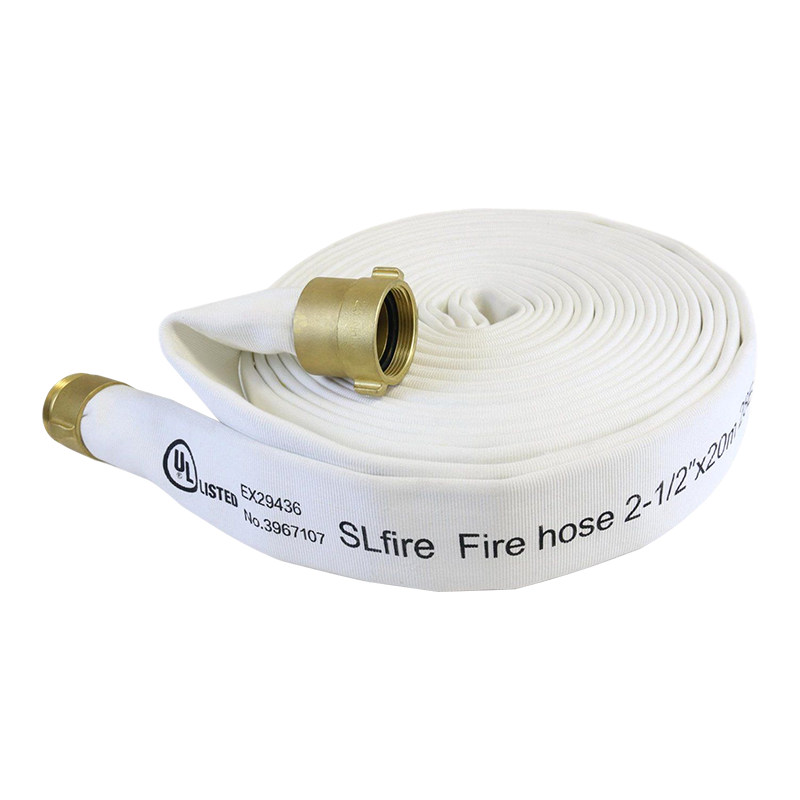
Single jacket, EPDM rubber liner Features • 100% high tenacity polyester jacket, high-grade EPDM rub...
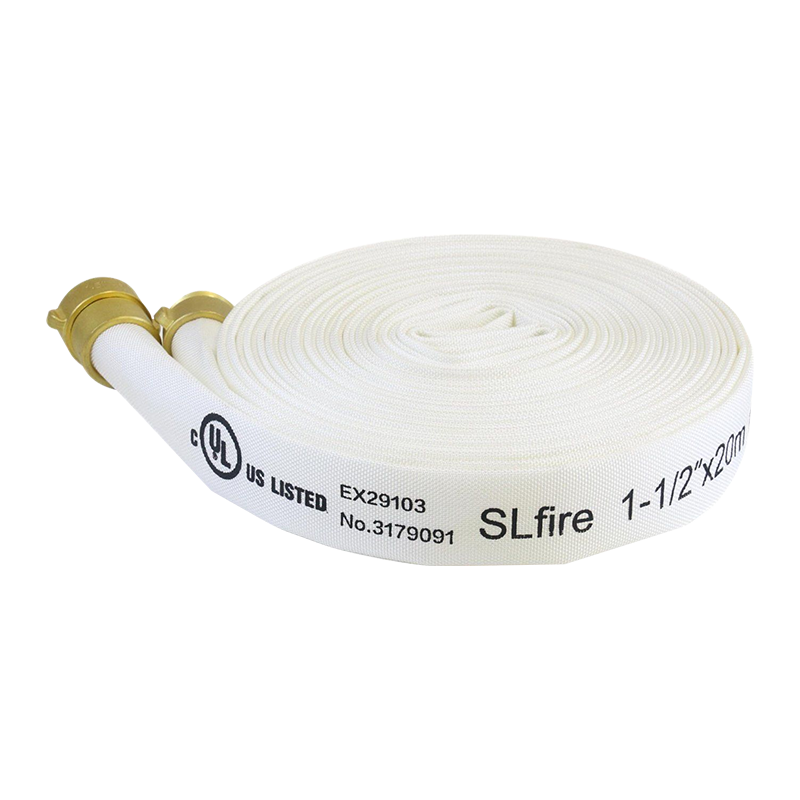
Single jacket, TPU liner •High-tenacity polyester yarn, circular woven in twill weave/plain weave,T ...
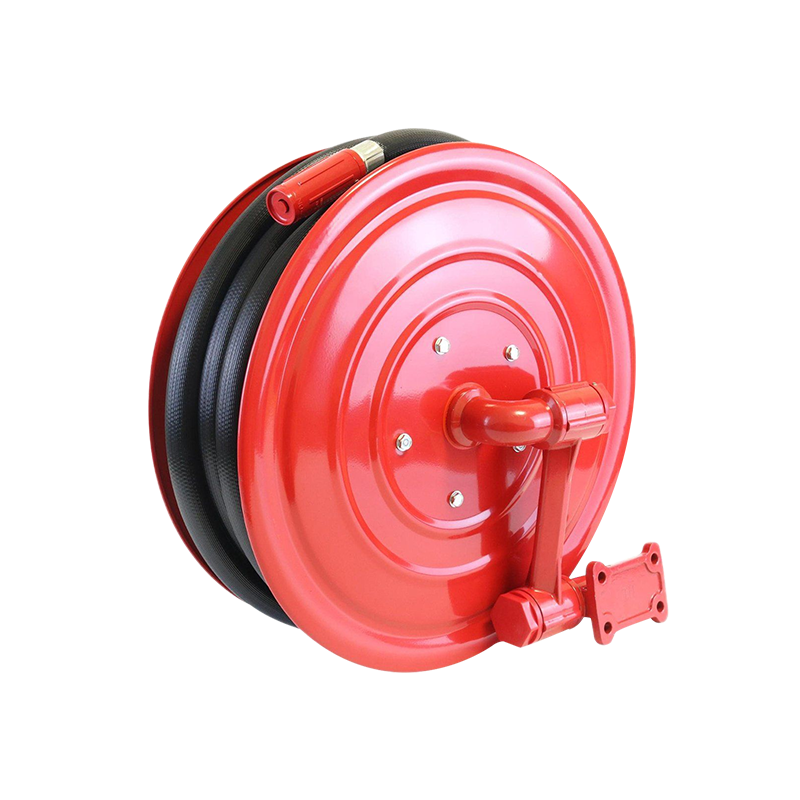
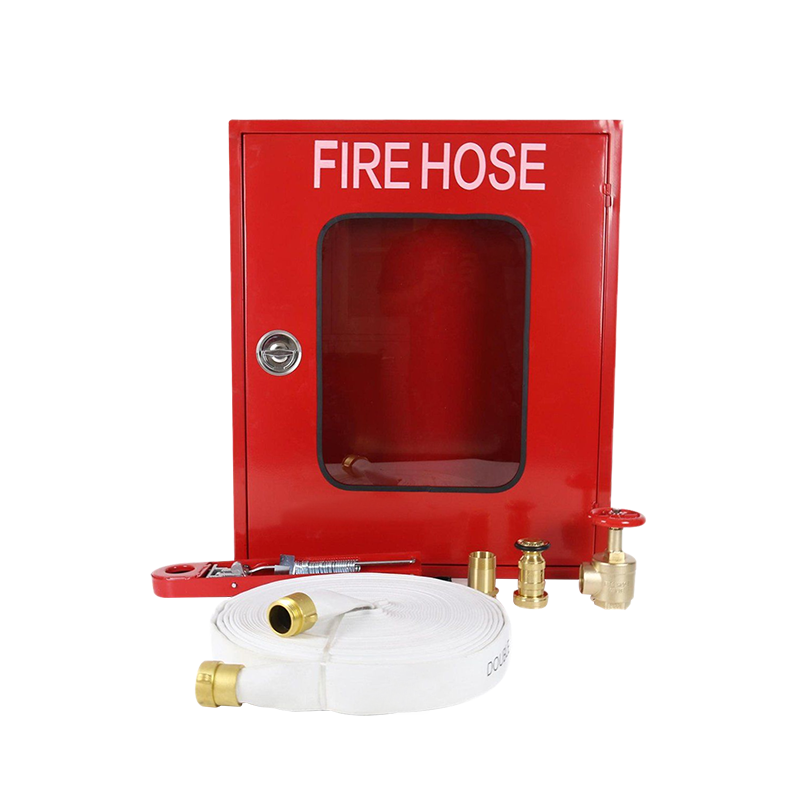
Fire cabinets are designed to accommodate fire hose,valve and other firefighting equipment. Type 201...
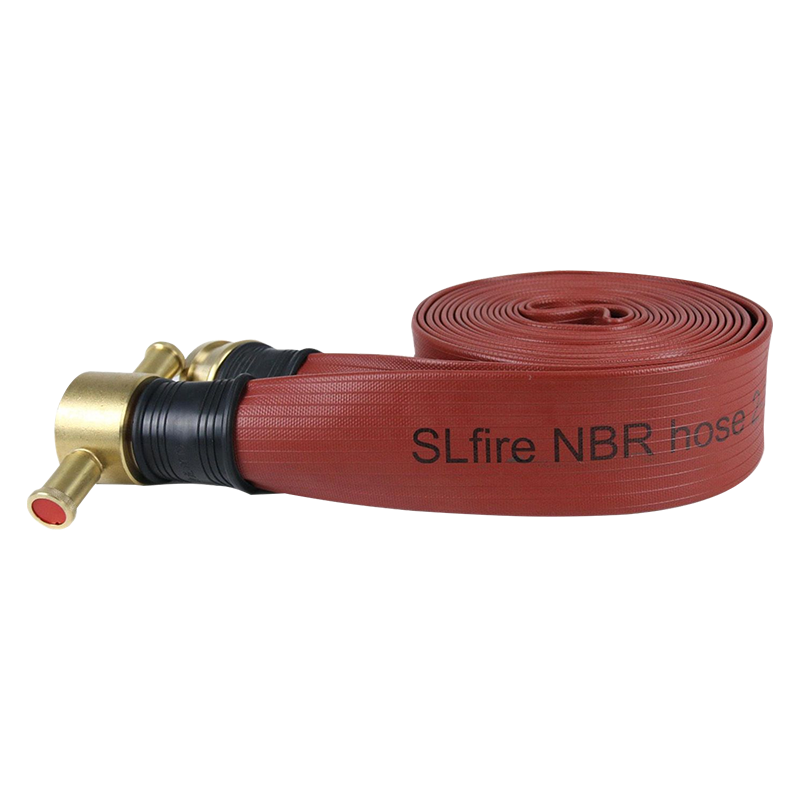
Nitrile covered hose •Nitrile/TPR blend as cover and lining, with 100% high-tenacity polyester yarn ...
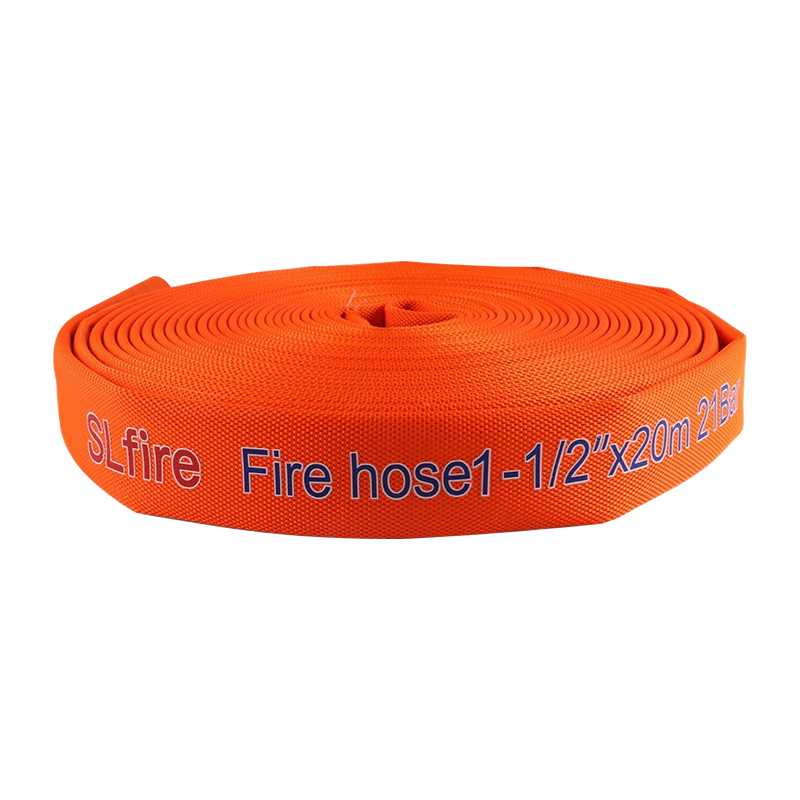
Single jacket, TPU liner •High-tenacity polyester yarn, circular woven in twill weave, TPU lining, f...
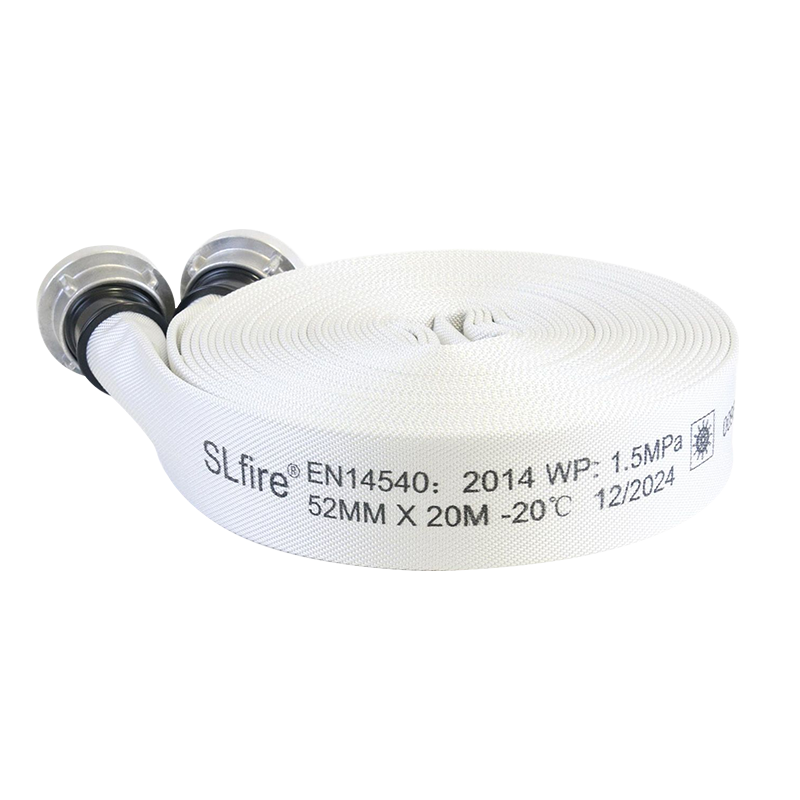
Marine hose Single jacket, PVC liner •100% high tenacity polyester yarn, circular woven in twill wea...
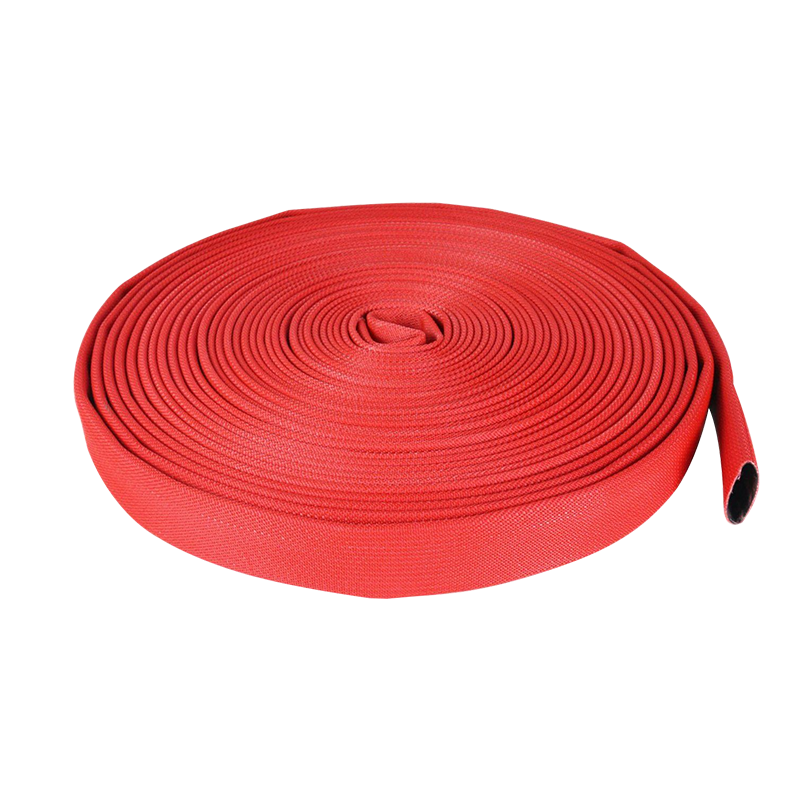
Marine hose Single jacket, PVC liner, PU coated •100% high tenacity polyester yarn,c ircular woven i...
 Call Us
+86 159-5116-9511
Need Support
Head Office
No.58, Kechuang Road, Sixiang Street Medicine Gaoxin District Taizhou City, Jiangsu Province

What Is a Fire Hose? A fire hose is a high-pressure flexible hose designed to carry water or fire retardant chemicals from a water source, such as a hydrant, pump, or tank, to a fire for suppression p...
Copyright © Taizhou Shenlong Fire Science and Technology Co., Ltd. All Rights Reserved.
 Fire Hose Manufacturers, Fire Hydrant Hose Factory