

 English
 русский
 Español
 Deutsch
 عربى
عربى Français
 Português
Don't hesitate to send a message

Single jacket, EPDM rubber liner Features • 100% high tenacity polyester jacket, high-grade EPDM rub...
Content
French DSP hose couplings are practical, robust, and efficient connection components designed for demanding hose systems where fast operation, dependable sealing, and long service life are essential. In firefighting, irrigation, petroleum transfer, chemical handling, and other fluid-control environments, the coupling is often the small component that determines whether a system performs smoothly or fails at a critical moment. A hose may be strong, flexible, and pressure-resistant, but without a secure coupling, its value is reduced. The French DSP hose coupling addresses this need with a user-friendly symmetrical design, durable metal construction, corrosion-resistant surface treatment options, and a working pressure of 16 Bar.
The defining feature of the French DSP hose coupling is its identical male and female connection structure. Unlike many coupling systems that require matching different ends, this design allows the two halves to connect without concern about orientation. Operators can align the parts, insert them, and turn quickly to achieve a stable connection. No tools are required for normal connection or disconnection, which is especially valuable in emergency firefighting, field irrigation, and mobile industrial operations where time, visibility, and working conditions may be limited.
Manufactured in aluminum alloy or brass, with sealing options including NBR, EPDM, FPM, and PTFE, the coupling can be adapted for different media and working environments. Available sizes include 1-1/2 inch, 2-1/2 inch, and 4 inch, supporting common fire hose and industrial hose requirements. Thread options such as BSP and NPT further improve compatibility for international markets and varied hose assemblies. With surface treatment choices such as polishing and sandblasting, the product offers both functional durability and a professional finish.
Behind the product is a manufacturer with long-term experience in fire hose and hose accessory production. Taizhou Shenlong Fire Science and Technology Co., Ltd. has developed capabilities in research and development, production, sales, and service since 1995. Its product range includes fire hoses made with different lining materials, industrial hoses, agricultural hoses, hose couplings, hose nozzles, fire accessories, fire cabinets, and trenchless rehabilitation hoses. This broad experience allows the company to understand not only the coupling itself, but also the full hose system in which the coupling must perform.
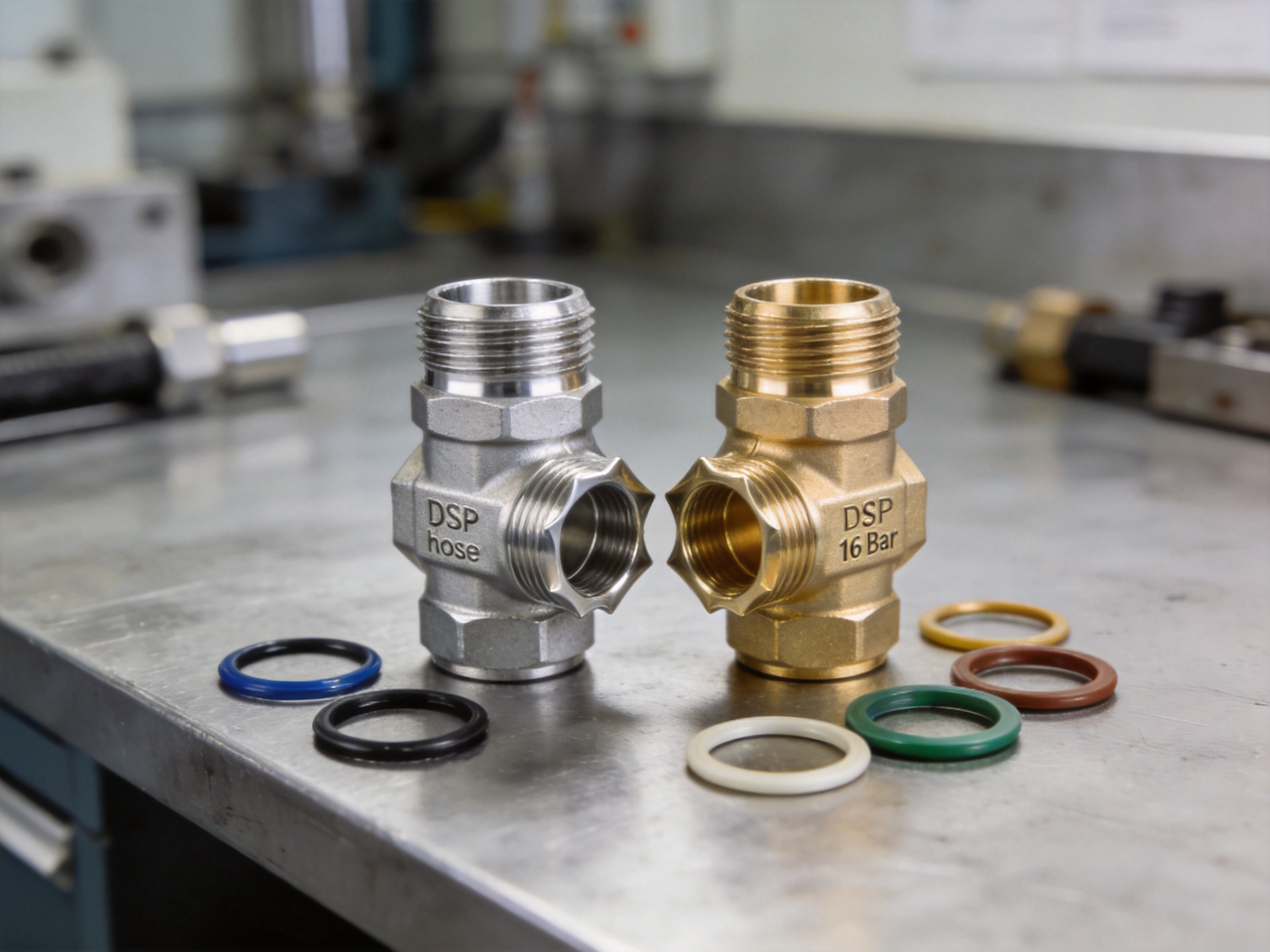
A hose coupling is not merely an accessory. It is a pressure-bearing, sealing, alignment, and safety component. In fire protection and industrial transfer systems, it must withstand internal pressure, external impact, corrosion, repeated handling, and changing environmental conditions. It must also be easy for personnel to use correctly, even when they are working under pressure. A complicated coupling may increase the risk of delays, leaks, cross-threading, or improper locking. A reliable coupling reduces those risks.
The French DSP hose coupling is designed around operational simplicity. Its symmetrical connection structure eliminates the need to identify a male end and a female end before assembly. This feature improves speed and reduces confusion when hoses are being extended, replaced, or connected in low-light environments. For firefighters, the ability to connect rapidly can influence response time. For agricultural teams, it can reduce downtime during irrigation setup. For industrial users, it can simplify hose management across different workstations.
Compared with standard threaded couplings, the DSP-style quick-turn connection can be more convenient in time-sensitive applications. Threaded couplings often require careful alignment and multiple turns, and they may be affected by dirt, deformation, or damaged threads. The French DSP coupling reduces these concerns by using a connection method that is quick and direct. Compared with lower-grade couplings that may use inconsistent casting, weak sealing materials, or insufficient machining precision, a well-manufactured DSP coupling delivers a more reliable seal, smoother handling, and better long-term value.
Another advantage is its versatility. The same coupling family can serve firefighting, irrigation, petroleum, and chemical-related applications when the correct material, seal, and thread configuration are selected. Aluminum alloy provides lightweight handling and strong corrosion resistance for many water and fire-service applications. Brass offers excellent durability and resistance in tougher operating conditions. Seal material selection allows further adaptation to water, oil, chemical, temperature, and aging conditions.
The French DSP hose coupling combines standard dimensions, practical material options, and proven performance characteristics. The following table summarizes the key technical details and application information.
| Product Name | French DSP Hose Coupling |
| Category | Hose Couplings |
| Casting Method | Casting or Forged |
| Working Pressure | 16 Bar |
| Material | Aluminum Alloy or Brass |
| Surface Treatment | Polishing or Sandblasting |
| Available Sizes | 1-1/2 inch, 2-1/2 inch, 4 inch |
| Sealing Materials | NBR, EPDM, FPM, PTFE |
| Thread Options | BSP or NPT |
| Typical Applications | Firefighting, Irrigation, Petroleum, Chemical Handling |
| Main Features | Tool-free operation, corrosion resistance, chemical resistance, economical performance |
| Connection Design | Symmetrical parts; no separate male and female distinction during use |
These specifications make the coupling suitable for users who require a balance of speed, pressure capability, sealing reliability, and cost efficiency. The working pressure of 16 Bar is appropriate for many fire-service and industrial fluid-transfer tasks, while the size range covers common hose diameters used in emergency response, water delivery, and industrial operations.
The most practical advantage of the French DSP hose coupling is its symmetrical design. In many coupling systems, operators must distinguish between a male component and a female component. If two hoses have incompatible ends, an adapter may be needed. This can slow down deployment and create inventory complexity. The DSP design simplifies this process because the two connection parts are functionally the same. Users connect and turn, completing the engagement without tools.
This design is particularly valuable in firefighting. Firefighters may need to connect multiple hose lengths quickly while wearing gloves, working in smoke, or operating in wet and unstable conditions. A simple connection mechanism helps reduce operational friction. The coupling supports fast hose extension and rapid line changes, allowing teams to concentrate on water delivery rather than mechanical adjustment.
In industrial environments, the same benefit appears in another form: reduced downtime. Production teams, maintenance departments, and fluid-transfer operators often move hoses between pumps, tanks, mobile units, and processing areas. A coupling that connects quickly and reliably can save time over hundreds or thousands of operations. Because it does not require tools for normal use, it also reduces dependence on extra equipment and lowers the chance of tool-related damage.
Agricultural users also benefit. Irrigation systems are frequently set up, moved, and removed based on crop rotation, water availability, and seasonal work. Operators may be working in muddy fields, at long distances from storage areas, or under time pressure. A quick-turn hose coupling helps simplify fieldwork and keeps water delivery efficient.
The coupling is available in aluminum alloy and brass. Each material has specific advantages, and the best choice depends on application conditions, handling requirements, media, cost expectations, and service environment.
Aluminum alloy is widely used in hose couplings because it provides a strong combination of light weight, corrosion resistance, and cost efficiency. In firefighting, lighter couplings reduce the total weight of hose assemblies, making deployment and retrieval easier. This is important when hoses must be carried over long distances, lifted across structures, or rapidly moved during emergency response.
Aluminum alloy also offers good resistance to atmospheric corrosion, especially when paired with suitable surface finishing. For water delivery, irrigation, and many fire-service applications, it provides reliable performance without excessive weight. The polishing or sandblasting options can improve appearance, surface consistency, and handling feel.
Brass is selected when users require greater durability, impact resistance, and resistance to certain corrosive environments. It is heavier than aluminum alloy, but its toughness and long service life make it valuable in harsh industrial settings. Brass couplings are commonly chosen where hoses are dragged over rough ground, exposed to frequent connection cycles, or used in conditions where mechanical strength and wear resistance are priorities.
Brass also has a traditional place in fire-service equipment due to its dependable performance and resistance to corrosion in many water-related environments. For users who prefer a more substantial coupling or who operate in demanding conditions, brass is a strong option.
A coupling’s performance depends not only on the metal body, but also on its sealing system. The French DSP hose coupling can be supplied with NBR, EPDM, FPM, or PTFE sealing materials. This range allows users to choose a seal compatible with the media being transferred and the surrounding environment.
NBR is commonly used for oils, fuels, and general industrial service. It offers good resistance to petroleum-based fluids and is often selected for applications involving oil or fuel transfer. EPDM is well known for resistance to water, steam, weathering, and certain chemicals, making it a strong choice for firefighting, irrigation, and outdoor water systems. FPM, often associated with high-performance fluororubber compounds, provides strong resistance to heat, fuel, oil, and aggressive chemicals. PTFE offers excellent chemical resistance and is suitable for demanding media compatibility requirements.
The availability of multiple seal materials gives the coupling an advantage over competitors that offer limited sealing choices. A low-cost coupling may be acceptable for basic water transfer, but when the application involves chemicals, petroleum, temperature variation, or outdoor aging, the wrong seal can cause leaks, swelling, cracking, or premature failure. By matching the seal to the application, users improve safety, reliability, and service life.
Leak prevention is critical in firefighting because pressure loss can reduce nozzle performance. It is important in irrigation because leaks waste water and reduce system efficiency. It is essential in petroleum and chemical handling because leakage can create safety, environmental, and compliance concerns. A well-machined coupling body combined with a suitable sealing material provides the foundation for dependable leak-proof performance.
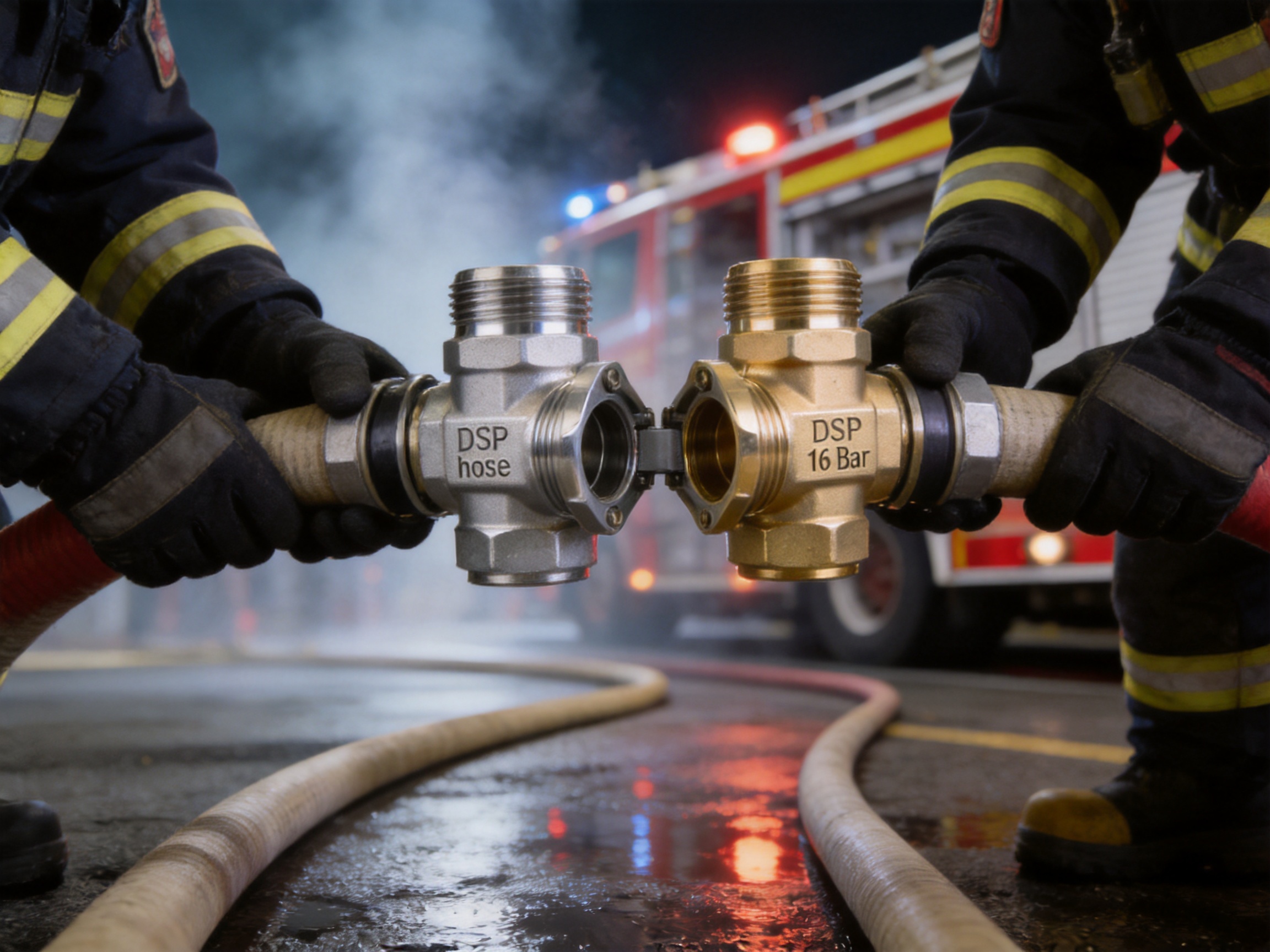
High-quality hose couplings require disciplined manufacturing. The final product may appear simple, but its performance depends on material selection, forming accuracy, machining precision, surface treatment, seal quality, pressure testing, and inspection. Taizhou Shenlong Fire Science and Technology Co., Ltd. combines experience in hose and accessory manufacturing with practical quality control processes to deliver couplings designed for stable use.
The company’s background in fire hose production gives it an important advantage. A coupling manufacturer that understands only metal fittings may not fully appreciate the behavior of hoses under pressure, movement, bending, dragging, and repeated assembly. A hose-system manufacturer understands that the coupling must work as part of a complete assembly. The fitting must match hose diameter, pressure rating, crimping or binding requirements, thread compatibility, sealing behavior, and field handling needs.
The production process begins with material selection. Aluminum alloy and brass must meet required mechanical and corrosion-resistance expectations. Inconsistent raw material can result in weak castings, poor machining, brittle edges, or reduced pressure safety. Material control helps ensure that the coupling body has the strength and stability needed for repeated use.
The coupling can be manufactured by casting or forging, depending on order requirements and performance needs. Casting allows efficient production of complex shapes and is suitable for many coupling designs. Forging can improve structural density and mechanical strength by shaping metal under pressure. Both methods require process control to avoid defects such as porosity, shrinkage, deformation, and dimensional inconsistency.
Compared with competitors that rely on rough casting and minimal finishing, a controlled casting or forging process produces a stronger and more consistent coupling body. This improves fit, sealing, pressure performance, and appearance. For users, the difference may become visible after months of use: a better coupling connects smoothly, resists deformation, and maintains sealing performance over repeated cycles.
After forming, the coupling requires machining to create accurate connection surfaces, threads, sealing grooves, and engagement features. Precision machining is one of the key reasons a coupling connects smoothly and seals reliably. Even small dimensional errors can lead to difficult assembly, leakage, uneven gasket compression, or premature wear.
Machining also affects thread quality. BSP and NPT thread options must be produced with correct geometry to ensure compatibility with hoses, adapters, valves, and other fittings. Poor thread quality can cause cross-threading, leakage, or installation damage. Accurate machining therefore supports both product performance and customer convenience.
Surface treatment options include polishing and sandblasting. Polishing can provide a smoother, brighter finish that is easy to clean and visually professional. Sandblasting can create a uniform matte surface that improves handling feel and prepares the surface for certain finishing preferences. Both treatments contribute to appearance and usability.
Surface finishing is not only cosmetic. It can reduce sharp edges, improve touch comfort, remove surface irregularities, and support corrosion resistance. In firefighting and industrial service, couplings are often handled with gloves, exposed to water, dropped on hard surfaces, or stored in cabinets and vehicles. A well-finished surface improves daily usability and reduces the risk of handling problems.
The sealing component must be correctly selected and installed. The seal groove must hold the gasket properly, and the gasket must compress evenly during connection. If the seal is too hard, too soft, incorrectly sized, or chemically incompatible, leakage may occur. Careful seal selection and inspection help ensure consistent performance.
A coupling intended for a 16 Bar working pressure must be produced and checked with pressure performance in mind. Quality testing may include dimensional inspection, thread verification, connection operation checks, surface inspection, seal inspection, and pressure-related evaluation. These checks help confirm that the product is ready for practical field use.
The company’s experience serving domestic and export markets also supports consistent production discipline. Products used across different regions must satisfy varied expectations for packaging, compatibility, documentation, and application requirements. Long-term cooperation with foreign trade partners helps the manufacturer understand international customer needs and maintain a practical export-oriented quality mindset.
The French DSP hose coupling offers several advantages when compared with ordinary hose couplings or lower-quality alternatives. These advantages are not limited to a single feature; they come from the combination of design, material, sealing choice, manufacturing process, and application flexibility.
Traditional threaded couplings can be reliable, but they may take more time to connect and disconnect. They also require proper alignment before tightening. In emergency or field conditions, dirt, damaged threads, or poor visibility can make threaded assembly more difficult. The French DSP coupling’s quick-turn operation provides a faster and simpler alternative for many hose systems.
Because the two parts are symmetrical, users do not need to manage separate male and female coupling ends in the same way required by many other systems. This can simplify hose storage, replacement, and field assembly. For fire stations, industrial sites, farms, and contractors, simplified inventory can reduce mistakes and improve readiness.
Tool-free operation reduces the need for wrenches or extra equipment. This is especially helpful when users wear gloves or work in wet, muddy, or hazardous environments. A coupling that is easy to operate can improve productivity and safety.
Some competitors provide only one metal or one standard gasket. The French DSP hose coupling can be supplied in aluminum alloy or brass, with multiple sealing materials. This gives customers more freedom to match the coupling to the working medium and environment.
The product is designed to be economical without sacrificing essential reliability. For many buyers, the best coupling is not simply the cheapest option. It is the component that provides dependable service life, reduces leakage, and minimizes replacement frequency. A cost-effective coupling delivers long-term value by combining reasonable purchase cost with stable performance.
Its use in firefighting, irrigation, petroleum, and chemical handling makes the coupling suitable for distributors and project buyers who serve multiple industries. A versatile product can reduce purchasing complexity and increase supply flexibility.
Firefighting is one of the most demanding environments for hose couplings. Equipment must be ready at any time, easy to handle under stress, and reliable under pressure. The French DSP hose coupling supports these needs with fast connection, strong sealing, and durable construction.
During fire response, firefighters may need to connect hoses to hydrants, pumps, branch lines, water tanks, or other hose sections. Every second can matter. A coupling that connects with a quick turn helps reduce setup time. The symmetrical design also helps avoid confusion when multiple hose lengths are being deployed rapidly.
Fire hoses are often dragged over pavement, gravel, stairs, and building interiors. Couplings may strike hard surfaces or be exposed to heat, water, foam, dirt, and chemicals. Aluminum alloy versions help reduce carrying weight, while brass versions provide a more heavy-duty option. Surface treatment and careful machining help maintain handling quality over repeated use.
Leak prevention is another essential factor. A leaking coupling can reduce water pressure and create hazards around the operation area. When paired with the correct seal material and properly maintained, the DSP coupling supports stable water delivery and dependable hose-line performance.
Agricultural hose systems require equipment that is practical, economical, and easy to use in field conditions. Farmers and irrigation teams often move hoses between plots, pumps, reservoirs, and distribution points. Equipment may be exposed to mud, sunlight, fertilizers, water pressure changes, and frequent handling.
The French DSP hose coupling is suitable for irrigation because it enables quick hose connection without tools. This helps workers adjust layouts quickly and reduces time spent assembling or removing lines. EPDM seals may be selected for water and outdoor aging resistance, while aluminum alloy construction provides lighter handling for long hose lines.
Water conservation is increasingly important in agriculture. A reliable coupling helps reduce leakage, which improves irrigation efficiency and lowers water waste. In large systems, even small leaks at multiple joints can create significant loss. A properly manufactured and sealed coupling is therefore a practical investment in resource efficiency.
Petroleum-related hose systems require careful attention to material compatibility, sealing reliability, and operational safety. The coupling must handle the working pressure and resist degradation caused by oils or fuel-related media. NBR or FPM sealing materials may be suitable depending on the specific fluid and conditions.
Compared with generic couplings that may use standard water seals, a DSP coupling with appropriate gasket selection can provide better compatibility for petroleum applications. Brass construction may be preferred for durability, while aluminum alloy may be selected where lower weight is important and media compatibility is confirmed.
In petroleum handling, leakage is not only a performance problem; it can create safety, environmental, and cost concerns. A coupling with reliable machining, correct seal compression, and proper material selection helps reduce these risks. Operators should always confirm compatibility with the specific product being transferred and follow applicable safety practices.
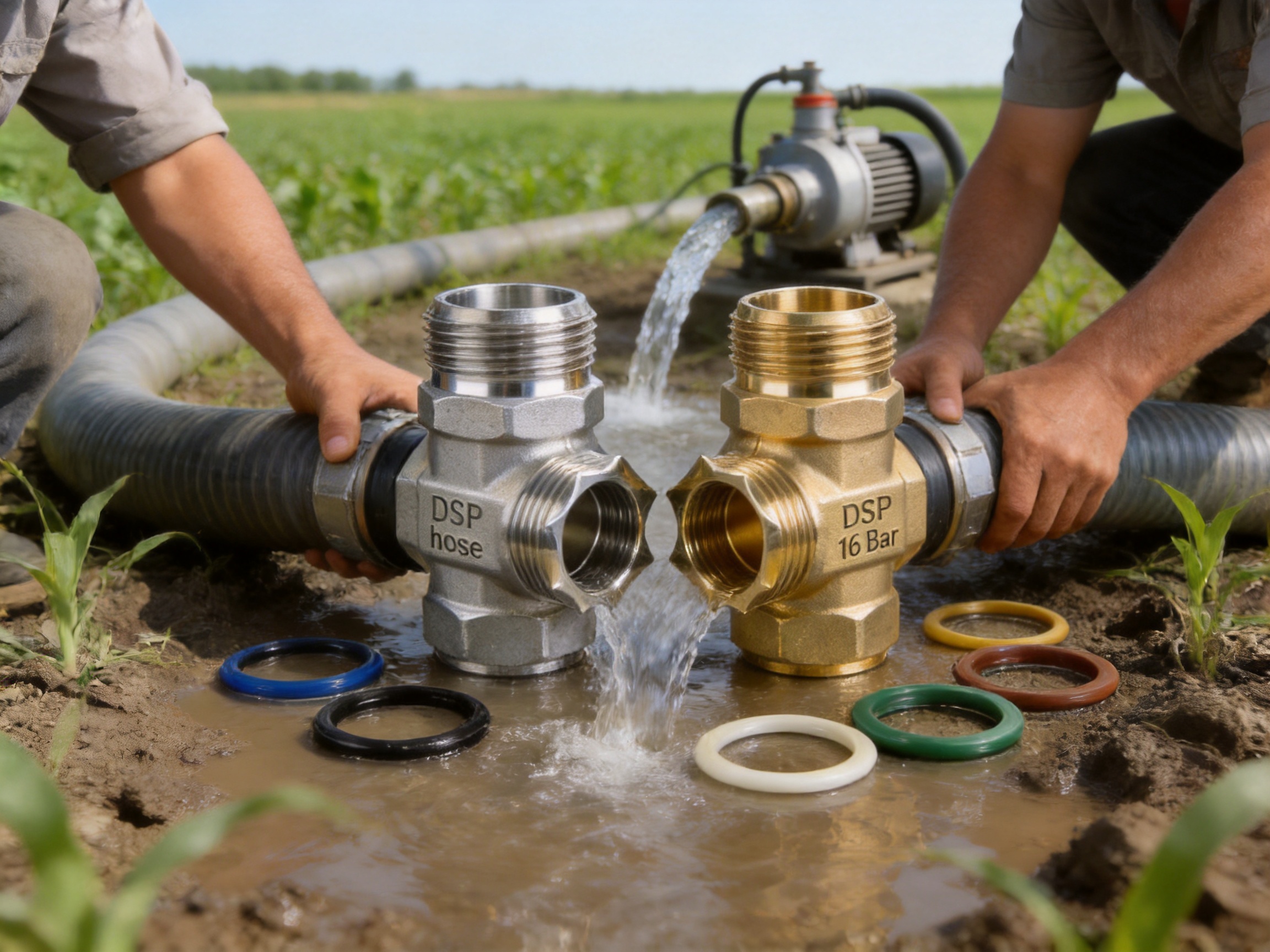
Chemical handling requires even more attention to compatibility. Different chemicals may attack metals, elastomers, or surface finishes in different ways. The availability of EPDM, FPM, and PTFE seals gives users options for selecting a gasket material suited to specific chemical exposure. PTFE is especially valued for broad chemical resistance, while FPM can be suitable for many aggressive fluids and higher-temperature conditions.
The French DSP hose coupling’s quick connection system can be helpful in chemical transfer operations where hoses must be connected and disconnected frequently. However, chemical service must always be evaluated carefully. Users should consider the chemical concentration, temperature, pressure, exposure time, cleaning process, and safety regulations before selecting the final coupling configuration.
A high-quality coupling provides a better foundation for chemical service than a low-grade fitting with unknown material quality or poor sealing design. In chemical environments, a small leak can lead to contamination, equipment damage, personal injury risk, or environmental problems. Choosing a properly manufactured coupling with suitable seals is therefore a matter of both performance and responsibility.
One of the company’s strengths is its broad involvement in hose-related products. The product category range includes fire hose, industrial hose, agricultural hose, hose couplings, hose nozzles, fire accessories, fire cabinets, and trenchless rehabilitation hose. This means customers can consider the coupling as part of a wider system rather than as an isolated component.
For example, a fire hose assembly may require the correct hose lining, jacket construction, coupling size, binding method, nozzle compatibility, cabinet storage, and pressure performance. An industrial hose assembly may require chemical-resistant lining, appropriate coupling material, and safe sealing. An agricultural hose system may require economical hose lengths, fast couplings, and field-ready handling. A manufacturer familiar with these related products can support more practical configuration choices.
The company’s ability to undertake foreign trade products based on customer requirements, including rubber, PVC, polyurethane, and double-sided tape products, also reflects manufacturing flexibility. This flexibility is valuable for distributors, engineering contractors, and project buyers who need customized products for different markets.
Taizhou Shenlong Fire Science and Technology Co., Ltd. was founded in 1995 and has developed into an enterprise integrating research and development, production, sales, and service. Long-term experience is important in the fire hose and coupling industry because product reliability depends on accumulated process knowledge. Manufacturers learn from production batches, customer feedback, field conditions, export requirements, and changing industry expectations.
The company’s products are sold in more than 20 provinces, cities, and autonomous regions, and export products are produced through cooperation with domestic foreign trade companies. This market reach indicates that the manufacturer is familiar with varied customer requirements and application environments. Serving different regions requires stable production capacity, consistent quality, and responsive service.
The company is located in Taizhou City, Jiangsu Province, an area with strong industrial manufacturing resources. Its address at No.58, Kechuang Road, Sixiang Street, Medicine Gaoxin District, Taizhou City, Jiangsu Province, places it within a developed manufacturing environment. Access to industrial supply chains, technical personnel, logistics, and export channels supports efficient production and customer service.
In addition to product capability, customer communication is a practical strength. Buyers can contact the company by email at [email protected] or by phone at +86 159-5116-9511 for product inquiries, specifications, order requirements, and customization discussions. For international buyers, clear communication about size, thread, material, seal, working pressure, and application is essential to selecting the correct coupling.
When purchasing French DSP hose couplings, buyers should evaluate several important factors. Choosing only by price can lead to problems if the coupling does not match the application or if the manufacturing quality is inconsistent. A good purchase decision considers performance, compatibility, durability, and supplier reliability.
The coupling should match the hose size and system requirements. Available sizes include 1-1/2 inch, 2-1/2 inch, and 4 inch. Selecting the correct size ensures proper flow capacity and safe assembly.
Aluminum alloy is suitable for lightweight handling and many water-related applications. Brass is suitable for higher durability and heavy-duty service. The choice should consider weight, corrosion exposure, impact risk, and budget.
The seal must match the media. NBR, EPDM, FPM, and PTFE each have different strengths. Buyers should confirm whether the system handles water, oil, fuel, chemicals, or other fluids.
BSP and NPT threads are both available, but they are not interchangeable in all situations. Buyers should confirm the thread standard used by the connected equipment to avoid leakage or installation problems.
The coupling has a working pressure of 16 Bar. Buyers should ensure this meets or exceeds the expected system pressure, including pressure surges where applicable.
Polishing or sandblasting may be selected based on appearance, handling, and application preference. Surface quality can influence user experience and long-term corrosion resistance.
The French DSP hose coupling is designed for simple operation. Users connect the two symmetrical parts and turn to lock them into place. Because no tools are required for normal use, the process is fast and convenient. However, proper operation still matters for safety and reliability.
Before connection, users should inspect the coupling for visible damage, contamination, or worn sealing material. Dirt, sand, chemical residue, or damaged gasket surfaces may affect sealing. The coupling should be aligned correctly before turning. Excessive force should not be used because a properly manufactured coupling should engage smoothly when aligned.
After connection, the assembly should be checked for secure engagement. When the hose system is pressurized, operators should observe the connection for leakage. If leakage occurs, the system should be depressurized before inspection. Possible causes include incorrect seal material, worn gasket, debris on the sealing surface, damaged coupling body, or incompatible parts.
For disconnection, the system should be depressurized whenever possible. Disconnecting under pressure can be dangerous. Once pressure is released, the coupling can be turned and separated. After use, the coupling should be cleaned and stored appropriately, especially if it has been exposed to chemicals, petroleum products, saltwater, mud, or abrasive materials.
Regular maintenance improves coupling life and system reliability. Even high-quality couplings can fail prematurely if they are neglected, misused, or exposed to incompatible substances. Maintenance is simple but important.
Users should inspect seals regularly. Gaskets may harden, crack, swell, flatten, or become chemically damaged over time. A worn seal should be replaced promptly. The sealing groove should be cleaned before installing a new gasket. The replacement material should match the original specification or the application requirement.
Metal surfaces should be checked for dents, cracks, severe corrosion, or deformation. Couplings used in firefighting or construction may experience impact damage. If the connection surfaces are damaged, sealing may be affected. Threads should also be inspected for wear or cross-threading, especially on models connected to threaded adapters or equipment.
After use in chemical or petroleum service, couplings should be cleaned according to the media and safety requirements. Residue can damage seals, corrode metal, or create hazards during future handling. Storage should be dry, organized, and protected from unnecessary impact. Fire-service couplings may be stored with hoses in cabinets, vehicles, or racks, while industrial couplings may be kept in maintenance rooms or near workstations.
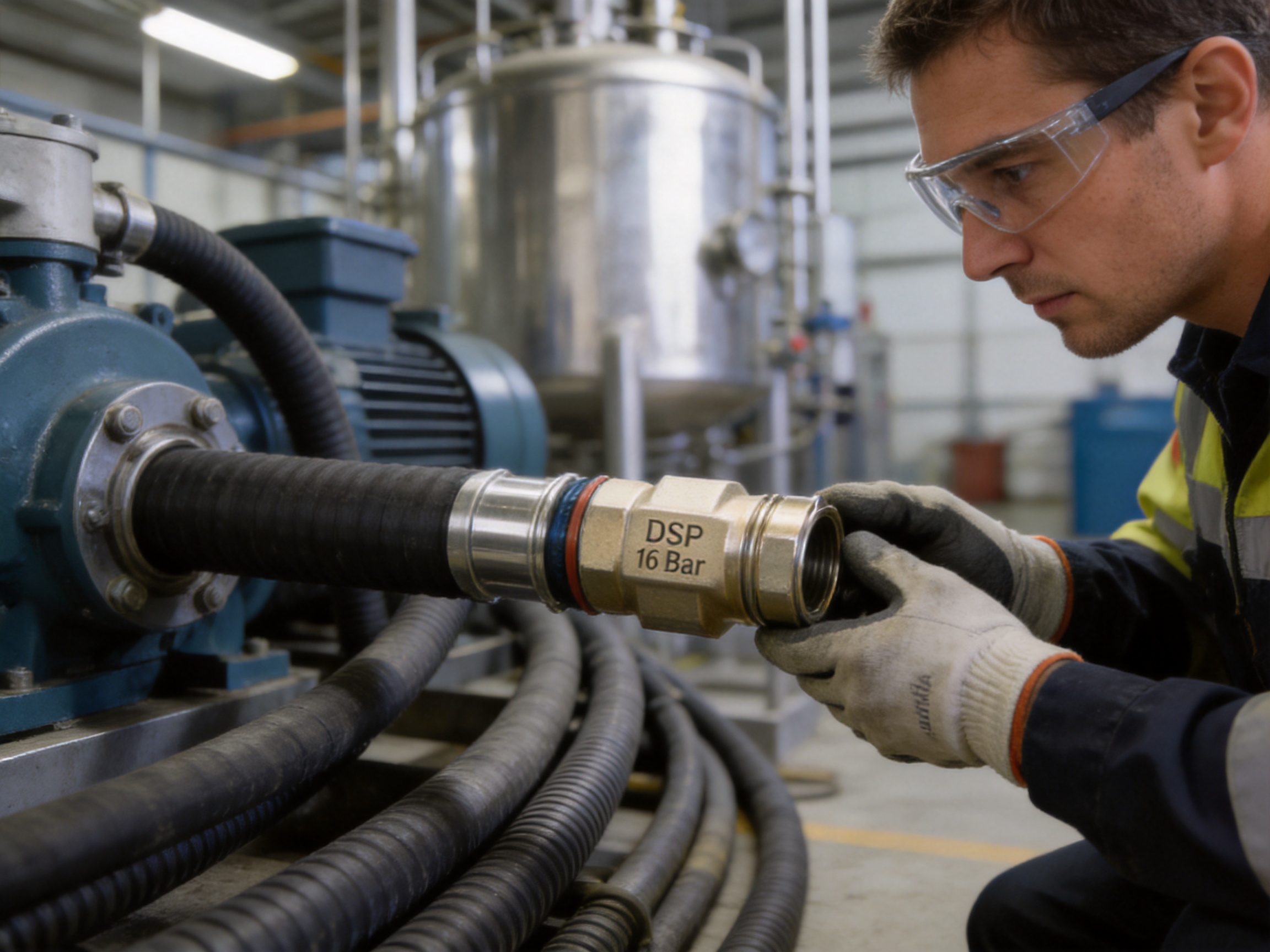
The French DSP hose coupling is described as economical, but economic value should be understood in more than initial price. A low-cost coupling that leaks, corrodes, wears quickly, or is difficult to connect may create higher long-term costs. These costs can include downtime, water or product loss, safety incidents, replacement purchases, labor time, and damage to hoses or equipment.
The DSP coupling supports better total cost of ownership by combining efficient operation, material durability, and adaptable sealing. Tool-free connection reduces labor time. Symmetrical design simplifies hose management. Proper material options reduce premature corrosion or wear. Reliable seals help prevent leakage. Standard sizes and thread options support compatibility with common systems.
For distributors, stocking a reliable and versatile coupling can improve customer satisfaction. For contractors, it can reduce on-site problems. For fire departments, it can improve readiness and reduce equipment complications. For farms, it can save time during seasonal irrigation work. For industrial facilities, it can support safer and more efficient fluid transfer.
International buyers often need products that can be configured for local standards and market preferences. BSP and NPT thread options help support different regions. Aluminum alloy and brass versions provide choices for different price levels and performance expectations. The size range covers common hose applications, while multiple sealing materials allow adaptation for water, oil, fuel, and chemicals.
Export buyers also value consistent production and communication. A manufacturer with long-term experience and foreign trade cooperation can better understand packaging, labeling, order documentation, and specification confirmation. Before placing an order, buyers can provide detailed requirements including coupling size, material, surface treatment, seal material, thread standard, intended medium, working pressure, quantity, and packaging expectations.
The company’s product range also allows combined orders. A buyer may source fire hoses, hose couplings, hose nozzles, fire accessories, and fire cabinets together. This can simplify procurement, improve compatibility, and reduce supplier management workload.
In fire protection and industrial operations, safety depends on dependable small components as much as on large systems. A hose coupling is a safety-critical connector. If it fails, water delivery may stop, hazardous fluids may leak, or equipment may become unusable. The French DSP hose coupling is positioned as a practical solution for users who need quick connection, stable pressure performance, and adaptable material choices.
Its suitability for firefighting reflects the need for fast emergency response. Its suitability for irrigation reflects the need for economical and easy field operation. Its suitability for petroleum and chemicals reflects the importance of sealing and material compatibility. This cross-industry value makes the coupling a strong choice for customers seeking both function and flexibility.
The main advantage is its symmetrical quick-turn design. The two connection parts are the same, so users do not need to distinguish between male and female ends during operation. This makes connection and disconnection fast, simple, and tool-free.
The coupling is designed with a working pressure of 16 Bar, making it suitable for many firefighting, irrigation, petroleum, and chemical-handling applications when used within proper system limits.
The coupling can be manufactured from aluminum alloy or brass. Aluminum alloy is lightweight and corrosion-resistant for many water-service applications, while brass offers strong durability and is often preferred for heavy-duty conditions.
Common available sizes include 1-1/2 inch, 2-1/2 inch, and 4 inch. Buyers should select the size based on hose diameter, flow requirements, and system compatibility.
Available sealing materials include NBR, EPDM, FPM, and PTFE. Each material has different resistance properties, so buyers should choose according to the fluid being transferred and the working environment.
Yes. The coupling is suitable for firefighting applications because it enables fast connection, reliable sealing, and practical handling. Its quick operation is especially useful during emergency response.
Yes. Its tool-free connection, economical performance, and corrosion-resistant material options make it suitable for agricultural irrigation systems and field water delivery.
It can be used in petroleum and chemical applications when the correct body material and seal material are selected. Buyers should confirm compatibility with the specific fluid, temperature, and pressure conditions before use.
The coupling can be supplied with BSP or NPT thread options. Buyers should confirm the thread standard required by their equipment or regional market.
A cheaper alternative may have poor machining, limited seal options, weak material consistency, or unreliable connection performance. This coupling offers a stronger balance of quick operation, material choice, sealing flexibility, pressure capability, and manufacturing reliability.
Users should inspect seals, clean connection surfaces, check for damage, avoid incompatible chemicals, and store the coupling in a dry and protected environment. Worn seals should be replaced promptly.
Buyers can contact Taizhou Shenlong Fire Science and Technology Co., Ltd. by email at [email protected] or by phone at +86 159-5116-9511 to discuss specifications, customization, and purchasing requirements.
The French DSP hose coupling is a reliable, economical, and versatile connection solution for modern hose systems. Its symmetrical design allows fast connection without tools, reducing operational complexity and improving efficiency in firefighting, irrigation, petroleum transfer, and chemical handling. With a 16 Bar working pressure, available sizes of 1-1/2 inch, 2-1/2 inch, and 4 inch, material options including aluminum alloy and brass, and sealing choices such as NBR, EPDM, FPM, and PTFE, the product can be configured for a wide range of practical applications.
Compared with many competing couplings, it offers advantages in user convenience, inventory simplicity, sealing adaptability, and total cost value. Its quick-turn connection is faster than many threaded alternatives, while its material and seal options provide better application matching than generic low-cost fittings. Proper manufacturing processes, including controlled casting or forging, precision machining, surface treatment, seal inspection, and pressure-oriented quality control, support dependable field performance.
The manufacturer’s long-term experience in fire hose and hose accessory production further strengthens the product’s value. Since 1995, Taizhou Shenlong Fire Science and Technology Co., Ltd. has developed a broad product portfolio and served customers across domestic and international markets. Its understanding of complete hose systems allows it to provide couplings that are not only technically functional but also practical for real-world use.
For fire departments, the coupling supports rapid emergency deployment. For farms, it improves irrigation efficiency. For industrial users, it enables safer and more convenient fluid transfer. For distributors and project buyers, it offers a flexible product with broad market applicability. When selected, installed, and maintained correctly, the French DSP hose coupling is a dependable component that helps hose systems perform with confidence.
National Fire Protection Association. Fire Hose, Couplings, and Fire Department Equipment Standards and Guidance.
International Organization for Standardization. Technical Guidance on Hose Assemblies, Couplings, and Pressure Testing.
Society for Protective Coatings. Surface Preparation and Finishing Principles for Metal Components.
Fluid Sealing Association. Handbook of Elastomeric Sealing Materials and Application Compatibility.
Engineering Materials Handbook. Properties and Applications of Aluminum Alloys and Copper Alloys.
Industrial Hose Technical Manual. Selection, Installation, Inspection, and Maintenance of Hose and Coupling Assemblies.
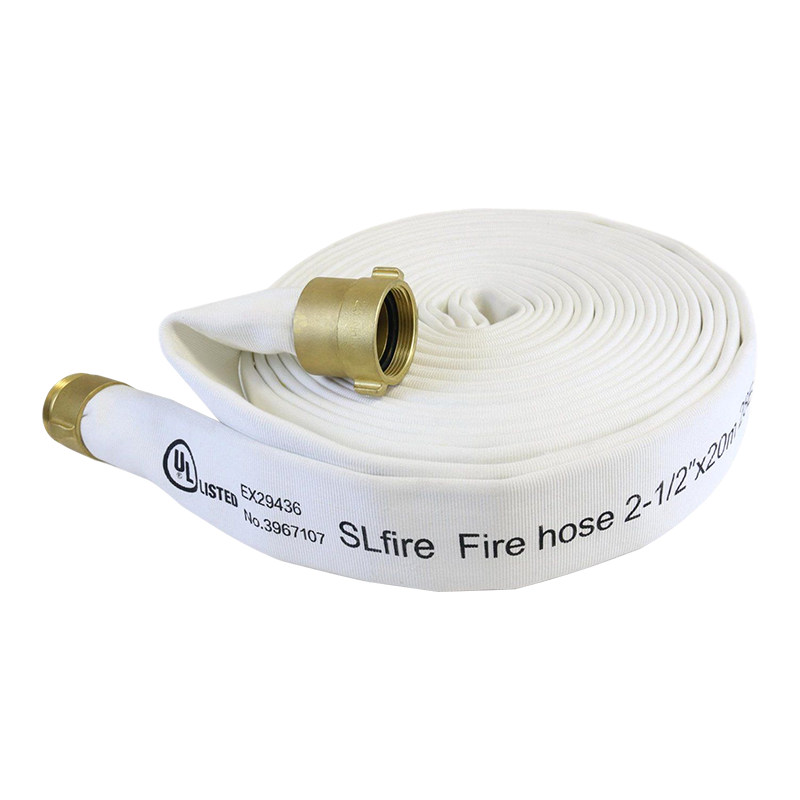
Single jacket, EPDM rubber liner Features • 100% high tenacity polyester jacket, high-grade EPDM rub...
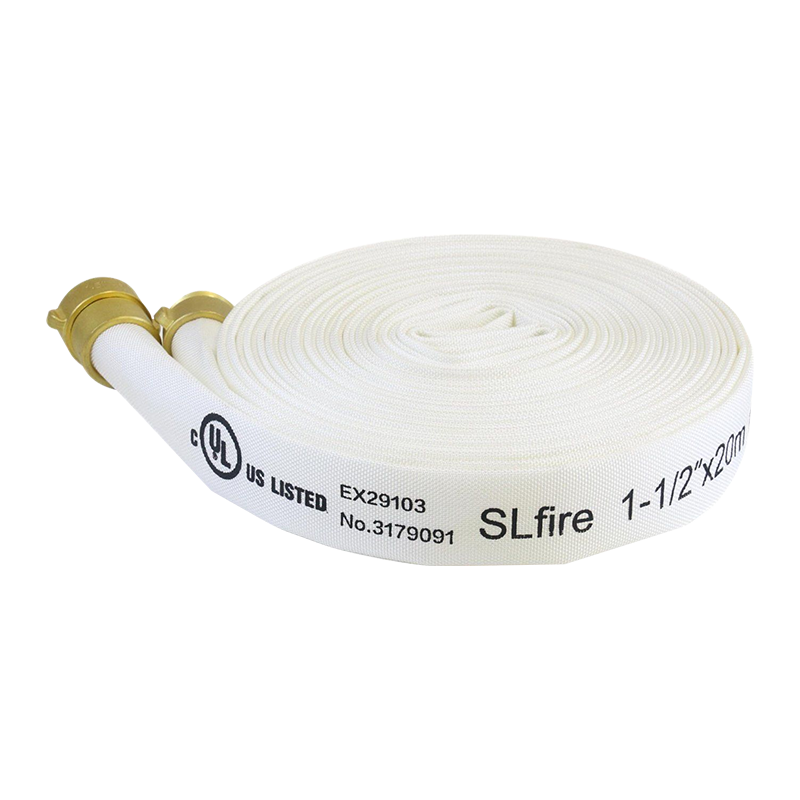
Single jacket, TPU liner •High-tenacity polyester yarn, circular woven in twill weave/plain weave,T ...
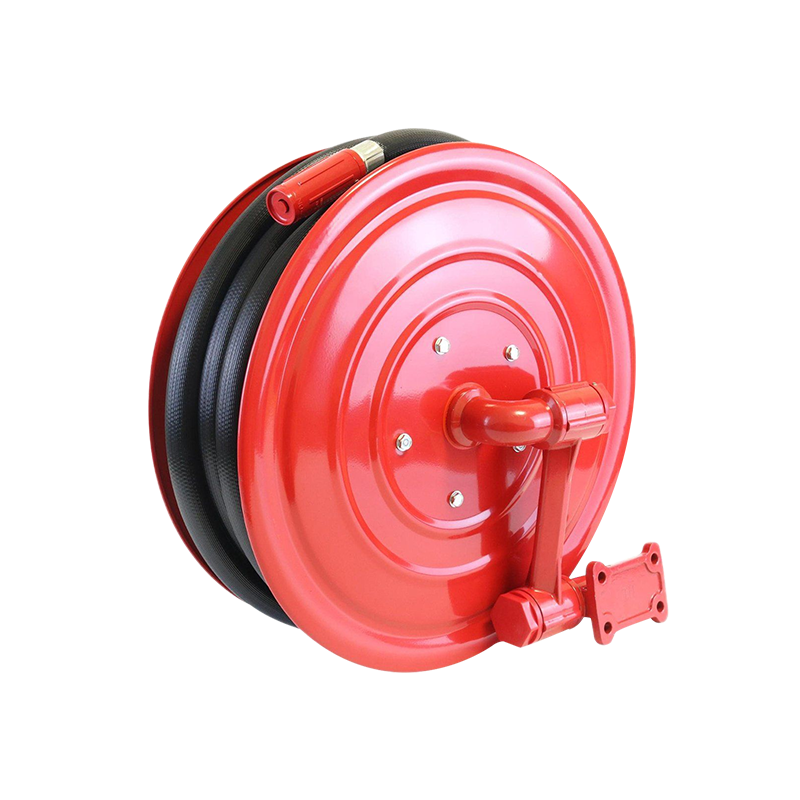
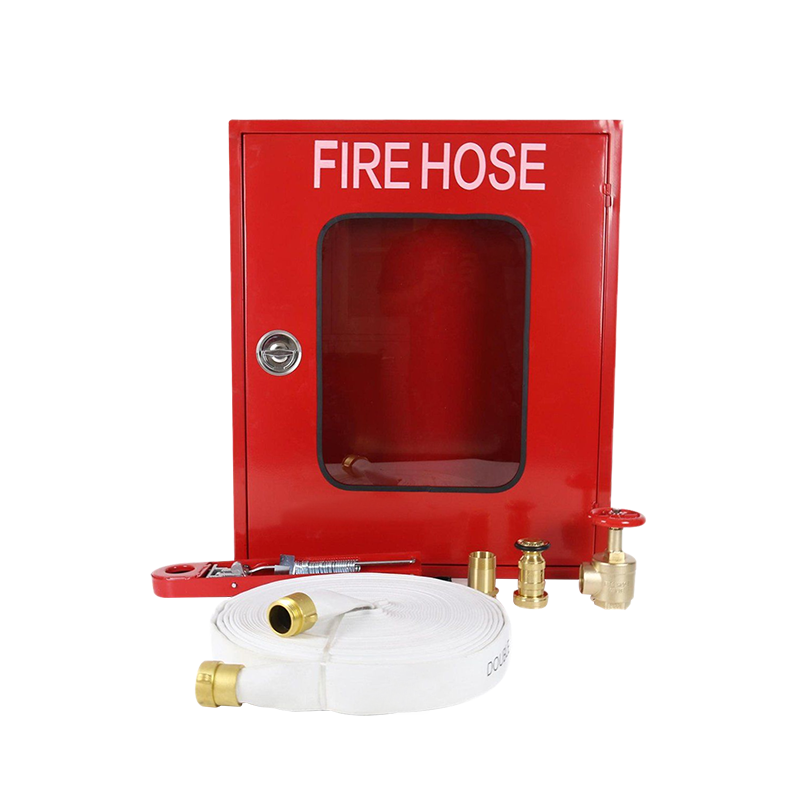
Fire cabinets are designed to accommodate fire hose,valve and other firefighting equipment. Type 201...
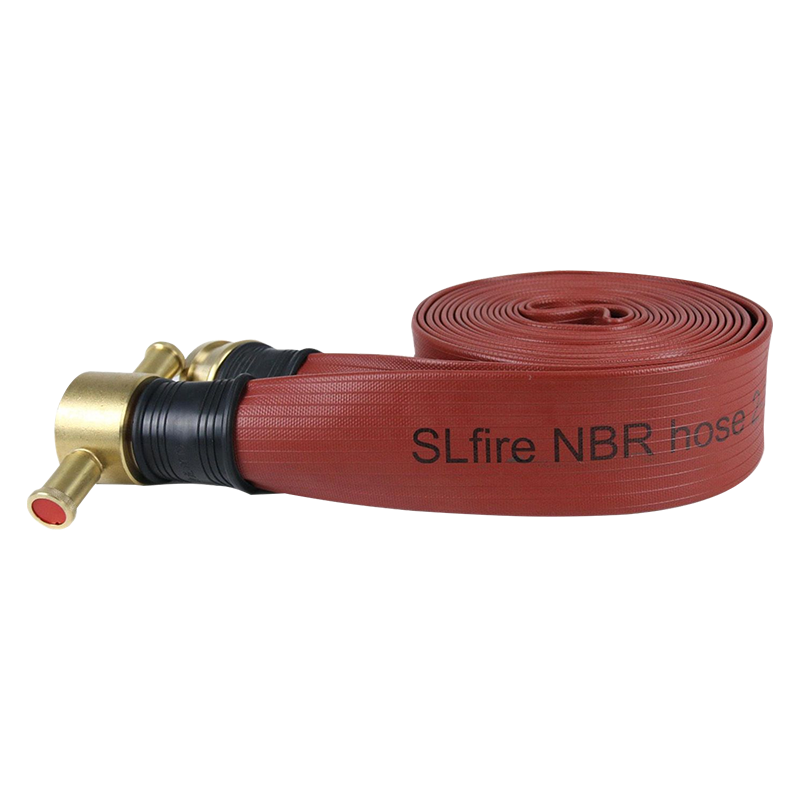
Nitrile covered hose •Nitrile/TPR blend as cover and lining, with 100% high-tenacity polyester yarn ...
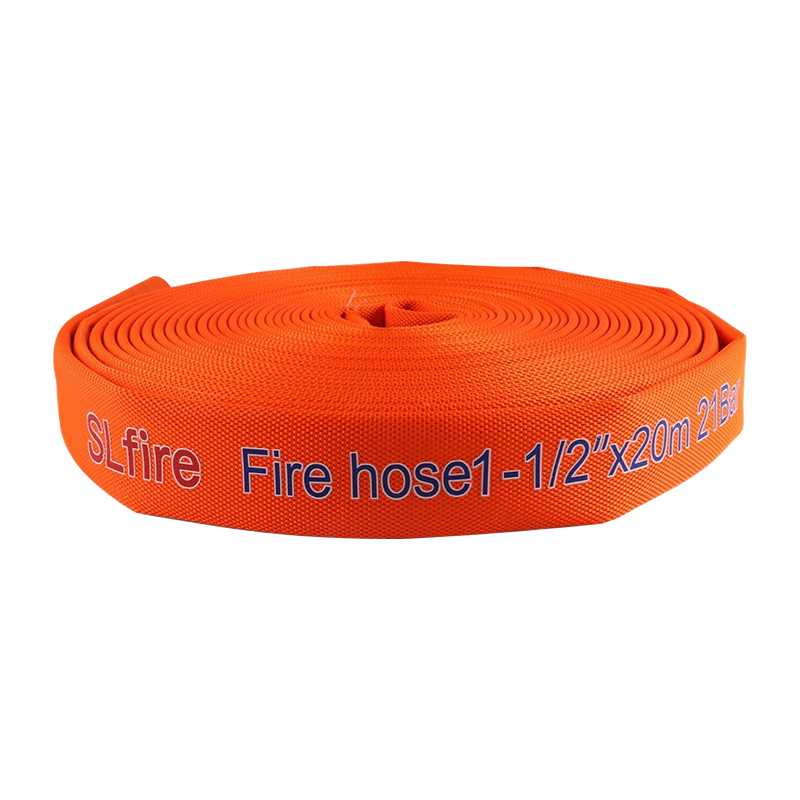
Single jacket, TPU liner •High-tenacity polyester yarn, circular woven in twill weave, TPU lining, f...
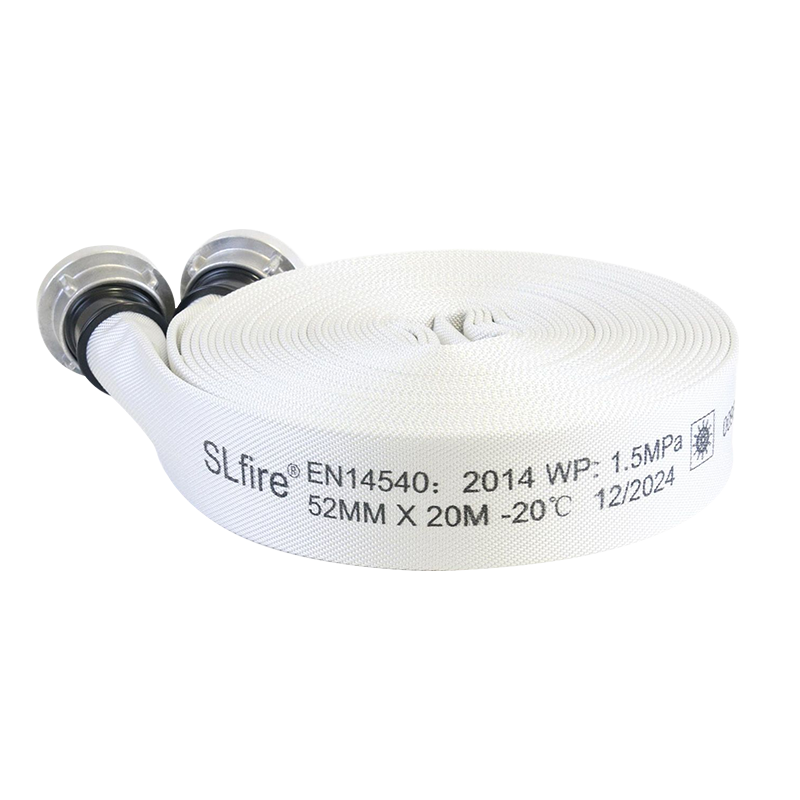
Marine hose Single jacket, PVC liner •100% high tenacity polyester yarn, circular woven in twill wea...
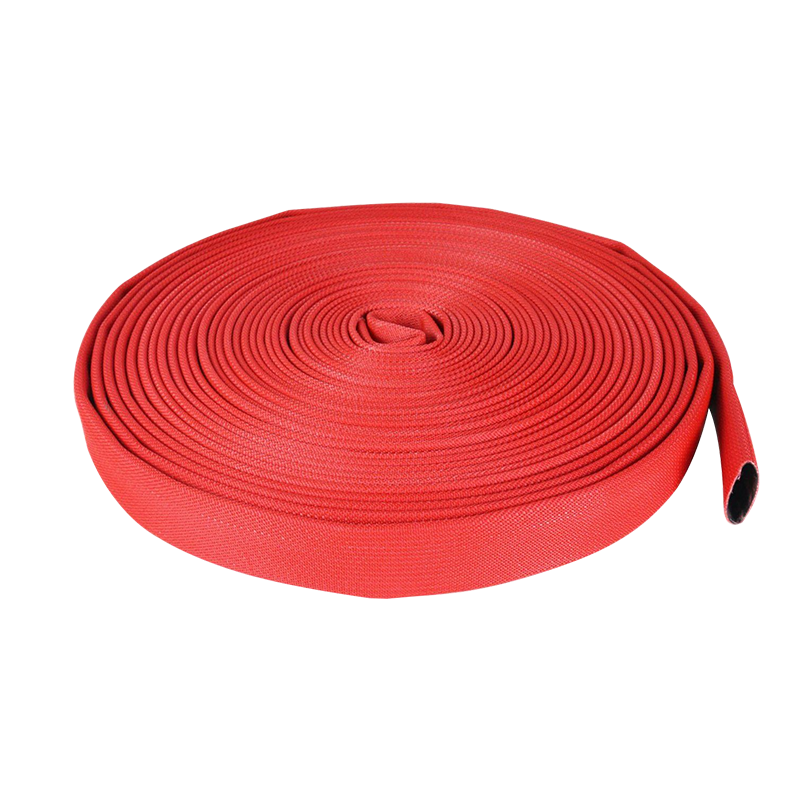
Marine hose Single jacket, PVC liner, PU coated •100% high tenacity polyester yarn,c ircular woven i...
 Call Us
+86 159-5116-9511
Need Support
Head Office
No.58, Kechuang Road, Sixiang Street Medicine Gaoxin District Taizhou City, Jiangsu Province

What Is a Fire Hose? A fire hose is a high-pressure flexible hose designed to carry water or fire retardant chemicals from a water source, such as a hydrant, pump, or tank, to a fire for suppression p...
Copyright © Taizhou Shenlong Fire Science and Technology Co., Ltd. All Rights Reserved.
 Fire Hose Manufacturers, Fire Hydrant Hose Factory