

 English
 русский
 Español
 Deutsch
 عربى
 Français
 Português
Don't hesitate to send a message

Single jacket, EPDM rubber liner Features • 100% high tenacity polyester jacket, high-grade EPDM rub...
Content
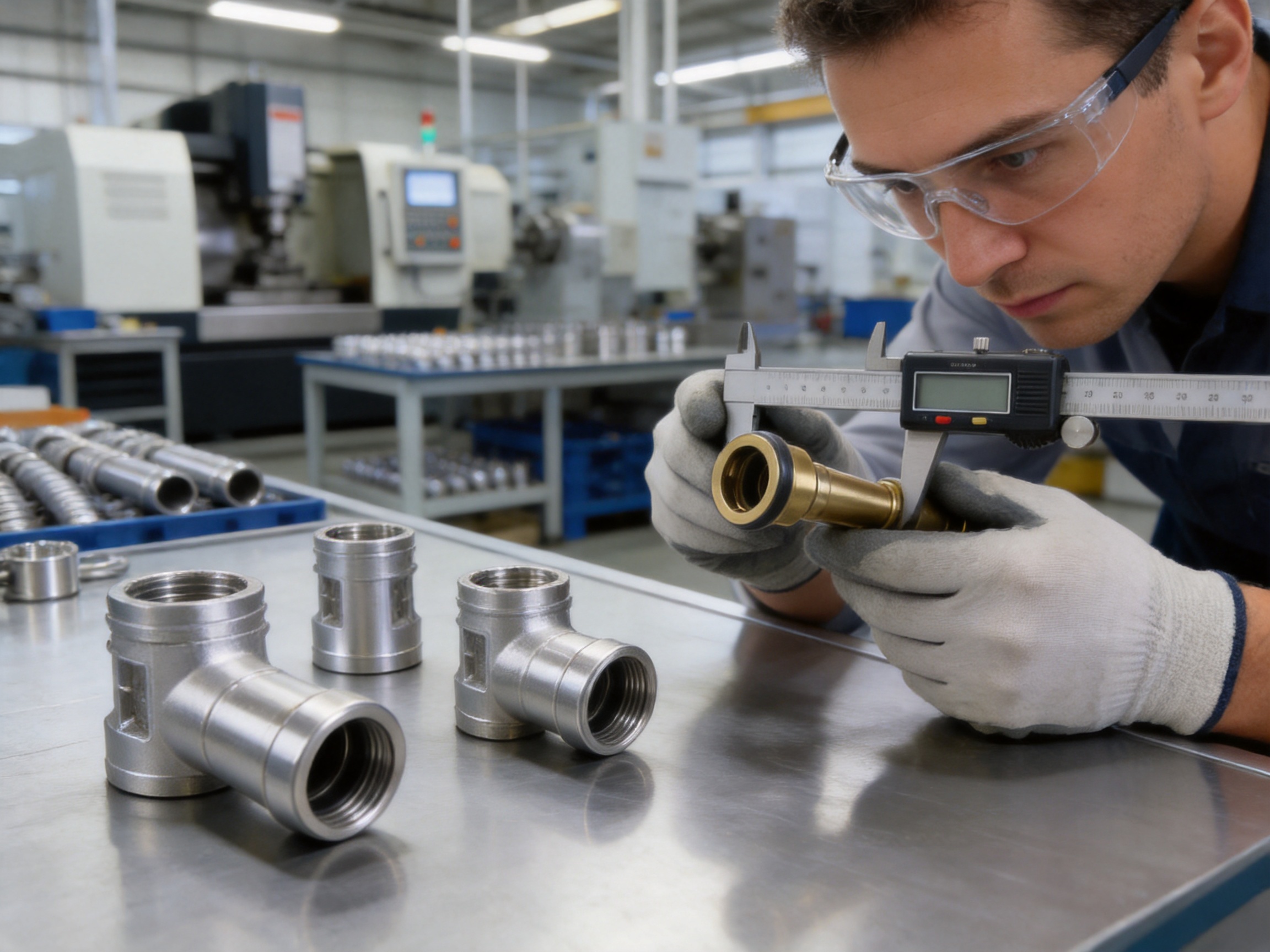
Firefighting and industrial fluid-handling operations depend on equipment that performs predictably when conditions are demanding. A hose nozzle may appear simple, but its design influences stream control, operator comfort, connection security, handling speed, and the overall effectiveness of a hose system. The 1.5-inch and 2.5-inch MACHINO Hose Nozzle is designed to provide a practical balance of strength, low weight, corrosion resistance, connection reliability, and ease of use for professional applications.
Manufactured from premium-grade aluminum alloy, this nozzle offers the durability required for regular service while remaining easier to handle than many heavier metal alternatives. Its construction is suitable for demanding environments in fire protection, construction, water management, agriculture, industrial maintenance, and other fluid-handling applications. The available 1.5-inch and 2.5-inch inlet sizes also make it adaptable to different hose configurations.
The product combines a precision-machined inlet with a comfortable non-slip handle. These features support secure hose attachment, improved user control, and efficient flow management. Whether the working medium is water, a compatible chemical solution, or another suitable fluid, the nozzle is built to help operators direct flow accurately and consistently.
The 1.5-inch and 2.5-inch MACHINO Hose Nozzle is an aluminum alloy hose-end device intended for applications where fluid must be directed, controlled, and delivered through a connected hose. It can serve as a useful component in portable firefighting systems, industrial washdown arrangements, agricultural irrigation equipment, construction-site water lines, and general fluid-transfer installations.
The nozzle is available with two inlet size options: 1.5 inches and 2.5 inches. This size range accommodates different hose diameters and operating requirements. A smaller inlet can be appropriate for systems emphasizing portability and maneuverability, while a larger inlet can support higher-volume hose arrangements where the surrounding system is designed for greater flow capacity.
Its principal material is aluminum alloy. Aluminum alloy is widely valued in equipment manufacturing because it can provide a useful combination of light weight, mechanical strength, corrosion resistance, and manufacturability. For a handheld nozzle, reduced weight is particularly important because an operator may need to hold, reposition, or control the device for extended periods.
| Product | 1.5-inch and 2.5-inch MACHINO Hose Nozzle |
| Category | Hose Nozzles |
| Primary material | Aluminum alloy |
| Available inlet sizes | 1.5 inches and 2.5 inches |
| Connection feature | Precision-machined inlet |
| Operator feature | Non-slip handle surface |
| Typical application areas | Fire protection, construction, water management, agriculture, and industrial fluid handling |
Although the nozzle has a compact structure, each element contributes to practical field performance. The alloy body supports durability, the machined inlet promotes a secure connection, and the handle is shaped and finished to improve control in wet or greasy working conditions. Together, these characteristics make the product suitable for users who need reliable flow direction without unnecessary equipment weight.
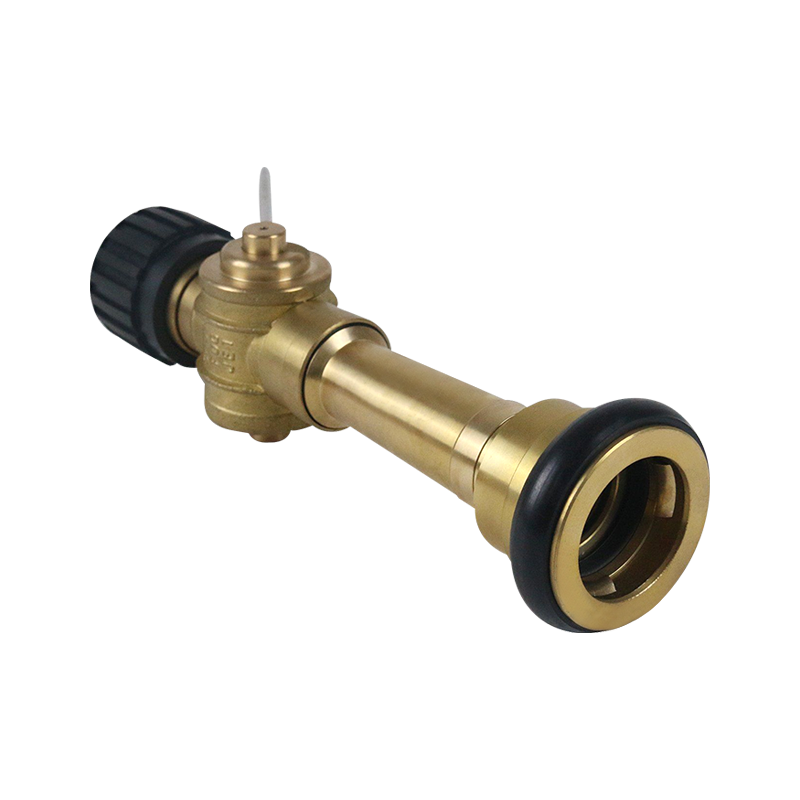
1.5‘’ 2.5‘’ MACHINO Hose Nozzle
Material selection is one of the most important decisions in hose-nozzle design. A nozzle must withstand internal fluid pressure, repeated handling, contact with moisture, and possible exposure to heat or chemical environments. It must also be light enough for an operator to control safely. Aluminum alloy addresses these needs by combining several useful properties in one material.
A heavy nozzle can increase operator fatigue, especially during prolonged firefighting, washdown, or irrigation work. Weight also affects how quickly the nozzle can be repositioned. The aluminum alloy body of the MACHINO Hose Nozzle helps reduce the load at the end of the hose, making the assembly easier to lift, direct, and move.
Lower weight does not eliminate the need for correct operating procedures. Hose reaction, pressure, and flow volume can still create significant force. However, a lighter nozzle can make the operator’s task more manageable when the equipment is used within the limits of the connected hose system.
Aluminum alloy is not selected merely because it is light. It also provides useful structural strength for a nozzle body that must remain stable during connection, handling, and operation. The alloy construction supports the product’s resistance to ordinary mechanical stress and repeated use.
In practical terms, a durable body helps the nozzle maintain its functional shape and connection geometry during routine service. This is important because damage, distortion, or excessive wear at the inlet can affect hose attachment and sealing performance.
Hose nozzles commonly operate in wet environments. They may be exposed to water, humid air, residue from firefighting systems, cleaning solutions, or other fluids. Aluminum alloy offers resistance to corrosion and wear that can help extend service life when the nozzle is correctly used, cleaned, and stored.
Corrosion resistance is especially valuable for equipment kept in vehicles, fire cabinets, warehouses, or outdoor operating areas. It can reduce the likelihood that surface deterioration will quickly interfere with handling or connection. Nevertheless, regular inspection remains necessary, because no material is immune to every chemical or environmental condition.
The product information identifies the aluminum alloy construction as supporting thermal conductivity and high-temperature capability. In operations where the nozzle may encounter warm fluids or elevated ambient temperatures, the material helps the body respond to heat while maintaining its functional performance.
Users should always confirm that the operating temperature and fluid chemistry are suitable for the complete hose assembly, including the hose tube, reinforcement, coupling, gasket, and nozzle. A nozzle should never be evaluated in isolation when the entire system is exposed to heat or aggressive media.
A secure hose connection is fundamental to safe and efficient fluid delivery. The inlet is the point where the nozzle interfaces with the hose coupling or compatible connection. If the mating surfaces are poorly formed, misaligned, or damaged, the result may be leakage, reduced efficiency, difficult installation, or premature wear.
The MACHINO Hose Nozzle features a precision-machined inlet designed to support a secure and leak-free connection when paired with the correct hose and coupling. Precision machining helps create consistent dimensions and smooth mating surfaces. This improves the likelihood that compatible components will fit together properly and maintain a dependable seal during use.
Manufacturing consistency is essential for interchangeable hose equipment. A connection that varies significantly from one unit to another can complicate installation and maintenance. Precision machining allows the inlet geometry to be produced with controlled dimensions, supporting repeatable assembly across production batches.
For distributors and professional users, consistent connection dimensions can simplify inventory management. When replacement nozzles are needed, a predictable interface makes it easier to select compatible components and reduce installation delays.
Leakage can waste water, reduce usable flow, create slippery working surfaces, and expose operators to unwanted spray. In fire protection, leakage at the nozzle connection can also diminish the efficiency of the hose line when the system is needed urgently.
The machined inlet is intended to help minimize leakage when the connection is correctly assembled. Proper coupling selection, gasket condition, thread or fitting compatibility, tightening procedure, and operating pressure remain essential. The nozzle’s design supports the connection, but system performance depends on the entire set of mating parts.
A well-formed inlet can make installation more straightforward. Operators can inspect the connection surface, align the compatible coupling, and assemble the parts with less risk of cross-threading or irregular engagement. The design also supports routine inspection because visible damage, contamination, or wear can be identified at the connection point.
Before every important use, the inlet should be checked for dents, cracks, deformation, blocked passages, excessive wear, and contamination. The coupling and gasket should be examined at the same time. Any component that does not fit correctly or shows signs of damage should be removed from service until evaluated.
The availability of 1.5-inch and 2.5-inch versions gives users flexibility when selecting a nozzle for different hose arrangements. Inlet size affects compatibility, handling characteristics, and the potential flow capacity of the connected system. It should be selected according to the hose diameter, coupling standard, pump or water supply, expected pressure, and intended application.
The 1.5-inch configuration is suitable for applications that use a more compact hose line. It can be considered where portability, quick repositioning, and lower overall handling weight are important. This type of configuration may be useful for building maintenance, light industrial washdown, smaller fire hose lines, agricultural tasks, and other operations requiring directed water delivery.
A smaller inlet does not automatically indicate limited quality or performance. Instead, it provides a different balance between system size and maneuverability. The final flow rate depends on the complete arrangement, including hose length, internal diameter, pressure, coupling design, restrictions, and source capacity.
The 2.5-inch configuration is intended for larger hose systems and applications where the surrounding equipment is designed to handle a greater volume of fluid. It may be appropriate for professional fire protection systems, industrial water delivery, construction-site service, and other demanding operations.
Because a larger hose can carry more fluid and may generate greater reaction force, operators should use appropriate training and handling procedures. The nozzle should be connected only to compatible components, and the complete system should be verified for pressure and flow requirements before operation.
Choosing the correct inlet size is more important than selecting the largest available option. A nozzle must match the hose, coupling, and intended operating conditions. An incorrectly sized connection may require adapters, create restrictions, or result in an unsafe and unreliable installation.
Purchasers should provide the supplier with the hose size, connection type, operating pressure, fluid medium, temperature range, and intended use. This information helps confirm whether the 1.5-inch or 2.5-inch version is the appropriate choice.
Handling is a major part of nozzle performance. A nozzle that is technically strong but difficult to grip can reduce operator confidence and control. Wet, greasy, muddy, or gloved hands can make smooth surfaces difficult to hold. The MACHINO Hose Nozzle addresses this concern with a handle designed around user comfort and a non-slip surface.
The non-slip handle helps the operator maintain contact with the nozzle when water is present. This is valuable in firefighting, washing, irrigation, and industrial cleaning, where spray and splashing are common. A stable grip can make it easier to direct the stream and respond to changing conditions.
The combination of an aluminum alloy body and an ergonomic handle can help reduce unnecessary strain during operation. The operator can hold the nozzle more securely and make controlled adjustments without relying entirely on excessive gripping force.
Comfort is not simply a convenience. It can influence how accurately and safely an operator performs a task. When equipment is easier to handle, users are more likely to maintain a controlled position and follow correct operating procedures.
Firefighters, industrial workers, agricultural operators, and construction personnel frequently use gloves. The non-slip handle is designed to support control when the user is not working with bare hands. The exact grip experience will depend on glove material, glove thickness, water contamination, and operating force, so users should test the equipment under representative conditions.
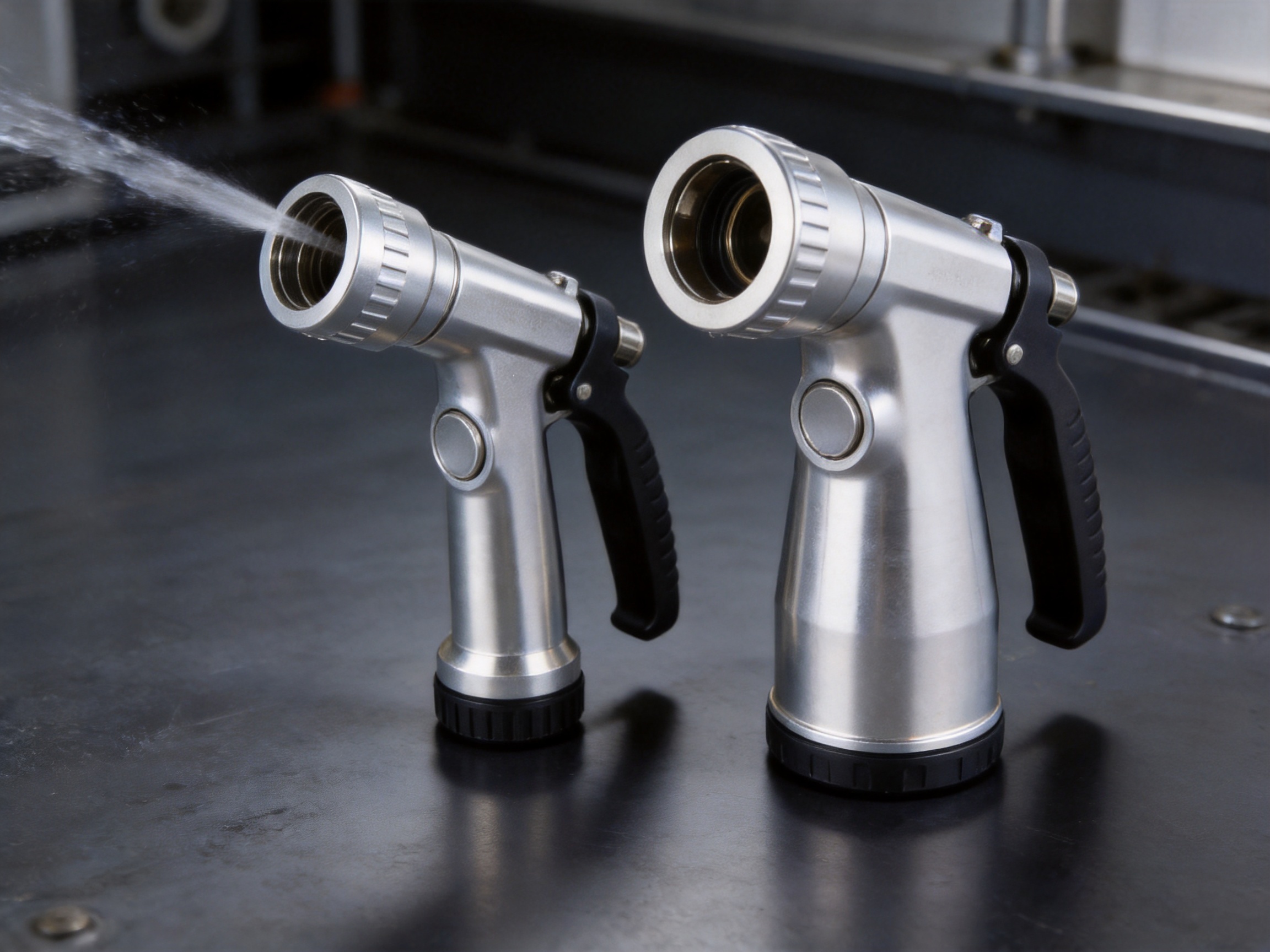
The MACHINO Hose Nozzle offers several practical advantages over heavier conventional nozzle designs. These advantages are based on its aluminum alloy construction, precision-machined inlet, available size options, and non-slip handle.
Compared with a nozzle made from a heavier metal, an aluminum alloy model can be easier to carry and reposition. This can be beneficial for mobile fire response, emergency equipment storage, temporary construction systems, and agricultural work where the nozzle may be transported over a distance.
Reduced weight can also lower the strain placed on hose supports, storage racks, vehicle compartments, and operator equipment. It may help one person complete tasks that would otherwise require additional assistance, provided that the hose pressure and reaction force remain manageable.
A heavy body is not always a sign of superior performance. Excess material can increase weight without creating a proportional benefit for the user. The aluminum alloy construction aims to provide the required body strength while maintaining a more practical weight profile.
In wet environments, a corrosion-resistant metal can provide an advantage over materials that deteriorate quickly when exposed to moisture. This can support longer service life and better appearance when the nozzle is maintained properly.
The non-slip handle and lightweight body are especially valuable during repeated or extended operations. Users may need to direct the nozzle at different angles, move around obstacles, or maintain a position for several minutes. Comfortable control can improve productivity and reduce fatigue.
The two available inlet sizes make the product more adaptable than a single-size nozzle. Distributors can serve customers with different hose requirements, while end users can choose a size that matches their existing equipment rather than replacing an entire hose arrangement.
Fire protection is one of the most important application areas for a reliable hose nozzle. During an emergency, equipment must be easy to identify, connect, handle, and operate. The aluminum alloy body, secure inlet, and non-slip handle make the product suitable for fire hose systems where controlled water delivery is required.
The 1.5-inch version may be considered for compact hose lines and locations where maneuverability is a priority. The 2.5-inch version can be used with larger hose systems designed for higher-volume delivery. In both cases, the nozzle must be compatible with the fire hose, coupling, pump, hydrant, and operating pressure.
Fire equipment should be inspected according to the procedures established by the responsible organization. Inspection may include checking the nozzle body, inlet, coupling, sealing components, handle, flow passage, and visible surface condition. Equipment stored for emergencies should remain clean, dry, accessible, and protected from impact or contamination.
Construction sites often require flexible water delivery for dust suppression, surface cleaning, concrete-related work, equipment washing, and general site maintenance. A lightweight nozzle can be moved between work areas more easily than a heavier alternative. The aluminum alloy body also supports use in environments where equipment may be exposed to moisture, dirt, and frequent handling.
Water-management operations may include temporary water lines, drainage support, washdown work, and controlled delivery around facilities. The correct nozzle size can help operators select a configuration that matches available hoses and water sources. The precision-machined inlet supports dependable connection when the proper compatible coupling is used.
Construction and water-management users should protect the nozzle from unnecessary impact, abrasive dragging, and contact with incompatible chemicals. After use, the unit should be rinsed when appropriate, allowed to dry, and stored in a location where the inlet and handle will not be damaged.
Agricultural operations use hose equipment for irrigation, livestock-area cleaning, equipment washing, greenhouse maintenance, and general water distribution. These environments may expose nozzles to mud, fertilizers, oils, cleaning agents, and changing weather conditions.
The aluminum alloy construction offers a useful combination of low weight and resistance to ordinary moisture exposure. The non-slip handle can improve control when operators work with wet hands or gloves. The available inlet sizes also support different hose layouts used around farms, nurseries, greenhouses, and water-storage systems.
When agricultural chemicals are involved, users must verify chemical compatibility before operation. Not every aluminum alloy is suitable for every chemical solution, and compatibility can depend on concentration, temperature, exposure time, and the condition of other system components. Water applications should remain the default unless the complete fluid compatibility has been confirmed.
Industrial facilities often need durable hose-end equipment for cleaning, process support, maintenance, cooling, and water transfer. In these settings, reliability and ease of handling can influence both productivity and workplace safety.
The MACHINO Hose Nozzle can be incorporated into suitable industrial hose assemblies where the fluid, pressure, temperature, and connection standard are compatible. Its precision-machined inlet helps support a reliable interface, while the aluminum alloy body provides a practical solution for users who need lower equipment weight.
Industrial purchasers should assess the full operating environment. Important factors include the fluid’s chemical composition, abrasive content, temperature, pressure, frequency of use, cleaning method, and storage conditions. Where aggressive chemicals or highly abrasive materials are involved, a specialized nozzle material may be necessary.
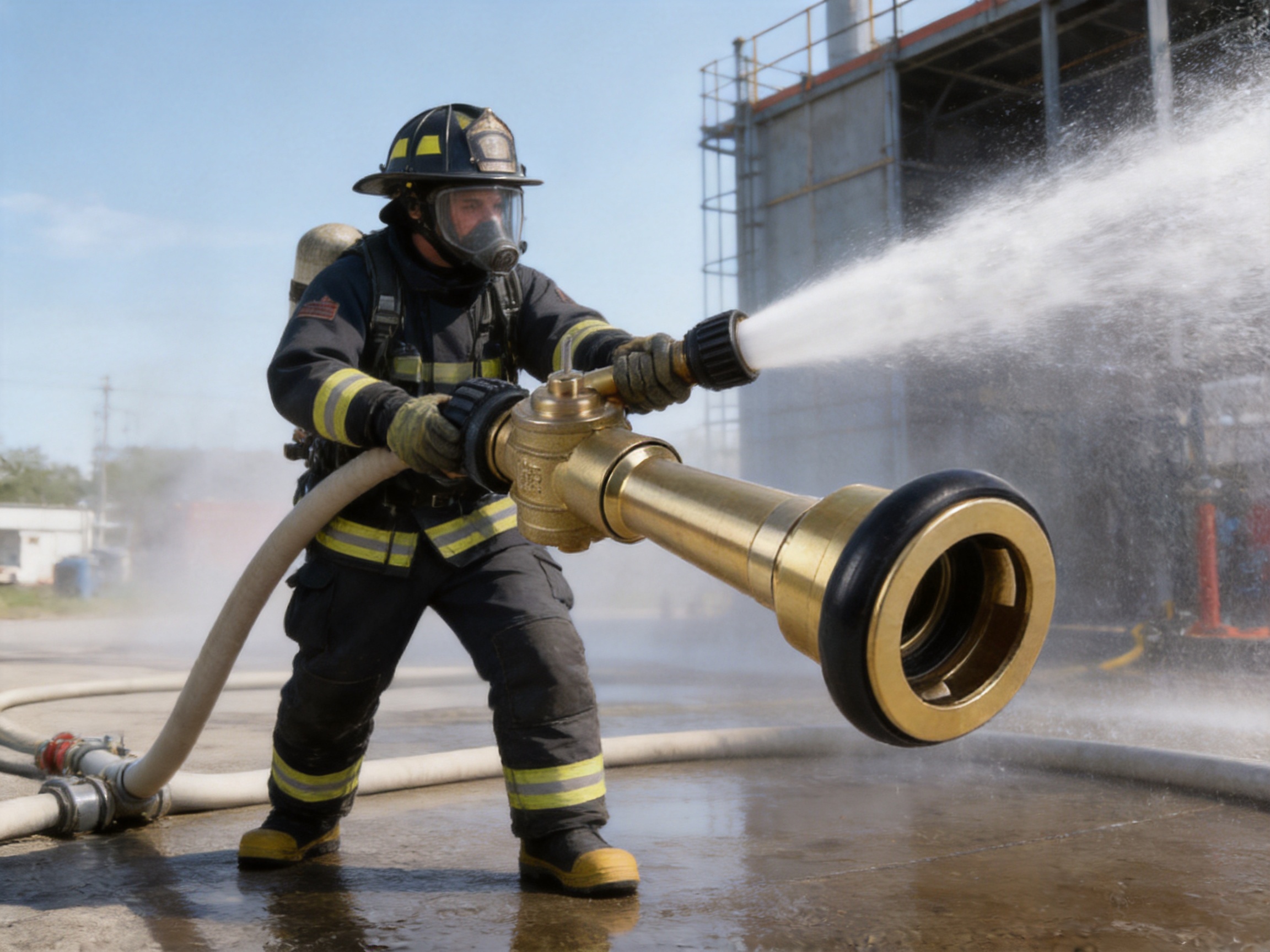
The performance of a hose nozzle depends not only on the selected material but also on how the product is manufactured. The supplied product information identifies several construction features that point to a controlled production approach: premium-grade aluminum alloy, a precision-machined inlet, and a handle designed for dependable operator control.
The manufacturer, Taizhou Shenlong Fire Science and Technology Co., Ltd., was founded in 1995 and operates across research and development, production, sales, and service. This integrated structure supports the development of hose products and related components with attention to the practical requirements of different markets.
Manufacturing begins with choosing an alloy suitable for the required balance of strength, weight, corrosion resistance, and machinability. Consistent material selection helps ensure that the finished nozzle has predictable physical characteristics. Material control is particularly important when components must be repeatedly produced for wholesale distribution and international customers.
The inlet is a critical area of the product, and precision machining helps form the dimensions and surfaces needed for a secure connection. Controlled machining can support consistency from one unit to the next, improve mating performance, and reduce avoidable variation during assembly.
Precision machining also provides an opportunity for visual and dimensional inspection. A properly organized production process can check important areas such as inlet geometry, surface condition, flow passage, and overall appearance before products are packed for delivery.
The nozzle must be assembled and finished in a way that preserves the function of the body, inlet, and handle. The handle surface should remain comfortable and secure, while the body should be free from obvious defects that could interfere with use. Finishing operations also help prepare the product for storage, transportation, and installation.
A company with long-term experience in lined fire hoses and related products can better understand how nozzles interact with hose assemblies, couplings, fire systems, and fluid-handling environments. This application knowledge supports product development that focuses on real operating conditions rather than isolated component specifications.
The company’s research and development, manufacturing, sales, and service functions provide a foundation for supporting customers throughout the purchasing process. Buyers can discuss product selection, hose compatibility, intended application, and order requirements with a supplier familiar with the broader hose industry.
Since its establishment in 1995, the company has developed experience in the research, production, sales, and service of lined fire hoses and related products. Its product activity includes various materials used in fire hose construction, and it can also undertake certain foreign-trade product requirements involving rubber, PVC, polyurethane, and double-sided tape according to customer needs.
The company reports that its products are sold across more than 20 provinces, cities, and autonomous regions and that it cooperates with four domestic foreign-trade companies for export production. This distribution and cooperation experience indicates familiarity with different customer requirements, order structures, and market applications.
Its products are used in fire protection, construction, water conservancy, and other industries. These sectors require equipment that can function in wet, outdoor, mobile, and demanding conditions. The MACHINO Hose Nozzle complements this broader product background by providing a hose-end solution focused on flow direction and operator control.
Wholesale buyers need more than an attractive product description. They need consistency, compatibility, packaging reliability, responsive communication, and a clear understanding of the intended application. The MACHINO Hose Nozzle is suitable for buyers looking for a lightweight aluminum alloy nozzle with 1.5-inch or 2.5-inch inlet options.
Before placing a bulk order, buyers should confirm the following details:
1. The required inlet size and compatible coupling type.
2. The expected operating pressure and flow conditions.
3. The fluid or fluids that will contact the nozzle.
4. The required temperature range.
5. Packaging, labeling, and shipment requirements.
6. Inspection documentation or product records required by the customer.
7. The quantity, delivery schedule, and destination market.
8. Any special requirements for color, marking, handle configuration, or private labeling.
Clear technical communication before production helps avoid mismatched orders. It also allows the manufacturer and buyer to determine whether the standard product is appropriate or whether additional evaluation is needed.
Correct installation is essential for achieving the benefits of a precision-machined inlet. The nozzle should be connected only to a compatible hose coupling or fitting. Before assembly, inspect the connection surfaces and remove dirt, grit, old sealing material, or foreign objects that could prevent proper engagement.
Align the components carefully and tighten them according to the connection design and the hose manufacturer’s recommendations. Excessive force should be avoided because it may damage threads, seals, or connection surfaces. If the connection does not engage smoothly, stop and investigate the cause rather than forcing the parts together.
Before applying full operating pressure, conduct a controlled inspection for leaks. If leakage occurs, depressurize the system and check the gasket, coupling, alignment, and inlet condition. Never attempt to repair a pressurized connection.
During operation, the operator should maintain a secure grip and stand in a stable position. The hose should be supported where necessary, and the nozzle should be directed away from people, fragile objects, electrical hazards, and areas where uncontrolled water could cause damage. For firefighting use, operators must follow the procedures and training requirements of their organization.
Routine maintenance helps preserve the performance of the nozzle. After use, remove visible dirt and residue from the body, handle, inlet, and flow passage. If the nozzle has contacted a fluid other than clean water, follow an appropriate cleaning procedure based on the fluid’s characteristics and the compatibility of the materials.
Allow the nozzle to dry before long-term storage. Moisture trapped around the coupling or inside the connection area may contribute to deterioration of associated components. Store the nozzle where it is protected from unnecessary impact, extreme contamination, and unauthorized use.
Inspect the aluminum alloy body for cracks, dents, distortion, unusual wear, or other signs of damage. Check the inlet for deformation and examine the handle for looseness or surface deterioration. The connected gasket and coupling should also be inspected because a nozzle may appear sound while a sealing component has failed.
Any nozzle that has been exposed to abnormal pressure, severe impact, fire-related heat, aggressive chemicals, or suspected structural damage should be removed from service until it has been evaluated by a qualified person.
Selecting between the 1.5-inch and 2.5-inch versions should begin with the existing hose system. The nozzle inlet should correspond to the hose and coupling arrangement, not simply to the desired visual size of the product.
| Selection factor | Why it matters |
| Hose diameter | The nozzle must match the hose system or use a properly approved compatible connection. |
| Connection standard | Different coupling or fitting standards may not be interchangeable. |
| Flow requirement | The complete system determines actual flow; inlet size alone does not guarantee a specific flow rate. |
| Operating pressure | The hose, coupling, nozzle, and supply must be suitable for the working pressure. |
| Operator needs | Portability and ease of handling may favor a more compact hose configuration. |
| Fluid compatibility | The nozzle material must be suitable for the intended medium, concentration, and temperature. |
| Storage and transport | Available space and handling conditions can influence the practical choice. |
For a compact, highly maneuverable hose line, the 1.5-inch version may be preferable. For a larger hose system intended to support higher-volume delivery, the 2.5-inch version may be more suitable. The final decision should be based on engineering requirements and the recommendations of the responsible system designer or equipment manager.
The 1.5-inch and 2.5-inch MACHINO Hose Nozzle brings together several features that matter in professional fluid-handling equipment. Its aluminum alloy body helps limit unnecessary weight while maintaining useful strength. Its resistance to corrosion and wear supports service in wet and demanding environments. Its precision-machined inlet promotes a dependable connection, and its non-slip handle improves control during operation.
Compared with a heavier conventional nozzle, the product can be easier to transport, install, and handle. Compared with a poorly finished or inconsistent connection component, the machined inlet offers a more controlled interface. Compared with a one-size-only product, the two available inlet sizes provide greater flexibility for different hose systems.
The company’s experience in fire hose research, production, sales, and service adds further value for professional buyers. Its integrated business structure and experience serving domestic and export-related markets support communication from product selection through delivery.
For users who need a practical hose-end solution for firefighting, construction, agriculture, water management, or industrial work, this nozzle offers a balanced combination of material performance, handling comfort, connection design, and application flexibility.
The nozzle is manufactured from aluminum alloy. This material provides a useful combination of low weight, strength, corrosion resistance, wear resistance, and thermal performance for suitable hose applications.
The product is available with 1.5-inch and 2.5-inch inlet sizes. The correct option should match the connected hose, coupling, operating pressure, and intended flow system.
Yes. The nozzle is designed for hose-end fluid control and can be used in suitable fire protection systems when its size, connection, pressure rating, and operating conditions are compatible with the complete fire hose assembly.
It may be suitable for certain compatible fluids, but users must verify material compatibility before introducing chemicals. Compatibility depends on the chemical type, concentration, temperature, exposure time, and condition of the complete hose system.
The precision-machined inlet is designed to provide a consistent and secure connection with compatible hose fittings or couplings. It helps support proper engagement and reduce leakage when the system is correctly assembled and maintained.
Yes. The handle has a non-slip surface intended to improve control in wet, greasy, or otherwise difficult gripping conditions. Users should still follow proper operating procedures and use suitable protective gloves.
Neither size is universally better. The 1.5-inch model is generally associated with a more compact hose configuration, while the 2.5-inch model is intended for larger hose systems. Selection should be based on the existing hose, coupling, pressure, flow requirement, and application.
Clean the nozzle after use, remove residue, inspect the body and inlet, check the handle, and examine the connected gasket and coupling. Allow the nozzle to dry before storage and remove it from service if cracks, deformation, severe wear, or other damage is found.
The product is manufactured by Taizhou Shenlong Fire Science and Technology Co., Ltd., a company founded in 1995 with activities covering research and development, production, sales, and service in the hose industry.
Potential application areas include fire protection, construction, water conservancy, agriculture, industrial cleaning, equipment maintenance, and other suitable fluid-handling operations.
The 1.5-inch and 2.5-inch MACHINO Hose Nozzle is designed for users who require reliable flow direction, manageable weight, and secure hose connection. Its aluminum alloy construction provides a practical alternative to heavier nozzle materials, while its corrosion and wear resistance support use in wet and demanding environments.
The precision-machined inlet helps create a dependable interface with compatible hose connections, and the non-slip handle supports operator comfort and control. With two inlet sizes available, the product can be selected for different hose systems and application requirements.
Supported by a manufacturer with experience in fire hose research, production, sales, and service since 1995, the nozzle represents a practical component for professional fire protection and general fluid-handling systems. Correct size selection, proper installation, routine inspection, and material compatibility remain essential to achieving safe and effective performance.
1. Product specifications supplied for the 1.5-inch and 2.5-inch MACHINO Hose Nozzle.
2. Manufacturer information regarding aluminum alloy construction, precision-machined inlet design, and non-slip handle features.
3. Company background information concerning research and development, production, sales, service, and fire hose manufacturing experience since 1995.
4. General principles of hose assembly selection, coupling compatibility, pressure management, and equipment inspection.
5. General engineering references concerning aluminum alloy properties, corrosion resistance, thermal conductivity, and mechanical handling considerations.
6. General workplace guidance for safe hose operation, fluid compatibility assessment, equipment maintenance, and storage.
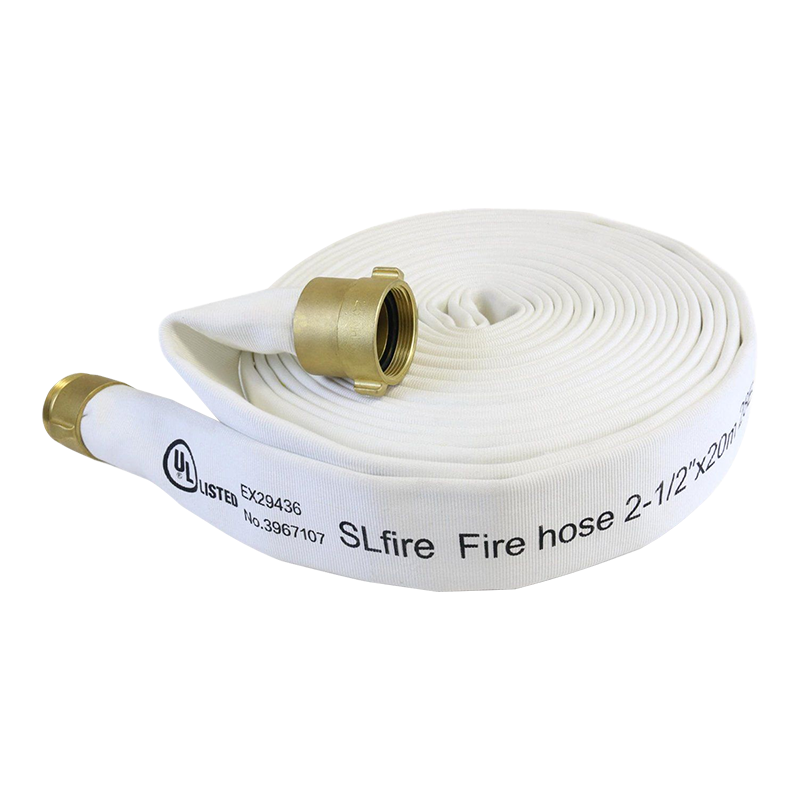
Single jacket, EPDM rubber liner Features • 100% high tenacity polyester jacket, high-grade EPDM rub...
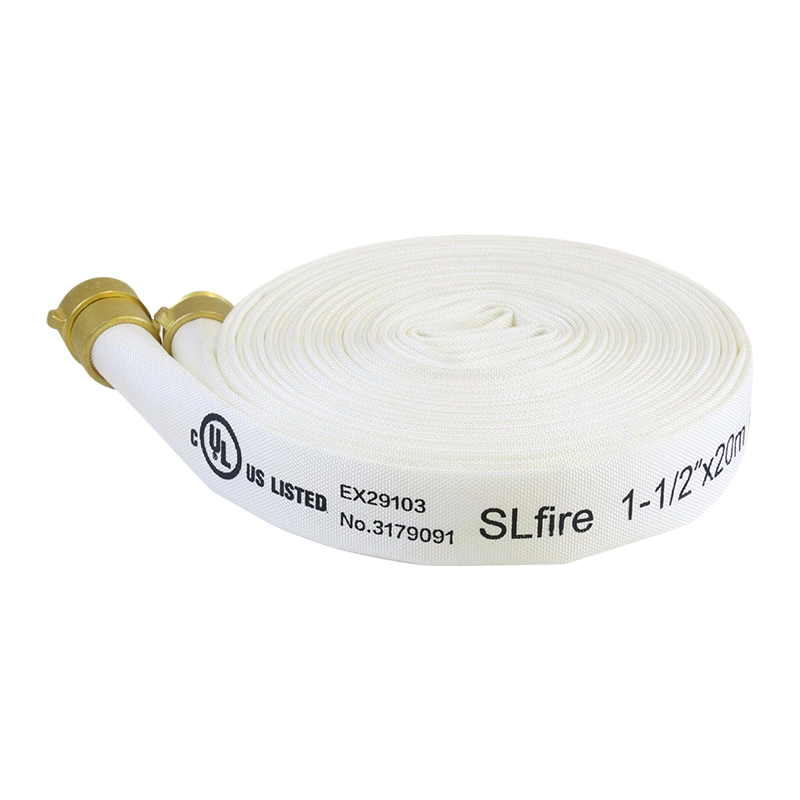
Single jacket, TPU liner •High-tenacity polyester yarn, circular woven in twill weave/plain weave,T ...
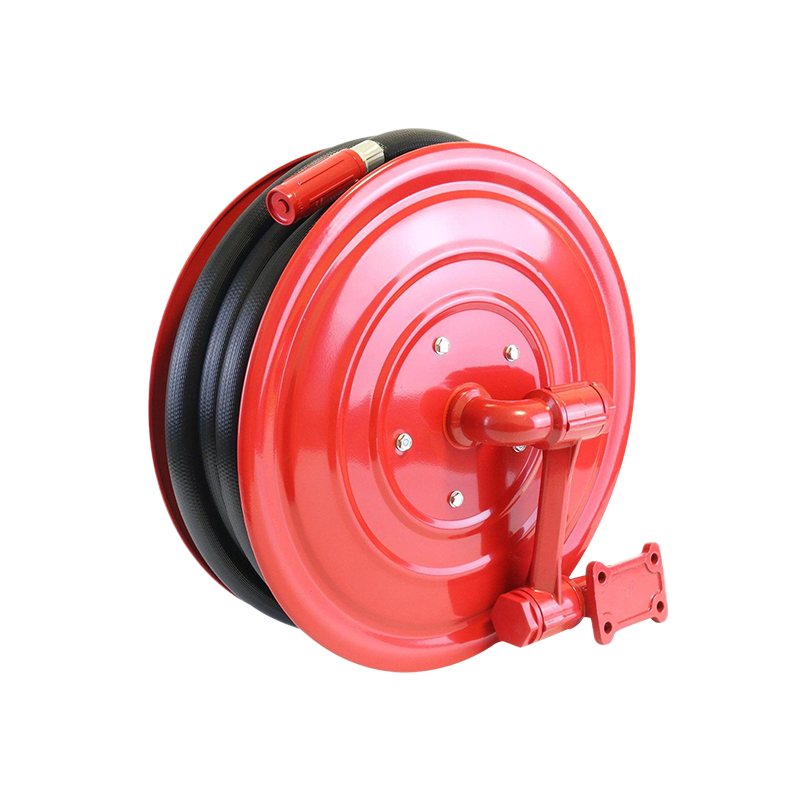
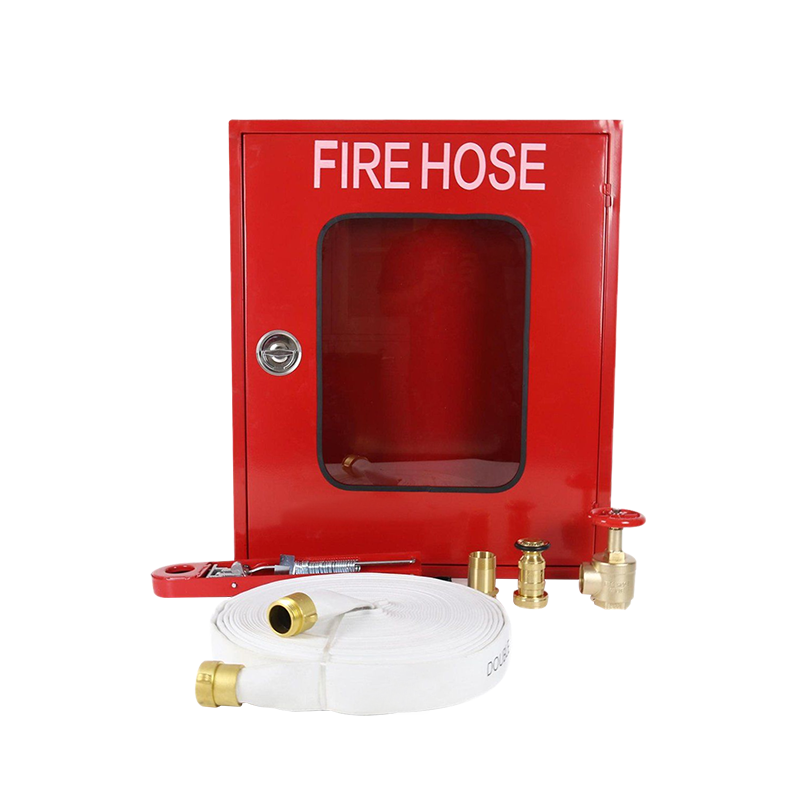
Fire cabinets are designed to accommodate fire hose,valve and other firefighting equipment. Type 201...
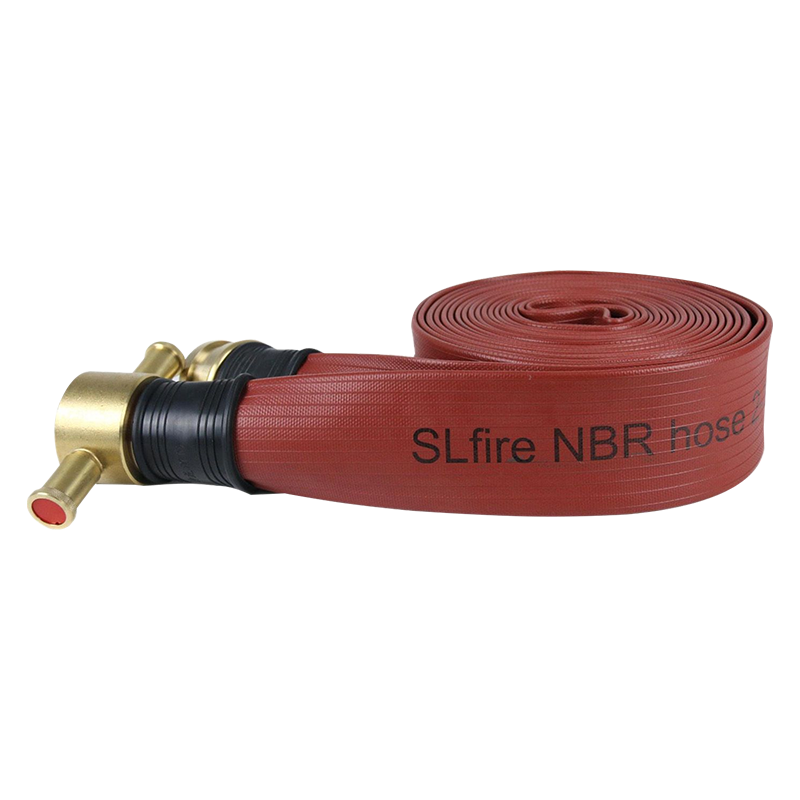
Nitrile covered hose •Nitrile/TPR blend as cover and lining, with 100% high-tenacity polyester yarn ...
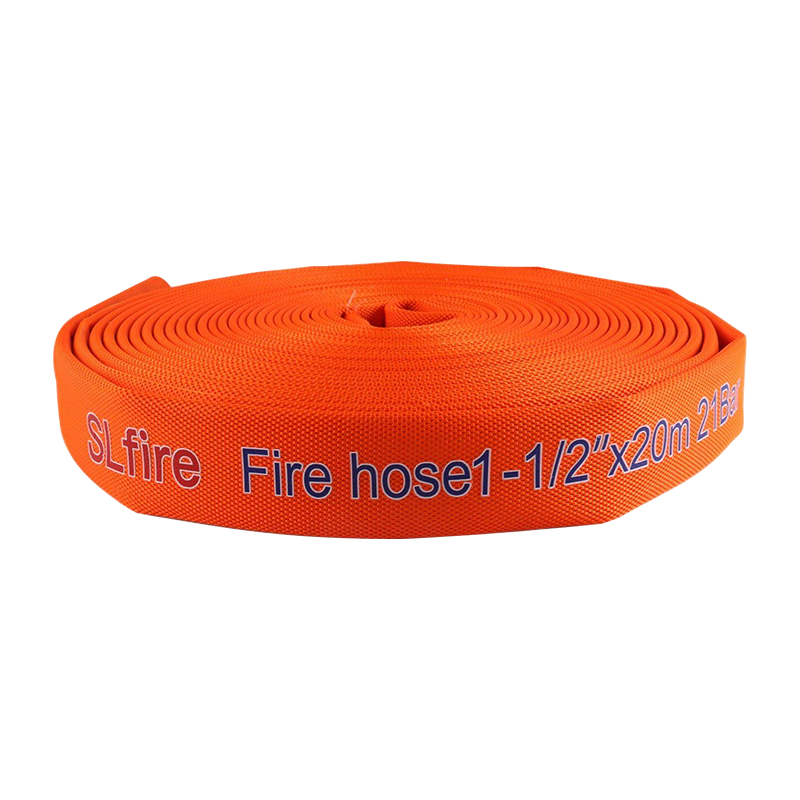
Single jacket, TPU liner •High-tenacity polyester yarn, circular woven in twill weave, TPU lining, f...
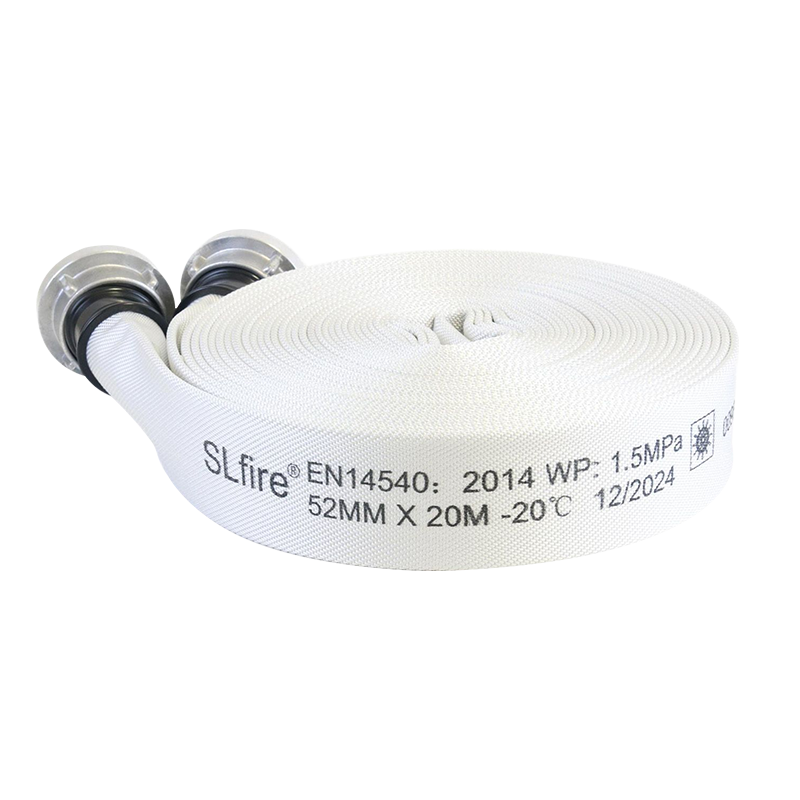
Marine hose Single jacket, PVC liner •100% high tenacity polyester yarn, circular woven in twill wea...
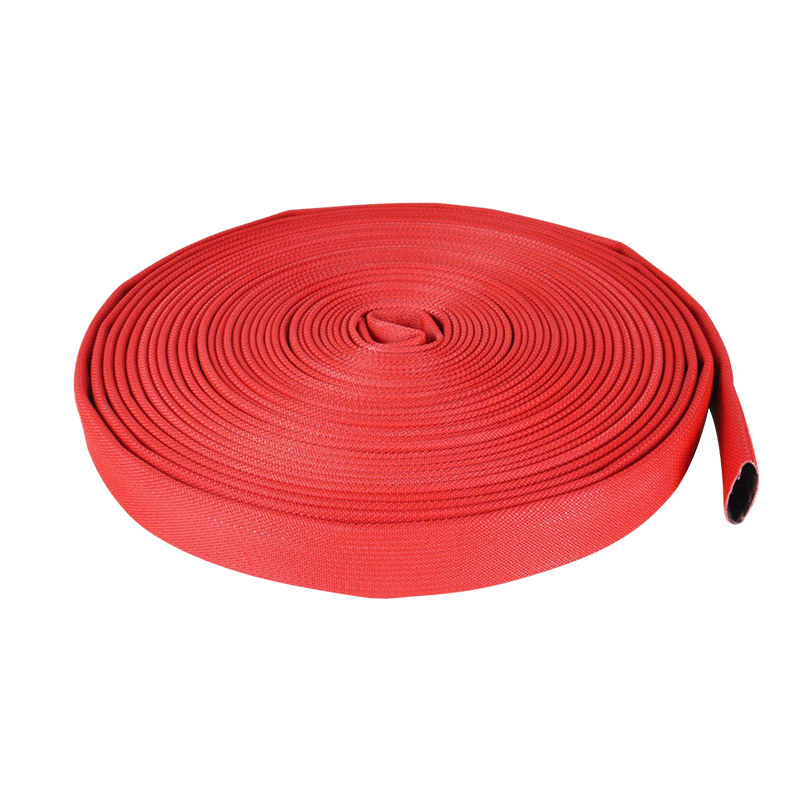
Marine hose Single jacket, PVC liner, PU coated •100% high tenacity polyester yarn,c ircular woven i...
 Call Us
+86 159-5116-9511
Need Support
Head Office
No.58, Kechuang Road, Sixiang Street Medicine Gaoxin District Taizhou City, Jiangsu Province

At a structure fire, the first line off the truck is the one that does the hardest work. Pulled around obstacles, dragged across gravel, charged with high-pressure water, and shut off at the nozzle d...
Copyright © Taizhou Shenlong Fire Science and Technology Co., Ltd. All Rights Reserved.
 Fire Hose Manufacturers, Fire Hydrant Hose Factory