

 English
 русский
 Español
 Deutsch
 عربى
 Français
 Português
Don't hesitate to send a message

Single jacket, EPDM rubber liner Features • 100% high tenacity polyester jacket, high-grade EPDM rub...
Content
TPU covered hose supply hose is designed for users who need dependable water delivery, high abrasion resistance, flexible handling, and reduced maintenance in demanding working environments. Combining a thermoplastic polyurethane cover and lining with high-tenacity polyester yarn reinforcement, this hose offers a practical balance of strength, durability, chemical resistance, and operating convenience.
Supply hoses are used in many applications where large volumes of water must be transferred efficiently. Firefighting, construction, agriculture, municipal water management, industrial cleaning, emergency response, and water conservancy operations all require hoses that can withstand repeated deployment, dragging, bending, pressure fluctuations, and exposure to outdoor conditions. A hose that performs well under laboratory conditions but deteriorates quickly during field use can increase replacement costs and create operational risks. The TPU covered design addresses many of these common challenges through its protective outer ribs, resilient polymer construction, and reinforced structure.
This article examines the construction, performance, advantages, applications, maintenance characteristics, and manufacturing strengths associated with TPU covered hose supply hose. It also explains how the product compares with more conventional hose designs and how buyers can select a suitable diameter and length for their operating requirements.
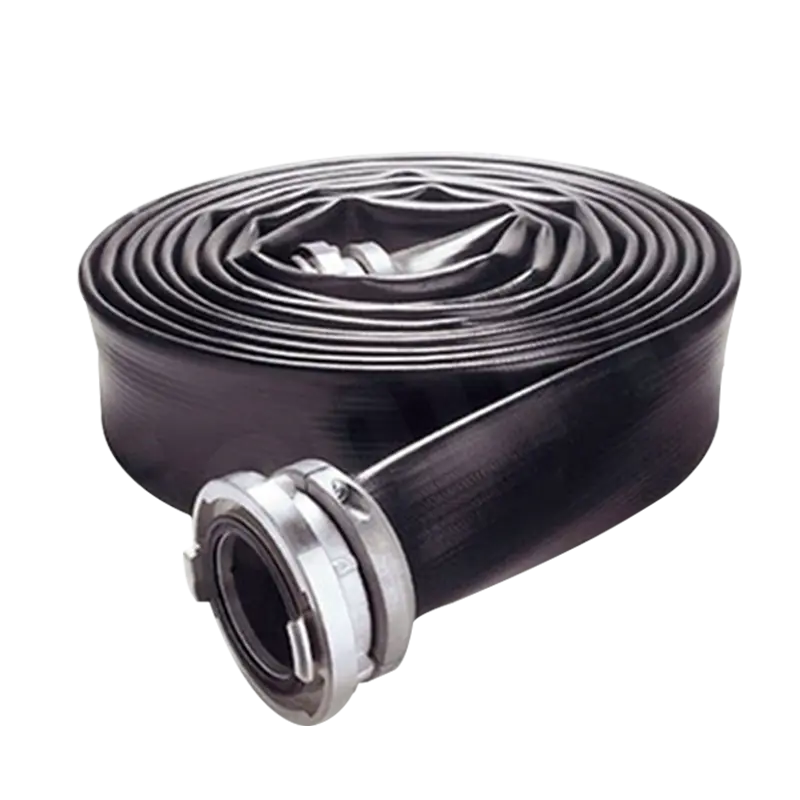
TPU Covered Hose Supply Hose
TPU covered hose supply hose is a flexible water-delivery hose constructed with thermoplastic polyurethane on both the exterior cover and the interior lining. High-tenacity polyester yarn is incorporated as the reinforcement layer. This composite structure allows the hose to remain flexible while supporting significant working pressure.
Thermoplastic polyurethane, commonly abbreviated as TPU, is an engineering polymer recognized for its elasticity, toughness, resistance to abrasion, and ability to maintain useful performance across a broad temperature range. In this hose construction, TPU serves two important functions. The inner TPU layer provides a smooth water-contact surface, while the outer TPU cover protects the reinforcement from external wear, moisture, chemicals, and environmental exposure.
The reinforcement yarn carries much of the pressure load generated when the hose is filled and pressurized. High-tenacity polyester is selected because it offers strong tensile performance, dimensional stability, and resistance to repeated flexing. The resulting structure is lighter and more flexible than many rigid pipe alternatives while offering significantly greater protection than an uncoated textile hose.
The hose is available in 3-inch, 4-inch, 5-inch, 6-inch, and 8-inch inner diameters. Standard length options include 50 feet, 75 feet, and 100 feet. These sizes allow users to configure hose assemblies for portable pumping, hydrant supply, water transfer, irrigation, construction dewatering, and other high-volume applications.
The TPU lining creates the internal flow passage. Its relatively smooth surface helps water move through the hose with less resistance than a rough or heavily textured interior. Reduced internal friction can contribute to efficient pumping, especially when long hose runs or high flow rates are involved.
The lining also helps isolate the reinforcement from the conveyed water. This is important because continuous exposure to moisture can weaken some textile materials over time. A properly formed TPU lining provides a consistent barrier while retaining the flexibility needed for deployment and storage.
The exterior cover is exposed to the most demanding conditions during operation. Hoses may be dragged across concrete, gravel, soil, metal edges, vehicle decks, or construction surfaces. They may also be exposed to sunlight, rain, mud, oils, and cleaning chemicals. TPU provides a protective outer layer that helps the hose withstand these conditions.
The cover is designed to resist abrasion and maintain its integrity during repeated handling. It also helps limit the penetration of water and contaminants into the reinforcement. Because the cover and lining are made from the same general polymer family, the hose has a cohesive material structure that supports durability and flexibility.
Ribs on the exterior cover provide additional abrasion resistance. Rather than allowing the entire flat cover surface to contact the ground during dragging, the raised ribs create protected contact zones and add material where wear is most likely to occur.
The ribbed design can also improve visual identification of the hose and provide a tactile indication of the exterior structure. In practical use, the ribs help the cover withstand friction from repeated movement across rough surfaces. This feature is especially valuable for fire departments, contractors, agricultural operators, and industrial users who frequently deploy and retrieve hose.
The reinforcement layer is essential to pressure performance. High-tenacity polyester yarn is arranged to support the hose wall and control expansion under pressure. It helps the hose maintain its shape while allowing it to bend and flex during use.
Unlike a rigid pipe, a reinforced textile hose can be rolled for transportation and storage. Unlike a lightly constructed flexible tube, it can withstand the pressure requirements associated with large-diameter water delivery. This combination of portability and pressure capability is one of the central benefits of the product category.
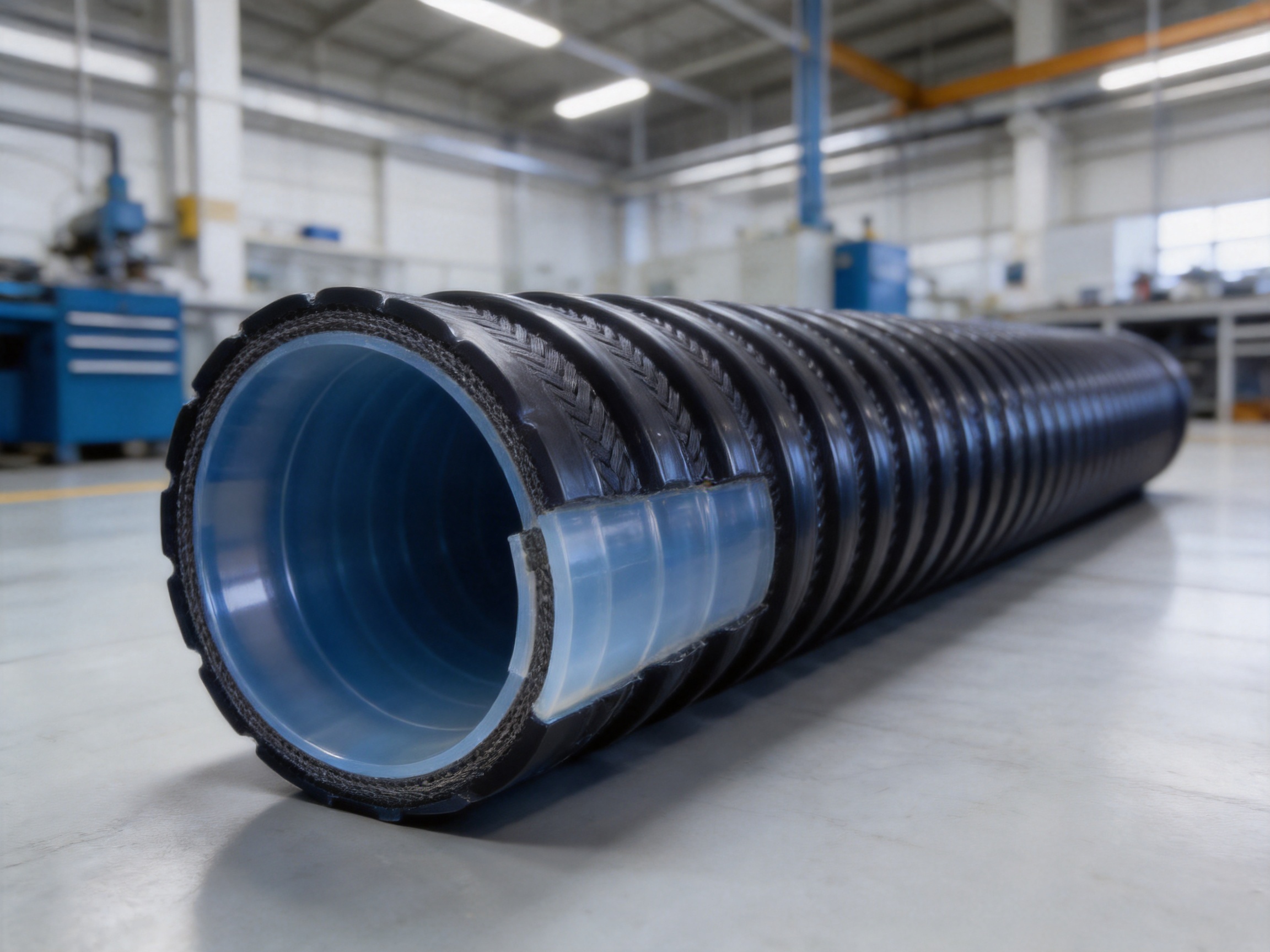
Hose abrasion is one of the most common causes of premature failure. Dragging, folding, vehicle traffic, rough ground, and contact with building materials can gradually wear through a hose cover. Once the reinforcement is exposed, the hose becomes more vulnerable to further damage.
The TPU cover and ribbed exterior are designed to address this problem. TPU is tough and resistant to mechanical wear, while the ribs add an additional protective feature. Compared with a basic smooth textile cover, this construction is better suited to repeated deployment in harsh environments.
High abrasion resistance does not mean that the hose should be dragged over sharp metal or used without inspection. However, it does provide a stronger defense against ordinary field wear. This can extend service life, reduce replacement frequency, and improve the reliability of hose inventories.
Outdoor hose may be exposed to ozone, sunlight, temperature changes, and atmospheric moisture. These conditions can degrade some elastomers and plastics, causing cracking, hardening, or loss of flexibility. The TPU construction is intended to resist ozone-related deterioration and maintain useful performance during outdoor service.
Weather resistance is especially important for hose stored on emergency vehicles, near hydrants, on farms, at construction sites, or in open industrial areas. A hose that remains flexible after repeated outdoor exposure is easier to deploy and less likely to suffer damage during handling.
Although hose materials do not corrode in exactly the same way as metals, hose assemblies can be damaged by moisture, contaminants, and biological growth. The TPU cover and lining provide a protective barrier that resists many of the conditions associated with corrosion and mildew.
This is beneficial in humid climates, irrigation environments, water treatment areas, and emergency service storage locations. Reduced susceptibility to mildew can also help limit unpleasant odors and surface deterioration when the hose is properly drained and dried after use.
Industrial and construction environments may involve contact with fuels, lubricants, hydraulic fluids, and other petroleum-based substances. The TPU material is resistant to petrochemical exposure, helping protect the hose from rapid surface degradation in environments where ordinary textile covers may be more vulnerable.
Resistance varies according to the specific chemical, concentration, temperature, duration of contact, and pressure conditions. Users should confirm compatibility before conveying or immersing the hose in a particular chemical. Nevertheless, petrochemical resistance makes TPU covered hose a practical choice for many mixed-use operating environments.
Large-diameter supply hose must be capable of being deployed around vehicles, equipment, buildings, fields, and uneven terrain. Excessive stiffness makes this process slower and increases the physical effort required from workers. TPU and textile reinforcement provide flexibility without sacrificing the structural support needed for pressurized service.
Flexible hose can be coiled, transported, positioned, and stored more conveniently than rigid piping. It can also accommodate moderate changes in direction without requiring numerous elbows or mechanical joints. This simplifies temporary water supply systems and supports rapid response operations.
The product is described as maintenance free in normal use. In practical terms, this means that the durable construction is designed to reduce routine maintenance demands compared with more vulnerable hose types. The TPU cover does not require painting, external corrosion treatment, or frequent surface repair.
Even a low-maintenance hose should be inspected after use. Removing dirt, draining residual water, checking couplings, and looking for cuts or unusual bulges are sensible practices for any pressurized hose. The difference is that the robust TPU structure can reduce the frequency of repairs and help preserve performance between inspections.
The specified operating temperature range is from -30°C to 80°C. This range allows the hose to be used in cold outdoor conditions as well as warm industrial, agricultural, and emergency service environments.
Temperature affects flexibility, pressure behavior, and material performance. Users should avoid exceeding the stated range and should consider the temperature of both the surrounding environment and the conveyed fluid. At low temperatures, hoses should be handled carefully to avoid unnecessary sharp bending. At high temperatures, pressure ratings and chemical compatibility should be reviewed before operation.
The product range includes several large inner diameters for different flow requirements. Larger diameters can support higher water volumes with lower friction loss, while smaller diameters may be easier to handle and more suitable for limited flow requirements.
The listed working and burst pressures are summarized below. The source specifications use comma notation in several pressure values. The 3-inch values are presented here as approximately 232.3 psi and 696.9 psi, corresponding to approximately 16.21 bar and 48.63 bar.
Inner Diameter |
Approximate Inner Diameter |
Working Pressure |
Working Pressure |
Burst Pressure |
Burst Pressure |
Inch |
Millimeter |
psi |
bar |
psi |
bar |
3 |
75 |
232.3 |
16.21 |
696.9 |
48.63 |
4 |
102 |
232 |
16 |
696 |
48 |
5 |
127 |
200 |
14 |
600 |
42 |
6 |
152 |
200 |
14 |
600 |
42 |
8 |
203 |
145 |
10 |
435 |
30 |
Working pressure is the maximum recommended operating pressure under specified conditions. Burst pressure is a higher test or failure threshold and should never be treated as an operating target. The appropriate selection should account for pump output, static head, friction loss, water hammer, elevation changes, connection equipment, temperature, and the condition of the hose.
Before placing a hose into service, the buyer should confirm the pressure requirements with the manufacturer or supplier, especially where the hose will be used with specialized fittings, high-pressure pumps, or unusual fluids.
Firefighting operations require equipment that can be deployed quickly and exposed to demanding ground conditions. Supply hose is commonly used to transfer water from hydrants, pumps, portable tanks, or other sources to firefighting equipment.
The large diameters available in this range are suitable for high-volume water delivery. The flexible construction allows firefighters and support crews to route the hose around vehicles and structures. The abrasion-resistant cover helps protect the hose during rapid deployment and retrieval.
In emergency use, reliability and clear handling procedures are essential. Hose should be selected according to the pump system and connection requirements, and it should be inspected regularly for cuts, bulges, coupling damage, contamination, or signs of excessive wear.
Construction sites often need to remove rainwater, groundwater, process water, or accumulated runoff. Supply hose can connect pumps to discharge points over temporary routes that change as the project progresses.
Construction surfaces can be abrasive, uneven, and contaminated with dust, oils, and debris. TPU’s abrasion and petrochemical resistance make the hose suitable for many such conditions. Its flexibility also allows contractors to reposition discharge lines as excavation areas, access roads, and work zones change.
Agricultural operations require water transfer across fields, nurseries, orchards, greenhouses, and livestock facilities. A flexible supply hose can provide a temporary connection between pumps, storage tanks, irrigation equipment, and water sources.
The available diameters allow farmers and irrigation contractors to choose a balance between flow capacity and handling effort. Resistance to mildew and outdoor conditions is valuable in agricultural environments where hose may be exposed to soil, moisture, sunlight, and biological material.
Water conservancy projects, drainage operations, flood response, and municipal maintenance may require temporary high-volume water transfer. TPU covered hose can be deployed when rigid pipelines are impractical, too slow to install, or unsuitable for changing terrain.
Its flexibility supports temporary bypass systems, drainage lines, emergency pumping, and maintenance work around reservoirs, channels, treatment facilities, and public infrastructure. The hose can be stored and transported for use when needed, helping organizations maintain a responsive equipment inventory.
Industrial facilities use water hoses for equipment cleaning, yard washing, cooling support, drainage, and process transfer. These environments may involve abrasion, oils, chemical residues, and frequent movement.
The TPU cover provides a protective barrier against many common industrial conditions. However, product compatibility should be confirmed for any specific chemical or process fluid. For ordinary water transfer and cleaning applications, the hose offers a practical combination of flexibility and durability.
Traditional textile-lined hose can be lightweight and economical, but the outer fabric may be more vulnerable to abrasion, moisture, mildew, and contamination. A TPU cover adds a continuous protective layer over the reinforcement and reduces direct exposure of the textile structure to the environment.
The ribbed TPU exterior further distinguishes this design from a simple smooth textile cover. For users who frequently drag hose across rough surfaces, the additional protection can provide a meaningful service-life advantage.
Rubber hose can offer strong flexibility and resistance in many applications, but it may be heavier and more difficult to transport in large diameters. Rubber can also be affected by ozone, weathering, or certain chemicals depending on its formulation.
TPU covered hose offers a lightweight flexible alternative with resistance to ozone, mildew, corrosion-related conditions, and petrochemicals. It is particularly attractive where large-diameter portability and repeated deployment are important.
PVC hoses can be cost-effective and suitable for many low- and medium-duty applications. However, some PVC constructions become less flexible in cold conditions or may be more vulnerable to cracking under severe mechanical stress.
The TPU design is intended for tougher service, including repeated dragging and high-volume pressurized water transfer. Its stated temperature range of -30°C to 80°C and reinforced construction make it better suited to demanding field use, provided the pressure and temperature limits are observed.
Rigid pipe can provide stable flow characteristics, but it requires more time, space, equipment, and labor for installation. It is not always practical for emergency response, temporary pumping, agricultural movement, or rapidly changing construction sites.
Flexible supply hose can be rolled, transported, installed, removed, and redeployed more quickly. It does not replace rigid pipe in every permanent system, but it provides substantial advantages for temporary and mobile water-delivery operations.
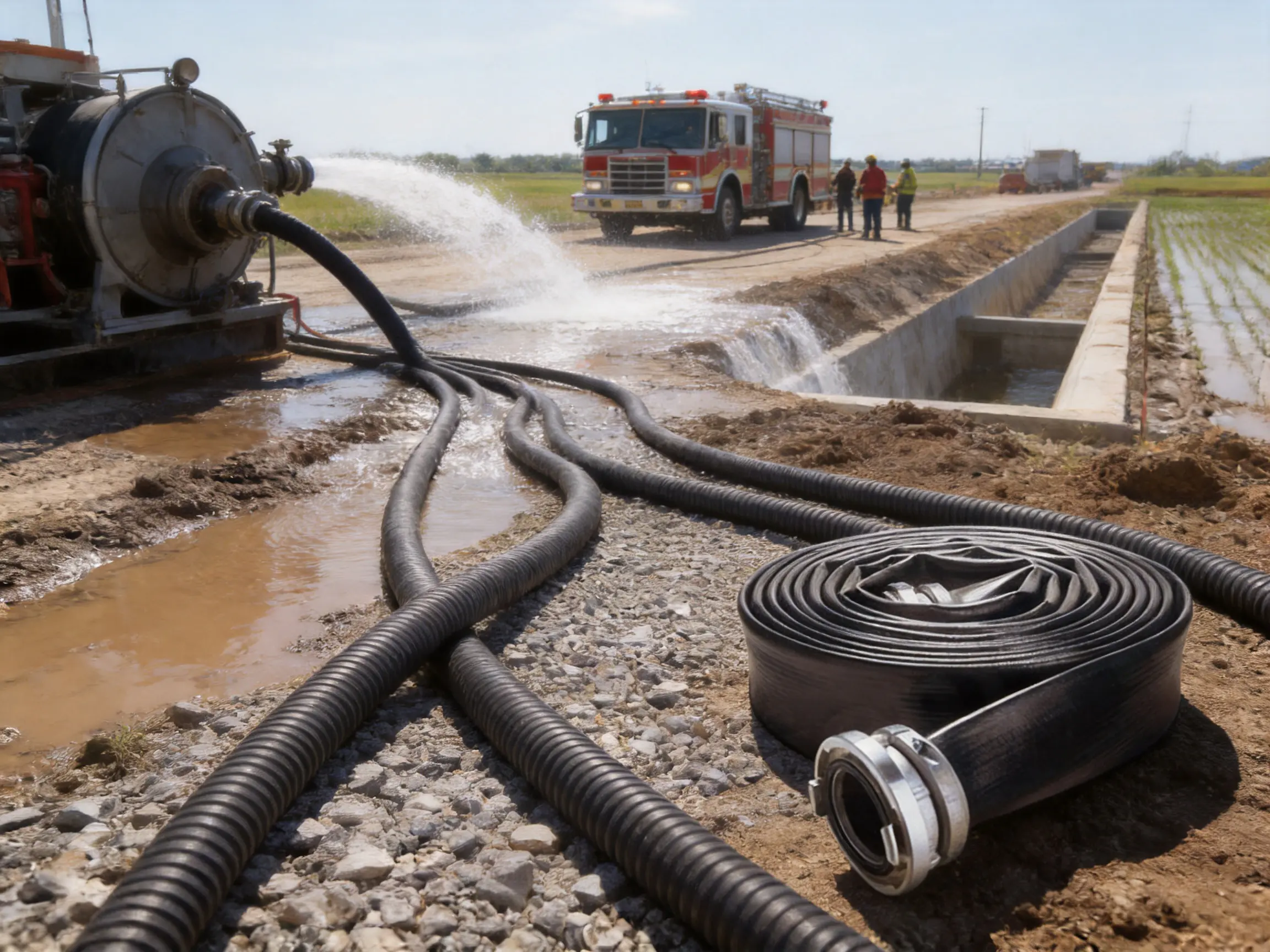
The manufacturer behind this product has operated since 1995 and focuses on research and development, production, sales, and service. This integrated business structure is important for hose buyers because product quality depends not only on raw materials but also on process control, technical knowledge, customer support, and responsiveness after delivery.
Research and development supports the selection of suitable TPU formulations, reinforcement structures, extrusion conditions, surface profiles, and dimensional specifications. A hose is a layered product, and each layer must work with the others. The lining must bond or integrate reliably with the reinforcement, while the outer cover must provide protection without making the hose excessively stiff.
Ongoing development can also address different diameter requirements, pressure levels, coupling configurations, length options, and application conditions. An experienced manufacturer can use production feedback to improve consistency and adapt products to the needs of fire protection, construction, agriculture, water conservancy, and industrial customers.
TPU covered hose requires careful control of the polymer material, yarn reinforcement, wall thickness, and exterior rib profile. Variations in these elements can affect flexibility, pressure performance, abrasion resistance, and dimensional stability.
Manufacturing strength comes from maintaining consistent material preparation and forming conditions. The TPU must be processed within a suitable temperature range to produce a uniform lining and cover. The polyester reinforcement must be applied with controlled tension and alignment so that the hose maintains a balanced structure.
The inner lining and exterior cover are formed through polymer processing operations that must control temperature, pressure, speed, and dimensional accuracy. Uniform extrusion helps ensure that the water passage remains consistent along the hose length and that the cover provides reliable protection around the reinforcement.
Rib formation requires additional attention because the exterior profile must be consistent enough to provide abrasion protection without creating weak points or handling problems. Correct process control supports a smooth internal passage and a durable, functional outer surface.
The reinforcement is a central part of the hose’s pressure performance. High-tenacity polyester yarn must be positioned consistently around the inner lining. Inadequate alignment, uneven tension, or inconsistent coverage could affect the hose’s ability to withstand internal pressure.
An experienced production team understands the relationship between yarn structure, hose diameter, wall construction, pressure rating, and flexibility. This knowledge supports the manufacture of different sizes from 3 inches through 8 inches while maintaining the intended performance characteristics of each model.
Quality assurance for supply hose should include dimensional checks, visual inspection, pressure evaluation, surface examination, and verification of fittings where applicable. Important inspection points include inner diameter, wall uniformity, exterior cover condition, rib consistency, end finish, coupling security, and signs of pinholes or surface defects.
Pressure testing helps verify that the hose can withstand its designated working conditions. Burst pressure information provides an additional reference for structural strength, but operating procedures should always be based on the specified working pressure rather than the burst threshold.
The manufacturer’s experience in serving domestic and export markets provides exposure to different customer requirements and operating environments. Its products are reported to be used in fire protection, construction, water conservancy, and related industries across more than 20 provinces, cities, and autonomous regions, with export production conducted in cooperation with domestic foreign trade companies.
A manufacturer that combines production and service can assist customers with product selection, length requirements, coupling arrangements, packing, and application questions. This is particularly helpful when a project requires multiple diameters or when hose must be integrated into an existing pump and hydrant system.
Technical communication before purchase can help prevent common errors such as selecting a diameter that is too small for the required flow, specifying an unsuitable pressure rating, or pairing the hose with incompatible fittings. After-sales communication can support correct storage, inspection, and use.
Inner diameter affects flow capacity, friction loss, weight, and handling. A 3-inch or 4-inch hose may be suitable where moderate flow is required and maneuverability is important. A 5-inch or 6-inch hose can support larger water volumes, while an 8-inch hose is intended for high-capacity transfer and pumping operations.
Selection should begin with the required flow rate and available pump pressure. The user should then consider the total hose length, elevation difference, number of bends, fittings, and discharge conditions. Choosing the largest possible diameter is not always the best solution because larger hose can require more storage space and greater handling effort.
The available lengths are 50 feet, 75 feet, and 100 feet. Shorter sections can be easier to handle and may be useful for compact work areas. Longer sections reduce the number of connections required across a route but may be heavier when filled and more difficult to deploy in confined spaces.
Many users select a combination of lengths to create flexible deployment options. Before ordering, it is useful to map the expected route from the pump or hydrant to the point of use and consider the need for spare hose sections.
Working pressure must be higher than the maximum pressure expected during normal operation. Pump pressure, static pressure, water hammer, elevation changes, and sudden valve closure can all affect the actual pressure experienced by the hose.
The hose should not be operated above its specified working pressure. The burst pressure is not a safety margin for routine use. It represents a much higher pressure level associated with testing or structural failure and should not be used to justify over-pressurization.
A hose is only as reliable as its complete assembly. Couplings, clamps, gaskets, adapters, and valves must be compatible with the hose diameter and pressure rating. Connections should be properly installed and tightened without damaging the hose wall.
Users should verify whether the hose will be supplied with couplings or as an unassembled length. Connection standards can vary between regions and industries, so the required thread, flange, quick connection, or fire-service coupling should be confirmed before purchase.
Before use, inspect the hose for cuts, punctures, excessive scuffing, exposed reinforcement, damaged ribs, deformation, or coupling problems. Confirm that the hose is suitable for the intended pressure, temperature, fluid, and environment.
During deployment, avoid sharp bends, unnecessary twisting, dragging over sharp edges, and contact with hot surfaces. When vehicles or heavy equipment must cross a hose, suitable protection should be used. Sudden valve opening or closing should be avoided where water hammer could occur.
After use, flush the hose when necessary, drain residual water, remove dirt, and allow the exterior to dry. Storage should be in a clean, dry location away from sharp objects, excessive heat, direct sunlight for prolonged periods, and chemicals that may attack the material.
Hose should be coiled or folded according to the operating organization’s procedures. Excessive compression, permanent kinking, or storage under heavy loads can reduce service life even when the basic material is highly durable.
Regular inspection is especially important for fire and emergency service inventories. Inspection frequency should reflect how often the hose is used, the severity of the working environment, and the consequences of failure. Any hose showing serious damage should be removed from service and evaluated by a qualified person.
Purchase price is only one part of hose economics. A product that requires frequent replacement, extensive repair, or difficult handling may cost more over its service life than a more durable alternative.
The TPU covered construction can support lower total cost through several mechanisms. Abrasion resistance may reduce premature replacement. Resistance to ozone, mildew, and petrochemicals may help maintain the cover in varied environments. Flexibility can reduce deployment labor. Low routine maintenance requirements can reduce inspection-related repair work and downtime.
Efficient storage is another consideration. A flexible hose can be rolled and organized more easily than rigid pipe, potentially reducing transportation and warehouse requirements. Standardized lengths and multiple diameters also help organizations create inventories suited to different operational needs.
The economic benefit is greatest when the hose is properly selected and used within its design limits. Incorrect pressure selection, poor storage, incompatible chemicals, or improper handling can reduce the advantages of any hose material.
Durable hose can contribute to more responsible resource use by extending replacement intervals and reducing material consumption associated with discarded products. A hose that remains serviceable through repeated deployment can also reduce the logistical burden of emergency and industrial operations.
TPU is a thermoplastic material, meaning it can be processed using heat during manufacture. The specific recycling or disposal route depends on local regulations, product contamination, reinforcement composition, and available recycling facilities. Users should follow applicable waste-management requirements rather than assuming that a used hose can enter ordinary recycling streams.
Operationally, the hose helps support temporary water systems without the permanent excavation or infrastructure required for rigid pipelines. This can be useful in construction, emergency drainage, agricultural irrigation, and maintenance projects where the water route may change over time.
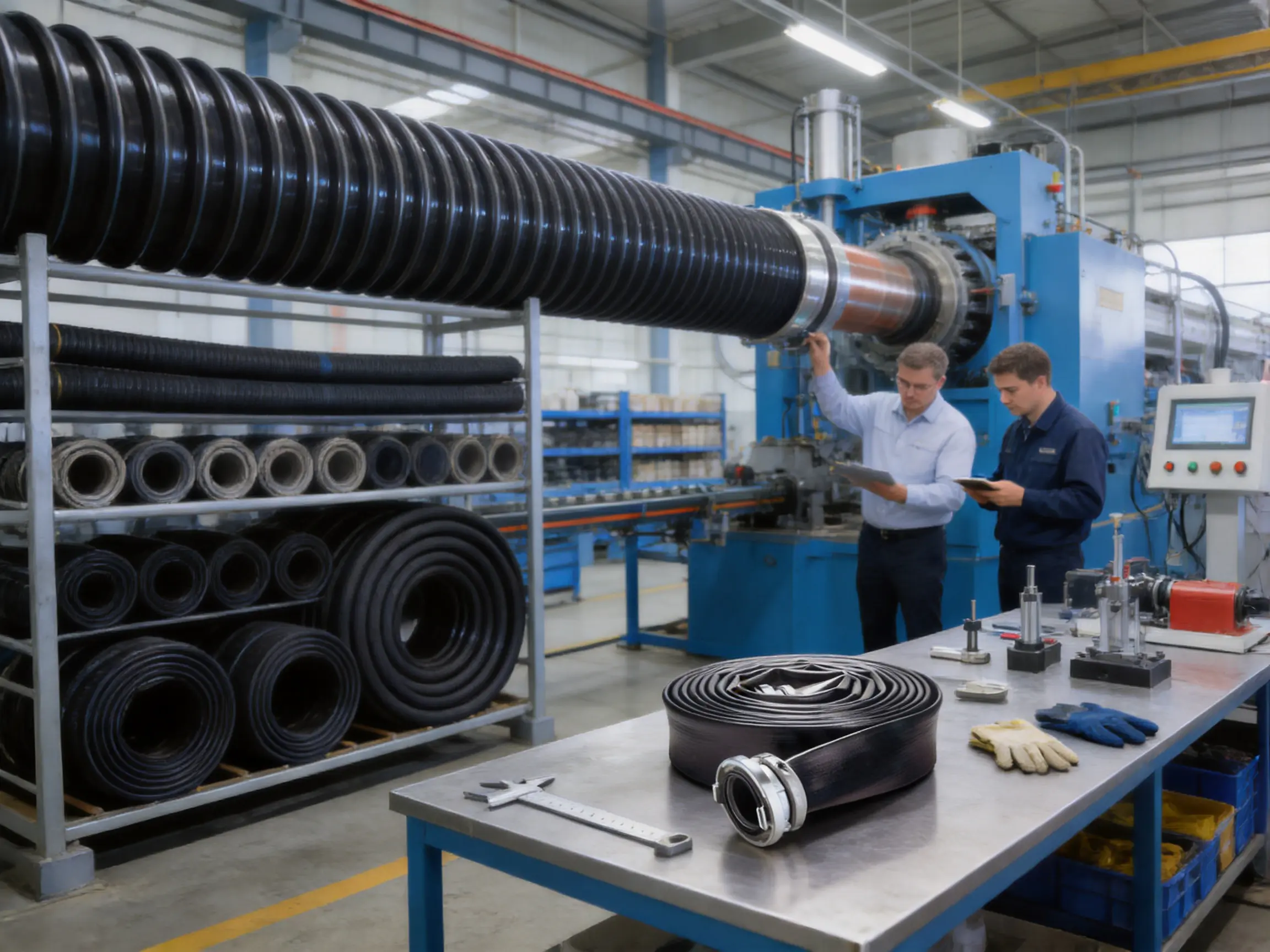
The main advantage is the combination of a tough TPU cover and lining with high-tenacity polyester reinforcement. This structure provides flexibility, abrasion resistance, weather-related resistance, chemical resistance, and pressure capability for demanding water-transfer applications.
The listed inner diameters are 3 inches, 4 inches, 5 inches, 6 inches, and 8 inches. The approximate metric diameters are 75 mm, 102 mm, 127 mm, 152 mm, and 203 mm respectively.
Standard length options are 50 feet, 75 feet, and 100 feet. Other configurations may depend on production requirements and customer specifications.
It is designed as a supply hose and can be used for high-volume water delivery in firefighting and emergency-response systems when the diameter, pressure rating, couplings, and applicable service requirements are properly matched.
The specified temperature range is -30°C to 80°C. The user should consider both ambient temperature and fluid temperature and should avoid operating outside the stated range.
The TPU cover and lining are described as resistant to petrochemicals, ozone, corrosion-related conditions, and mildew. Compatibility should still be checked for any particular chemical, concentration, temperature, and exposure duration.
The ribs add exterior protection while the TPU and polyester structure retain flexibility. The exact handling characteristics depend on diameter, temperature, pressure, and hose length.
Working pressure is the maximum recommended pressure for normal operation. Burst pressure is a much higher pressure associated with testing or failure. The hose must always be operated at or below its specified working pressure.
The product is designed to be maintenance free in normal use, reducing the need for frequent repairs or special treatment. However, routine inspection, cleaning, draining, drying, and correct storage remain important for safe and long service.
Store it clean and dry, away from sharp objects, excessive heat, prolonged direct sunlight, and aggressive chemicals. Avoid permanent kinks, severe compression, and heavy loads placed on the stored hose.
Coupling availability depends on the requested configuration. Buyers should specify the required connection type, diameter, pressure rating, and applicable regional or industry standard before ordering.
Typical applications include fire protection, emergency water supply, construction dewatering, agricultural irrigation, water conservancy, municipal operations, industrial cleaning, and other high-volume water-transfer tasks.
TPU covered hose supply hose provides a durable solution for users who need flexible, high-volume water delivery in difficult working conditions. Its TPU inner lining and outer cover protect the reinforced structure, while the high-tenacity polyester yarn supports pressure performance and dimensional stability.
The ribbed exterior improves resistance to abrasion, and the material is designed to resist ozone, corrosion-related conditions, mildew, and petrochemicals. A temperature range of -30°C to 80°C supports use across varied climates and operating environments. With diameters from 3 inches to 8 inches and standard lengths of 50 feet, 75 feet, and 100 feet, the product can be configured for many firefighting, construction, agricultural, industrial, and municipal requirements.
The manufacturer’s long operating history, integrated research and development, production, sales, and service capabilities provide an important foundation for consistent product supply and technical support. Its experience in fire protection, construction, water conservancy, and export-oriented manufacturing supports the needs of customers seeking dependable hose products for both domestic and international applications.
For the best result, buyers should select the hose according to flow rate, working pressure, temperature, fluid compatibility, connection type, length, and field conditions. When properly specified, installed, inspected, and stored, TPU covered hose supply hose can provide reliable service, efficient handling, and reduced lifecycle maintenance in demanding water-transfer operations.
Thermoplastic Polyurethane Material Properties and Industrial Applications, technical materials reference.
High-Tenacity Polyester Fiber Engineering and Reinforcement Practices, textile reinforcement reference.
Industrial Hose Selection, Handling, Storage, and Maintenance Principles, hose management reference.
Fire Service Supply Hose Performance and Operational Practices, fire protection equipment reference.
Water Transfer Hose Pressure, Flow, and Friction Considerations, fluid systems engineering reference.
Manufacturer-provided product specifications for TPU Covered Hose Supply Hose.
Manufacturer-provided company information and product application materials.
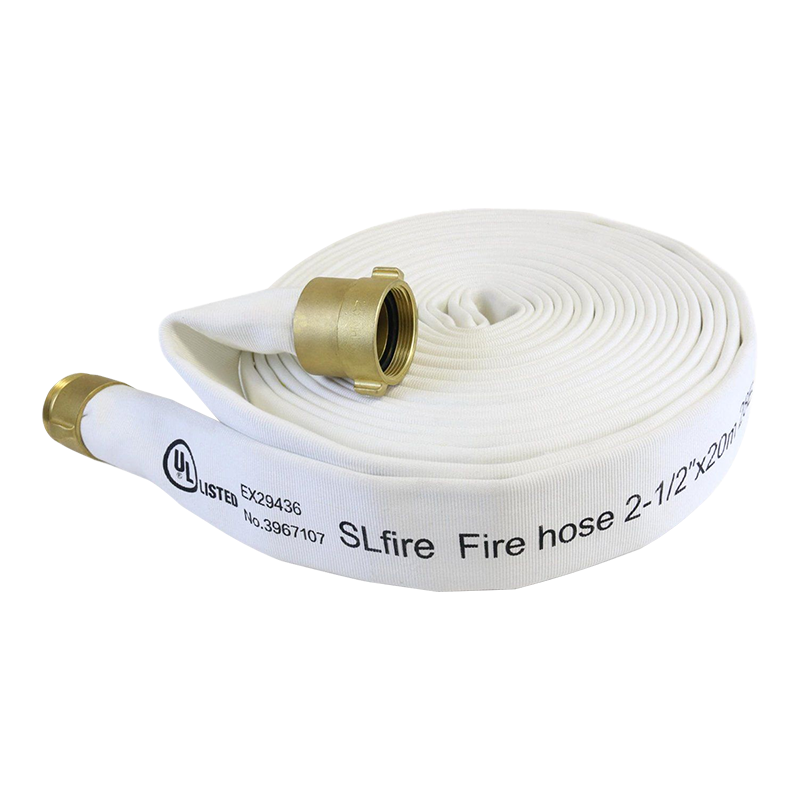
Single jacket, EPDM rubber liner Features • 100% high tenacity polyester jacket, high-grade EPDM rub...
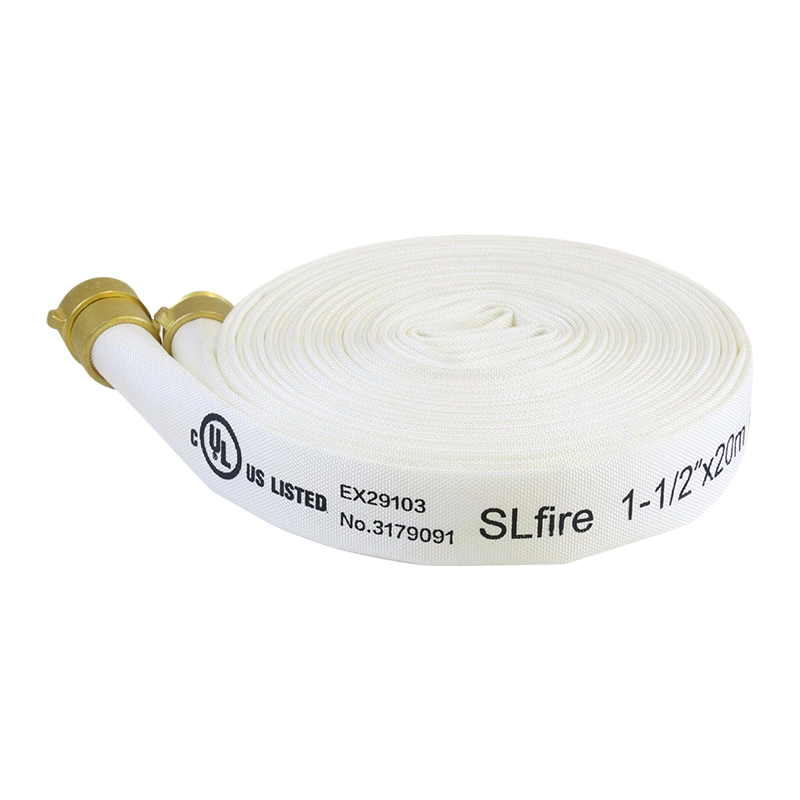
Single jacket, TPU liner •High-tenacity polyester yarn, circular woven in twill weave/plain weave,T ...
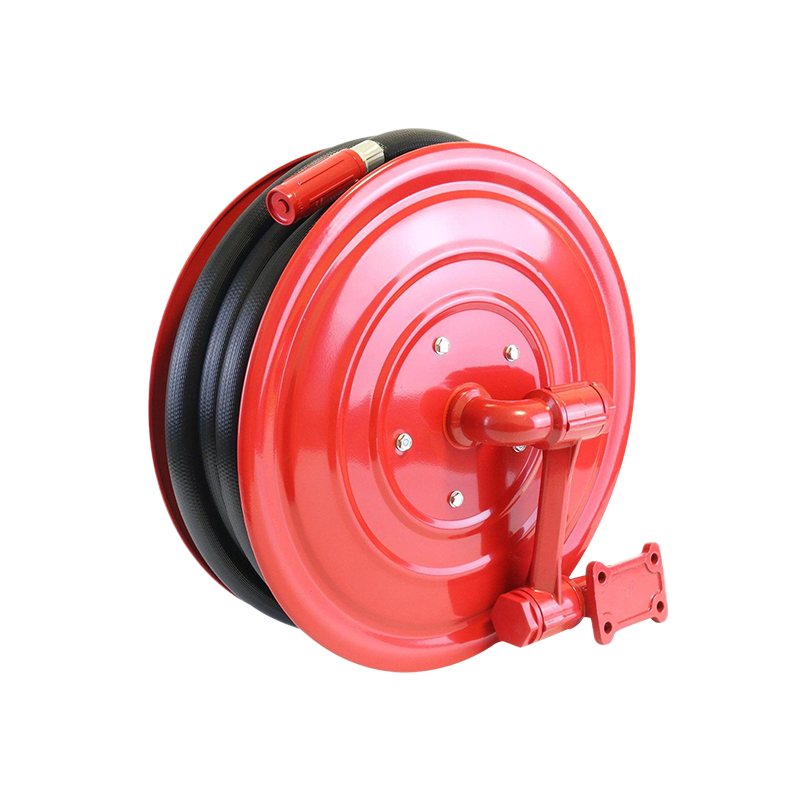
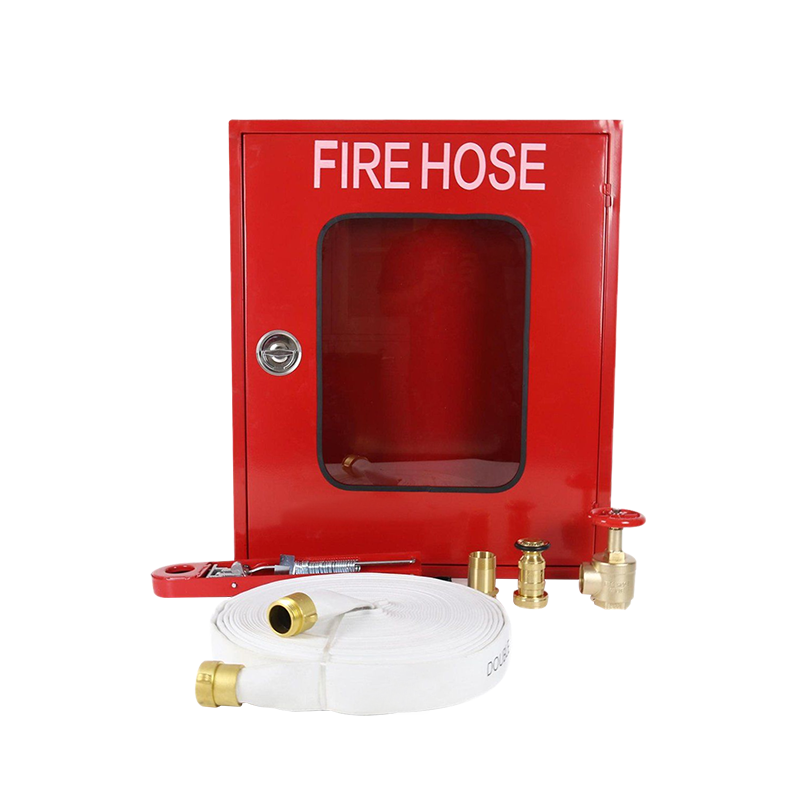
Fire cabinets are designed to accommodate fire hose,valve and other firefighting equipment. Type 201...
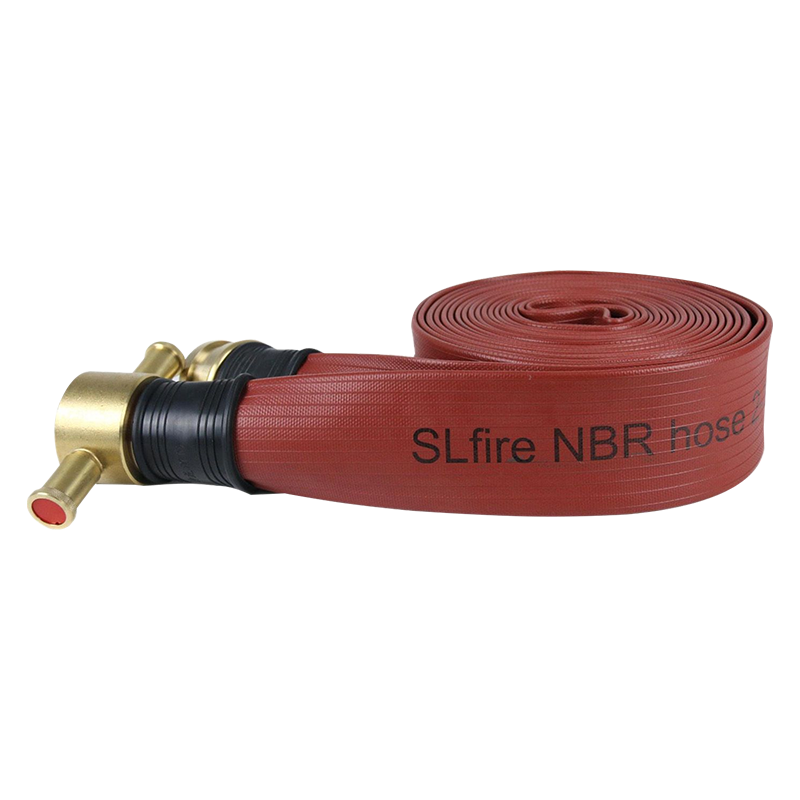
Nitrile covered hose •Nitrile/TPR blend as cover and lining, with 100% high-tenacity polyester yarn ...
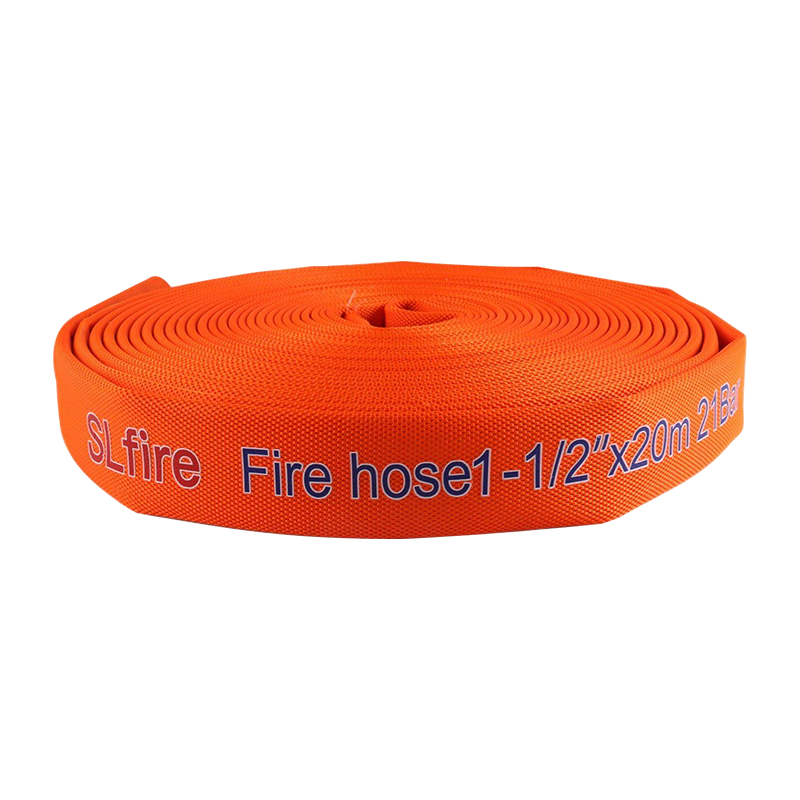
Single jacket, TPU liner •High-tenacity polyester yarn, circular woven in twill weave, TPU lining, f...
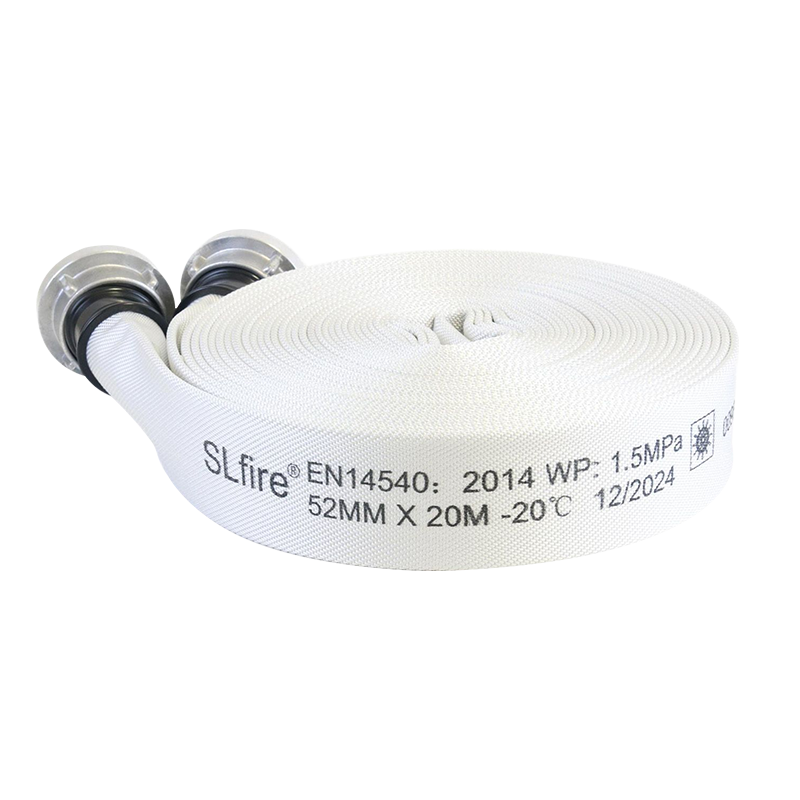
Marine hose Single jacket, PVC liner •100% high tenacity polyester yarn, circular woven in twill wea...
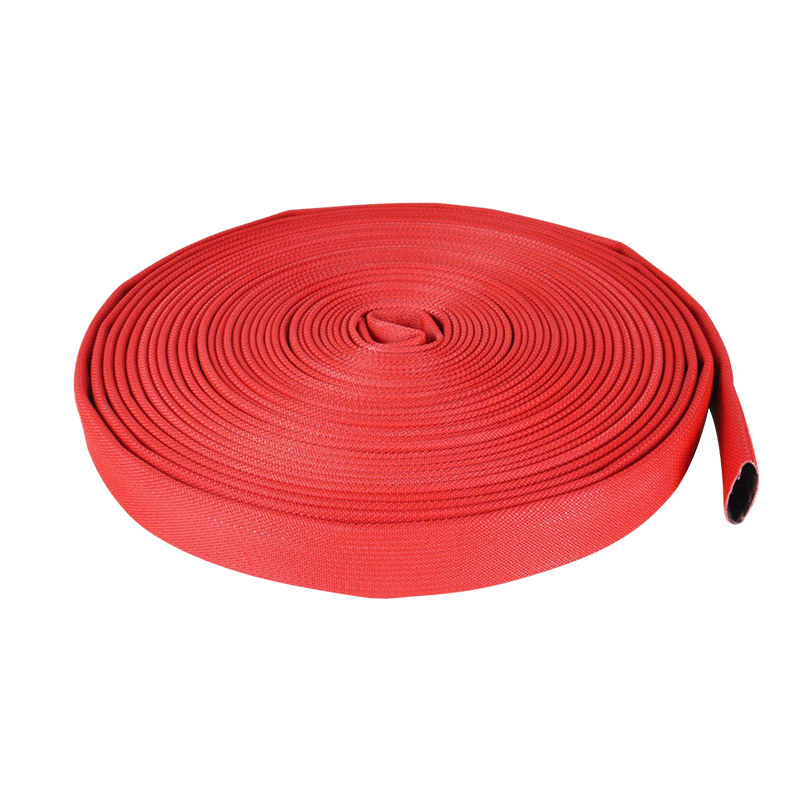
Marine hose Single jacket, PVC liner, PU coated •100% high tenacity polyester yarn,c ircular woven i...
 Call Us
+86 159-5116-9511
Need Support
Head Office
No.58, Kechuang Road, Sixiang Street Medicine Gaoxin District Taizhou City, Jiangsu Province

At a structure fire, the first line off the truck is the one that does the hardest work. Pulled around obstacles, dragged across gravel, charged with high-pressure water, and shut off at the nozzle d...
Copyright © Taizhou Shenlong Fire Science and Technology Co., Ltd. All Rights Reserved.
 Fire Hose Manufacturers, Fire Hydrant Hose Factory