

 English
 русский
 Español
 Deutsch
 عربى
عربى Français
 Português
Don't hesitate to send a message

Single jacket, EPDM rubber liner Features • 100% high tenacity polyester jacket, high-grade EPDM rub...
Content
Small diameter STORZ hose couplings are essential connection components for firefighting, water transfer, industrial fluid handling, agriculture, construction, and emergency response systems. Although compact in size, these couplings perform a critical function: they connect hoses quickly, securely, and repeatedly when dependable water delivery is required. A coupling that is difficult to operate, vulnerable to corrosion, or poorly matched to a hose can delay operations and reduce the effectiveness of an entire water management system.
Designed around the internationally recognized STORZ connection principle, small diameter STORZ hose couplings provide a symmetrical, non-threaded connection. Unlike traditional male-and-female threaded couplings, STORZ couplings use identical coupling halves that connect through interlocking lugs and a sealing gasket. This arrangement allows operators to join either coupling half to another compatible half without identifying a male or female end. The result is a simple, efficient, and practical connection system for demanding working environments.
The small diameter range is especially useful where equipment must remain compact, lightweight, and easy to handle. Available in sizes from 1 inch to 6 inches, these couplings can be selected for portable fire hoses, hydrant connections, fire trucks, water guns, nozzles, agricultural irrigation equipment, and industrial transfer lines. With a stated working pressure of 16 bar, the couplings are suited to many high-demand water delivery applications when correctly selected, installed, and operated.
Taizhou Shenlong Fire Science and Technology Co., Ltd. manufactures these couplings using die casting, gravity casting, and forging processes. The company’s ability to work with brass and aluminum gives customers a choice between different weight, strength, corrosion resistance, and application characteristics. Vibratory grinding is used as a surface treatment to improve the smoothness and finish of the components while supporting resistance to corrosion, rust, acid, and alkali exposure.
This article explains the structure, performance, manufacturing methods, material choices, applications, installation considerations, and advantages of small diameter STORZ hose couplings. It also presents selection guidance, maintenance recommendations, frequently asked questions, and technical references for buyers and users evaluating reliable hose connection solutions.
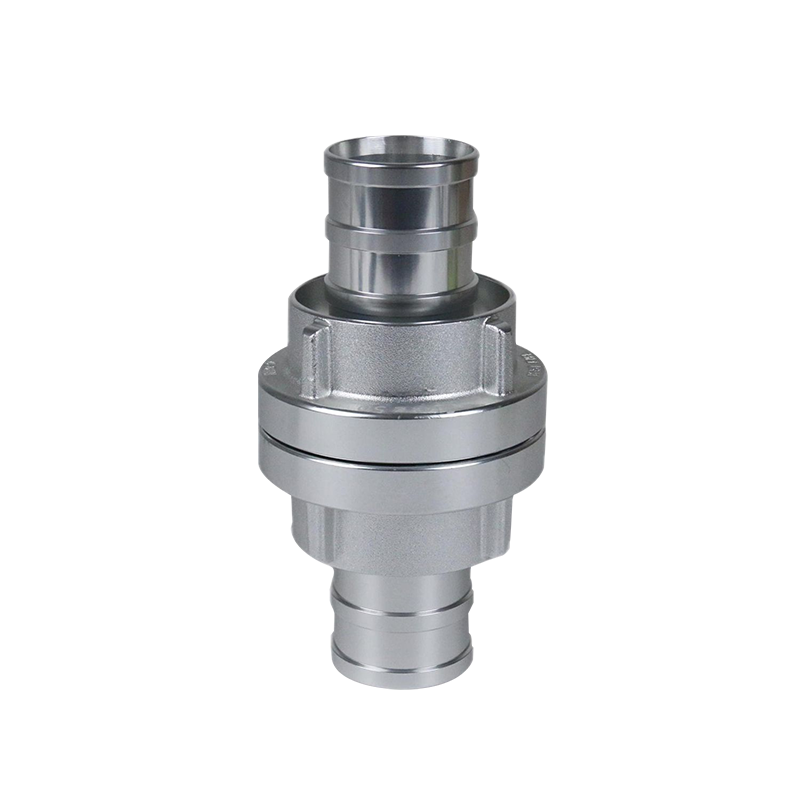
Small Diameter STORZ Hose Couplings
A STORZ coupling is a symmetrical hose coupling designed for fast connection and disconnection. Both coupling halves have the same basic head structure, so the operator does not need to distinguish between a male end and a female end. Instead of relying on external threads, the coupling uses internal locking lugs that engage when the two halves are brought together and rotated.
During connection, the lugs of one coupling half are aligned with the corresponding openings of the other half. The two halves are then pushed together and rotated until the lugs lock into position. A gasket positioned between the coupling faces creates the seal. The connection is normally tightened using a coupling wrench or another suitable tool, depending on the size and operating conditions.
This design offers several operational benefits. First, it reduces the time required to connect hoses. Second, it makes the coupling reversible, which simplifies hose deployment during emergencies. Third, it avoids the risk of damaged or contaminated external threads that can make conventional threaded connections difficult to assemble. These characteristics are particularly valuable to firefighters, emergency crews, agricultural operators, and industrial workers who may need to connect hoses quickly while wearing gloves or working in poor visibility.
STORZ couplings are generally classified as non-shut-off symmetrical couplings. This means that the coupling itself connects the hose but does not automatically stop water flow when disconnected. A separate valve, hydrant control, pump control, or other shut-off device is normally required to control the water supply. Users should therefore plan the hose system with appropriate valves and operating procedures.
The coupling system is not intended to replace every type of hose connection. Compatibility must be confirmed according to the coupling size, lug spacing, sealing arrangement, hose type, pressure requirement, and applicable local standards. However, when used within the correct operating range, the STORZ configuration provides a highly practical solution for repeated hose connection tasks.
| Item | Specification |
|---|---|
| Product | Small Diameter STORZ Hose Couplings |
| Casting methods | Die casting, gravity casting, and forging |
| Working pressure | 16 bar |
| Available materials | Brass or aluminum |
| Surface treatment | Vibratory grinding |
| Available sizes | 1 inch, 1-1/2 inches, 1-3/4 inches, 2 inches, 2-1/2 inches, 2-3/4 inches, 3 inches, 4 inches, and 6 inches |
| Connection type | Symmetrical, non-threaded STORZ connection |
| Primary function | Connecting hoses, fire trucks, hydrants, water guns, and nozzles |
| Performance characteristics | Quick connection, corrosion resistance, durable service, and reliable sealing when correctly installed |
| Typical industries | Firefighting, agriculture, construction, refineries, maritime safety, military, and general water management |
The specification range allows users to choose a coupling according to hose diameter, flow requirement, installation space, and handling preference. Smaller sizes are often selected for portable equipment and branch lines, while larger sizes may be used for higher-volume water delivery and main hose connections. The correct size should always match the hose and the rest of the system rather than being chosen only by the external appearance of the coupling.
The most recognizable advantage of a STORZ coupling is its fast operating principle. The symmetrical lug connection eliminates the need to rotate one threaded component through multiple turns. Operators align the lugs, push the halves together, and rotate them into the locked position. This can reduce assembly time when hoses must be deployed rapidly.
In firefighting, every second may influence the ability to control a fire. A connection system that is quick to identify and easy to engage helps crews establish water lines efficiently. The same advantage applies to emergency pumping, flood control, irrigation changes, and temporary industrial water transfer arrangements.
Traditional threaded connections require the user to match a male thread with a female thread. STORZ couplings use the same basic head structure on both sides, which simplifies storage and handling. A hose can be picked up and connected without first checking which end has which thread type.
This symmetrical design also helps reduce mistakes during urgent work. It is particularly useful for fire departments and industrial teams that maintain multiple hoses in trucks, cabinets, warehouses, or equipment rooms. Standardized hose ends can simplify inventory management and reduce the number of different coupling types required.
The couplings are available in brass or aluminum. Both materials can provide dependable performance, but each offers different advantages. Brass is valued for its robust mechanical characteristics, resistance to many common environmental conditions, and long service potential. It can be a suitable choice for applications where durability and a substantial, stable coupling body are priorities.
Aluminum is recognized for its lower weight compared with many other metallic materials. Lightweight couplings can reduce the effort required to carry, connect, and reposition hoses. This benefit may be important for portable firefighting equipment, water rescue operations, agricultural work, and systems where several hoses must be moved frequently.
Material selection should consider pressure, environment, temperature, chemical exposure, connection frequency, weight limitations, and compatibility with the hose and other system components. The availability of both brass and aluminum enables a more application-specific purchasing decision instead of forcing every user to adopt one material for all conditions.
Firefighting and water management equipment may be exposed to rain, humidity, mud, salt air, fertilizer residues, cleaning agents, dust, and industrial contaminants. The product is designed to resist corrosion, rust, acid, and alkali conditions within the limits of the selected material and actual service environment.
Vibratory grinding contributes to a more refined surface finish. This treatment uses controlled vibration and suitable media to smooth and clean the surface of manufactured components. A consistent finish can improve appearance, remove minor surface irregularities, and support easier handling and cleaning. Although surface treatment does not eliminate the need for inspection and maintenance, it is an important part of producing a durable coupling.
A hose coupling is repeatedly exposed to mechanical impact, pressure changes, handling, vibration, moisture, and connection cycles. The combination of suitable metal materials, carefully formed coupling geometry, and surface finishing supports long-term use when the coupling is operated within its rated conditions.
Long service life can reduce replacement frequency and help users maintain a dependable stock of emergency equipment. It may also lower the total cost of ownership by reducing downtime, unplanned purchasing, and labor associated with replacing damaged connection components.
Small diameter STORZ couplings can be used in many areas because the connection principle is suitable for more than one type of water delivery system. Typical applications include fire hose connections, fire truck equipment, fire hydrants, water guns, nozzles, agricultural irrigation lines, construction dewatering systems, and industrial water transfer operations.
The same general connection system may also be useful in refineries, maritime safety equipment, military water systems, and temporary pumping arrangements. Each application requires its own assessment of pressure, fluid, temperature, safety procedures, and regulatory requirements. Nevertheless, the wide size range and choice of materials make the product adaptable to different operating environments.
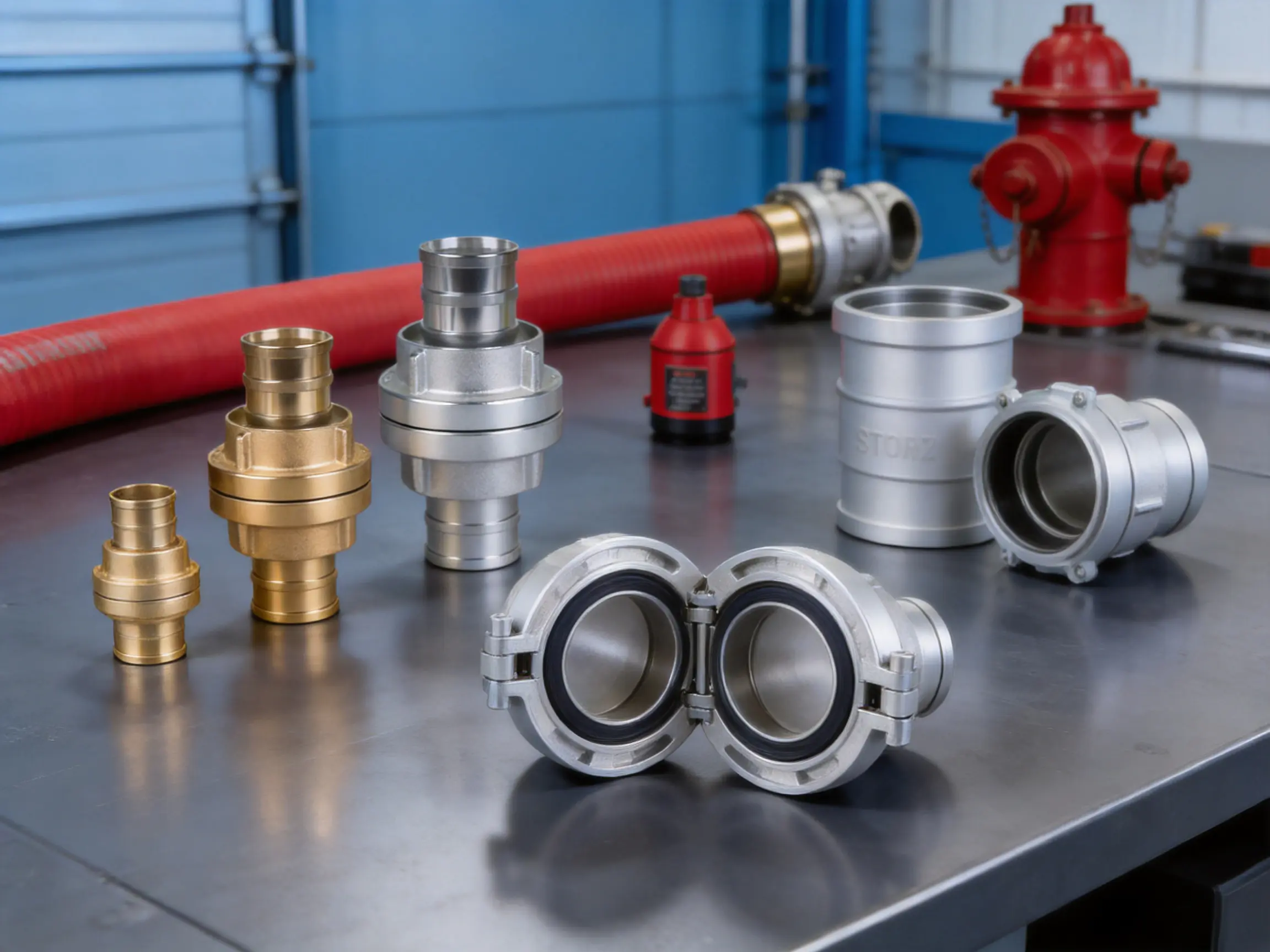
Manufacturing quality has a direct influence on coupling performance. The coupling must maintain accurate lug geometry, consistent wall thickness, reliable sealing surfaces, and sufficient mechanical strength. Taizhou Shenlong Fire Science and Technology Co., Ltd. uses three principal forming methods for STORZ couplings: die casting, gravity casting, and forging. These processes allow production to be matched to different size, material, performance, and order requirements.
Die casting forces molten metal into a prepared mold under controlled pressure. This process is suitable for producing components with repeatable dimensions and a relatively consistent surface appearance. It can support efficient production of multiple coupling bodies and help maintain uniformity across repeated manufacturing batches.
Dimensional consistency is particularly important for STORZ couplings because the lugs of two coupling halves must engage correctly. The sealing face must also be formed with suitable precision so that the gasket can work effectively. When die casting is properly controlled, it can provide a practical balance of productivity, repeatability, and component detail.
Gravity casting fills a mold using the natural force of gravity rather than high injection pressure. This method can be useful for producing metal components in a range of sizes and shapes. It offers manufacturing flexibility and can be adapted to different production requirements.
For coupling production, gravity casting may be selected where the material, geometry, and volume are appropriate. Careful control of mold preparation, metal temperature, filling, cooling, and finishing is needed to produce sound castings. Subsequent processing and inspection help ensure that the finished coupling meets the required dimensional and surface expectations.
Forging forms metal through controlled pressure or impact. The process can improve the structural characteristics of a component by shaping the material under force. Forged coupling parts may be selected for applications where mechanical strength and resistance to demanding service conditions are especially important.
Forging also supports the production of robust components with dependable load-bearing areas. For connection hardware exposed to repeated tightening, mechanical handling, vibration, or pressure-related stress, a forged option can provide an additional performance advantage when the design and material are properly matched to the application.
After forming, the coupling components may undergo vibratory grinding. In this process, parts and finishing media move together in a vibrating work chamber. Contact between the components and media smooths selected surfaces and removes residual roughness, burrs, and minor manufacturing irregularities.
A well-finished coupling is easier to handle and clean. Smooth surfaces can also reduce locations where dirt, moisture, or chemical residue might accumulate. The process contributes to the product’s resistance to rust and corrosion by supporting a more consistent surface condition, although the actual level of resistance depends on the material, environment, cleaning practices, and exposure duration.
The manufacturer was founded in 1995 and combines research and development, production, sales, and service. This integrated structure allows product knowledge to be developed across multiple stages of the supply chain. Experience with lined fire hoses and related fire equipment provides an important foundation for understanding how couplings function as part of a complete hose assembly.
The company supplies products for fire protection, construction, water conservancy, and other industries. It also undertakes various foreign trade products according to customer requirements, including rubber, PVC, polyurethane, and double-sided tape products. This broader manufacturing and export experience supports communication with customers who require coordinated product sourcing, customized specifications, or repeat international orders.
Products are sold across numerous regions and exported through cooperation with domestic foreign trade companies. For buyers, this background can be valuable when assessing supplier continuity, production experience, and the ability to serve markets with different packaging, documentation, and delivery expectations.
Selecting the right coupling material is an important part of system design. Brass and aluminum both have established uses in hose connection equipment, but their characteristics are not identical. A buyer should consider the operating environment and handling requirements before deciding which version is most suitable.
Brass couplings are often chosen when a strong, durable, and substantial metal connection is desired. Brass has a proven history in valves, fittings, hydrant accessories, and fire protection equipment. Its weight can provide a stable feel during connection, and its material characteristics support repeated use in many water handling environments.
Brass may be appropriate for fixed installations, industrial service points, fire hydrant systems, and equipment where additional weight is not a concern. It should still be evaluated for compatibility with the fluid and surrounding materials, particularly in systems involving unusual chemicals or aggressive water conditions.
Aluminum couplings are useful when weight reduction is a major consideration. Portable hose teams may need to transport multiple lengths of hose and several connection components over uneven ground, stairs, docks, agricultural fields, or construction sites. Reducing the weight of individual couplings can improve mobility and reduce operator fatigue.
Aluminum can also be a practical choice for fire truck equipment, temporary pumping systems, maritime applications, and large inventories of portable hoses. As with brass, the selection should be based on pressure, impact exposure, chemical conditions, temperature, and the requirements of the applicable installation or safety standard.
There is no single material that is ideal for every application. A buyer should compare the following factors:
First, evaluate whether the coupling will be carried frequently or remain installed in one location. Portable systems may benefit from aluminum, while fixed or highly rugged installations may favor brass.
Second, review environmental exposure. Saltwater, fertilizer, industrial chemicals, cleaning agents, and acidic or alkaline substances can affect materials differently. The selected material should be verified for the actual fluid and atmosphere.
Third, consider the expected connection frequency and mechanical handling. Hoses that are connected and disconnected many times each week require careful attention to lug condition, sealing faces, and general wear.
Fourth, confirm compatibility with the hose, gasket, hydrant, nozzle, pump, and other coupling halves. Material choice is only one element of a complete connection system.
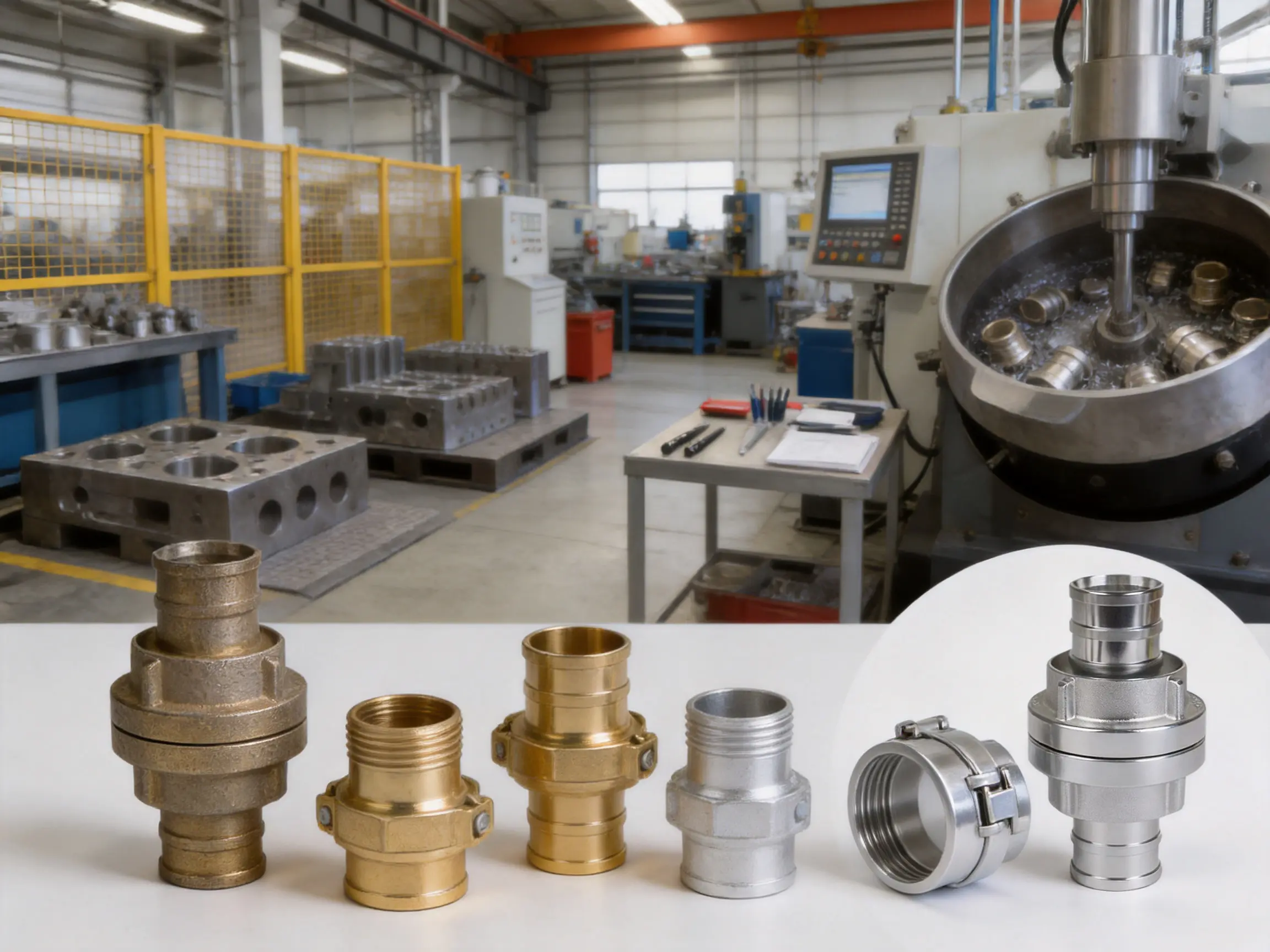
Firefighting is the primary application for many STORZ coupling systems. Fire hoses must be deployed quickly and connected to hydrants, pump outlets, fire trucks, branch pipes, water guns, and nozzles. The symmetrical design supports rapid hose assembly and helps crews manage equipment under pressure.
Small diameter couplings are useful for attack lines, auxiliary lines, portable water delivery, and connections to compact firefighting equipment. The 16 bar working pressure specification provides a clear reference for system planning, but the complete hose assembly must also be assessed. The hose, gasket, valve, nozzle, pump, and other fittings must all be suitable for the intended pressure and flow conditions.
Fire cabinets and emergency equipment rooms can benefit from standardized STORZ connections because hoses and accessories can be organized in a consistent format. Regular inspections remain necessary to verify that couplings are clean, gaskets are serviceable, and hose ends have not been damaged during storage or use.
Fire trucks frequently carry hoses, nozzles, adapters, and connection accessories. A compact coupling that is easy to identify and operate can help crews configure equipment according to the incident. STORZ couplings may also be used at hydrant connections or in systems that transfer water between hydrants, pumps, and hose lines.
Because fire truck equipment may be exposed to road spray, vibration, impact, and frequent loading, coupling construction and finishing are important. Aluminum may be selected for weight-sensitive equipment, while brass may be selected for heavy-duty connection points where a robust feel and durable body are preferred.
Agricultural operations often require hoses to be repositioned between fields, pumps, tanks, irrigation lines, and water sources. Fast-connect couplings can reduce the time required to change a hose layout. The symmetrical STORZ system is particularly useful when workers handle multiple hose sections and need a connection that does not require male-female thread matching.
Farm environments may expose equipment to soil, fertilizers, pesticides, moisture, and outdoor weather. Couplings should be rinsed after exposure to corrosive residues and stored in a clean, dry condition when possible. The appropriate material should be selected after considering the chemicals used in the agricultural operation.
Construction sites often use pumps and hoses to remove rainwater, groundwater, slurry, or process water. Equipment may need to be moved as excavation areas, foundations, tunnels, and work platforms change. A quick hose coupling can make temporary water management systems easier to install and reconfigure.
Construction conditions are physically demanding. Couplings may be dragged, dropped, placed on rough surfaces, or exposed to cement dust and mud. Protective handling, routine cleaning, and inspection are important to preserve the lug profile and sealing surfaces. The coupling should be selected for the fluid being transferred and should not be used beyond its pressure or temperature limitations.
Industrial facilities may use hose connections for firefighting, washdown, emergency water supply, cooling, and other utility services. Refineries and chemical processing sites require careful attention to material compatibility and operating procedures because the surrounding environment may include hydrocarbons, vapors, chemicals, heat, and potentially hazardous areas.
Small diameter STORZ couplings can support water service points and emergency hose systems when approved for the particular facility and installed according to the relevant safety requirements. They should not be assumed suitable for every chemical or process fluid. Site engineers should review fluid compatibility, pressure, temperature, fire system requirements, and regulatory approvals before specifying the product.
Marine environments place special demands on equipment because salt air, saltwater, humidity, and continuous exposure can accelerate corrosion. STORZ couplings may be used in marine firefighting, deck washdown, emergency water transfer, and vessel or port safety systems.
Regular freshwater rinsing, drying, inspection, and appropriate storage can help extend service life. Material selection should account for the level of salt exposure and the expected maintenance schedule. Couplings used in maritime safety systems should also be coordinated with the vessel’s firefighting design and applicable marine requirements.
Military camps, emergency response teams, and civil protection organizations often need equipment that can be transported, stored, and deployed under changing conditions. The compact structure, reversible connection, and available size range of STORZ couplings can support portable water supply and firefighting arrangements.
In these environments, standardization is valuable. Keeping compatible couplings across vehicles, hose packs, pumps, and storage units can simplify logistics and reduce training requirements. Durable construction and resistance to outdoor exposure are also important for equipment that may be stored for long periods before being used in an emergency.
Before installation, inspect both coupling halves and confirm that they are the same compatible STORZ size. Check the lugs, sealing faces, gasket, and hose attachment area. Remove dirt, stones, metal particles, and other contamination that could prevent the coupling from seating correctly.
Align the coupling lugs carefully. Push the two halves together until the coupling faces meet, then rotate them in the correct direction until the lugs are fully engaged. If a coupling does not engage smoothly, do not force it with excessive impact. Disassemble it, inspect the alignment and threads or lugs, clean the contact areas, and try again.
Use a suitable coupling wrench when necessary. Excessive tightening can damage the coupling, gasket, or hose connection, while insufficient tightening may result in leakage or accidental separation. The correct tightening practice depends on coupling size, gasket design, service pressure, and operating instructions.
Always control water flow through an appropriate valve or pump arrangement before disconnecting a STORZ coupling. Because the coupling is generally non-shut-off, disconnecting a pressurized line can create a dangerous release of water and may cause hose movement or operator injury.
After connection, inspect the joint for leakage. A small leak may indicate a damaged gasket, contamination, incomplete lug engagement, incompatible coupling halves, or a damaged sealing face. The line should be depressurized before attempting correction or maintenance.
Hoses should be supported and routed to avoid unnecessary strain on the coupling. Sharp bends, dragging over abrasive surfaces, excessive tension, and repeated impact can damage both the hose and the coupling. Where possible, use hose supports, proper storage racks, and controlled handling procedures.
Routine inspection is essential for maintaining reliable performance. Before each important use, examine the coupling body for cracks, deformation, deep scratches, severe corrosion, or other visible damage. Inspect the lugs for wear and confirm that they retain their original shape.
The sealing gasket should be checked for cuts, flattening, hardening, swelling, brittleness, or permanent deformation. A gasket that no longer provides a resilient seal should be replaced with a compatible component. Keeping spare gaskets available can reduce downtime during emergency or industrial operations.
Clean the coupling after use, particularly when it has been exposed to mud, saltwater, chemicals, fertilizer, foam concentrate, or dirty process water. Use a cleaning method appropriate for the material. Avoid aggressive tools or procedures that could score the sealing face or damage the coupling lugs.
After cleaning, dry the coupling before storage. Store couplings away from unnecessary moisture, direct chemical exposure, excessive heat, and heavy objects that could deform the body or hose end. Hose assemblies should be stored so that the coupling is not subjected to continuous bending or impact.
Maintenance records can be useful for fire departments, industrial facilities, construction contractors, and large agricultural operations. Records may include inspection dates, gasket replacements, pressure tests, observed damage, and the location of each hose assembly. A documented program helps identify recurring problems and supports planned replacement instead of emergency purchasing.
Any coupling that has been involved in a severe impact, exposed to extreme pressure, or showing questionable structural damage should be removed from service until inspected by a qualified person. Product appearance alone should not be used to approve equipment for critical firefighting service.
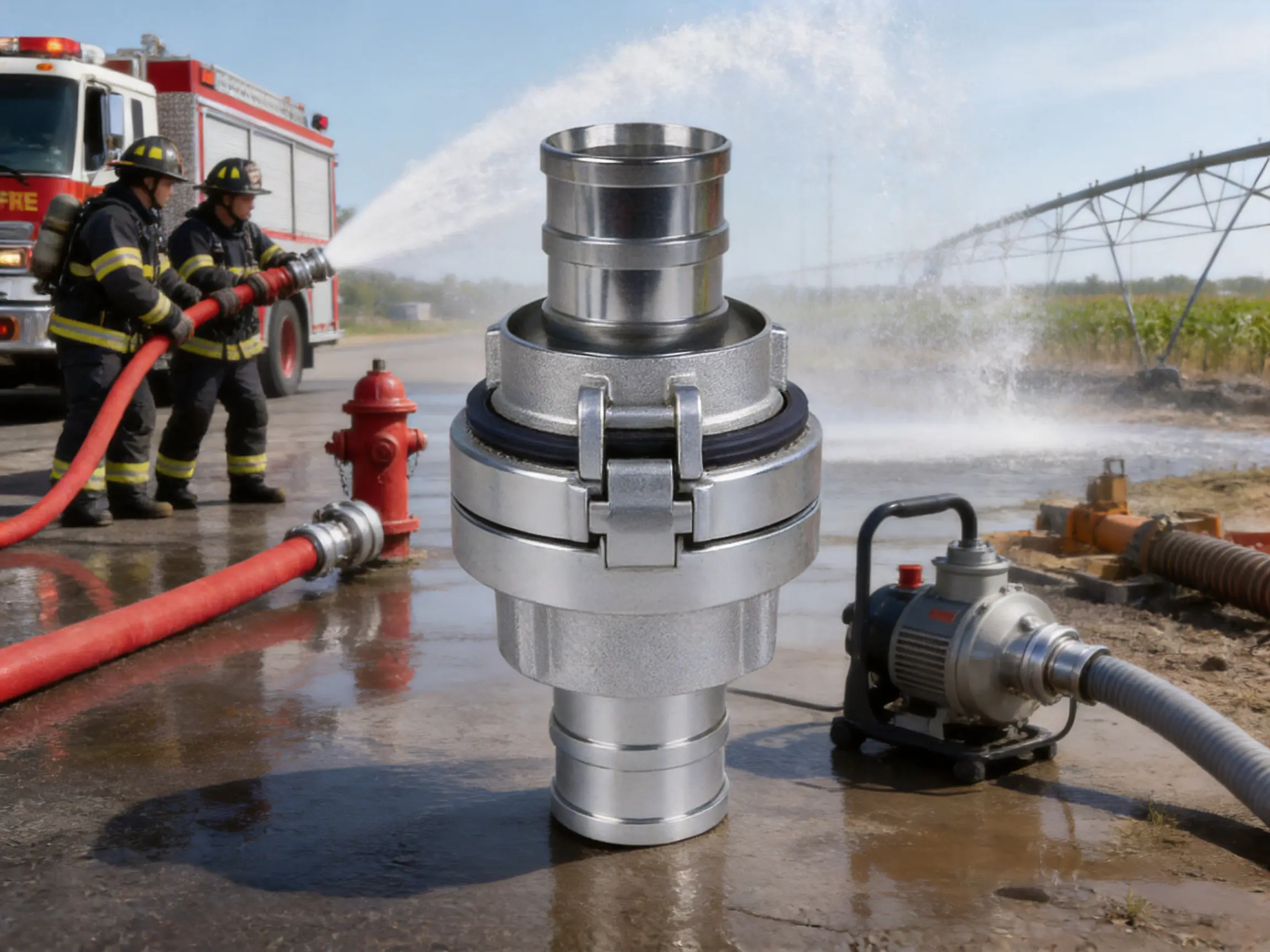
Small diameter STORZ hose couplings offer several advantages over basic threaded or low-quality generic alternatives. Their symmetrical design reduces connection errors and makes hose handling more straightforward. Their non-threaded locking method avoids many problems associated with dirty, cross-threaded, or damaged external threads.
The choice of die casting, gravity casting, or forging provides manufacturing flexibility. A supplier that can use different forming methods is better positioned to match the production process to the required component design, material, order volume, and performance objective. This is different from a one-process product range in which every coupling must be produced in the same way regardless of application.
The use of brass and aluminum also gives buyers more control over equipment weight and durability. Some competitors may offer only one material, forcing users to accept unnecessary weight or compromise on the desired mechanical characteristics. Providing both options supports more practical application-specific specification.
Vibratory grinding is another meaningful production detail. A coupling with a carefully finished surface is easier to handle, inspect, and clean than a rough or poorly finished component. Consistent finishing can also support improved resistance to corrosion and environmental contamination, particularly when combined with appropriate storage and maintenance.
The available size range from 1 inch to 6 inches helps users maintain a compatible connection family across several hose applications. Instead of relying on unrelated connection types for every hose diameter, organizations can standardize equipment around the STORZ principle where suitable. Standardization may simplify training, purchasing, stocking, and emergency deployment.
Finally, the manufacturer’s long operating history and integrated research, production, sales, and service structure provide practical value. Customers are not only purchasing a metal fitting; they are selecting a supply partner capable of supporting product communication, manufacturing coordination, export requirements, and related fire hose needs.
Begin by identifying the hose’s nominal diameter. The coupling size must match the hose end and the receiving equipment. A coupling that is too small or too large cannot create a proper connection, even if the general STORZ profile appears similar.
Next, confirm the required working pressure. The stated working pressure for these couplings is 16 bar. The complete system must be evaluated at the level of the lowest-rated component. If the hose, gasket, valve, nozzle, or pump has a lower pressure rating, the system must be operated according to that lower limit.
Then select the material. Consider portability, handling frequency, exposure to saltwater or chemicals, impact conditions, and the importance of a heavier or lighter coupling body. Brass and aluminum should be selected according to actual service conditions rather than general preference.
Review the connection geometry and compatibility requirements. STORZ couplings are not automatically interchangeable with every visually similar coupling. Confirm lug dimensions, nominal size, sealing arrangement, and connection standard with the supplier or technical documentation.
Consider the fluid being transferred. These couplings are described primarily for firefighting and water management. If the system will transfer chemicals, fuels, abrasive slurries, or unusual fluids, obtain a compatibility assessment before ordering. The metal body, gasket, hose lining, and other wetted components must all be suitable.
Finally, consider quantity, spare parts, packaging, labeling, inspection documentation, and delivery requirements. For a fire department or industrial facility, it may be useful to purchase replacement gaskets, protective caps, hose clamps, and compatible accessories at the same time.
A coupling cannot compensate for an unsuitable hose or poorly designed system. Reliable performance depends on the relationship between the coupling, hose reinforcement, gasket, clamp or attachment method, pump, valve, nozzle, and operating procedure.
The hose end must be attached securely so that the coupling cannot pull away under pressure or movement. The connection area should be assembled using suitable tools and methods. Improper clamping, incorrect insertion depth, or damage to the hose cover can create a failure even when the coupling itself is manufactured correctly.
Flow requirements should also be considered. A smaller coupling may be convenient for portable equipment, but it may not provide the flow capacity required for a high-volume water supply. Engineers and system designers should evaluate hose diameter, line length, pressure loss, pump capacity, nozzle demand, and elevation differences.
In fire protection applications, local codes, fire authority requirements, building regulations, and project specifications may require particular coupling standards or testing procedures. The product should be selected and installed in accordance with those requirements. Where the application is safety-critical, qualified professionals should verify the complete system.
It is a compact, symmetrical hose coupling used to connect compatible hoses and equipment. The product range discussed here includes sizes from 1 inch to 6 inches and is intended for firefighting, water management, agriculture, construction, and related applications.
No. STORZ couplings are symmetrical and generally use the same head structure on both coupling halves. The halves connect through interlocking lugs rather than conventional male and female threads.
The stated working pressure is 16 bar. Users must also confirm the pressure ratings of the hose, gasket, valve, nozzle, pump, and all other components in the complete system.
Neither material is universally better. Brass may be preferred for substantial construction and durable fixed-service applications, while aluminum may be preferred where lower weight and easier portability are important. The selection should be based on the operating environment, handling requirements, and compatibility needs.
Vibratory grinding is a finishing process that smooths and cleans manufactured metal components. It can help remove minor burrs and surface irregularities, improve handling, and support a more consistent surface condition.
These are generally non-shut-off symmetrical couplings. A separate valve or other control device is required to stop water flow before disconnection.
Typical applications include fire hoses, fire trucks, fire hydrants, water guns, nozzles, agricultural irrigation, construction dewatering, refineries, maritime safety systems, military equipment, and general water transfer.
Align the lugs of the two compatible coupling halves, push them together, and rotate them until they lock. Use an appropriate wrench when required, avoid excessive force, and inspect the joint for leakage after pressurization.
It should be inspected before important use and according to the maintenance schedule of the organization or installation. Firefighting and safety-critical equipment may require more frequent inspections than occasional agricultural equipment.
Depressurize the system before attempting any correction. Check for dirt, incomplete engagement, a damaged gasket, incompatible coupling halves, or damage to the sealing face. Replace defective components and remove severely damaged couplings from service.
No. The coupling must match the hose diameter, attachment method, pressure rating, sealing arrangement, and intended fluid. Compatibility should be confirmed before installation.
It reduces the need to identify male and female ends and allows compatible hose sections to be connected in either orientation. This can simplify handling and speed up deployment during emergency operations.
Small diameter STORZ hose couplings provide a practical combination of fast connection, symmetrical operation, durable metal construction, and broad application flexibility. Available in brass or aluminum and produced through die casting, gravity casting, or forging, they can be matched to different handling, strength, and production requirements.
The 16 bar working pressure, size range from 1 inch to 6 inches, and resistance to corrosion, rust, acid, and alkali make these couplings suitable for many fire hose and water management systems. Vibratory grinding contributes to a consistent, serviceable finish, while the manufacturer’s experience in fire hose production and related industrial products supports dependable supply and technical coordination.
For the best results, users should select the correct size and material, verify complete system compatibility, follow safe connection and disconnection procedures, and maintain a regular inspection program. When properly specified and cared for, small diameter STORZ hose couplings can help firefighting teams, industrial operators, agricultural users, construction contractors, maritime organizations, and emergency responders establish reliable water connections when performance matters most.
1. General principles of symmetrical fire hose coupling design and operation.
2. Technical guidance for fire hose, hydrant, nozzle, and pump connection systems.
3. Industrial recommendations for metallic coupling material selection and corrosion control.
4. Manufacturing principles for die casting, gravity casting, and forged metal components.
5. Best practices for vibratory finishing and surface preparation of metal fittings.
6. Fire protection equipment inspection, maintenance, and storage practices.
7. Agricultural irrigation and construction dewatering hose system guidelines.
8. Maritime and industrial water safety equipment recommendations.
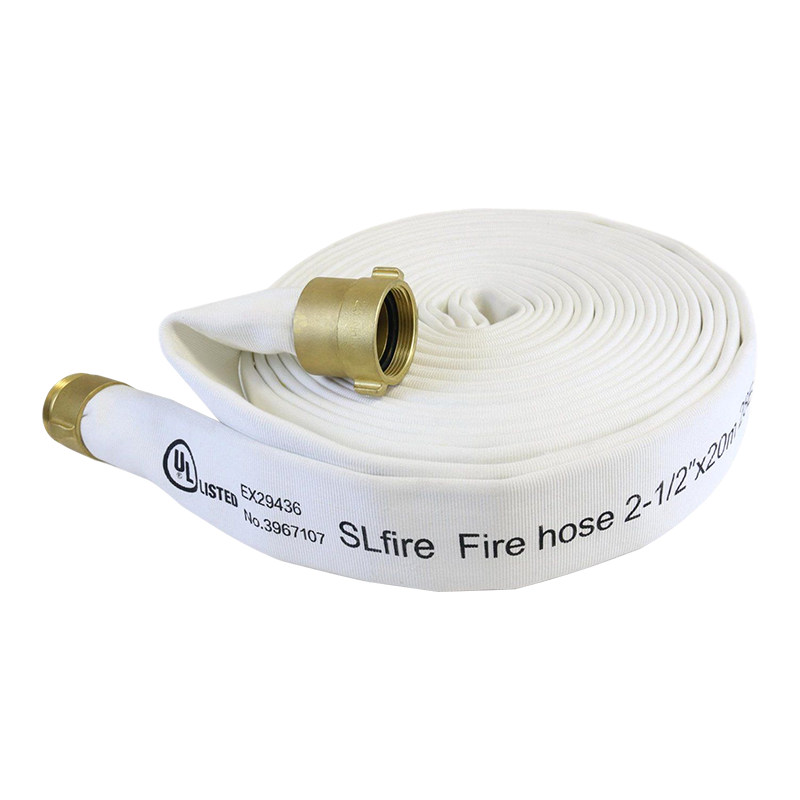
Single jacket, EPDM rubber liner Features • 100% high tenacity polyester jacket, high-grade EPDM rub...
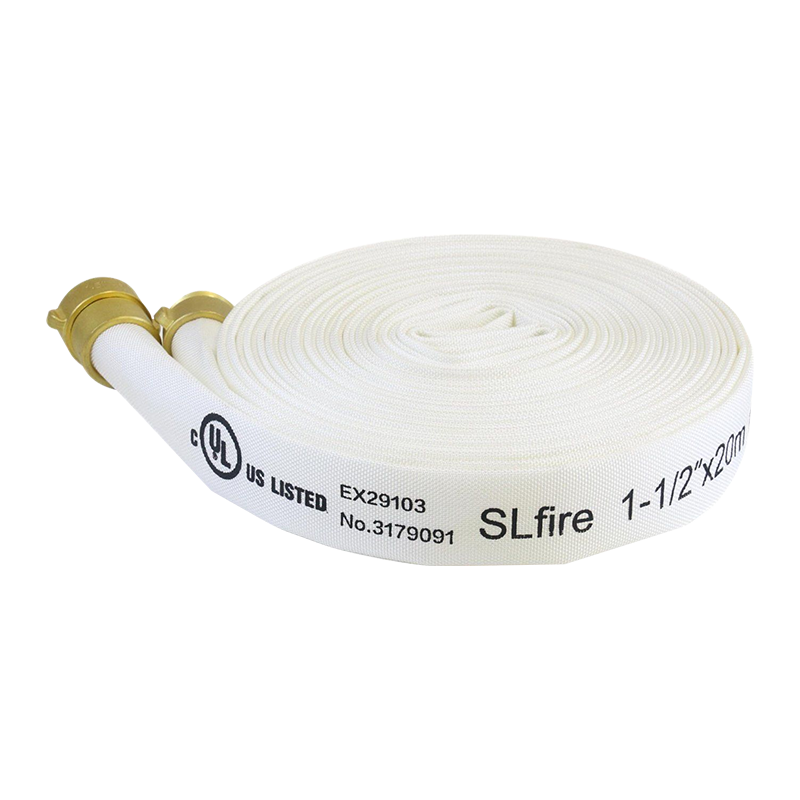
Single jacket, TPU liner •High-tenacity polyester yarn, circular woven in twill weave/plain weave,T ...
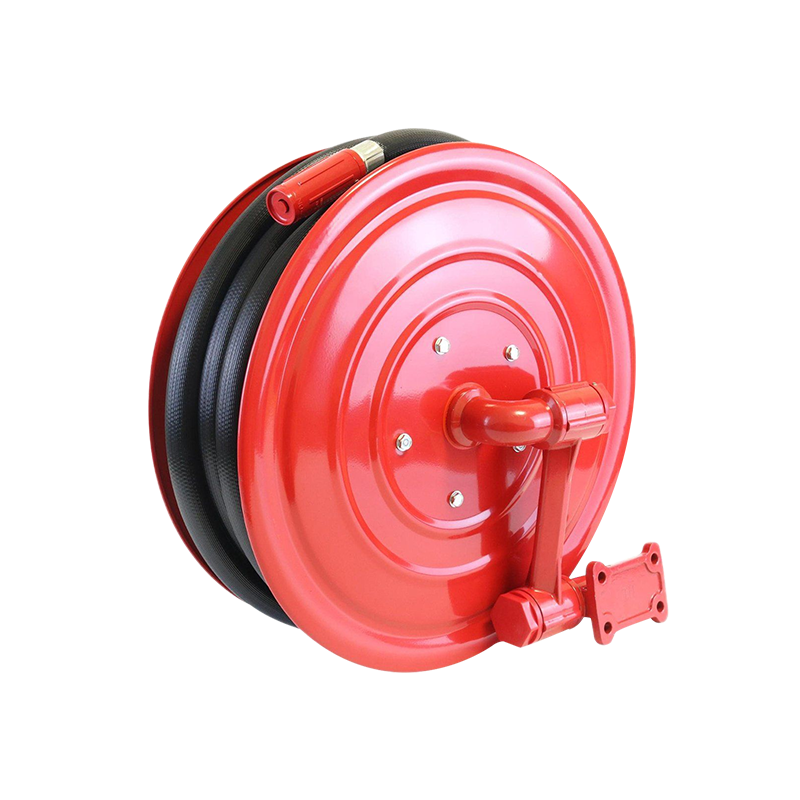
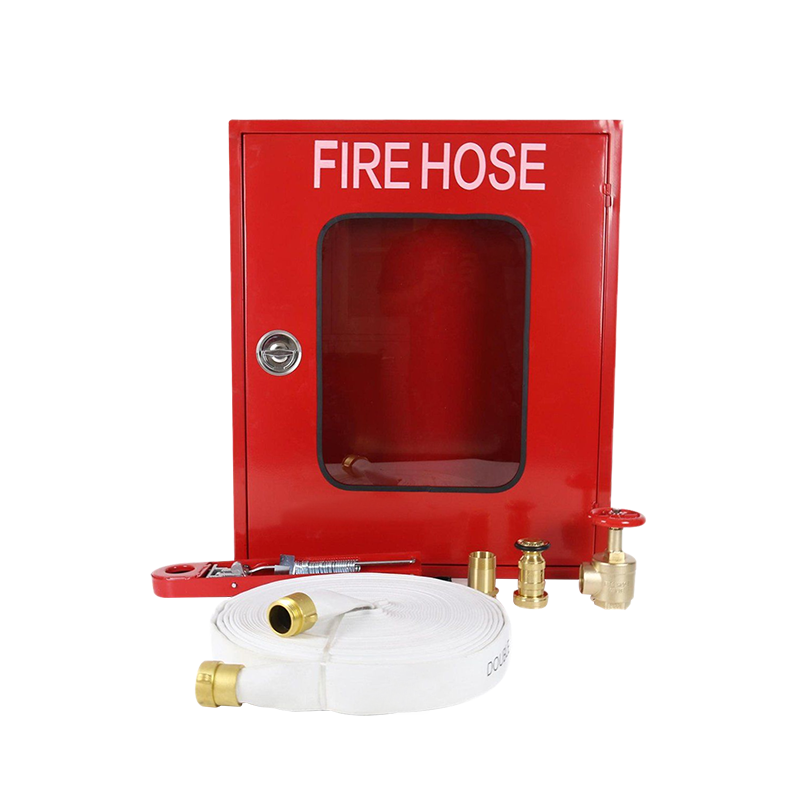
Fire cabinets are designed to accommodate fire hose,valve and other firefighting equipment. Type 201...
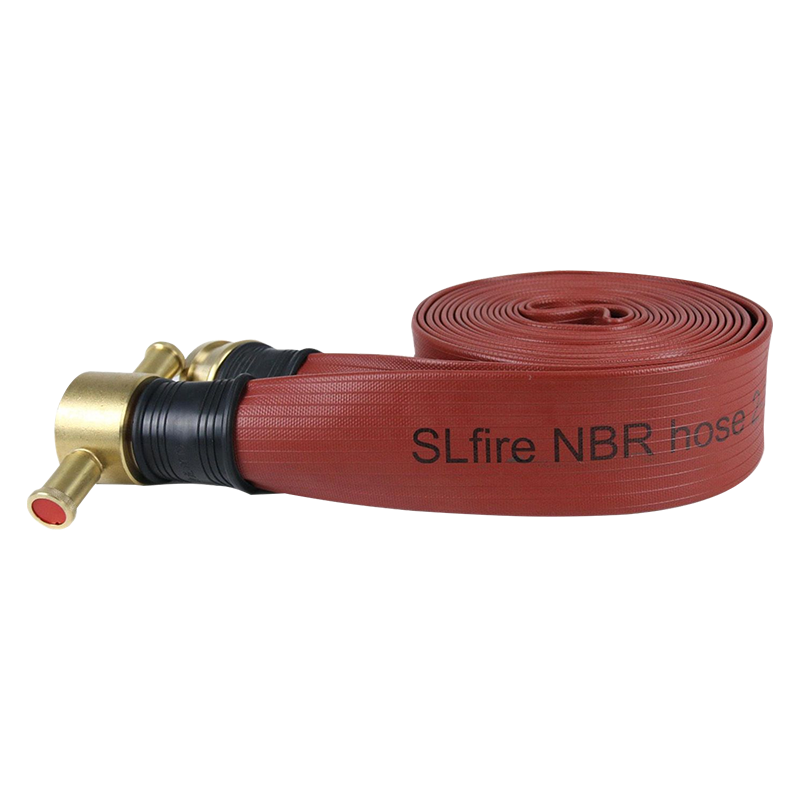
Nitrile covered hose •Nitrile/TPR blend as cover and lining, with 100% high-tenacity polyester yarn ...
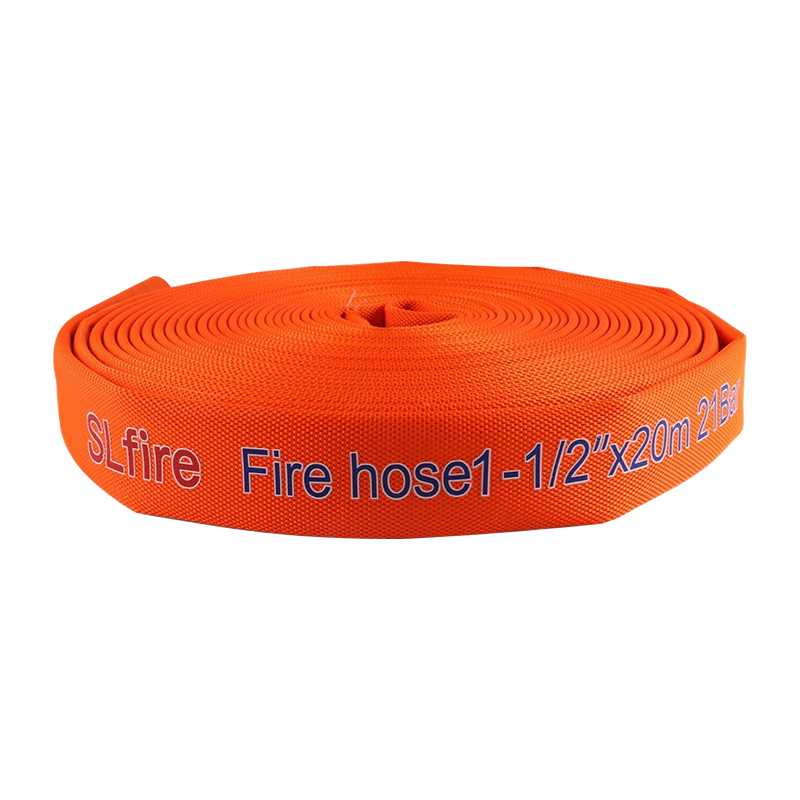
Single jacket, TPU liner •High-tenacity polyester yarn, circular woven in twill weave, TPU lining, f...
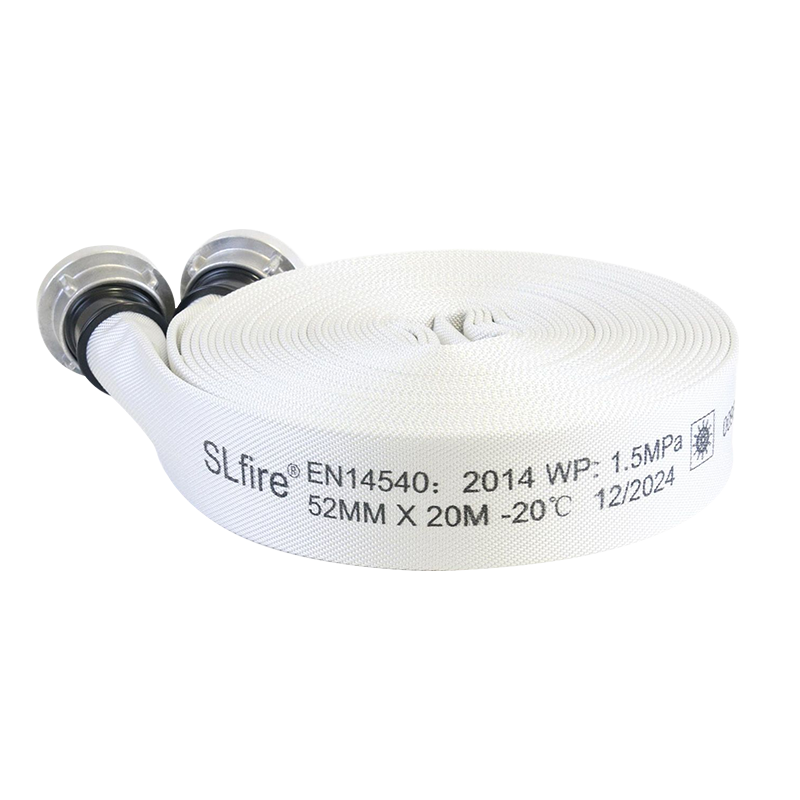
Marine hose Single jacket, PVC liner •100% high tenacity polyester yarn, circular woven in twill wea...
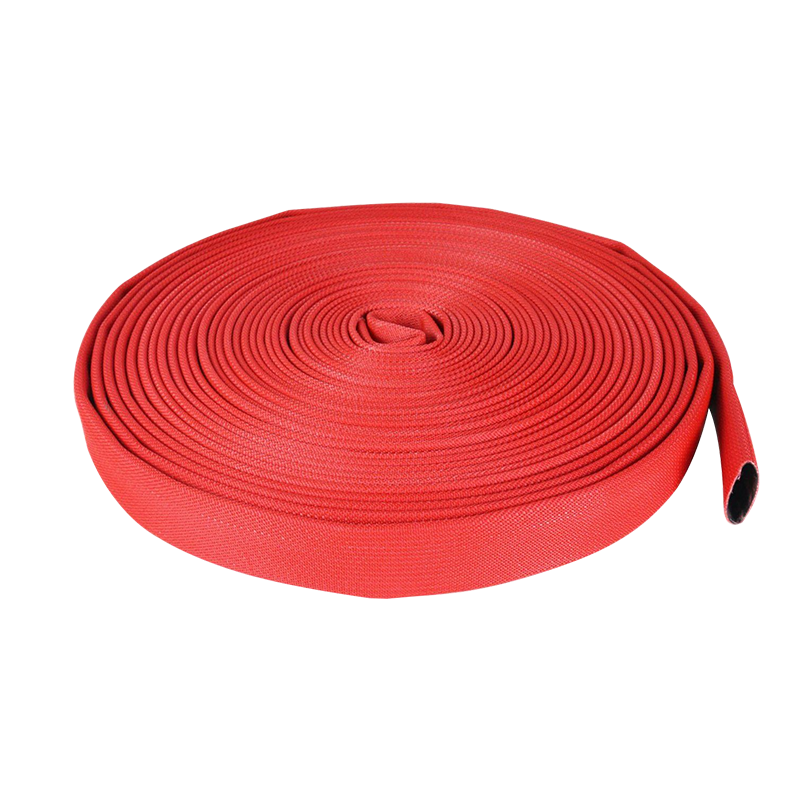
Marine hose Single jacket, PVC liner, PU coated •100% high tenacity polyester yarn,c ircular woven i...
 Call Us
+86 159-5116-9511
Need Support
Head Office
No.58, Kechuang Road, Sixiang Street Medicine Gaoxin District Taizhou City, Jiangsu Province

What Is a Fire Hose? A fire hose is a high-pressure flexible hose designed to carry water or fire retardant chemicals from a water source, such as a hydrant, pump, or tank, to a fire for suppression p...
Copyright © Taizhou Shenlong Fire Science and Technology Co., Ltd. All Rights Reserved.
 Fire Hose Manufacturers, Fire Hydrant Hose Factory