

 English
 русский
 Español
 Deutsch
 عربى
عربى Français
 Português
Don't hesitate to send a message

Single jacket, EPDM rubber liner Features • 100% high tenacity polyester jacket, high-grade EPDM rub...
Content
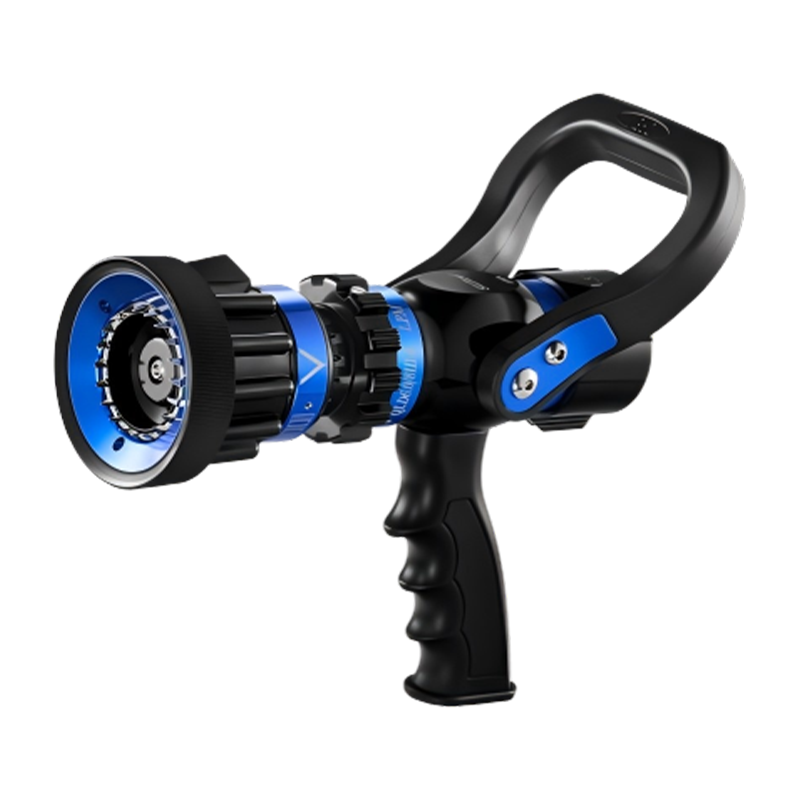
Modern firefighting demands equipment that can respond to changing hazards with speed, accuracy, and reliability. The adjustable flow rate nozzle is designed for exactly that purpose. It gives firefighters the ability to shift between multiple flow settings, select effective fog or straight-stream performance, maintain control under demanding pressure, and work confidently in environments where seconds matter. Built for vehicle fires, forest fire response, high-pressure reel fire trucks, industrial fire protection, municipal firefighting, emergency rescue, and professional hose-line operations, this nozzle combines rugged construction with practical field usability.
Unlike ordinary fixed-flow nozzles that limit the operator to a single discharge capacity, an adjustable flow rate nozzle allows water delivery to match the fire condition. A small fire, cooling task, exposure protection job, or overhaul stage may require a lower flow to conserve water and reduce unnecessary damage. A rapidly developing fire, high heat release area, or exterior attack may require a stronger flow rate and longer throw distance. By integrating multiple selectable flow ranges, a durable aluminum body, stainless-steel spinning teeth, permanent operational markings, ergonomic grips, reliable coupling components, and an internal strainer, the nozzle becomes a versatile tool for both aggressive attack and controlled suppression.
The product range includes small-flow, standard-flow, large-flow, and dual hydro wall nozzle options. Available coupling sizes include 1 inch, 1.5 inches, 2 inches, and options extending up to 2.5 inches depending on configuration. Operating pressure is typically around 7 bar nominal for the adjustable flow models, with flow rates available up to 950 L/M. For departments, contractors, fire equipment distributors, and industrial safety buyers, this combination of performance and adaptability creates a strong value advantage over many conventional hose nozzles.
The primary purpose of an adjustable flow rate nozzle is to provide controlled water delivery through a firefighting hose line while allowing the operator to modify discharge volume according to the emergency. In practical firefighting, conditions change quickly. A crew may arrive at a vehicle fire requiring focused reach, then shift to cooling nearby exposures. A forestry crew may need a manageable flow for mobility while walking through uneven terrain, then increase the discharge for a flame front or hot spot. An industrial facility team may need reliable fog generation for cooling and vapor control, while also requiring a direct stream for distance and penetration.
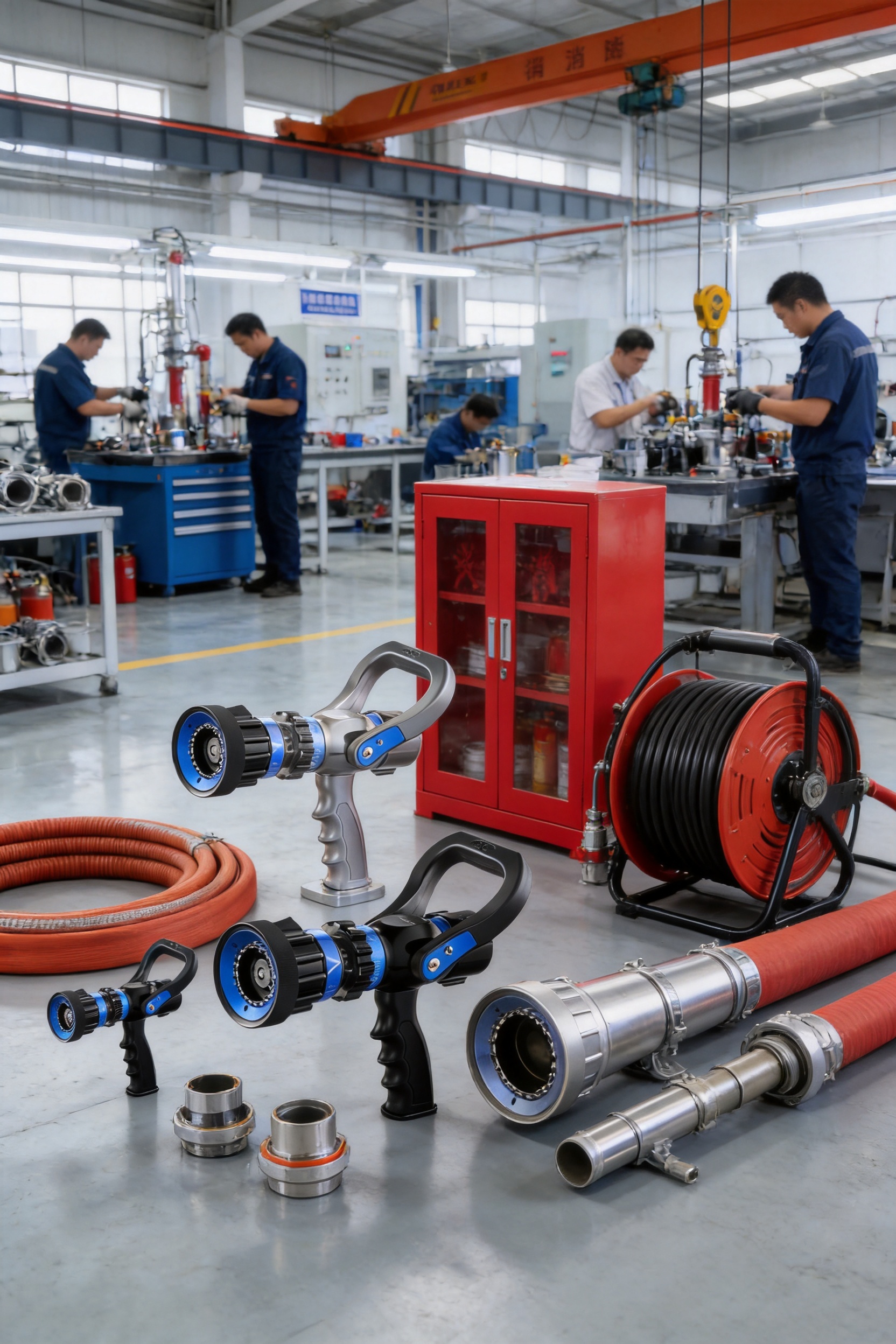
This product is mainly equipped for high-pressure reel fire trucks and is especially suitable for vehicle fires and forest fires. Those two applications highlight the importance of compact handling and responsive control. Vehicle fires can involve flammable liquids, plastics, tires, batteries, and confined compartments. Effective suppression often requires a combination of reach, cooling, fog pattern control, and rapid operator adjustment. Forest fires require mobility, endurance, water conservation, and dependable equipment that can withstand heat, dust, mud, and repeated handling. The lightweight aluminum body reduces fatigue, while the ergonomic handle and pistol grip help the operator maintain stability even when wearing gloves or working in wet conditions.
Beyond vehicle and forest fire response, the adjustable flow rate nozzle is also useful for fire brigades, industrial hose systems, emergency service vehicles, fire pump testing, training facilities, warehouses, construction sites, water conservancy operations, and municipal fire protection networks. It can serve as part of a full hose-line package when paired with compatible fire hoses, hose couplings, cabinets, reels, and firefighting accessories.
The design philosophy behind this nozzle is based on three priorities: control, durability, and operational clarity. Control means the firefighter can select the desired flow setting and stream pattern without unnecessary complexity. Durability means the nozzle can survive repeated service in harsh environments, including impact, abrasion, high pressure, temperature variation, and contaminated water. Operational clarity means the user can read the settings quickly and avoid uncertainty during stressful conditions.
Many lower-grade nozzles compromise one or more of these requirements. Some are lightweight but not durable enough for professional duty. Others are strong but heavy, increasing operator fatigue. Some offer adjustable settings but lack clear markings, which slows decision-making. Some produce acceptable straight streams but weak fog performance because the spinning teeth are poorly made or quickly worn. This adjustable flow rate nozzle addresses these common shortcomings through material selection, precision component design, and practical manufacturing control.
The first competitive advantage is adjustable discharge. Fixed-flow nozzles are simple, but they do not provide flexibility. If the selected fixed flow is too low, the crew may lack suppression power. If it is too high, the crew may waste water, create excessive nozzle reaction, and reduce mobility. Adjustable flow settings allow one nozzle to serve multiple tasks. Depending on model, the nozzle can provide settings such as 115, 230, 360, 475, 600, 780, or 950 L/M. This broad range helps users match water delivery to fire intensity and available pump capacity.
The second advantage is ease of handling. The aluminum body provides a practical balance between strength and weight. Firefighters often work for long periods in heavy protective clothing while holding pressurized hose lines. Every unnecessary kilogram increases fatigue, reduces accuracy, and affects crew safety. A lightweight but strong body improves maneuverability without sacrificing ruggedness.
The third advantage is improved fog quality. Stainless-steel spinning teeth are used to support effective fog generation. In firefighting, a well-formed fog pattern can absorb heat, protect crews, cool hot gases, reduce radiant heat, and cover a wider area. Stainless steel provides better corrosion resistance and wear resistance than many ordinary materials, helping maintain spray performance over time.
The fourth advantage is reliable operation in dirty water conditions. Fireground water sources are not always clean. Pumps may draw from hydrants, tanks, ponds, rivers, or portable reservoirs. Sediment and debris can clog poor-quality nozzles. This product includes a stainless-steel strainer to filter impurities and reduce clogging risk. For field crews, fewer clogs mean less interruption and greater confidence.
The fifth advantage is user-friendly marking. Permanent laser-engraved operational markings make the nozzle easier to read. Printed or painted markings can wear away with friction, sunlight, water, and chemical exposure. Laser engraving helps ensure that flow settings and operating indicators remain visible over long service life.
The sixth advantage is ergonomic safety. A DuPont nylon handle and pistol grip provide ruggedness and a non-slip hold. When the nozzle is wet, gloved, exposed to foam solution, or handled in muddy conditions, grip stability becomes a safety issue. The handle and pistol grip improve control, reduce hand strain, and support accurate stream direction.
The seventh advantage is component customization. Ball valve options include stainless steel, aluminum, or brass. Different users may prioritize corrosion resistance, weight, cost, or material compatibility. By offering valve material choices, the nozzle can be adapted for different working environments and purchasing requirements.
The adjustable flow rate nozzle range includes several configurations intended for different flow capacities. The following table summarizes common models and performance details based on available product data.
| Model Type | Working Pressure | Flow Rate | Flow Distance | Weight | Coupling Options |
| QLD6.0/8Ⅲ-B Small Flow Adjustable Nozzle | 7 bar | 115-230-360-475 L/M | 32 m | 1.8 kg | 1 inch / 1.5 inches / 2 inches |
| QLD6.0/10Ⅲ Adjustable Nozzle | 7 bar | 115-230-360-475-600 L/M | 34 m | 1.8 kg | 1 inch / 1.5 inches / 2 inches |
| QLD6.0/13Ⅲ-C Large Flow Adjustable Nozzle | 7 bar | 360-450-580-780-950 L/M | 38 m | 2.8 kg | 1 inch / 1.5 inches / 2 inches |
| QLD6.0/8Ⅲ Dual Hydro Wall Nozzle | 6 bar | 480 L/M | 32 m | 2.2 kg | 1 inch / 1.5 inches / 2 inches |
These specifications show that the product family covers both compact mobility and large-flow suppression. A 1.8 kg nozzle is especially useful for high-pressure reel applications where users require fast deployment and reduced fatigue. The 2.8 kg large-flow model delivers up to 950 L/M, giving crews a higher-capacity option for more demanding operations. Flow distances from 32 m to 38 m provide reach for exterior attack, vehicle fires, forestry operations, and industrial response.
The nozzle features a strong, lightweight aluminum body. Aluminum is widely used in professional firefighting equipment because it provides a favorable strength-to-weight ratio. A heavy nozzle may feel stable during brief testing, but during long emergency operations it can become tiring and difficult to maneuver. Excessive weight also affects smaller crews, forestry responders, volunteer brigades, and operators using high-pressure reels in confined areas.
Aluminum supports efficient heat dissipation, corrosion resistance when properly treated, and long-term service life. Its lighter mass allows the operator to change stream direction quickly, lift the nozzle for upper-level attack, sweep the stream across a fire area, or work while moving through vegetation, around vehicles, or inside industrial sites. In comparison with lower-grade materials, properly processed aluminum can provide superior durability without making the nozzle cumbersome.
The aluminum body also supports precise machining. Fire nozzles require accurate internal flow passages, smooth sealing areas, and reliable interfaces with valve assemblies and couplings. Manufacturing accuracy affects flow consistency, pressure loss, stream quality, and service reliability. A well-machined aluminum body contributes to stable operation across multiple flow settings.
Fog performance is a major indicator of nozzle quality. A high-quality fog pattern requires consistent water breakup, even distribution, and dependable rotation of the spinning teeth. Stainless-steel spinning teeth help create a refined fog pattern that can be used for heat absorption, smoke control support, exposure protection, and firefighter safety. Stainless steel resists corrosion from water, foam solution, and environmental exposure. It also resists mechanical wear, which is important because the teeth are subject to repeated water impact and movement.
Competitor nozzles that use softer or less corrosion-resistant materials may initially perform well but lose fog quality after extended use. Worn teeth can create uneven spray, poor droplet distribution, or reduced protective coverage. By using stainless-steel spinning teeth, this adjustable flow rate nozzle is designed for stable fog performance over a longer service period.
Permanent laser-engraved markings are a practical but important feature. Firefighting takes place in low visibility, high noise, smoke, rain, darkness, and stressful conditions. Operators need to identify settings quickly. If markings are faded or unclear, the firefighter may hesitate or select an unsuitable flow rate. This can affect water supply planning, pump pressure management, and fire attack effectiveness.
Laser engraving creates durable markings that are more resistant to abrasion than paint or stickers. This feature improves long-term usability and reduces confusion between crews. It also supports training because instructors can clearly show flow selections and operating positions. For equipment buyers, permanent markings help maintain professional appearance and reduce replacement concerns.
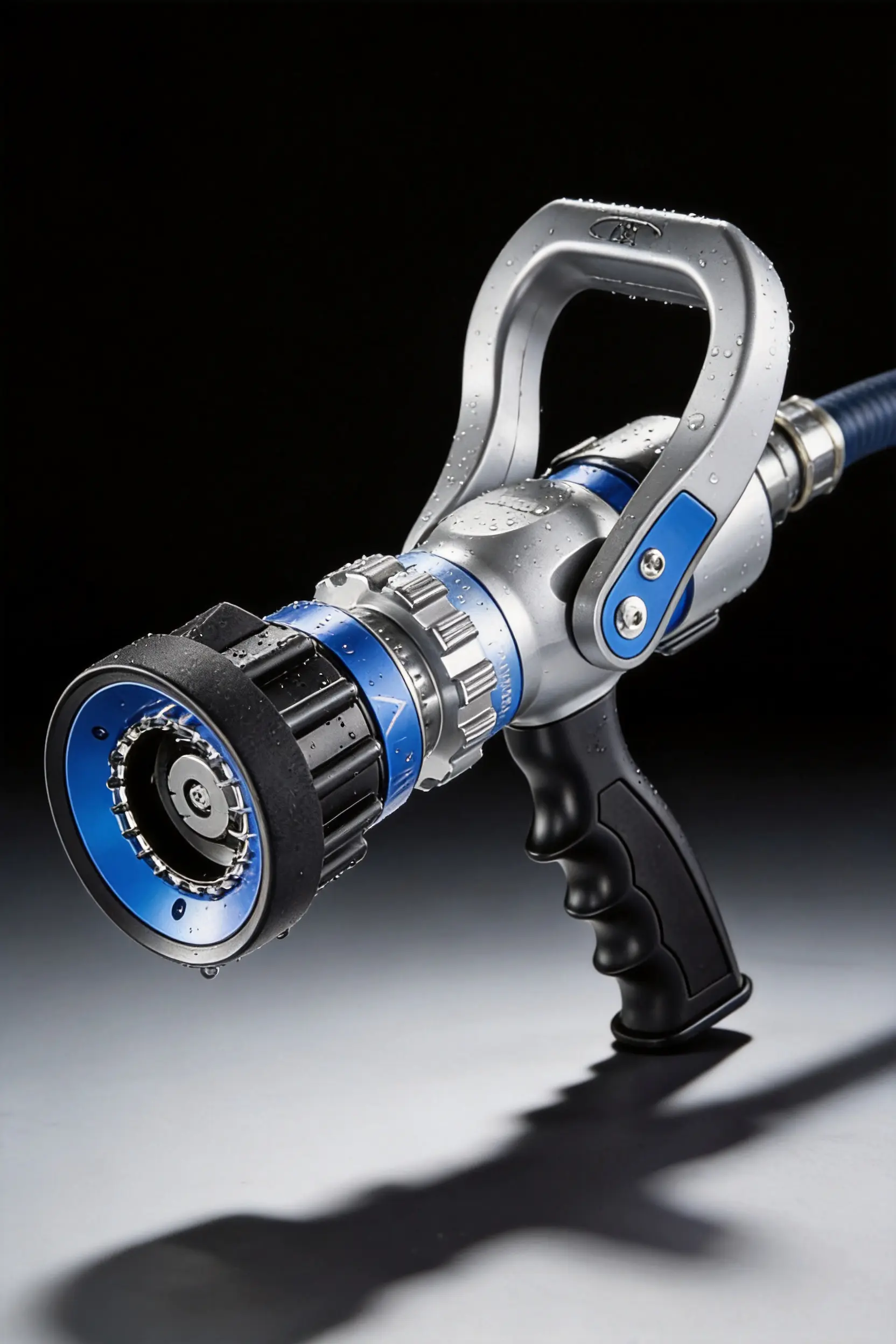
The nozzle is equipped with a rubber bumper to protect against impact and rough handling. Fireground equipment is often dropped, dragged, stored in compartments, struck against vehicles, placed on concrete, and exposed to outdoor conditions. A nozzle without impact protection may suffer dented edges, damaged adjustment components, or cosmetic wear. The rubber bumper absorbs part of the shock and helps preserve the working surfaces of the nozzle.
The bumper also improves handling in some situations by providing a tactile surface near the front end. When the nozzle is placed on the ground, the bumper reduces direct contact between metal and abrasive surfaces. Over time, this small protective detail can extend service life and reduce maintenance costs.
Comfort and control are essential in nozzle operation. The handle and pistol grip are made with DuPont nylon, selected for ruggedness, impact resistance, and non-slip performance. A pistol grip allows the firefighter to hold and direct the nozzle more naturally, especially when managing nozzle reaction. It can reduce wrist strain and make the hose line easier to control during sweeping motions or prolonged application.
The handle design is also valuable when gloves are wet or contaminated with foam, mud, or oil. Smooth or poorly shaped handles can cause slipping, which may lead to stream misdirection or loss of control. A secure grip improves safety for the operator and nearby crew members. Compared with nozzles that use lower-grade plastic or simple metal handles, this design offers better comfort and professional durability.
A nozzle is only as reliable as its connection to the hose line. This product includes a forged connection or coupling for secure hose attachment. Forging improves material density and mechanical strength compared with some cast or low-grade components. A strong coupling helps resist impact, thread wear, vibration, pressure cycles, and repeated connection or disconnection.
In emergency operations, a leaking or unstable coupling can reduce effective flow, waste water, create hazards, and delay suppression. Secure coupling is especially important for high-pressure reel trucks, where the hose may be rapidly deployed and pulled across surfaces. The availability of 1 inch, 1.5 inch, and 2 inch coupling options helps users integrate the nozzle with different hose systems. Inlet size flexibility from 1 inch to 2.5 inches further broadens compatibility for different firefighting and industrial setups.
The stainless-steel strainer helps prevent clogging by filtering impurities before they reach sensitive nozzle passages. This is particularly important in field conditions where water may come from sources containing sand, rust particles, vegetation, scale, or other debris. A clogged nozzle can interrupt the fire attack and force the operator to stop, flush, or replace equipment. During a fast-moving fire, such interruption is unacceptable.
Stainless steel is a suitable material for the strainer because it resists corrosion and maintains structural integrity under water flow. The strainer contributes to reliability, reduces maintenance frequency, and protects the internal flow-control mechanism. For industrial users and rural fire brigades, where water quality can vary significantly, this feature provides a major advantage over nozzles without internal filtration.
The nozzle can be configured with stainless-steel, aluminum, or brass ball valve options. This flexibility allows buyers to choose the most appropriate solution for their operating environment. Stainless steel offers excellent corrosion resistance and strength, making it suitable for demanding or corrosive environments. Aluminum provides a lightweight option that supports easy handling. Brass is a traditional valve material valued for corrosion resistance, machinability, and reliable sealing properties.
Not every customer has the same needs. Municipal brigades may prioritize long-term durability and standardization. Industrial users may prioritize corrosion resistance or compatibility with existing systems. Export markets may prefer certain material specifications. By offering multiple ball valve options, the manufacturer demonstrates an understanding of diverse customer requirements and provides better procurement flexibility than competitors with only one standard configuration.
Vehicle fires are complex because modern vehicles contain plastics, rubber, upholstery, electrical systems, fuel tanks, batteries, and sometimes alternative energy components. Firefighters need to control heat quickly while maintaining distance and mobility. An adjustable flow nozzle allows the operator to begin with a suitable flow for initial knockdown, increase flow when the fire is fully involved, and reduce flow during overhaul or cooling.
The fog setting can help cool hot surfaces and reduce radiant heat, while a more concentrated stream can reach burning areas under the hood, inside the passenger compartment, or beneath the vehicle. The 32 m to 38 m flow distance range gives the crew operational standoff where needed. The lightweight design is beneficial when a firefighter must move around the vehicle, work near traffic, or reposition quickly as conditions change.
Forest fires and wildland interface incidents require equipment that is portable, efficient, and resistant to rough environments. Crews may need to walk long distances, climb uneven terrain, operate from small trucks, or work with limited water supply. Adjustable flow settings are valuable because water conservation is often critical. Lower flow can be used for mop-up and hot spots, while higher flow can be used for stronger flame sections or structure protection.
The nozzle’s lightweight aluminum body reduces fatigue during mobile operations. The rubber bumper protects the nozzle when placed on rocks, soil, or truck beds. The stainless-steel strainer reduces clogging risk when water is supplied from tanks or natural sources. The non-slip handle and pistol grip support control when the operator is working with gloves, sweat, rain, or ash contamination. These practical advantages make the nozzle suitable for both professional forest fire teams and municipal units responding to wildland interface fires.
Industrial facilities need firefighting equipment that can operate reliably after long standby periods and under severe conditions. Warehouses, factories, chemical storage sites, power facilities, logistics centers, and construction zones may face high fire loads and complex hazards. An adjustable flow rate nozzle helps facility fire teams respond to different incident sizes without changing nozzles. Small leaks, cooling operations, equipment fires, and larger suppression tasks can be addressed with one adaptable tool.
The durable materials are particularly important for industrial use. Aluminum reduces weight for rapid response, stainless steel resists corrosion, forged coupling components support secure attachment, and the internal strainer helps deal with variable water quality. Permanent markings make the nozzle easier for trained staff to operate during emergency drills and real incidents. Compared with basic industrial hose nozzles, this product provides more refined control and better professional firefighting performance.
Taizhou Shenlong Fire Science and Technology Co., Ltd. was founded in 1995 and has developed into an enterprise integrating research and development, production, sales, and service. The company’s long-term focus on firefighting hose products and related fire equipment gives it practical understanding of hose-line systems, field requirements, coupling compatibility, and customer expectations. The product portfolio includes fire hose, industrial hose, agricultural hose, hose couplings, hose nozzles, fire accessories, fire cabinets, and trenchless rehabilitation hose.
This broad product foundation is important because a nozzle does not work in isolation. It must connect to hoses, match couplings, fit fire truck systems, and perform as part of a complete water delivery solution. A manufacturer with experience in hoses and couplings is better positioned to understand real-world compatibility issues. The company can also undertake foreign trade products made of rubber, PVC, polyurethane, and double-sided tape according to customer requirements, which demonstrates production flexibility and material processing knowledge.
The company’s products are widely used in fire protection, construction, water conservancy, and other industries. They sell well across many provinces, cities, and autonomous regions, and export products are produced in cooperation with domestic foreign trade companies for many international markets. This market reach reflects the ability to support different standards, packaging expectations, customer specifications, and supply chain demands.
Professional nozzle production requires more than assembly. It requires material control, precision machining, surface treatment, component inspection, pressure testing, marking, and final quality verification. For the adjustable flow rate nozzle, the manufacturing process begins with selecting appropriate raw materials such as aluminum for the main body, stainless steel for spinning teeth and strainers, DuPont nylon for the handle and pistol grip, rubber for bumpers, and selected metals for ball valve options.
Precision machining is essential for the aluminum body and internal passages. Flow-control nozzles rely on accurately formed channels and valve seats to maintain predictable discharge. Even small dimensional errors can affect pressure loss, spray pattern, sealing reliability, and flow-setting accuracy. Advanced machining processes help ensure consistent geometry between batches, which is especially important for distributors and fire departments purchasing multiple units.
Forging is used for connection or coupling components to increase strength and reliability. Forged parts can provide better grain structure and mechanical performance than many low-cost alternatives. After forming, components may be machined to precise thread or interface dimensions. Accurate coupling threads reduce leakage, improve connection speed, and protect hose fittings from unnecessary wear.
Surface treatment and finishing improve corrosion resistance and product appearance. Firefighting equipment is exposed to water, humidity, foam agents, smoke residues, outdoor storage, and temperature changes. Proper finishing helps protect components and maintain long service life. The rubber bumper is fitted to protect the front structure, while the DuPont nylon handle and pistol grip are assembled for ergonomic control.
Laser engraving is applied to create permanent operating markings. Unlike adhesive labels or painted marks, laser-engraved markings are integrated into the surface and resist fading. This manufacturing step supports both functionality and professional presentation. Finally, finished nozzles should undergo inspection for assembly quality, sealing, flow selection, and visual condition before packaging.
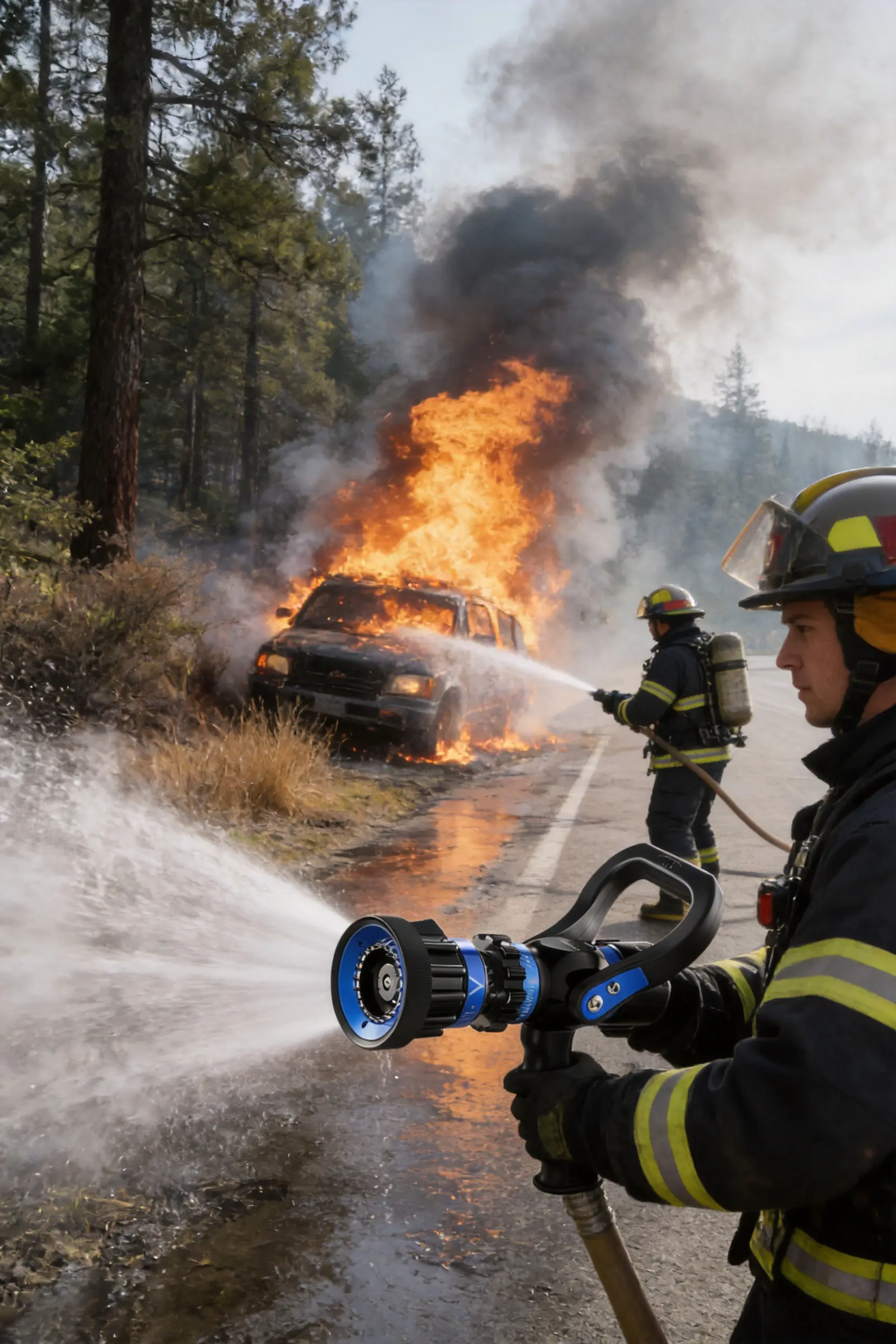
Quality control is central to firefighting product reliability. A nozzle must operate correctly not only in laboratory conditions but also during high-pressure, high-stress emergency use. Key quality control priorities include dimensional inspection, thread compatibility, valve movement, handle assembly strength, bumper fit, strainer placement, marking accuracy, and pressure performance.
Pressure testing confirms that the nozzle can withstand its intended working pressure and maintain sealing integrity. Flow testing verifies that selected settings correspond to the desired discharge range. Spray pattern inspection checks fog distribution, straight-stream formation, and adjustment smoothness. Coupling checks ensure secure connection with specified hose sizes. Visual inspection confirms surface quality, engraved markings, and assembly finish.
Compared with low-cost competitors that may rely on minimal testing, a manufacturer with established production and service experience can provide more consistent quality. Consistency matters for fire departments and distributors because equipment must perform predictably across multiple units and replacement orders. A single unreliable nozzle can disrupt emergency response and damage customer trust.
The adjustable flow rate nozzle is part of a larger fire hose system. Hose quality, coupling strength, pump pressure, and nozzle design all interact. If the hose has excessive friction loss, the nozzle may not receive adequate pressure. If the coupling leaks, flow performance decreases. If the nozzle is poorly matched to the pump, the operator may face excessive reaction or insufficient reach.
Because the manufacturer’s product categories include fire hoses, industrial hoses, agricultural hoses, hose couplings, and fire accessories, customers can benefit from integrated knowledge across the system. A buyer can select compatible hose and nozzle combinations for firefighting vehicles, industrial cabinets, hydrant systems, or mobile fire pumps. This helps reduce procurement complexity and improves system reliability.
The nozzle’s coupling options of 1 inch, 1.5 inches, and 2 inches make it suitable for a range of hose lines. Smaller sizes support mobility and high-pressure reels, while larger sizes can support stronger flow. The availability of different inlet sizes gives system designers flexibility when matching existing infrastructure.
For firefighters, the most important product benefits are direct and practical. The nozzle is easy to maneuver because of its lightweight body. It is easy to hold because of the ergonomic handle and pistol grip. It is easier to read because of permanent markings. It is less likely to clog because of the stainless-steel strainer. It offers better fog capability because of stainless-steel spinning teeth. It connects securely because of the forged coupling. It can be configured to different requirements because of ball valve material options.
During suppression, these features translate into faster decision-making and more confident operation. A firefighter can adjust flow for the fire stage, maintain better grip under wet conditions, and use fog or stream patterns with improved reliability. Reduced fatigue is not just a comfort issue; it affects accuracy, endurance, and safety. A controlled nozzle helps the operator maintain direction and avoid excessive movement caused by nozzle reaction.
For distributors, contractors, and fire equipment buyers, the adjustable flow rate nozzle provides a strong balance of performance and value. One product family covers multiple flow requirements, allowing buyers to serve different customer segments with related models. The specifications are clear, the coupling sizes are practical, and the nozzle can be paired with hoses and accessories from the same product ecosystem.
Durability features reduce after-sales complaints. Permanent markings reduce concerns about wear. Stainless-steel components improve corrosion resistance. The internal strainer reduces clogging problems. Forged couplings support long service life. Material options allow price and performance customization. These factors make the nozzle attractive for wholesale supply, municipal procurement, industrial projects, and export distribution.
Many competitor nozzles in the market fall into several categories: simple fixed-flow nozzles, low-cost adjustable nozzles, heavy-duty but overweight models, and premium imported nozzles with high pricing. The adjustable flow rate nozzle discussed here competes by offering professional features while maintaining practical usability and procurement flexibility.
Compared with simple fixed-flow nozzles, it provides multiple flow rates and better adaptability. Compared with low-cost adjustable models, it offers stronger material choices, stainless-steel spinning teeth, a stainless-steel strainer, laser-engraved markings, and forged connections. Compared with overweight heavy-duty nozzles, it provides a lighter aluminum body that reduces fatigue. Compared with expensive premium imported options, it provides a cost-effective solution supported by manufacturing experience and customization ability.
This combination is especially valuable for customers who need reliable performance but also need manageable procurement budgets. Fire departments, industrial plants, and distributors often purchase equipment in quantity. A nozzle that balances durability, ergonomics, and cost can provide better long-term value than either a cheap low-quality product or an unnecessarily expensive alternative.
Water management is a critical part of firefighting. Fire trucks have limited tank capacity, rural areas may have limited water supply, and long hose lays may reduce pressure. Adjustable flow allows crews to conserve water when maximum discharge is not required. At the same time, it allows rapid escalation when fire conditions demand greater flow.
For example, a crew may use a lower flow during initial investigation, small exterior fire attack, or cooling operation. If flames intensify or exposures become threatened, the operator can increase discharge. During overhaul, the flow can be reduced again to limit water damage. This flexibility improves tactical efficiency and helps incident commanders manage resources.
The listed flow distances of 32 m, 34 m, and 38 m provide useful reach for many firefighting situations. Reach is important because it allows firefighters to operate from safer positions, attack from outside collapse zones, cool exposures, and apply water to difficult areas. Vehicle fires, for example, may require operators to remain clear of fuel runoff, tire explosions, gas cylinders, or traffic hazards. Forest fires may require reaching flames beyond immediate hose access.
A strong stream distance also helps in industrial yards, storage areas, loading docks, and construction sites. While actual performance may vary depending on pump pressure, hose length, elevation, and environmental conditions, the nozzle’s design supports effective fireground reach at nominal operating pressure.
The small-flow adjustable model provides 115-230-360-475 L/M at 7 bar, with a 32 m flow distance and 1.8 kg weight. This model is ideal where mobility, water conservation, and quick handling are priorities. It suits high-pressure reel trucks, vehicle fires, small structure exterior work, forestry operations, and training.
The standard adjustable model expands the range to 115-230-360-475-600 L/M at 7 bar, with a 34 m flow distance and 1.8 kg weight. This gives crews a stronger top-end flow while maintaining the same convenient weight. It is suitable for departments that want one compact nozzle with broader capability.
The large-flow adjustable model provides 360-450-580-780-950 L/M at 7 bar, with a 38 m flow distance and 2.8 kg weight. This model is appropriate for higher-demand situations requiring greater water application. Although heavier than the smaller models, it remains practical for professional operations and provides significantly higher maximum flow.
The dual hydro wall nozzle option operates at 6 bar with 480 L/M flow, 32 m distance, and 2.2 kg weight. It offers another specialized choice for departments requiring hydro wall functionality and controlled water distribution.
A nozzle with clear markings, predictable settings, and ergonomic handling is easier to train on. Firefighters can learn which flow settings correspond to specific tactical tasks. Training officers can teach water application, fog pattern use, stream selection, and nozzle reaction management with more consistency. Permanent markings support repeated training because they remain visible after frequent handling.
Standard operating procedures can specify recommended flow settings for vehicle fires, forestry attack, cooling, exposure protection, or overhaul. This reduces uncertainty during real incidents. When multiple units use the same nozzle family, mutual aid operations may also become smoother because firefighters encounter familiar controls.
Proper maintenance helps extend nozzle service life. After use, the nozzle should be flushed with clean water, especially if used with foam solution, dirty water, or natural water sources. The strainer should be inspected and cleaned when necessary. The bumper, handle, coupling threads, and valve movement should be checked regularly. Engraved markings should be kept free of dirt so they remain easy to read.
Because the product uses corrosion-resistant and durable components, maintenance is straightforward. Stainless-steel parts resist rust, the aluminum body supports manageable cleaning, and the rubber bumper helps protect against impact. Regular inspection ensures that the nozzle remains ready for emergency deployment.
Procurement decisions are rarely based on one factor. Buyers evaluate performance, durability, price, compatibility, after-sales support, supplier reliability, and delivery capability. This adjustable flow rate nozzle offers value because it combines professional features with flexible specifications. Coupling options allow compatibility with common hose systems. Ball valve material options allow buyers to choose according to budget and operating environment. Multiple flow models allow matching to different firefighting needs.
The manufacturer’s experience since 1995, broad product range, and ability to support foreign trade production provide confidence for buyers seeking stable supply. The company’s address in Taizhou City, Jiangsu Province, places it within an established manufacturing environment. Its product application experience across fire protection, construction, water conservancy, and export markets helps support varied customer requirements.
A nozzle is a final control point in a fire protection water delivery system. It converts pump pressure and hose flow into usable firefighting streams. When paired with quality fire hoses, reliable couplings, fire cabinets, and accessories, it becomes part of a complete emergency response solution. For buildings, industrial sites, vehicles, and municipal brigades, selecting compatible components is essential.
Because the company supplies fire hoses, hose couplings, hose nozzles, fire accessories, and fire cabinets, it can support system-oriented purchasing. Buyers can coordinate hose diameter, coupling type, cabinet storage, and nozzle flow requirements more effectively. This integrated approach can reduce mismatch problems and improve field readiness.
Adjustable flow contributes to environmental responsibility by reducing unnecessary water use. Excessive water application can cause runoff, property damage, contamination spread, and resource waste. By selecting an appropriate flow setting, firefighters can apply the right amount of water for the task. In industrial or vehicle fire scenarios, controlled water use may also help reduce contaminated runoff volume.
Safety is also improved through better control. The ergonomic grip helps manage nozzle reaction. Clear markings reduce operational mistakes. Reliable fog performance supports heat protection. Secure couplings reduce leakage and disconnection risk. The strainer helps prevent sudden loss of flow from clogging. These safety-related advantages are especially important in high-pressure reel applications and fast-changing fire environments.
This nozzle is recommended for municipal fire departments, industrial fire brigades, forest fire response teams, emergency rescue vehicles, fire equipment distributors, fire truck builders, construction site safety teams, warehouse safety departments, agricultural and water management users needing controlled high-flow discharge, and organizations requiring dependable hose-line firefighting equipment.
It is particularly suitable for users who need a balance of mobility and performance. The small and standard models provide excellent handling with 1.8 kg weight, while the large-flow model provides higher discharge capacity for more severe conditions. The range allows buyers to select the right model rather than relying on a single compromise product.
The main benefit is the ability to match water flow to the fire condition. Operators can use lower flow for small fires, cooling, or overhaul, and higher flow for stronger fire attack or exposure protection. This improves water management, tactical flexibility, and operational efficiency.
Depending on model, available flow settings include 115, 230, 360, 450, 475, 580, 600, 780, and 950 L/M. The large-flow model can reach up to 950 L/M at 7 bar nominal working pressure.
It is mainly equipped for high-pressure reel fire trucks and is suitable for vehicle fires and forest fires. It is also useful for municipal firefighting, industrial fire protection, warehouse safety, construction sites, training, and emergency water delivery operations.
The aluminum body provides strength while keeping the nozzle lightweight. This reduces fatigue, improves maneuverability, and helps firefighters maintain better control during long or difficult operations.
Stainless-steel spinning teeth help create a high-quality fog pattern. They resist corrosion and wear, which helps maintain consistent fog performance over long service life.
The strainer filters impurities from the water before they enter the nozzle mechanism. This reduces clogging risk, especially when water comes from tanks, ponds, rivers, hydrants with sediment, or other variable sources.
Yes. The nozzle uses permanent laser-engraved operational markings. These markings resist fading and abrasion better than painted or printed labels, making settings easier to read over time.
Common coupling options include 1 inch, 1.5 inches, and 2 inches. Inlet size options are available from 1 inch to 2.5 inches depending on configuration and customer requirements.
Ball valve options include stainless steel, aluminum, and brass. Each material offers different advantages related to corrosion resistance, weight, durability, and cost.
Compared with fixed-flow nozzles, this adjustable nozzle provides greater flexibility, better water control, multiple discharge options, ergonomic handling, durable markings, and professional fog performance. It can perform several tasks that would otherwise require multiple nozzle types.
Yes. The product is suitable for wholesale, distribution, fire equipment projects, and export supply. The manufacturer has long-term production experience, a broad fire equipment product range, and the ability to support customized requirements.
Recommended maintenance includes flushing with clean water after use, inspecting the strainer, checking coupling threads, confirming smooth valve movement, cleaning the exterior, and inspecting the bumper and grip for damage. Regular maintenance helps keep the nozzle ready for emergency response.
The adjustable flow rate nozzle is a practical, durable, and versatile firefighting tool designed for professional water application. Its adjustable flow settings allow operators to respond to different fire intensities with one nozzle. Its aluminum body reduces fatigue while preserving strength. Stainless-steel spinning teeth improve fog performance, and a stainless-steel strainer helps prevent clogging. Permanent laser-engraved markings improve operational clarity, while the rubber bumper, DuPont nylon handle, pistol grip, forged coupling, and optional ball valve materials enhance durability and usability.
For vehicle fires, forest fires, industrial fire protection, high-pressure reel trucks, and municipal emergency response, the nozzle offers a strong balance of performance and handling. Compared with many competitor products, it provides better adaptability than fixed-flow nozzles, stronger components than low-cost alternatives, lighter handling than many heavy-duty models, and better procurement value than expensive premium imports.
Backed by a manufacturer founded in 1995 with experience in fire hoses, industrial hoses, agricultural hoses, hose couplings, hose nozzles, fire accessories, fire cabinets, and related products, the nozzle benefits from system-level understanding and practical production capability. For buyers seeking dependable firefighting equipment with flexible specifications and long-term value, the adjustable flow rate nozzle is a highly effective choice.
National Fire Protection Association. Fire Protection Handbook. National Fire Protection Association.
International Fire Service Training Association. Essentials of Fire Fighting and Fire Department Operations. Fire Protection Publications.
International Fire Service Training Association. Fire Stream Practices. Fire Protection Publications.
National Fire Protection Association. NFPA 1964: Standard for Spray Nozzles. National Fire Protection Association.
National Fire Protection Association. NFPA 1962: Standard for the Care, Use, Inspection, Service Testing, and Replacement of Fire Hose, Couplings, Nozzles, and Fire Hose Appliances. National Fire Protection Association.
Fire Apparatus Manufacturers’ Association. Fire Apparatus Equipment and Water Delivery Technical Guidance.
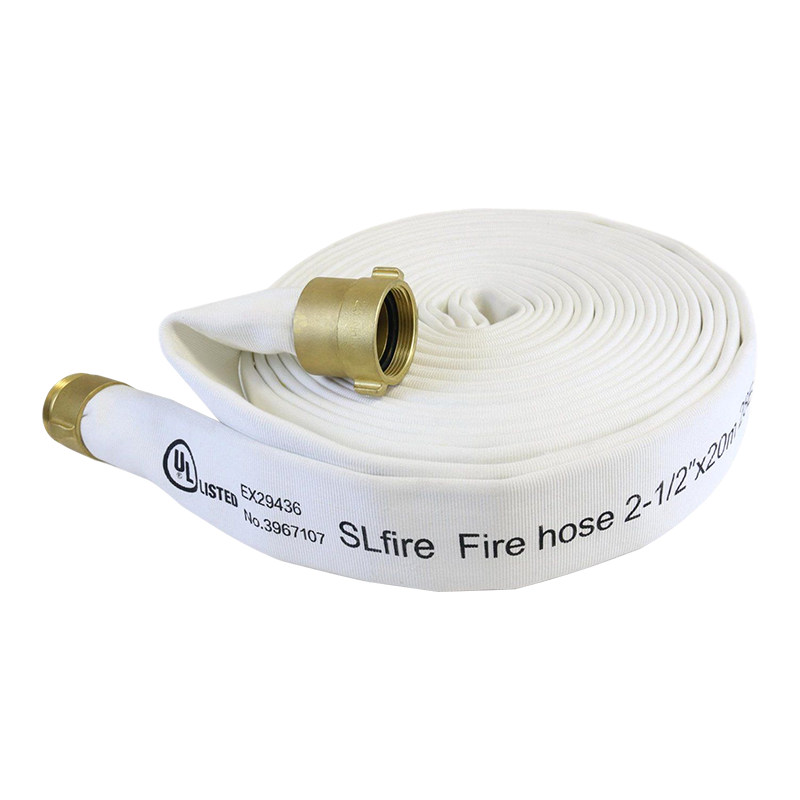
Single jacket, EPDM rubber liner Features • 100% high tenacity polyester jacket, high-grade EPDM rub...
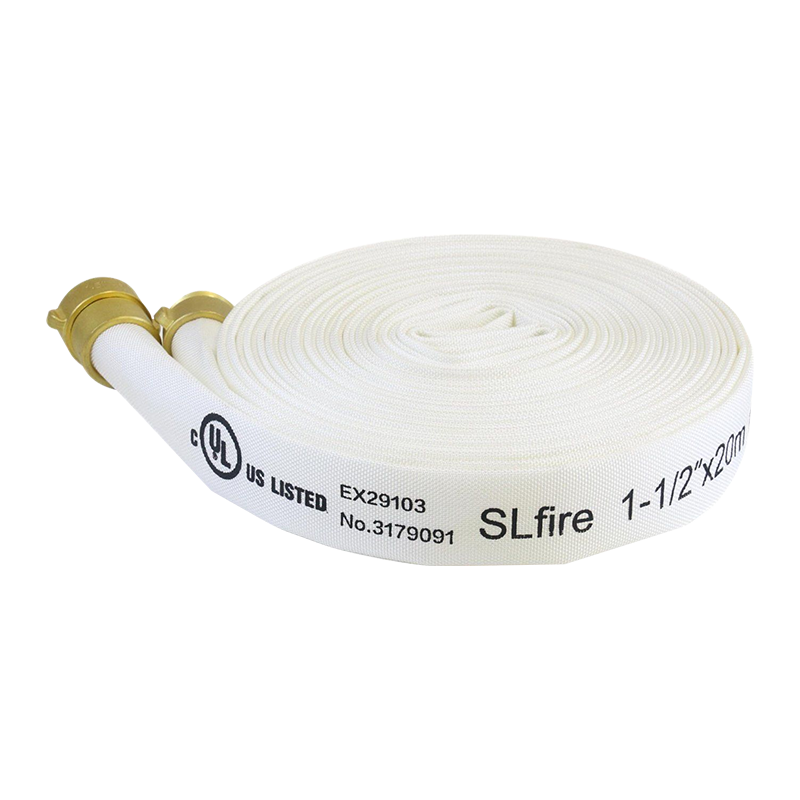
Single jacket, TPU liner •High-tenacity polyester yarn, circular woven in twill weave/plain weave,T ...
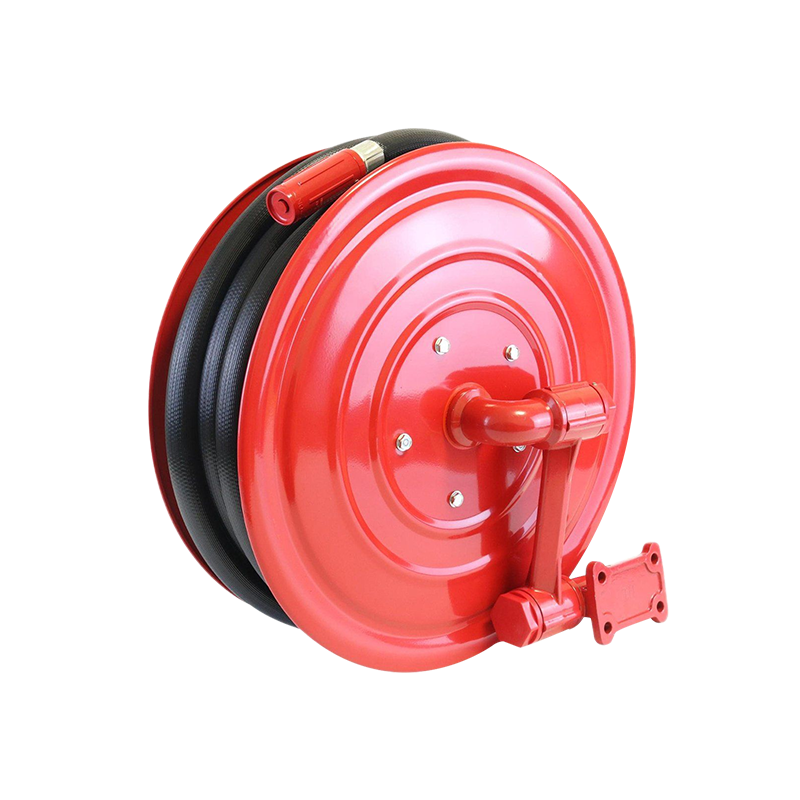
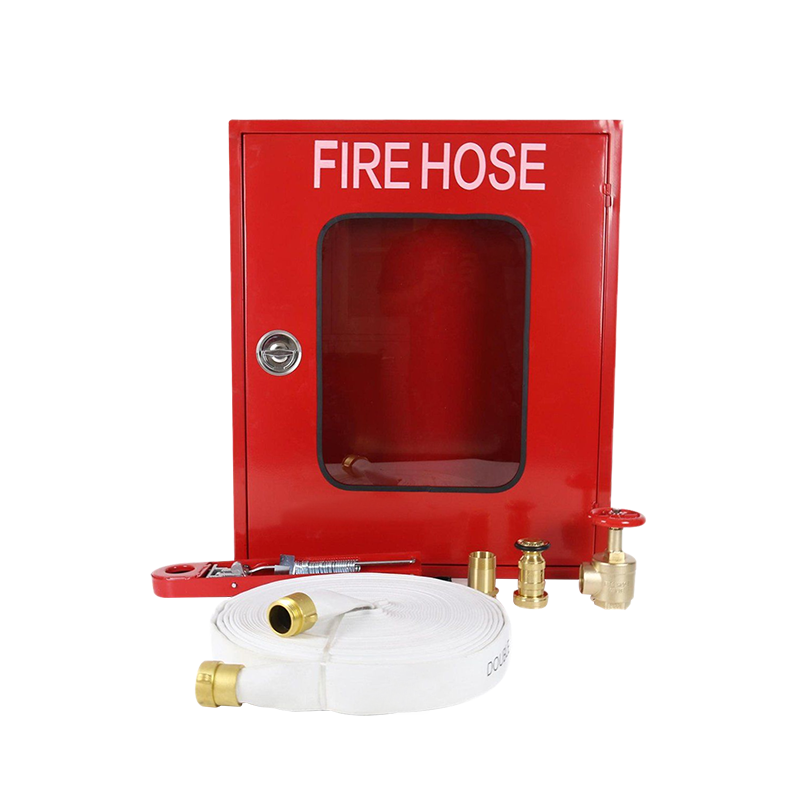
Fire cabinets are designed to accommodate fire hose,valve and other firefighting equipment. Type 201...
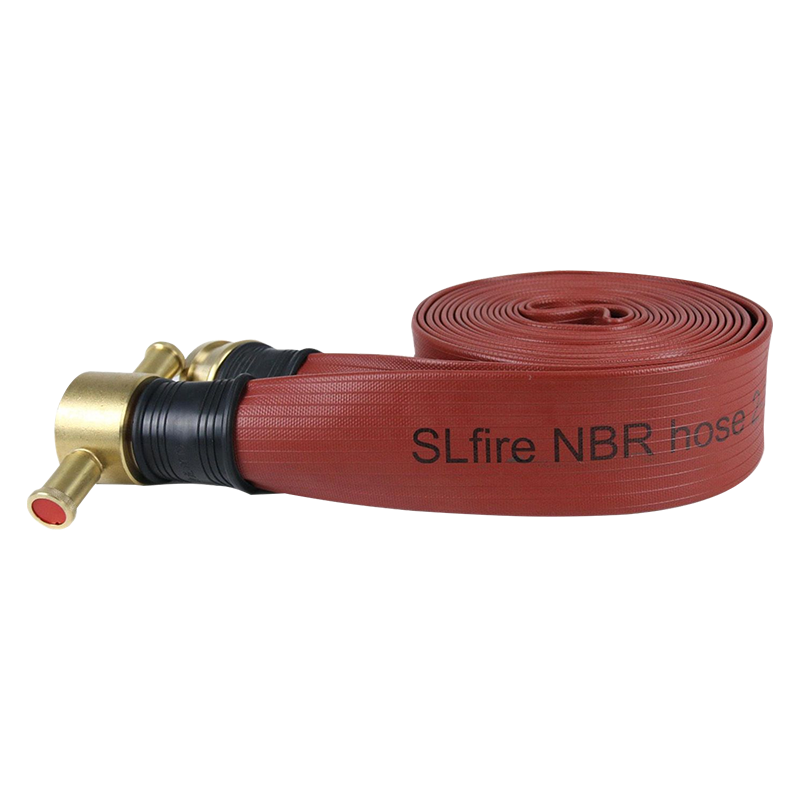
Nitrile covered hose •Nitrile/TPR blend as cover and lining, with 100% high-tenacity polyester yarn ...
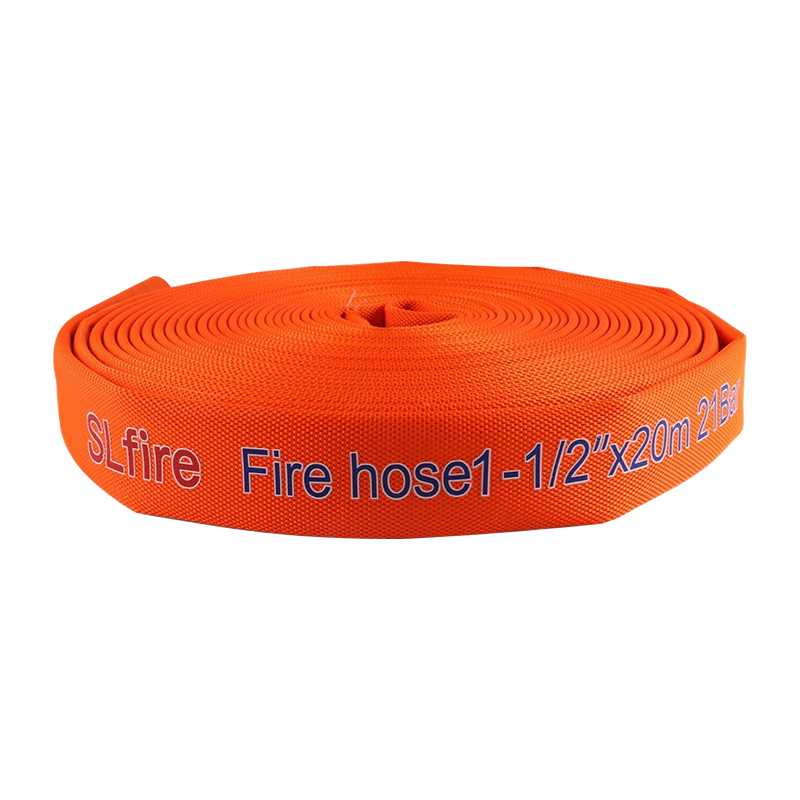
Single jacket, TPU liner •High-tenacity polyester yarn, circular woven in twill weave, TPU lining, f...
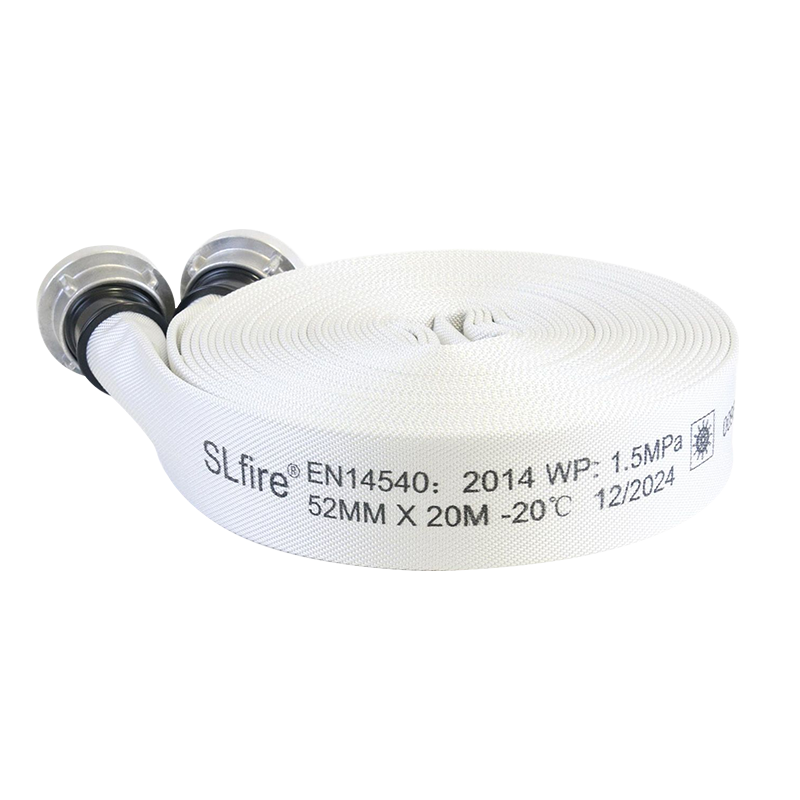
Marine hose Single jacket, PVC liner •100% high tenacity polyester yarn, circular woven in twill wea...
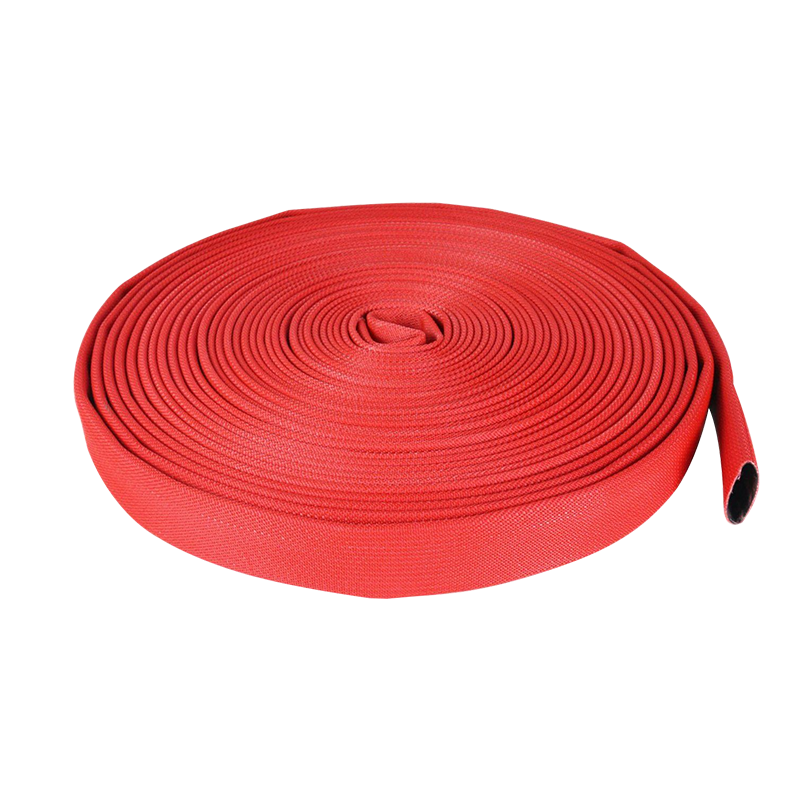
Marine hose Single jacket, PVC liner, PU coated •100% high tenacity polyester yarn,c ircular woven i...
 Call Us
+86 159-5116-9511
Need Support
Head Office
No.58, Kechuang Road, Sixiang Street Medicine Gaoxin District Taizhou City, Jiangsu Province

What Is a Fire Hose? A fire hose is a high-pressure flexible hose designed to carry water or fire retardant chemicals from a water source, such as a hydrant, pump, or tank, to a fire for suppression p...
Copyright © Taizhou Shenlong Fire Science and Technology Co., Ltd. All Rights Reserved.
 Fire Hose Manufacturers, Fire Hydrant Hose Factory