

 English
 русский
 Español
 Deutsch
 عربى
عربى Français
 Português
Don't hesitate to send a message

Single jacket, EPDM rubber liner Features • 100% high tenacity polyester jacket, high-grade EPDM rub...
Content
Modern gas pipeline rehabilitation requires a hose system that can combine high pressure resistance, long-distance continuous deployment, stable dimensional control, chemical durability, and practical handling in confined field conditions. A trenchless rehabilitation hose is not simply a flexible tube; it is a pressure-bearing, abrasion-resistant, media-compatible engineering component designed to help restore or support pipeline performance without the disruption associated with open-cut excavation.
In gas pipeline renewal, operators often face aging networks, difficult ground conditions, traffic-sensitive urban areas, river crossings, industrial zones, and locations where excavation is expensive or unsafe. Trenchless rehabilitation offers a practical solution by allowing a hose or liner system to be introduced into an existing pipeline corridor with minimal surface disturbance. The hose described here is designed for demanding pipeline repair applications and is manufactured from selected materials such as polyurethane, polyester fiber, and aramid fiber. These materials support a balance of flexibility, strength, wear resistance, puncture resistance, and long-term service performance.
The product is available in black and can be supplied in customized lengths according to project requirements. Its smooth inner wall reduces friction resistance, supports efficient media transfer, and contributes to stable flow characteristics. Depending on size and configuration, the hose can be produced in large diameters with substantial working pressure capacity, making it suitable for trenchless rehabilitation tasks involving gas pipeline service, crude oil pipeline repair, water transfer, oil transmission support, and other complex industrial media-handling scenarios.
Compared with conventional rigid pipe replacement, heavy rubber hose assemblies, or shorter segmented hose solutions, this trenchless rehabilitation hose offers strong advantages in transport efficiency, deployment flexibility, continuous length availability, pressure performance, and site maneuverability. Its flat rewinding capability helps reduce storage space, simplify transportation, and improve field organization. The long single-root length helps reduce the number of connections required during installation, lowering potential leakage points and increasing operational continuity.
Taizhou Shenlong Fire Science and Technology Co., Ltd. applies decades of hose manufacturing experience to the development and production of this trenchless rehabilitation hose. Founded in 1995, the company integrates research and development, production, sales, and service. Its experience in fire hoses, industrial hoses, agricultural hoses, hose couplings, fire accessories, and related flexible pipeline products gives it a strong manufacturing foundation. The company’s ability to process rubber, PVC, polyurethane, and double-sided hose structures according to customer requirements is especially valuable for projects that demand customized technical solutions.
Trenchless Rehabailitation Hose: Gas Pipilines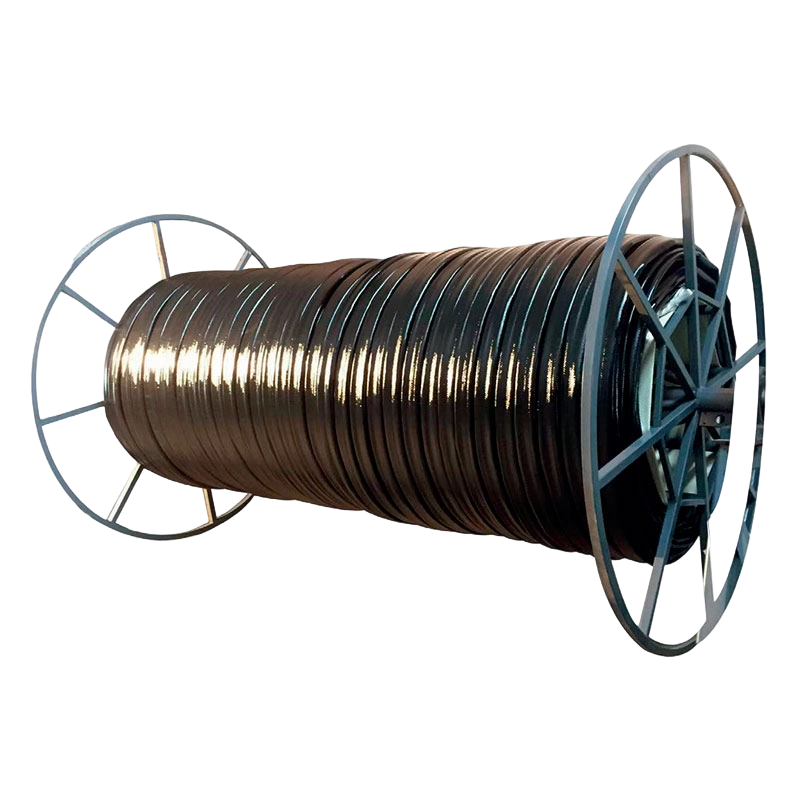
The trenchless rehabilitation hose is engineered for pipeline repair and rehabilitation work where a strong, flexible, and pressure-resistant hose is required. Its structure uses polyurethane, polyester fiber, and aramid fiber to create a product capable of withstanding demanding service environments. Polyurethane contributes wear resistance, flexibility, and a smooth internal surface. Polyester fiber provides dimensional stability and reinforcement. Aramid fiber adds high tensile strength, puncture resistance, and excellent performance under high-stress conditions.
The hose is suitable for applications in crude oil pipeline repair and can be adapted to gas pipeline rehabilitation projects where appropriate engineering verification, media compatibility assessment, and installation procedures are applied. It is also suitable for transporting multiple media such as water and oil, depending on selected specifications and operating conditions. The product’s design emphasizes high transmission efficiency, flexible maneuverability, simple assembly, and long single-root length.
One of the most important advantages of this hose is its smooth inner wall. In pipeline rehabilitation and fluid transfer, friction losses can increase operating energy demand and reduce flow efficiency. A smoother internal surface helps reduce turbulence and pressure drop, especially over long distances. This is particularly important when the hose is used in large diameters or long continuous sections.
The product is available in inner diameters from 2.5 inches to 20 inches, corresponding approximately to 65 mm to 500 mm. Working pressure ranges vary by size, with smaller sizes available at higher working pressure ratings and larger sizes optimized for high-capacity transfer and rehabilitation work. Burst pressure values are designed at appropriate safety multiples relative to working pressure ranges.
The following table summarizes available dimensional and pressure ranges. Final specifications should be confirmed according to project pressure, medium, installation method, required safety factor, and operating environment.
| Inner Diameter | Approximate Inner Diameter | Working Pressure | Burst Pressure | Available Length |
| 2.5 inches | 65 mm | 1.0 to 8.0 MPa | 3.0 to 24.0 MPa | 100 to 5000 m |
| 3 inches | 80 mm | 1.0 to 8.0 MPa | 3.0 to 24.0 MPa | 100 to 5000 m |
| 4 inches | 100 mm | 1.0 to 8.0 MPa | 3.0 to 24.0 MPa | 100 to 5000 m |
| 6 inches | 150 mm | 1.0 to 6.0 MPa | 3.0 to 18.0 MPa | 100 to 5000 m |
| 8 inches | 200 mm | 1.0 to 5.0 MPa | 3.0 to 15.0 MPa | 100 to 3000 m |
| 10 inches | 250 mm | 1.0 to 4.0 MPa | 3.0 to 12.0 MPa | 100 to 3000 m |
| 12 inches | 300 mm | 1.0 to 3.0 MPa | 3.0 to 9.0 MPa | 100 to 3000 m |
| 14 inches | 350 mm | 1.0 to 3.0 MPa | 3.0 to 9.0 MPa | 100 to 3000 m |
| 16 inches | 400 mm | 1.0 to 2.5 MPa | 3.0 to 7.5 MPa | 100 to 3000 m |
| 20 inches | 500 mm | 0.6 to 2.0 MPa | 1.8 to 6.0 MPa | 100 to 2000 m |
Polyurethane is widely valued in high-performance hose systems because it offers excellent abrasion resistance, good flexibility, and strong resistance to repeated bending. In trenchless rehabilitation work, the hose may be pulled, pushed, coiled, uncoiled, and routed through complex pipeline paths. A material that resists scraping and wear is essential for maintaining service life and reducing the risk of premature failure.
The smooth polyurethane inner wall also contributes to lower friction resistance. This advantage becomes increasingly important in long-distance pipelines because small friction reductions can produce meaningful improvements in flow efficiency. In applications involving water, oil, or pipeline rehabilitation media, the reduced friction can support more stable pressure management and lower pumping energy requirements.
Polyurethane also helps the hose resist many environmental challenges. Construction sites, industrial plants, and pipeline corridors may expose the product to mud, moisture, oils, mechanical rubbing, and varying temperatures. A robust polyurethane layer supports resistance against these conditions while maintaining flexibility.
Polyester fiber provides reinforcement and helps maintain the hose’s shape and dimensional stability under pressure. A trenchless rehabilitation hose must resist expansion, deformation, and internal pressure forces while remaining flexible enough for field deployment. Polyester reinforcement helps achieve this balance.
Compared with low-grade textile reinforcement, quality polyester fiber can offer better consistency, stronger pressure-bearing capability, and improved resistance to fatigue. This is important for long single-root hose sections where uniform strength is required throughout the full length. Any weak point in the reinforcement layer can become a risk during pressure operation, so material consistency is a major advantage.
Aramid fiber is known for high tensile strength, low weight, and strong resistance to puncture and mechanical stress. Its use in this hose supports superior pressure performance and durability. In trenchless pipeline applications, aramid reinforcement helps the hose endure pulling loads, internal pressure, and contact with rough surfaces inside existing pipelines.
Compared with ordinary textile reinforcement, aramid fiber provides higher strength-to-weight performance. This allows the hose to remain manageable while still supporting demanding pressure and durability requirements. In field conditions, weight matters because crews must transport, unwind, position, and retrieve hose sections safely and efficiently.
The hose’s smooth inner wall is one of its defining performance features. In gas pipeline rehabilitation and associated media transfer operations, internal friction affects flow rate, pressure drop, pump load, and system efficiency. A smoother surface reduces resistance and supports more efficient transmission.
Competitor products with rougher internal surfaces may create higher drag, increase cleaning difficulty, and reduce transfer efficiency over long distances. This hose is designed to address those issues by combining a smooth internal profile with a reinforced structure capable of handling pressure and mechanical demands.
Pressure resistance is essential in rehabilitation hose applications. Depending on the diameter, this product can support working pressure ranges up to 8.0 MPa in smaller sizes. Burst pressure ranges are designed to provide safety margins appropriate for demanding use. This pressure-bearing capacity allows the hose to support a wide range of repair, transfer, and rehabilitation scenarios.
Many conventional hoses are limited by either diameter or pressure. Some can handle pressure but are too short or rigid for trenchless work. Others are flexible but cannot support demanding pressure conditions. This hose offers a more balanced solution by combining flexibility, length, and pressure performance.
Pipeline rehabilitation environments are rarely ideal. Existing pipelines may contain corrosion residue, sharp deposits, rough welds, scale, old coatings, or debris. The hose may also be exposed to soil chemicals, industrial wastewater, oils, or cleaning agents. Resistance to wear, acid, alkali, and puncture helps the product maintain integrity under these complex conditions.
Wear resistance is especially important when the hose is pulled through long pipeline sections. Puncture resistance helps reduce the risk of damage from irregular internal surfaces. Chemical resistance helps extend service life in environments where contact with aggressive substances may occur.
Large-diameter hose availability is a major advantage for pipeline rehabilitation. With sizes up to 20 inches, the hose can support high-volume transmission and large pipeline repair operations. Larger diameters require advanced reinforcement control because internal pressure forces increase significantly with diameter. The product’s construction is designed to provide appropriate pressure capacity while maintaining practical handling characteristics.
Some competitors may offer small or medium hose sizes but struggle to maintain quality consistency in larger diameters. Large-caliber production requires precise material selection, reinforcement alignment, dimensional control, and quality inspection. The ability to supply a range from 2.5 inches to 20 inches reflects strong manufacturing capability.
Flat rewinding enables the hose to be stored and transported more efficiently than rigid pipe or bulky round hose systems. After use, the hose can be rewound into a compact form, simplifying logistics and reducing storage space. This is especially useful for contractors who must move equipment between project sites.
Flexible maneuverability allows the hose to adapt to site constraints. Trenchless projects often involve limited entry points, uneven terrain, temporary bypass routes, or restricted work zones. A hose that can be handled easily helps shorten preparation time and improve jobsite productivity.
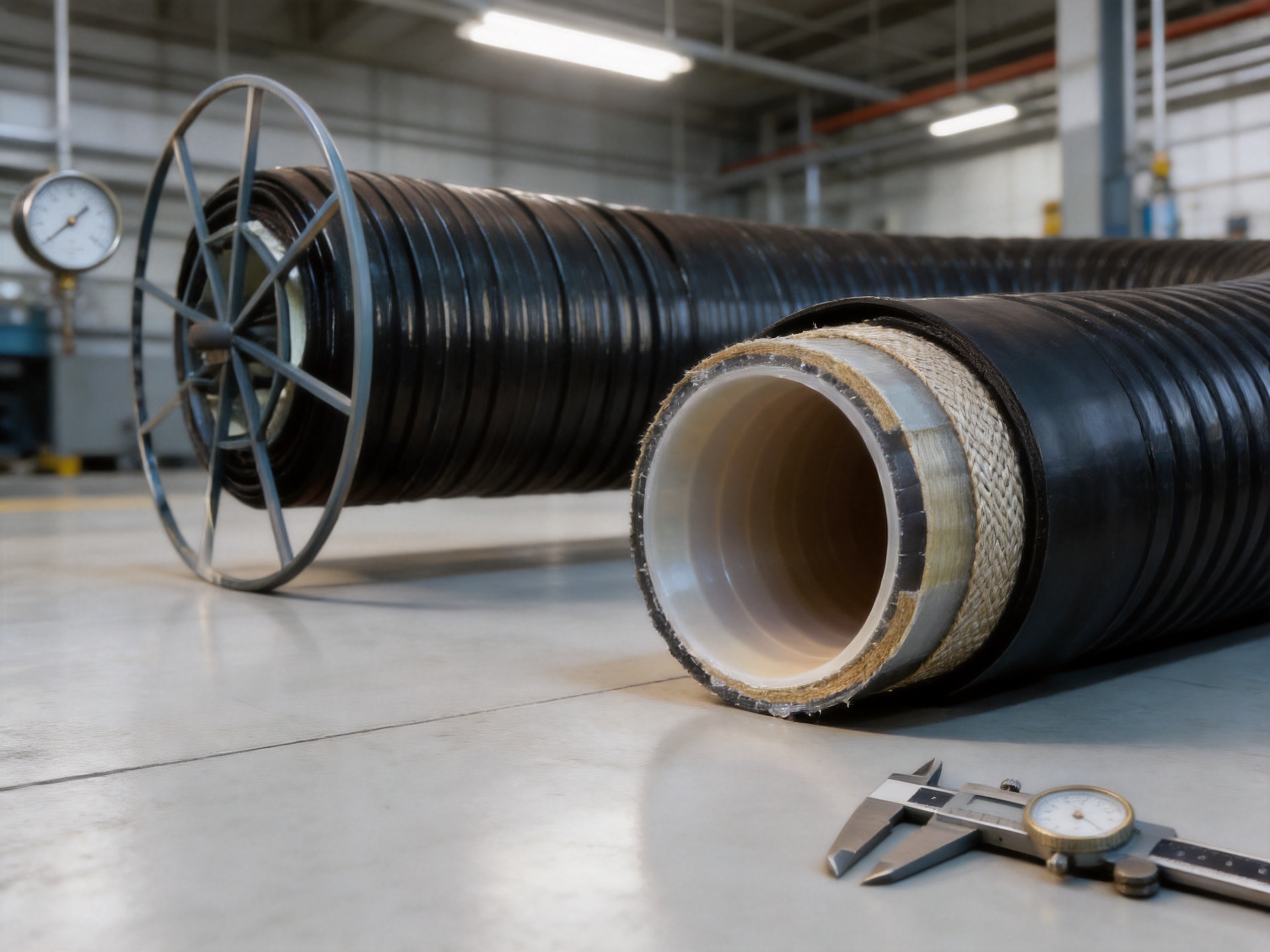
One of the strongest competitive advantages of this hose is its long single-root length. Depending on size, available lengths can reach up to 5000 meters for smaller and medium diameters, up to 3000 meters for several large sizes, and up to 2000 meters for the 20-inch specification. Long continuous sections reduce the number of joints required during installation.
Every connection in a pipeline or temporary transfer system can become a potential leakage point, pressure loss point, or assembly-time burden. By minimizing connections, the hose improves operational reliability and reduces labor time. This is particularly valuable in gas pipeline rehabilitation, where connection integrity and operational safety are critical.
Some hoses are strong but difficult to deploy. Others are flexible but lack sufficient pressure resistance. This trenchless rehabilitation hose is designed to balance strength and flexibility through a combination of polyurethane, polyester fiber, and aramid fiber. The result is a hose that can be used in demanding field conditions while remaining manageable for installation crews.
This balanced structure helps the product compete strongly against traditional rubber hoses, rigid replacement pipe sections, and low-pressure fabric hoses. The hose can be customized according to application requirements, allowing customers to select diameter, pressure range, length, and material configuration suitable for their project.
Low friction resistance is an important advantage over many conventional hose products. A rough inner wall can increase energy consumption, reduce flow capacity, and cause unstable pressure behavior. The smooth inner wall of this product supports higher transmission efficiency and better flow stability.
For long-distance transfer, the economic value of flow efficiency can be substantial. Reduced pressure loss may help operators use smaller pumps, lower energy input, or maintain higher flow rates within available pressure limits. Over multiple projects, these improvements can contribute to reduced operating costs.
The combination of abrasion resistance, pressure resistance, chemical resistance, and puncture resistance supports long service life. In many trenchless operations, hose replacement is expensive not only because of material cost but also because of downtime, installation labor, and project delay. A hose with longer service life improves total cost performance.
Competitor products that use lower-grade materials may show early wear, internal roughness, delamination, or reinforcement fatigue. By emphasizing selected materials and strict manufacturing control, this product is positioned for more reliable long-term performance.
Customization is another advantage. Standard lengths can be adjusted according to customer requirements. Different projects may require different deployment distances, pressure ratings, media compatibility, coupling arrangements, or packaging methods. A manufacturer with flexible production capability can support more precise project matching.
Taizhou Shenlong Fire Science and Technology Co., Ltd. has experience producing various foreign trade hose products according to customer needs, including rubber, PVC, polyurethane, and double-sided hose products. This background enables the company to respond to specialized engineering requirements rather than offering only fixed catalog items.
The company was founded in 1995 and has built its capabilities through decades of experience in flexible hose manufacturing. Its integrated structure includes research and development, production, sales, and service. This integration improves communication between customer requirements, engineering design, production control, and after-sales support.
When a pipeline contractor or industrial user needs a hose for trenchless rehabilitation, technical details matter. The correct selection may depend on diameter, pressure, medium, temperature, pulling load, bend radius, coupling method, and installation environment. An integrated manufacturer can provide more practical guidance because its service team is connected to actual production and technical capabilities.
Advanced manufacturing begins with material control. Polyurethane, polyester fiber, and aramid fiber must be selected according to performance standards and inspected before production. Consistent raw materials help ensure consistent hose performance. Variations in resin quality, fiber strength, or reinforcement uniformity can affect pressure resistance and durability.
A strong manufacturing process includes verification of material appearance, mechanical properties, compatibility, and batch consistency. For reinforced hose products, the quality of fiber reinforcement is especially critical because it determines pressure-bearing strength and resistance to deformation.
The reinforcement layer is a core element of hose performance. During manufacturing, fiber orientation, tension control, and layer uniformity must be carefully managed. Uneven reinforcement can lead to weak spots, pressure imbalance, or local expansion under load. Precision construction helps maintain consistent working pressure and burst pressure performance across the full length of the hose.
For large-diameter hoses, reinforcement control becomes even more important. As diameter increases, internal pressure creates greater circumferential force. The manufacturing process must therefore maintain accurate alignment and stable fiber distribution. The ability to produce large calibers up to 20 inches reflects process maturity and equipment capability.
The smooth inner wall of the hose depends on controlled polyurethane processing. The inner layer must be formed with uniform thickness, strong bonding, and a low-defect surface. Surface imperfections can increase friction, collect deposits, or become stress concentration points. Advanced processing helps create a stable and smooth flow channel.
The outer surface also requires careful control because it protects the reinforcement layer and resists abrasion. A durable outer layer helps the hose withstand dragging, coiling, and site handling. Consistent layer bonding is essential to prevent separation during pressure cycling or mechanical stress.
Each high-performance hose should be supported by strict quality assurance procedures. Pressure testing verifies that the hose can withstand specified working conditions. Burst pressure testing, sampling inspection, dimensional measurement, visual inspection, and material checks all contribute to reliable product performance.
Quality assurance is not only a factory procedure; it is also a safety requirement. Pipeline rehabilitation work often occurs in critical infrastructure environments. A hose failure can cause downtime, safety risk, environmental concern, or project delay. Strong inspection systems help reduce these risks and build customer confidence.
The company’s broader product experience supports the development of trenchless rehabilitation hose. Its product categories include fire hose, industrial hose, agricultural hose, hose couplings, hose nozzles, fire accessories, fire cabinets, and trenchless rehabilitation hose. This wide product base provides practical knowledge of pressure performance, coupling compatibility, field durability, and customer-specific customization.
Fire hose manufacturing, in particular, requires pressure resistance, flexibility, abrasion performance, reliable lining, and consistent production quality. These competencies transfer well to trenchless rehabilitation hose production. Industrial and agricultural hose experience further adds understanding of media transfer, chemical exposure, outdoor use, and long-distance deployment.
Gas pipeline networks require careful maintenance and renewal to preserve safety and reliability. Aging pipelines may suffer from corrosion, internal deposits, coating deterioration, mechanical damage, or reduced operating efficiency. Trenchless rehabilitation helps address these issues while limiting excavation and surface disruption.
The hose can be used as part of pipeline repair or temporary transfer systems, depending on the engineering design. In rehabilitation projects, it may support flow management, bypass operations, internal lining processes, or other maintenance procedures. Its high pressure capacity, long continuous length, and flexible deployment make it suitable for challenging pipeline environments.
Because gas-related applications involve safety-critical requirements, proper engineering assessment is essential. Operators should confirm compatibility with the intended medium, operating pressure, temperature, installation method, and applicable standards. The hose’s material and structural advantages provide a strong foundation, but final selection should always be based on project-specific technical evaluation.
The supplied product information identifies crude oil pipeline repair as an important application field. Crude oil pipeline repair requires resistance to oil exposure, mechanical durability, and reliable pressure performance. The hose’s polyurethane structure and reinforced design help support such demanding use.
In oil pipeline projects, long-distance transfer efficiency is especially valuable. The smooth inner wall can reduce friction loss and improve pumping efficiency. The availability of large diameters supports high-volume operations, while long single-root length reduces connection points and assembly time.
Oil pipeline environments may expose the hose to abrasive particles, pressure fluctuations, outdoor weather, and rough handling. The product’s wear resistance and puncture resistance are therefore important for maintaining stable performance during repair work.
The hose can transport multiple media such as water and oil when selected and applied correctly. Its smooth inner wall promotes efficient transmission, while the reinforced structure supports pressure-bearing requirements. In industrial sites, construction projects, emergency transfer operations, and pipeline maintenance, this versatility can reduce the need for multiple specialized hose systems.
For water transfer, the hose offers high flow capacity, long deployment distance, and easy rewinding. For oil transfer, wear resistance and pressure performance become especially important. For other media, chemical compatibility should be confirmed before use. Acid and alkali resistance expands the range of possible environments, but exact performance depends on chemical concentration, temperature, exposure duration, and operating pressure.
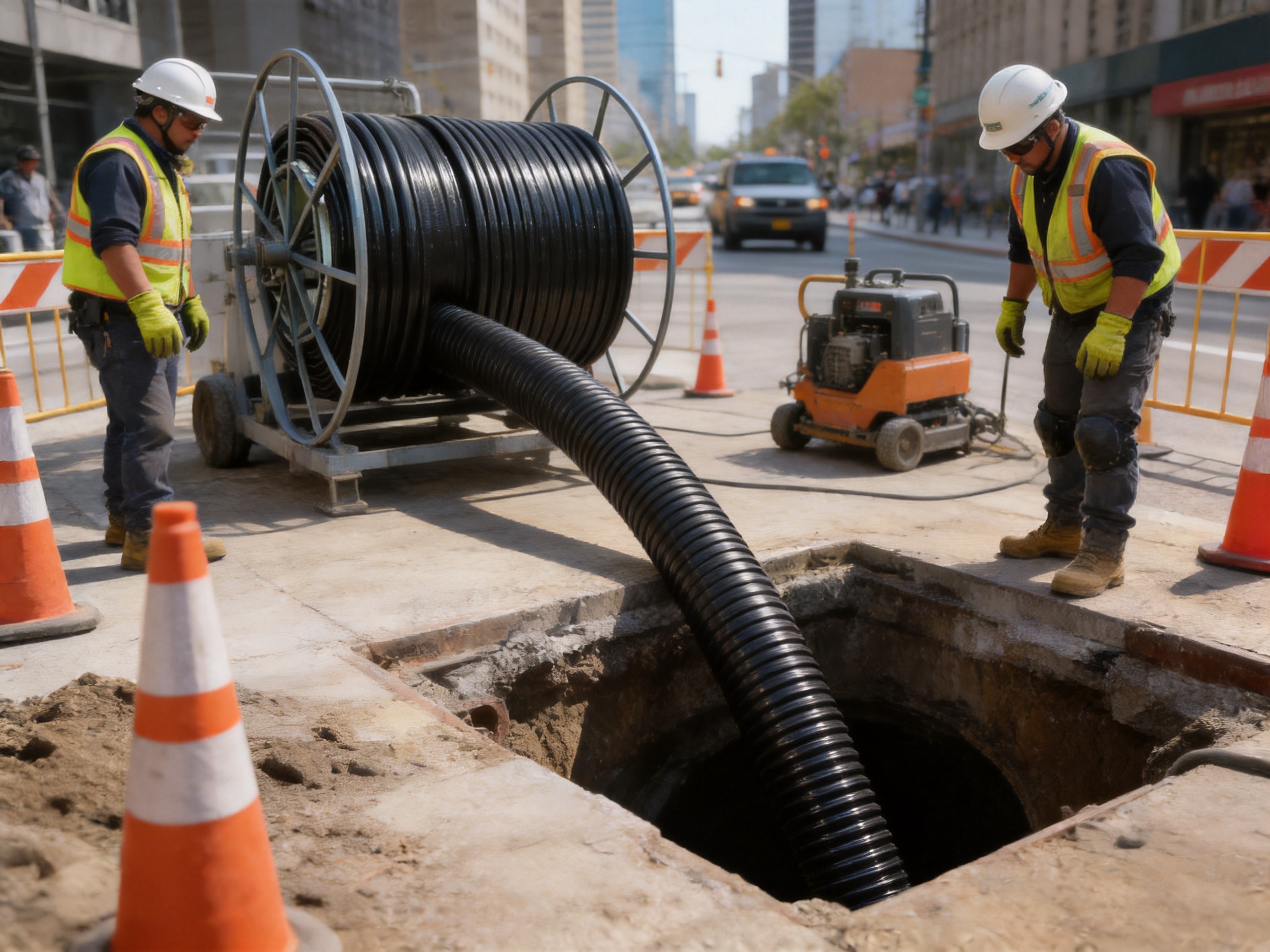
Before deployment, the project team should evaluate the hose route, entry points, bend requirements, ground surface, pulling method, and connection locations. Although the hose is flexible and maneuverable, proper planning helps avoid unnecessary abrasion, sharp bending, twisting, or localized stress.
For trenchless rehabilitation, existing pipeline conditions should be inspected where possible. Sharp internal projections, collapsed sections, heavy deposits, or severe corrosion may need to be addressed before hose insertion. Proper preparation helps protect the hose and improves installation efficiency.
Operating pressure should remain within the selected working pressure range. Pressure surges, water hammer, rapid valve closure, or unexpected blockages can increase stress. A safe system design should include suitable pressure monitoring, relief devices, and operating procedures.
The difference between working pressure and burst pressure should not be misunderstood. Burst pressure is a safety-related test value, not a normal operating pressure. Operators should use the hose within its rated working pressure and follow recommended safety factors.
Connections should be selected according to hose diameter, pressure rating, medium, and installation environment. Proper coupling installation is essential for leak prevention and safe operation. A long single-root hose length reduces the number of connections required, but each remaining connection must still be assembled carefully.
The company’s experience with hose couplings and nozzles can support better matching between hose bodies and end fittings. This is an important practical advantage because even a high-quality hose can underperform if the coupling system is not compatible.
After use, the hose should be cleaned if necessary, inspected for damage, and rewound properly. Flat rewinding helps reduce storage volume and simplifies transport. Storage conditions should protect the hose from sharp objects, excessive heat, long-term direct sunlight, and chemical contamination.
Correct storage extends service life. Creases, cuts, heavy compression, or improper stacking can reduce performance over time. Field teams should establish clear procedures for rewinding, labeling, and inspection after each project.
Hose performance depends not only on materials but also on the manufacturer’s ability to convert those materials into a consistent, reliable product. Decades of experience allow a manufacturer to understand failure modes, improve reinforcement design, control production parameters, and respond to customer feedback.
Taizhou Shenlong Fire Science and Technology Co., Ltd. has supplied products across more than 20 provinces, cities, and autonomous regions and cooperates with domestic foreign trade companies to produce export products for many countries. This market experience demonstrates production capacity and adaptability to different customer requirements.
Products from the company are widely used in fire protection, construction, water conservancy, and other industries. These industries demand dependable performance under pressure and challenging field conditions. The knowledge gained from these applications supports the engineering of trenchless rehabilitation hose for pipeline repair and media transfer.
When selecting a trenchless rehabilitation hose, purchase price is only one part of the total cost. Project owners should also consider installation time, labor requirements, connection quantity, pumping efficiency, service life, downtime risk, storage cost, and transportation cost.
This hose can help reduce total cost in several ways. Long lengths reduce connection work. Flat rewinding reduces logistics complexity. Smooth inner walls improve flow efficiency. Durable materials extend service life. Flexible handling reduces site labor difficulty. Pressure performance expands application range and reduces the need for multiple separate hose products.
Compared with lower-cost alternatives, a higher-quality reinforced hose may deliver better value over its full service life. Premature hose failure, flow inefficiency, or installation delays can cost far more than the initial savings from a lower-grade product. For critical pipeline rehabilitation work, reliability is an economic advantage as well as a safety benefit.
Trenchless rehabilitation methods are often preferred because they reduce excavation, traffic disruption, noise, dust, and restoration work. A high-performance rehabilitation hose supports these benefits by enabling efficient work through existing pipeline corridors or limited access points.
In urban gas pipeline renewal, open-cut excavation can affect roads, businesses, residents, and public services. Trenchless approaches help minimize these impacts. A hose that can be supplied in long lengths and handled flexibly supports faster deployment and fewer surface disturbances.
Environmental benefits can also include reduced soil removal, lower restoration material demand, and less construction waste. Efficient media transfer can reduce energy consumption during pumping. Long service life reduces replacement frequency and material waste over time.
The first step in selecting the hose is confirming the medium. Water, oil, crude oil, gas-related service, chemicals, and mixed media may impose different compatibility requirements. The hose’s material system offers strong performance, but exact suitability should be verified for each application.
Working pressure must be selected according to actual operating conditions, including normal pressure, surge pressure, temperature, and safety factor. The technical table provides available ranges, but the final product should be matched to project conditions.
Diameter affects flow capacity, pressure loss, handling, and installation method. Larger diameters support higher flow but require more planning for deployment and pressure management. Smaller diameters may support higher pressure and longer available lengths.
Customized length is a major advantage. Project teams should specify required continuous length, expected installation path, coupling type, and any special end-treatment requirements. Long single-root length can reduce connections and improve reliability.
Site conditions include temperature, surface roughness, pulling distance, bend radius, exposure to chemicals, and storage limitations. These details help determine the most suitable hose specification and handling procedure.
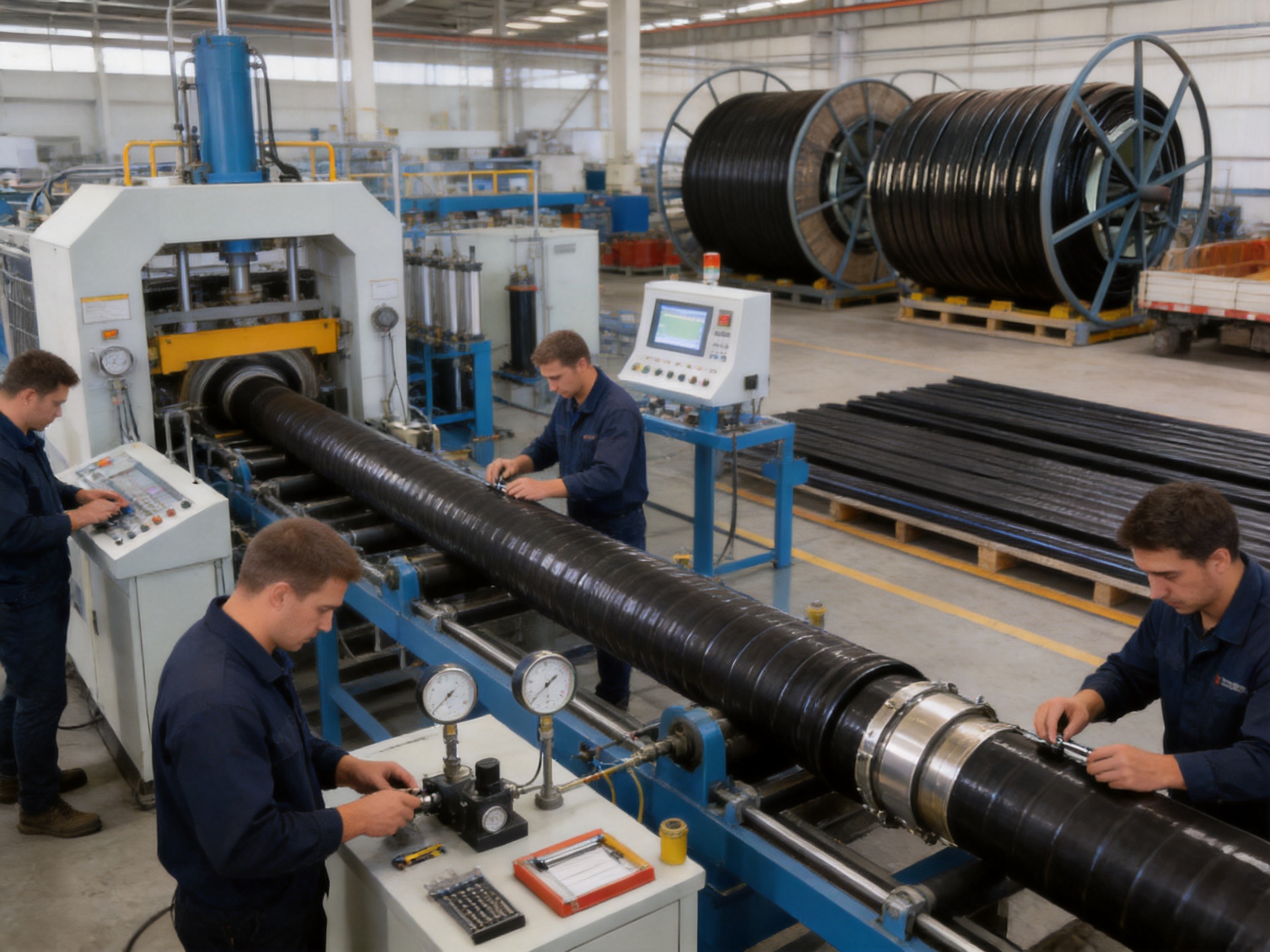
A trenchless rehabilitation hose is used in pipeline repair, renewal, bypass, transfer, or rehabilitation operations where flexible, pressure-resistant, long-distance hose performance is needed. It helps reduce excavation and supports efficient pipeline maintenance in complex environments.
Yes, it is designed for trenchless rehabilitation applications and may be used in gas pipeline rehabilitation projects when properly selected and verified. Because gas pipeline work is safety-critical, engineers should confirm compatibility, pressure rating, installation method, and applicable standards before use.
The hose uses selected materials including polyurethane, polyester fiber, and aramid fiber. This combination supports smooth flow, abrasion resistance, pressure resistance, puncture resistance, and long service life.
The smooth inner wall reduces friction resistance, improves transmission efficiency, and helps maintain stable flow. Over long distances, lower friction can reduce pumping energy demand and improve system performance.
Available inner diameters range from 2.5 inches to 20 inches, approximately 65 mm to 500 mm. The correct diameter should be chosen according to flow rate, pressure, installation method, and project requirements.
Depending on diameter, available lengths can reach up to 5000 meters for selected sizes. Larger diameters are available in shorter maximum lengths, such as up to 3000 meters or 2000 meters depending on specification.
Compared with ordinary rubber hose, this product offers a strong balance of long continuous length, flat rewinding, smooth internal surface, pressure resistance, wear resistance, and reinforcement strength. It is better suited for demanding trenchless rehabilitation and long-distance pipeline operations.
Yes, the hose can transport oil when selected according to the required operating conditions. It is also identified for crude oil pipeline repair applications. Media compatibility should always be confirmed before use.
The hose has acid and alkali resistance characteristics. However, chemical resistance depends on concentration, temperature, pressure, and exposure time, so project-specific verification is recommended for aggressive chemical environments.
Long single-root length reduces the number of joints and connections. This can lower leakage risk, reduce assembly time, improve pressure stability, and simplify installation in long pipeline sections.
The manufacturer has decades of experience in hose production and can process multiple material systems, including rubber, PVC, polyurethane, and double-sided hose structures. Its integrated research, production, sales, and service capabilities support customized project requirements.
The trenchless rehabilitation hose for gas pipeline renewal is a high-performance solution designed for modern pipeline repair and media transfer demands. Its combination of polyurethane, polyester fiber, and aramid fiber gives it the strength, flexibility, wear resistance, pressure capacity, and service durability needed for difficult field environments.
Its smooth inner wall supports low friction resistance and high transmission efficiency. Its large-caliber options support demanding pipeline capacities. Its long single-root length reduces connection points and improves installation continuity. Its flat rewinding capability improves logistics, handling, and storage. These advantages make it highly competitive against ordinary rubber hoses, short segmented hose systems, and less advanced flexible pipeline products.
Behind the product is a manufacturer with long-term experience in hose development and production. Taizhou Shenlong Fire Science and Technology Co., Ltd. has built its capabilities across fire hoses, industrial hoses, agricultural hoses, couplings, accessories, and trenchless rehabilitation products. Its ability to customize hose materials and specifications according to customer requirements strengthens its value for pipeline contractors, industrial operators, and infrastructure maintenance teams.
For gas pipeline rehabilitation, crude oil pipeline repair, water transfer, oil transport, and complex industrial media-handling projects, this hose provides a strong blend of performance and practicality. When properly selected, installed, and maintained, it can help reduce excavation, improve project efficiency, lower connection risk, support long service life, and deliver dependable results in demanding environments.
ASTM International. Standard Test Methods and Practices for Rubber and Plastic Hoses and Hose Assemblies.
International Organization for Standardization. ISO Standards for Rubber and Plastics Hoses and Hose Assemblies.
Pipeline Research Council International. Technical Literature on Pipeline Rehabilitation and Integrity Management.
Trenchless Technology Center. Guidelines and Research Publications on Trenchless Pipeline Renewal Methods.
American Society of Mechanical Engineers. Pipeline Transportation Systems and Pressure Design References.
Society for Protective Coatings. Technical Guidance on Pipeline Surface Conditions and Rehabilitation Environments.
Polyurethane Manufacturers Association. Technical Resources on Polyurethane Elastomer Performance in Industrial Applications.
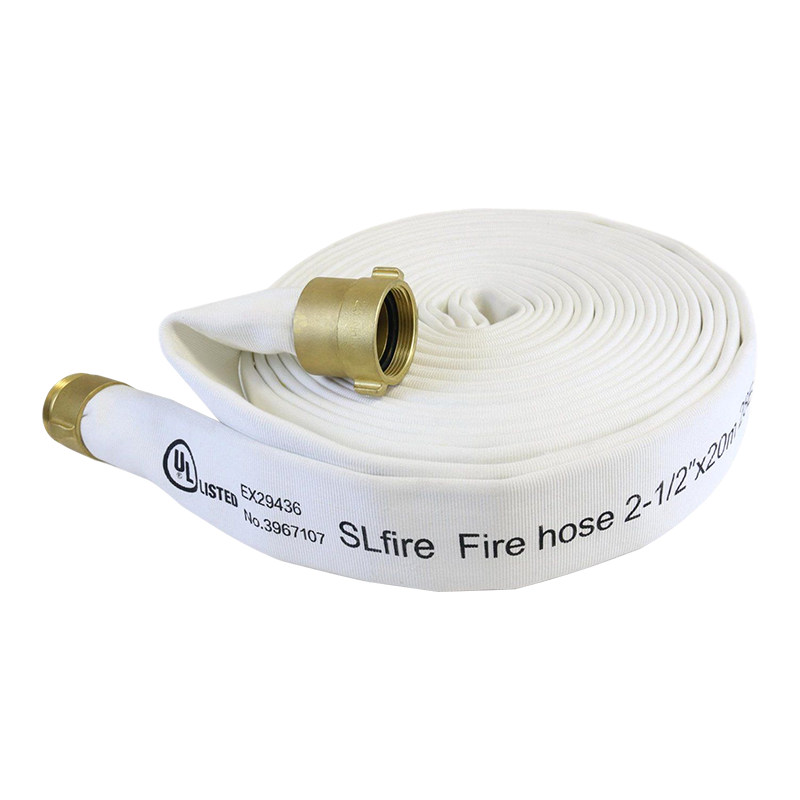
Single jacket, EPDM rubber liner Features • 100% high tenacity polyester jacket, high-grade EPDM rub...
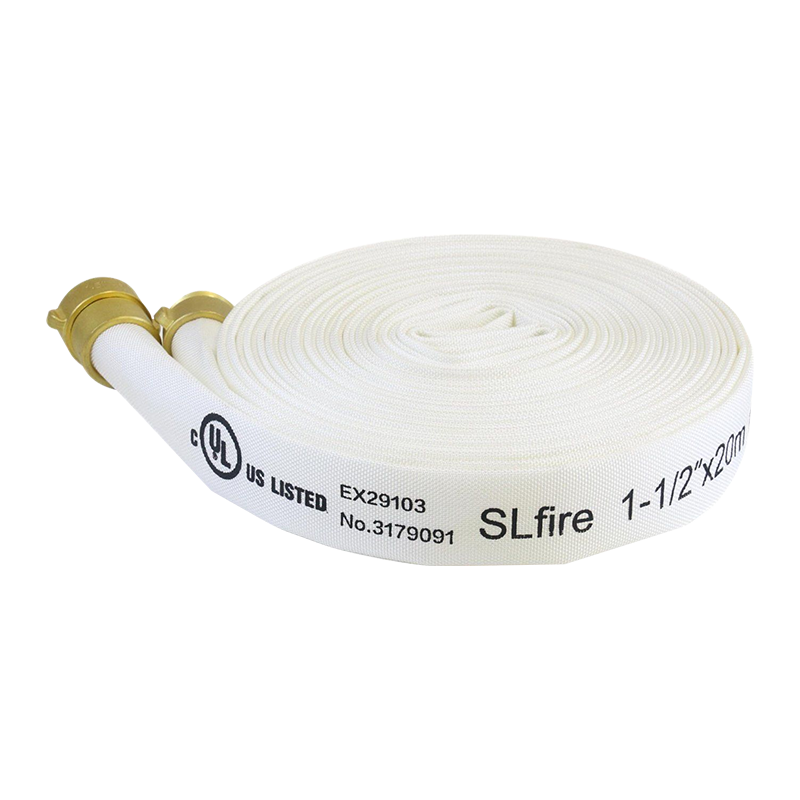
Single jacket, TPU liner •High-tenacity polyester yarn, circular woven in twill weave/plain weave,T ...
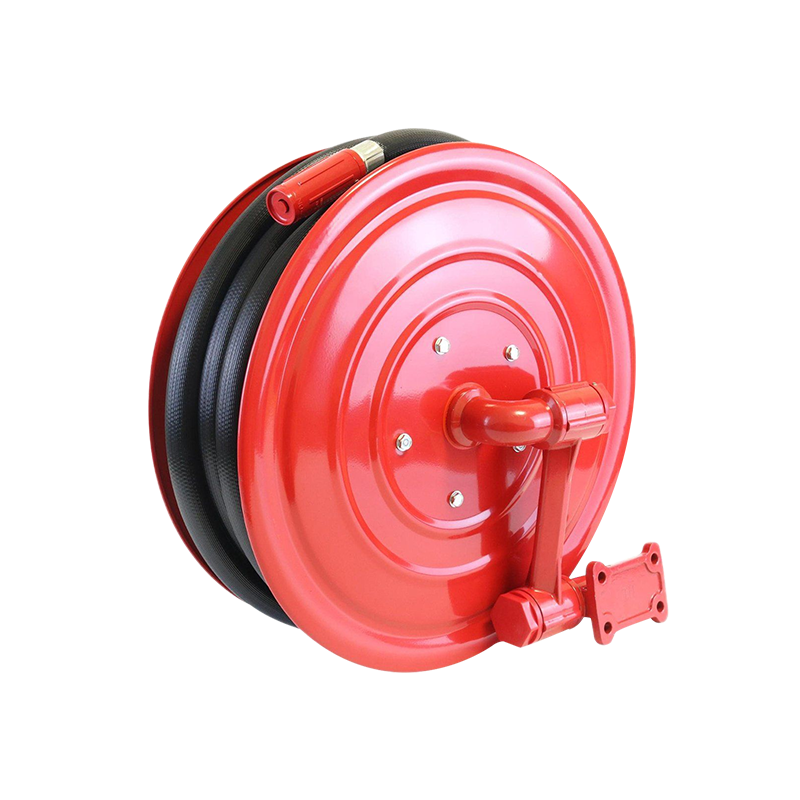
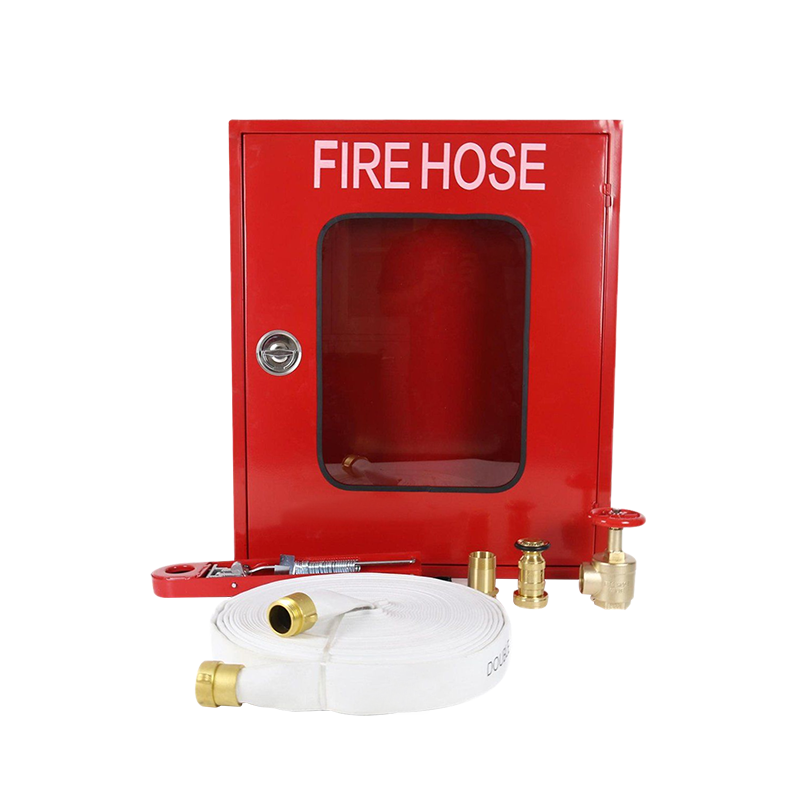
Fire cabinets are designed to accommodate fire hose,valve and other firefighting equipment. Type 201...
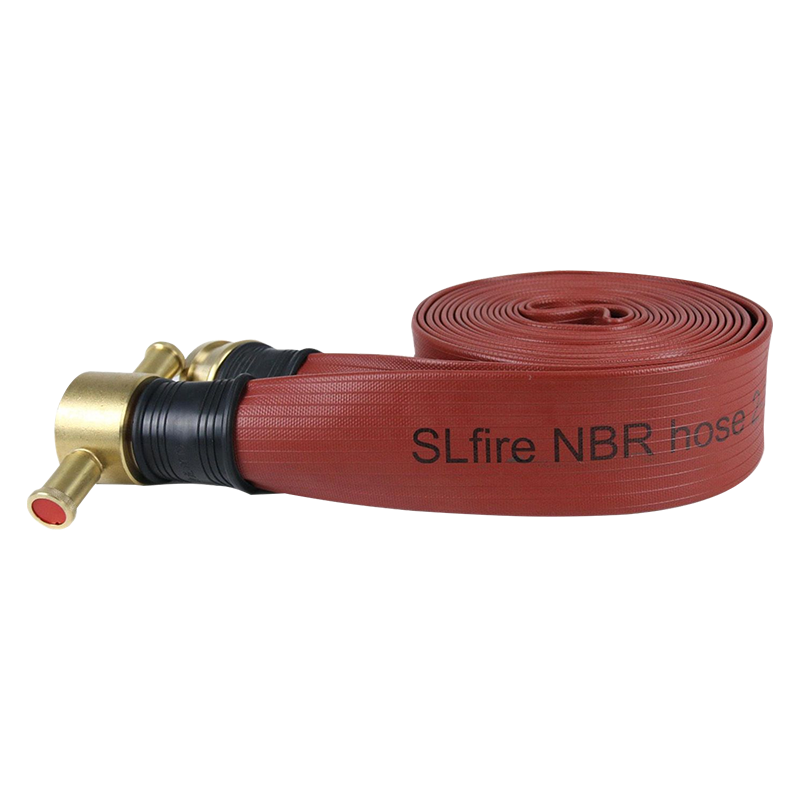
Nitrile covered hose •Nitrile/TPR blend as cover and lining, with 100% high-tenacity polyester yarn ...
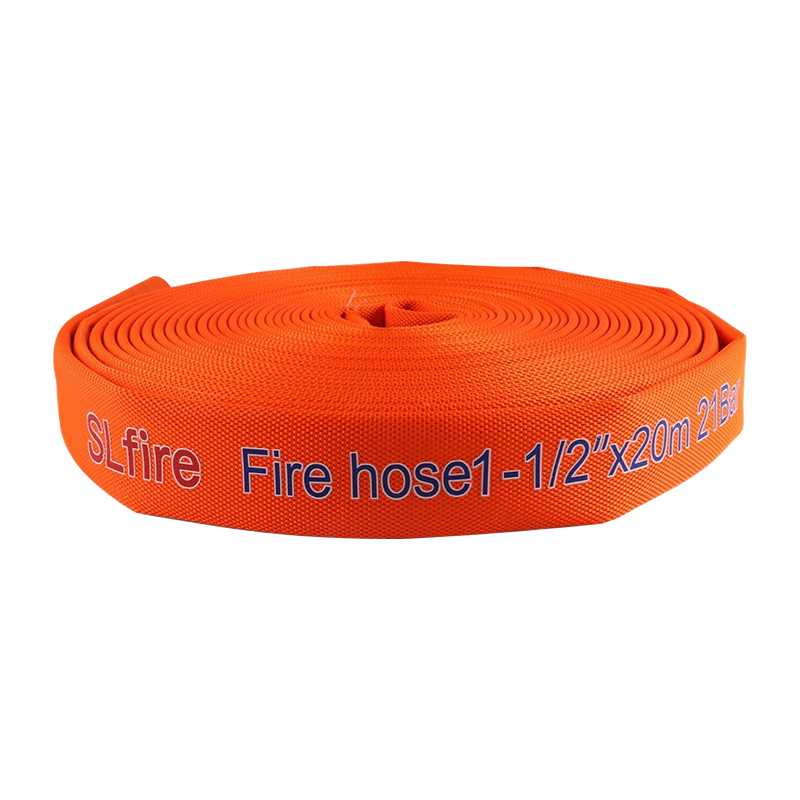
Single jacket, TPU liner •High-tenacity polyester yarn, circular woven in twill weave, TPU lining, f...
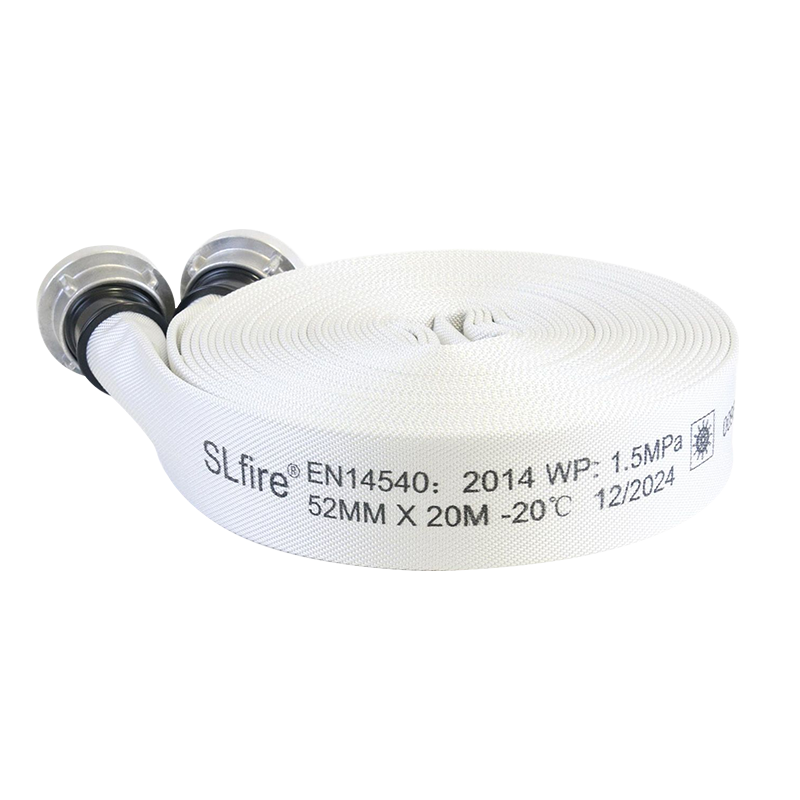
Marine hose Single jacket, PVC liner •100% high tenacity polyester yarn, circular woven in twill wea...
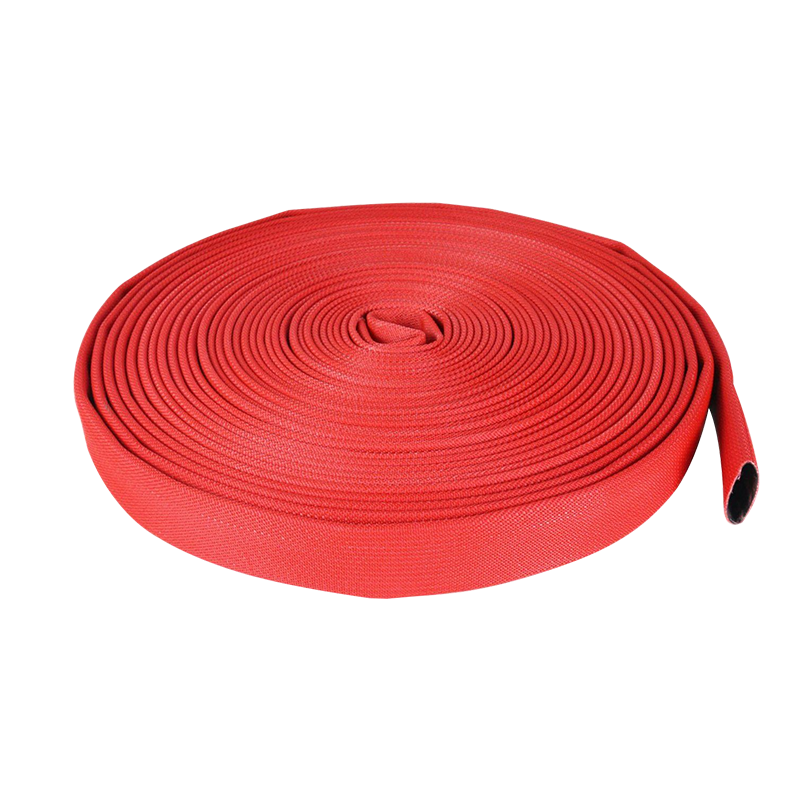
Marine hose Single jacket, PVC liner, PU coated •100% high tenacity polyester yarn,c ircular woven i...
 Call Us
+86 159-5116-9511
Need Support
Head Office
No.58, Kechuang Road, Sixiang Street Medicine Gaoxin District Taizhou City, Jiangsu Province

What Is a Fire Hose? A fire hose is a high-pressure flexible hose designed to carry water or fire retardant chemicals from a water source, such as a hydrant, pump, or tank, to a fire for suppression p...
Copyright © Taizhou Shenlong Fire Science and Technology Co., Ltd. All Rights Reserved.
 Fire Hose Manufacturers, Fire Hydrant Hose Factory