

 English
 русский
 Español
 Deutsch
 عربى
 Français
 Português
Don't hesitate to send a message

Single jacket, EPDM rubber liner Features • 100% high tenacity polyester jacket, high-grade EPDM rub...
Content
In firefighting, industrial water management, agriculture, construction, and emergency response, a hose coupling is a small component with a critical responsibility. It must create a dependable connection quickly, remain secure during operation, resist demanding environmental conditions, and support the full working performance of the hose system. When a coupling fails, the consequences can include water leakage, pressure loss, delayed response, equipment damage, or unnecessary safety risks. For this reason, selecting a coupling with the right construction, material, surface treatment, dimensional compatibility, and application range is essential.
Small Diameter STORZ Hose Couplings are designed to provide practical, reliable, and efficient connections for hoses and water-delivery equipment. Available in sizes from 1 inch to 6 inches, these couplings support a wide range of firefighting and water-management applications. They are manufactured through die casting, gravity casting, or forging, depending on the design and required performance characteristics. Brass and aluminum options provide flexibility for different operating environments, weight requirements, and purchasing specifications.
With a working pressure of 16 bar, the couplings are suitable for many standard fire hose, hydrant, water gun, nozzle, fire truck, and industrial water systems. Their symmetrical STORZ design allows fast connection without traditional male and female threaded ends. This feature helps personnel connect hoses efficiently, particularly when time, accessibility, and ease of handling are important.
Taizhou Shenlong Fire Science and Technology Co., Ltd. combines product development, manufacturing, sales, and service. Founded in 1995, the company has experience in producing lined fire hoses and supporting fire equipment for firefighting, construction, water conservancy, and related industries. Its broader manufacturing capabilities and export cooperation provide a foundation for supplying products to customers in different markets and application sectors.
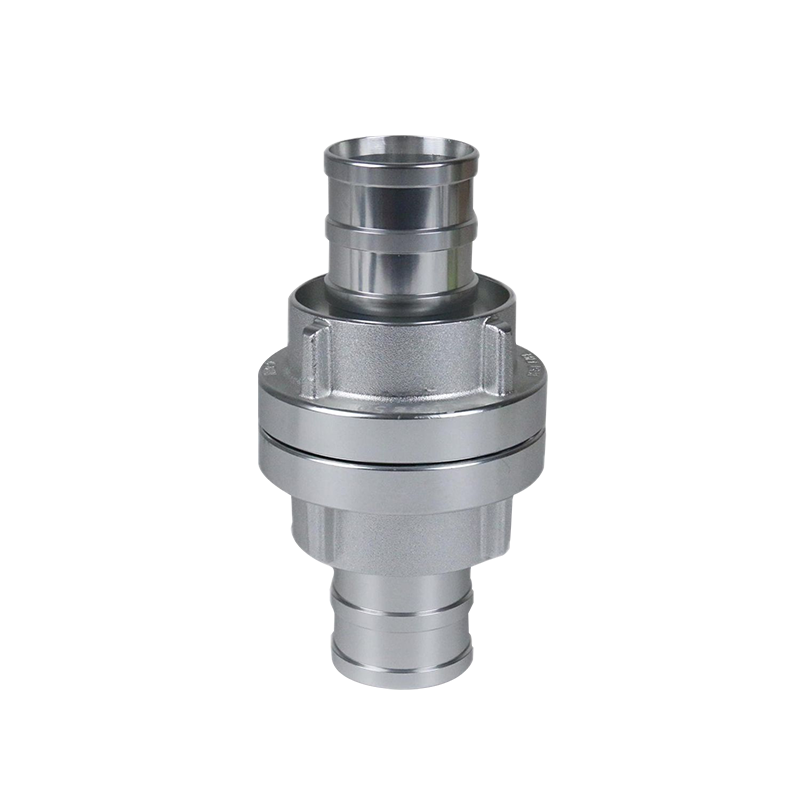
Small Diameter STORZ Hose Couplings
STORZ couplings are symmetrical hose couplings. Unlike conventional threaded connections that use separate male and female components, a STORZ coupling uses matching coupling heads that connect through interlocking lugs. The two coupling halves are placed together and rotated until they engage. A gasket or sealing element between the coupling faces helps prevent water leakage during operation.
This design is particularly valuable in situations where fast connection and disconnection are necessary. Firefighters, industrial operators, agricultural workers, and emergency-response teams may need to assemble or rearrange a hose system without spending time matching threaded ends. Because the coupling halves have the same head structure, users do not need to identify a male end and a female end before making the connection.
Small-diameter STORZ couplings are especially useful where equipment must remain compact and easy to carry. Hoses in the 1-inch to 6-inch range are commonly used for portable firefighting equipment, hydrant connections, water transfer, washdown systems, agricultural irrigation, construction-site pumping, and service applications. A coupling in this size range can offer a practical balance between flow capacity, portability, and manual handling.
The couplings are non-shut-off symmetrical fittings. This means that the coupling itself does not automatically stop the flow of water when disconnected. Operators should therefore use appropriate valves, pumps, hydrant controls, or other shut-off equipment within the complete system. Understanding this characteristic is important for safe installation and operation.
The product is designed around several core specifications: a 16-bar working pressure, brass or aluminum construction, multiple production methods, vibratory grinding surface treatment, and a broad range of available sizes. These specifications make the coupling adaptable to many hose assemblies while maintaining a focus on durability and ease of use.
| Item | Specification |
|---|---|
| Product type | Small-diameter STORZ hose coupling |
| Available sizes | 1 inch, 1-1/2 inches, 1-3/4 inches, 2 inches, 2-1/2 inches, 2-3/4 inches, 3 inches, 4 inches, and 6 inches |
| Working pressure | 16 bar |
| Materials | Brass or aluminum |
| Manufacturing methods | Die casting, gravity casting, or forging |
| Surface treatment | Vibratory grinding |
| Connection style | Symmetrical STORZ connection without separate male and female threads |
| Primary uses | Fire hoses, fire trucks, fire hydrants, water guns, nozzles, and water-transfer systems |
| Environmental suitability | Firefighting, refineries, agriculture, construction, maritime safety, and military applications |
These specifications should always be considered together with the requirements of the complete hose system. The selected coupling size must match the hose diameter, the connection interface must match the receiving equipment, and the working pressure of every component must be suitable for the intended service. Proper assembly, inspection, and operating procedures remain essential even when high-quality couplings are used.
The most recognizable advantage of the STORZ design is its ability to connect quickly. Operators align the coupling heads, engage the lugs, and rotate the connection into position. This process can be faster than installing a threaded fitting, especially when a hose must be deployed under time pressure or when repeated connections and disconnections are required.
In firefighting, every second can matter. A crew may need to connect a hose to a hydrant, fire truck, pump, or nozzle while wearing protective gloves and working in wet or stressful conditions. A symmetrical coupling reduces the need to search for a specific threaded orientation. The coupling can be presented from either side because there is no separate male or female thread arrangement.
Threaded couplings can be highly effective, but they require compatible thread types, matching sizes, and correct alignment. Different regions and equipment manufacturers may use different thread standards. Cross-threading, damaged threads, dirt, corrosion, or poor alignment can slow installation and make removal difficult.
STORZ couplings avoid many of these issues through their symmetrical head structure. The connection is based on coupling lugs and a sealing interface rather than on a male thread entering a female thread. This arrangement can simplify hose logistics, reduce orientation concerns, and improve interchangeability among compatible STORZ equipment.
Fire hoses and water-transfer hoses are often deployed, rolled, stored, transported, and redeployed many times. The coupling must tolerate routine handling as well as the operational forces generated by pressurized water. A robust STORZ coupling can support this type of repeated use when it is correctly installed, maintained, and protected from severe impact or misuse.
The absence of long external threads can also be beneficial during handling. Threaded ends may be vulnerable to impact or contamination, while STORZ coupling faces and lugs are designed for quick engagement. Operators should still avoid dropping couplings onto hard surfaces, dragging them unnecessarily, or forcing a connection that is not correctly aligned.
A symmetrical design can make hose systems easier to configure. A length of hose can be connected to another compatible hose, a hydrant adapter, a nozzle assembly, or a pump-side fitting without requiring a particular male-to-female sequence. This flexibility can be useful for fire brigades, industrial maintenance teams, agricultural operators, and emergency-response organizations that maintain multiple hose lengths and accessories.
In facilities with several water outlets and hose types, standardizing on compatible STORZ connections can simplify storage and training. Personnel can become familiar with one connection method, and replacement hoses or accessories can be selected according to common coupling dimensions.
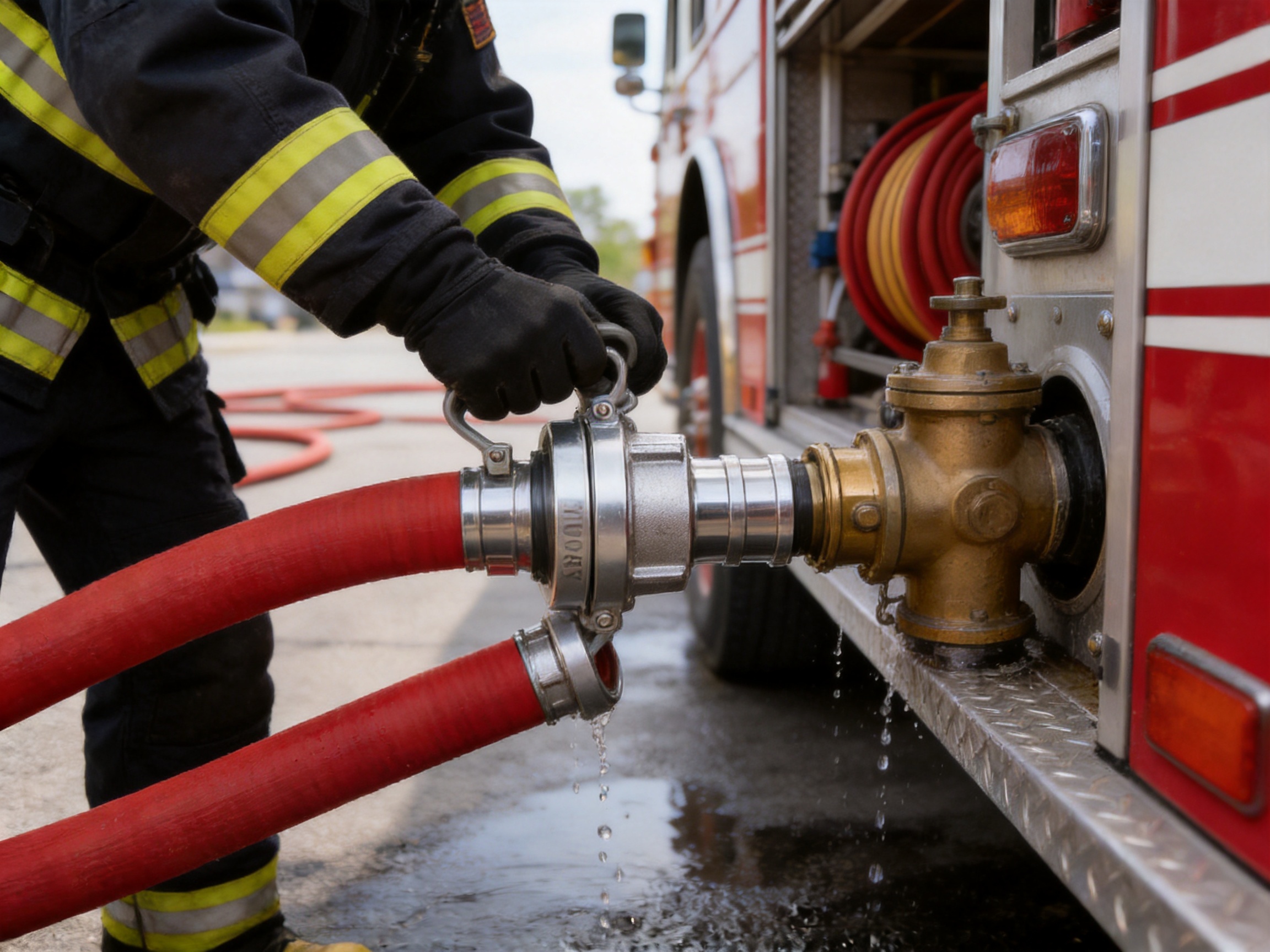
Brass is widely used for fittings and couplings because it offers a combination of strength, durability, and resistance to many common water-service conditions. A brass STORZ coupling can provide a solid, substantial feel during handling and may be preferred for applications where ruggedness and long service life are priorities.
Brass couplings are suitable for many firefighting, industrial, agricultural, and water-management environments. Their material characteristics can make them a practical choice for equipment that is used frequently or exposed to mechanical handling. The final suitability depends on the water chemistry, surrounding atmosphere, pressure conditions, maintenance practices, and specific brass composition.
Aluminum offers a useful combination of strength and reduced weight. A lighter coupling can make hose deployment easier, particularly when equipment must be carried over long distances, moved up stairs, transported on emergency vehicles, or handled by a small crew. Reduced weight can also help lower the overall burden of hose assemblies equipped with multiple fittings.
Aluminum STORZ couplings are commonly considered for portable firefighting systems, agricultural water distribution, construction pumping, and other applications where handling efficiency is important. They can provide dependable performance while supporting easier transport and faster assembly.
The choice between brass and aluminum should be based on the intended application rather than on material preference alone. Buyers should consider the required weight, frequency of use, mechanical exposure, water chemistry, surrounding atmosphere, temperature, compatibility with connected equipment, and maintenance program.
For example, a permanently installed industrial connection may place greater emphasis on robust construction and long-term mechanical durability, while a portable emergency hose system may prioritize lower weight and easy handling. Both material options can be valuable when properly matched to the working conditions.
The couplings are produced using die casting, gravity casting, or forging. Each method has different production characteristics, and the selection can be made according to the required design, material, dimensional requirements, production volume, and performance objectives.
Die casting uses a reusable mold and controlled pressure to form molten metal into a defined shape. This method can support repeatable production of components with consistent external geometry and detailed features. For coupling parts that require accurate lug profiles, smooth transitions, and efficient high-volume production, die casting can be an effective manufacturing approach.
Die casting also supports a consistent appearance across production batches when process conditions are properly controlled. Repeatability is important for coupling compatibility because small differences in lug position, coupling dimensions, or sealing surfaces can affect assembly. A controlled die-casting process helps manufacturers produce parts with stable dimensional characteristics.
Gravity casting uses gravity to fill a prepared mold with molten metal. It can be suitable for producing durable metal components in a range of shapes and sizes. Gravity casting offers flexibility for designs that may not require the same pressure conditions used in die casting and can be adapted to different production requirements.
For hose couplings, the casting process must be followed by appropriate finishing and inspection. Surface quality, dimensional accuracy, casting integrity, and the condition of the coupling lugs all contribute to reliable service. Properly managed gravity casting can provide a practical balance between product performance and manufacturing flexibility.
Forging shapes metal through controlled pressure or impact. The process can improve the structural density and mechanical characteristics of the finished component by forming the material under force. Forged coupling components may be selected for applications that place particular emphasis on strength, durability, and resistance to mechanical stress.
Forging requires appropriate tooling, temperature control where applicable, and careful dimensional finishing. Since STORZ couplings must engage accurately and maintain a reliable sealing interface, forged parts need subsequent machining or finishing operations where required. The combination of forging and precision finishing can support a robust product for demanding environments.
Offering several production methods allows a manufacturer to respond to different customer requirements. A particular project may require a lightweight cast coupling, a high-strength forged part, or a specific geometry that is best achieved through a selected production route. Manufacturing flexibility can also help support different order quantities and product configurations.
For buyers, the availability of multiple manufacturing processes is an indication that the supplier can approach the product from an engineering and production perspective rather than relying on a single standard method for every application. The appropriate method should be selected according to technical requirements, not simply based on the name of the process.
After forming, metal components may have casting edges, small surface irregularities, or production marks. Vibratory grinding uses controlled movement of parts and abrasive media to smooth and finish the surface. For STORZ couplings, this treatment can help improve handling, remove undesirable sharp edges, and create a more uniform appearance.
The supplied product information identifies vibratory grinding as the surface treatment for these couplings. The process contributes to practical product quality in several ways. A smoother surface is easier to clean, more comfortable to handle, and less likely to retain dirt in unnecessary irregularities. It can also support a more consistent fit between mating components when critical areas are properly finished.
Surface treatment is also relevant to resistance against corrosion, rust, acid, and alkali. The service life of a coupling depends on many factors, including the base material, water chemistry, exposure to chemicals, storage conditions, and maintenance. Vibratory grinding contributes to surface preparation and finishing, but it should not be considered a substitute for correct material selection or appropriate environmental protection.
In refineries, agricultural locations, construction sites, and maritime environments, equipment may encounter moisture, dust, chemicals, salt-laden air, fertilizers, cleaning agents, or contaminated water. A coupling with a carefully finished surface can be easier to inspect and maintain in these conditions. Users should rinse equipment after exposure to corrosive substances and inspect the coupling regularly for damage or deterioration.
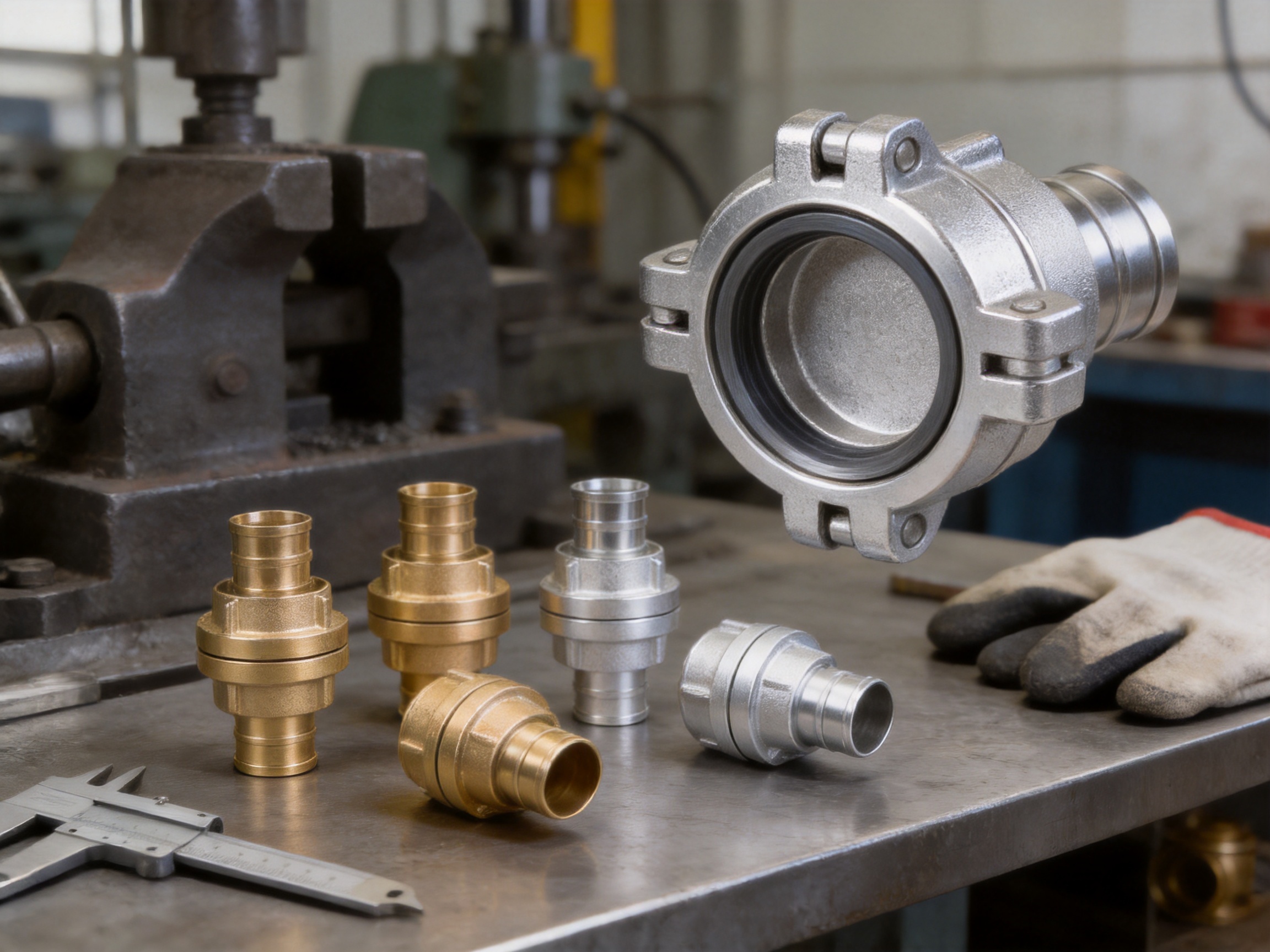
The stated working pressure of the couplings is 16 bar. This rating provides an important reference for system design, but it should not be viewed in isolation. A complete hose assembly includes the hose, coupling, gasket, clamps or attachment method, valves, pumps, nozzles, adapters, and other components. The complete assembly should be selected and operated within the limits of its lowest-rated component.
Before installation, users should confirm that the hose diameter matches the coupling size. They should also verify that the coupling connection is compatible with the fire truck, hydrant, nozzle, water gun, pump, or other equipment. A nominal size alone does not guarantee compatibility if the coupling standard, lug dimensions, sealing arrangement, or equipment interface differs.
Pressure surges can occur when pumps start, valves close quickly, or flow conditions change suddenly. These transient forces may exceed normal operating pressure. Operators should use appropriate pumping procedures, avoid sudden valve operation when possible, and follow the pressure limitations provided for the complete system. Hoses should be secured and supported so that pressurized movement does not place excessive force on the coupling.
The 16-bar rating makes the couplings suitable for many standard fire and water-management applications, but users should request technical confirmation for specialized services. Higher-temperature fluids, unusual chemicals, abrasive liquids, offshore exposure, and permanent high-cycle operation may require additional engineering review.
Firefighting is the primary environment in which STORZ couplings are widely recognized. The couplings can connect fire hoses with fire trucks, hydrants, water guns, and nozzles. Their fast symmetrical connection helps crews assemble hose lines efficiently during emergency operations, training exercises, industrial fire response, and facility maintenance.
Fire departments and industrial fire brigades may use different hose lengths and accessories for attack lines, supply lines, hydrant connections, washdown, and equipment protection. Small-diameter sizes can be useful where portability and manual handling are important. The selection of coupling size should reflect the required flow rate, hose diameter, pressure, and equipment connection.
Refineries and industrial plants may maintain fire-water systems, emergency hose stations, cooling lines, washdown systems, and temporary water-transfer equipment. In such facilities, a coupling must be easy to operate while also tolerating exposure to moisture, dust, industrial residues, and demanding handling.
STORZ couplings can support rapid deployment of hoses around process areas, storage zones, loading facilities, and maintenance locations. Since industrial sites may contain hazardous substances, operators must ensure that the selected coupling material and complete hose assembly are suitable for the specific environment. Couplings should be kept clean and inspected according to the facility’s safety procedures.
Agricultural operations use hoses for irrigation, water transfer, equipment washing, livestock facilities, and seasonal water distribution. The ability to connect and disconnect hoses quickly can be valuable when water lines must be moved between fields, pumps, tanks, or irrigation points.
Aluminum couplings may be attractive for agricultural users who frequently carry and reposition hose assemblies. Brass couplings may be selected when a more substantial fitting is preferred for repeated service. Agricultural environments can expose metal components to fertilizers, pesticides, mud, and changing weather. Regular cleaning and inspection can help preserve coupling performance.
Construction projects often require temporary water systems for dust suppression, concrete work, equipment cleaning, drainage, and general site service. Hose layouts may change as the project progresses, so quick connection and disconnection can reduce setup time.
Construction sites can be physically demanding environments. Couplings may encounter dirt, impact, abrasion, vibration, and frequent transport. The robust design of a properly manufactured STORZ coupling can support repeated field use, while appropriate storage and handling procedures help limit damage.
Ships, ports, docks, offshore support areas, and maritime facilities rely on water hoses for firefighting, washdown, emergency response, and maintenance. In these environments, equipment may be exposed to high humidity, salt spray, and frequent handling.
Brass or aluminum couplings may be used depending on the application and environmental requirements. Buyers should evaluate material compatibility with saltwater exposure and establish a suitable rinsing, drying, inspection, and storage routine. The coupling’s surface condition should be checked regularly, particularly when equipment is stored in damp or poorly ventilated areas.
Military installations, emergency-response units, and mobile field teams require equipment that can be transported, deployed, and maintained under changing conditions. A symmetrical coupling design can simplify logistics because compatible hose sections and accessories can be connected without sorting separate male and female ends.
The broad size range from 1 inch to 6 inches allows users to select compact hose fittings for portable tasks or larger connections for higher-volume water transfer. Equipment planners should standardize connection types where possible, provide training, and maintain spare gaskets and replacement couplings as part of the operational supply system.
Traditional threaded couplings remain useful in many systems, but they can require more time and attention during connection. Operators must align the threads, rotate the components several times, and ensure that the connection is neither cross-threaded nor left insufficiently tightened. Dirt, corrosion, or damaged threads can make the process more difficult.
STORZ couplings offer a different operating approach. The user aligns the coupling heads, engages the lugs, and rotates them into the locked position. This can reduce connection time and simplify operation in wet or emergency conditions. The symmetrical structure also removes the need to identify male and female ends.
Another advantage is the potential for easier hose interchangeability. When hose assemblies use compatible STORZ heads, operators can connect them in different arrangements according to the needs of the task. This can help reduce the number of specialized adapters required in a field equipment inventory.
However, no coupling design is ideal for every installation. Threaded connections may be preferred where a permanent, highly specific connection is required or where existing equipment is already standardized on a particular thread. STORZ couplings are most advantageous when rapid handling, symmetrical connections, and flexible hose configuration are important.
Taizhou Shenlong Fire Science and Technology Co., Ltd. was established in 1995 and operates as an enterprise combining research and development, production, sales, and service. This integrated structure can support closer communication between product development and manufacturing. It also enables the supplier to understand customer requirements beyond the production of a single component.
The company’s main product background is in lined fire hoses made from various materials. This experience is relevant to hose coupling supply because hose performance and coupling performance must be considered together. A coupling is not an isolated product; it forms part of a complete hose assembly that must be selected, attached, tested, stored, and maintained as a system.
The company can also undertake foreign trade products according to customer requirements, including rubber, PVC, polyurethane, and double-sided tape products. This broader production and sourcing experience can be useful for customers who need coordinated industrial products or who work with multiple hose and equipment specifications.
According to the provided company information, products are sold across more than 20 provinces, cities, and autonomous regions, and the company cooperates with four domestic foreign trade companies for export production. This domestic and international business experience supports the ability to communicate with customers from different markets and understand varied purchasing requirements.
The company’s products are used in fire protection, construction, water conservancy, and other industries. These sectors require attention to durability, dimensional consistency, practical handling, and dependable supply. The combination of product experience, manufacturing flexibility, and service capability gives the supplier a strong foundation for supporting Small Diameter STORZ Hose Coupling orders.
When purchasing STORZ couplings, buyers should evaluate more than appearance and price. The first consideration is dimensional compatibility. The coupling should match the hose, hydrant, nozzle, pump, or other equipment. Buyers should confirm the size, connection standard, lug arrangement, sealing design, and any relevant tolerances before placing an order.
Material selection is also important. Brass and aluminum have different weight, strength, and environmental characteristics. A supplier should be able to identify the material used and provide product information suitable for the intended application. For projects involving chemicals, saltwater, high temperatures, or unusual fluids, additional technical confirmation may be necessary.
The manufacturing method can influence the performance and cost of the product. Die casting may be appropriate for repeatable production and detailed shapes. Gravity casting may provide flexibility for particular designs and order requirements. Forging may be considered where strength and structural density are especially important. Buyers should ask which process is used for the selected model and whether the production method meets the project requirements.
Surface finishing should be checked for sharp edges, visible defects, poor lug formation, rough sealing areas, and other irregularities. Vibratory grinding can improve the practical finish, but the finished coupling should still be inspected before use. The connection face and gasket area should be clean and free from damage.
Buyers should also consider after-sales support, packaging, lead time, sample availability, replacement parts, and technical communication. A supplier capable of supporting product questions and application details can help reduce the risk of selecting an unsuitable coupling.
Before installation, inspect the coupling, hose, gasket, and attachment area. Confirm that the coupling is the correct size and that the hose is not cracked, cut, excessively worn, or otherwise unsuitable for pressure service. The coupling should not be installed on a hose that has visible structural damage.
Clean the coupling faces and sealing areas. Dirt, sand, metal particles, or hardened residue can prevent proper engagement or create a leakage path. Check the lugs for distortion and verify that the coupling rotates smoothly into the locked position.
Insert the hose fully into the coupling attachment area according to the approved assembly method. The attachment method may vary depending on the hose construction and coupling design. Use suitable clamps, ferrules, or other specified retention components. Do not rely on an improvised attachment method for pressurized firefighting service.
During connection, align the two STORZ coupling heads and engage the lugs without forcing them. Rotate the coupling until it reaches the proper locked position. If the parts do not align or rotate normally, disconnect them and inspect for dirt, damage, or incorrect sizing. Do not strike the coupling with a hammer or use excessive force to compensate for incompatibility.
After connection, pressurize the system gradually when possible. Observe the coupling for leakage, movement, or unusual stress. If leakage appears, shut down the system safely, release pressure, and inspect the gasket and coupling faces. Never attempt to tighten or disconnect a pressurized coupling.
After use, rinse away mud, chemicals, salt, or other contaminants. Allow the coupling and hose to dry before storage. Store equipment in a clean, ventilated location away from direct heat, sharp objects, and substances that may attack the hose or metal components.
Regular inspection helps extend the working life of STORZ couplings. Maintenance personnel should look for cracks, deformation, excessive wear, corrosion, damaged lugs, rough sealing surfaces, and loose attachment components. Couplings used in emergency systems should be inspected according to the organization’s fire-equipment maintenance schedule.
Gaskets deserve particular attention. A gasket that is cracked, flattened, hardened, missing, or chemically damaged may cause leakage even when the metal coupling remains in good condition. Replacement gaskets should be compatible with the coupling size and intended service.
Couplings should not be stored while heavily contaminated with dirt or chemicals. Contamination can accelerate surface deterioration and make defects difficult to identify. After cleaning, dry the parts and keep them protected from unnecessary moisture.
Any coupling that has been exposed to severe impact, excessive pressure, fire damage, or chemical attack should be removed from service until it has been carefully evaluated. The coupling may appear usable while having hidden deformation or reduced reliability. Safety-critical components should be replaced when their condition is uncertain.
Customers preparing an inquiry should provide the required size, material preference, quantity, working pressure, application, connection standard, and desired manufacturing method if applicable. It is also useful to identify whether the couplings will be used with existing fire trucks, hydrants, nozzles, pumps, agricultural hoses, or industrial hose assemblies.
For repeat orders, customers should retain the original product specifications and confirm that replacement couplings have the same dimensions and connection characteristics. Small differences between standards can prevent proper engagement, even when two products are described using the same nominal size.
Packaging is also important. Couplings should be protected from impact during shipment, especially when large quantities are packed together. The packaging should prevent excessive movement, scratching, deformation, and contamination of the sealing surfaces. International customers should also confirm labeling, documentation, inspection requirements, and delivery terms before production.
Taizhou Shenlong Fire Science and Technology Co., Ltd. can be contacted for product and export inquiries through its sales channels. The company’s stated address is No. 58, Kechuang Road, Sixiang Street, Medicine Gaoxin District, Taizhou City, Jiangsu Province, China. Its listed email address is [email protected], and its telephone contact is +86 159-5116-9511.
Small Diameter STORZ Hose Couplings combine fast connection, symmetrical operation, material flexibility, and broad application potential. Their 1-inch to 6-inch size range supports many portable and fixed hose systems. The 16-bar working pressure provides a useful rating for standard firefighting and water-management applications, subject to complete system compatibility.
The choice of die casting, gravity casting, or forging enables manufacturing to be adapted to different design and performance needs. Brass and aluminum options provide a practical balance between robustness and handling convenience. Vibratory grinding improves surface finish and supports easier handling and maintenance.
Compared with conventional threaded designs, STORZ couplings can simplify hose deployment because they do not require separate male and female ends. Their non-shut-off symmetrical design is especially useful for quick connections between compatible hose and equipment. At the same time, operators must remember that flow control must be provided by suitable valves, pumps, hydrants, or other system components.
For fire departments, industrial facilities, farms, construction contractors, maritime operators, and emergency teams, the product can support reliable water delivery when correctly selected and maintained. The supplier’s experience in fire hose manufacturing, combined with its integrated research, production, sales, and service capabilities, provides additional value for customers seeking a dependable source.
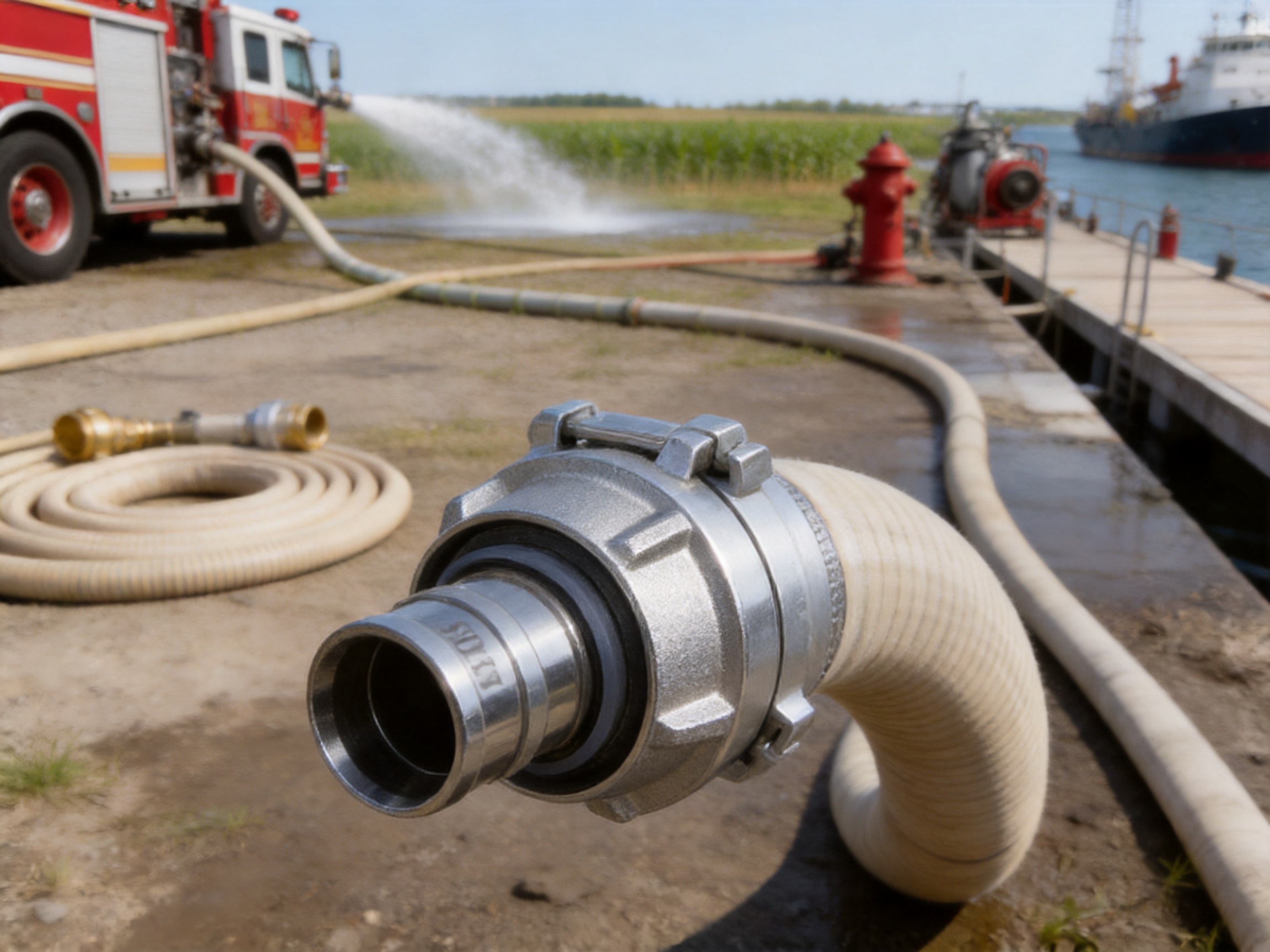
It is a symmetrical hose coupling used to connect compatible fire hoses, water hoses, hydrants, pumps, nozzles, water guns, and related equipment. The coupling uses matching heads and interlocking lugs rather than separate male and female threaded ends.
The listed sizes are 1 inch, 1-1/2 inches, 1-3/4 inches, 2 inches, 2-1/2 inches, 2-3/4 inches, 3 inches, 4 inches, and 6 inches. The correct size must be selected according to the hose and receiving equipment.
The stated working pressure is 16 bar. Users should ensure that the hose, gasket, valves, pump, nozzle, and every other component in the system are suitable for the operating pressure and any possible pressure surges.
Yes. The listed material options are brass and aluminum. Brass may be selected for substantial, durable construction, while aluminum can be useful when reduced weight and easier handling are important.
The couplings may be produced through die casting, gravity casting, or forging. The appropriate process depends on the product design, material, order requirements, and desired performance characteristics.
Vibratory grinding is a finishing process that helps smooth the surface, reduce production irregularities, improve handling, and support a more consistent appearance. It contributes to practical surface quality and maintenance.
No. STORZ couplings have the same head structure and are symmetrical. They connect through lugs and rotation rather than through separate male and female threaded ends.
No. They are non-shut-off couplings. The complete system must include suitable valves, hydrant controls, pump controls, or other devices to stop water flow when required.
They can be used with fire hoses, fire trucks, fire hydrants, water guns, and nozzles. The listed industries include refineries, agriculture, construction, maritime safety, military operations, and general water management.
The decision should consider weight, mechanical exposure, frequency of handling, environmental conditions, water chemistry, and equipment compatibility. Customers with specialized applications should request technical guidance before ordering.
Inspect the coupling and gasket regularly, keep the sealing surfaces clean, avoid forced engagement, rinse away corrosive contaminants, dry the parts before storage, and remove damaged components from service.
Customers should specify the coupling size, material, quantity, application, pressure requirement, connection standard, preferred manufacturing method if relevant, packaging needs, and destination market. Details about the connected hose or equipment are also helpful.
Small Diameter STORZ Hose Couplings are engineered for fast, reliable, and flexible hose connection in firefighting and water-management systems. Their symmetrical design eliminates the need for separate male and female threads, while their available sizes from 1 inch to 6 inches support a broad range of portable and industrial applications.
Manufacturing through die casting, gravity casting, and forging provides production flexibility. Brass and aluminum construction allows customers to select a material according to durability, weight, and environmental requirements. A 16-bar working pressure, combined with vibratory grinding and careful maintenance, makes the couplings suitable for many demanding service conditions.
Taizhou Shenlong Fire Science and Technology Co., Ltd. brings long-term experience in fire hose production, product development, manufacturing, sales, and service. Its broader industry coverage and export cooperation support customers seeking consistent supply and application-focused assistance. When properly selected, installed, inspected, and maintained, these STORZ couplings can provide dependable service for fire protection, agriculture, construction, industrial facilities, maritime safety, military operations, and emergency water delivery.
1. Product specification information for Small Diameter STORZ Hose Couplings, including materials, sizes, working pressure, manufacturing methods, surface treatment, features, and applications.
2. Company profile information for Taizhou Shenlong Fire Science and Technology Co., Ltd., including company history, product scope, manufacturing capabilities, market coverage, and industry applications.
3. General technical principles of symmetrical fire hose coupling design and non-shut-off hose connection systems.
4. General engineering practices for hose assembly selection, pressure compatibility, coupling inspection, gasket maintenance, and safe water-system operation.
5. General manufacturing references concerning die casting, gravity casting, forging, and vibratory grinding of metal components.
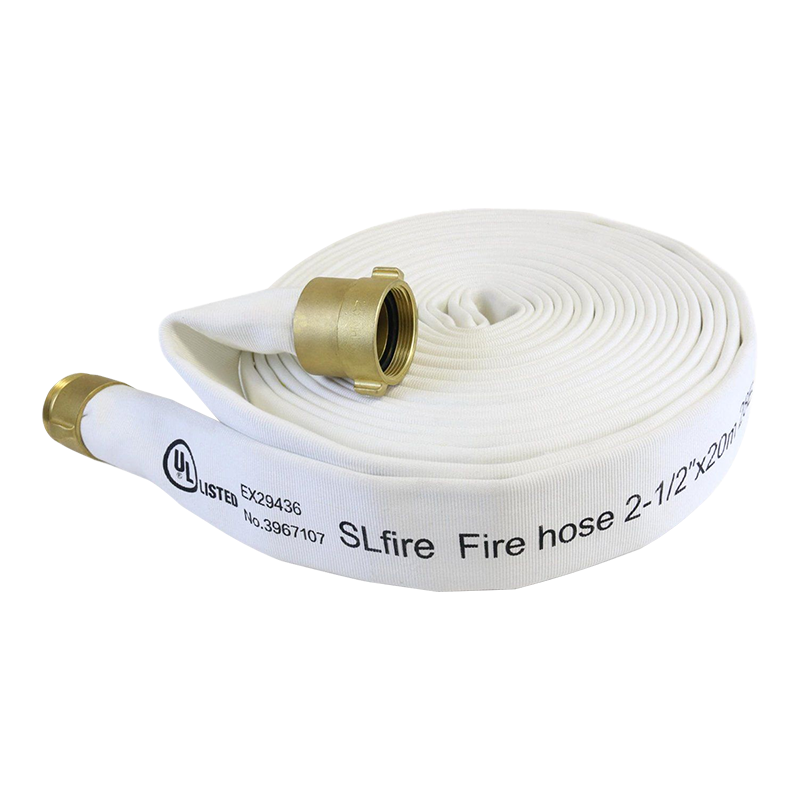
Single jacket, EPDM rubber liner Features • 100% high tenacity polyester jacket, high-grade EPDM rub...
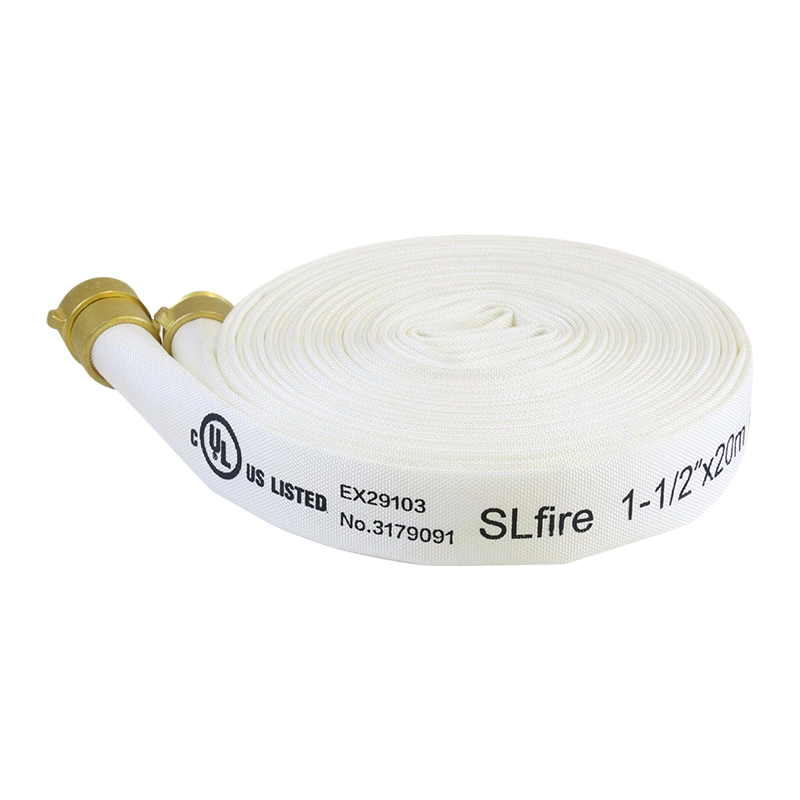
Single jacket, TPU liner •High-tenacity polyester yarn, circular woven in twill weave/plain weave,T ...
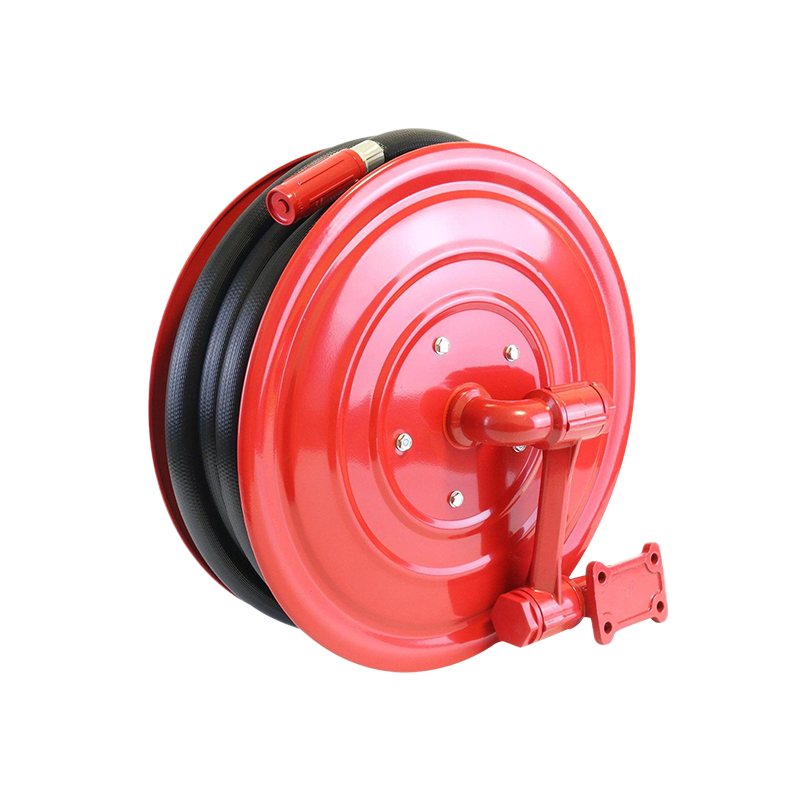
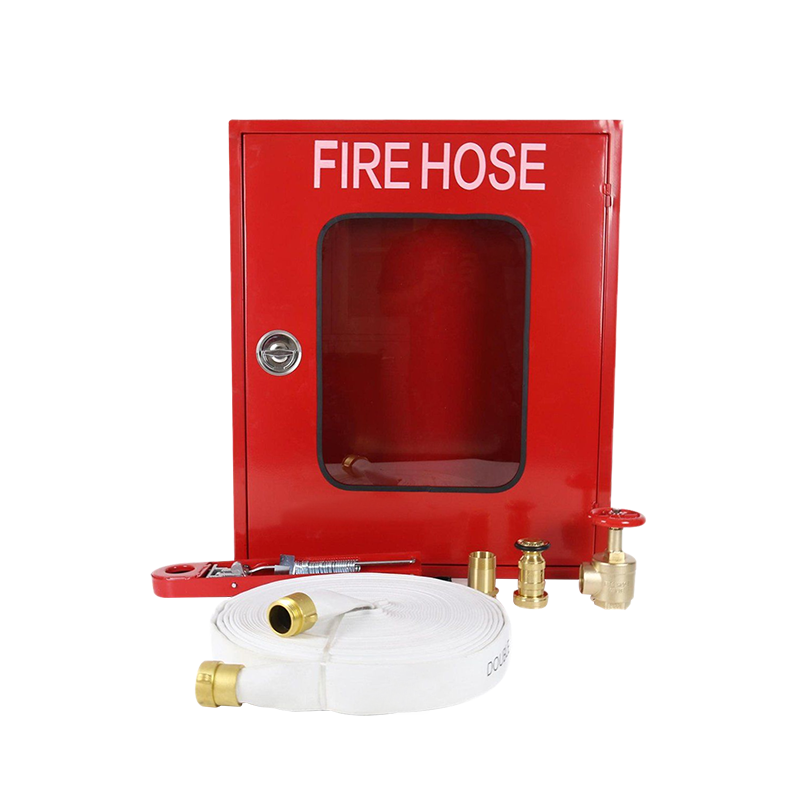
Fire cabinets are designed to accommodate fire hose,valve and other firefighting equipment. Type 201...
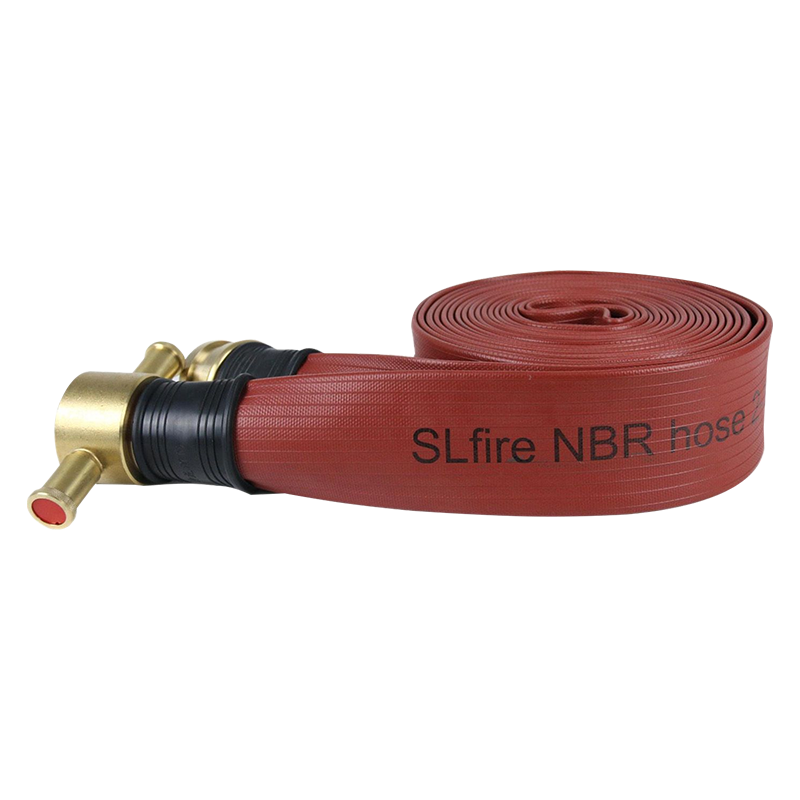
Nitrile covered hose •Nitrile/TPR blend as cover and lining, with 100% high-tenacity polyester yarn ...
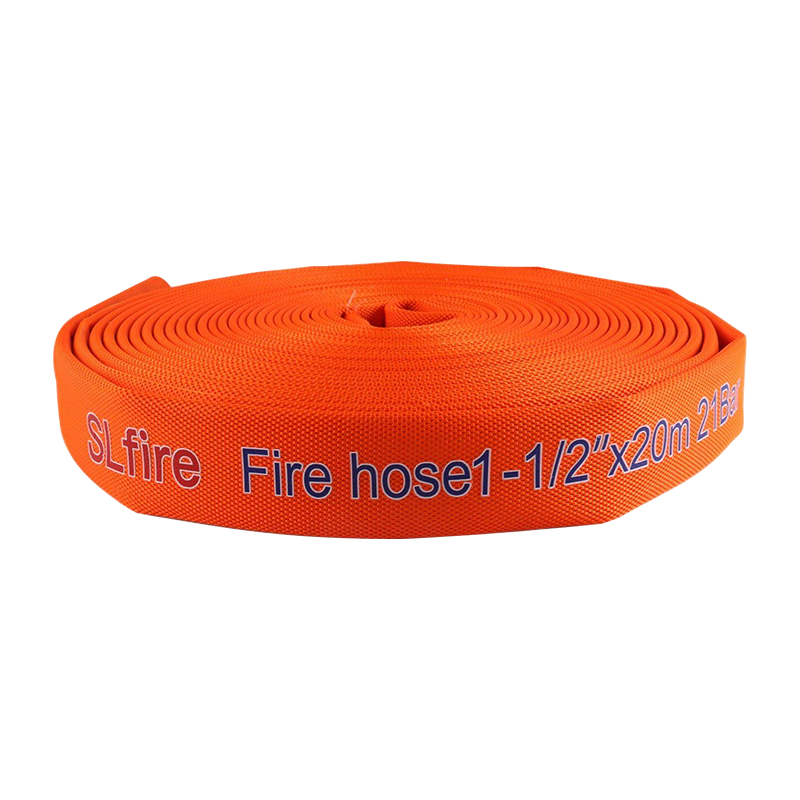
Single jacket, TPU liner •High-tenacity polyester yarn, circular woven in twill weave, TPU lining, f...
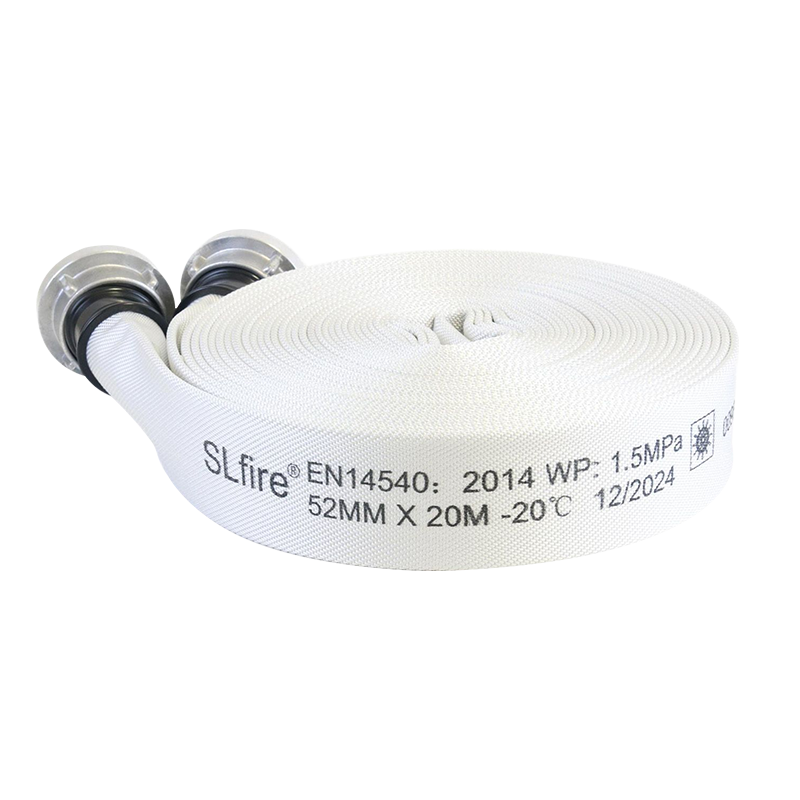
Marine hose Single jacket, PVC liner •100% high tenacity polyester yarn, circular woven in twill wea...
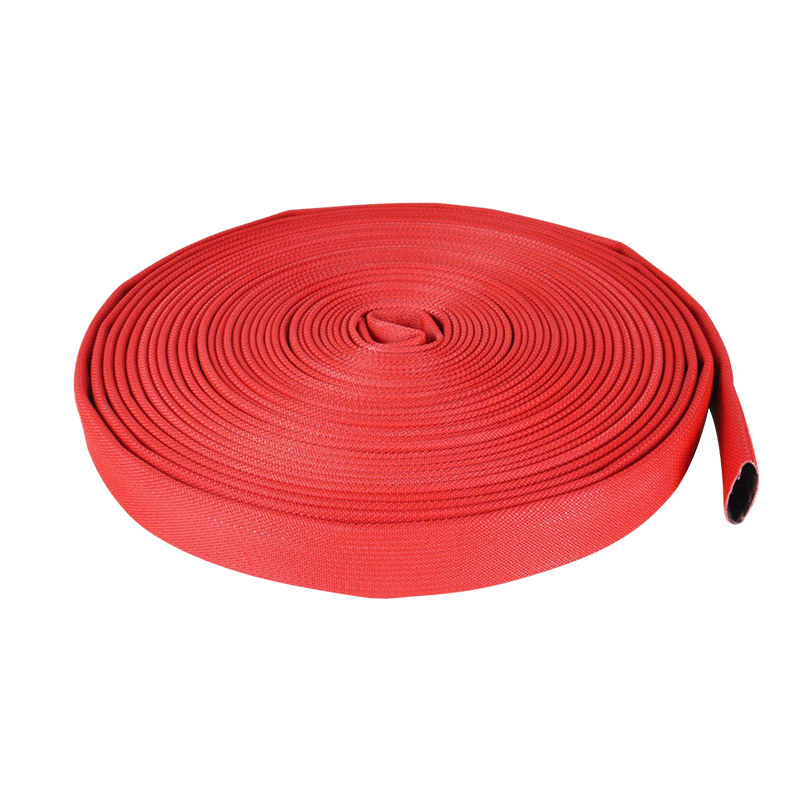
Marine hose Single jacket, PVC liner, PU coated •100% high tenacity polyester yarn,c ircular woven i...
 Call Us
+86 159-5116-9511
Need Support
Head Office
No.58, Kechuang Road, Sixiang Street Medicine Gaoxin District Taizhou City, Jiangsu Province

At a structure fire, the first line off the truck is the one that does the hardest work. Pulled around obstacles, dragged across gravel, charged with high-pressure water, and shut off at the nozzle d...
Copyright © Taizhou Shenlong Fire Science and Technology Co., Ltd. All Rights Reserved.
 Fire Hose Manufacturers, Fire Hydrant Hose Factory