

 English
 русский
 Español
 Deutsch
 عربى
 Français
 Português
Don't hesitate to send a message

Single jacket, EPDM rubber liner Features • 100% high tenacity polyester jacket, high-grade EPDM rub...
Content
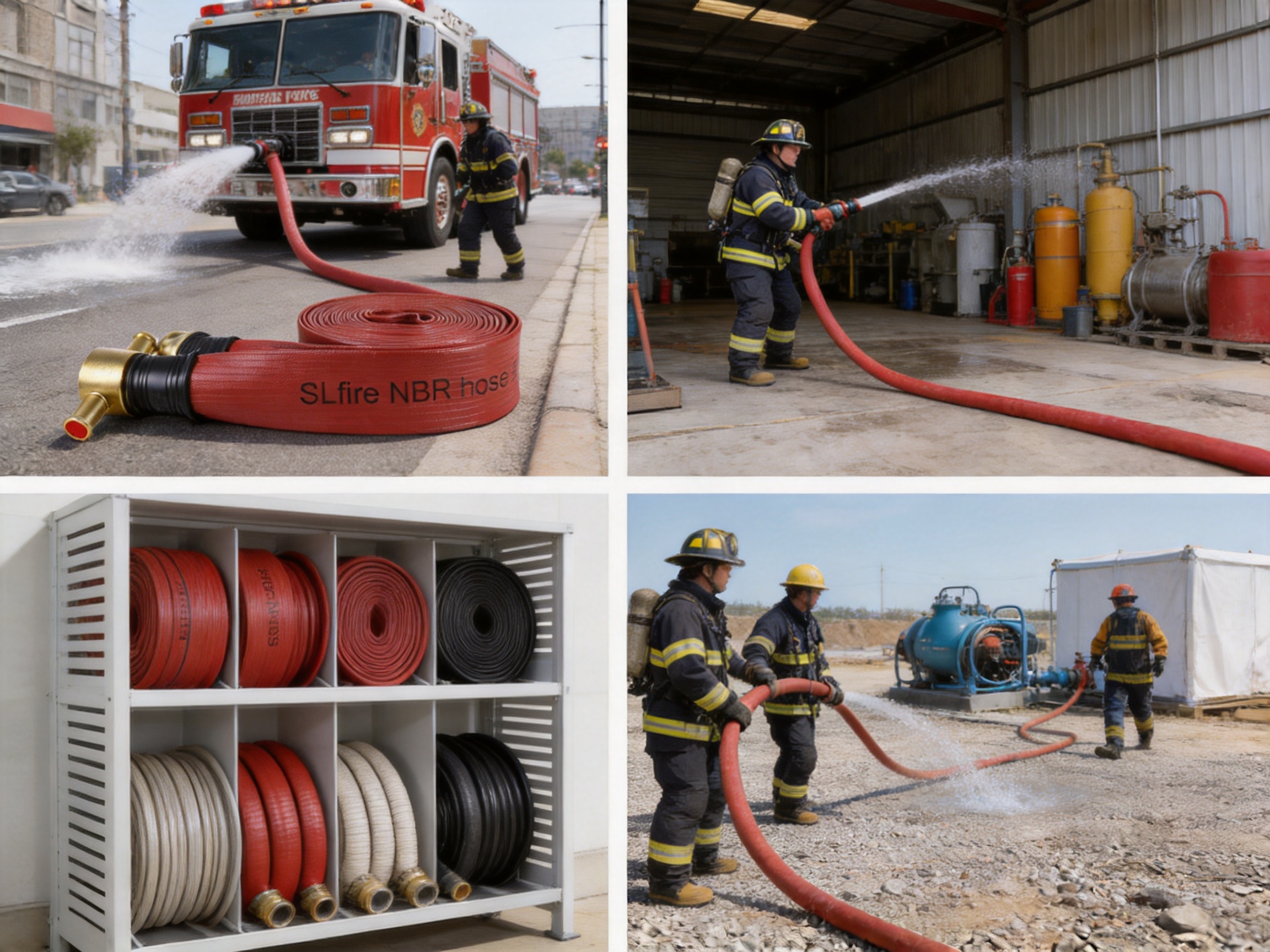
Fire attack hose is one of the most important links between a water supply and a firefighting nozzle. It must deliver water reliably, tolerate repeated handling, and remain functional when exposed to rough ground, oil, fuels, moisture, changing temperatures, and demanding operating conditions. A hose that appears suitable in a warehouse may perform very differently after repeated dragging, folding, loading, unloading, and deployment at an emergency scene. For this reason, professional users increasingly look beyond basic pressure ratings and consider the complete hose construction, including the lining, cover, reinforcement, exterior protection, maintenance requirements, and manufacturing consistency.
Nitrile covered hose is designed for users who need a durable attack hose with additional resistance to abrasion, punctures, ozone, corrosion, mildew, oil, and petrochemicals. Its construction combines a nitrile/TPR blend for the cover and lining with 100% high-tenacity polyester yarn reinforcement. Ribs molded or formed on the exterior cover provide another protective feature by reducing direct contact between the main hose body and abrasive surfaces. Together, these features produce a flexible and hard-wearing hose suitable for firefighting, industrial emergency response, construction sites, water conservancy applications, and other environments where ordinary textile-covered hose may experience accelerated wear.
This article examines the construction, performance characteristics, manufacturing considerations, application value, and purchasing advantages of nitrile covered attack hose. It also explains how the product compares with more basic hose designs and why cooperation with an experienced manufacturer can be important when buyers require dependable specifications, consistent production, and customized export support.
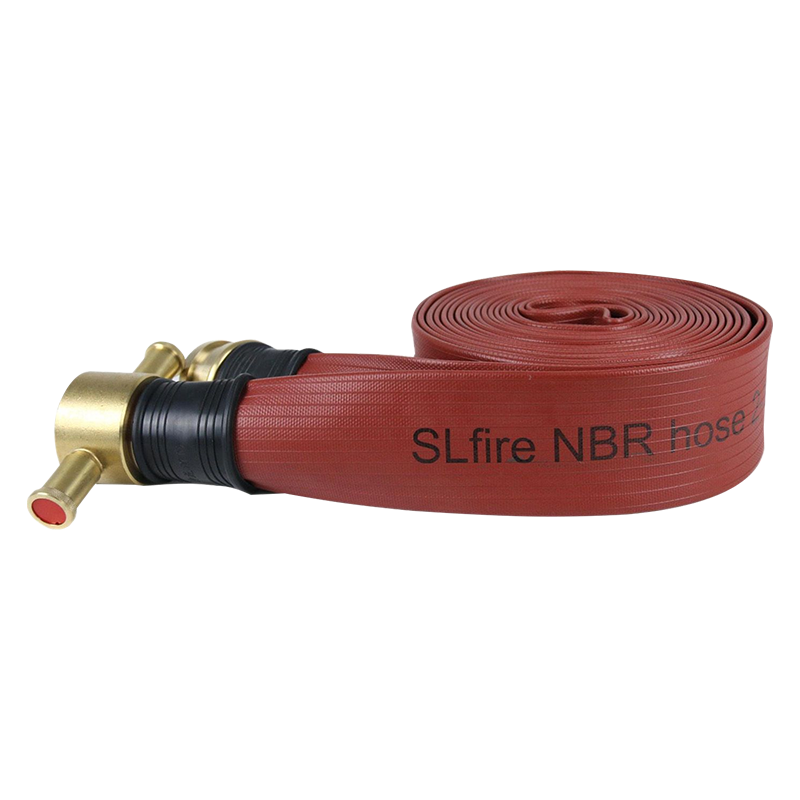
Nitrile Covered Hose Attack Hose
Nitrile covered attack hose is a pressurized water delivery hose intended for firefighting and related emergency applications. The product is identified by its nitrile-based outer cover and lining, reinforced with high-tenacity polyester yarn. Unlike a hose that relies only on a woven textile jacket for external protection, this design uses a rubber-based cover to create a more substantial barrier against abrasion, chemical exposure, puncture hazards, and environmental deterioration.
The hose is available in several nominal internal diameters, including 1-1/2 inches, 2 inches, 2-1/2 inches, and 3 inches. These sizes correspond approximately to internal diameters of 38 mm, 52 mm, 64 mm, and 75 mm. The range allows users to select a configuration according to the required flow rate, equipment connection, operating pressure, and deployment method.
Available hose lengths include 50 feet, 75 feet, and 100 feet. These options support different operational layouts. A shorter length can be practical for compact vehicle compartments, indoor systems, or situations where several hose sections are connected. A 75-foot section can provide a balance between reach and handling. A 100-foot section can reduce the number of connections required when firefighters need to cover a longer distance from a hydrant, pump, or water source.
The stated temperature range is from -30°C to 70°C. Within suitable operating conditions, the nitrile/TPR material system is intended to retain useful flexibility and protective performance across cold and warm environments. Actual use should always take account of the temperature of the conveyed fluid, surrounding conditions, storage practices, pressure, and applicable local standards.
The cover and lining use a nitrile/TPR blend. Nitrile is widely valued for resistance to oils, fuels, and many petrochemical contaminants. This is an important advantage for industrial fire response because hoses may be deployed around workshops, fuel storage areas, mechanical equipment, transport facilities, chemical handling zones, and construction sites where contact with hydrocarbons is possible.
The lining forms the internal flow passage. It helps contain pressurized water and creates a smooth surface for water movement. A well-formed lining can reduce the likelihood of seepage through the hose wall and helps maintain a stable internal passage during use. Because the lining is part of the same material system as the protective cover, the hose is designed as an integrated product rather than a simple textile tube with minimal external protection.
The external cover protects the reinforcement and internal lining from physical and environmental damage. Nitrile contributes resistance against oil, fuel, ozone, and several common sources of industrial contamination. TPR contributes flexibility and processability to the blend. The final performance depends on the formulation, mixing, extrusion, curing or forming conditions, wall thickness, reinforcement design, and quality control used during production.
The hose uses 100% high-tenacity polyester yarn reinforcement. Reinforcement is essential because the internal water pressure creates a force that attempts to expand the hose wall. The polyester structure supports the lining and cover, helps the hose retain its dimensional stability, and enables it to operate at the specified working pressure.
High-tenacity yarn is selected for its strength and resistance to repeated handling. During firefighting operations, hose is often coiled, uncoiled, dragged, folded, coupled, pressurized, depressurized, and returned to storage. A reinforcement system made from strong polyester yarn helps the hose withstand this repeated mechanical cycle when it is handled correctly.
Using 100% high-tenacity polyester also provides material consistency throughout the reinforcement layer. For manufacturers and buyers, a defined reinforcement material makes it easier to establish repeatable production parameters and compare batches. For distributors, it provides a clear technical description when preparing product specifications for fire departments, industrial plants, contractors, and overseas customers.
One of the most visible features of this attack hose is the ribbed exterior cover. Exterior ribs create raised contact points that help separate the main cover surface from rough ground. When the hose is dragged across concrete, asphalt, gravel, unfinished flooring, or other abrasive surfaces, the ribs can absorb or distribute some of the friction and impact.
This design does not make the hose immune to damage, but it can reduce direct wear on the primary cover surface. The ribs provide an additional layer of protection in locations where the hose repeatedly contacts the ground, vehicle edges, building thresholds, or other hard surfaces. In practical terms, the ribbed construction is particularly useful when fast deployment is more important than carefully lifting the hose over every obstacle.
Compared with a smooth cover, a ribbed cover can provide a more robust external profile. It may also make the hose easier to identify by touch when it is coiled or handled in low-visibility conditions. The specific degree of abrasion resistance depends on the formulation and production quality, but the ribbed design is an important product advantage for demanding service.
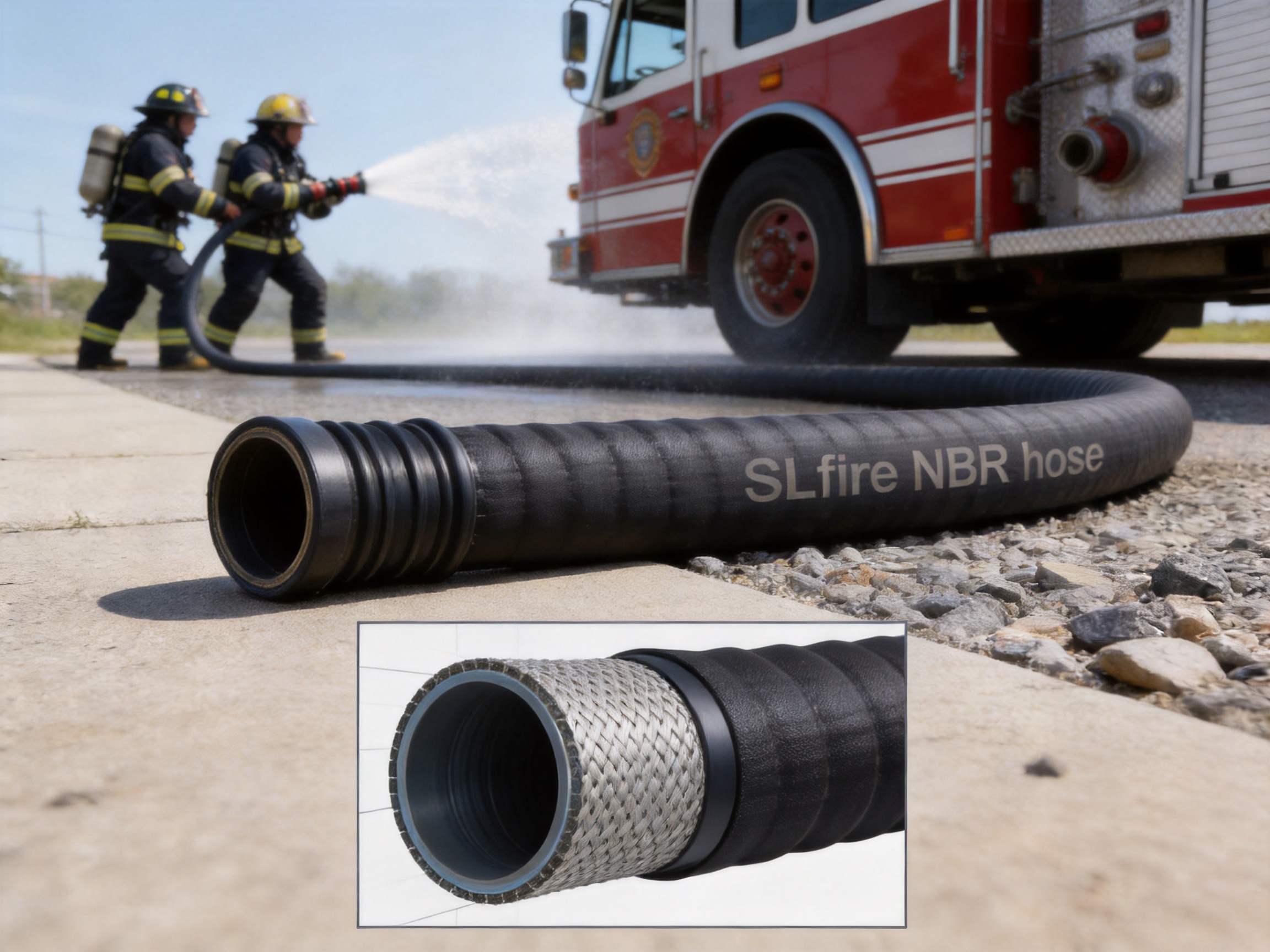
Attack hose is frequently exposed to friction. Firefighters may pull it over roads, stairways, floors, curbs, rubble, doorways, and vehicle compartments. Industrial emergency crews may deploy it around machinery, storage racks, loading areas, or construction materials. Repeated abrasion can gradually thin the cover, expose reinforcement, and eventually compromise the pressure-bearing structure.
The combination of a nitrile/TPR cover and exterior ribs is intended to slow this process. The cover provides a resilient protective layer, while the ribs limit direct rubbing over the main body of the hose. This makes the product a practical option for applications where the hose cannot always be placed on clean or smooth surfaces.
Higher abrasion resistance can provide economic value as well as operational value. A hose that remains serviceable for a longer period may reduce replacement frequency, emergency stock requirements, and maintenance labor. The total value should be assessed over the product’s service life rather than only by comparing the initial purchase price.
Many fire hose applications take place in environments where oil or fuel may be present. Examples include vehicle maintenance facilities, fuel handling areas, transport terminals, factories, mechanical workshops, and industrial plants. A conventional textile surface may absorb contamination or lose performance when exposed to unsuitable substances. The nitrile-based material system is designed to provide stronger resistance to oils, fuels, and petrochemicals.
This chemical resistance helps protect the external cover from swelling, softening, or premature deterioration associated with hydrocarbon contact. It also supports easier cleaning after use, provided that cleaning methods are compatible with the hose materials and the user follows appropriate maintenance instructions. Chemical resistance should not be interpreted as unlimited compatibility with every chemical. Buyers should evaluate the exact substance, concentration, exposure time, temperature, and applicable compatibility information before use.
Hoses may be stored in vehicles, fire stations, warehouses, outdoor cabinets, industrial yards, and other locations where they experience air movement, sunlight, humidity, or fluctuating temperatures. Ozone and weathering can gradually attack some rubber materials, leading to surface cracking and loss of flexibility.
The nitrile/TPR cover is designed to resist ozone-related deterioration better than many less-protected materials. This contributes to storage durability and helps preserve the protective function of the cover between deployments. Even so, suitable storage remains important. Hose should be protected from unnecessary sunlight, sharp objects, excessive heat, incompatible chemicals, and prolonged compression.
Fireground surfaces can contain broken glass, metal fragments, nails, sharp stone, concrete edges, and other hazards. A hose cover with improved puncture resistance can reduce the likelihood that incidental contact will immediately damage the pressure-bearing structure. The reinforced construction adds further support behind the cover.
The product is also described as resistant to corrosion. In this context, the rubberized cover and lining do not rust like metallic components. This is particularly useful in wet, humid, coastal, or industrial environments. Couplings and fittings may still require appropriate corrosion protection, but the hose body itself is not vulnerable to rust in the same way as an unprotected metal pipe.
Fire hose may be returned to storage while still damp, especially during rapid response operations or when drying space is limited. Persistent moisture can encourage mildew and unpleasant odors on susceptible materials. The nitrile-based cover provides resistance to mildew growth and helps reduce the risk of rapid biological deterioration.
Resistance to mildew does not eliminate the need for drying. Whenever possible, the hose should be rinsed if contaminated, drained, dried thoroughly, and stored in a ventilated location. Proper drying also helps protect couplings, prevent trapped moisture, and preserve the hose’s overall condition.
The product is described as maintenance free in normal use. This means that the hose does not require complex coating treatments, frequent external conditioning, or specialized routine procedures to preserve its basic protective function. The robust cover is designed to remain serviceable with ordinary inspection, cleaning, drying, and storage practices.
Maintenance-free should not be understood as inspection-free. Responsible users should still check for cuts, deep abrasion, exposed reinforcement, damaged couplings, leakage, deformation, contamination, and other signs of service damage. Pressure testing should be performed according to the user’s internal procedures and applicable regulations. A simple design that is easy to maintain can improve readiness, but disciplined inspection remains essential for firefighting equipment.
The listed working pressure for the available sizes is 250 psi or 300 psi, corresponding approximately to 17 bar or 21 bar. The listed test pressure is 375 psi or 450 psi, corresponding approximately to 26 bar or 32 bar. The listed burst pressure is 750 psi or 900 psi, corresponding approximately to 51 bar or 63 bar.
These paired pressure values indicate that the hose can be supplied in configurations suitable for different operating requirements. The correct selection depends on the hose size, pump output, system pressure, nozzle requirements, connection arrangement, and applicable local standards. The maximum working pressure must never be exceeded, and the complete hose assembly should be considered, including couplings, clamps, adapters, valves, and nozzles.
| Nominal Inner Diameter | Approximate Inner Diameter | Working Pressure | Test Pressure | Burst Pressure |
|---|---|---|---|---|
| 1-1/2 inch | 38 mm | 250 or 300 psi 17 or 21 bar | 375 or 450 psi 26 or 32 bar | 750 or 900 psi 51 or 63 bar |
| 2 inch | 52 mm | 250 or 300 psi 17 or 21 bar | 375 or 450 psi 26 or 32 bar | 750 or 900 psi 51 or 63 bar |
| 2-1/2 inch | 64 mm | 250 or 300 psi 17 or 21 bar | 375 or 450 psi 26 or 32 bar | 750 or 900 psi 51 or 63 bar |
| 3 inch | 75 mm | 250 or 300 psi 17 or 21 bar | 375 or 450 psi 26 or 32 bar | 750 or 900 psi 51 or 63 bar |
The table provides the listed product values for general specification and comparison. Buyers should confirm the exact pressure configuration before placing an order because the selected pressure rating may affect material construction, coupling selection, test requirements, packaging, and end-use approval.
Many standard attack hoses use a woven jacket as the primary external protection. Textile jackets can be light and flexible, but they may be more vulnerable to snagging, contamination, water absorption, and abrasion depending on their construction. A nitrile-covered design adds a continuous rubber-based protective surface around the reinforcement. This can be advantageous where the hose is dragged frequently or exposed to oils and industrial contaminants.
The comparison should always be made between products with equivalent pressure ratings, diameters, coupling systems, and applicable approvals. Nevertheless, the rubberized cover gives this product a clear functional distinction. It is intended for users who prioritize external durability and chemical resistance in addition to water delivery.
A hose used only on clean grass may experience less stress than one used on roads, industrial floors, construction sites, or emergency response areas. The nitrile-covered product is designed for the latter conditions. Its cover, ribs, and reinforcement provide multiple layers of protection against common sources of damage.
Competitor products with smooth, lightly protected covers may be suitable for less demanding work, but they can require more careful handling. The ribbed exterior helps this hose remain practical when rapid deployment, dragging, and recovery are unavoidable. This advantage can be especially valuable for municipal fire brigades, industrial fire teams, emergency contractors, and equipment rental companies.
Durability affects more than replacement cost. Hose failure can interrupt operations, create safety risks, delay emergency response, and require the user to maintain larger backup inventories. A product designed for abrasion, oil, ozone, mildew, and puncture resistance can help reduce the likelihood of premature retirement when it is correctly selected and maintained.
The availability of 50-foot, 75-foot, and 100-foot lengths also helps users configure their inventory around actual operating needs. Selecting an appropriate length can reduce unnecessary coupling points, improve deployment efficiency, and simplify compartment organization. The correct combination of length and diameter may help crews balance flow, reach, weight, and handling effort.
Reliable hose production begins with controlled material preparation. The nitrile and TPR components must be selected and blended according to the intended flexibility, abrasion resistance, chemical resistance, temperature range, and processing requirements. Material consistency is important because changes in formulation can affect hardness, adhesion, surface finish, flexibility, and pressure performance.
The polyester reinforcement yarn must also be selected and prepared carefully. High-tenacity yarn needs consistent strength and suitable winding characteristics so that it can be formed into a uniform reinforcement structure. Foreign matter, uneven tension, or inconsistent yarn handling can create weak areas in the finished hose.
The inner lining is formed to establish the water passage and provide a consistent internal surface. During production, the material must be processed so that the lining has even thickness and remains properly integrated with the reinforcement. An uneven lining can influence flow, flexibility, wall strength, and the hose’s resistance to internal pressure.
Dimensional control is especially important for a product offered in several nominal diameters. The 38 mm, 52 mm, 64 mm, and 75 mm internal dimensions must be maintained within appropriate production tolerances. Accurate dimensions support compatibility with couplings, hydrant outlets, manifolds, pumps, and nozzles.
The reinforcement is applied around the lining with controlled yarn tension and a consistent pattern. The objective is to create a balanced pressure-bearing structure without gaps, excessive overlaps, or localized tension differences. Proper reinforcement placement helps the hose resist expansion and supports the rated working and test pressures.
Manufacturing control at this stage contributes directly to product reliability. If reinforcement is uneven, the hose may flex inconsistently or develop areas of concentrated stress. An experienced factory can use established production procedures to improve repeatability across different sizes and lengths.
The outer cover is formed over the reinforcement and designed to protect the underlying structure. The ribbed pattern requires controlled forming so that the raised sections are continuous, uniform, and properly integrated with the cover. The ribs should not create unnecessary weak points or interfere with coiling and coupling.
The cover must bond or integrate sufficiently with the underlying layers while retaining the flexibility needed for deployment. Processing conditions such as temperature, pressure, speed, and material flow influence the final surface, dimensional stability, and resistance to cracking or separation. Consistent processing is therefore a central part of producing a reliable covered hose.
Finished hose should be inspected for surface defects, dimensional consistency, cover continuity, rib formation, coupling compatibility, and general appearance. Pressure testing is used to evaluate resistance under specified test conditions. Burst testing provides information about the ultimate pressure capability of representative products or production samples.
Quality control should also include checking hose length, internal diameter, wall construction, packaging, labels, and order-specific requirements. For export customers, documentation and identification are important because products may pass through distributors, customs processes, warehouses, and multiple stages of installation before use.
Taizhou Shenlong Fire Science and Technology Co., Ltd. was founded in 1995 and integrates research and development, production, sales, and service. This integrated structure is valuable for buyers who require more than a standard catalog item. Technical questions can be connected with production capability, and customer feedback can be used to support product improvement and application guidance.
The company’s principal products include lined fire hoses made from various materials. It also undertakes foreign trade products according to customer requirements, including rubber, PVC, polyurethane, and double-sided tape products. This broader material experience can support customers who need to compare different hose constructions or develop a product portfolio for several industries.
The company reports that its products are sold in more than 20 provinces, cities, and autonomous regions and that it cooperates with four domestic foreign trade companies for export production. This domestic and international market experience can help a manufacturer understand different packaging, communication, documentation, and order coordination requirements.
Its products are used in fire protection, construction, water conservancy, and other industries. Such application diversity is useful because hose requirements vary significantly between municipal firefighting, industrial protection, water transfer, construction dewatering, and emergency response. A manufacturer familiar with multiple sectors may be better positioned to discuss diameter, pressure, material, length, coupling, and packaging options.
Manufacturing strength is not determined only by the age of a company. It also depends on process discipline, material management, production repeatability, technical communication, inspection, and after-sales service. A supplier that combines these functions can provide more consistent support from initial inquiry through delivery and future replenishment.
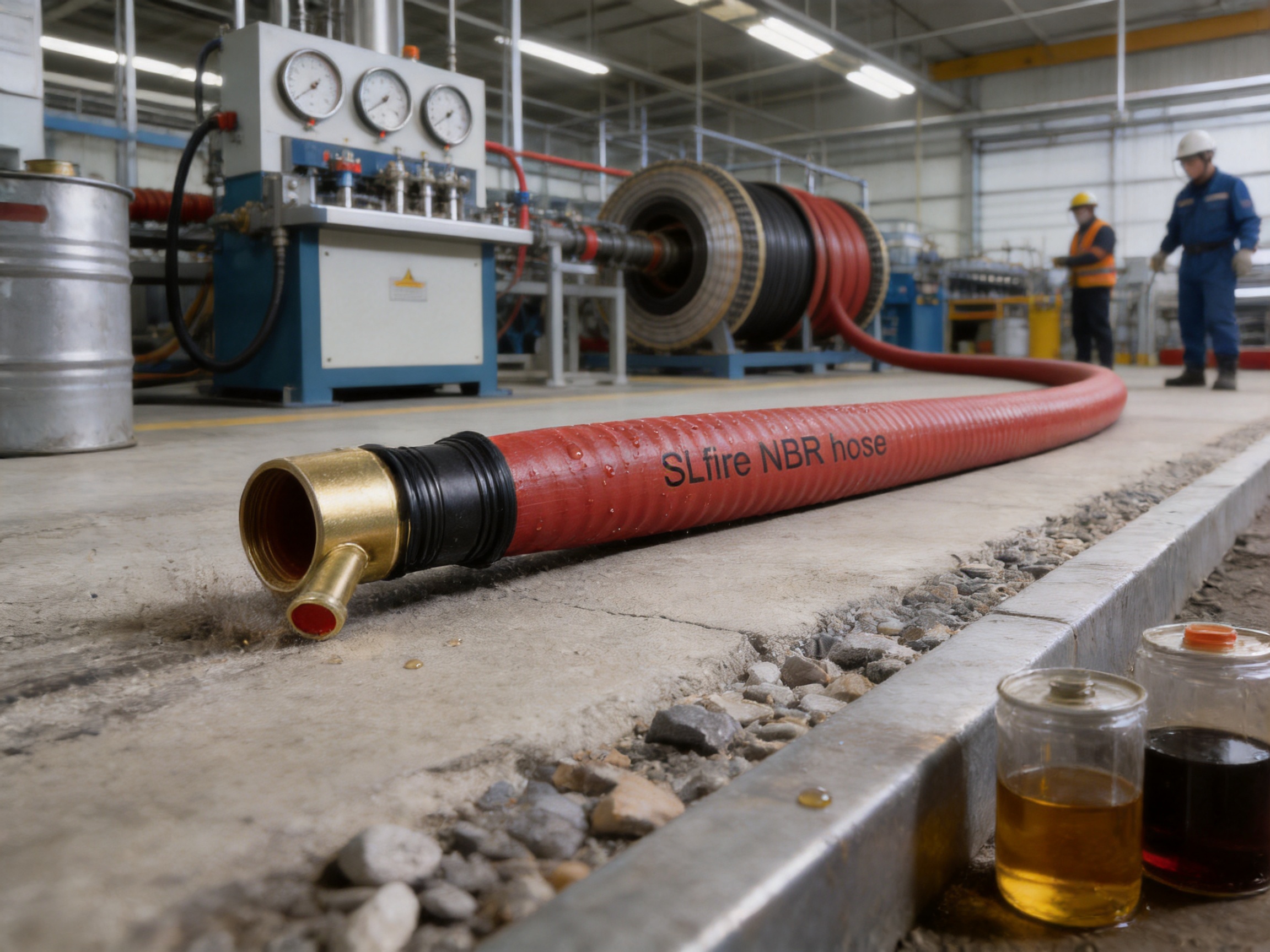
Municipal fire departments require hose that can be deployed quickly from vehicles and carried through diverse urban environments. Streets, sidewalks, building entrances, stairways, parking structures, and industrial districts can all present abrasive surfaces. The ribbed nitrile cover is suited to this type of repeated handling.
The range of sizes and lengths allows departments to organize hose loads around different response roles. Smaller diameters may be selected for attack lines where handling and nozzle control are important, while larger diameters may be used when higher flow delivery is required. Final selection should be based on pump capability, local tactics, water supply, and departmental standards.
Industrial facilities often contain oils, fuels, lubricants, chemicals, machinery, and rough flooring. In these settings, resistance to petrochemicals and abrasion can be especially important. The nitrile-based cover provides a practical advantage over materials that are more easily affected by hydrocarbon contamination.
Industrial users may also benefit from maintaining dedicated hose inventories for workshops, storage areas, loading bays, process buildings, and outdoor hydrant systems. The available lengths help facilities organize hose cabinets, reels, vehicles, and emergency response stations according to the layout of the site.
Construction sites expose equipment to dust, gravel, concrete, metal, unfinished surfaces, and changing weather. Hoses may be dragged over the ground or moved between work areas several times per day. The abrasion-resistant ribbed cover can help withstand this handling pattern.
Construction contractors may use the hose for emergency firefighting, water supply, site protection, or temporary water transfer where a durable pressurized hose is required. The product should be selected according to the actual fluid, pressure, temperature, and connection system rather than assuming that every construction application has the same requirements.
Water conservancy and emergency response projects often require hose to move water across uneven ground or between temporary pumping points. The hose’s available diameters and lengths provide flexibility for different layouts. Its protective cover is useful where the hose may contact soil, stone, equipment, or outdoor structures.
For long-distance water delivery, users should consider pressure loss, elevation changes, pump capacity, connection frequency, and the weight of filled hose. A larger diameter may reduce friction loss but can increase handling demands. Professional system planning remains necessary to obtain the best overall result.
Internal diameter affects flow capacity, friction loss, weight, and handling. A 1-1/2-inch hose may be easier to carry and control for many attack-line applications. A 2-inch hose can provide a balance between flow and maneuverability. A 2-1/2-inch hose is common where greater flow is required, while a 3-inch hose may be selected for supply or high-volume delivery duties.
Buyers should compare the hose diameter with the existing hydrant, pump, manifold, nozzle, and coupling systems. An apparently suitable hose may not be useful if the connections are incompatible or if the pump cannot provide the required operating conditions.
The product is listed with working pressure options of 250 psi and 300 psi. Buyers should confirm which rating is required before ordering. The working pressure should provide an appropriate safety margin for the intended system, and the complete assembly should be rated consistently.
Test pressure and burst pressure are not operating pressures. Test pressure is used for controlled evaluation, while burst pressure represents a much higher failure threshold. Neither should be treated as an acceptable routine operating target.
Fifty-foot, 75-foot, and 100-foot lengths are available. Shorter lengths can improve handling and storage in confined spaces. Longer lengths can reduce the number of coupling connections and help crews reach farther from the water source. However, longer hose sections may be heavier when filled and more difficult to maneuver around corners or stairs.
Many organizations use a combination of lengths. This approach can help crews adapt to different building layouts, hydrant distances, and response conditions. Buyers should consider not only the hose itself but also the size of vehicle compartments, cabinets, racks, reels, and storage pallets.
Couplings must match the hose diameter, pressure rating, connection standard, and application. The hose can be supplied or assembled with suitable fittings according to customer requirements, but the exact coupling specification should be confirmed in advance. Threads, quick-connect profiles, flange arrangements, gasket materials, and locking methods vary between markets and industries.
Attack hose may be used with hydrants, pumps, manifolds, nozzles, valves, adapters, and hose bridges. A complete equipment review helps prevent delays caused by incompatible connections. Buyers should also clarify whether they require loose hose, coupled assemblies, spare gaskets, identification labels, or special packaging.
Although the hose is designed to be maintenance free in ordinary service, correct handling helps maximize its useful life. Hose should be protected from unnecessary exposure to direct sunlight, extreme heat, sharp edges, corrosive chemicals, and prolonged contact with oil or fuel. Contamination should be removed as soon as practical using a cleaning method compatible with the cover material.
After use, the hose should be drained and dried before long-term storage. Folding or coiling wet hose for extended periods can create odor, trapped moisture, and avoidable stress on the cover and couplings. Storage areas should be clean, dry, ventilated, and arranged so that heavy objects do not crush the hose.
During deployment, users should avoid dragging the hose across sharp edges whenever practical. Hose bridges or protective ramps may be used where vehicles must cross a charged line. The hose should not be exposed to pressure beyond its rated working pressure, and sudden valve closure should be avoided because water hammer can produce pressure spikes.
Inspection should include the full length of the cover, the ribbed areas, coupling zones, and end sections. Deep cuts, exposed reinforcement, leakage, permanent deformation, severe hardening, chemical swelling, or damaged threads should be recorded and assessed before the hose is returned to service.
Different markets and end users may require specific colors, lengths, diameters, pressure ratings, coupling standards, labels, packaging, or documentation. A manufacturer with in-house research, production, sales, and service functions can coordinate these requirements more efficiently than a supplier that only resells finished goods.
Customization should be discussed before production begins. Important details include nominal size, actual internal diameter, working pressure, test pressure, burst pressure, hose length, material requirements, rib design, color, coupling type, marking, carton or pallet packaging, and inspection documentation.
For export orders, buyers should also clarify shipping marks, packing lists, commercial documents, product descriptions, country-specific standards, and delivery schedules. Clear technical communication reduces the possibility of receiving a product that is physically similar but unsuitable for the customer’s equipment or approval process.
Taizhou Shenlong Fire Science and Technology Co., Ltd. supports wholesale and custom supply of fire hose products and has experience serving domestic and export markets. Customers can contact the company by email at [email protected] or by phone at +86 159-5116-9511 to discuss product specifications, quantities, applications, and delivery requirements.
The primary difference is the nitrile/TPR cover and lining combined with a ribbed exterior and high-tenacity polyester reinforcement. This construction is intended to provide stronger resistance to abrasion, punctures, oils, petrochemicals, ozone, corrosion, and mildew than simpler hose designs.
The listed sizes are 1-1/2 inch, 2 inch, 2-1/2 inch, and 3 inch, with approximate internal diameters of 38 mm, 52 mm, 64 mm, and 75 mm.
The standard available lengths are 50 feet, 75 feet, and 100 feet. Other requirements should be discussed with the manufacturer before ordering.
The stated temperature range is -30°C to 70°C. Users should consider the temperature of the surrounding environment, conveyed fluid, storage area, and actual operating conditions when selecting the hose.
The nitrile-based cover is designed to resist oils, fuels, and petrochemicals. It can therefore be suitable for many industrial environments where hydrocarbon contact is possible. Chemical compatibility should still be confirmed for specific substances, concentrations, and exposure conditions.
The listed working pressures are 250 psi and 300 psi, or approximately 17 bar and 21 bar. The listed test pressures are 375 psi and 450 psi, or approximately 26 bar and 32 bar. The listed burst pressures are 750 psi and 900 psi, or approximately 51 bar and 63 bar. The exact pressure configuration should be confirmed for each order.
No. The hose is designed to reduce routine maintenance requirements, but users should still clean, dry, store, inspect, and pressure-test the hose according to their procedures and applicable regulations.
Coupling options can be discussed according to the customer’s connection standard, hose size, pressure requirement, and application. Buyers should provide complete fitting information before production or assembly.
Typical applications include municipal firefighting, industrial fire protection, construction, water conservancy, emergency water delivery, workshops, warehouses, transport facilities, and other demanding environments.
An experienced manufacturer can support material selection, hose construction, pressure requirements, production coordination, inspection, packaging, customization, and export communication. Integrated research, production, sales, and service capabilities can make it easier to maintain consistency from inquiry through delivery.
Nitrile covered attack hose is designed for users who need more than basic water conveyance. Its nitrile/TPR cover and lining, 100% high-tenacity polyester reinforcement, and ribbed exterior work together to provide a durable solution for abrasive, oily, humid, and demanding environments. Resistance to punctures, ozone, corrosion, mildew, oil, and petrochemicals gives the product practical advantages in municipal, industrial, construction, and water conservancy applications.
The available 1-1/2-inch, 2-inch, 2-1/2-inch, and 3-inch sizes support different flow and handling requirements, while 50-foot, 75-foot, and 100-foot lengths help users configure hose inventories for various operating layouts. Working pressure options of 250 psi and 300 psi provide flexibility for different systems, subject to confirmation of the complete assembly and applicable standards.
The product’s value also depends on manufacturing consistency. Controlled material preparation, uniform reinforcement, accurate dimensions, reliable cover formation, ribbed surface quality, pressure testing, and careful inspection all contribute to dependable performance. With experience in research and development, production, sales, service, domestic distribution, and export cooperation, Taizhou Shenlong Fire Science and Technology Co., Ltd. is positioned to support wholesale and customized fire hose requirements.
For buyers comparing competing products, the most important considerations are not only initial cost and appearance. Abrasion resistance, chemical protection, pressure capability, length options, coupling compatibility, service requirements, manufacturing control, and supplier support should all be evaluated. When these factors are considered together, nitrile covered attack hose can provide a strong balance of durability, operational flexibility, and long-term value.
1. Product technical information for nitrile covered attack hose, including material construction, size range, pressure ratings, temperature range, and available lengths.
2. Company information supplied for Taizhou Shenlong Fire Science and Technology Co., Ltd., including company history, manufacturing scope, market coverage, and service capabilities.
3. General principles of fire hose construction, pressure testing, reinforcement design, hose handling, and storage practice.
4. General technical references concerning nitrile rubber resistance to oils, fuels, ozone, and industrial contaminants.
5. General guidance for selection, inspection, cleaning, drying, storage, and operational use of pressurized firefighting hose.
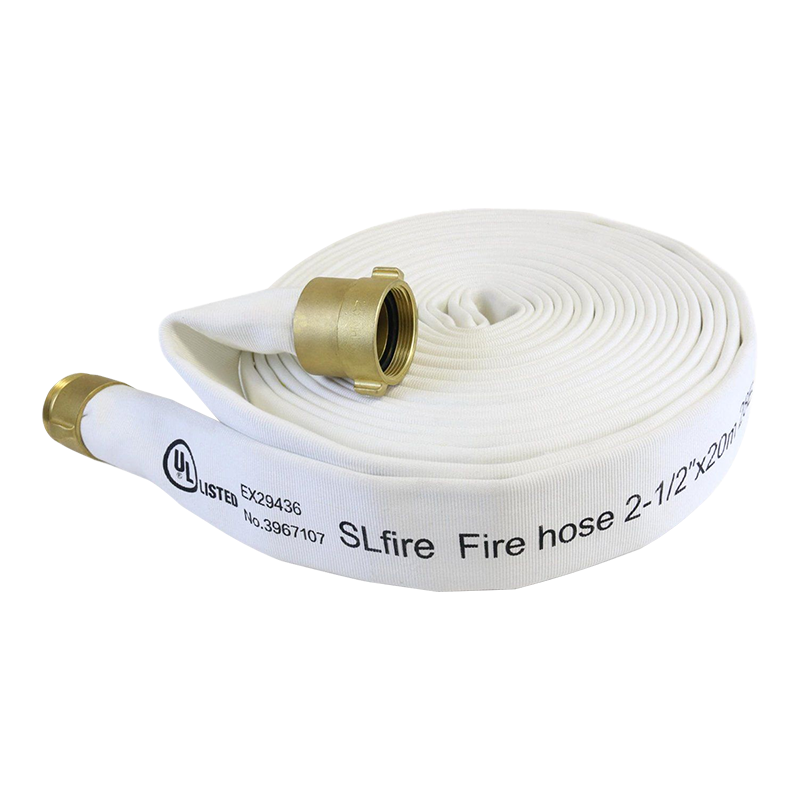
Single jacket, EPDM rubber liner Features • 100% high tenacity polyester jacket, high-grade EPDM rub...
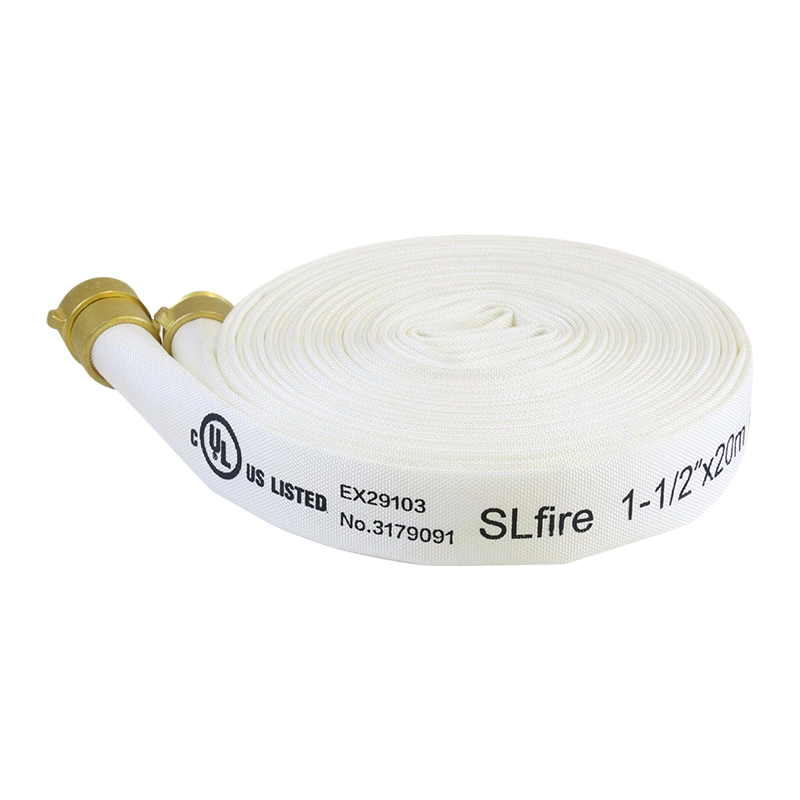
Single jacket, TPU liner •High-tenacity polyester yarn, circular woven in twill weave/plain weave,T ...
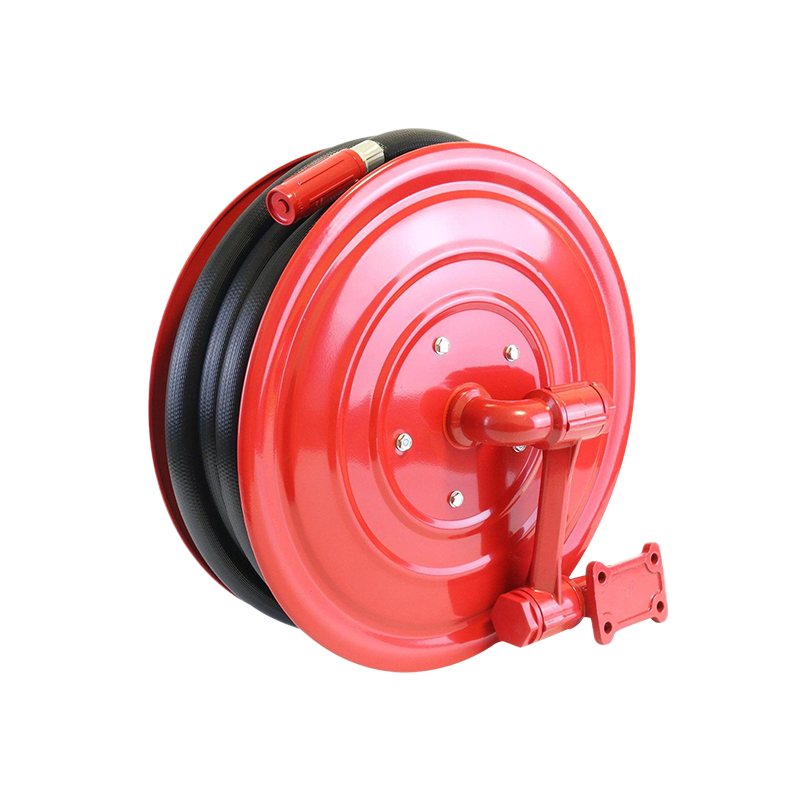
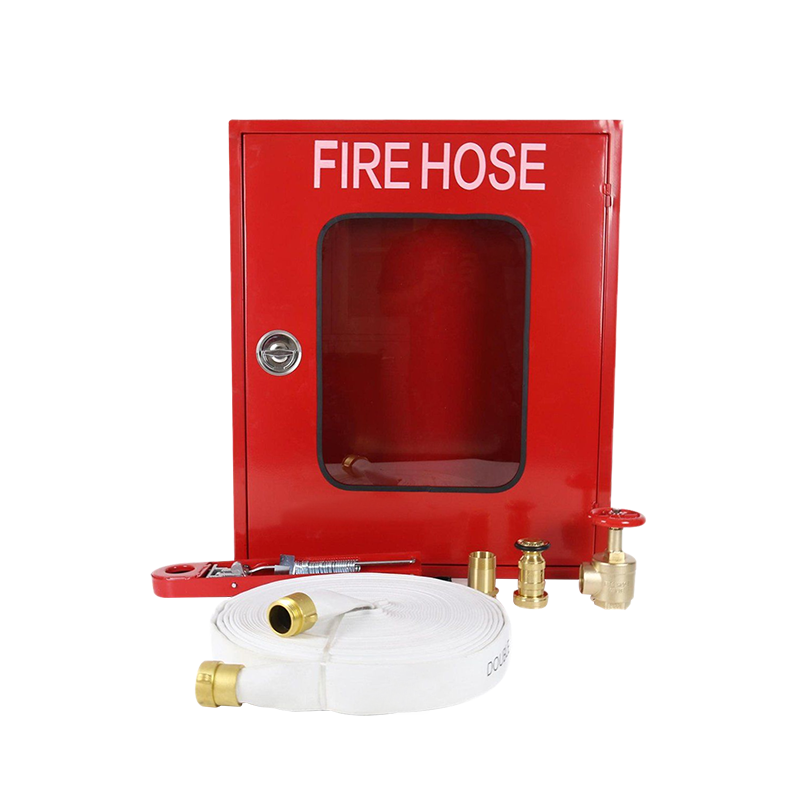
Fire cabinets are designed to accommodate fire hose,valve and other firefighting equipment. Type 201...
Nitrile covered hose •Nitrile/TPR blend as cover and lining, with 100% high-tenacity polyester yarn ...
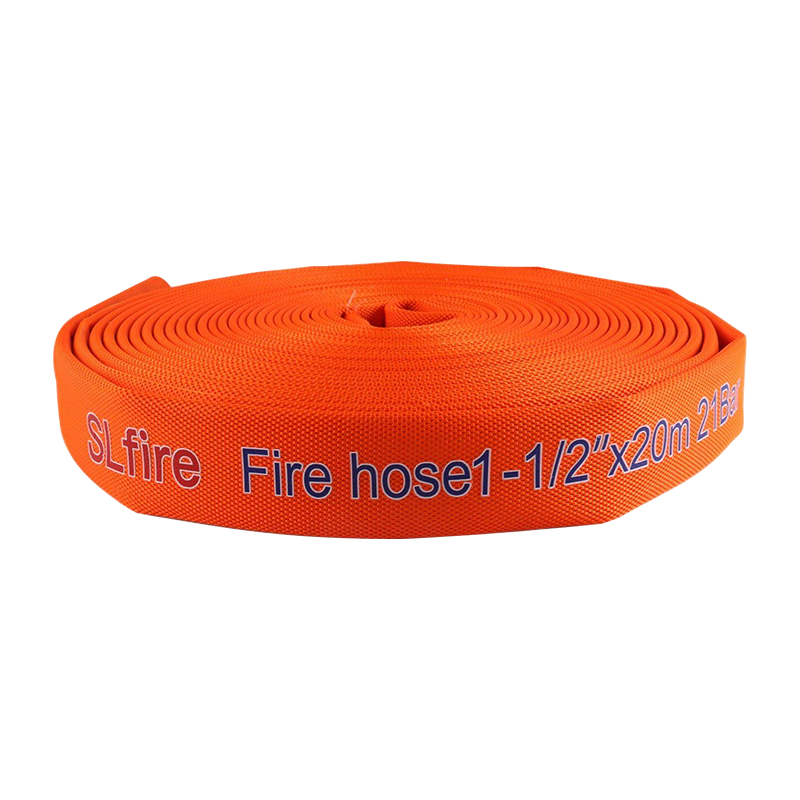
Single jacket, TPU liner •High-tenacity polyester yarn, circular woven in twill weave, TPU lining, f...
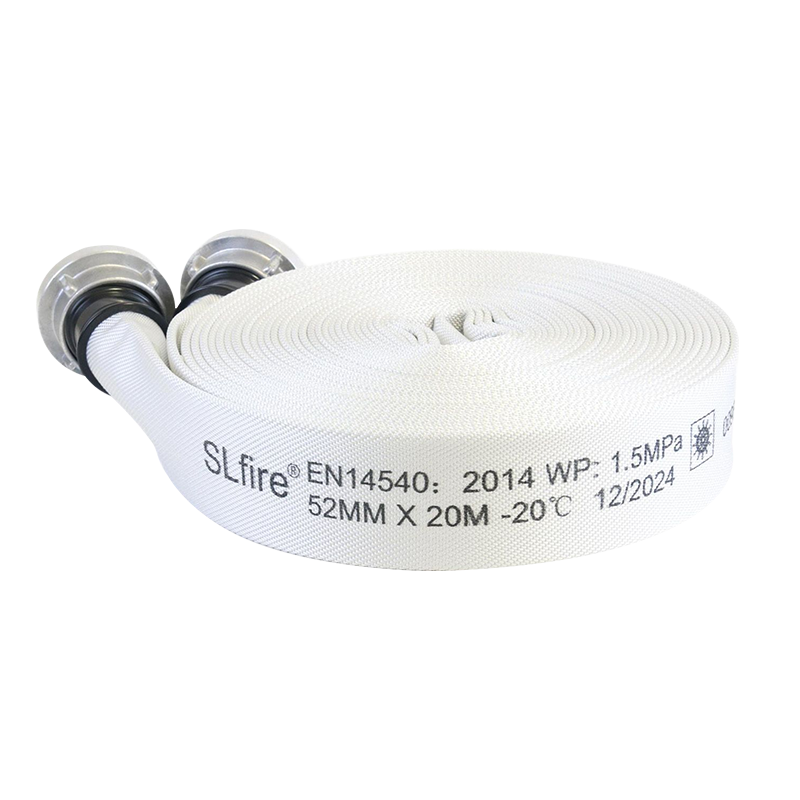
Marine hose Single jacket, PVC liner •100% high tenacity polyester yarn, circular woven in twill wea...
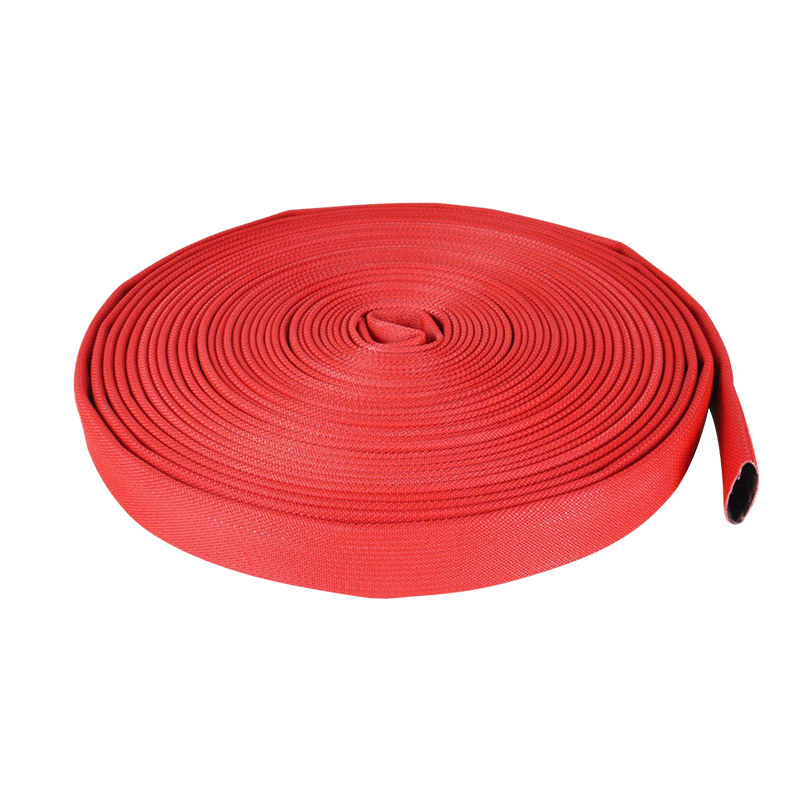
Marine hose Single jacket, PVC liner, PU coated •100% high tenacity polyester yarn,c ircular woven i...
 Call Us
+86 159-5116-9511
Need Support
Head Office
No.58, Kechuang Road, Sixiang Street Medicine Gaoxin District Taizhou City, Jiangsu Province

At a structure fire, the first line off the truck is the one that does the hardest work. Pulled around obstacles, dragged across gravel, charged with high-pressure water, and shut off at the nozzle d...
Copyright © Taizhou Shenlong Fire Science and Technology Co., Ltd. All Rights Reserved.
 Fire Hose Manufacturers, Fire Hydrant Hose Factory