

 English
 русский
 Español
 Deutsch
 عربى
 Français
 Português
Don't hesitate to send a message

Single jacket, EPDM rubber liner Features • 100% high tenacity polyester jacket, high-grade EPDM rub...
Content
Reliable hose connections are essential wherever water, chemicals, petroleum products, or other fluids must be transferred safely and efficiently. A hose may be manufactured from strong textile, rubber, PVC, polyurethane, or another durable material, but the complete system can still fail if the coupling is poorly designed, incorrectly selected, or unable to withstand the operating pressure. For this reason, hose couplings are not simple accessories. They are critical connection components that influence system safety, operating efficiency, maintenance requirements, and service life.
Italy UNI Hose Couplings are designed to provide a practical connection solution for demanding firefighting, irrigation, petroleum, and chemical applications. Manufactured through a forging method and offered in Aluminum Alloy or Brass, these couplings combine a robust construction with a straightforward operating design. Their Italian standard configuration, male-and-female set arrangement, polished surface, and working pressure of up to 16 Bar make them suitable for many professional hose assemblies.
The couplings are available in two principal sizes: 1-3/4 inches, equivalent to 45 mm, and 2-3/4 inches, equivalent to 70 mm. These sizes address common hose connection requirements in firefighting and fluid-transfer systems. Since each set includes one male piece and one female piece, users receive the essential components for creating a secure connection between compatible hose sections, equipment, outlets, or accessories.
Beyond the product itself, the manufacturing company brings experience extending back to 1995. Taizhou Shenlong Fire Science and Technology Co., Ltd. integrates research and development, production, sales, and service. Its broader product experience includes lined fire hoses made from various materials, while its business also supports foreign trade products manufactured according to customer requirements. This combination of product specialization, production experience, and service capability provides a strong foundation for supplying hose connection equipment to different markets.
This article explains the construction, operating advantages, applications, selection factors, manufacturing considerations, installation practices, maintenance requirements, and purchasing value of Italy UNI Hose Couplings. It also examines why forged construction, material selection, a tool-free operating concept, and a 16 Bar pressure rating can offer meaningful advantages over less carefully designed alternatives.
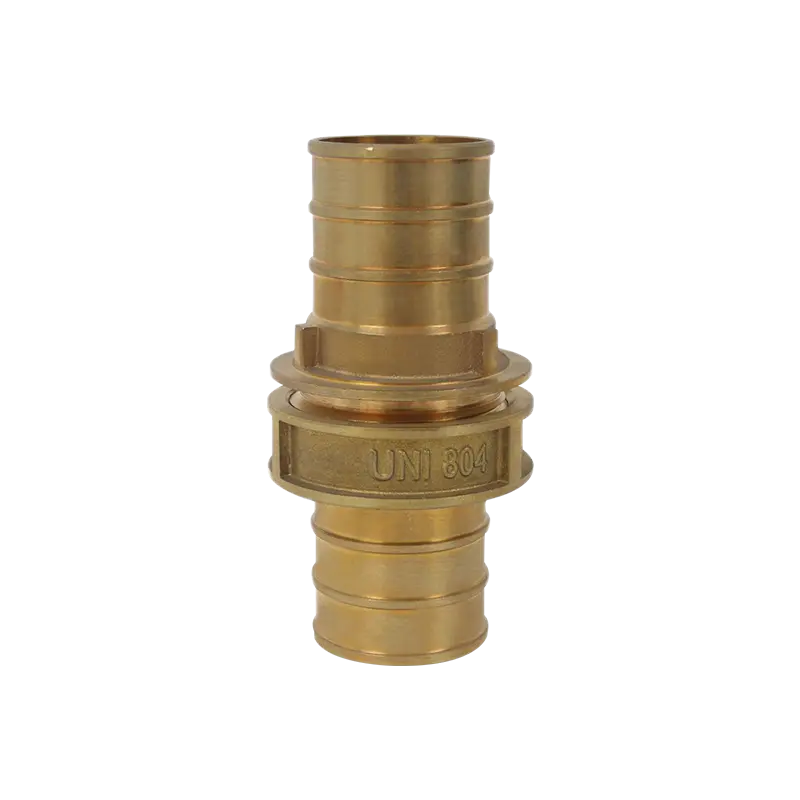
ITALY UNI Hose Couplings
Italy UNI Hose Couplings are hose connection components manufactured according to an Italian standard design. The product is supplied as a male and female coupling pair. When the two pieces are correctly matched, they create a connection between compatible hose assemblies or between a hose and a fixed system component.
The male and female configuration is important because it allows users to connect and disconnect hoses in a controlled and repeatable way. A properly designed coupling should offer a secure fit during operation while remaining practical to handle during installation, inspection, repositioning, or emergency response. The coupling must also maintain an adequate seal when exposed to fluid pressure, vibration, movement, and environmental conditions.
These couplings are intended for applications in which fast and dependable connection is important. Firefighting systems, irrigation networks, petroleum transfer equipment, and chemical-handling installations often require hoses to be deployed or rearranged quickly. In such environments, a coupling that can be operated without additional tools may reduce setup time and simplify routine work.
The product is available in 45 mm and 70 mm sizes. The smaller size can be suitable for hose lines where maneuverability and comparatively compact handling are important. The larger size can support applications that require a larger hose connection and greater fluid-handling capacity. Actual selection should always correspond to the hose internal diameter, connection standard, pressure requirements, and the design of the equipment to which the coupling will be attached.
| Product | Italy UNI Hose Couplings |
| Coupling arrangement | One male piece and one female piece per set |
| Manufacturing method | Forged |
| Working pressure | Up to 16 Bar |
| Material options | Aluminum Alloy or Brass |
| Standard design | Italian |
| Surface treatment | Polished |
| Available sizes | 1-3/4 inches / 45 mm and 2-3/4 inches / 70 mm |
| Application fields | Firefighting, irrigation, petroleum, and chemical industries |
| Operating feature | Designed for easy operation without additional tools |
The specifications show that the product is intended to balance performance and practicality. A coupling does not need to be unnecessarily complicated to be effective. A suitable material, a strong manufacturing method, accurate dimensional control, appropriate surface treatment, and a compatible connection design can provide a dependable result without imposing excessive cost or maintenance demands.
The stated manufacturing method for these couplings is forging. Forging forms metal through controlled pressure, helping produce a compact and strong component. Compared with some less demanding manufacturing methods, forging can support a denser material structure and improved resistance to mechanical stress when the process is properly controlled.
Hose couplings may experience more than internal fluid pressure. They can also be exposed to impact during transport, repeated connection and disconnection, bending loads from the hose, vibration from pumps, twisting caused by deployment, and accidental contact with surrounding equipment. A coupling made with a robust manufacturing method is better positioned to handle these combined service conditions.
Forged construction is particularly valuable for components that must maintain their shape around a sealing area or threaded and connected sections. Dimensional stability helps the male and female pieces engage correctly. It also supports consistent contact between the coupling and its mating component. If the connection surface becomes distorted, the result may be difficult assembly, leakage, premature wear, or an inability to disconnect the hose after use.
Another advantage of forging is its suitability for producing strong shapes with efficient use of metal. The result can be a coupling that offers a favorable balance between structural strength and practical weight, particularly when Aluminum Alloy is selected. Brass, meanwhile, provides a different material option for users who prioritize its familiar characteristics in fluid-handling and connection applications.
The forging method does not eliminate the need for quality control. A professional manufacturing process must still address material preparation, forming accuracy, trimming, finishing, inspection, and final assembly. However, it provides a strong production foundation for a coupling that is expected to function reliably under pressure and repeated handling.
The company’s business structure includes research and development, production, sales, and service. This integrated capability is important because a hose coupling is not an isolated commodity. Customers often need assistance selecting materials, matching sizes, confirming applications, organizing export orders, and coordinating the coupling with hose products or other fire equipment.
Experience since 1995 also indicates a long operating history in the fire protection and hose sector. Over time, manufacturing experience can contribute to improved understanding of hose assembly requirements, market differences, application conditions, and customer expectations. The company’s primary product background in lined fire hoses is directly relevant to coupling supply because hose performance and coupling performance must be considered together.
The company also states that it can undertake various foreign trade products according to customer requirements, including rubber, PVC, polyurethane, and double-sided tape products. This demonstrates familiarity with customized and export-oriented supply arrangements. For international buyers, communication, product coordination, packaging, documentation, and delivery organization are often as important as the physical product.
Its products are reported to be sold across more than 20 provinces, cities, and autonomous regions and exported to multiple countries through cooperation with domestic foreign trade companies. This market experience supports the ability to work with different purchasing structures and application environments while maintaining a focus on industrial and fire-related products.
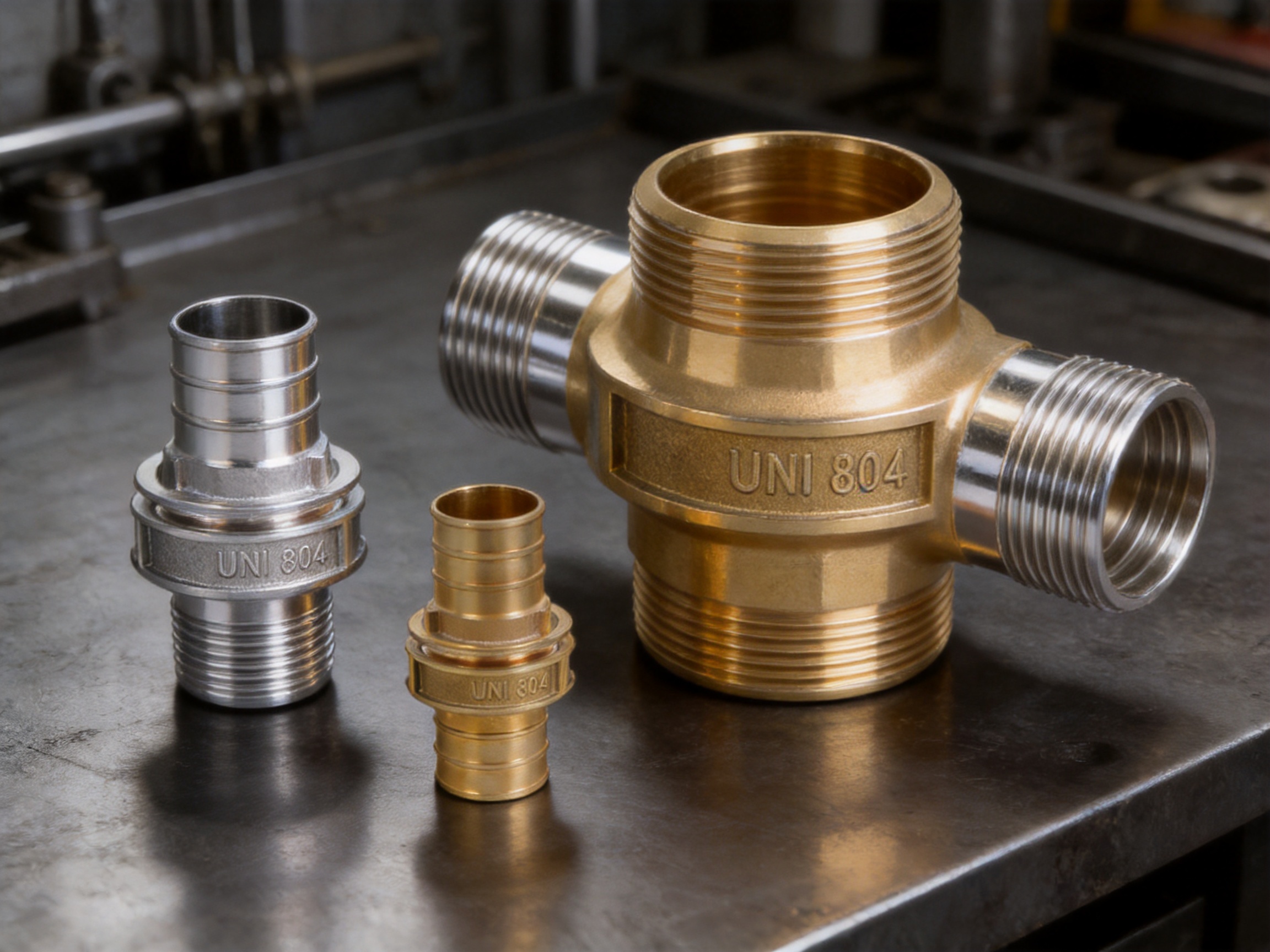
Italy UNI Hose Couplings are available in Aluminum Alloy and Brass. Providing two material options allows users to consider weight, handling, environmental exposure, application preference, and project budget.
Aluminum Alloy is often selected when low weight and ease of handling are important. In firefighting, hose lines may need to be carried over distance, lifted onto vehicles, positioned around buildings, or connected during emergency operations. Reducing unnecessary weight can improve portability and make repeated handling less demanding.
An Aluminum Alloy coupling can also be a practical choice for irrigation and general fluid-transfer applications where the operating environment is compatible with the material. Its polished surface contributes to a clean appearance and provides a finished exterior that is easier to inspect and maintain.
Aluminum Alloy should be selected with awareness of the actual fluid, surrounding metals, temperature, pressure, and environmental conditions. Although the product is designed to provide fair corrosion and chemical resistance, no material is universally suitable for every chemical or service environment. Compatibility should be confirmed before installation in aggressive chemical applications.
Brass is a widely recognized material for connection components and fluid-handling equipment. It offers a solid feel, good mechanical utility, and suitability for many water and industrial applications. Brass may be preferred where users are familiar with brass connection components or where the installation conditions favor its characteristics.
As with Aluminum Alloy, brass selection should consider the fluid being transferred and any possibility of galvanic interaction with connected materials. A professional application review should include the hose, coupling, valve, pump, pipe, and other accessories rather than evaluating the coupling in isolation.
The correct choice between Aluminum Alloy and Brass depends on the application rather than on a universal ranking. Aluminum Alloy may be advantageous where portability, lower handling weight, and efficient field deployment are priorities. Brass may be suitable where a traditional metallic connection material, robust handling feel, or particular system compatibility is preferred.
Both options are supplied within the same product family and share the Italian standard design, forged manufacturing method, polished surface treatment, and stated working pressure of up to 16 Bar. This gives buyers flexibility while preserving a consistent connection concept across different projects.
The stated working pressure of Italy UNI Hose Couplings is 16 Bar. Working pressure refers to the pressure level at which the coupling is intended to operate under specified conditions. It should not be confused with a short-duration test pressure, burst pressure, or an unlimited safety margin. Users should design systems so that normal operating conditions remain within the coupling’s rated capability.
Pressure performance depends on the entire hose assembly. The hose, coupling, gasket or sealing element, clamp or attachment method, pump, valve, and connected equipment must all be suitable for the intended pressure. A coupling rated for 16 Bar cannot make an under-rated hose safe. Similarly, a properly rated hose may not perform correctly if the coupling is incorrectly installed or damaged.
The male and female configuration supports a secure connection when the components are compatible and properly engaged. A secure connection reduces the possibility of separation during operation and helps maintain a reliable fluid path. In firefighting, this is especially important because an unexpected disconnection can interrupt water delivery at a critical moment. In irrigation, it can cause water loss, ground erosion, or flooding near the connection. In industrial service, leakage can create safety, environmental, and production problems.
The coupling’s polished surface also supports practical inspection. A clean and finished exterior makes it easier to identify visible dents, severe scratching, contamination, or other damage before use. Surface treatment alone cannot prevent every form of corrosion, but it contributes to the product’s overall resistance and helps maintain a professional appearance during service.
Several factors should be reviewed before placing a coupling into service:
First, confirm that the selected size matches the hose and mating equipment. A size mismatch may prevent proper engagement or create flow restrictions.
Second, inspect the sealing surfaces and sealing components. Dirt, sand, fibers, oil, hardened residue, or chemical deposits can interfere with a leak-resistant connection.
Third, make sure the hose is attached using an appropriate assembly method. The hose should not be twisted excessively at the coupling, and the connection should not be forced into an alignment that places continuous side loads on the fitting.
Fourth, consider pressure surges. Pumps and valves can create transient pressure increases that are higher than the normal system reading. Where water hammer or sudden flow changes are possible, the overall system should be evaluated accordingly.
Finally, carry out a visual and functional inspection before operation. If a coupling has been dropped, crushed, heavily corroded, or visibly deformed, it should be removed from service until its condition has been assessed.
Many hose connection products are available in the marketplace, but not all offer the same combination of strength, usability, material flexibility, and application coverage. Italy UNI Hose Couplings provide several advantages when compared with basic, poorly matched, or unnecessarily complicated alternatives.
The forged construction provides a more serious manufacturing approach than a connection component designed only for light-duty use. It is appropriate for a coupling exposed to pressure, repeated handling, and mechanical stress. Buyers seeking dependable industrial and firefighting equipment can benefit from selecting a product built around structural performance rather than appearance alone.
The availability of Aluminum Alloy and Brass allows the coupling to be matched to handling requirements and application preferences. A single-material product range may force the customer to accept an unsuitable weight or material characteristic. Offering both options makes the product more adaptable for distributors, contractors, and end users.
The couplings are designed for easy operation without additional tools. This can be an important advantage in emergency response, temporary irrigation layouts, maintenance work, and field installations where tools may not be immediately available. Simpler operation can also reduce assembly time and make the connection process more accessible to trained operators.
Each set includes a male piece and a female piece. This clearly defined arrangement helps buyers order a complete connection set and reduces the risk of receiving only one half of a required coupling. Standardized pairing is particularly useful for replacement planning and inventory management.
The polished surface treatment contributes to fair corrosion and chemical resistance. This is valuable in environments where couplings may contact water, moisture, outdoor air, cleaning agents, or certain industrial fluids. Although application-specific compatibility remains necessary, the finished surface provides a practical level of protection for many common service conditions.
The product is suitable for firefighting, irrigation, petroleum, and chemical industries. This range allows distributors and industrial buyers to use one coupling family across multiple customer sectors. A versatile product can simplify sourcing, training, spare-part management, and warehouse planning.
The product is described as an economical solution without compromising its primary functional requirements. Cost effectiveness is not simply the lowest purchase price. It also includes ease of operation, replacement availability, service life, handling efficiency, and the ability to use the coupling in more than one application. A coupling that performs reliably and is simple to maintain can provide better long-term value than a cheaper component that requires frequent replacement.
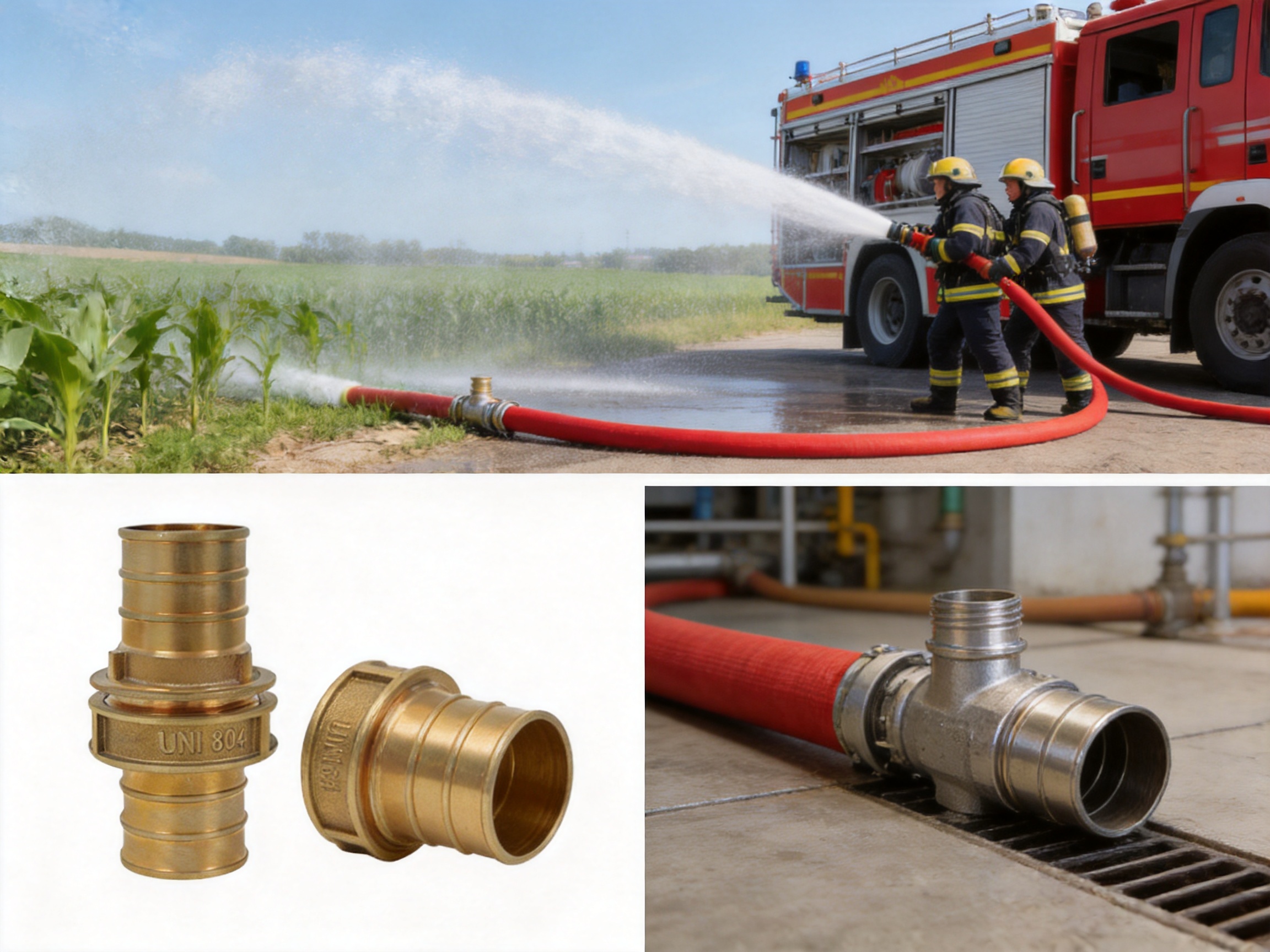
Firefighting is one of the most demanding applications for hose couplings. Equipment may need to be transported, deployed, connected, pressurized, repositioned, and stored under time-sensitive conditions. Couplings must therefore combine reliable engagement with practical field handling.
Italy UNI Hose Couplings can be used in compatible fire hose assemblies and related connection arrangements. The 45 mm size may be selected for applications where a relatively compact hose line is appropriate, while the 70 mm size may support larger hose arrangements. The correct selection depends on the hose specification, required flow, system design, and local connection standard.
The ability to operate without additional tools is particularly useful during emergency deployment. Firefighters and maintenance teams can focus on positioning the hose and establishing water flow instead of searching for specialized connection tools. However, tool-free operation should not be interpreted as maintenance-free operation. Personnel still need to inspect the connection, confirm proper engagement, and follow safe procedures before pressurizing the line.
Fire hose couplings are also important in training facilities, fire pumps, hydrant systems, industrial fire protection networks, and emergency response vehicles. In each setting, compatibility and pressure control are essential. The coupling should be selected as part of a complete system rather than as an isolated replacement component.
Irrigation systems often require hoses to be moved, extended, disconnected, and rearranged according to field conditions. Agricultural operators may connect hoses between pumps, water sources, distribution lines, and temporary watering areas. A practical coupling can simplify these changes and reduce downtime.
The two available sizes provide flexibility for different hose capacities and layout requirements. The 45 mm option may be suitable for smaller distribution arrangements, while the 70 mm option may be considered for larger water-transfer needs. Flow requirements, pump capacity, hose length, elevation changes, and pressure loss should be evaluated when selecting the size.
In agricultural environments, couplings may be exposed to soil, fertilizer residue, outdoor moisture, sunlight, and repeated handling. Regular cleaning is therefore important. Soil and plant material should not be allowed to remain on mating surfaces. After use, the coupling should be rinsed when appropriate, dried, and stored in a way that prevents unnecessary impact or contamination.
An economical coupling with a simple operating method can be particularly valuable for farms, irrigation contractors, landscaping companies, and water-management projects. The ability to use Aluminum Alloy or Brass also allows users to consider transport weight and environmental conditions when preparing an irrigation system.
Petroleum and chemical applications require especially careful product selection. The fluid, temperature, concentration, pressure, flow rate, and exposure time can all affect material compatibility. Italy UNI Hose Couplings are identified as suitable for petroleum and chemical industries, but users should verify compatibility for each specific fluid before purchase and installation.
The polished finish and available metallic materials provide a practical foundation for industrial connection service. The coupling can be used in suitable hose-transfer arrangements where the material and sealing system have been confirmed for the intended medium. The forged construction is beneficial where the coupling may be exposed to mechanical handling and industrial operating stress.
In chemical service, the term “chemical resistance” must always be interpreted in relation to the actual chemical. Different chemicals can affect Aluminum Alloy, Brass, elastomers, and hose liners in different ways. Concentration and temperature can also change the outcome. A responsible selection process should therefore include a material compatibility review and, where necessary, technical confirmation from the supplier or system designer.
For petroleum service, users should also consider static electricity, flammability, bonding and grounding procedures, hose construction, and local safety requirements. The coupling is one component in a larger safety system. It should be installed and operated by personnel trained for the specific fluid and application.
Product reliability begins with design but depends on manufacturing consistency. For forged hose couplings, quality-oriented production should include accurate material selection, controlled forming, appropriate finishing, dimensional inspection, and functional verification.
The company’s integrated research and development, production, sales, and service structure supports communication across these stages. Research and development can help address product design and customer requirements. Production converts the design into finished couplings. Sales teams coordinate specifications and quantities. Service personnel support product selection and application questions.
This integration is useful for buyers that require more than a standard catalog item. A distributor may need consistent packaging and repeat supply. A contractor may need different sizes or material options for several projects. An overseas buyer may require coordination through an export partner. A manufacturer with experience in domestic and international sales is better positioned to understand these practical requirements.
The company’s history in lined fire hoses also supports a product-system perspective. Hose and coupling performance should be considered together, including hose construction, liner material, reinforcement, end attachment, operating pressure, and storage conditions. Knowledge of hose manufacturing can help a supplier recognize how coupling selection affects the complete assembly.
The company also states that its products serve fire, construction, water conservancy, and other industries. These sectors involve varied operating conditions, including outdoor exposure, construction-site handling, water transfer, emergency response, and industrial use. Experience across these applications can contribute to a more informed approach to product development and customer support.
Different customers may require different combinations of material, size, packaging, labeling, quantity, and delivery arrangements. While the standard Italy UNI Hose Couplings are available in two main sizes and two material options, customers may also need guidance when integrating them into specific hose assemblies or export product programs.
A supplier that combines manufacturing and service capability can help clarify requirements before production or shipment. This may include confirming the coupling type, checking the male-and-female set quantity, reviewing the intended application, and identifying any special documentation or packaging needs.
Clear communication is especially important for international orders. Product names, standards, dimensions, pressure ratings, and material descriptions should be confirmed in writing. Buyers should also specify whether they need complete coupling sets, replacement pieces, assembled hose products, or loose components.
Correct installation is essential to obtain the intended benefits of any hose coupling. Before assembly, inspect the coupling and hose for visible damage. Check that the selected coupling size matches the hose and that the male and female components are the correct pair.
Clean the mating surfaces. Remove dust, sand, oil, metal particles, and other contaminants that may prevent the connection from seating correctly. If a sealing element is used, examine it for cuts, hardening, deformation, or contamination. A damaged sealing element should be replaced before operation.
Attach the coupling to the hose using a suitable method for the hose construction and application. The connection must be firm and evenly secured. Avoid excessive force that could damage the hose reinforcement or deform the coupling. The hose should enter the coupling in a natural alignment without sharp bending immediately behind the connection.
Engage the male and female pieces according to the applicable connection design. Make sure the components are fully connected and properly seated. Do not pressurize the system if the coupling appears partially engaged, cross-threaded, misaligned, or obstructed.
After assembly, conduct a controlled inspection or low-pressure check when appropriate. Watch for leakage, movement, unusual noise, or visible deformation. If the system performs correctly at the initial stage, increase pressure in accordance with safe operating procedures while remaining within the rated pressure of the complete assembly.
Never use a coupling as a lifting point unless it has been specifically designed for that purpose. Avoid dragging connected hoses over sharp edges, dropping the coupling onto hard surfaces, or placing heavy equipment on the connection. Mechanical damage can compromise performance even when no immediate leak is visible.
Routine maintenance can extend the useful service life of hose couplings. After use, inspect the coupling for dirt, corrosion, dents, cracks, distortion, and damage to the connection or sealing area. Clean it using a method appropriate for the material and the fluid previously transferred.
Water and compatible mild cleaning methods may be suitable for many applications, but chemical-service couplings may require specialized decontamination procedures. Personnel should follow the safety requirements associated with the transferred substance. Residual chemicals should not be handled casually.
Dry the coupling before storage where possible. Store male and female components so that the mating surfaces are protected from impact and contamination. Avoid placing heavy objects on top of couplings or leaving them in standing water. For mobile firefighting equipment, ensure that couplings are secured against unnecessary movement during transport.
Inspection frequency should reflect the severity of service. Couplings used frequently in emergency response, abrasive environments, chemical handling, or high-pressure systems deserve more frequent inspection than lightly used equipment. Any component showing significant deformation, severe corrosion, damaged threads or connection surfaces, or persistent leakage should be removed from service for evaluation.
Choosing the right coupling begins with identifying the hose size. The available Italy UNI sizes are 45 mm and 70 mm. The nominal size should match the hose and mating connection, but buyers should confirm actual dimensions and connection requirements rather than relying only on general labels.
Next, determine the operating pressure. The coupling has a stated working pressure of up to 16 Bar, but the complete system must be rated appropriately. Consider normal pressure, pressure surges, pump conditions, and the possibility of water hammer or rapid valve closure.
Material selection should follow the application. Aluminum Alloy may be preferred for lower handling weight and portability. Brass may be preferred for particular system requirements or user preferences. In chemical and petroleum service, confirm compatibility with the fluid, concentration, temperature, and exposure conditions.
Check the connection standard. The product uses an Italian standard design, so buyers should confirm that it matches the existing equipment, hose outlets, valves, hydrants, pumps, and accessories. A connection that appears similar may not be interchangeable if dimensions or engagement details differ.
Consider the environment. Outdoor firefighting and irrigation systems may be exposed to rain, soil, moisture, ultraviolet radiation, and temperature changes. Industrial applications may involve oils, solvents, chemicals, vibration, and frequent cleaning. The coupling should be chosen as part of a system designed for these conditions.
Finally, confirm the commercial details. Determine whether the order requires complete male-and-female sets, individual replacement pieces, a particular material, special packaging, or export documentation. Clear specifications reduce delays and prevent mismatched deliveries.
For distributors, Italy UNI Hose Couplings offer a focused product range that covers two widely useful sizes and two practical material options. This can simplify inventory planning while still allowing the distributor to serve firefighting, irrigation, petroleum, and chemical customers.
The product’s economical positioning can support competitive quotations without eliminating important performance features. Forged construction, a 16 Bar working pressure, polished treatment, and tool-free operation create a value proposition that is easy to explain to professional customers.
For industrial buyers, the male-and-female set arrangement helps clarify purchasing quantities. Instead of ordering an uncertain combination of individual components, the buyer can specify the number of complete sets required. This can simplify warehouse control and replacement planning.
The company’s experience in fire hoses and related products may also allow buyers to coordinate coupling purchases with hose supply. A coordinated approach can improve compatibility and reduce the risk of combining hoses and couplings that were not designed to work together.
Export customers may benefit from the supplier’s experience with foreign trade cooperation. International purchasing often involves product communication, packaging, logistics, and documentation in addition to manufacturing. A supplier familiar with these requirements can help create a smoother purchasing process.
A long-term coupling solution should be judged by more than its initial appearance. It should remain functional through repeated handling, provide a stable connection under appropriate pressure, and be straightforward to inspect and maintain. Italy UNI Hose Couplings address these needs through a combination of forged construction, material options, polished treatment, practical pressure capability, and simple operation.
The product is also versatile. The same general coupling family can serve emergency firefighting, agricultural irrigation, industrial fluid transfer, petroleum handling, and suitable chemical applications. This flexibility is useful for companies that operate across several industries or manage diverse equipment inventories.
The connection’s economical design helps avoid unnecessary complexity. In many field applications, operators value equipment that can be connected quickly, inspected visually, and maintained without specialized tools. Simplicity can improve practical reliability because the operating procedure is easier to understand and repeat.
At the same time, the company’s broader manufacturing background adds supply confidence. Since its establishment in 1995, the business has developed experience in research and development, production, sales, and service. Its work with lined fire hoses and other products gives it a relevant understanding of fluid-transfer equipment and the demands of domestic and international customers.
When properly selected, installed, and maintained, Italy UNI Hose Couplings can provide a cost-effective connection solution for professional hose systems. They are especially suitable for buyers who need a balance of strength, ease of use, material flexibility, and application range.
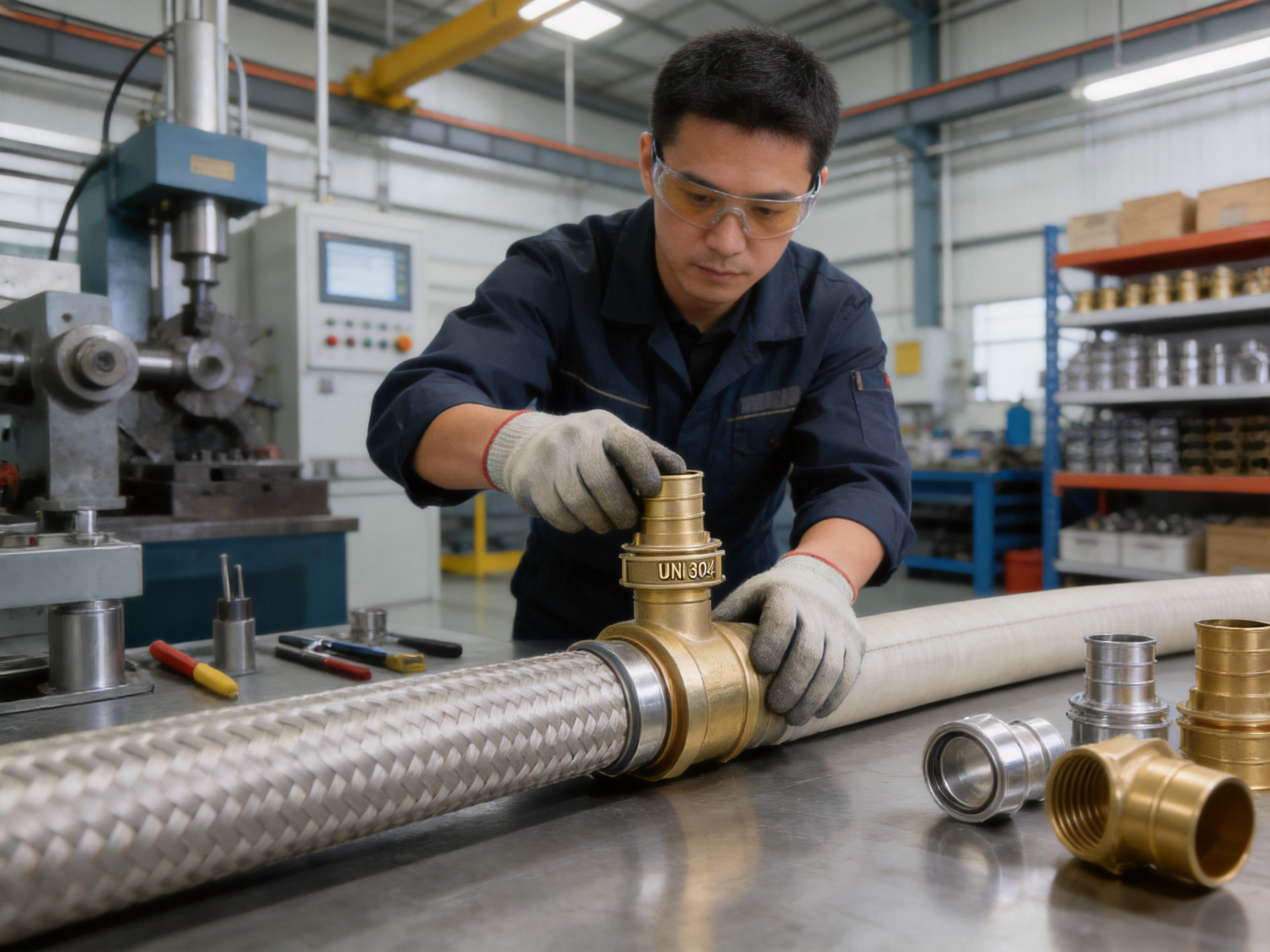
They are used to connect compatible hoses, equipment, outlets, or related components in firefighting, irrigation, petroleum, and chemical applications. The specific use must match the coupling size, material, pressure rating, and connection standard.
The product is available in 1-3/4 inches, or 45 mm, and 2-3/4 inches, or 70 mm. Users should confirm that the selected size matches the hose and mating equipment before ordering.
Each set includes one male piece and one female piece. These components are intended to work together as a complete coupling pair.
Yes. The stated casting or manufacturing method is forged. Forging provides a strong production foundation for components exposed to pressure, impact, handling, and repeated connection activity.
The stated working pressure is up to 16 Bar. The complete hose assembly must also be rated for the intended pressure, and users should account for pressure surges and application-specific operating conditions.
The couplings are available in Aluminum Alloy and Brass. The choice should be based on handling requirements, application conditions, fluid compatibility, system design, and buyer preference.
Yes. They are designed for easy operation without additional tools. Operators must still ensure that the connection is clean, fully engaged, and safely secured before pressurizing the system.
The polished surface treatment contributes to fair corrosion and chemical resistance. However, resistance depends on the actual environment and fluid. Chemical compatibility should be confirmed for specialized or aggressive service.
They are identified for chemical-industry applications, but every chemical service requires a compatibility review. The fluid, concentration, temperature, hose liner, sealing material, and coupling metal should all be evaluated before use.
Yes. Firefighting is one of the listed applications. The selected size and material must match the fire hose, hydrant, pump, nozzle, and other system components. The complete assembly should be inspected before operation.
Inspect them regularly, remove dirt and residue, protect the mating surfaces, and check for damage, deformation, corrosion, or sealing problems. Store them in a clean, dry location and remove damaged components from service.
The product combines a practical forged design, simple tool-free operation, two useful sizes, two material options, and a broad application range. These features can reduce handling difficulty, simplify inventory, and support long-term value.
The company’s primary product background includes lined fire hoses made from various materials. It also supplies other foreign trade products according to customer requirements and can support product coordination through its research, production, sales, and service capabilities.
International buyers should specify the required size, material, quantity, male-and-female set arrangement, application, working pressure, packaging requirements, and any documentation needs. Confirming the Italian standard connection design is also important before purchase.
Italy UNI Hose Couplings provide a dependable and practical solution for connecting compatible hose assemblies in demanding fluid-transfer applications. Their forged construction supports mechanical strength, while Aluminum Alloy and Brass options give users flexibility in relation to handling, system compatibility, and application requirements. The polished surface contributes to a finished appearance and fair resistance to corrosion and chemical exposure.
With a working pressure of up to 16 Bar, sizes of 45 mm and 70 mm, and a male-and-female set arrangement, the couplings are suitable for a wide range of firefighting, irrigation, petroleum, and chemical uses. Their tool-free operating concept supports quick deployment and straightforward maintenance, while their economical design makes them attractive to end users, contractors, distributors, and industrial buyers.
The manufacturing company adds value through experience dating back to 1995 and an integrated structure covering research and development, production, sales, and service. Its background in lined fire hoses and related products supports a complete understanding of hose-system requirements. Experience in domestic distribution and international cooperation further supports the needs of customers purchasing for different markets.
For the best result, users should select the correct size and material, confirm pressure and chemical compatibility, install the coupling carefully, and maintain it through regular inspection and cleaning. When these practices are followed, Italy UNI Hose Couplings offer a balanced combination of strength, usability, versatility, and cost effectiveness.
1. Product specification for Italy UNI Hose Couplings, including material, size, pressure, manufacturing method, and application information.
2. Manufacturer company information concerning research and development, production, sales, service, and operating history since 1995.
3. General principles of hose assembly design, pressure management, coupling inspection, and fluid-transfer safety.
4. General guidance on metallic material selection for firefighting, irrigation, petroleum, and chemical hose applications.
5. General industrial practices for coupling installation, cleaning, storage, and preventive maintenance.
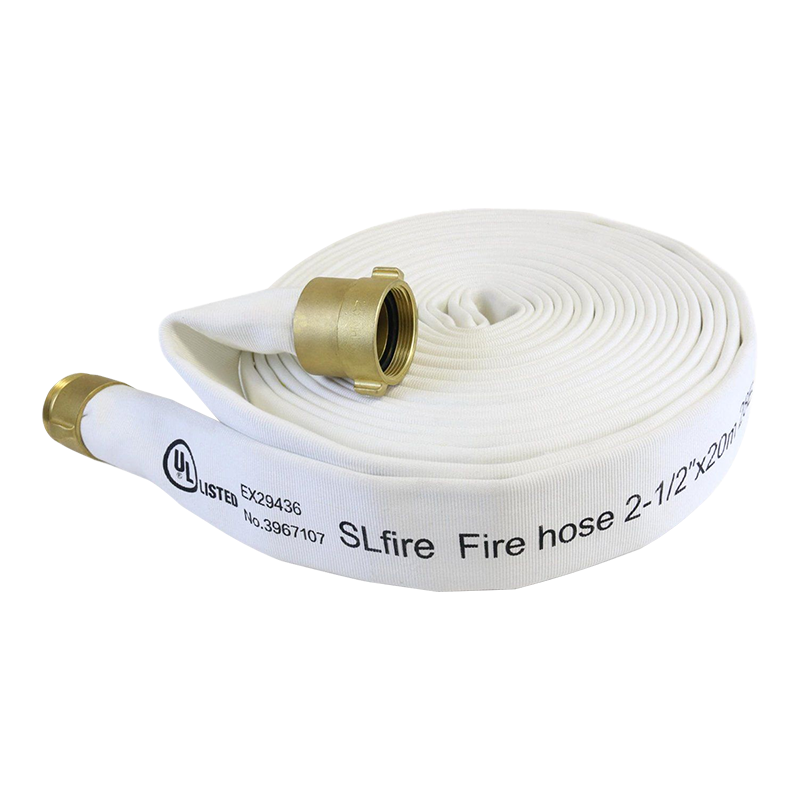
Single jacket, EPDM rubber liner Features • 100% high tenacity polyester jacket, high-grade EPDM rub...
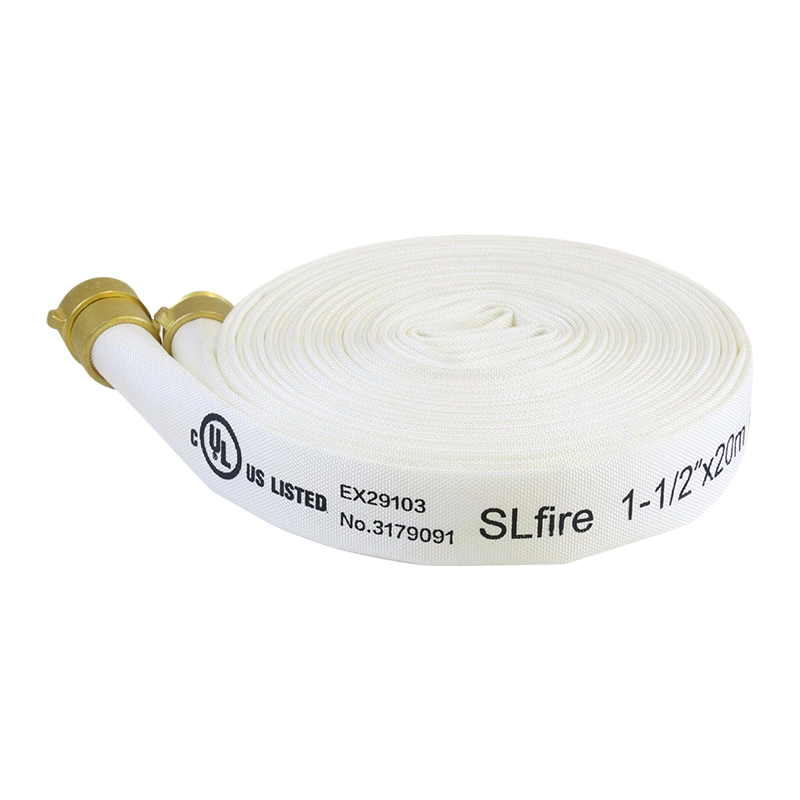
Single jacket, TPU liner •High-tenacity polyester yarn, circular woven in twill weave/plain weave,T ...
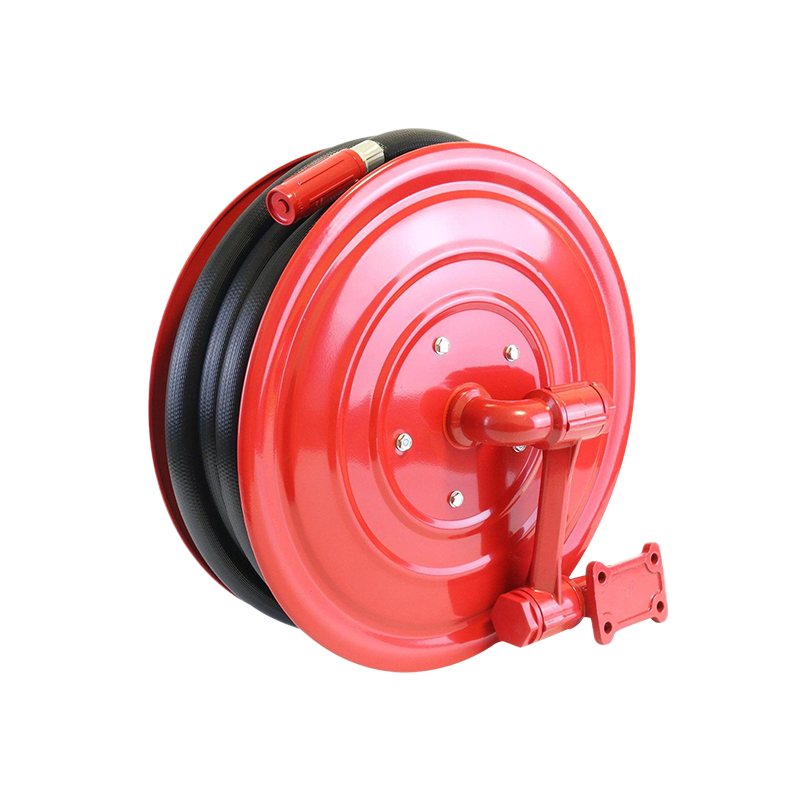
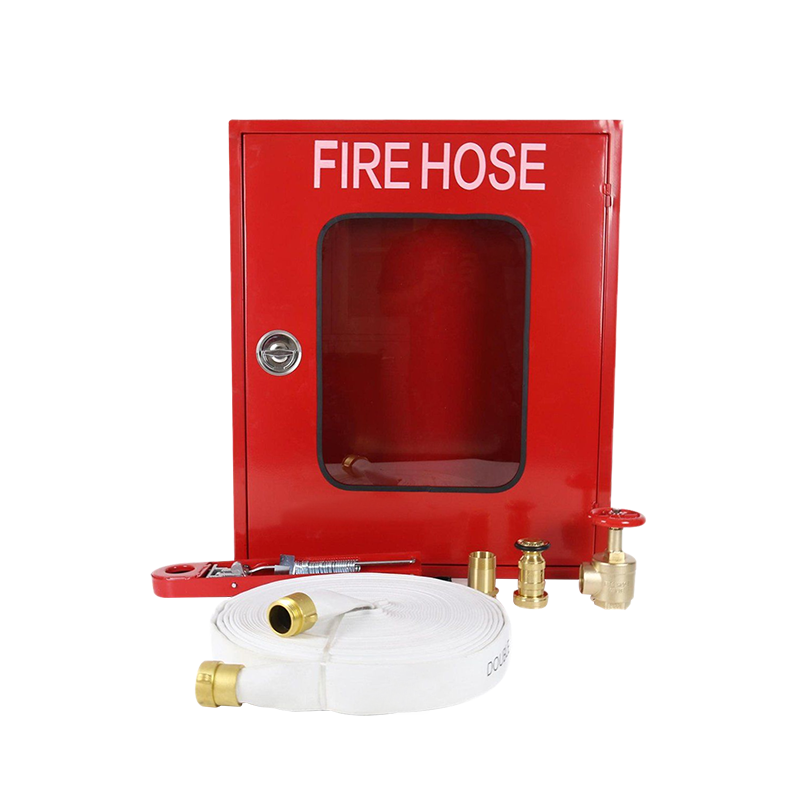
Fire cabinets are designed to accommodate fire hose,valve and other firefighting equipment. Type 201...
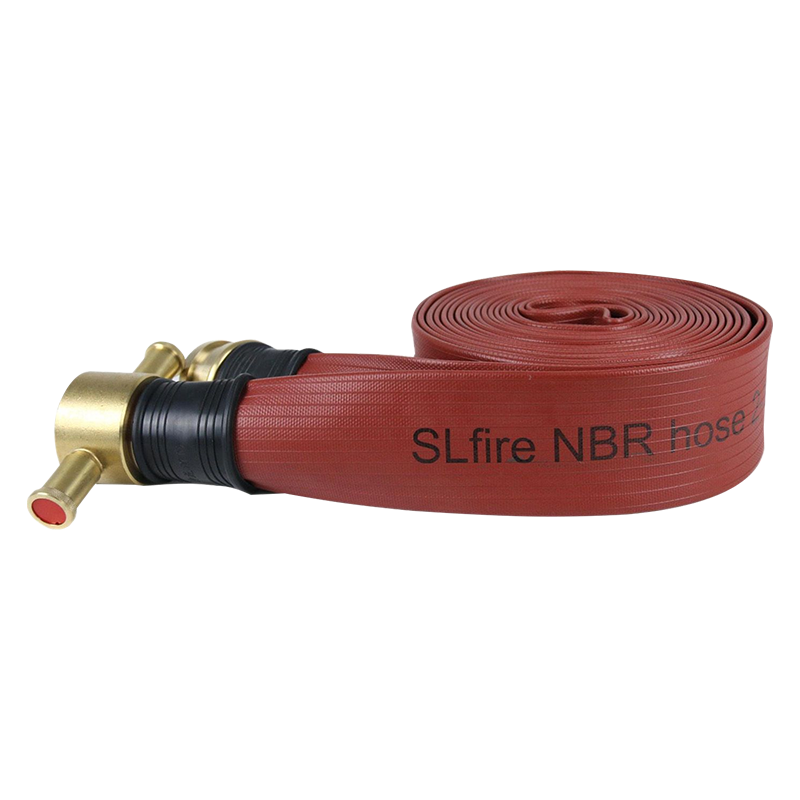
Nitrile covered hose •Nitrile/TPR blend as cover and lining, with 100% high-tenacity polyester yarn ...
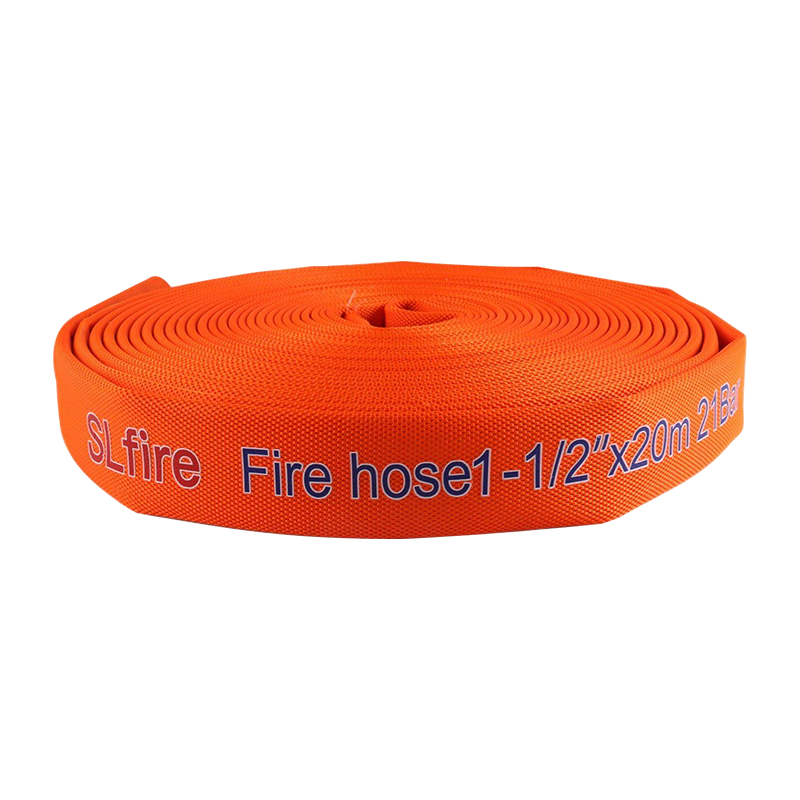
Single jacket, TPU liner •High-tenacity polyester yarn, circular woven in twill weave, TPU lining, f...
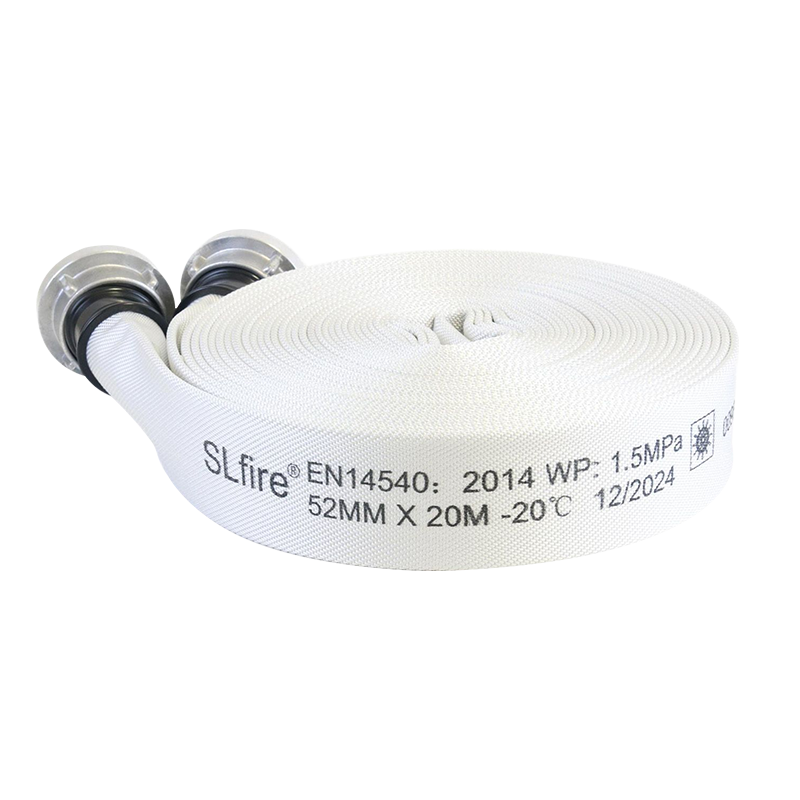
Marine hose Single jacket, PVC liner •100% high tenacity polyester yarn, circular woven in twill wea...
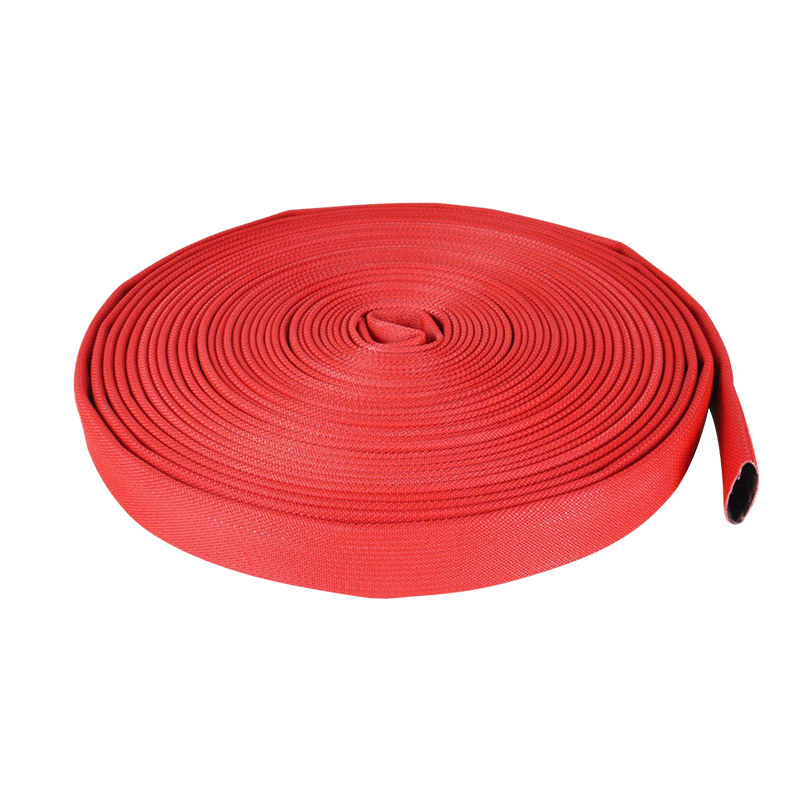
Marine hose Single jacket, PVC liner, PU coated •100% high tenacity polyester yarn,c ircular woven i...
 Call Us
+86 159-5116-9511
Need Support
Head Office
No.58, Kechuang Road, Sixiang Street Medicine Gaoxin District Taizhou City, Jiangsu Province

At a structure fire, the first line off the truck is the one that does the hardest work. Pulled around obstacles, dragged across gravel, charged with high-pressure water, and shut off at the nozzle d...
Copyright © Taizhou Shenlong Fire Science and Technology Co., Ltd. All Rights Reserved.
 Fire Hose Manufacturers, Fire Hydrant Hose Factory