

 English
 русский
 Español
 Deutsch
 عربى
 Français
 Português
Don't hesitate to send a message

Single jacket, EPDM rubber liner Features • 100% high tenacity polyester jacket, high-grade EPDM rub...
Content
Reliable hose connections are essential wherever water, chemicals, petroleum products, or other fluids must be transferred safely and efficiently. A hose may have excellent pressure performance and a durable outer jacket, but the complete system can still be compromised if the coupling is difficult to operate, poorly matched, or vulnerable to corrosion. GOST hose couplings are designed to address these practical requirements through a combination of standardized dimensions, robust cast construction, dependable materials, and straightforward operation.
Fair Corrosion GOST Hose Couplings provide a practical connection solution for firefighting, irrigation, petroleum handling, chemical processing, construction, water conservancy, and related industrial services. Produced from aluminum alloy or brass and manufactured through casting processes, these couplings are engineered for a working pressure of up to 16 Bar. Their tool-free operation helps users connect and disconnect hoses efficiently, while their resistance to corrosion and chemicals supports service in demanding environments.
The product is available in 1-3/4-inch and 2-3/4-inch sizes, making it suitable for several common hose configurations. Its economic design offers a balance between purchase cost, ease of handling, service life, and operational performance. Instead of relying on unnecessary complexity, the coupling focuses on the functions that matter most in field use: secure connection, repeatable operation, manageable weight, and compatibility with demanding working conditions.
Taizhou Shenlong Fire Science and Technology Co., Ltd. supports the product with experience in fire hose manufacturing, research and development, production, sales, and service. Founded in 1995, the company has developed a broad product range for fire protection and fluid transfer applications. Its manufacturing background in lined fire hoses and related products provides valuable understanding of how couplings must perform as part of a complete hose assembly.
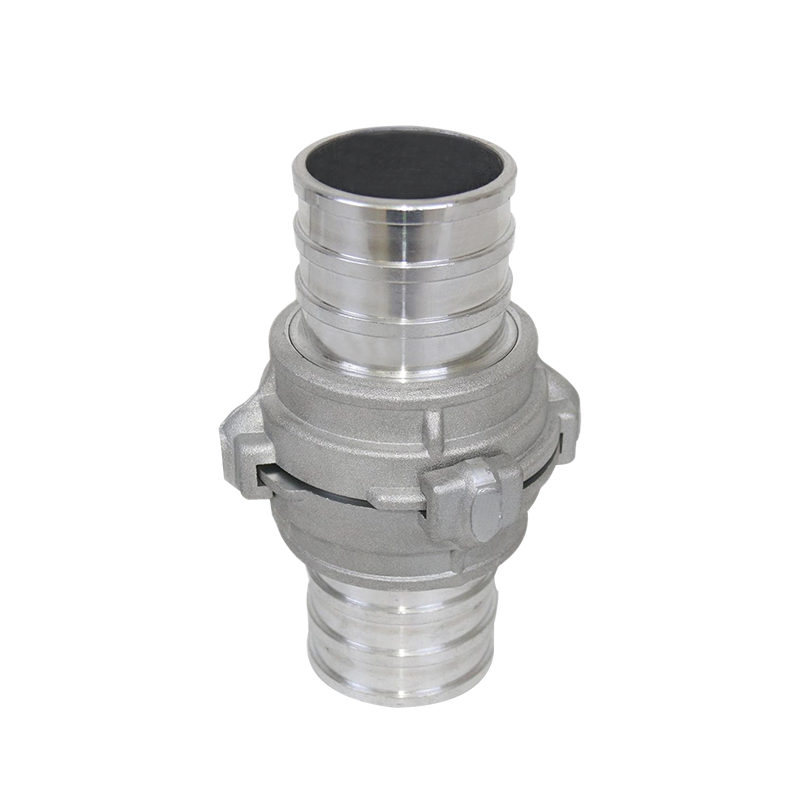
Fair corrosion GOST Hose Couplings
GOST hose couplings are connection components manufactured to meet applicable GOST requirements. In practical terms, a coupling joins a hose to another hose, a hydrant, a pump, a nozzle, a pipe fitting, or other equipment. A well-designed coupling must provide a stable connection while allowing the operator to assemble and disassemble the system without unnecessary delay.
The coupling is not simply an accessory placed at the end of a hose. It is a working part of the fluid transfer system. It must withstand internal pressure, tolerate handling and repeated installation, maintain a dependable seal when correctly assembled, and remain functional under environmental exposure. For firefighting and industrial use, these requirements are particularly important because a connection failure can interrupt water delivery, reduce system efficiency, or create a safety concern.
The GOST design approach provides a recognized basis for dimensions, connection characteristics, and product expectations. Standardization helps users select compatible components and reduces uncertainty when replacing or expanding an existing hose system. When couplings are selected according to the correct standard, size, and application, the connection process becomes more predictable across different operating locations.
These couplings are especially suitable for organizations that require repeatable connection performance across multiple hoses and equipment sets. Fire brigades, industrial plants, agricultural operators, petroleum facilities, construction contractors, and water management organizations can benefit from a standardized coupling solution that is easy to identify and simple to handle.
The Fair Corrosion GOST Hose Couplings are designed around several important technical characteristics. The following table summarizes the principal product information.
| Specification | Product Information |
|---|---|
| Product type | GOST hose coupling |
| Manufacturing method | Casting |
| Working pressure | 16 Bar |
| Available materials | Aluminum alloy or brass |
| Standard | GOST |
| Surface treatment | Vibratory grinding |
| Available sizes | 1-3/4 inches and 2-3/4 inches |
| Application areas | Firefighting, irrigation, petroleum, and chemical service |
| Main features | Tool-free operation, corrosion and chemical resistance, and economical design |
The 16 Bar working pressure rating makes the coupling appropriate for many water delivery and general fluid transfer applications. Users should always consider the complete system rating, including hose, gasket, pump, nozzle, valve, and operating temperature. The coupling should not be treated as a reason to exceed the pressure limit of any other component.
Casting is an effective manufacturing method for producing coupling bodies with consistent shapes and practical structural strength. During casting, molten metal is formed within a prepared mold to create the basic geometry of the coupling. This process is suitable for producing components with defined connection profiles and repeatable external features.
For hose couplings, the casting process can support a sturdy body capable of withstanding routine handling, connection forces, and internal working pressure. A coupling is frequently carried, placed on hard surfaces, attached to equipment, removed after use, and stored with other components. A robust cast body helps it tolerate these everyday demands better than a lightweight component designed only for occasional, low-stress use.
Aluminum alloy offers a useful combination of relatively low weight, practical strength, and resistance to many common environmental conditions. Lower weight can be especially valuable in firefighting and agricultural applications, where operators may need to move long hoses or assemble connections quickly. Reducing coupling weight can make equipment easier to transport without eliminating the structural performance needed for service.
Brass provides another material option for users who value a solid, durable metal connection and broad service suitability. Its established use in fluid handling and fire protection equipment makes it a familiar choice for many maintenance teams. The availability of aluminum alloy or brass allows users to select a material according to operating conditions, handling preferences, equipment compatibility, and purchasing requirements.
Material selection should always be made with attention to the actual fluid, temperature, pressure, installation environment, and applicable safety procedures. While the product provides fair corrosion and chemical resistance, no metal is universally resistant to every chemical. For specialized chemical applications, users should confirm material compatibility before ordering or placing the coupling into service.
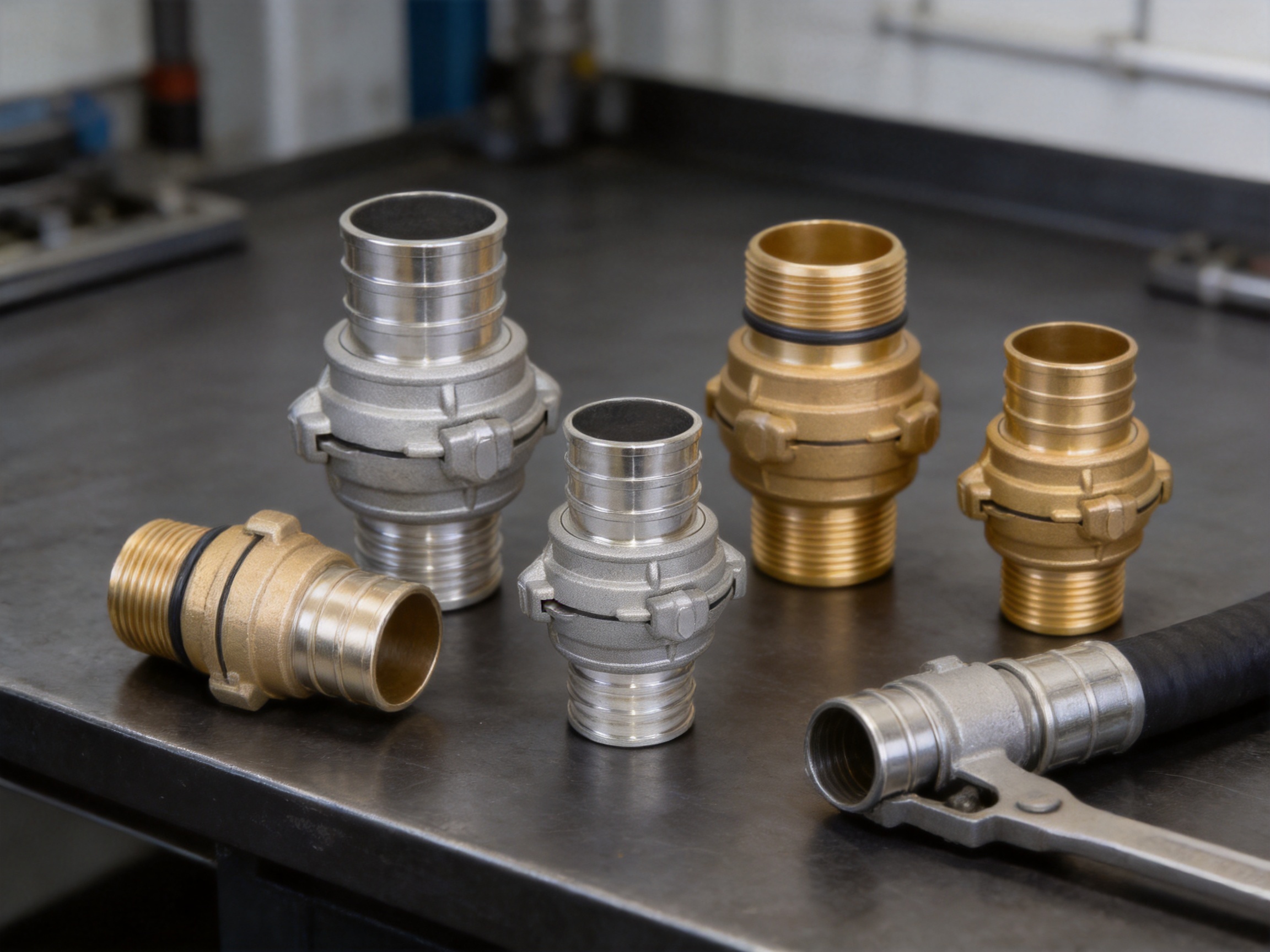
Many hose couplings can create a connection, but not all offer the same balance of performance, convenience, and economy. The value of a GOST coupling becomes clearer when it is compared with less standardized, overly complicated, or unsuitable alternatives.
A coupling manufactured according to a recognized GOST standard provides a more consistent basis for equipment selection. Users can specify the required standard and size rather than relying only on visual similarity or approximate measurements. This can reduce the risk of purchasing components that look compatible but cannot be connected securely or used safely under operating conditions.
Standardization is particularly useful for organizations with multiple locations, vehicles, hydrants, pumps, and hose assemblies. A maintenance team can establish a defined coupling inventory and simplify replacement planning. When an emergency response system depends on fast deployment, familiarity with a standardized connection can also help reduce avoidable delays.
The product is designed for easy operation without additional tools. This is a significant advantage over coupling systems that require wrenches or specialized equipment for routine connection and removal. Tool-free operation can save time during firefighting, irrigation changes, plant maintenance, and emergency fluid transfer.
In field conditions, tools may be misplaced, exposed to water, difficult to carry, or unavailable to every member of a work team. A coupling that can be operated manually allows users to respond more quickly and reduces the number of separate items that must be transported. It also simplifies training because operators can focus on correct alignment, engagement, and inspection rather than learning a complex tightening procedure.
Tool-free operation does not eliminate the need for proper installation. The coupling should be aligned correctly, fully engaged, and checked for visible damage or leakage before use. Operators should follow the relevant workplace and fire safety procedures and should never force a connection that does not fit naturally.
Hose couplings are often exposed to water, humidity, mud, outdoor storage conditions, cleaning agents, fertilizers, petroleum residues, and other contaminants. The product’s fair corrosion and chemical resistance helps it remain serviceable in a variety of operating environments. This is especially useful for equipment that is moved between indoor and outdoor locations or used in wet conditions.
Compared with an unprotected component made from a less suitable material, a corrosion-resistant aluminum alloy or brass coupling can offer a more dependable service experience. Reduced corrosion can help preserve the connection profile, threads or engagement surfaces, and general handling characteristics over time. It may also lower the risk that a coupling becomes difficult to operate after exposure to moisture.
Corrosion resistance is influenced by storage, cleaning, fluid chemistry, contact with dissimilar metals, and mechanical damage. Regular inspection remains important even when the coupling is made from a corrosion-resistant material. Removing dirt and residue after use, drying the coupling, and storing it in an appropriate location can help preserve its condition.
The product is designed as an economical solution without removing the basic characteristics required for practical fluid transfer. Cost efficiency is important for fire departments, agricultural operations, industrial plants, and contractors that need to purchase multiple couplings or maintain replacement stock.
An economical coupling should not be judged only by its initial price. The broader value includes operating time, ease of maintenance, service life, compatibility, and the cost of unplanned replacement. A component that is easy to connect and maintain can support more efficient work and reduce delays associated with complicated installation procedures.
The GOST coupling combines a straightforward design with cast construction, recognized standardization, and two practical material options. This creates a useful balance for buyers who need dependable equipment at a reasonable cost rather than a highly specialized coupling for a narrow application.
Couplings must be strong enough for service but manageable enough for field personnel. Aluminum alloy versions can be helpful where lower handling weight is a priority, including firefighting vehicles, irrigation systems, and long hose layouts. Brass versions may appeal to users who prefer a heavier, solid connection body for particular equipment arrangements.
Handling characteristics affect not only comfort but also deployment speed. When operators can carry, align, and connect components without excessive effort, the complete hose assembly can be placed into service more efficiently. This is one reason coupling design should be evaluated as part of the overall operational workflow rather than as an isolated metal fitting.
Firefighting is one of the most demanding applications for hose couplings. Equipment may be deployed rapidly, handled in wet or smoky conditions, exposed to impact, and required to deliver water continuously. A connection must be simple enough for urgent operation while remaining suitable for the pressure and flow requirements of the hose system.
GOST hose couplings can be used in fire hose assemblies, hydrant connections, pump discharge arrangements, and other water delivery configurations where the applicable connection standard and size are compatible. Their tool-free operation supports rapid assembly during emergency response. Their aluminum alloy or brass construction offers practical durability for repeated use, transport, and storage.
Fire departments and industrial fire brigades may also benefit from maintaining standardized coupling inventories. Replacement parts can be organized by size and material, while personnel can train on a familiar connection method. This can support consistency across vehicles and hose storage areas.
Before deployment, fire protection teams should inspect coupling bodies, engagement surfaces, gaskets, and hose attachment areas. Any component showing cracks, severe deformation, deep corrosion, damaged sealing surfaces, or other defects should be removed from service and evaluated by a qualified professional. Pressure testing and maintenance should follow the organization’s approved procedures.
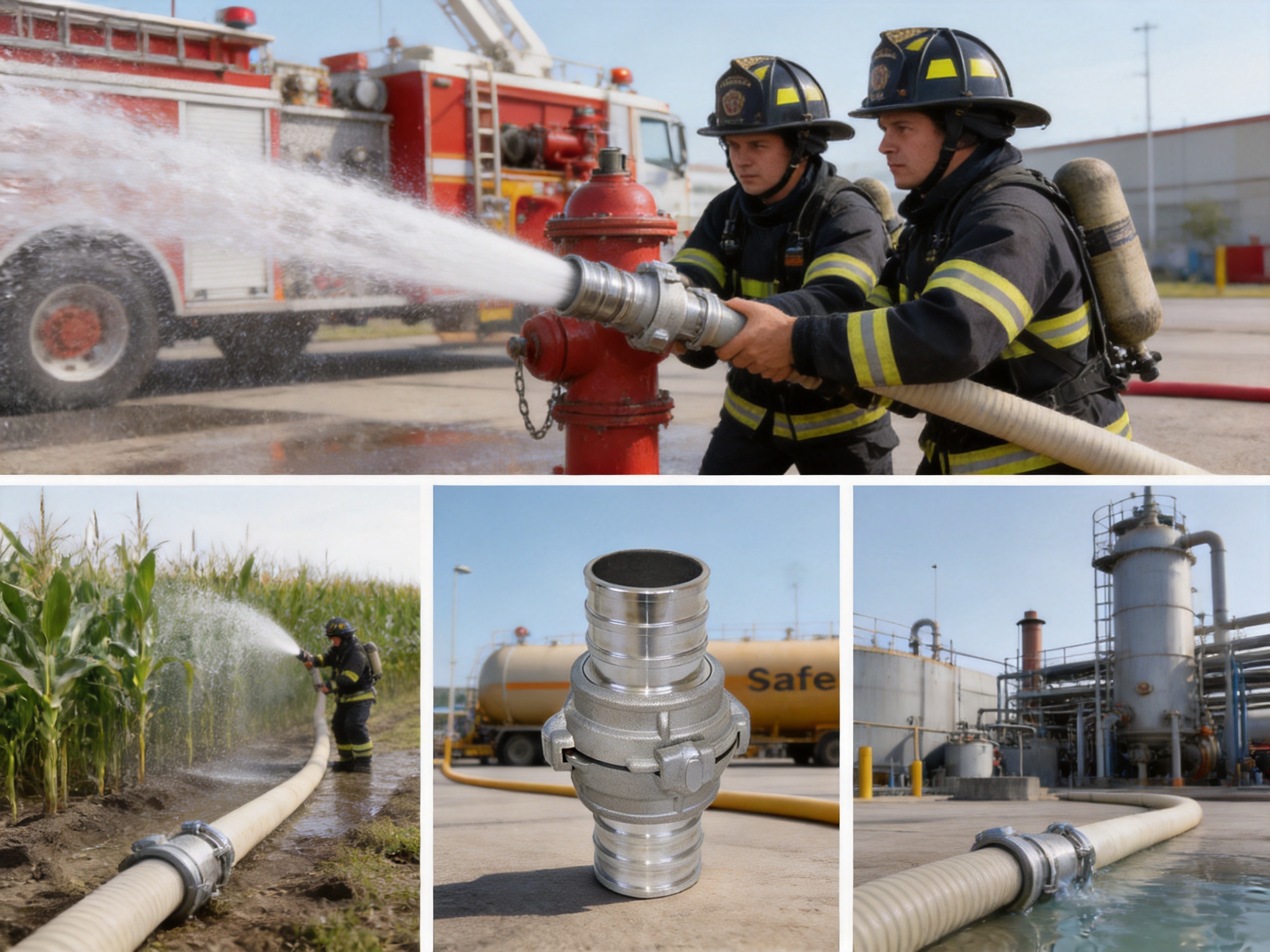
Irrigation systems often require hoses to be moved, extended, redirected, or disconnected according to changing field conditions. A coupling that can be operated without tools is convenient for agricultural workers who must adjust water delivery points throughout the day.
The 1-3/4-inch and 2-3/4-inch size options support different hose configurations and flow requirements. Selection should be based on the hose diameter, required flow, pump capacity, pressure, and compatibility with existing fittings. An appropriate coupling helps minimize unnecessary restrictions and supports a more organized irrigation layout.
Outdoor agricultural environments can expose metal components to rain, soil, fertilizers, dust, and changing temperatures. The product’s corrosion and chemical resistance can provide practical benefits in these conditions. However, fertilizer residues and chemicals should not be allowed to remain on the coupling for extended periods. Rinsing and drying after use can help maintain the connection surfaces.
For seasonal operations, proper storage is equally important. Couplings should be cleaned, inspected, dried, and stored away from standing water. Hoses should not be dragged in a manner that repeatedly impacts the coupling against rocks or concrete. Careful handling helps preserve both the coupling and the hose assembly.
Petroleum facilities and fuel-handling operations require carefully selected connection equipment. GOST hose couplings may be considered for compatible petroleum-related applications where the material, size, pressure, and connection standard meet the requirements of the system.
In these environments, users must evaluate more than mechanical connection. The transferred fluid, temperature, static control requirements, hazardous-area rules, gasket material, grounding arrangements, and site procedures must all be considered. The coupling should be used only where its materials and design are suitable for the specific petroleum service.
The cast aluminum alloy or brass body provides a practical metal connection for suitable applications, while corrosion resistance can be beneficial where the equipment is exposed to moisture or industrial contaminants. Routine inspection is essential because petroleum residues, cleaning processes, and environmental exposure can affect hose assemblies and sealing components.
Operators should never assume that a coupling suitable for water is automatically suitable for every petroleum product. Technical confirmation and application-specific approval are necessary before use in a fuel or petroleum transfer system.
Chemical processing facilities often use hoses for transferring liquids, cleaning equipment, handling process materials, or supporting maintenance operations. A coupling used in such an environment must be matched carefully with the chemical service.
The product offers fair chemical resistance, which can be useful in selected chemical applications. The phrase “fair chemical resistance” should be understood as practical resistance for compatible operating conditions rather than universal resistance to all chemicals. Concentration, temperature, exposure time, and fluid composition can significantly influence material performance.
Before selecting a coupling for chemical service, users should identify the exact fluid and consult appropriate compatibility information. They should also verify the gasket and hose materials, since the weakest component in the assembly may determine the safe operating limit. If the application involves aggressive acids, strong alkalis, solvents, oxidizers, or elevated temperatures, additional technical review is recommended.
When correctly matched, a standardized coupling can simplify hose replacement and maintenance in a processing facility. Clear identification by size, material, and service application can help prevent incorrect installation and improve inventory control.
The manufacturer, Taizhou Shenlong Fire Science and Technology Co., Ltd., was founded in 1995 and has developed its business around research and development, production, sales, and service. This integrated structure is valuable for a technical product such as a hose coupling because product performance depends not only on manufacturing but also on application knowledge, customer feedback, and after-sales support.
The company’s primary products include lined fire hoses made from various materials. This product background provides direct experience with fire protection equipment and hose system requirements. A company that understands hose construction, pressure service, field handling, and fire protection applications is better positioned to develop and supply coupling products that function as part of a complete assembly.
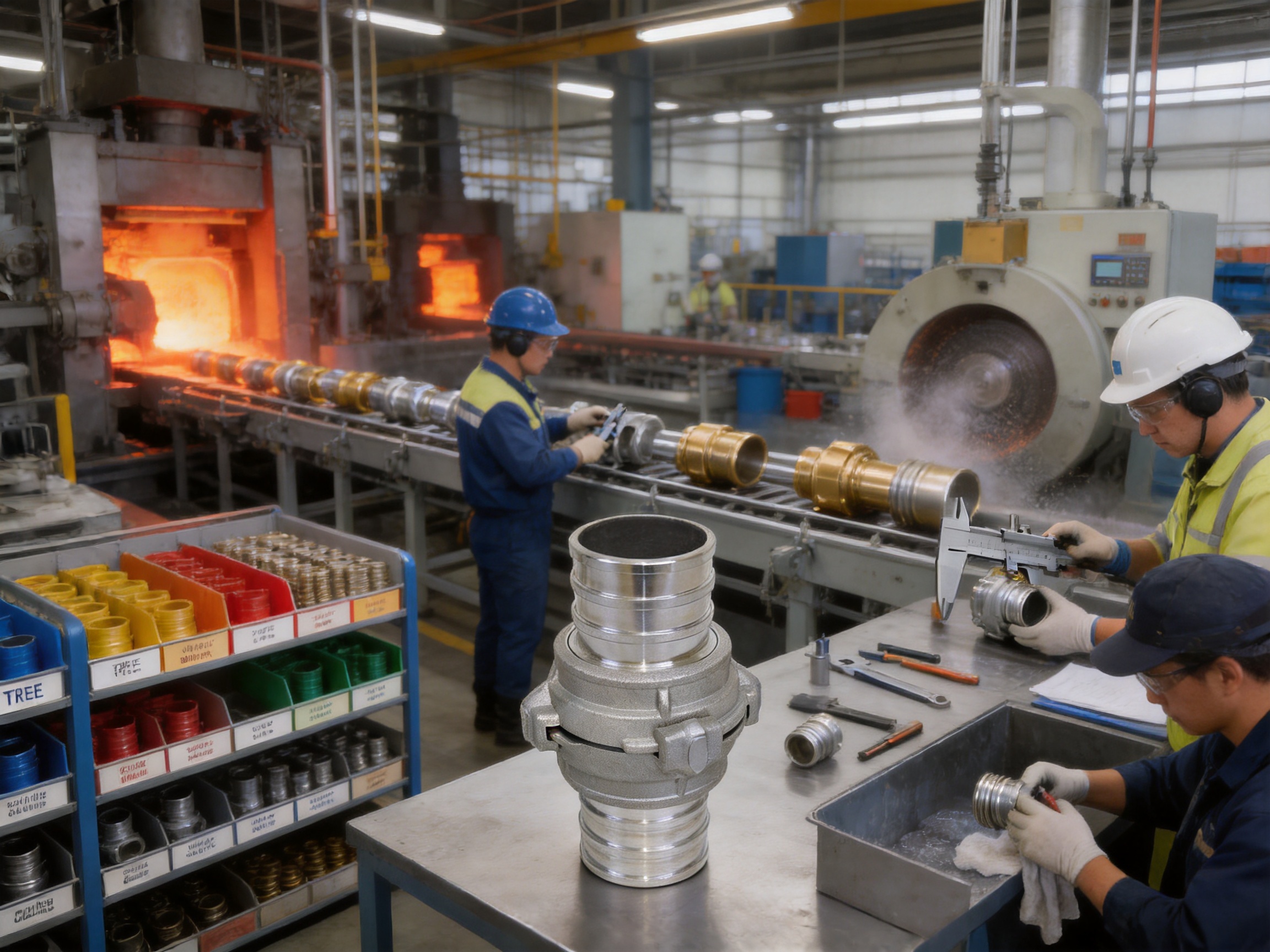
The reported manufacturing process for the GOST coupling uses casting, followed by vibratory grinding as the surface treatment. Vibratory grinding helps remove certain rough edges and improves the general surface condition of cast components. A smoother, more consistent surface can support easier handling and more orderly finishing of the coupling body.
Manufacturing quality begins with material selection and mold preparation. Aluminum alloy and brass should be selected according to the intended product configuration and application requirements. Casting parameters must be managed to produce sound components with the correct shape. After casting, parts should be reviewed for visible defects, dimensional conformity, and surface condition before they proceed through finishing and assembly stages.
Production consistency is particularly important for standardized couplings. Small differences in connection geometry can affect interchangeability, sealing, and installation. A disciplined manufacturing process helps ensure that couplings produced in different batches maintain the characteristics expected by users.
Quality control should also consider pressure performance, connection fit, surface finish, material appearance, and operational smoothness. Although testing requirements may vary by application and purchasing specification, buyers can benefit from discussing inspection records, batch control, and relevant product documentation with the supplier.
Taizhou Shenlong Fire Science and Technology Co., Ltd. serves customers in fire protection, construction, water conservancy, and other industries. Its products are reported to be sold in more than 20 provinces, cities, and autonomous regions, while export production is carried out in cooperation with domestic foreign trade companies.
This market experience indicates familiarity with different customer requirements, delivery arrangements, and application environments. For buyers, supplier capability extends beyond the physical product. It includes communication, specification confirmation, production coordination, packaging, delivery, and support after purchase.
The company can also undertake certain foreign trade products according to customer requirements, including rubber, PVC, polyurethane, and double-sided tape products. This broader manufacturing and sourcing background may be useful for customers seeking related hose, sealing, or industrial product solutions from one supply partner.
For larger projects, buyers should provide detailed information about required sizes, materials, connection standards, pressure conditions, fluid type, packaging, labeling, inspection, and delivery schedule. Clear technical communication helps the manufacturer determine the correct product configuration and reduces the risk of receiving unsuitable components.
Correct installation is essential for reliable coupling performance. Before connecting the hose, inspect the coupling and confirm that the size and standard are correct for the mating component. Check the hose end for damage, distortion, excessive wear, or contamination that could interfere with the connection.
Align the coupling carefully and engage it according to the intended connection method. Because the product is designed for operation without additional tools, excessive force should not be necessary. If the coupling does not engage smoothly, stop and check alignment, size, cleanliness, and possible damage. Forcing an incompatible connection can deform the component or damage the sealing area.
After connection, inspect the joint visually and perform a controlled leak check where appropriate. The system should be brought up to operating pressure gradually rather than subjected immediately to an abrupt pressure surge. Personnel should remain clear of the hose and connection area during pressurization.
Do not exceed the stated 16 Bar working pressure of the coupling. The allowable pressure of the complete hose assembly may be lower, especially when temperature, fluid type, age, or hose condition is taken into account. The lowest-rated component determines the safe operating limit of the system.
After use, relieve pressure before attempting to disconnect the coupling. Drain remaining water or fluid where possible, rinse away contaminants, and dry the component. Couplings used with chemicals or petroleum products should be cleaned according to the relevant site procedure and handled with appropriate personal protective equipment.
Routine maintenance helps preserve the performance of hose couplings. Inspection should include the cast body, connection surfaces, sealing areas, hose attachment point, and any visible signs of corrosion or deformation.
Small amounts of surface contamination should be removed using a method suitable for the coupling material and service history. Harsh cleaning agents should not be used without confirming that they are compatible with aluminum alloy, brass, and any installed seals. Abrasive practices that alter connection dimensions should be avoided.
Couplings should be stored in a clean, dry, and organized area. Avoid leaving them in standing water, direct exposure to corrosive chemicals, or locations where heavy equipment can strike them. If different coupling sizes or materials are kept together, clear labeling can help prevent accidental substitution.
Firefighting organizations should inspect couplings after drills and emergency responses. Agricultural users should check equipment at the beginning and end of each irrigation season. Industrial operators should include couplings in preventive maintenance programs and record any replacement or repair activity.
A coupling should be removed from service when it has cracks, severe pitting, permanent deformation, damaged engagement surfaces, unreliable operation, or evidence that it cannot maintain a safe connection. Repair decisions should be made by qualified personnel, and components with uncertain structural integrity should not be returned to pressure service.
The first selection factor is the required standard. A GOST coupling should be matched with compatible GOST equipment or an approved adapter. Users should not assume that two products with similar nominal dimensions will connect correctly.
The second factor is size. The available sizes are 1-3/4 inches and 2-3/4 inches. The selected size should correspond to the hose and mating equipment. Buyers should verify whether the stated size refers to nominal hose diameter, connection diameter, or another measurement used in the relevant specification.
The third factor is material. Aluminum alloy can be preferred when manageable weight and practical corrosion resistance are important. Brass may be selected when a heavier metal construction and familiar brass service characteristics are desired. The choice should also consider the transferred fluid, environmental exposure, contact with other metals, and application temperature.
The fourth factor is pressure. The coupling has a working pressure capacity of 16 Bar, but the complete assembly must be evaluated as a whole. Users should consider pressure surges, pump characteristics, hose condition, and any local or industry requirements.
The fifth factor is the operating environment. Firefighting, irrigation, petroleum, and chemical applications may have different requirements for cleaning, grounding, chemical compatibility, inspection, and storage. Providing the supplier with complete application information supports a more accurate product recommendation.
Distributors should maintain clear product descriptions that identify the GOST standard, available materials, sizes, pressure rating, and intended application categories. This information helps customers compare the product with other coupling options and reduces confusion at the point of sale.
Project buyers should request consistent documentation for each order, especially when purchasing large quantities. Useful information may include product specifications, material details, dimensional information, packaging data, inspection arrangements, and any available conformity documents required by the project.
Inventory planning should account for both aluminum alloy and brass options where customers have different preferences. It should also distinguish the 1-3/4-inch and 2-3/4-inch sizes clearly. Color coding, labels, and separate storage locations can reduce selection errors in busy warehouses.
For export customers, packaging should protect the couplings from impact, moisture, and contamination during transport. The supplier and buyer should confirm carton quantity, pallet arrangement, marking, shipping documents, and delivery terms before production begins.
The stated working pressure is 16 Bar. Users must also check the pressure rating of the hose, gasket, pump, nozzle, valve, and other connected components. The complete system should always be operated within the limit of its lowest-rated part.
The coupling is available in aluminum alloy or brass. Aluminum alloy can offer a practical balance of strength, corrosion resistance, and manageable weight. Brass provides a durable metal option with familiar characteristics in fluid transfer and fire protection equipment.
The listed sizes are 1-3/4 inches and 2-3/4 inches. Buyers should confirm the exact dimensional requirements and mating standard before ordering.
The coupling is designed for easy operation without additional tools. Correct alignment and full engagement remain necessary. If a connection does not operate smoothly by hand, users should inspect the components rather than force them together.
Yes, the product is designed for applications that include firefighting. It may be used where its GOST standard, size, pressure rating, material, and connection configuration are compatible with the fire hose system.
Yes. Irrigation is one of the listed application areas. The coupling can support hose connection and repositioning tasks, subject to correct sizing, pressure control, and routine cleaning after exposure to soil or agricultural chemicals.
It may be suitable for compatible petroleum applications, but users must verify fluid compatibility, gasket selection, pressure, temperature, grounding, and site safety requirements. Water service suitability alone does not automatically confirm suitability for every petroleum product.
It can be used in selected chemical applications because it offers fair chemical resistance. The exact chemical, concentration, temperature, and exposure time must be reviewed before use. Aggressive chemicals may require a different material or a specialized coupling.
Vibratory grinding is a surface treatment used after casting. It can help improve the general finish and remove certain rough edges from cast components. It contributes to more consistent handling and appearance but does not replace dimensional inspection or pressure testing.
Inspect it regularly, remove dirt and residues, rinse or clean it using a compatible method, dry it thoroughly, and store it in a clean, dry area. Replace any coupling with cracks, severe corrosion, deformation, damaged engagement surfaces, or unreliable operation.
Buyers should provide the required size, material preference, GOST connection details, quantity, working pressure, application fluid, operating environment, packaging requirements, inspection needs, and delivery destination. Complete information helps the supplier prepare an accurate quotation and product recommendation.
Fair Corrosion GOST Hose Couplings provide a practical connection solution for firefighting, irrigation, petroleum, chemical, construction, and general fluid transfer applications. Their principal strengths include cast construction, aluminum alloy or brass material options, a 16 Bar working pressure, recognized GOST standardization, tool-free operation, fair corrosion and chemical resistance, and economical design.
Compared with basic or poorly matched alternatives, these couplings offer advantages in standardized selection, field convenience, handling, and service practicality. Their value is especially clear in applications where hoses must be connected quickly, moved frequently, and maintained under demanding environmental conditions.
The manufacturing background of Taizhou Shenlong Fire Science and Technology Co., Ltd. further supports the product. With experience dating from 1995 and capabilities covering research and development, production, sales, and service, the company brings relevant knowledge from the fire hose and fluid transfer industries. Casting and vibratory grinding provide a practical manufacturing route for producing durable, consistent coupling components.
For the best result, buyers should select the correct GOST standard, size, material, and pressure rating for the intended system. Proper inspection, installation, cleaning, and storage are equally important. When the coupling is correctly specified and responsibly maintained, it can provide a dependable and economical connection for a wide range of professional applications.
1. Product specification sheet for Fair Corrosion GOST Hose Couplings.
2. Manufacturer information for Taizhou Shenlong Fire Science and Technology Co., Ltd.
3. General engineering guidance on cast aluminum alloy and brass components used in fluid transfer systems.
4. General maintenance principles for firefighting hoses, couplings, hydrant equipment, and pressure-rated assemblies.
5. General industrial guidance on hose coupling selection, chemical compatibility, pressure limitations, and preventive inspection.
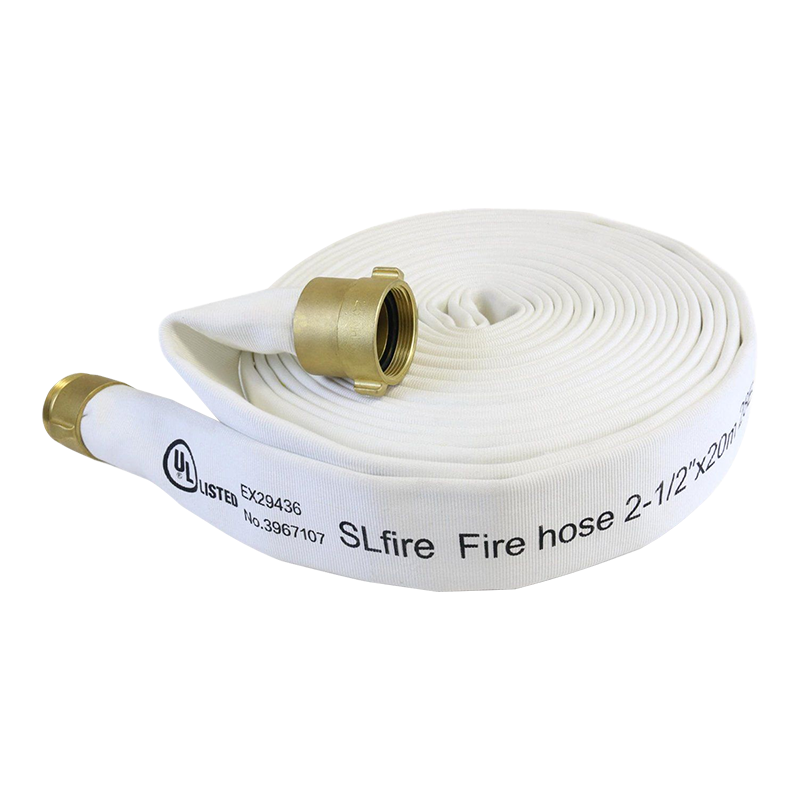
Single jacket, EPDM rubber liner Features • 100% high tenacity polyester jacket, high-grade EPDM rub...
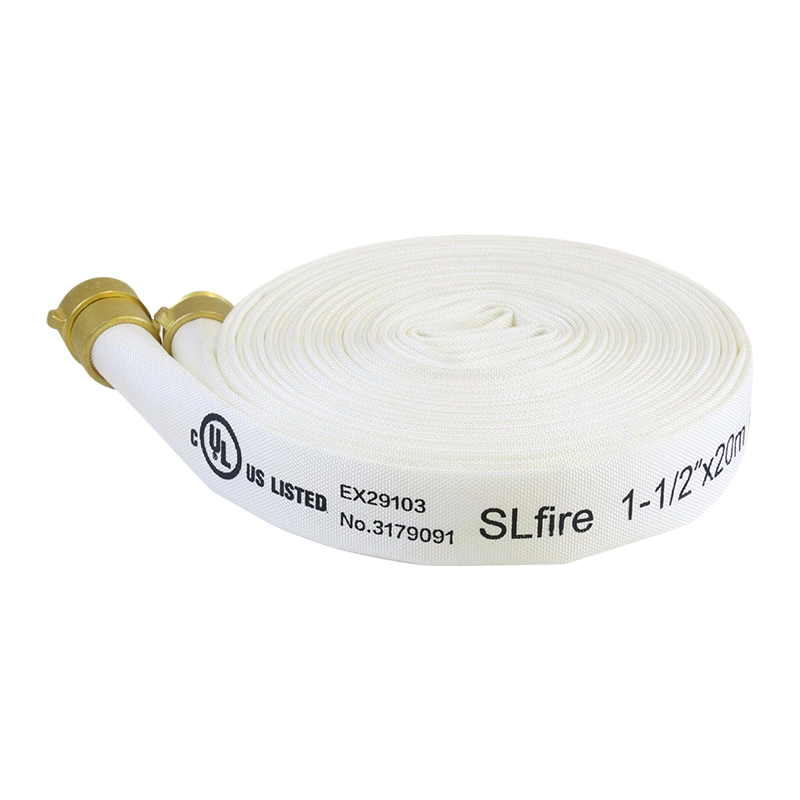
Single jacket, TPU liner •High-tenacity polyester yarn, circular woven in twill weave/plain weave,T ...
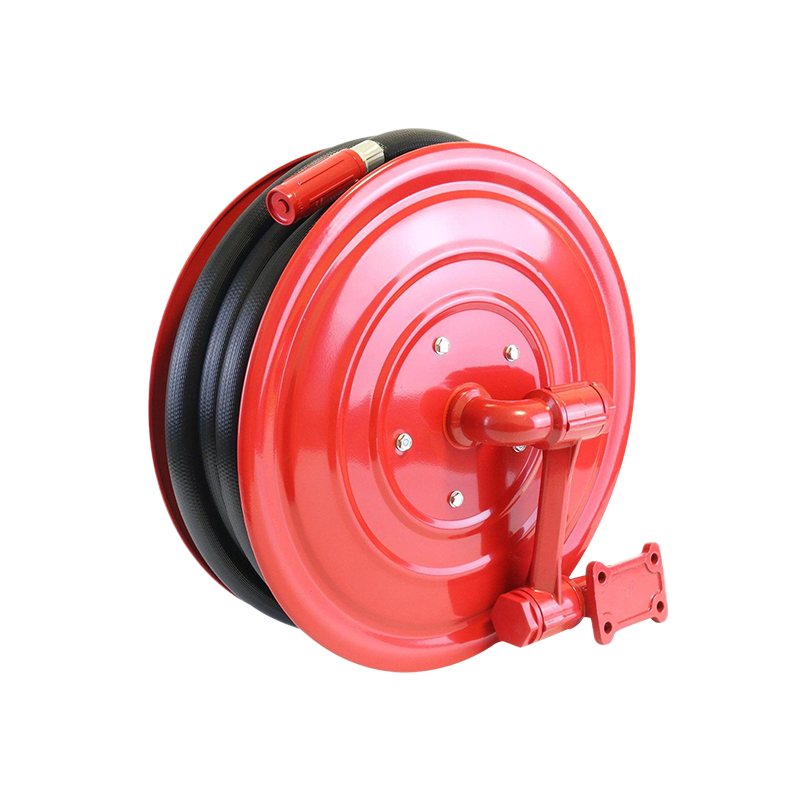
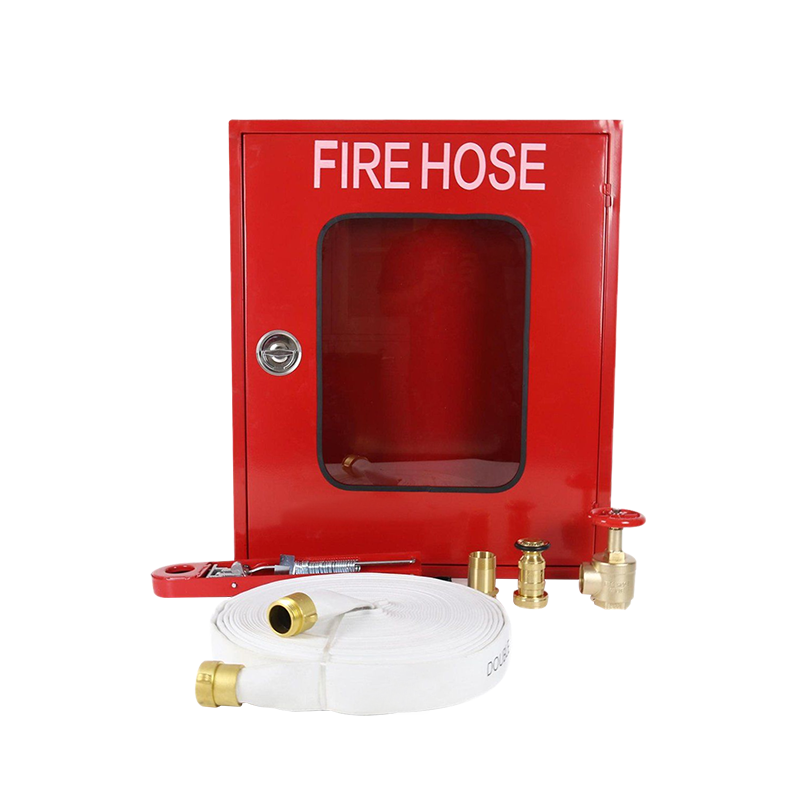
Fire cabinets are designed to accommodate fire hose,valve and other firefighting equipment. Type 201...
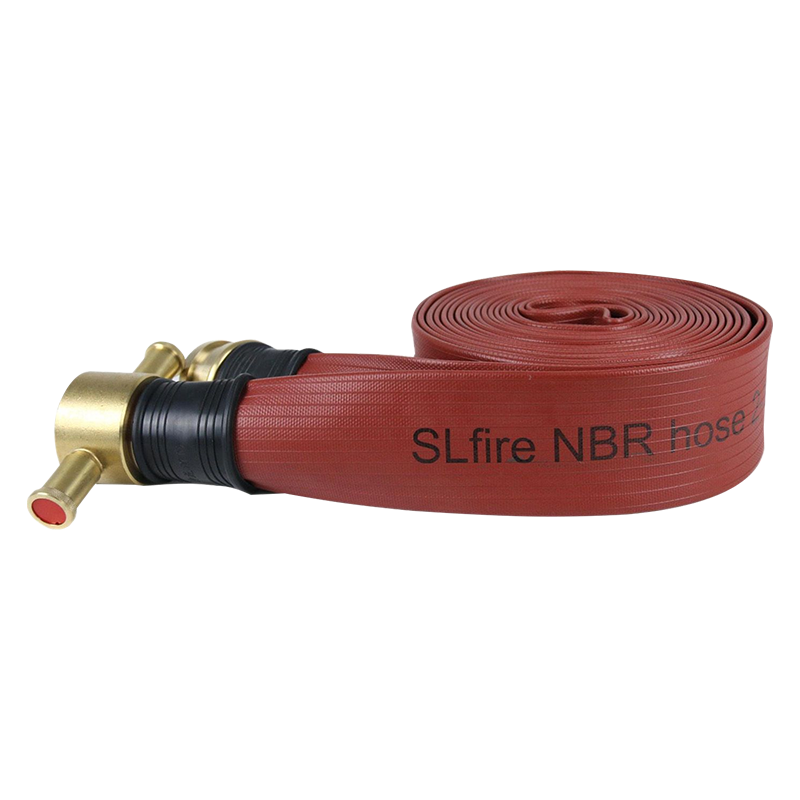
Nitrile covered hose •Nitrile/TPR blend as cover and lining, with 100% high-tenacity polyester yarn ...
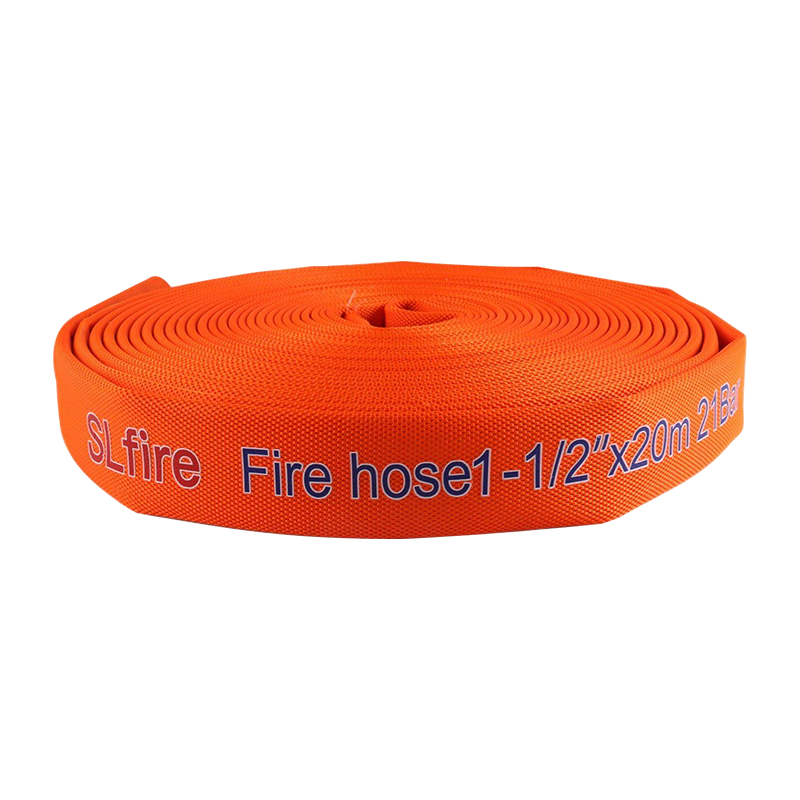
Single jacket, TPU liner •High-tenacity polyester yarn, circular woven in twill weave, TPU lining, f...
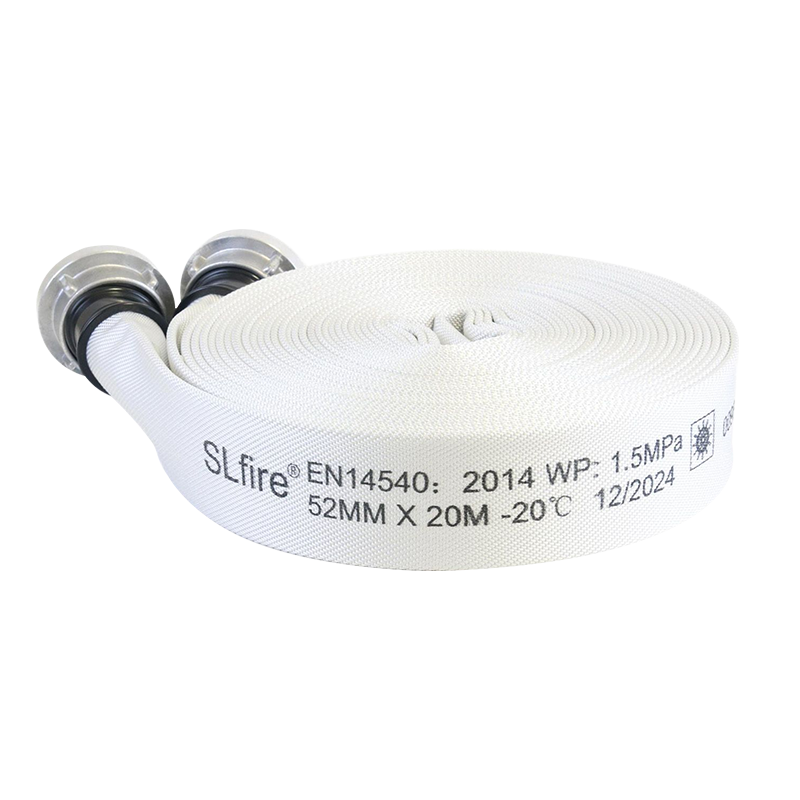
Marine hose Single jacket, PVC liner •100% high tenacity polyester yarn, circular woven in twill wea...
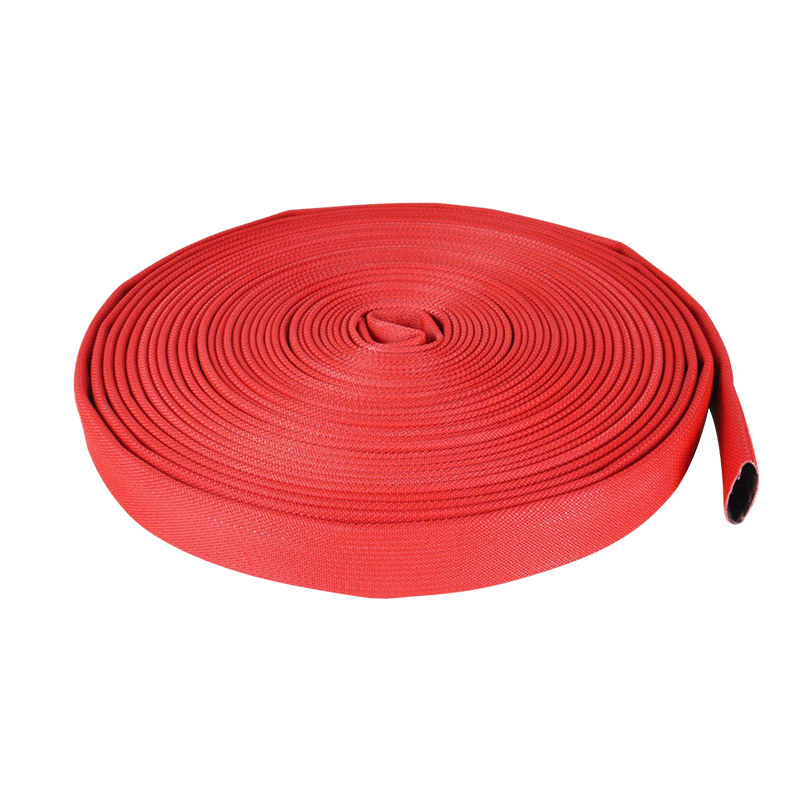
Marine hose Single jacket, PVC liner, PU coated •100% high tenacity polyester yarn,c ircular woven i...
 Call Us
+86 159-5116-9511
Need Support
Head Office
No.58, Kechuang Road, Sixiang Street Medicine Gaoxin District Taizhou City, Jiangsu Province

At a structure fire, the first line off the truck is the one that does the hardest work. Pulled around obstacles, dragged across gravel, charged with high-pressure water, and shut off at the nozzle d...
Copyright © Taizhou Shenlong Fire Science and Technology Co., Ltd. All Rights Reserved.
 Fire Hose Manufacturers, Fire Hydrant Hose Factory