

 English
 русский
 Español
 Deutsch
 عربى
عربى Français
 Português
Don't hesitate to send a message

Single jacket, EPDM rubber liner Features • 100% high tenacity polyester jacket, high-grade EPDM rub...
Content
Marine water transfer, onboard firefighting readiness, port maintenance, vessel washdown, and emergency response all require hose products that are strong, flexible, corrosion-resistant, and easy to deploy. The Single Jacket PVC Liner Marine Hose is designed for these demanding environments, combining a high-tenacity polyester jacket with a durable PVC lining to deliver dependable performance where saltwater, abrasion, pressure, and frequent handling are part of daily operation.
This hose is built with 100% high-tenacity polyester yarn, circular woven in twill weave or plain weave, and lined with PVC to create a balanced structure that offers strength without excessive weight. It is available in common marine and fire-service lengths such as 50FT, 75FT, and 100FT, making it suitable for vessels, docks, shipyards, offshore facilities, coastal warehouses, marinas, and emergency equipment cabinets. With a working temperature range from -10℃ to 60℃ and compliance with or performance aligned to EN14540, MED, and CCS standards, the hose is engineered to meet practical and regulatory needs in marine applications.
Taizhou Shenlong Fire Science and Technology Co., Ltd. has developed its manufacturing capabilities around lined fire hose and industrial hose production since 1995. With experience in research and development, production, sales, and service, the company supports both standard and customized hose requirements. Its production knowledge extends across rubber, PVC, polyurethane, and double-sided adhesive or coated hose structures, allowing customers to select suitable solutions for fire protection, construction, water conservancy, agriculture, industrial transfer, and marine use.
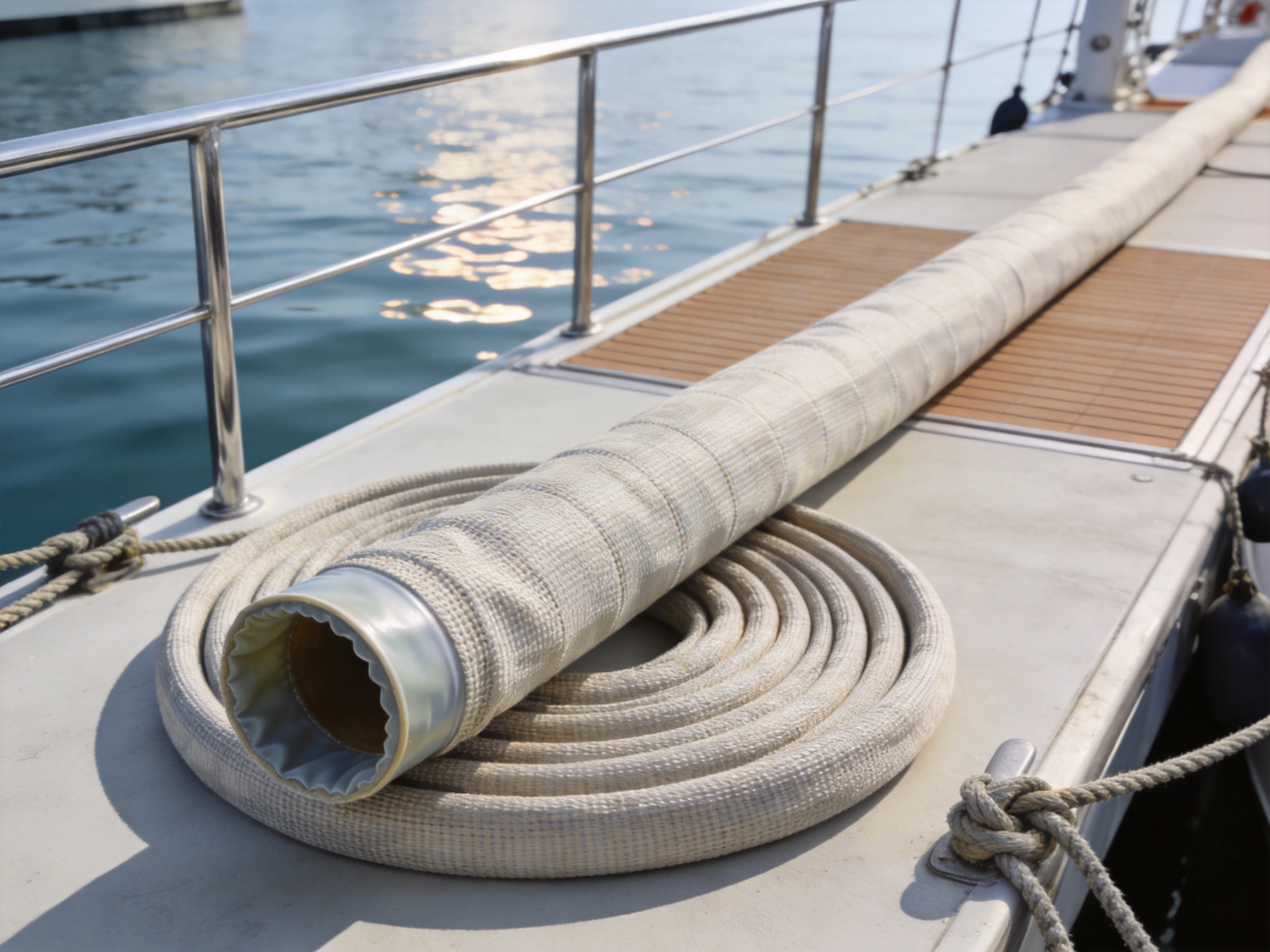
The Single Jacket PVC Liner Marine Hose is a lightweight marine hose made for controlled water delivery and rapid deployment. Its single-jacket design reduces bulk and improves handling compared with heavier double-jacket alternatives. The hose can be coiled into a smaller diameter, transported more conveniently, and deployed quickly by crew members during maintenance, firefighting support, or general marine water operations.
The outer jacket is made from 100% high-tenacity polyester yarn. This yarn provides tensile strength, dimensional stability, and resistance to stretching under pressure. The circular woven construction helps distribute stress evenly along the hose body, reducing weak points and maintaining consistent performance during repeated use. Twill weave and plain weave options allow the hose to meet different preferences for flexibility, surface texture, and abrasion performance.
The PVC liner is an important part of the hose’s value. It forms the internal waterway and provides a smooth, corrosion-resistant surface that helps protect against marine water exposure. In saltwater environments, corrosion and degradation are constant concerns. A properly formulated PVC liner helps resist water absorption, many common chemicals, and internal friction, allowing the hose to remain useful across a wide range of marine and fire-protection scenarios.
Compared with many conventional unlined canvas hoses, this PVC lined marine hose offers better internal sealing, lower leakage risk, and easier cleaning. Compared with some heavy rubber-lined hoses, it can provide a more favorable balance between strength and portability. For users who need a practical hose for vessel use, dockside systems, or marine fire cabinets, this balance is often more important than maximum thickness alone.
The performance of a marine hose depends heavily on the relationship between its reinforcement layer and its liner. In this product, the reinforcement is the polyester jacket and the liner is PVC. Each part contributes a different type of performance, and the combination creates a hose that is strong enough for demanding use while remaining light and easy to handle.
High-tenacity polyester yarn is selected because it has excellent resistance to tension and stretching. When water pressure rises inside a hose, the reinforcement layer must prevent excessive expansion, deformation, and bursting. Polyester is also valued for its resistance to moisture, mildew, and many environmental influences. In marine applications, where hoses may be stored in humid compartments or exposed to seawater spray, this resistance is highly practical.
The circular woven jacket construction creates an integrated textile tube rather than a stitched or assembled structure. This continuous weaving process improves uniformity and helps prevent separation under pressure. Twill weave can provide a dense surface and good abrasion behavior, while plain weave offers a balanced structure with reliable flexibility. The selection of weave can be adjusted according to the application, customer preference, or performance target.
The PVC liner provides the hose’s internal sealing surface. PVC is widely used in hose manufacturing because it can be formulated for flexibility, water resistance, and durability. In a marine hose, the PVC liner helps isolate the textile jacket from direct internal water contact and reduces internal leakage. It also provides a smooth flow path, which can help improve water delivery efficiency compared with rougher, unlined hose interiors.
Because the hose is single jacket, it maintains a lighter structure than double-jacket hose designs. This does not mean it is intended to replace every heavy-duty hose in every scenario. Instead, it fills an important category: a strong, standards-oriented, flexible, lightweight hose for marine and firefighting support applications where portability, storage efficiency, and rapid handling matter.
| Item | Specification | Practical Benefit |
|---|---|---|
| Product Type | Single Jacket PVC Liner Marine Hose | Suitable for marine water delivery, fire-support use, vessel maintenance, and dockside applications |
| Jacket Material | 100% high-tenacity polyester yarn | Provides tensile strength, resilience, and reduced stretching under pressure |
| Weaving Method | Circular woven, twill weave or plain weave | Improves structural uniformity, flexibility, and pressure distribution |
| Liner Material | PVC lining | Offers water resistance, corrosion resistance, and a smooth internal flow path |
| Temperature Range | -10℃ to 60℃ | Supports use in typical marine, coastal, and firefighting storage conditions |
| Available Lengths | 50FT, 75FT, and 100FT | Allows convenient selection for vessel cabinets, dock stations, and operational layouts |
| Standards | Meets or exceeds EN14540, MED, and CCS standards | Supports compliance needs for marine and fire-related applications |
| Main Advantages | Lightweight, flexible, small coil diameter | Easy to store, transport, deploy, and rewind after use |
In competitive hose markets, buyers often compare products based on pressure capacity, material quality, weight, durability, flexibility, standard compliance, and price. The Single Jacket PVC Liner Marine Hose is designed to provide strong all-around performance rather than focusing on only one characteristic. Its main advantage is the way it combines several practical benefits into one hose structure.
First, it is lighter than many multi-layer heavy-duty hoses. Weight is a serious issue in marine environments. A hose that is too heavy can slow down deployment, increase operator fatigue, and become difficult to manage on wet or moving surfaces. A lighter hose is easier for crew members to carry through narrow passages, around deck equipment, and between storage cabinets and use points.
Second, the hose has a smaller coil diameter. Storage space on vessels and at dockside facilities is often limited. A hose that coils compactly is easier to place in fire cabinets, hose reels, emergency lockers, and maintenance stations. Smaller coil diameter also improves transport efficiency, allowing more hose to be stored in the same area and reducing clutter in safety-critical locations.
Third, the PVC lining gives the hose a reliable internal barrier. Competitor hoses that use lower-grade liners or inconsistent bonding may suffer from leakage, internal cracking, or delamination after repeated use. A well-produced PVC liner supports water tightness, chemical resistance, and improved flow performance. In saltwater environments, this internal barrier helps reduce corrosion-related deterioration and supports longer service life when the hose is properly maintained.
Fourth, the use of high-tenacity polyester improves resistance to stretching. Some lower-cost hoses may deform under pressure, making them difficult to handle and reducing their predictability. Dimensional stability is important because it helps the hose maintain its shape, pressure performance, and coupling connection reliability. The polyester jacket supports these characteristics without adding excessive mass.
Fifth, the hose is designed to meet or exceed recognized standards such as EN14540, MED, and CCS. Standards are especially important in marine applications because equipment may be inspected, audited, or required to comply with vessel safety regulations. A hose supported by relevant marine and fire standards gives procurement teams greater confidence than generic hoses without clear compliance positioning.
Finally, the product benefits from the manufacturer’s long experience in lined hose production. Taizhou Shenlong Fire Science and Technology Co., Ltd. has been involved in fire hose production and related hose manufacturing since 1995. This experience allows the company to understand not only the product itself but also the practical problems users face, including coupling compatibility, storage, pressure testing, packing, export documentation, and customization.
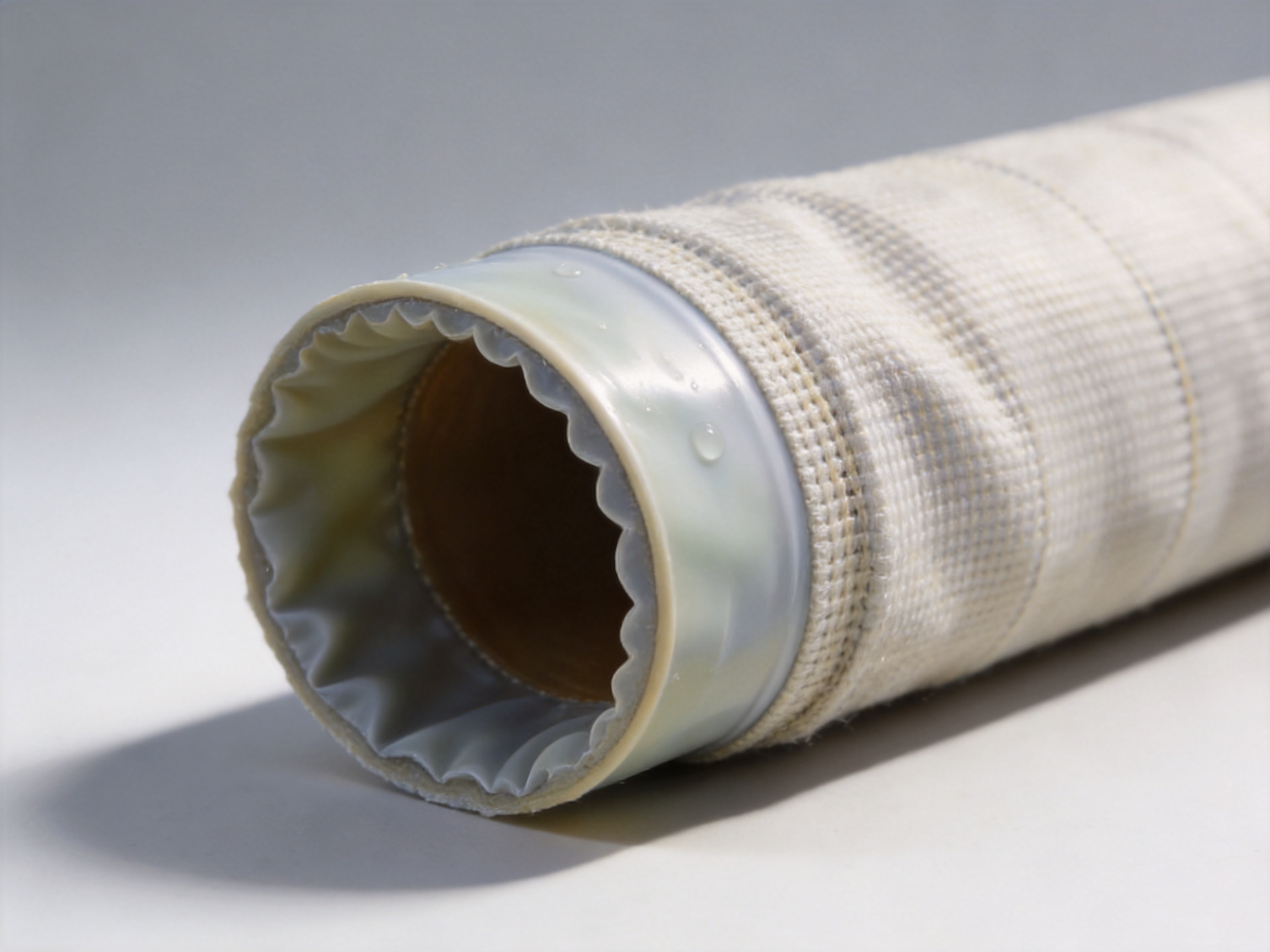
Marine environments are challenging because hoses are exposed to water, salt, humidity, temperature variation, sunlight, abrasion, and sometimes oils or cleaning agents. The inner liner must maintain water tightness and flexibility while resisting degradation. PVC lining is widely used because it can be made flexible, smooth, and resistant to many forms of water-related damage.
One of the main benefits of PVC lining is corrosion resistance. Unlike metal pipes or fittings, PVC does not rust when exposed to saltwater. Inside a hose, this resistance is especially valuable because the liner directly contacts the transferred water. When a hose is used for shipboard firefighting water, deck washdown, or dock maintenance, the water may contain salt, sediment, and other contaminants. A PVC liner helps protect the hose structure from internal attack.
Another benefit is smooth internal flow. A smooth liner reduces turbulence and friction compared with rough textile interiors. This helps maintain more efficient water movement and supports effective discharge at the nozzle or outlet. While hose diameter, pressure, coupling type, and nozzle design also affect performance, the liner’s smoothness is still an important factor in practical water delivery.
PVC also contributes to cleaning convenience. After use, marine hoses should be drained, rinsed if necessary, dried, and stored properly. A lined hose is generally easier to clean than an unlined woven hose because residue is less likely to remain trapped in the inner surface. This can improve hygiene and reduce odor, mildew, or internal contamination when the hose is stored for long periods.
Flexibility is another important advantage. In many onboard spaces, a hose must bend around corners, pass through restricted areas, and remain manageable in emergency situations. PVC lining, when properly formulated and bonded, can retain useful flexibility while maintaining sealing performance. This helps the hose remain operational in real use rather than becoming stiff, awkward, or prone to kinking.
Because the hose operates within a temperature range of -10℃ to 60℃, it is suitable for many common climates and storage conditions. It is not designed for every extreme industrial temperature environment, but for marine fire-support and water delivery applications, this range provides practical usability in cold storage spaces, coastal winters, warm engine-adjacent areas, and hot summer dock conditions.
The jacket of a layflat hose is its main reinforcement. The Single Jacket PVC Liner Marine Hose uses 100% high-tenacity polyester yarn, a material valued for strength, stability, and durability. Polyester is widely used in high-performance textile reinforcement because it offers a favorable strength-to-weight ratio and maintains its properties under repeated stress.
High-tenacity yarn differs from ordinary yarn because it is designed to carry higher loads. In hose construction, this matters because water pressure creates radial and longitudinal forces. If the jacket is weak, the hose may expand, twist, or fail. A high-tenacity polyester jacket resists these forces and helps maintain hose integrity during pressurized operation.
Another advantage is resistance to elongation. When a hose stretches excessively, it can affect coupling security, flow consistency, and handling. Stretching also increases wear because the hose material repeatedly expands and contracts. Polyester’s resistance to stretching makes the hose more stable and predictable in use.
Polyester also performs well in wet environments. Natural fibers may absorb water, become heavy, support mildew, or lose strength over time. Polyester is less vulnerable to these issues, making it suitable for marine storage and repeated wet-dry cycles. This is especially important for hoses stored in cabinets, lockers, or vessel compartments where perfect drying conditions may not always be available.
The single-jacket design uses this strong polyester reinforcement efficiently. Instead of relying on unnecessary bulk, the hose uses a carefully woven structure to achieve practical strength while keeping weight manageable. This is one reason the hose can be both durable and easy to coil.
Advanced manufacturing is essential for producing a reliable marine hose. A hose may look simple from the outside, but its performance depends on material selection, weaving precision, liner formulation, adhesion, curing, testing, cutting, coupling compatibility, packaging, and quality control. Taizhou Shenlong Fire Science and Technology Co., Ltd. integrates these steps through its production experience and technical knowledge.
The process begins with material inspection. High-tenacity polyester yarn must meet requirements for strength, consistency, cleanliness, and weave suitability. Inconsistent yarn can lead to uneven wall thickness, weak areas, or visible defects. By controlling input materials, the manufacturer improves the reliability of the final hose.
Next comes circular weaving. The yarn is woven into a tubular jacket using equipment designed to control tension, density, and weave structure. Uniform weaving is important because pressure should be distributed evenly along the hose body. Variations in weave density can create areas that expand differently under pressure, reducing performance and service life.
After the jacket is prepared, the PVC lining is applied. The liner must fit the jacket correctly and bond securely to form a stable hose structure. Good liner processing prevents wrinkles, uneven thickness, bubbles, weak bonding, and internal defects. The inner surface should be smooth and continuous to support water flow and leak resistance.
Heat and pressure control are important during liner formation and bonding. If temperature is too low, bonding may be incomplete. If it is too high, materials may degrade or lose flexibility. Experienced production teams monitor processing parameters to achieve consistent liner quality. This type of process control is one of the differences between a professional hose manufacturer and a simple low-cost supplier.
After lining, the hose is inspected and tested. Testing may include visual inspection, dimensional checks, hydrostatic pressure testing, leakage examination, adhesion assessment, and flexibility evaluation. Hoses intended to meet EN14540, MED, and CCS requirements must be produced with attention to the performance expectations of those standards. Quality inspection helps ensure the hose is not only attractive in appearance but reliable in operation.
Cutting and finishing are also important. The hose is supplied in common lengths such as 50FT, 75FT, and 100FT. Accurate cutting ensures customers receive the correct length and that coupling installation or field use is convenient. The hose may be packed according to customer requirements, export needs, or storage requirements.
Quality control is not a single step at the end of production. It is a system that begins with raw materials and continues through every manufacturing stage. For a marine hose, the most important quality concerns include pressure resistance, leakage resistance, liner integrity, jacket uniformity, flexibility, dimensional accuracy, and coupling compatibility.
Pressure testing is one of the most important checks. A hose must handle the pressures expected in its application without bursting, leaking, or deforming excessively. Hydrostatic testing provides direct evidence of the hose’s strength and sealing performance. For marine and fire-related applications, this testing is especially important because failure during emergency use could have serious consequences.
Visual inspection is also meaningful. Surface defects, irregular weaving, exposed yarn damage, liner wrinkles, or contamination can indicate deeper problems. Skilled inspectors can identify issues before the hose reaches customers. This reduces field failures and improves user confidence.
Dimensional inspection helps confirm that hose diameter, length, wall consistency, and coil size meet expected requirements. Consistent dimensions make storage, coupling selection, and equipment integration easier. If a hose is too bulky, too stiff, or inconsistent in diameter, it may not fit properly into existing marine cabinets or hose systems.
Flexibility evaluation is important because a technically strong hose is not useful if it is too difficult to handle. The Single Jacket PVC Liner Marine Hose is designed to remain lightweight and flexible, so production control must preserve these characteristics. Excess liner thickness, poor bonding, or incorrect material formulation could reduce flexibility, which is why process control matters.
The company’s long-term production experience supports these quality practices. Since its founding in 1995, Taizhou Shenlong Fire Science and Technology Co., Ltd. has developed experience in lined fire hoses and related customized hose products. This manufacturing background helps the company understand how to balance strength, flexibility, cost, and compliance.
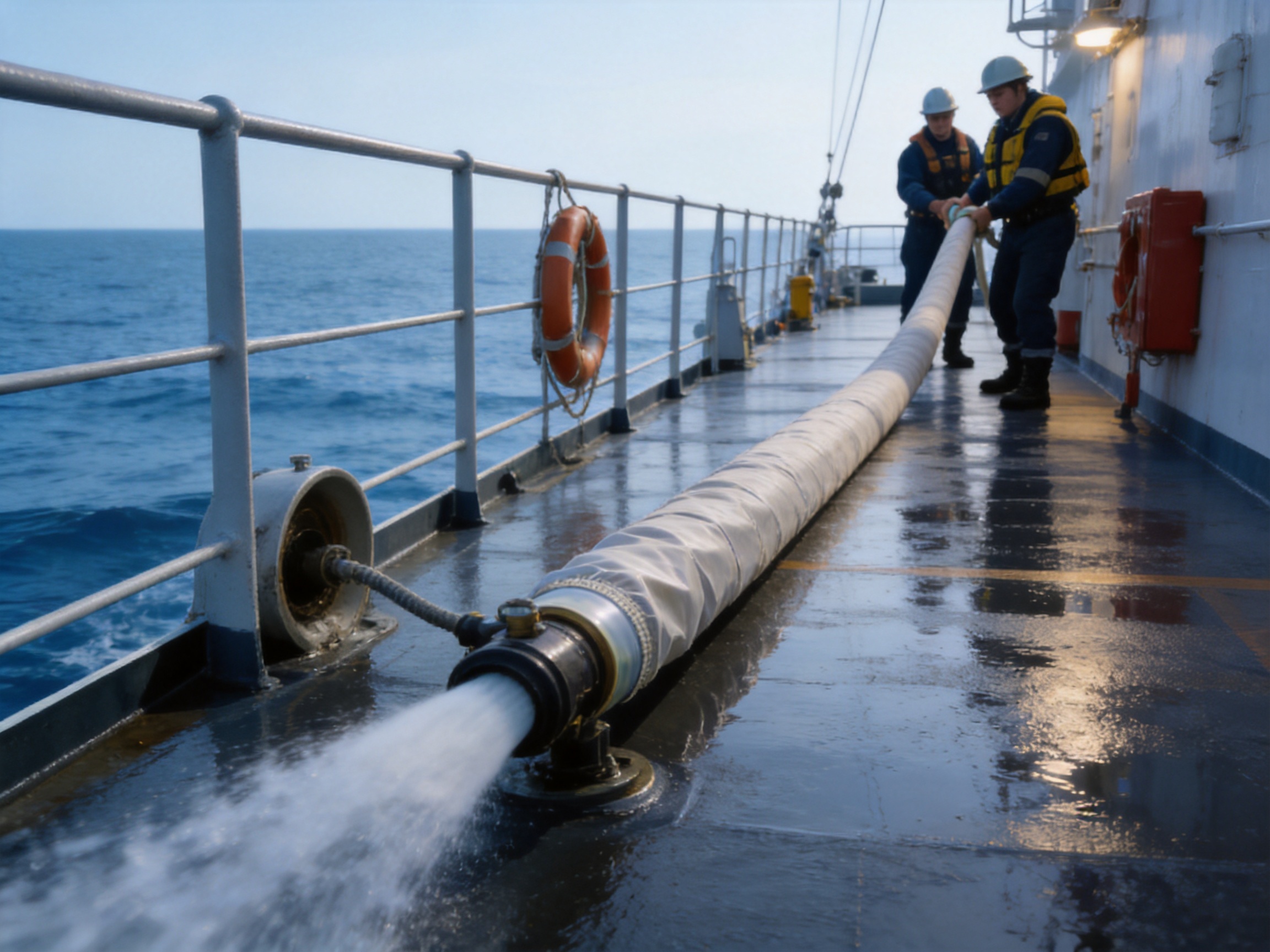
The Single Jacket PVC Liner Marine Hose is suitable for a wide range of water delivery applications. Its marine classification makes it especially relevant for vessels, ports, shipyards, offshore service platforms, marina operations, marine warehouses, and coastal emergency systems. It can also be used in fire-support and general water transfer scenarios where its specifications match the operating requirements.
On vessels, the hose can be stored in fire cabinets or emergency lockers. Its compact coil diameter helps save valuable space, while its light weight makes it easier for crew members to deploy rapidly. In an emergency, speed and simplicity matter. A hose that can be removed, connected, and extended without excessive effort supports safer operations.
At docks and marinas, the hose can support washdown, maintenance, and fire protection readiness. Saltwater exposure, wet surfaces, and repeated handling are common in these locations. The PVC liner and polyester jacket provide a practical combination for this environment. The hose can be moved between stations, coiled after use, and stored with less space demand than heavier alternatives.
In shipyards, hoses may be used for temporary water supply, cleaning, safety preparation, or support around repair areas. A lightweight and flexible hose is useful in spaces where workers frequently reposition equipment. Although extremely harsh industrial environments may require specialized heavy-duty hoses, this marine hose provides excellent practical value for many routine and safety-related tasks.
For fire-protection use, the hose’s standards orientation is a major advantage. EN14540 is associated with fire hose performance, while MED and CCS are important in marine contexts. Buyers responsible for safety equipment often need documentation and performance assurance, not just low price. A standards-aligned hose helps simplify procurement and inspection.
The product may also be relevant to construction and water conservancy operations where a layflat hose with PVC lining and polyester reinforcement is needed. Since the manufacturer also produces products for fire, construction, water conservancy, and other industries, customers can discuss application-specific requirements and select suitable hose types or materials.
Different hose types serve different purposes. A good purchasing decision depends on understanding trade-offs. The Single Jacket PVC Liner Marine Hose is not simply an alternative to every hose; it is a solution for users who need reliable marine water delivery with a strong balance of weight, flexibility, storage efficiency, and standards compliance.
Compared with unlined woven hose, this product offers a better internal water barrier. Unlined hoses may be lower in initial cost, but they can absorb water, leak through the textile structure, and become heavier after use. The PVC liner improves sealing, flow, and cleaning convenience. For marine use, where saltwater and humidity are common, the liner adds practical value.
Compared with thick rubber-lined hose, the single jacket PVC liner hose can be easier to handle and store. Rubber-lined hoses may be excellent for certain heavy-duty applications, but they are often heavier and less compact. When crew members need to deploy hose quickly or store it in limited cabinet space, weight and coil size become decisive factors.
Compared with some low-cost PVC-only layflat hoses, this product provides stronger textile reinforcement. PVC-only layflat hoses can be useful for light-duty water discharge, but they may not offer the same resilience, pressure stability, or standard-oriented construction as a woven polyester jacket hose. The combination of high-tenacity polyester and PVC lining creates a stronger, more professional structure.
Compared with double-jacket fire hoses, this hose is lighter and more compact. Double-jacket hoses may provide additional abrasion protection, but they can be heavier and slower to deploy. In marine environments where storage and handling are critical, a single-jacket hose can be the more efficient choice, provided it meets the required application conditions.
The competitive advantage is therefore not based on one claim alone. It comes from a balanced design: high-tenacity polyester for strength, PVC lining for water resistance, circular weaving for uniformity, compact coiling for storage, flexibility for handling, and standards compliance for safety assurance.
Taizhou Shenlong Fire Science and Technology Co., Ltd. is located at No.58, Kechuang Road, Sixiang Street, Medicine Gaoxin District, Taizhou City, Jiangsu Province. The company was founded in 1995 and has developed into an enterprise integrating research and development, production, sales, and service. Its main products include various lined fire hoses, and it also supports customized foreign trade products according to customer requirements.
The company’s product capabilities include rubber, PVC, polyurethane, and double-sided tape or coated hose structures. This range is important because different applications require different materials. Marine hose users may prioritize corrosion resistance and flexibility, while industrial hose users may require chemical resistance, abrasion resistance, or higher pressure. Fire hose users may require standards, quick deployment, and coupling compatibility. A manufacturer with multiple material capabilities can recommend more suitable solutions.
The company’s products are sold in more than 20 provinces, cities, and autonomous regions. It also cooperates with domestic foreign trade companies to produce export products for many countries. Export experience matters because international customers often require consistent documentation, packing, labeling, quality inspection, and communication. A factory familiar with export requirements can reduce procurement risk for overseas buyers.
Research and development capability helps the company improve product structure and adapt to customer needs. Hose manufacturing is not static. Customers may request different colors, lengths, diameters, liner materials, working pressures, coupling configurations, packaging, or standards. A company with technical knowledge can evaluate these requests and develop practical solutions rather than simply offering one fixed product.
Service capability is also part of manufacturing strength. Buyers often need guidance before ordering, such as confirming whether a hose is suitable for marine fire cabinets, shipboard use, dockside water transfer, or industrial discharge. They may also need assistance with documentation, sample evaluation, and after-sales communication. A manufacturer that combines production and service can support the customer throughout the procurement process.
Marine safety equipment is often subject to strict expectations. Standards provide a common framework for evaluating performance, safety, and reliability. The Single Jacket PVC Liner Marine Hose is designed to meet or exceed EN14540, MED, and CCS standards, making it suitable for buyers who need more than basic hose functionality.
EN14540 is a recognized standard related to fire-fighting hoses. It covers important performance characteristics such as pressure behavior, durability, and construction requirements. For a hose used in fire-related applications, alignment with such standards supports confidence in its performance under emergency conditions.
MED, or Marine Equipment Directive, is relevant for marine equipment used on vessels subject to regulatory requirements. Marine equipment must often meet specific safety and performance requirements before it can be accepted for use. A hose designed with MED considerations is more suitable for shipboard applications than a general-purpose hose without marine compliance positioning.
CCS, or China Classification Society, is significant in ship and marine equipment classification contexts. Compliance with recognized marine standards can help vessel operators, shipbuilders, and marine procurement teams satisfy inspection and acceptance requirements. For hose products intended for marine safety systems, this is an important competitive advantage.
Standards do not replace proper installation, maintenance, or operational training. However, they provide a technical foundation. A standards-oriented hose gives buyers better assurance that the product has been designed and manufactured with recognized performance expectations in mind.
Even a well-manufactured marine hose requires proper handling and maintenance. Correct care helps extend service life and preserve performance. After use, the hose should be drained thoroughly to remove internal water. If the hose has been exposed to saltwater, rinsing with clean water can help reduce salt residue on the jacket and liner.
The hose should be dried before long-term storage when possible. Although polyester and PVC resist moisture better than many materials, prolonged wet storage can still encourage dirt accumulation, odor, or external mildew. Drying also helps prevent unnecessary weight and makes the hose ready for immediate reuse.
When coiling the hose, avoid sharp folds or crushing. The product is designed for a small coil diameter, but repeated severe kinking may damage the liner or reinforcement over time. Smooth coiling supports better storage and easier deployment.
Store the hose in a clean, ventilated area away from sharp objects, excessive heat, open flame, and incompatible chemicals. Marine cabinets should be inspected periodically to ensure that the hose remains dry, clean, and accessible. Couplings, if attached, should also be checked for corrosion, gasket condition, thread damage, and secure connection.
Periodic pressure testing may be required depending on local regulations, vessel procedures, or safety management systems. Users should follow applicable standards and internal safety policies. If a hose shows signs of severe abrasion, liner separation, leakage, cracking, or coupling damage, it should be removed from service and evaluated.
When selecting a marine hose, buyers should consider the application, required length, storage method, pressure requirements, coupling type, environmental conditions, regulatory requirements, and expected frequency of use. The Single Jacket PVC Liner Marine Hose is available in 50FT, 75FT, and 100FT lengths, which cover many common marine and fire-service needs.
Length selection should be based on the distance between the water source and the expected discharge point. A hose that is too short may not reach critical areas, while a hose that is too long may be harder to manage and store. Many vessel and dock systems use standardized lengths to simplify storage and replacement.
Buyers should also confirm coupling requirements. Marine and fire hoses may use different coupling standards depending on region and equipment. The hose body is only one part of the system; couplings and nozzles must be compatible with hydrants, pumps, manifolds, and cabinets. A professional manufacturer can help discuss coupling and assembly needs.
Regulatory requirements should be reviewed before purchase. If the hose is intended for vessel safety equipment, standards such as EN14540, MED, and CCS may be important. Documentation requirements should be discussed during procurement to ensure the delivered product matches inspection expectations.
Total value should be considered rather than initial price alone. A lower-cost hose may be less durable, heavier, harder to store, or unsupported by standards. The Single Jacket PVC Liner Marine Hose offers value through its combination of material quality, compactness, flexibility, and compliance orientation.
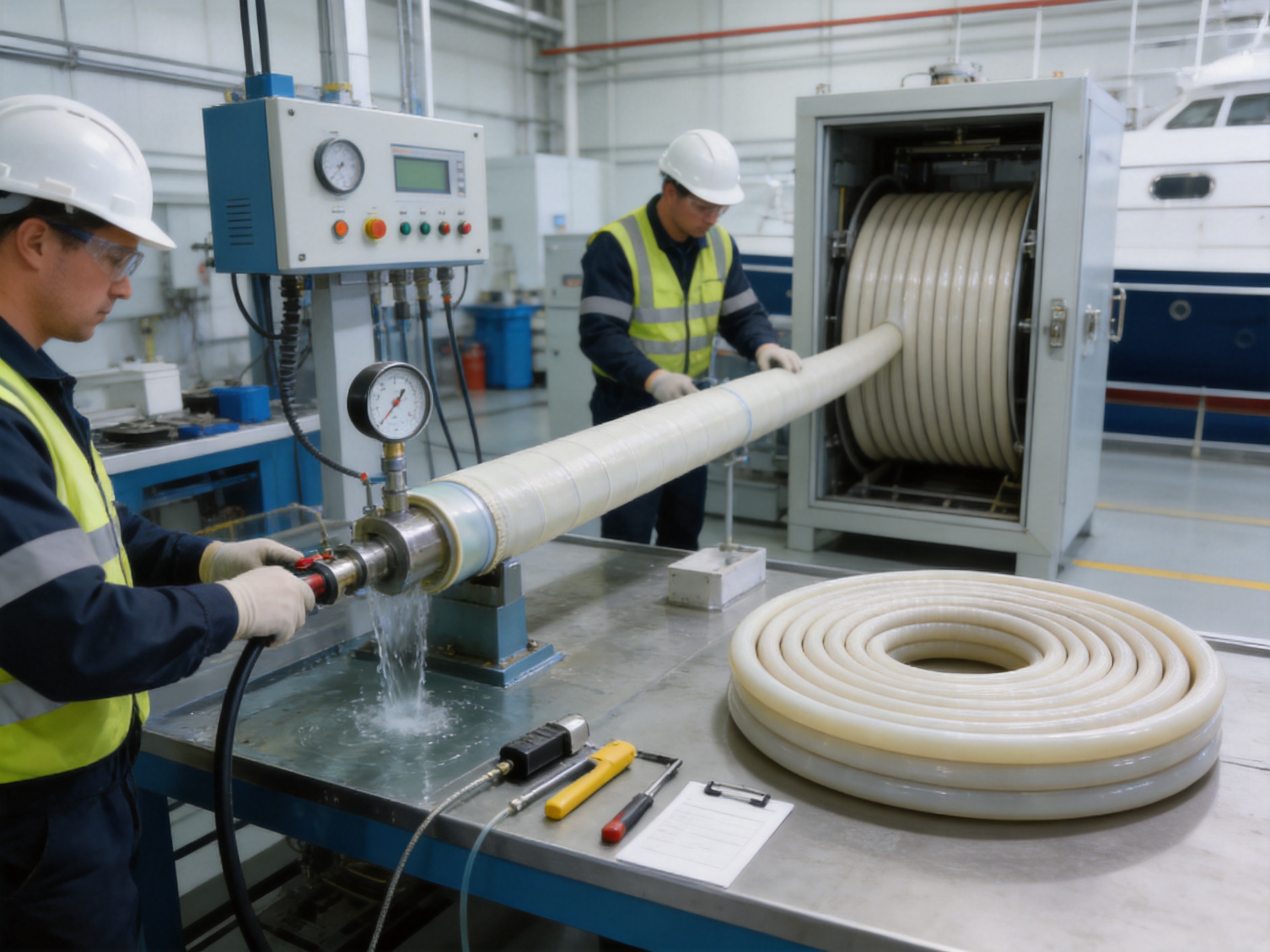
The hose is designed for marine water delivery, fire-support use, vessel maintenance, dockside operations, and related applications where a lightweight, flexible, corrosion-resistant, and standards-oriented hose is needed.
The hose uses 100% high-tenacity polyester yarn for the outer jacket and PVC for the inner liner. The jacket is circular woven in twill weave or plain weave, while the PVC liner creates a smooth and water-resistant internal surface.
PVC lining provides corrosion resistance, water tightness, smooth internal flow, and easier cleaning. It is especially useful where the hose may contact saltwater, humid air, or common marine contaminants.
Heavy rubber-lined hoses may be suitable for certain demanding applications, but they are often heavier and bulkier. The Single Jacket PVC Liner Marine Hose offers a better balance of strength, flexibility, compact storage, and ease of deployment for many marine and fire-support uses.
The hose is available in 50FT, 75FT, and 100FT lengths. These lengths are suitable for many vessel cabinets, dock stations, emergency lockers, and maintenance applications.
The hose is designed for a temperature range from -10℃ to 60℃. This range supports many common marine, coastal, and storage environments.
The hose is designed to meet or exceed EN14540, MED, and CCS standards. These standards are important for fire-fighting performance, marine equipment acceptance, and vessel-related safety applications.
High-tenacity polyester provides strong tensile performance, resistance to stretching, resilience under pressure, and good moisture resistance. It helps the hose maintain shape and performance during repeated use.
Yes. The single-jacket construction and flexible PVC-lined design allow a small coil diameter, making the hose easier to store in marine cabinets, lockers, hose reels, and limited onboard spaces.
Yes. Taizhou Shenlong Fire Science and Technology Co., Ltd. has experience producing hose products with rubber, PVC, polyurethane, and other structures according to customer requirements. Customers can discuss specific needs such as length, material, application, and export requirements.
The Single Jacket PVC Liner Marine Hose is a practical and reliable solution for marine water delivery and fire-support applications. Its 100% high-tenacity polyester jacket provides strength and stability, while its PVC liner delivers corrosion resistance, water tightness, and smooth flow. The single-jacket structure keeps the hose lightweight, flexible, and compact, making it easy to deploy and store in space-limited marine environments.
Compared with unlined hoses, it offers better sealing and internal protection. Compared with heavy rubber-lined hoses, it provides easier handling and storage. Compared with basic PVC layflat hoses, it delivers stronger woven reinforcement and standards-oriented performance. These advantages make it an excellent choice for vessels, docks, shipyards, marinas, coastal facilities, and safety equipment systems.
Behind the product is the manufacturing experience of Taizhou Shenlong Fire Science and Technology Co., Ltd., a company founded in 1995 with integrated research, production, sales, and service capabilities. Its expertise in lined fire hoses and customized hose production allows it to support both standard marine hose supply and customer-specific requirements. For buyers seeking a PVC lined fire hose or marine hose that balances quality, flexibility, standards compliance, and long-term value, this product provides a strong and dependable option.
European Committee for Standardization. EN 14540: Fire-fighting hoses; Non-percolating layflat hoses for fixed systems.
International Maritime Organization. Marine safety equipment guidance and shipboard fire protection principles.
European Union. Marine Equipment Directive technical framework for approved marine equipment.
China Classification Society. Rules and guidance for marine equipment classification and inspection.
Industrial Hose Technical Handbook. Material selection, textile reinforcement, and liner performance in flexible hose manufacturing.
Fire Protection Equipment Manufacturing Guide. Quality control, hydrostatic testing, and maintenance practices for fire hose products.
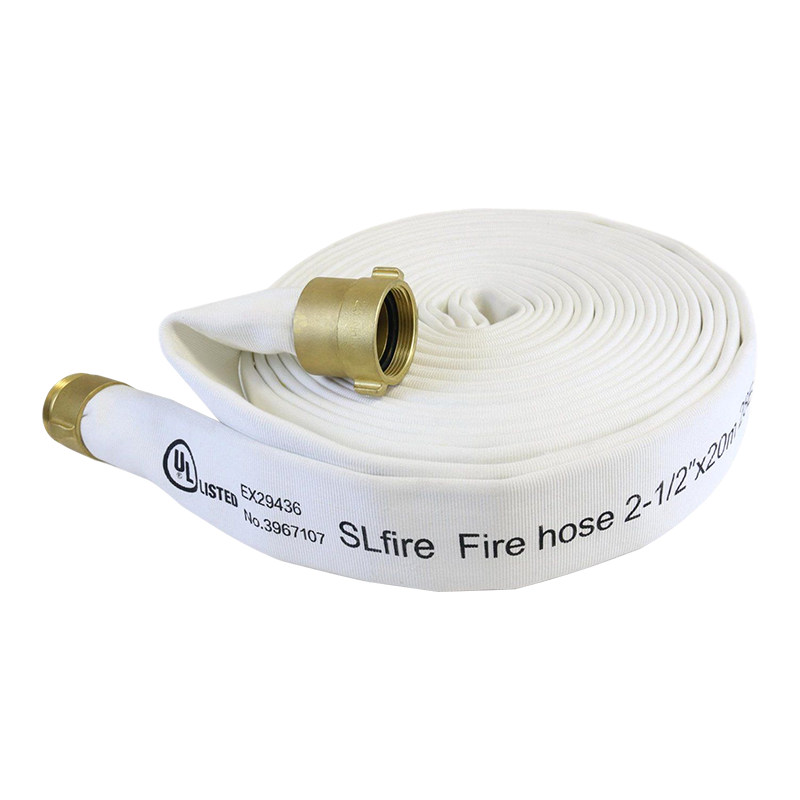
Single jacket, EPDM rubber liner Features • 100% high tenacity polyester jacket, high-grade EPDM rub...
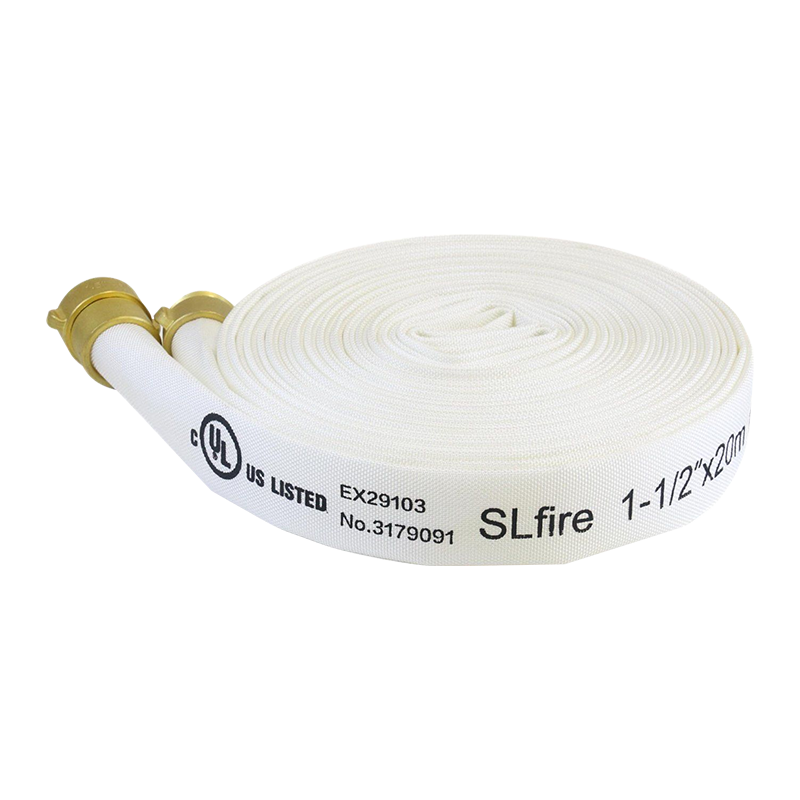
Single jacket, TPU liner •High-tenacity polyester yarn, circular woven in twill weave/plain weave,T ...
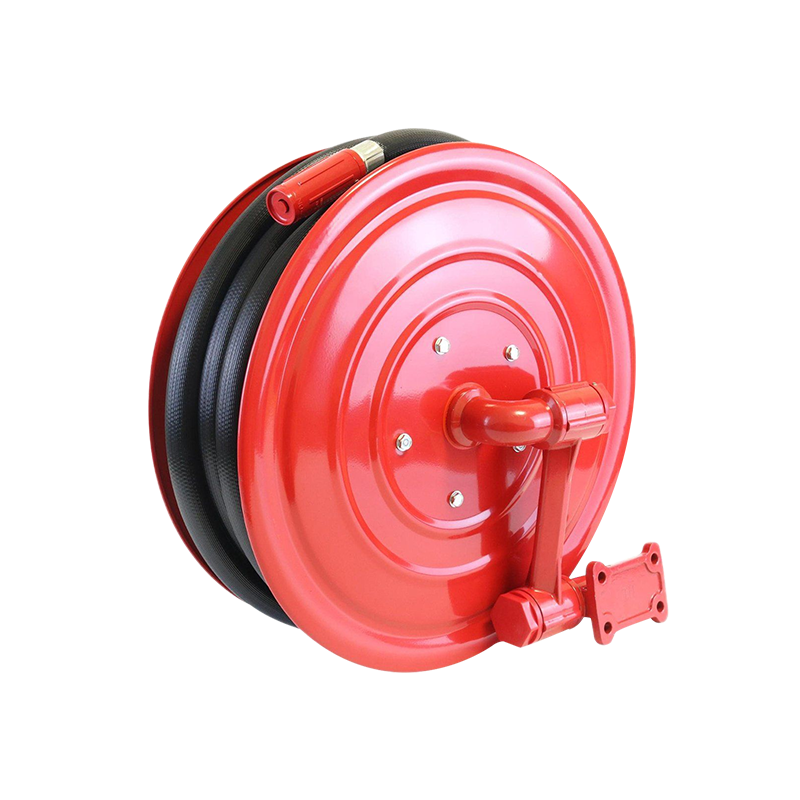
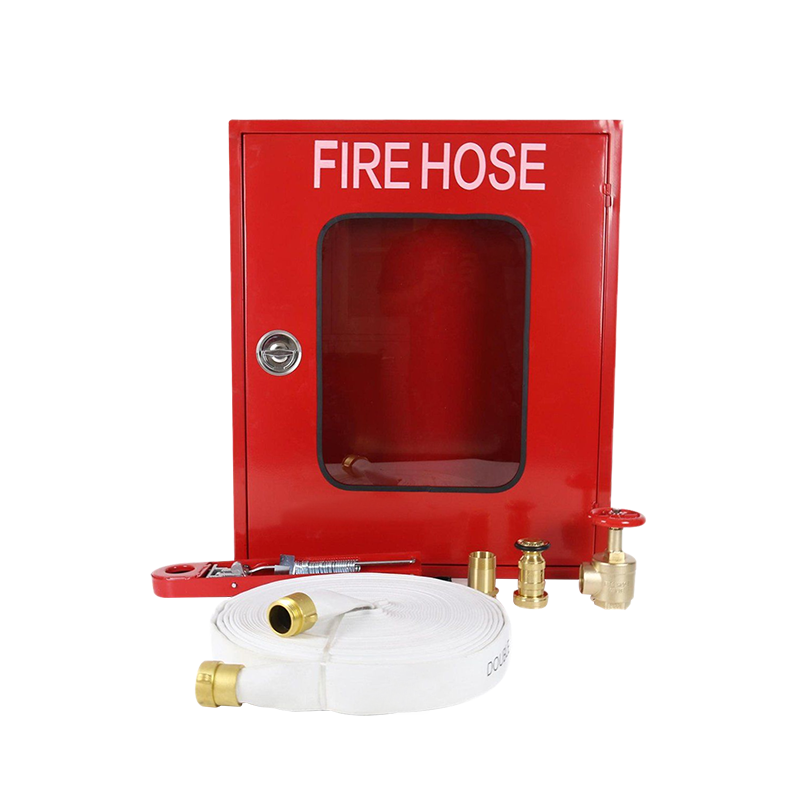
Fire cabinets are designed to accommodate fire hose,valve and other firefighting equipment. Type 201...
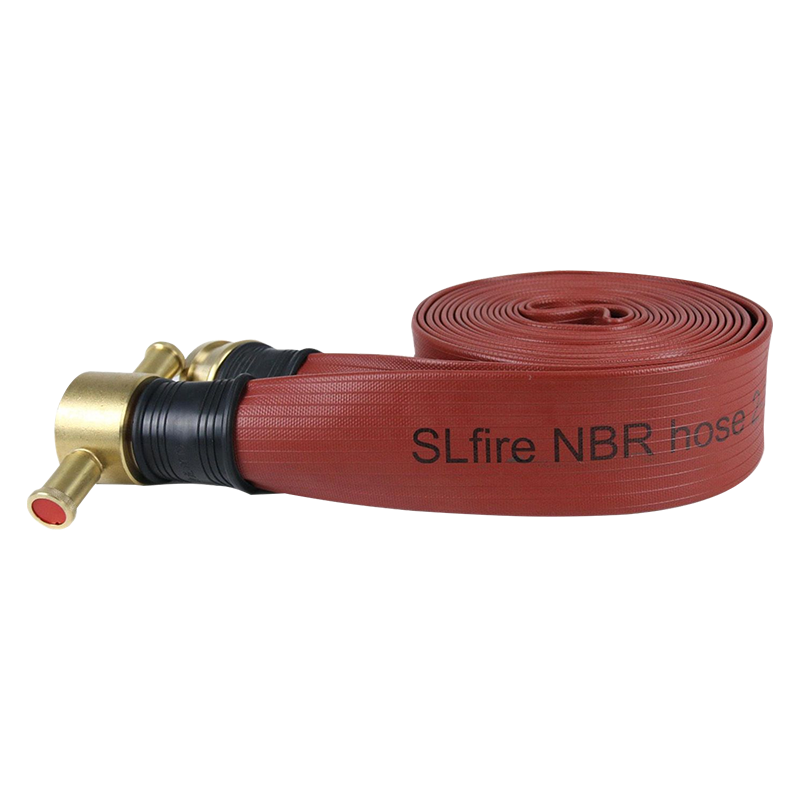
Nitrile covered hose •Nitrile/TPR blend as cover and lining, with 100% high-tenacity polyester yarn ...
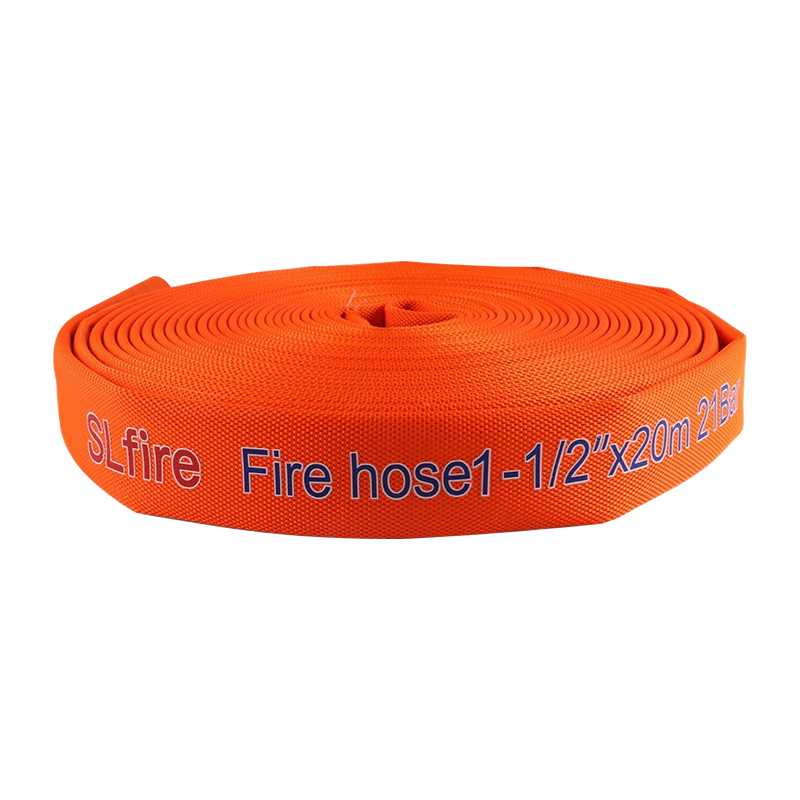
Single jacket, TPU liner •High-tenacity polyester yarn, circular woven in twill weave, TPU lining, f...
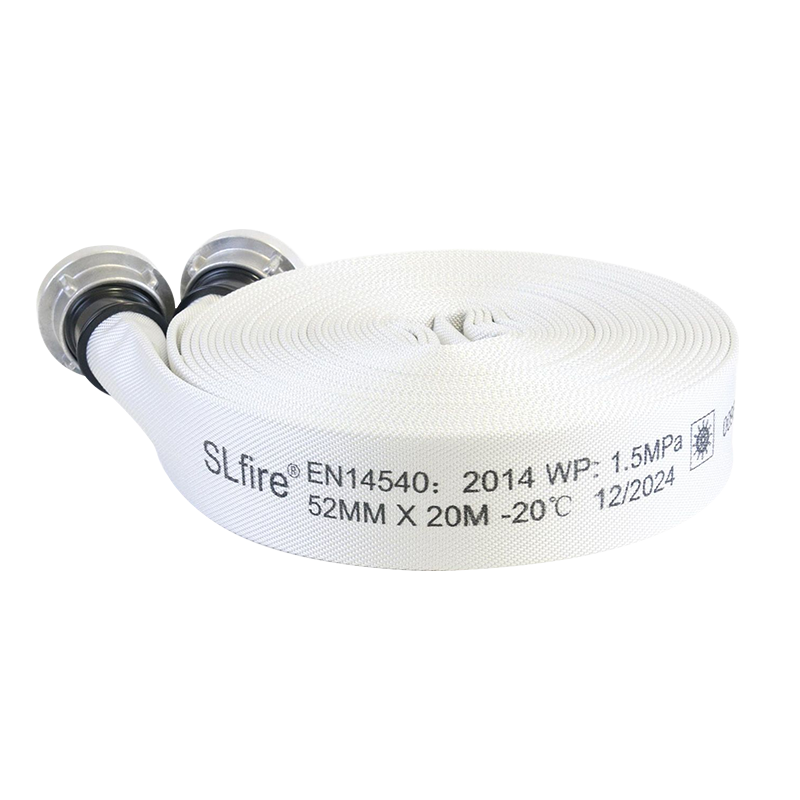
Marine hose Single jacket, PVC liner •100% high tenacity polyester yarn, circular woven in twill wea...
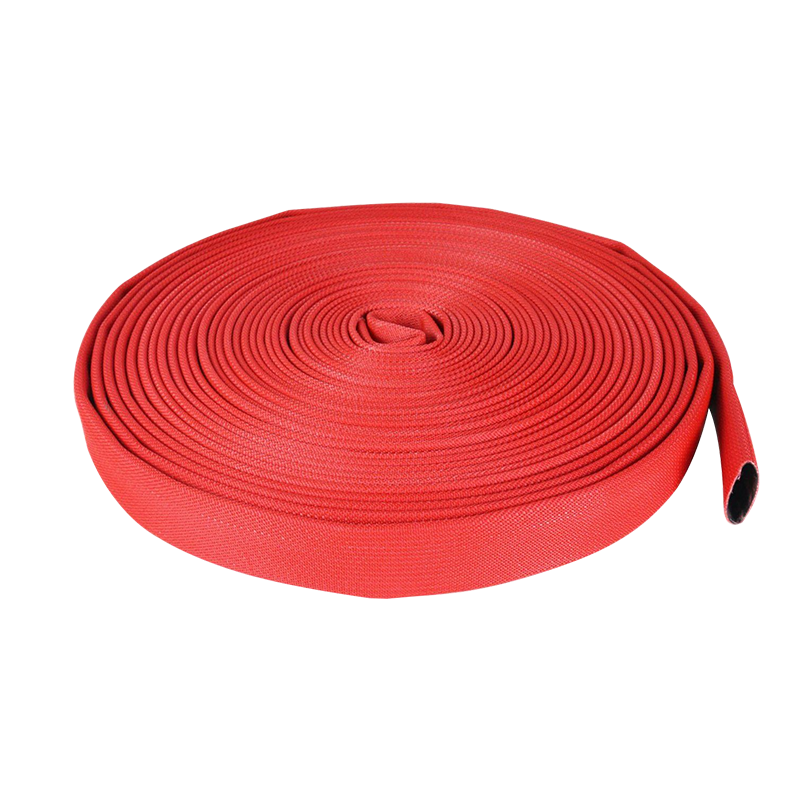
Marine hose Single jacket, PVC liner, PU coated •100% high tenacity polyester yarn,c ircular woven i...
 Call Us
+86 159-5116-9511
Need Support
Head Office
No.58, Kechuang Road, Sixiang Street Medicine Gaoxin District Taizhou City, Jiangsu Province

What Is a Fire Hose? A fire hose is a high-pressure flexible hose designed to carry water or fire retardant chemicals from a water source, such as a hydrant, pump, or tank, to a fire for suppression p...
Copyright © Taizhou Shenlong Fire Science and Technology Co., Ltd. All Rights Reserved.
 Fire Hose Manufacturers, Fire Hydrant Hose Factory