

 English
 русский
 Español
 Deutsch
 عربى
عربى Français
 Português
Don't hesitate to send a message

Single jacket, EPDM rubber liner Features • 100% high tenacity polyester jacket, high-grade EPDM rub...
Content
In modern firefighting, irrigation, petroleum handling, chemical transfer, and general industrial water delivery, a hose system is only as dependable as the coupling that connects it. A hose may be manufactured from durable lining materials, reinforced jackets, and pressure-resistant layers, yet the system can still fail if the coupling is weak, difficult to operate, poorly matched, or vulnerable to corrosion. Casting/Forged Machino Hose Couplings are designed to solve this critical connection challenge by combining reliable manufacturing methods, practical field operation, standardized compatibility, and economical long-term value.
These couplings are engineered for applications that require quick connection, secure sealing, and dependable performance under working pressures up to 16 Bar. Available in sizes from 1-1/2 inches to 4 inches, they are suitable for a wide range of hose assemblies used in firefighting, irrigation networks, petroleum service, and chemical-related environments. They can be manufactured from aluminum alloy, brass, or stainless steel, allowing buyers to select a material configuration that matches their operational needs, budget, environment, and service life expectations.
The defining value of the Casting/Forged Machino Hose Coupling lies in the combination of strength, ease of use, and manufacturing discipline. The coupling is produced through casting and forging processes, then finished with vibratory grinding to improve surface quality and resistance to corrosion and chemical exposure. The result is a coupling that is practical in everyday service and capable of supporting demanding work conditions where fast action, dependable connection, and stable performance are essential.
Casting/Forged Machino Hose Couplings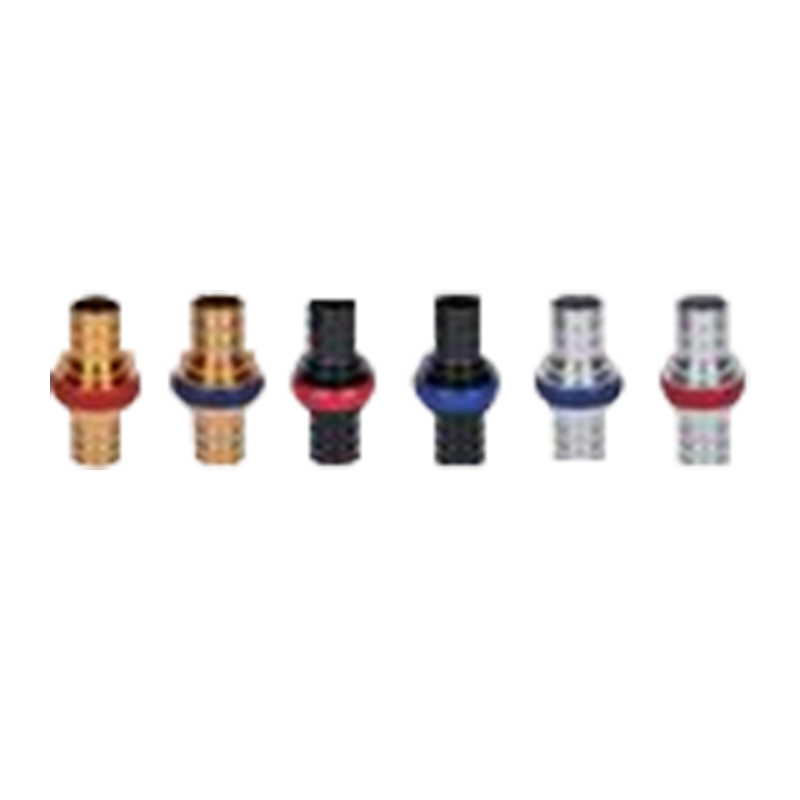
Hose couplings are often viewed as small accessories, but they perform one of the most important functions in a hose system. They allow hoses to be connected to pumps, hydrants, nozzles, valves, manifolds, and other hose sections. In emergency firefighting, a coupling must connect quickly and securely, because every second matters. In agriculture, it must withstand repetitive operation in outdoor conditions. In petroleum and chemical transfer, it must provide resistance to exposure, vibration, and handling stress. In industrial facilities, it must deliver consistent service with minimal downtime.
A poor-quality coupling can create many problems. It may leak at the joint, deform under pressure, become difficult to connect after repeated use, corrode in humid or chemically active environments, or require tools that slow down operation. In some cases, coupling failure can cause hose whip, pressure loss, work stoppage, fluid waste, safety hazards, and expensive replacement costs. For this reason, the coupling should never be treated as a simple add-on. It is a performance-critical component.
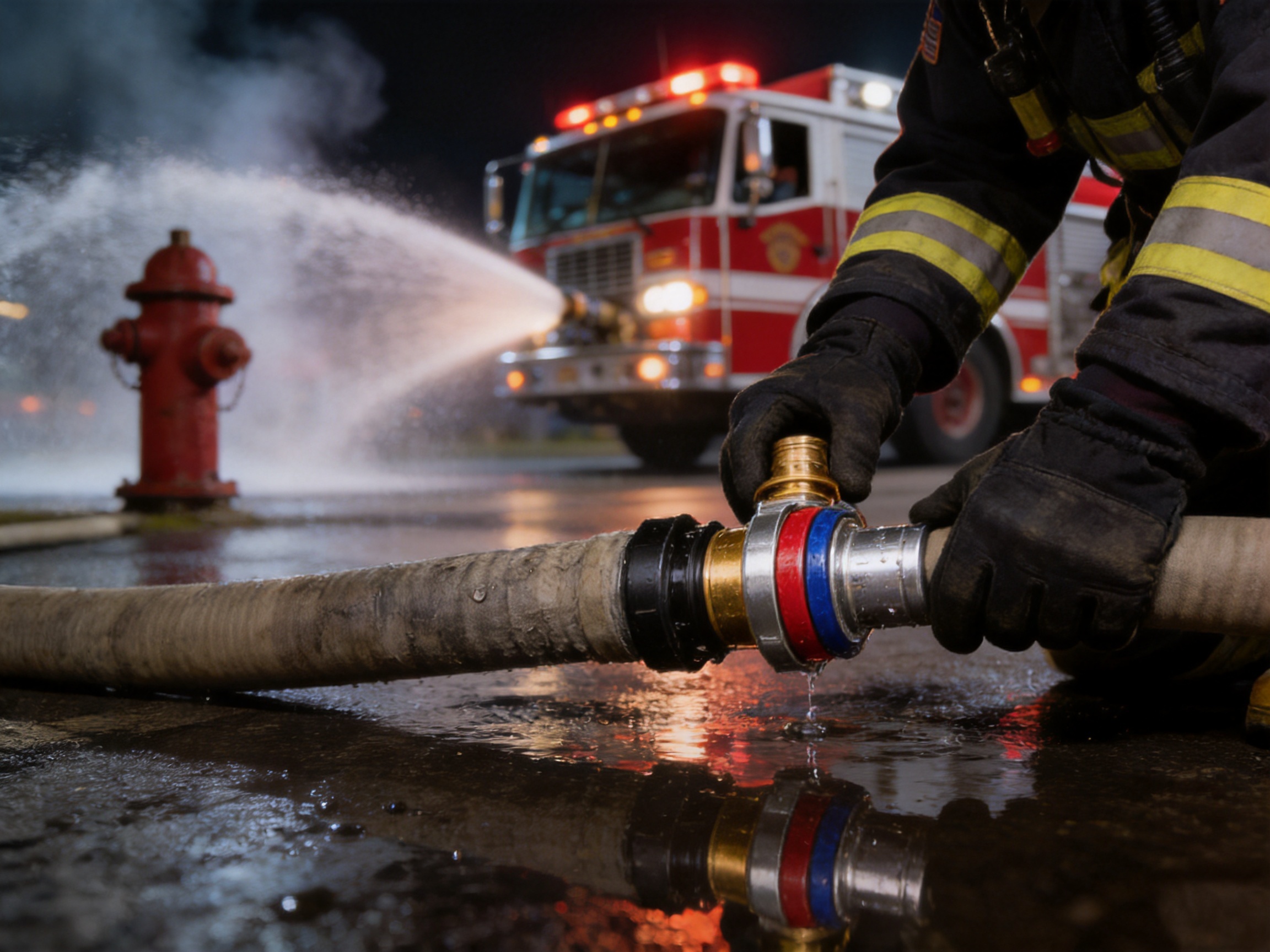
Machino-style hose couplings are widely valued because they are designed for quick and convenient engagement. The structure supports tool-free operation, helping users connect and disconnect hose assemblies more efficiently. This feature is especially important in firefighting, where operators may work at night, in smoke, under stress, or while wearing gloves. It also benefits irrigation and industrial users who need to assemble and disassemble hose lines many times during a working day.
The Casting/Forged Machino Hose Coupling improves this practical advantage by incorporating carefully selected materials and controlled manufacturing processes. Instead of relying only on basic connection geometry, the product emphasizes the complete balance of mechanical strength, surface quality, compatibility, operating convenience, and cost efficiency. This is what distinguishes a dependable coupling from a low-grade alternative.
The Casting/Forged Machino Hose Coupling is a JIS-standard hose connection product designed for fluid transfer systems that require fast coupling, reliable pressure performance, and durable service. Its working pressure rating of 16 Bar makes it suitable for many firefighting and industrial water delivery systems, as well as irrigation, petroleum-related operations, and chemical service where the selected material is appropriate for the medium and environment.
The product is available in five common size options: 1-1/2 inches, 2 inches, 2-1/2 inches, 3 inches, and 4 inches. This range allows compatibility with many standard hose diameters and system configurations. Whether the user is building a compact fire hose assembly, a medium-size irrigation line, or a larger industrial transfer system, the available size range provides practical flexibility.
Three major material options are offered: aluminum alloy, brass, and stainless steel. Aluminum alloy provides a favorable strength-to-weight ratio and is often chosen when portability, easy handling, and cost efficiency are priorities. Brass is valued for its toughness, wear characteristics, and traditional use in fire protection and water service components. Stainless steel provides enhanced corrosion resistance and is often preferred for harsher environments, higher hygiene expectations, or more chemically demanding conditions. This material flexibility allows the coupling to be adapted rather than forcing every buyer into a single solution.
The surface is treated by vibratory grinding, a process that refines the surface by reducing burrs, improving finish consistency, and supporting better resistance against corrosion and chemical attack. A smoother surface also improves handling comfort and can reduce points where dirt, residue, or corrosive substances accumulate. When combined with proper material selection, this surface treatment contributes to longer service life and more stable operation.
| Product Type | Casting/Forged Machino Hose Coupling |
| Manufacturing Method | Casting and Forging |
| Working Pressure | 16 Bar |
| Available Materials | Aluminum Alloy, Brass, Stainless Steel |
| Standard | JIS |
| Surface Treatment | Vibratory Grinding |
| Available Sizes | 1-1/2 inches, 2 inches, 2-1/2 inches, 3 inches, 4 inches |
| Main Applications | Firefighting, Irrigation, Petroleum, Chemicals |
| Key Features | Tool-free operation, corrosion and chemical resistance, economical performance |
The manufacturing method is one of the most important factors influencing the quality of a hose coupling. A coupling must resist internal pressure, impact during handling, repeated connection cycles, and environmental exposure. Casting and forging techniques are used to create components that achieve a practical balance between shape complexity, strength, dimensional control, and production efficiency.
Casting is especially useful when a component requires defined geometry and repeatable production. By pouring molten metal into a prepared mold, the manufacturer can create the base shape of the coupling with consistent structural form. For hose couplings, casting allows the production of connection features, body contours, locking areas, and other functional details that would otherwise require extensive machining. When casting is properly controlled, it supports stable product dimensions and efficient manufacturing.
Forging adds another level of mechanical performance. In forging, metal is shaped under compressive force, which can improve grain structure and mechanical strength. Forged components are widely recognized for their toughness and resistance to shock and pressure. In coupling production, forging can help enhance durability in sections that experience repeated stress, engagement force, or pressure loading. Compared with ordinary low-grade cast parts, a properly forged or casting-forged coupling can offer better resistance to deformation and longer working reliability.
The combination of casting and forging is valuable because it supports both practical shape formation and improved structural performance. This is particularly important for Machino couplings, where precise engagement surfaces and stable load-bearing areas are essential. If the locking portion is weak or poorly formed, the coupling may loosen or wear prematurely. If the body is inconsistent, the connection may be difficult to operate. A disciplined casting and forging process helps avoid these problems.
Compared with competitors that rely on simplified production methods, insufficient material control, or rough finishing, these Casting/Forged Machino Hose Couplings are positioned for users who care about long-term value. Low-cost couplings may appear similar at first glance, but differences often become clear after repeated field use. Better manufacturing reduces the risk of leakage, sticking, deformation, and early replacement. For buyers managing fleets of hoses or operating in high-demand environments, this difference can reduce maintenance costs and improve operational confidence.
One of the product’s key advantages is the availability of aluminum alloy, brass, and stainless steel. Each material has a distinct performance profile, and each is suitable for different user priorities. Rather than offering a one-size-fits-all coupling, the product provides options that allow buyers to match the coupling to the system environment.
Aluminum alloy is widely used in hose couplings because it is lightweight, practical, and economical. In firefighting and irrigation operations, workers may need to move hoses frequently, carry equipment over long distances, or connect hose lines quickly. A lighter coupling can reduce operator fatigue and improve handling efficiency. Aluminum alloy also provides reasonable strength for many standard applications and can be an excellent choice where portability matters.
In comparison with heavier alternatives, aluminum alloy couplings can make hose assemblies easier to deploy and retrieve. This advantage is important for municipal firefighting teams, mobile water supply operations, temporary irrigation systems, and industrial maintenance crews. When combined with proper surface treatment and suitable use conditions, aluminum alloy offers a good balance of cost, weight, and service performance.
Brass is a traditional and trusted material for water service and fire protection components. It offers good mechanical durability, wear resistance, and stable performance in many environments. Brass couplings are often selected when users want a more robust feel, strong thread or engagement durability, and proven field reliability. The material has long been associated with firefighting equipment because it performs well under repeated handling and connection cycles.
Brass may be preferable in applications where impact resistance, long service life, and mechanical stability are more important than weight reduction. It can also provide an attractive balance between corrosion behavior and strength. In comparison with ordinary low-grade alloys, high-quality brass components can deliver better resistance to wear and maintain functional geometry through repeated use.
Stainless steel is selected when corrosion resistance, durability, and strength are major concerns. For environments involving moisture, chemical exposure, harsh weather, or demanding industrial service, stainless steel can provide a higher level of protection. It is particularly suitable when users require longer service intervals or when replacement access is inconvenient.
Although stainless steel may involve a higher initial cost, its life-cycle value can be excellent in corrosive or chemically active environments. Compared with lower-cost materials that may corrode, seize, or weaken under exposure, stainless steel provides greater confidence. For petroleum-related service, chemical transfer support, marine-adjacent environments, and industrial plants, stainless steel may be the preferred option.
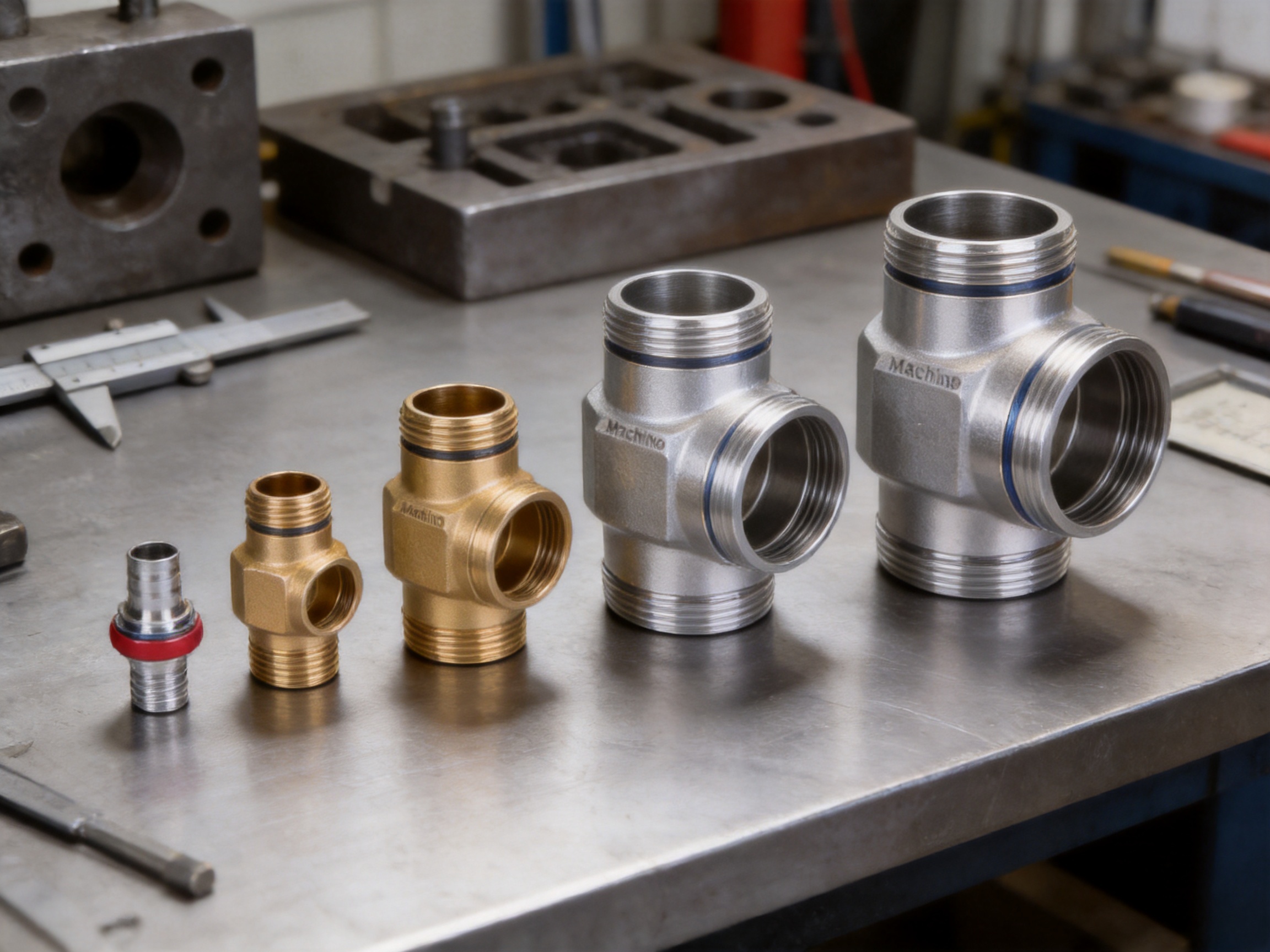
Surface quality has a direct impact on coupling performance, even when the base material is strong. Rough surfaces can create stress points, retain contaminants, abrade hands or gloves, and promote localized corrosion. Burrs or sharp edges can interfere with smooth operation and may reduce the perceived quality of the product. For these reasons, the coupling is treated with vibratory grinding.
Vibratory grinding is a finishing process in which parts are placed in a vibrating container with abrasive media. The movement of the media against the parts smooths surfaces, removes burrs, and creates a more uniform finish. The process is efficient for batch production and can improve both appearance and functional quality. For hose couplings, a consistent finish helps improve handling and reduces irregularities that may interfere with connection.
This surface treatment contributes to corrosion and chemical resistance by reducing surface defects where corrosion can begin. It also makes the coupling easier to clean, which is useful in firefighting, irrigation, and industrial environments where equipment may be exposed to mud, water, oil, or chemical residue. While surface treatment alone cannot replace correct material selection, it enhances the overall durability of the coupling.
Compared with unfinished or poorly finished couplings, vibratory-ground couplings provide a more professional appearance and a better user experience. Operators can feel the difference when connecting and disconnecting components. The smoother exterior also reflects manufacturing discipline and quality control. In competitive markets, these details matter because they help buyers distinguish between ordinary low-cost products and carefully produced equipment.
One of the most practical advantages of Machino Hose Couplings is easy operation without tools. Tool-free coupling is not merely a convenience; it can directly affect response time, labor efficiency, and safety. In firefighting, operators may need to connect hoses quickly in stressful and unpredictable conditions. A coupling that requires extra tools can delay deployment and create operational complications. Tool-free connection simplifies the process and allows firefighters to focus on water delivery and hazard control.
In irrigation, tool-free operation helps workers move hose lines between fields, pumps, storage tanks, and distribution points. Agricultural environments often require frequent changes and rapid setup. A coupling that can be handled quickly reduces labor time and supports flexible water management. When workers can connect and disconnect hoses without carrying specialized tools, the daily workflow becomes simpler and more productive.
Industrial and petroleum-related users also benefit from tool-free operation. Maintenance teams often operate under time constraints. Production downtime can be expensive, and simple equipment operation reduces the chance of procedural delays. Tool-free coupling can also reduce the risk of tool-related damage caused by over-tightening, hammering, or improper leverage. When the coupling is designed to engage properly by hand, the connection process becomes more controlled.
Compared with competitors that require tools, complex threading, or slow alignment, the Casting/Forged Machino Hose Coupling offers a clear operational advantage. Faster connection reduces downtime. Easier handling reduces training difficulty. Fewer tools mean fewer lost accessories and fewer opportunities for misuse. The result is a more efficient hose system from setup to shutdown.
Standardization is critical in hose coupling selection. A coupling may be strong and well made, but it is not useful if it cannot connect properly with the intended equipment. These Machino Hose Couplings are manufactured according to the JIS standard, supporting compatibility with systems that require this connection format. For users working with JIS-standard firefighting or industrial hose systems, this is an important advantage.
Standard compatibility simplifies procurement and maintenance. Buyers can select replacement parts with greater confidence, knowing that the coupling is designed around recognized dimensional and functional expectations. This reduces the risk of mismatched components, connection failures, or field modifications. It also helps organizations manage spare parts more efficiently.
In export and international trade applications, standards are especially important. Hose equipment may be sold to different regions, used by different contractors, or connected to existing systems with established requirements. JIS-standard couplings provide a clear technical reference point and reduce uncertainty during project planning. This helps distributors, contractors, and end users communicate requirements more accurately.
Compared with non-standard or loosely manufactured couplings, JIS-standard production supports more reliable fit and interchangeability. When a coupling is made to a standard rather than an improvised pattern, users can expect better alignment, engagement, and operational consistency. This is another way the product provides value beyond the visible metal body.
Firefighting places extraordinary demands on hose couplings. Equipment must be deployed quickly, exposed to water pressure, dragged over rough surfaces, and handled by operators wearing gloves and protective gear. The coupling must connect securely and perform under pressure without creating unnecessary delays. The Casting/Forged Machino Hose Coupling is well suited to this environment because it combines tool-free operation, durable construction, and standardized compatibility.
During firefighting operations, water supply lines may be extended from hydrants, pumps, vehicles, or portable water sources. Each hose connection becomes a critical point in the water delivery chain. If a coupling leaks or fails, pressure can drop and firefighting effectiveness can be reduced. A reliable 16 Bar working pressure rating provides confidence for many standard fire hose applications, provided the complete hose system is correctly selected and operated.
The available size range is also helpful. Smaller sizes can support more flexible lines and manageable handling, while larger sizes can support higher-volume water delivery. Fire departments and fire equipment suppliers can select the coupling size that matches the intended hose diameter and flow requirement. Material selection also allows customization: aluminum alloy for lighter handling, brass for traditional durability, or stainless steel for harsher environments.
In comparison with lower-grade fire hose couplings, this product emphasizes long-term usability. The vibratory grinding finish helps reduce rough edges, and the casting/forging process supports structural dependability. These advantages matter because firefighting equipment may remain in storage for long periods and then be required to perform immediately. Dependable construction reduces the risk of unpleasant surprises during emergencies.
Agricultural irrigation requires equipment that is economical, easy to operate, and durable enough for outdoor conditions. Hose lines may be moved across fields, connected to pumps, linked to temporary distribution networks, or stored in sheds and open environments. Dust, mud, sunlight, water exposure, and rough handling are common. A good coupling must therefore be both practical and resilient.
The Casting/Forged Machino Hose Coupling is a strong match for irrigation because of its tool-free operation and broad size range. Workers can connect hoses quickly without searching for tools or spending time tightening complicated fittings. This improves productivity during seasonal work, especially when irrigation schedules are affected by weather, crop needs, and labor availability.
Aluminum alloy is often attractive for agricultural use because it keeps equipment lighter and more economical. Brass may be selected for users who prioritize longer wear life, while stainless steel can be chosen for more corrosive water conditions or demanding installations. The product’s material options make it flexible for farms, plantations, water conservancy projects, and rural pumping systems.
Compared with ordinary couplings used in low-pressure temporary systems, a 16 Bar working pressure rating provides a stronger margin for many irrigation setups. This does not mean the coupling should be used outside the design limits of the hose system, but it does provide confidence for users who need reliable performance in pressurized water delivery. When maintained properly, the coupling can help reduce leaks, downtime, and repeated replacement costs.
Petroleum and chemical-related applications require careful attention to material compatibility, safety, sealing performance, and corrosion resistance. Hose couplings used in these environments may encounter oils, fuels, chemical residues, cleaning agents, or industrial atmospheres. For these conditions, the availability of brass and stainless steel options can be especially important.
Stainless steel is often preferred where corrosion resistance and chemical exposure are significant concerns. It can provide greater long-term durability than lower-grade metals in harsh environments. Brass may also be suitable for many petroleum and water-related uses, depending on the medium and operating conditions. Aluminum alloy can be used where appropriate, especially when weight and cost are important and the environment is compatible.
It is important for buyers to evaluate the specific fluid, temperature, concentration, pressure, and exposure conditions before selecting any coupling material. The strength of this product line is that it offers multiple material choices, allowing a more suitable match. This is superior to suppliers that offer only one material option and expect it to fit every application.
In petroleum and chemical work, equipment reliability is not just a matter of convenience. Leakage can result in waste, contamination, cleanup costs, and safety hazards. A well-manufactured coupling with a smooth finish and solid construction helps support safer, more reliable transfer operations. Combined with proper hose selection and correct operating procedures, the Casting/Forged Machino Hose Coupling can form part of a dependable fluid handling system.
The market contains many hose couplings that appear similar in shape, but real performance differences are created by material quality, manufacturing accuracy, surface finishing, standard compliance, and quality control. The Casting/Forged Machino Hose Coupling has several advantages that help it stand out from ordinary alternatives.
Some couplings are inexpensive because they use weak materials, rough production, or minimal finishing. They may save money at the purchase stage but create higher replacement and maintenance costs later. This product is designed to be economical without abandoning essential performance. The casting and forging methods support structural strength, while the available material choices allow buyers to control cost according to application.
Competitor products that require tools can slow down work and increase operational complexity. Tool-free operation reduces connection time, simplifies training, and supports safer field handling. This advantage is especially valuable in firefighting and temporary water supply work, where speed and simplicity are essential.
Many suppliers offer only one common material, forcing customers to compromise. The availability of aluminum alloy, brass, and stainless steel allows users to choose lightweight efficiency, traditional durability, or stronger corrosion resistance. This flexibility supports better engineering decisions and improves customer satisfaction.
Vibratory grinding improves surface finish and reduces burrs. Poorly finished couplings can feel rough, corrode faster at defects, and operate less smoothly. A better finish enhances both appearance and performance, helping the product maintain value during use.
Standardized production supports fit, compatibility, and predictable operation. Non-standard couplings may create connection uncertainty and field problems. JIS-standard Machino couplings are more suitable for users who require recognized compatibility and repeatable quality.
A 16 Bar working pressure rating makes the coupling suitable for many demanding applications. While every hose system must be evaluated as a complete assembly, this pressure capability provides a practical performance foundation for firefighting, irrigation, petroleum, and chemical-related service.
The value of a coupling depends not only on its design but also on the strength of the manufacturer behind it. Taizhou Shenlong Fire Science and Technology Co., Ltd. was founded in 1995 and has developed into an enterprise integrating research and development, production, sales, and service. This background is important because hose couplings and hose systems require both practical production capability and technical understanding of field use.
The company’s main products include various lined fire hoses, and it can also undertake foreign trade products according to customer requirements, including rubber, PVC, polyurethane, and double-sided tape-related hose products. This broad manufacturing experience gives the company a strong understanding of hose materials, pressure performance, connection requirements, and application environments. A coupling produced by a manufacturer with hose-system experience is more likely to be designed around real operational needs rather than isolated component production.
The company’s products are used in fire protection, construction, water conservancy, and other industries. This application diversity contributes to manufacturing knowledge. Firefighting demands fast deployment and reliability. Construction requires durability and practicality. Water conservancy often requires large-scale and long-term fluid handling. By serving these different sectors, the company develops experience that supports better product design and production decisions.
The company also cooperates with domestic foreign trade companies to produce export products for many countries. Export-oriented manufacturing often requires attention to customer specifications, packaging, consistency, and communication. This experience supports the ability to meet varied market requirements and provide products that can compete internationally. For customers seeking a stable supplier, these strengths are meaningful.
Advanced manufacturing is not only about equipment. It includes process control, material selection, dimensional inspection, finishing, and continuous improvement. The Casting/Forged Machino Hose Coupling reflects this broader manufacturing approach. From casting and forging to vibratory grinding and final application matching, the product is designed to provide consistent value.
Quality control is essential for hose couplings because small dimensional variations can affect connection performance. A coupling must engage smoothly, seal properly, and remain secure under pressure. If the locking areas are uneven or the connection surfaces are poorly formed, the user may experience leakage, difficult operation, or premature wear. Therefore, manufacturing discipline is central to product quality.
Material control is the first step. Aluminum alloy, brass, and stainless steel each require appropriate production handling. The chemical composition and mechanical properties of the selected material influence strength, corrosion behavior, and machining or finishing results. Consistent material sourcing and inspection help ensure the coupling performs as expected.
The casting and forging stages must be controlled to avoid defects such as porosity, weak sections, incomplete filling, or deformation. Proper tooling, temperature management, forming pressure, and inspection help create parts with stable geometry and sufficient mechanical reliability. After forming, machining or finishing steps may be used to refine functional areas and ensure that connection surfaces meet requirements.
Vibratory grinding supports surface uniformity, but it must also be controlled. Excessive finishing could affect dimensional accuracy, while insufficient finishing may leave burrs or rough edges. A disciplined process balances appearance, surface smoothness, and functional tolerance.
Final inspection should confirm size, visual condition, connection function, material accuracy, and pressure-related suitability. For buyers, this process discipline translates into fewer defects, better field performance, and more predictable inventory quality. In competitive procurement, consistency is often as important as peak performance. A supplier that can deliver stable products batch after batch provides a major advantage.
When selecting a Machino Hose Coupling, buyers should consider more than size alone. The correct choice depends on the complete operating environment. Important factors include hose diameter, working pressure, medium, temperature, exposure conditions, frequency of use, required standard, and material preference.
Size selection should match the hose and system connection requirements. The available sizes of 1-1/2 inches, 2 inches, 2-1/2 inches, 3 inches, and 4 inches cover many common applications, but buyers should confirm compatibility before purchase. Incorrect sizing can lead to connection failure, flow restrictions, or assembly delays.
Working pressure should be evaluated at the system level. Although the coupling is rated for 16 Bar, the complete hose assembly is only as strong as its lowest-rated component. The hose, clamps, gaskets, nozzles, valves, and pumps must all be compatible with the intended pressure. Safety factors should be considered according to application standards and local regulations.
Material selection is equally important. Aluminum alloy may be best for lightweight and economical field use. Brass may be chosen for robust and traditional performance. Stainless steel may be selected for harsh or corrosive environments. If the coupling will contact petroleum products or chemicals, the buyer should confirm compatibility with the specific medium.
Surface treatment and maintenance should also be considered. Vibratory grinding improves surface quality, but proper storage and cleaning remain important. Couplings should be kept free from heavy contamination, inspected for damage, and replaced if deformation or excessive wear is observed. Good maintenance extends service life and supports safer operation.
Although Machino Hose Couplings are designed for easy operation without tools, correct handling remains important. Before connection, users should inspect the coupling for visible damage, foreign matter, or deformation. The sealing surfaces and engagement areas should be clean. Dirt, sand, stones, or chemical residue can interfere with smooth connection and may damage sealing elements or surfaces.
To connect the coupling, align the matching parts correctly and engage them according to the Machino connection method. Operators should ensure the coupling is fully seated and locked before pressurizing the hose. Partial engagement can create leakage or separation risk. After connection, pressure should be introduced gradually when possible, allowing operators to check for leaks and confirm stability.
During operation, the hose should be arranged to avoid excessive twisting, sharp bending near the coupling, or heavy impact on the connection. Hose movement under pressure can place stress on the coupling and hose end. Proper hose layout helps protect both components and improves safety.
After use, the system should be depressurized before disconnection. Operators should not attempt to disconnect a pressurized coupling. Once disconnected, the coupling should be rinsed or cleaned if it has been exposed to mud, chemicals, oil, or saltwater. Dry storage is recommended to reduce corrosion risk, especially for equipment used intermittently.
These simple practices help users obtain the full benefit of the coupling’s design. A high-quality coupling performs best when it is installed and maintained correctly.
Initial purchase price is only one part of coupling cost. A cheaper coupling that fails early can become more expensive than a better-made product. Costs may include replacement, labor, downtime, leakage, damaged hose ends, safety incidents, and lost productivity. Life-cycle value should therefore be considered when comparing hose coupling options.
The Casting/Forged Machino Hose Coupling supports life-cycle value through durable construction, material options, tool-free operation, and surface finishing. Its economical feature does not mean it is designed only for low-cost purchasing. Rather, it is economical because it balances price and performance in a way that reduces avoidable waste.
For fire departments and equipment distributors, durability reduces replacement frequency and supports readiness. For farms, reliable couplings reduce irrigation delays and labor inefficiency. For industrial plants, dependable connections help prevent downtime. For petroleum and chemical-related users, proper material selection and reliable construction can reduce leakage risks and maintenance interruptions.
Compared with competitors that focus only on low unit price, this product offers broader value. The buyer receives a coupling supported by manufacturing experience, standard compatibility, and practical field-oriented design. Over time, these advantages can produce measurable savings and greater operational confidence.
Many customers require more than a standard product. They may need specific materials, packaging, export documentation, hose assembly support, or compatibility with related equipment. A manufacturer with experience in fire hoses and foreign trade products is better positioned to support these requirements. Taizhou Shenlong Fire Science and Technology Co., Ltd. has long-term experience in producing fire hose products and undertaking customer-specific foreign trade orders, which strengthens its ability to respond to different market needs.
The company’s location in Taizhou City, Jiangsu Province, supports access to industrial resources, logistics networks, and manufacturing talent. With years of development since 1995, the company has established product experience across fire protection, construction, water conservancy, and related industries. This background is useful for customers who need stable supply rather than occasional component sourcing.
For distributors, consistent supply and product quality are essential. A coupling line must be available in multiple sizes and materials to meet different customer demands. For project buyers, responsiveness and technical communication are important. For foreign trade partners, packaging, specification clarity, and production reliability matter. The company’s history of cooperation with foreign trade firms supports these expectations.
By offering Casting/Forged Machino Hose Couplings alongside fire hose and related fluid transfer products, the company can help customers build more complete hose system solutions. This integration is an advantage over suppliers that sell couplings without understanding the hose systems in which they will be used.
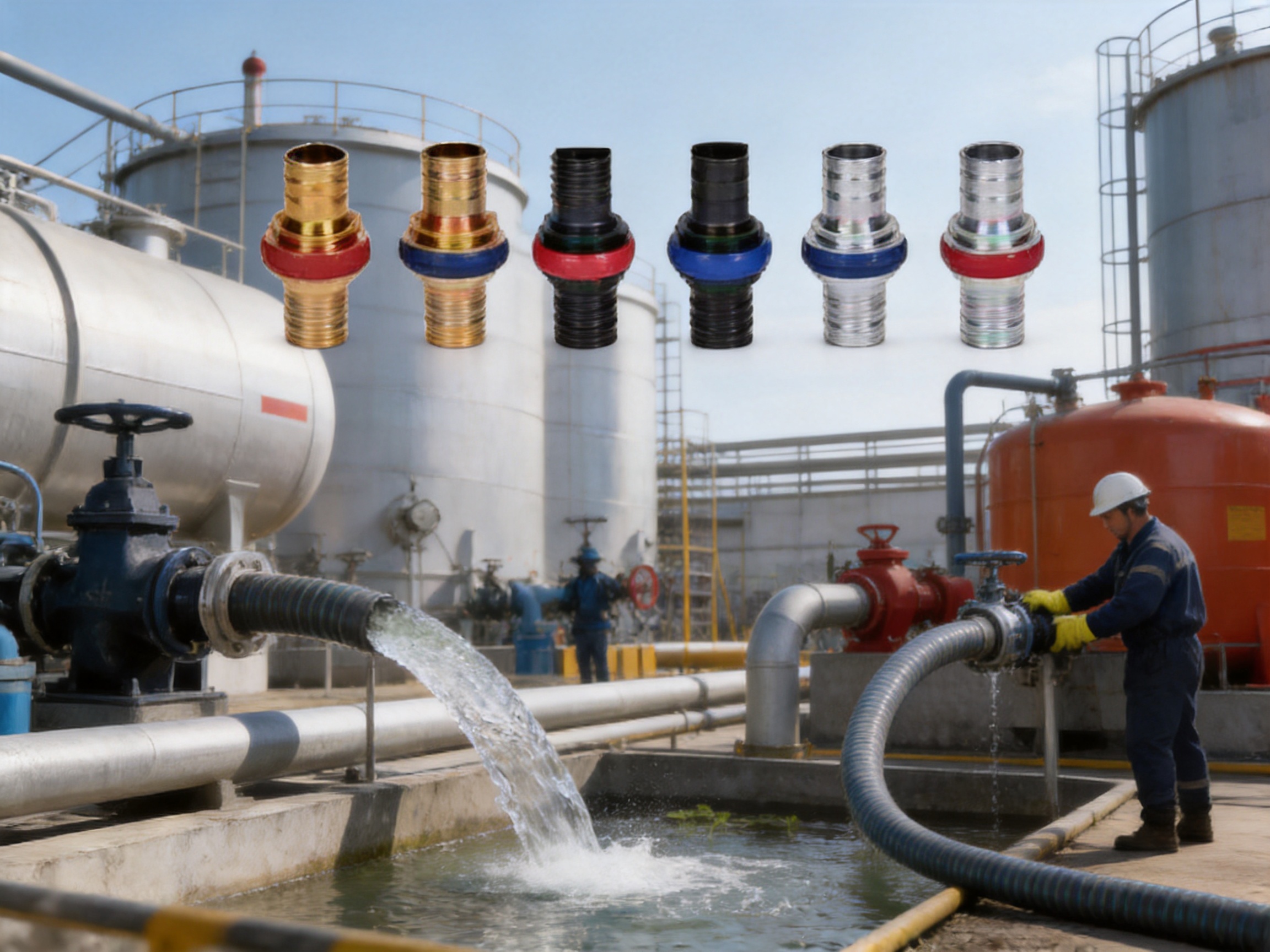
Its main purpose is to connect hose sections or connect hoses to equipment such as pumps, hydrants, nozzles, and valves. It provides quick, secure, tool-free connection for fluid transfer applications including firefighting, irrigation, petroleum-related service, and chemical-related use.
The coupling is designed for a working pressure of up to 16 Bar. However, the complete hose system should always be evaluated together because the safe working pressure depends on the lowest-rated component in the assembly.
The available sizes are 1-1/2 inches, 2 inches, 2-1/2 inches, 3 inches, and 4 inches. These sizes cover many common hose system requirements in firefighting, agricultural, and industrial use.
Aluminum alloy is suitable when lightweight handling and economy are priorities. Brass is suitable for users who want robust traditional performance and wear resistance. Stainless steel is preferred for harsher or more corrosive environments. The correct material should be selected according to the medium, environment, pressure, and maintenance conditions.
Casting supports accurate and repeatable component shape, while forging can improve strength and toughness in key structural areas. The combination helps create a coupling that is strong, practical, and reliable for repeated use.
Vibratory grinding smooths the coupling surface, removes burrs, improves appearance, and helps reduce surface defects where corrosion or contamination may begin. It also improves handling comfort and supports longer service life.
Yes. One of the key features of the Machino Hose Coupling is easy operation without tools. This improves speed and convenience in firefighting, irrigation, industrial maintenance, and temporary fluid transfer work.
Yes. The coupling is suitable for firefighting applications when matched with compatible hoses and equipment. Its tool-free operation, JIS standard design, durable construction, and 16 Bar working pressure rating make it practical for many fire hose systems.
It can be used in chemical-related applications when the selected material is compatible with the specific chemical, concentration, temperature, and operating conditions. Stainless steel is often preferred for more demanding chemical environments, but compatibility should always be confirmed before use.
Cheaper alternatives may use lower-grade materials, rougher finishing, weaker production methods, or inconsistent dimensions. This coupling offers better overall value through casting and forging, material options, vibratory grinding, standard compatibility, and tool-free operation. These advantages can reduce downtime, leakage, and replacement costs.
The Casting/Forged Machino Hose Coupling is a practical and dependable connection solution for hose systems that require strength, speed, compatibility, and long-term value. With a working pressure of 16 Bar, size options from 1-1/2 inches to 4 inches, material choices including aluminum alloy, brass, and stainless steel, and JIS-standard manufacturing, it is suitable for a wide range of firefighting, irrigation, petroleum, and chemical-related applications.
Its advantages are not limited to basic connection performance. The product benefits from casting and forging methods that support structural reliability, vibratory grinding that improves surface quality, and tool-free operation that enhances field efficiency. Compared with ordinary couplings that focus only on low price, this product provides a stronger balance of durability, convenience, material flexibility, and economic value.
Behind the coupling is the manufacturing experience of Taizhou Shenlong Fire Science and Technology Co., Ltd., a company founded in 1995 with integrated research, development, production, sales, and service capabilities. Its experience in fire hoses, foreign trade products, and applications across fire protection, construction, and water conservancy strengthens its ability to deliver reliable hose connection solutions for domestic and international customers.
For buyers seeking a coupling that can support demanding operations while remaining economical and easy to use, the Casting/Forged Machino Hose Coupling is a strong choice. It represents the essential qualities that modern hose systems need: secure connection, efficient operation, material adaptability, manufacturing quality, and dependable service performance.
International Organization for Standardization. Firefighting Equipment and Hose Assembly Performance Guidelines.
Japanese Industrial Standards Committee. JIS Standards for Fire Hose Couplings and Related Connection Components.
ASM International. Metals Handbook: Properties and Selection of Nonferrous Alloys and Special-Purpose Materials.
American Foundry Society. Principles of Metal Casting and Quality Control in Cast Components.
Forging Industry Association. Design and Mechanical Performance Considerations for Forged Metal Parts.
National Fire Protection Association. Fire Hose, Couplings, Nozzles, and Service Testing Practices.
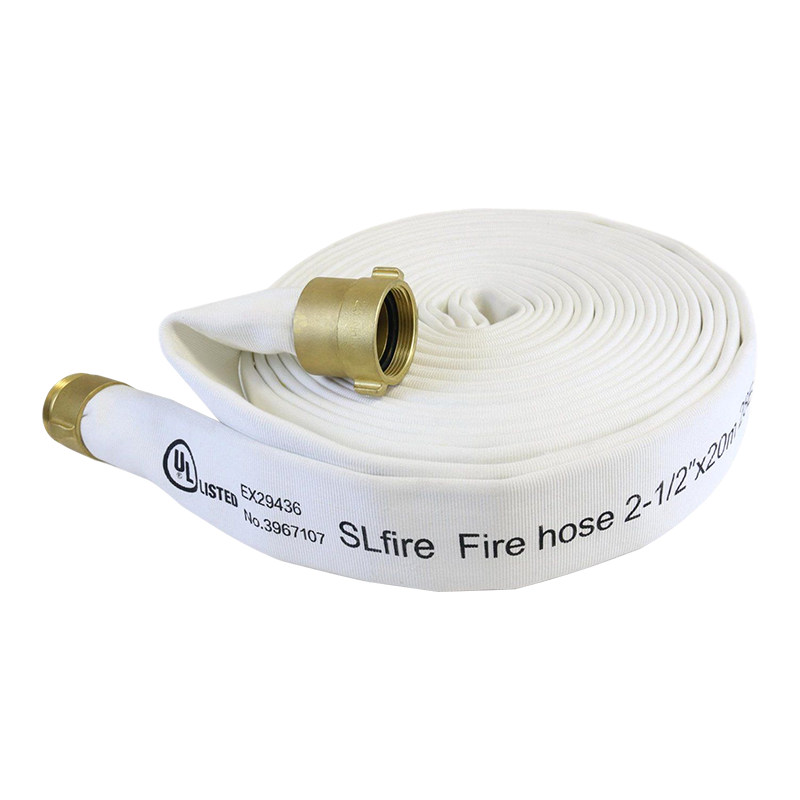
Single jacket, EPDM rubber liner Features • 100% high tenacity polyester jacket, high-grade EPDM rub...
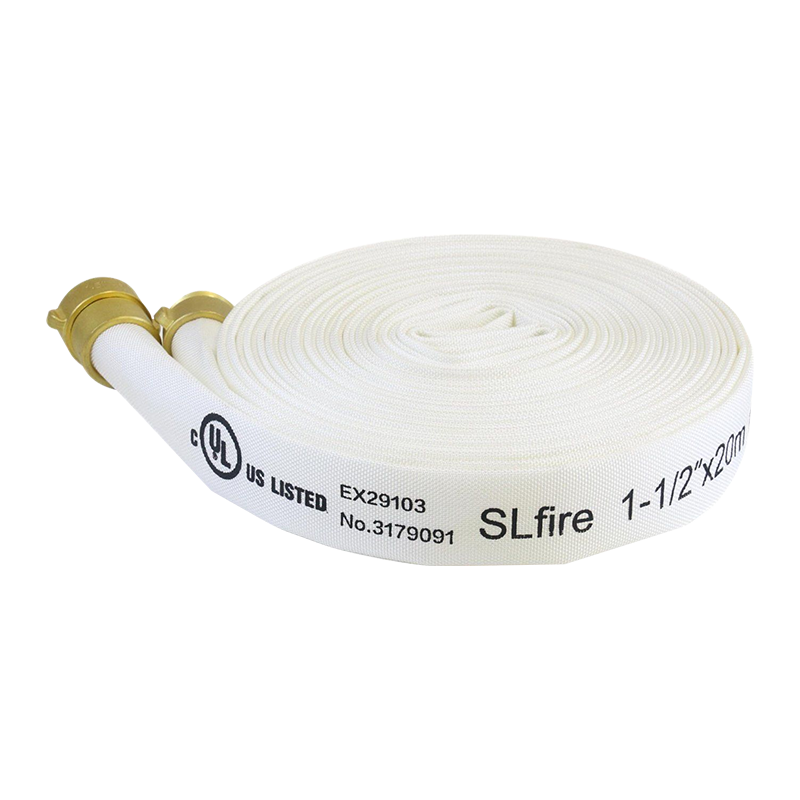
Single jacket, TPU liner •High-tenacity polyester yarn, circular woven in twill weave/plain weave,T ...
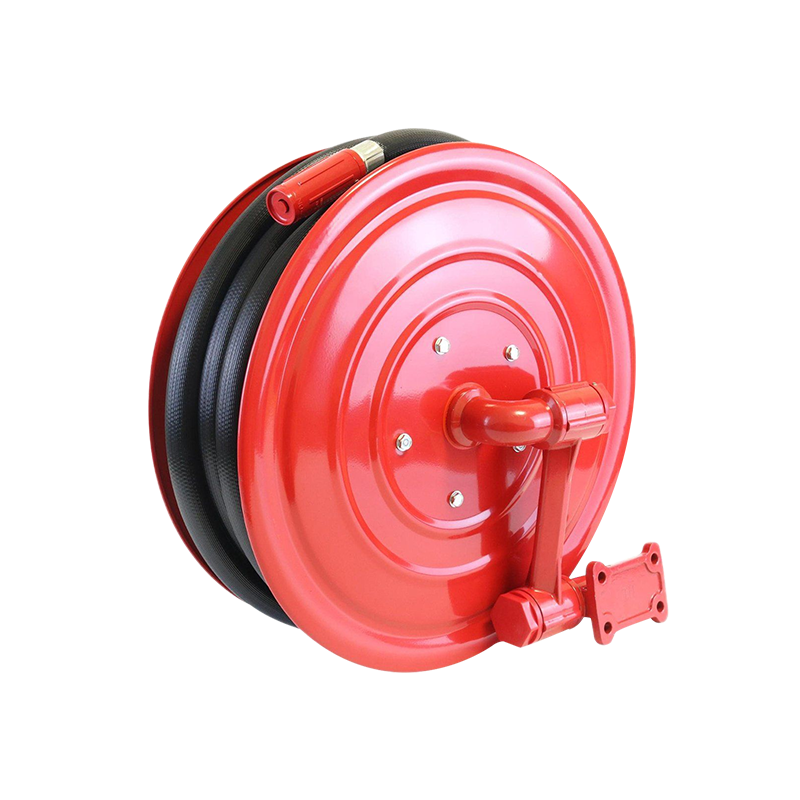
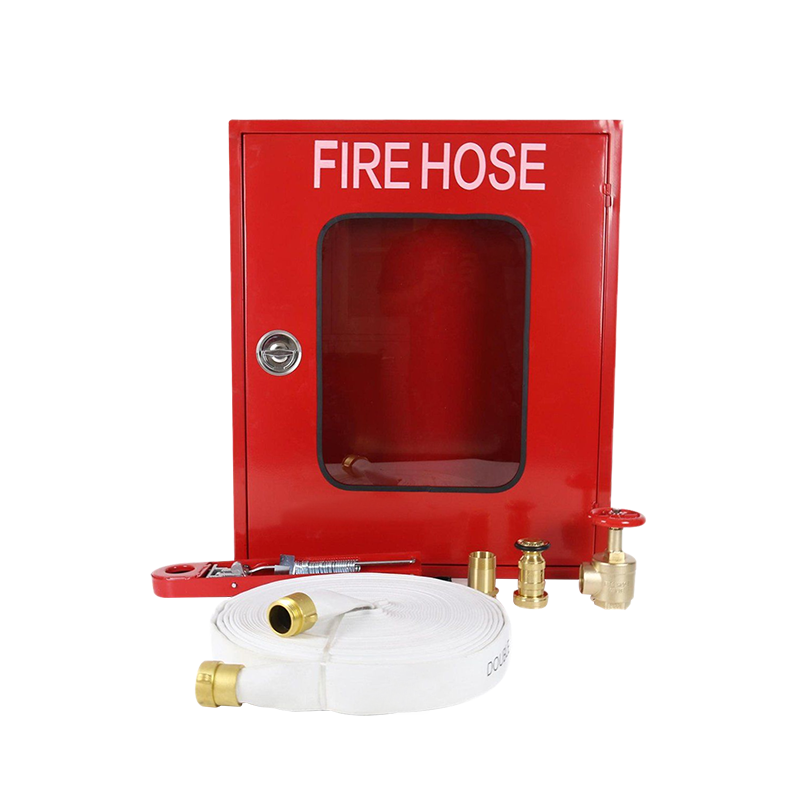
Fire cabinets are designed to accommodate fire hose,valve and other firefighting equipment. Type 201...
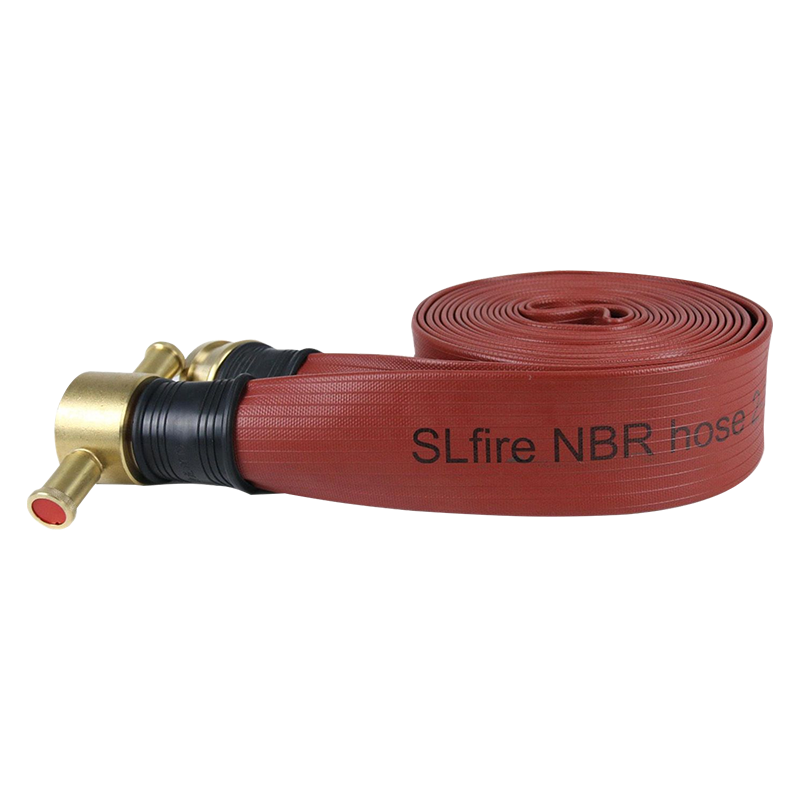
Nitrile covered hose •Nitrile/TPR blend as cover and lining, with 100% high-tenacity polyester yarn ...
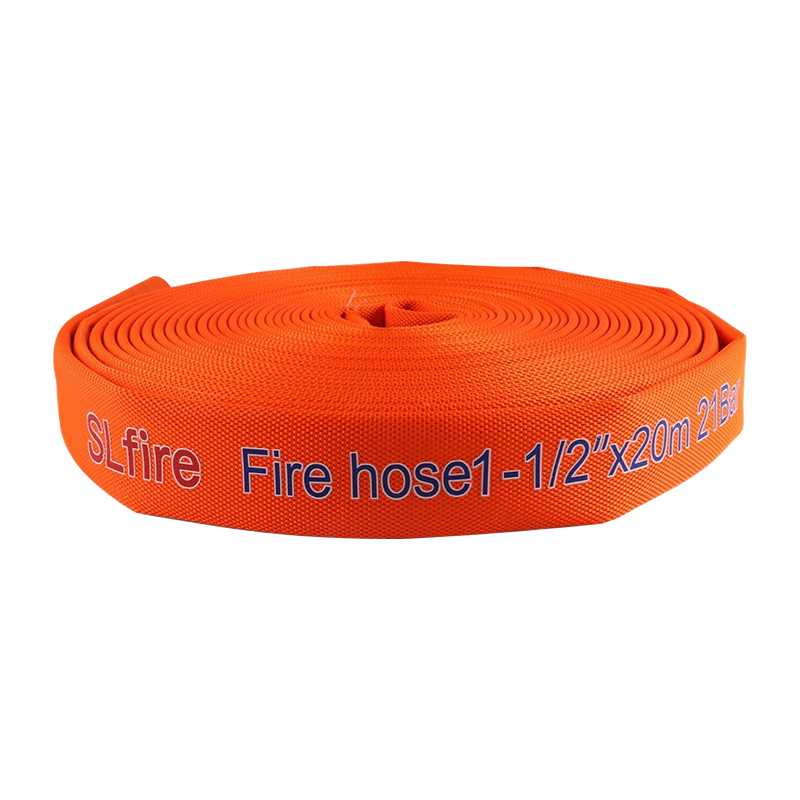
Single jacket, TPU liner •High-tenacity polyester yarn, circular woven in twill weave, TPU lining, f...
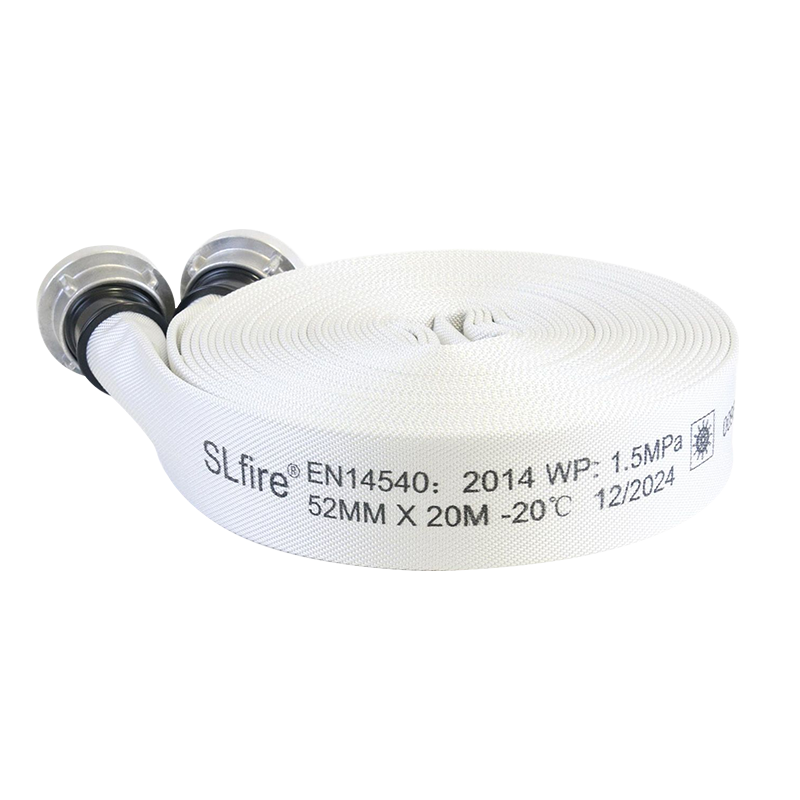
Marine hose Single jacket, PVC liner •100% high tenacity polyester yarn, circular woven in twill wea...
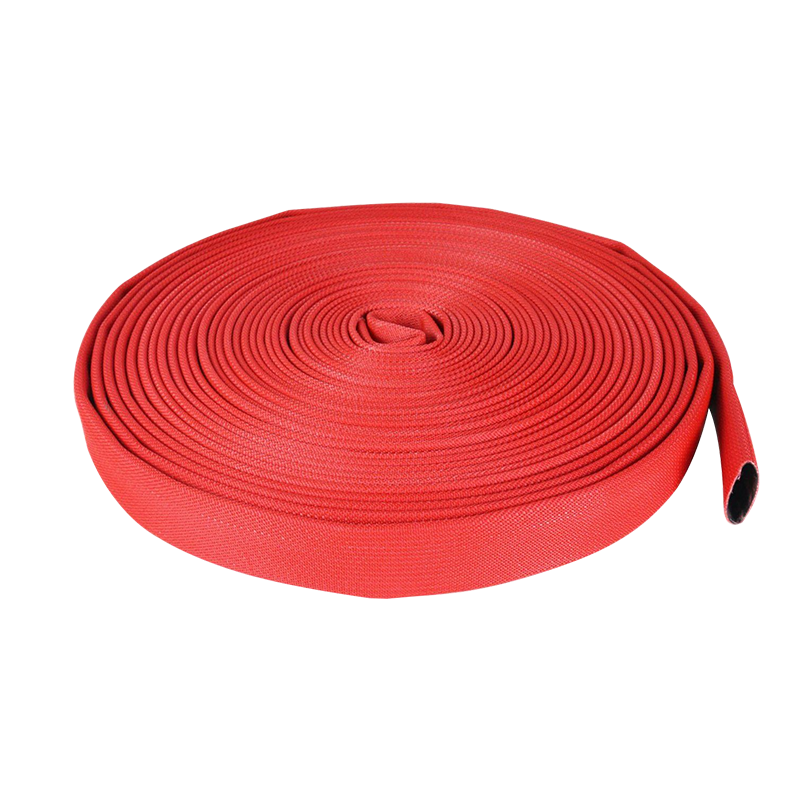
Marine hose Single jacket, PVC liner, PU coated •100% high tenacity polyester yarn,c ircular woven i...
 Call Us
+86 159-5116-9511
Need Support
Head Office
No.58, Kechuang Road, Sixiang Street Medicine Gaoxin District Taizhou City, Jiangsu Province

What Is a Fire Hose? A fire hose is a high-pressure flexible hose designed to carry water or fire retardant chemicals from a water source, such as a hydrant, pump, or tank, to a fire for suppression p...
Copyright © Taizhou Shenlong Fire Science and Technology Co., Ltd. All Rights Reserved.
 Fire Hose Manufacturers, Fire Hydrant Hose Factory