

 English
 русский
 Español
 Deutsch
 عربى
عربى Français
 Português
Don't hesitate to send a message

Single jacket, EPDM rubber liner Features • 100% high tenacity polyester jacket, high-grade EPDM rub...
Content
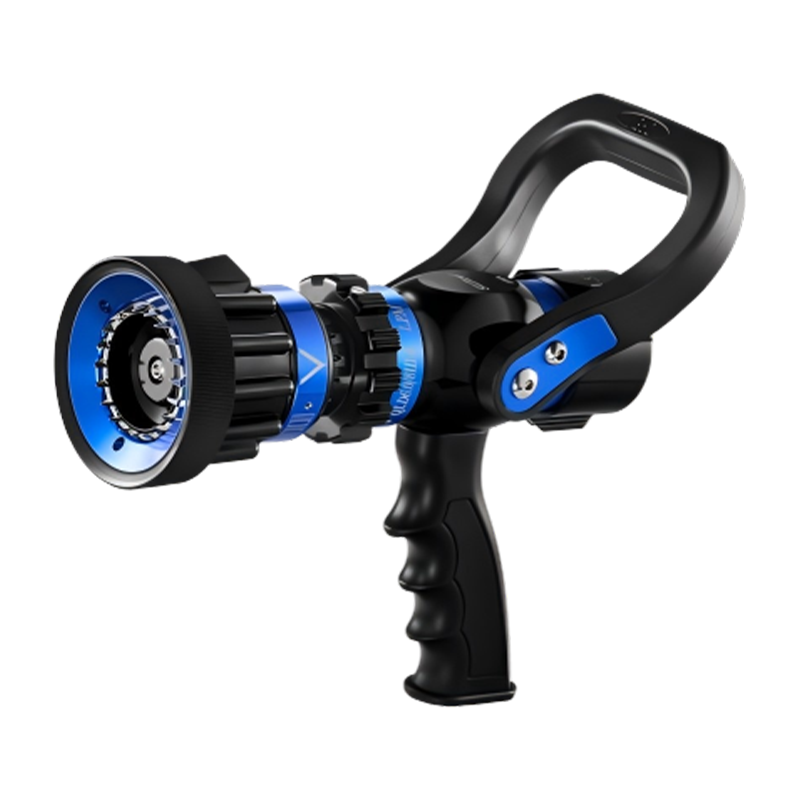
Modern firefighting demands equipment that is fast to deploy, easy to control, durable under severe conditions, and adaptable to rapidly changing fire behavior. The adjustable flow rate nozzle is designed for exactly that environment. As a critical hose nozzle for high-pressure reel fire trucks, vehicle fire response, forest fire operations, industrial fire control, and general emergency suppression tasks, this nozzle gives firefighters the ability to match water flow and spray pattern to the hazard in front of them.
The product combines a lightweight aluminum body, permanent laser-engraved markings, stainless-steel spinning teeth, a rugged rubber bumper, a DuPont nylon handle and pistol grip, secure forged connection components, and an internal stainless-steel strainer. These features are not decorative additions; they directly improve operational safety, service life, user comfort, and suppression efficiency.
The adjustable flow rate nozzle belongs to the hose nozzle category and is engineered for reliable firefighting performance at a nominal operating pressure of 7 bar, with selected versions also operating at 6 bar. It is available in multiple flow configurations, from small-flow models suitable for compact and controlled firefighting to large-flow models capable of delivering up to 950 liters per minute. Inlet size options range from 1 inch to 2.5 inches, allowing compatibility with different hose assemblies and fire truck reel systems.
Unlike a simple fixed-flow nozzle, this product allows the operator to select different flow rates according to fire scale, available water supply, hose line length, crew capacity, and tactical objective. When attacking a vehicle fire, a firefighter may require accurate control, quick adjustment, and a manageable stream. When protecting an exposure area or working near vegetation fire, the operator may need a higher volume and wider fog. The adjustable flow mechanism helps crews respond with one versatile nozzle rather than switching equipment during an emergency.
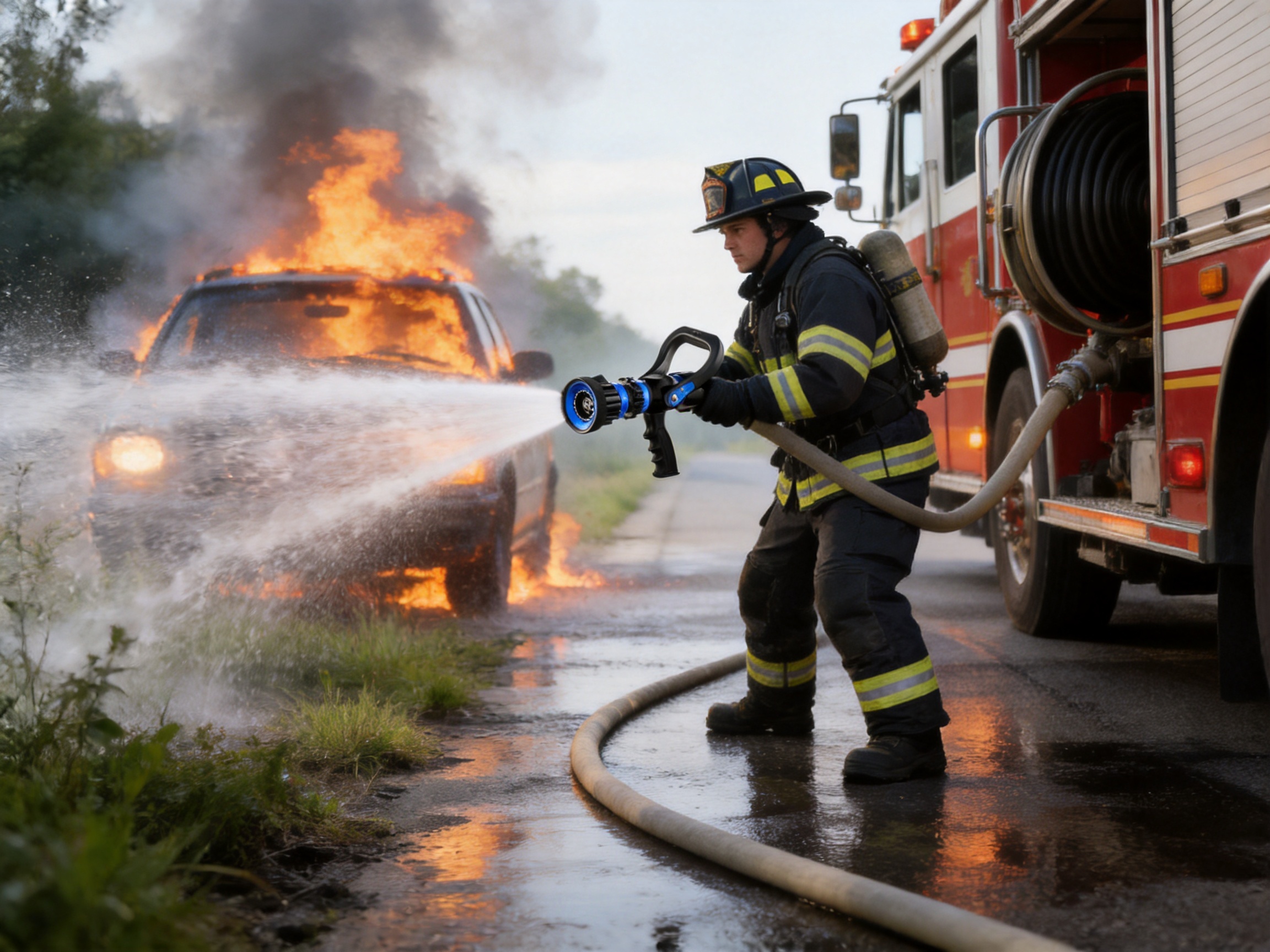
The nozzle is mainly equipped for high-pressure reel fire trucks and is widely applicable to vehicle fires and forest fires. These applications place special demands on firefighting tools. Vehicle fires may involve fuel, synthetic materials, confined engine compartments, and rapid heat release. Forest fires may involve uneven terrain, long working periods, airborne debris, and variable wind. A nozzle used in these settings must be sturdy, comfortable, clog-resistant, and quick to read under stress. The adjustable flow rate nozzle addresses these demands through material selection, ergonomic design, and practical internal protection.
| Model Type | Working Pressure | Flow Rate | Flow Distance | Weight | Coupling Options |
| QLD6.0/8Ⅲ-B Small Flow | 7 bar | 115-230-360-475 L/M | 32 m | 1.8 kg | 1 inch / 1.5 inch / 2 inch |
| QLD6.0/10Ⅲ Adjustable Flow | 7 bar | 115-230-360-475-600 L/M | 34 m | 1.8 kg | 1 inch / 1.5 inch / 2 inch |
| QLD6.0/13Ⅲ-C Large Flow | 7 bar | 360-450-580-780-950 L/M | 38 m | 2.8 kg | 1 inch / 1.5 inch / 2 inch |
| QLD6.0/8Ⅲ Dual Hydro Wall Nozzle | 6 bar | 480 L/M | 32 m | 2.2 kg | 1 inch / 1.5 inch / 2 inch |
Firefighting is never a single-condition task. A crew may arrive at a small vehicle fire and find it spreading to roadside vegetation. A forest fire crew may need to alternate between direct attack, cooling, exposure protection, and mop-up. An industrial emergency may require both focused reach and protective fog. Fixed-flow nozzles can perform well in narrow applications, but they limit tactical flexibility. Adjustable flow technology gives the firefighter greater control over water application without replacing the nozzle.
At lower flow settings such as 115 L/M or 230 L/M, the operator can conserve water, reduce nozzle reaction, and perform more precise suppression. This is valuable when working from smaller water tanks, mobile response vehicles, or situations where the water supply is uncertain. At medium settings, the nozzle supports sustained attack with balanced reach and cooling. At high settings such as 600 L/M, 780 L/M, or 950 L/M, it provides stronger output for larger fire areas, heat shielding, exposure protection, and high-volume suppression.
This flexibility is a major competitive advantage. Many nozzles are built for one flow range and one operational style. This adjustable model covers multiple tactical needs while maintaining a manageable weight. Fire departments, industrial brigades, forestry units, and emergency equipment suppliers benefit because they can standardize around a versatile nozzle platform while still selecting small-flow or large-flow models based on the duty environment.
The core material of the nozzle is a strong, lightweight aluminum body. Aluminum is widely valued in firefighting equipment because it combines mechanical strength with reduced mass. During emergency response, every kilogram matters. A nozzle that is too heavy increases fatigue, slows movement, and makes it harder for the operator to maintain accurate stream direction during long operations. By using aluminum, the design balances durability with easy handling.
The benefits of lightweight construction are particularly clear in vehicle fire and forest fire scenarios. Vehicle fires may require quick movement around obstacles, opening and cooling compartments, and repositioning to avoid smoke or fuel hazards. Forest fires may require firefighters to carry equipment over uneven terrain for long distances. A lighter nozzle reduces wrist strain, improves control, and supports more stable operation over time.
Competitor products made with heavier materials may offer strength but can become tiring during prolonged use. Very light but poorly reinforced products may be easier to carry but more vulnerable to impact or thread damage. This adjustable flow rate nozzle is designed to occupy the practical middle ground: rugged enough for rigorous use, yet light enough for efficient handling.
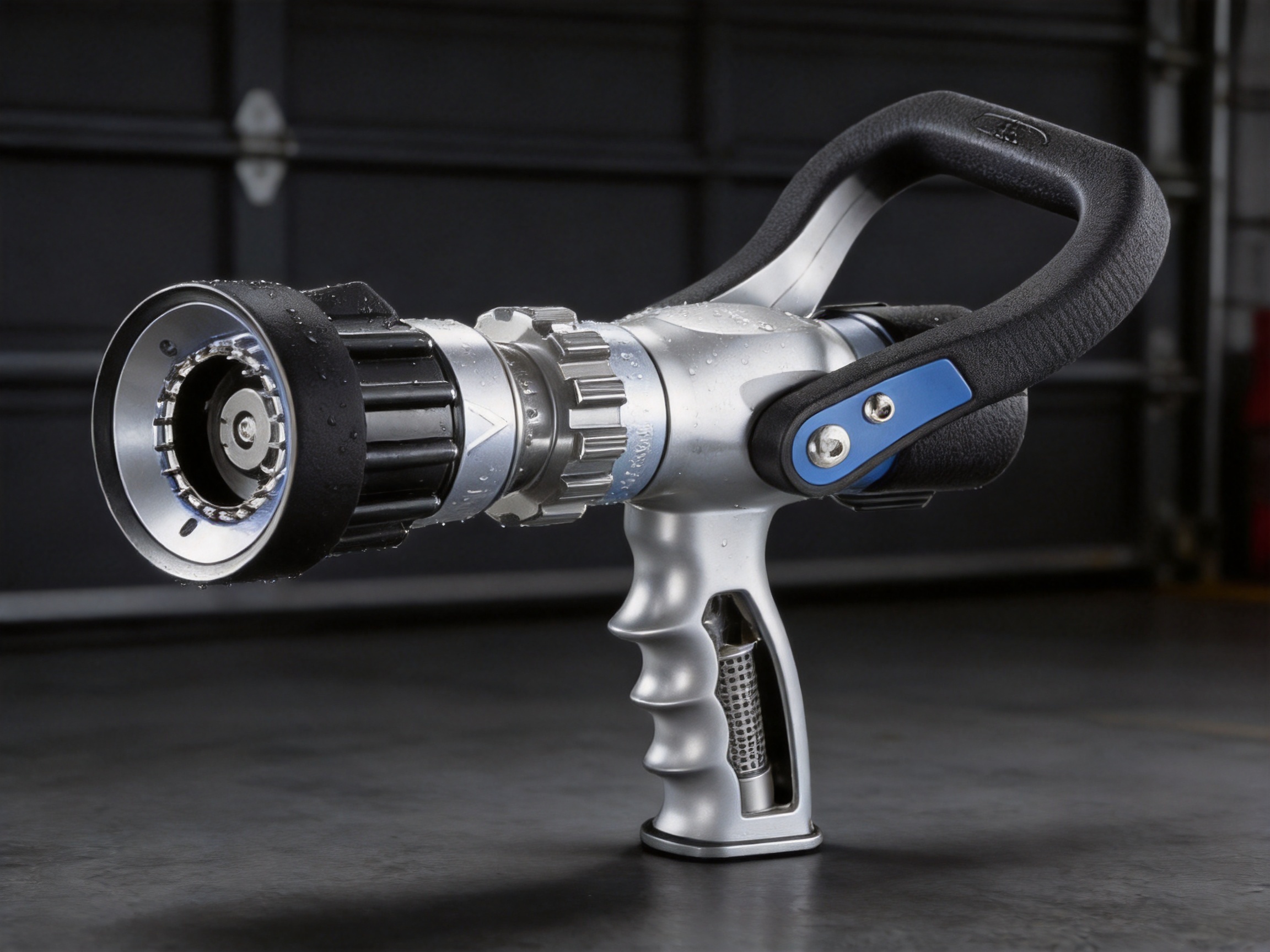
Firefighting decisions must often be made in smoke, darkness, rain, heat, and high-stress conditions. Clear markings on a nozzle are essential because the operator needs to understand the current setting immediately. The nozzle uses permanent laser-engraved operational markings that remain visible and durable compared with painted or printed markings that may fade, peel, or wear away.
Laser engraving provides long-term readability. It also contributes to consistency in training. When firefighters train with equipment that has clear flow markings, they build muscle memory and learn how each setting responds. During real operations, the operator can quickly confirm the selected flow and adjust with confidence. This reduces hesitation and improves tactical efficiency.
Compared with nozzles that rely on adhesive labels or surface printing, laser-engraved markings are a strong advantage. Firefighting equipment is frequently exposed to abrasion, mud, cleaning chemicals, sunlight, and repeated handling. Markings that disappear over time create risk. Permanent markings help maintain safety and usability throughout the product’s service life.
Fog performance is one of the most important characteristics of a professional firefighting nozzle. A high-quality fog pattern can absorb heat rapidly, provide a protective water curtain, reduce radiant heat exposure, and support safer approach to the fire. This nozzle uses stainless-steel spinning teeth to improve fog formation and spray uniformity.
Stainless steel is selected for its corrosion resistance, wear resistance, and mechanical stability. The spinning teeth help break water into fine droplets and create a consistent fog pattern. This is especially valuable for vehicle fires, where heat and smoke conditions may change quickly, and for forest fires, where wind and terrain can affect water distribution. A stable fog pattern helps the operator apply water more intelligently rather than simply discharging volume without control.
In comparison, lower-grade nozzles may use weaker components that wear over time, causing irregular patterns, reduced reach, or inconsistent droplet formation. Stainless-steel fog components strengthen the nozzle’s long-term performance and help ensure that the spray pattern remains reliable after repeated use.
Firefighting tools are not used gently. They are dropped, dragged, knocked against vehicle bodies, carried over rocky ground, exposed to vibration in fire trucks, and operated in environments where impact is unavoidable. A rubber bumper on the nozzle improves durability by absorbing shocks and protecting critical front-end components.
The bumper also helps protect surfaces around the operating area. During vehicle fire response, the nozzle may contact metal panels, glass, pavement, or rescue tools. The rubberized protection reduces direct metal-to-metal impact and supports longer product life. It also helps maintain the integrity of the nozzle’s fog-forming structure.
This feature gives the product an advantage over simpler nozzles without reinforced edge protection. In real service, failure often comes not from normal water flow but from repeated mechanical abuse. The bumper is a practical design choice that recognizes the realities of emergency work.
Operator comfort is not a minor issue. A firefighter must hold, aim, open, close, and adjust the nozzle while resisting nozzle reaction and moving through difficult conditions. The product includes a DuPont nylon handle and pistol grip designed for ruggedness and a non-slip hold, even when wet.
DuPont nylon is known for strength, toughness, and resistance to impact and wear. In this application, it contributes to both durability and ergonomics. The pistol grip supports a stable hand position and helps the operator direct the stream with less fatigue. The handle allows rapid control of water discharge, which is critical when conditions change or when crews need to conserve water.
Wet gloves, foam residue, mud, and sweat can all reduce grip security. A non-slip grip design helps the operator maintain control and reduces the chance of accidental movement. Compared with smooth metal handles or basic plastic grips, the DuPont nylon components provide a more dependable interface between firefighter and equipment.
The connection between the nozzle and hose is a critical safety point. A weak or poorly manufactured coupling can leak, loosen, or fail under pressure. This nozzle includes a forged connection and coupling for secure hose attachment. Forging improves material density and structural strength, producing components that can withstand mechanical stress and repeated connection cycles.
Available coupling options include 1 inch, 1.5 inch, and 2 inch configurations, supporting compatibility with different hose systems and high-pressure reel fire truck setups. Inlet options from 1 inch to 2.5 inches further improve adaptability for different users and regional equipment standards.
Competitor products with lower-grade couplings may appear similar externally but can show weakness after repeated use. Thread wear, deformation, leakage, and connection instability all reduce confidence in the field. A forged coupling system is a practical advantage because it improves reliability where the nozzle meets the hose line.
Water sources used in firefighting are not always clean. Fire crews may draw from tanks, hydrants, ponds, rivers, portable reservoirs, or recycled water systems. Debris, rust particles, sediment, or impurities can enter the hose line. If these particles reach the nozzle orifice or fog teeth, they may reduce performance or cause clogging. This nozzle addresses the problem with a stainless-steel strainer.
The strainer filters impurities before they interfere with the nozzle’s internal flow path. Stainless steel provides corrosion resistance and maintains filtering strength over repeated use. For forest fire and rural operations, where water may be supplied from natural sources, clog resistance is especially important. For vehicle fire response, reliable uninterrupted flow may determine how quickly a crew can control fire spread.
This internal protective feature is a strong advantage over nozzles without adequate filtration. A clogged nozzle wastes time, exposes crews to danger, and may require line shutdown for cleaning. By reducing clog risk, the stainless-steel strainer improves operational continuity and confidence.
The nozzle can be configured with ball valve options in stainless steel, aluminum, or brass. This allows users to select the most suitable construction based on operational environment, budget, corrosion exposure, and preference. Stainless steel provides excellent corrosion resistance and durability. Aluminum supports lightweight handling. Brass offers traditional strength and reliable sealing characteristics.
Customization of the ball valve is important because fire departments and industrial customers often have different priorities. A municipal fire brigade may prioritize long-term corrosion resistance. A forest fire unit may focus on weight reduction. An industrial facility may prefer specific materials based on chemical exposure or maintenance standards. The availability of multiple ball valve materials makes the nozzle more flexible than one-size-fits-all competitors.
The small-flow version, represented by model QLD6.0/8Ⅲ-B, operates at 7 bar and provides flow selections of 115, 230, 360, and 475 L/M. It has a flow distance of 32 meters, a weight of 1.8 kg, and coupling options of 1 inch, 1.5 inch, and 2 inch. This model is especially useful where precision, mobility, and water conservation are priorities.
Small-flow operation can be valuable for initial attack, small vehicle fires, patrol vehicles, high-pressure reel systems, and remote fire response where tank capacity is limited. Lower flow reduces nozzle reaction, allowing easier handling by one firefighter while maintaining effective suppression. It also helps avoid unnecessary water damage in certain applications.
Compared with nozzles that only offer high-volume discharge, the small-flow model provides refined control. It gives the operator the ability to start with a controlled stream and increase output if needed. This helps conserve water while preserving the option for stronger flow.
The standard adjustable flow model, QLD6.0/10Ⅲ, operates at 7 bar and offers flow selections of 115, 230, 360, 475, and 600 L/M. Its flow distance reaches 34 meters, and its weight remains 1.8 kg. This balance of flow range and low weight makes it a highly versatile option for departments that need one nozzle to cover a wide variety of routine fire response tasks.
The addition of a 600 L/M setting expands tactical capability while preserving the low-flow options for controlled use. This model is well suited for high-pressure reel fire trucks, vehicle fires, roadside fires, small industrial fires, and general emergency firefighting. It provides the flexibility to transition from careful cooling to stronger attack without changing equipment.
Against competitor products with narrower adjustment ranges, this model stands out because it gives the operator more steps between low and high output. More flow settings mean better matching between fire demand and water application. This improves efficiency and helps prevent both under-application and wasteful over-application.
The large-flow model, QLD6.0/13Ⅲ-C, operates at 7 bar and provides flow selections of 360, 450, 580, 780, and 950 L/M. It offers a flow distance of 38 meters and weighs 2.8 kg. This version is built for situations where higher water volume and longer reach are required.
Large-flow operation is valuable for larger vehicle fires, exposure protection, industrial yards, equipment fires, and forest fire edge control. The 950 L/M maximum flow allows a strong application of water when heat release is significant or when crews need to cool a large surface quickly. Despite its higher output, the 2.8 kg weight remains practical for professional use.
This model competes strongly against fixed high-flow nozzles because it still preserves adjustability. The operator can select 360 L/M or 450 L/M when conditions require control, then increase to 780 L/M or 950 L/M when fire intensity rises. This avoids the common limitation of high-flow-only tools that may be difficult to manage in smaller incidents.
The Dual Hydro Wall Nozzle, model QLD6.0/8Ⅲ, operates at 6 bar with a 480 L/M flow rate, a 32-meter flow distance, and a weight of 2.2 kg. It is also mainly equipped for high-pressure reel fire trucks and used for vehicle and forest fire applications. This model supports protective water wall functions that can help shield firefighters, protect exposures, or form a defensive barrier in certain tactical conditions.
While the adjustable flow models focus on selectable output, the dual hydro wall option provides a specialized function. Firefighting programs that require both attack nozzles and protective nozzles can benefit from a product family that shares similar connection options and rugged construction principles.
The adjustable flow rate nozzle offers several clear advantages when compared with ordinary hose nozzles. First, its flow range is broad and practical. From 115 L/M on smaller settings to 950 L/M on the large-flow model, users can select a model that matches their application while still maintaining adjustability. Many competitor nozzles provide either limited adjustment or only fixed discharge.
Second, the material combination is optimized. The aluminum body reduces fatigue, stainless-steel spinning teeth support fog quality, the stainless-steel strainer prevents clogging, and the DuPont nylon grip improves handling. Competitors may emphasize one feature, such as low weight or high flow, but this nozzle integrates multiple performance elements into a balanced design.
Third, the permanent laser-engraved markings improve long-term usability. Painted markings can wear off after repeated training and field use. Adhesive labels can peel. Engraving remains readable, which directly supports operator safety and effective training.
Fourth, the forged coupling improves connection reliability. In firefighting equipment, the hose-to-nozzle connection is a high-stress area. A secure forged coupling reduces leakage risk and supports repeated connection cycles.
Fifth, customization through ball valve material options allows users to match the nozzle to their operational priorities. Stainless steel, aluminum, and brass each offer specific benefits. Competitor products that do not provide such options may force customers to compromise.
A high-performance nozzle depends not only on its design but also on the manufacturing capability behind it. Taizhou Shenlong Fire Science and Technology Co., Ltd. was founded in 1995 and has developed into an enterprise integrating research and development, production, sales, and service. The company’s long experience in firefighting products, especially fire hoses and related equipment, gives it a strong understanding of pressure-bearing systems, coupling compatibility, material durability, and field reliability.
The company’s product range includes fire hoses, industrial hoses, agricultural hoses, hose couplings, hose nozzles, fire accessories, fire cabinets, and trenchless rehabilitation hoses. This broad product ecosystem is important because nozzle performance is closely linked with hose behavior, coupling accuracy, pressure stability, and system integration. A manufacturer that understands the entire water delivery path can design nozzle products that work better in real field systems.
With products used in fire protection, construction, water conservancy, and other industries, the company has practical experience across demanding environments. Its products are sold in more than 20 provinces, cities, and autonomous regions and are also produced for export through cooperation with foreign trade partners. This background supports stable production, product adaptation, and customer-oriented service.
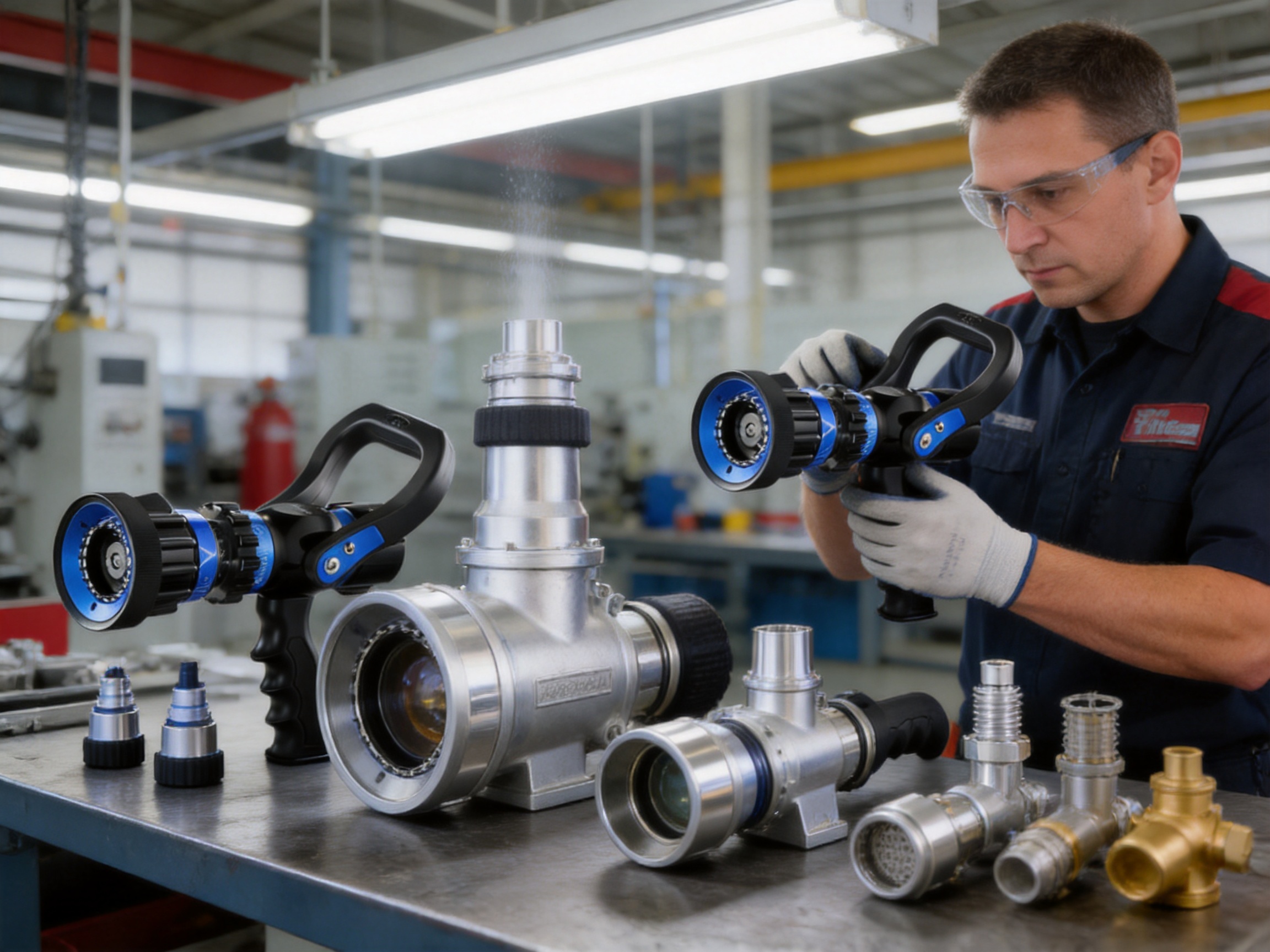
The production of an adjustable flow rate nozzle requires multiple manufacturing disciplines. Aluminum body production must achieve accurate geometry while maintaining strength. Coupling surfaces must be machined precisely to ensure proper sealing and easy connection. Internal channels must support smooth flow without unnecessary turbulence. Stainless-steel components must be formed and finished to maintain fog quality. Handles and grips must be molded or assembled to provide reliable control.
Advanced manufacturing begins with material selection. Aluminum must meet strength and corrosion-resistance requirements. Stainless steel must be selected for spinning teeth and strainers because these parts face water, debris, and repeated mechanical action. Nylon components must maintain toughness under wet and rough handling conditions. Rubber bumpers must be resilient enough to absorb impact while resisting degradation.
Precision machining is essential. The nozzle’s adjustment mechanism depends on accurate internal dimensions. If tolerances are poor, flow settings may be inconsistent, sealing may be unreliable, or rotation may feel uneven. By maintaining accurate machining processes, the manufacturer helps ensure that each flow position performs as intended.
Laser engraving is another advanced process that improves product quality. It requires controlled equipment and consistent marking standards. The result is clean, permanent, readable information that supports both professional use and product identification.
Assembly quality control is equally important. A nozzle contains multiple components that must work together: body, valve, handle, grip, fog teeth, strainer, coupling, seals, bumper, and adjustment mechanism. Each assembly step affects final performance. Professional manufacturing includes inspection of fit, sealing, smooth operation, and external finish.
Firefighting products must be reliable because failure can have serious consequences. Quality control for this adjustable flow rate nozzle should focus on pressure performance, leakage prevention, flow accuracy, fog pattern consistency, coupling integrity, and operational smoothness. The working pressure of 7 bar requires stable sealing and strong structure. The nozzle must maintain performance while being opened, closed, adjusted, and exposed to repeated pressure cycles.
Flow verification is especially important for adjustable models. Each setting should deliver a predictable flow rate under specified pressure conditions. If actual flow varies too widely from marked values, firefighters may misjudge water supply and suppression capability. Accurate flow settings support better tactical planning.
Fog pattern inspection ensures that stainless-steel spinning teeth are properly aligned and functional. The fog should be uniform, controllable, and suitable for heat absorption and protection. Coupling inspection ensures that the nozzle connects securely with hose systems and does not leak under pressure.
Durability checks may include handle operation, bumper fit, strainer placement, corrosion resistance, and repeated adjustment testing. The purpose is to ensure that the nozzle remains dependable after training, transport, storage, and emergency use.
Vehicle fires are dynamic and hazardous. Modern vehicles contain plastics, wiring, batteries, fuel systems, synthetic fabrics, and sometimes alternative energy components. Fire can spread quickly from the engine compartment to the cabin or from one vehicle to nearby exposures. A nozzle used for vehicle firefighting must provide fast initial attack, good reach, fog protection, and adjustable output.
The small and standard adjustable models are particularly useful for vehicle fires. A firefighter can begin with a lower flow for controlled approach and cooling, then increase flow if the fire intensifies. Fog capability helps reduce heat and protect the operator. The pistol grip and lightweight body support maneuverability around the vehicle.
The stainless-steel strainer is also useful because vehicle fire operations may occur in roadside conditions where water supply equipment can pick up debris. The rubber bumper protects the nozzle when it contacts pavement or vehicle surfaces. Permanent markings help the operator identify settings quickly even under smoke and low-light conditions.
Forest fire operations require equipment that is mobile, rugged, and adaptable. Firefighters may work for long periods while moving over slopes, soil, rocks, and vegetation. Water supply may be limited or drawn from natural sources. Conditions can shift with wind, fuel type, and terrain. In this environment, an adjustable flow rate nozzle offers major benefits.
Lower flow settings support water conservation during patrol, mop-up, and small flame suppression. Medium settings can be used for active edge control. Higher settings can support stronger cooling, exposure protection, or direct attack where sufficient water is available. The nozzle’s fog performance can also assist with heat shielding and wetting vegetation.
The aluminum body reduces fatigue during extended operations. The DuPont nylon grip remains stable when wet or muddy. The stainless-steel strainer reduces clogging from sediment or particles in natural water sources. These features make the nozzle well suited to the unpredictable demands of forestry response.
Although the nozzle is mainly described for high-pressure reel fire trucks, vehicle fires, and forest fires, its design also supports broader firefighting use. Industrial facilities, warehouses, construction sites, logistics yards, agricultural operations, and municipal fire departments can benefit from adjustable flow capability. Many sites need equipment that can handle small incidents but also provide higher output when required.
Industrial emergency teams may face fires involving machinery, pallets, vehicles, storage areas, or outdoor materials. Adjustable flow helps match suppression to the hazard while avoiding unnecessary water application. Municipal departments may use the nozzle for rapid-response vehicles, fire engines, training, and specialized reel systems. Agricultural and rural fire teams may appreciate the compatibility with different coupling sizes and the clog-resistant strainer.
Water management is a critical issue in firefighting. More water is not always better. Excessive flow can deplete tank supply, increase runoff, create visibility problems, and make hose handling more difficult. Insufficient flow, however, can fail to cool the fire effectively. Adjustable flow gives the operator a controlled middle path.
When approaching a fire, the operator can choose a lower setting to evaluate conditions and avoid wasting water. If the fire grows or exposure risk increases, the flow can be raised. During overhaul or mop-up, flow can be reduced again. This flexibility supports efficient water use, especially for high-pressure reel fire trucks with finite tank capacity.
In competitive terms, this is one of the nozzle’s strongest practical advantages. Fixed-flow nozzles require crews to accept one discharge level whether or not it is ideal. Adjustable nozzles let crews adapt in real time. That adaptability can improve suppression outcomes and reduce operational waste.
Firefighters operate under physical stress, heat stress, and time pressure. A nozzle that is difficult to hold or adjust can increase fatigue and reduce accuracy. The combination of lightweight aluminum, pistol grip, non-slip DuPont nylon handle, and clear control markings improves the user experience.
Lower weight makes the nozzle easier to carry and aim. The pistol grip helps align the wrist and hand for better stream control. The handle provides a secure operating point. Laser-engraved markings reduce confusion. Together, these features help firefighters work more confidently and for longer periods.
Ergonomic design also supports training. New operators can learn flow settings and handling behavior more easily when the nozzle is comfortable and clearly marked. Experienced firefighters can make rapid adjustments with less visual confirmation. In emergency work, these small improvements can have significant effects.
Durability is built through materials, structure, and protective details. The aluminum body resists the physical demands of field use while keeping weight reasonable. Stainless-steel components resist corrosion and wear. The rubber bumper absorbs impact. The forged coupling strengthens the connection point. The strainer protects internal passages from debris.
Firefighting tools may be stored in vehicles for long periods, exposed to vibration, temperature changes, moisture, and dust. They may then be used suddenly under full pressure. A durable nozzle must be ready after storage and must continue operating after repeated emergency deployments. The product’s practical construction supports this requirement.
Compared with nozzles that focus only on appearance or low price, this design emphasizes service performance. Long-term durability can reduce replacement costs, maintenance interruptions, and operational risk. For professional users, total value is measured not only by purchase cost but also by reliability over years of service.
The nozzle’s coupling options of 1 inch, 1.5 inch, and 2 inch, along with inlet size availability from 1 inch to 2.5 inch, make it adaptable to different hose systems. This is especially important for customers who operate mixed fleets, different reel systems, or regional coupling standards. Compatibility reduces procurement complexity and makes integration easier.
Because the manufacturer also produces fire hoses, industrial hoses, agricultural hoses, and hose couplings, it has a strong foundation in hose system compatibility. This integrated manufacturing knowledge helps ensure that nozzles are designed not as isolated accessories but as part of a complete water delivery system.
A nozzle performs best when paired with appropriate hoses, couplings, and accessories. The company’s product categories include fire hoses, industrial hoses, agricultural hoses, hose couplings, hose nozzles, fire accessories, fire cabinets, and trenchless rehabilitation hose. This broad range supports customers who need coordinated equipment sourcing.
For fire protection buyers, sourcing compatible products from an experienced manufacturer can reduce specification errors and improve after-sales coordination. For export partners, a broad product ecosystem can support containerized purchasing, private requirements, and project-based supply. For fire departments and industrial users, it helps ensure that replacement parts and related products are available through a knowledgeable supplier.
The company was founded in 1995 and operates as a research and development, production, sales, and service enterprise. This structure supports product improvement and adaptation. Firefighting markets vary by region, application, coupling style, water supply method, and user preference. A manufacturer with custom production capability can respond more effectively than a simple trading company.
The company can undertake various foreign trade products according to customer requirements, including rubber, PVC, polyurethane, and double-sided tape products. This background demonstrates material-processing experience and flexibility. For nozzle customers, the same customer-oriented manufacturing approach supports configuration choices such as coupling size, valve material, and compatibility requirements.
Customization is a valuable strength in international fire equipment supply. Different countries and agencies may require different threads, coupling standards, markings, or packaging. A manufacturer with export cooperation and production experience can better support these needs.
A well-designed nozzle should also be easy to inspect and maintain. After use, operators should flush the nozzle with clean water, check the strainer for debris, confirm smooth adjustment, inspect the bumper, and verify that the coupling seals properly. The stainless-steel strainer makes cleaning practical because it captures impurities before they cause deeper internal blockage.
Laser-engraved markings reduce the need for remarking or label replacement. Durable grip materials reduce maintenance associated with cracked or slippery handles. Forged couplings and corrosion-resistant components help maintain serviceability over time. These features lower the burden on equipment managers and improve readiness.
Regular maintenance is still essential. Any firefighting nozzle should be inspected after training and emergency use. However, products designed with durable materials and protective features help maintenance teams keep equipment in service with fewer interruptions.
Choosing the right adjustable flow rate nozzle depends on operational needs. If the main priority is compact vehicle response, water conservation, and low reaction force, the small-flow QLD6.0/8Ⅲ-B model is a strong choice. It provides 115 to 475 L/M at 7 bar with a manageable 1.8 kg weight.
If the user needs a balanced all-purpose nozzle, the QLD6.0/10Ⅲ model offers a wider flow range up to 600 L/M while keeping the same 1.8 kg weight. This model is suitable for many municipal and industrial applications where versatility is important.
If the user needs stronger suppression volume and longer reach, the QLD6.0/13Ⅲ-C large-flow model provides up to 950 L/M and a 38-meter flow distance. It is appropriate for demanding fire conditions, exposure protection, and higher-volume attack.
If the application requires a protective water wall function, the QLD6.0/8Ⅲ Dual Hydro Wall Nozzle provides 480 L/M at 6 bar. This option can complement attack nozzles in a complete firefighting equipment package.
The nozzle is designed for professional firefighting tasks where operators need to adjust water flow according to changing fire conditions. It is mainly equipped for high-pressure reel fire trucks and is suitable for vehicle fires and forest fires.
Depending on the model, flow settings include ranges such as 115-230-360-475 L/M, 115-230-360-475-600 L/M, and 360-450-580-780-950 L/M. The large-flow model can reach up to 950 L/M.
Most adjustable flow models operate at a nominal working pressure of 7 bar. The Dual Hydro Wall Nozzle version operates at 6 bar.
The aluminum body provides a strong yet lightweight structure. This helps reduce user fatigue, improves handling, and supports easier operation during long firefighting tasks.
Permanent laser-engraved markings remain readable after repeated use, cleaning, and abrasion. They allow the operator to identify flow settings quickly in stressful or low-visibility conditions.
Stainless-steel spinning teeth improve fog quality, durability, and corrosion resistance. They help create a consistent fog pattern for cooling, heat absorption, and protective firefighting tactics.
The strainer filters impurities from the water supply and helps prevent clogging. This is especially useful when water comes from hydrants, tanks, ponds, rivers, or other sources that may contain debris.
Common coupling options include 1 inch, 1.5 inch, and 2 inch. Inlet size options range from 1 inch to 2.5 inches, depending on configuration requirements.
Yes. Ball valve options include stainless steel, aluminum, and brass. This allows customers to choose based on corrosion resistance, weight, durability, and operational preference.
Its advantages include adjustable flow options, lightweight aluminum construction, stainless-steel fog components, laser-engraved markings, a forged coupling, a clog-resistant strainer, ergonomic DuPont nylon grip components, and multiple valve material choices.
The adjustable flow rate nozzle is a practical, durable, and high-performance firefighting tool designed for modern emergency response. Its adjustable flow capability allows firefighters to match water output to the actual fire condition, conserving water when necessary and delivering higher volume when the situation demands it. With models covering small-flow, standard adjustable, large-flow, and dual hydro wall applications, the product family supports a wide range of firefighting strategies.
The nozzle’s advantages come from thoughtful engineering. The lightweight aluminum body improves handling. Stainless-steel spinning teeth support high-quality fog. Permanent laser-engraved markings improve operational clarity. The rubber bumper protects against impact. DuPont nylon handle and pistol grip components improve control. The forged coupling strengthens hose attachment. The stainless-steel strainer reduces clogging. Ball valve material options provide flexibility for different users.
Behind the product is the manufacturing strength of Taizhou Shenlong Fire Science and Technology Co., Ltd., an enterprise founded in 1995 with integrated research, production, sales, and service capabilities. Its experience in fire hoses, couplings, nozzles, accessories, and related hose products supports reliable system-level design and customer-oriented manufacturing. For fire departments, industrial fire teams, forestry crews, emergency equipment suppliers, and international buyers, this adjustable flow rate nozzle offers a strong balance of performance, durability, adaptability, and long-term value.
National Fire Protection Association. Fire Hose, Appliances, and Streams: Technical Principles for Fire Service Operations.
International Fire Service Training Association. Essentials of Fire Fighting and Fire Department Operations.
National Fire Protection Association. Standard for Fire Hose Connections and Fire Stream Equipment.
International Organization for Standardization. Firefighting Equipment and Fire Protection Systems: General Technical Guidance.
Fire Protection Research Foundation. Water Application, Fire Streams, and Nozzle Performance Studies.
Materials Engineering Handbook. Aluminum Alloys, Stainless Steel Components, and Engineering Polymers in Safety Equipment.
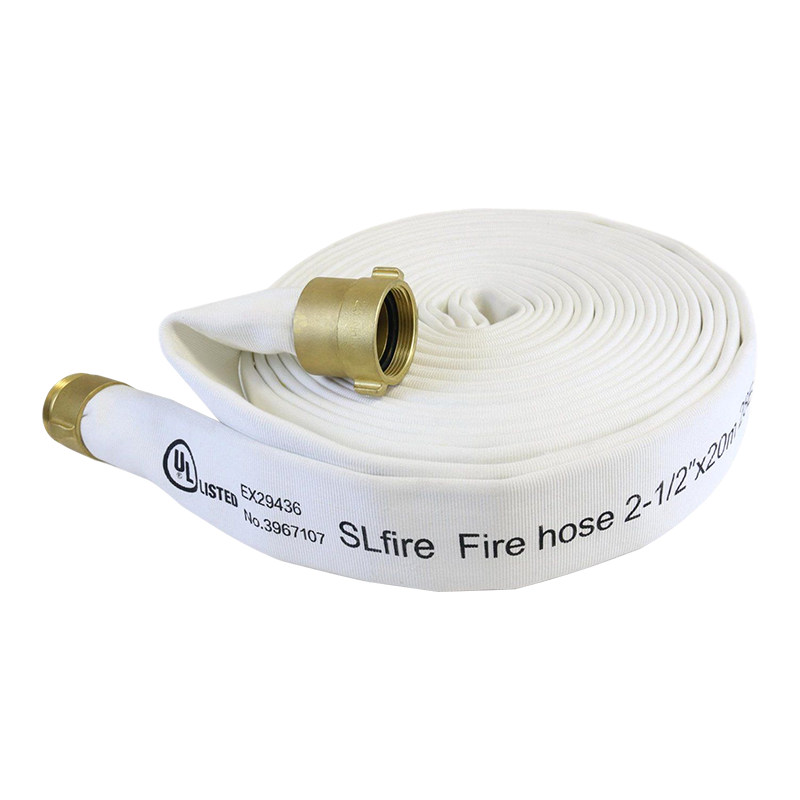
Single jacket, EPDM rubber liner Features • 100% high tenacity polyester jacket, high-grade EPDM rub...
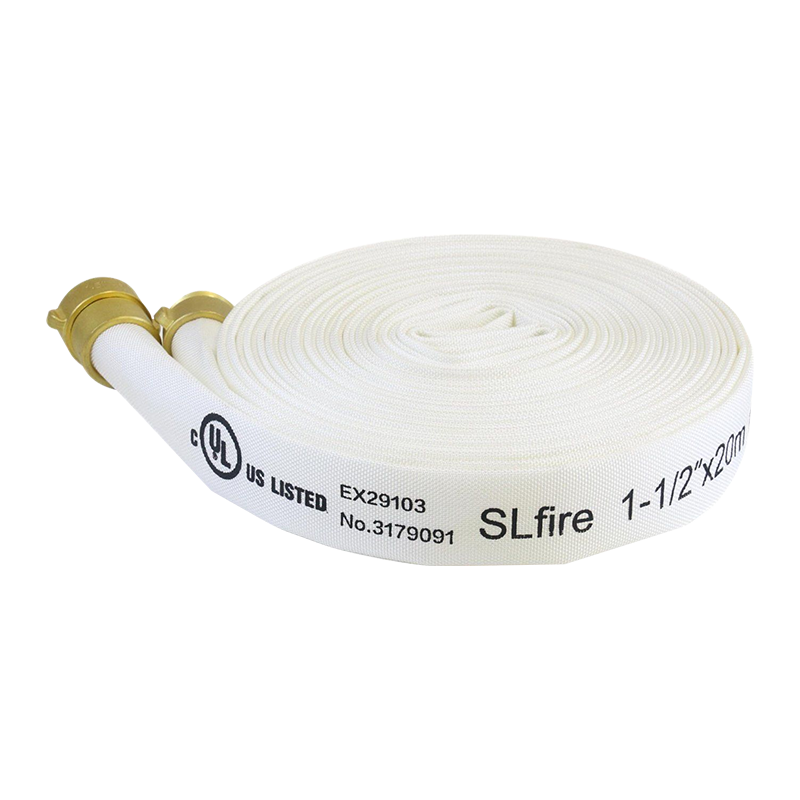
Single jacket, TPU liner •High-tenacity polyester yarn, circular woven in twill weave/plain weave,T ...
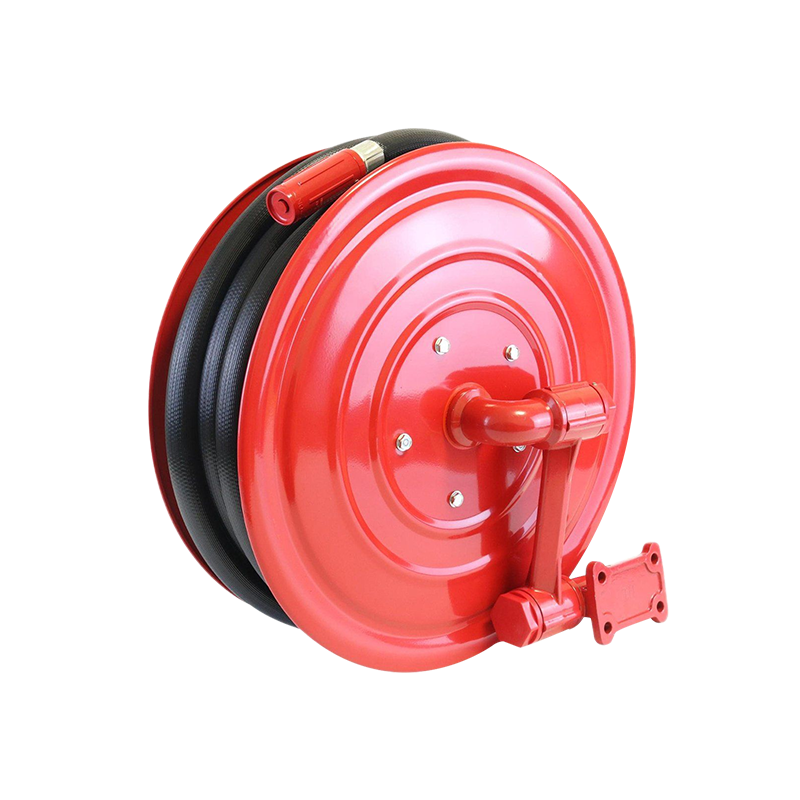
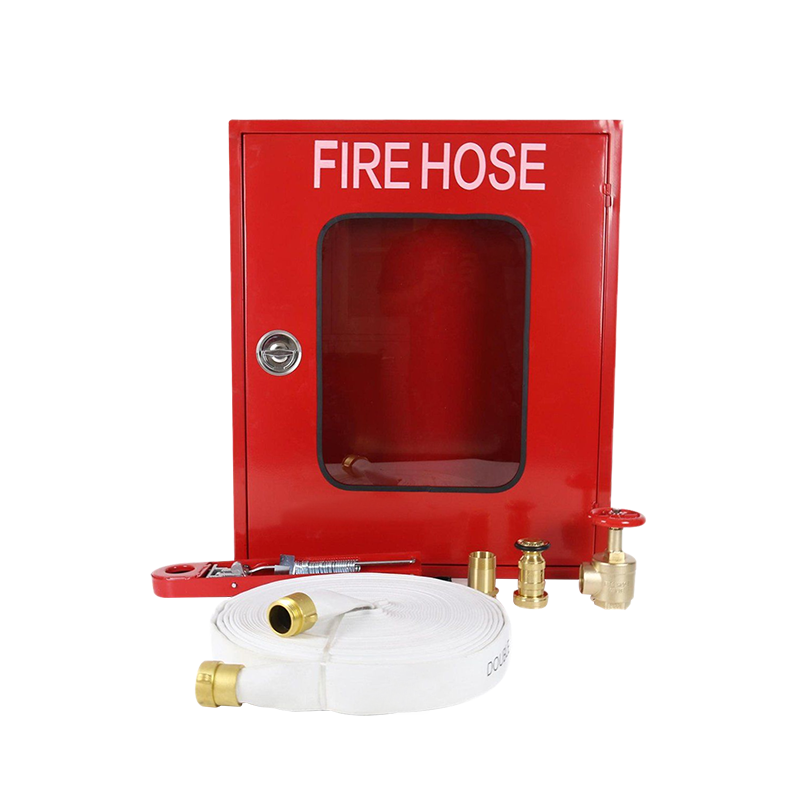
Fire cabinets are designed to accommodate fire hose,valve and other firefighting equipment. Type 201...
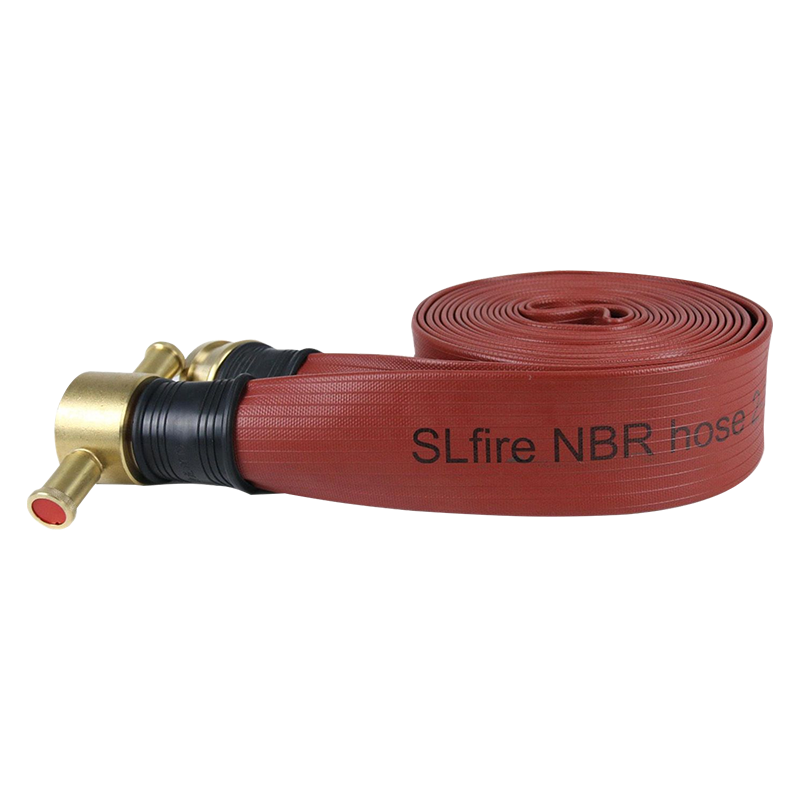
Nitrile covered hose •Nitrile/TPR blend as cover and lining, with 100% high-tenacity polyester yarn ...
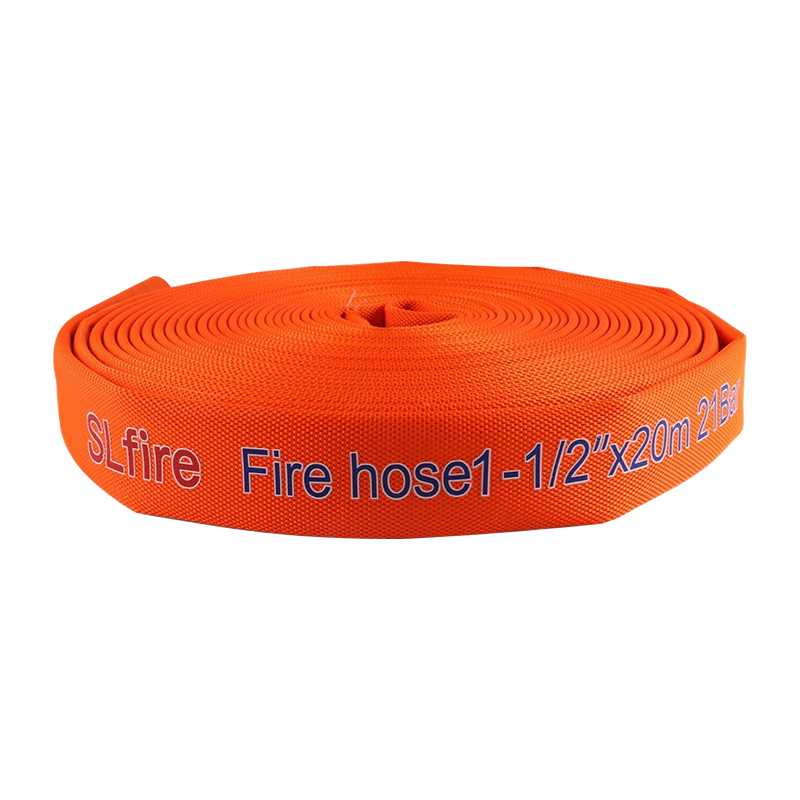
Single jacket, TPU liner •High-tenacity polyester yarn, circular woven in twill weave, TPU lining, f...
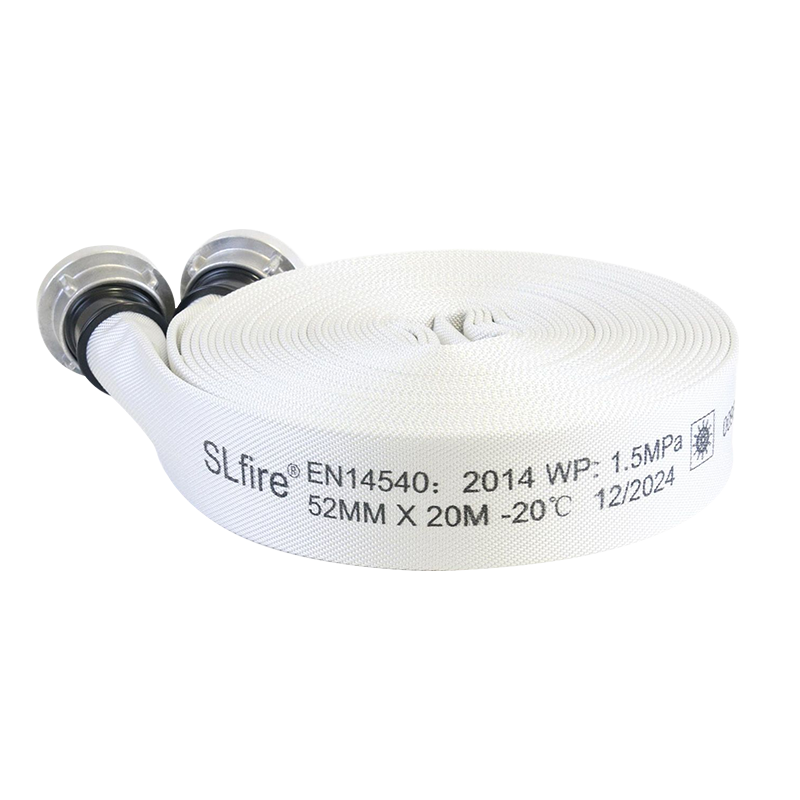
Marine hose Single jacket, PVC liner •100% high tenacity polyester yarn, circular woven in twill wea...
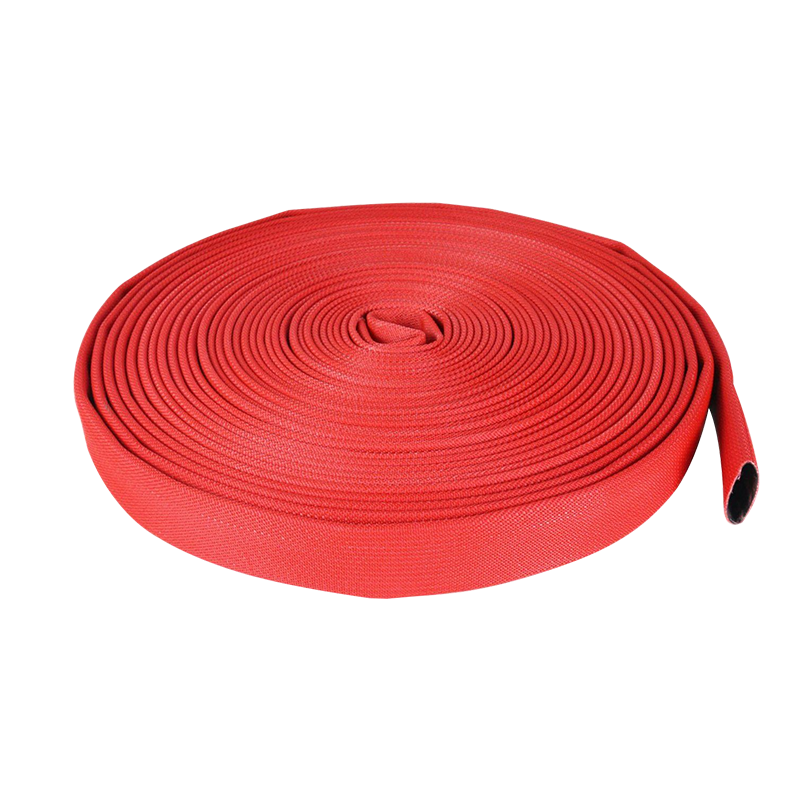
Marine hose Single jacket, PVC liner, PU coated •100% high tenacity polyester yarn,c ircular woven i...
 Call Us
+86 159-5116-9511
Need Support
Head Office
No.58, Kechuang Road, Sixiang Street Medicine Gaoxin District Taizhou City, Jiangsu Province

What Is a Fire Hose? A fire hose is a high-pressure flexible hose designed to carry water or fire retardant chemicals from a water source, such as a hydrant, pump, or tank, to a fire for suppression p...
Copyright © Taizhou Shenlong Fire Science and Technology Co., Ltd. All Rights Reserved.
 Fire Hose Manufacturers, Fire Hydrant Hose Factory