

 English
 русский
 Español
 Deutsch
 عربى
عربى Français
 Português
Don't hesitate to send a message

Single jacket, EPDM rubber liner Features • 100% high tenacity polyester jacket, high-grade EPDM rub...
Content
In high-flow water transfer, industrial discharge, firefighting supply, agricultural irrigation, and emergency pumping operations, the coupling is often the small component that determines whether the entire hose system performs smoothly or fails under pressure. A large-diameter hose can move tremendous volumes of water, but only when its connection points are secure, fast to operate, resistant to wear, and compatible with demanding field conditions. The Large Diameter STORZ Self-Locking Coupling is engineered for exactly these needs, combining a symmetrical quick-connection structure, a self-locking safety design, durable aluminum alloy or brass construction, and a working pressure rating of 16 Bar.
This coupling is designed for nitrile rubber lay-flat hoses, polyurethane lay-flat hoses, water suction and discharge hoses, industrial hoses, and milling hoses. Available in 8-inch, 10-inch, and 12-inch sizes, with customized sizes available upon request, it provides a strong solution for large-volume water movement where quick assembly and dependable sealing are essential. Its manufacturing routes include die casting, gravity casting, and forging, allowing the coupling to be matched to application requirements, production scale, strength expectations, and customer specifications.
For buyers comparing large-diameter hose couplings, the advantages of this product become clear in four key areas: connection efficiency, pressure reliability, material durability, and manufacturing quality control. Unlike traditional threaded couplings that require alignment of male and female components, STORZ-type couplings use a symmetrical connection principle. This enables fast coupling and uncoupling without the need to identify matching thread genders, making it especially practical in emergency response, industrial site deployment, municipal water transfer, and temporary pumping systems.
Large Diamter STORZ Self-Locking Coupling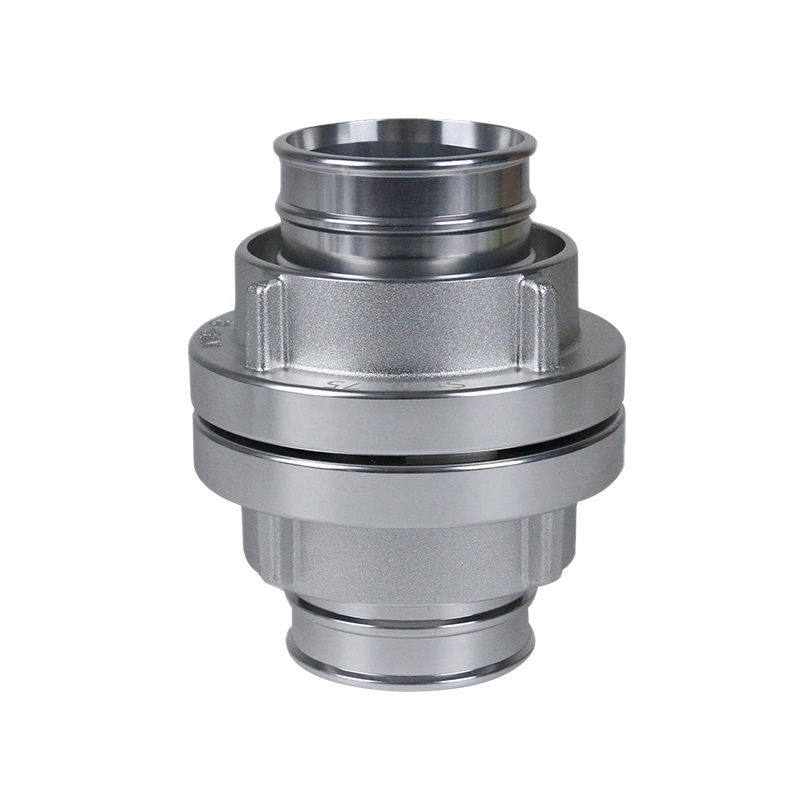
The Large Diameter STORZ Self-Locking Coupling is a heavy-duty hose connection component developed for high-flow operations. It is particularly suitable for large-diameter lay-flat hose assemblies that must be deployed quickly, connected securely, and operated in environments where abrasion, corrosion, impact, and repeated handling are common. With a rated working pressure of 16 Bar, the coupling is suitable for many demanding discharge and transfer systems, including firefighting water supply, industrial drainage, agricultural pumping, construction dewatering, emergency bypass lines, and municipal water delivery.
The product’s core value lies in its ability to reduce connection time while increasing operational confidence. In the field, crews often work under stress, limited visibility, difficult weather, muddy ground, high noise, and heavy equipment movement. A complicated coupling system can delay deployment, introduce assembly mistakes, and create safety risks. The STORZ self-locking structure is designed to simplify the process. Operators can align the lugs, rotate the coupling into position, and complete the connection quickly with simple tools or manual handling depending on hose size and operating conditions.
Large-diameter hose systems place significant mechanical demands on couplings. The coupling must resist internal pressure, external bending forces, vibration, dragging, accidental impact, and repeated assembly cycles. It must also maintain dimensional accuracy so that gaskets seat properly and the locking mechanism performs consistently. For these reasons, the selection of aluminum alloy or brass, together with advanced casting or forging processes, is critical. The coupling is not merely a connector; it is a pressure-bearing structural component that directly affects the safety and efficiency of the full hose line.
The use of surface treatment such as vibratory grinding further improves practical performance. A smoother and more consistent surface helps reduce sharp edges, handling discomfort, and unnecessary wear during installation. It also improves the appearance and functional quality of the component. When required, additional surface options such as anodizing may be applied to enhance corrosion resistance, abrasion resistance, and service life in harsh environments.
| Product Name | Large Diameter STORZ Self-Locking Coupling |
| Product Category | Hose Couplings |
| Casting and Forming Methods | Die Casting, Gravity Casting, or Forging |
| Working Pressure | 16 Bar |
| Material Options | Aluminum Alloy or Brass |
| Surface Treatment | Vibratory Grinding; additional corrosion-resistant treatments may be customized |
| Standard Sizes | 8 inches, 10 inches, 12 inches |
| Custom Sizes | Available upon request |
| Compatible Hose Types | Nitrile Rubber Lay-Flat Hose, Polyurethane Lay-Flat Hose, Water Suction and Discharge Hose, Industrial Hose, Milling Hose |
| Main Advantages | Quick connection and disconnection, self-locking safety, strong pressure performance, abrasion resistance, corrosion resistance, chemical resistance, simple assembly |
One of the most important characteristics of this coupling is its symmetrical design. In many traditional hose coupling systems, the operator must connect a male fitting to a female fitting. This can create delays when hoses are laid out in the wrong direction or when different crews handle separate sections of the line. With a symmetrical STORZ-style structure, each coupling end can connect to another compatible coupling of the same size and standard. This reduces confusion, speeds up installation, and helps prevent mismatched components during urgent operations.
For firefighting and emergency water transfer, seconds matter. A coupling that eliminates gender matching provides a clear advantage over conventional threaded systems. Firefighters and industrial emergency teams can build long supply lines faster, replace damaged hose sections more easily, and connect pump outlets, manifolds, and hose lines with less procedural complexity. The same advantage applies to agricultural and industrial users who frequently move hoses between pumps, tanks, reservoirs, canals, or discharge points.
The quick-connection function is also valuable in temporary installations. Construction sites, mines, flood control projects, and municipal maintenance operations often require hose systems to be installed, moved, and removed repeatedly. A slow threaded connection consumes labor and may suffer from thread damage when handled roughly. The STORZ locking principle reduces the dependence on long threaded engagement, allowing faster and more repeatable operation.
Compared with many ordinary couplings, the self-locking feature adds another layer of security. Large-diameter hoses can generate significant reaction forces when pressurized. Vibration from pumps, water hammer, uneven ground, and movement of the hose line can all challenge the connection. The self-locking structure helps resist accidental separation, contributing to safer operation and reduced downtime.
The Large Diameter STORZ Self-Locking Coupling offers several practical advantages compared with conventional threaded couplings, camlock fittings, and lower-grade large-diameter connectors. These advantages are not limited to a single feature; they are the result of integrated design, material selection, manufacturing precision, and application-focused engineering.
Traditional threaded couplings require careful alignment and rotation through multiple turns. In large diameters, the weight of the coupling and hose makes this process more difficult. Dirt, sand, or damaged threads may further slow connection. The STORZ quick-connect design requires much less rotation and eliminates male-female matching. This can significantly reduce connection time, especially when multiple hose sections must be assembled.
A large-diameter hose under pressure can be dangerous if a coupling separates unexpectedly. The self-locking mechanism is designed to help maintain secure engagement during operation. This is particularly important in high-flow systems where pressure surges, vibration, and hose movement may occur. The 16 Bar working pressure rating provides confidence for applications requiring reliable pressure resistance within the specified operating range.
Crews working in firefighting, construction, irrigation, or industrial pumping often need equipment that can be handled quickly with simple tools. This coupling is designed for easy assembly and disassembly, minimizing downtime and reducing the skill barrier for field personnel. The symmetrical structure also simplifies inventory planning because matching male and female halves are not required in the same way as traditional systems.
Aluminum alloy offers a favorable balance of strength and weight, making it suitable for large-diameter couplings that must be handled by crews in the field. Brass provides excellent corrosion resistance and robust mechanical properties for specialized applications where brass is preferred. By offering both material choices, the product can serve a wide range of operating environments and customer preferences.
Hose couplings may be dragged across roads, concrete, gravel, soil, and industrial floors. They may also contact water containing minerals, chemicals, fertilizers, or process residues. The product’s material and surface treatment options help improve abrasion resistance, corrosion resistance, and chemical resistance, supporting longer service life and more stable performance.
The available sizes of 8 inches, 10 inches, and 12 inches make this coupling suitable for high-volume transfer systems. Many ordinary couplings are optimized for smaller hose lines and may not scale well for large-diameter use. This product is designed specifically for large flow capacity, making it ideal for major water movement operations.
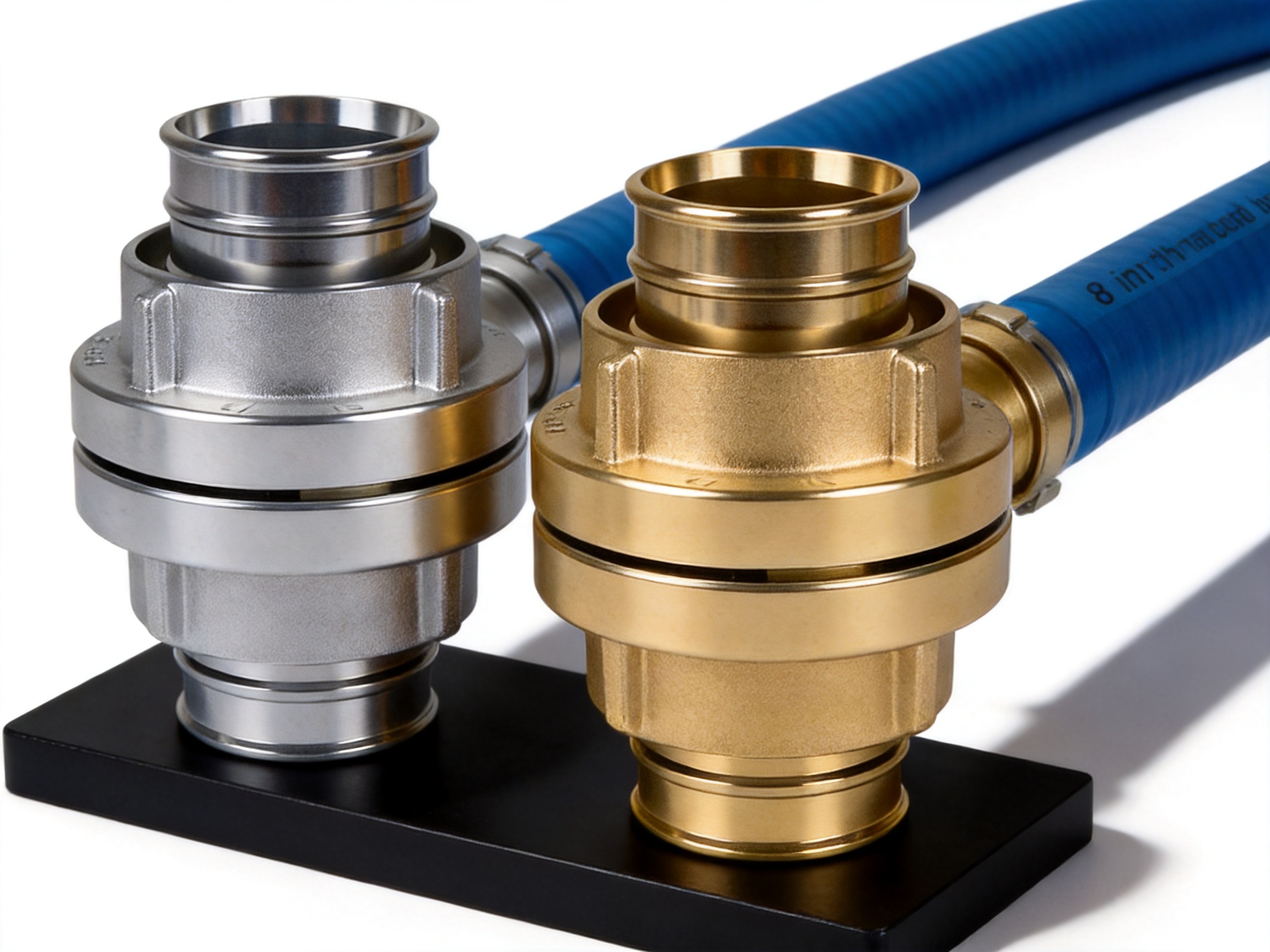
Material selection is a major factor in coupling performance. A coupling must be strong enough to withstand pressure and mechanical forces, but it must also be practical for handling, transportation, and field installation. The Large Diameter STORZ Self-Locking Coupling is available in aluminum alloy and brass, giving users flexibility based on their operating conditions.
Aluminum alloy is widely used in firefighting and industrial hose couplings because it provides good mechanical strength with relatively low weight. This is especially important for 8-inch, 10-inch, and 12-inch couplings, where component mass can affect installation efficiency and worker fatigue. A lighter coupling can be easier to move, align, and assemble, particularly in emergency situations or temporary pumping systems.
Brass is valued for its corrosion resistance, toughness, and long service life in certain environments. It may be selected for applications where additional resistance to specific water conditions, industrial exposure, or mechanical wear is desired. Brass couplings are often preferred in systems where durability and traditional heavy-duty performance are prioritized over weight reduction.
The availability of both material options allows the manufacturer to meet varied project requirements. Some customers may require aluminum alloy for mobile firefighting hose systems, while others may require brass for fixed industrial hose lines or harsh operating environments. This flexibility gives the product a competitive advantage because buyers can select the most suitable material instead of adapting their application to a single standard option.
The product can be manufactured by die casting, gravity casting, or forging. Each process offers distinct advantages, and the ability to use multiple manufacturing routes reflects strong production capability. This flexibility is important because different customers may prioritize cost, strength, dimensional precision, surface quality, or production volume.
Die casting is a high-efficiency process suitable for producing components with good dimensional accuracy and consistent surface finish. In this process, molten metal is injected into a mold under pressure, allowing complex shapes to be formed with repeatability. For coupling production, die casting can support efficient manufacturing of large quantities while maintaining reliable geometry for connection surfaces, lugs, and locking features.
For customers, die casting can provide a favorable balance between cost efficiency and product consistency. When properly controlled, it allows the production of couplings with stable dimensions, clean profiles, and repeatable fit. This is especially important in quick-connection systems, where small dimensional errors may affect engagement and sealing.
Gravity casting uses the natural force of gravity to fill the mold with molten metal. This process can be suitable for larger parts and certain alloy requirements. It may offer advantages in structural integrity and flexibility for specialized production. For large-diameter couplings, gravity casting can be a practical method when component size, wall thickness, or customized production requirements make it appropriate.
The manufacturer’s ability to provide gravity casting indicates adaptability. Not all projects require the same production method, and the correct process depends on the part’s design, material, volume, and performance requirements. By selecting gravity casting when appropriate, the producer can better align manufacturing with real application needs.
Forging is often chosen when high strength and structural reliability are key priorities. In forging, metal is shaped under compressive force, which can refine grain structure and improve mechanical properties. For pressure-bearing couplings used in demanding applications, forging may offer excellent resistance to impact, fatigue, and mechanical stress.
Forged coupling components can be especially valuable in environments where equipment is exposed to rough handling, high mechanical loads, or repeated service cycles. Although forging may involve different cost considerations compared with casting, its performance benefits can make it an attractive choice for premium or heavy-duty applications.
Surface treatment is not merely cosmetic. The outer surface of a coupling affects handling, wear resistance, corrosion resistance, cleanliness, and long-term appearance. The standard surface treatment for this product includes vibratory grinding, a process that helps smooth edges, remove burrs, and create a more uniform surface.
Vibratory grinding is particularly useful for couplings because these components are handled manually and are often exposed to repeated contact with other hardware. Burrs and rough edges can damage hoses, injure operators, or accelerate wear. A smoother finish improves the user experience and supports safer handling.
In addition to vibratory grinding, customers may request further surface options depending on the application. For aluminum alloy couplings, anodizing may be used to enhance corrosion resistance and surface hardness. In coastal, humid, chemical, or industrial environments, surface protection can significantly affect service life. Proper finishing helps the coupling resist oxidation, staining, and surface degradation.
The working pressure rating of 16 Bar makes the Large Diameter STORZ Self-Locking Coupling suitable for many demanding hose systems. Pressure rating is not only a number; it reflects design strength, material quality, dimensional control, and manufacturing consistency. In real operating conditions, pressure may fluctuate due to pump cycling, valve operation, elevation changes, hose movement, and sudden flow restrictions. A reliable coupling must maintain structural integrity and connection security under these conditions.
Large-diameter hose systems are especially sensitive to pressure-related forces because the total load acting on the coupling increases with diameter. Even moderate pressure can create very large axial forces in large hose lines. Therefore, the coupling’s locking surfaces, lugs, gasket seats, and body structure must be designed and manufactured with care.
The self-locking design supports safety by helping prevent unintended disengagement. When combined with proper hose installation, correct gasket selection, and appropriate operating procedures, it contributes to a stable and efficient water transfer system. For users, this means reduced risk of leaks, connection failure, unplanned downtime, and safety incidents.
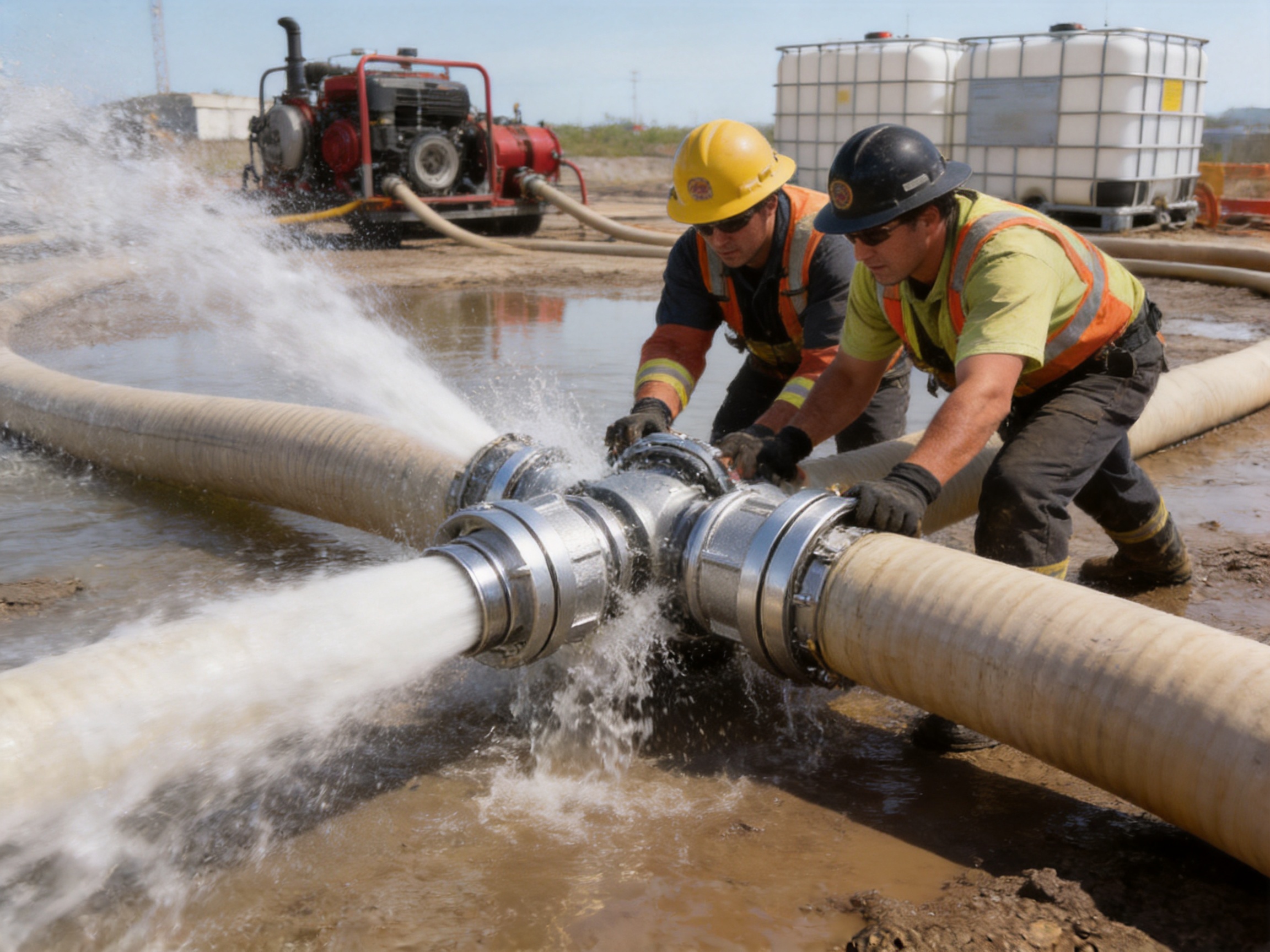
The coupling is designed for use with nitrile rubber lay-flat hoses and polyurethane lay-flat hoses. These hose types are widely used in firefighting, industrial discharge, agricultural irrigation, mining, municipal pumping, and emergency flood control. Their flexible lay-flat construction makes them easier to store and transport than rigid pipe, while still enabling high flow capacity over long distances.
Nitrile rubber lay-flat hoses are valued for oil resistance, abrasion resistance, and durability in demanding environments. They are often selected for firefighting and industrial applications where the hose may contact fuel, oils, contaminated water, rough surfaces, or heavy equipment areas. A strong coupling is essential to maintain hose system integrity and prevent connection failure during high-flow use.
Polyurethane lay-flat hoses are known for their abrasion resistance, lighter weight, and chemical resistance. They are common in industrial transfer, agriculture, municipal pumping, and emergency water movement. The coupling’s corrosion and chemical resistance features make it a suitable match for these hoses, especially in applications involving mixed water quality or abrasive ground conditions.
Water suction and discharge hoses require dependable couplings because they may experience both internal pressure and external mechanical stress. Industrial hoses and milling hoses may be exposed to abrasive particles, process liquids, and frequent repositioning. The coupling’s robust construction and easy assembly make it practical across these applications.
Firefighting operations demand speed, reliability, and compatibility. Large-diameter hose systems are used to move substantial water volumes from hydrants, water tanks, reservoirs, relay pumps, or drafting sources to fire scenes. In such environments, a quick and secure coupling can directly affect response efficiency.
The symmetrical STORZ connection is especially useful in firefighting because it reduces the chance of incorrect hose orientation. Crews can connect compatible ends quickly without searching for the correct male or female side. This saves time during deployment and simplifies hose layout planning.
Large-diameter supply lines may be dragged across roads, curbs, debris, and rough ground. They may be driven over with hose bridges or exposed to vibration from pumps and vehicles. The coupling’s abrasion-resistant and corrosion-resistant characteristics help it withstand these harsh conditions. The self-locking function adds security against accidental uncoupling during high-flow water delivery.
For fire departments and fire equipment distributors, product consistency is essential. Couplings must fit reliably with compatible equipment, seal properly, and perform after repeated use. Advanced manufacturing methods, material control, and surface finishing all support the reliability expected in firefighting supply chains.
Industrial sites often require temporary or permanent hose systems for water discharge, process water movement, cooling water transfer, wastewater bypass, tank filling, dewatering, and emergency pumping. These applications may involve harsh environments, abrasive surfaces, chemical exposure, and demanding operating schedules.
The Large Diameter STORZ Self-Locking Coupling is well suited for industrial hose systems because it supports rapid assembly and disassembly. When maintenance teams need to reroute hoses or connect emergency pumping systems, a quick-connection coupling can reduce labor time. The self-locking feature contributes to operational security, while the 16 Bar working pressure rating supports many industrial transfer needs.
In industrial environments, equipment downtime can be expensive. A coupling that is difficult to connect, prone to thread damage, or vulnerable to corrosion can disrupt operations. By using durable materials, precision manufacturing, and surface treatment, this coupling helps reduce these risks. Its compatibility with nitrile rubber and polyurethane lay-flat hoses further expands its use across industrial sectors.
Agricultural water transfer frequently requires large volumes of water to be moved across fields, canals, reservoirs, and pumping stations. Lay-flat hoses are popular in agriculture because they can be deployed seasonally, moved between fields, and stored compactly. However, the coupling must be strong enough to endure dragging, soil contact, fertilizer exposure, and repeated handling.
The Large Diameter STORZ Self-Locking Coupling offers agricultural users a practical combination of fast connection, corrosion resistance, and durable performance. In irrigation systems, time spent connecting and disconnecting hoses can affect labor efficiency. A symmetrical quick-connection coupling helps workers assemble long hose lines with less delay and less risk of mismatch.
Water sources in agriculture may contain sediment, minerals, organic material, or dissolved fertilizers. The coupling’s corrosion and chemical resistance characteristics help improve long-term usability in these conditions. For large farms, irrigation contractors, and water management projects, the ability to request customized sizes can also be valuable.
Construction and mining sites often need temporary water discharge systems for dewatering excavations, tunnels, trenches, pits, and work zones. Hoses may be moved frequently as the site changes. They may also be exposed to mud, rocks, machinery, and abrasive surfaces. In these conditions, the coupling must be rugged and easy to operate.
The product’s large-diameter sizes make it suitable for high-volume dewatering, while its quick-connection design allows crews to install or relocate hose lines efficiently. The self-locking structure helps maintain connection security during pump operation, and the durable material options support rough-site performance.
For trenchless rehabilitation hose systems and related water movement operations, couplings must support reliable deployment in constrained and demanding environments. Although each project requires proper engineering review, the product’s large-diameter capability and robust connection features make it relevant to many temporary infrastructure applications.
The strength of a coupling depends not only on its design but also on the manufacturer’s production capability. Taizhou Shenlong Fire Science and Technology Co., Ltd. was founded in 1995 and has developed long-term experience in research, development, production, sales, and service for hose-related products. The company focuses on various lined fire hoses and can also undertake foreign trade products made from rubber, PVC, polyurethane, and double-sided tape according to customer requirements.
Long manufacturing experience matters because hose and coupling products must perform under real pressure, real movement, and real environmental stress. A supplier with decades of production background is better positioned to understand customer requirements, material behavior, application differences, and export expectations. The company’s products are used in fire protection, construction, water conservancy, and other industries, demonstrating practical application breadth.
The company’s manufacturing strength is reflected in its ability to support different production processes, including die casting, gravity casting, and forging for coupling production. This allows the production plan to be selected according to product size, material, mechanical performance, and customer needs. Process flexibility is a competitive advantage because it supports both standard production and customized requests.
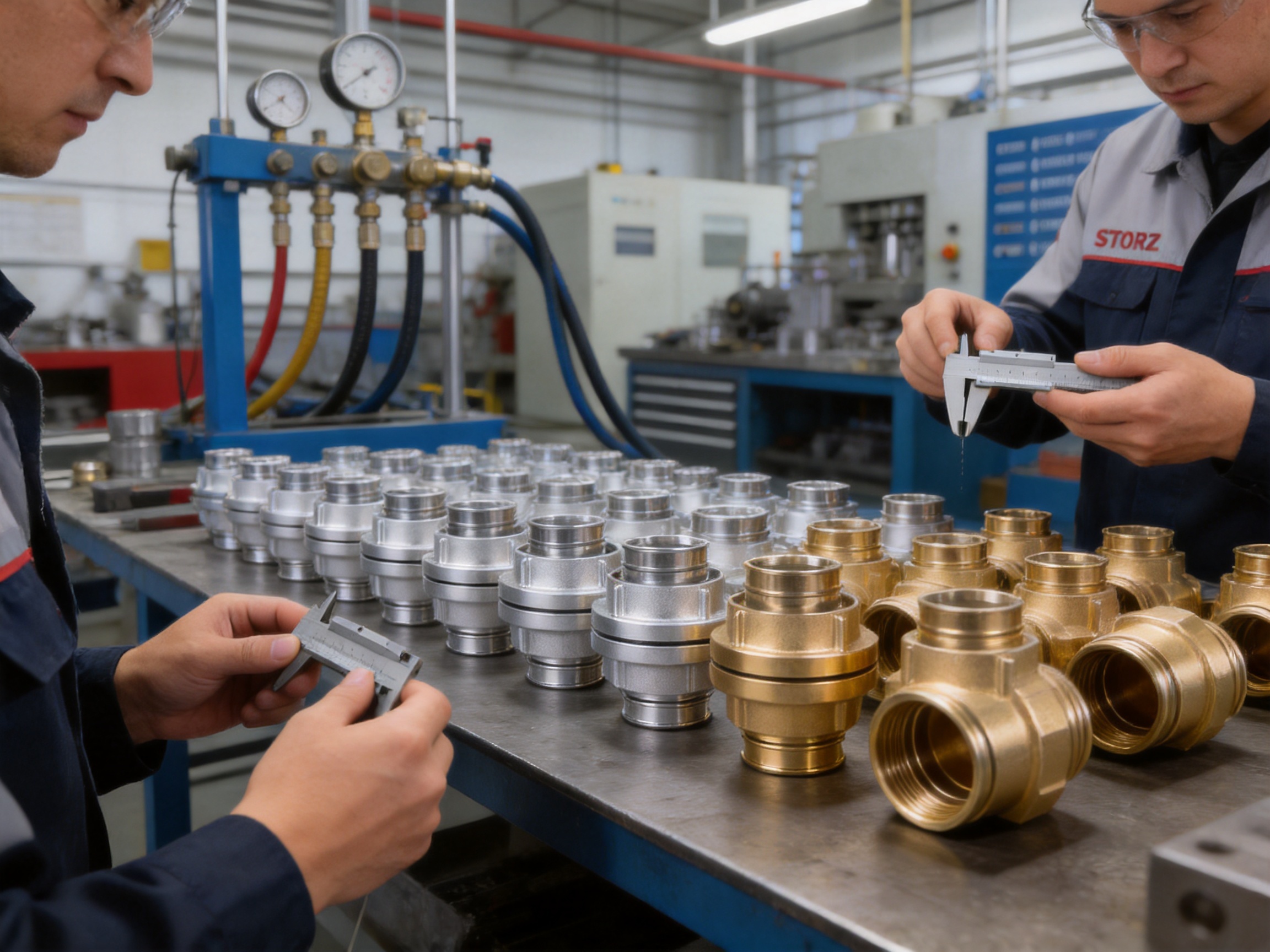
Quality control in coupling manufacturing should include material verification, dimensional inspection, surface quality review, pressure-related performance checks, and compatibility assessment. In a self-locking quick-connection coupling, dimensional precision is especially important. Locking lugs, sealing faces, gasket grooves, and engagement surfaces must be manufactured accurately to ensure smooth operation and reliable sealing.
Surface finishing is another area where manufacturing discipline is visible. Vibratory grinding helps remove burrs and improve uniformity, but it must be controlled so that functional dimensions are not compromised. A good manufacturer balances finish quality with mechanical accuracy.
Standard sizes of 8 inches, 10 inches, and 12 inches cover many large-diameter hose applications, but some projects require special dimensions, material preferences, surface treatments, or assembly requirements. The availability of custom sizes upon request is a significant advantage for contractors, distributors, firefighting equipment suppliers, industrial plants, and water transfer project managers.
Customization may involve adapting the coupling to a specific hose type, project standard, connection interface, environmental requirement, or market preference. A supplier with experience in export products and multi-material hose systems is better able to communicate with customers, interpret specifications, and produce suitable solutions.
For distributors, customization can improve market competitiveness. Instead of offering only standard items, they can request products aligned with local operating habits, hose standards, or customer expectations. For end users, customization can reduce system mismatch and improve installation efficiency.
Ease of assembly is one of the product’s major selling points. The coupling is designed to be assembled with simple hardware tools, making it practical for field operations and workshop installation. In many industries, hose systems are maintained by crews who need straightforward equipment that does not require complicated procedures.
Quick connection and disconnection reduce labor time during installation, inspection, relocation, and storage. This is especially valuable for temporary systems, emergency pumping, seasonal irrigation, and construction dewatering. When a hose line must be moved frequently, a coupling that saves even a few minutes per connection can produce significant labor savings over time.
Maintenance should include regular inspection of sealing surfaces, locking components, gaskets, and external wear. Operators should clean sand, mud, and debris from the coupling before connection to protect sealing performance. Damaged gaskets should be replaced promptly. The coupling should be stored in a dry and organized environment when not in use, especially if it has been exposed to chemicals or saltwater.
System efficiency is not only about pump capacity or hose diameter. It also depends on how quickly the system can be deployed, how reliably it operates, and how easily it can be maintained. A coupling that leaks, jams, corrodes, or requires excessive labor reduces overall efficiency.
The Large Diameter STORZ Self-Locking Coupling supports system efficiency by reducing connection time, improving connection security, and resisting environmental damage. Its symmetrical design reduces logistical complexity, while its material options and surface treatment help extend service life. In large operations involving multiple hose sections, these advantages become even more important.
For example, in a flood control operation, crews may need to deploy long hose runs quickly to move water away from critical areas. A quick-connection coupling can help accelerate the response. In an industrial shutdown, temporary pumping may be needed to bypass a water line or drain a tank. A reliable coupling can reduce installation delays and help restore operations faster. In agriculture, rapid hose movement between irrigation zones can improve labor productivity.
When selecting a large-diameter hose coupling, buyers should evaluate more than price. The lowest-cost coupling may not provide the best long-term value if it causes leaks, delays, corrosion, or premature replacement. Important purchasing factors include working pressure, material, manufacturing method, compatibility, surface treatment, locking security, size availability, and supplier capability.
The 16 Bar working pressure rating should be matched to the actual operating pressure and safety requirements of the hose system. Buyers should also consider possible pressure surges and ensure the full hose assembly, including hose, coupling, clamps, gaskets, and pumps, is suitable for the intended service.
Material choice should reflect the operating environment. Aluminum alloy may be preferred for lighter handling and broad firefighting or industrial use. Brass may be selected for applications requiring robust corrosion resistance or where brass fittings are standard. Surface treatment should also be considered if the coupling will be used in humid, coastal, chemical, or abrasive environments.
Compatibility is essential. The coupling should match the hose size, hose material, connection standard, gasket type, and required operating conditions. For custom applications, technical communication with the supplier is recommended before purchase.
The coupling is designed to connect large-diameter lay-flat hoses and other compatible hose systems for high-flow water suction, discharge, firefighting supply, industrial transfer, agricultural irrigation, and dewatering applications. It provides fast connection, secure locking, and reliable performance under pressure.
Standard sizes include 8 inches, 10 inches, and 12 inches. Other sizes can be requested according to project needs, hose specifications, and customer requirements.
The product has a working pressure of 16 Bar. Users should ensure that the entire hose system is rated appropriately for the intended operating pressure and any potential pressure surges.
The coupling is available in aluminum alloy and brass. Aluminum alloy offers a strong balance of weight and durability, while brass provides excellent corrosion resistance and heavy-duty performance for suitable applications.
The symmetrical design allows compatible couplings to connect without male and female thread matching. This makes deployment faster, reduces connection errors, simplifies hose layout, and improves efficiency in emergency and industrial operations.
The self-locking feature helps keep the coupling securely engaged during operation. It reduces the risk of accidental disconnection caused by vibration, hose movement, pressure fluctuation, or rough field conditions.
The coupling is suitable for nitrile rubber lay-flat hoses, polyurethane lay-flat hoses, water suction and discharge hoses, industrial hoses, and milling hoses, provided that the coupling size and assembly method match the hose specifications.
The coupling can be produced through die casting, gravity casting, or forging. These process options allow the manufacturer to balance dimensional accuracy, strength, production efficiency, and customization requirements.
Vibratory grinding is used to improve surface smoothness, remove burrs, and enhance handling quality. Additional surface treatments may be customized according to application requirements.
Compared with threaded couplings, the STORZ self-locking coupling offers faster connection and disconnection, less need for orientation matching, reduced risk of thread damage, and improved field convenience, especially in large-diameter hose systems.
Yes. Its quick-connection design, large-diameter capacity, self-locking security, and pressure performance make it suitable for firefighting water supply systems and emergency water transfer applications.
Yes. The coupling is suitable for large-volume irrigation and agricultural water transfer systems, particularly where lay-flat hoses are frequently moved, connected, and disconnected.
Users should inspect the coupling regularly for wear, cracks, deformation, gasket damage, debris, and corrosion. Sealing surfaces should be kept clean, and damaged gaskets should be replaced. After exposure to chemicals, saltwater, or dirty water, cleaning and proper storage are recommended.
The Large Diameter STORZ Self-Locking Coupling is a high-value connection solution for demanding hose systems that require large flow capacity, fast deployment, secure locking, and long-term durability. Its 16 Bar working pressure, aluminum alloy or brass material options, vibratory-ground surface finish, and compatibility with nitrile rubber and polyurethane lay-flat hoses make it suitable for firefighting, industrial discharge, agricultural irrigation, construction dewatering, municipal pumping, and other high-flow applications.
Compared with conventional coupling systems, it provides clear advantages in connection speed, field convenience, operational safety, and system flexibility. The symmetrical STORZ-style design eliminates the need for male-female matching, while the self-locking mechanism helps maintain secure engagement under challenging conditions. For large-diameter hose systems, these advantages can significantly improve efficiency and reduce operational risk.
Equally important is the manufacturing foundation behind the product. With production capabilities including die casting, gravity casting, and forging, along with material selection, surface treatment, customization, and long-term experience in hose-related manufacturing, the supplier is positioned to serve both standard and specialized project requirements. For buyers seeking reliable large-diameter hose couplings, this product offers a strong combination of engineering practicality, manufacturing strength, and application versatility.
International Organization for Standardization. Firefighting Equipment and Hose Coupling Standards: General Technical Guidance.
National Fire Protection Association. Fire Hose, Appliances, and Water Supply Practices.
American Society for Testing and Materials. Standard Practices for Aluminum Alloy and Brass Component Evaluation.
Society of Manufacturing Engineers. Fundamentals of Die Casting, Gravity Casting, and Forging Processes.
Hydraulic Institute. Pumping Systems, Pressure Ratings, and Water Transfer Safety Principles.
Industrial Hose Technical Handbook. Hose Assembly Design, Coupling Selection, and Field Maintenance Guidelines.
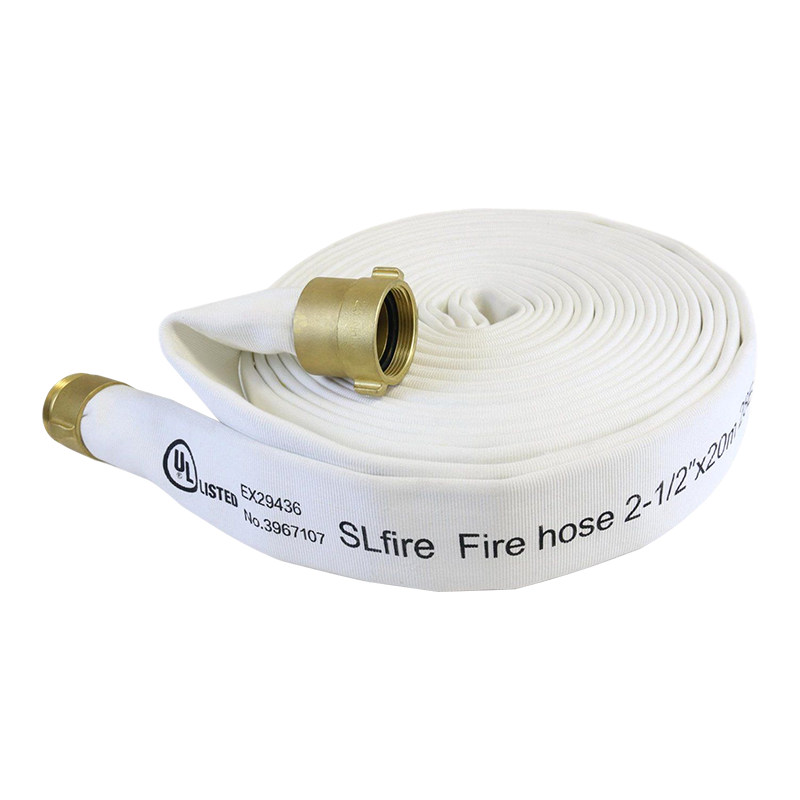
Single jacket, EPDM rubber liner Features • 100% high tenacity polyester jacket, high-grade EPDM rub...
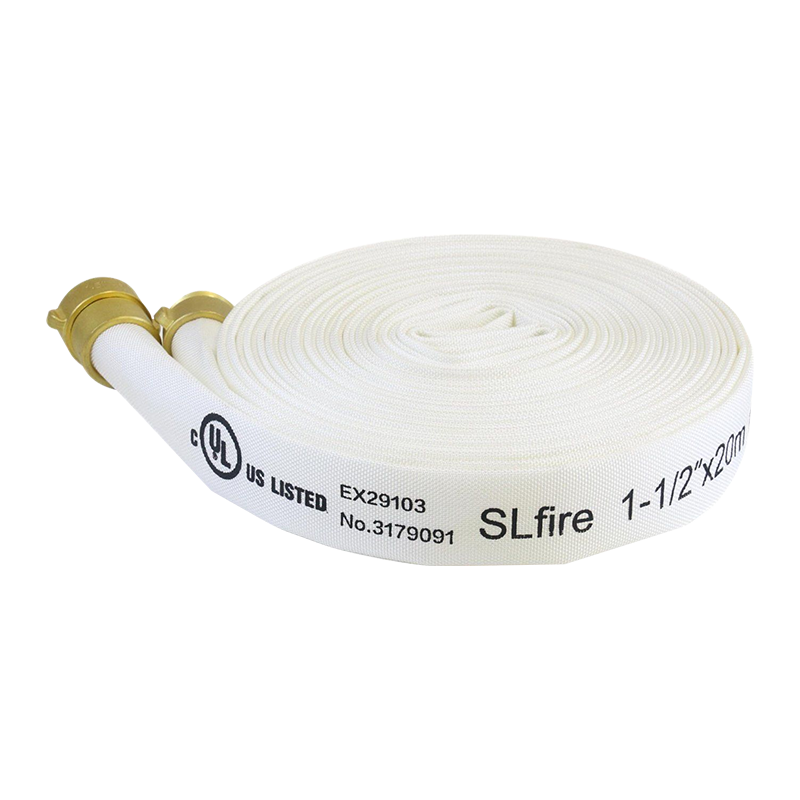
Single jacket, TPU liner •High-tenacity polyester yarn, circular woven in twill weave/plain weave,T ...
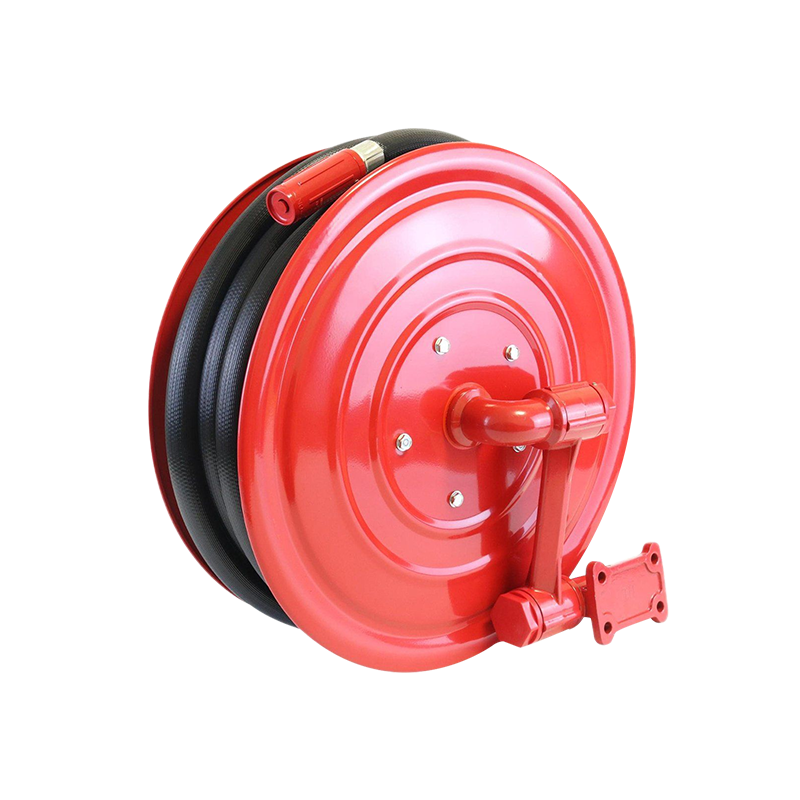
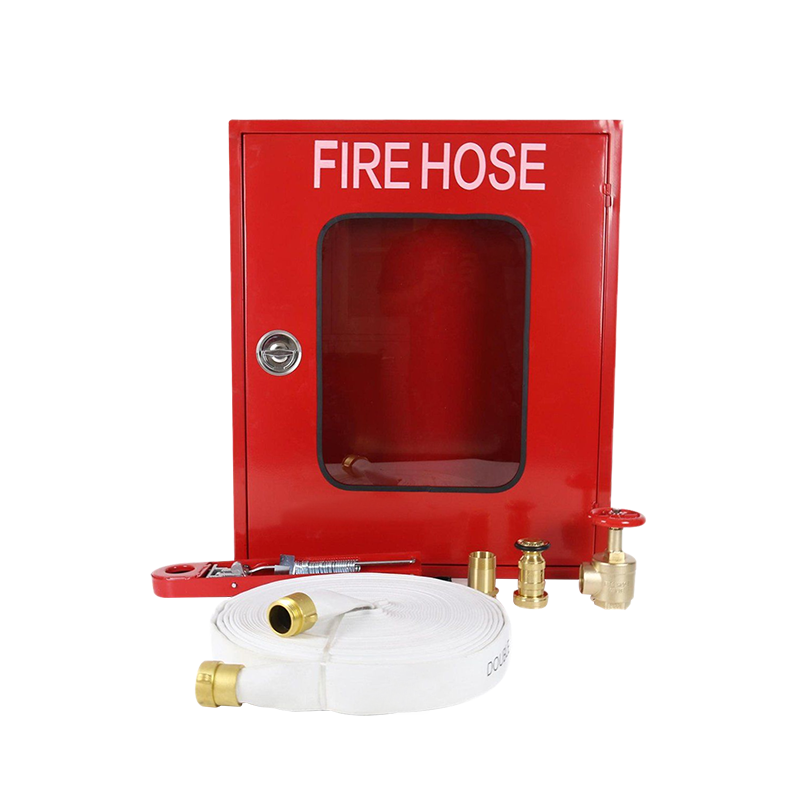
Fire cabinets are designed to accommodate fire hose,valve and other firefighting equipment. Type 201...
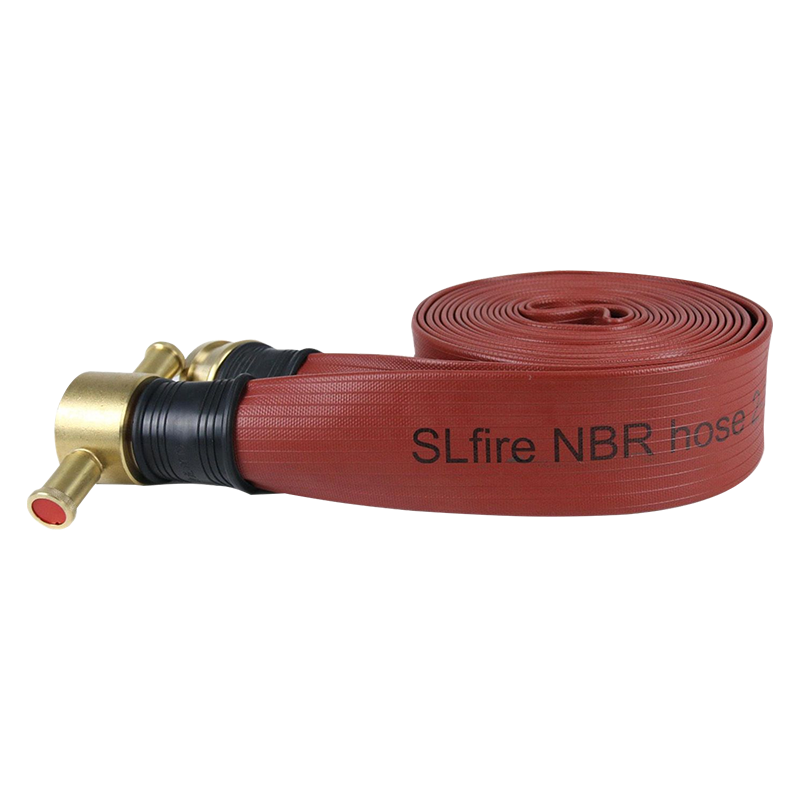
Nitrile covered hose •Nitrile/TPR blend as cover and lining, with 100% high-tenacity polyester yarn ...
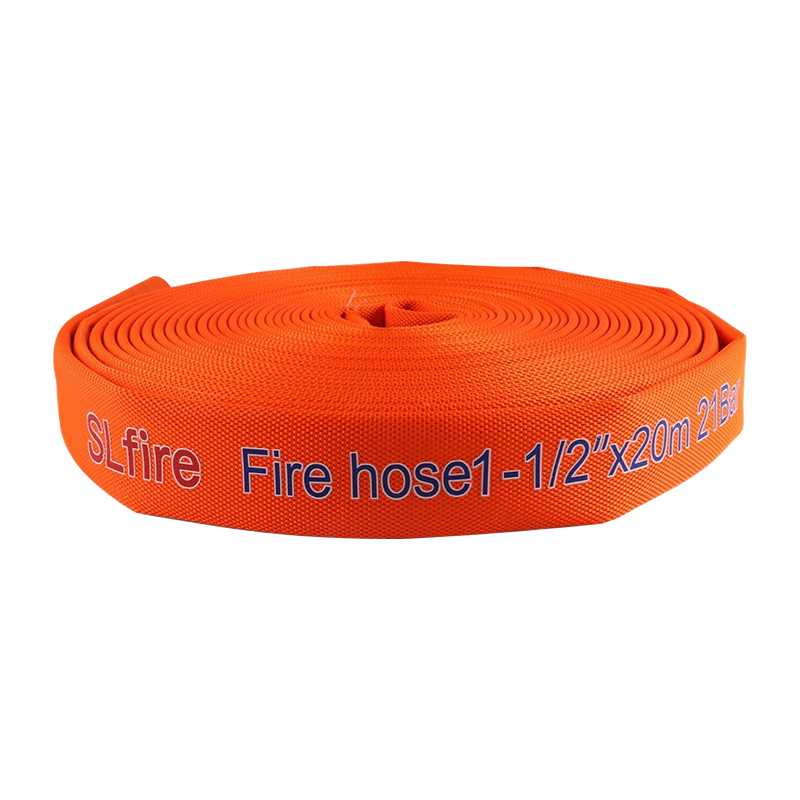
Single jacket, TPU liner •High-tenacity polyester yarn, circular woven in twill weave, TPU lining, f...
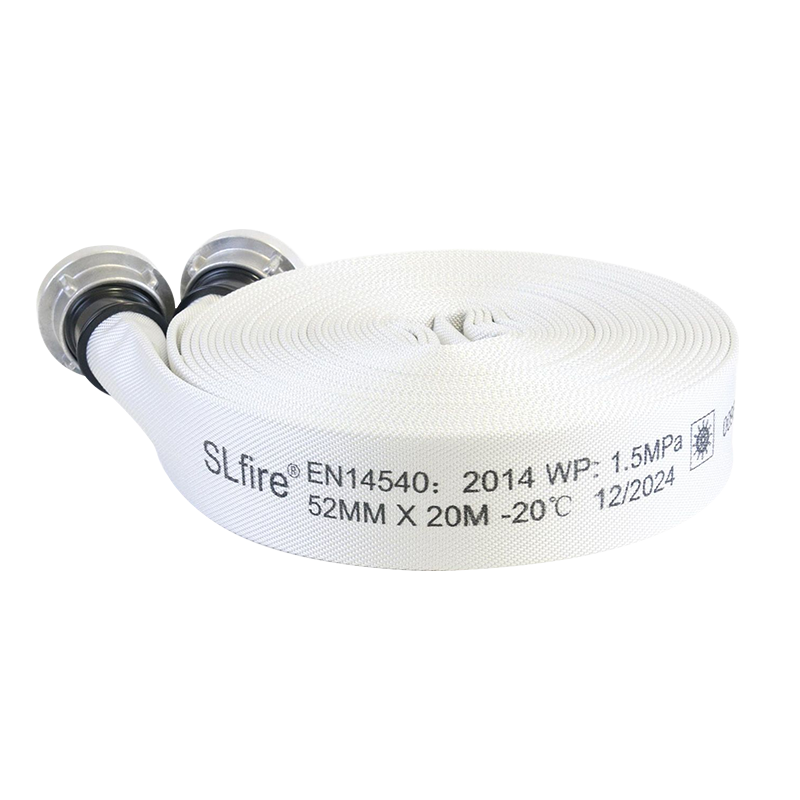
Marine hose Single jacket, PVC liner •100% high tenacity polyester yarn, circular woven in twill wea...
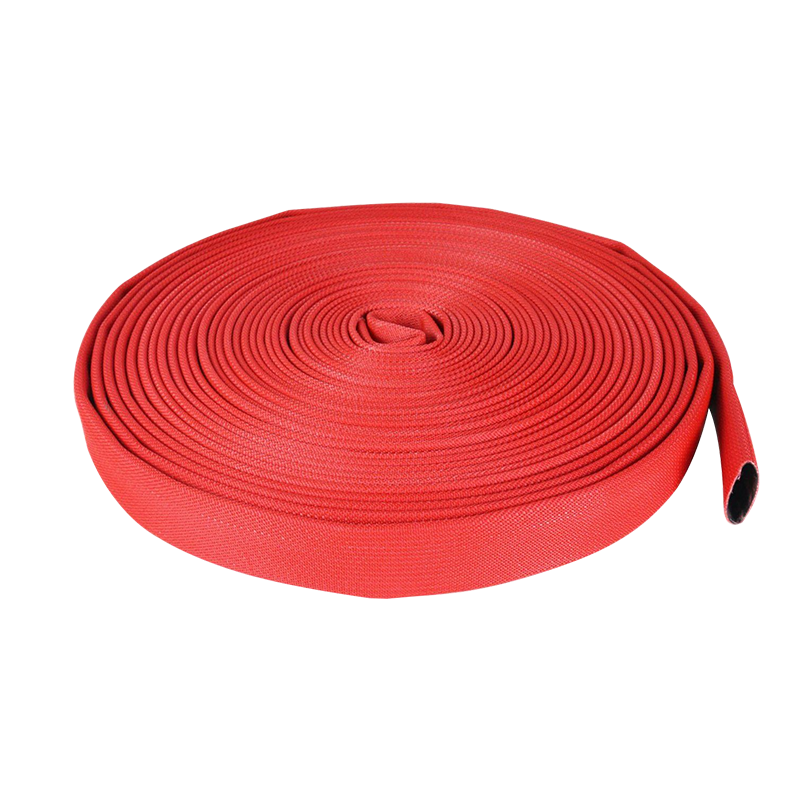
Marine hose Single jacket, PVC liner, PU coated •100% high tenacity polyester yarn,c ircular woven i...
 Call Us
+86 159-5116-9511
Need Support
Head Office
No.58, Kechuang Road, Sixiang Street Medicine Gaoxin District Taizhou City, Jiangsu Province

What Is a Fire Hose? A fire hose is a high-pressure flexible hose designed to carry water or fire retardant chemicals from a water source, such as a hydrant, pump, or tank, to a fire for suppression p...
Copyright © Taizhou Shenlong Fire Science and Technology Co., Ltd. All Rights Reserved.
 Fire Hose Manufacturers, Fire Hydrant Hose Factory