

 English
 русский
 Español
 Deutsch
 عربى
عربى Français
 Português
Don't hesitate to send a message

Single jacket, EPDM rubber liner Features • 100% high tenacity polyester jacket, high-grade EPDM rub...
Content
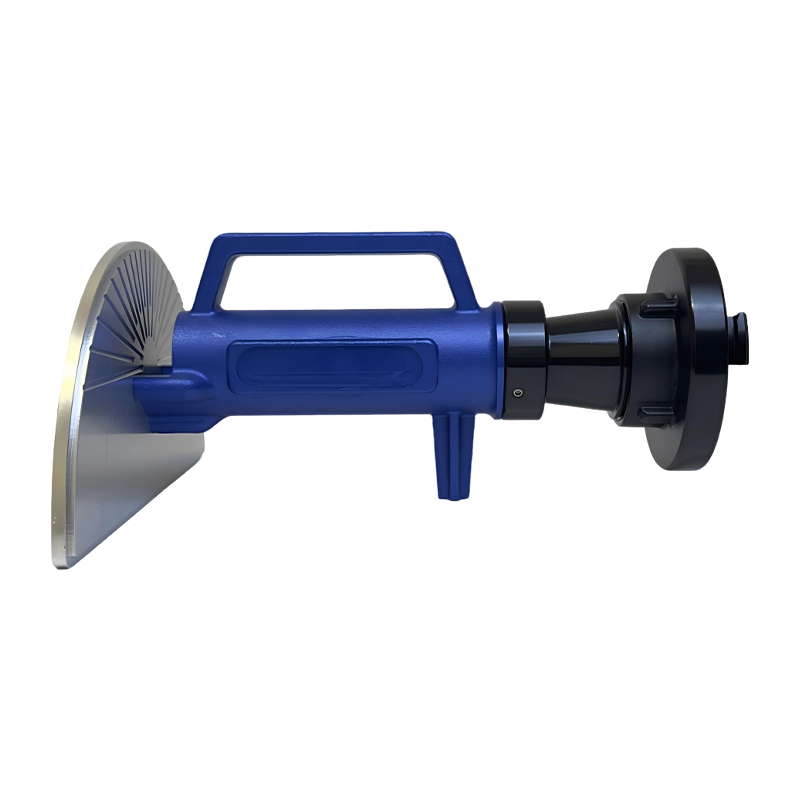
In modern firefighting, the ability to control heat, smoke, flame spread, and exposure risk can determine the success of an operation long before the fire is fully extinguished. A high-performance water barrier nozzle is designed for exactly this challenge. The Hydro-Wall Nozzle is a professional hose nozzle engineered to create a dense, continuous, concentrated water curtain that separates firefighters, equipment, structures, and high-risk assets from dangerous fire conditions. Instead of functioning only as a conventional straight-stream or fog nozzle, it forms a protective hydro-wall that can suppress flames while reducing heat radiation, smoke movement, and exposure damage.
As a specialized product in the hose nozzle category, this nozzle is particularly valuable for industrial fire control, wildland fire perimeter protection, chemical storage areas, refineries, power plants, construction sites, and other environments where a dependable water barrier can protect people and property. Its fixed flow rate of 1200 L/M, nominal working pressure of 6 Bar, lightweight aluminum construction, durable rubber bumper, stainless-steel strainer, forged connection, ergonomic pistol grip, and precision fog components give it a strong balance of power, reliability, and operational comfort.
Beyond the product itself, the manufacturing background behind the nozzle is also important. Taizhou Shenlong Fire Science and Technology Co., Ltd. has been engaged in fire protection product research, production, sales, and service since 1995. With decades of experience in fire hose manufacturing and related firefighting accessories, the company has built a practical production system focused on durability, stable performance, and adaptability for domestic and export markets. This manufacturing strength supports the Hydro-Wall Nozzle as a product intended not only for demonstration performance, but also for repeated use in demanding emergency conditions.
The Hydro-Wall Nozzle is designed to produce a high-volume water barrier that can be positioned between fire crews and dangerous heat sources, between fire and unburned materials, or around valuable assets that need emergency protection. The term “hydro-wall” describes the nozzle’s ability to create a wall-like sheet or concentrated curtain of water. This barrier absorbs heat, knocks down flame fronts, reduces radiant heat transfer, and helps limit the movement of smoke and airborne hazards.
Traditional nozzles are often optimized for direct attack, reach, fog production, or general-purpose fire suppression. The Hydro-Wall Nozzle adds another layer of tactical value by focusing on separation and protection. In many incidents, firefighters need more than water delivery; they need a defensive shield that buys time, protects escape routes, cools exposures, and reduces the hazard level around personnel. This nozzle is therefore suitable for both active suppression and exposure protection strategies.
The model WS1400 is rated for a working pressure of 6 Bar and a fixed flow rate of 1200 L/M. It can be supplied with coupling options including 1 inch, 1.5 inch, and 2 inch connections, allowing compatibility with different hose systems and operational layouts. With a listed weight of approximately 1.5 kg, it remains manageable for professional users while delivering a significant volume of water.
The nozzle body is made from lightweight aluminum, offering a useful combination of strength, corrosion resistance, and reduced operator fatigue. A rubber bumper provides additional impact resistance and protects the nozzle during rough handling. Stainless-steel spinning teeth help maintain consistent fog performance, while a stainless-steel strainer filters impurities from the water supply and helps prevent clogging. A DuPont nylon pistol grip provides a firm, non-slip hold, improving comfort during extended operation.
| Product Type | Hydro-Wall Water Barrier Nozzle |
| Model | WS1400 |
| Category | Hose Nozzles |
| Nominal Working Pressure | 6 Bar |
| Fixed Flow Rate | 1200 L/M |
| Approximate Weight | 1.5 kg |
| Inlet / Coupling Options | 1 inch, 1.5 inch, 2 inch, and applicable system configurations |
| Main Body Material | Lightweight aluminum |
| Grip | DuPont nylon pistol grip |
| Protection Component | Rubber bumper |
| Internal Filtering | Stainless-steel strainer |
| Fog Performance Component | Stainless-steel spinning teeth |
| Typical Applications | Industrial fire control, wildland perimeter protection, chemical storage, refineries, power plants, emergency response, exposure protection |
The most important feature of the Hydro-Wall Nozzle is its barrier-forming water delivery. Conventional nozzles can apply water to a flame, cool a surface, or produce fog for heat absorption, but a water barrier nozzle is specifically valuable when crews need to create a defensive separation zone. The hydro-wall can help block radiant heat, reduce flame contact, and create a safer working boundary.
Radiant heat is one of the most dangerous elements in industrial and wildland incidents. Firefighters may be threatened even when they are not in direct contact with flame. A concentrated water curtain can absorb and scatter thermal energy, helping crews approach, reposition, or defend critical assets. In industrial settings, this can protect tanks, pipelines, pumps, cable trays, production equipment, and neighboring structures. In wildland and interface operations, it can help protect perimeters, access roads, temporary command areas, and structures exposed to flying embers or advancing flame fronts.
Smoke and toxic gases are another serious concern. While no water curtain can replace respiratory protection or atmospheric monitoring, a stable hydro-wall can help reduce smoke movement in a localized area and create a more controlled operating zone. This is especially helpful around chemical storage, refineries, warehouses, and power plants, where smoke may contain hazardous combustion by-products.
Compared with ordinary hose nozzles, the Hydro-Wall Nozzle is not only a discharge device but also a tactical shield. It gives fire crews an additional method of managing the fire environment. This practical difference is one of the product’s strongest competitive advantages.
Many standard fire nozzles are built for multipurpose performance. They may switch between straight stream and fog patterns, or they may focus on distance, penetration, or adjustable flow. These designs are useful, but they are not always optimized for creating a continuous protective wall. The Hydro-Wall Nozzle is designed to create a reliable water barrier with high flow and stable distribution.
One advantage is the fixed flow rate of 1200 L/M. A fixed-flow configuration helps simplify operation under pressure. In urgent conditions, operators do not need to spend valuable time adjusting flow settings or verifying whether the nozzle is delivering enough water. The nozzle provides a consistent high-volume output when supplied at the specified pressure, helping teams maintain predictable performance.
Another advantage is the working pressure of 6 Bar. This pressure rating is compatible with many standard firefighting systems, making the nozzle practical for integration into existing hose lines and pump operations. Fire departments and industrial brigades often require equipment that can be added to current systems without extensive modification. The Hydro-Wall Nozzle’s pressure and coupling options support this requirement.
The use of lightweight aluminum also creates a competitive benefit. Heavy equipment can slow down firefighters, increase fatigue, and reduce maneuverability. Aluminum construction offers a strong structure while keeping the nozzle manageable. This is especially important when the nozzle must be moved repeatedly, positioned at changing fire fronts, or held during extended defensive operations.
Durability is another point of difference. The rubber bumper helps protect the nozzle from impacts against concrete, metal, vehicles, cabinets, hose beds, or fireground debris. Firefighting equipment is often dropped, dragged, knocked, and exposed to rough handling. A nozzle that maintains its integrity after repeated impacts offers better long-term value than a device that performs well only in controlled conditions.
The stainless-steel strainer provides a further advantage in real-world water supply conditions. Fireground water may contain sand, rust, scale, sediment, or other impurities, especially when supplied from hydrants, tanks, open water sources, or industrial systems. By filtering debris before it reaches critical internal areas, the strainer helps prevent clogging and supports stable performance.
Firefighting nozzles operate in environments where heat, vibration, impact, water pressure, corrosive residues, chemical exposure, and rough handling may occur at the same time. A professional nozzle must therefore be designed not only for hydraulic performance but also for mechanical endurance. The Hydro-Wall Nozzle’s construction reflects this need.
The lightweight aluminum body is well suited to firefighting applications because it resists corrosion while reducing carrying weight. Corrosion resistance is especially important because nozzles are frequently exposed to water, moisture, foam concentrate, smoke residues, and outdoor storage conditions. If a nozzle corrodes internally or externally, its performance and service life may decline. Aluminum construction helps reduce that risk.
The rubber bumper is a practical protective component. During emergency deployment, crews may connect hoses rapidly, drag equipment across pavement, or place nozzles near hot surfaces and sharp objects. The bumper absorbs part of the impact when the nozzle contacts hard surfaces. It also helps protect the front edge of the nozzle, which is critical for maintaining proper water pattern formation.
Stainless-steel components provide strength in areas where wear resistance and corrosion resistance are especially important. The spinning teeth are responsible for consistent fog behavior, and stainless steel helps them resist deformation and corrosion. The strainer also benefits from stainless-steel construction because it must remain strong while filtering debris and resisting waterborne contaminants.
The forged connection or coupling contributes to secure hose attachment. Coupling strength is essential because nozzle failure at the connection point can create dangerous hose whip, water loss, or operational interruption. A secure connection helps ensure that the nozzle remains stable during high-flow operation.
Firefighting equipment must be built around human performance. Even the strongest nozzle is less effective if the operator cannot hold, position, or control it under stress. The Hydro-Wall Nozzle includes several user-friendly design features that support comfort, control, and fast decision-making.
The DuPont nylon pistol grip provides a non-slip, anti-fatigue hold. A pistol grip helps the operator manage nozzle reaction and maintain orientation. In high-flow applications, nozzle reaction can be significant, so a secure grip is not a minor detail; it is a major safety and control feature. Nylon construction also helps reduce weight and provides a comfortable contact surface compared with bare metal.
Permanent laser-engraved markings improve readability and long-term usability. Printed or painted markings may fade, peel, or become unreadable after exposure to water, heat, abrasion, and cleaning chemicals. Laser engraving offers a more durable solution. In low-visibility or high-stress situations, clear markings can help operators confirm settings quickly and reduce the chance of error.
The nozzle’s manageable weight also supports operator comfort. At approximately 1.5 kg, the unit is light enough for practical field handling while still delivering a high flow rate. Weight matters when crews must move quickly, climb stairs, operate near industrial equipment, or hold a defensive position for extended periods.
The combination of grip design, clear markings, balanced construction, and durable materials helps the Hydro-Wall Nozzle serve as a practical tool rather than a purely theoretical high-flow device. Firefighters need equipment that works naturally in their hands, especially when the surrounding environment is chaotic.
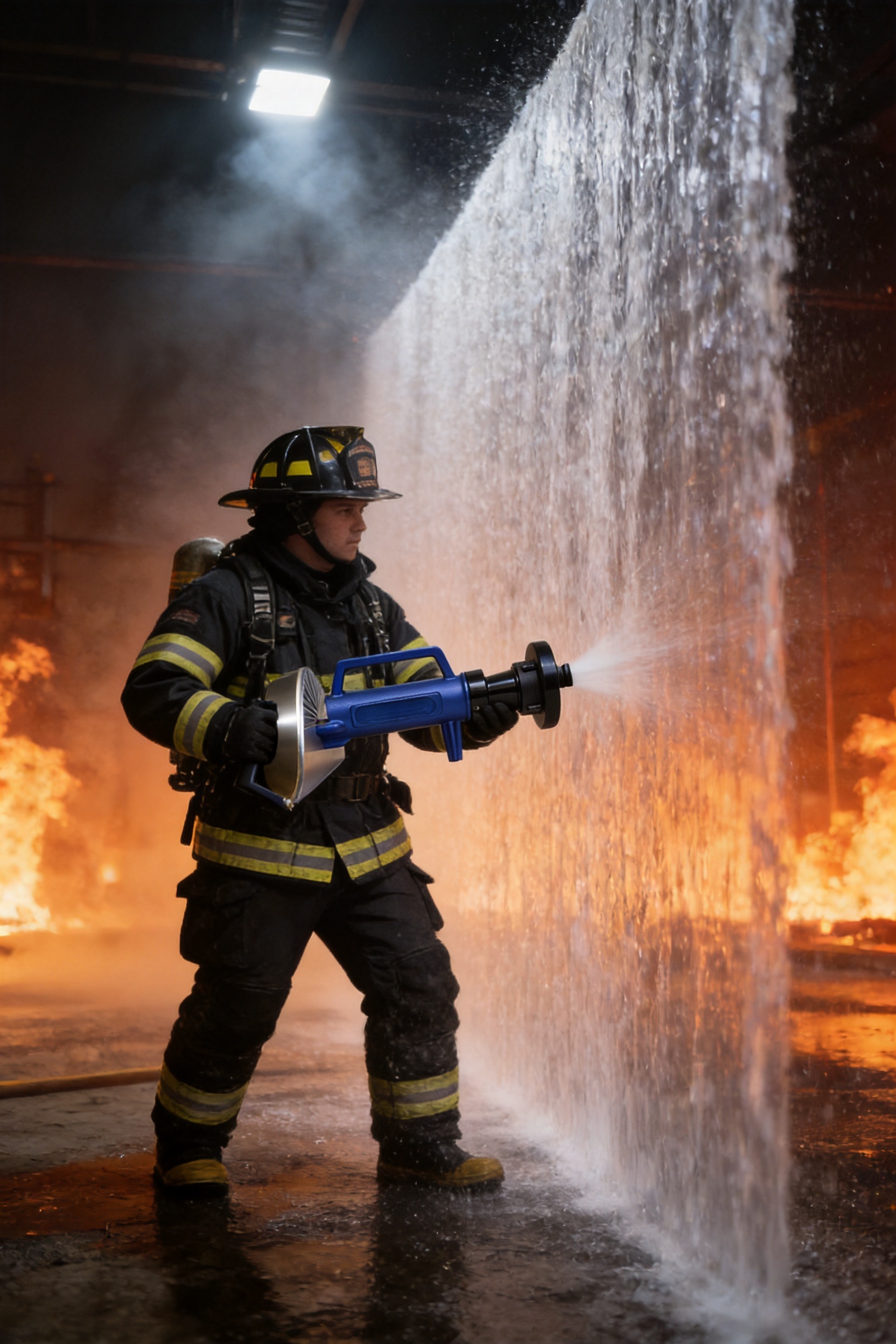
Industrial facilities create some of the most challenging firefighting environments. Factories, refineries, chemical storage areas, power generation sites, logistics warehouses, and manufacturing plants often contain combustible materials, pressurized systems, electrical hazards, flammable liquids, and complex building layouts. In these conditions, firefighters may need to protect exposures while preventing fire spread to adjacent equipment or storage zones.
The Hydro-Wall Nozzle is well suited for industrial fire control because it can establish a water barrier between the fire and vulnerable assets. For example, in a refinery, a water curtain may help protect nearby equipment from radiant heat while crews focus on controlling the primary fire. In a chemical storage area, the hydro-wall may help reduce heat exposure to containers that could rupture or release hazardous materials. In a factory, the nozzle may help protect production lines, raw material storage, or structural elements.
Industrial firefighting often depends on time. A few minutes of successful exposure protection can prevent a localized incident from turning into a major facility-wide emergency. By delivering 1200 L/M at 6 Bar, the Hydro-Wall Nozzle provides the water volume required for serious defensive operations. Its barrier function can support evacuation routes, protect emergency teams, and reduce damage to critical infrastructure.
The nozzle’s compatibility with common hose and coupling sizes also helps industrial brigades integrate it into existing emergency systems. Facilities that already maintain fire hoses, hydrant networks, fire cabinets, and portable suppression equipment can add the nozzle as a specialized tool for high-risk zones. This makes it useful not only for municipal fire departments but also for internal emergency response teams.
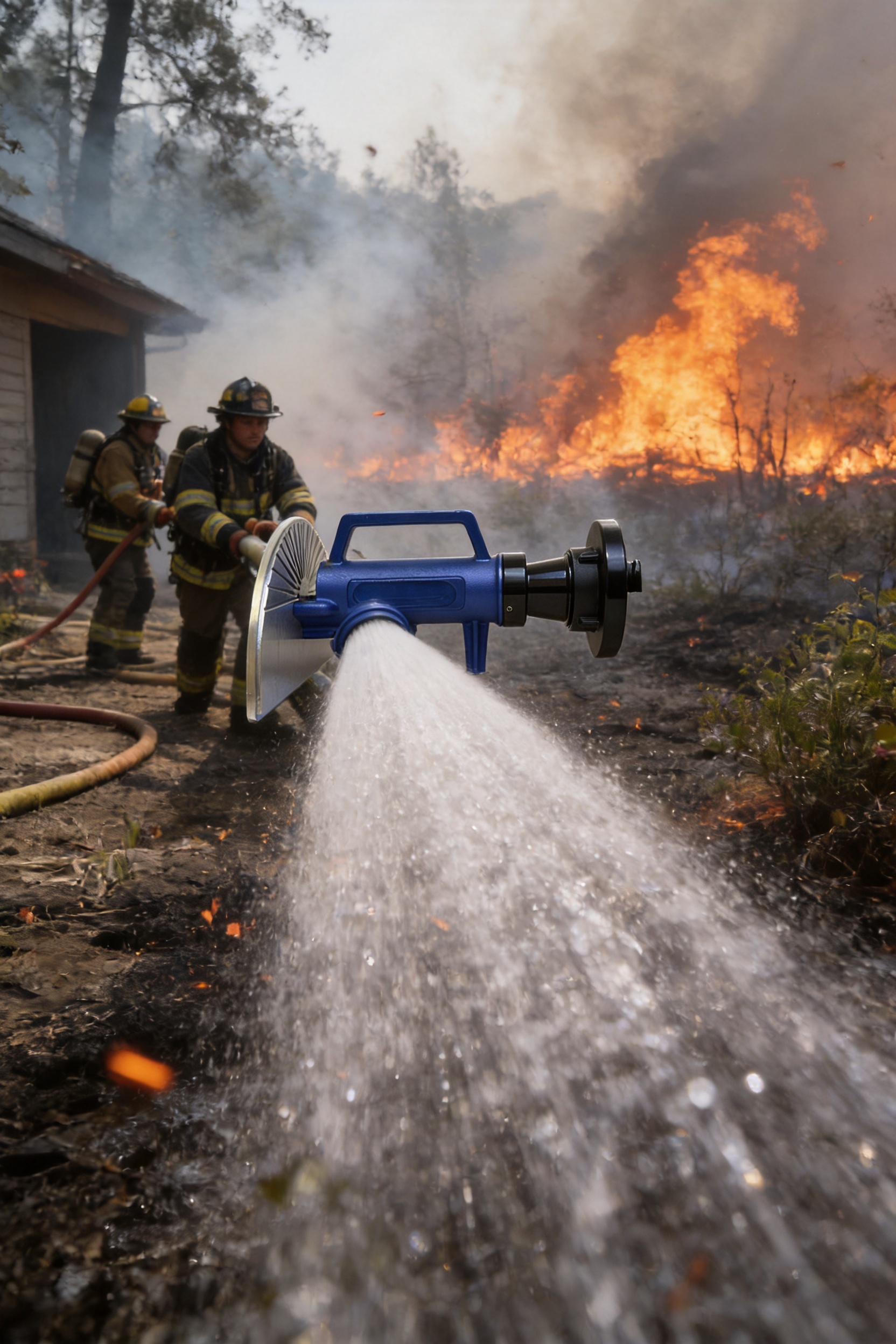
Wildland fires and wildland-urban interface fires require rapid defensive action. Crews may need to protect structures, create wet lines, defend access routes, or stop fire from crossing a critical boundary. A hydro-wall nozzle can assist by producing a concentrated barrier of water that cools fuels and reduces the intensity of radiant heat near the protected zone.
In wildland situations, wind, terrain, fuel type, and flame speed can change quickly. A high-flow water barrier can provide temporary protection while crews reposition, evacuate residents, or prepare additional control lines. The Hydro-Wall Nozzle’s relatively light weight supports field mobility, while its fixed flow rate makes operation straightforward under pressure.
The nozzle can also be valuable for protecting temporary fire camps, staging areas, pumps, hose lines, vehicles, and structures in exposed positions. When connected to a reliable water supply, it can help create a defensive shield in front of important assets. It is not a replacement for full wildland strategy, fuel management, or aerial support, but it adds a useful layer of tactical flexibility.
In rural or agricultural environments, the nozzle may also support protection of barns, grain storage, irrigation equipment, farm machinery, and livestock areas. Agricultural operations often involve large open spaces and combustible materials such as hay, straw, wood, fuel, and packaging. A high-flow barrier nozzle can help protect these assets during emergency response.
Some emergencies involve more than ordinary fire. Chemical storage areas, power plants, fuel depots, laboratories, transportation terminals, and industrial parks may contain hazards that require defensive separation. Firefighters may need to cool containers, protect control rooms, shield evacuation paths, or limit heat transfer to dangerous materials. The Hydro-Wall Nozzle is designed for these types of high-risk response scenarios.
In chemical storage incidents, heat exposure can cause containers to fail, increasing the scale of the emergency. A stable water barrier can reduce heat transfer and assist with exposure cooling. In power plants, the nozzle may help protect cable areas, transformers, turbines, or auxiliary equipment from nearby fire conditions. In fuel storage areas, it can be positioned to reduce radiant heat exposure while other teams apply foam or conduct direct suppression.
Emergency response teams need tools that are predictable. The fixed flow rate, nominal pressure, and durable construction of the Hydro-Wall Nozzle support predictable deployment. When the operator knows what the nozzle will deliver, it becomes easier to plan pump pressure, hose layout, water supply, and tactical positioning.
The stainless-steel strainer is especially relevant in emergency response because water supply quality is not always ideal. During major incidents, crews may draw from hydrants, portable tanks, industrial reservoirs, or natural sources. Sediment and debris can compromise nozzle performance. The integrated strainer helps reduce this risk and supports continued operation.
A nozzle’s field performance is shaped by its design, but also by the manufacturing discipline behind it. Taizhou Shenlong Fire Science and Technology Co., Ltd. was founded in 1995 and has developed extensive experience in fire protection products, especially various material-lined fire hoses. The company’s background in hose production is closely connected to nozzle performance because hose and nozzle systems must work together under pressure, flow, coupling stress, and emergency conditions.
The company integrates research and development, production, sales, and service. This structure helps connect customer feedback with product improvement. In fire protection manufacturing, practical feedback from users is essential. Firefighters and industrial safety teams often identify real operational needs that cannot be fully understood from laboratory testing alone. A manufacturer with both production capability and service experience can respond more effectively to these needs.
The company is also able to undertake foreign trade products according to customer requirements, including rubber, PVC, polyurethane, and double-sided tape product categories. This shows flexibility in material handling and custom production. For firefighting equipment, material knowledge is a major strength because different applications require different resistance to pressure, abrasion, temperature, chemicals, and aging.
Products from the company are used in fire protection, construction, water conservancy, and related industries. These fields require products that can perform under harsh operating conditions, where failure can lead to safety risks, property loss, and project disruption. Experience across these industries helps strengthen the company’s understanding of durability and reliability.
The company’s products are sold across more than 20 provinces, cities, and autonomous regions, and it cooperates with several domestic foreign trade companies to produce export products for international markets. This broad market experience supports stable production, quality consistency, and adaptability to different customer requirements.
Professional firefighting equipment requires controlled manufacturing processes. Although the Hydro-Wall Nozzle is a compact product, its performance depends on precise component matching, reliable materials, accurate machining, secure assembly, and effective inspection. A small defect in a connection, internal passage, strainer fit, valve component, or water pattern element can affect safety and performance.
The manufacturing approach behind this type of nozzle begins with material selection. Aluminum is chosen for the body because it provides strength while reducing weight. Stainless steel is used for components that require corrosion resistance, wear resistance, and dimensional stability. Rubber and nylon components are selected for impact protection and operator comfort. Each material serves a specific functional purpose.
Machining and forming processes must maintain accurate dimensions. The nozzle must fit securely with hose couplings, maintain internal flow characteristics, and support stable water discharge. Forged connections improve mechanical reliability by strengthening the coupling area. A strong connection is especially important when high flow and pressure are involved.
Surface treatment and finishing are also important. Firefighting equipment must resist corrosion and remain easy to inspect and clean. Clean surfaces, durable markings, and protected external components contribute to long service life. Laser engraving is a quality-focused detail because it maintains readability over time and avoids the weakness of temporary printed markings.
Assembly quality affects every part of the nozzle. The strainer must be positioned correctly to filter impurities without restricting flow unnecessarily. The spinning teeth must be properly aligned to create consistent fog performance. The grip must be securely attached for safe handling. The bumper must fit firmly to provide impact protection. Each component contributes to the final product’s reliability.
Testing and inspection are essential. A professional manufacturer should verify pressure compatibility, flow behavior, coupling fit, pattern stability, and visual quality before delivery. For fire protection products, quality control is not merely a production step; it is part of the product’s safety value.
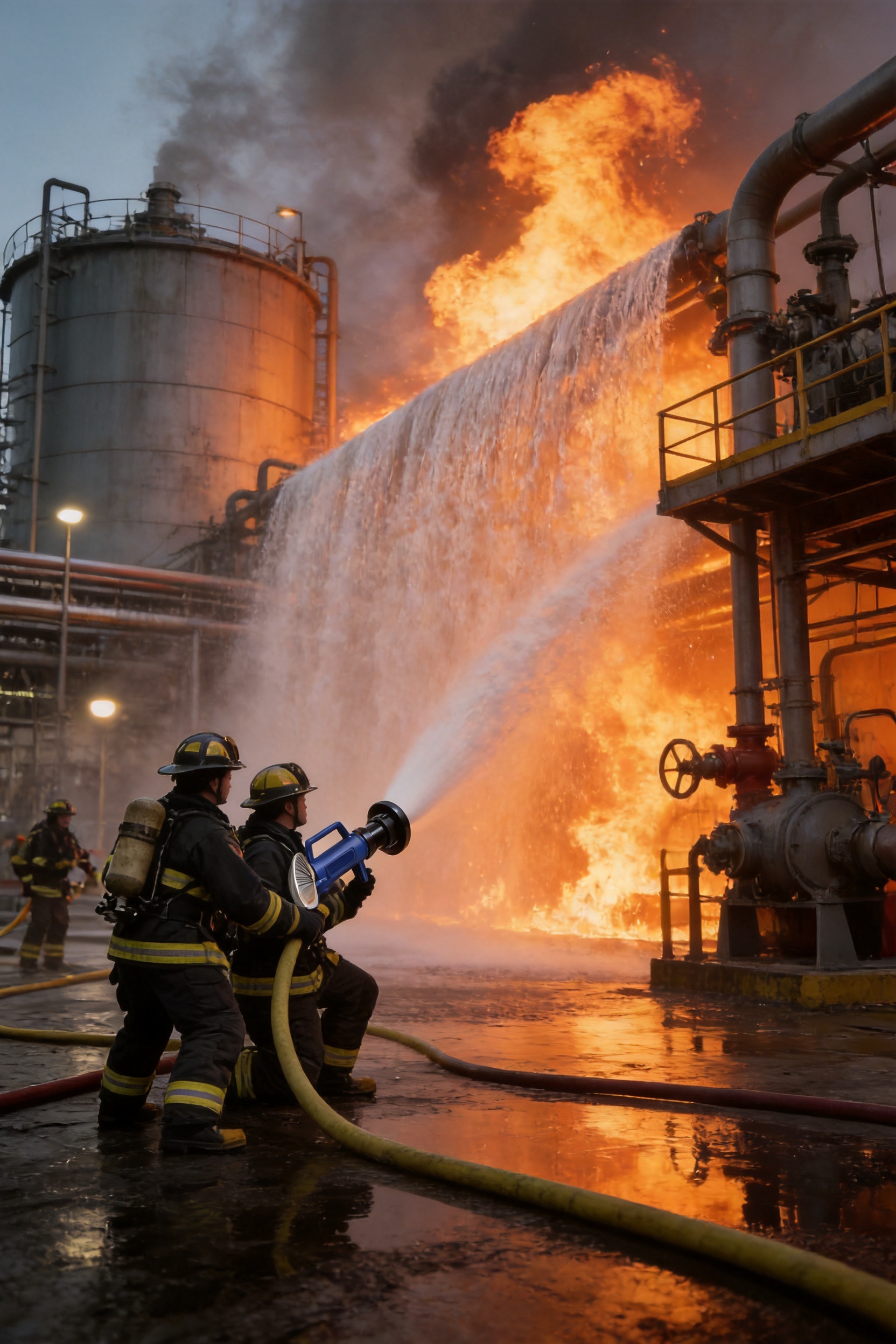
The value of a firefighting nozzle should be measured not only by purchase price but also by operational performance, durability, ease of use, maintenance needs, compatibility, and contribution to incident safety. The Hydro-Wall Nozzle offers strong value because it combines a specialized protective function with practical construction details.
Its main value is the ability to create a water barrier. This can protect firefighters, reduce exposure damage, and support defensive tactics in dangerous environments. For facilities with high-risk assets, one prevented escalation event can justify investment in specialized equipment. A nozzle that protects a storage tank, production line, electrical room, or evacuation path can provide value far beyond its physical size.
The high flow rate of 1200 L/M supports serious fireground operations. Lower-flow devices may be easier to supply, but they may not provide enough water volume for demanding exposure protection. The Hydro-Wall Nozzle is designed for conditions where a strong water curtain is needed.
Durability also improves value. Corrosion-resistant aluminum, stainless-steel components, a rubber bumper, and a forged connection help extend service life. Equipment that lasts longer and performs reliably under repeated use lowers long-term replacement and maintenance costs.
Operator-friendly features create additional value. A comfortable pistol grip, clear markings, and clog-resistant design reduce user frustration and improve speed during deployment. In emergency response, a product that is easy to understand and control is often more valuable than a product with unnecessary complexity.
Compatibility with common inlet and coupling sizes further supports value. Fire departments, industrial teams, and safety departments can integrate the nozzle into existing hose systems without redesigning their entire equipment arrangement. This makes procurement and deployment more efficient.
Compared with ordinary fog nozzles, the Hydro-Wall Nozzle emphasizes barrier creation. Many fog nozzles can produce a protective spray, but they may not deliver the same concentrated hydro-wall effect. The Hydro-Wall Nozzle is designed specifically for continuous water curtain performance, which makes it more suitable for exposure protection and defensive separation.
Compared with basic straight-stream nozzles, it offers a broader protective function. Straight streams provide reach and penetration, but they do not create the same shield against radiant heat and smoke movement. In situations where crews must protect personnel or nearby assets, a straight stream alone may be insufficient.
Compared with heavier industrial monitors, the Hydro-Wall Nozzle offers greater portability. Fixed monitors and portable monitors can deliver large volumes, but they may require more setup time, more space, and heavier support equipment. The Hydro-Wall Nozzle provides a high-flow protective option in a more manageable handline or hose-connected format.
Compared with low-cost generic nozzles, the Hydro-Wall Nozzle provides stronger construction details. The use of aluminum, stainless steel, forged coupling, rubber protection, nylon grip, laser markings, and internal strainer reflects a product designed for professional service rather than occasional light-duty use.
Compared with overly complex adjustable nozzles, its fixed-flow design can be an advantage. Complex controls can be useful in some cases, but they can also slow decision-making or create confusion under stress. A fixed-flow water barrier nozzle provides predictable performance, which supports reliable tactical planning.
A nozzle is only one part of a complete firefighting system. Its effectiveness depends on the hose, coupling, water supply, pump capacity, operator training, and tactical placement. The Hydro-Wall Nozzle is designed with practical coupling options that allow it to work with common firefighting hose arrangements.
The listed coupling options include 1 inch, 1.5 inch, and 2 inch configurations, with product materials also indicating inlet compatibility from 1 inch to 2.5 inches depending on system needs. This flexibility allows users to match the nozzle with different hose lines and operational requirements. Smaller lines may support certain mobile applications, while larger lines may be preferred for stable high-volume delivery.
Because the nozzle has a fixed flow rate of 1200 L/M at nominal operating pressure, users should ensure that the water supply and pump system can maintain the required flow. Proper hydraulic planning is essential. If the supply is insufficient, the water barrier may be weaker than intended. If the pressure is excessive or the hose layout is poorly managed, safety and control may be affected.
The nozzle can be stored in fire cabinets, carried on fire vehicles, placed near industrial hazard zones, or included in emergency response kits. For facilities with fixed fire hydrant systems, it may be positioned near areas where exposure protection is especially important, such as chemical storage, fuel transfer stations, warehouses, machinery rooms, or loading areas.
Proper maintenance helps preserve nozzle performance and service life. After use, the nozzle should be flushed with clean water to remove sediment, foam residue, salt, chemical contamination, or debris. The stainless-steel strainer should be inspected and cleaned so it can continue filtering impurities effectively.
The coupling should be checked for thread or locking damage, depending on the connection type. A damaged coupling can compromise safety and should be repaired or replaced before the nozzle is returned to service. Gaskets should be inspected to ensure a proper seal. Leakage at the connection point can reduce pressure and create operational problems.
The rubber bumper should be checked for cuts, cracking, or looseness. Although it is designed to absorb impact, severe damage may reduce protection. The aluminum body should be visually inspected for dents, deformation, corrosion, or other signs of stress. The pistol grip should be checked for secure attachment and surface condition.
Laser markings should remain readable, but users should still inspect them during routine equipment checks. Clear markings help operators confirm product information and settings quickly. Any operational component, including valve options where applicable, should move smoothly and securely.
Storage conditions also matter. The nozzle should be stored in a clean, dry, accessible location, away from unnecessary chemical exposure or mechanical damage. Fire cabinets, apparatus compartments, and industrial emergency stations should be organized so the nozzle can be deployed quickly.
Even well-designed equipment requires proper training. Firefighters and industrial emergency teams should understand how the Hydro-Wall Nozzle behaves at its rated pressure and flow. Training should include hose handling, nozzle reaction management, coupling procedures, water supply planning, positioning, and communication between nozzle operators and pump operators.
Operators should practice forming a water barrier in controlled conditions. They should observe how the hydro-wall changes with distance, wind, hose movement, and pressure variation. This helps crews understand where to position the nozzle during real incidents.
Training should also cover tactical applications. Crews should practice using the nozzle for exposure protection, evacuation path shielding, perimeter defense, and asset cooling. Industrial teams should develop pre-plans identifying where the nozzle would be most useful, such as tank farms, chemical rooms, loading docks, transformer areas, and storage yards.
Because the nozzle delivers a high flow rate, water supply coordination is essential. Pump operators must understand the required flow and pressure. Hose teams must account for hose friction loss, elevation, line length, and coupling size. A nozzle cannot perform correctly if the hydraulic system does not support it.
Safety training should include awareness of slippery surfaces, steam production, electrical hazards, hazardous materials, and limited visibility. A water barrier can improve safety, but it does not eliminate all risks. It should be used as part of a complete incident command strategy.
Taizhou Shenlong Fire Science and Technology Co., Ltd. brings decades of industry experience to its product development and manufacturing. Since its founding in 1995, the company has focused on fire protection products, especially lined fire hoses made with different materials. This foundation is important because hose nozzles, couplings, fire hoses, fire cabinets, and accessories must function as a connected system.
The company’s ability to integrate research and development, production, sales, and service gives it a practical understanding of both product engineering and customer needs. Customers benefit from working with a manufacturer that can support production requirements, provide product knowledge, and respond to application demands.
Its product experience includes fire hoses, industrial hoses, agricultural hoses, hose couplings, hose nozzles, fire accessories, fire cabinets, and trenchless rehabilitation hose. This broad category coverage supports system-level thinking. A company that understands hoses and couplings can design and supply nozzles that match real field requirements.
The company’s experience with rubber, PVC, polyurethane, and related material products also supports customization and durability. Fire protection customers may require products for different climates, pressures, chemicals, storage conditions, and operating environments. Manufacturing flexibility helps meet these needs.
Export cooperation and domestic market coverage show that the company has practical experience serving different standards, customer expectations, and delivery requirements. Products sold across many regions must meet varied operating conditions. This contributes to a production culture focused on reliability and adaptability.
The Hydro-Wall Nozzle is suitable for municipal fire departments that need enhanced exposure protection tools, especially in districts with industrial zones, logistics centers, chemical facilities, or wildland-interface risks. It is also suitable for industrial fire brigades responsible for protecting factories, refineries, power plants, warehouses, storage yards, and large construction sites.
Emergency response teams at chemical storage facilities can use the nozzle as part of defensive planning. Power plants can include it in fire protection equipment for transformer yards, fuel handling areas, and cable zones. Agricultural enterprises can use it to protect barns, storage facilities, machinery, and open fuel areas.
Construction companies and water conservancy operations may also benefit from durable hose and nozzle systems. In temporary worksites, water delivery equipment must be tough, portable, and easy to deploy. A high-flow barrier nozzle can help manage fire risk where combustible materials and machinery are present.
Procurement teams looking for fire hose nozzles should consider not only the nozzle’s specifications but also the supplier’s manufacturing background. A product from a company with long-term fire protection experience, material knowledge, and system-level product categories offers stronger confidence than a generic product with limited manufacturing support.
The main purpose is to create a dense, concentrated water barrier that can suppress flames, block radiant heat, reduce smoke movement, and protect firefighters or nearby assets during emergency operations.
A standard nozzle usually focuses on direct stream, fog, or general suppression. The Hydro-Wall Nozzle is designed specifically to form a continuous hydro-wall, making it especially useful for exposure protection, defensive firefighting, and high-risk industrial scenarios.
The WS1400 model has a fixed flow rate of 1200 L/M at a nominal working pressure of 6 Bar.
The nozzle uses a lightweight aluminum body, stainless-steel spinning teeth, a stainless-steel strainer, a rubber bumper, and a DuPont nylon pistol grip. These materials are selected for durability, corrosion resistance, impact protection, and operator comfort.
It can be used in industrial fire control, wildland perimeter protection, chemical storage emergencies, power plant response, refinery exposure protection, factory safety systems, agricultural fire protection, and other high-risk environments.
The strainer filters impurities from the water supply and helps prevent clogging. This is important when water comes from hydrants, tanks, industrial systems, or other sources that may contain sediment or debris.
Yes. The fixed-flow design, clear laser-engraved markings, ergonomic pistol grip, and manageable weight help operators use the nozzle quickly and confidently during emergency response.
The listed coupling options include 1 inch, 1.5 inch, and 2 inch, with compatibility information also indicating inlet options up to 2.5 inches depending on system requirements.
Firefighting equipment must be reliable under severe conditions. A manufacturer with decades of experience in fire hoses, hose couplings, nozzles, fire accessories, and related products can provide better production consistency, material knowledge, and practical product support.
After use, it should be flushed with clean water, inspected for damage, and stored in a dry, accessible location. The strainer, coupling, bumper, body, grip, and markings should be checked regularly to ensure continued performance.
The Hydro-Wall Nozzle is a specialized professional firefighting nozzle designed for situations where ordinary water application is not enough. By creating a concentrated water barrier, it helps protect personnel, assets, and critical areas from flame, heat, and smoke. Its 1200 L/M fixed flow rate, 6 Bar working pressure, lightweight aluminum body, rubber bumper, stainless-steel strainer, stainless-steel spinning teeth, forged connection, DuPont nylon pistol grip, and clear laser-engraved markings combine to create a strong, practical, and reliable firefighting tool.
Its advantages over many competing products come from its tactical purpose and construction quality. It is more protective than a basic straight-stream nozzle, more specialized than a general fog nozzle, more portable than many monitor systems, and more reliable than low-cost generic alternatives. For industrial fire brigades, municipal fire departments, wildland response teams, and emergency planners, it offers a valuable way to improve exposure protection and operational safety.
The manufacturing strength behind the product further increases its value. With a history dating back to 1995, Taizhou Shenlong Fire Science and Technology Co., Ltd. has built experience in fire hoses, industrial hoses, agricultural hoses, hose couplings, hose nozzles, fire accessories, fire cabinets, and related products. Its integrated research, production, sales, and service capability supports reliable product development and customer-focused manufacturing.
For buyers seeking a durable, high-flow, user-friendly, and tactically meaningful hose nozzle, the Hydro-Wall Nozzle is a strong choice. It is designed not only to deliver water, but to create protection where protection matters most.
National Fire Protection Association. Fire Protection Handbook. Quincy: National Fire Protection Association.
International Fire Service Training Association. Essentials of Fire Fighting and Fire Department Operations. Stillwater: Fire Protection Publications.
International Fire Service Training Association. Fire Streams Practices. Stillwater: Fire Protection Publications.
Brannigan, Francis L., and Glenn P. Corbett. Brannigan’s Building Construction for the Fire Service. Burlington: Jones and Bartlett Learning.
Grimwood, Paul. Euro Firefighter: Global Firefighting Strategy and Tactics, Command and Control and Firefighter Safety. Huddersfield: Jeremy Mills Publishing.
Industrial Fire Protection Engineering Guidelines. Technical reference materials on exposure protection, water application, and emergency response planning.
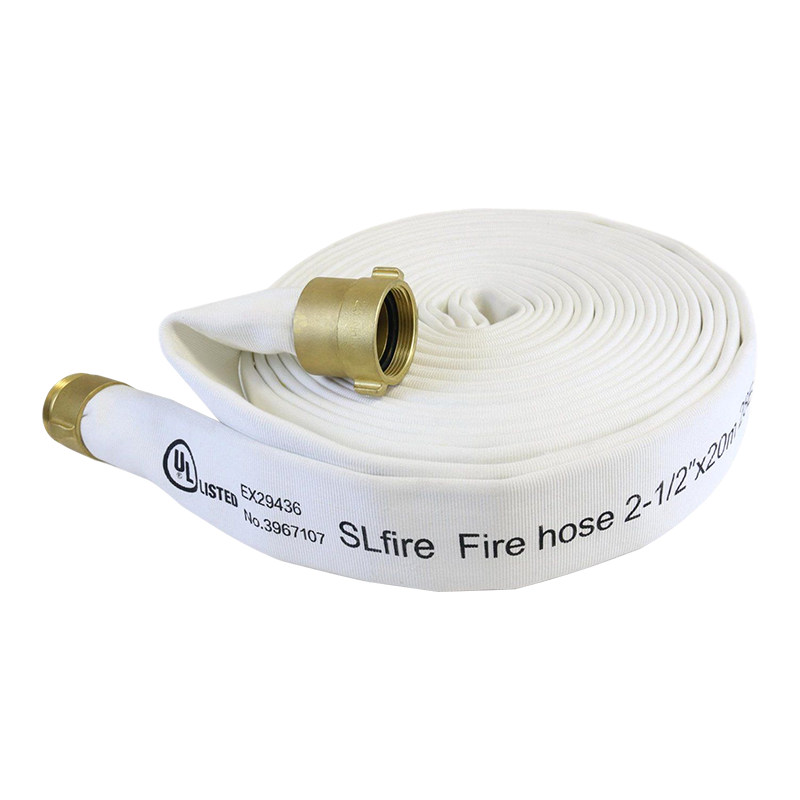
Single jacket, EPDM rubber liner Features • 100% high tenacity polyester jacket, high-grade EPDM rub...
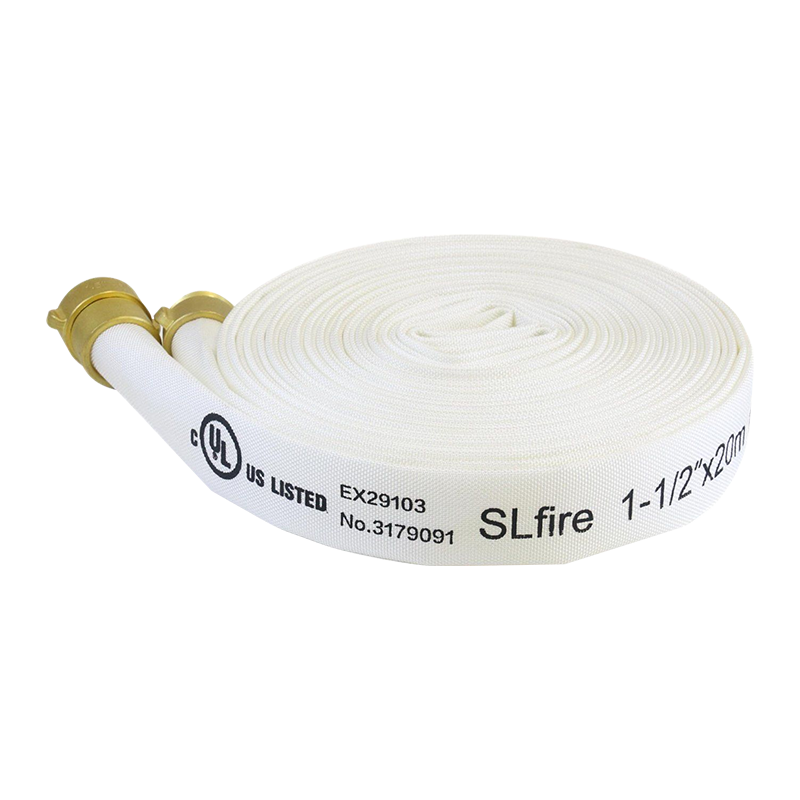
Single jacket, TPU liner •High-tenacity polyester yarn, circular woven in twill weave/plain weave,T ...
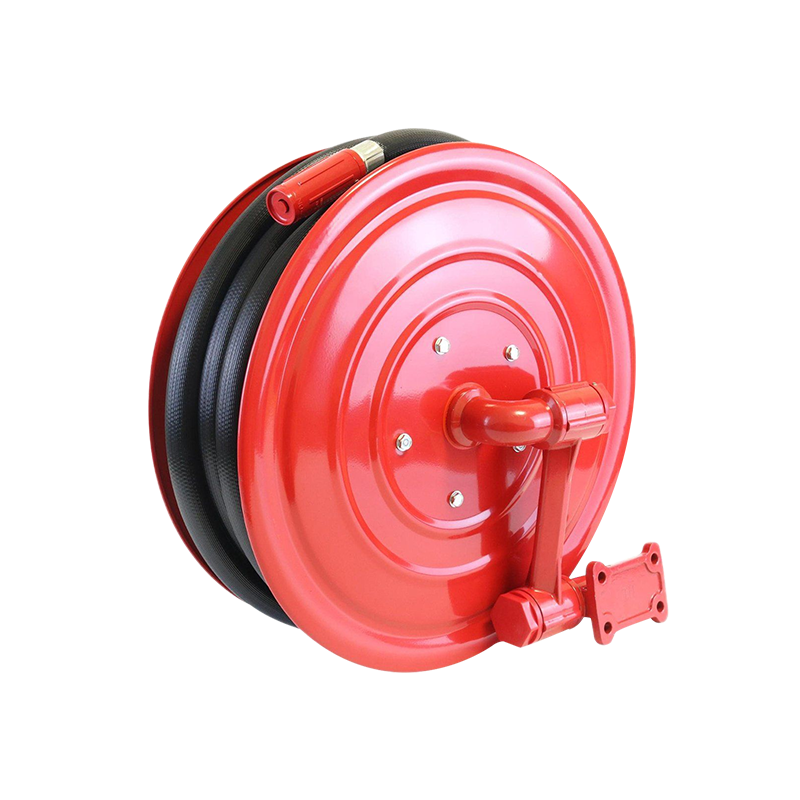
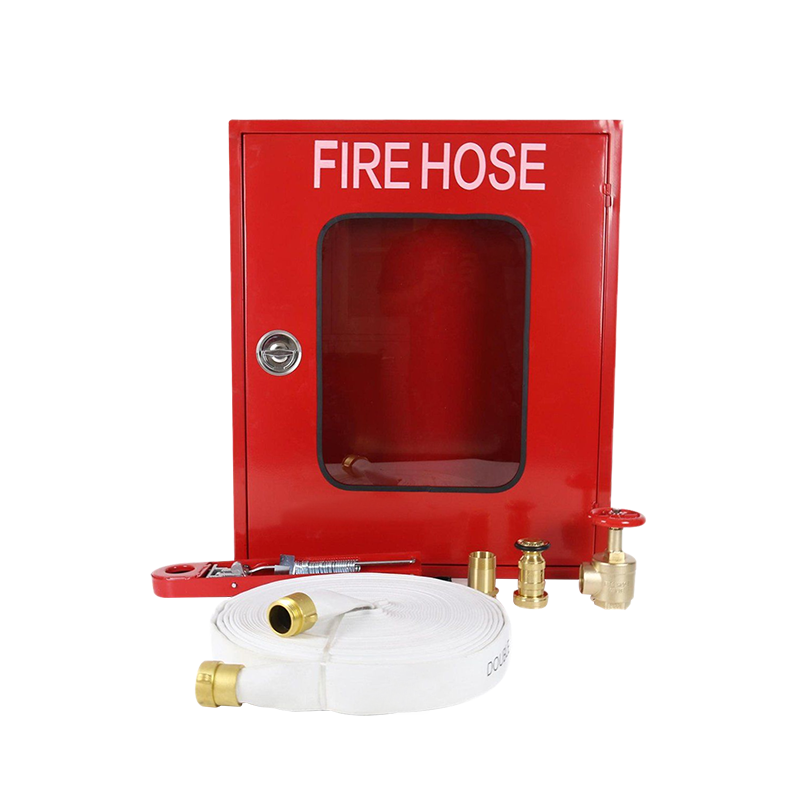
Fire cabinets are designed to accommodate fire hose,valve and other firefighting equipment. Type 201...
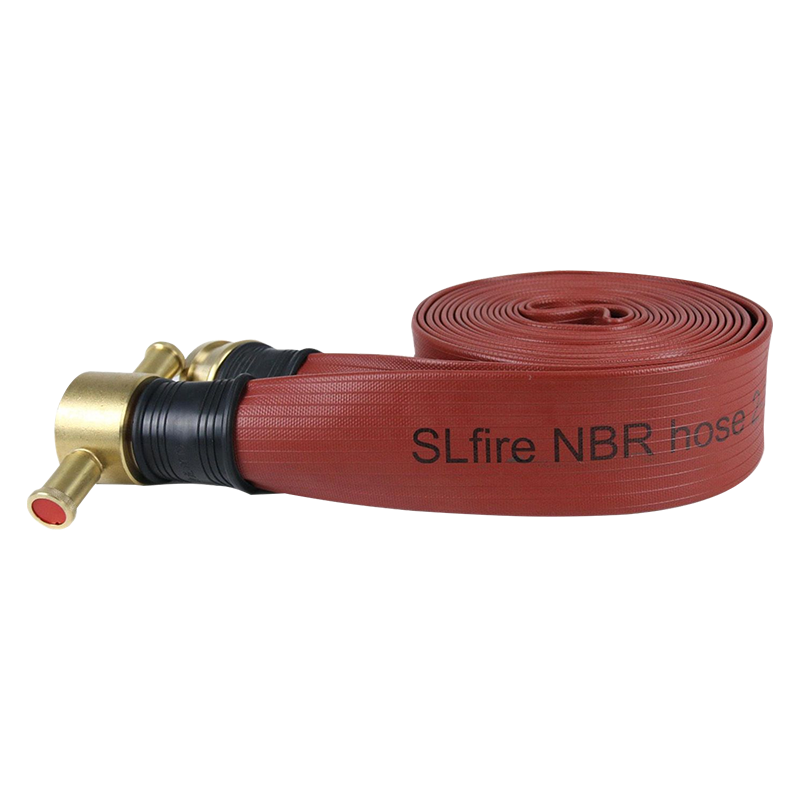
Nitrile covered hose •Nitrile/TPR blend as cover and lining, with 100% high-tenacity polyester yarn ...
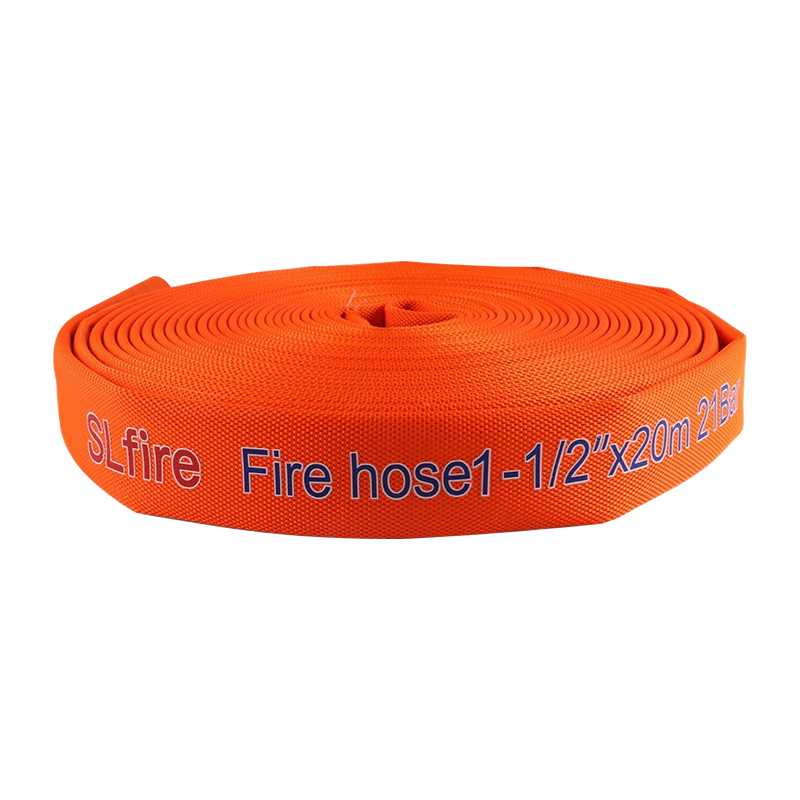
Single jacket, TPU liner •High-tenacity polyester yarn, circular woven in twill weave, TPU lining, f...
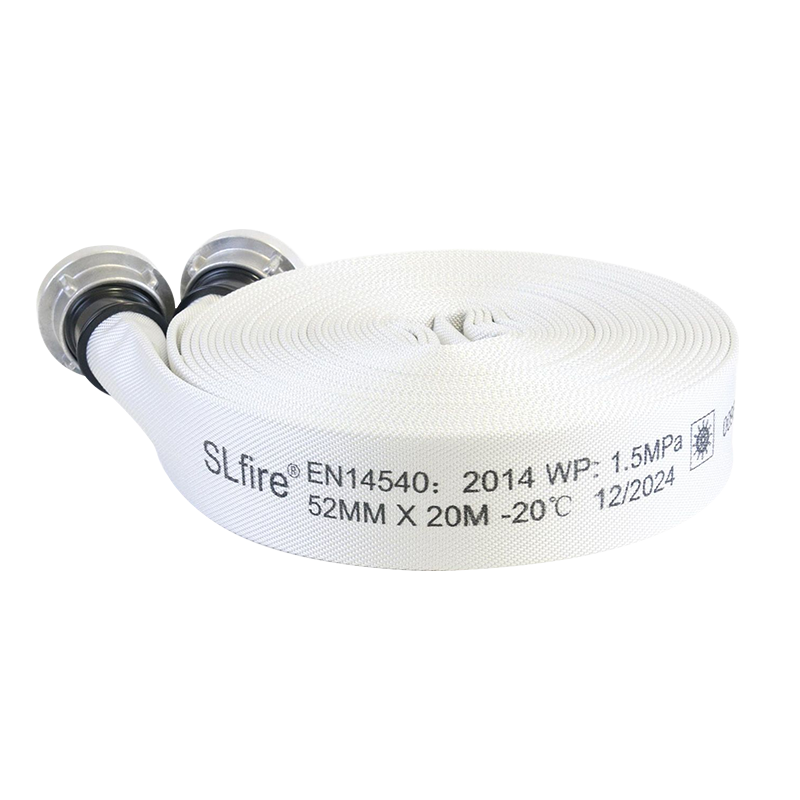
Marine hose Single jacket, PVC liner •100% high tenacity polyester yarn, circular woven in twill wea...
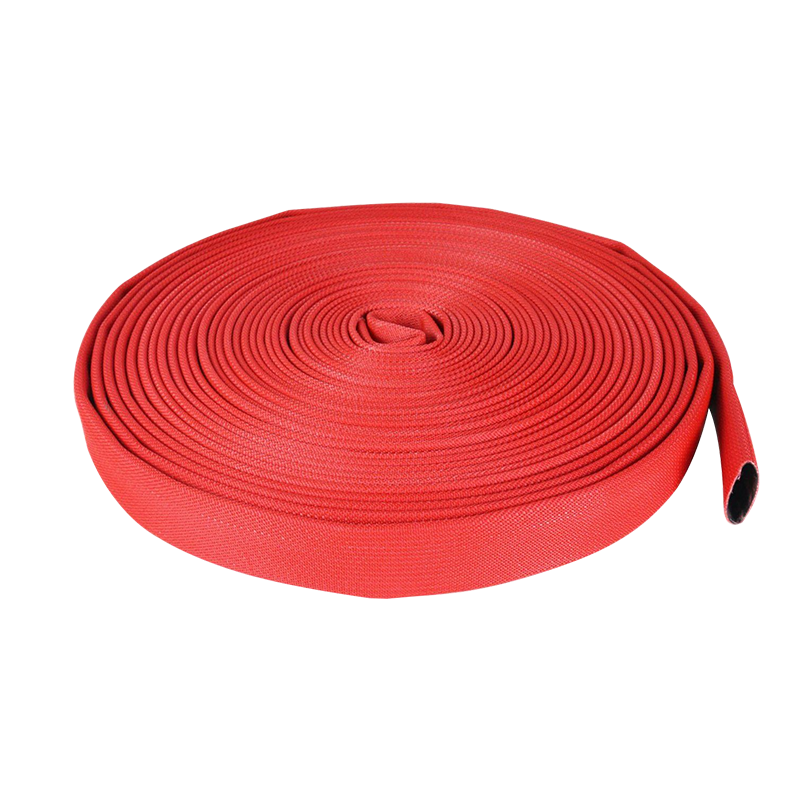
Marine hose Single jacket, PVC liner, PU coated •100% high tenacity polyester yarn,c ircular woven i...
 Call Us
+86 159-5116-9511
Need Support
Head Office
No.58, Kechuang Road, Sixiang Street Medicine Gaoxin District Taizhou City, Jiangsu Province

What Is a Fire Hose? A fire hose is a high-pressure flexible hose designed to carry water or fire retardant chemicals from a water source, such as a hydrant, pump, or tank, to a fire for suppression p...
Copyright © Taizhou Shenlong Fire Science and Technology Co., Ltd. All Rights Reserved.
 Fire Hose Manufacturers, Fire Hydrant Hose Factory