

 English
 русский
 Español
 Deutsch
 عربى
عربى Français
 Português
Don't hesitate to send a message

Single jacket, EPDM rubber liner Features • 100% high tenacity polyester jacket, high-grade EPDM rub...
Content
In fire protection, industrial water transfer, municipal emergency response, agriculture, construction, and temporary pumping operations, a supply hose is more than a simple tube for moving water. It is a working safety component that must remain flexible, pressure-capable, abrasion-resistant, and reliable under harsh handling conditions. The nitrile covered hose supply hose described here is designed for exactly those demanding environments. It combines a nitrile/TPR blend cover and lining with high-tenacity polyester yarn reinforcement, creating a durable, low-maintenance hose that can serve users who need dependable performance in repeated field use.
This product belongs to the supply hose category and is closely related to fire hose, industrial hose, agricultural hose, trenchless rehabilitation hose, hose couplings, hose nozzles, fire accessories, and fire cabinets. Its main purpose is to deliver water or compatible fluids efficiently over practical distances while resisting outdoor weathering, abrasion, oil exposure, mildew, ozone, ultraviolet radiation, aging, corrosion, and petrochemical contact. Available in 50 ft, 75 ft, and 100 ft lengths, it can be selected according to site layout, vehicle storage, pumping distance, and operating preference.
Compared with conventional uncoated fabric hoses, light-duty PVC hoses, and many ordinary rubber hoses, the nitrile covered supply hose offers a stronger balance of flexibility, environmental durability, and reduced maintenance. The ribbed exterior cover improves abrasion resistance, while the integrated cover and lining help protect the hose structure from common sources of damage. With a temperature range from -30°C to 70°C, it is suitable for many seasonal and regional operating conditions.
Behind this product is Taizhou Shenlong Fire Science and Technology Co., Ltd., a company founded in 1995 and located in Taizhou City, Jiangsu Province, China. The company integrates research and development, production, sales, and service, with a long-term focus on various materials lined fire hoses and related hose products. Its manufacturing capability covers rubber, PVC, polyurethane, double-sided tape, and customized foreign trade products based on customer requirements. Products are used in fire protection, construction, water conservancy, and other industries, and are sold widely in domestic and international markets.
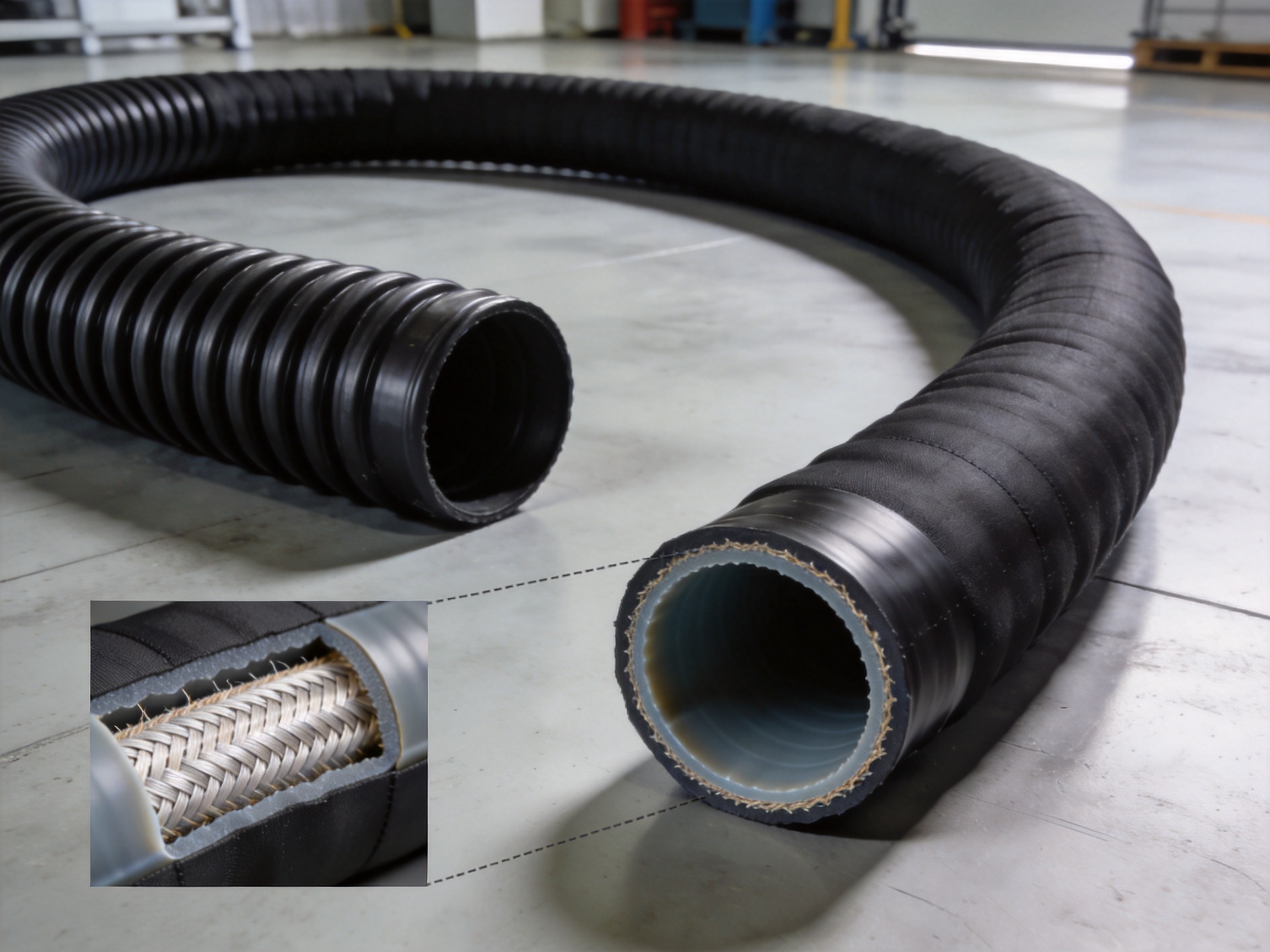
A supply hose is often exposed to dragging, rolling, vehicle loading, road surfaces, oil stains, sunlight, damp storage, and sudden pressure changes. In such environments, ordinary hose materials may crack, absorb contaminants, mildew, stiffen, or lose strength over time. A nitrile covered hose is engineered to reduce those risks by using a protective elastomeric cover with strong resistance to environmental and chemical exposure.
The product uses a nitrile/TPR blend as both cover and lining. Nitrile is widely valued for oil resistance, abrasion resistance, and durability. TPR, or thermoplastic rubber, contributes elasticity and processing advantages. When combined in a practical hose design, the blend helps create a hose that can remain flexible while resisting degradation from many substances encountered in fireground and industrial environments.
The hose is reinforced with high-tenacity polyester yarn. This reinforcement is important because the hose must withstand internal pressure while remaining manageable during deployment and retrieval. Polyester yarn is known for strength, dimensional stability, and resistance to moisture-related weakening. In supply hose applications, this reinforcement helps the hose keep its shape, support flow, and resist stretching under pressure.
The ribbed exterior cover is another major feature. Smooth-covered hoses may slide easily, but they can also suffer concentrated wear when dragged across rough ground. A ribbed outer surface can help distribute contact, increase surface durability, and provide improved abrasion resistance. This is useful in municipal firefighting, industrial yards, construction areas, farms, and temporary water supply lines where the hose is frequently pulled across concrete, asphalt, gravel, soil, or metal surfaces.
The hose is described as maintenance free, which should be understood as requiring minimal routine maintenance compared with less durable hose types. Users should still inspect, clean, drain, dry, and store hoses according to their operational procedures, but the nitrile covered construction reduces the need for intensive care. Resistance to mildew, oil, ozone, UV, aging, and petrochemicals means the hose is less vulnerable to common storage and operating damage.
The nitrile covered supply hose has several technical and practical characteristics that make it attractive for firefighting and water transfer users. These features work together rather than separately. A hose with strong reinforcement but weak cover protection may fail from abrasion. A hose with good cover resistance but poor internal lining may degrade when exposed to certain fluids. This product addresses both internal and external demands.
The use of a nitrile/TPR blend for both the cover and lining helps create a unified protective system. The cover protects against external damage such as UV, ozone, oil stains, abrasion, aging, and mildew. The lining helps maintain a clean flow path and contributes to resistance against compatible chemicals and petrochemical exposure. This dual-layer approach supports longer service life and more stable performance.
The reinforcement layer is the structural strength core of the hose. High-tenacity polyester yarn provides tensile strength and pressure resistance while keeping the hose relatively flexible and easy to handle. For supply hose applications, this matters because operators need to deploy long sections quickly, connect couplings securely, and move water efficiently without excessive hose weight.
The ribbed outer cover is designed to resist abrasion when the hose is dragged, stepped on, rolled, or handled on rough surfaces. This is especially important in real work conditions, where hoses are rarely used on perfectly clean floors. Firefighters may drag supply hoses over streets and debris. Industrial users may operate near machinery, oil, and concrete. Agricultural users may pull hoses over soil, stones, and equipment tracks. The ribbed cover adds practical protection against this daily wear.
Outdoor hoses are constantly challenged by sunlight, atmospheric ozone, temperature changes, moisture, and pollutants. UV radiation can embrittle many polymers. Ozone can cause cracking in vulnerable rubber materials. Aging can make hose walls stiff and less reliable. This nitrile covered supply hose is built to resist those environmental factors, making it suitable for long-term field storage, emergency vehicle storage, and outdoor temporary water transfer.
Firegrounds, industrial areas, and transportation sites often involve fuel, lubricants, hydraulic oil, and petrochemical residues. A hose that cannot tolerate these substances may swell, soften, crack, or lose mechanical properties. The nitrile cover provides valuable resistance to oil and petrochemical exposure. Mildew resistance is also important because hoses are often stored damp or used in humid environments. Reduced mildew susceptibility helps protect cleanliness, appearance, and long-term usability.
The hose operates in a temperature range from -30°C to 70°C. This range allows use in cold environments where flexibility is needed and in warm climates where materials may soften or age prematurely. While all hose operation should follow proper safety and pressure guidelines, this temperature capability supports dependable use across many regional conditions.
The hose is available in 50 ft, 75 ft, and 100 ft lengths. The 50 ft option is convenient for short connections, vehicle compartments, compact work areas, and quick deployment. The 75 ft option offers a balance between reach and handling convenience. The 100 ft option is useful when longer continuous water delivery is required, reducing the number of coupled joints in a line.
| Item | Description | Practical Benefit |
|---|---|---|
| Product Type | Nitrile covered supply hose | Suitable for fireground, industrial, agricultural, and water transfer operations |
| Cover Material | Nitrile/TPR blend | Resists abrasion, oil, UV, ozone, aging, mildew, and petrochemicals |
| Lining Material | Nitrile/TPR blend | Provides a durable inner flow surface for compatible fluids |
| Reinforcement | High-tenacity polyester yarn | Supports pressure performance, dimensional stability, and flexibility |
| Exterior Design | Ribbed cover | Improves abrasion resistance during dragging and handling |
| Temperature Range | -30°C to 70°C | Supports operation in cold and warm conditions |
| Available Lengths | 50 ft, 75 ft, and 100 ft | Allows selection for different deployment distances and storage needs |
| Maintenance Character | Low-maintenance construction | Reduces cleaning burden, downtime, and replacement frequency |
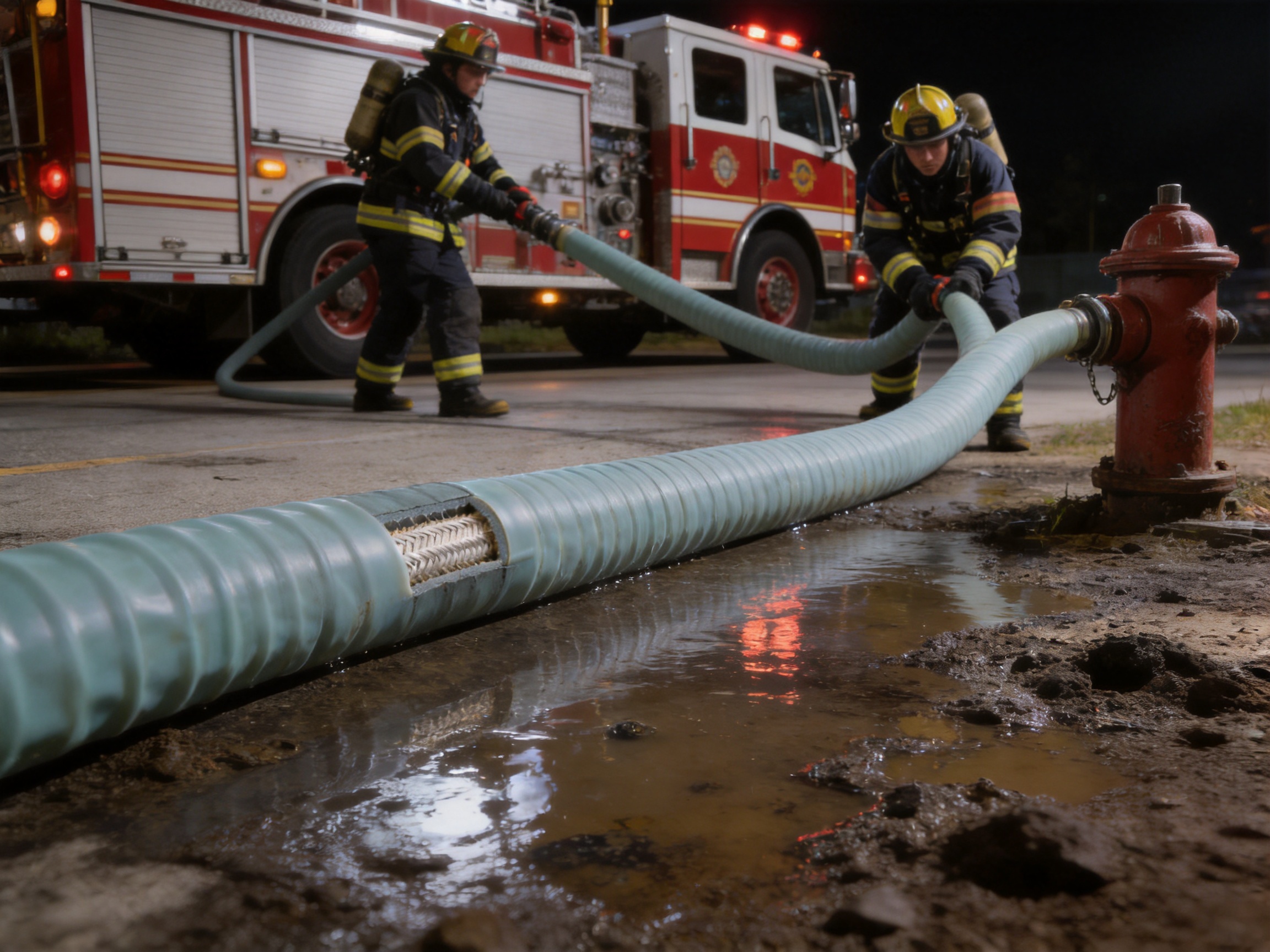
The market offers many types of supply hoses, including uncoated woven fire hoses, PVC layflat hoses, rubber hoses, and composite hose designs. Each type has suitable applications, but the nitrile covered hose supply hose provides a strong combination of durability, chemical resistance, flexibility, and maintenance convenience. This makes it especially valuable for users who need a dependable hose in changing and sometimes harsh environments.
Traditional uncoated textile hoses are often lightweight and flexible, but the exposed fabric jacket can absorb water, dirt, oil, and contaminants. After use, such hoses may require more drying time and more careful cleaning. If stored damp, they may be more vulnerable to mildew and odor. The nitrile covered hose reduces these problems because the protective cover limits absorption and creates a more resistant exterior surface.
In abrasion conditions, exposed textile jackets can fray and wear. Once the jacket is damaged, the structural strength of the hose may be compromised. The ribbed nitrile cover helps protect the reinforcement from direct contact with abrasive ground. This can increase service life, especially in repeated deployment situations.
PVC hoses are commonly used in agricultural and general water transfer applications because they can be cost-effective and easy to produce. However, PVC may become stiff in cold weather and can be less resistant to certain oils, fuels, and harsh field conditions. A nitrile/TPR covered supply hose offers better suitability for demanding applications where the hose may contact oil, petrochemicals, rough surfaces, and wide temperature conditions.
The high-tenacity polyester reinforcement also gives the hose the structural support required for supply operations. In emergency and industrial environments, reliability is often more important than the lowest purchase price. A hose that lasts longer and requires less maintenance may reduce total operating cost over its service life.
Some rubber hoses provide excellent durability, but they can be heavy and difficult to handle, especially in long lengths. Excessive weight slows deployment, increases operator fatigue, and makes storage more difficult. The nitrile covered supply hose aims to balance strength and handling convenience. Its polyester reinforcement and elastomeric cover provide durability without unnecessary bulk.
For firefighters, industrial workers, and agricultural teams, this balance matters. A hose that is strong but too heavy may not be used efficiently. A hose that is light but fragile may fail prematurely. This product is positioned between those extremes, providing robust performance with practical handling.
Maintenance is one of the hidden costs of hose ownership. Hoses that absorb contaminants require more cleaning. Hoses that mildew require more storage control. Hoses that suffer UV aging require earlier replacement. The nitrile covered construction reduces exposure-related degradation and makes the hose easier to keep in serviceable condition. This advantage is especially valuable for fire departments, contractors, rental equipment operators, industrial plants, and farms that must manage multiple hose lines.
The hose is suitable for a wide range of settings. In firefighting, it can support supply operations from hydrants, pumps, or water sources. In industrial facilities, it can move water across yards, washdown areas, and emergency response zones. In agriculture, it can support irrigation, drainage, and temporary transfer. In construction and water conservancy, it can help manage site water, bypass pumping, and temporary delivery systems.
A nitrile covered supply hose is valuable wherever water or compatible fluids must be delivered reliably under field conditions. While the exact suitability depends on diameter, working pressure, coupling selection, and fluid compatibility, the product features make it useful across several major sectors.
Supply hose is essential in firefighting because it moves large volumes of water from a hydrant, tanker, portable pump, or static source to an engine or distribution point. During emergency response, hoses are dragged over pavement, exposed to vehicle traffic areas, and handled quickly by crews under pressure. The ribbed nitrile cover helps resist abrasion, while oil and petrochemical resistance is useful where fuel, vehicle fluids, or industrial chemicals may be present.
Fire departments also value equipment that stores well. A hose may spend long periods on a truck before being used in harsh conditions. UV, ozone, and aging resistance help preserve readiness. Mildew resistance is beneficial because fire hoses are often used wet and may be stored after field operations if drying conditions are limited.
Industrial environments include factories, power plants, petrochemical areas, warehouses, mining support facilities, ports, and processing yards. Hoses in these settings may encounter oil residues, rough ground, metal edges, forklift traffic areas, and outdoor storage. The nitrile covered hose is designed for such challenging conditions. Its chemical and abrasion resistance can reduce premature failure and improve operational continuity.
For industrial safety teams, a dependable hose also supports emergency preparedness. Water transfer may be needed for cooling, washdown, spill response, dewatering, or fire protection support. A low-maintenance hose that remains ready for use can contribute to facility resilience.
Agricultural users often need hoses for irrigation, drainage, pond pumping, fertilizer facility washdown, and temporary water delivery. Hoses may be exposed to mud, sunlight, machinery, and storage in barns or sheds. The nitrile covered supply hose offers resistance to mildew, weathering, and abrasion, making it more durable than many basic agricultural hoses.
In farm use, practical handling is important. Operators may move hoses frequently across fields or around equipment. Available lengths of 50 ft, 75 ft, and 100 ft give users flexibility when designing temporary water lines or pump discharge routes.
Construction sites often require water for dust suppression, dewatering, concrete support, cleaning, and temporary service lines. Water conservancy projects may require pumping, diversion, drainage, or emergency response. These environments are rough on hoses. Surfaces may include gravel, rebar zones, wet soil, concrete, and equipment paths. The ribbed exterior cover and abrasion resistance are important in these conditions.
Municipal teams may use supply hoses for street cleaning, sewer bypass support, hydrant testing, drainage, and emergency flood control. Utility crews may deploy hoses in temporary works where reliability and rapid setup are required. The hose’s environmental resistance helps it withstand outdoor storage and unpredictable field conditions.
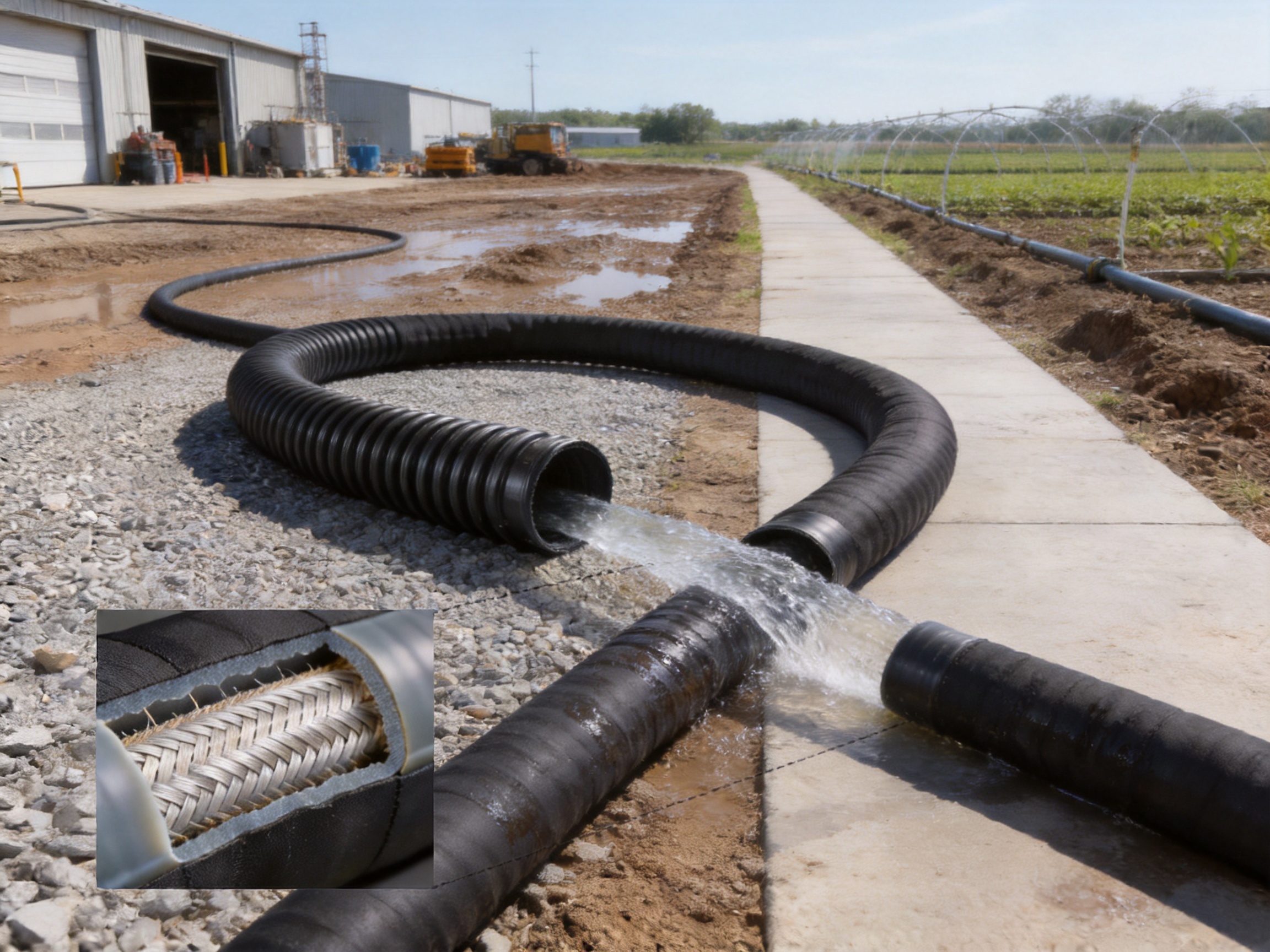
The performance of a hose depends on the relationship between material selection, structural design, manufacturing control, and end-use conditions. The nitrile covered supply hose uses a practical combination: a protective nitrile/TPR elastomer system, a reinforced yarn structure, and a ribbed outer profile. Each element contributes to performance.
Nitrile materials are widely used in seals, gloves, gaskets, hoses, and industrial components because of their resistance to oils and fuels. In a supply hose cover, nitrile helps protect against petroleum-based contamination that may damage less resistant materials. This is important in firefighting and industrial work, where hoses may contact diesel, gasoline residues, lubricants, hydraulic oil, and petrochemical products.
Nitrile also contributes to abrasion resistance and durability. A hose cover must survive repeated dragging, coiling, and contact with rough surfaces. If the cover wears through, the reinforcement may become exposed. By using nitrile in the cover, the hose gains a stronger protective barrier.
Thermoplastic rubber can provide rubber-like flexibility while supporting efficient processing. In a blend with nitrile, TPR can help achieve a desirable balance between flexibility, resilience, and production consistency. For users, this translates into a hose that is easier to deploy and recover than overly stiff alternatives.
Polyester yarn is commonly used in hose reinforcement because it offers strength, low moisture absorption, and dimensional stability. High-tenacity polyester yarn improves the hose’s ability to resist pressure-related expansion and mechanical stress. It allows the hose to remain flexible while providing the tensile strength required for supply line service.
A ribbed cover is not only a visual design feature. It changes how the hose contacts surfaces. The ribs can reduce full-surface scraping and improve wear distribution. They may also help operators grip the hose during handling. In practical terms, a ribbed exterior helps the hose tolerate demanding movement across ground surfaces.
Taizhou Shenlong Fire Science and Technology Co., Ltd. has been operating since 1995, giving it decades of experience in hose production, material selection, customer service, and application support. The company is described as an enterprise integrating research and development, production, sales, and service. This integrated structure is important because hose quality depends not only on production equipment but also on product design, material control, process discipline, and feedback from users.
The company’s research and development role supports continuous improvement of hose materials, reinforcement structures, lining systems, and product customization. Different markets require different hose features. Fire service users may prioritize durability, pressure performance, and coupling compatibility. Industrial users may emphasize oil resistance and abrasion resistance. Agricultural users may need economical durability and weather resistance. R&D capability allows product designs to be adjusted to these practical needs.
The company can undertake products involving rubber, PVC, polyurethane, and double-sided tape according to customer requirements. This broad material experience is a strength because it allows the manufacturer to understand the advantages and limitations of different hose systems. Instead of relying on one material approach, the company can select or develop structures suitable for different operating conditions.
A manufacturer that combines production, sales, and service can respond more effectively to customer requirements. Customer feedback from fire departments, distributors, industrial users, agricultural users, and foreign trade partners can be translated into product improvements. This connection between production and market experience helps improve reliability and customer satisfaction.
The company cooperates with domestic foreign trade companies to produce export products for many countries. Export-oriented production requires attention to documentation, packaging, consistency, and customer specifications. Experience with different markets can improve manufacturing discipline and support the ability to produce hoses according to varied requirements.
The company is located at No.58, Kechuang Road, Sixiang Street, Medicine Gaoxin District, Taizhou City, Jiangsu Province. Jiangsu is one of China’s important manufacturing regions, with developed logistics, industrial supply chains, and technical labor resources. This location supports stable production, material procurement, and product distribution.
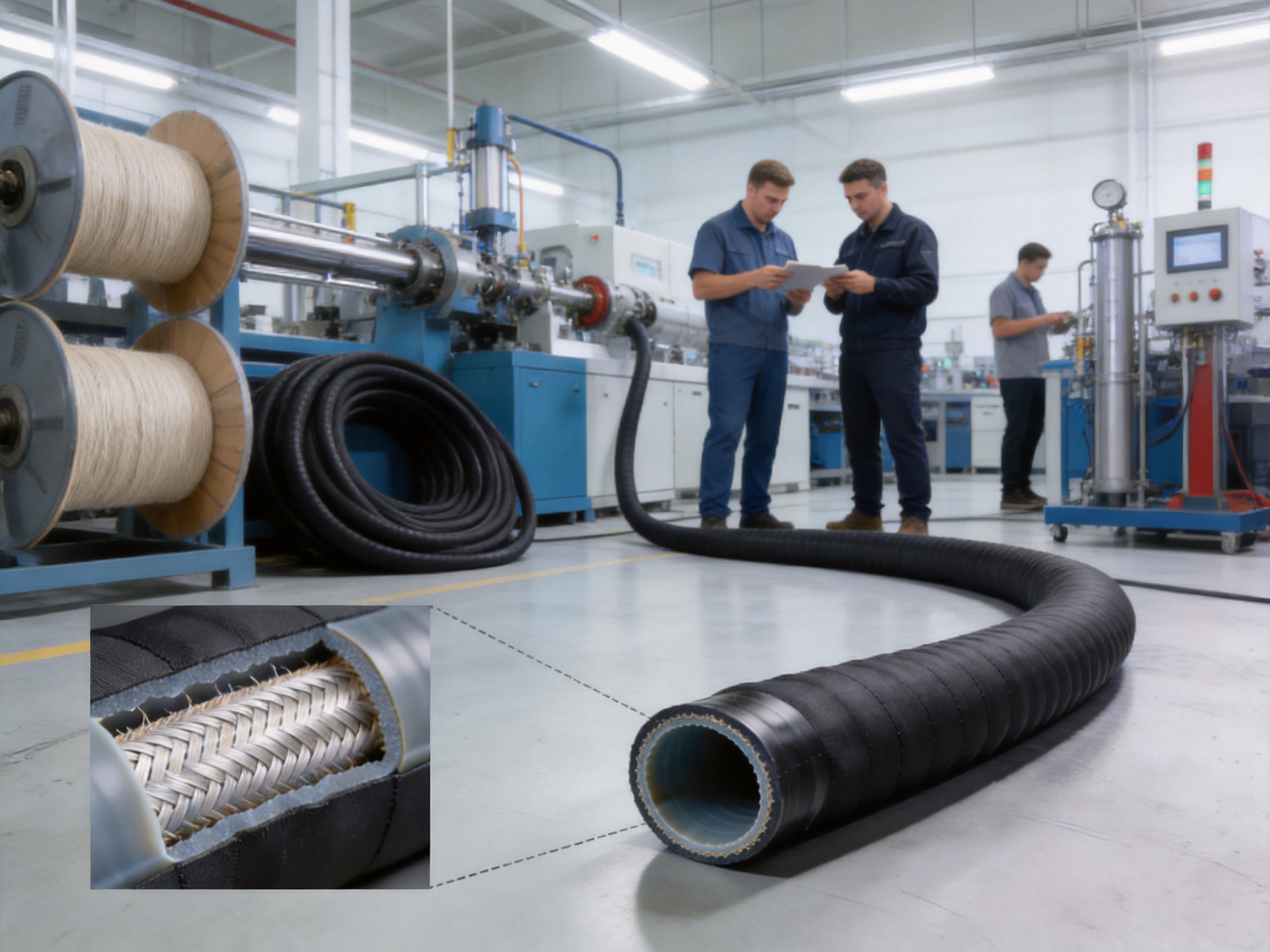
High-quality hose manufacturing requires consistency at every stage. Although specific factory process details may vary by product size and order requirements, the production of a nitrile covered supply hose generally depends on controlled material preparation, yarn reinforcement, cover and lining formation, curing or bonding control, inspection, length cutting, coupling preparation when required, packaging, and final quality checks.
The process begins with appropriate raw materials. The nitrile/TPR blend must be selected for flexibility, oil resistance, abrasion resistance, aging resistance, and process stability. The polyester yarn must meet strength requirements and be suitable for reinforcement formation. Material consistency is essential because variations can affect wall thickness, bonding, flexibility, and pressure performance.
High-tenacity polyester yarn reinforcement must be arranged to support internal pressure and mechanical stress. Reinforcement design affects burst resistance, elongation, kink behavior, and flexibility. Careful control of yarn tension and placement helps produce a hose that performs consistently along its full length.
The cover and lining must work together with the reinforcement. Proper integration helps prevent separation, weak spots, and premature failure. A well-made hose should have a stable internal lining for fluid flow and a durable external cover for protection. The nitrile/TPR system is valuable because it provides protective characteristics on both sides of the hose wall.
The ribbed exterior cover requires controlled forming. Ribs must be consistent enough to provide abrasion resistance and practical handling benefits. Uneven rib formation can create weak spots or irregular wear patterns. Advanced manufacturing attention ensures the exterior profile supports the intended durability.
Quality control may include visual inspection, dimensional checks, material verification, pressure testing according to relevant requirements, length verification, surface quality assessment, and packaging review. For supply hose products, consistent wall structure and reliable reinforcement are essential. A strong manufacturer uses inspection procedures to reduce variation and ensure products meet customer expectations.
The company’s ability to undertake foreign trade products according to customer requirements is important. Customers may request specific lengths, colors, markings, couplings, packaging, or performance characteristics. Manufacturing flexibility allows distributors and end users to source hoses suited to their markets.
End users do not evaluate a hose only by material description. They care about how the hose performs on the job: how quickly it deploys, how well it resists damage, how easy it is to clean, how long it lasts, and how reliably it supports water delivery. The nitrile covered supply hose offers several operational benefits.
Hose failure can interrupt firefighting, industrial production, irrigation, drainage, or construction operations. By resisting abrasion, oil, mildew, UV, ozone, and aging, the hose helps reduce the likelihood of premature failure. This contributes to fewer interruptions and more reliable readiness.
Because the cover resists absorption and environmental degradation, cleaning and storage are easier compared with many uncoated hoses. Users still need to follow proper care practices, but the hose construction reduces the burden of intensive maintenance. This is valuable for organizations managing many hose sections.
A hose that resists common damage mechanisms can remain serviceable longer. Longer service potential improves value over time, even if the initial product cost is higher than basic alternatives. For professional users, total lifecycle cost is often more important than the lowest purchase price.
Equipment confidence matters in emergency and industrial work. Operators need to trust that a hose will perform when needed. A durable nitrile covered supply hose provides reassurance in harsh conditions, especially where oil exposure, sunlight, moisture, and abrasion are common.
The same hose type can support multiple departments or applications, reducing inventory complexity. A fire brigade, industrial plant, farm, or construction contractor can use the hose in different water transfer scenarios, provided operating conditions match the hose specifications.
When selecting a supply hose, users should consider length, diameter, working pressure, coupling type, fluid compatibility, storage method, deployment environment, and expected frequency of use. The nitrile covered hose supply hose is a strong option when the environment includes rough surfaces, outdoor exposure, oil contact, mildew risk, or the need for low-maintenance durability.
A 50 ft hose is suitable for short runs, quick connections, and compact storage. A 75 ft hose provides more reach while remaining manageable. A 100 ft hose reduces the number of couplings needed for longer runs, but it may require more handling space and storage capacity. Users should match length to the typical distance between water source, pump, equipment, and discharge point.
Supply hoses are often used with hose couplings, adapters, hydrants, pumps, manifolds, and nozzles. Proper coupling selection is essential for leak control and safe operation. Couplings should match local thread standards, diameter, pressure requirements, and application needs. If the hose is used in fire service, compatibility with existing fire apparatus and hydrant systems is especially important.
Even a low-maintenance hose benefits from correct storage. Hoses should be drained after use, cleaned when contaminated, protected from sharp objects, and stored in a way that avoids unnecessary crushing or kinking. Fire cabinets, hose racks, and vehicle compartments should be designed to prevent damage during storage and transport.
The hose is resistant to oil, mildew, and petrochemicals, but users should still confirm compatibility with specific fluids, concentrations, and temperatures. Resistance does not mean universal chemical compatibility. For unusual chemicals, users should consult the manufacturer or technical data before operation.
The hose is designed to be durable and low maintenance, but proper care will maximize its service life. After use, the hose should be flushed if it has carried dirty water or compatible fluids with residue. External contamination such as mud, oil, or chemicals should be removed as soon as practical. The hose should be drained before storage to reduce unnecessary weight and prevent internal standing water.
Operators should avoid dragging the hose across sharp edges when possible. Although the ribbed nitrile cover resists abrasion, cutting damage from sharp metal, glass, or jagged concrete can still harm any hose. Hose bridges or protective mats may be used in high-traffic or sharp-edge areas.
The hose should not be stored under heavy loads that cause permanent deformation. It should be kept away from open flames, excessive heat beyond the recommended range, and incompatible chemicals. Periodic inspection should check for cuts, blisters, exposed reinforcement, coupling damage, unusual stiffness, or signs of leakage.
For fire service use, hoses should be inspected and tested according to applicable local standards and department procedures. For industrial use, inspection intervals should reflect risk level, frequency of use, pressure conditions, and environmental exposure.
Taizhou Shenlong Fire Science and Technology Co., Ltd. offers value not only through product manufacturing but also through its accumulated experience. Founded in 1995, the company has developed its business through hose production, product development, sales support, and service. Its products are sold in more than 20 provinces, cities, and autonomous regions, and exported through cooperation with foreign trade companies.
The company’s product range is relevant to fire protection and fluid transfer markets. Categories include fire hose, industrial hose, agricultural hose, hose couplings, hose nozzles, fire accessories, fire cabinets, and trenchless rehabilitation hose. This broader product ecosystem helps customers source related items from a manufacturer familiar with hose application requirements.
The ability to produce various material-lined fire hoses and customized products gives the company flexibility. Customers may require hoses for local firefighting standards, industrial projects, agricultural distribution, or construction water transfer. A manufacturer with material knowledge and production experience can help match product characteristics to user needs.
For distributors, reliable manufacturing and export experience are important. Consistent product quality supports brand reputation in local markets. Stable supply supports project schedules. Customization capability supports differentiation. For end users, the result is a hose that combines practical durability with accessible sourcing.
The nitrile covered supply hose is competitive because it addresses the most common reasons hoses fail: abrasion, environmental aging, oil contamination, mildew, and insufficient structural strength. Its nitrile/TPR cover and lining provide protection inside and outside. Its polyester reinforcement supports pressure and handling performance. Its ribbed exterior improves durability on rough surfaces. Its temperature range supports broad seasonal use. Its available lengths meet common deployment needs.
When compared with uncoated woven hoses, it offers better resistance to contamination and environmental damage. When compared with light-duty PVC hoses, it offers stronger suitability for demanding outdoor, oil-exposed, and emergency environments. When compared with heavy rubber hoses, it provides a practical balance of durability and handling. This combination makes it suitable for buyers who value lifecycle performance rather than short-term savings alone.
Another competitive advantage is the manufacturer’s experience. A product is only as dependable as the process behind it. With decades of hose manufacturing experience, material variety, R&D capability, domestic and export market participation, and integrated service, the company is positioned to support customers with stable supply and practical product solutions.
A nitrile covered supply hose is mainly used to transfer water or compatible fluids in fire protection, industrial, agricultural, construction, municipal, and water conservancy applications. It is designed for durability, abrasion resistance, and environmental resistance in demanding field conditions.
The hose uses a nitrile/TPR blend as the cover and lining, with high-tenacity polyester yarn reinforcement. This combination provides oil resistance, weather resistance, abrasion resistance, flexibility, and structural strength.
The ribbed exterior cover helps improve abrasion resistance when the hose is dragged across rough surfaces such as pavement, concrete, gravel, soil, or industrial floors. It also contributes to practical handling during deployment and retrieval.
Yes. The hose is resistant to UV rays, ozone, aging, corrosion, mildew, and outdoor environmental exposure. These properties make it suitable for field use and storage conditions commonly found in firefighting, industry, agriculture, and construction.
Yes. The nitrile cover provides resistance to oil and petrochemical exposure, making the hose useful in environments where fuel, lubricants, hydraulic oil, or industrial residues may be present. However, users should confirm compatibility for specific chemicals and operating conditions.
The hose is available in 50 ft, 75 ft, and 100 ft lengths. These options allow users to choose a hose length based on deployment distance, storage capacity, and operating requirements.
The stated temperature range is -30°C to 70°C. This allows the hose to be used in many cold and warm operating environments, provided all other operating conditions are suitable.
Compared with uncoated textile hoses, the nitrile covered hose offers better resistance to abrasion, oil, mildew, UV exposure, ozone, and contamination. It is also easier to maintain because the covered surface reduces absorption of dirt and liquids.
The hose is described as maintenance free in the sense that it requires minimal maintenance compared with less protected hose types. Users should still inspect, clean, drain, and store it properly to ensure long service life and safe operation.
The product is supplied by Taizhou Shenlong Fire Science and Technology Co., Ltd., a hose manufacturer founded in 1995 and located in Taizhou City, Jiangsu Province, China. The company focuses on fire hoses, industrial hoses, agricultural hoses, hose accessories, and customized hose products.
The nitrile covered hose supply hose is a practical, durable, and versatile solution for users who need reliable water transfer in demanding environments. Its nitrile/TPR blend cover and lining, high-tenacity polyester yarn reinforcement, ribbed exterior design, and resistance to UV, aging, ozone, corrosion, oil, mildew, and petrochemicals make it a strong alternative to many conventional hose products.
Its advantages are not limited to material performance. The hose also supports operational efficiency by reducing maintenance burden, improving field durability, and offering useful length options. For fire protection, industrial water transfer, agricultural pumping, construction site service, municipal operations, and water conservancy projects, these benefits can translate into better readiness and lower lifecycle cost.
Taizhou Shenlong Fire Science and Technology Co., Ltd. strengthens the value of the product through decades of manufacturing experience, research and development capability, material versatility, export production experience, and an integrated production-sales-service model. For buyers seeking a dependable supply hose with strong resistance to harsh field conditions, the nitrile covered supply hose is a competitive and forward-looking choice.
1. National Fire Protection Association. Fire Hose Care, Use, Inspection, Service Testing, and Replacement Practices.
2. ASTM International. Standard Test Methods and Material Guidance for Rubber and Elastomeric Hose Products.
3. International Organization for Standardization. Rubber and Plastics Hoses: General Performance and Testing Principles.
4. Industrial Hose Technical Handbook. Material Selection, Reinforcement Design, and Hose Application Guidelines.
5. Fire Protection Equipment Engineering Manual. Water Supply, Hose Deployment, and Emergency Response Equipment Practices.
6. Polymer Engineering Reference. Nitrile Rubber Properties, Oil Resistance, and Weathering Behavior.
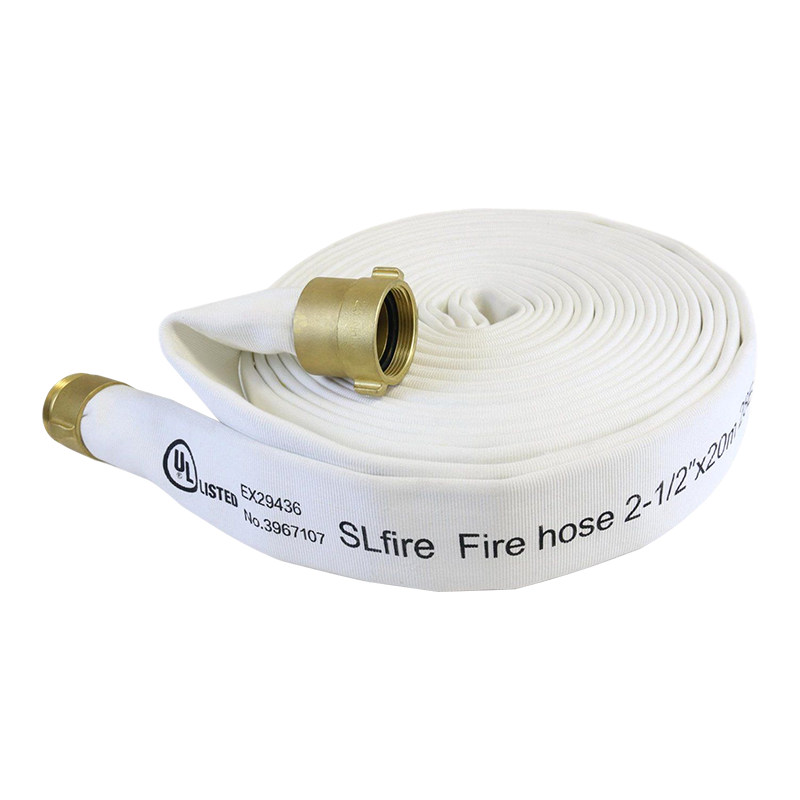
Single jacket, EPDM rubber liner Features • 100% high tenacity polyester jacket, high-grade EPDM rub...
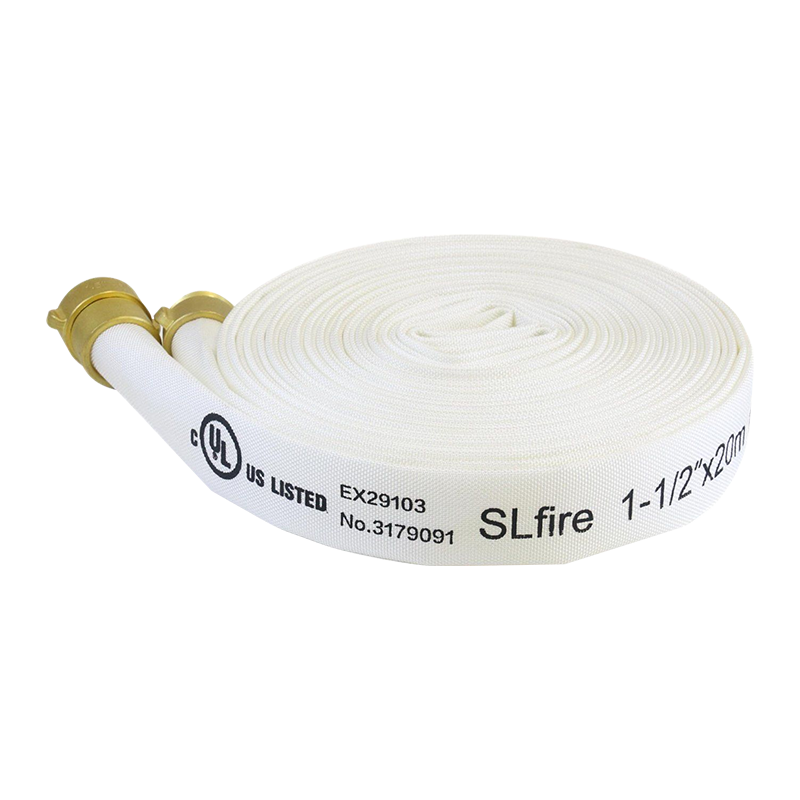
Single jacket, TPU liner •High-tenacity polyester yarn, circular woven in twill weave/plain weave,T ...
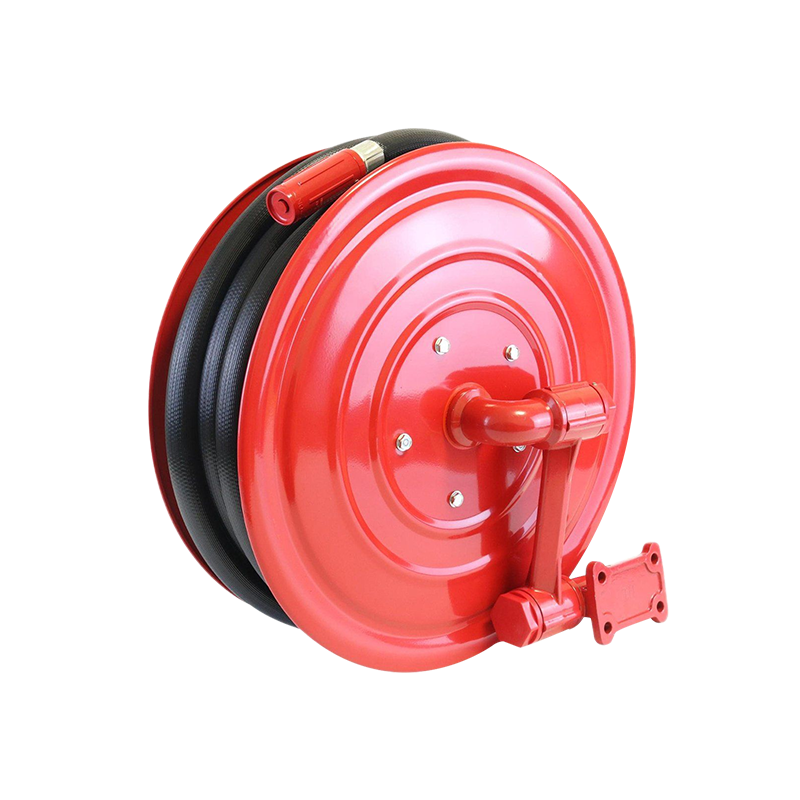
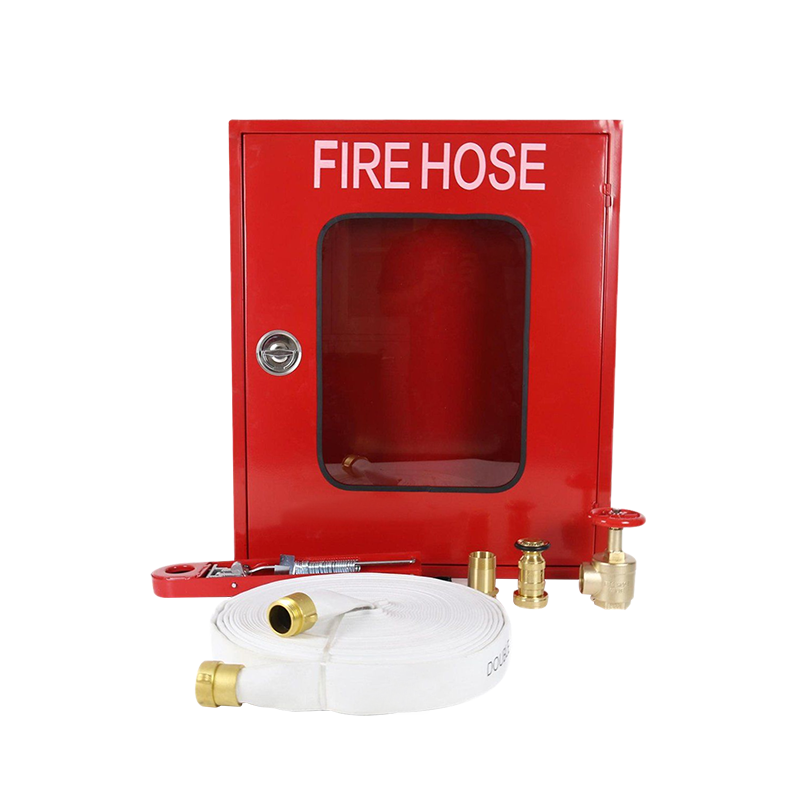
Fire cabinets are designed to accommodate fire hose,valve and other firefighting equipment. Type 201...
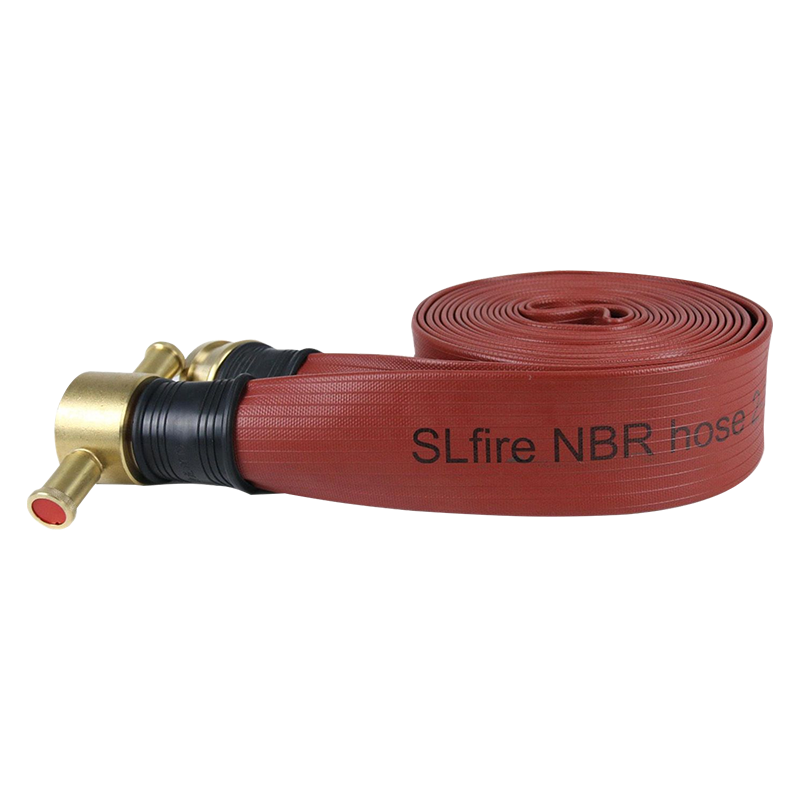
Nitrile covered hose •Nitrile/TPR blend as cover and lining, with 100% high-tenacity polyester yarn ...
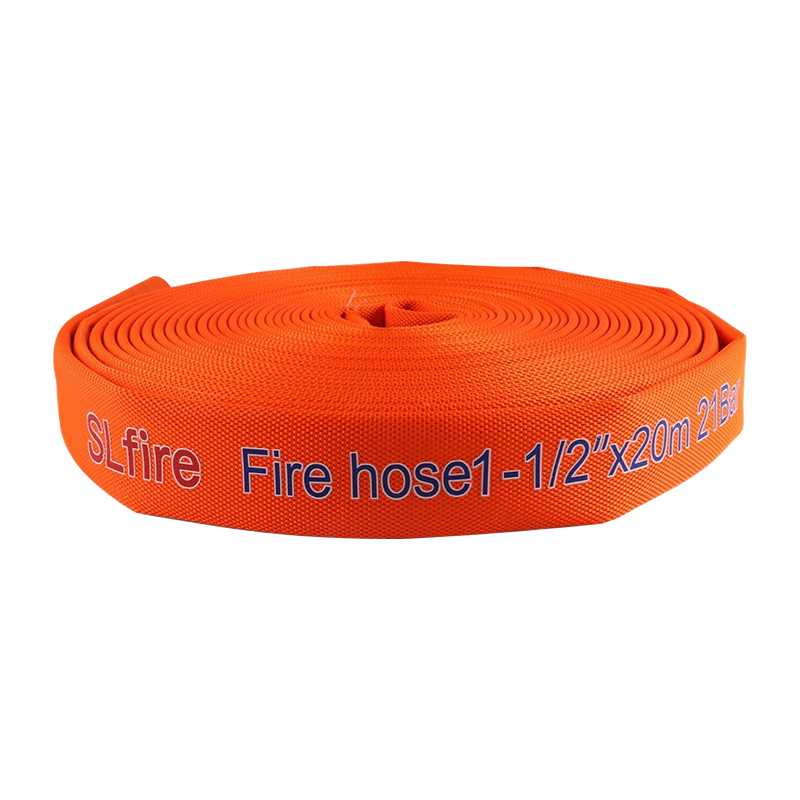
Single jacket, TPU liner •High-tenacity polyester yarn, circular woven in twill weave, TPU lining, f...
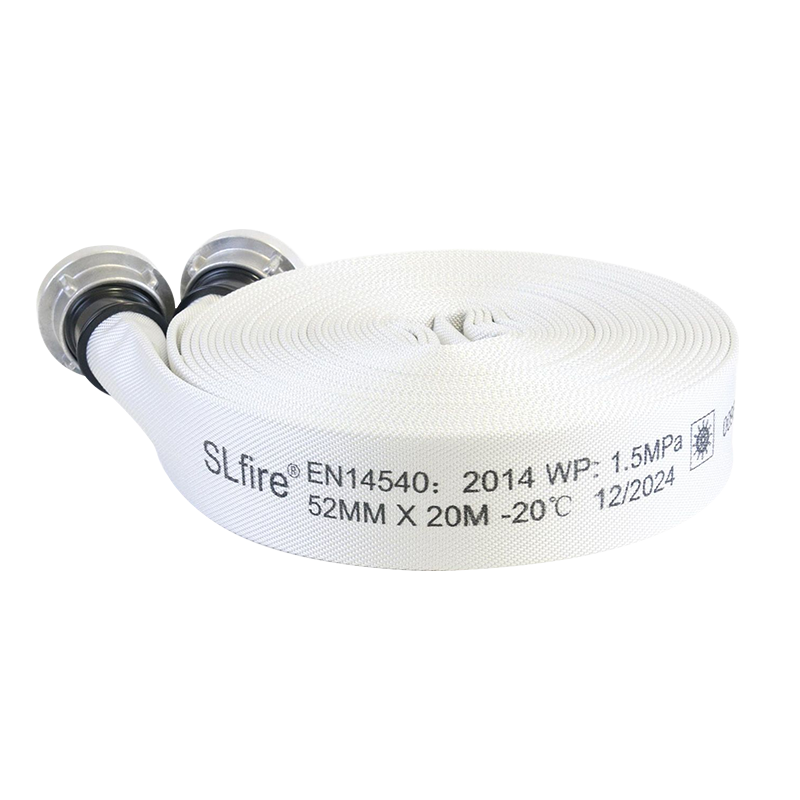
Marine hose Single jacket, PVC liner •100% high tenacity polyester yarn, circular woven in twill wea...
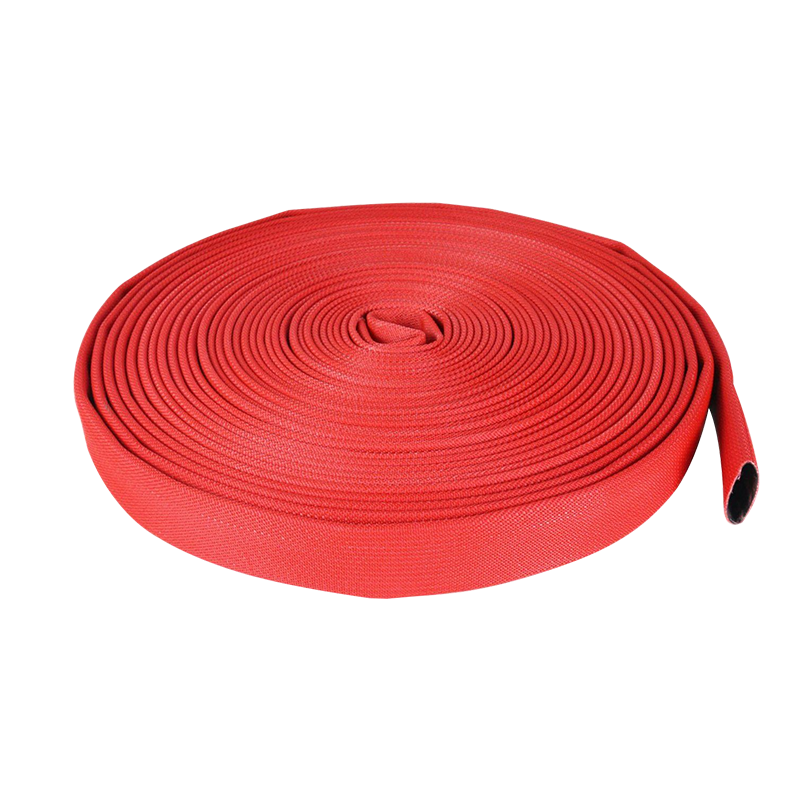
Marine hose Single jacket, PVC liner, PU coated •100% high tenacity polyester yarn,c ircular woven i...
 Call Us
+86 159-5116-9511
Need Support
Head Office
No.58, Kechuang Road, Sixiang Street Medicine Gaoxin District Taizhou City, Jiangsu Province

What Is a Fire Hose? A fire hose is a high-pressure flexible hose designed to carry water or fire retardant chemicals from a water source, such as a hydrant, pump, or tank, to a fire for suppression p...
Copyright © Taizhou Shenlong Fire Science and Technology Co., Ltd. All Rights Reserved.
 Fire Hose Manufacturers, Fire Hydrant Hose Factory