

 English
 русский
 Español
 Deutsch
 عربى
عربى Français
 Português
Don't hesitate to send a message

Single jacket, EPDM rubber liner Features • 100% high tenacity polyester jacket, high-grade EPDM rub...
Content
Reliable hose connections are essential wherever large volumes of water, slurry, chemicals, or other fluids must be transferred safely and efficiently. In firefighting, water management, industrial production, agriculture, construction, and trenchless rehabilitation, the coupling is often the component that determines whether a hose system performs smoothly or becomes a source of leakage, downtime, and operational risk. A properly selected coupling must connect quickly, remain secure under pressure, resist wear, and tolerate repeated handling in difficult working environments.
The Large-Diameter STORZ Self-Locking Coupling is engineered for these demanding conditions. Designed for use with large-diameter lay-flat and industrial hoses, it combines a symmetrical STORZ connection profile with durable aluminum alloy or brass construction, a rated working pressure of 16 Bar, and surface treatment intended to improve resistance to abrasion, corrosion, and chemicals. Available in 8-inch, 10-inch, and 12-inch sizes, with additional dimensions available upon request, the coupling provides a practical connection solution for high-volume fluid transfer.
Manufactured through die casting, gravity casting, or forging, the coupling can be produced to meet different performance, dimensional, and application requirements. Its self-locking design supports fast connection and disconnection without traditional male and female threading. This reduces assembly complexity and helps operators work efficiently when equipment must be deployed, repositioned, or removed within a short time.
Taizhou Shenlong Fire Science and Technology Co., Ltd. has developed extensive experience in the production and supply of lined fire hoses and related products since 1995. Its integrated research, development, production, sales, and service capabilities support the consistent manufacture of products for fire protection, construction, water conservancy, industrial operations, and other sectors. The company also undertakes customized foreign trade products according to customer requirements, providing a foundation for flexible manufacturing and export-oriented service.
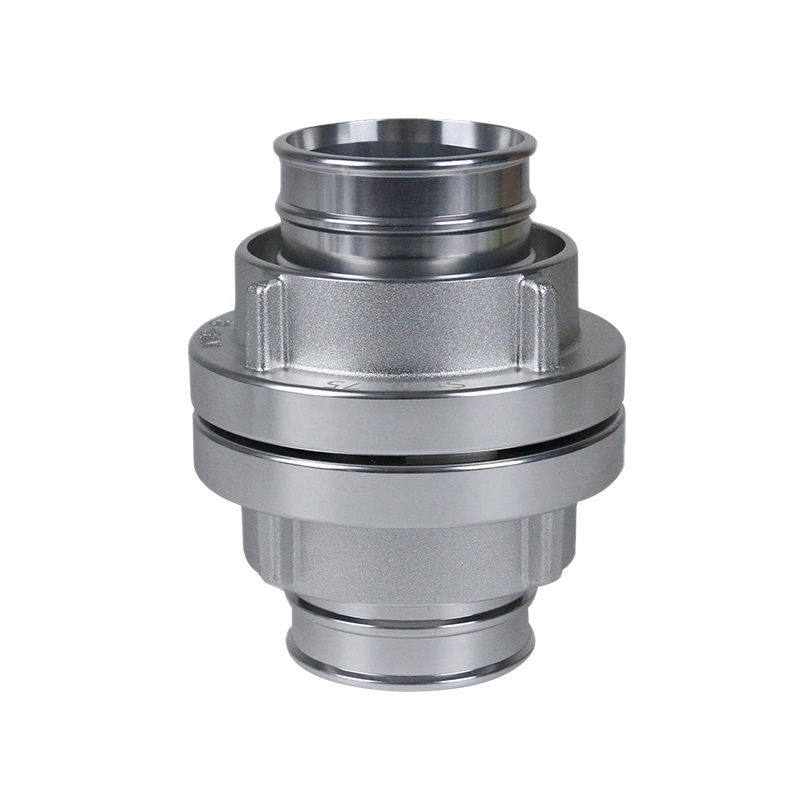
Large Diamter STORZ Self-Locking Coupling
Large-diameter hoses are selected when a system must move substantial quantities of fluid with controlled pressure loss. A hose may be used for water suction and discharge, firefighting, industrial circulation, agricultural irrigation, milling, construction dewatering, or temporary bypass operations. Although the hose body receives much of the attention, the coupling is equally important because it forms the interface between the hose and the rest of the system.
A connection that is difficult to assemble can delay installation and increase labor costs. A connection that does not lock securely can separate during operation. A poorly finished coupling may damage the hose, create sharp edges, or deteriorate rapidly when exposed to moisture, chemicals, or repeated impact. For this reason, coupling selection should consider not only nominal size but also connection method, material, pressure rating, surface treatment, operating environment, and compatibility with the hose construction.
The Large-Diameter STORZ Self-Locking Coupling addresses these considerations through a balanced combination of connection simplicity and mechanical durability. The symmetrical STORZ configuration allows two matching coupling halves to be connected without identifying a separate male and female threaded component. This is particularly useful when hoses must be deployed quickly or when operators work with heavy equipment, protective gloves, limited visibility, or adverse weather.
For large hoses, the connection process must also be manageable from a practical standpoint. Large threaded connections can require considerable rotation, careful alignment, and substantial effort to tighten or loosen. The STORZ connection uses matching lugs and a locking mechanism, allowing the operator to join the coupling halves and secure them with a relatively simple movement. The result is a connection method suited to emergency response and routine industrial use alike.
The symmetrical design is one of the defining advantages of a STORZ coupling. Unlike conventional threaded connections that distinguish between male and female ends, a matching pair of STORZ couplings can be connected in either orientation. This simplifies hose deployment and reduces the possibility of selecting an incompatible end during installation.
In firefighting and emergency water-transfer operations, speed matters. Equipment may need to be connected while crews are wearing gloves and working under pressure. A symmetrical coupling reduces the number of connection decisions an operator must make. In industrial environments, the same feature can make temporary hose systems easier to assemble and reconfigure.
The self-locking structure is designed to help keep the coupling halves together after connection. A secure lock is important because large hoses may be exposed to vibration, movement, hydraulic force, and changes in pressure. The locking function contributes to operational stability and helps reduce the risk of accidental separation when the system is correctly assembled and used within its rated conditions.
Self-locking does not eliminate the need for inspection. Operators should still verify that the coupling is fully engaged, that the locking components are in good condition, and that the sealing surfaces are clean. However, the design provides a practical safeguard and helps create a repeatable connection procedure for trained personnel.
The coupling is available in 8-inch, 10-inch, and 12-inch sizes. These dimensions serve applications where a small hose connection would restrict flow or create unnecessary pressure loss. Larger sizes are useful for high-volume water discharge, suction and transfer duties, fire protection systems, industrial process lines, and temporary pumping arrangements.
Additional sizes may be requested according to project requirements. Custom sizing can be valuable when a customer operates nonstandard equipment, requires integration with an existing hose assembly, or needs a coupling configured for a particular internal diameter, wall construction, or installation method.
The stated working pressure is 16 Bar. This rating provides a clear reference for system design and product selection. The actual performance of a complete hose assembly depends on the coupling, hose, gasket, clamps or attachment method, temperature, fluid, installation quality, and operating conditions. Nevertheless, a defined pressure rating helps engineers and purchasers compare suitable components and establish safe operating parameters.
When designing a system, users should distinguish between working pressure, test pressure, and burst pressure. The coupling should not be operated above its specified working pressure, and the complete assembly should be evaluated as a system rather than as an isolated component. Pressure surges, water hammer, elevated temperature, and dynamic movement should also be considered where applicable.
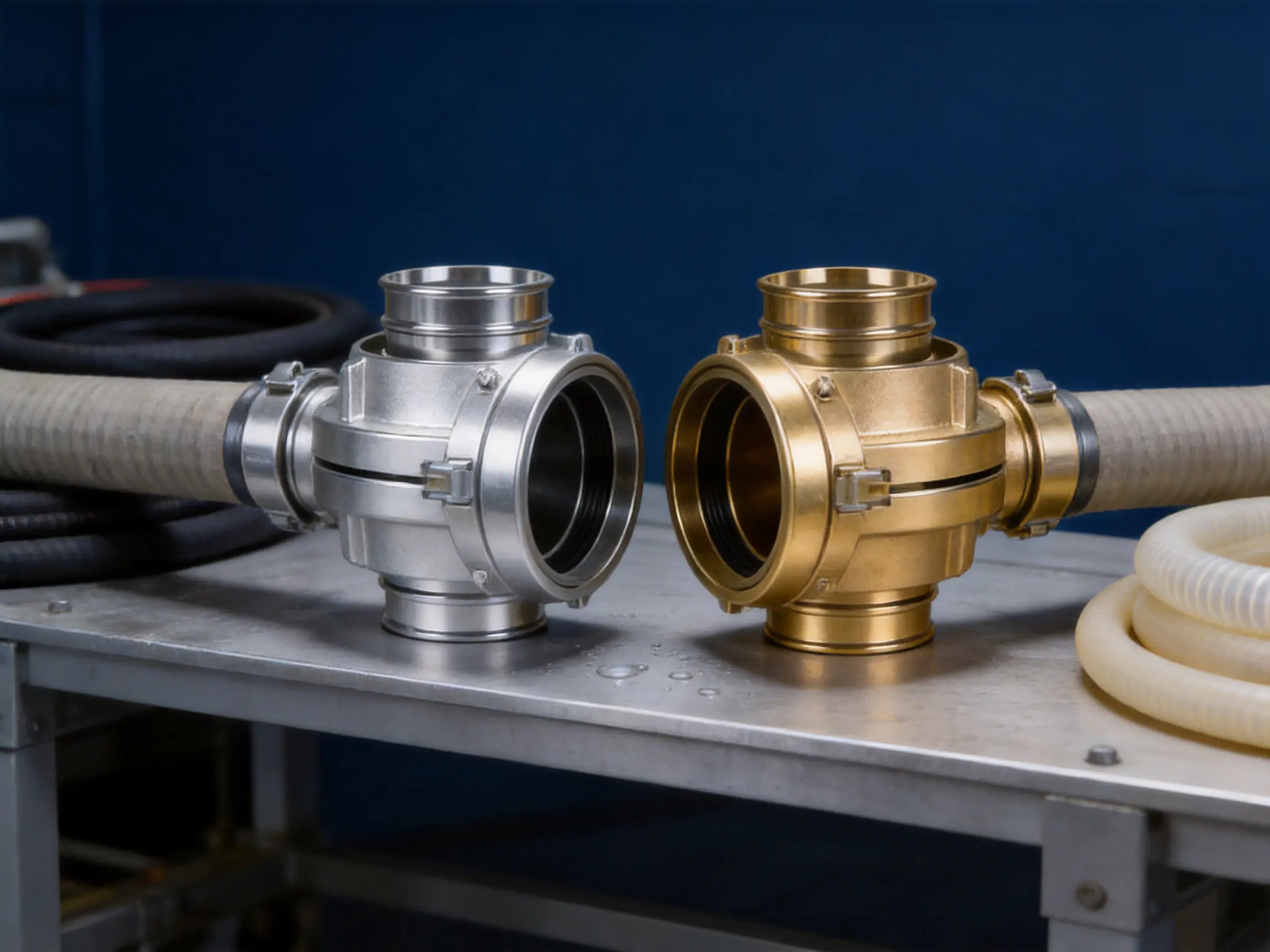
The coupling can be manufactured from aluminum alloy or brass. Aluminum alloy offers a useful balance of low weight, strength, and corrosion resistance for many water-transfer and firefighting applications. Its relatively low mass can make large couplings easier to transport, handle, and install compared with heavier metal alternatives.
Brass provides a robust option for applications where users prefer a heavier metallic construction or require a material traditionally used in firefighting and fluid-handling equipment. Material selection can be based on pressure requirements, environmental exposure, customer standards, connection compatibility, and the desired balance between weight and durability.
Offering both aluminum alloy and brass expands the range of applications that can be served. Rather than forcing every customer to use one material, the manufacturer can provide a solution aligned with the operating environment and purchasing specification.
Die casting is suitable for producing coupling components with repeatable dimensions and a consistent external profile. Molten metal is introduced into a prepared mold under controlled conditions, allowing the manufacturer to create complex shapes and detailed features efficiently. For products manufactured in volume, die casting can support stable production and reduce variation between individual components.
Dimensional consistency is especially important for STORZ couplings because the lugs, locking features, sealing surfaces, and connection geometry must work together correctly. A well-controlled die-casting process can help maintain the repeatability needed for smooth connection and reliable interchangeability.
Gravity casting uses gravity to fill the mold rather than relying primarily on high injection pressure. This method can be advantageous when producing certain aluminum alloy or brass components with suitable wall thickness and structural requirements. It offers flexibility in production and can be selected according to the design, material, batch size, and performance objectives.
Gravity casting can also support the development of customized products. When a customer requires a specific configuration, size, or attachment arrangement, the manufacturing route can be selected to balance tooling considerations, production efficiency, and component performance.
Forging shapes heated metal through controlled pressure. The process can produce a dense and mechanically robust component, making it suitable for applications where strength and resistance to mechanical stress are major concerns. Forged couplings may be preferred for demanding environments that involve repeated impact, heavy handling, or high structural loads.
The availability of die casting, gravity casting, and forging demonstrates manufacturing flexibility. Different projects may prioritize weight, production volume, dimensional complexity, mechanical strength, or cost. A manufacturer capable of working with multiple processes can select a production method that better matches the intended application instead of applying a single method to every product.
Manufacturing process selection should begin with the actual service conditions. A coupling for a high-volume fire hose may require a different balance of weight and ruggedness than a coupling intended for a fixed industrial installation. A custom product may demand particular dimensional control, while a standard product may benefit from efficient repeat production.
The production team can assess material, size, geometry, expected pressure, frequency of connection, environmental exposure, and customer specifications before confirming a manufacturing route. This application-based approach helps avoid unnecessary overdesign while preserving the performance characteristics required for safe operation.
Couplings used outdoors or in industrial environments are exposed to more than internal fluid pressure. They may come into contact with wet ground, salt-containing water, dust, cleaning agents, oils, chemicals, abrasive particles, and repeated mechanical handling. Surface treatment therefore plays an important role in maintaining appearance, serviceability, and resistance to deterioration.
Vibratory grinding is available as a surface treatment for the coupling. This process can help remove minor casting irregularities, smooth edges, improve surface uniformity, and prepare the component for handling and further finishing. A more consistent surface can reduce the chance of rough areas interfering with assembly or damaging adjacent hose materials.
Smoother surfaces are especially valuable around hose attachment areas and connection interfaces. They help support easier handling and contribute to a more professional finished product. Surface preparation also provides a foundation for additional treatment options when required by the application.
Anodizing may be available for aluminum alloy components according to customer or application requirements. It creates a controlled oxide layer on the aluminum surface and can improve resistance to wear and environmental exposure. In applications involving frequent handling or moisture, an appropriately treated surface may help extend the useful service life of the coupling.
Corrosion resistance is important because a coupling that becomes heavily oxidized or contaminated may be more difficult to connect and disconnect. Surface protection can help preserve the movement of locking components and maintain the appearance of the product during repeated use.
The coupling is designed to provide good abrasion resistance and good corrosion and chemical resistance. These properties are relevant to industrial hoses, milling hoses, water-transfer systems, and construction applications where the exterior of the coupling may rub against equipment, concrete, soil, or other hard surfaces.
Chemical compatibility must always be evaluated according to the actual fluid and concentration. Aluminum alloy and brass are not universally resistant to every chemical, and the suitability of the hose lining, gasket, and attachment materials must also be confirmed. Even so, a carefully selected and properly treated metallic coupling offers a durable connection point for many demanding water and industrial duties.
The coupling is intended for use with nitrile rubber lay-flat hoses and polyurethane lay-flat hoses. These hose types are widely used in applications that require flexibility, compact storage, rapid deployment, and the movement of large fluid volumes.
Nitrile rubber is commonly selected where resistance to oils, fuels, and certain industrial fluids is important, while polyurethane can offer a combination of flexibility, abrasion resistance, and a relatively light structure. The exact suitability of a hose depends on its formulation, reinforcement, lining, temperature range, fluid compatibility, and pressure rating.
When attaching a STORZ coupling to a lay-flat hose, the hose end should be cut cleanly and inspected for damage. The coupling should be correctly positioned and secured using an attachment method suitable for the hose construction and service pressure. Clamps, bands, ferrules, or other hardware should be selected according to the assembly specification rather than improvised.
The coupling's compatibility with water suction and discharge hoses makes it useful in both pumping and transfer arrangements. It can also be applied to industrial hoses and milling hoses where the connection dimensions, pressure rating, material compatibility, and hose attachment method are appropriate.
| Specification | Product Information | Practical Benefit |
|---|---|---|
| Product type | Large-diameter STORZ self-locking coupling | Fast, symmetrical connection for high-volume hose systems |
| Casting methods | Die casting, gravity casting, or forging | Manufacturing flexibility for different performance and production needs |
| Working pressure | 16 Bar | Clear reference for system design and operating limits |
| Materials | Aluminum alloy or brass | Choice between lower weight and robust metallic construction |
| Surface treatment | Vibratory grinding; anodizing may be available | Improved surface consistency, wear resistance, and environmental protection |
| Available sizes | 8 inches, 10 inches, and 12 inches | Suitable for large-volume transfer and discharge applications |
| Custom sizes | Available upon request | Supports integration with nonstandard hoses and equipment |
| Typical hose compatibility | Nitrile rubber lay-flat hose and polyurethane lay-flat hose | Flexible deployment in firefighting, industrial, and water-management systems |
| Connection features | Quick connection, quick disconnection, self-locking structure | Reduced installation time and easier field operation |
Threaded couplings require the operator to align threads and rotate one component through multiple turns. This may be inconvenient when the coupling is large, the hose is heavy, or the connection must be made quickly. The STORZ design allows the matching halves to be aligned and locked with a simpler movement.
Faster assembly can reduce setup time for emergency pumping, temporary water supply, construction dewatering, agricultural irrigation, and industrial maintenance. It can also make routine hose repositioning less labor-intensive.
A symmetrical connection reduces the need to maintain separate male and female coupling ends. This can simplify inventory management and make field replacement easier. Operators can connect compatible STORZ components without first determining which hose end carries the male thread and which carries the female thread.
This feature is particularly valuable for organizations that manage large fleets of hoses and accessories. Fewer connection variations can reduce confusion, simplify training, and improve the efficiency of equipment preparation.
Threads can become damaged by cross-threading, impact, dirt, corrosion, or improper alignment. Once damaged, a threaded coupling may become difficult or impossible to assemble correctly. A STORZ coupling uses a different connection principle, reducing dependence on fine threads and helping avoid some common thread-related problems.
All coupling systems still require care. Lugs, locking parts, sealing surfaces, and attachment hardware should be protected from impact and contamination. However, the absence of conventional male and female threads can be a meaningful operational advantage in rough field conditions.
Large-diameter couplings are inherently substantial components. Their design should therefore support practical handling as well as pressure performance. A symmetrical, quick-connect structure enables operators to focus on alignment and locking rather than repeatedly rotating a heavy assembly.
When aluminum alloy is selected, the lower weight can further improve handling. This may be beneficial for portable firefighting systems, temporary pumping equipment, mobile irrigation lines, and emergency response units that must be carried or deployed over uneven ground.
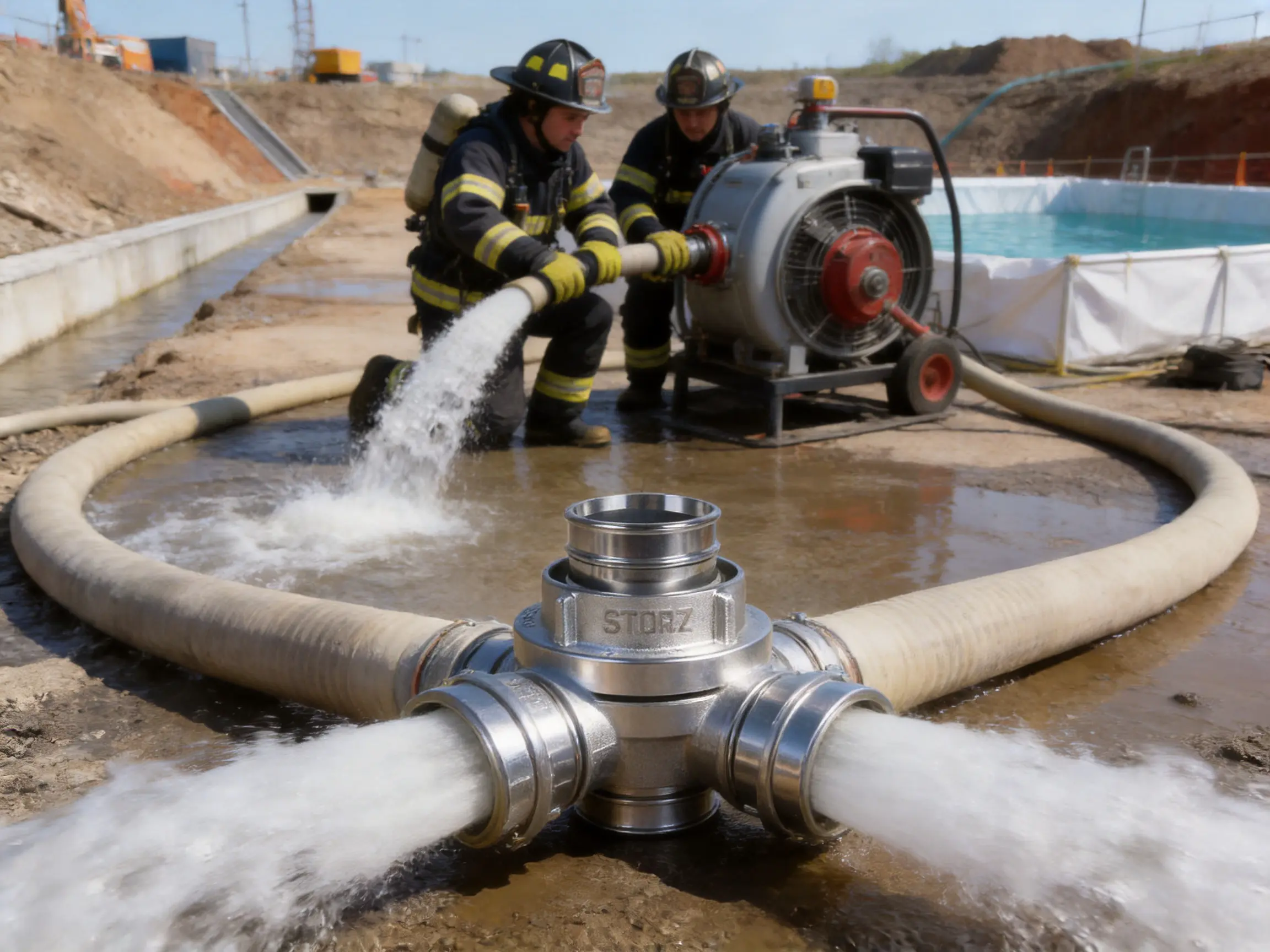
Firefighting systems often require fast deployment, reliable water flow, and equipment that can withstand demanding handling. Large-diameter hoses may be used to transfer water from a hydrant, pump, reservoir, or temporary water source to a fireground distribution point. In such systems, the coupling must be quick to operate and capable of remaining secure while the hose is under pressure.
The STORZ self-locking structure is well suited to fire hose applications because it supports rapid connection without a male-and-female thread distinction. Fire crews can connect compatible hose sections, branch lines, suction or discharge hoses, and fixed equipment with fewer assembly steps.
The 16 Bar working pressure provides a defined performance reference for appropriate firefighting and water-transfer systems. Actual fireground use must follow the specifications of the hose, pump, valves, gaskets, and the complete assembly. Regular inspection and maintenance are essential because firefighting equipment may remain stored for long periods and then be required to perform immediately.
For fire departments, industrial fire brigades, construction sites, warehouses, ports, and other facilities, large couplings can support high-flow water movement. The availability of aluminum alloy and brass versions allows purchasers to select a material appropriate for mobility, durability, corrosion exposure, and local procurement standards.
Industrial sites often use temporary or permanent hoses for water transfer, process support, cooling, cleaning, slurry movement, drainage, and equipment maintenance. A connection may need to be assembled repeatedly as production lines change or maintenance zones are isolated. In these situations, a quick-connect coupling can reduce downtime and improve the flexibility of the hose network.
The coupling can be applied to suitable industrial hoses where the pressure, temperature, fluid chemistry, and hose attachment method are compatible. It may support water discharge, industrial pumping, and other high-volume transfer duties. The coupling's abrasion and corrosion resistance are useful in environments where equipment is exposed to rough surfaces and moisture.
Industrial purchasers also benefit from the manufacturer's ability to provide customized products. A project may need a particular size, material, surface finish, or attachment configuration. Discussing these requirements before production allows the coupling to be matched to the existing equipment and installation practices.
Agricultural operations use large hoses to move water for irrigation, drainage, crop protection, livestock facilities, and seasonal water management. Lay-flat hoses are practical because they can be rolled, stored, transported, and deployed over large areas. A fast and secure coupling makes it easier to extend or reposition the system as field conditions change.
In water conservancy and municipal maintenance, large-diameter hoses may be used for temporary bypasses, flood response, reservoir management, drainage, and construction support. The coupling's symmetrical design can simplify field assembly, especially when crews work with multiple hose sections and need to adjust the layout quickly.
For agricultural users, material selection may depend on water quality, exposure to soil and fertilizer residues, frequency of movement, and storage conditions. Aluminum alloy can be attractive where portable handling is important, while brass may be selected where a heavier and highly robust coupling is preferred.
Milling and construction environments can expose hose connections to vibration, dust, impact, abrasive material, and repeated movement. Couplings used in these areas must be easy to inspect and sufficiently durable for the operating conditions. The product is specified for milling hoses and can support suitable material-transfer or water-management systems when the complete assembly is correctly designed.
Construction sites frequently require temporary pumping, excavation dewatering, concrete-related water management, dust suppression, and emergency drainage. Site conditions can change rapidly, making fast hose connections valuable. A STORZ coupling allows crews to create or modify hose runs without the prolonged tightening associated with many threaded alternatives.
Trenchless rehabilitation projects may also use specialized hoses for lining, bypass pumping, water transfer, or related construction activities. Equipment may need to be moved through restricted access areas, and hose systems may be assembled and disassembled repeatedly. A large-diameter self-locking coupling can support these operations when its pressure rating, material, and dimensions match the project specification.
Taizhou Shenlong Fire Science and Technology Co., Ltd. was founded in 1995. Its long operating history reflects experience in the development, production, sales, and service of fire hose products and related equipment. This background gives the company an understanding of the practical requirements associated with fire protection, fluid transfer, construction, and water conservancy.
Long-term industry experience is valuable because product performance is influenced by more than a drawing or material list. Manufacturing teams must understand how components are handled in the field, how hose assemblies are installed, what types of damage commonly occur, and which details affect connection reliability. Experience helps inform product improvement and customer support.
The company operates as an integrated enterprise covering research and development, production, sales, and service. This structure can improve communication between technical personnel, manufacturing teams, and customers. Feedback from actual applications can be returned to product development, while production capabilities can be considered during the quotation and customization process.
For purchasers, an integrated supplier can simplify communication. Instead of coordinating separately with a designer, casting factory, finishing company, and trading agent, the customer can discuss product requirements with one organization responsible for the overall supply process.
The company's main products include lined fire hoses made from various materials. Its product and application knowledge extends across fire protection and other fluid-handling sectors. This is relevant to coupling selection because a coupling must be considered together with the hose construction, reinforcement, lining, pressure rating, and intended fluid.
A supplier familiar with different hose materials is better positioned to discuss whether a coupling is suitable for nitrile rubber lay-flat hose, polyurethane lay-flat hose, water suction and discharge hose, industrial hose, or milling hose. This broader perspective supports more complete assembly planning.
The company cooperates with four domestic foreign trade companies to produce export products supplied to multiple countries. Its products have been sold in more than 20 provinces, cities, and autonomous regions, while export cooperation extends its experience beyond the domestic market.
International and cross-regional supply requires attention to documentation, packaging, production scheduling, product specifications, and customer communication. The ability to undertake foreign trade products according to customer requirements also indicates a willingness to support customized specifications and project-based procurement.
Purchasers should evaluate a large-diameter coupling through the complete set of technical requirements rather than by appearance alone. The first consideration is dimensional compatibility. The coupling size must correspond to the hose and to the mating equipment. A nominally similar size may not provide the correct fit if the hose internal diameter, external diameter, or attachment arrangement differs.
The second consideration is pressure. The stated working pressure of the coupling is 16 Bar, but the complete hose assembly must be rated appropriately. The lowest-rated component generally determines the safe operating limit. Pressure surges and dynamic conditions should be reviewed, especially in pumping and firefighting systems.
The third consideration is material compatibility. Aluminum alloy and brass should be assessed in relation to the transported fluid, environmental exposure, cleaning chemicals, and possible galvanic interaction with adjacent components. The gasket and hose lining must also be suitable for the fluid and temperature.
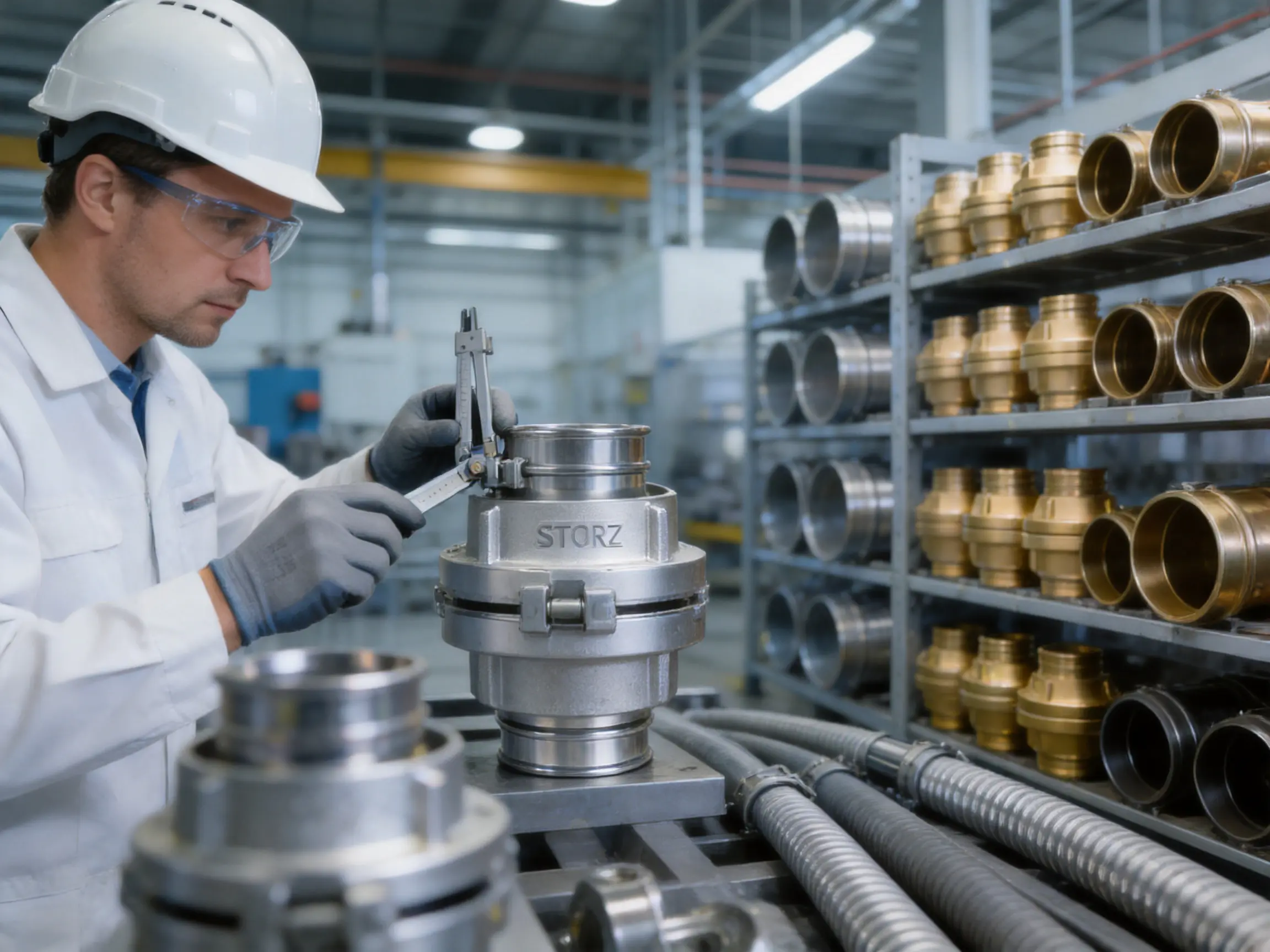
The fourth consideration is manufacturing and finish. Buyers may request information about the casting or forging process, surface treatment, dimensional inspection, marking, packaging, and available documentation. These details help confirm that the product matches the intended quality level and project requirements.
Finally, the customer should evaluate service support. A supplier that can advise on material, size, hose compatibility, and custom production can reduce the risk of ordering a coupling that cannot be installed or that does not meet the field requirement.
Inspect both coupling halves before installation. Remove dirt, sand, metal fragments, and other contamination from the connection and sealing areas. Check the lugs, locking elements, gasket, and hose attachment hardware for visible damage. Do not use a coupling with cracked metal, severely deformed lugs, missing locking parts, or a damaged sealing element.
Confirm that the hose diameter and coupling size are compatible. Verify that the hose is not excessively worn, cut, delaminated, or weakened near the connection area. The hose end should be cut squarely and prepared according to the assembly procedure.
Bring the two matching STORZ coupling halves together and align their lugs. Engage the connection fully, then operate the locking mechanism according to the product assembly procedure. The operator should confirm that the coupling has reached its locked position and that the two halves are seated evenly.
Do not force a connection that does not align. Misalignment may indicate contamination, damage, incompatible dimensions, or a problem with the attachment assembly. Correct the cause before applying pressure.
Inspect the connection visually and, where appropriate, perform a controlled pressure test before full operation. Check for leakage, movement, unusual deformation, or signs that the locking mechanism is not fully engaged. If any problem is observed, depressurize the system before attempting adjustment or disconnection.
During operation, avoid dragging the coupling over sharp edges or allowing it to strike heavy equipment. Support large hoses where necessary to reduce excessive bending or side loading at the connection. Proper handling helps preserve both the coupling and the hose.
Regular maintenance is important even when the coupling is manufactured from corrosion-resistant metal. After use, clean off mud, dust, chemicals, and other residues. If the coupling has been exposed to salt water or aggressive substances, rinse it with a suitable clean medium and dry it before storage.
Inspect the locking mechanism for free movement. Remove deposits that may interfere with engagement, but do not modify the locking components or remove material from the coupling. Replace worn or damaged sealing elements with suitable parts.
Store couplings in a dry, protected location away from unnecessary impact and contamination. Avoid placing heavy objects on locking components or allowing couplings to remain in standing water. Hose assemblies should be stored in accordance with the hose manufacturer's recommendations, with attention to temperature, sunlight, chemicals, and bending radius.
Service life depends on pressure cycles, handling frequency, environmental conditions, fluid compatibility, storage, and maintenance. No coupling should be considered permanently service-free. A planned inspection program helps identify damage before it becomes a system failure.
Standard 8-inch, 10-inch, and 12-inch sizes cover many large-volume applications, but some projects require additional dimensions or special configurations. Custom sizes can be requested for integration with existing hose systems, pumps, manifolds, valves, or fixed equipment.
When requesting a customized coupling, the customer should provide as much technical information as possible. Useful details include nominal size, hose construction, internal and external diameters, operating pressure, fluid type, temperature, connection environment, material preference, surface treatment, quantity, and required delivery schedule.
Drawings, photographs, samples, and equipment interface dimensions can help the manufacturer understand the application. Early technical communication reduces the risk of dimensional mismatch and allows the manufacturing method to be selected appropriately.
Customization may involve more than changing the nominal size. Depending on the project, requirements may also relate to material, casting method, forging, surface finish, marking, packaging, gasket selection, or attachment hardware. The final specification should clearly identify which features are standard and which are project-specific.
Distributors benefit from a product that serves several related markets. The coupling can be positioned for fire hose systems, industrial hose assemblies, agricultural water transfer, construction pumping, water conservancy, and specialized applications. A range of sizes and material options gives distributors greater flexibility when serving different customers.
Contractors benefit from fast installation and the ability to use large-diameter hoses in temporary systems. Construction and emergency projects often require equipment that can be assembled, moved, and stored efficiently. A self-locking coupling can reduce the time required to establish a working hose line, provided that the connection is correctly selected and installed.
Original equipment manufacturers and hose assemblers may value the availability of custom dimensions and multiple manufacturing processes. This can support the development of complete hose assemblies designed for a particular pump, vehicle, machine, or project specification.
Fire departments and industrial safety teams may appreciate the interchangeability benefits of a symmetrical connection. Standardized coupling arrangements can simplify equipment organization, training, replacement, and field deployment.
Operational efficiency is not limited to fluid flow. It also includes the time required to prepare equipment, the labor needed to make connections, the ease of inspection, and the ability to respond to changing conditions. The Large-Diameter STORZ Self-Locking Coupling supports these factors through its quick-connect structure and symmetrical configuration.
In a temporary pumping system, crews may need to add hose sections as the water level changes or as an excavation expands. In a fire protection system, hose lines may need to be laid over long distances and connected under time pressure. In agriculture, irrigation sections may be relocated between fields. In each case, simpler connections can contribute to faster deployment.
Durability also supports efficiency. A coupling that resists abrasion, corrosion, and chemical exposure is less likely to require frequent replacement when used within appropriate conditions. Surface treatment and material selection therefore contribute not only to product life but also to the reduction of unplanned downtime.
Large-diameter hose systems can store significant energy when pressurized. Personnel should never attempt to disconnect a coupling while the line is under pressure. The pump or supply source must be isolated, and the line must be fully depressurized before disconnection or maintenance.
Operators should use protective equipment appropriate to the application, including gloves, eye protection, protective footwear, and additional equipment where chemicals or contaminated water are present. Hoses should be routed to reduce trip hazards, sharp bends, abrasion, and uncontrolled movement.
The coupling's 16 Bar working pressure should be treated as an operating limit, not a target to exceed. The complete assembly must be selected and tested according to applicable engineering procedures and local safety requirements. If the fluid is hazardous, the system should receive a more detailed compatibility and containment review.
Training should cover connection, locking verification, pressure isolation, inspection, cleaning, storage, and emergency response. A well-designed coupling provides important mechanical advantages, but safe performance also depends on correct procedures.
It is a large hose coupling designed with a symmetrical STORZ connection and a self-locking mechanism. It is used to connect compatible hose sections or hose assemblies without conventional male-and-female threading. The product is intended for demanding water, firefighting, industrial, agricultural, construction, and related applications.
The standard sizes identified for this product are 8 inches, 10 inches, and 12 inches. Other sizes can be requested when a project requires compatibility with nonstandard hoses or equipment.
The stated working pressure is 16 Bar. Users must also confirm the pressure rating of the hose, gasket, attachment hardware, pump, valves, and other components in the complete system. The assembly should be operated within the limit of the lowest-rated suitable component.
The coupling can be produced from aluminum alloy or brass. Aluminum alloy can help reduce weight and support convenient handling, while brass provides a robust metallic option for customers with specific durability, equipment, or procurement preferences.
Depending on the product specification and application, the coupling may be manufactured through die casting, gravity casting, or forging. The selected method can reflect the required geometry, strength, production quantity, dimensional consistency, and customer requirements.
The symmetrical STORZ connection does not depend on separate male and female threads. Matching coupling halves are aligned and secured through the STORZ lug and locking arrangement. This supports quick connection and disconnection and reduces thread-related assembly issues.
Yes. It is intended for use with nitrile rubber lay-flat hoses and polyurethane lay-flat hoses, provided that the hose dimensions, pressure rating, fluid compatibility, and attachment method are suitable for the application.
Typical applications include water suction and discharge hoses, industrial hoses, milling hoses, nitrile rubber lay-flat hoses, and polyurethane lay-flat hoses. The suitability of a specific hose assembly should be confirmed against operating pressure, fluid, temperature, and installation requirements.
Vibratory grinding is identified as a surface treatment. Anodizing may also be available for aluminum alloy products according to the requested specification. Surface treatment can improve surface consistency and help support resistance to wear and environmental exposure.
The principal advantages are quick connection, quick disconnection, symmetrical assembly, and the absence of separate male and female thread requirements. These features can simplify handling, reduce assembly time, and make large hose systems easier to deploy and reconfigure.
Yes. Custom sizes can be requested, and the manufacturer can discuss material, manufacturing process, surface treatment, and other specifications according to project needs. Customers should provide detailed technical information before production.
Clean the coupling after use, remove dirt and chemical residues, inspect the lugs and locking components, check the gasket and attachment hardware, and store the product in a dry protected area. Do not connect or disconnect the coupling while the hose is pressurized.
The product is supplied by Taizhou Shenlong Fire Science and Technology Co., Ltd., a company founded in 1995 with capabilities covering research and development, production, sales, and service. The company specializes primarily in various materials of lined fire hoses and also supplies related products for multiple industries.
The Large-Diameter STORZ Self-Locking Coupling is designed to provide a practical, durable, and efficient connection for large-volume hose systems. Its symmetrical STORZ configuration eliminates the need to distinguish between male and female threaded ends, while the self-locking structure supports secure assembly and quick disconnection. These features are valuable in firefighting, water transfer, agriculture, construction, industrial operations, milling, and trenchless rehabilitation.
With a 16 Bar working pressure, aluminum alloy or brass construction, available sizes of 8 inches, 10 inches, and 12 inches, and custom dimensions upon request, the product can be adapted to a wide range of hose systems. Die casting, gravity casting, and forging provide manufacturing flexibility, while vibratory grinding and optional anodizing support surface quality and resistance to demanding environments.
The manufacturing strength behind the product is supported by Taizhou Shenlong Fire Science and Technology Co., Ltd.'s experience since 1995, integrated research and production capabilities, broad fire hose knowledge, export cooperation, and ability to undertake customer-specific requirements. For purchasers seeking a reliable large-diameter connection, the coupling offers a combination of efficient operation, material choice, production flexibility, and application support.
Correct sizing, installation, pressure control, inspection, and maintenance remain essential to safe service. When selected as part of a properly designed hose assembly, the Large-Diameter STORZ Self-Locking Coupling can contribute to faster deployment, easier handling, reduced connection complexity, and dependable fluid transfer performance.
1. Product specification information for the Large-Diameter STORZ Self-Locking Coupling, including materials, sizes, pressure rating, casting methods, surface treatment, applications, and features.
2. General engineering principles for hose coupling selection, pressure-rated fluid-transfer assemblies, and mechanical connection design.
3. General industry guidance on the inspection, maintenance, storage, and safe handling of firefighting and industrial hose assemblies.
4. General technical references concerning aluminum alloy and brass components used in water-transfer and firefighting equipment.
5. Company information supplied for Taizhou Shenlong Fire Science and Technology Co., Ltd., including its founding history, manufacturing scope, product markets, and export cooperation.
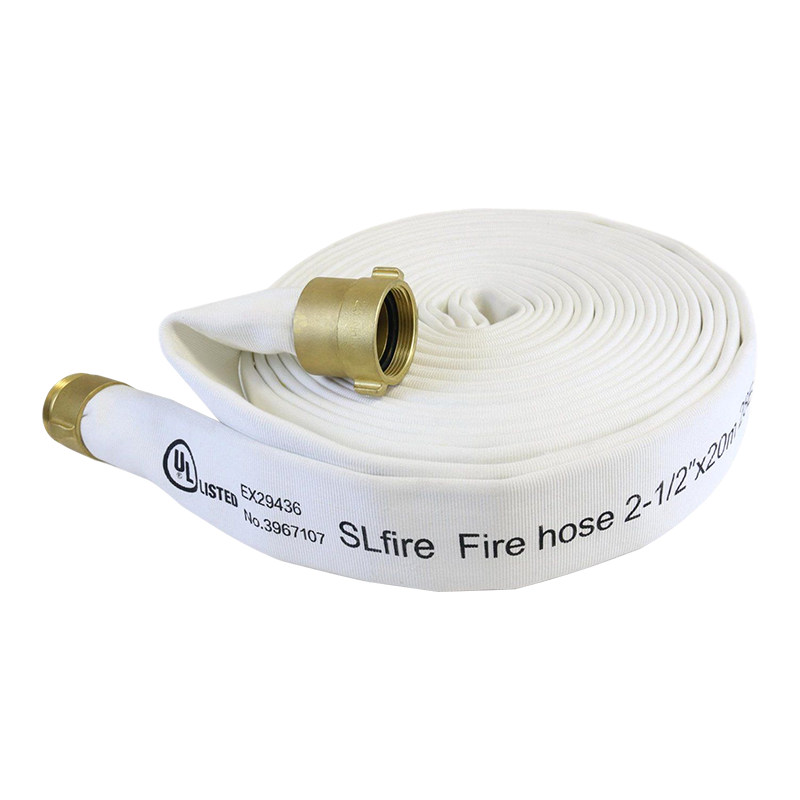
Single jacket, EPDM rubber liner Features • 100% high tenacity polyester jacket, high-grade EPDM rub...
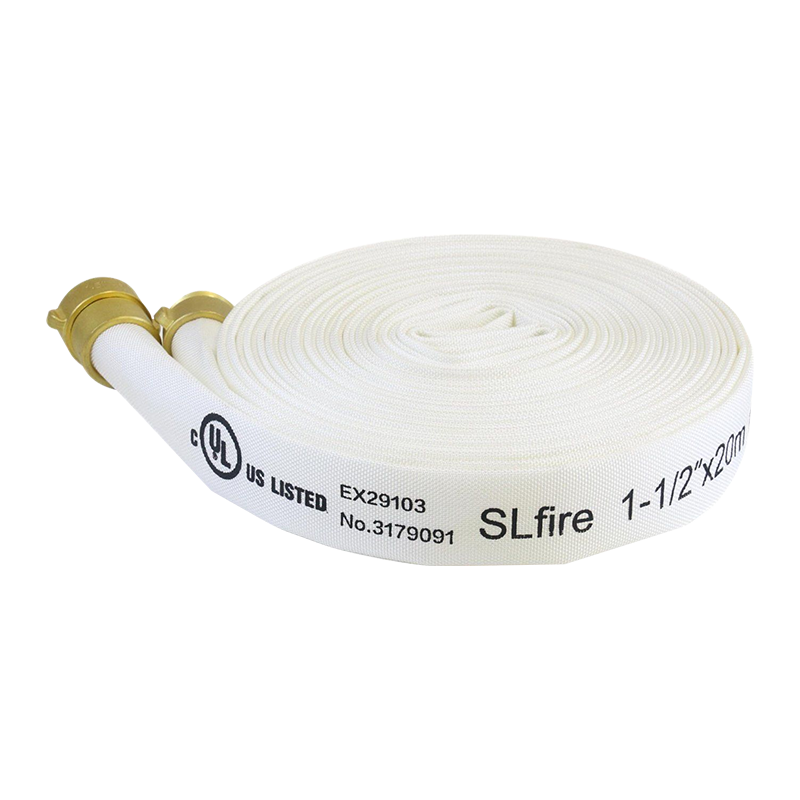
Single jacket, TPU liner •High-tenacity polyester yarn, circular woven in twill weave/plain weave,T ...
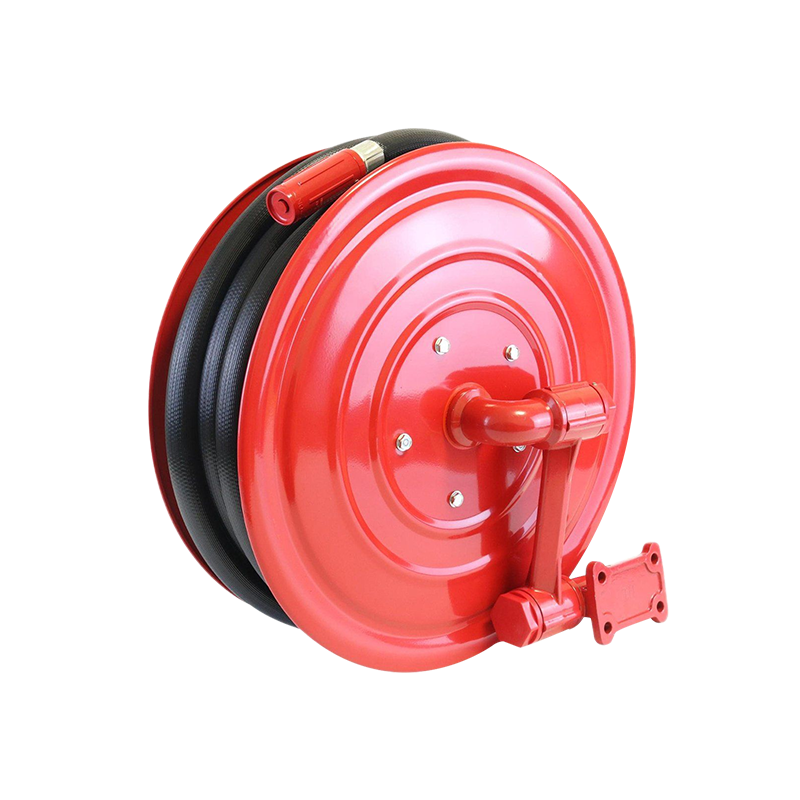
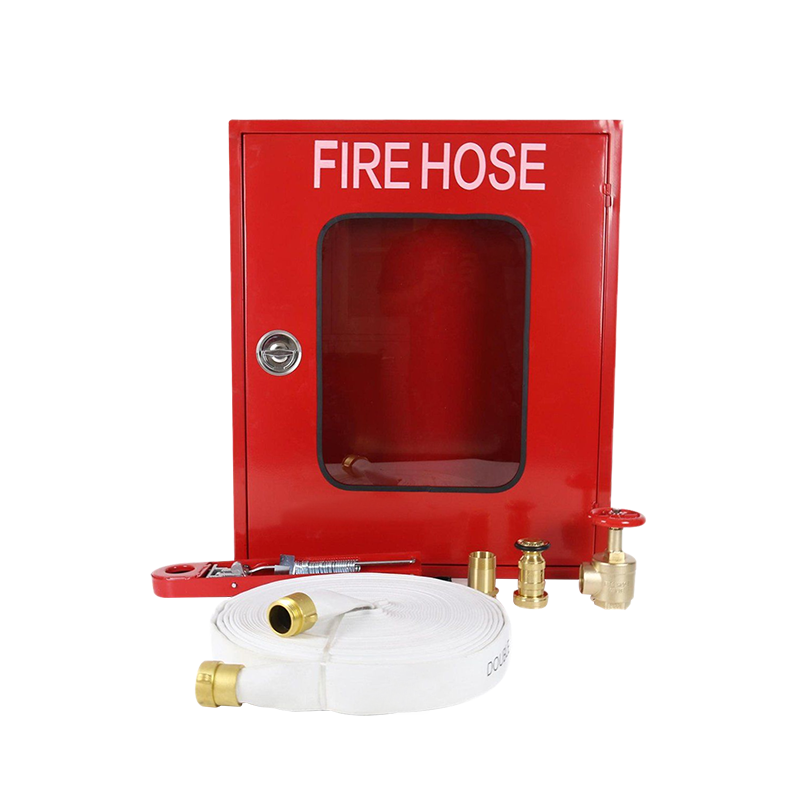
Fire cabinets are designed to accommodate fire hose,valve and other firefighting equipment. Type 201...
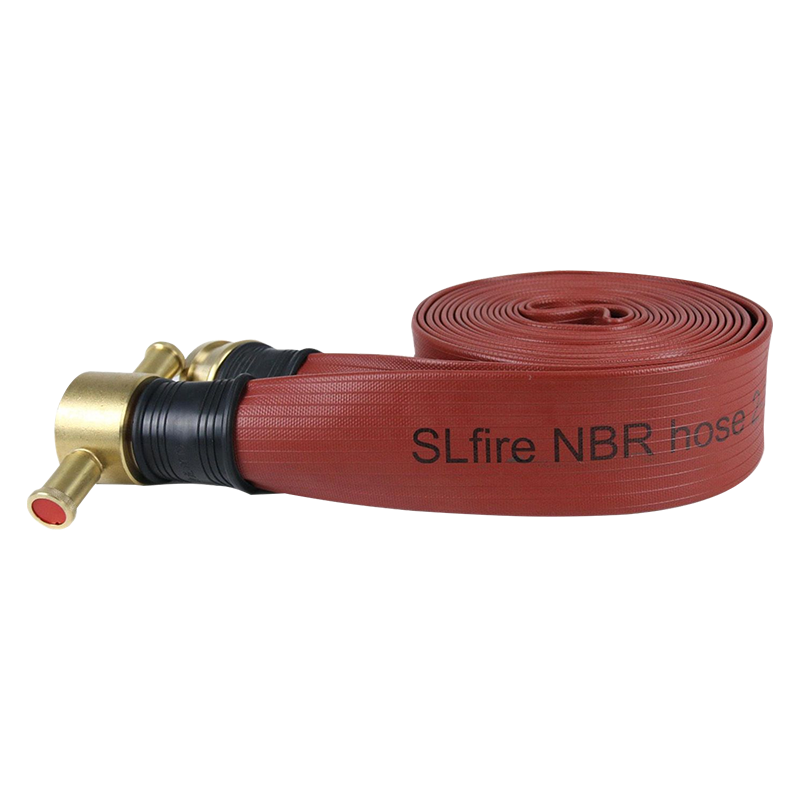
Nitrile covered hose •Nitrile/TPR blend as cover and lining, with 100% high-tenacity polyester yarn ...
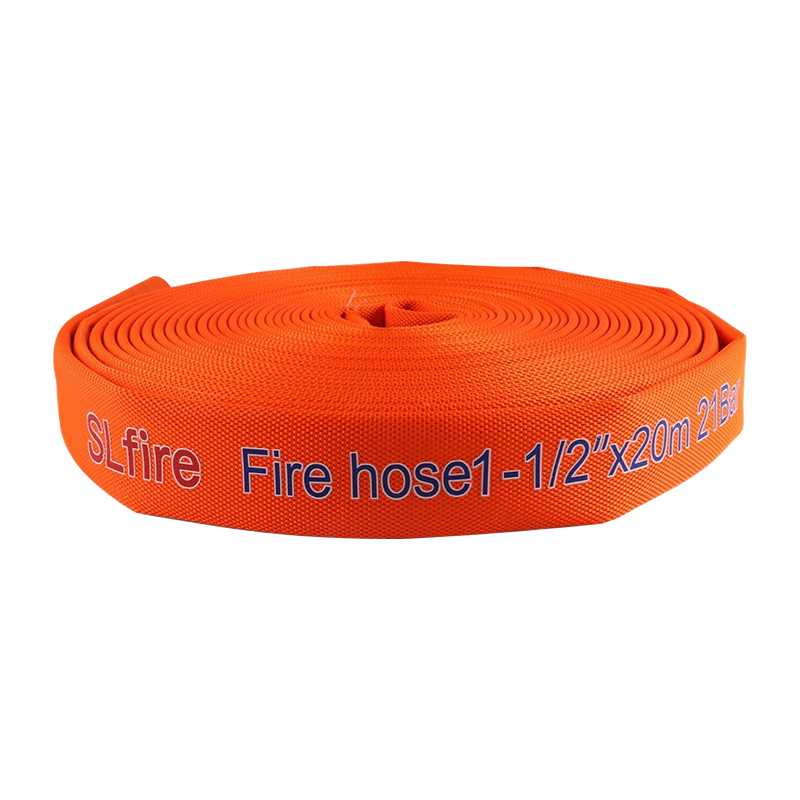
Single jacket, TPU liner •High-tenacity polyester yarn, circular woven in twill weave, TPU lining, f...
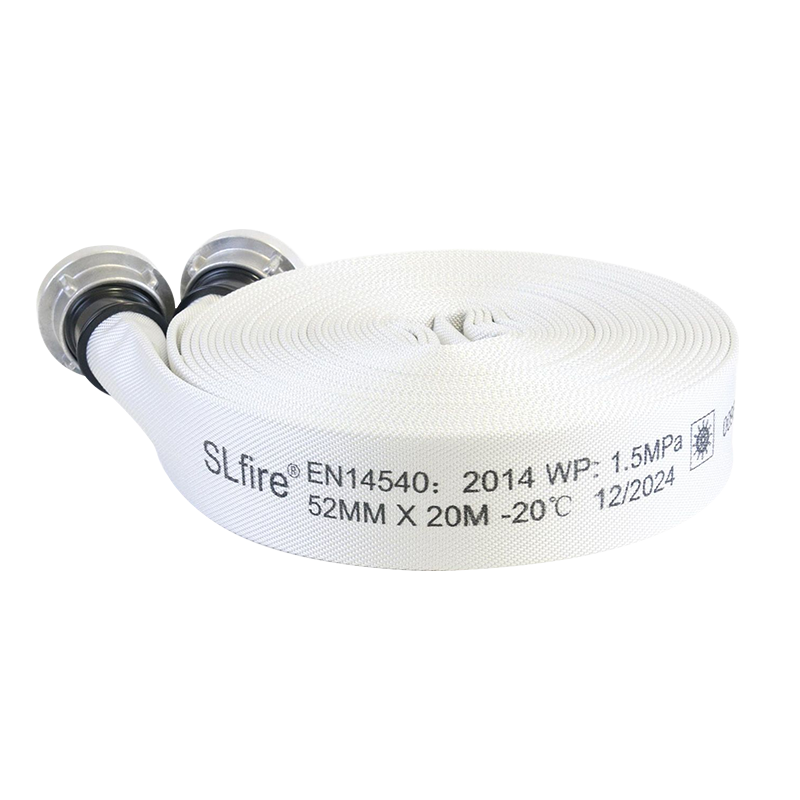
Marine hose Single jacket, PVC liner •100% high tenacity polyester yarn, circular woven in twill wea...
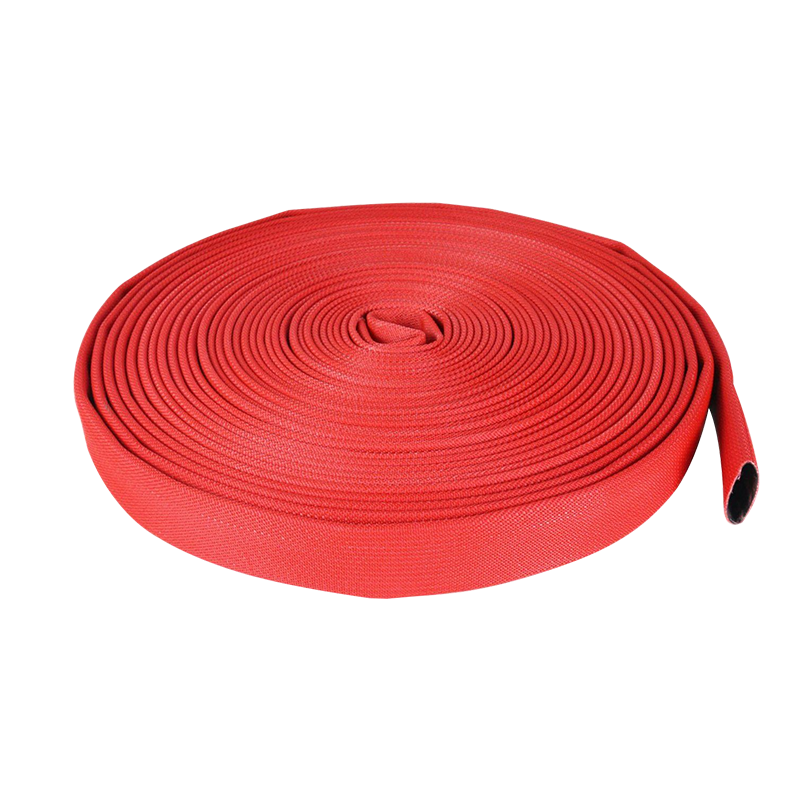
Marine hose Single jacket, PVC liner, PU coated •100% high tenacity polyester yarn,c ircular woven i...
 Call Us
+86 159-5116-9511
Need Support
Head Office
No.58, Kechuang Road, Sixiang Street Medicine Gaoxin District Taizhou City, Jiangsu Province

What Is a Fire Hose? A fire hose is a high-pressure flexible hose designed to carry water or fire retardant chemicals from a water source, such as a hydrant, pump, or tank, to a fire for suppression p...
Copyright © Taizhou Shenlong Fire Science and Technology Co., Ltd. All Rights Reserved.
 Fire Hose Manufacturers, Fire Hydrant Hose Factory