

 English
 русский
 Español
 Deutsch
 عربى
 Français
 Português
Don't hesitate to send a message

Single jacket, EPDM rubber liner Features • 100% high tenacity polyester jacket, high-grade EPDM rub...
Content
Snow-making systems operate in demanding environments where hoses must withstand freezing temperatures, high water pressure, repeated movement, abrasion, moisture, ultraviolet exposure, and intensive seasonal use. A hose that performs well in ordinary water-transfer applications may become stiff, cracked, worn, or difficult to handle when used around snow guns and winter-sports infrastructure. For this reason, snow-making operations require a purpose-designed product with dependable flexibility, strong pressure containment, and resistance to the environmental factors found at ski resorts and artificial snow production sites.
The Double Jacket EPDM Rubber Liner Snow-Making Hose is engineered for this type of service. It combines a high-tenacity polyester double jacket with an EPDM rubber liner and an additional polyurethane coating. This construction gives the hose a balanced combination of flexibility, durability, cold-weather performance, and resistance to abrasion. It is designed to remain functional from approximately -40°C to 100°C, making it suitable for freezing winter conditions as well as warmer handling, storage, and operating environments.
Manufactured by Taizhou Shenlong Fire Science and Technology Co., Ltd., the hose reflects the company’s long-term experience in lined hose production and its broader capabilities in research and development, manufacturing, sales, and service. The company has operated since 1995 and produces hoses made from several material systems for fire protection, construction, water conservancy, agriculture, industrial use, and specialized applications.
For snow-making contractors, ski resorts, municipal winter facilities, and equipment distributors, the main value of this hose lies in its ability to deliver consistent performance under severe conditions without sacrificing practical handling. The double-jacket structure supports mechanical strength, the EPDM liner provides a reliable waterway, and the PU coating adds another layer of protection against external wear.
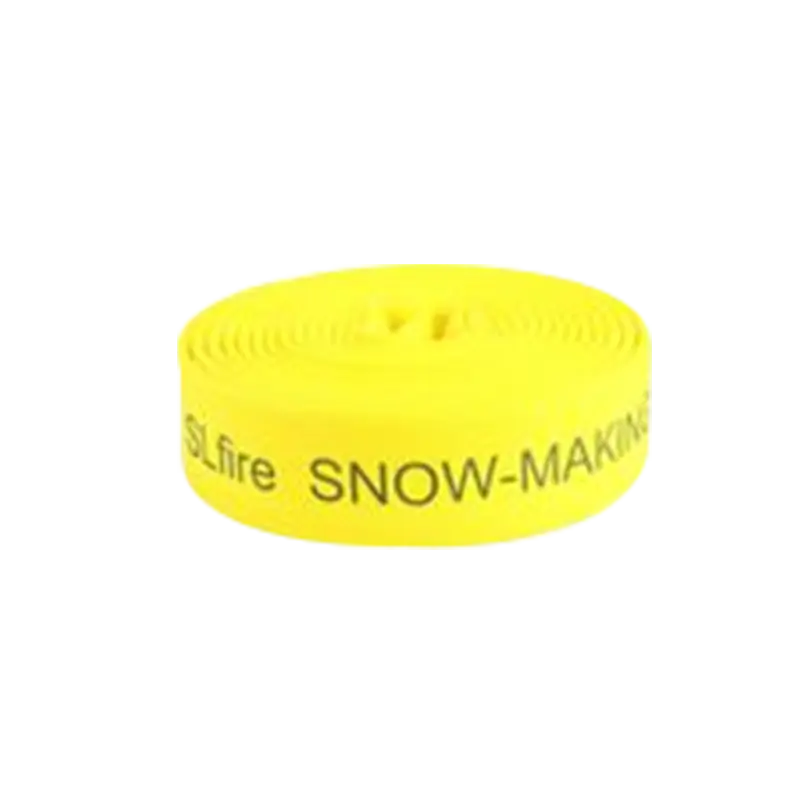
Double Jacket EPDM Rubber liner Snow-Making Hose
A snow-making hose is a flexible pressure hose used to convey water to snow guns, hydrants, manifolds, pumps, and other components of an artificial snow system. During operation, the hose may be dragged over snow, ice, concrete, gravel, soil, steel platforms, or other rough surfaces. It may also be bent repeatedly, exposed to sub-zero temperatures, connected and disconnected frequently, and stored in conditions where moisture and ultraviolet radiation can affect the outer material.
The Double Jacket EPDM Rubber Liner Snow-Making Hose uses several layers to address these challenges. Its inner EPDM rubber liner forms the water-contacting passage. Around that liner is a double jacket made from high-tenacity polyester yarn. An additional PU coating protects the outside of the jacket and improves resistance to abrasion and handling damage.
Each layer performs a different function:
The EPDM rubber liner provides a flexible, continuous waterway and maintains useful performance in low temperatures.
The inner jacket supports the liner and contributes to pressure resistance and dimensional stability.
The outer jacket improves mechanical strength and helps protect the hose from external impact, dragging, and repeated bending.
The polyurethane coating adds surface protection and helps the hose resist abrasion during installation, operation, and relocation.
This layered construction is especially useful when a hose must be both strong and portable. A rigid pipe may provide high structural stability but cannot be moved or positioned as easily. A basic single-jacket hose may be lighter, but it may not provide the same level of protection during rough handling. The double-jacket design aims to create a practical middle ground between strength, flexibility, and serviceability.
The double jacket is one of the product’s most important structural features. Two woven polyester layers provide greater reinforcement than a single outer jacket. This arrangement distributes mechanical loads across a larger surface and helps protect the liner from damage caused by external contact.
In snow-making applications, hoses are often moved as operating locations change. They may be pulled across the ground, lifted over barriers, wrapped around equipment, or connected to hydrants located at different elevations. A double jacket helps the hose tolerate this repeated handling more effectively than a lightweight hose intended only for occasional, low-stress transfer.
High-tenacity polyester yarn is used because it provides a strong textile reinforcement with useful flexibility. Polyester is also suitable for hose jacket construction because it can be woven into a close, stable structure while maintaining relatively low weight compared with some rigid reinforcement materials.
The EPDM liner is designed for water service and for exposure to demanding outdoor conditions. EPDM rubber is widely valued for resistance to ozone, ultraviolet radiation, weathering, moisture, and many common environmental influences. These characteristics are important for snow-making hoses because the product may be installed outdoors for extended periods and exposed to changing weather.
The liner must remain sufficiently flexible when the ambient temperature drops sharply. A hose that becomes excessively hard can be difficult to deploy and may be more vulnerable to kinking or mechanical stress. The stated low-temperature flexibility of approximately -40°C or -40°F allows the hose to remain suitable for severe winter conditions when properly selected, connected, and operated within the requirements of the complete system.
EPDM is also useful in applications where the hose may encounter diluted chemicals, cleaning residues, or treated water. However, compatibility should always be reviewed before the hose is used with any particular chemical, additive, fuel, oil, or solvent. Water service and snow-making applications are the intended focus of this product.
The additional polyurethane coating improves the hose’s outer protection. Snow-making sites frequently contain abrasive surfaces, including frozen soil, rock, concrete, metal fixtures, and compacted snow. When a hose is pulled or repositioned, the outer surface can suffer scuffing and localized wear. A PU coating helps reduce the effect of this contact.
Polyurethane is valued in protective coatings because it can provide a useful combination of surface toughness and flexibility. The coating does not replace careful handling, but it provides an additional defense against abrasion beyond the woven jacket itself. This can be particularly beneficial for contractors and resort maintenance teams that move hoses regularly during setup, shutdown, and system changes.
The product is specified for a temperature range of approximately -40°C to 100°C. The low-temperature capability is especially significant in snow production, where hoses can be exposed to freezing air, cold water, ice accumulation, and frozen ground. The upper temperature rating provides additional flexibility for transportation, storage, cleaning, and use in warmer seasons or transitional conditions.
Temperature performance depends on the complete application. Pressure, fluid composition, duration of exposure, connection design, bending radius, and external mechanical loading all affect service life. The temperature range should therefore be used as a design reference rather than as permission to exceed the recommended operating conditions of the hose assembly, couplings, pump, or snow gun.
The hose is designed to resist abrasion, ozone, ultraviolet radiation, mildew, and chemicals. These properties provide practical benefits in outdoor installations:
Abrasion resistance helps reduce damage from dragging and surface contact.
Ozone resistance helps protect rubber components from weather-related deterioration.
UV resistance supports longer outdoor exposure when the hose is used or temporarily stored in sunlight.
Mildew resistance is useful in damp storage environments and during periods of repeated wetting and drying.
Chemical resistance helps the hose tolerate many common environmental contaminants, subject to compatibility confirmation.
These features are valuable because snow-making hoses are rarely used in a perfectly controlled indoor environment. They are exposed to weather, equipment traffic, moisture, and repeated operational handling. A product designed for environmental resistance can help reduce premature replacement and unplanned downtime.
The hose is available in 50-foot and 100-foot lengths. These options allow users to select a configuration that corresponds to the distance between water outlets, manifolds, pumps, and snow guns.
A 50-foot section may be practical where equipment is closely spaced or where a lighter, more manageable assembly is preferred. A 100-foot section can reduce the number of connections required across longer routes. Fewer joints may simplify deployment, although the longer assembly must still be handled safely and positioned so that it does not create excessive bending, twisting, or tripping hazards.
| Product characteristic | Specification or design feature | Practical benefit |
|---|---|---|
| Hose construction | Double jacket | Improved reinforcement and protection during handling |
| Jacket material | High-tenacity polyester yarn | Strength, flexibility, and stable woven support |
| Liner material | EPDM rubber | Suitable flexibility and resistance to weathering and ozone |
| Outer protection | Additional PU coating | Enhanced resistance to abrasion and surface wear |
| Temperature range | Approximately -40°C to 100°C | Adaptation to severe winter and changing operating environments |
| Available lengths | 50 feet and 100 feet | Choice for shorter or longer equipment layouts |
| Typical service focus | Snow-making water delivery | Connection between water infrastructure and snow-production equipment |
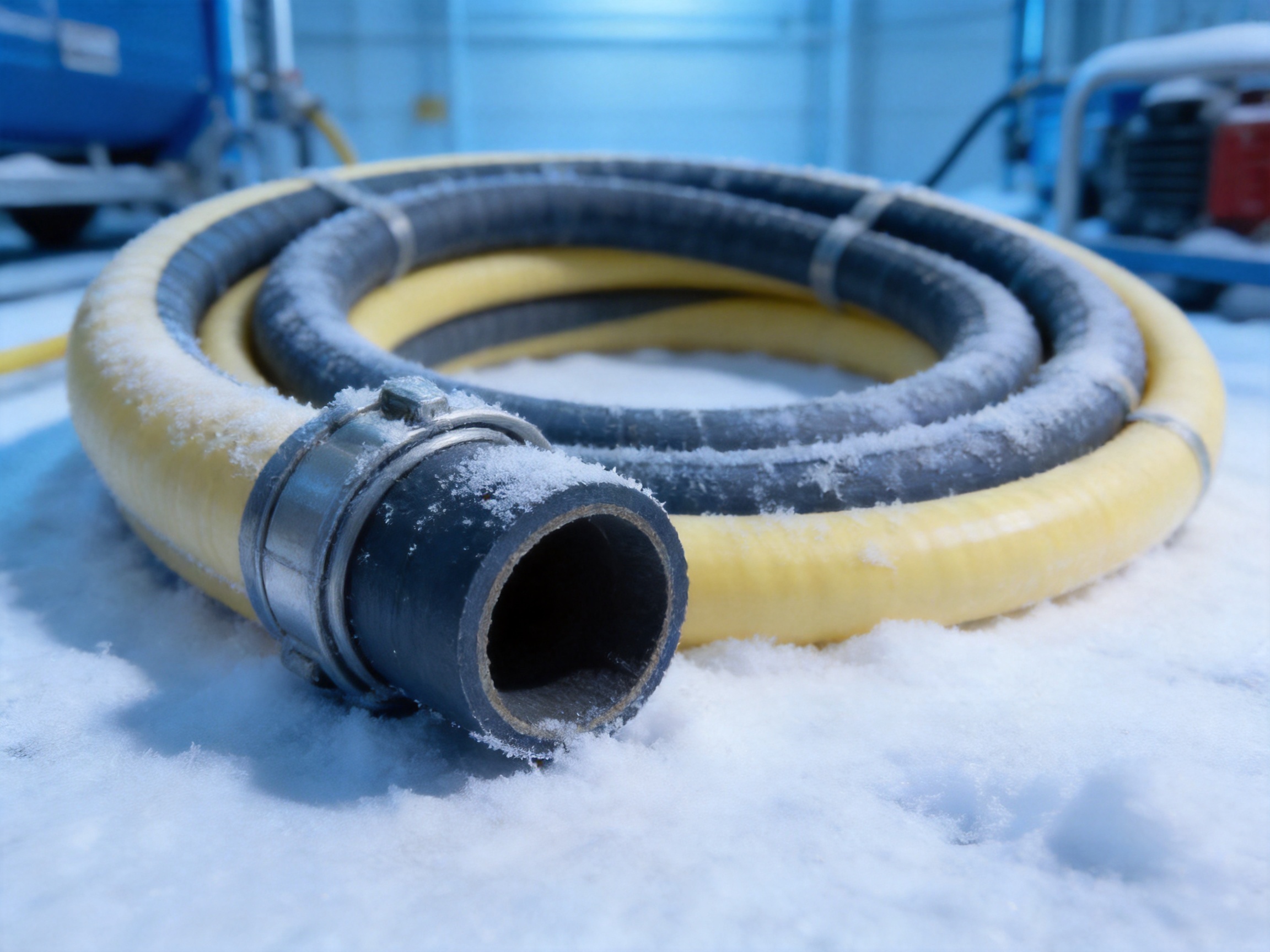
A single-jacket hose may be appropriate for lighter-duty work, but it can have less external reinforcement when subjected to repeated dragging or contact with rough surfaces. The double-jacket construction provides an additional textile layer between the liner and the surrounding environment. This improves the hose’s ability to tolerate normal field handling.
The benefit is not limited to resistance against one large impact. In many operations, service life is affected by repeated small events: the hose is pulled a few meters, bent around a corner, placed on a hard surface, stepped over, or moved by a vehicle or winch. Over an entire season, these repeated actions can produce significant wear. The additional jacket helps reduce the effect of this cumulative stress.
Some general-purpose hoses become difficult to handle as temperatures fall. They may stiffen, resist coiling, or develop surface cracking after repeated cold exposure. The EPDM liner and textile reinforcement are selected to support flexibility in low-temperature conditions. This makes the product more suitable for winter deployment than hoses designed mainly for warm-weather water transfer.
Cold-weather flexibility improves efficiency during installation. Workers can position the hose more easily around snow guns and hydrants, and they may spend less time attempting to straighten or reposition excessively rigid sections. Flexible behavior also supports better alignment at couplings and reduces the risk of forcing the hose into sharp bends.
The PU coating gives the product an advantage in environments where the outer jacket is exposed to rough surfaces. While no flexible hose should be dragged unnecessarily across sharp edges, the added coating provides a protective barrier against ordinary scuffing and contact.
This feature is particularly useful in ski resorts, where hose routes may cross service roads, maintenance areas, snow-covered ground, and equipment platforms. It also benefits temporary snow-making projects in which hoses are installed and removed frequently rather than left in a fixed, protected position.
The combination of EPDM and polyester supports outdoor use in conditions involving moisture, sunlight, ozone, and changing temperatures. A product that withstands these influences can provide more predictable service than a hose whose material system is not intended for prolonged exposure.
Weather resistance is also relevant during storage. Hoses are often stored between winter seasons, and improper storage can expose them to sunlight, dampness, heat, or contamination. The product’s resistance characteristics provide useful protection, although proper storage practices remain essential.
Heavy industrial hoses can be difficult to move, especially when filled with water. Very lightweight hoses may be easier to carry but may offer less protection. This double-jacket design is intended to balance reinforcement and flexibility, helping maintenance personnel deploy the hose without treating it as a rigid pipeline.
Good handling characteristics can reduce labor during seasonal installation and removal. They can also make it easier to adjust the position of snow guns, reorganize hose routes, or respond to changing snow-production requirements.
The primary application is the delivery of water in artificial snow systems. A typical system may include a water source, pumps, distribution pipelines, hydrants, valves, manifolds, flexible hoses, and snow guns. The hose provides the flexible connection between fixed infrastructure and equipment that must be positioned across a slope or work area.
Ski resorts depend on reliable snow production to open trails, reinforce high-traffic areas, and extend the operating season. Hoses may be used on beginner slopes, race courses, terrain parks, access routes, and other locations where natural snowfall is insufficient.
The ability to work at low temperatures and resist abrasion is important in these environments. Hoses may be installed over uneven terrain, moved as snow coverage changes, and connected to equipment at different elevations. The double-jacket EPDM hose is suited to these flexible distribution tasks when its pressure, diameter, coupling, and length are matched to the system.
Portable snow guns require hoses that can be relocated without excessive difficulty. The hose must be flexible enough to follow the equipment layout while remaining strong enough to manage operating pressure and field handling.
Available 50-foot and 100-foot sections allow users to build configurations around the spacing of snow guns and hydrants. The correct length can help prevent unnecessary loops, sharp bends, and excess material lying in travel paths.
Some snow-making systems operate only during a defined winter season. In these cases, hoses may be deployed for several months, removed, inspected, and stored until the next season. A durable outer jacket and weather-resistant liner can support this repeated seasonal cycle.
Temporary installations may also be used for special events, training areas, snow parks, or construction of new winter-sports facilities. In such projects, flexibility and fast deployment can be as important as long-term fixed installation performance.
Although designed for snow-making, the hose’s construction may also be considered for selected water-transfer tasks in cold outdoor environments. Possible uses should be evaluated according to pressure, temperature, fluid compatibility, local regulations, and the manufacturer’s application guidance.
The hose should not automatically be used for every industrial fluid or high-temperature service simply because it has a wide stated temperature range. Correct selection depends on the specific medium and operating conditions.
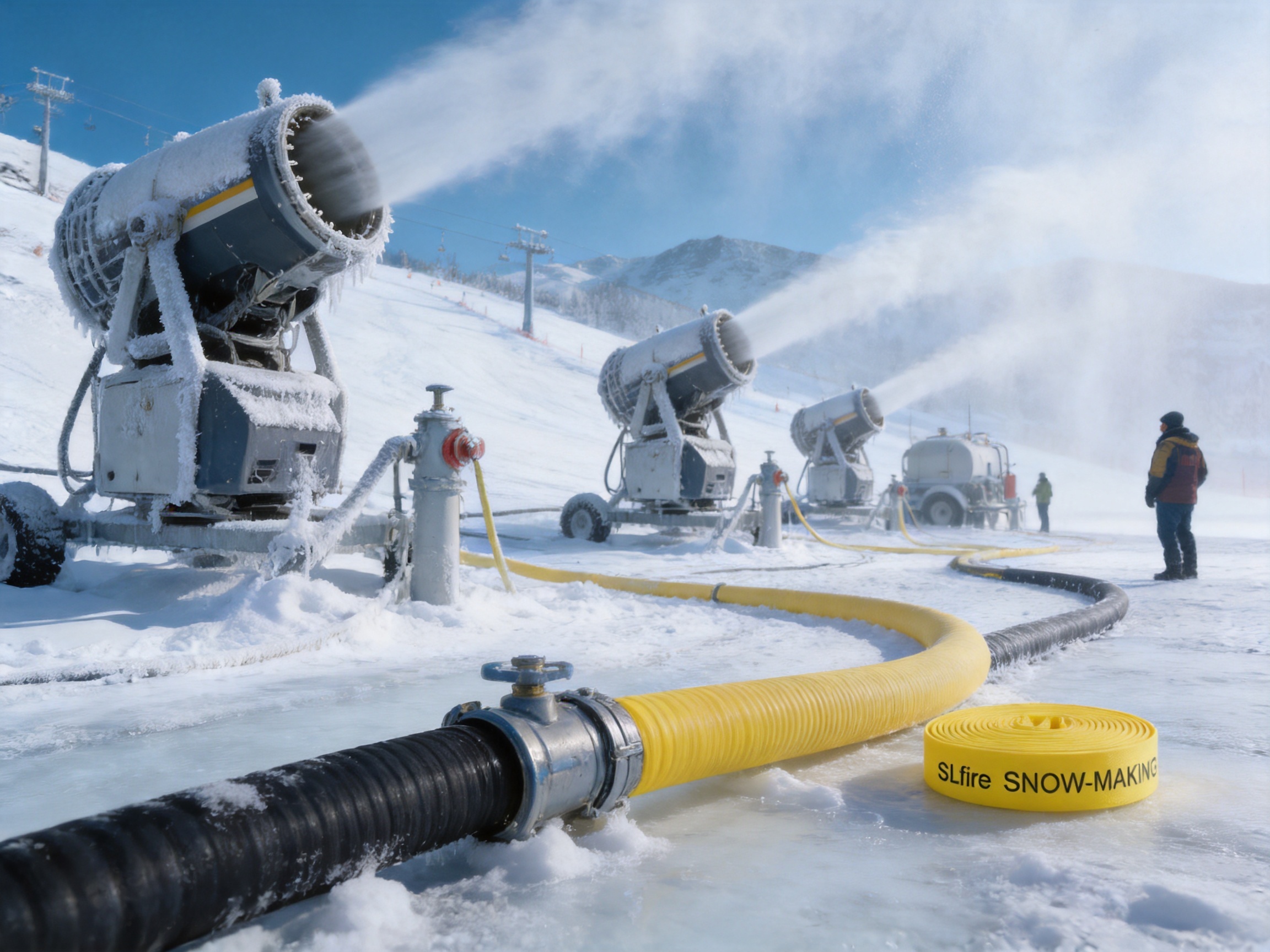
Taizhou Shenlong Fire Science and Technology Co., Ltd. was founded in 1995. Its business combines research and development, production, sales, and service. The company’s main products include lined fire hoses made from different materials, while its manufacturing capabilities also cover customer-requested foreign trade products involving rubber, PVC, polyurethane, and double-sided tape.
This product background is relevant to the snow-making hose because the hose depends on coordinated control of rubber, textile reinforcement, and polyurethane protection. A manufacturer with experience in multiple material systems can evaluate how the liner, jacket, coating, and assembly interact rather than treating each part as an isolated component.
Production begins with the selection of materials appropriate for the intended service. For this hose, the principal material groups are EPDM rubber, high-tenacity polyester yarn, and polyurethane coating material. Material preparation must support stable processing and consistent finished-product performance.
The rubber compound must be prepared to provide the required flexibility, environmental resistance, and liner integrity. The polyester yarn must have suitable tensile properties and be prepared for uniform weaving or jacket formation. The PU coating must be applied in a way that creates effective surface protection without making the hose unnecessarily rigid.
Material consistency is important because variations in rubber hardness, yarn tension, coating thickness, or moisture content can affect the finished hose. A controlled production process helps reduce variation from one section or batch to another.
The liner is formed into a continuous rubber tube with a smooth internal passage. Consistent liner formation is important for water flow, flexibility, and pressure performance. The internal surface should be free from unacceptable irregularities that could interfere with flow or create weak points.
During production, attention must be given to wall uniformity, dimensional stability, and the interaction between the liner and reinforcing jacket. The liner must be flexible enough for field handling while maintaining its shape under normal service conditions.
The high-tenacity polyester jacket is produced as a woven reinforcement around the liner. Double-jacket weaving requires control of yarn placement, tension, density, and alignment. A stable weave supports the hose’s ability to withstand internal pressure and external mechanical loads.
The two jacket layers must work together as a unified reinforcement system. Proper construction helps distribute stress along the hose and reduces the risk that localized contact will immediately reach the liner. Uniform weaving also contributes to consistent diameter, coupling compatibility, and handling behavior.
The additional PU coating is applied to the outer jacket to increase abrasion resistance. Coating control is important. If the coating is insufficient, it may not provide the intended protection. If it is excessive or uneven, it may affect flexibility, weight, surface uniformity, or coupling installation.
A well-controlled coating process seeks to produce an even protective layer that follows the contours of the woven jacket. The coating should remain bonded during bending, coiling, temperature changes, and ordinary field contact.
After the hose body has been produced, it can be cut into the required lengths, such as 50-foot or 100-foot sections. End preparation and coupling assembly must be completed according to the customer’s connection requirements and the operating pressure of the intended system.
Finishing operations may include end trimming, marking, inspection, cleaning, packaging, and preparation for shipment. Clear identification helps users distinguish hose size, length, batch information, and other relevant product details.
Quality control should address the complete construction rather than only the visible outer surface. Important inspection areas include:
Visual condition of the liner, jacket, and PU coating.
Dimensional consistency and length accuracy.
Uniformity of the woven reinforcement.
Bonding and coverage of the external coating.
Flexibility at low temperature where required by the application.
Pressure performance of the hose or finished assembly.
Condition and security of end connections.
Testing requirements should be based on the specification, application, customer requirements, and applicable standards. Buyers should confirm the exact test documentation and product certifications needed for their market before placing an order.
A snow-making hose is a composite product. Its performance depends on the relationship between the liner, textile jacket, coating, end connections, and production tolerances. Manufacturing experience in lined fire hoses and related products provides a useful foundation because many of the same technical issues must be controlled: rubber formulation, reinforcement structure, flexibility, pressure resistance, coupling assembly, and quality consistency.
Taizhou Shenlong Fire Science and Technology Co., Ltd. has supplied products to customers in more than 20 provinces, cities, and autonomous regions and works with domestic foreign-trade companies for export production. This market experience indicates familiarity with different customer requirements, packaging expectations, documentation needs, and product applications.
The company also states that its products are used in fire protection, construction, water conservancy, and other industries. Exposure to these fields can support a practical understanding of hose handling, water delivery, outdoor use, and job-site requirements.
Another strength is the company’s ability to undertake customized foreign-trade products according to customer requirements. For purchasers of snow-making hoses, customization may involve length, coupling type, labeling, packaging, color, or other order details. Any customization should be discussed and confirmed technically before production.
The hose must be selected according to the water flow, operating pressure, pump characteristics, snow-gun requirements, and connection size. A hose that is too small may create excessive pressure loss, while an unsuitable pressure rating may create a safety risk.
Buyers should distinguish between working pressure, test pressure, and burst pressure. These values are not interchangeable. The complete hose assembly is limited by the lowest-rated component, which may be the coupling, clamp, valve, or adapter rather than the hose body itself.
Use the shortest practical route that allows safe positioning and equipment movement. A 50-foot hose may be easier to handle and store, while a 100-foot hose may reduce the number of connections required over a longer route.
Excess length should not be left in tight coils under pressure. Loops and bends should be arranged so that water can flow freely and personnel or vehicles are not exposed to avoidable hazards.
Snow-making systems may use different hydrant, cam-lock, threaded, quick-connect, or specialized fire-hose coupling systems. The hose should be ordered with compatible end connections or assembled using components suitable for the required pressure and temperature.
Couplings must be correctly installed and inspected. A high-quality hose cannot compensate for a poorly fitted or damaged connection. Gaskets, threads, locking mechanisms, clamps, and safety restraints should all be checked before pressurization.
Review the surfaces over which the hose will pass. If the route includes sharp edges, vehicle crossings, metal grating, or areas of heavy traffic, additional protection may be necessary. The PU coating improves abrasion resistance, but it is not a substitute for ramps, guards, rollers, or proper routing where severe mechanical hazards exist.
The product is intended primarily for water delivery in snow-making operations. If additives, disinfectants, antifreeze compounds, cleaning agents, or other chemicals are introduced into the system, compatibility should be confirmed with the manufacturer. EPDM performs well with many water-based environments, but it is not universally compatible with every fluid.
Before installation, inspect the full hose length for cuts, exposed reinforcement, coating damage, deformation, contamination, or signs of aging. Check the couplings for cracks, distorted threads, damaged seals, and missing locking components.
Lay the hose out without twisting it. Twisting can place stress on the liner and jacket and may cause the hose to rotate when pressurized. Avoid sharp bends close to couplings, since this area experiences concentrated mechanical stress.
Pressurize the system gradually while personnel remain clear of the hose and connection points. Observe the assembly for movement, leakage, bulging, or abnormal deformation. If a problem appears, depressurize the system before attempting to adjust the connection.
Do not exceed the recommended working pressure, temperature, or bending requirements. Do not use the hose as a lifting sling, tow rope, electrical cable, or structural support. Avoid running vehicles over the hose unless a suitable protective crossing has been installed.
During operation, keep the hose away from sharp corners and hot surfaces. If the hose must cross a road or maintenance path, use a hose bridge or other appropriate protection. Prevent ice accumulation from locking the hose into a position that creates excessive bending stress.
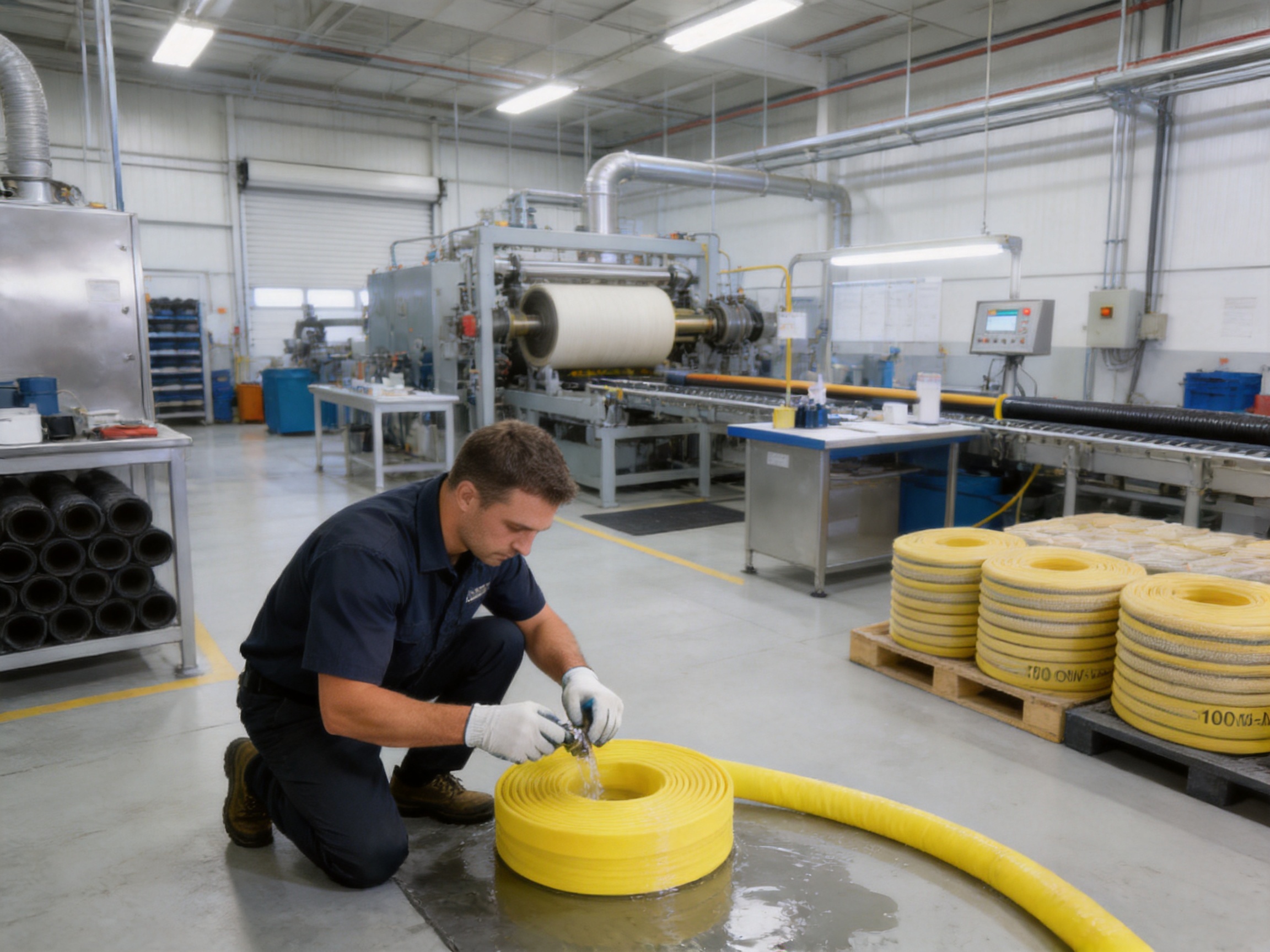
Regular inspection helps identify problems before they become operational failures. Look for surface cuts, abrasion through the PU coating, exposed yarn, swelling, flattening, kinks, chemical damage, and liner deterioration. Check both ends carefully because coupling areas often experience higher stress.
Any hose showing severe damage, leakage, exposed reinforcement, or permanent deformation should be removed from service and evaluated by qualified personnel. Repairs should be performed only when they are technically approved and suitable for the operating pressure.
After use, remove mud, salt, chemicals, and other contaminants from the outer surface. Clean water and a suitable mild cleaning method are generally preferable. Avoid solvents or aggressive chemicals unless their compatibility with the EPDM liner, polyester jacket, and PU coating has been confirmed.
Allow the hose to drain and dry as thoroughly as practical before long-term storage. Trapped water can freeze, create unnecessary weight, and contribute to biological growth or odor during storage.
Coil the hose without twisting. Large, relaxed coils are generally preferable to tight bends. Do not fold the hose sharply or place heavy objects on top of it. If the hose is cold, allow it to warm enough for safe handling rather than forcing it into a tight storage configuration.
Store the hose in a cool, dry, ventilated location away from direct sunlight, ozone-generating electrical equipment, sharp objects, fuels, oils, and incompatible chemicals. Keep it off the ground where possible and protect it from rodents and mechanical damage.
Hoses should be rotated according to a documented inspection and storage program. Before returning a stored hose to service, inspect it again and perform any required pressure or leak testing according to the facility’s safety procedures.
The economic value of a snow-making hose is determined by more than its purchase price. Installation time, handling labor, downtime, replacement frequency, storage requirements, and maintenance effort all contribute to total operating cost.
The double jacket and PU coating can help reduce the effect of ordinary abrasion and repeated movement. The EPDM liner and environmental resistance support use in outdoor winter conditions. Together, these features can help operators achieve more predictable seasonal performance when the hose is correctly selected and maintained.
Longer 100-foot sections may reduce the number of couplings in an extended layout, potentially simplifying setup. Shorter 50-foot sections may improve flexibility and reduce handling effort in compact or frequently changing installations. The best choice depends on the site plan and labor requirements.
Reliable hoses also support production continuity. When a hose fails during a narrow weather window, the resulting interruption may affect snow coverage, trail preparation, opening schedules, or event operations. A durable hose cannot eliminate every risk, but it can contribute to a more dependable water-delivery system.
All pressure-hose operations should be managed by trained personnel. Workers should understand the risks associated with stored energy, sudden hose movement, coupling failure, water discharge, ice formation, and equipment traffic.
Use appropriate personal protective equipment, including gloves, protective footwear, eye protection, and weather-appropriate clothing. Keep unauthorized personnel away from pressurized connections. Establish a shutdown and depressurization procedure before maintenance or relocation.
Never attempt to repair, disconnect, or reposition a pressurized hose. Make sure pumps are isolated, valves are closed in the correct sequence, and residual pressure has been released before work begins.
Product selection should comply with the requirements of the local authority, facility owner, insurer, and applicable industry standards. Buyers should request technical data, test information, and assembly instructions appropriate to their project.
The primary purpose is to convey water in snow-making systems, including connections between hydrants, pumps, manifolds, and snow guns. It is intended for demanding outdoor conditions associated with artificial snow production.
A double jacket provides additional textile reinforcement and external protection. It helps the hose tolerate repeated handling, bending, dragging, and contact with ordinary rough surfaces more effectively than a basic single-jacket construction.
The EPDM liner provides a flexible waterway with resistance to weathering, ozone, ultraviolet exposure, moisture, and many common environmental influences. It is also designed to remain flexible in low-temperature conditions, subject to correct use and storage.
The additional polyurethane coating helps protect the outer jacket from abrasion and surface wear. It is particularly useful when hoses are moved over snow, ice, concrete, soil, or other abrasive surfaces.
The stated temperature range includes approximately -40°C. Actual service performance depends on pressure, bending, water conditions, exposure time, connection design, and the condition of the complete assembly. The manufacturer’s technical guidance should be followed for a specific installation.
The product is available in 50-foot and 100-foot lengths. Other requirements, including coupling arrangements or custom order details, should be confirmed with the manufacturer before production.
The hose has resistance to many chemicals, but it should not be assumed to be compatible with every chemical or additive. Confirm the chemical composition, concentration, temperature, and exposure time with the manufacturer before use.
Drain, clean, dry, inspect, and coil the hose without twisting. Store it in a cool, dry, ventilated area away from direct sunlight, ozone sources, oils, fuels, sharp objects, and excessive heat.
The hose should not be driven over without suitable protection. If a route must cross a vehicle path, use a hose bridge or another engineered crossing system designed for the expected traffic load.
Inspect the liner and jacket, verify coupling compatibility, confirm gasket and locking conditions, remove twists, check the route for sharp edges, and ensure that personnel are clear. Pressurize gradually and look for leaks or abnormal movement.
Taizhou Shenlong Fire Science and Technology Co., Ltd. has operated since 1995 and integrates research and development, production, sales, and service. Its product experience includes lined fire hoses made from different materials and related rubber, PVC, polyurethane, and other customer-requested products.
The company undertakes various products according to customer requirements. Possible order details may include length, coupling, packaging, labeling, and other technical features, but all customization must be confirmed in advance according to production capability and application requirements.
The Double Jacket EPDM Rubber Liner Snow-Making Hose is designed for the difficult conditions of artificial snow production. Its high-tenacity polyester double jacket provides structural support, the EPDM liner helps maintain flexibility and environmental resistance, and the additional PU coating improves protection against abrasion.
With a stated operating temperature range of approximately -40°C to 100°C and available 50-foot and 100-foot lengths, the hose offers practical options for ski resorts, snow-making contractors, winter facilities, and equipment distributors. Its construction is particularly valuable where hoses must be moved regularly, exposed to freezing weather, and connected to water-delivery equipment across uneven outdoor terrain.
The product’s performance depends on correct selection, compatible couplings, safe installation, suitable pressure, regular inspection, and proper storage. When these factors are managed together, the hose can support reliable seasonal operation and help reduce the risks associated with abrasion, cold-weather stiffness, and environmental exposure.
Backed by Taizhou Shenlong Fire Science and Technology Co., Ltd.’s experience in lined hose production and its integrated research, manufacturing, sales, and service capabilities, this product represents a durable solution for demanding snow-making water-transfer applications.
1. Manufacturer product information for Double Jacket EPDM Rubber Liner Snow-Making Hose.
2. Manufacturer company information concerning lined fire hose research, production, sales, and service.
3. General principles of textile-reinforced rubber hose construction and pressure-hose handling.
4. General guidance for EPDM rubber use in water service, weather exposure, and low-temperature applications.
5. General occupational safety practices for pressurized flexible hose systems.
6. General recommendations for inspection, cleaning, coiling, and storage of industrial and fire-service hoses.
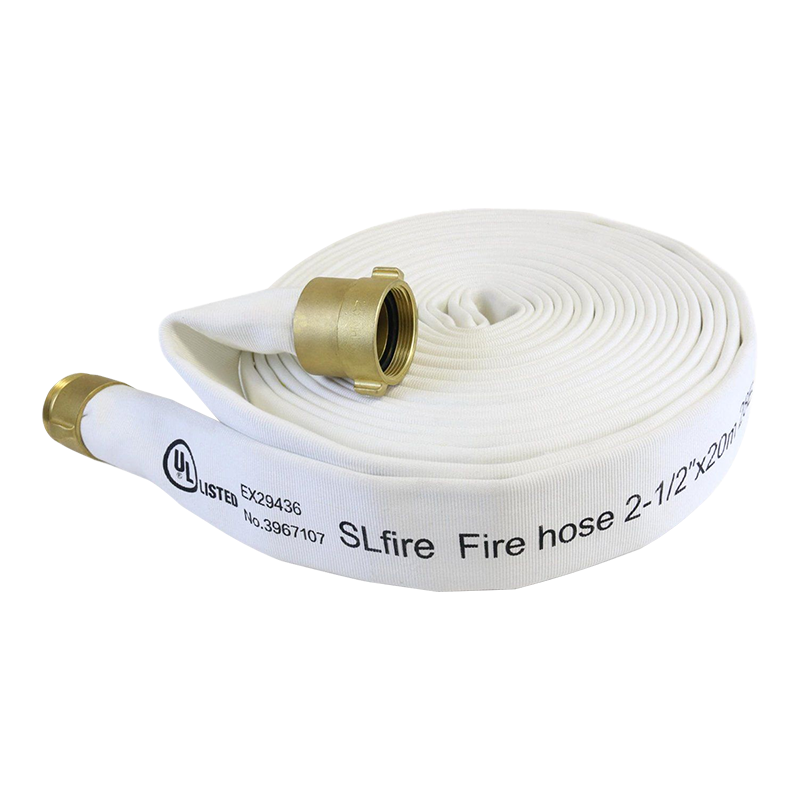
Single jacket, EPDM rubber liner Features • 100% high tenacity polyester jacket, high-grade EPDM rub...
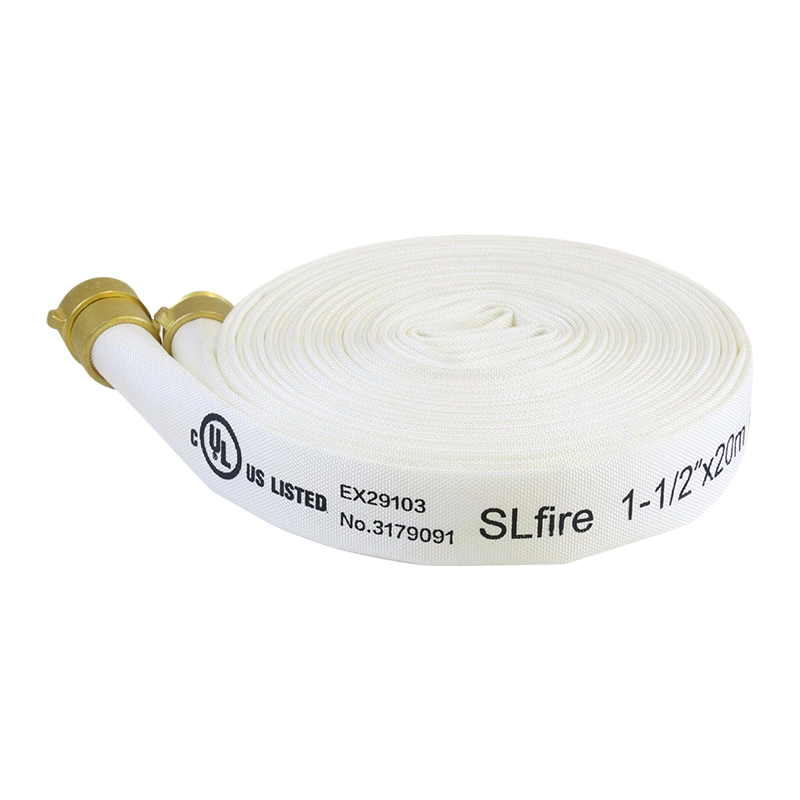
Single jacket, TPU liner •High-tenacity polyester yarn, circular woven in twill weave/plain weave,T ...
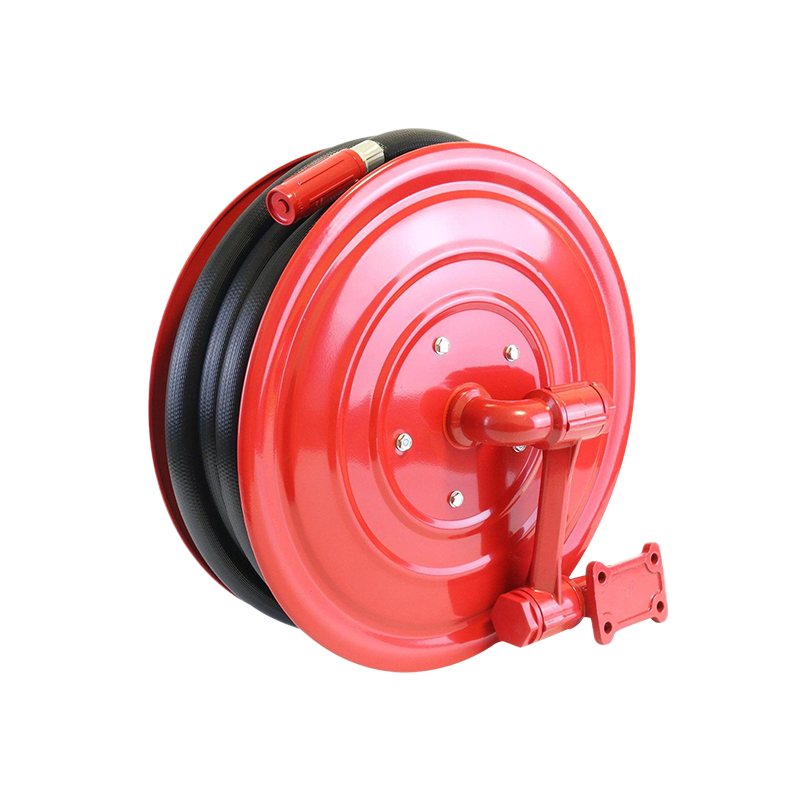
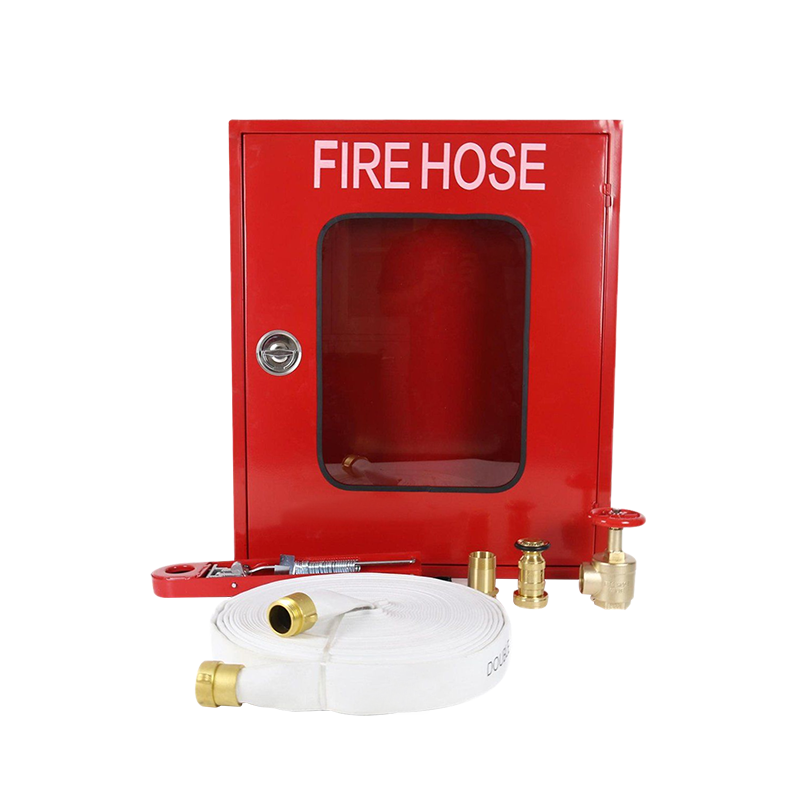
Fire cabinets are designed to accommodate fire hose,valve and other firefighting equipment. Type 201...
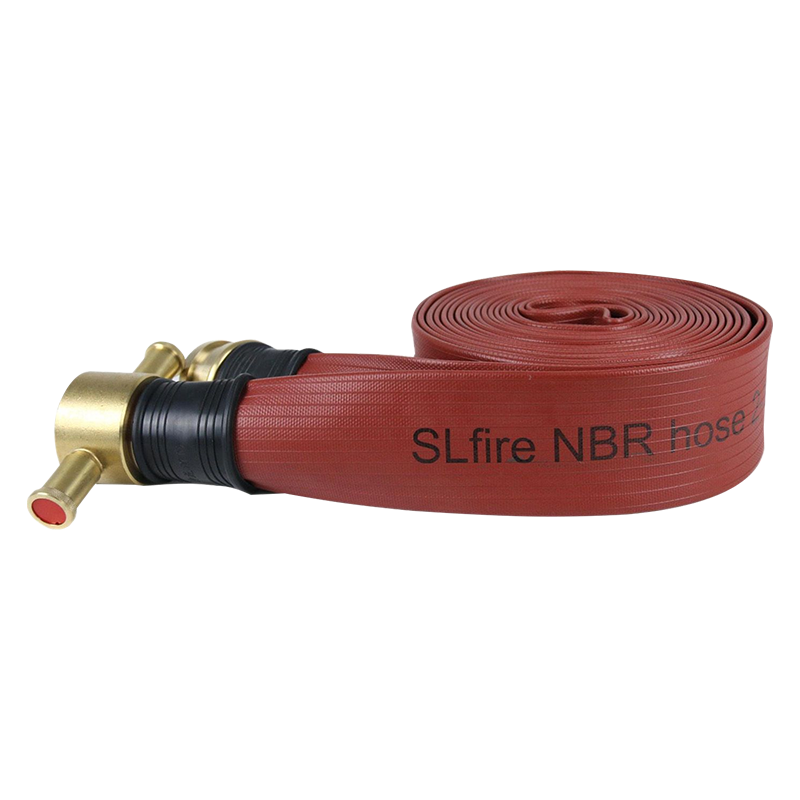
Nitrile covered hose •Nitrile/TPR blend as cover and lining, with 100% high-tenacity polyester yarn ...
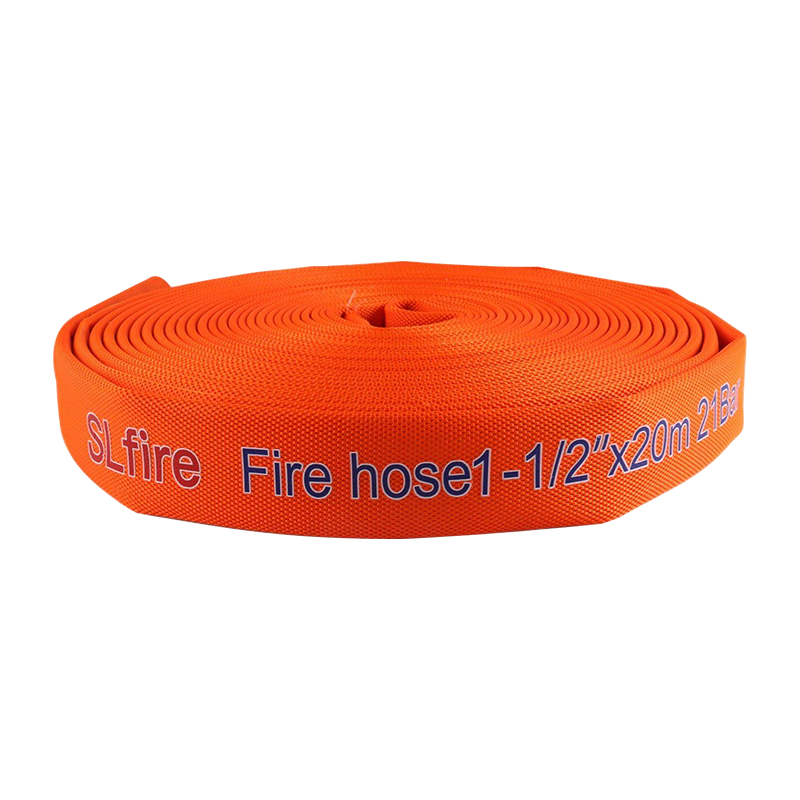
Single jacket, TPU liner •High-tenacity polyester yarn, circular woven in twill weave, TPU lining, f...
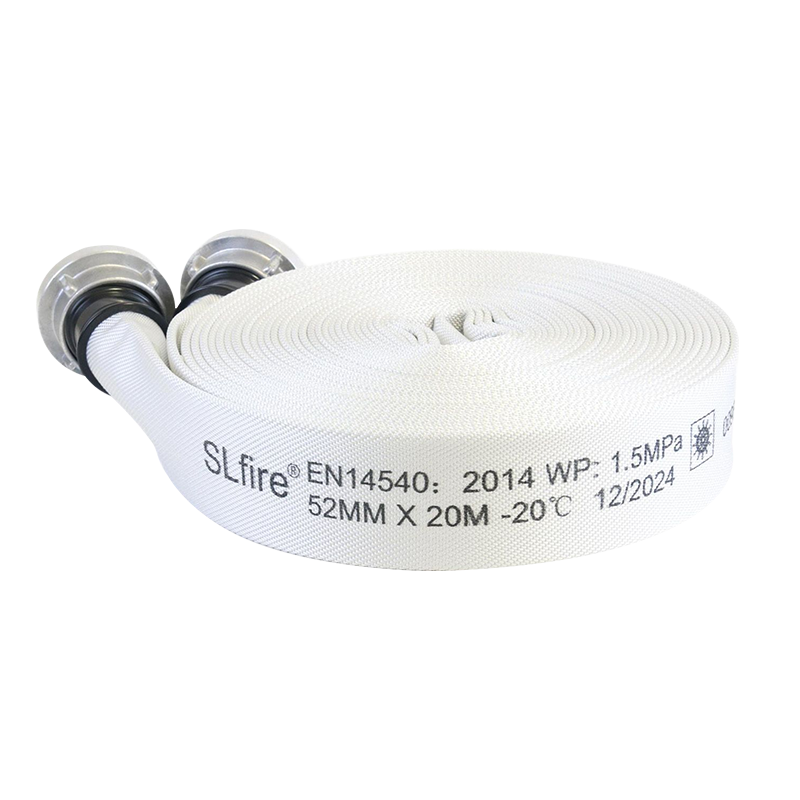
Marine hose Single jacket, PVC liner •100% high tenacity polyester yarn, circular woven in twill wea...
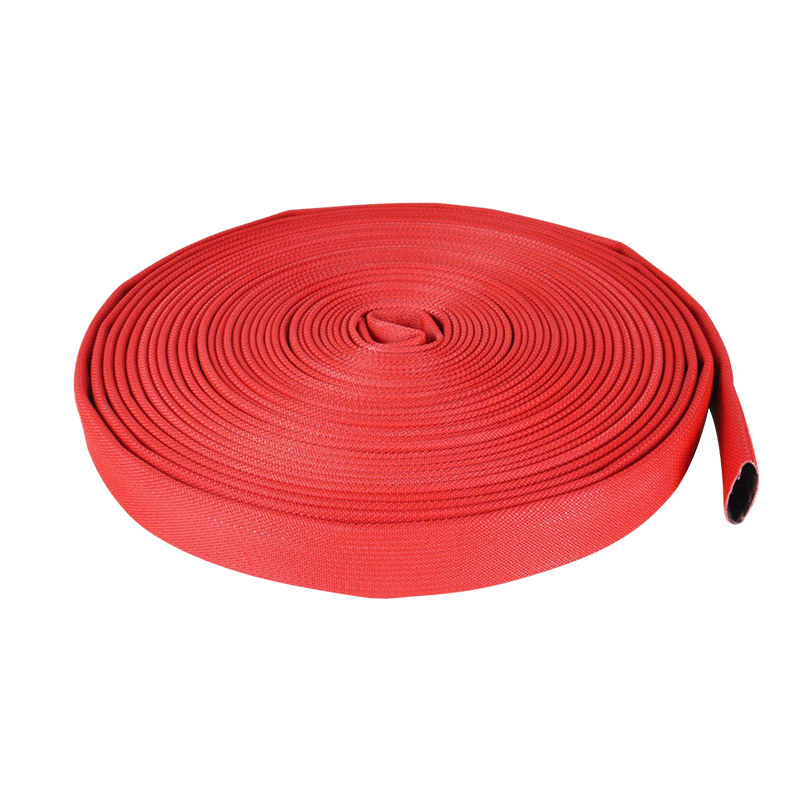
Marine hose Single jacket, PVC liner, PU coated •100% high tenacity polyester yarn,c ircular woven i...
 Call Us
+86 159-5116-9511
Need Support
Head Office
No.58, Kechuang Road, Sixiang Street Medicine Gaoxin District Taizhou City, Jiangsu Province

At a structure fire, the first line off the truck is the one that does the hardest work. Pulled around obstacles, dragged across gravel, charged with high-pressure water, and shut off at the nozzle d...
Copyright © Taizhou Shenlong Fire Science and Technology Co., Ltd. All Rights Reserved.
 Fire Hose Manufacturers, Fire Hydrant Hose Factory