

 English
 русский
 Español
 Deutsch
 عربى
 Français
 Português
Don't hesitate to send a message

Single jacket, EPDM rubber liner Features • 100% high tenacity polyester jacket, high-grade EPDM rub...
Content
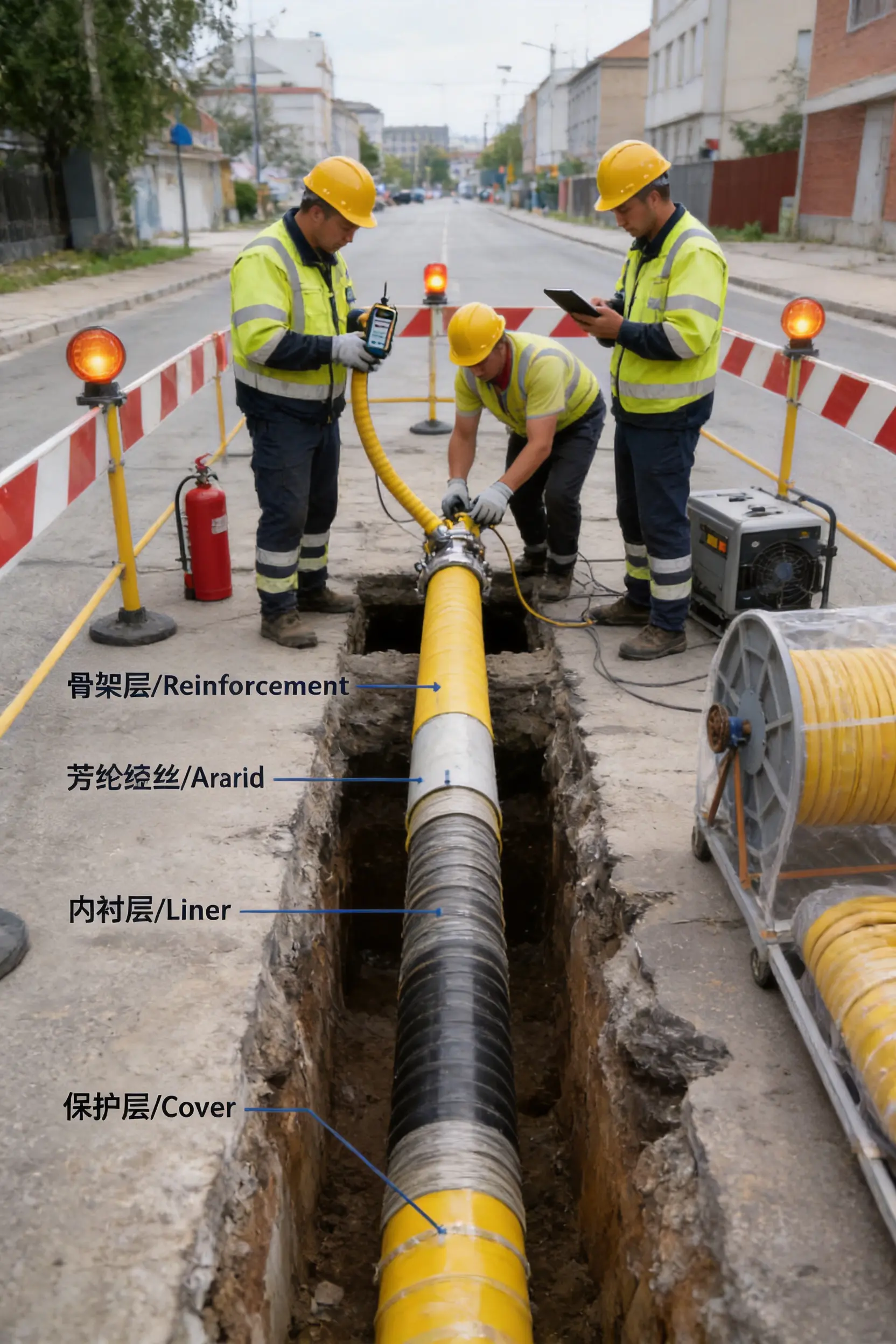
Natural gas pipelines are essential infrastructure for homes, businesses, power stations, industrial facilities, and public services. When these pipelines deteriorate, develop leaks, or suffer from corrosion, conventional excavation can create major disruption. Roads may need to be closed, landscaping removed, buildings temporarily affected, and surrounding utilities exposed. In densely populated areas, open-cut replacement can also increase safety risks, project duration, and total cost.
Trenchless rehabilitation hose provides an alternative approach. Instead of removing an entire pipeline through extensive excavation, a flexible, pressure-rated hose can be installed within or along the existing pipeline system to restore service performance. The trenchless method is especially valuable for long-distance natural gas pipeline repair, where minimizing excavation and reducing downtime are important project objectives.
This article examines the design characteristics, technical advantages, applications, manufacturing strengths, inspection considerations, and selection requirements of trenchless rehabilitation hose for gas pipelines. It also explains how a specialized hose manufacturer can support customers with customized dimensions, pressure ratings, colors, lengths, and technical solutions.
Trenchless rehabilitation hose for gas pipelines is engineered for the repair and renewal of aging or damaged gas transportation systems. It is designed to provide a continuous, airtight passage for natural gas while helping protect the pipeline from corrosion, chemical attack, static electricity, and flame-related hazards.
The product is intended for projects where a damaged or deteriorated gas pipeline needs to be restored without carrying out a complete traditional excavation. Its flexible construction allows the hose to be supplied in long continuous lengths. Depending on the selected diameter and pressure class, standard available lengths can range from 100 meters to several thousand meters.
The hose is available in a broad range of nominal sizes, including 4-inch, 6-inch, 8-inch, 10-inch, 12-inch, 14-inch, 16-inch, 20-inch, and 24-inch options. Metric equivalents range from approximately 100 mm to 600 mm. This size range makes the product suitable for many municipal, industrial, agricultural, energy, and regional gas pipeline rehabilitation projects.
Operating temperatures are specified from -40°C to 80°C. This range allows the hose to function in many cold, temperate, and warm environments, although the final application should always be evaluated according to gas composition, pressure conditions, installation method, exposure conditions, and applicable engineering standards.
Traditional pipeline repair often involves excavation, pipe removal, replacement, backfilling, road restoration, and landscape reconstruction. While open-cut construction remains suitable for certain projects, it can be inefficient when a pipeline passes beneath highways, railways, rivers, industrial sites, airport grounds, urban streets, or environmentally sensitive areas.
Trenchless rehabilitation reduces the amount of surface disturbance. A project may require only limited access points rather than a continuous open trench. This can reduce interference with traffic, commercial activity, agricultural production, and public movement. It can also reduce the need to remove and replace large quantities of soil or pavement.
For long pipelines, the logistical advantages can be significant. A hose supplied in a long continuous length can reduce the number of field joints. Fewer joints may simplify installation and reduce the number of connection points that must be inspected. The result can be a more streamlined project with fewer interruptions during installation.
Trenchless repair is not a universal replacement for every pipeline construction method. Existing pipeline geometry, access conditions, internal damage, gas pressure, operating requirements, regulatory obligations, and installation technology must be carefully assessed. However, where the conditions are appropriate, a specialized rehabilitation hose can provide an efficient and practical solution.
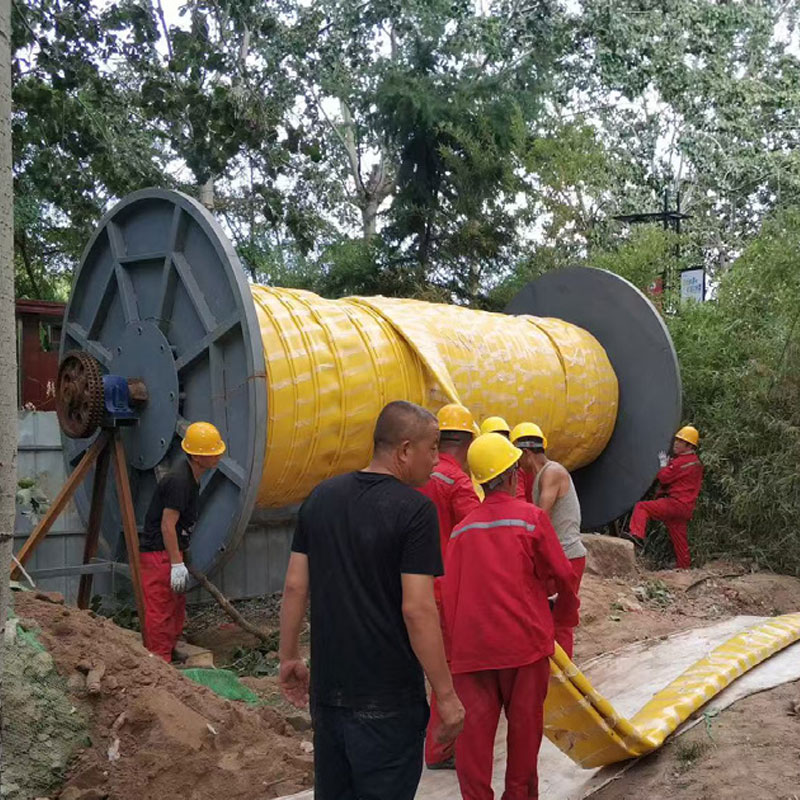
Trenchless Rehabailitation Hose: Gas Pipilines
Airtightness is one of the most important performance requirements for any natural gas pipeline rehabilitation product. Natural gas leakage can create safety hazards, product loss, environmental concerns, and operational problems. The rehabilitation hose is designed to create a stable internal barrier that helps prevent gas escape through the repaired section.
Good airtightness also supports more reliable pressure retention. When the hose is correctly selected, installed, and connected, it can help maintain the required gas flow and operating pressure over the repaired distance. This is especially important in distribution systems and industrial gas networks where unstable pressure can affect equipment performance.
The final airtightness of an installed system depends on more than the hose body alone. Couplings, end fittings, joining procedures, sealing materials, pressure testing, and installation quality also play essential roles. For this reason, a complete project evaluation should consider the hose and its connection system together.
Corrosion is a common cause of pipeline deterioration. Moisture, soil chemistry, salt, industrial contaminants, and electrochemical conditions can gradually weaken metallic pipelines. In some applications, the transported gas or condensed liquids may also contribute to internal corrosion.
A corrosion-resistant rehabilitation hose can form a protective internal layer that reduces direct contact between the gas or surrounding environment and the original pipeline structure. This can help extend the useful life of the rehabilitated system and reduce the need for repeated emergency repairs.
Compared with an unprotected metallic repair approach, a purpose-designed hose lining can provide a continuous barrier over a long section. The exact corrosion performance depends on the hose material, reinforcement structure, gas composition, pressure, temperature, and external conditions. Customers should provide complete application information so that the appropriate construction can be selected.
Some natural gas streams contain hydrogen sulfide or other chemically aggressive components. Hydrogen sulfide requires special attention because it is toxic, corrosive, and potentially damaging to unsuitable materials. A rehabilitation hose intended for gas pipeline service should therefore be evaluated for hydrogen sulfide resistance when the transported gas contains this compound.
The product described for gas pipeline repair is designed with hydrogen sulfide resistance as one of its important performance characteristics. This feature supports applications where the gas composition may present additional chemical challenges. Nevertheless, the concentration, exposure time, temperature, pressure, and moisture content should be reviewed before final confirmation.
Material compatibility is a technical process rather than a simple product label. A professional manufacturer should examine the operating medium and recommend a suitable hose construction instead of relying only on nominal diameter and working pressure.
Natural gas facilities require careful control of static electricity. Static discharge can become hazardous in areas where flammable gas is present. An antistatic hose construction helps reduce the accumulation of electrical charge and supports safer operation when properly grounded and installed according to project requirements.
Antistatic performance must be considered together with grounding arrangements, surrounding equipment, couplings, handling procedures, and site safety rules. The hose itself is one part of a complete electrical and process safety system. Operators should follow applicable regulations and conduct the required continuity and grounding checks during installation and commissioning.
Gas pipeline repair projects require attention to ignition and fire risks. The flame-retardant characteristics of the hose provide an additional layer of protection in situations where the product may be exposed to elevated heat or an external flame source.
Flame retardancy does not mean that the hose is immune to every fire condition. It means that the construction is developed to resist flame propagation and support safer performance under specified conditions. Project designers should evaluate the expected fire exposure, nearby equipment, emergency response plan, and relevant fire protection requirements.
One of the strongest practical advantages of trenchless rehabilitation hose is the ability to supply long continuous lengths. Available lengths can reach up to 5,000 meters for certain sizes. Long-length delivery can be valuable when rehabilitating extended sections of pipeline because it reduces the number of joints and field connections.
Fewer joints can produce several benefits. Installation may be faster, inspection may be more straightforward, and the potential number of connection-related leak points may be reduced. Long continuous sections may also help create a more consistent internal passage through the repaired pipeline.
The maximum practical length depends on the selected diameter, pressure rating, transportation method, reel or packaging requirements, route geometry, installation equipment, and site access. A manufacturer can provide a project-specific recommendation after reviewing the complete installation plan.
The following table summarizes the principal size, pressure, and length ranges supplied for this gas pipeline rehabilitation hose. Working pressure and burst pressure are shown in megapascals. The listed values represent the stated product range and should be confirmed against the final technical quotation and application conditions.
| Nominal Inner Diameter | Approximate Metric Diameter | Working Pressure | Burst Pressure | Available Length |
|---|---|---|---|---|
| 4 inches | 100 mm | 1.0–8.0 MPa | 3.0–24.0 MPa | 100–5,000 m |
| 6 inches | 150 mm | 0.6–6.0 MPa | 1.8–18.0 MPa | 100–5,000 m |
| 8 inches | 200 mm | 0.6–5.0 MPa | 1.8–15.0 MPa | 100–3,000 m |
| 10 inches | 250 mm | 0.6–4.0 MPa | 1.8–12.0 MPa | 100–3,000 m |
| 12 inches | 300 mm | 0.6–3.0 MPa | 1.8–9.0 MPa | 100–3,000 m |
| 14 inches | 350 mm | 0.6–3.0 MPa | 1.8–9.0 MPa | 100–3,000 m |
| 16 inches | 400 mm | 0.6–2.5 MPa | 1.8–7.5 MPa | 100–3,000 m |
| 20 inches | 500 mm | 0.6–2.0 MPa | 1.8–6.0 MPa | 100–2,000 m |
| 24 inches | 600 mm | 0.6–2.0 MPa | 1.8–6.0 MPa | 100–2,000 m |
Pressure selection should never be based only on the nominal line pressure. Engineers should consider pressure surges, temperature changes, gas composition, installation stresses, bending, abrasion, vacuum conditions, external loads, and safety factors. The working pressure is the recommended operating range, while burst pressure is not an allowable operating pressure.
The main application is the repair and rehabilitation of natural gas pipelines. The hose can be considered for damaged, aged, corroded, or otherwise compromised sections where a trenchless installation method is technically suitable.
Natural gas distribution networks often pass through populated areas, commercial zones, roads, and industrial parks. A rehabilitation hose can help reduce the need for extensive surface excavation and may allow the operator to restore pipeline service with less disruption than a complete replacement project.
Factories, processing plants, energy facilities, and storage installations may operate internal gas pipelines that require reliable and continuous service. In these environments, shutdowns can affect production schedules and create substantial financial losses. A carefully planned trenchless rehabilitation project can help reduce the duration and scope of maintenance work.
Municipal gas infrastructure can be difficult to repair because pipelines are often located beneath busy streets, sidewalks, public squares, and developed properties. Limited-access rehabilitation can reduce disruption to residents, businesses, public transportation, and emergency routes.
The long-length capability is particularly useful for extended pipeline segments. Where the route and installation method permit, a continuous hose can cover a substantial distance while reducing the number of intermediate joints. This can simplify field coordination and improve project efficiency.
A high-performance gas pipeline rehabilitation hose depends on controlled manufacturing from raw material selection through final inspection. Taizhou Shenlong Fire Science and Technology Co., Ltd. was founded in 1995 and combines research and development, production, sales, and service. This integrated structure supports a complete product-development process rather than a purely trading-based supply model.
The first manufacturing priority is selecting materials suitable for the intended service conditions. Gas pipeline hose requires a construction that balances flexibility, pressure resistance, chemical resistance, airtightness, temperature performance, antistatic behavior, and flame retardancy.
Material selection should reflect the actual operating medium. Natural gas composition can vary by source and region. Some systems may contain hydrogen sulfide, moisture, condensates, or other components that affect long-term performance. A responsible manufacturer reviews these factors before confirming the final hose design.
Material consistency is also essential. Variations in compound formulation, reinforcement compatibility, curing behavior, or surface treatment can affect the finished product. Controlled purchasing, batch management, and production records help support more stable quality.
The inner tube creates the primary gas-tight passage. Its dimensional accuracy, surface condition, uniformity, and material compatibility are important to the final product. During production, the inner layer must be formed with consistent wall thickness and a smooth internal surface appropriate for gas flow.
An accurate inner tube also helps the hose maintain predictable dimensions during reinforcement and finishing. Uneven thickness can create local stress concentrations, reduce pressure performance, or complicate connection work. Manufacturing controls should therefore include dimensional monitoring and visual inspection at appropriate stages.
Pressure resistance is achieved through the reinforcement structure. Depending on the product design, reinforcement may use textile or other engineered layers arranged to withstand internal pressure and handling forces while preserving flexibility.
The reinforcement must be applied evenly around the hose. Tension control, alignment, overlap, and layer consistency are important manufacturing factors. If the reinforcement is uneven, the hose may exhibit inconsistent deformation under pressure or reduced resistance to mechanical loads.
For large-diameter hose, reinforcement design becomes especially important because the internal pressure creates significant force over the cross-sectional area. The manufacturer must balance strength with weight, flexibility, bending requirements, transport conditions, and installation equipment.
The external layer protects the reinforcement and inner tube from abrasion, moisture, sunlight, handling damage, and environmental exposure. For trenchless installation, external durability is important because the hose may encounter friction, contact with existing pipe surfaces, pulling forces, bends, and localized obstacles.
The standard hose color for this product is yellow, while other colors can be customized. Color customization can support customer identification, project organization, product differentiation, or visual integration with an existing pipeline system. Any color change should maintain the required physical and chemical performance of the outer layer.
Where elastomeric materials are used, curing or vulcanization is a key stage of production. Correct temperature, pressure, time, and process stability help establish the required strength, elasticity, sealing properties, and resistance to environmental conditions.
Insufficient curing may produce weak or unstable performance, while excessive curing can affect flexibility and durability. A controlled manufacturing process helps reduce these risks. Bonding between layers is equally important because separation between the inner tube, reinforcement, and cover can compromise service life.
Large-diameter hose must meet the required internal diameter and dimensional tolerances. Dimensional inspection helps confirm that the product can be transported, installed, connected, and operated as intended.
Inspection may include internal diameter, outside diameter, wall thickness, length, ovality, surface condition, and end preparation. Measurements should be recorded according to the manufacturer’s quality procedures and the customer’s technical requirements.
Pressure testing is central to gas pipeline rehabilitation hose quality. Testing can help verify the hose’s ability to withstand the specified working pressure and identify leakage or manufacturing defects before shipment.
Depending on the product design and customer requirements, testing may include hydrostatic pressure testing, leakage testing, dimensional checks under pressure, burst testing on representative samples, electrical continuity testing, and visual inspection.
The exact test method should be agreed before production. Gas pipeline applications may require special procedures because the final service medium is flammable. Water-based pressure testing, inert gas testing, or other controlled methods may be used according to applicable safety requirements.
Professional manufacturing is strengthened by traceability. Product identification can connect the finished hose to its raw materials, production date, manufacturing batch, inspection results, and packaging record. This information assists quality assurance, installation planning, future maintenance, and technical support.
Customers may request product certificates, test reports, inspection records, packing lists, and customized documentation. Documentation requirements should be established at the quotation stage so that the manufacturer can prepare the correct information for the project.
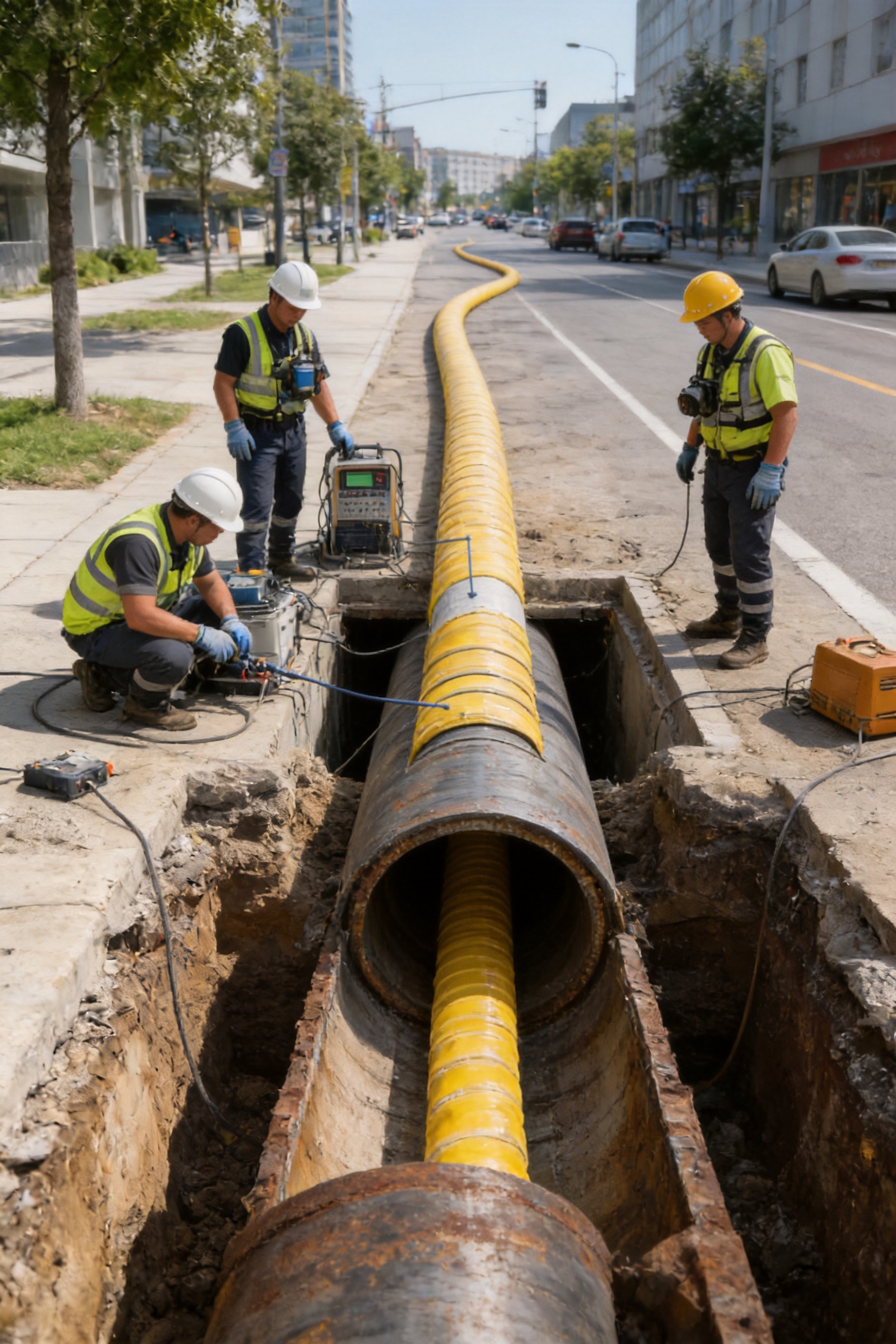
The most visible advantage of trenchless rehabilitation is the reduction of excavation. This can help preserve roads, pavements, gardens, agricultural fields, industrial floors, and other surface structures. Less excavation may also reduce the amount of removed soil and the need for extensive reinstatement.
Long continuous hose lengths may reduce the number of field joints required. Every connection requires correct alignment, sealing, inspection, and testing. Reducing the number of connections can simplify work and lower the risk of installation error.
Flexible hose can be more adaptable than rigid pipe when the existing route contains gentle changes in direction or difficult access points. The actual bending radius and installation limits must be confirmed for the selected product, but flexibility can be an important advantage in rehabilitation work.
Because trenchless projects can limit excavation and surface restoration, the total project schedule may be shorter than a full open-cut replacement. Reduced construction time can be valuable for public infrastructure, industrial operations, and emergency repair programs.
Urban excavation can create noise, dust, traffic congestion, access restrictions, and inconvenience for residents and businesses. A trenchless approach may reduce these effects, especially when access pits and work areas are carefully planned.
The rehabilitation hose can provide more than a temporary patch. Its airtight, corrosion-resistant, hydrogen sulfide-resistant, antistatic, and flame-retardant characteristics are intended to support long-term service when the product is correctly selected and installed.
Different gas pipeline projects have different technical requirements. A standard size may not always be sufficient. Customization may include diameter, length, pressure rating, color, end configuration, connection method, packaging, and documentation.
The available product range includes diameters from 4 inches to 24 inches and lengths from 100 meters to several thousand meters. Other specifications should be reviewed directly with the manufacturer. Custom production is particularly important for projects that involve unusual access conditions, special pressure requirements, aggressive gas composition, or strict identification standards.
Color customization is available in addition to the standard yellow color. Customers may select a different color for site organization, project coding, corporate identification, or compatibility with existing equipment. The chosen color should not compromise the required flame, chemical, weather, or mechanical properties.
Customized manufacturing is most effective when customers provide a complete technical data sheet. Important information includes nominal pipe diameter, actual internal diameter, design pressure, normal working pressure, pressure surges, gas composition, hydrogen sulfide concentration, operating temperature, installation length, route geometry, connection arrangement, and expected service life.
Successful rehabilitation depends on engineering preparation. Before installation, the existing pipeline should be inspected to determine its internal condition, diameter, obstruction level, bends, deformation, and access points. Cleaning may be necessary to remove deposits, rust, sharp projections, or debris that could damage the hose.
The installation method should be selected according to the pipeline geometry and hose design. Pulling, insertion, inversion, pressure-assisted placement, or another method may be suitable depending on the project. The manufacturer and installation contractor should confirm pulling force, allowable bending radius, lubrication requirements, temporary supports, and end protection.
Connection design is another critical issue. The end fittings must be compatible with the hose construction and the existing gas pipeline. Sealing surfaces should be clean and free from damage. Bolting, clamping, crimping, or other connection procedures must follow approved instructions.
After installation, the rehabilitated section should undergo the specified inspection and pressure testing. Testing should be completed under controlled conditions by trained personnel. The pipeline must not be returned to gas service until all required checks are complete and the responsible engineer or authority has approved the result.
Natural gas is flammable, and certain gas components may be toxic. Rehabilitation work must therefore be planned and executed under a formal safety management system. The pipeline should be isolated, depressurized, purged, and verified according to the applicable operating procedure before work begins.
Workers should use suitable personal protective equipment and gas detection equipment. Ignition sources must be controlled, and the work area should have adequate ventilation, access control, emergency communication, and fire protection resources.
Antistatic and flame-retardant hose characteristics support safer operation, but they do not replace grounding, gas testing, isolation, ventilation, hot-work controls, or emergency planning. Safety performance depends on the complete system and the behavior of the installation team.
Hydrogen sulfide requires special attention when present. Continuous or frequent atmospheric monitoring may be necessary. Personnel must be trained in toxic gas awareness, escape procedures, respiratory protection requirements, and emergency response.
Although a rehabilitation hose is designed for long-term use, regular inspection is recommended. Maintenance planning should include visual checks of accessible connections, pressure monitoring, gas leak detection, grounding continuity, and review of unusual operating conditions.
Operators should watch for unexplained pressure loss, abnormal odor, gas detection alarms, unusual movement, external damage, or changes in system performance. Any suspected problem should be investigated immediately by qualified personnel.
Inspection frequency depends on the pipeline’s risk classification, operating pressure, gas composition, location, environmental exposure, and regulatory requirements. A written inspection record can help identify trends and support future maintenance decisions.
During maintenance, the hose should not be exposed to chemicals, temperatures, pressures, or mechanical loads beyond the approved specifications. Improper handling during later modifications can damage the outer layer or connection assemblies, so maintenance contractors should receive clear installation and service instructions.
Long-length hose must be packaged and transported carefully. Reels, coils, protective wrapping, end caps, lifting points, and loading procedures should be selected according to the hose diameter, weight, length, and construction.
During storage, the hose should be protected from sharp objects, excessive heat, prolonged ultraviolet exposure, oil contamination, aggressive chemicals, and unnecessary mechanical stress. It should not be dragged over rough surfaces or stored in a way that creates permanent deformation.
Before installation, the product should be inspected for shipping damage. The packaging should be opened carefully, and the hose ends should remain protected until the connection work begins. Any damage identified during receiving inspection should be documented and reported before the product is installed.
An experienced manufacturer contributes more than a product catalogue. The supplier should be able to understand the application, assess the operating conditions, recommend a suitable construction, provide dimensional options, support quality documentation, and communicate effectively throughout the project.
Taizhou Shenlong Fire Science and Technology Co., Ltd. has operated since 1995 in the research, development, production, sales, and service of lined fire hoses and related hose products. Its manufacturing experience in hose technology provides a foundation for supplying specialized products for fire protection, construction, water conservancy, industrial use, and pipeline rehabilitation.
The company also produces or undertakes various foreign trade products made from rubber, PVC, polyurethane, and double-sided tape according to customer requirements. This broader material experience can support customized product development and international project coordination.
Its products are sold across more than 20 provinces, cities, and autonomous regions and are exported to multiple countries through cooperation with domestic foreign trade companies. This market experience indicates familiarity with different customer requirements, packaging expectations, export procedures, and product communication needs.
A manufacturer with integrated research and development, production, sales, and service capabilities can respond more efficiently when a project requires nonstandard dimensions or special performance. Customers can discuss the application directly with a technical and commercial team rather than relying solely on a generic distributor.
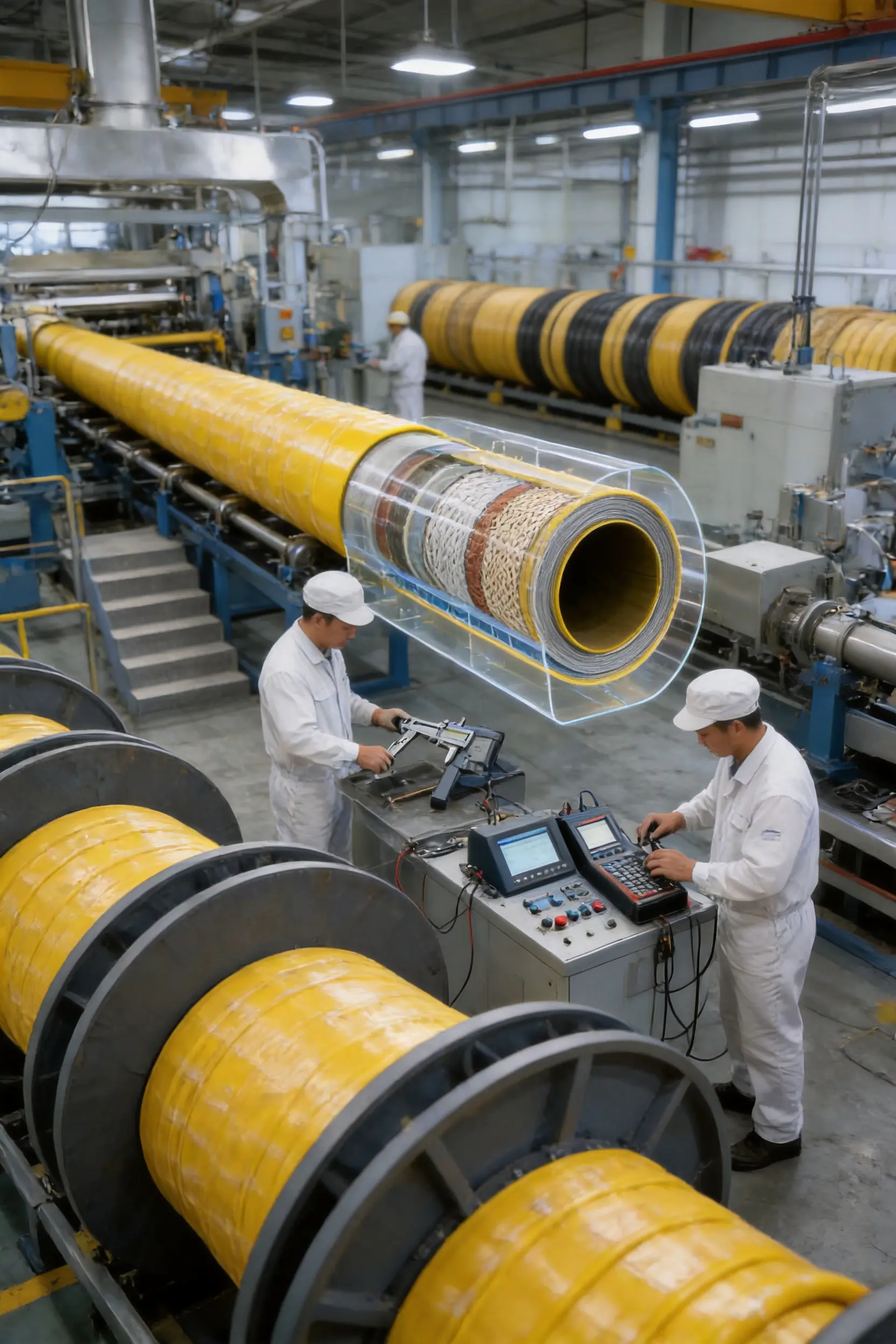
Quality management should cover the entire product lifecycle. It begins with technical communication and continues through material procurement, manufacturing, testing, packaging, shipment, installation guidance, and after-sales support.
Before production, customer requirements should be reviewed for completeness and technical feasibility. The manufacturer should confirm the diameter, pressure range, length, color, gas medium, temperature, chemical exposure, and connection arrangement. This review helps prevent misunderstandings and reduces the risk of supplying a product that is unsuitable for the intended service.
During production, process controls help maintain consistent dimensions and layer quality. At the end of production, testing and inspection provide evidence that the product meets the agreed specification. Proper packaging protects the product until it reaches the installation site.
After delivery, technical support may include installation guidance, storage instructions, product identification, replacement recommendations, and clarification of testing requirements. This service-oriented approach is particularly valuable for specialized trenchless projects where installation conditions vary from one site to another.
The internal diameter of the existing pipeline and the required internal diameter of the rehabilitation hose should be measured or verified accurately. A nominal pipe size does not always equal the actual internal dimension because wall thickness, lining, deformation, deposits, and previous repairs may affect the available space.
Working pressure, design pressure, test pressure, surge pressure, and burst pressure should be clearly distinguished. The selected hose must provide an appropriate safety margin for the complete operating cycle, including startup, shutdown, emergency isolation, and pressure fluctuations.
Natural gas composition should be supplied to the manufacturer whenever possible. Methane concentration, hydrogen sulfide, moisture, condensates, aromatics, and other components can affect material compatibility. This information is essential for confirming chemical resistance.
The stated operating temperature range is -40°C to 80°C. Customers should identify both normal and maximum temperatures, as well as temporary temperature peaks during cleaning, testing, purging, or abnormal operation.
Long continuous lengths can reduce joints, but the practical length must match transportation, storage, lifting, reel capacity, installation equipment, and access conditions. A project plan should determine whether the hose will be delivered in one continuous length or multiple sections.
External abrasion, groundwater, soil movement, sharp edges, bends, vibration, and nearby construction activity may affect hose selection. The manufacturer should understand the route conditions and recommend suitable protective measures when necessary.
Trenchless rehabilitation can offer economic value by reducing excavation, traffic management, surface restoration, labor, and project interruption. The actual savings depend on site conditions, access requirements, existing pipeline damage, local labor costs, and the chosen installation technology.
For businesses and industrial users, reduced downtime may be as important as direct construction savings. A shorter repair period can help maintain production schedules, preserve customer service, and reduce the cost of emergency gas supply arrangements.
Environmental benefits may include less soil disturbance, reduced construction waste, lower demand for replacement pavement, and reduced impact on vegetation or agricultural land. Fewer vehicle movements and shorter construction periods may also help reduce local emissions and noise.
These benefits should be evaluated through a project-specific comparison. Trenchless rehabilitation is most effective when the existing pipeline can be prepared properly and when the hose installation method is compatible with the route.
It is used primarily for repairing and rehabilitating natural gas pipelines without requiring continuous open excavation. It can help restore airtightness and provide a corrosion-resistant internal passage in suitable pipeline systems.
The stated size range includes 4-inch, 6-inch, 8-inch, 10-inch, 12-inch, 14-inch, 16-inch, 20-inch, and 24-inch nominal inner diameters, corresponding approximately to 100 mm through 600 mm.
The stated operating temperature range is -40°C to 80°C. The final suitability should be confirmed using the actual gas composition, pressure, installation environment, and duration of exposure.
Hydrogen sulfide resistance is listed as one of the product advantages. However, customers should provide the expected hydrogen sulfide concentration and operating conditions so that the manufacturer can confirm material compatibility.
The product is described as antistatic. Antistatic performance must be used together with proper grounding, electrical continuity checks, gas detection, and site safety procedures.
Flame retardancy is one of the specified product characteristics. It provides additional resistance to flame propagation but does not eliminate the need for fire prevention, ignition control, and emergency response planning.
Yellow is the standard color, and other colors can be customized according to customer requirements, provided that the selected construction maintains the required technical performance.
Available lengths generally begin at 100 meters. Depending on diameter, lengths can reach 2,000 meters, 3,000 meters, or 5,000 meters. The practical delivery length should be confirmed according to project and transportation conditions.
No. A technical assessment is required before use. Pipeline geometry, damage condition, pressure, gas composition, temperature, installation method, connection design, and regulatory requirements must all be evaluated.
It can reduce excavation, surface disruption, restoration work, and the number of field connections. It may also shorten the project schedule. However, the best solution depends on the condition of the existing pipeline and the technical feasibility of trenchless installation.
Customers should provide the pipeline diameter, required hose length, working pressure, test pressure, gas composition, hydrogen sulfide concentration, operating temperature, installation route, connection requirements, color preference, delivery location, and required documentation.
Trenchless rehabilitation hose for natural gas pipelines is a specialized solution for restoring pipeline performance while limiting excavation and surface disruption. Its principal advantages include good airtightness, strong corrosion resistance, hydrogen sulfide resistance, antistatic performance, flame retardancy, and the ability to supply long continuous lengths.
The available diameter range from 4 inches to 24 inches and length range from 100 meters to several thousand meters allow the product to serve many gas pipeline rehabilitation requirements. Operating temperatures from -40°C to 80°C provide suitability for a broad range of environments, subject to application confirmation.
Product performance depends on appropriate material selection, accurate reinforcement construction, controlled curing and bonding, dimensional consistency, pressure testing, connection quality, and correct installation. For this reason, choosing an experienced manufacturer is an important part of project planning.
Taizhou Shenlong Fire Science and Technology Co., Ltd., founded in 1995, combines research and development, production, sales, and service. Its experience with lined fire hoses and related rubber, PVC, polyurethane, and other products supports customized manufacturing and international customer service. By working with a manufacturer that can review technical requirements and provide application-focused support, pipeline operators can improve the possibility of a safe, efficient, and durable rehabilitation project.
1. General principles of natural gas pipeline integrity management and risk-based maintenance.
2. General engineering guidance for trenchless pipeline rehabilitation and limited-access construction.
3. General principles for flexible hose design, pressure rating, reinforcement, and service-life evaluation.
4. General occupational safety practices for flammable gas handling, gas detection, grounding, and emergency response.
5. General material compatibility principles for hydrogen sulfide-containing gas service.
6. Manufacturer-provided product information for trenchless rehabilitation hose used in gas pipeline repair.
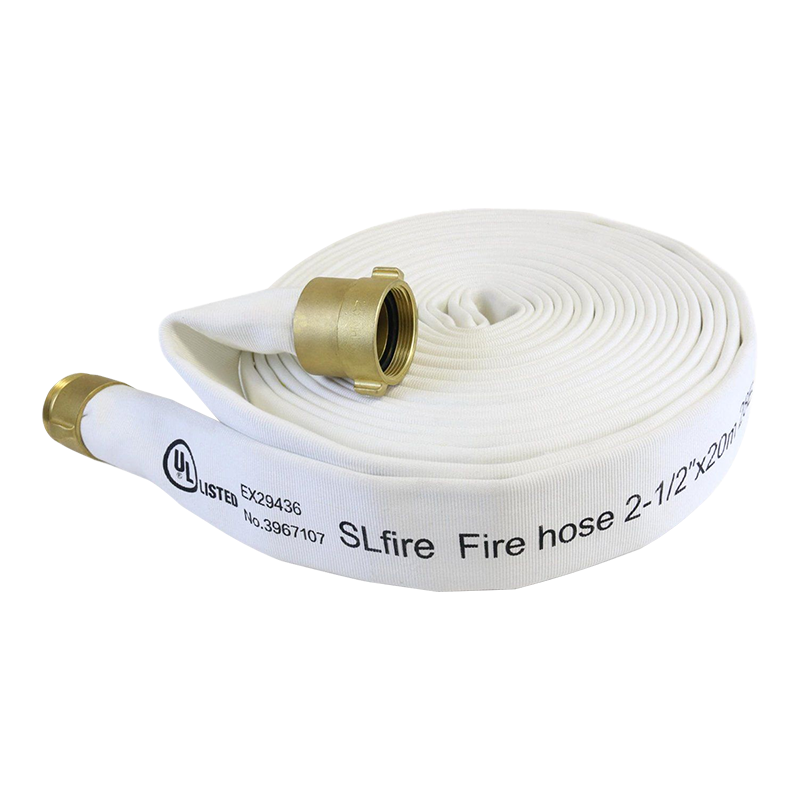
Single jacket, EPDM rubber liner Features • 100% high tenacity polyester jacket, high-grade EPDM rub...
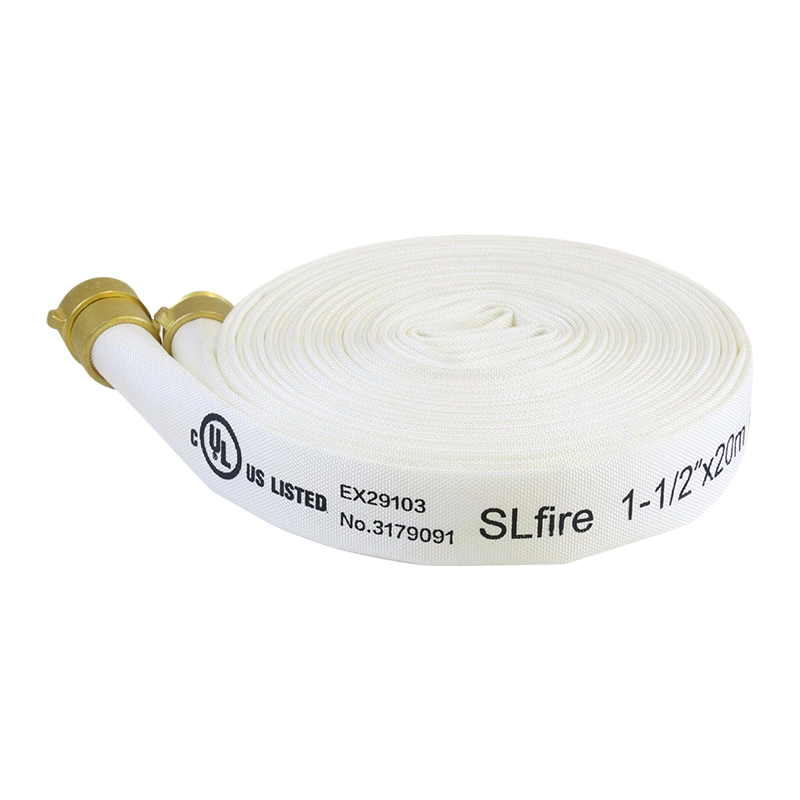
Single jacket, TPU liner •High-tenacity polyester yarn, circular woven in twill weave/plain weave,T ...
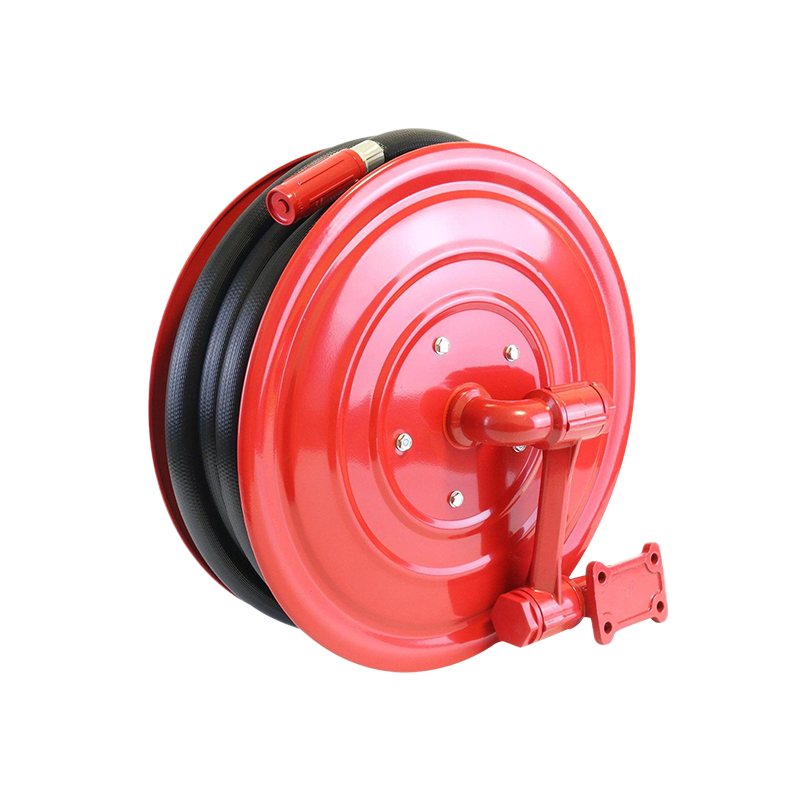
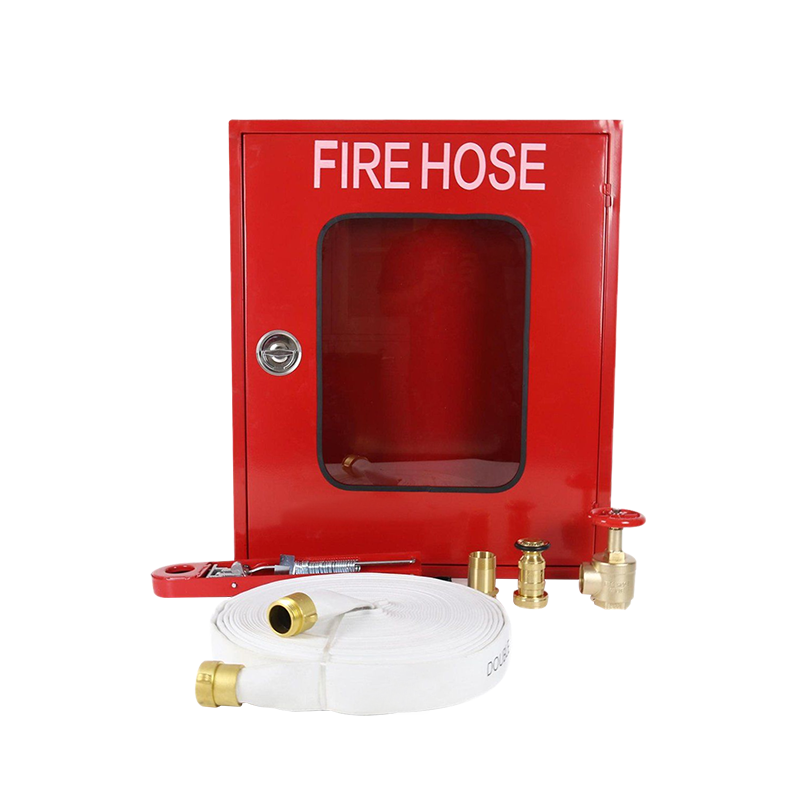
Fire cabinets are designed to accommodate fire hose,valve and other firefighting equipment. Type 201...
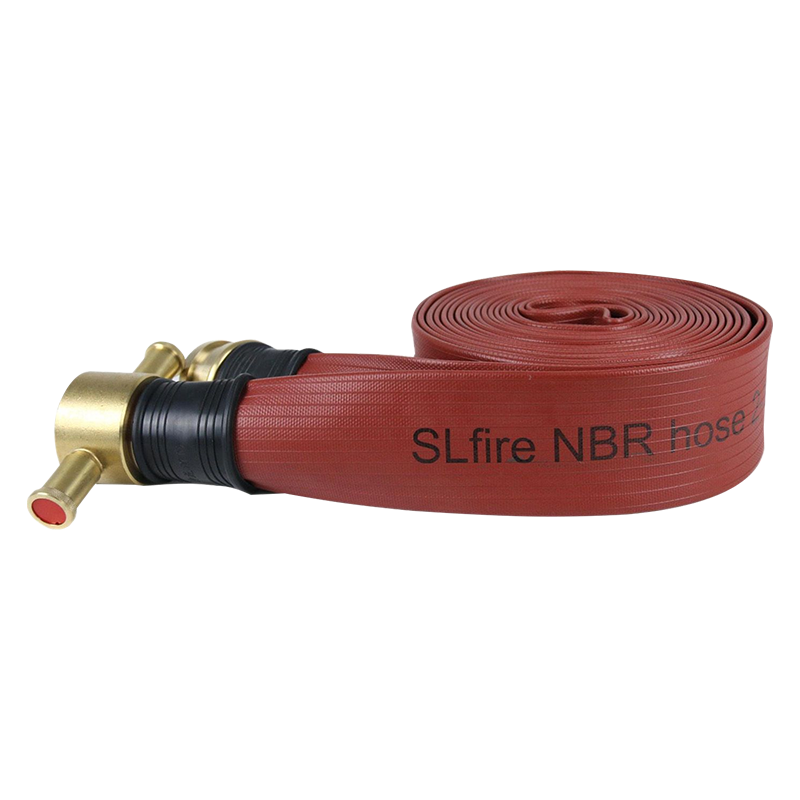
Nitrile covered hose •Nitrile/TPR blend as cover and lining, with 100% high-tenacity polyester yarn ...
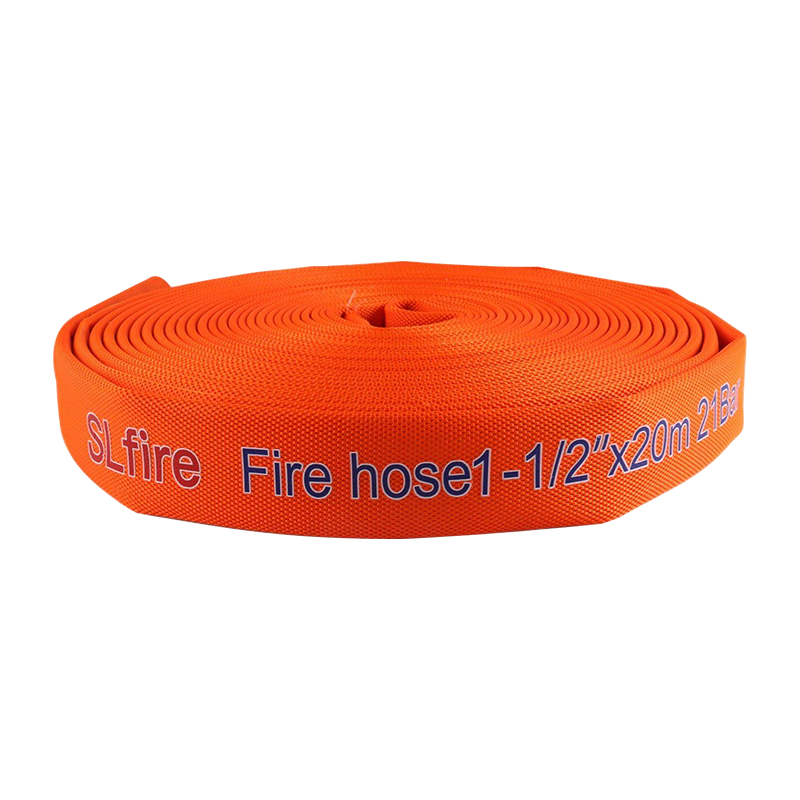
Single jacket, TPU liner •High-tenacity polyester yarn, circular woven in twill weave, TPU lining, f...
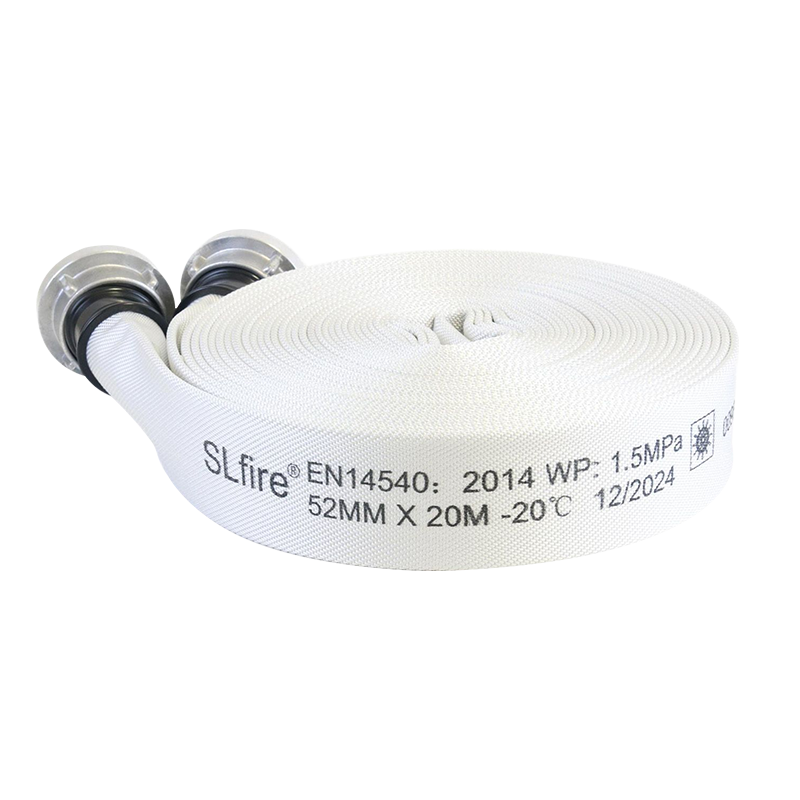
Marine hose Single jacket, PVC liner •100% high tenacity polyester yarn, circular woven in twill wea...
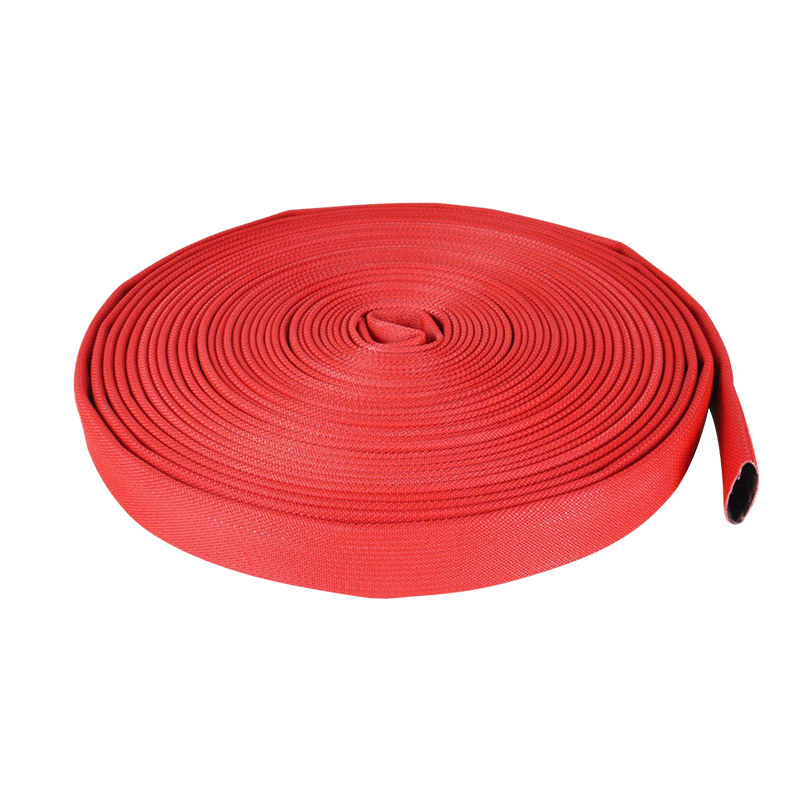
Marine hose Single jacket, PVC liner, PU coated •100% high tenacity polyester yarn,c ircular woven i...
 Call Us
+86 159-5116-9511
Need Support
Head Office
No.58, Kechuang Road, Sixiang Street Medicine Gaoxin District Taizhou City, Jiangsu Province

At a structure fire, the first line off the truck is the one that does the hardest work. Pulled around obstacles, dragged across gravel, charged with high-pressure water, and shut off at the nozzle d...
Copyright © Taizhou Shenlong Fire Science and Technology Co., Ltd. All Rights Reserved.
 Fire Hose Manufacturers, Fire Hydrant Hose Factory