

 English
 русский
 Español
 Deutsch
 عربى
عربى Français
 Português
Don't hesitate to send a message

Single jacket, EPDM rubber liner Features • 100% high tenacity polyester jacket, high-grade EPDM rub...
Content
In demanding fluid transfer environments, a hose coupling is more than a connector. It is the point where pressure, movement, media compatibility, operator handling, and safety all come together. A poorly designed coupling can interrupt water delivery during firefighting, reduce irrigation efficiency, complicate petroleum transfer, or create unnecessary risk in chemical handling. The Fair Corrosion GOST Hose Coupling is engineered to answer these challenges with a balanced combination of strength, easy operation, practical corrosion resistance, and cost-effective performance.
Designed according to GOST coupling standards and manufactured from aluminum alloy or brass, this coupling provides a dependable solution for users who require secure connection performance under a working pressure of 16 Bar. It is suitable for applications such as firefighting, irrigation, petroleum handling, and chemical transfer. Available in 1-3/4 inch and 2-3/4 inch sizes, it supports common hose system configurations while maintaining convenient operation without special tools.
For procurement teams, distributors, contractors, emergency service departments, industrial plants, and agricultural users, the coupling delivers a practical value proposition: it is robust enough for challenging service, simple enough for fast daily use, and economical enough for large-scale hose system deployment. The product is supported by the manufacturing experience of Taizhou Shenlong Fire Science and Technology Co., Ltd., an enterprise founded in 1995 with long-term expertise in fire hose production, foreign trade product manufacturing, and hose-related accessories.
Fair corrosion GOST Hose Couplings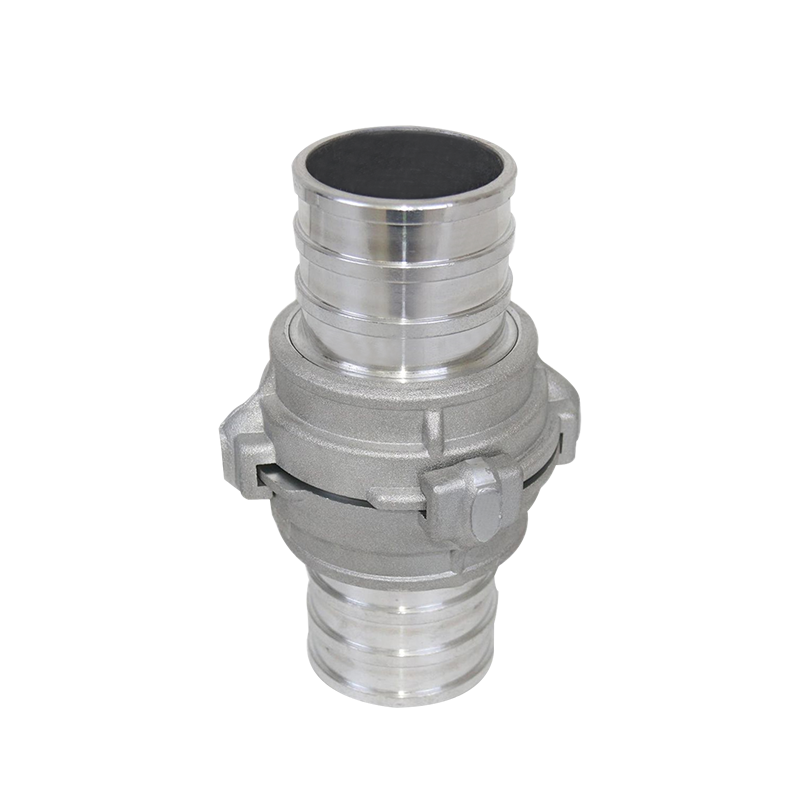
A hose coupling connects hoses to hoses, hoses to hydrants, hoses to pumps, or hoses to equipment outlets. In many systems, it must be connected quickly, sealed reliably, and released efficiently after use. When the fluid is water, petroleum, or a chemical solution, the coupling is expected to maintain mechanical stability and resist degradation from handling and environmental exposure.
GOST hose couplings are widely recognized in regions and industries where GOST standard compatibility is required. The standard form helps users match couplings with compatible hoses, firefighting equipment, irrigation lines, and industrial fluid transfer systems. This compatibility is particularly important for emergency response and infrastructure maintenance, where equipment from different supply batches or departments must work together smoothly.
The Fair Corrosion GOST Hose Coupling is designed as a practical coupling for users who need dependable performance rather than unnecessary complexity. It combines cast construction, metal material options, vibratory grinding surface treatment, and tool-free operation. This makes it suitable for environments where operators must make fast connections in wet, dusty, low-light, or high-pressure working conditions.
Unlike couplings that depend on complicated locking mechanisms or require frequent special-tool handling, this model emphasizes simple use. Simplicity is not a weakness; in fluid transfer equipment, simplicity often improves reliability. A coupling that operators can connect confidently and repeatedly helps reduce downtime, training requirements, and field errors.
The following table summarizes the essential specifications of the Fair Corrosion GOST Hose Coupling. These specifications are central to understanding its suitability for firefighting, irrigation, petroleum, and chemical service environments.
| Product Name | Fair Corrosion GOST Hose Coupling |
| Product Category | Hose Couplings |
| Casting Method | Casting |
| Working Pressure | 16 Bar |
| Material Options | Aluminum Alloy or Brass |
| Standard | GOST |
| Surface Treatment | Vibratory Grinding |
| Available Sizes | 1-3/4 inch and 2-3/4 inch |
| Applications | Firefighting, irrigation, petroleum handling, chemical processing |
| Main Features | Tool-free operation, fair corrosion and chemical resistance, economical design |
These specifications show that the coupling is designed around real-world practicality. A 16 Bar working pressure provides the strength required for many standard water and industrial transfer tasks. Aluminum alloy offers a lightweight and corrosion-conscious choice, while brass provides durability and good resistance in many demanding environments. The GOST standard supports system compatibility, and vibratory grinding improves surface finish and handling quality.
One of the major advantages of this GOST coupling is its balance between performance and economy. Some couplings are inexpensive but lack durability. Others are heavy-duty but costly, difficult to use, or unsuitable for large-scale deployment. The Fair Corrosion GOST Hose Coupling is positioned between these extremes, offering dependable pressure capability, corrosion resistance, and accessible pricing.
The product’s tool-free operation is especially valuable. In firefighting, operators may need to assemble hose lines quickly while wearing gloves, working under stress, or operating in wet environments. In agriculture, workers often connect and disconnect irrigation hoses repeatedly throughout a workday. In industrial plants, maintenance teams may need to move hose assemblies between different stations. A coupling that does not require additional tools saves time and reduces the chance of misplaced equipment.
Another advantage is material flexibility. Aluminum alloy versions are suitable where weight matters, such as portable hose systems, firefighting hose lines, and field irrigation. Brass versions offer a solid, durable feel and are often preferred where toughness, wear resistance, and chemical compatibility are priorities. By offering both material options, the product can meet different user requirements without forcing a single solution.
The GOST standard design also gives the coupling an advantage in markets where standard matching is critical. Compatibility reduces inventory complexity. A distributor can supply couplings that match established hose systems, and end users can replace parts without redesigning their whole line. In comparison, non-standard couplings may create hidden costs because they require adapters, special training, or custom stocking.
Fair corrosion and chemical resistance further distinguish the product from low-grade couplings that deteriorate quickly in humid, chemically active, or outdoor conditions. While no single coupling is universal for all chemicals, the design and material options improve resistance against common environmental and operational challenges. This contributes to longer service life and more predictable performance.
Firefighting is one of the most demanding uses for hose couplings. A fire hose coupling must perform under pressure, resist impact, connect quickly, and function reliably even when exposed to water, mud, smoke, heat nearby, and rough handling. Fire response teams cannot afford slow connections or weak sealing points. The Fair Corrosion GOST Hose Coupling is well suited to fire hose use because it prioritizes fast operation, standard compatibility, and mechanical strength.
The working pressure of 16 Bar supports many firefighting water delivery systems. In practical use, pressure stability helps maintain water flow from hydrants, pumps, or portable water supply systems to the nozzle. A dependable coupling helps prevent leakage at connection points, which is important because leakage can reduce flow efficiency and create dangerous wet surfaces around working crews.
The tool-free design is another important firefighting benefit. During emergency deployment, every second matters. Firefighters may need to extend hose lines across roads, around buildings, through stairwells, or into industrial zones. If a coupling can be operated quickly and intuitively, the team can focus on water delivery rather than equipment assembly. A simple operating method also makes training easier and supports consistent use across departments.
Durability is equally important after the emergency. Fire hoses and couplings are repeatedly washed, dried, stored, inspected, transported, and redeployed. A coupling with a finished surface and reliable casting quality can better withstand the cycle of use and maintenance. Vibratory grinding helps produce a smoother surface that is more comfortable to handle and less likely to have rough edges that interfere with operation.
For fire departments, industrial fire brigades, warehouses, construction sites, and public facility safety systems, this coupling provides a practical option for maintaining hose readiness. Its GOST standard configuration can be particularly valuable in regions where GOST fittings are already part of the fire equipment infrastructure.
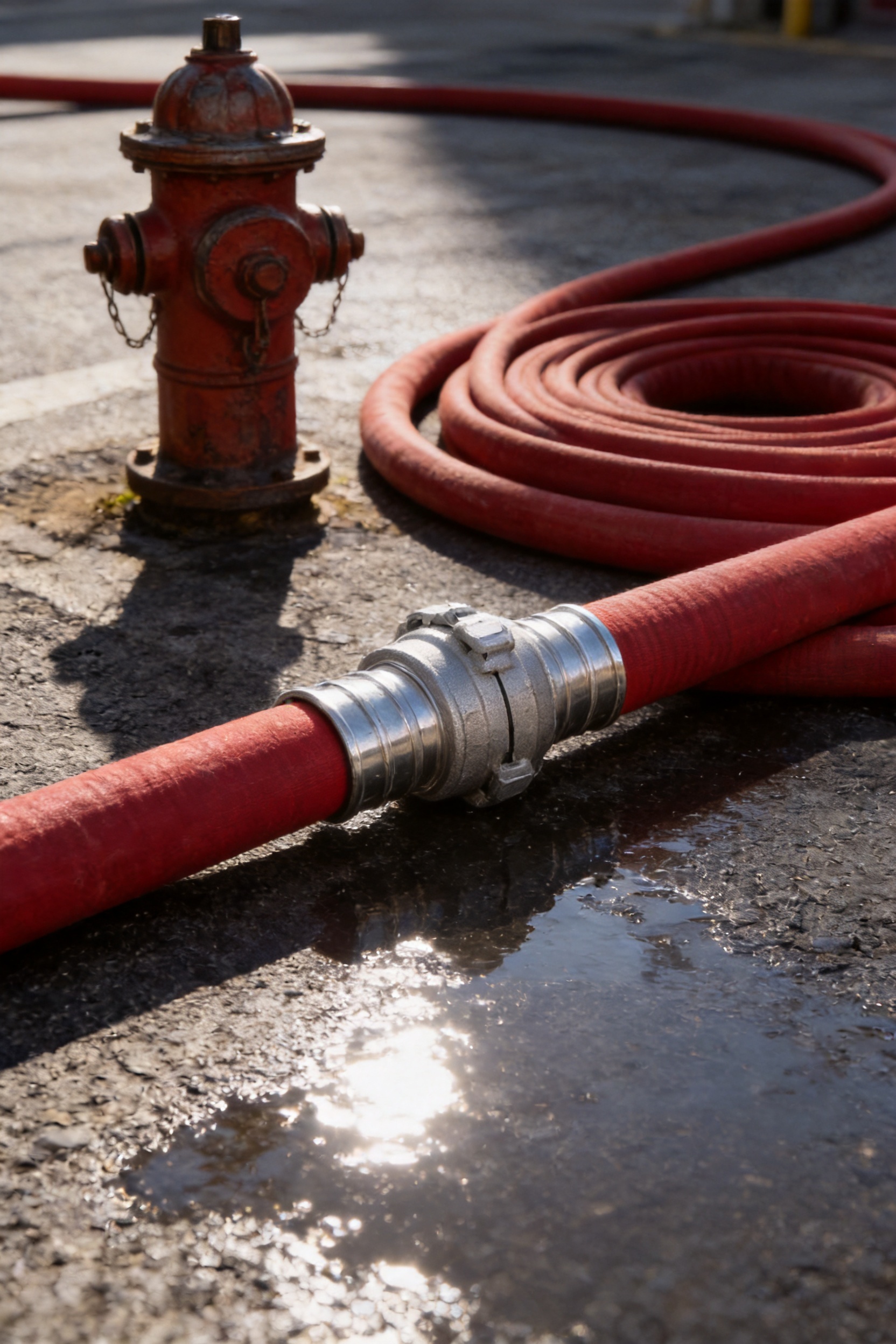
Agricultural hose systems often operate in harsh conditions. They are exposed to soil, fertilizer residues, sunlight, water, plant debris, and frequent movement. Couplings may be dragged across fields, connected to pumps, attached to temporary irrigation lines, or removed for seasonal storage. The Fair Corrosion GOST Hose Coupling is suitable for these conditions because it combines simple operation with economical durability.
In irrigation, connection speed matters. Farmers and agricultural workers may need to reposition water lines across large areas. A coupling that can be operated without special tools simplifies field work and reduces interruptions. If a coupling is too complicated, workers may waste time adjusting it or may connect it incorrectly, leading to leakage or pressure loss. The straightforward design of this GOST coupling supports efficient daily use.
Water pressure stability also matters for irrigation uniformity. Leakage at hose connections can reduce system pressure and affect water distribution. A reliable coupling helps maintain the intended flow rate, supporting better watering consistency. In regions where water resources must be carefully managed, reducing leakage is both an economic and environmental benefit.
Material choice is useful in agriculture as well. Aluminum alloy couplings are easier to carry and handle, especially when long hose runs require many connection points. Brass couplings may be selected for installations where heavier-duty wear performance is desired. Both options support different types of farm operations, from temporary field irrigation to more fixed water transfer arrangements.
The coupling’s fair corrosion resistance helps in outdoor use. Agricultural environments often include moisture, mud, and chemical residues from fertilizers or crop treatments. Although routine cleaning and proper storage remain important, a corrosion-conscious coupling can provide a longer and more reliable service life than untreated or poorly finished alternatives.
Petroleum handling places special demands on hose connections. Couplings used in fuel, oil, or related transfer operations must be mechanically secure, compatible with the operating environment, and easy to inspect. The Fair Corrosion GOST Hose Coupling is suitable for petroleum-related applications where its pressure rating, material selection, and connection style match the operating requirements.
In industrial fluid transfer, downtime can be expensive. A failed or difficult coupling may delay loading, unloading, maintenance, or production processes. By offering reliable construction and simple operation, this GOST coupling helps reduce operational friction. Workers can connect hoses efficiently without depending on special tools, which is useful for transfer stations, workshops, utility areas, and mobile service systems.
Brass can be a valuable material option for certain petroleum and industrial environments because of its durability and wear resistance. Aluminum alloy may be preferred when reducing equipment weight is important. The ability to select between these materials allows buyers to match the coupling to the type of fluid, handling frequency, operating location, and budget.
The coupling’s economic design is also important for industrial users who need multiple connection points. Large plants, service yards, and fleet operations may require many couplings for different hose assemblies. A product that offers practical durability without excessive cost helps support standardized inventory. Standardizing on a dependable coupling can simplify purchasing, maintenance, and replacement planning.
As with all petroleum and chemical transfer components, users should confirm compatibility with the exact medium, temperature, pressure, and operating conditions. However, within its intended scope, the Fair Corrosion GOST Hose Coupling provides a practical and durable connector for many fluid transfer applications.
Chemical processing requires careful attention to material compatibility. Different chemicals interact differently with aluminum alloys, brass, seals, and hose liners. The Fair Corrosion GOST Hose Coupling is described as offering fair corrosion and chemical resistance, making it suitable for many general chemical handling environments where compatible media are used.
Fair chemical resistance means the coupling is designed to withstand common exposure conditions better than untreated or low-quality alternatives. It does not mean it should be used with every chemical without review. Responsible users should evaluate the chemical type, concentration, temperature, exposure time, and cleaning procedure before selecting a coupling. When properly matched, the coupling can support safe and efficient transfer operations.
In chemical environments, ease of operation contributes to safety. Operators handling chemical hoses may wear protective gloves, goggles, or other equipment. A coupling that can be connected without additional tools reduces handling complexity. Fewer steps can lower the chance of spills, misalignment, or delayed response during transfer setup.
The smoother surface created by vibratory grinding can also support better handling and cleaning. Rough surfaces may trap residues or be uncomfortable to grip. A more refined surface finish helps improve usability, especially when operators must clean equipment after use. This is valuable in chemical service where residue management is part of safe operation.
When compared with lower-quality couplings that may corrode, deform, or become difficult to operate after chemical exposure, this product offers a more dependable option for appropriate applications. Its value lies in combining resistance, standardized connection, and cost-effective construction.
The choice of coupling material strongly affects performance. The Fair Corrosion GOST Hose Coupling is available in aluminum alloy and brass, two widely used materials for hose connection components. Each material provides distinct advantages, allowing users to choose based on application needs.
Aluminum alloy is valued for its light weight. In firefighting and field use, weight reduction matters because hoses and accessories must often be carried, dragged, and repositioned. A lighter coupling reduces operator fatigue and makes hose assemblies easier to manage. Aluminum alloy also offers useful corrosion resistance in many water and outdoor environments when properly manufactured and finished.
Brass is valued for strength, durability, and resistance to wear in many fluid transfer conditions. It has a dense, solid structure that performs well in repeated handling applications. Brass couplings are often selected where users want a rugged connector with good long-term mechanical behavior. In certain industrial and chemical contexts, brass may also provide favorable compatibility, depending on the medium.
By offering both material options, the product avoids a one-size-fits-all limitation. A firefighting distributor may prefer aluminum alloy for portable hose sets, while an industrial buyer may choose brass for frequent connection cycles. An agricultural user may combine both materials depending on location and equipment type. This flexibility is a competitive advantage because it allows the same GOST coupling style to be adapted across different markets.
The manufacturing process must support the chosen material. Proper casting control helps ensure the coupling body has the required shape, wall thickness, and structural integrity. Finishing processes such as vibratory grinding improve surface quality. The result is a coupling that is practical not only in design but also in material execution.
The coupling is manufactured using a casting method. Casting is a practical and widely used production process for metal hose couplings because it allows complex shapes to be formed efficiently and consistently. A well-controlled casting process can produce parts with the geometry needed for secure engagement, strong body structure, and reliable repeated operation.
Advanced casting begins with proper mold design. The mold must account for material flow, cooling behavior, dimensional stability, and finishing requirements. If the casting process is poorly controlled, defects such as porosity, shrinkage, surface irregularity, or weak points can reduce product quality. A manufacturer with experience in hose and fire equipment production is better positioned to control these variables.
Taizhou Shenlong Fire Science and Technology Co., Ltd. has long-term manufacturing experience dating back to 1995. The company integrates research and development, production, sales, and service, focusing primarily on lined fire hoses and related products. This background supports the production of hose accessories because couplings must be understood as part of a complete hose system, not as isolated metal components.
Manufacturing strength also comes from serving multiple product categories, including fire hoses, industrial hoses, agricultural hoses, hose couplings, hose nozzles, fire accessories, fire cabinets, and trenchless rehabilitation hoses. Producing for diverse hose applications gives the company practical insight into how couplings are used in different environments. This experience helps guide product design, quality inspection, and customer support.
The company’s ability to undertake foreign trade products according to customer requirements is another important manufacturing advantage. Custom work involving rubber, PVC, polyurethane, and double-sided tape products demonstrates flexibility in material handling and production organization. Such flexibility is valuable for global buyers who need consistent supply, specification coordination, and adaptation to market requirements.
Surface treatment is an important detail in coupling quality. The Fair Corrosion GOST Hose Coupling uses vibratory grinding, a finishing process that helps smooth and refine the surface of metal parts. This process can remove sharp edges, improve touch quality, enhance visual consistency, and prepare the part for reliable handling.
A coupling is frequently gripped by hand, tightened, loosened, inspected, cleaned, and stored. Rough edges can damage gloves, scratch equipment, or make operation uncomfortable. A smoother surface improves user experience and reflects a more controlled manufacturing process. In high-volume use environments, small improvements in handling can make a meaningful difference.
Vibratory grinding also supports cleanliness. Smoother surfaces are generally easier to wipe down and less likely to hold dirt in rough projections. In firefighting, irrigation, petroleum, and chemical service, equipment may be exposed to mud, water, oils, residues, and dust. A refined surface supports routine maintenance and helps the coupling retain good operating condition.
Compared with couplings that receive minimal finishing, a vibratory-ground coupling presents a more professional and reliable product standard. It suggests attention not only to basic function but also to operator interaction and long-term usability. This is one reason the product can compete effectively against lower-cost, rough-finished alternatives.
Surface finishing should not be seen as cosmetic only. It contributes to safety, ease of use, maintenance, and perceived quality. When combined with correct material selection and casting quality, vibratory grinding becomes part of the complete performance package.
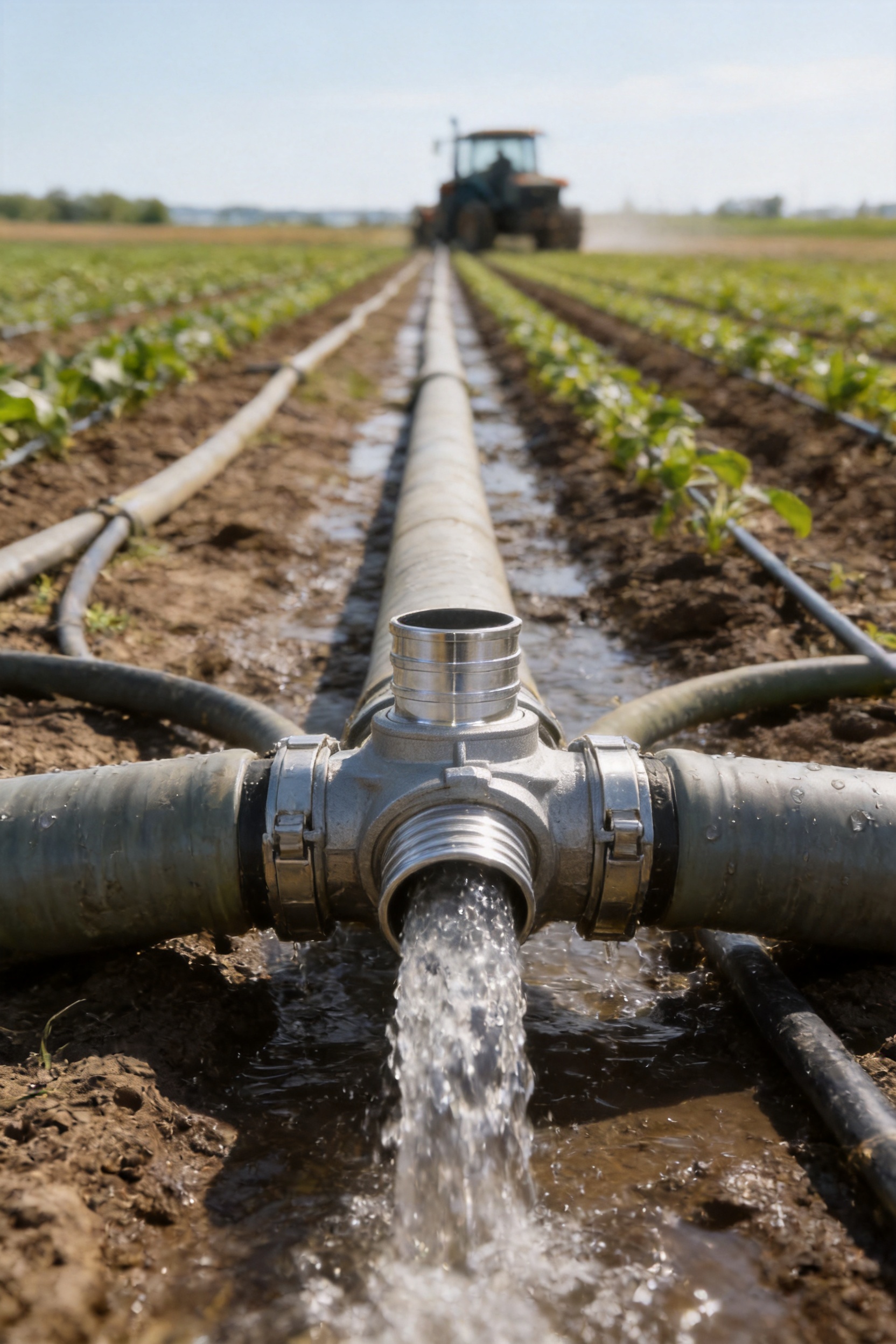
Tool-free operation is one of the most practical features of the Fair Corrosion GOST Hose Coupling. In many working environments, operators do not have the time or convenience to search for wrenches, special keys, or extra devices. A coupling that can be operated directly by hand improves speed and reduces dependence on accessory tools.
In firefighting, this feature can contribute to faster hose deployment. In agriculture, it can reduce setup time for irrigation lines. In industrial transfer, it helps maintenance teams move hoses between locations with fewer delays. In chemical handling, it can simplify setup while operators are wearing protective equipment. Across all these applications, tool-free use supports efficiency.
Another benefit is reduced equipment loss. Tools used only for couplings may be misplaced, damaged, or unavailable when needed. If a coupling requires tools, the entire hose system becomes dependent on the availability of those tools. A tool-free design eliminates this weak point and makes the hose assembly more self-sufficient.
Tool-free operation can also reduce training complexity. Operators can learn connection and disconnection procedures more quickly when the mechanism is intuitive. This is especially useful for organizations with seasonal workers, rotating maintenance crews, volunteer firefighters, or multiple job sites. Standardized, easy-to-use couplings support consistent procedures.
When comparing this product with more complicated competitors, the advantage is clear. A coupling should not slow down the work it is meant to support. The Fair Corrosion GOST Hose Coupling is designed to make fluid transfer connection straightforward, reliable, and efficient.
The coupling’s 16 Bar working pressure rating is a key performance indicator. Working pressure describes the pressure level the coupling is intended to handle during normal operation. For firefighting, irrigation, petroleum, and chemical transfer systems, pressure capability is essential to safe and effective operation.
A coupling with inadequate pressure capacity may leak, deform, disconnect, or fail prematurely. Such failures can lead to water loss, production interruption, safety hazards, and equipment damage. A 16 Bar rating provides a practical pressure range for many fluid transfer applications, supporting users who require stronger performance than lightweight or low-pressure connectors can provide.
Pressure performance depends on multiple factors, including material quality, casting integrity, dimensional accuracy, sealing surfaces, and proper use. The coupling’s cast construction and material options support mechanical strength, while GOST standard design supports correct fit with compatible equipment. Users should always operate within the rated pressure and follow proper inspection practices.
In firefighting, pressure capability helps maintain strong water delivery. In irrigation, it supports stable distribution across hose lines. In petroleum and chemical handling, it contributes to secure transfer when systems are properly configured. A coupling that combines pressure rating with easy operation gives users both strength and convenience.
Compared with competitors that may offer low-cost couplings with unclear ratings or inconsistent quality, a defined working pressure provides confidence. Buyers can evaluate the coupling against system requirements and make informed procurement decisions.
Economy is one of the listed features of the Fair Corrosion GOST Hose Coupling. In industrial and safety equipment, economy should not mean poor quality. Instead, it should mean efficient design, appropriate materials, controlled manufacturing, and dependable service at a reasonable cost. This coupling follows that principle.
Many users purchase couplings in quantity. Fire departments may need them for multiple hoses and backup inventory. Agricultural operations may require many couplings across fields and pumping stations. Industrial plants may keep spares for maintenance. If each coupling is unnecessarily expensive, total system cost rises quickly. An economical coupling helps users build complete hose systems without overspending.
At the same time, a coupling must not be so cheap that it fails early. Premature replacement, leakage, and downtime create hidden costs. The product’s strength lies in offering practical durability, corrosion resistance, and standard compatibility while remaining cost-conscious. This makes it competitive against both low-grade budget couplings and overly expensive specialized alternatives.
The use of casting supports efficient production. Material options allow buyers to select the appropriate cost-performance balance. Vibratory grinding improves finish without excessive complexity. Tool-free operation reduces the need for accessories. Together, these elements create an economical product architecture that still addresses real working demands.
For distributors, this economic design is also attractive because it supports marketability. Customers often seek products that are easy to explain: standard compatible, pressure rated, available in useful sizes, and suitable for multiple applications. This coupling offers those selling points clearly.
Taizhou Shenlong Fire Science and Technology Co., Ltd. was founded in 1995 and has developed as an enterprise integrating research and development, production, sales, and service. This integrated structure is important because successful hose and coupling products require more than production capacity. They require understanding of application needs, quality control, customer communication, and after-sales support.
The company’s main products include various materials of lined fire hoses. Fire hose manufacturing demands attention to pressure performance, lining quality, flexibility, abrasion resistance, and connection reliability. This foundation gives the company practical knowledge of how couplings interact with hoses in actual service. A coupling must match hose performance rather than become the weak point in the system.
The company also supplies products for fire, construction, water conservancy, and other industries. These sectors require dependable fluid transfer solutions and often operate in difficult conditions. Experience across these markets helps the company understand different customer priorities, from emergency response speed to long-term infrastructure reliability.
Another strength is the company’s cooperation with domestic foreign trade companies to produce export products for many countries. Export manufacturing requires attention to specification accuracy, packaging, communication, and consistency. International customers may have varying requirements, and a supplier must be able to coordinate production accordingly. This experience supports confidence in product supply and adaptation.
The company’s products sell well in more than 20 provinces, cities, and autonomous regions, demonstrating a broad domestic market presence. A wide sales network provides feedback from many operating environments. Such feedback can help manufacturers refine products, improve quality, and respond to user demands.
Quality control for hose couplings should begin with raw material selection. Aluminum alloy and brass must meet suitable composition and mechanical requirements. Material inconsistency can affect strength, corrosion resistance, casting behavior, and long-term durability. A responsible manufacturer controls incoming materials to support stable product quality.
The casting process must then be managed carefully. Temperature control, mold condition, pouring quality, and cooling behavior can influence the final part. After casting, inspection helps identify visible defects, dimensional issues, or surface problems. Couplings must be shaped accurately so they engage correctly with compatible GOST equipment.
Surface treatment through vibratory grinding is another quality step. It improves handling and reduces roughness. After finishing, parts should be checked for fit, finish, and general condition. Consistency is particularly important for distributors and large end users because couplings from different batches should work predictably.
Pressure-related reliability is also central. While the provided product specification states a working pressure of 16 Bar, users benefit when manufacturing controls support that rating through structural consistency and proper dimensions. A coupling is only as reliable as its weakest area, so comprehensive production control matters.
Packaging and logistics should not be ignored. Couplings can be damaged by poor handling or inadequate packaging, especially during export. A manufacturer experienced in domestic and international supply is better prepared to protect products during storage and shipment.
When compared with ordinary low-cost couplings, the Fair Corrosion GOST Hose Coupling offers clearer advantages in standard compatibility, material choice, pressure capability, and finishing quality. Many low-cost products may appear similar at first glance, but differences become obvious during repeated use. Rough surfaces, inconsistent fit, weak materials, and poor corrosion resistance can lead to frustration and replacement costs.
When compared with highly specialized premium couplings, this product offers a more economical solution for users who do not require excessive customization. It is practical, standardized, and suitable for common demanding applications. This makes it attractive to buyers who need reliable performance in quantity rather than an over-engineered connector for a narrow application.
The tool-free operating feature gives it an advantage over couplings that require extra tools. The GOST standard gives it an advantage where system compatibility matters. The aluminum alloy and brass options give it an advantage over competitors that offer only one material. The 16 Bar working pressure gives users a clear basis for system matching.
Another competitive strength is the manufacturing background behind the product. A coupling supplied by a company with hose manufacturing experience benefits from system-level understanding. The company knows that coupling design must support hose use, not merely look acceptable as a metal part. This perspective is valuable for customers who want dependable hose assemblies.
Overall, the product competes by offering balanced reliability. It is strong enough, simple enough, resistant enough, and economical enough for broad use. This balanced approach is often more valuable than a single exaggerated feature.
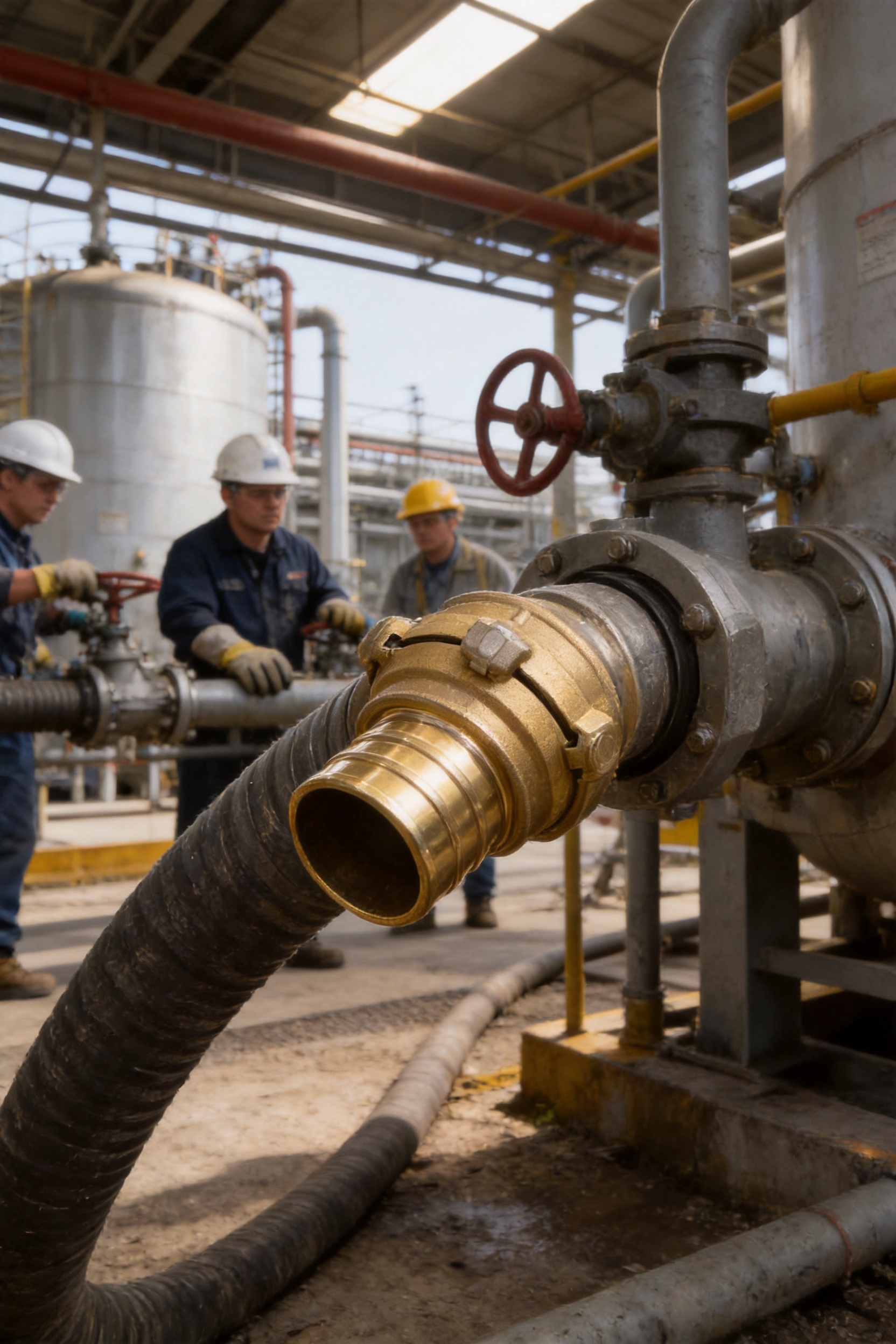
When selecting a Fair Corrosion GOST Hose Coupling, buyers should first confirm system compatibility. The coupling is designed according to GOST standards, so it should be matched with compatible hoses, hydrants, pumps, nozzles, or transfer equipment. Size selection is also important. The available sizes are 1-3/4 inch and 2-3/4 inch, and buyers should ensure the chosen size matches the hose and application.
Next, buyers should choose between aluminum alloy and brass. Aluminum alloy is preferred where lower weight is important, such as portable firefighting hoses, mobile irrigation systems, and field operations. Brass may be preferred where a heavier and highly durable coupling is desired, especially for frequent handling or certain industrial environments.
Pressure requirements should be reviewed carefully. The coupling has a working pressure of 16 Bar, and it should be used within suitable system conditions. Users should consider pump output, surge pressure, hose rating, temperature, and operating procedures. The coupling should not be treated as a standalone pressure solution; it must be part of a properly matched hose system.
Media compatibility should also be evaluated. For water and general firefighting or irrigation use, the coupling is a practical option. For petroleum or chemicals, users should confirm material compatibility with the specific fluid. Chemical concentration, temperature, and exposure duration can affect material performance.
Finally, buyers should consider total cost rather than unit price only. A coupling that lasts longer, connects faster, and reduces leakage can provide better value even if it is not the cheapest option available. The Fair Corrosion GOST Hose Coupling is designed to provide this type of practical long-term value.
Proper maintenance helps extend coupling service life. After use, couplings should be inspected for visible damage, deformation, cracks, thread or engagement wear, and sealing surface condition. Any coupling showing serious damage should be removed from service to prevent leakage or failure.
Cleaning is especially important after exposure to mud, petroleum residues, chemicals, fertilizer, or dirty water. Operators should rinse or wipe the coupling according to the application and fluid type. For chemical use, proper neutralization or cleaning procedures should be followed based on the chemical handled and workplace safety requirements.
Storage conditions also matter. Couplings should be stored in a dry, organized location when possible. Long-term exposure to standing water, corrosive chemicals, or harsh outdoor conditions may reduce service life. Fire departments and industrial facilities should include couplings in regular hose inspection programs.
Operators should avoid excessive impact, misuse, or forced connection with incompatible equipment. If a coupling does not fit smoothly, the cause should be investigated rather than corrected with force. Forced engagement can damage the coupling or mating equipment.
Routine maintenance is simple but valuable. Because the coupling is designed for tool-free operation and practical handling, it is easy to include in standard equipment checks. Good maintenance habits help users gain the full benefit of the coupling’s material quality and manufacturing design.
The Fair Corrosion GOST Hose Coupling is a strong procurement choice because it addresses the main concerns buyers have when selecting hose connection hardware. It offers standard compatibility, practical pressure performance, material options, corrosion and chemical resistance, tool-free operation, and economical value.
For firefighting users, it supports fast deployment and reliable water transfer. For agricultural users, it provides easy field operation and practical outdoor durability. For petroleum and industrial users, it offers a rugged connector option for appropriate transfer systems. For chemical users, it provides fair resistance when properly matched to the medium.
The product is also supported by a manufacturer with decades of experience in hose-related production. Taizhou Shenlong Fire Science and Technology Co., Ltd. brings knowledge from fire hose manufacturing, foreign trade production, and service to multiple industries. This manufacturing background strengthens confidence in the product’s design and supply reliability.
In a competitive market, the best coupling is not always the most expensive or the most complex. It is the one that works reliably, fits the system, is easy for operators to use, and offers good value over time. This GOST hose coupling meets those criteria with a well-balanced design.
It is used to connect hoses in firefighting, irrigation, petroleum handling, chemical processing, and general industrial fluid transfer systems where GOST-compatible coupling performance is required.
The coupling has a working pressure rating of 16 Bar, making it suitable for many demanding water and fluid transfer applications when used within proper system limits.
The coupling is available in aluminum alloy and brass. Aluminum alloy is suitable when light weight is important, while brass is preferred for durability and rugged handling in many applications.
No. One of its key advantages is easy operation without additional tools, which improves field efficiency and reduces dependence on separate equipment.
The available sizes are 1-3/4 inch and 2-3/4 inch. Buyers should choose the size according to hose and equipment compatibility.
The coupling follows the GOST standard, making it suitable for systems and markets where GOST coupling compatibility is required.
Vibratory grinding improves the surface finish, removes rough edges, supports better handling, and contributes to a more professional and consistent product appearance.
It offers fair corrosion and chemical resistance, but users should confirm compatibility with the specific chemical, concentration, temperature, and operating conditions before use.
Compared with many low-cost alternatives, it offers better balance through defined pressure performance, GOST compatibility, material options, surface finishing, and reliable tool-free operation.
A manufacturer with long-term fire hose and hose accessory experience understands how couplings perform as part of complete hose systems. This helps improve design practicality, quality control, and application support.
The Fair Corrosion GOST Hose Coupling is designed for users who need reliable hose connection performance across firefighting, irrigation, petroleum, chemical, and industrial applications. Its 16 Bar working pressure, aluminum alloy or brass construction, GOST standard compatibility, vibratory grinding surface treatment, and tool-free operation make it a practical and competitive choice.
Its greatest strength is balance. It is not simply a low-cost connector, nor is it an overly complicated specialty part. It provides the features users need most: dependable connection, manageable weight or durable material choice, reasonable corrosion and chemical resistance, easy handling, and economical value.
Supported by the manufacturing capabilities and industry experience of Taizhou Shenlong Fire Science and Technology Co., Ltd., the coupling reflects a practical understanding of hose system requirements. For buyers seeking a standardized, efficient, and reliable GOST hose coupling, this product offers a strong solution for both routine and demanding service environments.
GOST Hose Coupling Standards and Regional Fire Equipment Compatibility Guidelines.
Industrial Hose and Coupling Selection Handbook, Fluid Transfer Equipment Edition.
Fire Hose Maintenance and Inspection Practices for Emergency Response Applications.
Metal Casting Quality Control Methods for Hose Couplings and Fluid Connectors.
Corrosion Resistance Considerations for Aluminum Alloy and Brass Components in Fluid Transfer Systems.
Agricultural Irrigation Hose System Design and Field Connection Best Practices.
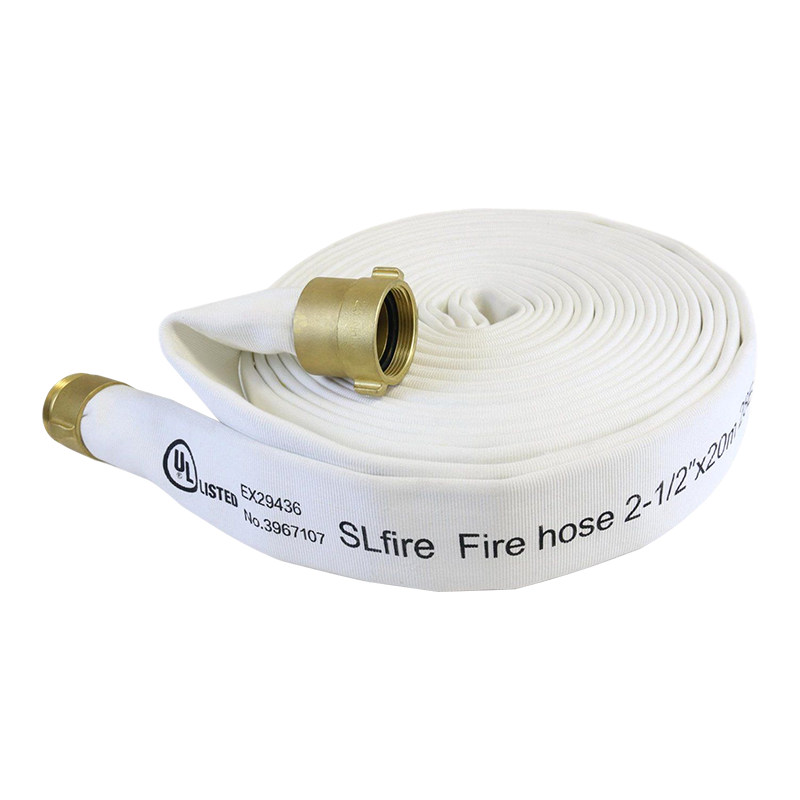
Single jacket, EPDM rubber liner Features • 100% high tenacity polyester jacket, high-grade EPDM rub...
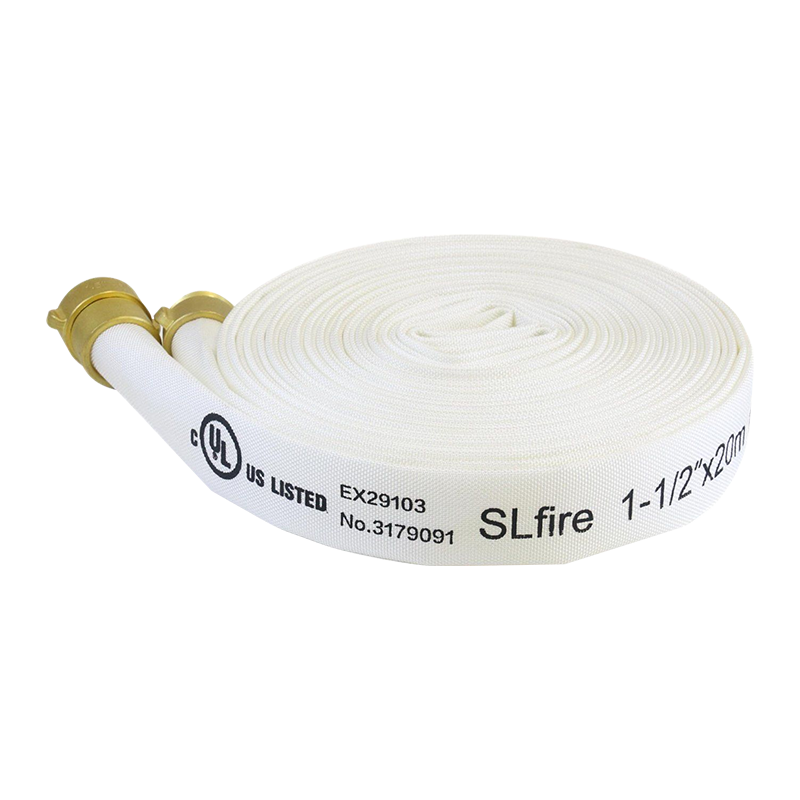
Single jacket, TPU liner •High-tenacity polyester yarn, circular woven in twill weave/plain weave,T ...
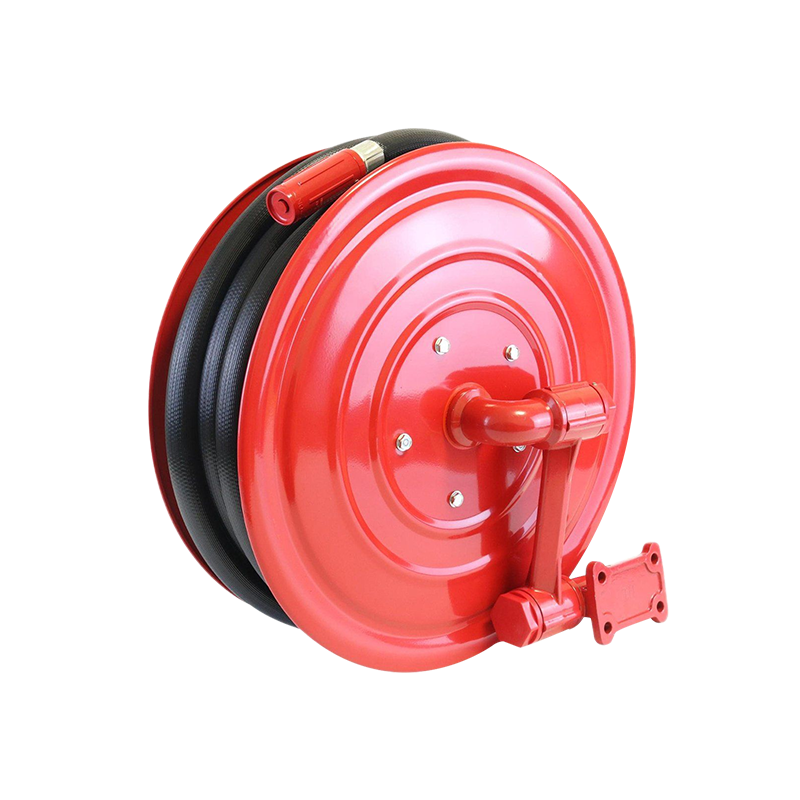
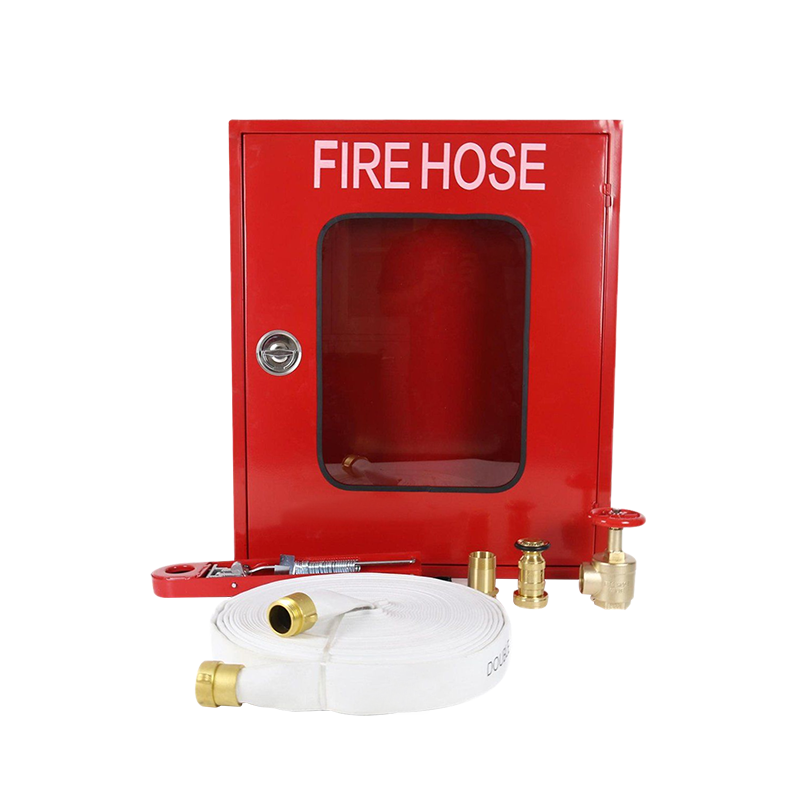
Fire cabinets are designed to accommodate fire hose,valve and other firefighting equipment. Type 201...
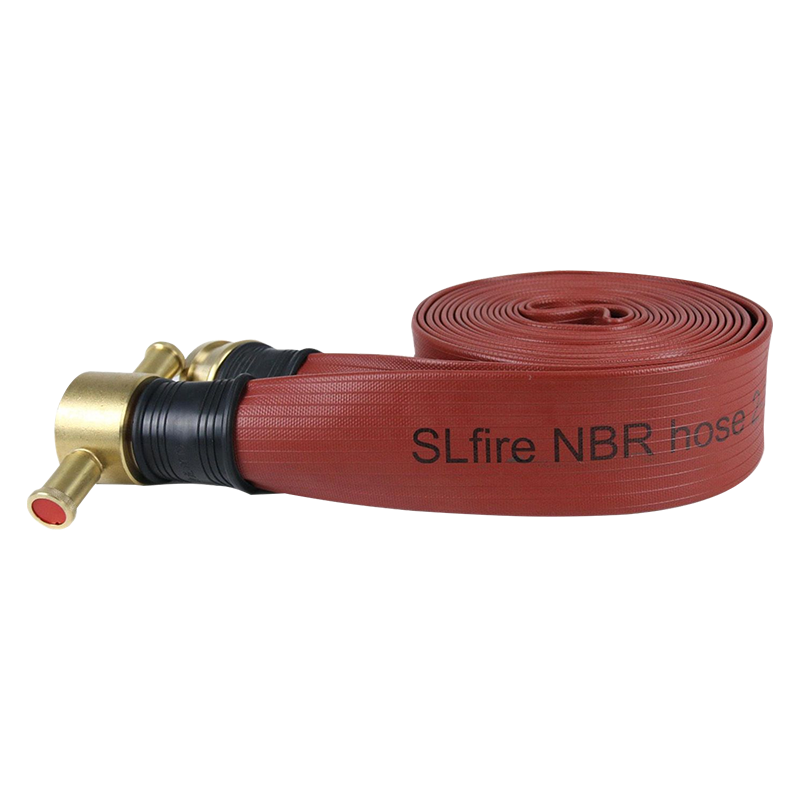
Nitrile covered hose •Nitrile/TPR blend as cover and lining, with 100% high-tenacity polyester yarn ...
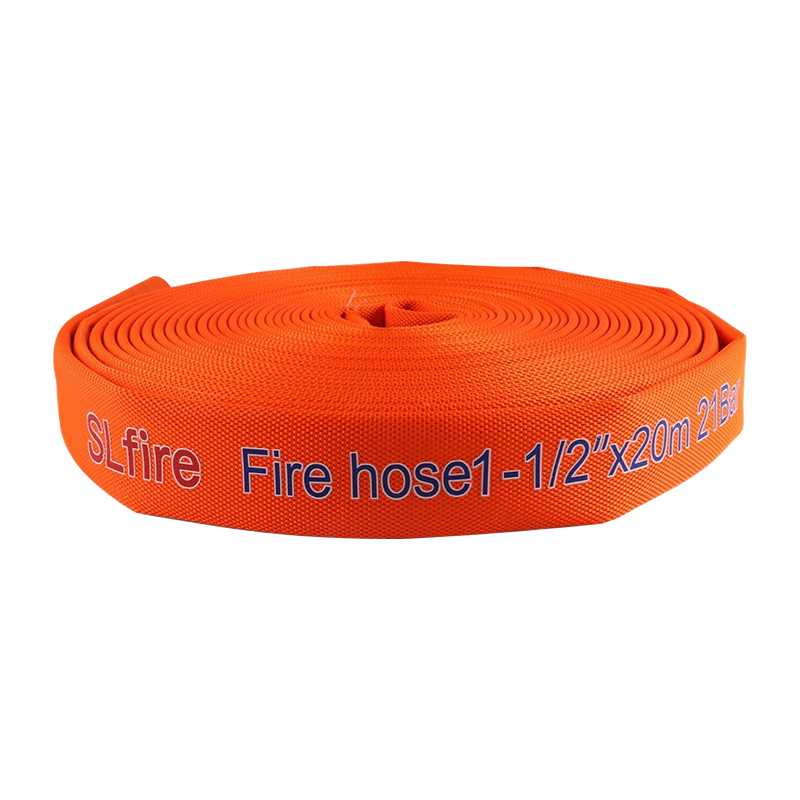
Single jacket, TPU liner •High-tenacity polyester yarn, circular woven in twill weave, TPU lining, f...
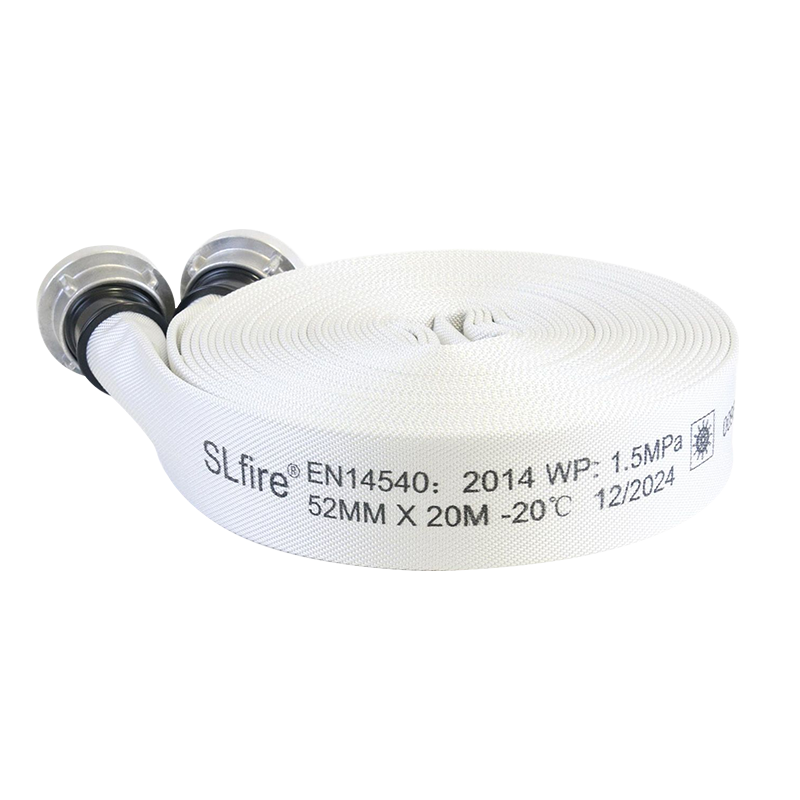
Marine hose Single jacket, PVC liner •100% high tenacity polyester yarn, circular woven in twill wea...
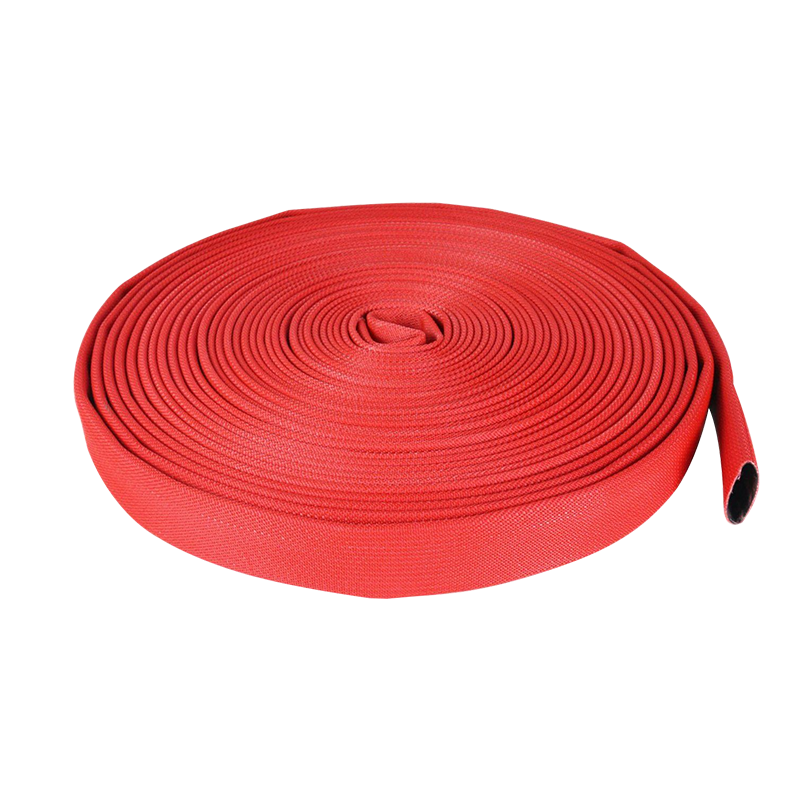
Marine hose Single jacket, PVC liner, PU coated •100% high tenacity polyester yarn,c ircular woven i...
 Call Us
+86 159-5116-9511
Need Support
Head Office
No.58, Kechuang Road, Sixiang Street Medicine Gaoxin District Taizhou City, Jiangsu Province

What Is a Fire Hose? A fire hose is a high-pressure flexible hose designed to carry water or fire retardant chemicals from a water source, such as a hydrant, pump, or tank, to a fire for suppression p...
Copyright © Taizhou Shenlong Fire Science and Technology Co., Ltd. All Rights Reserved.
 Fire Hose Manufacturers, Fire Hydrant Hose Factory