

 English
 русский
 Español
 Deutsch
 عربى
 Français
 Português
Don't hesitate to send a message

Single jacket, EPDM rubber liner Features • 100% high tenacity polyester jacket, high-grade EPDM rub...
Content
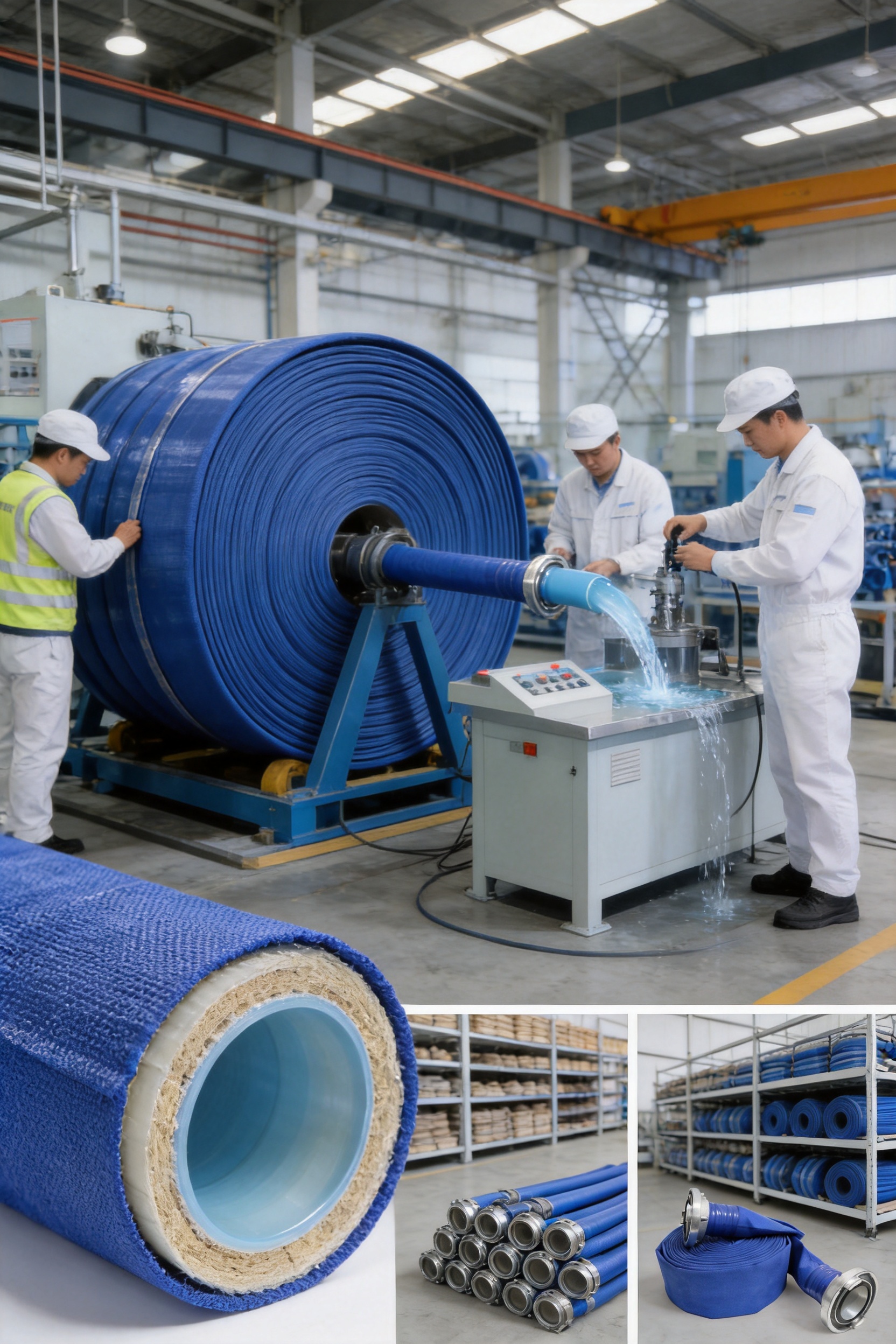
Reliable water transfer depends on more than hose diameter and pressure rating. A supply hose must withstand repeated handling, resist abrasion during deployment, maintain efficient flow, and remain flexible across changing working conditions. The double-jacket TPU liner supply hose is designed to address these requirements through a combination of high-tenacity polyester reinforcement and a thermoplastic polyurethane inner lining.
This construction provides a practical balance between durability, flexibility, low friction, and manageable weight. It is intended for applications that require the movement of large volumes of water through a supply line, including firefighting, construction, water conservancy, agricultural operations, industrial water transfer, and other demanding service environments.
Manufactured by Taizhou Shenlong Fire Science and Technology Co., Ltd., the hose reflects the company’s long-term experience in lined fire hose production and related fluid-transfer products. Since its establishment in 1995, the company has combined research and development, production, sales, and service within one organization. Its product range includes lined fire hoses made from different materials, as well as rubber, PVC, polyurethane, and double-sided tape products manufactured according to customer requirements.
The double-jacket TPU liner supply hose is particularly suitable for users seeking greater external protection than a conventional single-jacket hose can provide, while still requiring efficient water flow and practical field handling. Its available 50-foot and 100-foot lengths also make it adaptable to different deployment layouts and storage systems.
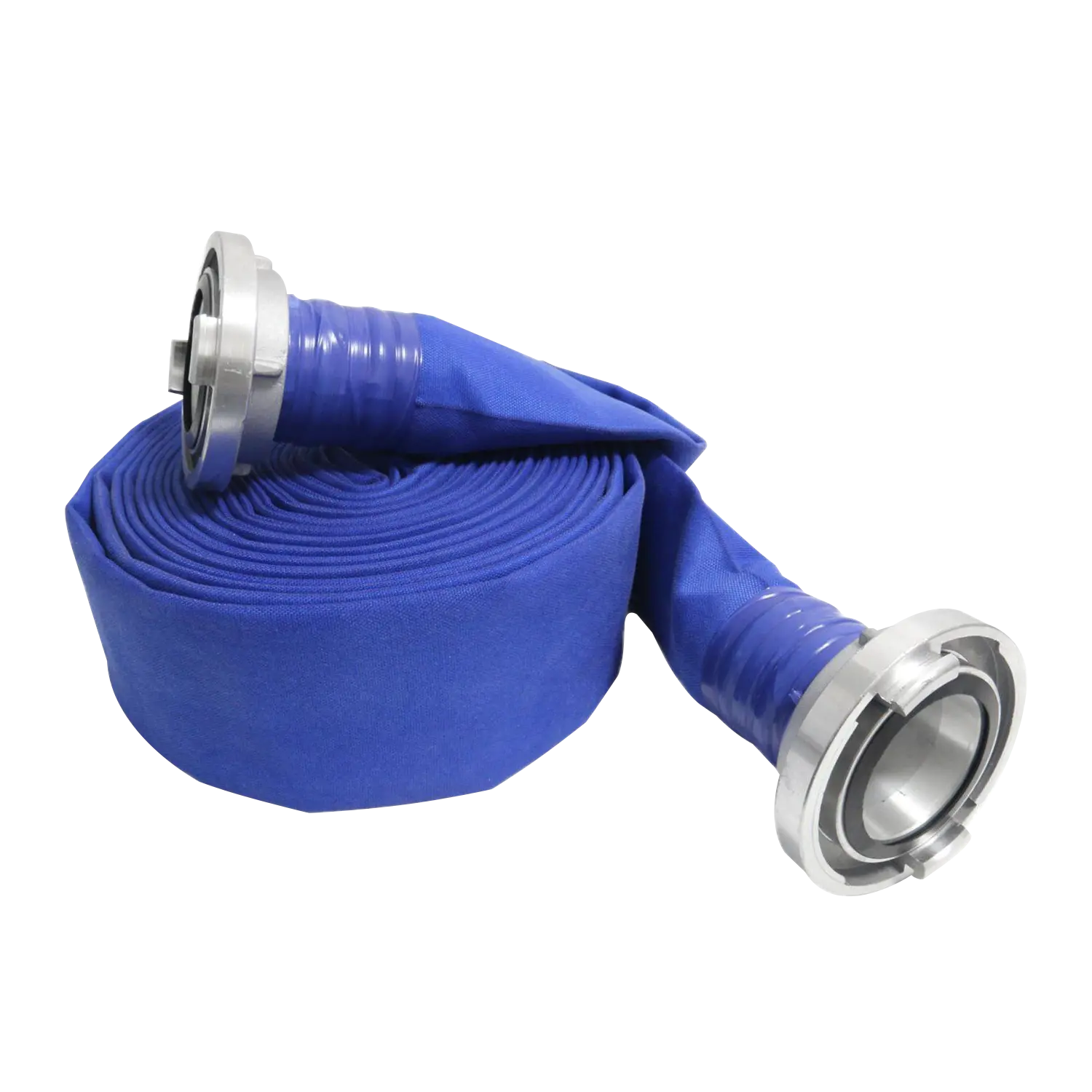
Double jacket TPU liner Supply hose
A double-jacket TPU liner supply hose is a flexible water hose constructed with two layers of woven polyester jacket surrounding a thermoplastic polyurethane liner. The outer jackets provide mechanical reinforcement and protection, while the TPU liner creates the water passage and helps reduce friction between the moving water and the inner wall.
The double-jacket design is important because supply hose is often dragged across concrete, asphalt, soil, gravel, steel surfaces, and other abrasive ground conditions. During emergency deployment, the hose may be pulled quickly, folded, stepped on, exposed to equipment, or placed near sharp edges. Two woven jacket layers offer additional protection against this type of external wear compared with a single-layer construction.
The inner TPU liner also contributes to the hose’s performance. Thermoplastic polyurethane is recognized for its flexibility, abrasion resistance, and smooth internal surface. These characteristics make it suitable for applications in which water must move efficiently over a considerable distance. A smoother liner can help limit internal resistance and reduce pressure loss, allowing more of the available pump pressure to be used for useful water delivery.
The hose uses high-tenacity polyester yarn in a circular woven jacket. Depending on the required specification, the jacket may be produced in twill weave or plain weave. Circular weaving creates a continuous tubular reinforcement around the liner, helping the hose maintain its shape and withstand internal pressure. The combination of woven polyester and TPU creates a flexible assembly rather than a rigid pipe, allowing the hose to be rolled, transported, and deployed when needed.
The two jacket layers are the primary external defense of the hose. High-tenacity polyester yarn provides a strong reinforcement structure while keeping the hose relatively lightweight compared with many rigid or heavily reinforced alternatives. The jacket is designed to absorb handling stresses and protect the internal liner from direct contact with the surrounding environment.
A double jacket can be particularly useful when the hose is used repeatedly. Each deployment can expose the hose to dragging, bending, twisting, and contact with rough surfaces. Additional jacket material helps distribute these stresses over a broader structure, which may support longer service life when the hose is correctly selected, operated, cleaned, dried, and stored.
The TPU liner forms the water passage. It is flexible and resistant to abrasion, making it suitable for a supply hose that may be folded and rolled between uses. Its smooth internal characteristics support efficient water movement and help limit unnecessary friction loss.
Compared with some conventional liner materials, TPU can provide a useful combination of flexibility and resistance to mechanical wear. It is also suitable for hose designs where a lightweight construction is important. The liner is not only a barrier that contains water; it is an active part of the hydraulic performance of the complete hose assembly.
Circular weaving creates an integrated reinforcement around the liner. The use of twill weave or plain weave allows the construction to be adapted to the intended product specification. Woven reinforcement can flex with the liner instead of behaving like a rigid shell, allowing the hose to be coiled and moved without the handling difficulties associated with hard piping.
The product is available in 50-foot and 100-foot lengths. A 50-foot section can be convenient for compact deployment, shorter connections, equipment rooms, and situations where operators want to limit the weight of each individual section. A 100-foot section can reduce the number of connections required when longer runs are needed.
The choice between the two lengths should be based on the required flow path, storage capacity, handling method, available personnel, coupling arrangement, and the distance between the water source and the delivery point. In some systems, a combination of lengths can provide flexibility for both short and extended layouts.
| Feature | Product Characteristic | Practical Benefit |
|---|---|---|
| Jacket construction | Double woven polyester jacket | Improved external protection and resistance to handling wear |
| Reinforcement yarn | High-tenacity polyester | Strength with a relatively manageable hose weight |
| Liner material | Thermoplastic polyurethane | Flexibility, abrasion resistance, and reduced internal friction |
| Weave options | Twill weave or plain weave | Construction flexibility for different product requirements |
| Operating temperature | Minus 30 degrees Celsius to 80 degrees Celsius | Suitable for a broad range of environmental conditions |
| Standard lengths | 50 feet and 100 feet | Adaptable to compact and extended supply-line layouts |
| Primary function | Large-volume water transfer | Useful for supply, firefighting, construction, and water-management work |
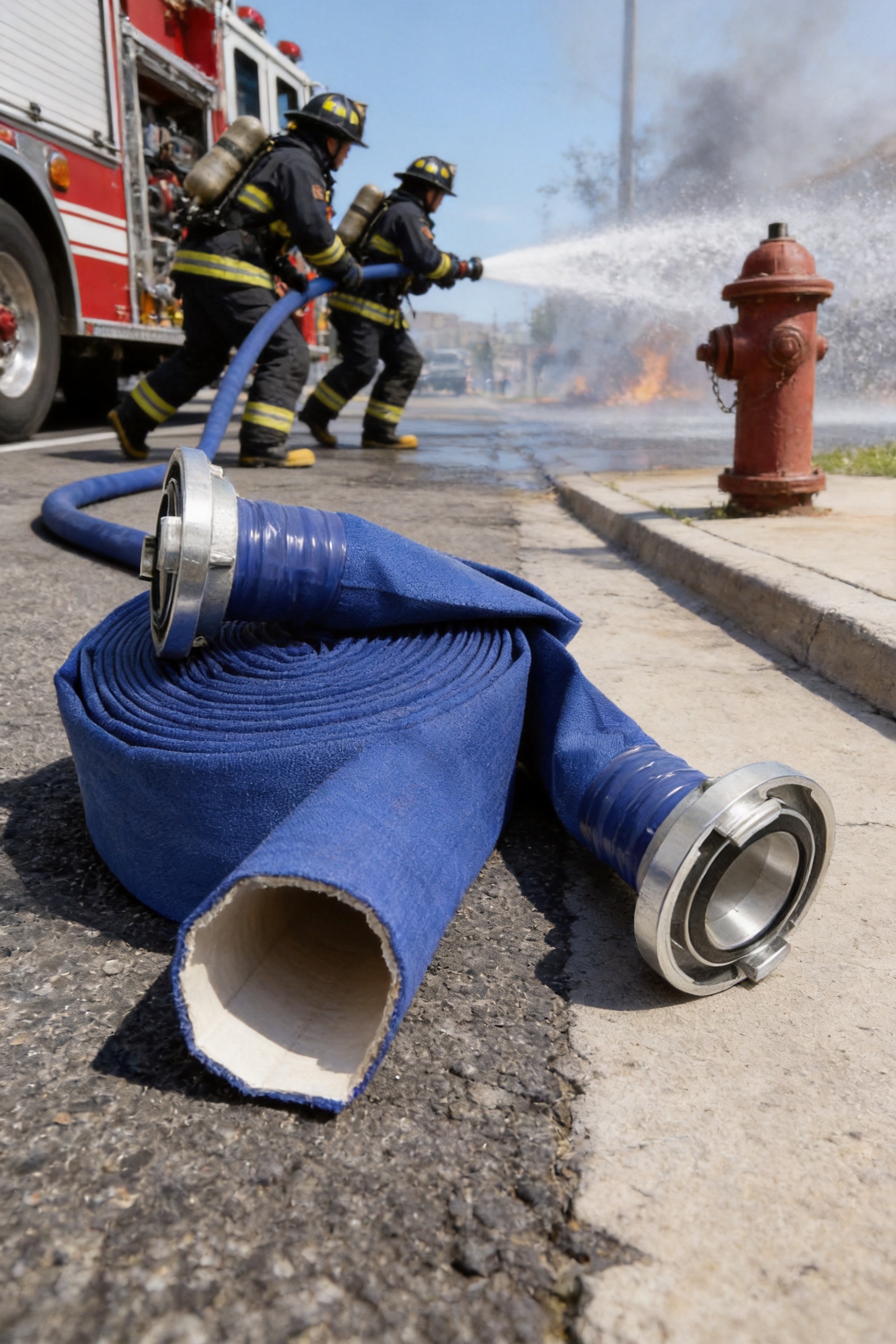
One of the most important advantages of this product is the double-jacket construction. A single jacket may be appropriate for lighter-duty work, but demanding supply-line applications can expose the hose to more abrasion and repeated handling. The second jacket layer adds a protective barrier and can help reduce the risk that surface wear will quickly reach the liner.
This does not eliminate the need for correct operation. The hose should still be kept away from sharp objects, excessive heat, chemical contamination, and unnecessary vehicle traffic. However, the double-jacket design gives the product a stronger starting point for applications where external wear is a central concern.
Water flow is affected by the condition and geometry of the inner passage. A rough or irregular interior can increase resistance, especially over long hose runs. The TPU liner provides a relatively smooth flow path, helping reduce friction-related pressure loss and supporting a more consistent flow rate.
For firefighting and industrial transfer, this can improve the practical efficiency of the pumping system. Lower friction loss means that less pressure is consumed simply overcoming resistance inside the hose. The result can be more usable pressure at the outlet, provided that the pump, couplings, nozzle, elevation, and hose diameter are properly matched.
A supply hose must be strong enough for its service but manageable enough for workers to carry and deploy. High-tenacity polyester and TPU allow the hose to combine reinforcement with flexibility. Compared with heavier rigid systems or some heavily constructed rubber hoses, this design may be easier to transport, coil, and position.
Lightweight handling is especially valuable during emergency operations, where personnel may need to establish a water supply line quickly. It is also beneficial for agricultural and construction crews that frequently move hose between work areas.
Flexible hose can follow changing ground contours and fit around equipment, buildings, trenches, temporary barriers, and other obstacles. When the work is complete, it can be drained, dried, rolled, and stored in a smaller space than a rigid pipe assembly.
The TPU liner supports this flexibility while the woven jackets maintain structural integrity. Proper coiling and storage remain essential because even a durable hose can be damaged by sharp folds, prolonged compression, moisture retention, or contact with incompatible substances.
The product is described as resistant to abrasion, aging, ozone, ultraviolet exposure, and mildew. These properties are valuable because supply hoses are often used outdoors and may be exposed to sunlight, changing weather, damp storage areas, and repeated contact with the ground.
Resistance to these factors can help preserve the hose’s physical performance over time. It does not mean that the hose should be left outdoors indefinitely. Sheltered, clean, dry, and ventilated storage remains the best practice for protecting the jacket and liner between uses.
The stated temperature range is from minus 30 degrees Celsius to 80 degrees Celsius. This allows the hose to serve in cold outdoor conditions as well as warm industrial and emergency environments. Temperature performance is important because extreme cold may make some materials stiff or brittle, while high temperatures can accelerate aging or reduce material strength.
Users should distinguish between ambient temperature, water temperature, surface temperature, and exposure to flames or radiant heat. The stated range should be considered when planning normal use, while direct flame exposure and unusually hot fluids require separate evaluation.
Supply hose is commonly used to move water from a source to a pump, manifold, hydrant connection, storage tank, or distribution point. In these applications, hydraulic efficiency directly influences the amount of water that reaches the destination.
Pressure loss occurs as water moves through the hose. It is influenced by hose diameter, internal surface characteristics, total length, flow rate, elevation changes, bends, couplings, valves, and temperature. The TPU liner addresses one important factor by offering a smooth and low-friction interior.
A low-friction liner cannot compensate for an undersized hose or an unsuitable pump. For best results, users should select the hose diameter and length according to the required flow rate and available pressure. Long supply lines may require larger diameters or higher-capacity pumps. Sharp bends should be avoided because they can restrict flow and create additional stress near the bend.
The hose’s low-friction characteristics are particularly useful when consistent flow is required. Firefighting teams may need dependable water delivery during sustained operations. Construction crews may use the hose to supply dust suppression or concrete-related water systems. Agricultural operators may need to transfer water over distance while minimizing unnecessary pump demand.
The hose should be fully opened and laid out as far as practical before high flow is applied. A partially kinked or twisted hose can reduce the effective cross-sectional area and increase pressure loss. Couplings should be correctly aligned and tightened, and the system should be inspected for leaks before full operation.
In firefighting, a supply hose may connect a hydrant, pump, water tank, relay system, or other source to the point where water is required. The double-jacket construction helps the hose tolerate rapid deployment and contact with rough surfaces. The TPU liner supports water delivery with reduced internal friction, while the flexible design helps crews route the hose around obstacles.
The hose can be incorporated into municipal, industrial, commercial, agricultural, and emergency response systems when its dimensions and performance specifications match the application. Fire departments and facility operators should confirm coupling compatibility, pressure requirements, flow expectations, inspection procedures, and local regulations before placing a hose into service.
Construction environments frequently involve dust, concrete, gravel, steel, heavy equipment, and changing work zones. A water supply hose used for dust control, cleaning, temporary drainage, curing support, or general water transfer must be moved and repositioned as site conditions change.
The abrasion-resistant outer jacket is useful in this setting because the hose may be placed over or beside rough ground. Its flexible structure allows it to be routed around machinery and temporary structures. The 50-foot and 100-foot length options can support both localized work and longer site runs.
Water-management projects may require temporary or semi-permanent transfer lines. The hose can be used to move water between tanks, pumps, channels, work areas, and temporary systems. Its ability to be rolled and transported can reduce the logistical burden associated with rigid pipe installation.
For these applications, project planners should consider water quality, operating pressure, environmental exposure, connection standards, and whether the hose will remain installed for an extended period. A careful maintenance plan can help preserve performance throughout the project.
Agricultural operations often need flexible water-transfer equipment for irrigation support, livestock facilities, field service, pond management, and seasonal work. The hose can be moved between locations and stored when not required. Resistance to ultraviolet exposure, mildew, and abrasion is useful in outdoor agricultural environments.
Farm operators should avoid dragging the hose across sharp crop residue, rocks, or metal edges whenever possible. A hose reel, protective ramp, or designated routing path can reduce wear and make deployment more efficient.
Industrial facilities may require temporary water lines, emergency bypasses, washdown connections, cooling support, or process-related transfer. The hose’s flexible construction can be valuable when fixed piping is unavailable, impractical, or being repaired.
Before industrial use, the operator should confirm chemical compatibility and fluid-temperature requirements. The product is presented as a water supply hose, so aggressive chemicals, oils, fuels, solvents, and specialized process fluids should not be introduced unless compatibility has been confirmed with the manufacturer.
Flood response, storm recovery, temporary pumping, and emergency water distribution may require equipment that can be transported quickly and installed without permanent construction. A rollable supply hose can support rapid system changes and can be stored in response vehicles or emergency equipment rooms.
The double jacket is especially relevant in emergency environments because deployment may occur on debris, broken pavement, soil, or other irregular surfaces. After use in contaminated or muddy conditions, the hose should be cleaned thoroughly and inspected before it is returned to storage.
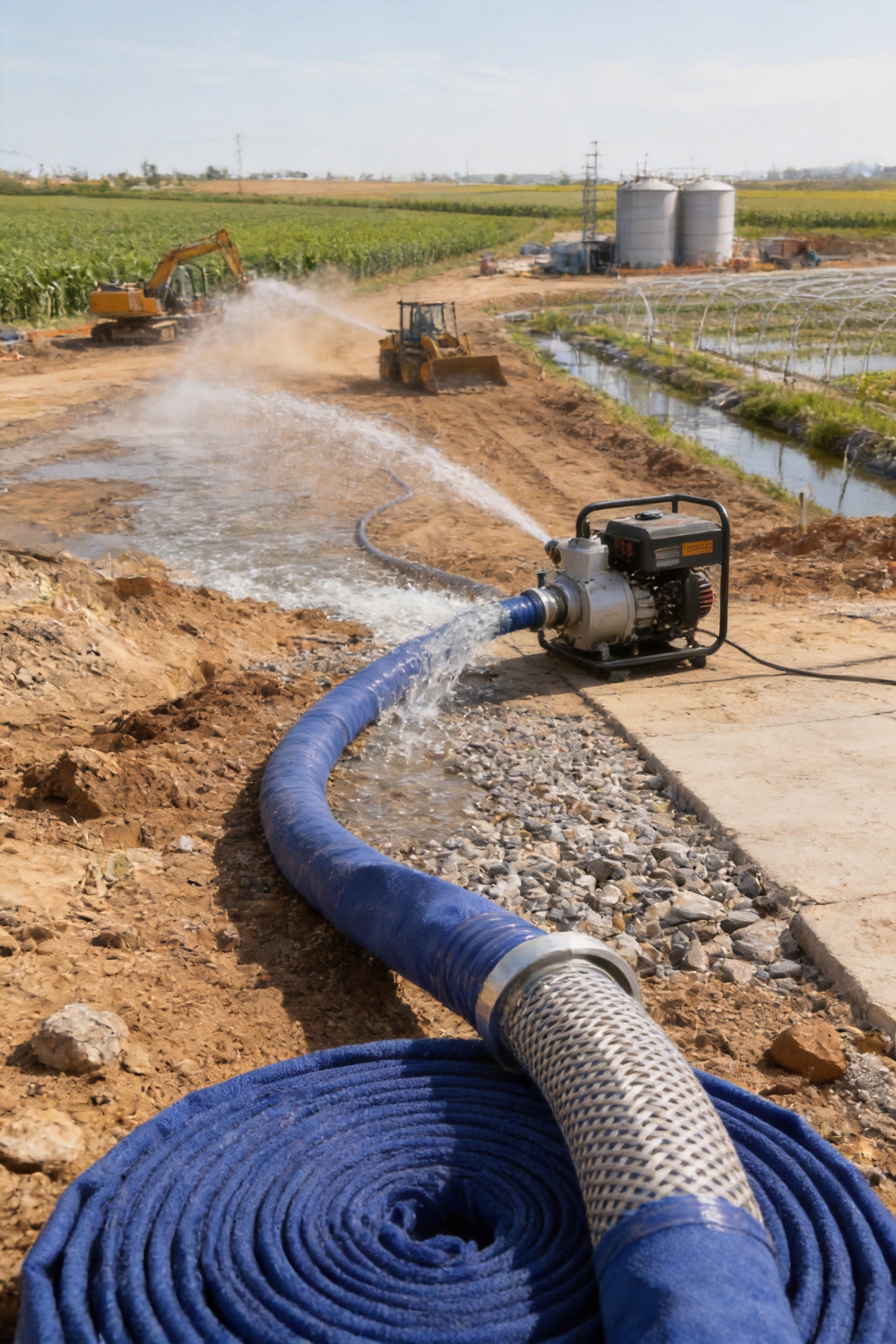
Taizhou Shenlong Fire Science and Technology Co., Ltd. has operated since 1995, giving the company a long period of experience in the development and production of lined fire hoses. Its business model integrates research and development, manufacturing, sales, and service. This integrated structure can help connect customer requirements with production decisions and after-sales support.
The company’s main products include lined fire hoses made from various materials. This product experience is directly relevant to a TPU-lined supply hose because the performance of a complete hose depends on the relationship between the liner, reinforcement, jacket, coupling, and manufacturing process.
Experience with different liner materials can also support better product selection. Rubber, PVC, polyurethane, and TPU each have different characteristics relating to flexibility, abrasion, weight, temperature, and application suitability. A manufacturer familiar with several material systems can help customers identify an appropriate construction rather than treating every water-transfer requirement as identical.
The hose uses high-tenacity polyester yarn in a circular woven structure. Producing a reliable woven jacket requires consistent yarn handling, controlled weaving, suitable tension, and attention to dimensional uniformity. The jacket must provide reinforcement without making the hose unnecessarily rigid or difficult to coil.
Plain weave and twill weave offer different structural characteristics. The selected weave can influence flexibility, surface feel, abrasion behavior, and the way the jacket interacts with the liner. The ability to produce different weave options gives the manufacturer greater flexibility when responding to customer specifications.
Installing a TPU liner inside a woven jacket requires attention to alignment, bonding or integration methods, dimensional consistency, and the prevention of wrinkles or restricted flow passages. The liner must remain continuous and provide a dependable water barrier throughout the hose length.
A well-integrated liner also helps the finished hose perform consistently during rolling and unrolling. The jacket and liner should work together rather than shifting excessively under pressure or repeated handling. Production controls that focus on liner uniformity and jacket integration can contribute to dependable field performance.
The company states that it can undertake foreign-trade products made from rubber, PVC, polyurethane, and double-sided tape according to customer requirements. This indicates experience with customer-oriented production and product variation. For hose buyers, such capability may be useful when standard lengths, materials, colors, coupling types, packaging, or labeling need to be adapted to a particular market.
Customization should always be defined through a clear technical specification. Important details may include nominal diameter, working pressure, test pressure, burst pressure, length tolerance, coupling standard, liner thickness, jacket color, marking, packaging, and inspection requirements. A detailed specification helps ensure that the final product is suitable for the intended operating environment.
Combining research and development, production, sales, and service within one company can simplify communication. Customers can discuss product selection, technical requirements, order quantities, export packaging, and after-sales questions through a coordinated organization rather than several unrelated suppliers.
The company reports that its products are sold in more than 20 provinces, cities, and autonomous regions and that it cooperates with four domestic foreign-trade companies for export production. This domestic and export-oriented experience may help the company support buyers with different market requirements and delivery arrangements.
When comparing supply hoses, buyers should evaluate the complete construction rather than focusing on material names alone. Two hoses may both be described as TPU-lined, yet differ in diameter, liner thickness, jacket density, weave, pressure performance, coupling quality, and manufacturing consistency.
Buyers should request a technical data sheet covering the intended operating pressure, maximum test pressure, temperature range, dimensions, weight, lengths, and applicable standards. If the hose will be used in a regulated fire-protection system, the buyer should also verify the certifications and approvals required in the destination market.
Visual inspection should include the jacket surface, seam or connection areas, liner condition at the ends, coupling attachment, markings, and packaging. The hose should be free from visible cuts, exposed liner, severe distortion, loose threads, or contamination. Couplings should be correctly attached and compatible with the intended equipment.
For larger purchases, sample testing can help confirm dimensional stability, flexibility, water tightness, pressure performance, and handling characteristics. Testing should be performed according to an agreed procedure so that supplier and buyer evaluate the product using the same criteria.
Before deployment, inspect the hose for cuts, excessive wear, damaged couplings, contamination, and signs of liner deterioration. Lay the hose along a route that avoids sharp objects, hot surfaces, moving machinery, and unnecessary vehicle traffic.
Unroll the hose carefully. Avoid throwing coils from a height or forcing the hose into sharp bends. If the hose becomes twisted, stop and remove the twist before applying full pressure. A kink can restrict flow and impose additional stress on the liner and jacket.
Open valves gradually so that the hose is not exposed to a sudden pressure surge. Confirm that couplings are secure and that personnel are positioned safely. Water-filled hose can become heavy, and a failed connection may create a dangerous release of energy.
Do not exceed the manufacturer’s specified operating limits. The stated temperature range of minus 30 degrees Celsius to 80 degrees Celsius should also be respected. If the hose is used near high heat, flames, or unusual fluids, obtain specific technical guidance before operation.
After use, flush the hose with clean water when necessary to remove mud, sediment, or other contaminants. Avoid aggressive cleaning chemicals unless compatibility with the TPU liner and polyester jacket has been confirmed.
Cleaning is especially important after use in floodwater, construction areas, agricultural settings, or industrial environments. Dirt trapped in the jacket can retain moisture and promote mildew, while abrasive particles may continue to wear the fibers during storage.
Drain the hose fully and allow it to dry before long-term storage. Store it in a cool, dry, ventilated location away from direct sunlight, ozone-producing electrical equipment, fuels, oils, solvents, sharp objects, and excessive weight.
Coil the hose without sharp folds. Avoid storing heavy equipment on top of it. Periodically rotate stored hose and inspect it before returning it to service. A documented inspection schedule is recommended for firefighting organizations, industrial operators, and other users whose water supply systems are safety-critical.
The 50-foot option is suitable when the hose must be carried frequently, when storage space is limited, or when a shorter connection reduces handling effort. It may also be preferred for modular systems in which several short sections are connected as needed.
The 100-foot option can be more efficient for longer runs because it reduces the number of couplings and connection points. Fewer connections may simplify setup and reduce potential leak locations. However, a longer section may require more personnel or equipment for deployment, particularly when filled with water.
Selection should be based on the complete operating plan. Consider the distance between the water source and destination, the required flow, the available pump pressure, the route surface, the number of operators, vehicle storage, and the time available for deployment.
The double-jacket TPU liner supply hose is positioned between lightweight convenience and heavy-duty protection. It offers more external reinforcement than a basic single-jacket design while retaining the flexibility expected from a textile hose. Its TPU liner provides a smoother water passage than many rougher or less flexible internal constructions.
Its resistance to abrasion, aging, ozone, ultraviolet exposure, and mildew supports outdoor use in environments where long-term material durability matters. The broad temperature range expands the possible service conditions, while the 50-foot and 100-foot lengths give buyers practical configuration choices.
The product also benefits from the manufacturer’s experience across several hose materials and applications. Instead of limiting production to one material system, Taizhou Shenlong Fire Science and Technology Co., Ltd. works with lined fire hose products and other customer-oriented materials. This broader manufacturing background can be valuable when buyers need assistance comparing TPU with rubber, PVC, or polyurethane options.
For customers seeking a supply hose for demanding water transfer, the most relevant competitive advantages are therefore the combination of double-jacket protection, low-friction TPU lining, lightweight polyester reinforcement, environmental resistance, flexible storage, and manufacturer support. The correct choice still depends on verified specifications and application conditions, but the construction provides a strong foundation for reliable service.
The main purpose is to move large volumes of water as a supply line. It can be used in firefighting, construction, agriculture, water conservancy, industrial water transfer, and emergency pumping applications.
The double jacket provides additional external protection against abrasion and physical handling damage. This is useful when the hose is dragged across rough surfaces or deployed repeatedly in demanding environments.
The TPU liner provides flexibility, abrasion resistance, and a relatively smooth internal flow passage. Its low-friction characteristics can help reduce pressure loss during water transfer and support efficient flow.
The hose is designed with high-tenacity polyester reinforcement and a TPU liner, providing strength while maintaining manageable handling characteristics. Actual weight depends on the hose diameter, length, and specification.
The product description identifies circular woven construction in twill weave or plain weave. The appropriate option can be selected according to the required product specification and application.
The stated temperature range is from minus 30 degrees Celsius to 80 degrees Celsius. Users should separately evaluate direct flame exposure, radiant heat, and fluids outside normal water-service conditions.
The standard available lengths are 50 feet and 100 feet. Buyers should select the length according to the required route, storage space, personnel, pump arrangement, and connection plan.
Yes. The hose is described as resistant to abrasion, aging, ozone, ultraviolet exposure, and mildew, making it suitable for many outdoor water-transfer environments. Proper cleaning, drying, and sheltered storage are still recommended.
The hose can provide a flexible alternative for temporary or movable water-transfer systems, but it should not automatically be considered a replacement for every permanent pipe installation. Pressure, flow, duration, chemical compatibility, local regulations, and system design must be evaluated.
Drain and dry the hose thoroughly, coil it without sharp folds, and store it in a cool, dry, ventilated place away from sunlight, ozone sources, oils, solvents, excessive heat, and sharp objects.
The company states that it can undertake products made from rubber, PVC, polyurethane, and double-sided tape according to customer requirements. Buyers should provide detailed specifications for dimensions, materials, couplings, markings, packaging, and performance requirements.
Buyers should confirm diameter, length, working pressure, test requirements, temperature range, coupling type, weave, liner material, color, packaging, applicable standards, and destination-market certification requirements. A written specification helps prevent misunderstandings.
The double-jacket TPU liner supply hose is designed for users who need efficient, durable, and flexible water transfer. Its high-tenacity polyester double jacket protects the hose from demanding external conditions, while the TPU liner provides a low-friction interior that helps reduce pressure loss. The combination is suitable for large-volume water supply applications where both hydraulic efficiency and physical durability matter.
Resistance to abrasion, aging, ozone, ultraviolet exposure, and mildew supports its use in outdoor and industrial environments. The minus 30 degrees Celsius to 80 degrees Celsius temperature range provides broad operating flexibility, while 50-foot and 100-foot lengths accommodate different deployment and storage requirements.
Taizhou Shenlong Fire Science and Technology Co., Ltd. strengthens the product offering through experience in lined fire hose production, integrated research and development, manufacturing, sales, and service, and the ability to work with several hose-related materials. Its long operating history since 1995 and experience serving domestic and export-oriented markets provide a foundation for customer-focused production.
For the best result, purchasers should match hose diameter, pressure, length, coupling, and material construction to the actual application. With proper selection, handling, inspection, cleaning, drying, and storage, the double-jacket TPU liner supply hose can serve as a dependable component in firefighting, construction, agriculture, water conservancy, industrial, and emergency water-transfer systems.
1. Manufacturer-provided product information for double-jacket TPU liner supply hose.
2. Manufacturer-provided company information for Taizhou Shenlong Fire Science and Technology Co., Ltd.
3. General principles of flexible hose construction, textile reinforcement, and thermoplastic polyurethane liner performance.
4. General guidance on hydraulic pressure loss in flexible water-transfer systems.
5. General maintenance practices for industrial, firefighting, agricultural, and emergency water hoses.
6. General considerations for hose inspection, cleaning, drying, storage, and coupling compatibility.
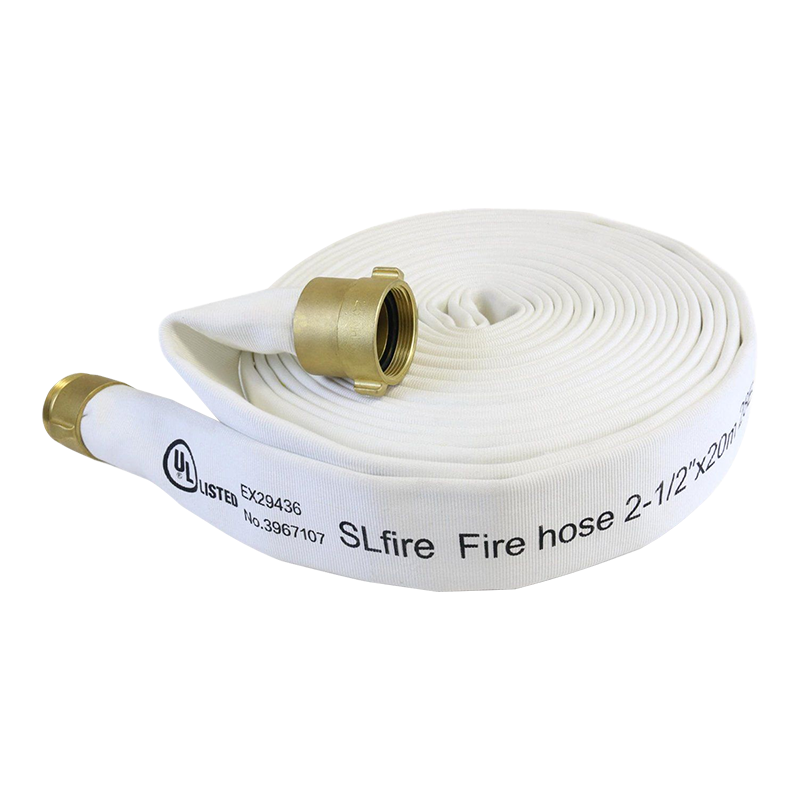
Single jacket, EPDM rubber liner Features • 100% high tenacity polyester jacket, high-grade EPDM rub...
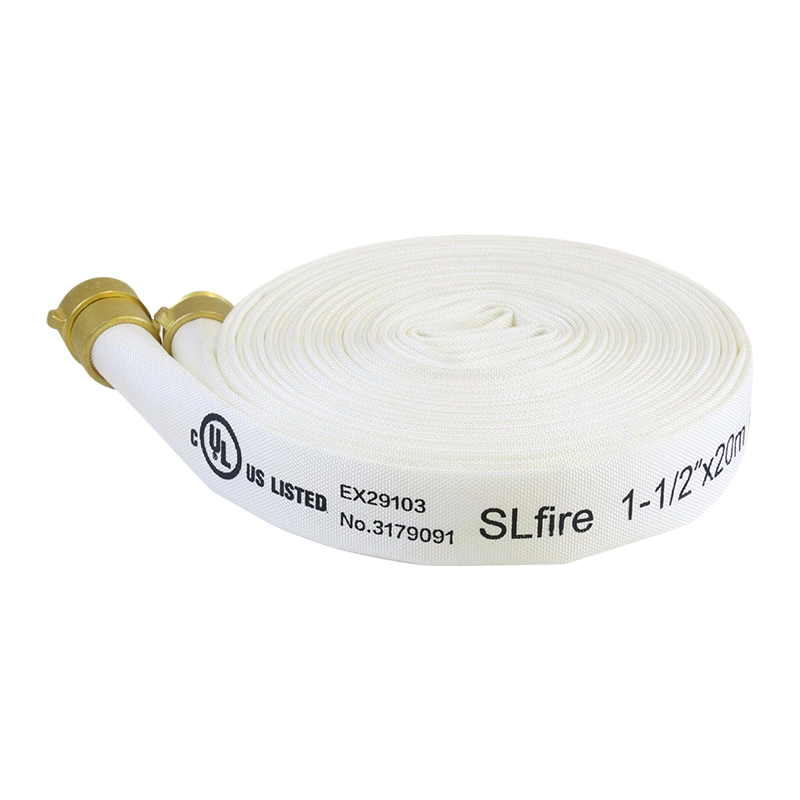
Single jacket, TPU liner •High-tenacity polyester yarn, circular woven in twill weave/plain weave,T ...
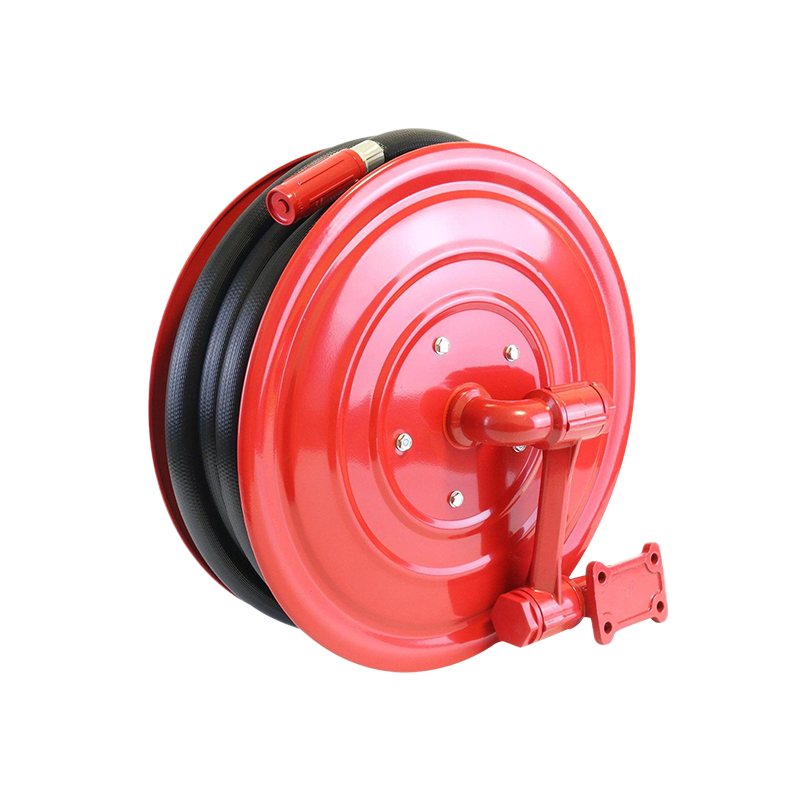
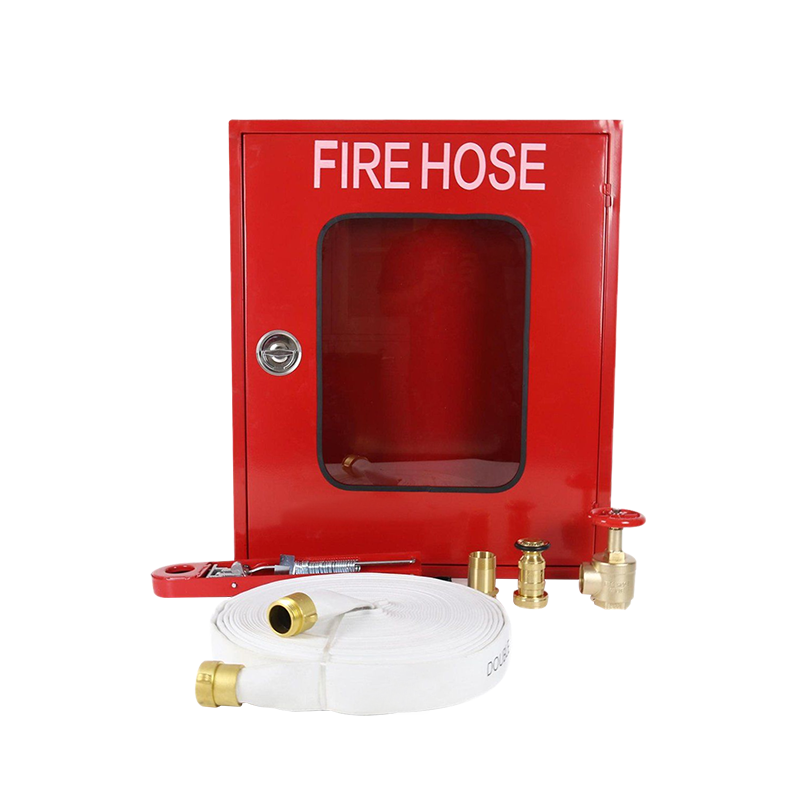
Fire cabinets are designed to accommodate fire hose,valve and other firefighting equipment. Type 201...
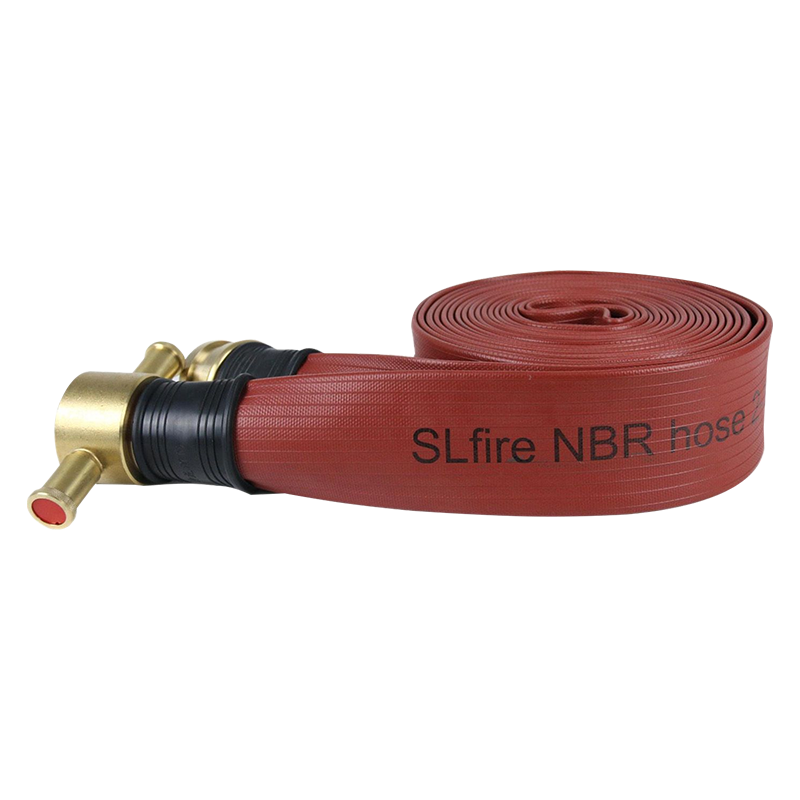
Nitrile covered hose •Nitrile/TPR blend as cover and lining, with 100% high-tenacity polyester yarn ...
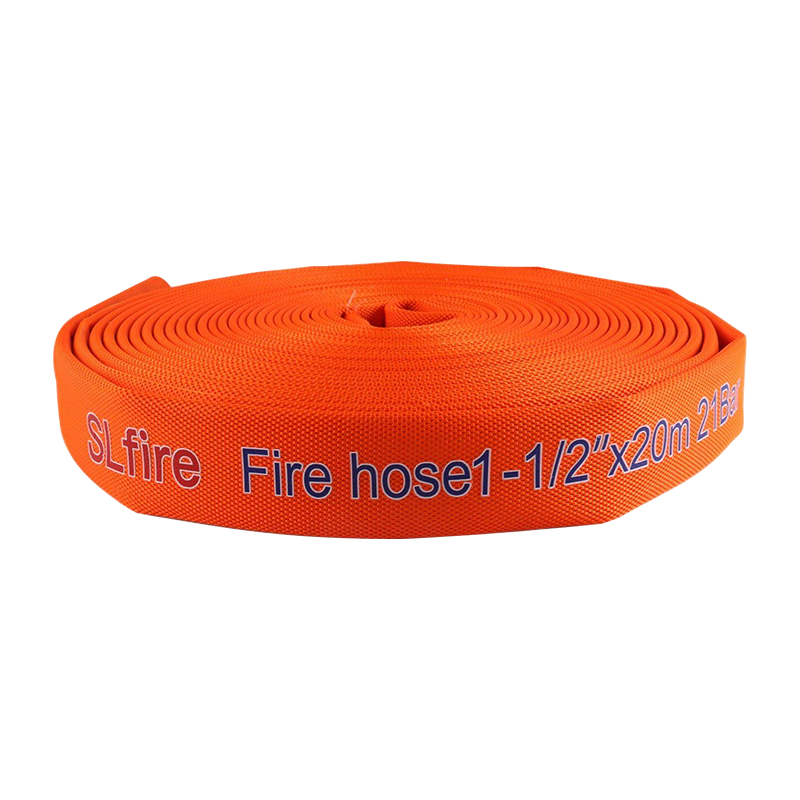
Single jacket, TPU liner •High-tenacity polyester yarn, circular woven in twill weave, TPU lining, f...
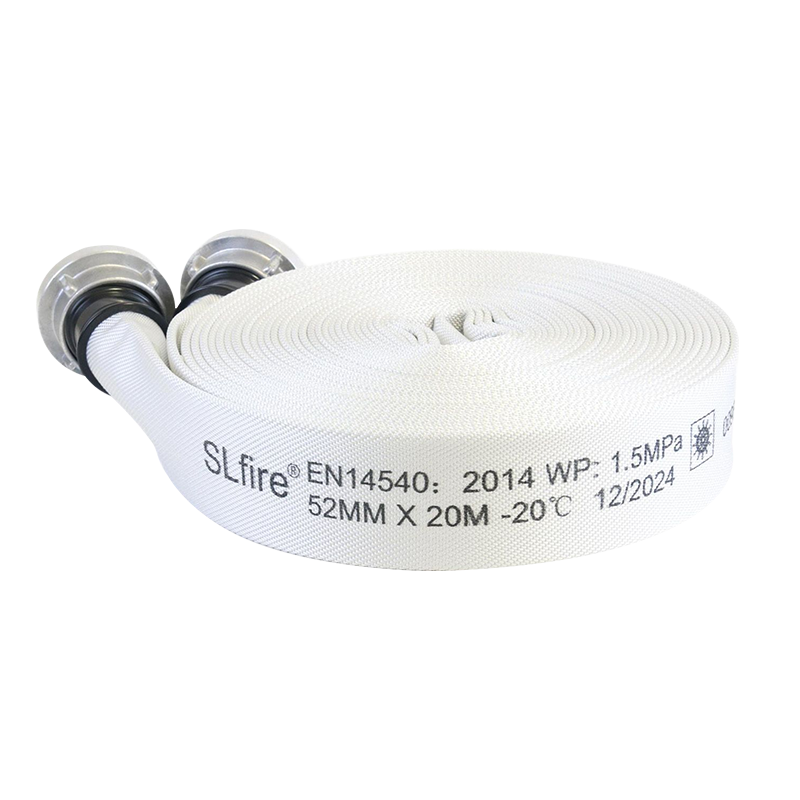
Marine hose Single jacket, PVC liner •100% high tenacity polyester yarn, circular woven in twill wea...
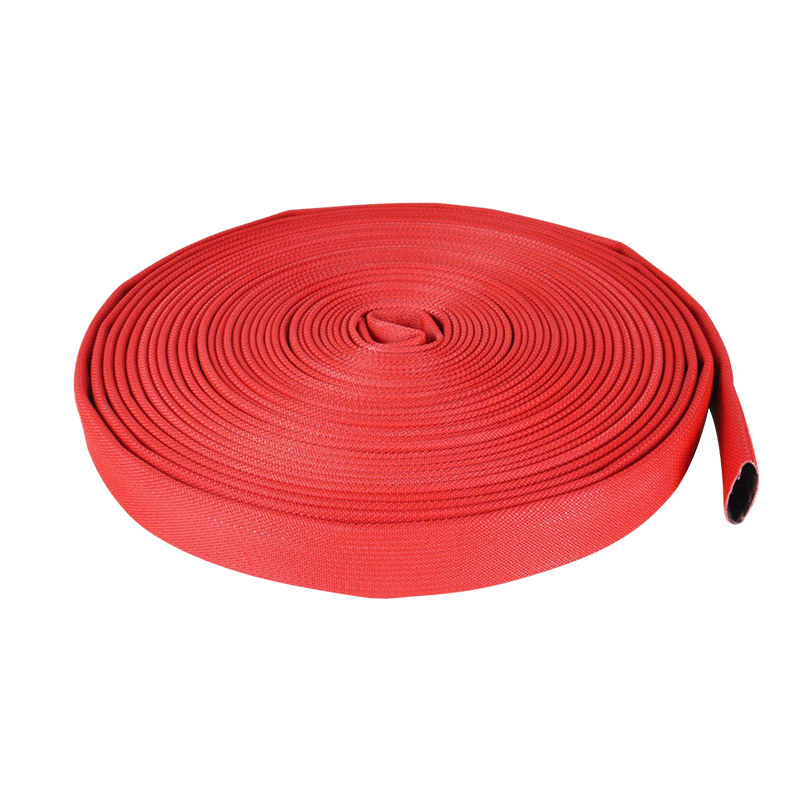
Marine hose Single jacket, PVC liner, PU coated •100% high tenacity polyester yarn,c ircular woven i...
 Call Us
+86 159-5116-9511
Need Support
Head Office
No.58, Kechuang Road, Sixiang Street Medicine Gaoxin District Taizhou City, Jiangsu Province

At a structure fire, the first line off the truck is the one that does the hardest work. Pulled around obstacles, dragged across gravel, charged with high-pressure water, and shut off at the nozzle d...
Copyright © Taizhou Shenlong Fire Science and Technology Co., Ltd. All Rights Reserved.
 Fire Hose Manufacturers, Fire Hydrant Hose Factory