

 English
 русский
 Español
 Deutsch
 عربى
 Français
 Português
Don't hesitate to send a message

Single jacket, EPDM rubber liner Features • 100% high tenacity polyester jacket, high-grade EPDM rub...
Content
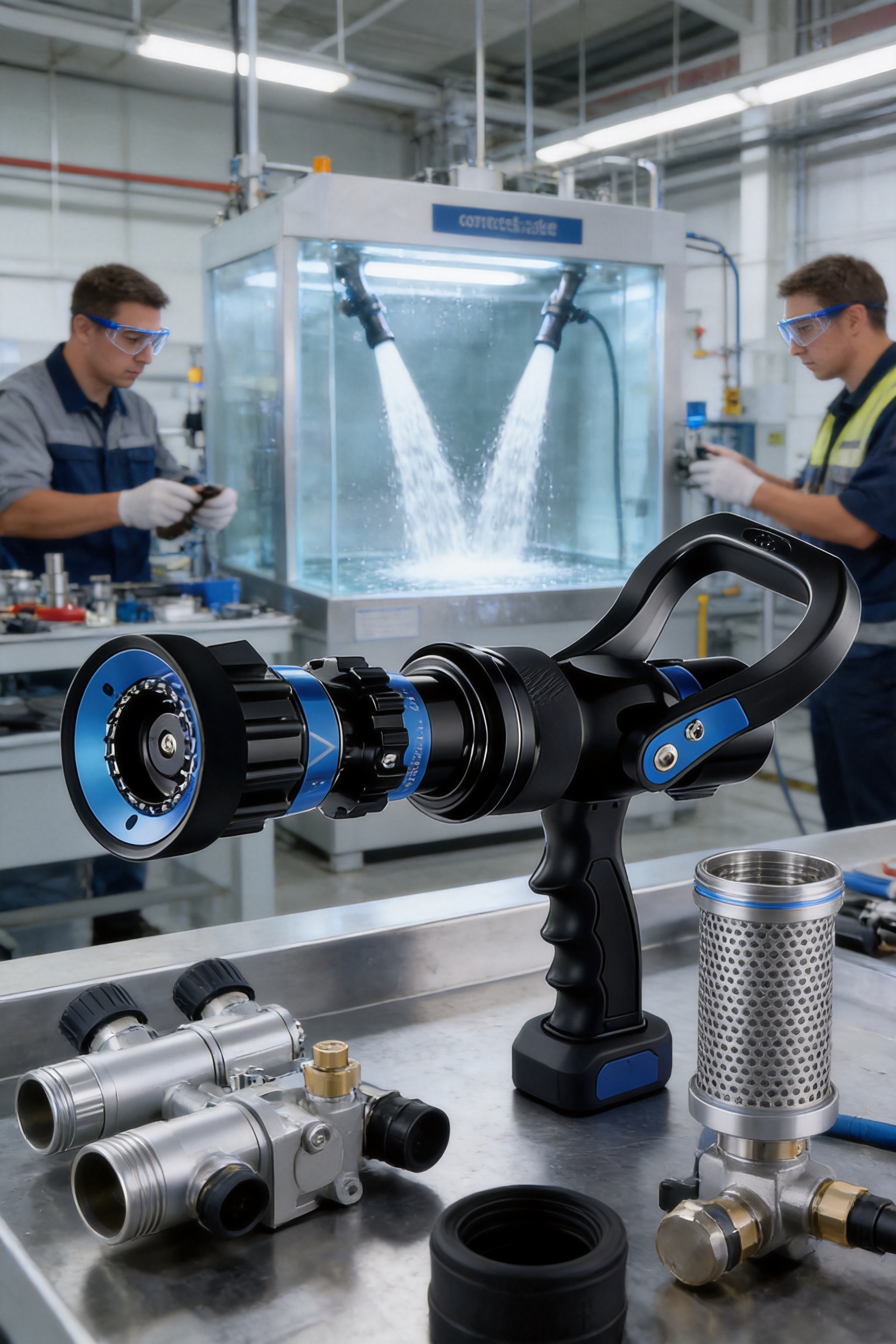
Fire suppression equipment must do more than deliver water. In demanding environments, a nozzle must help firefighters control heat, reduce smoke exposure, protect escape routes, and direct water efficiently toward a developing fire. The Dual Hydro-Wall Nozzle is designed for these needs by combining two synchronized high-pressure streams with a rugged, controllable, and serviceable construction.
Unlike a conventional nozzle that produces one primary stream or a standard fog pattern, this nozzle creates a broad and continuous hydro-wall effect. The two water streams work together to form a dense barrier that can help isolate fire zones, reduce radiant heat, and suppress flames from multiple directions. This makes the equipment especially suitable for industrial facilities, vehicle fires, wildland fire containment, emergency response, and other high-risk applications.
The nozzle is manufactured and supplied by Taizhou Shenlong Fire Science and Technology Co., Ltd., a Chinese fire equipment enterprise established in 1995. The company combines research and development, production, sales, and service, with experience in fire hoses, hose-related equipment, and products used in fire protection, construction, and water conservancy applications.
The Dual Hydro-Wall Nozzle is an advanced firefighting nozzle engineered to produce two coordinated high-pressure water streams. These streams are arranged to create a concentrated water barrier rather than relying only on a single forward jet. The resulting pattern can support both direct flame suppression and protective water coverage.
The equipment is mainly intended for high-pressure reel fire trucks and similar mobile firefighting systems. It can be applied to vehicle fires, forest fires, industrial incidents, and situations where firefighters need to establish a protective boundary between people, equipment, and heat.
Its listed model is QLD6.0/8Ⅲ. The nozzle has a nominal working pressure of 6 bar, a flow rate of 480 liters per minute, a flow distance of 32 meters, and a weight of approximately 2.2 kilograms. Coupling options include 1-inch, 1.5-inch, and 2-inch connections, while the broader product description identifies inlet sizes ranging from 1 inch to 2.5 inches depending on configuration.
| Specification | Available or Listed Value | Operational Significance |
| Product type | Dual Hydro-Wall Nozzle | Creates two synchronized high-pressure water streams |
| Model | QLD6.0/8Ⅲ | Reference designation for the listed configuration |
| Nominal working pressure | 6 bar | Supports high-pressure firefighting operation |
| Flow rate | 480 L/min | Provides substantial water delivery for suppression and cooling |
| Flow distance | 32 m | Allows operation from a safer standoff position |
| Approximate weight | 2.2 kg | Balances portability with durable construction |
| Coupling options | 1 inch, 1.5 inches, and 2 inches | Supports connection to different hose and reel systems |
| Body material | Aluminum | Offers a combination of strength, low weight, and corrosion resistance |
| Protective component | Rubber bumper | Helps reduce damage caused by impacts and rough handling |
The central design feature is the dual-stream water pattern. When water passes through the nozzle, it is divided and directed into two synchronized streams. The streams are arranged to create a dense, continuous protective effect across a wider area than a narrow straight stream alone.
This configuration offers two important functions. First, the streams can attack flames from more than one angle, improving water contact with the fire. Second, the water pattern can act as a protective screen between the operator and the heat source. The screen is not a substitute for complete structural fire protection or appropriate personal protective equipment, but it can contribute to heat management and operational safety when correctly positioned.
In a conventional single-stream nozzle, water is concentrated along one main line of travel. This can be highly effective when the operator has a clear line of sight and the fire is localized. However, many industrial fires involve irregular flame movement, radiant heat, smoke, stored materials, and obstructed access. A dual-stream configuration can provide a more adaptable pattern for those conditions.
The hydro-wall effect may be particularly useful when firefighters need to protect an access route, separate an unaffected area from a burning zone, cool exposed equipment, or create a temporary operating position. The nozzle can also help provide water coverage while another team attacks the primary fire.
A dense water barrier can absorb and carry away heat as water changes temperature and moves through the air and over nearby surfaces. In practical firefighting, water curtains and fog patterns are often used to reduce radiant heat and protect personnel or adjacent property. The Dual Hydro-Wall Nozzle applies this general principle through two coordinated streams designed for continuous coverage.
The actual level of protection depends on flow, pressure, wind, distance, nozzle orientation, fuel type, fire size, and the quality of the water supply. Operators must therefore evaluate conditions continuously. The nozzle provides a tool for creating a water barrier; it does not eliminate the need for incident assessment, fireground discipline, and coordinated response.
Fire can spread laterally, rise vertically, move through gaps, and reappear behind equipment. A single narrow jet may require frequent repositioning to cover these changes. The dual-stream arrangement increases the opportunity for water to reach different portions of the flame envelope at the same time.
This can be advantageous in vehicle fires, warehouse incidents, machinery fires, and outdoor fires where the flame front is broad or irregular. The water streams may also support cooling of nearby walls, tanks, vehicles, machinery, and other exposed objects while the operator directs the pattern toward the main fire.
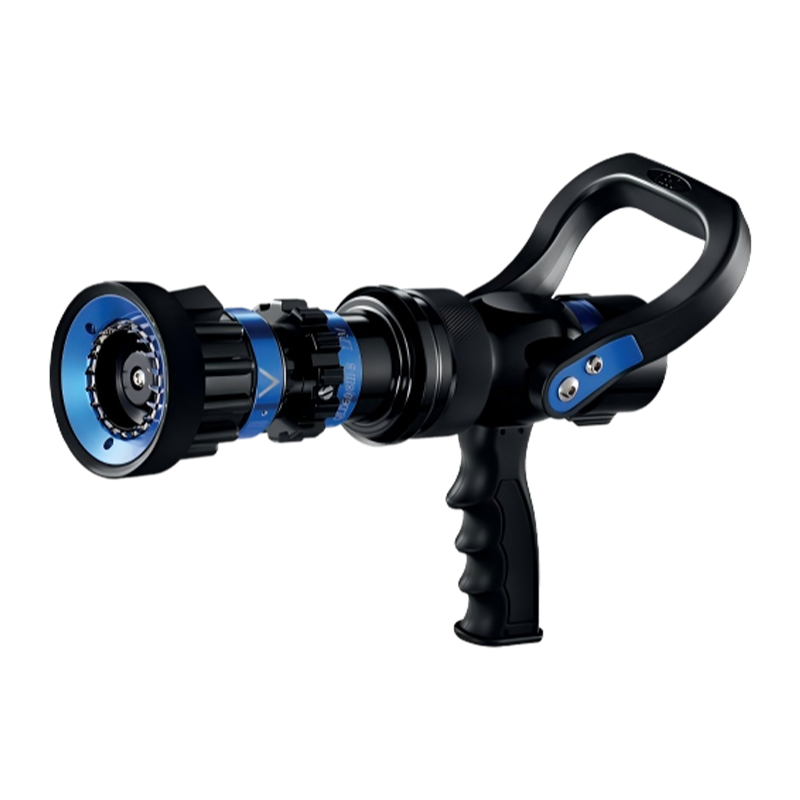
Dual Hydro-Wall Nozzle
The Dual Hydro-Wall Nozzle has several advantages when compared with basic single-stream firefighting nozzles. These advantages relate to water pattern, operator protection, construction, controls, connection security, and maintenance-oriented design.
The dual-stream pattern creates a broader water effect than a single concentrated stream. This can help cover a larger visual area and create a more effective temporary barrier. For industrial response teams, wider coverage may reduce the need to move the nozzle repeatedly when the objective is to protect a corridor, boundary, or adjacent asset.
Broader coverage is also valuable when the fire is not uniform. Industrial fire loads can include flammable liquids, packaging, plastics, electrical equipment, machinery, and stored materials. These fuels may produce different flame shapes and heat levels. A flexible water pattern helps operators respond to changing conditions.
Many nozzles are optimized primarily for direct water attack. The Dual Hydro-Wall Nozzle is designed to support both direct suppression and protective water screening. This dual function can be useful when personnel must approach a fire while also maintaining protection from heat and smoke.
For example, a response team may use the nozzle to shield an access path while another operator or team handles isolation, rescue, valve closure, or additional hose deployment. In a wildland setting, the water barrier can support perimeter defense and help protect vehicles or personnel from approaching heat.
The listed configuration provides a 480 L/min flow rate at a nominal working pressure of 6 bar. This combination is intended to deliver a substantial volume of water without requiring an exceptionally high operating pressure. The practical result is a balance between water delivery, equipment compatibility, and operating control.
The correct pump, hose, coupling, and water supply must always be selected to support the required flow. A nozzle cannot perform at its rated capacity if the supply system is undersized, restricted, or unable to maintain pressure. Proper hydraulic planning remains essential.
The listed flow distance is 32 meters. This allows operators to maintain a useful separation from the fire when site conditions permit. Greater standoff distance can reduce direct exposure to heat and flame, although wind, obstructions, elevation, and fire behavior must be considered before selecting an operating position.
Compared with a nozzle designed only for close-range application, a 32-meter flow distance may provide more flexibility for vehicle yards, warehouses, plant areas, loading zones, and outdoor fire lines.
The nozzle body is constructed from aluminum. Aluminum is commonly selected for firefighting equipment because it can provide useful structural strength while keeping the equipment relatively manageable for operators. The listed nozzle weighs approximately 2.2 kilograms, helping reduce fatigue during sustained operation or repositioning.
The aluminum body also offers resistance to corrosion when properly maintained. Firefighting equipment is frequently exposed to water, moisture, dirt, chemicals, and outdoor conditions. A corrosion-resistant body can support a longer service life, although regular cleaning, inspection, and appropriate storage are still necessary.
A rubber bumper is fitted to help protect the nozzle during handling and operation. Fireground equipment may be placed on concrete, dropped during movement, dragged across surfaces, or exposed to contact with vehicles and structures. The bumper helps reduce the effect of these impacts and can protect the body from unnecessary damage.
The bumper also provides a practical visual and tactile point of protection when the nozzle is set down temporarily. This is a small component, but it reflects attention to the conditions in which firefighting equipment is actually used.
Permanent laser-engraved operational markings make flow and pressure settings easier to read. In a smoky, wet, noisy, or stressful environment, operators need controls that can be identified quickly. Markings that resist wear are preferable to temporary labels that may fade, peel, or become unreadable after repeated use.
Clear markings can also support training consistency. When personnel practice with the same visible references, they can learn how to select settings and communicate nozzle positions more efficiently during an emergency.
The nozzle uses stainless-steel spinning teeth to support a consistent fog performance. The spinning components help shape and distribute the water pattern. Stainless steel is suitable for this application because it provides resistance to corrosion and repeated exposure to water.
A consistent fog pattern is important when the nozzle is used for cooling, exposure protection, or heat reduction. It also helps operators understand how the nozzle will behave as the pattern is adjusted, provided the water pressure remains within the intended operating range.
The DuPont nylon pistol grip is designed to provide a secure and comfortable hand position. Pistol-grip construction can make it easier to control the nozzle direction and maintain a stable posture during prolonged operation. The material is selected for durability and resistance to demanding service conditions.
Reduced hand fatigue can improve control. When operators become tired, they may find it more difficult to hold a steady pattern, communicate with team members, or reposition the nozzle safely. An ergonomic grip does not remove the physical demands of firefighting, but it can make extended handling more manageable.
The nozzle is equipped with a forged connection or coupling for hose attachment. Forging is widely used for components that must withstand mechanical stress because it can produce a dense and durable metal structure. A secure connection is essential for maintaining water flow and preventing accidental separation during operation.
Connection selection should match the hose, reel, pump, and local fire protection system. The listed coupling options provide flexibility for different installations and regional equipment standards.
A stainless-steel strainer helps filter impurities before they enter the nozzle. Water supplies may contain dirt, rust particles, scale, or other debris. Without filtration, contaminants can restrict passages, affect pattern quality, or contribute to clogging.
The strainer is particularly useful when water is drawn from open sources, temporary tanks, hydrants with sediment, or systems that are not used regularly. It should be inspected and cleaned as part of routine equipment maintenance.
The ball valve can be supplied in stainless steel, aluminum, or brass according to system requirements. This gives buyers an opportunity to select a valve material based on weight, corrosion environment, compatibility, budget, and operational expectations.
Stainless steel may be preferred where corrosion resistance is a major priority. Aluminum can help reduce weight. Brass is a long-established material for many water-handling components and may be suitable for installations where its properties align with the surrounding system.
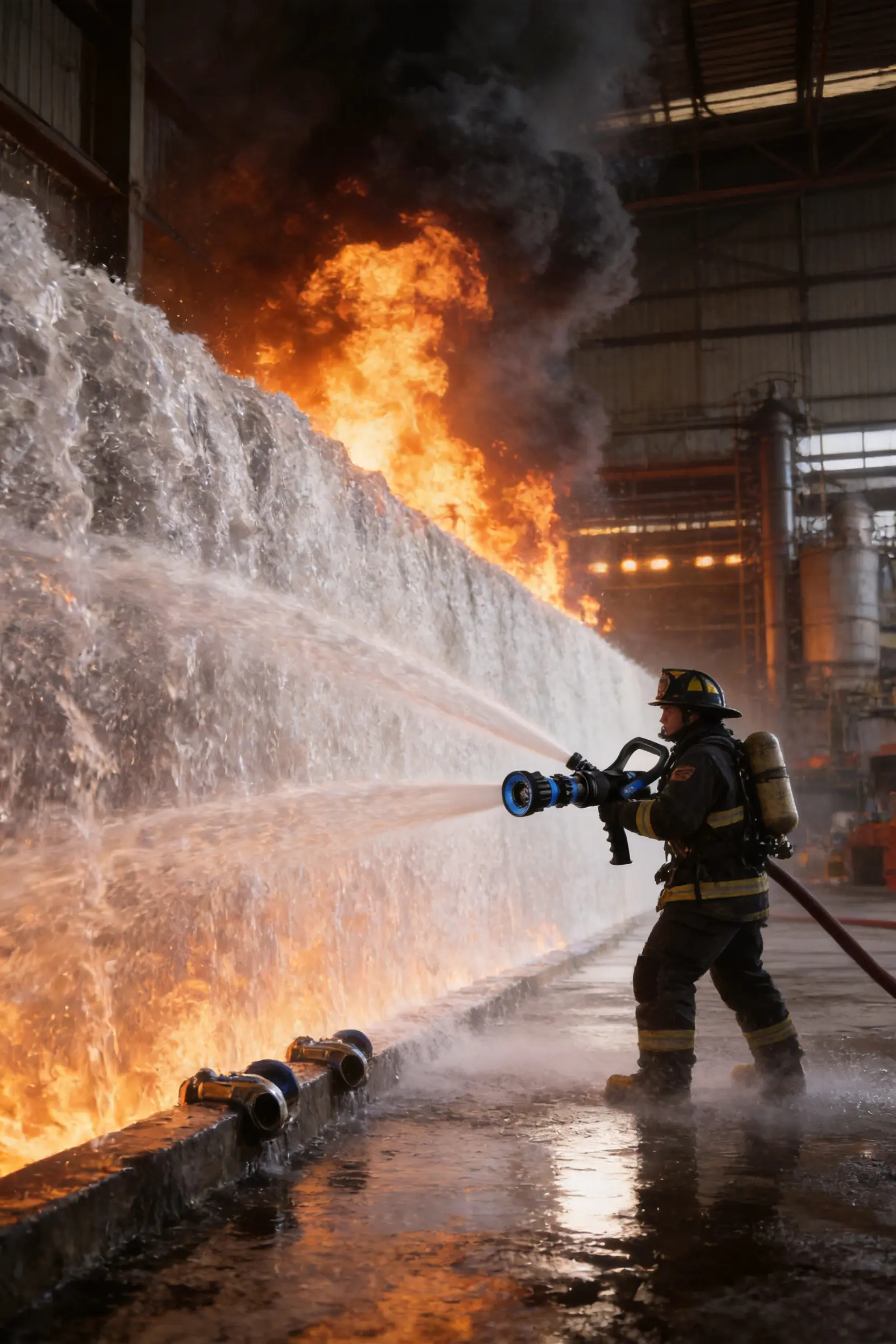
Factories may contain production machinery, combustible packaging, lubricants, plastics, chemicals, and electrical systems. A fire can spread quickly across a production area and may generate intense radiant heat. The Dual Hydro-Wall Nozzle can be used to create a protective water boundary while personnel work to control the fire or isolate equipment.
The two-stream arrangement can help cover machinery faces, production lines, storage racks, and open floor areas. It may also be used to cool structures adjacent to the main fire, reducing the risk of heat-related damage.
Warehouses often contain high fuel loads and narrow access paths. Stacked materials may obstruct direct access, while smoke can reduce visibility. A water barrier can help protect an aisle, loading zone, or emergency route while firefighters approach the affected area.
Because the equipment has a listed flow distance of 32 meters, it may be suitable for creating a standoff position in larger storage areas. Operators must still assess roof stability, falling materials, smoke movement, and the risk of flashover before entering or remaining inside a structure.
Refineries and chemical plants require careful control of heat, vapor, and exposure risk. Water may be used to cool vessels, pipework, structural supports, and nearby equipment, although the suitability of water depends on the material involved and the fire scenario.
The hydro-wall pattern can support exposure protection and personnel shielding. It should be integrated with the facility’s emergency response plan, fixed deluge systems, foam systems, gas detection, isolation procedures, and specialist firefighting methods.
Power stations and utility facilities may include transformers, turbines, cable tunnels, fuel systems, and high-temperature equipment. The nozzle can be useful for cooling exposed surfaces and suppressing compatible fires, but operators must consider electrical hazards and follow site-specific electrical isolation procedures.
Water should never be applied indiscriminately to energized electrical equipment. The nozzle’s value in a power plant lies in its controlled water delivery and protective coverage when used by trained personnel under an approved response plan.
The equipment is identified as suitable for use on high-pressure reel fire trucks and vehicle fires. Vehicles can contain fuel, batteries, tires, plastics, upholstery, and pressurized systems. A vehicle fire may also spread to nearby vehicles or structures.
The 32-meter flow distance can help crews work from a safer position while the dual streams provide broad water coverage. The operator can use the water barrier to limit radiant heat and protect adjacent vehicles while directing the primary flow toward the burning vehicle.
Wildland fires can change direction rapidly under the influence of wind, terrain, fuel type, and humidity. A portable or vehicle-mounted hydro-wall nozzle can support perimeter defense, structure protection, and protection of access routes.
In these conditions, the nozzle is not a replacement for firebreaks, aircraft, hose lines, or coordinated wildfire tactics. Its advantage is the ability to deliver a high-volume water pattern from a mobile platform, helping crews defend selected points and cool exposed areas.
Some emergency operations require temporary isolation rather than immediate extinguishment. Examples include protecting a rescue path, keeping a neighboring tank cool, shielding an emergency shutdown team, or preventing flames from reaching another building.
The Dual Hydro-Wall Nozzle is well suited to these situations because it can produce a protective barrier while maintaining meaningful water delivery toward the heat source. The nozzle can therefore form part of a layered response involving rescue, cooling, suppression, ventilation, and incident command.
Taizhou Shenlong Fire Science and Technology Co., Ltd. was founded in 1995. The company operates across research and development, production, sales, and service. This integrated structure is valuable for fire equipment because product design, manufacturing feedback, customer requirements, and after-sales support can be connected within one organization.
The company’s main products include lined fire hoses made from different materials. It also undertakes foreign trade products according to customer requirements, including rubber products, PVC products, polyurethane products, and double-sided tape. This broader material and production experience supports an understanding of flexible materials, connection components, water-handling products, and industrial supply requirements.
For the Dual Hydro-Wall Nozzle, manufacturing quality depends on several linked processes. These include material selection, body forming, machining, valve assembly, component fitting, surface treatment, marking, inspection, and final packaging. A reliable nozzle must not only look robust; it must maintain its water pattern, connection integrity, and control function under operating pressure.
Research and development provides the foundation for adapting the nozzle to different fireground needs. Dual-stream technology requires attention to internal water passages, outlet geometry, pressure behavior, and the relationship between flow rate and spray pattern.
Design work must also consider operator handling. A technically effective nozzle may still be difficult to use if the grip is uncomfortable, the controls are unclear, or the connection is too heavy. Integrating ergonomic features, permanent markings, a protective bumper, and material options demonstrates a product-development approach that considers both hydraulic performance and real-world use.
Material selection is an important manufacturing strength. The aluminum body is intended to provide a useful balance of durability and reduced weight. Stainless steel is used for the spinning teeth and strainer, where corrosion resistance and repeated exposure to water are important. The rubber bumper adds impact protection, while the nylon pistol grip contributes to operator comfort and handling stability.
The availability of stainless-steel, aluminum, and brass ball valves allows the product to be configured for different customer requirements. This is beneficial for distributors, fire departments, contractors, and industrial users who may have established material preferences or compatibility standards.
The body and connection components must be formed and machined accurately so that the nozzle can maintain proper alignment and sealing. Forged connection components are selected for mechanical strength, while machined surfaces help support consistent assembly and secure hose attachment.
Internal water passages also require careful attention. Irregularities, excess material, or contamination can affect flow and pattern quality. A production process that includes dimensional checks and internal cleanliness inspections can help reduce these risks.
Assembly quality has a direct effect on field reliability. The ball valve, strainer, spinning teeth, grip, bumper, coupling, and nozzle body must be fitted correctly. Sealing surfaces need to be clean and properly aligned. Moving components must operate smoothly without excessive looseness or resistance.
A structured assembly process can help ensure that each unit receives the same inspection points. This is particularly important when the product is supplied in different coupling sizes or with alternative valve materials.
Laser engraving is used for operational markings. This process creates durable references that are less likely to disappear through abrasion, water exposure, or repeated cleaning. Permanent marking also helps preserve product identity and operating information over the service life of the equipment.
For fire equipment, clear marking is more than an appearance feature. It supports training, inspection, and emergency decision-making. Operators can locate pressure and flow references without relying on temporary labels or printed documentation alone.
A reliable manufacturing program should include inspection of dimensions, connections, valve operation, water passage cleanliness, strainer fit, and external finish. Functional testing should verify that the nozzle can deliver its intended flow and produce the expected water pattern at the specified operating pressure.
Because firefighting equipment is safety-related, quality control should extend beyond final appearance. Each unit should be checked for leaks, loose parts, damaged markings, restricted flow, and abnormal movement of the adjustment components. Customers should also follow the manufacturer’s inspection and maintenance recommendations after delivery.
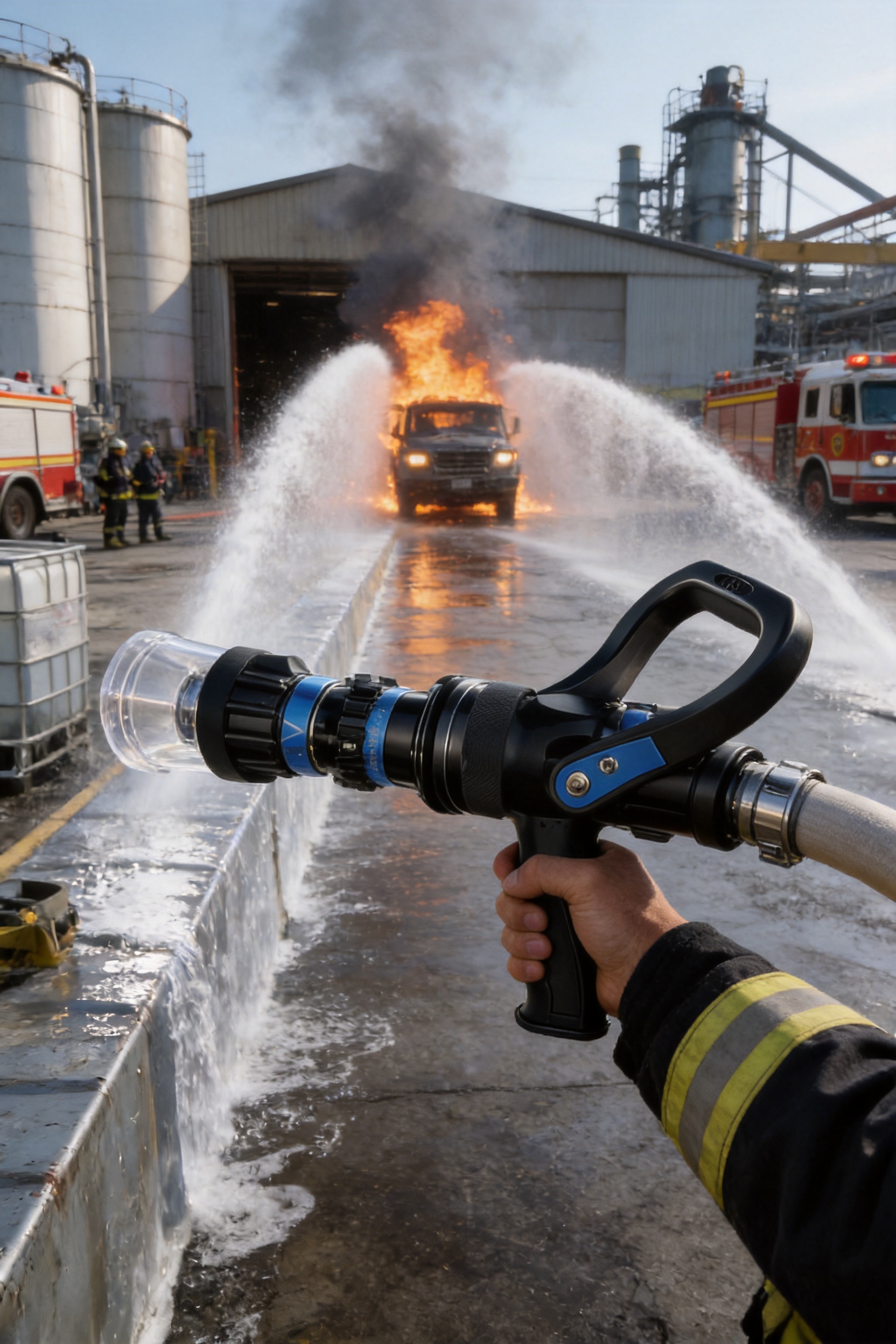
The nozzle is designed for connection to firefighting hoses, high-pressure reels, and compatible water supply systems. Before installation, users should confirm the coupling size, thread or connection standard, pressure rating, hose type, pump capacity, and intended flow rate.
The listed coupling options include 1 inch, 1.5 inches, and 2 inches, while configurations may be available across a broader inlet range. Selecting the correct connection prevents leakage, reduces adapter requirements, and helps maintain stable flow.
The water supply must be capable of delivering 480 L/min at the required operating pressure. If the hose is too long, too small, kinked, or obstructed, pressure loss may reduce the nozzle’s performance. A complete hydraulic assessment should include pump output, elevation changes, hose friction, fittings, valves, and any inline filters.
When installed on a high-pressure reel fire truck, the nozzle should be mounted securely and positioned so that the operator can access the grip and control components without unnecessary strain. The reel system should allow smooth hose deployment and should not place side loads on the nozzle connection.
Only trained personnel should operate the Dual Hydro-Wall Nozzle. Before use, the operator should verify that the hose is connected correctly, the coupling is secure, the strainer is clean, the valve functions properly, and the water supply is ready.
The operator should establish a stable stance and maintain both hands in appropriate positions on the equipment. Reaction force can increase with flow and pressure. The hose should be managed by the operator or a supporting team member to prevent sudden movement or loss of control.
The nozzle should be directed toward the fire, heat source, or protection zone according to the incident plan. Operators should avoid standing in unstable locations, beneath damaged structures, near exposed cylinders, or in areas where changing fire behavior could create an immediate hazard.
For barrier operation, the two streams should be positioned to cover the required area without leaving unnecessary gaps. Wind may distort the water pattern, so the operator may need to adjust the angle, distance, or position. The barrier should be maintained only as long as the water supply and personnel resources can support it.
After use, the nozzle should be shut down according to the equipment procedure, depressurized where required, disconnected safely, flushed with clean water if necessary, and inspected for damage. The strainer should be removed and cleaned when contamination is present.
Routine maintenance helps preserve the nozzle’s flow performance and service life. Inspection intervals should be based on frequency of use, water quality, environmental exposure, local procedures, and manufacturer recommendations.
Inspect the aluminum body for dents, cracks, severe abrasion, corrosion, or distortion. Check the rubber bumper for tearing, separation, or excessive wear. A damaged bumper should be replaced if it no longer protects the body during normal handling.
Remove the stainless-steel strainer according to the service procedure and check for dirt, rust particles, scale, or other debris. Clean the strainer without damaging the mesh or perforated surface. A blocked strainer can reduce flow and affect the water pattern.
Operate the ball valve through its full range and confirm that movement is smooth. Check for leakage around the valve and connection points. Inspect the nylon pistol grip for looseness, cracks, or unusual movement.
Periodic flow testing can confirm that the nozzle continues to perform as intended. The test should use appropriate equipment and safe conditions. Compare observed flow, pressure, distance, and spray pattern with the expected operating values. Any significant change should be investigated before the nozzle is returned to critical service.
Store the nozzle in a clean, dry, and protected location. Avoid prolonged exposure to direct sunlight, extreme temperatures, corrosive chemicals, and unnecessary mechanical loads. The coupling should be protected from damage, and the nozzle should not be stored with debris inside the water passage.
Professional buyers often need more than a basic nozzle. They require dependable performance, compatibility with existing equipment, manageable weight, clear operating information, and access to product customization. The Dual Hydro-Wall Nozzle addresses these requirements through its dual-stream design, 6-bar operating specification, 480 L/min flow, multiple coupling options, alternative ball valve materials, durable components, and practical protective features.
Distributors can benefit from a product that serves several market segments. The same basic nozzle concept can be positioned for industrial fire brigades, municipal response teams, high-pressure reel trucks, emergency contractors, warehouses, agricultural facilities, and wildland protection services.
Industrial users can also select configurations that fit their existing systems. Coupling size and valve material are important when a company is standardizing equipment across multiple sites. A configurable product may reduce the need to maintain several unrelated nozzle designs.
The company’s long operating history, integrated R&D and production structure, and experience supplying products for domestic and export markets provide a foundation for cooperation with international buyers. Customer requirements can be discussed in relation to material, connection, application, packaging, and product documentation.
Before purchasing the Dual Hydro-Wall Nozzle, buyers should review the following points:
Confirm the intended application, such as industrial containment, vehicle firefighting, wildland perimeter defense, cooling, or emergency heat isolation.
Verify that the pump and hose system can support the required 480 L/min flow rate at a nominal 6-bar working pressure.
Select the correct inlet and coupling size for the hose, reel, hydrant, or mobile firefighting system.
Choose the preferred ball valve material based on weight, corrosion exposure, compatibility, and maintenance requirements.
Confirm the available flow distance and ensure that the operating location provides sufficient access, visibility, and escape options.
Review the training requirements for dual-stream operation, water-barrier positioning, recoil control, and emergency shutdown.
Establish a maintenance plan covering strainer cleaning, valve inspection, coupling checks, flow testing, and storage.
Confirm delivery documentation, inspection records, replacement components, and after-sales support requirements with the supplier.
It is a firefighting nozzle designed to produce two synchronized high-pressure water streams. These streams form a dense water barrier that can assist with flame suppression, heat reduction, exposure protection, and fire-zone isolation.
The listed configuration has a flow rate of 480 liters per minute.
The nominal working pressure is 6 bar.
The listed flow distance is 32 meters. Actual distance can vary according to water pressure, nozzle condition, wind, elevation, hose losses, and other site conditions.
The main body is made from aluminum. The nozzle also uses stainless-steel spinning teeth, a stainless-steel strainer, a DuPont nylon pistol grip, and a rubber bumper. Ball valve options include stainless steel, aluminum, and brass.
The listed model includes 1-inch, 1.5-inch, and 2-inch coupling options. Product configurations may support inlet sizes from 1 inch to 2.5 inches, subject to the specific order and system requirements.
Yes. The product information identifies it as suitable for high-pressure reel fire trucks and vehicle fires. Operators must consider fuel type, battery hazards, electrical risks, nearby exposures, and the overall emergency response plan.
Yes. It can support forest fire response, perimeter protection, vehicle defense, and cooling of exposed assets. It should be used as part of a coordinated wildfire strategy rather than as a standalone solution.
The strainer filters impurities from the water supply before they enter the nozzle. This helps reduce the possibility of clogging and supports consistent water delivery.
Aluminum provides a combination of structural strength, relatively low weight, and corrosion resistance. These characteristics are valuable for equipment that must be carried, repositioned, and exposed to water and harsh environments.
The permanent markings provide durable references for operational settings. They are designed to remain readable during repeated use, cleaning, and exposure to water.
No. The water barrier may help reduce heat exposure, but it does not replace helmets, protective clothing, breathing apparatus, gloves, boots, thermal protection, communication equipment, or proper fireground procedures.
Users should inspect the body, bumper, grip, valve, coupling, and water passages. The strainer should be cleaned regularly, and the nozzle should be flow-tested according to the user’s maintenance program and manufacturer recommendations.
The product is supplied by Taizhou Shenlong Fire Science and Technology Co., Ltd., a fire equipment company founded in 1995 with research and development, production, sales, and service capabilities.
The Dual Hydro-Wall Nozzle is designed for firefighting situations in which water delivery, protective coverage, and operator control must work together. Its two synchronized high-pressure streams create a water barrier that can support flame suppression, heat reduction, exposure protection, and emergency fire-zone isolation.
Compared with a basic single-stream nozzle, the product offers a broader and more flexible water effect. Its aluminum body, rubber bumper, laser-engraved markings, stainless-steel spinning teeth, nylon pistol grip, forged connection, stainless-steel strainer, and configurable ball valve options provide a practical combination of durability and usability.
The listed 480 L/min flow rate, 6-bar nominal working pressure, 32-meter flow distance, and multiple coupling choices make the nozzle suitable for high-pressure reel trucks and a range of industrial and emergency applications. Its value is further supported by the manufacturer’s long-standing involvement in fire protection products, integrated R&D and production capabilities, and experience with different materials and export-oriented supply.
When matched with the correct pump, hose, coupling, training program, and maintenance plan, the Dual Hydro-Wall Nozzle can become an effective component of modern fire suppression equipment. It is especially appropriate for factories, warehouses, refineries, power facilities, vehicle fires, wildland response, and high-risk operations where firefighters need both water attack and protective screening.
Product specification information for the Dual Hydro-Wall Nozzle, including model, pressure, flow rate, flow distance, weight, and coupling options.
Manufacturer-provided product information concerning dual-stream water-barrier technology, component materials, operational features, and application areas.
Company profile information for Taizhou Shenlong Fire Science and Technology Co., Ltd., including company history, product scope, and integrated research, production, sales, and service capabilities.
General fireground principles concerning water application, exposure protection, nozzle operation, hose handling, and equipment maintenance.
General industrial fire safety practices concerning emergency planning, fire-zone isolation, cooling, personal protective equipment, and coordinated incident response.
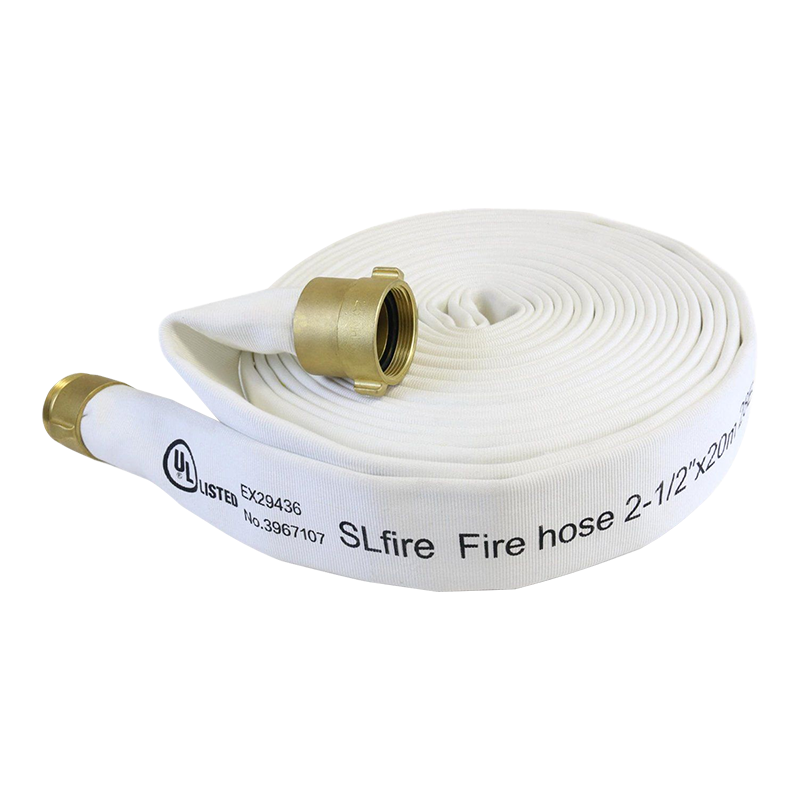
Single jacket, EPDM rubber liner Features • 100% high tenacity polyester jacket, high-grade EPDM rub...
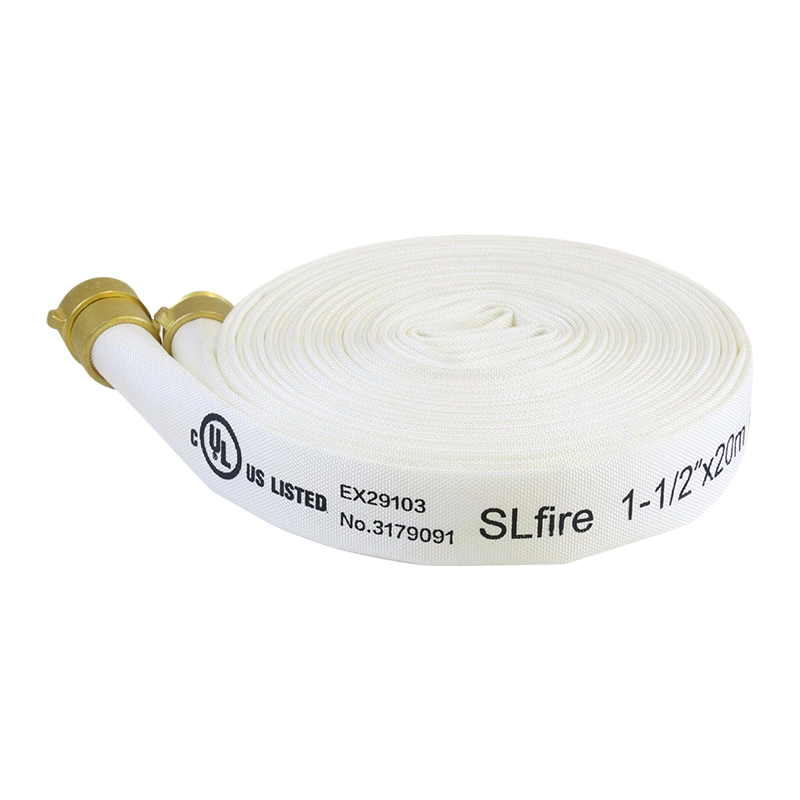
Single jacket, TPU liner •High-tenacity polyester yarn, circular woven in twill weave/plain weave,T ...
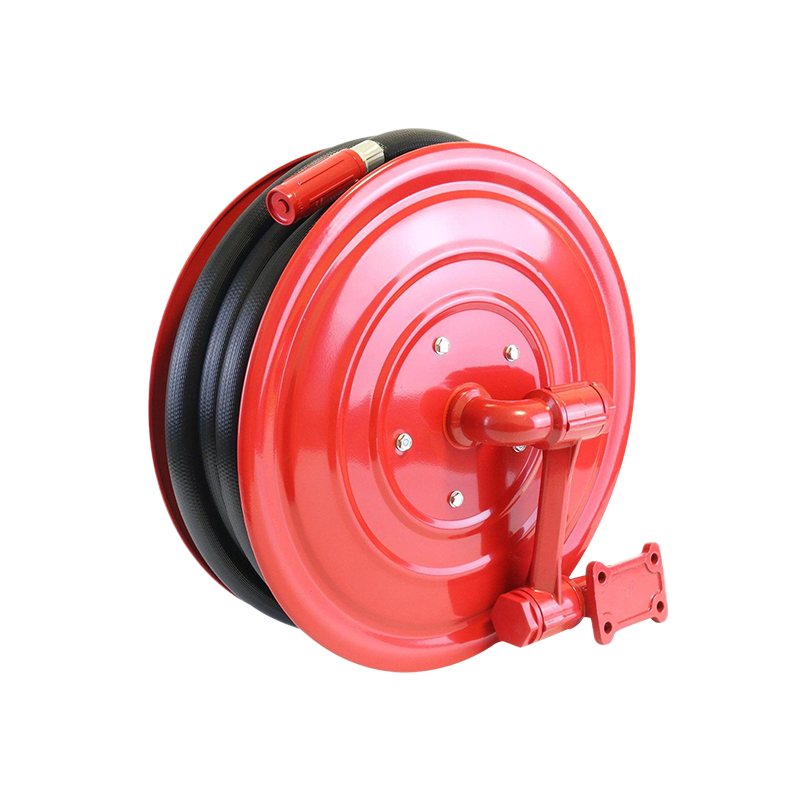
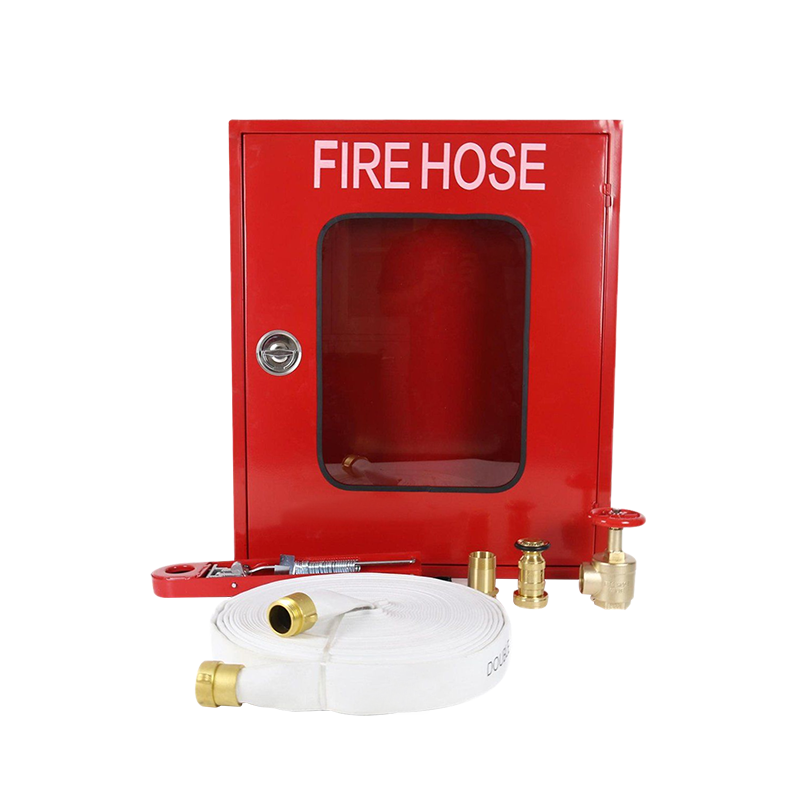
Fire cabinets are designed to accommodate fire hose,valve and other firefighting equipment. Type 201...
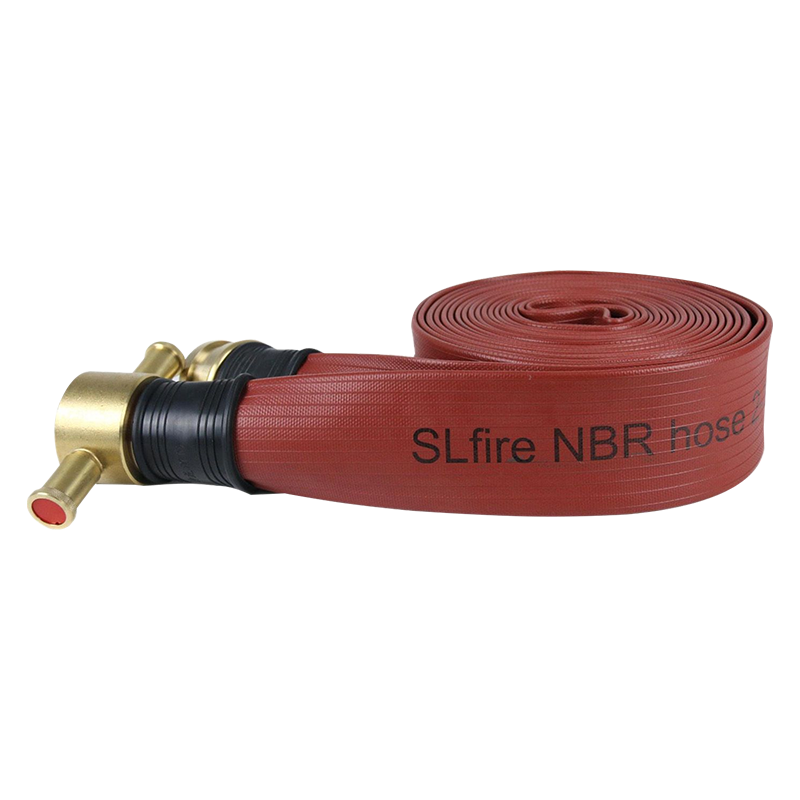
Nitrile covered hose •Nitrile/TPR blend as cover and lining, with 100% high-tenacity polyester yarn ...
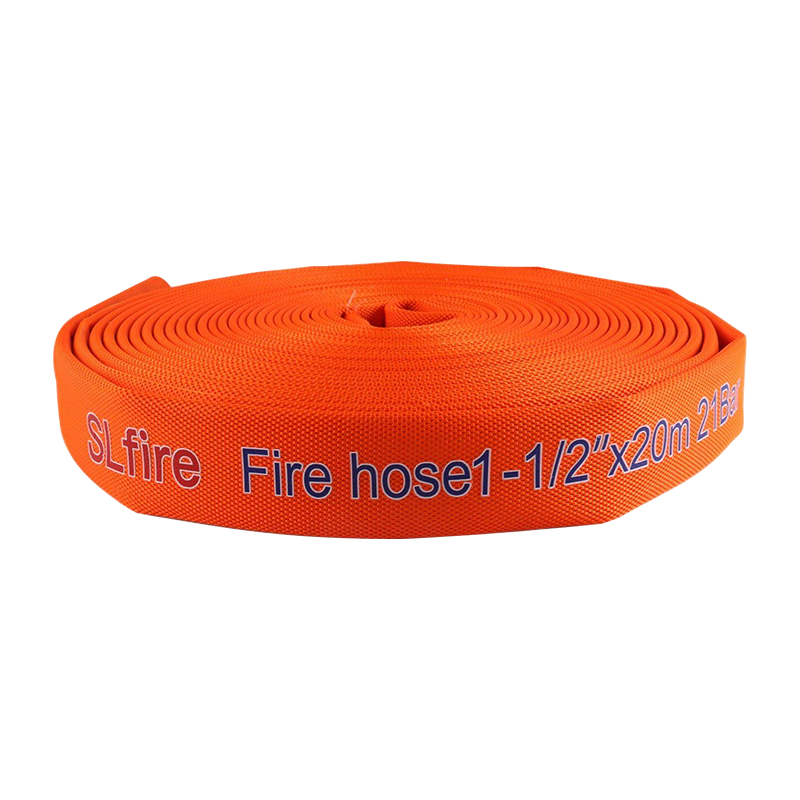
Single jacket, TPU liner •High-tenacity polyester yarn, circular woven in twill weave, TPU lining, f...
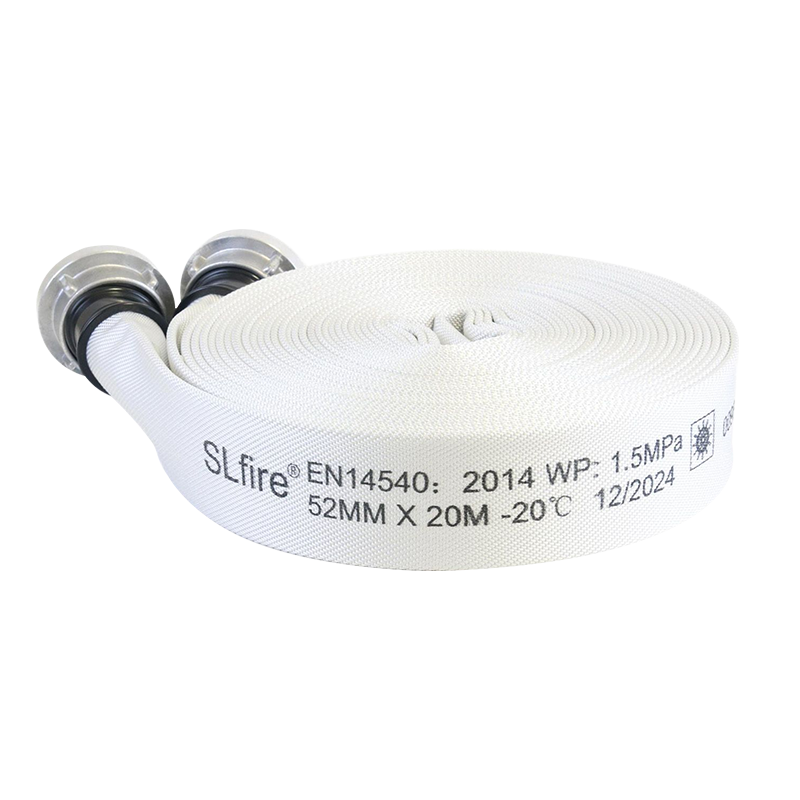
Marine hose Single jacket, PVC liner •100% high tenacity polyester yarn, circular woven in twill wea...
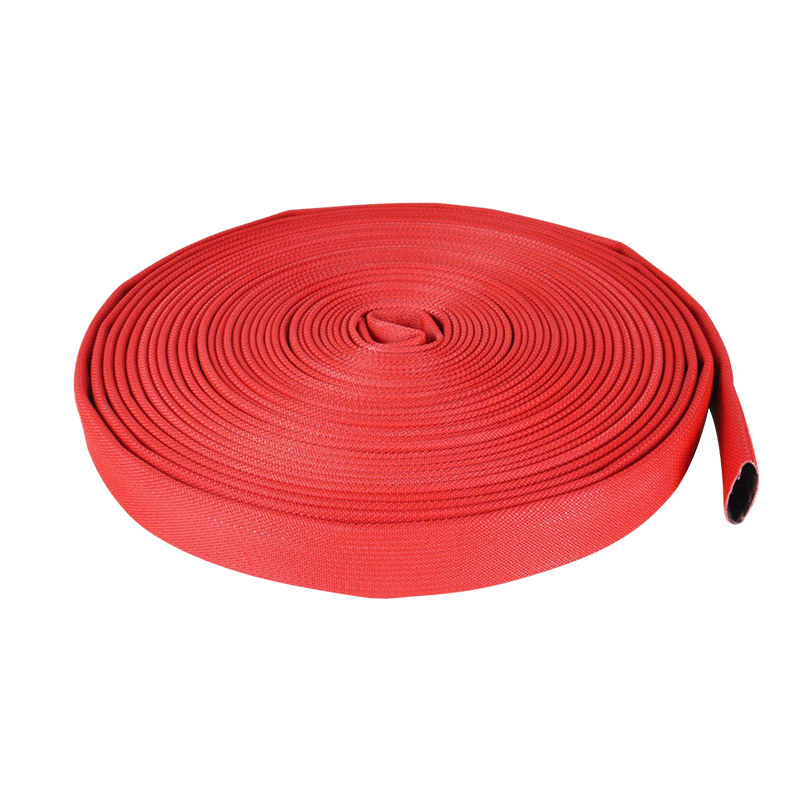
Marine hose Single jacket, PVC liner, PU coated •100% high tenacity polyester yarn,c ircular woven i...
 Call Us
+86 159-5116-9511
Need Support
Head Office
No.58, Kechuang Road, Sixiang Street Medicine Gaoxin District Taizhou City, Jiangsu Province

At a structure fire, the first line off the truck is the one that does the hardest work. Pulled around obstacles, dragged across gravel, charged with high-pressure water, and shut off at the nozzle d...
Copyright © Taizhou Shenlong Fire Science and Technology Co., Ltd. All Rights Reserved.
 Fire Hose Manufacturers, Fire Hydrant Hose Factory