

 English
 русский
 Español
 Deutsch
 عربى
 Français
 Português
Don't hesitate to send a message

Single jacket, EPDM rubber liner Features • 100% high tenacity polyester jacket, high-grade EPDM rub...
Content
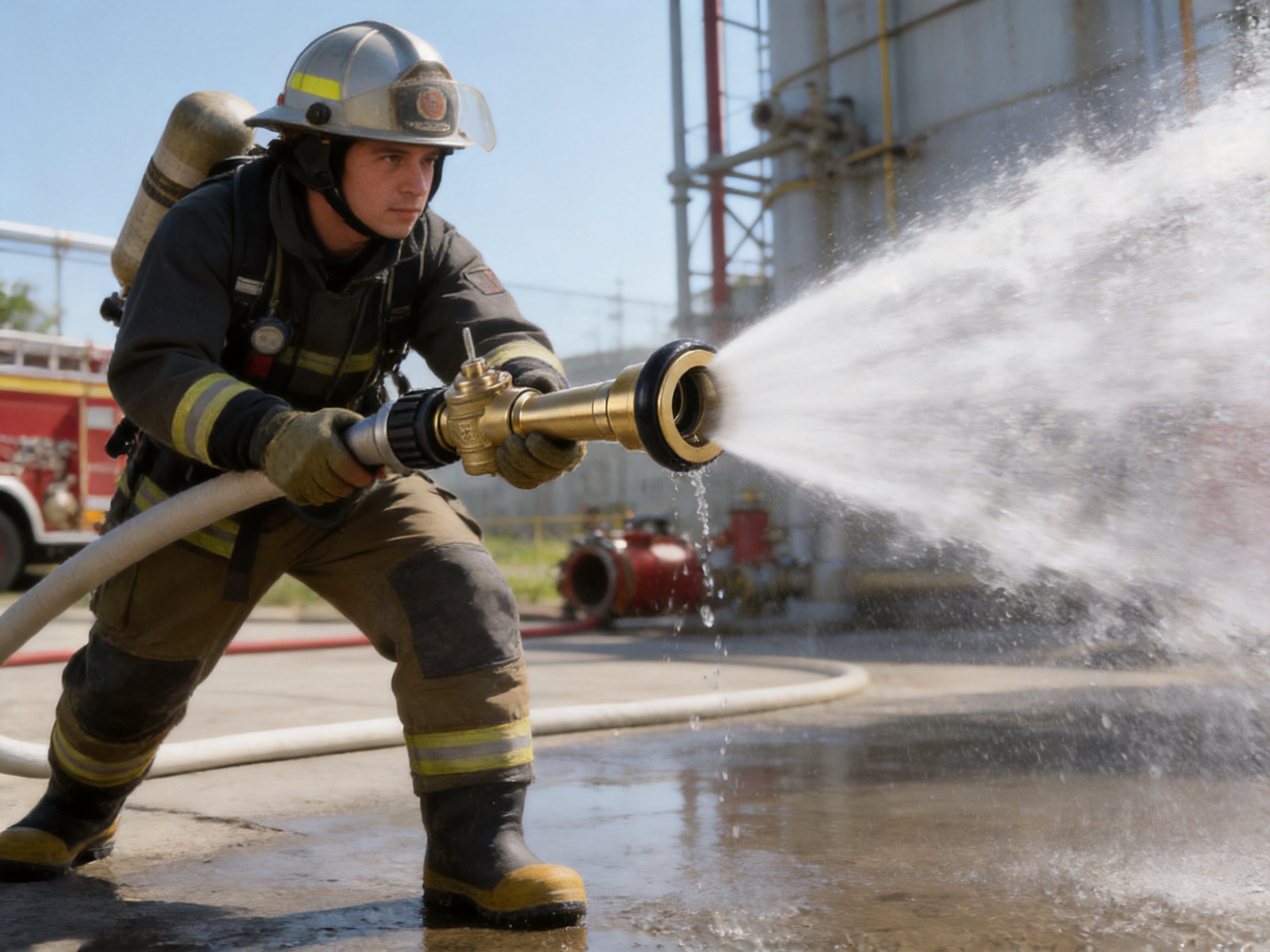
In fire protection, industrial handling, agriculture, construction, and water management, the hose nozzle is the final control point between a pressurized hose and the target area. Although compact, a nozzle has a direct influence on discharge control, operator safety, water efficiency, connection reliability, and the overall performance of a hose assembly. A well-designed nozzle must withstand pressure, resist corrosion, remain comfortable to operate, and provide dependable flow in demanding environments.
The 1.5-inch and 2.5-inch MACHINO Hose Nozzle is designed to meet these practical requirements through a lightweight aluminum alloy body, precision-machined inlet, flexible inlet sizing, and an ergonomically considered handle. It is suitable for applications that require controlled delivery of water, chemicals, or other compatible fluids. Its combination of low weight, mechanical strength, corrosion resistance, and straightforward connection design makes it a useful option for professional firefighting teams, industrial facilities, farms, construction projects, and water service operations.
Manufactured by Taizhou Shenlong Fire Science and Technology Co., Ltd., the nozzle benefits from the experience of a company established in 1995 and focused on research and development, production, sales, and service. The company’s broader manufacturing background in lined fire hoses and related products provides an important foundation for understanding the demands placed on hose accessories. This product article examines the nozzle’s construction, operating advantages, manufacturing considerations, applications, maintenance requirements, and selection factors.
A hose assembly does not perform as a complete system unless its nozzle can manage the flow delivered by the hose. The hose transports fluid, while the nozzle directs, regulates, and applies that fluid. In fire protection, the nozzle may determine whether water can be applied in a focused stream, controlled spray, or another useful discharge pattern. In industrial and agricultural settings, it can influence reach, coverage, handling comfort, and the amount of fluid used during each operation.
The nozzle is also one of the components most frequently handled by operators. It may be connected, disconnected, carried, opened, closed, or repositioned many times during its service life. For that reason, a nozzle must offer more than a suitable flow passage. It should be easy to connect, comfortable to hold, resistant to impact and environmental exposure, and sufficiently robust for repeated use.
Connection quality is particularly important. A poorly machined inlet can cause leakage, pressure loss, thread damage, or difficulty during installation. A secure inlet helps preserve the intended performance of the hose and reduces the risk of water or chemical spray escaping near the operator. The precision-machined inlet of this nozzle is intended to provide a secure, leak-free connection when correctly matched with a compatible hose coupling and properly installed.
Material selection also plays a major role. A nozzle made from a heavy material may offer strength but become tiring to carry. A nozzle made from a low-strength material may reduce cost but fail prematurely under impact, pressure, or repeated handling. Aluminum alloy provides a practical balance by combining relatively low weight with useful mechanical strength and resistance to many common forms of corrosion.
The 1.5-inch and 2.5-inch MACHINO Hose Nozzle is an aluminum alloy nozzle designed for use with different hose sizes. Its two available inlet dimensions provide flexibility for users who operate multiple hose systems or serve different applications. The 1.5-inch size is suitable for systems where compact handling and a smaller connection are preferred, while the 2.5-inch size is suited to larger hose assemblies and applications requiring a larger flow capacity.
| Product Attribute | Specification or Feature | Practical Benefit |
|---|---|---|
| Product type | Hose nozzle | Directs and controls fluid discharged from a hose |
| Available inlet sizes | 1.5 inches and 2.5 inches | Supports different hose configurations and operating requirements |
| Primary material | Aluminum alloy | Combines low weight, strength, corrosion resistance, and durability |
| Inlet design | Precision-machined inlet | Promotes secure connection and helps reduce leakage |
| Handle design | Non-slip surface | Improves grip and operator control in wet or greasy conditions |
| Typical fluid applications | Water, chemicals, and other compatible fluids | Supports use in fire, industrial, agricultural, and utility environments |
The nozzle is designed around a practical operating concept: the body must be strong enough for demanding service, the inlet must connect reliably, and the handle must remain controllable when the operator is working under difficult conditions. These are basic requirements, but they are also the features that most directly influence daily usability.
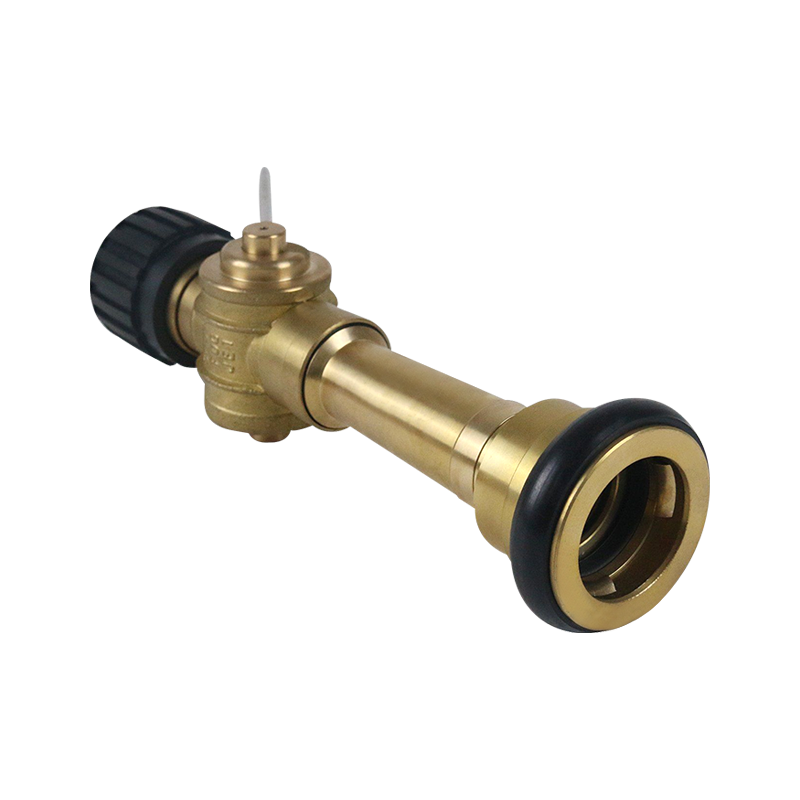
1.5‘’ 2.5‘’ MACHINO Hose Nozzle
The use of aluminum alloy is one of the most important characteristics of this nozzle. Aluminum alloys are widely selected for equipment that must balance strength and portability. Compared with many ferrous materials, aluminum alloy generally offers a lower density, which helps reduce the weight of a finished component. This is especially valuable for a hose nozzle because the operator may need to carry and control it while also managing hose movement and reaction force.
Reduced weight can improve operational endurance. During a short emergency response, the difference may appear small, but in extended firefighting, industrial cleaning, agricultural spraying, or construction work, repeated lifting and repositioning can create considerable fatigue. A lighter nozzle allows the operator to maintain a more stable posture and may make it easier to direct the discharge accurately.
Aluminum alloy also offers useful mechanical strength. The alloy body can withstand routine handling, connection, and service loads when used within the limits of the hose system and operating environment. Its strength helps the nozzle resist deformation during normal use, while its relatively light structure keeps the accessory manageable.
Corrosion resistance is another benefit. Hose nozzles are often exposed to water, humid air, residue, cleaning agents, soil, and other substances that can damage unprotected materials. Aluminum naturally forms a thin oxide layer on its surface, helping protect the underlying metal from many common atmospheric conditions. Alloy selection and surface condition remain important, and the nozzle should still be cleaned and stored correctly, but the material provides a valuable baseline of resistance.
The product information also identifies thermal conductivity as a useful characteristic of the aluminum alloy construction. Aluminum transfers heat efficiently, and the alloy body can contribute to stable thermal behavior in environments where the nozzle is exposed to elevated temperatures. Users should nevertheless follow the equipment’s rated operating conditions and avoid assuming that material conductivity alone makes the nozzle suitable for every high-temperature fluid or fire environment.
Compared with a heavy steel nozzle, an aluminum alloy model may provide a more comfortable handling experience. Compared with a lower-grade plastic nozzle, it may offer greater resistance to impact, heat, and demanding mechanical service. This balance is a key competitive advantage: the design aims to provide professional durability without creating an unnecessarily heavy accessory.
The inlet is the interface between the nozzle and the hose coupling. Its dimensions, surface finish, and alignment affect installation quality and operating security. A precision-machined inlet is intended to provide a more consistent connection than a roughly formed or poorly finished opening. Consistency is important because a hose system depends on correctly matched components.
A secure connection helps reduce leakage around the joint. Leakage can waste water, lower the effective discharge, create slippery working conditions, and expose the operator to fluid spray. In chemical service, even a small leak may create a more serious safety or environmental concern. The precision-machined inlet therefore contributes not only to performance but also to the practical safety of the work area.
Connection accuracy can also reduce installation difficulties. If the inlet is uneven, damaged, or inconsistent, the operator may need excessive force to attach the coupling. This can cause cross-threading, seal damage, or premature wear. A properly machined inlet encourages smoother assembly and helps protect the adjoining hose coupling.
Users should ensure that the selected inlet size matches the hose, coupling, and intended system configuration. A 1.5-inch inlet should be used with compatible 1.5-inch equipment, while the 2.5-inch version should be matched with the corresponding larger hose and coupling system. Nominal size alone should not be treated as a complete compatibility guarantee. Thread style, coupling standard, pressure rating, gasket condition, and fluid compatibility should also be checked before operation.
When installed correctly, the nozzle can help maintain a continuous flow path from the hose to the discharge end. This reduces unnecessary turbulence caused by poor transitions or misalignment and supports more predictable operation. Exact flow performance will depend on hose diameter, pressure, fluid properties, coupling design, and the complete nozzle configuration, so users should evaluate the entire assembly rather than judging the nozzle in isolation.
The availability of 1.5-inch and 2.5-inch inlet sizes gives distributors, contractors, fire departments, and industrial users more flexibility. Different facilities may use different hose diameters depending on the required flow, available water supply, storage arrangements, and operator preferences. Offering two common sizes simplifies product selection and enables the same general nozzle design to serve multiple system configurations.
The 1.5-inch size is appropriate for applications where a more compact hose assembly is required. Smaller assemblies can be easier to transport, deploy, and control, particularly in confined areas or during tasks that involve frequent repositioning. This size may be useful for general-purpose fire response, facility maintenance, agricultural work, light industrial cleaning, and other operations where maneuverability is important.
The 2.5-inch size is intended for larger hose systems. A larger inlet can support an assembly designed for higher-volume delivery, subject to the pressure and flow limits of the hose, coupling, water source, and nozzle. Larger systems may be used in industrial fire protection, municipal response, large construction sites, warehouses, processing facilities, and water management applications.
It is important to distinguish between inlet size and actual discharge performance. A larger inlet does not automatically guarantee a specific flow rate. Flow depends on the complete hydraulic system, including pump pressure, hose length, internal diameter, elevation, friction losses, fluid viscosity, and discharge geometry. The correct approach is to select the inlet size as part of a coordinated hose and nozzle system.
Having both sizes available can also simplify procurement. A supplier can provide a consistent product style for different departments or work areas instead of sourcing unrelated nozzles from multiple manufacturers. Standardized equipment may make training, inspection, replacement, and inventory management easier.
A nozzle must be controlled by a person, often in conditions involving water, mud, oil, gloves, vibration, heat, or limited visibility. The handle’s non-slip surface is therefore an important functional feature. It is designed to help the operator maintain a secure grip even when the hands or equipment are wet or greasy.
Improved grip can reduce the likelihood of accidental movement during operation. A stable hold allows the operator to direct the nozzle more accurately and respond more quickly to changes in the work area. In firefighting, this can support more precise application of water. In industrial cleaning, it can help maintain a consistent spray position. In agriculture, it can make repeated movement less tiring and easier to control.
Ergonomics also affect fatigue. When a handle is difficult to grip, the operator may squeeze harder than necessary, increasing hand and forearm strain. A surface designed for traction can reduce the effort needed to keep the nozzle stable. The benefit becomes more noticeable during extended use or when the operator is wearing protective gloves.
The handle should still be used with appropriate operating technique. Operators should position themselves securely, maintain awareness of hose reaction force, and avoid directing the nozzle toward people, energized equipment, or unsuitable surfaces. A non-slip handle improves control, but it does not replace training, protective equipment, or safe work procedures.
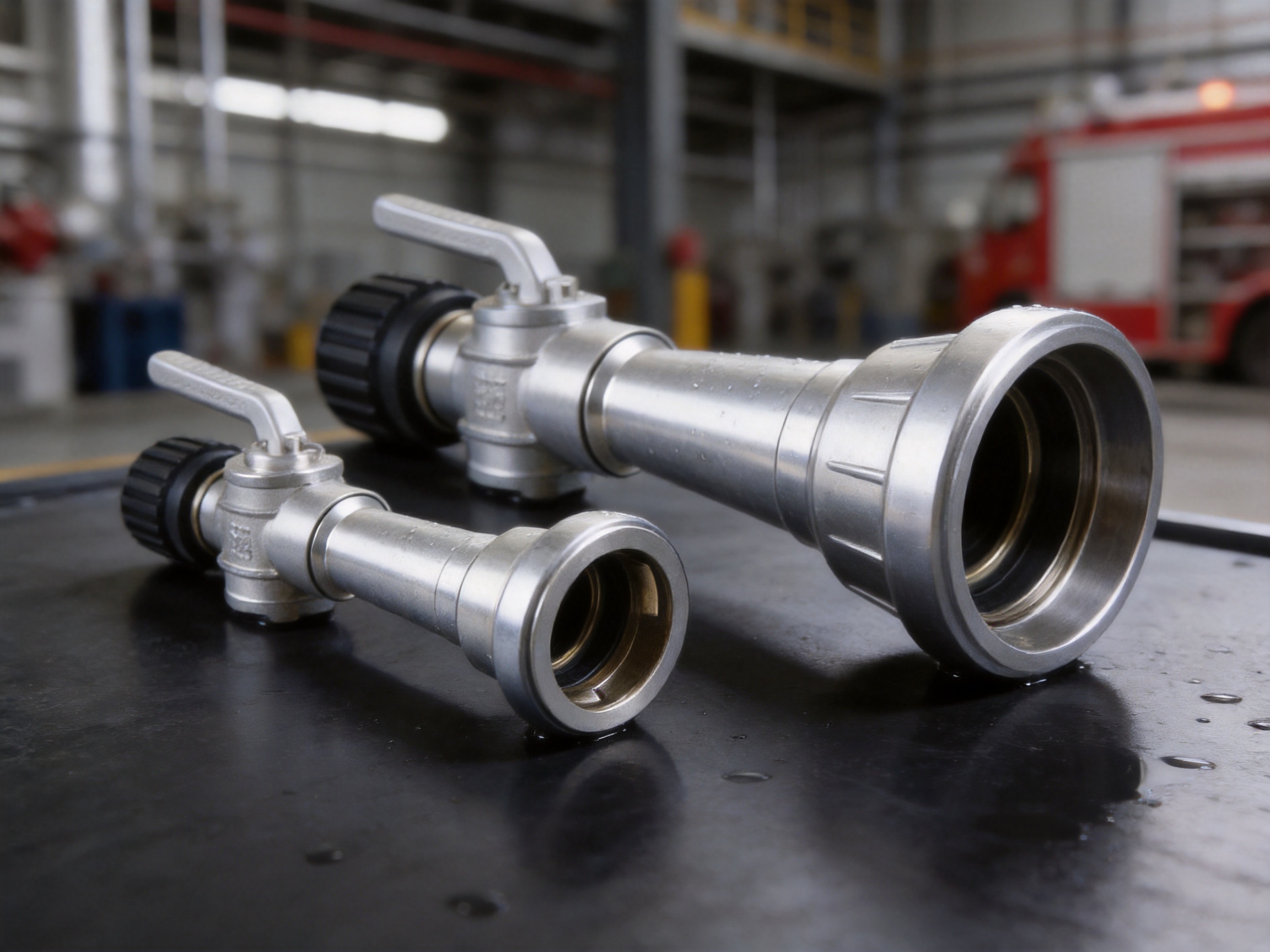
Product comparison should be based on the conditions in which the nozzle will actually be used. The aluminum alloy nozzle offers several advantages over common alternatives, particularly where weight, durability, connection quality, and handling are important.
Traditional heavy metal nozzles may provide substantial strength, but their weight can increase operator fatigue. A lighter aluminum alloy design can be easier to carry and aim while still offering useful resistance to routine mechanical loads. This difference is important for mobile applications, emergency response, and tasks requiring frequent movement.
Lower weight can also reduce the strain placed on the hose coupling and support equipment. A heavy nozzle hanging from a hose can place additional load on connections, storage brackets, and operator arms. The aluminum alloy construction helps create a more balanced assembly without eliminating the need for correct support and handling.
Plastic nozzles can be economical and lightweight, but they may have limitations when exposed to high temperatures, impact, rough handling, or certain chemicals. An aluminum alloy body provides a more substantial structural solution for users who require a durable accessory for professional environments.
Plastic materials vary widely, so this comparison is not universal. Some engineering plastics are highly capable. However, for buyers seeking the familiar combination of metal strength, low weight, and thermal stability, aluminum alloy offers a compelling middle ground.
A nozzle with inconsistent inlet machining may be difficult to connect and more likely to leak. The precision-machined inlet of this product is intended to improve connection accuracy and reduce problems caused by rough or irregular interfaces. This supports more reliable assembly and may reduce maintenance associated with damaged seals or coupling threads.
A smooth handle can become difficult to control in wet, oily, or muddy environments. The non-slip handle surface addresses this practical problem directly. Better grip improves comfort and control, allowing the operator to focus on directing the flow instead of constantly readjusting the hand position.
Suppliers that offer only one inlet size may not meet the needs of facilities using multiple hose systems. The availability of both 1.5-inch and 2.5-inch configurations provides greater purchasing flexibility. It also allows buyers to maintain a consistent nozzle concept across different departments while selecting the appropriate connection size for each application.
The nozzle’s performance depends on more than the raw aluminum alloy. It also depends on how the material is processed, shaped, machined, inspected, and prepared for delivery. Taizhou Shenlong Fire Science and Technology Co., Ltd. has operated since 1995 and has developed experience in research and development, production, sales, and service. This integrated background is relevant because hose nozzles are part of a broader fire and fluid-handling product system.
The company’s principal products include lined fire hoses made from different materials. This specialization gives the manufacturer direct exposure to the practical requirements of fire hose systems, including pressure, coupling compatibility, abrasion, flexibility, storage, and field use. Experience with hose products can help inform the development and supply of complementary accessories such as nozzles and couplings.
A coordinated manufacturing organization can provide advantages throughout the product lifecycle. Research and development teams can evaluate customer requirements and identify improvements in material, structure, or handling. Production personnel can translate specifications into repeatable manufacturing processes. Sales and service teams can collect feedback from distributors and end users. When these functions communicate effectively, product improvements are more closely connected to real operating conditions.
The supplied company information also indicates that the business undertakes foreign trade products according to customer requirements, including rubber, PVC, polyurethane, and double-sided tape products. This experience with different materials and export-oriented manufacturing can support broader project coordination for buyers who need multiple industrial goods or customized supply arrangements.
The company’s products are reported to be sold in more than 20 provinces, cities, and autonomous regions and exported through cooperation with four domestic foreign trade companies. Such market exposure may help the manufacturer understand varied climate conditions, logistics requirements, application expectations, and documentation needs. For international buyers, a supplier with experience serving different markets can be valuable when discussing packaging, product identification, and order coordination.
Although the exact internal production route may vary according to the order, alloy, tooling, and required finish, a professional aluminum hose nozzle typically depends on several controlled stages. These stages help establish dimensional accuracy, structural integrity, and consistent performance.
The process begins with suitable aluminum alloy material. Alloy selection must consider strength, machinability, corrosion behavior, weight, and intended service conditions. The material should be consistent with the functional requirements of the nozzle and the processing methods used by the factory.
Incoming material control is important because variation in chemical composition or physical condition can affect machining, surface quality, and final strength. A disciplined manufacturing system identifies the material, records relevant batch information, and separates nonconforming stock from approved material.
The aluminum body may be produced through a suitable forming process that creates the basic geometry before final machining. The primary forming stage establishes the overall shape while reducing the amount of material that must be removed later. Correct tooling and process control help maintain uniformity from one production batch to the next.
Forming must be managed carefully because defects at this stage can affect the finished body. Surface discontinuities, distortion, incomplete filling, or internal irregularities may become more visible during machining or service. Process monitoring and visual inspection are therefore essential components of responsible manufacturing.
After primary forming, critical areas such as the inlet, coupling interface, internal passage, and handle attachment region can be machined to the required dimensions. Precision machining improves fit and finish, particularly at connection surfaces where small dimensional errors may lead to leakage or difficult assembly.
Machining tools must be maintained and measured regularly. Tool wear can gradually change dimensions, create rougher surfaces, or produce inconsistent threads. A strong manufacturing process uses inspection intervals and measurement procedures to identify such changes before they affect a large quantity of product.
Machining can leave sharp edges or small burrs. Deburring removes these unwanted features and helps make the nozzle safer to handle. It can also improve the connection interface by preventing fragments from interfering with seals, threads, or coupling surfaces.
Surface preparation may include cleaning, smoothing, or other treatments appropriate to the product specification. A clean, consistent surface supports visual inspection and improves the appearance of the finished nozzle without compromising its functional dimensions.
The handle and its non-slip surface must be securely integrated with the nozzle body. Assembly should ensure that the handle remains stable during normal operation and does not loosen under repeated use. The gripping surface should be free from defects that could reduce traction or cause discomfort.
Assembly checks may include visual examination, movement verification, and inspection of fasteners or attachment points. The aim is to ensure that the handle supports operator control throughout the expected service life.
Finished nozzles should be inspected for dimensional accuracy, surface condition, connection quality, and general workmanship. Where applicable, the manufacturer may also conduct pressure or leak-related checks based on the product specification and customer requirements.
Packaging protects the nozzle from impact, contamination, and moisture during storage and transport. Proper packaging is especially important for export orders that may pass through several logistics stages before reaching the final user. Product labeling should make it clear whether the unit is the 1.5-inch or 2.5-inch version and should support traceability where required.
Quality control is not a single inspection performed at the end of production. It is a sequence of controls that begins with material selection and continues through forming, machining, assembly, testing, and shipment. This approach is particularly important for hose accessories because a small dimensional issue can affect the operation of the entire hose system.
Dimensional inspection should focus on the inlet size, connection features, internal passage, and other critical areas. The objective is to confirm that the nozzle will mate correctly with the intended coupling and maintain a reliable fluid path. Visual inspection should identify cracks, excessive marks, sharp edges, contamination, or surface defects.
Functional checks can help verify that the handle is secure and that the assembled unit behaves as intended. Depending on the buyer’s specification and application, additional inspections may address pressure resistance, leakage, flow behavior, coating condition, or chemical compatibility.
For large orders, batch consistency is important. Buyers may require samples, inspection reports, pre-shipment checks, or agreed acceptance criteria. A manufacturer with integrated production and service capabilities can work with customers to define these requirements before production begins.
The nozzle is naturally suited to fire hose systems because it is designed to direct fluid from a pressurized hose. Fire departments, industrial facilities, warehouses, construction sites, and building maintenance teams may use nozzles as part of portable or fixed response equipment.
In emergency situations, operator control and rapid connection are essential. The precision-machined inlet supports efficient assembly when the correct coupling is selected, while the non-slip handle helps the operator maintain control in wet conditions. The aluminum alloy body helps reduce the burden of carrying and positioning the nozzle.
Fire protection users should always match the nozzle to the hose, coupling, pump, pressure, and water supply. The nozzle should not be treated as an independent substitute for a complete fire protection design. Regular inspection, hose testing, training, and compliance with applicable fire safety requirements remain necessary.
For industrial fire response, corrosion resistance can be particularly useful because equipment may be stored in humid areas or exposed to industrial atmospheres. Even so, the nozzle should be rinsed after exposure to contaminated water, chemicals, or corrosive residues and should be stored in a clean, dry location.
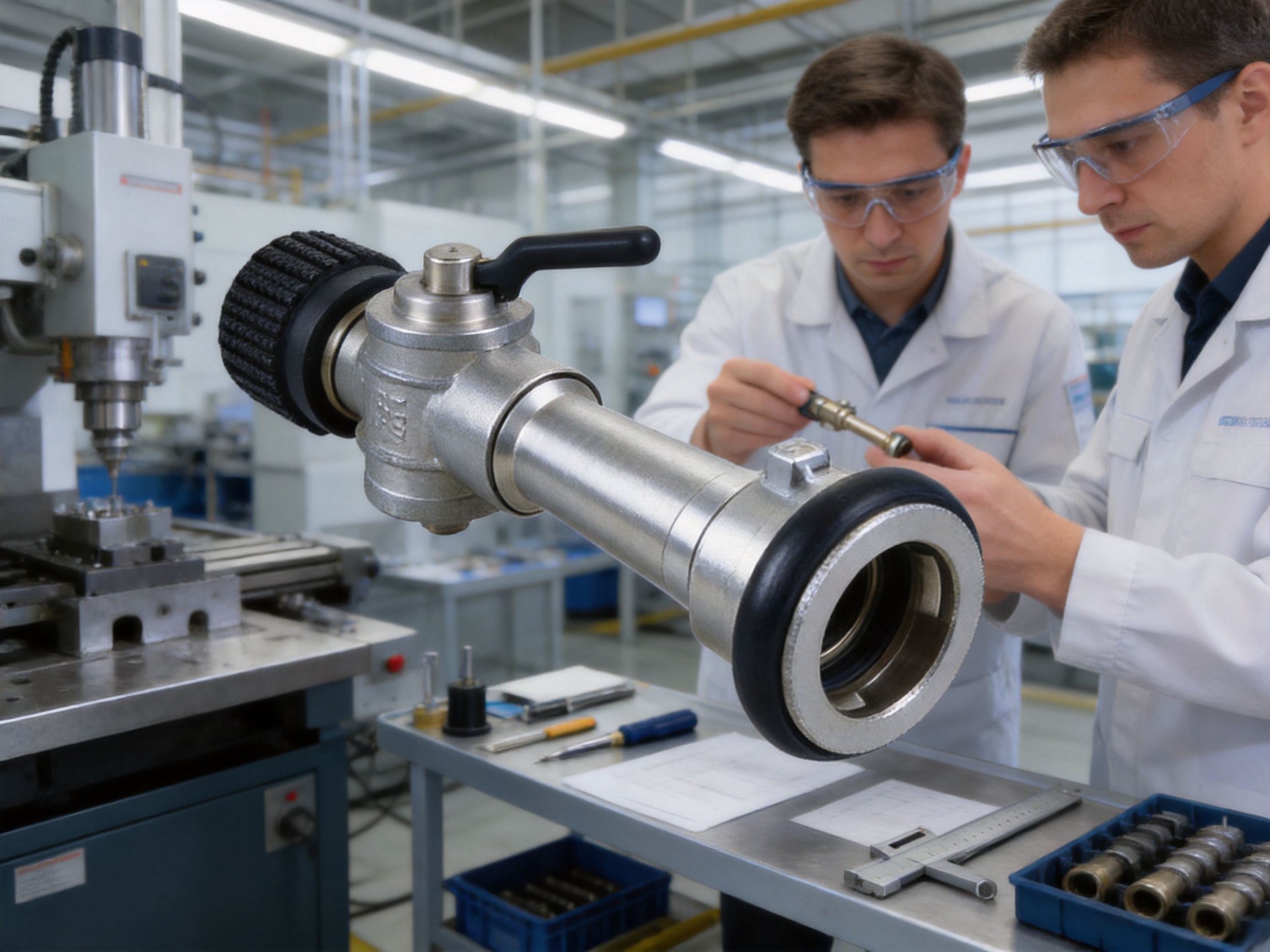
Industrial facilities often require flexible hose equipment for cleaning, cooling, maintenance, emergency response, and fluid transfer. A lightweight aluminum alloy nozzle can be useful in these environments because workers may need to move the assembly around machinery, platforms, storage areas, or production zones.
In construction, hose nozzles may be used for dust suppression, equipment cleaning, concrete work support, site maintenance, and emergency water delivery. Construction environments can expose equipment to impact, dirt, mud, and rapid changes in weather. The nozzle’s aluminum body provides a practical balance between durability and portability, while the non-slip handle supports use when gloves or wet hands are involved.
Industrial users should verify chemical compatibility before using the nozzle with any fluid other than water. The phrase “chemicals or other fluids” should be interpreted as a reason to evaluate compatibility, not as an unlimited guarantee for every chemical. Concentration, temperature, exposure time, pressure, and the condition of seals and couplings can all influence performance.
Agricultural operations use hose equipment for irrigation support, livestock-area cleaning, equipment washing, water distribution, and general facility maintenance. The ability to direct water accurately can help reduce waste and improve coverage. A comfortable handle is valuable when an operator must work across large areas or repeat the same task for an extended period.
Water management and utility applications may also benefit from a durable, lightweight nozzle. The product can be considered for general water delivery, maintenance work, and support operations where the hose connection and flow requirements match the available inlet size.
Rural and agricultural environments can be hard on metal components because equipment may encounter soil, fertilizers, organic material, standing water, and changing temperatures. Cleaning the nozzle after use helps prevent deposits from affecting the inlet or handle. Users should pay particular attention to chemical exposure and should not assume that aluminum alloy is compatible with every fertilizer, pesticide, cleaning solution, or treatment chemical.
Before installation, inspect the nozzle, hose, coupling, gasket, and connection surfaces. Confirm that the inlet size is correct and that the coupling style matches the nozzle. Do not force components together if the threads or connection features do not align naturally.
Clean the connection surfaces and check that no dirt, metal chips, or damaged seal material is present. Contamination can prevent proper seating and create a leak path. If a gasket or seal appears cracked, flattened, or excessively worn, replace it before operation.
Connect the nozzle by hand first when possible, ensuring that the components engage correctly. Tighten according to the coupling manufacturer’s guidance. Excessive force can damage threads or seals, while insufficient tightening can allow leakage. Users should avoid using tools on parts that are not designed for tool-assisted tightening.
Before directing the nozzle toward the work area, pressurize the system gradually if the equipment configuration allows. Observe the connection for leaks, unusual movement, or instability. Stop the operation if the hose coupling separates, the body shows damage, or the handle becomes loose.
During operation, maintain a stable stance and keep both hands positioned according to the work procedure. Account for hose reaction force, especially when using larger hose assemblies or higher pressure. Never direct fluid toward people, animals, live electrical equipment, fragile surfaces, or areas where the discharge could create an uncontrolled hazard.
After use, close the system safely, release residual pressure where appropriate, and disconnect only after confirming that the line is depressurized. Drain, rinse, and dry the nozzle when required by the fluid handled. Store it in a location protected from unnecessary impact, extreme contamination, and prolonged exposure to corrosive substances.
Regular maintenance helps preserve the nozzle’s connection reliability and handling performance. Maintenance should begin with routine visual inspection. Look for dents, cracks, deformation, damaged threads, loose handles, deep scratches, unusual corrosion, or contamination inside the inlet.
The inlet should be kept clean because deposits can interfere with coupling engagement or sealing. A soft brush and an appropriate cleaning method may be used, provided that the method does not damage the aluminum surface or introduce incompatible chemicals. Avoid aggressive tools that could deform the connection area.
The non-slip handle should be checked for loosening, tearing, hardening, or loss of traction. A damaged gripping surface may reduce operator control even if the metal body remains serviceable. Replace or repair the component according to the manufacturer’s approved procedure rather than improvising a temporary modification.
After exposure to salt water, contaminated water, industrial chemicals, fertilizers, or cleaning solutions, rinse the nozzle with clean water when compatible with the fluid involved. Dry it thoroughly before storage. Although aluminum alloy offers corrosion resistance, good maintenance remains necessary to protect the body and the connected hardware.
Service life depends on pressure, frequency of use, impact, storage, fluid chemistry, temperature, and maintenance quality. No nozzle should remain in service simply because it appears attractive or clean. If the body is cracked, the inlet is distorted, the connection repeatedly leaks, or the handle cannot be secured, the nozzle should be removed from service and evaluated.
Buyers should begin by identifying the intended application and hose system. Important questions include the required inlet size, expected operating pressure, fluid type, temperature range, frequency of use, storage environment, and applicable regulatory or project requirements.
The 1.5-inch and 2.5-inch options can serve different system needs, but selection should be based on the entire assembly. Confirm the compatibility of the hose, coupling, seals, pump, and nozzle. If the product will be used with chemicals, request material compatibility information for the specific fluid and concentration.
For distributors, product consistency and supply coordination are important. A manufacturer with a wider fire hose product background may be able to support related requirements, including hoses, couplings, cabinets, accessories, and other products. This can simplify sourcing and provide a more coordinated product offering.
For project buyers, quality documentation, packaging, labeling, inspection procedures, and delivery schedules should be discussed before ordering. Large or customized orders may require approved samples, technical drawings, private labeling, or special packaging. Early communication helps ensure that the finished goods meet the project’s practical requirements.
Buyers should also evaluate service capability. A supplier that combines research and development, production, sales, and service can be better positioned to respond to technical questions, product feedback, and future improvement requests. Taizhou Shenlong Fire Science and Technology Co., Ltd.’s stated experience across these functions is relevant to customers seeking a long-term manufacturing relationship rather than a one-time purchase.
Fire and fluid-handling equipment is often used in conditions where reliability has practical consequences. Manufacturer experience matters because the supplier must understand more than the appearance of the product. It must understand connection behavior, material performance, field handling, storage, logistics, and the expectations of professional users.
Since its establishment in 1995, Taizhou Shenlong Fire Science and Technology Co., Ltd. has developed as an enterprise combining research and development, manufacturing, sales, and service. Its main product focus on various materials of lined fire hoses provides a relevant foundation for producing and supplying hose accessories.
The company’s work with rubber, PVC, polyurethane, and double-sided tape products according to customer requirements also indicates experience in handling different material categories and foreign trade needs. This may be beneficial for buyers who require coordinated industrial product sourcing or who operate across multiple application sectors.
Its reported sales coverage in more than 20 provinces, cities, and autonomous regions, together with export cooperation through domestic foreign trade companies, demonstrates market reach. A broad customer base can expose a manufacturer to different use conditions and encourage continual attention to product consistency, packaging, and communication.
A durable nozzle can provide operational value beyond its initial purchase price. When a product remains serviceable for a longer period, users may reduce the frequency of replacement, shipping, packaging, and disposal. The relatively low weight of aluminum alloy can also reduce handling effort and may contribute to more efficient logistics compared with heavier alternatives.
Responsible use remains essential. Aluminum is a recyclable material, but recycling depends on local collection systems and the condition of the product at the end of its service life. Users should follow applicable waste and recycling requirements rather than discarding damaged equipment without consideration.
Water efficiency also depends on correct nozzle selection and operating technique. A nozzle that allows the operator to direct flow accurately can help reduce unnecessary discharge. However, actual water savings depend on pressure control, task requirements, operator training, hose condition, and the broader system design.
The nozzle is made from aluminum alloy. This material provides a combination of lightweight handling, mechanical strength, corrosion resistance, and useful thermal behavior for demanding hose applications.
The product is available with 1.5-inch and 2.5-inch inlets. The correct size should be selected according to the hose, coupling, pressure system, and required application.
It is designed for hose-based fluid control and can be used in suitable fire hose systems when the nozzle, hose, coupling, pressure, and water supply are correctly matched. Users should follow applicable fire safety standards and the requirements of the complete system.
The product information identifies chemicals and other fluids among possible applications, but users must verify compatibility before use. Chemical concentration, temperature, pressure, exposure duration, and seal material should all be evaluated.
A precision-machined inlet helps provide a consistent connection with the hose coupling. It is intended to support secure assembly, reduce leakage risk, and improve the reliability of the fluid path.
The non-slip handle is designed to improve operator grip and control, especially when the hands or nozzle are wet, oily, muddy, or covered by protective gloves.
No material should be considered completely corrosion-proof in every environment. Aluminum alloy offers resistance to many common corrosive conditions, but the nozzle should still be cleaned, dried, inspected, and protected from incompatible chemicals and prolonged exposure.
Not necessarily. A larger inlet can support a larger hose system, but actual flow depends on the complete hydraulic arrangement, including pressure, hose length, internal diameter, pump capacity, coupling design, and discharge conditions.
Store it in a clean, dry location protected from unnecessary impact and contamination. After use with dirty water or chemicals, clean and dry the nozzle according to the fluid and the applicable safety procedure.
Inspect the body, inlet, coupling, gasket, handle, and connection surfaces. Confirm size compatibility, check for damage or contamination, connect the components correctly, and test for leaks before beginning full operation.
The company has experience with foreign trade products and export cooperation. International buyers should discuss specifications, documentation, packaging, labeling, inspection requirements, and delivery arrangements directly with the supplier before placing an order.
The 1.5-inch and 2.5-inch MACHINO Hose Nozzle is designed as a practical, durable, and operator-friendly accessory for hose systems used in fire protection, industry, agriculture, construction, and water management. Its aluminum alloy body reduces weight while maintaining useful strength and resistance to many common environmental conditions. The precision-machined inlet supports a secure connection, and the non-slip handle helps maintain control in wet or greasy working environments.
Its advantages over heavier metal nozzles include easier handling and reduced fatigue. Compared with basic plastic alternatives, its aluminum construction offers a more robust solution for professional use, heat exposure, and repeated mechanical service. The availability of two inlet sizes also gives users and distributors more flexibility when matching the nozzle to different hose systems.
The product is supported by the manufacturing background of Taizhou Shenlong Fire Science and Technology Co., Ltd., a company established in 1995 and engaged in research and development, production, sales, and service. Its experience with lined fire hoses and other material-based products provides a relevant foundation for understanding the requirements of hose accessories and fluid-handling equipment.
For the best results, users should select the correct inlet size, verify complete system compatibility, follow safe operating procedures, inspect the nozzle regularly, and maintain it according to the service environment. When properly selected and cared for, this aluminum alloy hose nozzle can contribute to more reliable fluid control, improved operator comfort, and efficient performance across a wide range of professional applications.
1. Product specifications and technical information supplied for the 1.5-inch and 2.5-inch MACHINO Hose Nozzle.
2. Company information supplied for Taizhou Shenlong Fire Science and Technology Co., Ltd., including manufacturing history, product scope, and service capabilities.
3. General principles of aluminum alloy selection, corrosion resistance, machinability, and lightweight engineering design.
4. General hose assembly practices covering coupling compatibility, leak prevention, inspection, maintenance, and safe operation.
5. General fire protection and industrial fluid-handling guidance concerning hose control, operator safety, pressure management, and equipment maintenance.
6. General manufacturing quality principles for material control, forming, precision machining, deburring, assembly, inspection, and protective packaging.
7. General chemical compatibility principles for aluminum alloy, seals, hose materials, and industrial fluid applications.
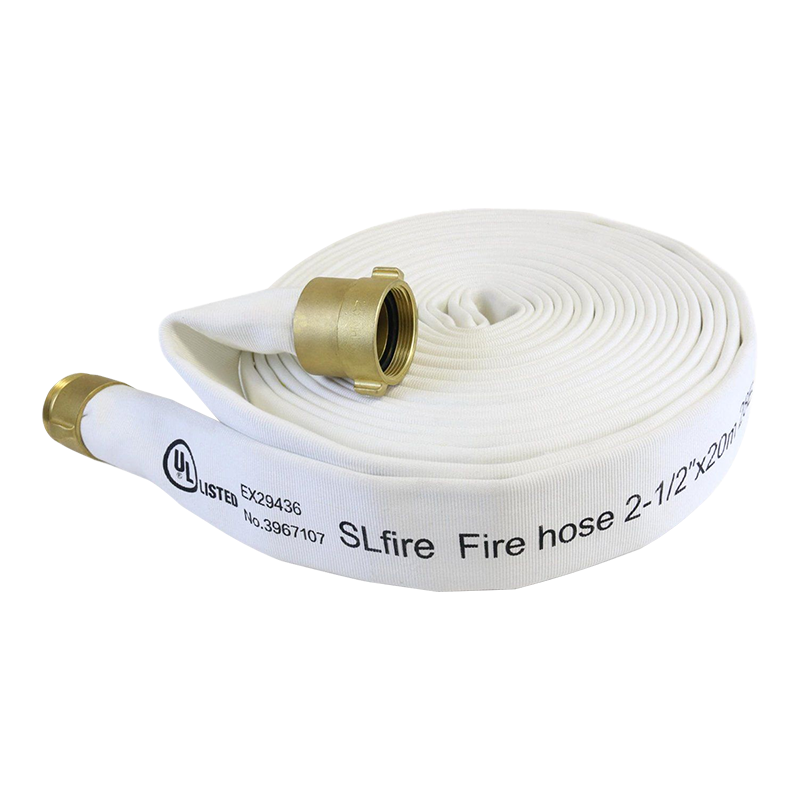
Single jacket, EPDM rubber liner Features • 100% high tenacity polyester jacket, high-grade EPDM rub...
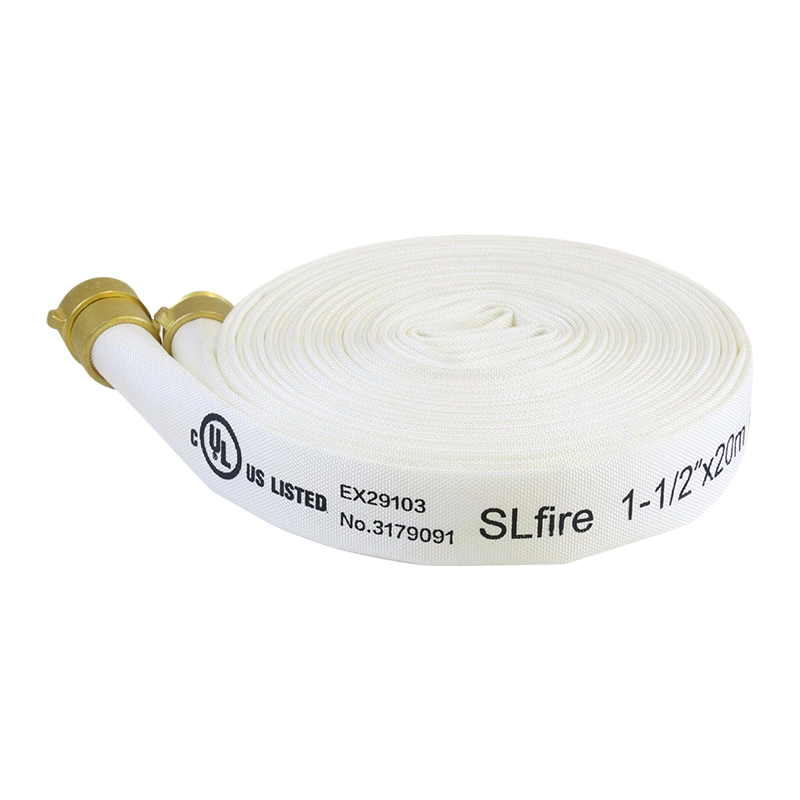
Single jacket, TPU liner •High-tenacity polyester yarn, circular woven in twill weave/plain weave,T ...
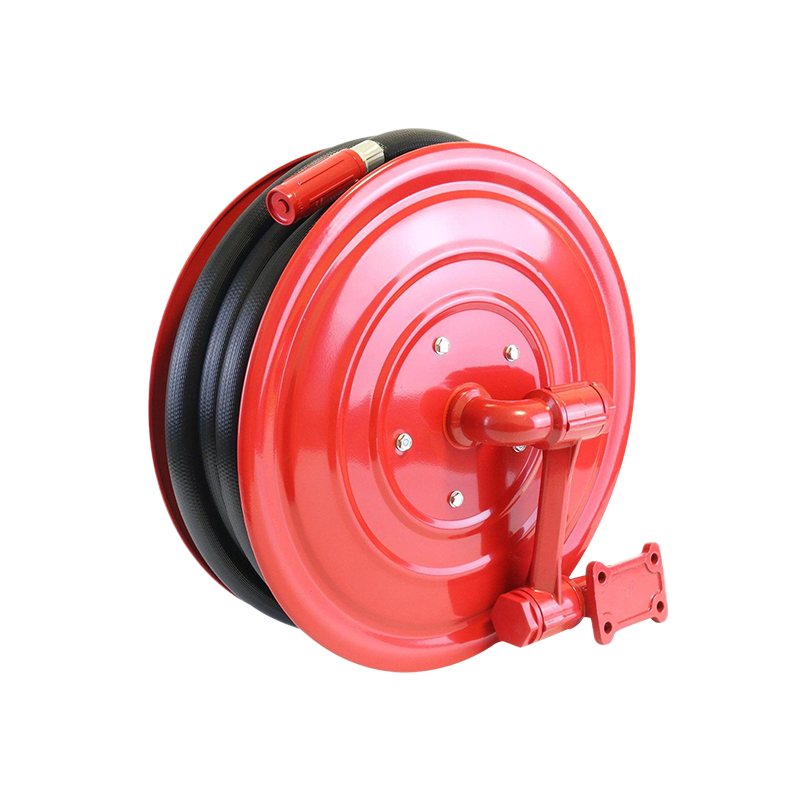
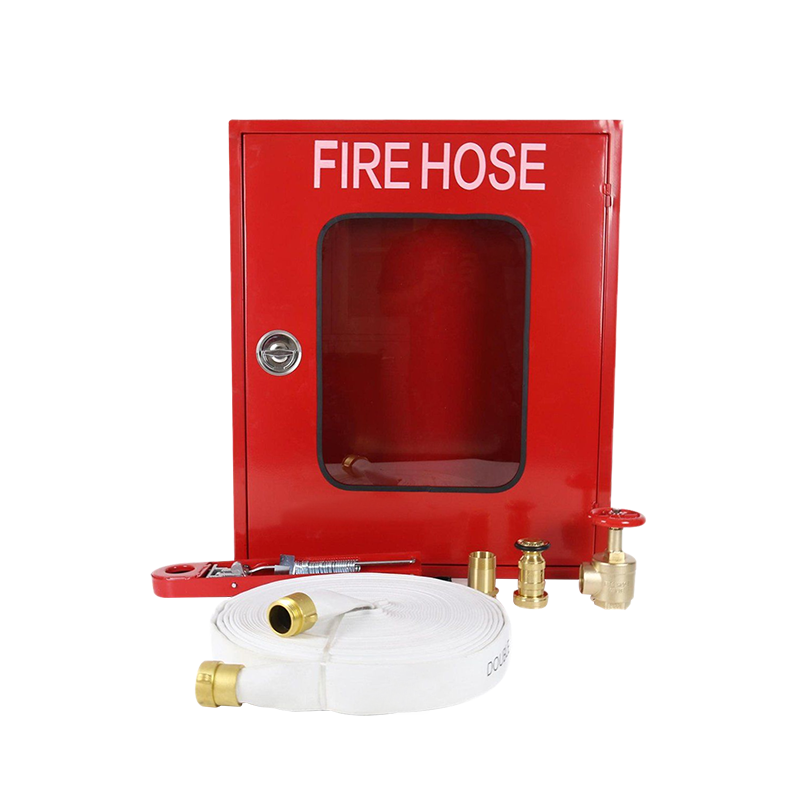
Fire cabinets are designed to accommodate fire hose,valve and other firefighting equipment. Type 201...
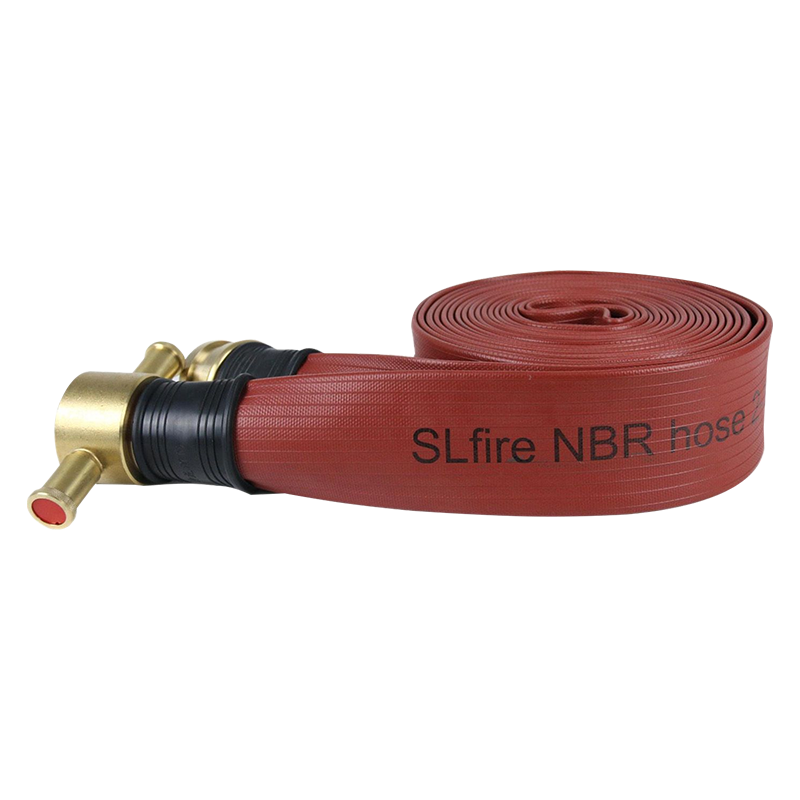
Nitrile covered hose •Nitrile/TPR blend as cover and lining, with 100% high-tenacity polyester yarn ...
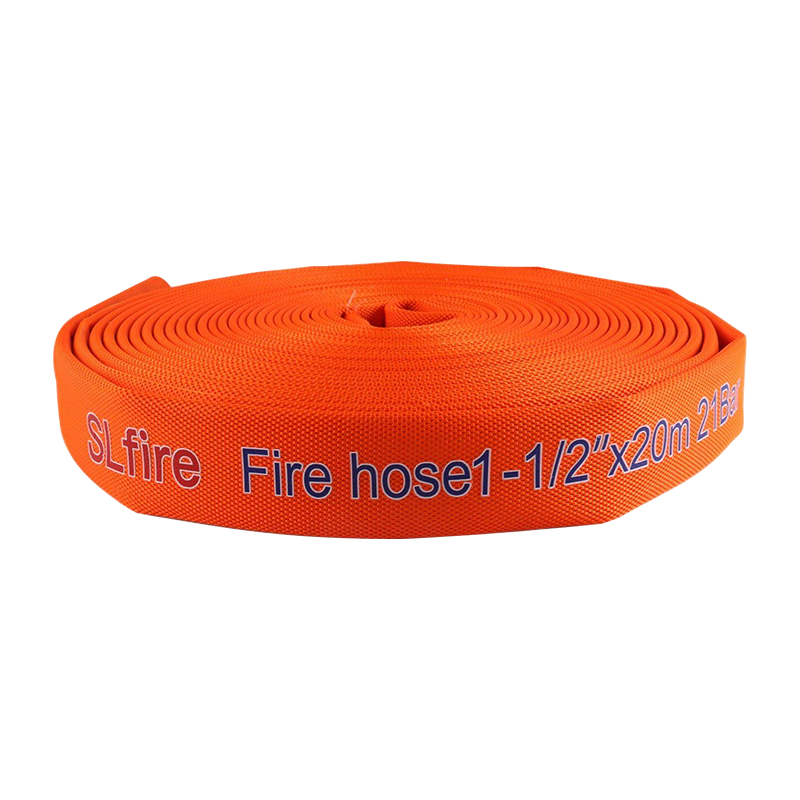
Single jacket, TPU liner •High-tenacity polyester yarn, circular woven in twill weave, TPU lining, f...
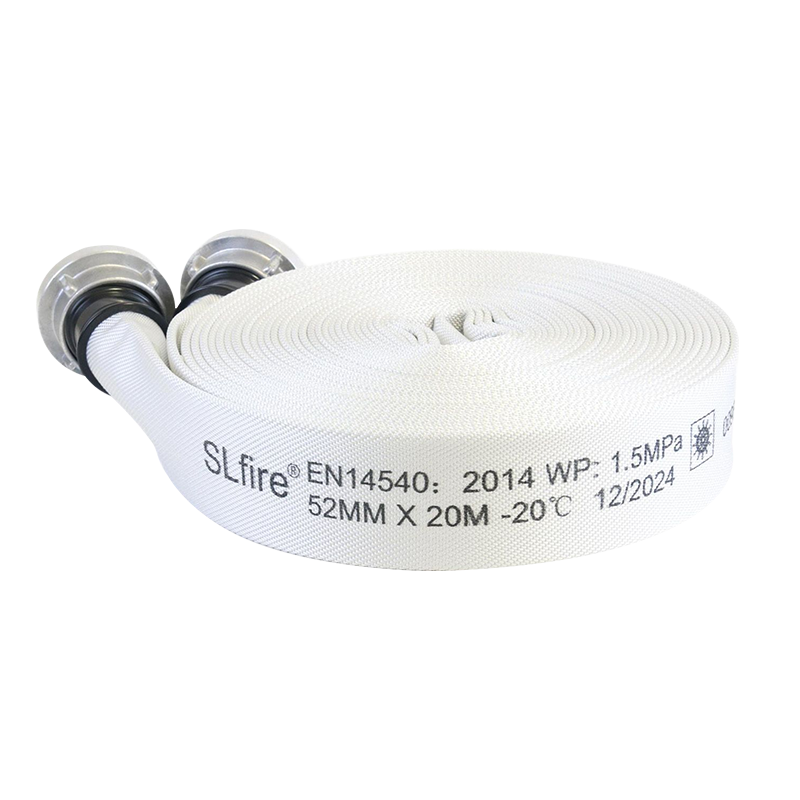
Marine hose Single jacket, PVC liner •100% high tenacity polyester yarn, circular woven in twill wea...
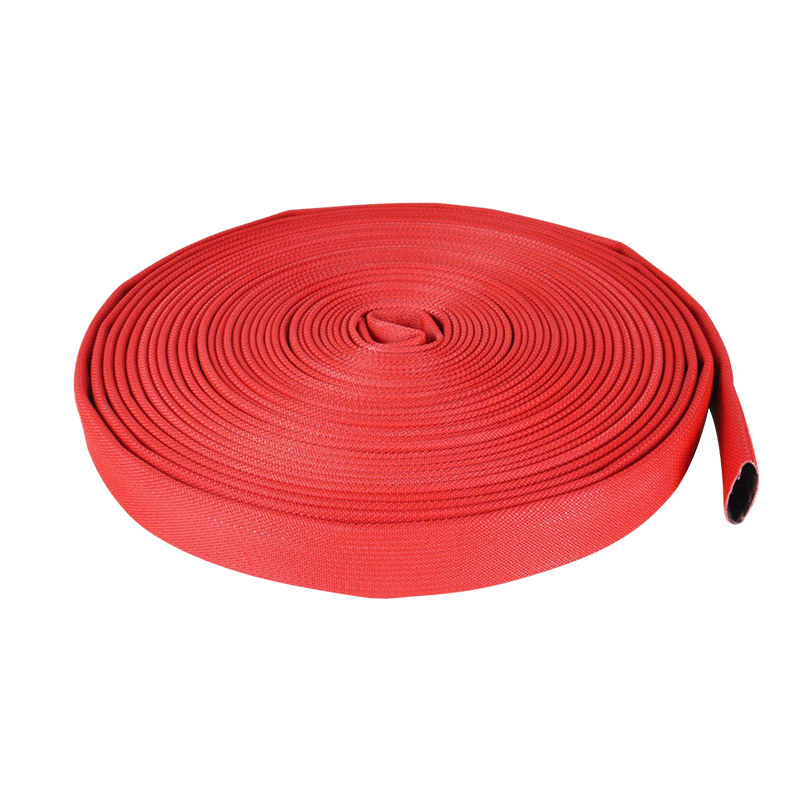
Marine hose Single jacket, PVC liner, PU coated •100% high tenacity polyester yarn,c ircular woven i...
 Call Us
+86 159-5116-9511
Need Support
Head Office
No.58, Kechuang Road, Sixiang Street Medicine Gaoxin District Taizhou City, Jiangsu Province

At a structure fire, the first line off the truck is the one that does the hardest work. Pulled around obstacles, dragged across gravel, charged with high-pressure water, and shut off at the nozzle d...
Copyright © Taizhou Shenlong Fire Science and Technology Co., Ltd. All Rights Reserved.
 Fire Hose Manufacturers, Fire Hydrant Hose Factory