

 English
 русский
 Español
 Deutsch
 عربى
عربى Français
 Português
Don't hesitate to send a message

Single jacket, EPDM rubber liner Features • 100% high tenacity polyester jacket, high-grade EPDM rub...
Content
In fire protection, industrial water delivery, agricultural irrigation, emergency response, and general fluid handling, a hose nozzle is often the final point where system pressure, operator control, and discharge performance meet. A hose may carry water or another compatible fluid across a demanding site, but the nozzle determines how effectively that flow is directed, controlled, and applied. The 1.5-inch and 2.5-inch aluminum alloy hose nozzle with MACHINO connection design is developed for users who need a lightweight yet strong tool that can deliver dependable performance under frequent handling, wet conditions, and challenging operating environments.
This nozzle is crafted from premium-grade aluminum alloy, giving it a practical balance of strength, corrosion resistance, thermal performance, and portability. The product is designed around two widely used inlet sizes, 1.5 inches and 2.5 inches, making it suitable for different hose systems and application requirements. Its precision-machined inlet supports a secure and leak-resistant connection, while its ergonomic handle improves grip and control even when the operator is working in wet, muddy, or greasy conditions. These features make the nozzle a valuable choice for firefighting support, industrial washdown, construction site water management, agriculture, and other fluid-control tasks.
Compared with ordinary hose nozzles made from lower-grade metals, poorly finished castings, or heavier materials, this aluminum alloy nozzle offers a stronger combination of durability, ease of use, and operating efficiency. It is not merely a connector at the end of a hose; it is a working component designed to help teams move faster, control flow more accurately, and reduce downtime caused by leakage, corrosion, or poor handling comfort.
Taizhou Shenlong Fire Science and Technology Co., Ltd., founded in 1995, supports this product with long-term manufacturing experience in fire hoses, industrial hoses, agricultural hoses, hose couplings, hose nozzles, fire accessories, fire cabinets, and trenchless rehabilitation hose products. With integrated research and development, production, sales, and service capabilities, the company has built a practical manufacturing foundation that serves firefighting, construction, water conservancy, and other industries. This article explores the design, advantages, applications, manufacturing strengths, and purchasing considerations of the 1.5-inch and 2.5-inch aluminum alloy hose nozzle.
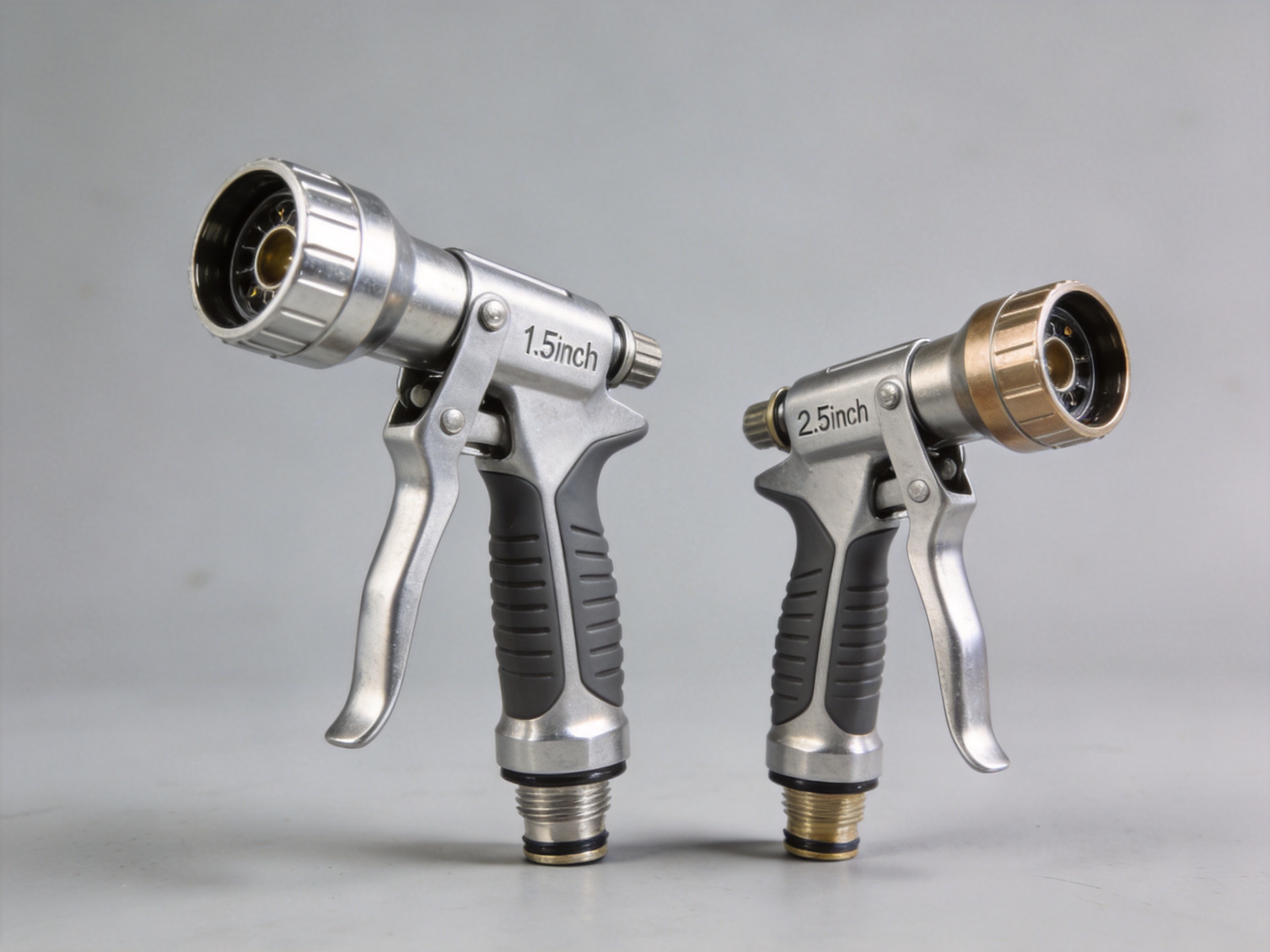
The 1.5-inch and 2.5-inch aluminum alloy hose nozzle is designed to provide efficient discharge control for hose systems requiring reliable connection and manageable operation. The nozzle is suitable for users who need to direct water or compatible fluids through a stable outlet while maintaining operator comfort and safety. Because hose nozzles often operate under pressure and in urgent environments, every detail matters, including material selection, inlet machining, handle texture, dimensional consistency, and resistance to corrosion.
The nozzle uses aluminum alloy as its main material. Aluminum alloy is widely valued in firefighting and industrial fluid-control products because it provides a high strength-to-weight ratio. This means the nozzle can remain strong enough for demanding work while staying light enough for repeated carrying, connection, repositioning, and operation. In many real-world settings, reducing operator fatigue is just as important as improving mechanical strength. A nozzle that is too heavy may slow response, increase strain, and make continuous operation more difficult. This aluminum alloy construction helps solve that problem.
The available inlet sizes of 1.5 inches and 2.5 inches allow the nozzle to match common hose configurations. A 1.5-inch inlet is typically useful where mobility and moderate flow are important, while a 2.5-inch inlet can support larger hose systems and higher water delivery requirements. By offering both sizes, the product provides flexibility for fire service support, facility safety systems, industrial washdown, agricultural water distribution, and other fluid handling needs.
The precision-machined inlet is another important feature. A good nozzle connection must do more than attach to a hose; it must attach quickly, align correctly, seal effectively, and remain stable during use. Poorly machined inlets can cause leakage, thread or coupling wear, difficult installation, and pressure loss. The nozzle’s carefully processed inlet helps create a secure and leak-resistant fit, supporting better flow performance and reducing waste.
The handle is also designed with operator comfort in mind. In practical work, nozzle operators often face wet surfaces, gloves, sweat, mud, foam, oil, or other contaminants. A slippery handle can reduce control and increase risk. The non-slip surface improves grip, allowing operators to hold, aim, and adjust the nozzle more confidently. This is especially important during emergency response, night work, industrial cleaning, and agricultural operations where surfaces may be unpredictable.
The following table summarizes the main product information and technical characteristics of the nozzle. These specifications are simple, but each point has a meaningful impact on field performance, maintenance, and compatibility.
| Product Type | Aluminum Alloy Hose Nozzle |
| Connection Style | MACHINO Hose Nozzle Configuration |
| Material | Premium-Grade Aluminum Alloy |
| Available Inlet Sizes | 1.5 Inch and 2.5 Inch |
| Main Function | Fluid Discharge and Flow Direction Control |
| Connection Feature | Precision-Machined Inlet for Secure and Leak-Resistant Fit |
| Handle Feature | Non-Slip Surface for Improved Operator Control |
| Typical Applications | Fire Protection, Industrial Water Handling, Agriculture, Construction, Water Conservancy, Facility Maintenance |
| Primary Advantages | Lightweight Strength, Corrosion Resistance, Wear Resistance, Thermal Conductivity, Reliable Handling |
Material selection is one of the most important factors in hose nozzle performance. A nozzle must endure pressure, handling impacts, environmental exposure, repeated connection cycles, moisture, and changing temperatures. Aluminum alloy is a practical choice because it offers multiple benefits in one material platform.
First, aluminum alloy is lightweight. In firefighting and industrial work, equipment weight influences speed, endurance, and safety. A lighter nozzle is easier to carry across a site, easier to connect to a hose, and easier to control during continuous discharge. Operators who use hoses for long periods often experience fatigue in the hands, wrists, arms, and shoulders. By reducing unnecessary mass, the nozzle supports more comfortable operation without sacrificing essential strength.
Second, aluminum alloy provides strong mechanical performance. A nozzle must resist deformation during connection, withstand handling impacts, and maintain dimensional accuracy over time. The premium-grade aluminum alloy used in this product supports a robust structure that can withstand heavy use. It is suitable for demanding environments where equipment may be placed on rough ground, moved between trucks and storage cabinets, or used by multiple operators during a single shift.
Third, aluminum alloy has natural corrosion resistance, especially when compared with many untreated ferrous metals. Hose nozzles are frequently exposed to water, humidity, outdoor weather, and sometimes chemicals or mineral-rich water sources. Corrosion can damage sealing surfaces, reduce flow quality, make connections difficult, and shorten service life. The corrosion resistance of aluminum alloy helps preserve the nozzle’s functional surfaces and appearance, reducing the likelihood of premature replacement.
Fourth, aluminum alloy offers good thermal conductivity. In environments involving high temperatures, radiant heat, hot water, or rapid temperature changes, thermal performance can contribute to stable operation. While a nozzle must always be used within suitable operating conditions, the material’s ability to handle heat transfer helps maintain performance and structural reliability over time.
Finally, aluminum alloy is practical for precision manufacturing. It can be machined to accurate dimensions, allowing consistent inlet geometry and clean connection surfaces. For a hose nozzle, this is essential because a small dimensional error can lead to leakage, difficult coupling, or reduced sealing performance. The material therefore supports both mechanical strength and manufacturing accuracy.
A nozzle connection is often judged by what happens during the first few seconds of operation. If the connection leaks, shifts, binds, or fails to seat properly, the entire hose line becomes less efficient. Water loss at the connection point reduces useful discharge, creates slippery ground conditions, wastes resources, and may distract operators during critical work. For this reason, the precision-machined inlet is one of the product’s most important advantages.
The nozzle is designed with an inlet that supports secure attachment to compatible hose systems. Precision machining helps ensure that the connection surface is properly shaped, smooth, and dimensionally consistent. This improves the ability of the nozzle to mate with the hose coupling and create a stable seal. In high-pressure or high-flow use, dimensional reliability becomes even more important because connection forces can increase significantly.
Compared with low-cost nozzles that may use rough casting surfaces or inconsistent inlet dimensions, a precision-machined nozzle can reduce installation frustration. Operators can connect the nozzle more quickly, check the fit more easily, and begin work with greater confidence. In emergency response, even small time savings can matter. In industrial and agricultural use, faster setup reduces labor time and supports smoother workflows.
Leak-resistant performance also supports better pressure management. When fluid escapes at the inlet, the discharge pattern and effective flow may suffer. This can cause inefficient washing, weak reach, or inconsistent application. A secure connection allows more of the available pressure and volume to be used where it is needed: at the outlet and target area.
In addition, reliable connection performance can help protect equipment. Leaking connections may cause water to spray onto storage areas, vehicles, machinery, electrical systems, or surfaces where moisture is undesirable. By reducing leakage, the nozzle contributes to cleaner operation and safer working conditions.
Hose nozzle performance is not only about materials and flow; it is also about the human operator. A nozzle may be technically strong, but if it is difficult to grip or uncomfortable to hold, its real-world value decreases. The handle of this aluminum alloy hose nozzle is designed with a non-slip surface to enhance control even in wet or greasy conditions.
This feature is especially important because hose operations often happen in environments where grip is compromised. Firefighting support may involve water spray, foam residue, soot, smoke, and gloves. Industrial washdown may involve oils, detergents, lubricants, or chemical residues. Agricultural irrigation may involve mud, wet grass, fertilizer residue, and uneven ground. Construction site water control may involve dust, slurry, and rain. In each case, a non-slip handle helps the operator maintain a firmer hold.
Better grip improves aim and flow direction. When pressure increases, hoses can generate reaction force. If the nozzle slips in the operator’s hand, the stream may move away from the intended target. This can reduce efficiency and create hazards. A more secure handle supports accurate discharge and reduces the physical effort needed to maintain control.
Ergonomics also affect fatigue. Operators who must squeeze, overgrip, or constantly adjust their hand position may become tired quickly. A comfortable handle allows longer operating periods with less strain. For repeated use, this can improve productivity and reduce the risk of hand discomfort.
Compared with competitors that use smooth handles, poorly shaped grips, or heavy materials, this nozzle offers a more practical combination of handling comfort and structural durability. The operator can benefit from a product that feels manageable in the hand while still maintaining the toughness required for professional environments.
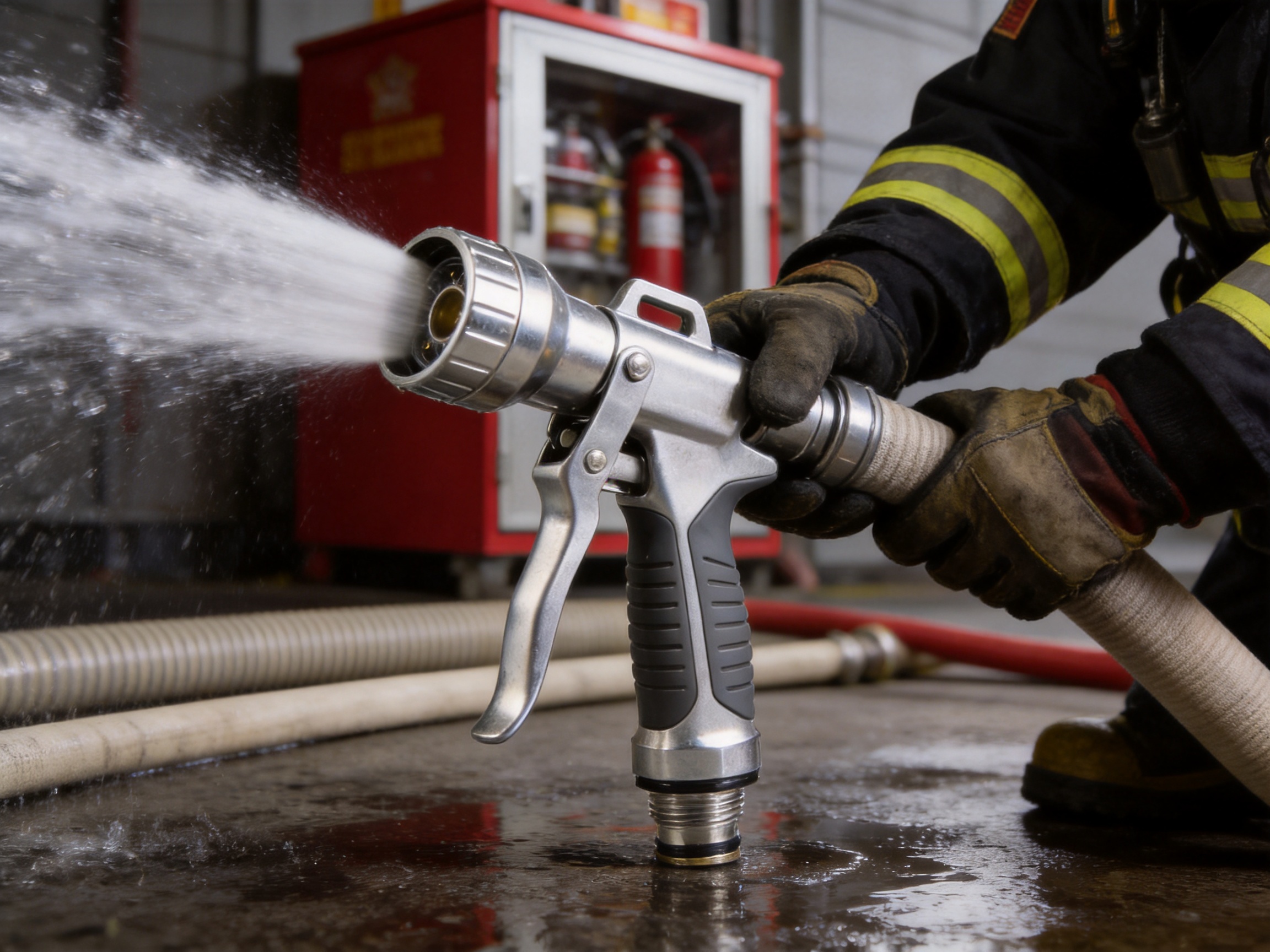
Many hose nozzles appear similar at first glance, but differences in material quality, machining accuracy, grip design, and production consistency can significantly affect performance. The 1.5-inch and 2.5-inch aluminum alloy hose nozzle offers several advantages over ordinary competing products.
Some competing nozzles may use heavier metals that provide strength but increase operator fatigue. While weight is sometimes associated with durability, excessive weight can reduce mobility and slow work. The aluminum alloy construction of this nozzle provides a strong structure while keeping the product easier to handle. This is particularly valuable for field crews, firefighters, maintenance teams, and agricultural users who must move equipment frequently.
Lower-quality nozzles made from less corrosion-resistant materials can deteriorate quickly when exposed to water, humidity, or outdoor conditions. Corrosion may damage connection surfaces and make the nozzle difficult to use. The aluminum alloy body helps resist corrosion, supporting longer service life and more consistent appearance. This advantage is important for equipment stored in fire cabinets, vehicles, warehouses, pump stations, irrigation sheds, or outdoor utility areas.
Some low-cost nozzles rely on rough or inconsistent manufacturing processes. This can result in poor fit, leakage, and difficult coupling. The precision-machined inlet of this nozzle helps support a secure and leak-resistant connection. A better connection can reduce water loss, improve pressure use, and save time during setup.
A nozzle that slips during operation is not only inconvenient but potentially unsafe. The non-slip handle surface gives this product an advantage over smooth-handled alternatives. It supports operator confidence in wet, greasy, or muddy conditions and improves control during continuous discharge.
The availability of both 1.5-inch and 2.5-inch inlet sizes allows users to choose a nozzle that matches their hose system and flow needs. Single-size products may force users to compromise or purchase additional adapters. By offering two common sizes, this nozzle supports broader application flexibility.
A product is more reliable when it is supported by a manufacturer with experience in hose and fire protection equipment. Taizhou Shenlong Fire Science and Technology Co., Ltd. has been active since 1995 and has developed a broad product range for fire, industrial, agricultural, and trenchless rehabilitation applications. This manufacturing background supports better understanding of hose systems, coupling compatibility, field requirements, and customer expectations.
The strength of a hose nozzle does not begin when it is installed on a hose; it begins in the factory. Manufacturing process control, material selection, machining accuracy, inspection standards, and service support all influence the final product. Taizhou Shenlong Fire Science and Technology Co., Ltd. has developed its capabilities through decades of work in fire hose and related fluid-transfer products.
Founded in 1995, the company integrates research and development, production, sales, and service. This integrated structure is important because it allows product feedback, customer needs, production improvements, and quality requirements to move through the organization efficiently. A manufacturer that only assembles products may have limited control over performance. By contrast, a company with production and technical capabilities can refine materials, improve processing, and respond to market requirements more effectively.
The company’s main products include various material-lined fire hoses. It also works with products involving rubber, PVC, polyurethane, and double-sided tape according to customer requirements. This background gives the company practical knowledge of fluid-transfer equipment, pressure-bearing systems, hose compatibility, and field durability. Hose nozzles and couplings are closely related to hose performance, so experience across the full system helps improve product design and application suitability.
The company’s products are used in fire protection, construction, water conservancy, and other industries. These industries require reliable performance because failure can lead to safety risks, downtime, property damage, or inefficient operations. By serving these sectors over many years, the company has built experience in producing equipment that meets practical user demands.
The company also cooperates with multiple domestic foreign trade companies to produce export products for many countries. Export-oriented production often requires attention to consistency, packaging, communication, documentation, and customer-specific requirements. This international service experience strengthens the company’s ability to support different markets and application standards.
In addition, the company is located in Taizhou City, Jiangsu Province, a region with access to manufacturing supply chains, transportation networks, and industrial resources. This location supports production organization and shipment efficiency for customers seeking reliable supply of hose-related products.
Although the nozzle’s visible form may appear simple, producing a reliable hose nozzle requires controlled manufacturing processes. Important steps include material preparation, forming, machining, surface finishing, dimensional checking, assembly inspection, and packaging. Each stage influences the final product’s durability and performance.
Material preparation begins with selecting suitable aluminum alloy. The material must provide the strength, corrosion resistance, and machining performance required for professional use. Inconsistent material can lead to weak points, poor surface quality, or reduced life. By using premium-grade aluminum alloy, the nozzle is designed to provide reliable mechanical performance.
Forming and shaping processes determine the basic structure of the nozzle. The body must be strong enough to withstand handling and fluid pressure while maintaining a form that is practical for operators. Structural balance is important because thick areas may add unnecessary weight, while thin or poorly supported areas may reduce strength.
Precision machining is especially important at the inlet. The connection interface must align with compatible hose couplings and create a secure fit. Machining accuracy can affect leakage, ease of connection, and long-term wear. A well-machined inlet also supports repeatable quality across production batches, meaning customers can expect consistent performance from one nozzle to the next.
Surface treatment and finishing also matter. Smooth surfaces reduce handling discomfort, improve appearance, and help minimize dirt accumulation. Proper finishing can support corrosion resistance and reduce sharp edges that might damage gloves, hoses, or storage equipment. A professional finish gives users confidence that the product has been manufactured with care.
Inspection and quality control provide the final safeguard before the product reaches the customer. Dimensional checks, appearance inspection, connection verification, and handling assessment help ensure that each nozzle meets functional expectations. For customers purchasing multiple units for fire cabinets, facilities, or hose stations, consistency is essential.
The company’s manufacturing strengths are not limited to one product. Its broad experience in fire hoses, industrial hoses, agricultural hoses, hose couplings, hose nozzles, fire accessories, fire cabinets, and trenchless rehabilitation hose products creates a system-level understanding of how components work together. This helps the company produce nozzles that fit practical hose applications instead of treating the nozzle as an isolated item.
Fire protection is one of the most important fields for reliable hose nozzles. In fire service support, building safety systems, fire cabinets, hydrant hose assemblies, and emergency water delivery, the nozzle must be ready for immediate use. A nozzle that is difficult to connect, corroded, too heavy, or slippery can delay action and reduce effectiveness.
The 1.5-inch nozzle option is useful for situations where a more mobile hose line is needed. It can support building safety equipment, facility hose reels, training use, and general fire water delivery. The 2.5-inch option is appropriate for larger hose systems requiring greater water volume. Having both sizes allows users to match equipment to the specific fire protection arrangement.
Corrosion resistance is important in fire protection because equipment may remain stored for long periods before use. Fire cabinets, emergency stations, and vehicle compartments may expose nozzles to humidity, temperature changes, or occasional water contact. A corrosion-resistant aluminum alloy nozzle helps maintain readiness over time.
The non-slip handle is also valuable in fire-related environments. Operators may wear gloves, work in water spray, or manage hoses under pressure. Better grip supports safer and more confident operation. In emergency conditions, equipment must be intuitive and dependable. The nozzle’s design supports that requirement.
While the nozzle is only one part of a fire protection system, it plays a critical role at the discharge point. Its material strength, connection reliability, and handling comfort contribute to the overall effectiveness of the hose line.
Industrial environments often place heavy demands on hose equipment. Factories, warehouses, workshops, processing plants, equipment yards, and maintenance areas may use hoses for washdown, cooling, dust control, cleaning, water transfer, and operational support. A nozzle used in these settings must withstand frequent handling and exposure to varied conditions.
The aluminum alloy nozzle is well suited to industrial use because it combines strength with portability. Workers may need to move hoses across large areas, connect and disconnect equipment regularly, and operate for extended periods. A lightweight nozzle reduces strain while maintaining durability.
Industrial sites may also expose nozzles to oily surfaces, detergents, grease, and dust. The non-slip handle helps maintain control when conditions are less than ideal. This is especially useful during washdown operations, where water and residue can quickly make equipment slippery.
The precision-machined inlet supports efficient setup. In industrial work, downtime has a cost. A nozzle that connects quickly and reduces leakage helps maintenance teams complete tasks faster. Leak reduction also helps keep work areas cleaner and reduces water waste.
Compared with low-cost nozzles that may corrode, leak, or become difficult to handle, this product offers a more professional solution for facilities that value reliable equipment and long service life.
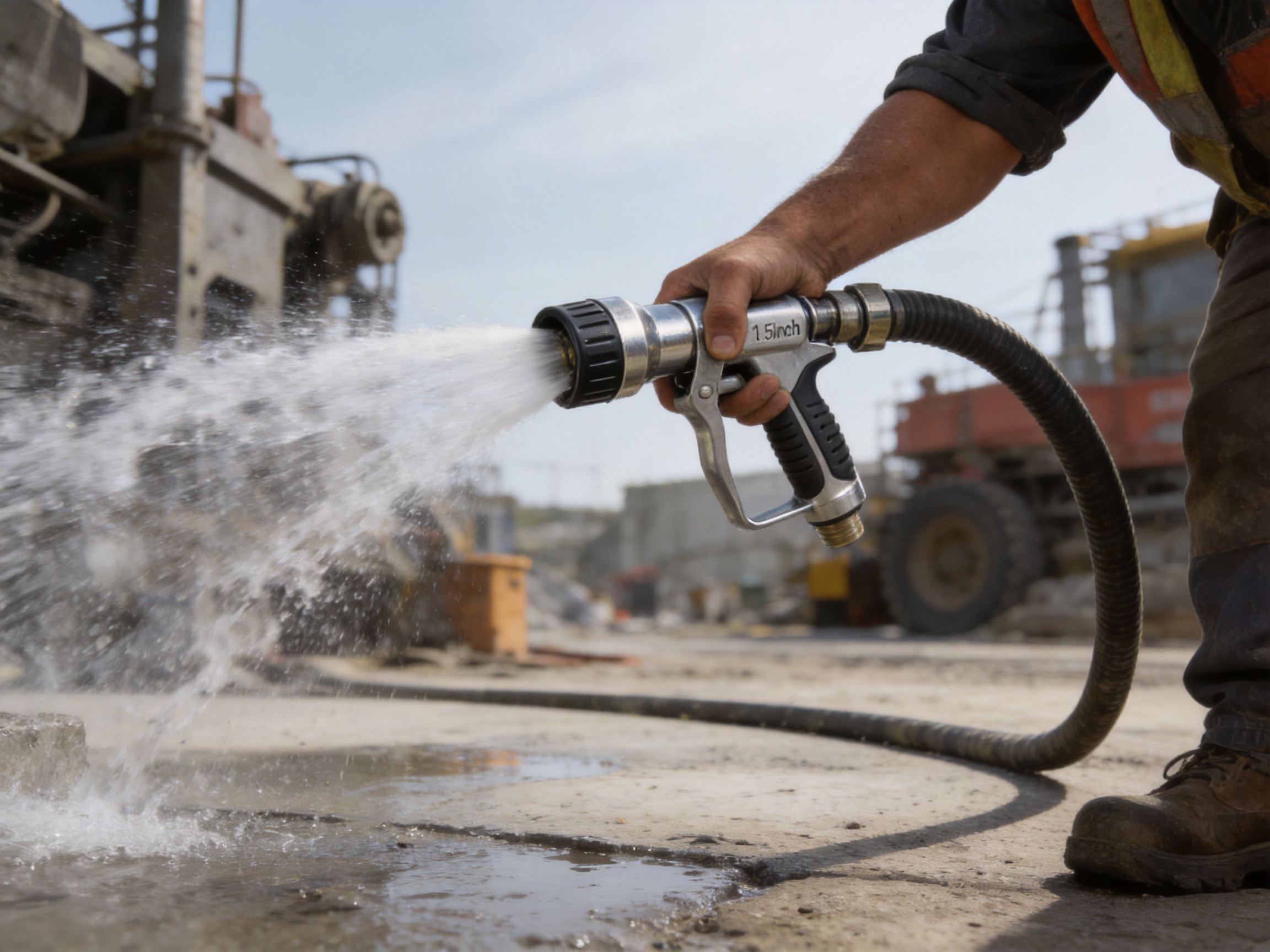
Agricultural operations require practical, durable, and easy-to-use equipment. Hoses and nozzles may be used for irrigation support, livestock area cleaning, equipment washing, water transfer, greenhouse work, and field maintenance. Conditions are often wet, muddy, dusty, and exposed to sunlight or changing weather. A nozzle used in agriculture must be rugged but not difficult to carry.
The aluminum alloy body gives the nozzle an advantage in farm environments. It is light enough for frequent movement but strong enough for demanding daily work. Corrosion resistance helps protect the nozzle from moisture exposure, fertilizers, and general outdoor storage conditions, although users should always clean and store equipment properly after use.
The 1.5-inch inlet size can be suitable for smaller agricultural hose lines and mobile applications, while the 2.5-inch option may be used where larger water movement is required. This size flexibility helps agricultural users choose the right nozzle for different water delivery tasks.
The non-slip handle is especially useful in agriculture. Mud, water, and organic residues can make equipment difficult to grip. A secure handle allows better aiming and reduces operator fatigue during long watering or cleaning sessions.
Water management projects, including construction site drainage support, temporary water delivery, and water conservancy applications, can also benefit from the nozzle’s durable construction. In these sectors, equipment may be used by different teams across different sites, so a robust and easy-to-maintain nozzle is a practical investment.
Construction sites require water for dust suppression, concrete work support, equipment cleaning, surface preparation, emergency readiness, and general maintenance. Hose nozzles used on construction sites are often exposed to rough handling, abrasive dirt, impact, and outdoor storage. A weak or poorly finished nozzle may wear quickly under these conditions.
The aluminum alloy hose nozzle offers a durable yet manageable option for construction site crews. Its lightweight structure makes it easier to move between areas, while its strength supports daily use. The corrosion-resistant material helps maintain function even when the nozzle is exposed to rain, water, and outdoor humidity.
The precision inlet is useful where hoses are frequently connected and disconnected. Construction crews need equipment that can be set up quickly without repeated adjustment. A reliable fit reduces delays and prevents water from leaking around the connection.
The non-slip handle also improves safety. Construction sites may involve mud, wet concrete residue, dust, and gloves. A secure grip allows workers to direct water accurately and avoid losing control of the nozzle under pressure.
For site managers, choosing better hose nozzles can reduce replacement frequency and improve work efficiency. The nozzle’s combination of lightweight strength, corrosion resistance, and handling comfort makes it a practical choice for demanding temporary and permanent site applications.
Choosing between the 1.5-inch and 2.5-inch versions depends on the hose system, flow requirements, operator mobility needs, and application environment. Both sizes are useful, but they serve different operational priorities.
The 1.5-inch inlet size is commonly preferred where mobility, easier handling, and moderate water delivery are important. It may be used in building fire systems, smaller industrial hose lines, agricultural tasks, and general maintenance. Because smaller hose lines are usually easier to maneuver, the 1.5-inch nozzle can help operators work efficiently in tight spaces or areas requiring frequent repositioning.
The 2.5-inch inlet size is suitable for larger hose systems and applications requiring greater flow capacity. It may be preferred for fire protection support, water transfer, industrial cleaning, large-site maintenance, and water conservancy applications. A larger hose line can deliver more water, but it may also require more operator effort and stronger system support. The lightweight aluminum alloy construction helps reduce some of the handling burden associated with larger equipment.
Before purchasing, users should confirm hose compatibility, connection requirements, pressure conditions, fluid type, and operational needs. The nozzle is designed for water and compatible fluids, but chemical compatibility should always be assessed before use with aggressive liquids. Proper matching ensures longer service life and safer operation.
A well-made nozzle can provide long service life, but correct maintenance is still important. After use, operators should flush the nozzle with clean water when appropriate, especially if it has been exposed to dirty water, chemicals, foam, fertilizer, or industrial residue. Cleaning helps prevent buildup that could affect flow or connection performance.
The inlet should be inspected regularly for damage, dirt, or deformation. Because the connection area is essential for leak-resistant performance, users should keep it clean and avoid dropping the nozzle directly onto the inlet surface. If sealing components are used in the hose system, they should also be checked and replaced when worn.
The handle should be kept free of excessive oil or hardened residue. Although the non-slip surface improves grip, maintenance ensures it continues to perform well. If the nozzle is used in greasy industrial environments, wiping the handle after use can improve safety for the next operator.
Storage conditions also affect product life. The nozzle should be stored in a dry, organized location when not in use, such as a fire cabinet, hose station, tool room, vehicle compartment, or equipment rack. Avoid leaving the nozzle in standing water or corrosive environments for long periods. Proper storage protects the nozzle from unnecessary wear and makes it easier to locate during urgent use.
Periodic functional checks are recommended for equipment used in emergency systems. Fire protection equipment should not remain unchecked for long periods. A quick inspection can confirm that the nozzle is clean, connected properly, and ready for service.
When selecting hose nozzles, buyers often focus on size and price. While these factors are important, manufacturer capability should also be considered. A nozzle is part of a larger hose system, and its performance depends on material quality, dimensional control, compatibility knowledge, and after-sales support. A manufacturer with long-term experience in hose products can offer more dependable solutions than a supplier with limited technical background.
Taizhou Shenlong Fire Science and Technology Co., Ltd. has developed a product portfolio that includes fire hose, industrial hose, agricultural hose, hose couplings, hose nozzles, fire accessories, fire cabinets, and trenchless rehabilitation hose. This broad portfolio demonstrates understanding of fluid transfer from multiple angles. The company is not only familiar with nozzles but also with the hoses and couplings that nozzles must work with.
The company’s ability to undertake foreign trade products using rubber, PVC, polyurethane, and double-sided tape according to customer requirements indicates flexible production capability. Customization experience is valuable because different markets and applications may require different materials, structures, and performance characteristics.
The company’s sales network across many provinces, cities, and autonomous regions, along with export production through domestic foreign trade cooperation, also shows supply capability. Buyers seeking stable procurement can benefit from working with a manufacturer that has experience serving both domestic and international customers.
In practical terms, manufacturer strength can affect lead times, consistency, communication, product improvement, and problem resolution. A better manufacturer can help customers select appropriate products, maintain consistent quality, and support long-term equipment planning.
The 1.5-inch and 2.5-inch aluminum alloy hose nozzle offers value to different types of buyers. For distributors, the product is attractive because it fits common hose sizes and serves multiple sectors, including fire protection, industrial maintenance, agriculture, construction, and water management. A versatile product can meet the needs of a wider customer base.
For contractors, the nozzle provides field practicality. Contractors need equipment that can withstand jobsite conditions, connect reliably, and be used by different workers without complicated training. The nozzle’s lightweight construction, secure inlet, and non-slip handle support everyday productivity.
For facility managers, the nozzle is useful for fire readiness, maintenance washdown, water transfer, and emergency preparation. Its corrosion resistance and durable construction support long-term storage and repeated use. Facility teams benefit from equipment that remains ready and does not require constant replacement.
For agricultural users, the nozzle provides a manageable balance of strength and portability. It can support irrigation-related tasks, cleaning, and general water handling in environments where equipment is often exposed to mud and moisture.
For fire protection buyers, the nozzle’s strong material, precise connection, and secure grip support reliable discharge control. When paired with suitable hose systems, it contributes to overall emergency readiness.
A high-quality hose nozzle contributes to safety and efficiency in several ways. First, a secure connection reduces leakage and unexpected spraying near the operator. This helps prevent slippery surfaces and reduces wasted water. Second, a non-slip grip improves operator control, especially under pressure. Third, corrosion resistance supports long-term readiness, reducing the chance that stored equipment will fail when needed.
Operational efficiency is also improved through faster setup, easier handling, and reduced maintenance problems. A lightweight nozzle can be moved and positioned more quickly. A precise inlet reduces time spent adjusting connections. A durable aluminum alloy body reduces replacement frequency. These benefits can produce meaningful savings over time, especially for organizations that use many hose stations or operate in demanding environments.
Compared with cheaper alternatives, the product may provide a lower total cost of ownership. A low-price nozzle that leaks, corrodes, slips, or fails quickly may cost more in downtime, replacement purchases, water waste, and labor. A better-built nozzle can provide more stable value across its service life.
The nozzle is made from premium-grade aluminum alloy. This material provides a strong yet lightweight structure, good corrosion resistance, wear resistance, and practical thermal conductivity for demanding hose applications.
The nozzle is available with 1.5-inch and 2.5-inch inlet sizes. These two options allow users to match the nozzle to different hose systems and flow requirements.
Aluminum alloy provides an excellent strength-to-weight balance. It is strong enough for professional use while remaining easier to carry, connect, and control than many heavier metal alternatives. This helps reduce operator fatigue during extended operation.
The nozzle features a precision-machined inlet designed to support a secure and leak-resistant connection with compatible hose systems. Accurate machining helps improve fit and sealing performance.
Yes. The handle is designed with a non-slip surface to improve grip in wet, greasy, muddy, or otherwise challenging operating conditions. Operators should still follow safe handling practices and wear suitable protective equipment when required.
The nozzle can be used in fire protection, industrial fluid handling, agricultural water management, construction site maintenance, facility washdown, water conservancy, and other compatible fluid-control applications.
Yes, it is suitable for fire protection-related hose systems when matched correctly with compatible hoses, couplings, and operating conditions. Its corrosion resistance, lightweight strength, and reliable grip are valuable for emergency readiness.
Its advantages include premium aluminum alloy construction, precision-machined inlet, corrosion resistance, lightweight handling, non-slip grip, and support from an experienced hose and fire equipment manufacturer. These features help improve durability, ease of use, and connection reliability.
After use, the nozzle should be cleaned when necessary, especially after exposure to dirty water, foam, chemicals, fertilizer, or industrial residues. The inlet should be inspected for damage or buildup, and the nozzle should be stored in a dry and organized location.
Manufacturer experience affects material control, machining quality, product consistency, compatibility knowledge, and service support. A company with decades of experience in fire hoses, hose couplings, hose nozzles, and related products is better positioned to deliver reliable equipment.
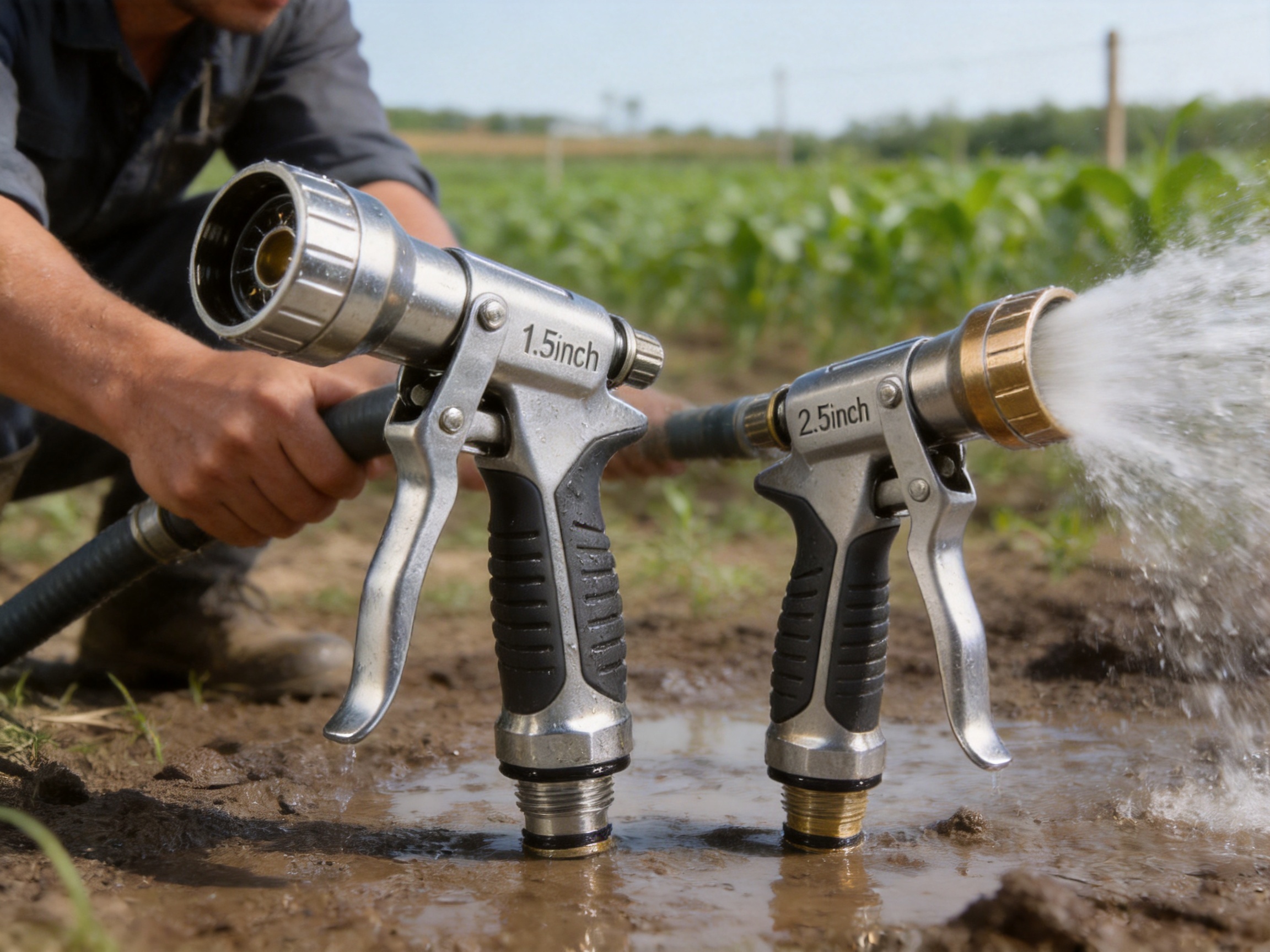
The 1.5-inch and 2.5-inch aluminum alloy hose nozzle is a practical and dependable solution for users who need reliable flow direction, secure connection, and comfortable operation. Its premium-grade aluminum alloy construction provides lightweight strength, corrosion resistance, wear resistance, and thermal performance. Its precision-machined inlet supports leak-resistant connection, while the non-slip handle improves control in wet, greasy, or demanding conditions.
Compared with ordinary competing nozzles, this product stands out through its material quality, machining accuracy, ergonomic handling, size flexibility, and manufacturing support. It is suitable for fire protection, industrial use, agriculture, construction, facility maintenance, and water management applications. By reducing fatigue, improving connection reliability, and supporting long-term durability, it offers value not only at the time of purchase but throughout its service life.
Taizhou Shenlong Fire Science and Technology Co., Ltd. strengthens the product with decades of manufacturing experience, integrated research and development, production, sales, and service capabilities, and a broad portfolio of hose-related products. Since 1995, the company has served industries that demand dependable fluid-transfer equipment, including fire protection, construction, and water conservancy. Its ability to produce fire hoses, industrial hoses, agricultural hoses, hose couplings, hose nozzles, fire accessories, fire cabinets, and trenchless rehabilitation hose products reflects comprehensive manufacturing strength.
For buyers seeking a nozzle that combines durability, ease of use, and professional manufacturing support, the 1.5-inch and 2.5-inch aluminum alloy hose nozzle is a strong choice. It addresses the practical needs of operators and organizations: secure connection, stable discharge, reduced fatigue, corrosion resistance, and long-term reliability.
National Fire Protection Association. Fire Protection Handbook. National Fire Protection Association.
International Organization for Standardization. Firefighting Equipment and Hose Connection Standards.
American Society for Testing and Materials. Standard Practices for Aluminum Alloy Materials and Corrosion Evaluation.
Occupational Safety and Health Administration. General Guidance on Industrial Hose Handling and Workplace Safety.
Industrial Hose and Coupling Technical Manual. Fluid Power and Hose Equipment Reference Series.
Fire Service Hydraulics and Water Supply. Technical Training Reference for Fire Protection Equipment.
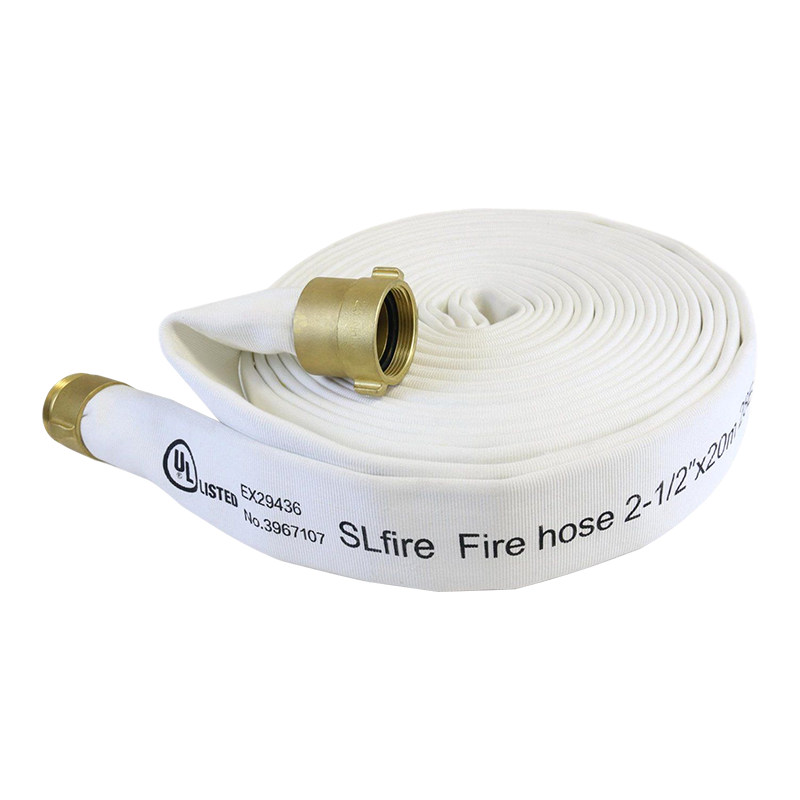
Single jacket, EPDM rubber liner Features • 100% high tenacity polyester jacket, high-grade EPDM rub...
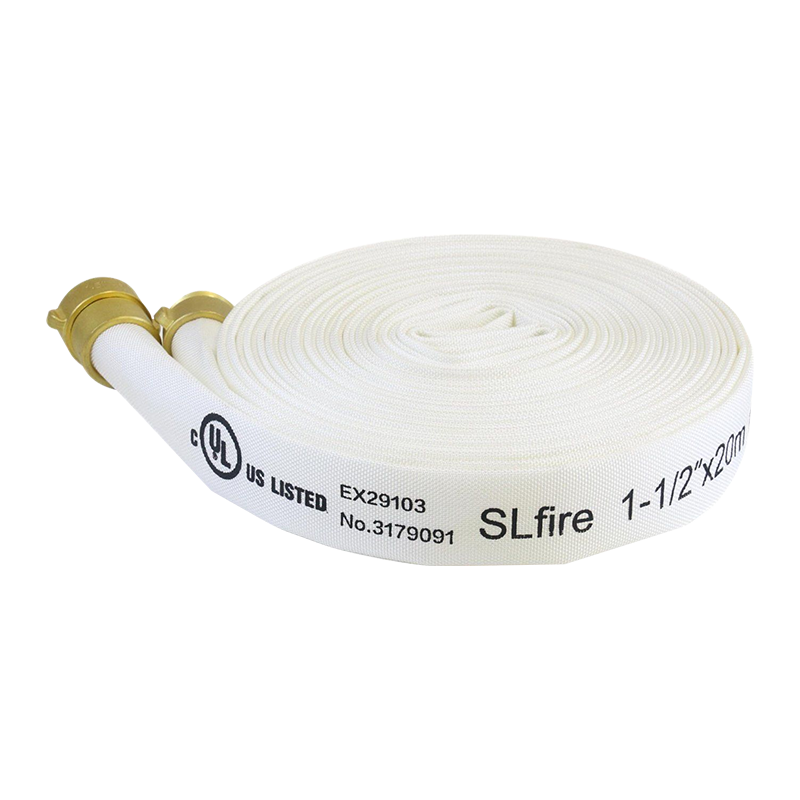
Single jacket, TPU liner •High-tenacity polyester yarn, circular woven in twill weave/plain weave,T ...
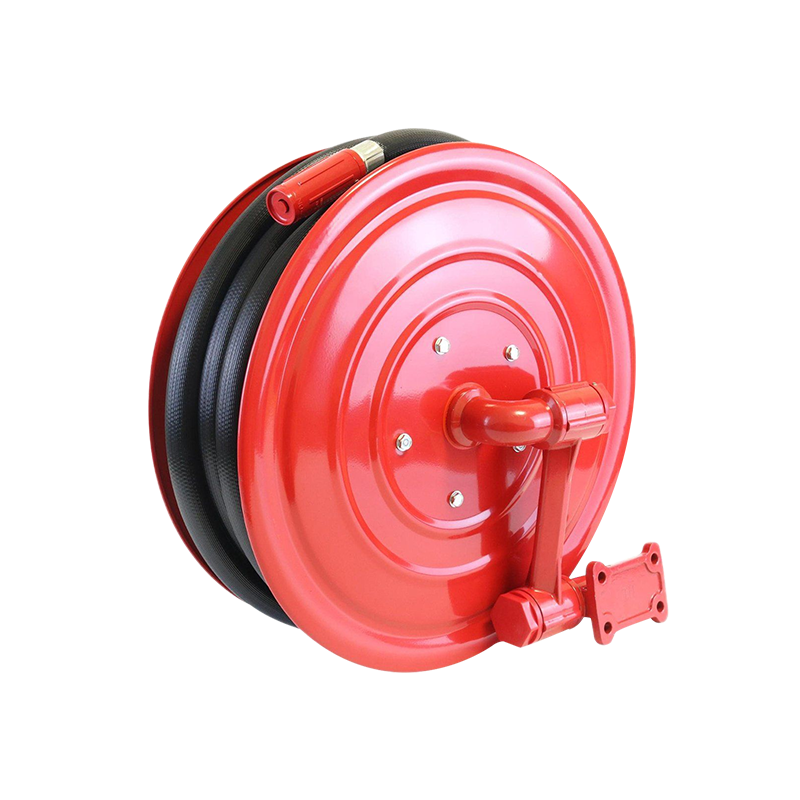
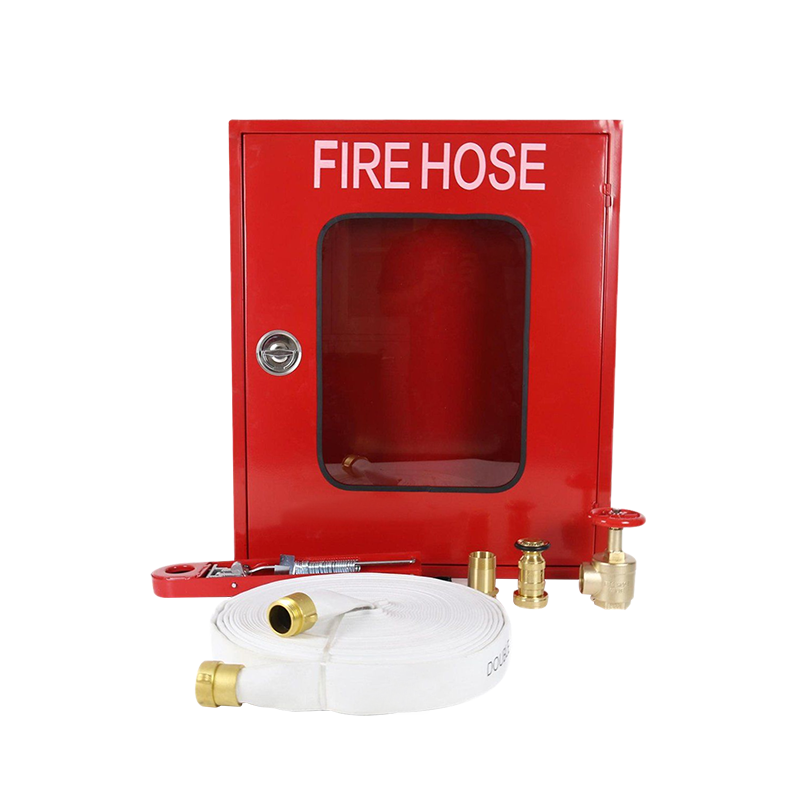
Fire cabinets are designed to accommodate fire hose,valve and other firefighting equipment. Type 201...
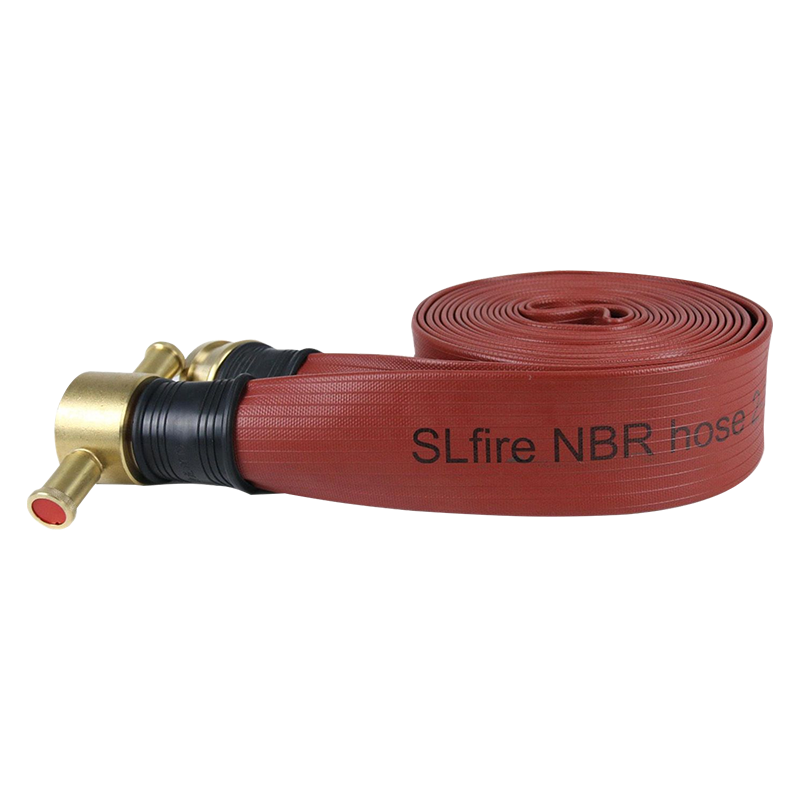
Nitrile covered hose •Nitrile/TPR blend as cover and lining, with 100% high-tenacity polyester yarn ...
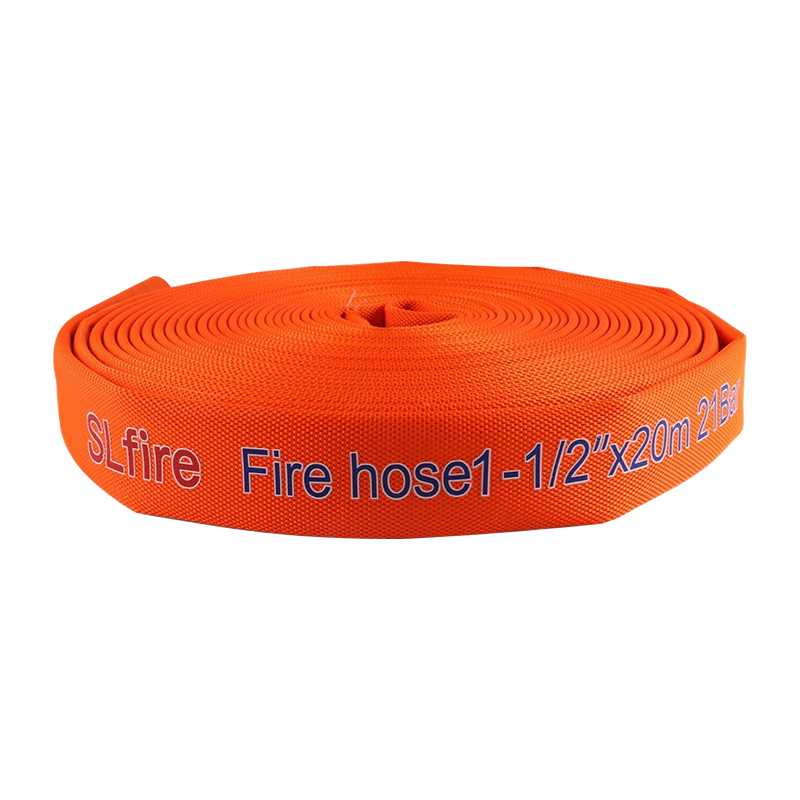
Single jacket, TPU liner •High-tenacity polyester yarn, circular woven in twill weave, TPU lining, f...
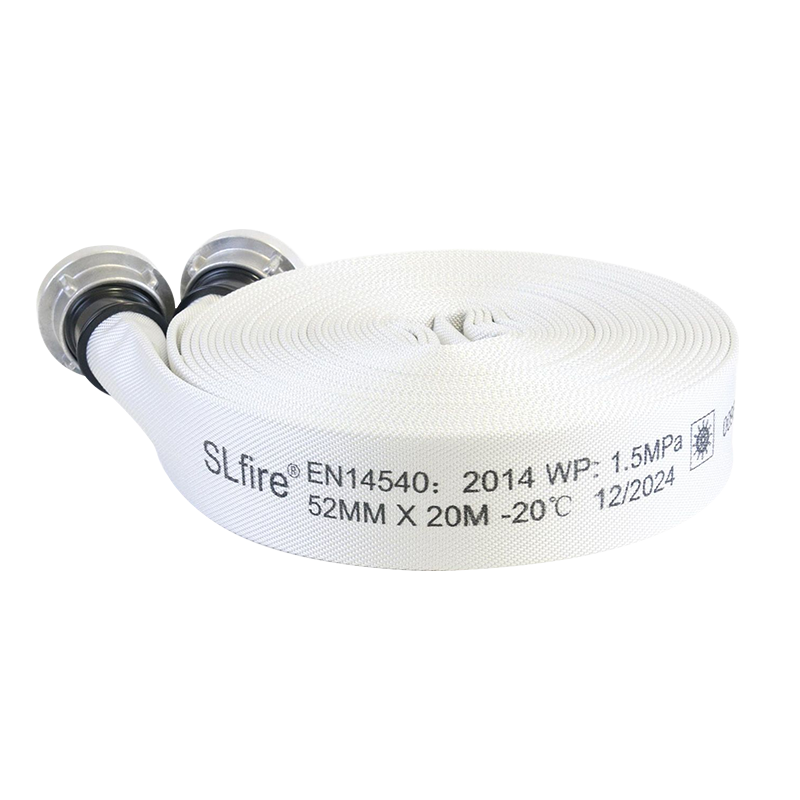
Marine hose Single jacket, PVC liner •100% high tenacity polyester yarn, circular woven in twill wea...
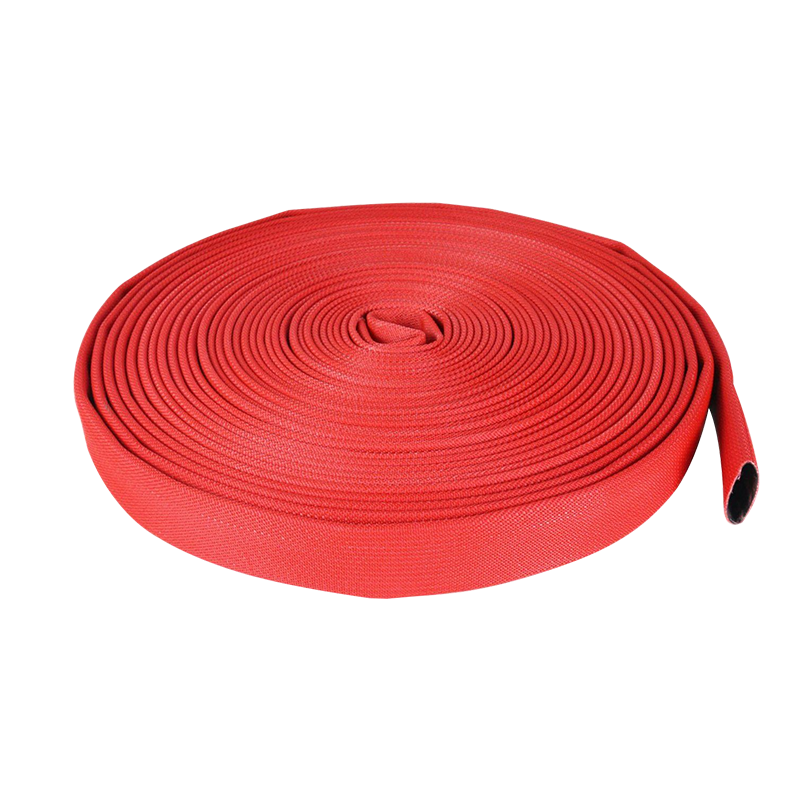
Marine hose Single jacket, PVC liner, PU coated •100% high tenacity polyester yarn,c ircular woven i...
 Call Us
+86 159-5116-9511
Need Support
Head Office
No.58, Kechuang Road, Sixiang Street Medicine Gaoxin District Taizhou City, Jiangsu Province

What Is a Fire Hose? A fire hose is a high-pressure flexible hose designed to carry water or fire retardant chemicals from a water source, such as a hydrant, pump, or tank, to a fire for suppression p...
Copyright © Taizhou Shenlong Fire Science and Technology Co., Ltd. All Rights Reserved.
 Fire Hose Manufacturers, Fire Hydrant Hose Factory