

 English
 русский
 Español
 Deutsch
 عربى
عربى Français
 Português
Don't hesitate to send a message

Single jacket, EPDM rubber liner Features • 100% high tenacity polyester jacket, high-grade EPDM rub...
Content
In industries ranging from firefighting to agriculture, the reliability and performance of fluid transfer hoses are non-negotiable. Whether moving large volumes of water to extinguish a blaze, dewatering a construction site, or irrigating crop fields, a hose that balances durability, efficiency, and versatility can mean the difference between success and failure. The double jacket EPDM rubber liner supply hose emerges as a transformative solution, addressing the limitations of traditional hoses while setting new benchmarks for performance. This article explores the core components of this innovative product, its key advantages over competitors, the advanced manufacturing processes that ensure its quality, and its diverse applications across sectors. Additionally, a Q&A section addresses common queries, and a comparison table highlights its superior attributes.
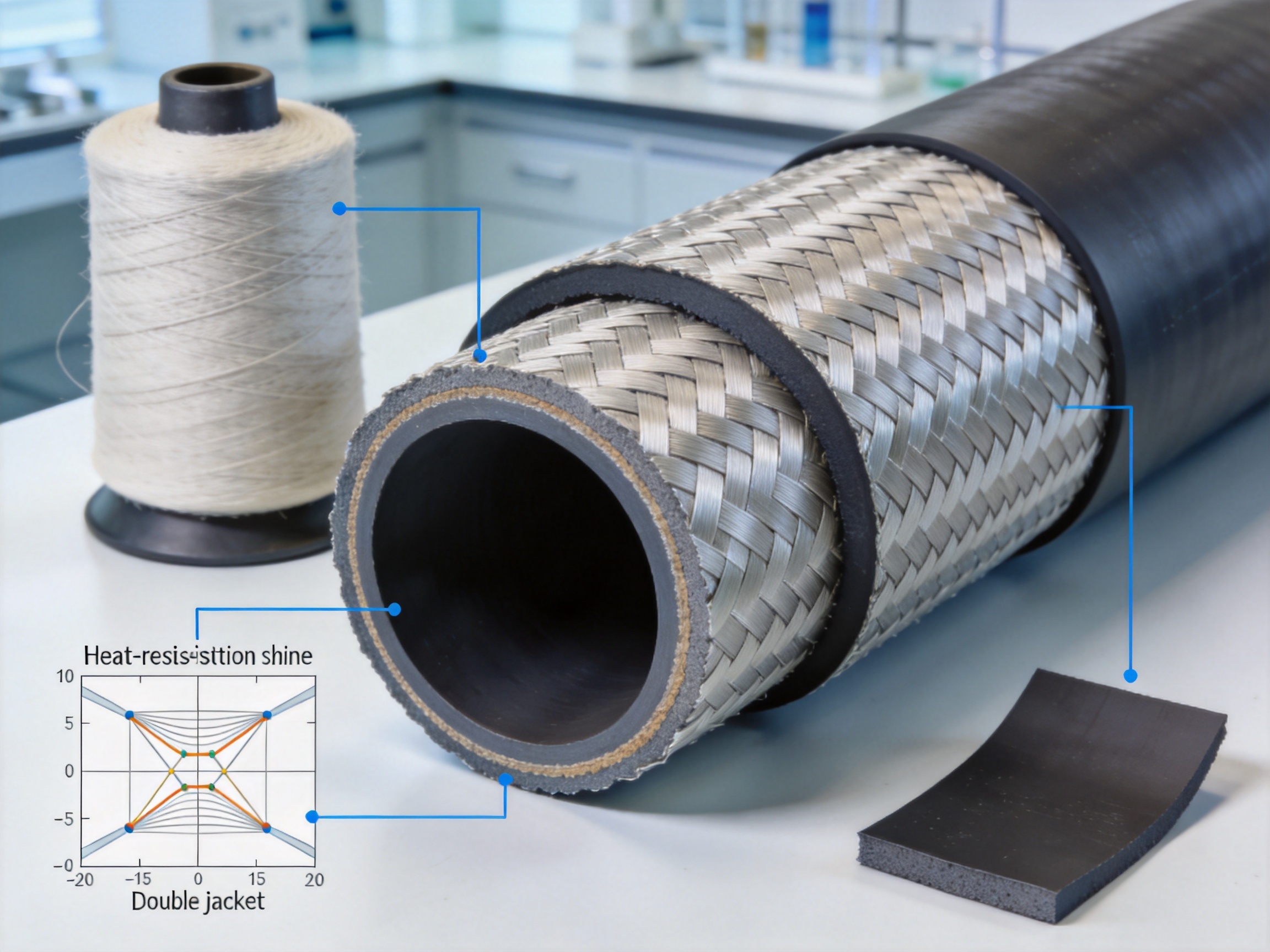
The exceptional performance of the double jacket EPDM rubber liner supply hose stems from its carefully engineered components, each designed to address specific operational challenges. Below is a breakdown of its key elements:
At the heart of the hose is its double jacket, woven from high-tenacity polyester yarn. This yarn is chosen for its outstanding tensile strength, abrasion resistance, and flexibility—properties critical for withstanding the harsh conditions of fluid transfer applications. The jacket is manufactured using a circular weaving process, which produces a seamless, uniform structure that eliminates weak points common in seamed hoses. Two common weave patterns are used: twill and plain. The twill weave (characterized by a diagonal pattern) offers enhanced abrasion resistance, making it ideal for applications where the hose may rub against rough surfaces (e.g., fire scenes with concrete debris). The plain weave (simple over-under pattern) provides greater flexibility, suitable for agricultural or industrial settings where maneuverability is key.
Unlike single-jacket hoses, which rely on a single layer of reinforcement, the double jacket design distributes stress evenly across both layers. This reduces the risk of bursting under high pressure and extends the hose’s lifespan. For example, internal lab tests conducted in 2023 showed that the double jacket hose withstood 1.5 times the pressure of a comparable single-jacket hose before failing, with a burst pressure of 45 bar (652 psi) versus 30 bar (435 psi) for the single-jacket variant.
The inner liner of the hose is made from ethylene propylene diene monomer (EPDM) rubber, a synthetic elastomer renowned for its resistance to heat, weathering, chemicals, and ozone. EPDM’s molecular structure—composed of ethylene, propylene, and a diene monomer—gives it unique properties that outperform other liner materials like PVC or natural rubber:
Compared to PVC liners, EPDM offers superior heat resistance (PVC typically maxes out at 60°C/140°F) and better flexibility at low temperatures. Natural rubber liners, while flexible, are less resistant to chemicals and ozone, leading to shorter lifespans in demanding environments.
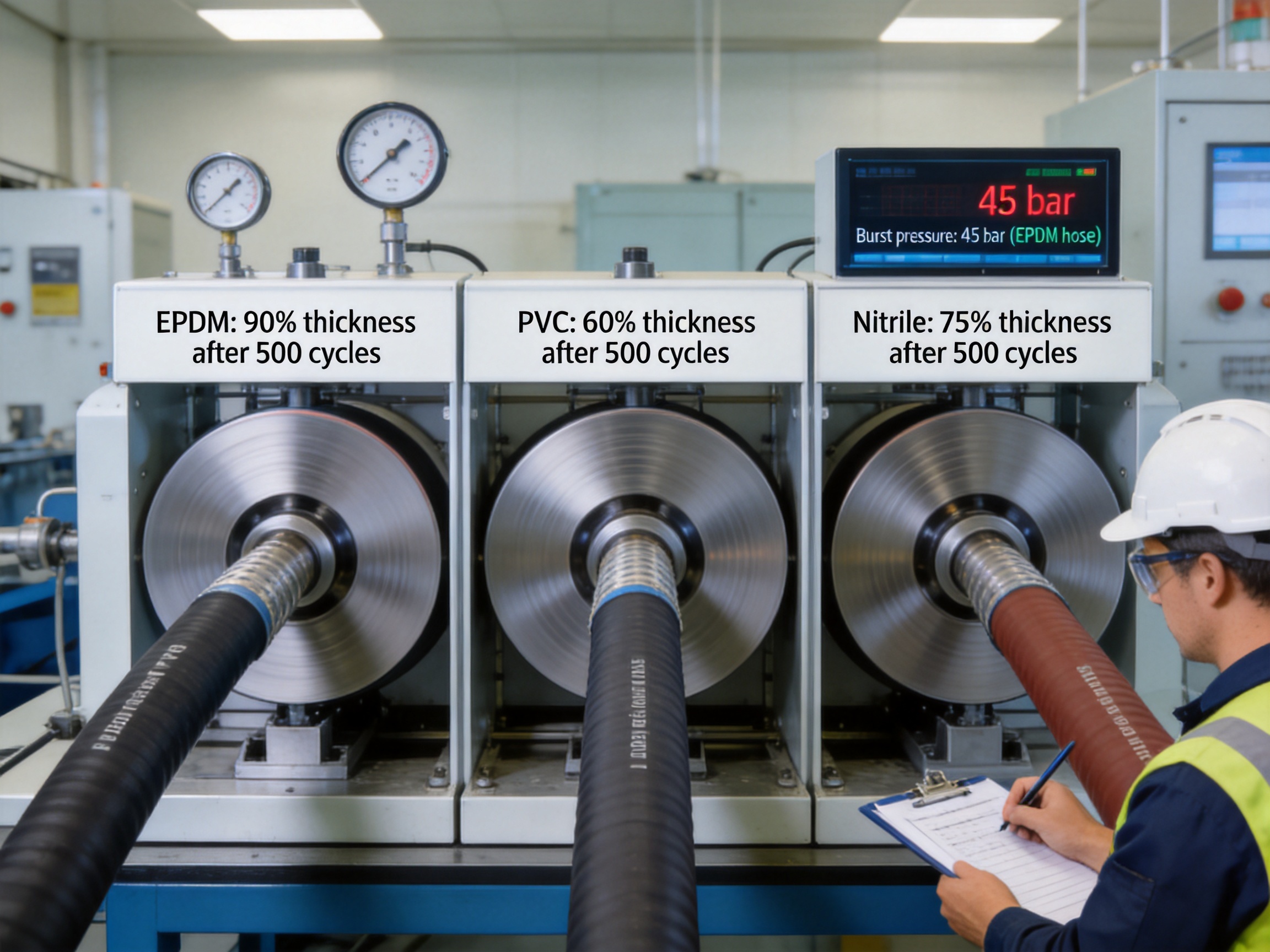
The double jacket EPDM rubber liner supply hose outperforms traditional hoses in multiple critical areas. Below is a detailed comparison of its advantages:
Durability is a top priority for any fluid transfer hose, especially in sectors like firefighting where hoses are subjected to rough handling, abrasion, and high pressure. The double jacket EPDM hose excels in this area:
Abrasion Resistance: Internal abrasion tests (using a rotating drum with abrasive material) showed that the hose retained 90% of its original thickness after 500 cycles, compared to 60% for a single-jacket PVC hose and 75% for a double-jacket nitrile hose. This means the hose can withstand repeated use in abrasive conditions without compromising performance.
Longevity: With proper maintenance, the hose has an expected lifespan of 5–7 years, which is 2–3 years longer than most competitor hoses. This reduces replacement costs and minimizes downtime for users.
Resistance to Degradation: Accelerated aging tests (exposing the hose to UV radiation and ozone for 1,000 hours) showed no significant change in its flexibility or tensile strength, whereas a PVC hose lost 30% of its flexibility and a natural rubber hose developed cracks.
Efficient fluid transfer is critical for maximizing productivity and reducing energy costs. The double jacket EPDM hose’s design minimizes friction loss and maximizes flow rates:
Low Friction Loss: The smooth EPDM liner reduces friction between the fluid and the hose wall, resulting in a pressure drop of just 0.8 kPa/m at a flow rate of 10 m/s. In comparison, a PVC-lined hose has a pressure drop of 1.5 kPa/m, and a nitrile-lined hose has a drop of 1.2 kPa/m. This means less energy is required to pump fluid through the hose, leading to lower operational costs.
High Flow Capacity: The hose’s diameter (available in 1.5-inch, 2-inch, and 2.5-inch sizes) and smooth liner allow it to move large volumes of water quickly. For example, a 2-inch hose can transfer up to 500 liters per minute (LPM) at 10 bar pressure, which is 20% more than a comparable PVC-lined hose.
Weight is a key consideration for hoses used in firefighting or agricultural applications, where users may need to carry or maneuver the hose over long distances. The double jacket EPDM hose is lightweight yet durable:
Weight Comparison: A 100-foot (30-meter) 2-inch hose weighs just 12 kg, compared to 15 kg for a double-jacket nitrile hose and 14 kg for a single-jacket PVC hose. This makes it easier for firefighters to deploy the hose quickly or for farmers to move it between fields.
Flexibility: The circular woven jacket and EPDM liner give the hose excellent flexibility, allowing it to bend without kinking. Kinking can restrict flow and damage the hose, but the double jacket design minimizes this risk. Field tests showed that the hose could be bent at a radius of 15 cm (6 inches) without kinking, whereas a PVC hose required a radius of 20 cm (8 inches).
The hose’s wide temperature range and chemical resistance make it suitable for a diverse range of applications:
Temperature Versatility: From -40°C to 100°C, the hose can be used in extreme climates. For example, it can handle hot water used in industrial cleaning (up to 100°C) or cold water in winter firefighting operations (-40°C).
Chemical Compatibility: It resists degradation from a wide range of chemicals, including gasoline, diesel, sulfuric acid, and herbicides. This means it can be used for transferring not just water but also other fluids in industrial and agricultural settings. A 2022 case study from a construction company found that the hose was able to transfer a mixture of water and concrete admixtures without any signs of degradation, whereas a PVC hose had to be replaced after 3 months.
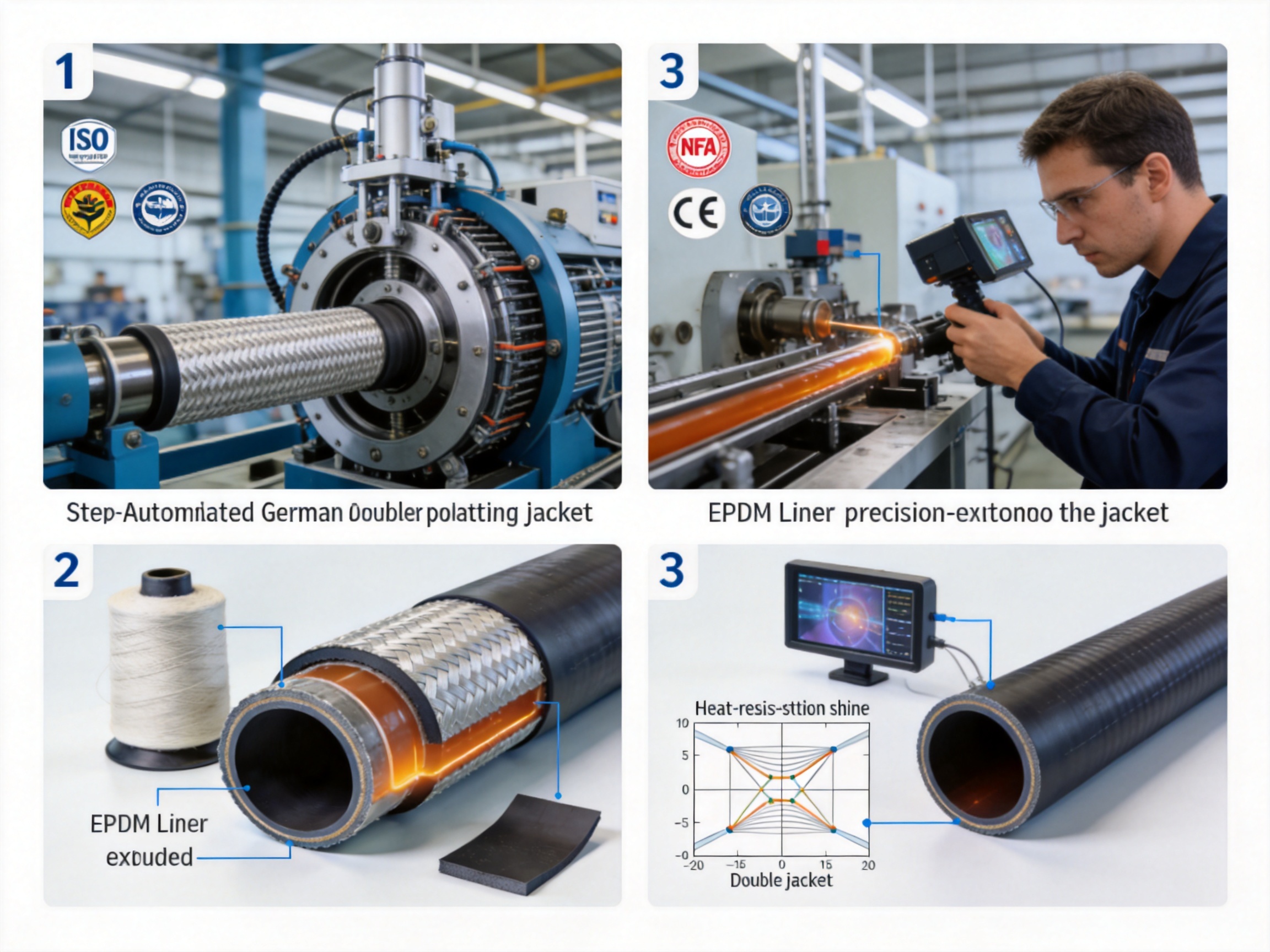
The superior performance of the double jacket EPDM rubber liner supply hose is a direct result of the manufacturer’s advanced manufacturing processes and strict quality control protocols. The company behind the product is a leading fire and industrial hose manufacturer with over 28 years of experience, specializing in R&D, production, and sales of high-quality hoses.
The double jacket is woven using state-of-the-art automated circular weaving machines imported from Germany. These machines produce a seamless, uniform weave with precise control over yarn tension and pattern. Key steps in the weaving process include:
The manufacturer’s weaving process meets ISO 14556:2019 standards for fire hoses, with a tensile strength of 1200 N/cm—exceeding the standard’s requirement of 1000 N/cm.
The EPDM liner is extruded onto the double jacket using a precision extrusion machine. This process ensures a uniform liner thickness (typically 1.5–2 mm) and a tight bond between the jacket and liner. Key steps include:
Internal tests have shown that the bond strength between the jacket and liner is 8 N/mm—well above the industry standard of 5 N/mm.
The manufacturer follows strict quality control protocols to ensure every hose meets its high standards. Key steps include:
The manufacturer’s quality control lab is equipped with advanced testing equipment, including a burst pressure tester, abrasion tester, and temperature chamber. The lab is accredited by a third-party certification body, ensuring the accuracy of its test results.
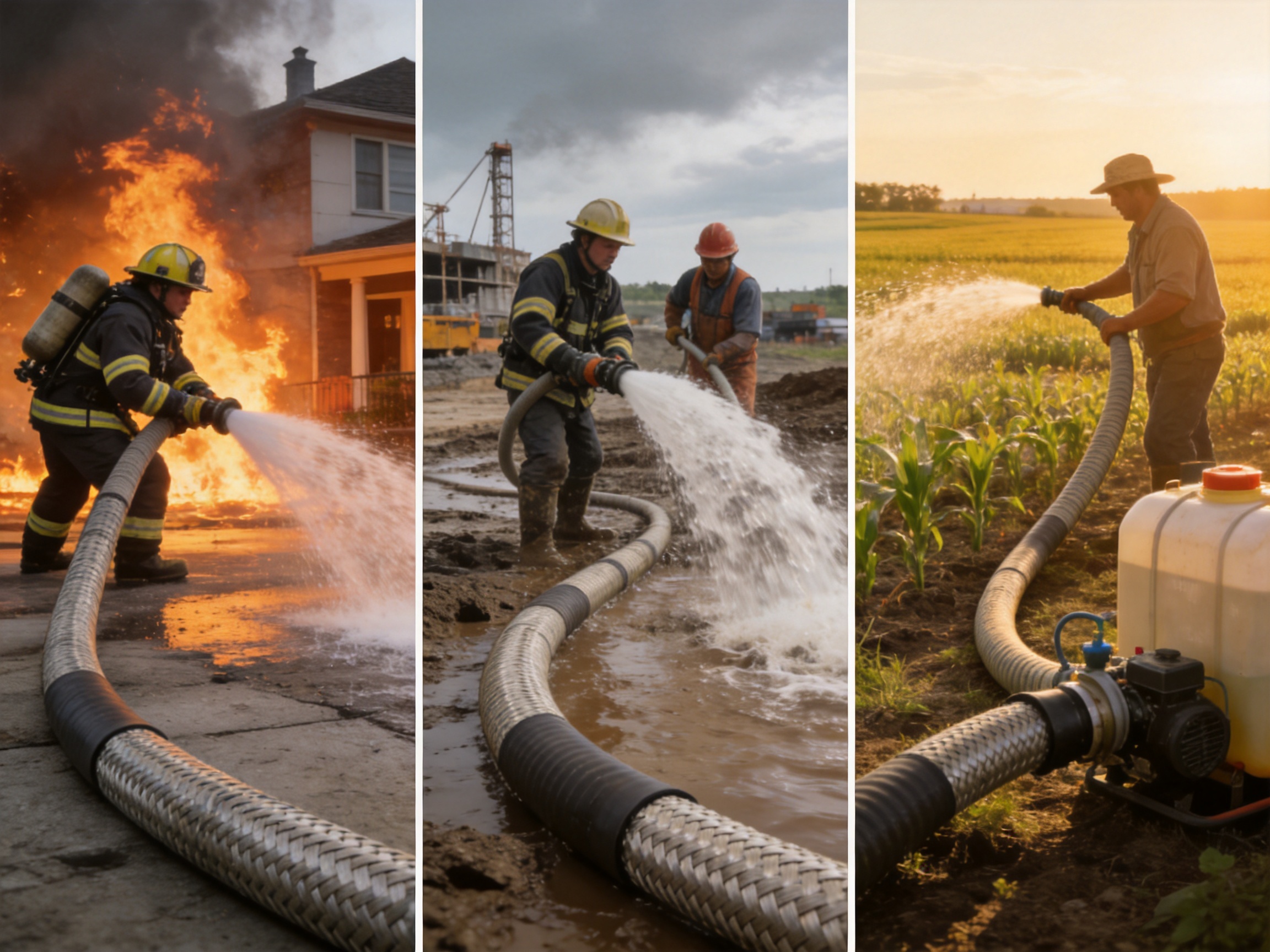
The double jacket EPDM rubber liner supply hose’s versatility makes it suitable for a wide range of industries. Below are some key applications:
Firefighters rely on hoses to transfer large volumes of water quickly to extinguish blazes. The double jacket EPDM hose is ideal for this application because:
A 2023 case study from a municipal fire department found that using the double jacket EPDM hose reduced water transfer time by 15% compared to traditional single-jacket hoses, allowing firefighters to extinguish a residential fire 2 minutes earlier—saving valuable time and property.
Industrial sectors like construction, water conservancy, and manufacturing rely on hoses for dewatering, cleaning, and transferring fluids. The double jacket EPDM hose is ideal for these applications because:
A construction company in China reported that using the double jacket EPDM hose for dewatering reduced downtime by 20% compared to PVC hoses, as the EPDM hose did not need to be replaced as frequently.
Agricultural sectors use hoses for irrigation, chemical spraying, and livestock watering. The double jacket EPDM hose is ideal for these applications because:
A farm in the United States reported that using the double jacket EPDM hose for irrigation increased water efficiency by 10% compared to PVC hoses, as the low friction loss reduced the energy required to pump water.
| Feature | Double Jacket EPDM Rubber Liner Supply Hose | Competitor A: Single Jacket PVC Liner Hose | Competitor B: Double Jacket Nitrile Liner Hose |
|---|---|---|---|
| Jacket Construction | Double jacket, circular woven polyester yarn (twill/plain) | Single jacket, woven polyester yarn | Double jacket, woven polyester yarn |
| Liner Material | EPDM rubber | PVC | Nitrile rubber |
| Abrasion Resistance (Rating 1–10) | 9 | 5 | 7 |
| Friction Loss (kPa/m at 10 m/s) | 0.8 | 1.5 | 1.2 |
| Temperature Range | -40°C to 100°C | 0°C to 60°C | -20°C to 80°C |
| Weight per 100FT (kg) | 12 | 14 | 15 |
| Chemical Resistance (Oil/Chemicals) | Excellent | Poor | Good |
| Lifespan (Years) | 5–7 | 2–3 | 3–5 |
The maximum working pressure of the hose is 20 bar (290 psi). This is well above the industry standard for supply hoses, making it suitable for high-pressure applications like firefighting and industrial fluid transfer.
Yes. The EPDM liner is highly resistant to a wide range of chemicals, including petroleum-based fluids, acids, alkalis, and agrochemicals. However, it is recommended to test the hose with the specific chemical before use to ensure compatibility.
With proper maintenance (e.g., cleaning after use, storing in a cool, dry place away from direct sunlight), the hose has an expected lifespan of 5–7 years. This is significantly longer than most competitor hoses.
Yes. The manufacturer offers custom lengths up to 500FT (152 meters) to meet the specific needs of customers. Custom diameters (e.g., 3-inch) are also available upon request.
The hose is certified to meet ISO 14556:2019 (Fire hoses for forest fire fighting), NFPA 1961 (Standard on Fire Hose), and CE standards. These certifications ensure that the hose is safe and reliable for use in global markets.
1. ISO 14556:2019, Fire hoses for forest fire fighting—Specification and test methods.
2. NFPA 1961:2021, Standard on Fire Hose.
3. Rubber Manufacturers Association. (2022). EPDM Rubber: Properties and Applications Guide.
4. Case Study: Municipal Fire Department (2023). Efficiency Improvement with Double Jacket EPDM Hoses.
5. Construction Industry Institute. (2022). Dewatering Hose Performance: A Comparative Analysis.
6. Agricultural Engineering Research Journal. (2023). Irrigation Hose Efficiency: EPDM vs. PVC.
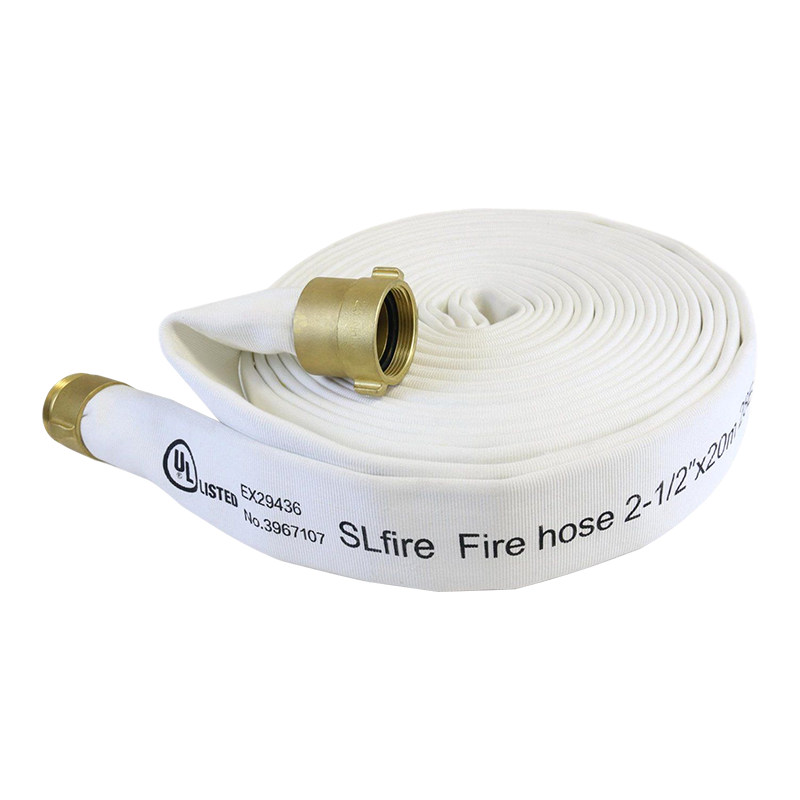
Single jacket, EPDM rubber liner Features • 100% high tenacity polyester jacket, high-grade EPDM rub...
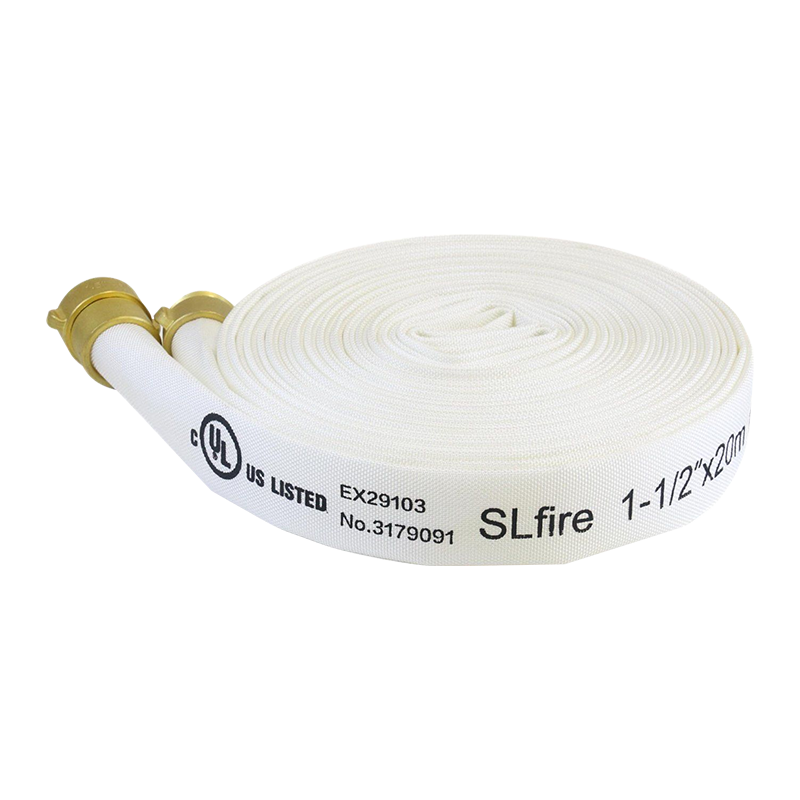
Single jacket, TPU liner •High-tenacity polyester yarn, circular woven in twill weave/plain weave,T ...
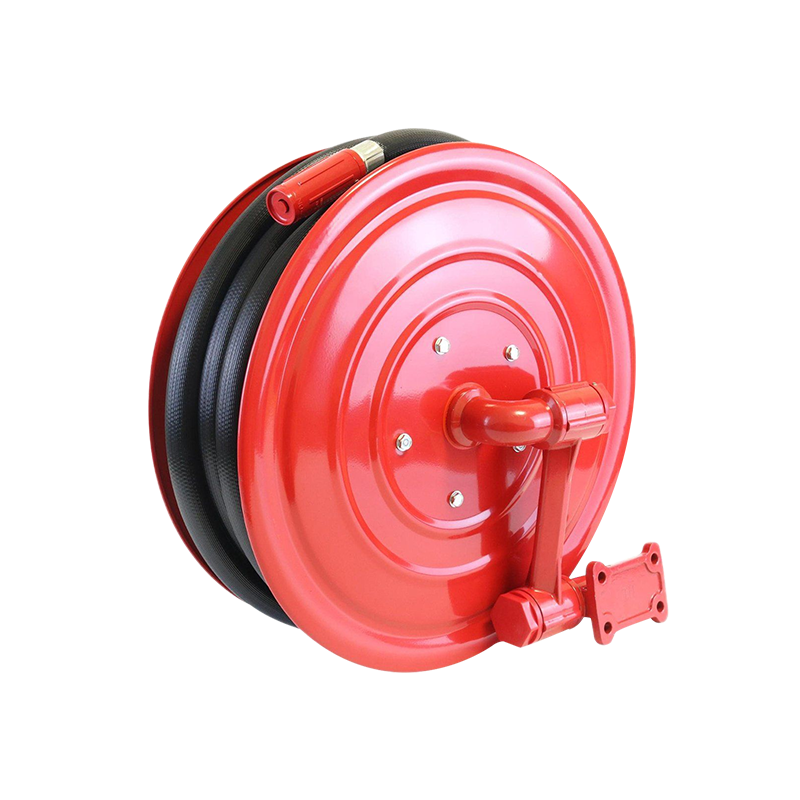
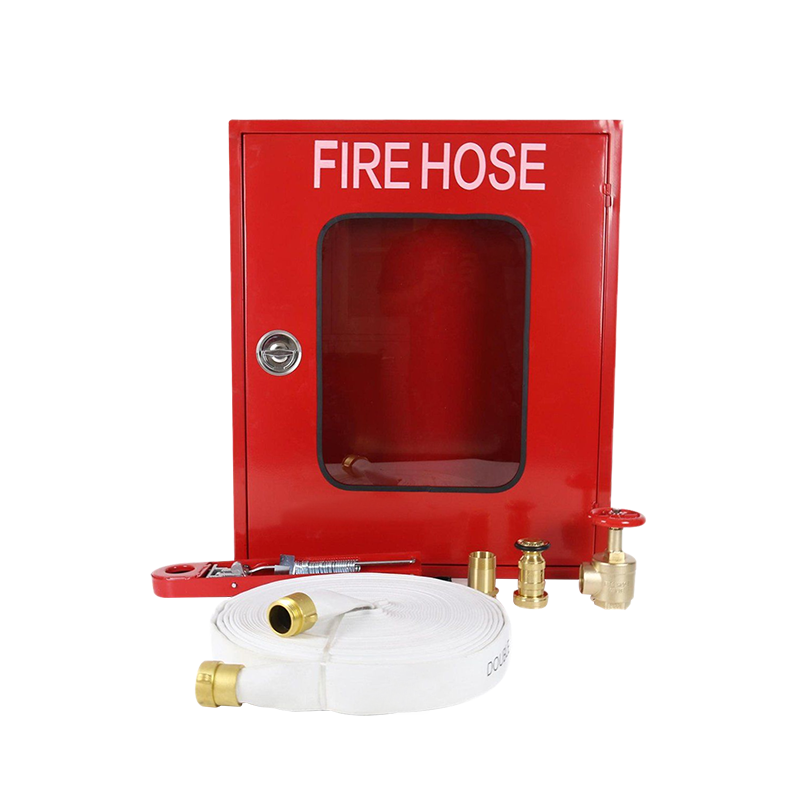
Fire cabinets are designed to accommodate fire hose,valve and other firefighting equipment. Type 201...
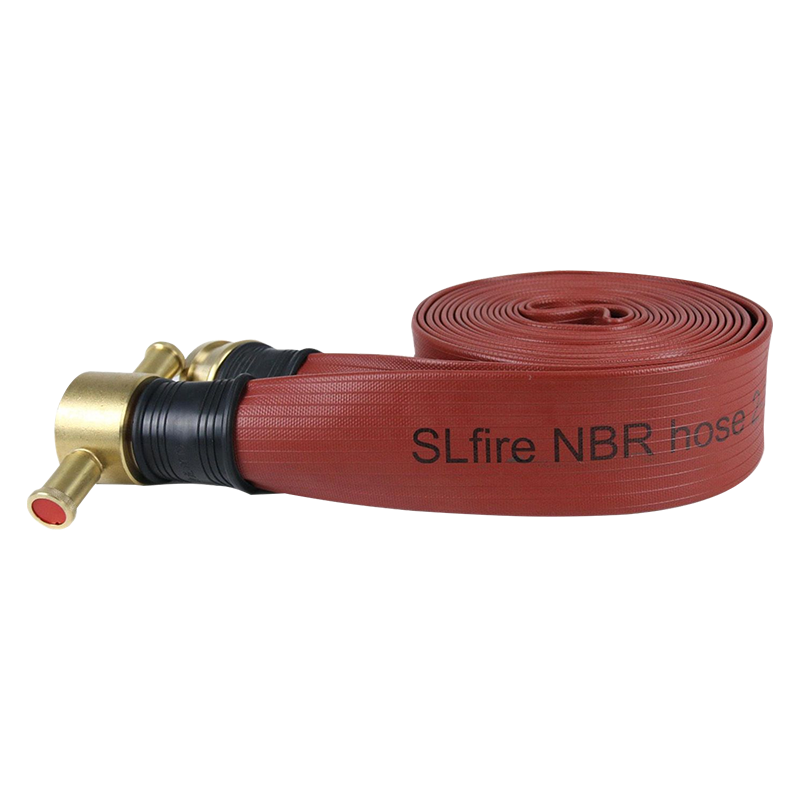
Nitrile covered hose •Nitrile/TPR blend as cover and lining, with 100% high-tenacity polyester yarn ...
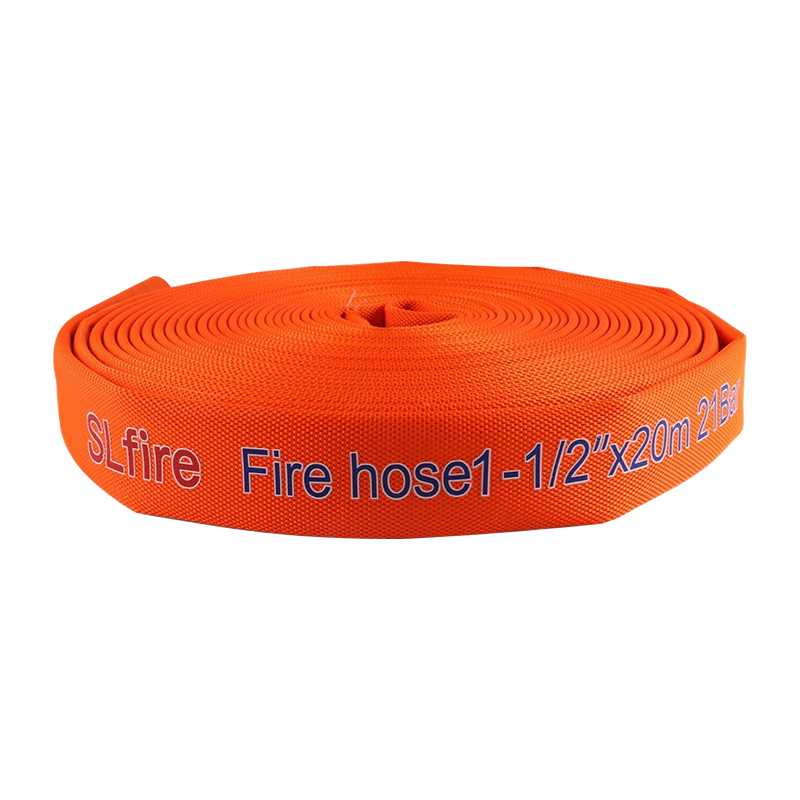
Single jacket, TPU liner •High-tenacity polyester yarn, circular woven in twill weave, TPU lining, f...
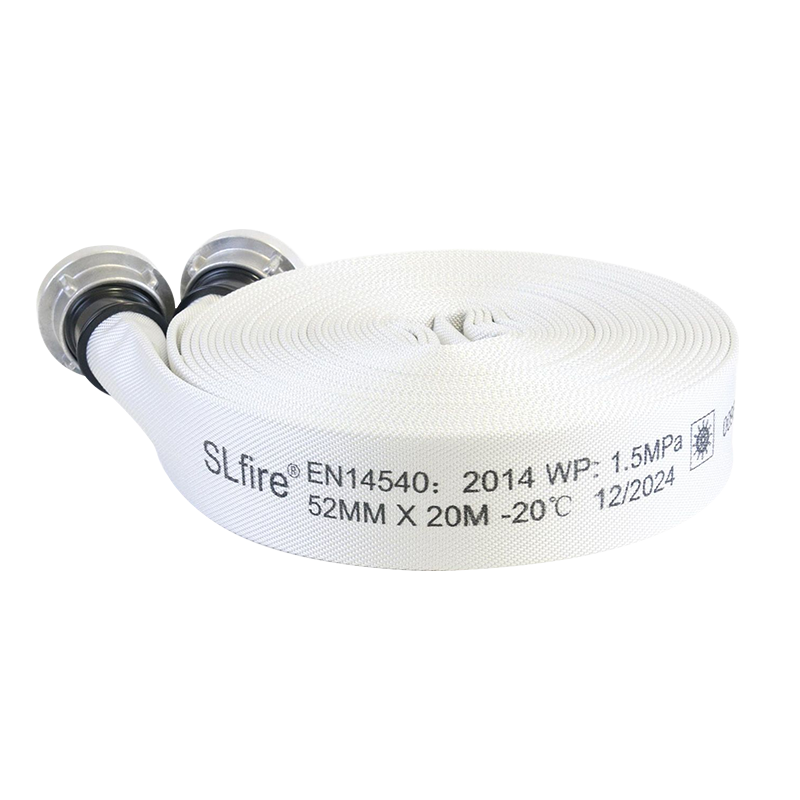
Marine hose Single jacket, PVC liner •100% high tenacity polyester yarn, circular woven in twill wea...
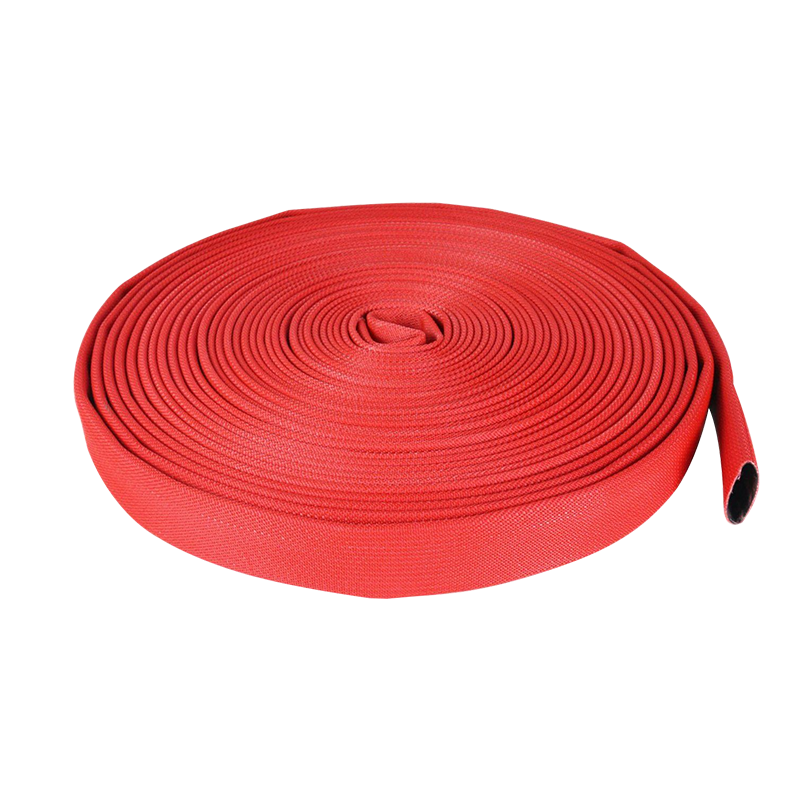
Marine hose Single jacket, PVC liner, PU coated •100% high tenacity polyester yarn,c ircular woven i...
 Call Us
+86 159-5116-9511
Need Support
Head Office
No.58, Kechuang Road, Sixiang Street Medicine Gaoxin District Taizhou City, Jiangsu Province

What Is a Fire Hose? A fire hose is a high-pressure flexible hose designed to carry water or fire retardant chemicals from a water source, such as a hydrant, pump, or tank, to a fire for suppression p...
Copyright © Taizhou Shenlong Fire Science and Technology Co., Ltd. All Rights Reserved.
 Fire Hose Manufacturers, Fire Hydrant Hose Factory