

 English
 русский
 Español
 Deutsch
 عربى
 Français
 Português
Don't hesitate to send a message

Single jacket, EPDM rubber liner Features • 100% high tenacity polyester jacket, high-grade EPDM rub...
Content
Firefighting equipment must perform reliably when operating conditions are difficult, visibility is limited, and every second matters. Among the many components used in a fire suppression system, the nozzle has a direct influence on water delivery, fire control, operator safety, and overall response efficiency. A well-designed nozzle must convert water pressure into a controlled stream, provide useful reach, support effective cooling, and remain comfortable and dependable during repeated use.
The Brass Adjustable Flow Rate Nozzle is designed for professional firefighting applications that require flexible water delivery and dependable mechanical performance. It is mainly equipped for high-pressure reel fire trucks and is suitable for vehicle fires, forest fires, industrial incidents, and other situations where operators need to alter flow characteristics according to changing fire conditions.
Unlike a basic fixed-pattern nozzle, this adjustable-flow design gives the operator access to several practical flow settings. The listed model supports flow rates of 115, 230, 360, and 475 liters per minute, while maintaining a nominal working pressure of 7 bar. This combination allows the nozzle to adapt to different fire sizes, available water supplies, and tactical requirements.
Its bronze body, stainless-steel spinning teeth, rubber bumper, DuPont nylon handle, pistol grip, forged coupling, and stainless-steel strainer create a balanced configuration for durability, visibility, handling comfort, and maintenance. The nozzle is also available with ball valve options in stainless steel, aluminum, or brass, helping buyers select a configuration that matches their operating environment and procurement requirements.
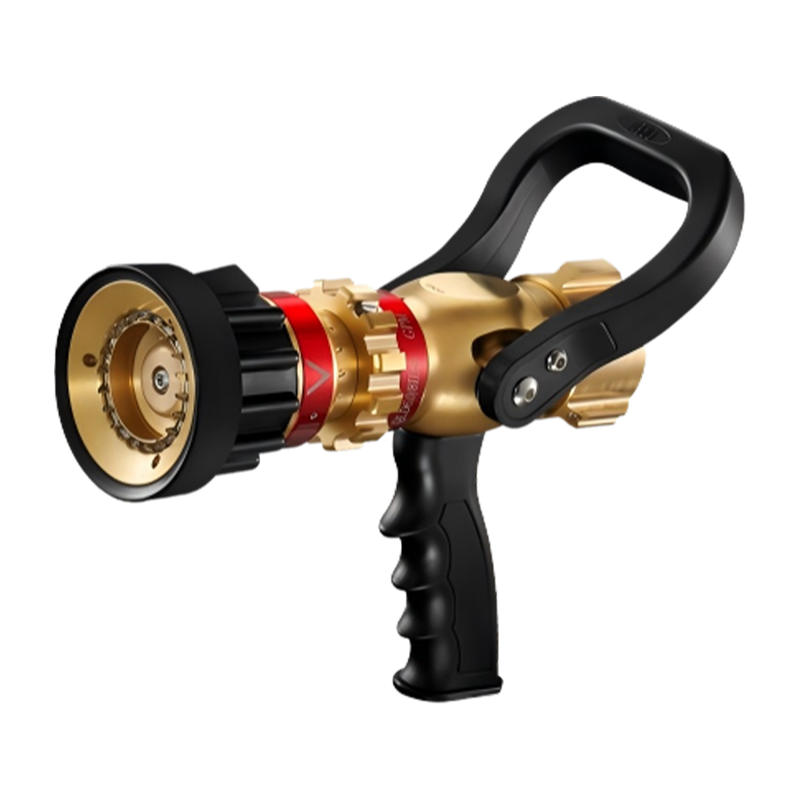
Brass Adjustable Flow Rate Nozzle
The Brass Adjustable Flow Rate Nozzle is a professional hose-end device engineered to manage and shape water flow during firefighting operations. Its body provides the structural foundation of the product, while internal and external components support flow adjustment, fog formation, connection security, and operator control.
The primary product configuration is identified as QLD6.0/8Ⅲ-B. It has a listed working pressure of 7 bar, adjustable flow rates from 115 to 475 liters per minute, a flow distance of up to 32 meters, a weight of approximately 4.1 kilograms, and coupling options of 1 inch, 1.5 inches, and 2 inches. The broader product range supports inlet sizes from 1 inch to 2.5 inches, allowing the nozzle to be matched with different hose assemblies and vehicle-mounted systems.
A nozzle used on a high-pressure reel fire truck must balance several competing requirements. It needs enough internal capacity to provide effective discharge, but it must not become unnecessarily heavy. It needs a strong connection, but the coupling must remain practical for hose installation. It must generate an effective fog pattern while offering sufficient reach. It must withstand impacts and rough handling while remaining comfortable enough for an operator to control.
This product addresses those requirements through a combination of robust materials, visible operating markings, adjustable flow control, an ergonomic grip, and a protective rubber bumper. These features make it suitable for fire departments, industrial emergency teams, forest fire response units, municipal service organizations, construction sites, agricultural facilities, and specialized firefighting vehicle manufacturers.
| Product Type | Brass Adjustable Flow Rate Nozzle |
| Model | QLD6.0/8Ⅲ-B |
| Working Pressure | 7 bar |
| Adjustable Flow Rate | 115, 230, 360, and 475 liters per minute |
| Maximum Flow Rate | Up to 475 liters per minute |
| Flow Distance | Up to 32 meters |
| Approximate Weight | 4.1 kilograms |
| Available Coupling Sizes | 1 inch, 1.5 inches, and 2 inches for the listed model |
| Broader Inlet Size Range | 1 inch to 2.5 inches |
| Body Material | Bronze |
| Valve Options | Stainless steel, aluminum, or brass |
| Strainer Material | Stainless steel |
Fire behavior can change rapidly. A small vehicle fire may initially require a controlled volume of water, while a fully developed fire may demand a much higher discharge rate. Forest fires can also present changing conditions as wind, fuel type, slope, and access affect the spread of flames. A nozzle with only one flow setting may force the operator to use more water than necessary or may fail to provide sufficient capacity during a more serious incident.
Adjustable flow gives the operator greater tactical flexibility. The lower setting can help conserve water, extend operating time, and improve control during early intervention. A medium setting may be appropriate for a growing fire or a localized hot spot. Higher settings can deliver greater water volume when cooling a large surface, protecting nearby assets, or controlling a more intense fire front.
The four listed flow settings—115, 230, 360, and 475 liters per minute—provide a practical progression rather than a single unrestricted discharge. This allows firefighters to select a rate that corresponds to the available pump capacity and the immediate firefighting objective. It can also help reduce unnecessary water consumption when a smaller flow is sufficient.
Adjustability is particularly valuable on fire vehicles equipped with reels. Reel systems are often used for rapid response, first attack, and mobile suppression. The operator may need to move quickly around a vehicle, building, machine, or forest edge while maintaining a manageable hose line. The nozzle must therefore combine high performance with intuitive control.
By offering selectable flow rates in one unit, the product can reduce the need to carry several specialized nozzles for different discharge requirements. This may simplify equipment planning, lower storage demands, and make training more straightforward. Operators can learn one nozzle configuration and apply its settings to a range of incident scenarios.
The body of the nozzle is manufactured from bronze, a material widely valued for its strength, corrosion resistance, and suitability for demanding fluid-handling equipment. In firefighting service, the body must withstand internal pressure, impacts, vibration, connection forces, and frequent exposure to water. It may also encounter dirt, heat, moisture, and rough treatment during transport and deployment.
A robust bronze body provides a dependable structural platform for the internal flow-control components. It helps protect the passageways and valve assemblies while supporting a secure connection to the hose. The material also contributes to the product’s long-term service potential when the nozzle is correctly operated, cleaned, inspected, and stored.
Compared with lightweight designs that may prioritize minimum mass at the expense of ruggedness, this nozzle is configured for professional use where durability is a central requirement. Its approximate weight of 4.1 kilograms reflects a substantial construction intended to withstand demanding work. Although weight must always be considered during prolonged operation, the additional material can provide a reassuring sense of solidity when the nozzle is exposed to impact or high reaction forces.
The bronze body also supports consistent manufacturing. A carefully formed body can provide accurate alignment for internal parts, stable coupling interfaces, and reliable integration with the handle and bumper. During production, attention to casting or forming quality, machining accuracy, surface condition, and final assembly is important because small inconsistencies can influence flow behavior and sealing performance.
Material selection is one of the most important decisions in firefighting equipment manufacturing. The material must satisfy both performance and practical maintenance requirements. Bronze offers a useful balance of strength, corrosion resistance, machinability, and durability for a nozzle intended for repeated water service.
The stainless-steel components complement the bronze body. Stainless-steel spinning teeth are used to help create an effective fog pattern, while the stainless-steel strainer helps prevent impurities from entering the nozzle passage. The combination creates a product in which different components are selected for their specific functions rather than relying on one material for every part.
For buyers comparing competing products, the value of this approach lies in the overall system. The nozzle is not defined only by its body material. Its service life also depends on the quality of the valve, teeth, strainer, connection, handle, seals, and protective parts. A well-integrated material strategy can improve reliability across the complete assembly.
Effective fog performance is essential in many firefighting situations. A fog pattern can distribute water across a broader area, support heat absorption, help cool exposed surfaces, and provide a useful protective screen under appropriate operating conditions. The performance of the fog pattern depends on water pressure, flow rate, internal passage design, nozzle geometry, and the condition of the discharge components.
The stainless-steel spinning teeth in this nozzle are designed to support the production of a fine and effective fog pattern. As water passes through the nozzle, the spinning action helps break the discharge into smaller droplets and spread the water across the selected pattern. This can improve the operator’s ability to cool burning or heated surfaces and manage the fire from a safer working position.
Stainless steel is a practical choice for the spinning teeth because these components are exposed directly to the water stream and can experience repeated mechanical action. Their resistance to corrosion and wear helps maintain performance over repeated deployments, provided that the nozzle is cleaned and inspected after use.
Competitor products may offer basic fog capability, but the quality of fog formation is not determined by the word “fog” alone. A professional buyer should consider whether the nozzle maintains a consistent pattern, whether the discharge components are durable, whether the adjustment mechanism remains smooth, and whether the nozzle can provide adequate reach at its rated pressure.
The listed flow distance of up to 32 meters provides an important indication of operational reach. Actual performance will depend on water supply, elevation, wind, hose configuration, pattern selection, and field conditions. Nevertheless, the combination of adjustable flow and fog-producing teeth gives operators greater control over the compromise between coverage, reach, and water volume.
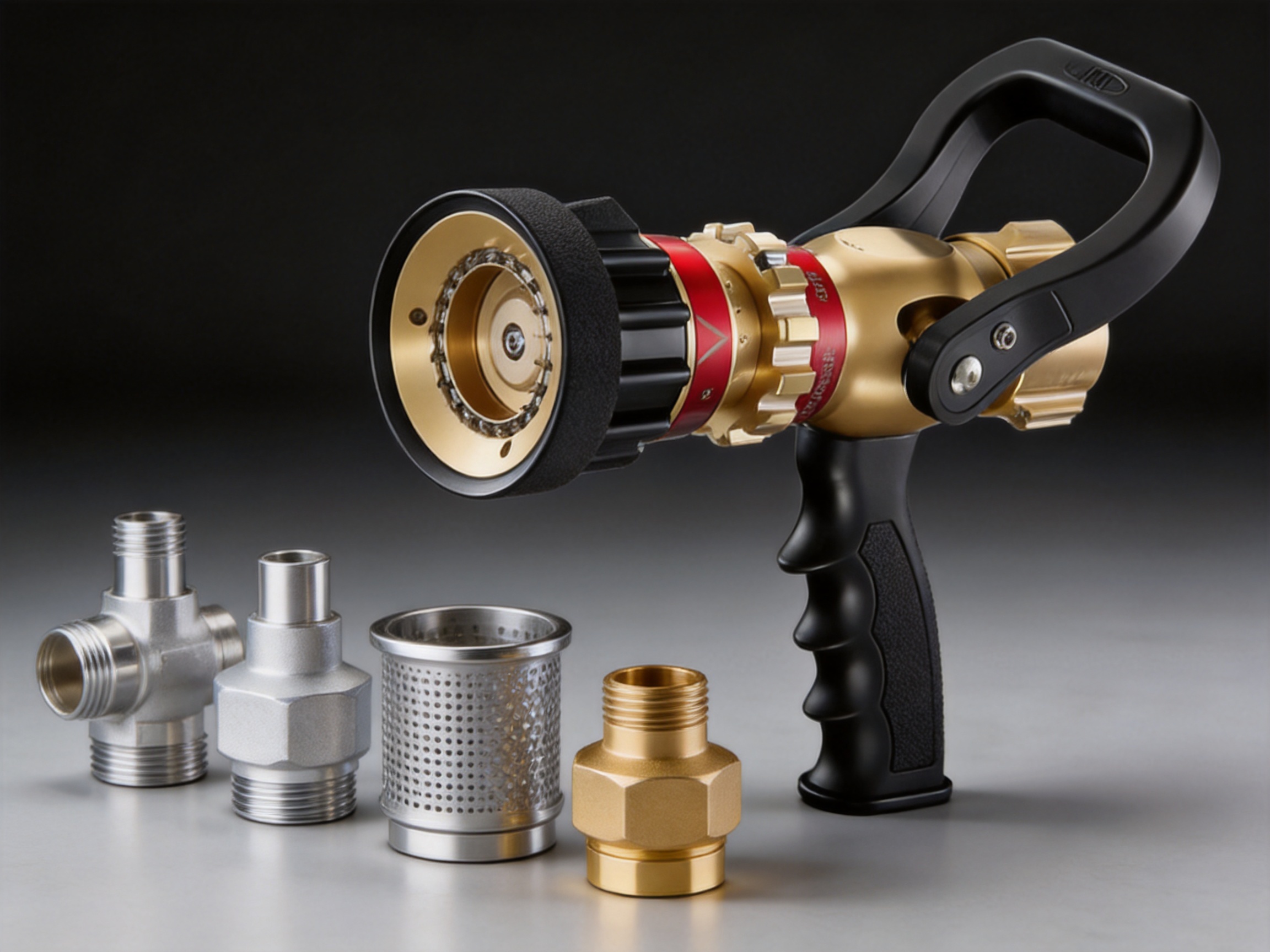
Firefighters may need to operate equipment under poor visibility, high stress, smoke, rain, or limited lighting. Operating markings that are difficult to read can slow response and create uncertainty. The nozzle therefore includes permanent laser-engraved operational markings that identify key settings and remain visible during long-term use.
Laser engraving offers several advantages over temporary labels, painted markings, or printed stickers. The marking is integrated into the surface rather than applied as a separate layer that can peel, fade, or become detached. This helps preserve setting information after repeated cleaning, handling, and exposure to outdoor conditions.
Clear markings also support training and standardization. Operators can quickly identify the desired flow position and develop consistent habits across different shifts. In an emergency, a familiar and permanent control layout reduces the need to stop and examine the nozzle closely.
For fleet managers and fire equipment purchasers, permanent markings can help reduce maintenance-related confusion. If a nozzle is used by multiple teams, durable identification makes it easier to confirm operating positions during inspections and training exercises. It also contributes to a professional appearance and reinforces the impression of a carefully engineered product.
Firefighting nozzles can generate significant reaction forces, especially at higher flow rates. The operator must hold the nozzle steadily, control its direction, and make adjustments while wearing protective gloves and other personal protective equipment. An uncomfortable grip can increase fatigue and reduce the precision of movement.
The Brass Adjustable Flow Rate Nozzle uses a DuPont nylon handle and pistol grip designed for rugged service and improved handling comfort. The handle provides a stable contact point, while the pistol-grip format supports a more natural hand position during operation. This can help the user maintain control when moving the stream from side to side or adjusting the angle of attack.
DuPont nylon is recognized for its toughness, dimensional stability, and suitability for demanding industrial components. In a firefighting environment, a nylon handle must withstand impacts, temperature changes, moisture, and repeated gripping. The use of a durable engineering polymer helps reduce the need for a heavy all-metal handle while retaining the mechanical strength required for field use.
Ergonomic design is not simply a comfort feature. It can influence operational safety and effectiveness. A fatigued operator may have more difficulty maintaining the desired pattern or holding the nozzle in position. A well-shaped handle can support better posture and more consistent control, particularly when the nozzle is used for extended periods.
At the maximum listed flow rate of 475 liters per minute, the water reaction force can be substantial. The nozzle should be used by trained personnel who understand hose reaction, pump conditions, and safe handling techniques. The pistol grip and handle assist with control, but they do not eliminate the need for proper team coordination and operating procedures.
Fire departments and industrial response teams should train personnel to open and close the valve gradually when appropriate, maintain a secure stance, communicate with the hose team, and avoid directing the stream toward people or unstable structures. Proper training allows the ergonomic features to deliver their full benefit.
A nozzle may be placed on the ground, moved across concrete, loaded onto a vehicle, or accidentally struck against a doorway, vehicle panel, or other obstacle. Repeated impacts can damage the body, coupling, or discharge components if no protective feature is provided.
The rubber bumper helps protect the nozzle during handling and use. It absorbs some contact energy and creates a resilient outer surface around vulnerable areas. This can reduce cosmetic damage and help protect the metal body from direct impact when the nozzle is set down or moved through confined spaces.
The bumper also supports operator safety by reducing the chance of sharp metal edges contacting equipment or structures. In practical service, a protective bumper can help extend the useful life of the nozzle and preserve its appearance during frequent deployment.
Compared with an unprotected metal nozzle, a bumper-equipped design is better suited to the realities of emergency work. Firefighting equipment is not always handled in ideal conditions. A product that anticipates rough placement, hurried movement, and vehicle-based storage can provide greater value over its service life.
The connection between the hose and nozzle must be secure, compatible, and capable of handling the operating pressure. A poorly matched or inadequately manufactured coupling can cause leakage, make deployment difficult, or create a serious safety risk.
This nozzle includes a forged connection or coupling. Forging can produce a dense and strong metal component with good resistance to mechanical stress. A forged coupling is particularly suitable for a product that may be connected and disconnected repeatedly and exposed to torsion, vibration, and pressure fluctuations.
The listed model supports coupling sizes of 1 inch, 1.5 inches, and 2 inches. The wider product range includes inlet sizes from 1 inch to 2.5 inches. Buyers should confirm thread type, coupling standard, hose diameter, pump output, and vehicle installation requirements before ordering. Correct compatibility is essential for achieving the intended flow performance and preventing avoidable leakage.
A secure coupling also contributes to operator confidence. When the connection is properly installed and inspected, the firefighting team can focus on positioning and suppression rather than worrying about movement at the hose interface. The coupling should nevertheless be checked regularly for thread damage, deformation, corrosion, gasket wear, and signs of over-tightening.
Water used in firefighting is not always perfectly clean. It may contain sediment, rust particles, scale, plant debris, or other impurities, especially when supplied from tanks, open sources, temporary reservoirs, or aging pipelines. If these particles enter a nozzle, they can obstruct small passages, interfere with the valve, or reduce the consistency of the discharge.
The integrated stainless-steel strainer helps filter impurities before they reach sensitive internal components. This feature is especially valuable in field operations where the water source may vary from one incident to another. By reducing the risk of clogging, the strainer supports more consistent performance and can simplify routine maintenance.
Stainless steel is appropriate for the strainer because it offers corrosion resistance and mechanical durability. The strainer should still be inspected and cleaned as part of a regular maintenance program. A filter is most effective when it is free of accumulated debris and correctly seated within the nozzle assembly.
Compared with a nozzle that has no protective filtration, this design provides an additional layer of operational security. It does not remove the need for clean water management, but it helps protect the nozzle against common field contaminants. This is a useful advantage for forest fire vehicles, industrial response units, and mobile systems that may operate away from municipal water infrastructure.
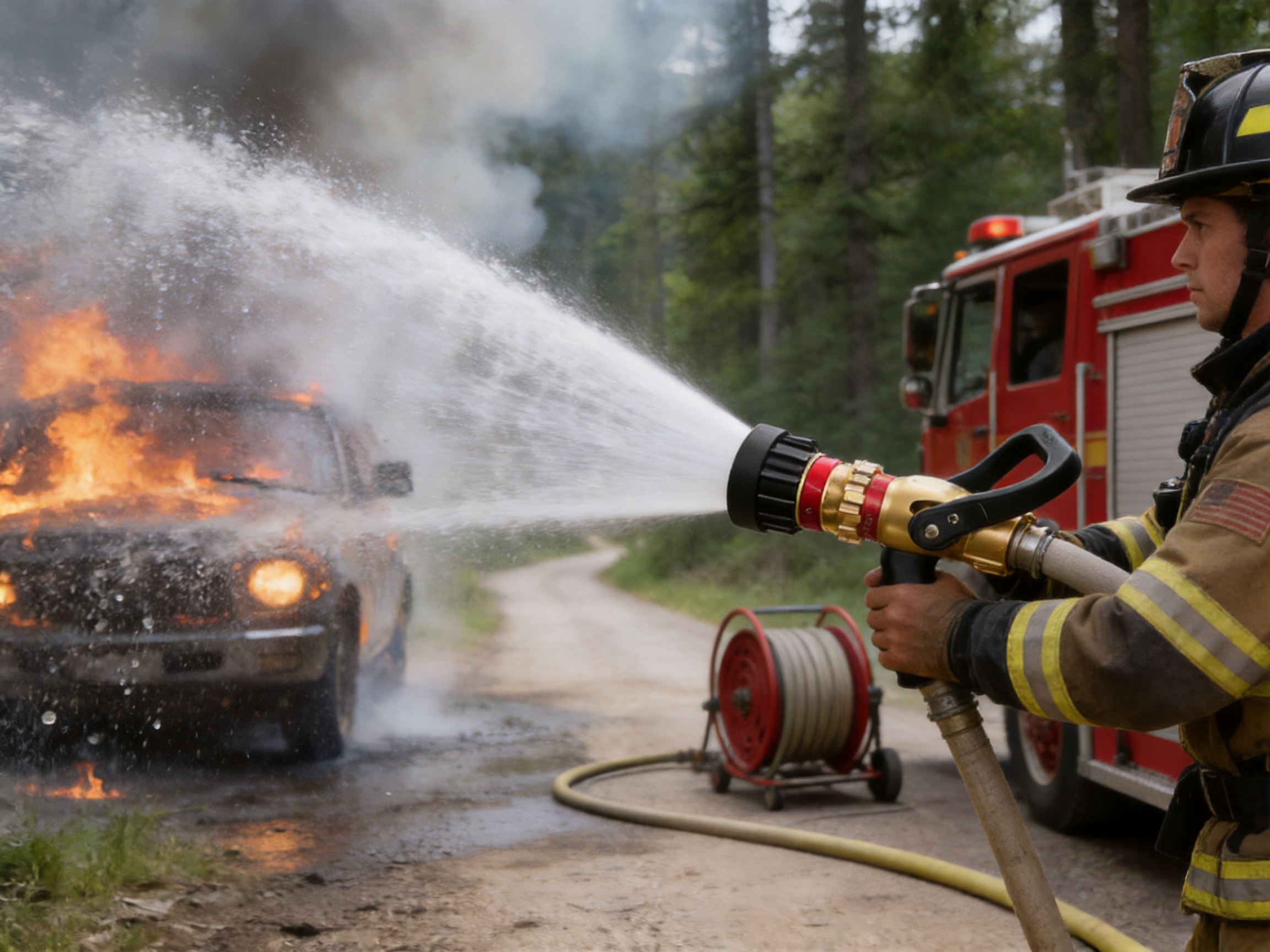
Different firefighting systems have different procurement priorities. Some users may prioritize corrosion resistance, others may focus on weight, and some may require a particular material for compatibility with an existing equipment specification. To support these needs, the nozzle offers ball valve options in stainless steel, aluminum, or brass.
A stainless-steel valve option may be suitable for users who emphasize corrosion resistance and long-term durability. An aluminum option can help reduce weight and may be attractive for mobile applications where equipment handling is a major concern. A brass option provides material continuity with traditional firefighting equipment and can be selected according to system preference or purchasing standards.
Offering multiple valve materials gives buyers more flexibility than a single fixed configuration. It also allows distributors, vehicle builders, and fire equipment integrators to specify a nozzle that fits their intended market. Customization can be particularly useful when the product is being installed on different vehicle platforms or supplied to regions with varying technical requirements.
Material selection should always be evaluated alongside pressure rating, water chemistry, maintenance practices, connection requirements, and local standards. The availability of options is an advantage, but the final configuration should be chosen by qualified purchasers and technical personnel.
High-pressure reel fire trucks are designed to provide rapid access to water during the early stages of an incident. They may be used at industrial facilities, airports, warehouses, construction areas, plantations, forestry sites, and municipal service locations. A reel-mounted hose system must be compact enough for vehicle installation while delivering a useful combination of mobility, reach, and discharge control.
The Brass Adjustable Flow Rate Nozzle is mainly equipped for high-pressure reel fire trucks. Its adjustable flow settings allow the operator to adapt the discharge to the incident without changing the nozzle. The maximum listed flow rate of 475 liters per minute can support serious suppression work, while the lower settings can help manage smaller fires or conserve the vehicle’s water supply.
A reel system often requires the nozzle to be carried through narrow access areas or around obstacles. The rubber bumper helps protect it during movement, while the nylon handle and pistol grip make it easier to control. The permanent markings are useful when the operator must make a quick adjustment after moving from one position to another.
The product is also suitable for vehicle fires. Vehicle fires can involve fuel, plastics, electrical systems, tires, upholstery, and hot metal surfaces. Firefighters may need to move around the vehicle while maintaining cooling coverage and avoiding unnecessary exposure. An adjustable fog nozzle can help provide controlled water application, although the correct extinguishing agent and incident procedure must always be selected according to the type of fire and local firefighting guidance.
Forest fires and vegetation fires create a different set of operational challenges. Terrain can be uneven, water sources may be limited, access may be restricted, and wind can change fire behavior quickly. A mobile fire truck equipped with a reel hose and adjustable nozzle can provide a useful first-response capability for protecting roads, structures, equipment, and selected areas of vegetation.
The ability to select a lower flow may help extend the water supply when crews are working at the edge of a large incident. Higher flow settings can be used for direct attack, cooling, or protecting exposed assets when sufficient pump capacity is available. The fog capability can assist with cooling and coverage, while the listed flow distance of up to 32 meters can provide useful reach under suitable conditions.
Wildland firefighting requires special attention to terrain, hose movement, heat exposure, smoke, wind, and crew communication. The nozzle should be used as part of a complete response system that includes suitable pumps, hoses, protective equipment, water planning, and trained personnel. Its design can improve flexibility, but it cannot replace sound operational judgment.
The manufacturer, Taizhou Shenlong Fire Science and Technology Co., Ltd., was founded in 1995 and combines research and development, production, sales, and service. This integrated structure is important for a specialized firefighting equipment supplier because product performance depends on more than final assembly. It requires experience in materials, hose systems, fluid handling, market requirements, quality control, and after-sales support.
The company’s main products include lined fire hoses made from various materials. It also undertakes the production of rubber, PVC, polyurethane, and double-sided tape products according to customer requirements. This broader manufacturing background provides experience with polymer materials, industrial production methods, customized specifications, and export-oriented product management.
For the Brass Adjustable Flow Rate Nozzle, advanced manufacturing strength can be understood as the ability to coordinate material selection, component production, machining, surface treatment, assembly, inspection, and customer-specific configuration. A high-quality nozzle is the result of this complete chain rather than one isolated process.
Research and development plays an important role in adapting firefighting equipment to practical conditions. Nozzles must be evaluated not only for nominal flow but also for handling, visibility, connection compatibility, durability, and maintenance. Experience gained from fire hose production can help inform the development of hose-end components and complete water delivery systems.
An integrated manufacturer can receive feedback from distributors, vehicle builders, fire departments, and industrial users and apply that information to future product improvements. This may include refining handle geometry, improving marking durability, adjusting flow settings, optimizing the fog pattern, strengthening couplings, or offering additional material configurations.
Development work also helps the manufacturer respond to different export markets. Firefighting systems can vary according to hose dimensions, coupling standards, pressure requirements, vehicle design, and local purchasing specifications. A flexible research and development structure makes it easier to discuss these requirements with customers before production begins.
The nozzle includes multiple components that must work together accurately. The bronze body must align with the valve and internal passages. The stainless-steel spinning teeth must be correctly positioned to support fog formation. The strainer must be securely installed without restricting intended flow. The handle and pistol grip must be firmly attached. The bumper must provide protection without interfering with operation.
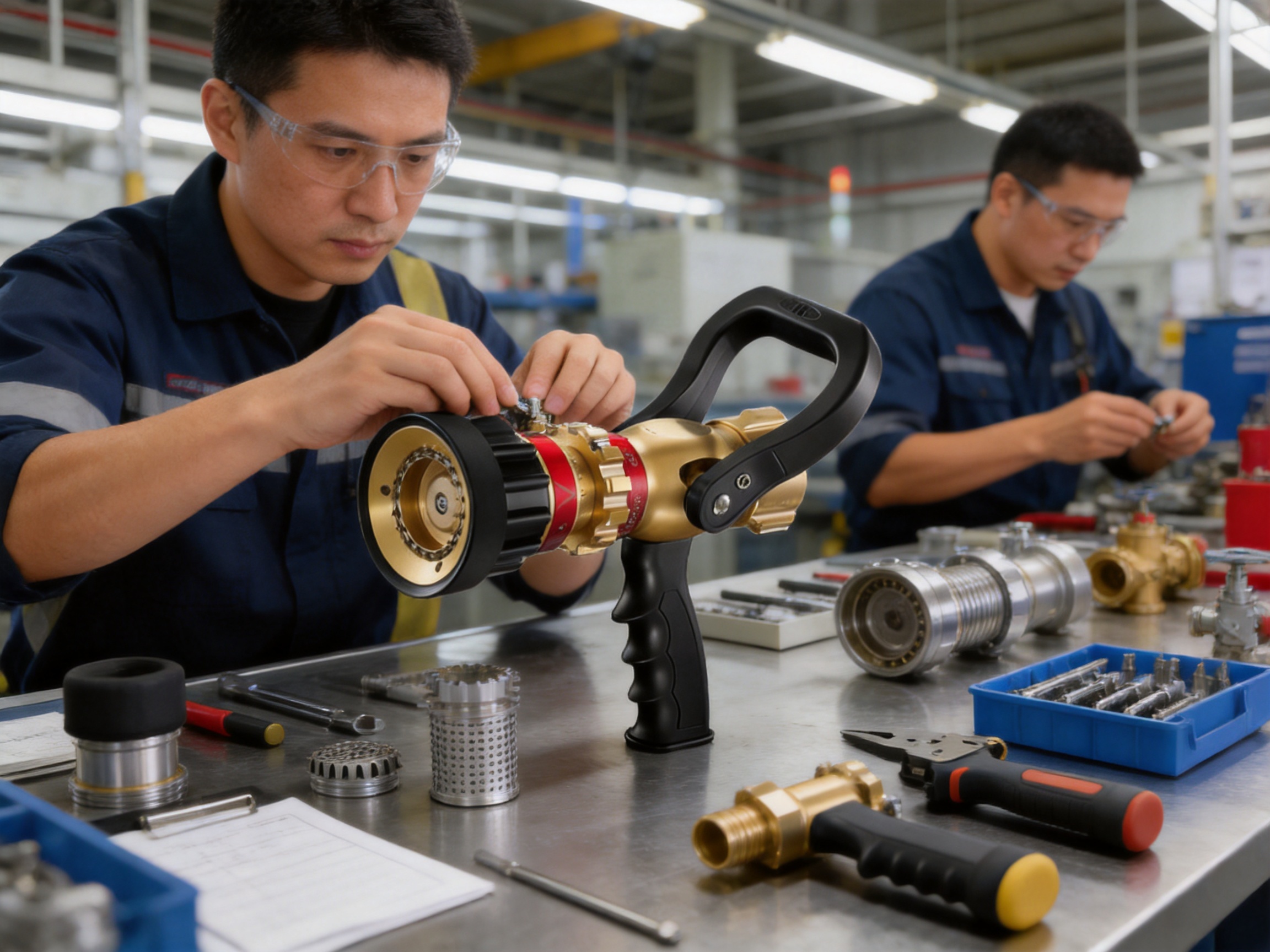
Manufacturing control is therefore required at several stages. Incoming materials should be identified and checked. Metal components should be produced to controlled dimensions. Machined surfaces and connection interfaces should be examined for defects. Assembly workers should follow consistent procedures for fitting valves, seals, handles, bumpers, and discharge components.
Final inspection should include visual checks, dimensional verification, connection assessment, operating movement, and suitable pressure or leakage testing according to the applicable product and customer requirements. These steps help identify problems before shipment and support a more consistent user experience.
The company cooperates with four domestic foreign trade companies and exports products to many countries. This experience is relevant to international buyers because export orders often require careful documentation, packaging, communication, and configuration management.
International customers may request different coupling sizes, valve materials, packaging methods, labels, quantity arrangements, or supporting documents. A manufacturer with established foreign trade cooperation can be better prepared to coordinate these details. The ability to serve customers in more than 20 provinces, cities, and autonomous regions also indicates experience with varied domestic market requirements and distribution conditions.
For wholesalers and equipment distributors, production flexibility can be as important as product performance. A supplier must be able to provide repeatable quality, stable communication, and reliable order fulfillment. The company’s combined research, manufacturing, sales, and service structure supports this type of business relationship.
The Brass Adjustable Flow Rate Nozzle offers several advantages over simpler competing designs. The first is flow flexibility. A basic nozzle may provide only one discharge rate or require a separate nozzle for each application. This product offers four listed flow settings and can therefore serve a wider range of tasks.
The second advantage is its combination of fog performance and reach. Stainless-steel spinning teeth support an effective fog pattern, while the listed maximum flow distance of 32 meters provides useful operational coverage. Buyers should always verify results under their own pump and hose conditions, but the specification indicates a product designed for more than short-range discharge.
The third advantage is durable operator information. Permanent laser-engraved markings are more resistant to wear than temporary labels. This can help maintain usability during long-term service and repeated cleaning.
The fourth advantage is physical protection and handling. The rubber bumper helps protect the body, while the DuPont nylon handle and pistol grip support operator control. A competing nozzle without these features may be more vulnerable to impact or less comfortable during prolonged use.
The fifth advantage is contamination management. The stainless-steel strainer provides protection against impurities that could otherwise clog internal passages. This is particularly relevant for mobile fire vehicles and outdoor applications.
The sixth advantage is configuration choice. Stainless-steel, aluminum, and brass valve options allow the customer to balance weight, corrosion resistance, material preference, and application requirements. A fixed-material competitor may not offer the same purchasing flexibility.
Finally, the product is supported by a manufacturer with long-term experience in fire hose production and related industrial products. This background provides a stronger foundation than a supplier that only resells generic nozzles without direct control over product development and manufacturing.
Even a robust nozzle requires routine care. After each use, the nozzle should be rinsed with clean water when practical, especially if it has been exposed to muddy water, saltwater, foam residues, chemicals, or other contaminants. The exterior should be inspected for impact damage, cracks, deformation, and loose components.
The coupling should be checked for thread wear, damaged sealing surfaces, and gasket condition. The strainer should be removed and cleaned according to the maintenance procedure. Operators should confirm that the flow adjustment operates smoothly and that the fog pattern is not obstructed by debris.
The spinning teeth should be examined for damage or unusual movement. If the fog pattern becomes uneven, weak, or inconsistent, the nozzle should be removed from service until the cause has been identified. Handles, pistol grips, and rubber bumpers should also be checked for looseness, cuts, or excessive wear.
Storage is equally important. The nozzle should be stored in a clean, dry, and protected location where it will not be crushed by other equipment. If connected to a hose for vehicle use, the connection should be supported to prevent unnecessary strain. Long-term exposure to direct sunlight, extreme heat, corrosive chemicals, or standing water should be avoided.
Maintenance intervals should follow the user’s internal procedures, applicable regulations, and the manufacturer’s recommendations. Professional fire equipment should be inspected by trained personnel, and any pressure testing should be carried out with suitable safety precautions.
Before purchasing the nozzle, buyers should identify the intended application. A fire department may require compatibility with existing hose couplings and municipal equipment. A vehicle manufacturer may need a specific inlet size and valve material. An industrial plant may prioritize corrosion resistance and rapid response. A forestry organization may focus on mobility, water conservation, and field durability.
The required flow rate should be compared with pump output, hose diameter, tank capacity, and expected operating distance. Selecting a nozzle with a higher maximum flow than the pump can supply will not automatically improve performance. Conversely, a pump and hose system that can deliver high flow should be matched with a nozzle that can use that capacity effectively.
Buyers should also confirm the coupling standard and connection dimensions. The listed options include 1 inch, 1.5 inches, and 2 inches for the specified model, while the wider range includes up to 2.5 inches. Thread form and connection details should be verified before placing an order.
Weight is another consideration. The approximate 4.1-kilogram weight reflects robust construction, but users should evaluate how the nozzle will be carried, supported, and operated. For vehicle-mounted systems, the weight may be acceptable or advantageous. For long-duration manual operations, training and hose support become especially important.
Finally, purchasers should request information about available customization, packaging, inspection procedures, replacement parts, and after-sales support. A reliable supplier should be able to discuss the complete equipment requirement rather than treating the nozzle as an isolated component.
The nozzle should be installed on a compatible hose using the correct coupling and sealing components. Connections should be tightened according to suitable procedures without excessive force that could damage threads or sealing surfaces. Before use, the team should confirm that the hose is properly laid out, the pump is ready, and the nozzle operator has a secure stance.
Flow adjustment should be made deliberately. Operators should understand which markings correspond to the available settings and should avoid changing settings in a way that compromises control. At high discharge rates, the nozzle should be handled by trained personnel, and additional hose support may be needed.
The stream should be directed only toward the intended fire area or cooling target. Firefighters should consider electrical hazards, hazardous materials, structural instability, steam generation, and changes in fire behavior. Water is not suitable for every type of fire, so the nozzle must be used within the incident commander’s strategy and applicable firefighting procedures.
Before returning the nozzle to service, the operator should close the valve safely, relieve pressure according to system procedures, disconnect only when safe, and inspect the equipment. A short post-use check can prevent a small problem from becoming a failure during the next emergency.
Firefighting departments can use the nozzle on response vehicles, reel systems, and portable suppression units. Its adjustable flow allows one product to support initial attack, cooling, and protection tasks.
Industrial facilities can install it on emergency response vehicles or fixed hose systems where equipment may be exposed to dust, vibration, and frequent inspection cycles. The durable body, strainer, bumper, and visible markings are useful in demanding plant environments.
Construction companies may use the nozzle for temporary fire protection around equipment, fuel storage, building materials, and active work areas. Construction sites often change rapidly, so a flexible hose-end device can be valuable as the location and risk profile evolve.
Agricultural and forestry operations may use it for vehicle fires, machinery incidents, storage areas, and vegetation fires. Mobile systems must often operate with limited infrastructure, making adjustable flow and contamination protection useful features.
Fire equipment distributors can offer the nozzle as part of a broader product portfolio that includes fire hoses, hose couplings, cabinets, accessories, and related water delivery components. Its multiple coupling and valve options make it suitable for different customer segments and installation requirements.
Its main purpose is to deliver controlled firefighting water through a hose while allowing the operator to select different flow rates and use an effective fog pattern. It is especially suited to high-pressure reel fire trucks, vehicle fires, forest fires, and other demanding suppression applications.
The listed QLD6.0/8Ⅲ-B model supports flow rates of 115, 230, 360, and 475 liters per minute. The maximum listed flow rate is 475 liters per minute.
The nominal working pressure is 7 bar. The complete hose, pump, coupling, and nozzle system should always be evaluated together to ensure safe and suitable operation.
The listed flow distance is up to 32 meters. Actual distance depends on pressure, flow setting, pattern, wind, elevation, hose configuration, and other field conditions.
The body is made from bronze. This provides a robust foundation for repeated firefighting use and supports long-term reliability when the nozzle is correctly operated and maintained.
The spinning teeth help create an effective fog pattern by breaking up and distributing the water stream. Stainless steel provides useful resistance to corrosion and repeated mechanical action.
Yes. It includes a stainless-steel strainer designed to filter impurities and reduce the possibility of nozzle clogging. The strainer should still be inspected and cleaned regularly.
The nozzle is fitted with a DuPont nylon handle and pistol grip. These components are designed to provide ruggedness and improve operator comfort and control.
Yes. Ball valve options are available in stainless steel, aluminum, or brass. The appropriate option should be selected according to application, weight, corrosion, compatibility, and customer requirements.
The listed model provides coupling options of 1 inch, 1.5 inches, and 2 inches. The broader inlet size range extends from 1 inch to 2.5 inches. Buyers should verify the required connection standard before ordering.
Permanent laser-engraved markings remain easier to read after repeated handling, cleaning, and exposure to operating conditions than temporary labels. They help operators identify settings quickly during an emergency.
Potential users include fire departments, industrial plants, construction companies, agricultural operations, forestry services, municipal organizations, fire vehicle manufacturers, and fire equipment distributors.
It should be rinsed and cleaned after use, inspected for impact or connection damage, and checked for debris in the strainer and discharge components. The coupling, seals, handle, bumper, valve, and spinning teeth should be inspected regularly.
No. The appropriate extinguishing method depends on the fire classification, materials involved, electrical risks, hazardous substances, and incident conditions. The nozzle should be used only within a trained firefighting team’s operational plan.
The Brass Adjustable Flow Rate Nozzle is designed to provide a practical combination of adjustable discharge, fog performance, operating reach, rugged construction, and user control. Its bronze body supports durability, while stainless-steel spinning teeth help produce an effective fog pattern. The rubber bumper protects the assembly during rough handling, and the DuPont nylon handle and pistol grip improve comfort during demanding operations.
Its four listed flow settings allow the operator to adapt water delivery to different fire conditions and available system capacity. A forged coupling supports secure hose attachment, while the stainless-steel strainer helps protect the nozzle from impurities. Permanent laser-engraved markings improve visibility, and the availability of stainless-steel, aluminum, or brass valve options provides useful configuration flexibility.
The product is particularly suitable for high-pressure reel fire trucks, vehicle fires, forest fires, industrial emergency response, and mobile suppression systems. Its advantages over basic competitor nozzles include adjustable flow, durable fog components, impact protection, filtration, ergonomic handling, and material customization.
These product strengths are supported by a manufacturer founded in 1995 with experience in research and development, production, sales, service, fire hoses, and related industrial products. Its integrated manufacturing and export structure provides a foundation for consistent production, customized requirements, and international customer support.
When correctly matched with a suitable pump, hose, coupling, and operating procedure, the Brass Adjustable Flow Rate Nozzle can become a dependable part of a professional firefighting water delivery system.
1. Product specification information for the Brass Adjustable Flow Rate Nozzle, model QLD6.0/8Ⅲ-B.
2. General principles of fire hose, nozzle, pump, and water delivery system selection.
3. Professional guidance on firefighting nozzle handling, hose reaction, and operator safety.
4. Industrial material references for bronze, brass, aluminum, stainless steel, and engineering nylon components.
5. General maintenance practices for fire nozzles, couplings, strainers, valves, and hose assemblies.
6. Fire protection equipment inspection and service procedures used by professional emergency response organizations.
7. Manufacturer-provided company information concerning research and development, production, sales, service, and export experience.
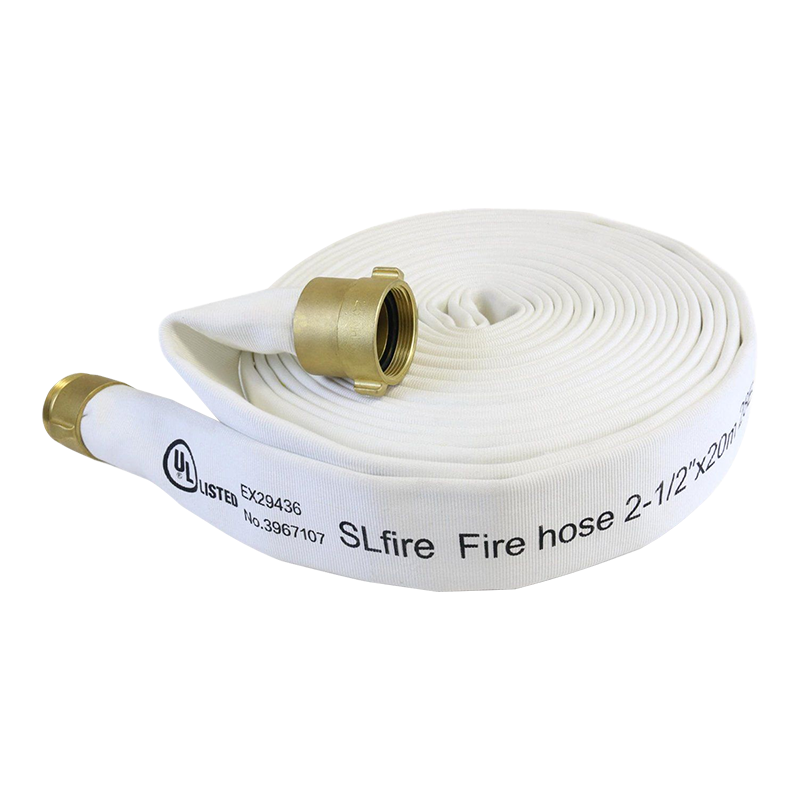
Single jacket, EPDM rubber liner Features • 100% high tenacity polyester jacket, high-grade EPDM rub...
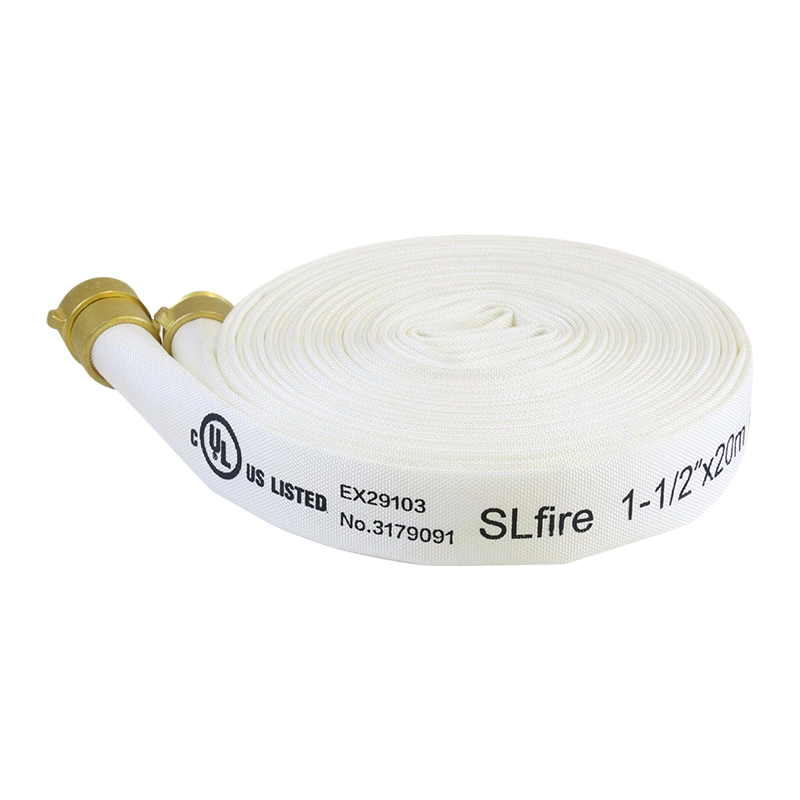
Single jacket, TPU liner •High-tenacity polyester yarn, circular woven in twill weave/plain weave,T ...
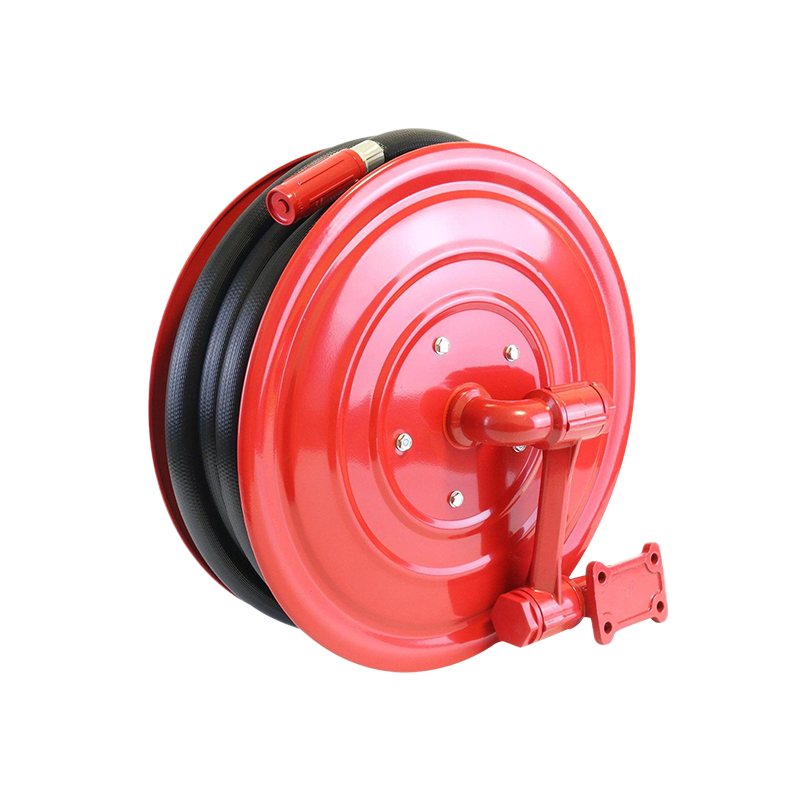
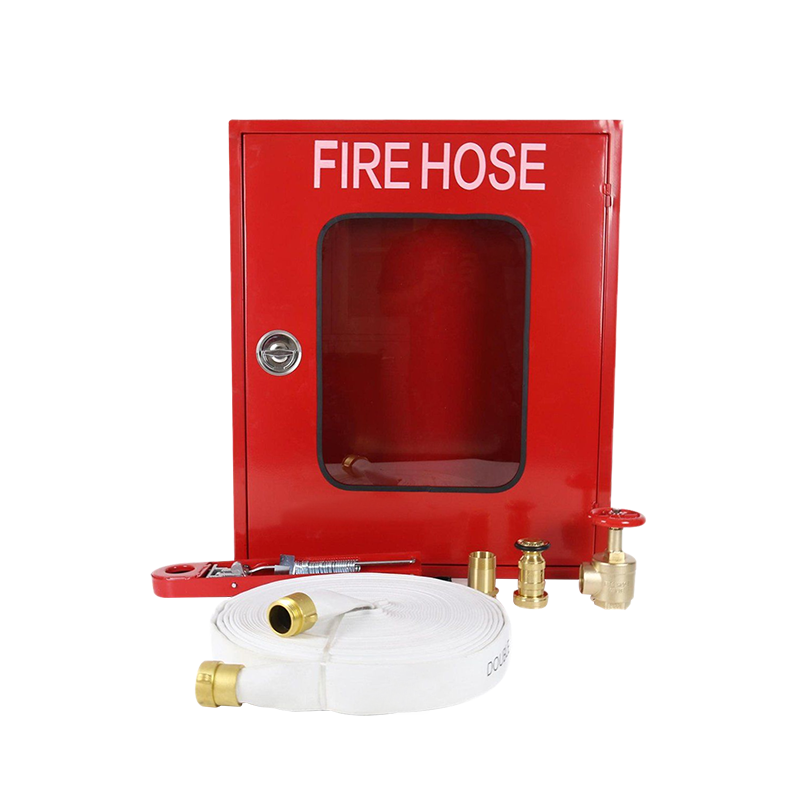
Fire cabinets are designed to accommodate fire hose,valve and other firefighting equipment. Type 201...
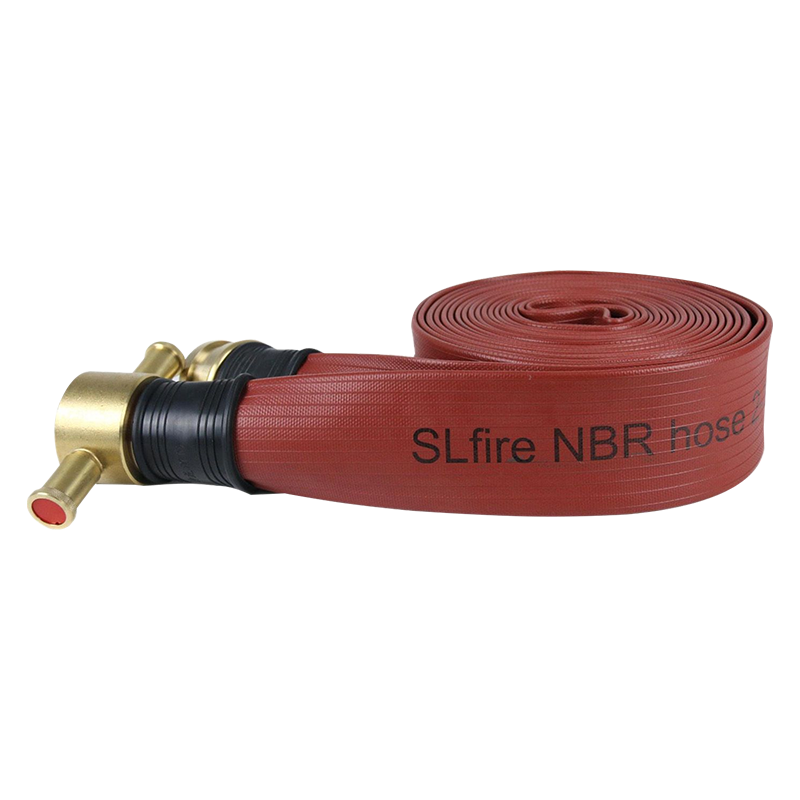
Nitrile covered hose •Nitrile/TPR blend as cover and lining, with 100% high-tenacity polyester yarn ...
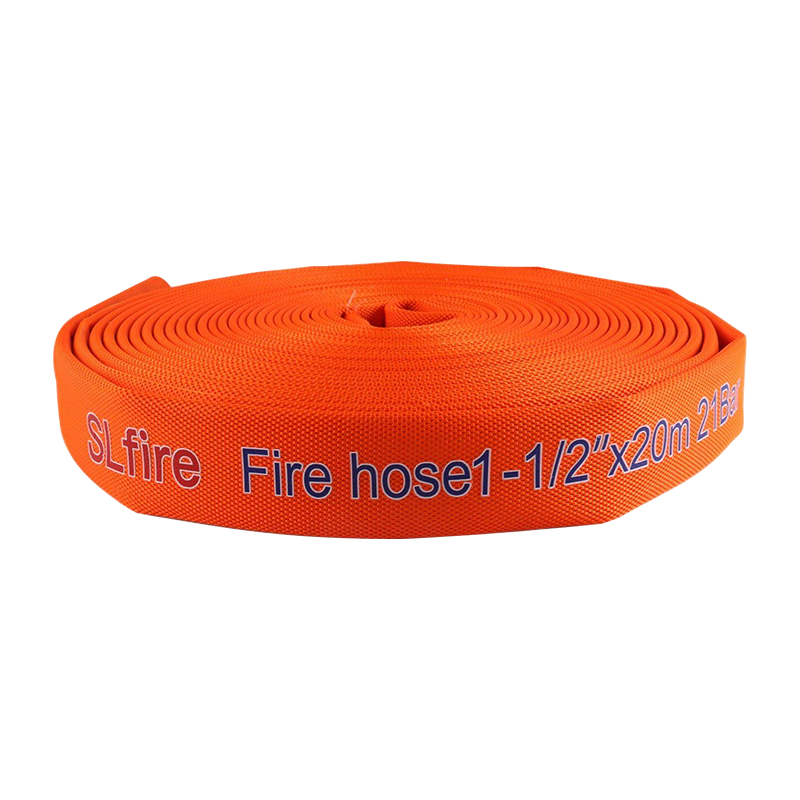
Single jacket, TPU liner •High-tenacity polyester yarn, circular woven in twill weave, TPU lining, f...
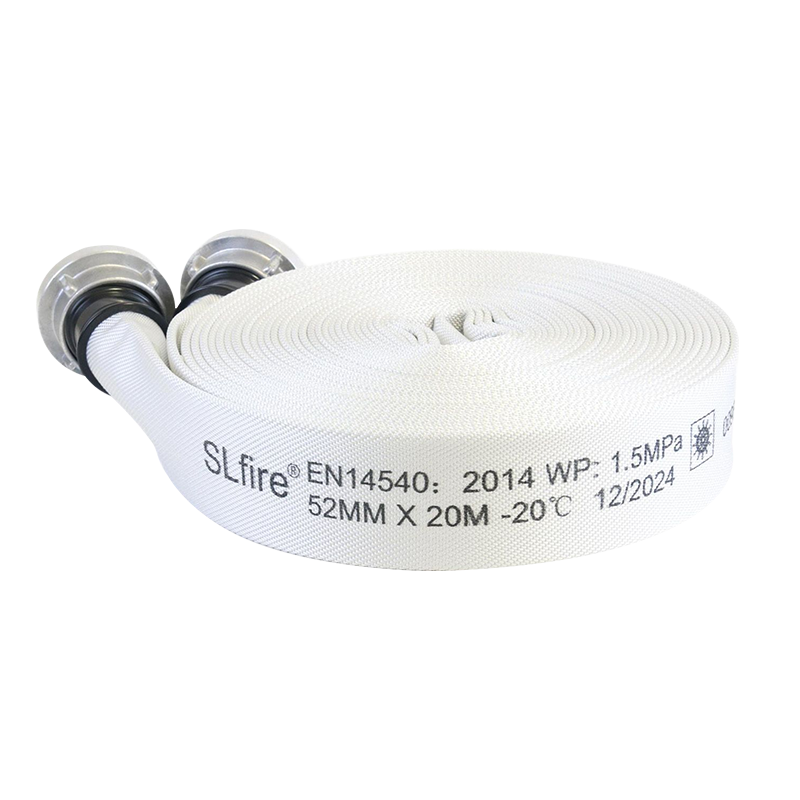
Marine hose Single jacket, PVC liner •100% high tenacity polyester yarn, circular woven in twill wea...
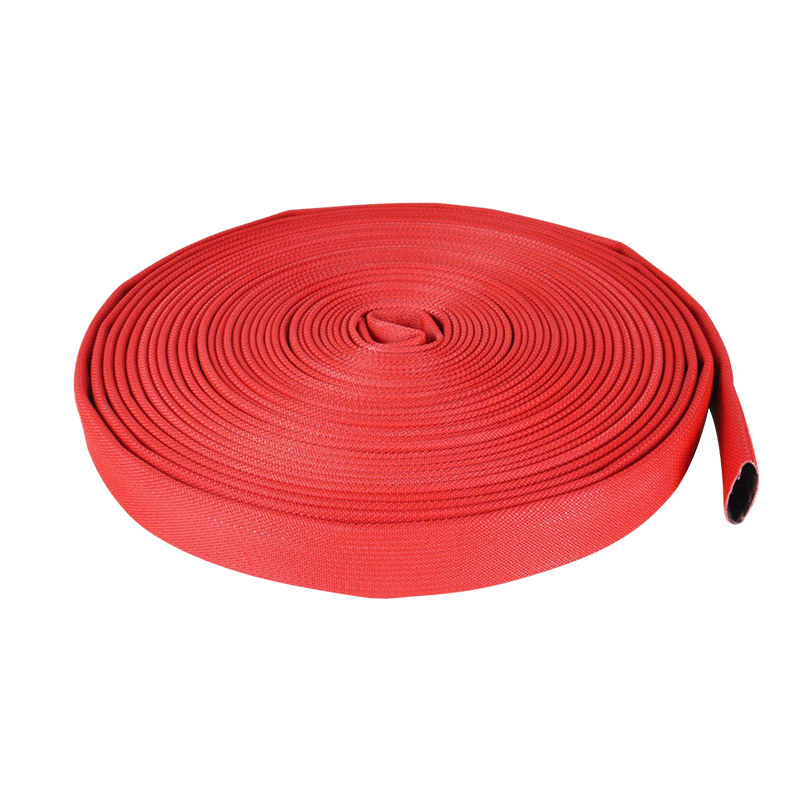
Marine hose Single jacket, PVC liner, PU coated •100% high tenacity polyester yarn,c ircular woven i...
 Call Us
+86 159-5116-9511
Need Support
Head Office
No.58, Kechuang Road, Sixiang Street Medicine Gaoxin District Taizhou City, Jiangsu Province

At a structure fire, the first line off the truck is the one that does the hardest work. Pulled around obstacles, dragged across gravel, charged with high-pressure water, and shut off at the nozzle d...
Copyright © Taizhou Shenlong Fire Science and Technology Co., Ltd. All Rights Reserved.
 Fire Hose Manufacturers, Fire Hydrant Hose Factory