

 English
 русский
 Español
 Deutsch
 عربى
 Français
 Português
Don't hesitate to send a message

Single jacket, EPDM rubber liner Features • 100% high tenacity polyester jacket, high-grade EPDM rub...
Content
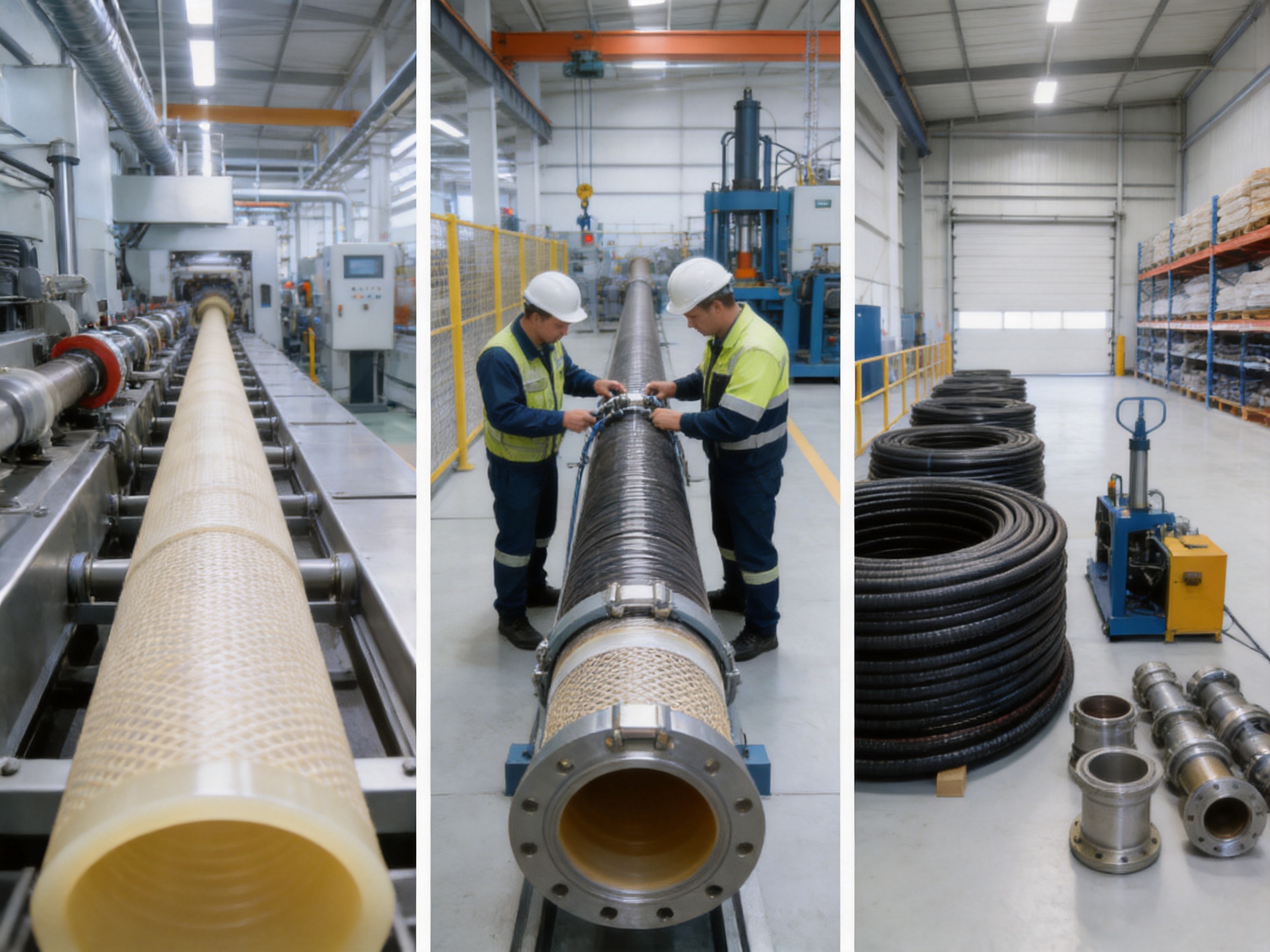
Pipeline rehabilitation is one of the most demanding tasks in modern infrastructure maintenance. Whether a project involves crude oil transfer, temporary bypass operations, water conveyance, or the rehabilitation of a pipeline corridor, the hose must perform reliably under pressure, resist abrasion, remain flexible during installation, and withstand challenging outdoor environments. A conventional rigid pipe may require excavation, heavy lifting equipment, extended shutdowns, and significant restoration work. A purpose-designed trenchless rehabilitation hose provides a more adaptable alternative for many repair and replacement applications.
The trenchless rehabilitation hose described in this article is engineered for large-diameter fluid transport and pipeline repair. It combines a smooth polyurethane inner wall with high-strength polyester and aramid reinforcement. The result is a flexible, high-pressure hose that can be rolled flat for storage and transport, deployed over long distances, and connected with comparatively simple equipment. Its design is intended to support efficient pipeline rehabilitation while reducing the logistical difficulties associated with rigid pipe sections.
Available in diameters from 2.5 inches to 20 inches, the hose can be manufactured in standard or customized lengths. Depending on the selected diameter, its working pressure ranges from 0.6 MPa to 8.0 MPa, while its burst pressure range extends from 1.8 MPa to 24.0 MPa. Individual lengths may generally range from 100 meters to 5,000 meters, providing flexibility for both localized repair and long-distance pipeline projects.
A trenchless rehabilitation hose is a flexible fluid-transfer pipeline designed to assist with the repair, bypass, renewal, or temporary replacement of buried or difficult-to-access pipelines. Unlike a rigid steel or plastic pipe, it can be wound into a compact roll and transported to the project site without requiring numerous short pipe sections. Once positioned, it can be connected to existing infrastructure and used to convey water, oil, or other compatible media.
The term “trenchless” refers to construction and rehabilitation methods that minimize open excavation. Instead of removing an entire pipeline corridor, a project team may route a flexible hose through an existing service path, along the surface, through a prepared channel, or inside a suitable pipeline rehabilitation system. The precise installation approach depends on the project design, ground conditions, media, pressure, temperature, and regulatory requirements.
For crude oil pipeline repair, the hose provides a practical means of maintaining or restoring fluid conveyance while a damaged section is repaired or rehabilitated. In other situations, it can be used as a temporary bypass, a surface pipeline, an emergency transfer line, or a flexible connection between fixed pipeline segments. Its large diameter makes it suitable for moving substantial volumes of fluid with reduced flow restriction.
A properly selected rehabilitation hose does more than transport fluid. It must also tolerate movement, bending, coiling, handling, external contact, internal pressure, and repeated deployment. The product’s combination of a smooth inner wall, flexible polymer construction, textile reinforcement, and long available lengths addresses these requirements in a single hose system.
The inner wall is manufactured from polyurethane, also identified as thermoplastic polyurethane or TPU. Polyurethane is valued in demanding hose applications because it can provide a useful balance between flexibility, abrasion resistance, mechanical strength, and chemical resistance. A smooth polyurethane liner also helps reduce frictional resistance as fluid moves through the hose.
The smooth internal surface is especially important in large-diameter transfer applications. Irregular or rough internal surfaces can increase turbulence and energy loss, while deposits may accumulate more easily in poorly finished passages. A smooth inner wall supports efficient conveyance and helps the hose transport water, oil, and other compatible media with less unnecessary resistance.
Polyurethane also contributes to the hose’s flexibility. A rigid material may resist deformation but can be difficult to install in long runs. The selected TPU construction allows the hose to be wound, handled, and positioned more easily than many rigid alternatives, while the reinforcement layers provide the pressure-bearing capacity required for demanding work.
Polyester fiber is incorporated as a structural reinforcement material. It helps the hose resist internal pressure and maintain dimensional stability during operation. Polyester fibers can also contribute to flexibility and handling performance, which is important when the hose must be rolled, unrolled, moved around corners, or deployed over uneven ground.
The reinforcement structure distributes pressure throughout the hose wall rather than concentrating the load in the polymer liner alone. This allows the hose to achieve useful working-pressure ratings without sacrificing all of its flexibility. For long-distance rehabilitation projects, the balance between pressure strength and manageable handling is a major practical advantage.
Aramid fiber provides an additional high-strength reinforcement option. Aramid fibers are known for their high tensile strength relative to their weight. Within a hose structure, they can help improve load-bearing performance while keeping the finished product lighter and more flexible than a comparable all-metal system.
The use of aramid reinforcement is particularly valuable where a project requires a large-diameter hose with substantial pressure capacity but also demands efficient transportation and deployment. Lower handling weight can reduce the burden on installation crews and equipment. It can also make long hose lengths more practical for emergency response and remote pipeline work.
The standard hose color is black. A dark exterior is widely used for industrial hose products because it provides a practical appearance for field operations and can help conceal ordinary handling marks, dirt, and surface contamination. The outer construction is intended for industrial use and should nevertheless be protected from sharp edges, excessive dragging, unsuitable chemicals, and conditions outside the approved operating range.
The smooth inner wall reduces frictional resistance and supports efficient fluid movement. This feature can be valuable when the hose is used over a long distance, because pressure losses can accumulate as the transfer route becomes longer. A smooth passage may also simplify flushing and cleaning procedures when the transported medium and project design permit such operations.
Flow efficiency depends on more than the hose surface alone. Pump selection, fluid viscosity, temperature, elevation changes, fittings, couplings, bends, and operating pressure all affect system performance. Even so, a low-friction inner wall provides a strong foundation for efficient transfer and helps the hose compete with products that may have less refined internal surfaces.
The hose is available across a broad working-pressure range. Smaller diameters are listed with working pressures from 1.0 MPa to 8.0 MPa, while larger diameters are available with lower pressure ranges appropriate to their size and construction. The 20-inch version is listed with a working-pressure range of 0.6 MPa to 2.0 MPa.
Pressure performance is achieved through the interaction of the polyurethane liner and reinforcement layers. Polyester and aramid fibers help carry the circumferential and longitudinal loads created by internal pressure. This engineered structure allows the hose to handle demanding transfer conditions while retaining the flexibility required for trenchless work.
Working pressure must never be confused with burst pressure. The working-pressure rating is the recommended maximum operating pressure under specified conditions. Burst pressure is a higher test or failure-related value and should not be treated as a normal operating target. A complete project assessment should include surge pressure, pump start-up behavior, water hammer, temperature, fluid chemistry, and potential external loading.
Rehabilitation hoses are often exposed to handling equipment, ground contact, repeated bending, and contact with surrounding structures. The material selection provides resistance to ordinary wear and abrasion, helping the hose maintain serviceability in demanding environments.
Wear resistance is particularly important during deployment. A hose may be pulled across a prepared route, positioned through access points, or moved into alignment with existing pipework. Proper installation remains essential: the route should be cleared of sharp projections, unnecessary dragging should be avoided, and suitable rollers or protective materials should be used where appropriate.
The product is described as having acid and alkali resistance. This characteristic improves its versatility in industrial and infrastructure settings where the hose may encounter contaminated water, cleaning solutions, soil chemistry, or other mildly aggressive substances.
Chemical compatibility must always be verified for the actual transported medium. Crude oil composition can vary considerably, and additives, aromatic compounds, solvents, elevated temperatures, and cleaning chemicals may influence hose performance. A project engineer should review the complete fluid composition and operating conditions before approving the hose for a specific service.
Puncture resistance is another important advantage for flexible pipeline products. A puncture can interrupt operation, create environmental risks, and require difficult field repairs. The reinforced multi-layer construction helps protect the fluid passage against ordinary installation and service hazards.
Puncture resistance does not mean that the hose is immune to damage. Sharp metal edges, exposed rocks, mechanical impact, improper clamps, excessive pressure surges, and dragging over abrasive surfaces can still cause failure. Proper route preparation and handling procedures should be part of every installation plan.
The combination of TPU, polyester fiber, and aramid fiber is intended to provide durable performance in complex working environments. A long service life can reduce replacement frequency, maintenance interruptions, and total project costs. It can also make the hose suitable for repeated deployment when it is inspected, cleaned, stored, and handled correctly between uses.
Actual service life depends on operating pressure, temperature, chemical exposure, ultraviolet exposure, bending radius, installation method, frequency of movement, and maintenance quality. A documented inspection program is recommended for any critical pipeline application.
Rigid steel, ductile iron, and many rigid plastic pipes require precise transport, alignment, lifting, and jointing. They are effective in permanent installations but may be less convenient for temporary bypasses, emergency repairs, or projects involving restricted access. A flexible rehabilitation hose can be wound and positioned with fewer individual sections, allowing the project team to adapt the route more easily.
Flexibility is also useful where the ground profile is uneven or where a pipeline must pass around obstacles. Instead of fabricating numerous elbows and connectors, the hose can follow a gradual route within its approved bending limits. This may reduce the number of joints and potential leak points in the transfer system.
Long hose lengths can be stored in compact rolls. Compared with transporting an equivalent length of rigid pipe, this format may reduce the number of truckloads, lifting operations, and storage areas required. The compact form is particularly useful for remote worksites, emergency response teams, and contractors who must mobilize equipment quickly.
Flat rewinding also supports organized storage. When the hose is rolled correctly and protected from sharp objects, excessive heat, and incompatible chemicals, it can remain ready for subsequent deployment. A well-managed storage program helps preserve hose quality and improves response efficiency.
The hose can be produced in lengths from 100 meters to as much as 5,000 meters, depending on diameter and customer requirements. Long single lengths reduce the number of intermediate connections required along a pipeline route. Fewer connections can simplify installation and reduce potential leakage points.
For example, the listed 2.5-inch, 3-inch, and 4-inch sizes can be supplied in lengths of 100 to 5,000 meters. The larger 20-inch size is listed with lengths of 100 to 2,000 meters. These options allow the hose to be matched to project scale rather than forcing every application into a fixed standard length.
The product is described as having simple assembly characteristics. This is valuable when a project must be completed quickly or when the installation location has limited access to specialized equipment. Suitable couplings and end fittings can be selected according to the hose diameter, pressure rating, transported medium, and connection standard required by the customer.
Although assembly may be comparatively simple, every connection remains a critical safety point. Couplings should be installed by trained personnel, inspected before use, and secured against movement. Pressure testing should be carried out according to the project method statement and applicable safety requirements.
Flexible maneuverability helps the hose adapt to changing site conditions. It can be routed around structures, placed along temporary access paths, and repositioned more easily than long rigid pipe strings. This is especially useful during repair projects where the final route may not be known until excavation is minimized and the existing system has been assessed.
Improved maneuverability can also reduce installation time. Faster deployment may shorten the period during which a pipeline is out of service, helping operators restore fluid transfer sooner. In emergency applications, this time-saving potential can be a decisive advantage.
The product range covers a broad selection of internal diameters. The smaller sizes are suitable for applications requiring a balance between mobility and pressure capacity, while the larger sizes are intended for high-volume conveyance. The appropriate size should be selected according to required flow rate, available pump pressure, fluid properties, route length, elevation, and connection requirements.
| Nominal Inner Diameter | Approximate Inner Diameter | Working Pressure Range | Burst Pressure Range | Available Length |
|---|---|---|---|---|
| 2.5 inches | 65 mm | 1.0–8.0 MPa | 3.0–24.0 MPa | 100–5,000 m |
| 3 inches | 80 mm | 1.0–8.0 MPa | 3.0–24.0 MPa | 100–5,000 m |
| 4 inches | 100 mm | 1.0–8.0 MPa | 3.0–24.0 MPa | 100–5,000 m |
| 6 inches | 150 mm | 1.0–6.0 MPa | 3.0–18.0 MPa | 100–5,000 m |
| 8 inches | 200 mm | 1.0–5.0 MPa | 3.0–15.0 MPa | 100–3,000 m |
| 10 inches | 250 mm | 1.0–4.0 MPa | 3.0–12.0 MPa | 100–3,000 m |
| 12 inches | 300 mm | 1.0–3.0 MPa | 3.0–9.0 MPa | 100–3,000 m |
| 14 inches | 350 mm | 1.0–3.0 MPa | 3.0–9.0 MPa | 100–3,000 m |
| 16 inches | 400 mm | 1.0–2.5 MPa | 3.0–7.5 MPa | 100–3,000 m |
| 20 inches | 500 mm | 0.6–2.0 MPa | 1.8–6.0 MPa | 100–2,000 m |
The pressure and length figures should be used as product-range guidance. Final technical confirmation should be obtained for each order because the selected construction, fitting arrangement, temperature, fluid, and installation method may affect the final allowable operating conditions. Customers requiring special dimensions or customized lengths can discuss their project requirements during the engineering and quotation stage.
Crude oil pipeline repair presents several challenges. The pipeline may cross long distances, pass through environmentally sensitive areas, or remain essential to production and distribution operations. A lengthy shutdown may be costly, while open excavation can disturb roads, agricultural land, waterways, and other infrastructure.
A flexible rehabilitation hose can support a repair strategy by providing a temporary or alternative fluid route. After the affected pipeline section is isolated according to the operator’s procedures, the hose may be installed between suitable connection points or used as part of a controlled bypass arrangement. This can help maintain operational continuity while permanent repair work is carried out.
The hose’s smooth inner wall supports efficient oil transfer, while its reinforcement system provides pressure resistance. Its flexibility can simplify routing around work areas and reduce the need for multiple rigid pipe sections. Long single lengths may also help reduce the number of field connections along the route.
Oil service requires careful technical evaluation. Crude oil may contain water, salts, sulfur compounds, waxes, additives, and other substances that influence compatibility. Temperature and viscosity can change during transport. The responsible engineering team should verify the hose’s suitability for the actual crude oil composition, operating temperature, pressure, flow rate, and duration of service.
Before commissioning, the system should be inspected for damage, tested for leaks, restrained against movement, and protected from traffic or mechanical impact. Emergency shutoff procedures, spill response equipment, and environmental controls should be prepared in advance. The hose is an important component of the transfer system, but safe performance depends on the complete installation.
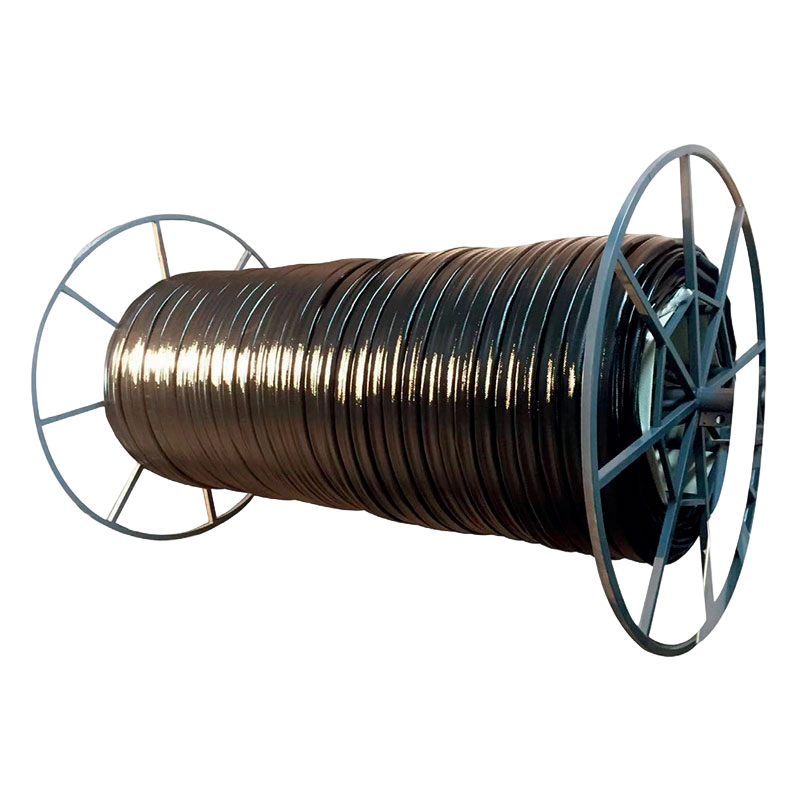
Trenchless Rehabailitation Hose: Gas Pipilines
The hose can transport water and may be considered for temporary water bypasses, drainage projects, emergency pumping, industrial process water, and construction dewatering. Large diameters allow high-volume transfer, while flexible deployment helps contractors adjust the route as site conditions change.
In water projects, the hose may be used to maintain flow while a rigid pipeline, culvert, pump station, or channel is repaired. Its ability to be supplied in long lengths can be useful where a temporary route must cross a work zone or avoid excavation.
Construction and water conservancy projects frequently involve changing ground conditions, temporary access routes, and tight schedules. A flexible hose can support water diversion, sediment control systems, drainage, and temporary conveyance. Its resistance to wear and puncture is valuable where ordinary field handling may expose the hose to demanding conditions.
The appropriate pressure rating should be selected carefully. Pump-generated pressure, elevation differences, and transient pressure events should all be included in the system calculation. The hose should also be supported where necessary to prevent excessive bending, kinking, or movement.
Emergency pipeline repair often requires equipment that can be transported quickly and installed with limited preparation. A compactly rolled hose with a long continuous length can simplify mobilization. It may be used for temporary fluid transfer while a damaged line is inspected, isolated, and permanently repaired.
For emergency use, storage readiness is essential. Hoses should be inspected periodically, and couplings, gaskets, protective equipment, and repair accessories should be kept available. A response plan should identify suitable connection points and define the pressure, medium, and route limitations before an incident occurs.
The manufacturer has operated since 1995 and combines research and development, production, sales, and service. This integrated structure is important for specialized industrial hose products because performance depends on more than the selection of raw materials. Product design, reinforcement layout, extrusion quality, assembly, testing, packaging, and customer support must work together.
A research and development function enables the manufacturer to adapt hose construction to different application requirements. Trenchless rehabilitation projects do not all operate under identical conditions. One customer may prioritize high pressure in a smaller diameter, while another may require a very large diameter, a long single length, enhanced flexibility, or a special connection arrangement.
Product development can address the relationship between liner thickness, reinforcement structure, flexibility, pressure capacity, weight, and chemical resistance. A practical engineering approach seeks to optimize the complete hose rather than maximizing only one characteristic. For example, an extremely rigid hose may achieve pressure strength but become difficult to deploy, while an excessively flexible hose may not provide the necessary pressure performance.
The polyurethane inner wall must be formed with consistent thickness and a smooth internal surface. Controlled processing helps limit dimensional variation, surface irregularities, and defects that could influence flow or long-term durability. Consistency is particularly important when hose lengths are substantial and the product is expected to operate continuously over extended routes.
The manufacturing process should include appropriate control of material preparation, temperature, extrusion conditions, cooling, and dimensional inspection. The exact production parameters may vary according to the selected TPU formulation and hose size, but the objective remains the same: to produce a stable liner with predictable performance.
Textile reinforcement must be positioned accurately and integrated uniformly with the polymer layers. Polyester and aramid fibers must share the pressure load in a controlled manner. Inconsistent placement, gaps, excessive overlap, or uneven tension could affect hose behavior under pressure.
A quality-oriented production line therefore pays close attention to reinforcement tension, alignment, layer coverage, bonding, and overall wall construction. These factors influence pressure resistance, flexibility, dimensional stability, and fatigue performance. The manufacturer’s experience with lined fire hoses and other flexible products provides a foundation for managing multi-layer hose construction.
Industrial hose manufacturing requires inspection at multiple stages. Incoming materials should be checked for conformity, while the finished hose should be evaluated for dimensions, appearance, surface quality, and pressure performance. Testing should be matched to the intended product specification and customer requirements.
Pressure testing is particularly important for a high-pressure rehabilitation hose. It helps verify that the finished assembly can withstand the designated test conditions. Additional checks may include liner continuity, reinforcement integrity, coupling security, length measurement, and visual examination for cuts, blisters, delamination, or other irregularities.
Customers can improve project reliability by requesting the applicable inspection records, test information, and product documentation for their order. The precise documentation package depends on the project, destination market, media, and contractual requirements.
The company produces various materials and lined fire hose products and also undertakes foreign trade products made from rubber, PVC, polyurethane, and double-sided tape according to customer requirements. Experience across several polymer and textile systems can support material selection and production flexibility.
This broader manufacturing background is useful when customers require more than a standard catalog product. It may support customized lengths, special application discussions, packaging arrangements, and coordination of related hose accessories. The company’s products are used in fire protection, construction, water conservancy, and other industries, providing exposure to different operating conditions and purchasing requirements.
The manufacturer has supplied products through cooperation with domestic foreign trade companies, with export products delivered to multiple countries. International supply experience requires attention to packaging, communication, documentation, delivery coordination, and customer service. These capabilities are relevant to large hose products because transportation and handling arrangements can affect the success of the installation.
A responsive service process should help customers clarify diameter, pressure, length, medium, connection type, and operating environment before production begins. Early technical communication reduces the risk of ordering a hose that is physically suitable but incompatible with the project’s pressure, chemical, or installation requirements.
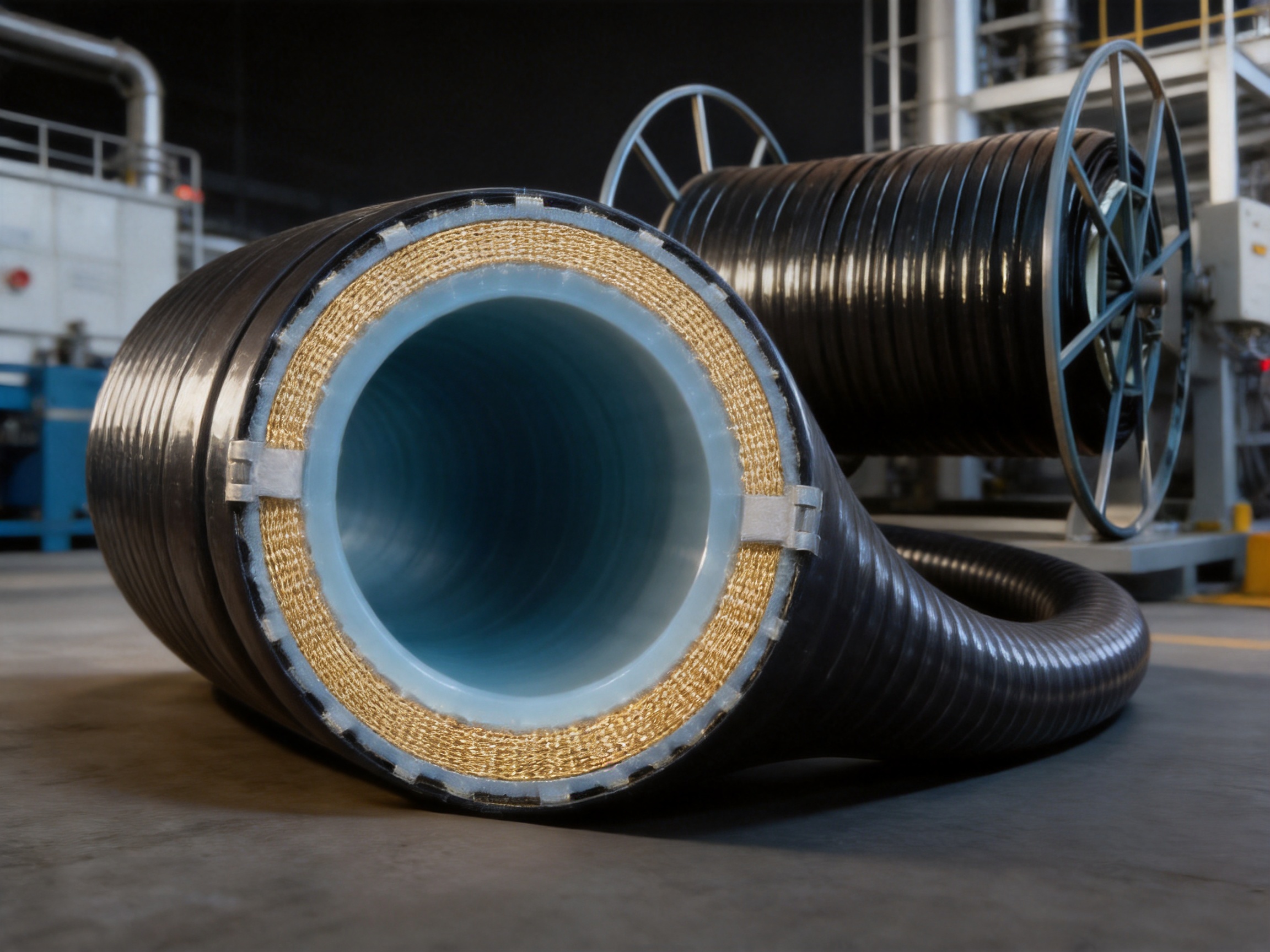
Standard lengths are available, but the product can also be manufactured in customized lengths according to customer requirements. Customization can help reduce field splicing and adapt the hose to the exact route. It may also simplify shipment planning when the customer has specific reel, pallet, container, or handling limitations.
When requesting a customized hose, the purchaser should provide the following information:
Required internal diameter and acceptable dimensional tolerance.
Normal operating pressure and maximum expected pressure.
Potential surge pressure or water hammer conditions.
Required hose length and preferred delivery format.
Transported medium and complete chemical information where available.
Operating temperature range.
Installation method, bending requirements, and external loading conditions.
Connection type, coupling standard, and end-fitting requirements.
Expected service duration and whether the hose will be reused.
Storage, transport, and environmental exposure conditions.
This information allows the manufacturer to evaluate the appropriate construction and confirm whether the requested dimensions and performance are achievable. It also supports a more accurate quotation and reduces delays caused by changes after production has started.
The proposed route should be inspected before deployment. Remove sharp stones, exposed metal, broken concrete, and other objects that may damage the outer surface. Where the hose crosses a roadway or an area exposed to machinery, provide suitable protection or select an alternative route.
The minimum bending radius should be respected. Tight bends can restrict flow, concentrate stress, and damage the reinforcement. Gradual curves are preferable, particularly near couplings and fixed connection points.
The hose should be unrolled in a controlled manner rather than pulled aggressively from the roll. Suitable lifting equipment, rollers, or handling frames may be used for large diameters and long lengths. The hose should not be dragged across sharp or abrasive surfaces when this can be avoided.
During positioning, prevent twisting. A twisted hose may experience uneven reinforcement loading and restricted flow. If the hose is installed on sloping ground, secure it against unintended movement and consider the effect of fluid weight after filling.
Connections should be clean, correctly aligned, and compatible with the hose pressure rating. Gaskets and sealing components must be suitable for the transported medium and temperature. Couplings should be tightened and secured according to the fitting manufacturer’s instructions.
End connections should not be used to support excessive external loads. If the hose is connected to a rigid pipe, pump, or valve, provide appropriate support and alignment so that the coupling is not forced to absorb bending or tensile stress beyond its design capacity.
Before introducing the operating medium, the completed installation should be inspected and pressure-tested under a controlled procedure. Personnel should remain clear of the hose and coupling zones during testing. Any signs of leakage, bulging, unusual movement, or surface damage should be investigated immediately.
Commissioning should begin gradually. Slowly increasing the pressure helps identify installation problems and reduces the risk of sudden surge events. Once the system reaches operating conditions, monitor pressure, temperature, flow, hose movement, and connection integrity.
During service, inspect the hose periodically for abrasion, cuts, swelling, kinks, exposed reinforcement, chemical attack, and coupling movement. The inspection interval should reflect the criticality of the application and the severity of the operating environment.
If the transported medium is crude oil or another environmentally sensitive fluid, establish a leak detection and emergency isolation plan. Secondary containment, spill response materials, and safe access routes should be prepared where appropriate.
After use, the hose should be drained and cleaned in accordance with the transported medium and the manufacturer’s recommendations. Residual oil, chemicals, or contaminated water can affect the material during storage. Cleaning methods must be compatible with polyurethane and the reinforcement system.
Allow the hose to dry before storage when the application permits. Roll it evenly without sharp folds or twists. Store it in a cool, dry, and ventilated area away from direct sunlight, extreme heat, ozone-generating equipment, oils that are not compatible with the hose, and sharp objects.
Do not place heavy equipment on stored hose rolls. Avoid stacking practices that can deform the hose or damage couplings. Mark each roll with its size, length, pressure rating, production information, and inspection status so that the correct product can be selected for future deployment.
Before reuse, examine the full length as far as practical. Pay particular attention to sections that were exposed to high friction, traffic, heat, chemical contamination, or unusual pressure. Couplings should be inspected separately because connection components may experience different stresses from the hose body.
A service-life management program should distinguish between ordinary cosmetic marks and damage that affects structural integrity. When in doubt, remove the hose from service until it has been evaluated by qualified personnel.
Diameter selection begins with the required flow rate. A larger diameter generally allows a greater volume of fluid to move with lower velocity and reduced friction loss. However, increasing diameter may also increase the hose’s weight, transport requirements, connection size, and minimum handling equipment.
The project team should calculate the complete hydraulic system rather than selecting diameter based only on the existing pipeline. Pump characteristics, route length, elevation, valves, bends, couplings, fluid viscosity, and target flow rate should all be included. The smooth polyurethane inner wall can support efficient conveyance, but it cannot eliminate losses caused by undersized pumps or restrictive fittings.
For long-distance transfer, the pressure drop should be estimated across the entire route. A smaller hose may be easier to handle but require higher pump pressure. A larger hose may improve hydraulic efficiency but require greater logistical planning. The best choice is the one that balances flow, pressure, handling, cost, and site conditions.
The normal operating pressure should remain below the stated working-pressure rating. The calculation should also consider pressure surges caused by rapid valve closure, pump start-up, sudden stoppage, elevation changes, or changes in flow direction.
Users should not select a hose solely because its burst pressure appears higher than the expected operating pressure. Burst pressure is not a recommended operating value. A suitable safety margin must be maintained, and the complete hose assembly—including couplings and fittings—must be rated for the same or greater conditions.
For large-diameter sizes, the listed working-pressure range is lower than for smaller diameters. This is a normal consideration in hose engineering because larger diameters create greater pressure loads on the hose wall. The 20-inch hose, for example, is listed for 0.6 to 2.0 MPa working pressure, making it appropriate for high-volume applications within that range.
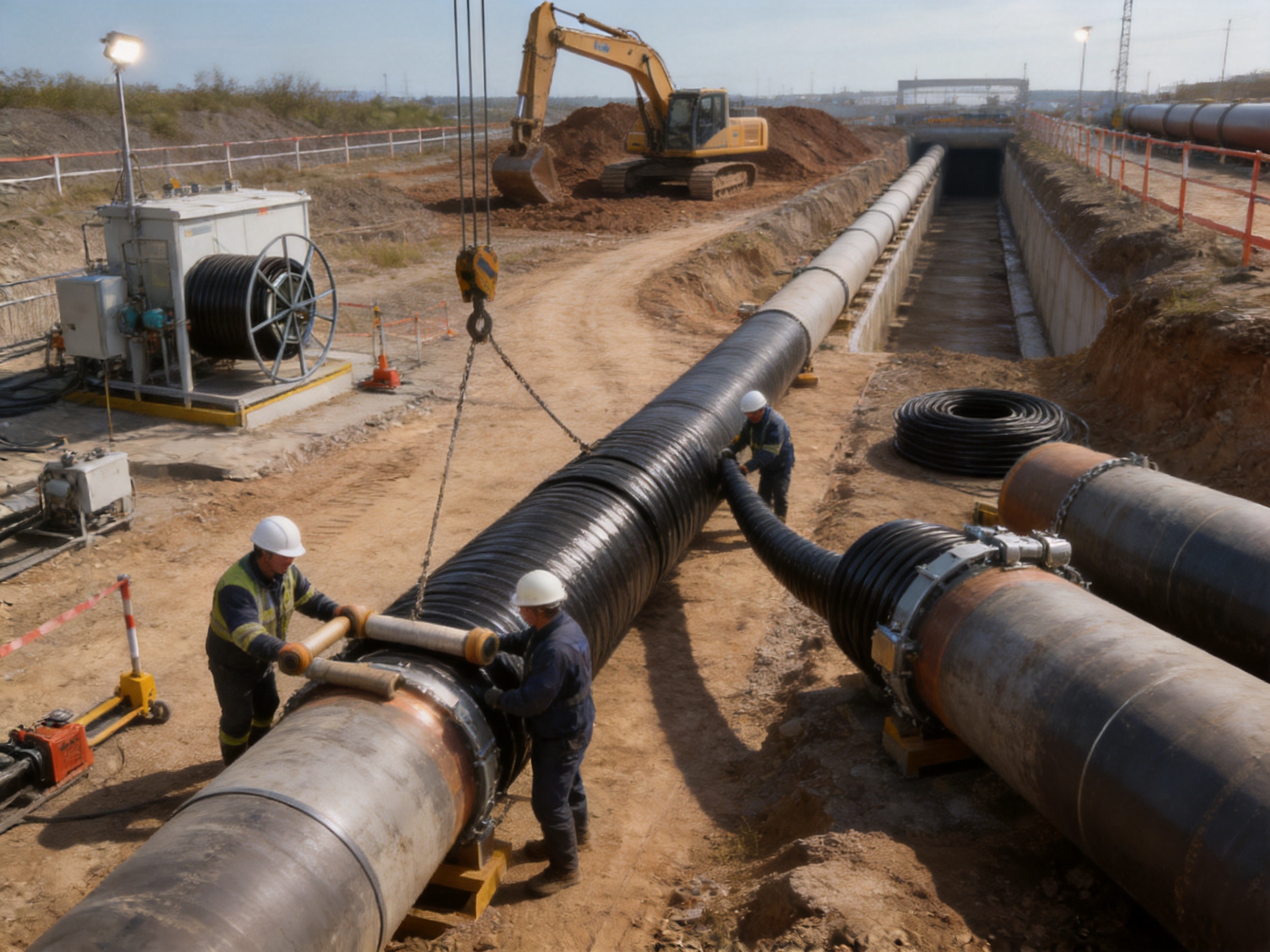
The competitive advantage of this trenchless rehabilitation hose comes from the way several features work together. A smooth TPU liner alone would not be sufficient for a high-pressure pipeline application. Reinforcement alone would not provide the required fluid compatibility and flexibility. Long lengths alone would not guarantee reliability. The value lies in the combined design.
Compared with rigid pipe systems, the hose offers improved flexibility, compact storage, simplified routing, and potentially faster deployment. Compared with basic low-pressure layflat hoses, it provides a broader pressure range, reinforced construction, and suitability for more demanding industrial transfer conditions. Compared with short-section flexible hoses, its long available lengths can reduce the number of intermediate joints.
The product also offers a wide diameter range. Customers can select from 2.5-inch to 20-inch internal diameters rather than adapting every project to a narrow selection of standard sizes. Customized lengths further improve the fit between the hose and the rehabilitation route.
Another advantage is manufacturing adaptability. The company’s experience with polyurethane, rubber, PVC, lined fire hoses, textile reinforcement, and foreign trade production provides a broad base for responding to different customer needs. This is particularly useful when a project requires technical discussion rather than a simple off-the-shelf purchase.
Industrial hose performance depends on correct selection and correct use. The product should be operated only within the approved pressure, temperature, chemical, and dimensional limits. Personnel should receive training in handling, coupling, pressure testing, emergency shutdown, and inspection.
When used for oil transfer, environmental protection must be treated as a central project requirement. Operators should plan for containment, leak detection, isolation, recovery, and disposal. The hose should be routed away from unnecessary traffic and protected against external damage.
For water and construction applications, users should assess the effect of suspended solids, sediment, cleaning agents, disinfectants, and other additives. Even when a hose is broadly resistant to acids and alkalis, the exact concentration and exposure duration can change performance.
Documentation should identify the hose diameter, pressure rating, length, material construction, production information, and inspection status. Maintaining this information helps ensure that replacement sections, couplings, and operating procedures remain compatible.
The primary stated application is crude oil pipeline repair. It can also be considered for other compatible water and oil transfer applications, including temporary bypasses, industrial conveyance, construction, water conservancy, and emergency pipeline operations.
The product title refers to gas pipelines, but the supplied application information specifically identifies crude oil pipeline repair and states that the hose can transport water and oil. Gas service requires separate confirmation of gas compatibility, permeation behavior, pressure conditions, temperature, fittings, regulatory requirements, and installation design. It should not be used for gas without written technical approval for the specific gas application.
The selected materials are polyurethane, also known as TPU, polyester fiber, and aramid fiber. Polyurethane forms the smooth inner wall, while polyester and aramid fibers provide reinforcement and pressure-bearing support.
Nominal inner diameters range from 2.5 inches to 20 inches. Approximate metric sizes range from 65 mm to 500 mm. The available sizes include 2.5, 3, 4, 6, 8, 10, 12, 14, 16, and 20 inches.
The listed working-pressure range depends on diameter. Smaller sizes are listed up to 8.0 MPa, while larger sizes have lower maximum ranges. The 20-inch version is listed from 0.6 to 2.0 MPa. The final rating must be confirmed for the exact product construction and operating conditions.
The listed burst-pressure ranges extend from 1.8 to 24.0 MPa, depending on size and working-pressure selection. Burst pressure is not a normal operating pressure. The hose should always be operated below its approved working-pressure rating with an appropriate safety margin.
Available lengths generally range from 100 meters to 5,000 meters. The maximum listed length is 5,000 meters for several smaller diameters and 2,000 meters for the 20-inch size. Customized lengths may be discussed according to customer requirements.
A smooth inner wall reduces frictional resistance and supports efficient flow. It may help reduce pressure loss over long transfer routes and can make flushing or cleaning easier when the transported medium and cleaning procedure are compatible with the hose.
The product is described as having wear resistance and puncture resistance. These features improve durability during handling and service, but they do not make the hose indestructible. Sharp objects, severe dragging, impact, excessive pressure, and improper installation can still cause damage.
Its flexible construction, abrasion resistance, puncture resistance, and resistance to acids and alkalis make it suitable for consideration in various complex environments. A site-specific evaluation is still required for temperature, chemicals, external loading, ultraviolet exposure, and mechanical hazards.
Suitable couplings and end fittings can be discussed according to the hose size, pressure rating, medium, connection standard, and customer requirements. The fittings must be selected as part of the complete hose assembly and should not be rated below the hose operating conditions.
Store the hose clean and dry in a cool, ventilated location away from direct sunlight, excessive heat, sharp objects, incompatible chemicals, and heavy loads. Roll it evenly without twisting or sharp folds, and inspect it before reuse.
Customers should provide the required diameter, length, working pressure, transported medium, temperature, route conditions, connection type, installation method, and expected service duration. This information allows the manufacturer to recommend a suitable construction and confirm customization options.
The trenchless rehabilitation hose is a flexible and durable solution for demanding pipeline renewal and fluid-transfer projects. Its smooth TPU inner wall supports efficient flow, while polyester and aramid fiber reinforcement provide pressure-bearing strength. Resistance to wear, acids, alkalis, and puncture helps the hose perform in challenging industrial environments, and its flat-rewinding design simplifies transport, storage, and deployment.
The broad size range from 2.5 inches to 20 inches, pressure options up to 8.0 MPa for selected smaller diameters, and available lengths up to 5,000 meters make the product adaptable to many project configurations. Customized lengths can reduce field connections and help match the hose to a specific rehabilitation route.
Its greatest advantage over many conventional alternatives is the combination of high-volume transfer capability, flexibility, long single lengths, simple assembly, and manageable logistics. The manufacturer’s experience since 1995, integrated research and development, production, sales, and service capabilities, and experience with polyurethane, rubber, PVC, and lined hose products provide a strong foundation for customized industrial hose supply.
For the best result, customers should evaluate the complete application before ordering. Pressure surges, fluid compatibility, temperature, flow rate, route conditions, coupling selection, and installation safety all influence performance. When correctly selected, installed, and maintained, this trenchless rehabilitation hose can help reduce project disruption and provide dependable fluid conveyance for pipeline repair, temporary bypass, water transfer, construction, and other industrial applications.
Polyurethane elastomer material guidance for industrial hose liner selection.
Industrial hose engineering principles for working pressure, burst pressure, and reinforcement design.
Pipeline rehabilitation and trenchless construction practice guidelines.
Fluid-transfer system design principles for pressure loss, flow rate, and surge control.
Industrial hose installation, inspection, storage, and maintenance recommendations.
Textile reinforcement engineering references for polyester and aramid fiber applications.
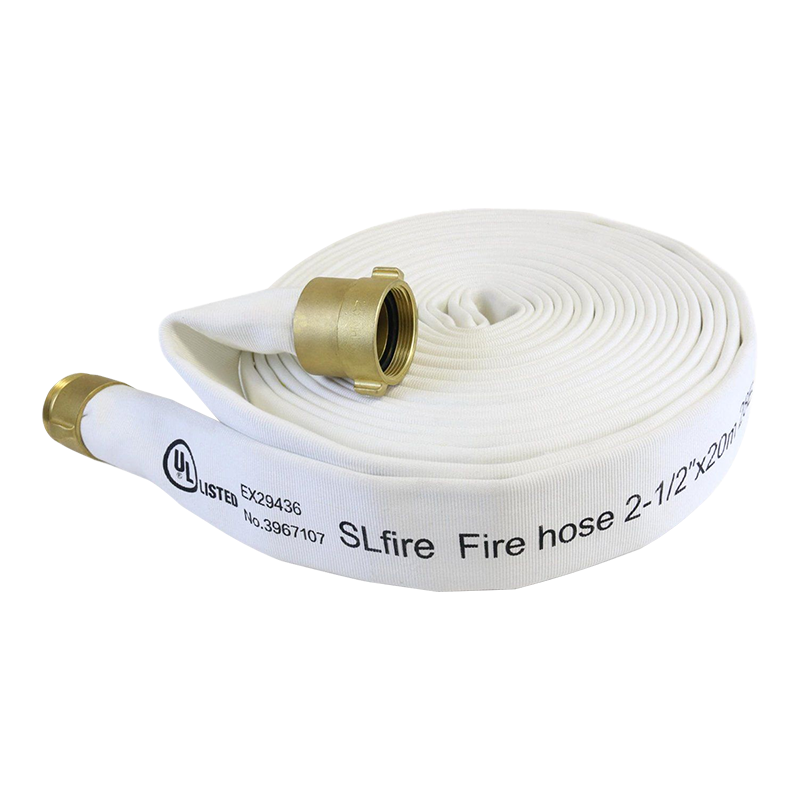
Single jacket, EPDM rubber liner Features • 100% high tenacity polyester jacket, high-grade EPDM rub...
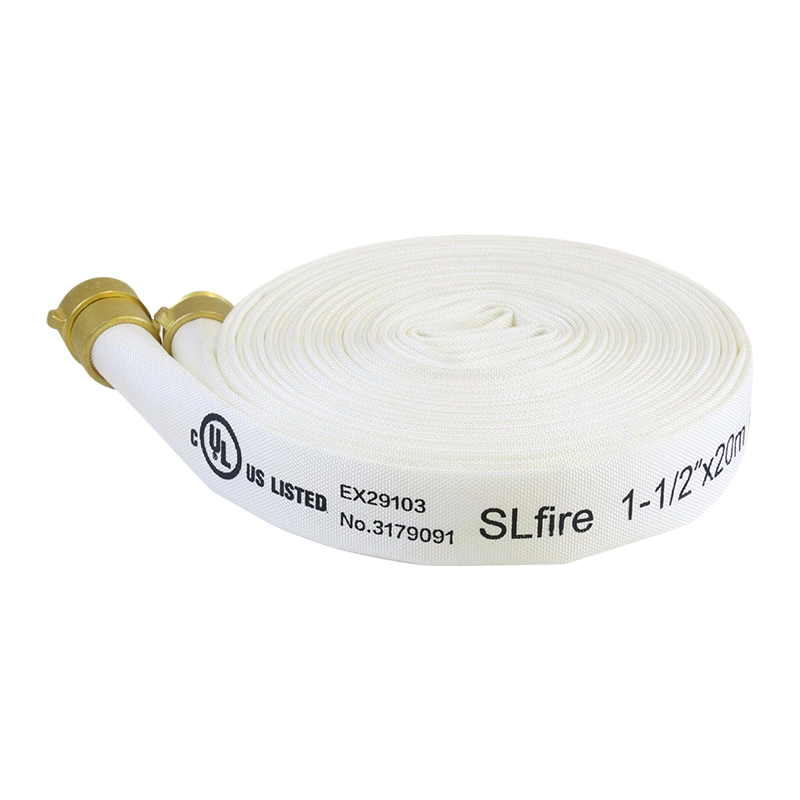
Single jacket, TPU liner •High-tenacity polyester yarn, circular woven in twill weave/plain weave,T ...
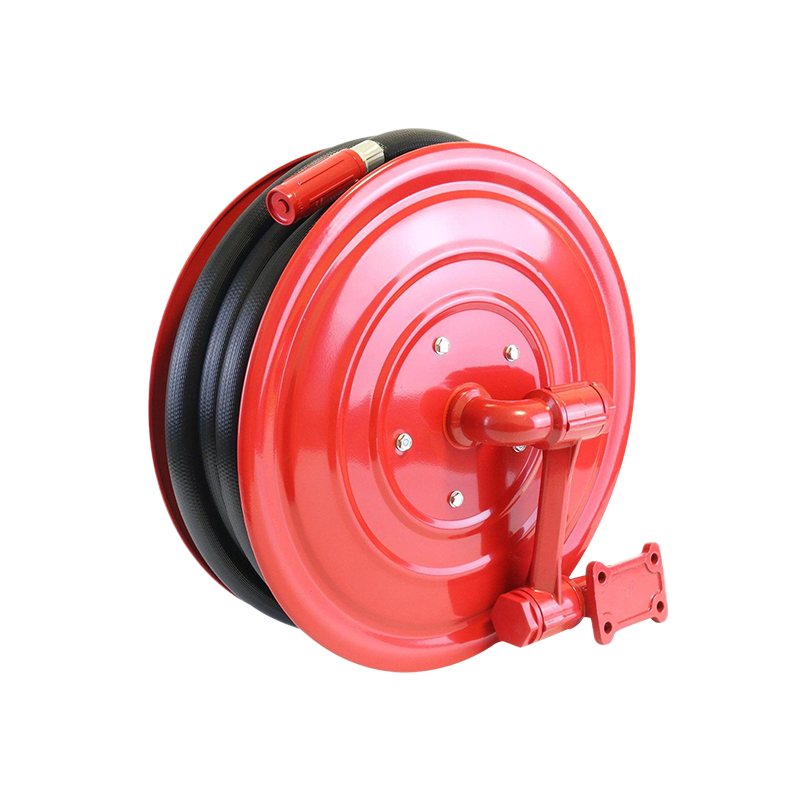
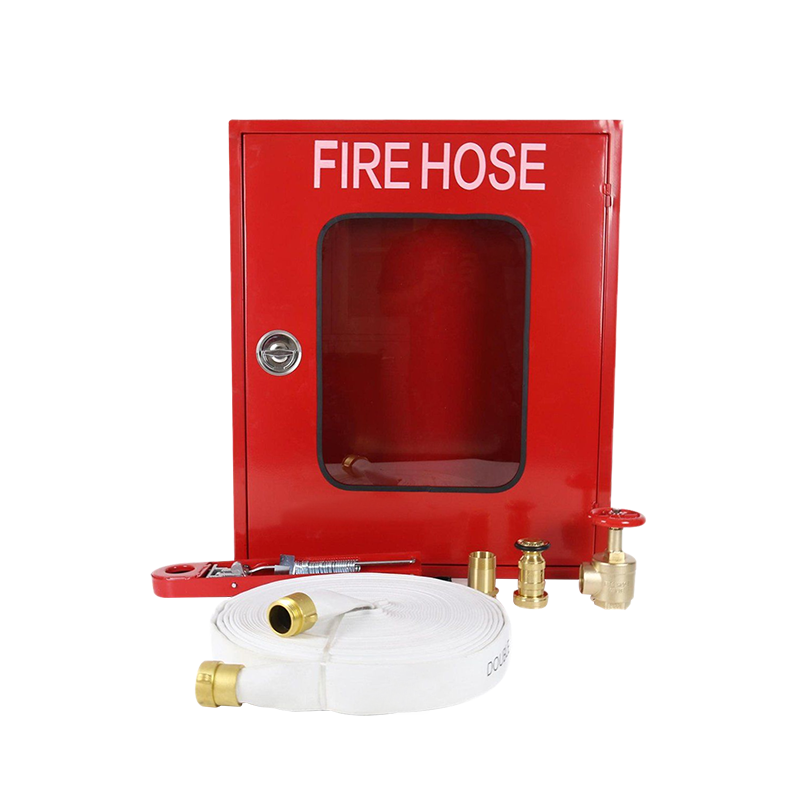
Fire cabinets are designed to accommodate fire hose,valve and other firefighting equipment. Type 201...
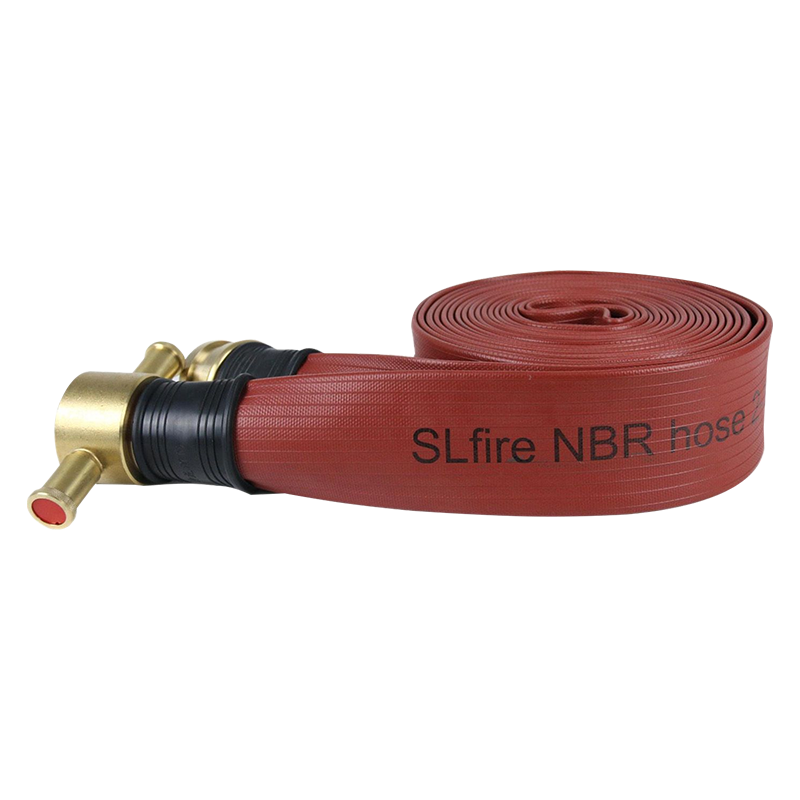
Nitrile covered hose •Nitrile/TPR blend as cover and lining, with 100% high-tenacity polyester yarn ...
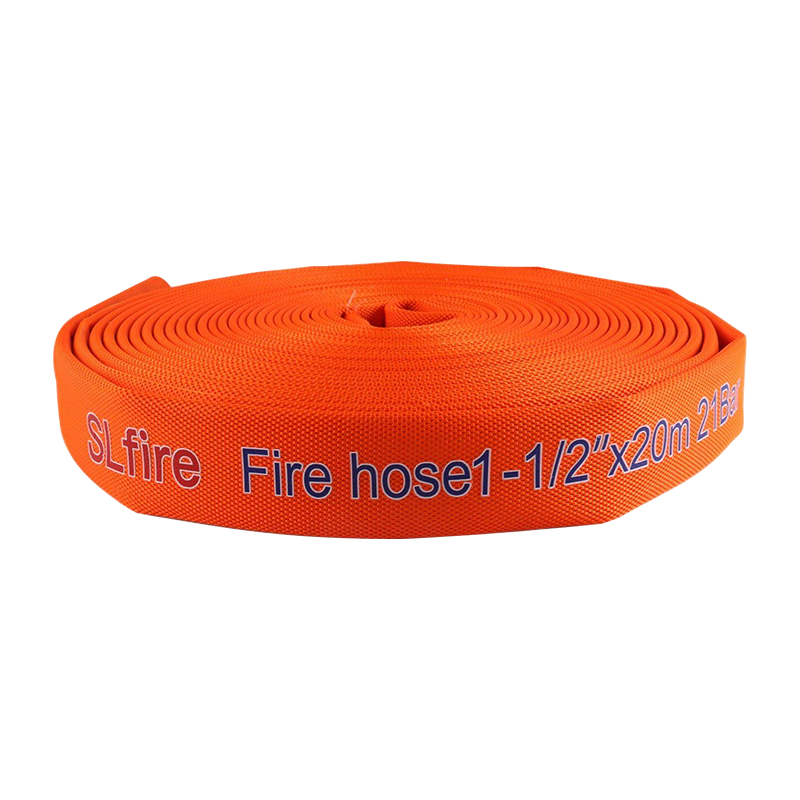
Single jacket, TPU liner •High-tenacity polyester yarn, circular woven in twill weave, TPU lining, f...
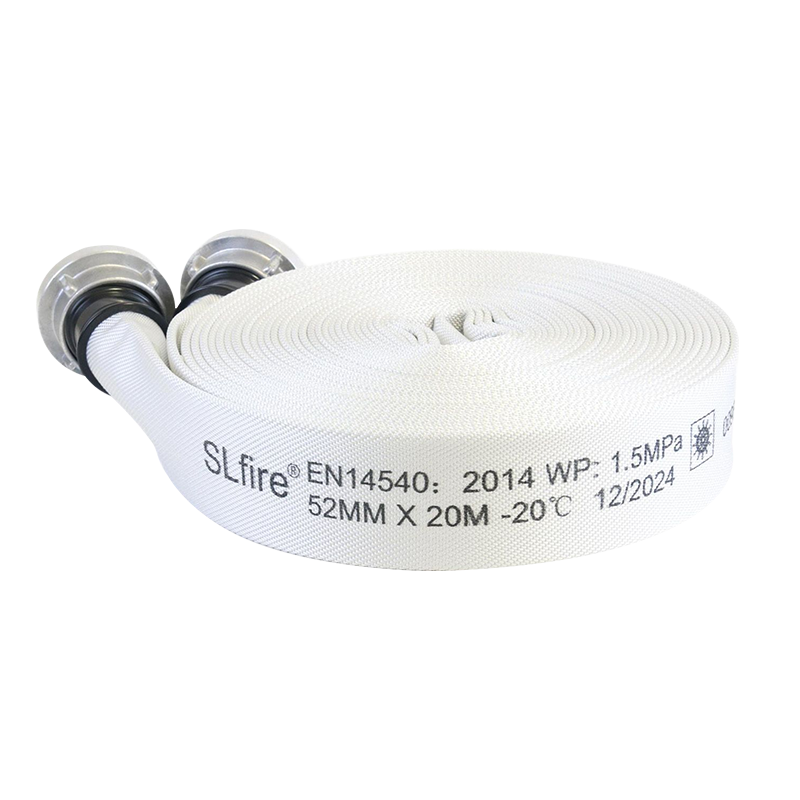
Marine hose Single jacket, PVC liner •100% high tenacity polyester yarn, circular woven in twill wea...
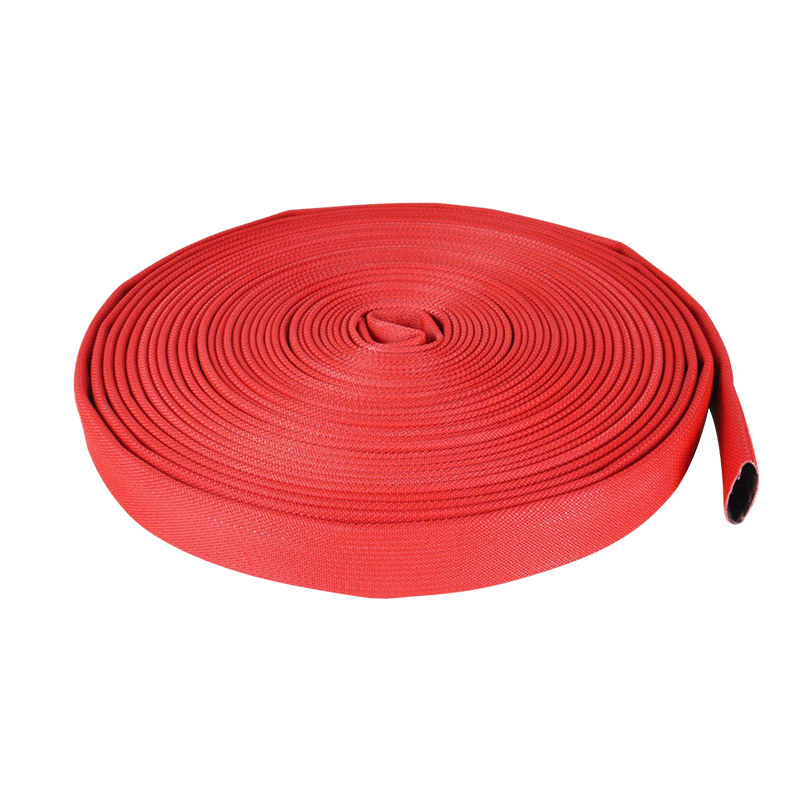
Marine hose Single jacket, PVC liner, PU coated •100% high tenacity polyester yarn,c ircular woven i...
 Call Us
+86 159-5116-9511
Need Support
Head Office
No.58, Kechuang Road, Sixiang Street Medicine Gaoxin District Taizhou City, Jiangsu Province

At a structure fire, the first line off the truck is the one that does the hardest work. Pulled around obstacles, dragged across gravel, charged with high-pressure water, and shut off at the nozzle d...
Copyright © Taizhou Shenlong Fire Science and Technology Co., Ltd. All Rights Reserved.
 Fire Hose Manufacturers, Fire Hydrant Hose Factory