

 English
 русский
 Español
 Deutsch
 عربى
عربى Français
 Português
Don't hesitate to send a message

Single jacket, EPDM rubber liner Features • 100% high tenacity polyester jacket, high-grade EPDM rub...
Content
In firefighting, irrigation, petroleum transfer, chemical handling, and industrial fluid delivery, a hose system is only as reliable as its connection points. A premium hose may offer excellent pressure resistance and abrasion performance, but if the coupling is difficult to connect, vulnerable to corrosion, or prone to leakage, the entire operation can be compromised. The French DSP Hose Coupling is designed to solve these challenges with a practical, durable, and user-friendly structure that supports fast connection and dependable sealing in demanding environments.
This coupling belongs to the Hose Couplings category and is suitable for users who need a reliable interface between hose lines, nozzles, hydrants, pumps, valves, and other fluid-transfer equipment. Its key advantage is its symmetrical connection design: the female and male parts are the same, so operators do not need to spend time identifying matching ends. They simply align, connect, and turn. This makes the coupling especially valuable in emergency firefighting, agricultural fieldwork, industrial maintenance, and mobile pumping operations where time, simplicity, and reliability matter.
Manufactured from high-quality aluminum alloy or brass, the French DSP Hose Coupling combines mechanical strength with resistance to corrosion and chemical exposure. With a working pressure of 16 Bar, optional sealing materials including NBR, EPDM, FPM, and PTFE, and thread options such as BSP and NPT, it can be adapted to a wide range of working conditions. Its available sizes include 1-1/2'', 2-1/2'', and 4'', making it suitable for common firefighting and industrial hose systems.
Taizhou Shenlong Fire Science and Technology Co., Ltd. provides this coupling as part of a broad product system covering fire hoses, industrial hoses, agricultural hoses, fire accessories, fire cabinets, hose nozzles, and trenchless rehabilitation hoses. Founded in 1995, the company has built long-term experience in research, development, manufacturing, sales, and service. Its manufacturing capability and knowledge of hose-system requirements allow it to provide couplings that match practical field needs rather than merely meeting basic dimensional specifications.
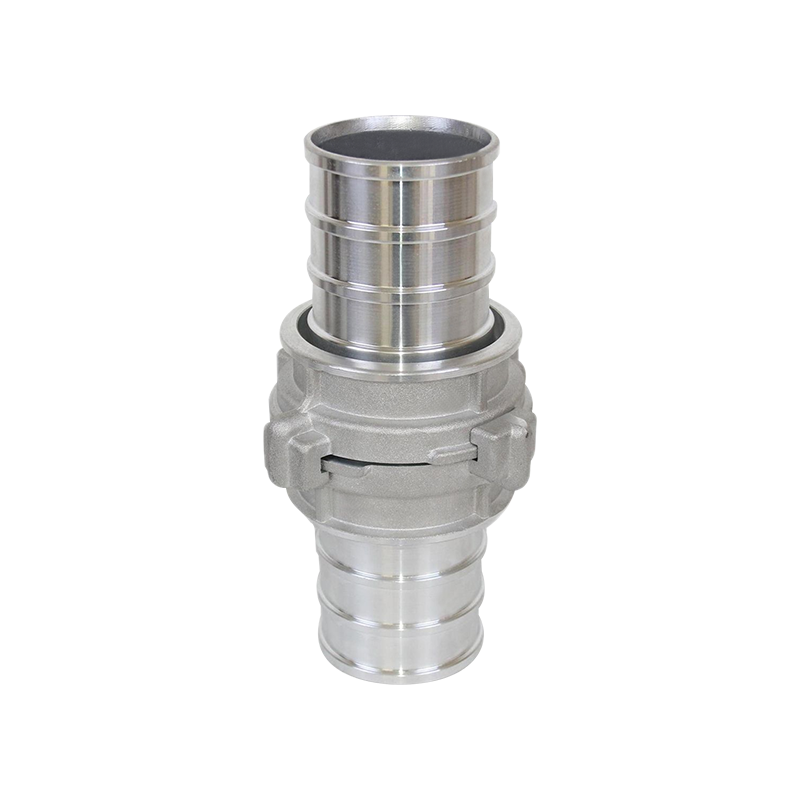
French DSP Hose Coupling
A hose coupling is not simply a metal accessory attached to the end of a hose. It is a critical safety component. In firefighting, a coupling must connect quickly under pressure, remain stable during operation, resist accidental disconnection, and maintain a leak-proof seal. In irrigation, a coupling must withstand repeated assembly and disassembly in dusty, wet, and outdoor conditions. In petroleum and chemical applications, it must tolerate contact with aggressive media and maintain structural reliability throughout service life.
Low-quality couplings can lead to several operational problems. Leakage wastes water or valuable fluids and can reduce pressure at the nozzle or discharge point. Difficult coupling action slows response time and increases operator fatigue. Poorly cast or poorly machined parts may deform, crack, or fail under pressure. Weak surface protection can lead to oxidation, corrosion, and reduced service life. Improper sealing material selection can cause swelling, hardening, or chemical degradation of the gasket, ultimately causing leaks.
The French DSP Hose Coupling addresses these concerns through a balanced design philosophy. It focuses on ease of operation, practical pressure capability, corrosion resistance, material flexibility, and economic value. Instead of relying on complicated locking systems or tool-dependent assembly, it uses a quick-turn connection. This reduces training difficulty and helps crews perform hose deployment more efficiently. The symmetrical design also minimizes confusion during urgent operations, because either coupling side can be connected without worrying about male-female matching.
Compared with some traditional threaded couplings, the French DSP style can save valuable time during connection and disconnection. Threaded couplings may require multiple rotations, careful alignment, and additional effort if dirt, damage, or corrosion is present. By contrast, the quick-turn design allows smoother and faster operation. Compared with some lightweight economy couplings, this product offers better material selection and sealing options, supporting more demanding environments where pressure, durability, and chemical compatibility are important.
The French DSP Hose Coupling is engineered for users who need a dependable, field-ready coupling with simple operation and adaptable performance. It is available in aluminum alloy or brass, both of which provide specific advantages. Aluminum alloy offers light weight and corrosion resistance, making it well suited for firefighting and portable hose systems. Brass provides excellent durability, wear resistance, and stability in many industrial conditions. Users can select the material according to operating environment, budget, medium type, and handling requirements.
The product supports a working pressure of 16 Bar, which is suitable for many firefighting, water delivery, irrigation, petroleum, and chemical-handling applications. Surface treatment options such as polishing and sandblasting improve appearance and can contribute to better surface consistency. The sealing system can be customized with NBR, EPDM, FPM, or PTFE, allowing the coupling to work with different fluids and environmental conditions. BSP and NPT thread options increase compatibility with international pipe and hose systems.
| Product Name | French DSP Hose Coupling |
| Product Category | Hose Couplings |
| Casting Method | Casting or Forged |
| Working Pressure | 16 Bar |
| Material | Aluminum Alloy or Brass |
| Surface Treatment | Polishing or Sandblasting |
| Available Sizes | 1-1/2'', 2-1/2'', 4'' |
| Sealing Materials | NBR, EPDM, FPM, PTFE |
| Thread Options | BSP or NPT |
| Applications | Firefighting, Irrigation, Petroleum, Chemicals |
| Main Features | Tool-free operation, corrosion resistance, chemical resistance, economic value |
| Connection Design | Identical female and male parts for quick connection by turning |
This specification range shows that the coupling is not limited to one narrow use. It can be incorporated into hose systems used by fire departments, industrial plants, agricultural irrigation teams, construction projects, municipal service providers, petrochemical facilities, and emergency response organizations. Its design is practical enough for routine daily use while still being robust enough for high-pressure and high-intensity applications.
One of the most important advantages of the French DSP Hose Coupling is its identical-end connection design. In many hose systems, operators must identify a male end and a female end before connecting. During daylight and calm conditions, this may not seem difficult. However, during emergency firefighting, nighttime operation, heavy rain, smoke, mud, or crowded industrial work areas, even a simple identification step can cause delay. The DSP-style symmetrical design removes this obstacle.
Because the female and male parts are the same, the operator can connect compatible coupling ends directly and secure them with a quick turn. No tools are required. This is especially valuable in firefighting, where seconds matter and operators must deploy long hose lines, connect multiple sections, and adjust layouts quickly. It is also helpful in agriculture, where workers frequently move hoses between fields, pumps, tanks, and irrigation lines. The simplified connection method improves productivity and reduces the chance of incorrect assembly.
The quick-turn structure also reduces wear caused by excessive threading. Traditional threaded couplings may be damaged if cross-threaded, over-tightened, or contaminated with sand. The DSP design allows easier engagement and faster locking, helping extend the working life of the coupling when properly maintained. For users who operate in environments where hoses are often dragged across rough ground, handled by multiple workers, or connected under pressure demands, this simplified mechanical action can provide major daily convenience.
Another benefit is training efficiency. New operators can learn the coupling method quickly. Fire brigades, factory safety teams, agricultural crews, and municipal workers may include members with different levels of technical experience. A coupling that is intuitive and tool-free reduces dependence on specialized training and lowers the risk of connection errors. This makes the French DSP Hose Coupling suitable not only for professional emergency teams but also for industrial and civil users who need reliable equipment that can be operated confidently.
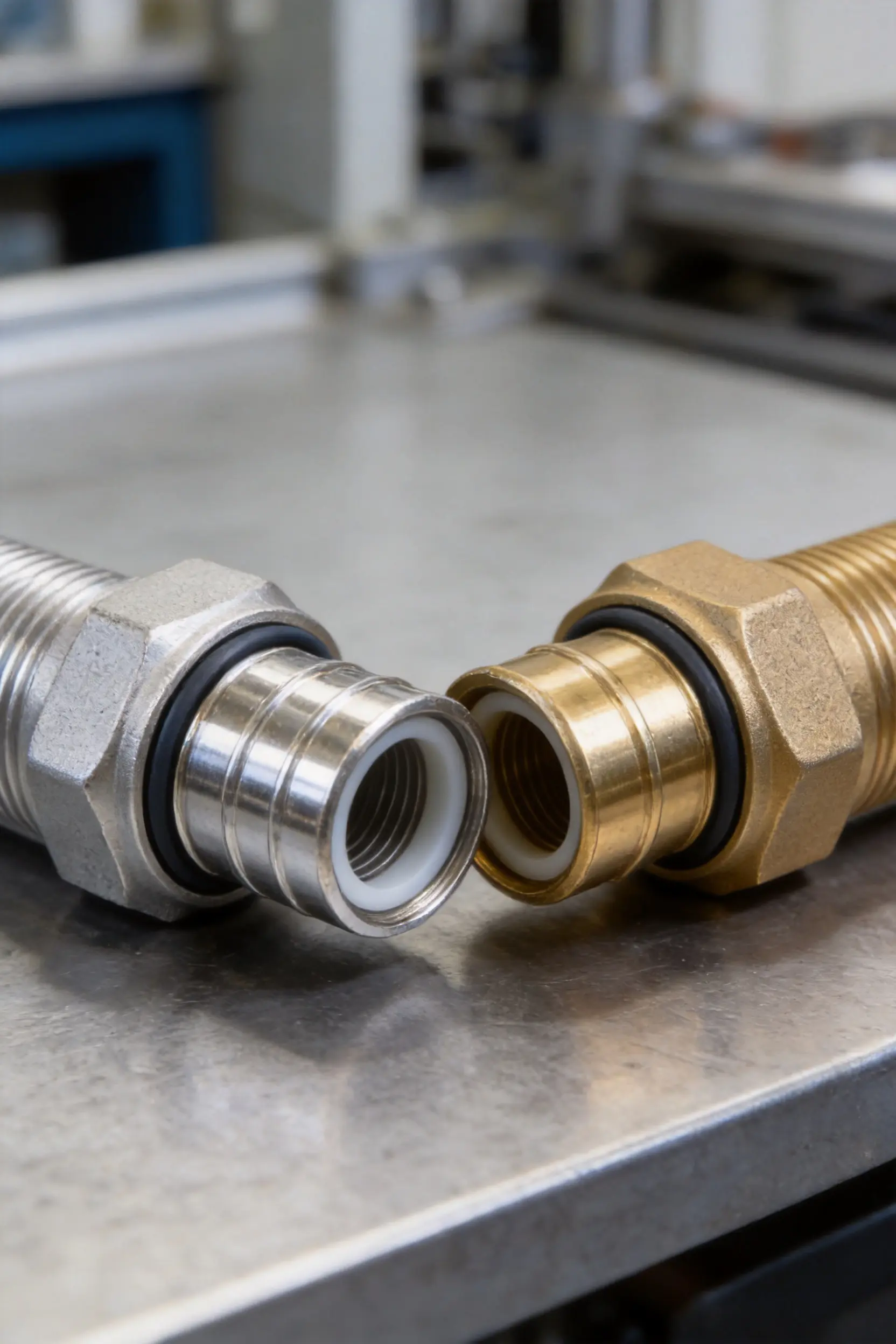
Material selection plays a decisive role in coupling performance. The French DSP Hose Coupling is available in aluminum alloy and brass, giving users flexibility according to application. Aluminum alloy is widely used in firefighting equipment because it provides a strong balance of light weight, corrosion resistance, and mechanical performance. A lighter coupling reduces the total weight of a hose line, making deployment and repositioning easier. This is particularly important for firefighters who must carry equipment over stairs, through buildings, or across long distances.
Aluminum alloy also resists many forms of atmospheric corrosion, especially when combined with suitable surface treatment. For water delivery, general firefighting, and irrigation use, aluminum alloy offers a practical and cost-effective solution. Its lower weight can also reduce impact stress on hose ends and improve operator comfort during frequent handling. When properly manufactured and inspected, aluminum alloy couplings provide long service life and dependable pressure performance.
Brass, on the other hand, is valued for its toughness, dimensional stability, and excellent resistance to wear. It is often selected for applications where durability, frequent connection cycles, and exposure to challenging operating environments are major concerns. Brass can perform well in many industrial fluid systems and may be preferred where users require a heavier, more wear-resistant coupling. Its natural corrosion resistance makes it suitable for long-term service in many water and industrial conditions.
By offering both aluminum alloy and brass, the product gives buyers more control over performance and cost. Some users may select aluminum alloy for portable firefighting hose assemblies, while others may choose brass for fixed industrial installations or systems where rough mechanical handling is common. This flexibility is one reason the coupling stands out against competitors that offer only one material option or limited customization.
The French DSP Hose Coupling can be supplied with polished or sandblasted surface treatment. Surface treatment is more than an appearance feature. It contributes to the product’s usability, consistency, corrosion behavior, and professional quality. A polished surface can provide a smoother finish, making the coupling easier to clean after use in mud, oil, foam, or chemical environments. It also gives the coupling a clean and professional look, which is important for fire equipment suppliers, municipal users, and industrial facilities that maintain visible safety systems.
Sandblasting produces a more uniform matte texture. This can improve the tactile feel of the part and reduce surface irregularities left from casting or forging. In some applications, a sandblasted surface may offer better grip and a more rugged appearance. Surface finishing also supports inspection by revealing surface defects that may need correction before final assembly. A carefully finished coupling reflects disciplined manufacturing and attention to product reliability.
Compared with lower-grade couplings that may have rough surfaces, burrs, inconsistent wall thickness, or poor finishing, a properly treated DSP coupling offers greater user confidence. Rough or unfinished parts can damage gloves, make cleaning difficult, or accelerate localized corrosion. High-quality surface treatment helps ensure that the coupling is comfortable to handle, easier to maintain, and more suitable for repeated field operation.
A coupling’s metal body provides structural strength, but the sealing material is essential for leak prevention. The French DSP Hose Coupling can be equipped with NBR, EPDM, FPM, or PTFE seals. This range allows users to match the seal to the medium being transported. Selecting the correct gasket material helps maintain sealing performance, extend service life, and reduce maintenance problems.
NBR is commonly used where oil resistance is needed. It is suitable for many petroleum-related applications and general industrial use. EPDM is widely selected for water, weather exposure, and many firefighting or irrigation environments because of its resistance to aging and moisture. FPM, often associated with high-performance fluoroelastomers, is useful where chemical resistance and temperature stability are important. PTFE offers excellent chemical resistance and low friction characteristics, making it suitable for more demanding chemical-handling conditions.
This sealing flexibility is a competitive advantage. Some couplings are supplied with only one standard gasket, leaving users to accept limited compatibility. If the seal is not suitable for the fluid, it may swell, crack, soften, or lose elasticity. That can lead to leakage, pressure loss, and frequent replacement. By providing multiple sealing material options, the French DSP Hose Coupling can be better adapted to practical operating conditions and customer requirements.
The coupling is designed for a working pressure of 16 Bar. This pressure rating supports a wide range of firefighting, industrial, agricultural, and fluid-transfer applications. In practical terms, a coupling must do more than withstand pressure in a laboratory test. It must maintain sealing performance during vibration, hose movement, pressure variation, and repeated connection cycles. The combination of strong material, accurate machining, and suitable sealing design helps the coupling achieve reliable performance under demanding conditions.
In firefighting, pressure reliability affects nozzle performance and water reach. A leaking or unstable coupling can reduce available flow and create hazards on the fireground. In irrigation, pressure loss can reduce water distribution efficiency. In petroleum and chemical handling, leakage may create safety, environmental, and operational risks. Therefore, pressure performance is directly connected to user safety and system efficiency.
The 16 Bar rating makes the French DSP Hose Coupling a practical choice for users who need robust everyday performance without unnecessary complexity. It balances strength, ease of use, and economic value. For many applications, this pressure range provides sufficient reliability while keeping the coupling cost-effective and manageable in weight.
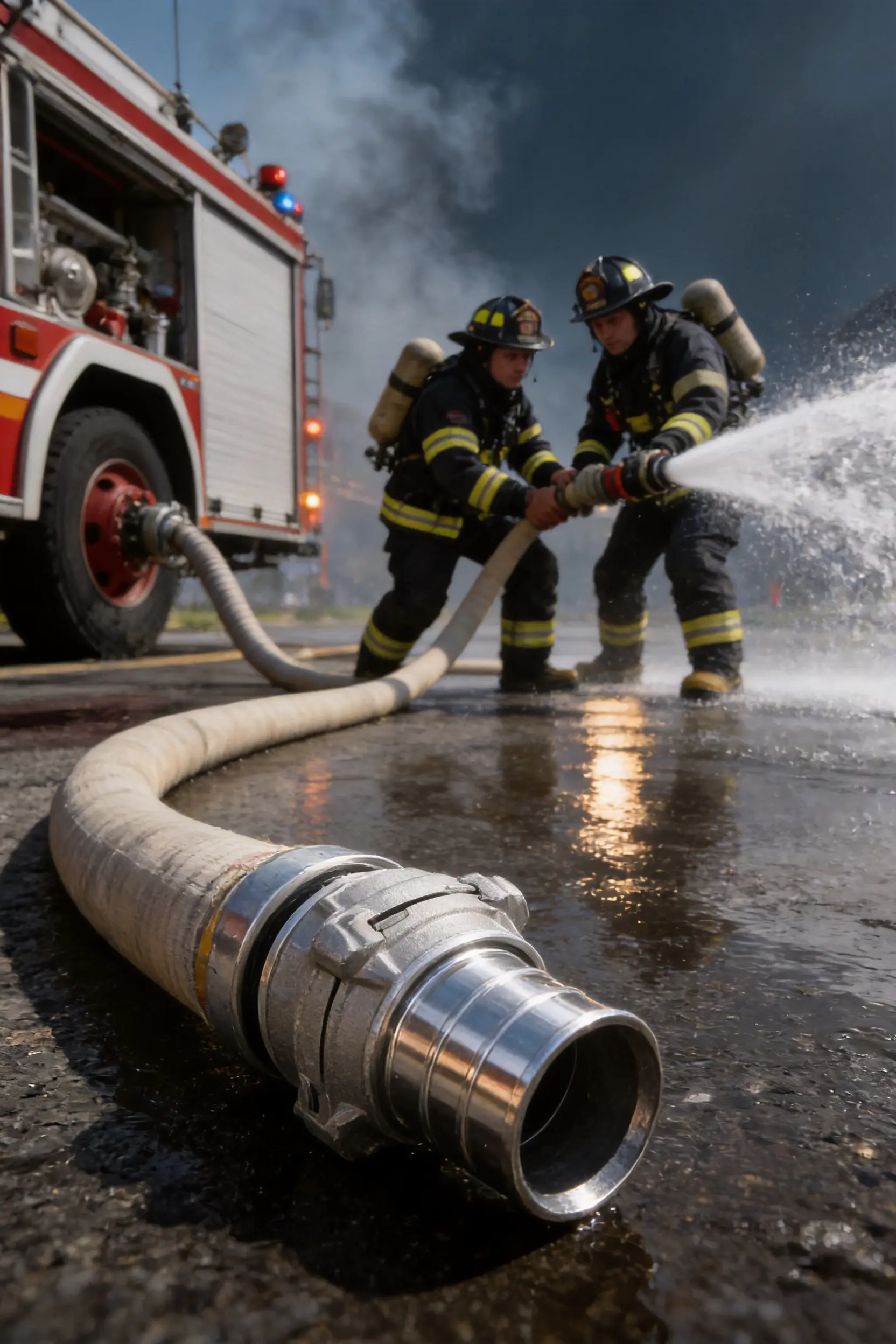
Firefighting is one of the most important application areas for this coupling. Fire hose systems must be rapidly deployed, repeatedly connected, exposed to water pressure, dragged over rough surfaces, and operated under stressful conditions. The French DSP Hose Coupling is well suited for these challenges because it combines quick connection, tool-free handling, pressure resistance, and corrosion-resistant material options.
When firefighters arrive at a scene, hose connection speed directly affects response efficiency. A coupling that requires careful male-female matching or long threaded engagement can slow deployment. The DSP design supports fast connection with a simple turning motion. This helps crews build hose lines quickly from hydrants, pumps, branch pipes, or other hose sections. The identical-end design also reduces confusion when multiple hoses are laid out on the ground.
Firefighting environments are often harsh. Couplings may be dropped, stepped on, exposed to smoke, mud, foam, and high water flow, and then stored in cabinets or vehicles until the next emergency. Aluminum alloy versions reduce carrying weight, while brass versions provide additional robustness where needed. Surface finishing and corrosion resistance help maintain long-term usability, especially when equipment is stored in fire cabinets, vehicle compartments, or humid environments.
The coupling’s compatibility with fire hoses, hose nozzles, fire accessories, and fire cabinets makes it part of a complete fire protection system. Taizhou Shenlong Fire Science and Technology Co., Ltd. has long-term experience in manufacturing fire hose products, which supports better understanding of how couplings must integrate with actual hose assemblies. This practical system knowledge is important because a coupling must match the hose, operating pressure, thread standard, seal material, and application environment.
Agricultural irrigation systems often require flexible hose layouts, frequent movement, and reliable connections between pumps, hoses, sprinklers, and distribution equipment. The French DSP Hose Coupling is beneficial in this environment because it is easy to connect and disconnect without tools. Workers can move hoses efficiently between fields, adjust irrigation lines, and perform maintenance without relying on complicated assembly procedures.
Outdoor agricultural use exposes couplings to sunlight, water, soil, fertilizer residues, and mechanical impact. A coupling made from aluminum alloy or brass with suitable surface treatment can provide dependable service in these conditions. The option of EPDM sealing material is especially useful for water-based applications where weather resistance and moisture compatibility are important. Where oil or chemical exposure may occur, other sealing options can be selected.
For farms and irrigation contractors, economic efficiency is important. Equipment must perform reliably but remain affordable enough for large-scale use. The French DSP Hose Coupling delivers a practical combination of performance and cost-effectiveness. Its simple design reduces connection time, its durable materials reduce replacement frequency, and its standard size options support common hose systems.
Petroleum and chemical handling require careful attention to material compatibility and sealing integrity. Leaks in these applications can create environmental hazards, safety risks, product loss, and costly downtime. The French DSP Hose Coupling addresses these needs with selectable materials and sealing options. Brass may be preferred in certain industrial environments for durability, while aluminum alloy may be chosen when weight reduction is important and compatible with the medium.
The availability of NBR, FPM, and PTFE sealing materials is particularly valuable for petroleum and chemical applications. NBR is commonly selected for oil-related service, while FPM and PTFE provide stronger chemical resistance in more demanding conditions. Correct seal selection should always be based on the specific fluid, temperature, pressure, and operating environment. By offering these choices, the coupling allows users to configure the product more precisely instead of forcing a one-size-fits-all solution.
The tool-free quick connection also benefits industrial fluid transfer. Maintenance teams often need to connect temporary hoses for tank cleaning, drainage, pumping, or transfer operations. Faster coupling saves labor time and reduces production interruption. The ability to disconnect quickly after operation also supports safer and cleaner workflows, provided that pressure has been relieved and proper safety procedures are followed.
The French DSP Hose Coupling offers several advantages compared with many conventional or low-cost alternatives. First, its symmetrical design provides faster and simpler operation. Some competing couplings require operators to identify different ends, align threads carefully, or use tools for tightening. The DSP coupling reduces these steps, making it more efficient for emergency response and fieldwork.
Second, it offers multiple material options. Competitors may provide only aluminum or only brass, which limits suitability. By offering both aluminum alloy and brass, this product supports a broader range of performance requirements. Users can choose lighter weight for mobility or stronger wear resistance for heavy-duty service.
Third, it provides useful sealing material choices. Many economy couplings use a basic rubber seal without considering chemical compatibility. The availability of NBR, EPDM, FPM, and PTFE improves adaptability and helps users reduce leakage risk. This is especially important for petroleum, chemical, and mixed industrial applications.
Fourth, it supports standard thread options such as BSP and NPT. International compatibility is essential for exporters, distributors, engineering contractors, and users operating imported equipment. A coupling with thread flexibility can fit more projects and reduce procurement complexity.
Fifth, the product is economically efficient. Performance does not need to come with unnecessary complexity. The French DSP Hose Coupling focuses on practical reliability, straightforward operation, and durable construction. For many users, this balance provides better overall value than either very cheap couplings with limited service life or overly complex couplings that increase cost and maintenance requirements.
High-quality couplings depend on disciplined manufacturing. Taizhou Shenlong Fire Science and Technology Co., Ltd. was founded in 1995 and has developed substantial experience in fire hose and related equipment production. As an enterprise integrating research and development, production, sales, and service, the company understands the full life cycle of hose-system products, from raw material selection and design requirements to field use and after-sales support.
The French DSP Hose Coupling can be produced through casting or forging methods according to product requirements. Casting allows efficient production of complex shapes, while forging can improve material density and mechanical strength for certain applications. Proper process selection is important because coupling bodies must have stable dimensions, sufficient wall thickness, and reliable pressure-bearing capacity.
Manufacturing begins with material control. Aluminum alloy or brass must meet requirements for composition, strength, and corrosion resistance. Poor raw materials can cause defects that are not visible at first but may lead to cracking, deformation, or premature failure. A responsible manufacturer checks incoming materials and applies suitable production procedures to ensure consistency.
After forming, machining accuracy is critical. The coupling interface must align correctly, turn smoothly, and seal reliably. Threads such as BSP or NPT must be manufactured to proper dimensions to ensure compatibility with valves, adapters, and hose assemblies. Seal grooves must be accurate so that gaskets are compressed correctly. Too little compression can cause leakage, while excessive compression can damage the seal and make operation difficult.
Surface treatment follows forming and machining. Polishing or sandblasting improves appearance and surface quality. Burr removal and edge finishing also improve safety and handling comfort. A coupling used in firefighting or industry may be handled with gloves, under pressure, or in poor visibility, so smooth and consistent surfaces are important.
Quality inspection is essential throughout production. Dimensional checks confirm that the coupling matches size and thread requirements. Visual inspection helps identify surface defects, cracks, and casting imperfections. Pressure-related evaluation confirms that the product can meet its working conditions. Seal fitting checks help ensure leak-proof performance. This process discipline distinguishes a reliable manufacturer from suppliers that rely only on low price.
Taizhou Shenlong Fire Science and Technology Co., Ltd. has worked in the fire protection and hose product field since 1995. The company’s main products include various lined fire hoses, and it also undertakes foreign trade products involving rubber, PVC, polyurethane, and double-sided tape according to customer requirements. Its products are used in fire protection, construction, water conservancy, and other industries. This background matters because coupling design must match real hose use, not only theoretical dimensions.
A manufacturer with hose production experience understands how couplings interact with hose lining materials, hose jackets, water pressure, bending, abrasion, and storage conditions. It also understands the needs of distributors and foreign trade customers, including stable quality, specification flexibility, packaging reliability, and delivery consistency. The company cooperates with several domestic foreign trade companies and exports products to many countries, which supports experience with different market requirements and standards.
Its product category range also demonstrates system capability. Fire hose, industrial hose, agricultural hose, hose couplings, hose nozzles, fire accessories, fire cabinets, and trenchless rehabilitation hose are all related to fluid transfer and safety systems. Customers who purchase the French DSP Hose Coupling may also need compatible hoses, nozzles, or accessories. A supplier with broad product capability can provide more complete solutions and reduce procurement coordination.
The French DSP Hose Coupling is designed for integration into hose systems. Compatibility is not limited to size. It includes pressure rating, material, thread type, sealing material, hose diameter, operating medium, and application environment. The available sizes of 1-1/2'', 2-1/2'', and 4'' cover common hose requirements. These sizes are frequently associated with firefighting, water delivery, and industrial transfer systems.
BSP and NPT thread options make the product suitable for different international markets. BSP threads are widely used in many regions, while NPT threads are common in North America and other applications using tapered pipe thread standards. Offering both helps distributors and end users avoid mismatch problems and makes the coupling easier to incorporate into existing installations.
The coupling can be matched with fire hoses, industrial hoses, agricultural hoses, hose nozzles, hydrant equipment, pump outlets, adapters, and fire accessories. For safe operation, users should verify that all components in the system have compatible pressure ratings and materials. A high-quality coupling should not be paired with a weak hose or unsuitable gasket. The entire hose system must be considered as a complete pressure-bearing assembly.
Price is important, but the lowest purchase price does not always produce the lowest operating cost. A coupling with poor material quality, rough machining, or weak sealing may require frequent replacement, cause leaks, damage hose ends, or create downtime. The French DSP Hose Coupling provides economic value by combining practical cost with reliable performance. Its simple tool-free operation reduces labor time. Its material options support longer service life. Its seal choices reduce compatibility problems. Its standard thread options reduce installation difficulty.
For fire departments and industrial users, life-cycle cost includes not only the coupling price but also maintenance, inspection, replacement, training, and operational risk. A dependable coupling can remain in service through repeated use if properly maintained. It can also reduce emergency response delays and minimize leakage-related losses. For agricultural users, reliable couplings reduce downtime during irrigation seasons when equipment availability directly affects productivity.
This economic advantage is especially important for distributors and project buyers who purchase couplings in quantity. A product that combines consistency, performance, and reasonable cost supports customer satisfaction and reduces after-sales issues. Taizhou Shenlong Fire Science and Technology Co., Ltd. benefits from long-term manufacturing experience and product range integration, allowing it to support customers with practical and scalable supply.
Although the French DSP Hose Coupling is easy to operate, correct handling helps ensure long service life. Before connection, operators should check that the coupling faces are clean and free from stones, sand, metal chips, or damaged gasket material. Dirt trapped in the sealing area can cause leakage or surface wear. The gasket should be inspected for cracking, swelling, hardening, or deformation. If the seal is damaged, it should be replaced with a compatible material.
To connect, align the two coupling ends and turn until the connection is secured. Because the coupling is designed for tool-free operation, excessive force or improper tools should not be used. If connection is difficult, operators should stop and inspect for misalignment, contamination, or damage. Forcing the coupling may damage the locking surfaces or sealing area.
During operation, pressure should be increased gradually when possible. Sudden pressure shock can stress the hose system. Operators should monitor the connection area for leakage, movement, or abnormal vibration. After use, pressure should be relieved before disconnection. The coupling should be cleaned, dried if necessary, and stored in a suitable environment. Firefighting equipment should be returned to ready condition after inspection.
For petroleum or chemical applications, additional safety procedures are required. Operators should confirm fluid compatibility with the coupling material and seal. Personal protective equipment should be used according to the medium. Residual fluid should be drained or managed safely before disconnection. The coupling should be cleaned according to site procedures to prevent corrosion or contamination.

Regular maintenance extends coupling life and improves safety. After each use, the coupling should be visually inspected. Look for dents, cracks, corrosion, thread damage, worn locking surfaces, or missing seals. The sealing gasket should remain elastic and properly seated. If the coupling has been exposed to chemicals, it should be cleaned promptly using suitable methods based on the chemical involved.
Couplings stored in fire cabinets, vehicles, warehouses, or outdoor stations should be checked periodically. Humid environments can accelerate corrosion, especially if residues remain on the surface. Aluminum alloy and brass provide good resistance, but no material is completely maintenance-free. Keeping the coupling clean and dry helps preserve performance.
Lubrication may be applied only when appropriate and compatible with the seal and operating medium. Some lubricants can damage rubber seals or contaminate transferred fluids. Users should follow equipment maintenance policies and use compatible products. For firefighting equipment, the coupling should be kept ready for immediate deployment and should not be over-lubricated in a way that attracts dirt.
Replacement should be considered if the coupling shows structural damage, repeated leakage, severe wear, or deformation. Seals can often be replaced separately, but the metal body must remain mechanically sound. In pressure applications, damaged components should not be repaired casually or returned to service without proper evaluation.
When selecting French DSP Hose Couplings, buyers should evaluate more than size and price. Important factors include material grade, pressure rating, machining accuracy, surface finish, seal material, thread standard, and supplier experience. A coupling that looks similar externally may perform very differently depending on manufacturing quality. Poor casting, inaccurate machining, and low-grade gaskets are common causes of failure in low-cost couplings.
Buyers should confirm whether the coupling will be used for firefighting, irrigation, petroleum, chemical handling, or another application. The medium determines seal selection. The environment affects material and surface treatment choice. The hose size and thread standard determine dimensional compatibility. The operating pressure determines safety suitability. By discussing these factors with a capable manufacturer, customers can avoid mismatches and improve project reliability.
Taizhou Shenlong Fire Science and Technology Co., Ltd. is positioned to support these decisions because it has experience across fire hoses, industrial hoses, agricultural hoses, hose couplings, and related accessories. Its long operating history and export product experience help it understand both domestic and international user requirements. For wholesale buyers, distributors, engineering companies, and equipment suppliers, working with an experienced manufacturer can improve supply stability and technical confidence.
The French DSP Hose Coupling should be viewed as part of a larger safety and fluid-control system. In firefighting, it connects hoses that deliver water or foam to the hazard area. In industrial plants, it may support temporary transfer lines, emergency water supply, drainage, or process support. In agriculture, it helps distribute water efficiently. In construction and water conservancy, it supports pumping and site water management. A reliable coupling contributes directly to operational continuity.
Complete system thinking helps users achieve better results. A strong coupling should be paired with a suitable hose, correctly installed end fitting, compatible nozzle, and appropriate pump pressure. Fire cabinets should store hoses and couplings in a clean and accessible condition. Nozzles and adapters should match thread and coupling standards. Maintenance schedules should include all components, not just hoses or pumps.
Because the company supplies a wide range of hose-related products, customers can build more integrated systems. This is a significant advantage over suppliers that offer only isolated components. When hoses, couplings, nozzles, and accessories are selected with compatibility in mind, the system performs more reliably and is easier to maintain.
Reliable coupling performance also has environmental and safety value. Leakage in water systems wastes resources and reduces efficiency. Leakage in petroleum or chemical applications can contaminate soil, water, or work areas. A secure, well-sealed coupling reduces these risks. The correct gasket material further improves environmental protection by helping prevent fluid escape.
In firefighting, a secure coupling helps protect firefighters and property by maintaining water flow. A failed coupling can whip, leak, or disconnect under pressure, creating hazards. In industrial settings, stable connections reduce slip hazards caused by leaked fluids and reduce the chance of emergency shutdowns. In agriculture, leak-free irrigation supports water conservation and more predictable field coverage.
The French DSP Hose Coupling’s tool-free operation also reduces safety risks associated with improvised tightening tools. Operators do not need to strike, pry, or over-tighten the coupling. The simple connect-and-turn action promotes safer, more consistent handling.
A French DSP Hose Coupling is used to connect hose lines quickly and securely in firefighting, irrigation, petroleum transfer, chemical handling, and other fluid-transfer applications. It provides a dependable connection between hoses, nozzles, pumps, valves, hydrants, and related equipment.
The key difference is its symmetrical connection structure. The female and male parts are the same, so operators do not need to match different ends. They simply connect and turn. This saves time, reduces confusion, and supports fast deployment in emergency and field conditions.
No. The coupling is designed for easy operation without tools. Tool-free connection is one of its major advantages, especially in firefighting and agricultural applications where hoses are frequently moved or connected under time pressure.
The coupling can be manufactured from aluminum alloy or brass. Aluminum alloy is lightweight and corrosion resistant, making it suitable for portable hose systems. Brass offers strong durability and wear resistance, making it suitable for many heavy-duty or industrial applications.
The working pressure is 16 Bar. This rating is suitable for many firefighting, irrigation, industrial, petroleum, and chemical-handling systems, provided that all other components in the hose assembly are also compatible with the operating pressure.
The available sizes include 1-1/2'', 2-1/2'', and 4''. These sizes cover many common hose-system requirements in fire protection, agricultural water delivery, and industrial fluid transfer.
Available sealing materials include NBR, EPDM, FPM, and PTFE. NBR is often used for oil-related applications, EPDM is suitable for water and weather resistance, FPM is useful for chemical and temperature resistance, and PTFE offers excellent chemical compatibility.
Yes, it can be used for chemical handling when the correct body material and sealing material are selected for the specific chemical. Users should always confirm compatibility based on the medium, temperature, pressure, and safety requirements.
The coupling supports BSP and NPT thread options. These standards improve compatibility with different international hose, pipe, valve, and adapter systems.
This coupling offers better overall value through quick tool-free operation, material options, multiple sealing choices, standard thread compatibility, reliable pressure performance, and manufacturing support from an experienced hose-system producer. A cheaper coupling may cost less at purchase but can lead to leaks, replacement costs, downtime, and safety risks.
The French DSP Hose Coupling is a practical and dependable solution for users who need fast hose connection, reliable sealing, and durable performance. Its symmetrical design allows easy connection without tools, reducing operating time and minimizing confusion. Its aluminum alloy and brass material options support different requirements for weight, strength, corrosion resistance, and wear resistance. Its sealing choices, including NBR, EPDM, FPM, and PTFE, make it adaptable to water, petroleum, and chemical applications. Its BSP and NPT thread options further improve compatibility in international markets.
With a working pressure of 16 Bar and available sizes of 1-1/2'', 2-1/2'', and 4'', the coupling is suitable for firefighting, irrigation, petroleum, chemicals, construction, water conservancy, and industrial maintenance. It offers advantages over many competing couplings by combining quick operation, robust construction, customization flexibility, and economic value.
Behind the product is the manufacturing strength of Taizhou Shenlong Fire Science and Technology Co., Ltd., an experienced enterprise founded in 1995 with capabilities in research, development, production, sales, and service. Its knowledge of fire hoses, industrial hoses, agricultural hoses, hose couplings, nozzles, fire accessories, fire cabinets, and related products supports a more complete understanding of hose-system reliability. For buyers seeking dependable hose coupling solutions, the French DSP Hose Coupling provides a strong balance of safety, efficiency, durability, and cost-effectiveness.
National Fire Protection Association. Fire Protection Equipment and Hose System Guidelines.
International Organization for Standardization. Industrial Hose and Hose Assembly Performance Standards.
British Standards Institution. Pipe Thread and Hose Coupling Compatibility References.
Society of Fire Protection Engineers. Handbook of Fire Protection Engineering.
Engineering Materials Reference Manual. Aluminum Alloy and Brass Applications in Fluid Transfer Components.
Rubber Technology Handbook. Elastomer Selection for Sealing Applications Including NBR, EPDM, FPM, and PTFE.
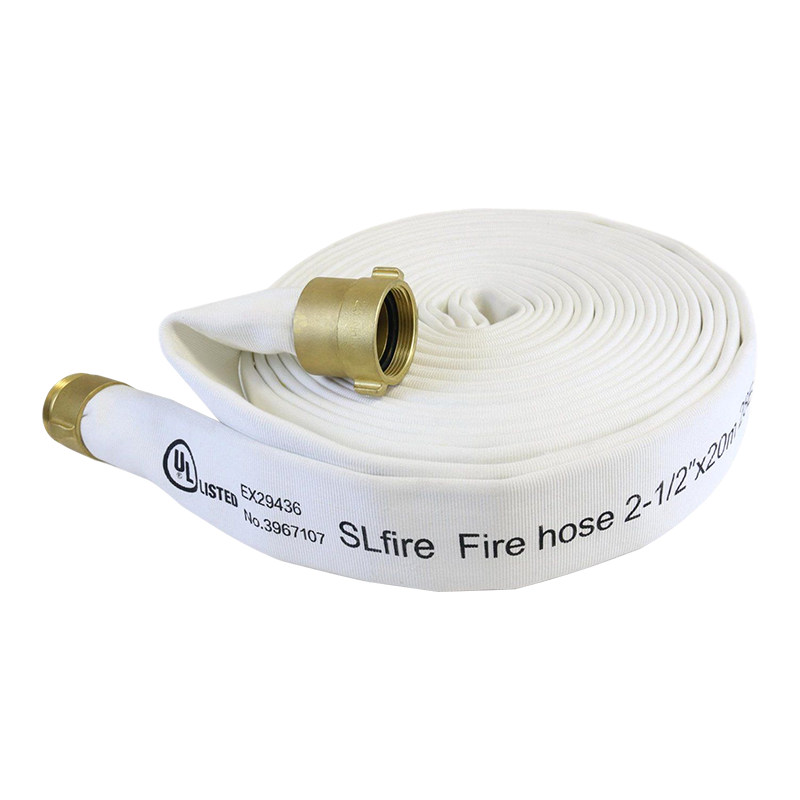
Single jacket, EPDM rubber liner Features • 100% high tenacity polyester jacket, high-grade EPDM rub...
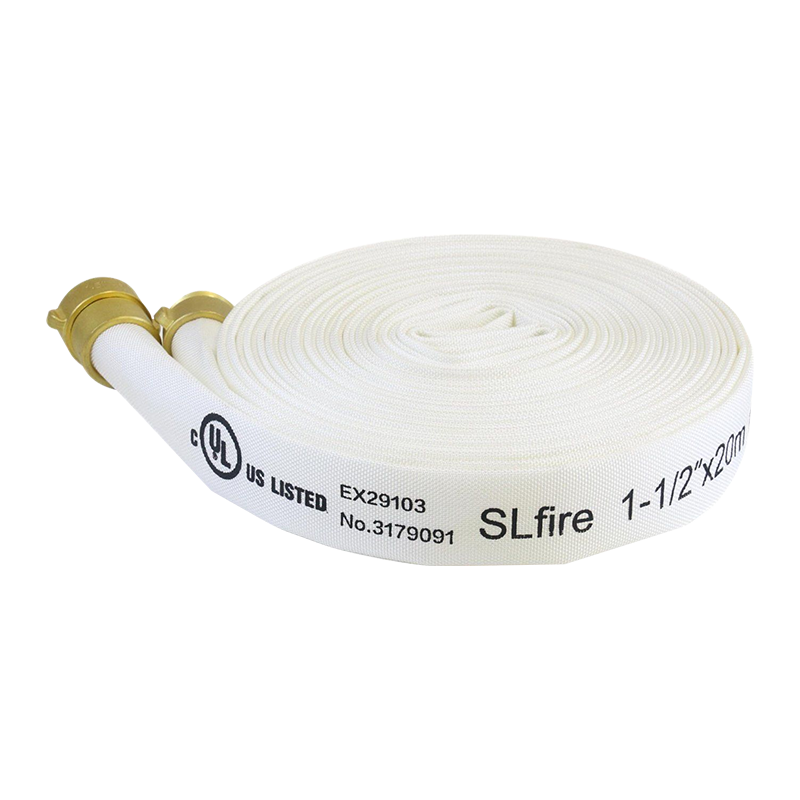
Single jacket, TPU liner •High-tenacity polyester yarn, circular woven in twill weave/plain weave,T ...
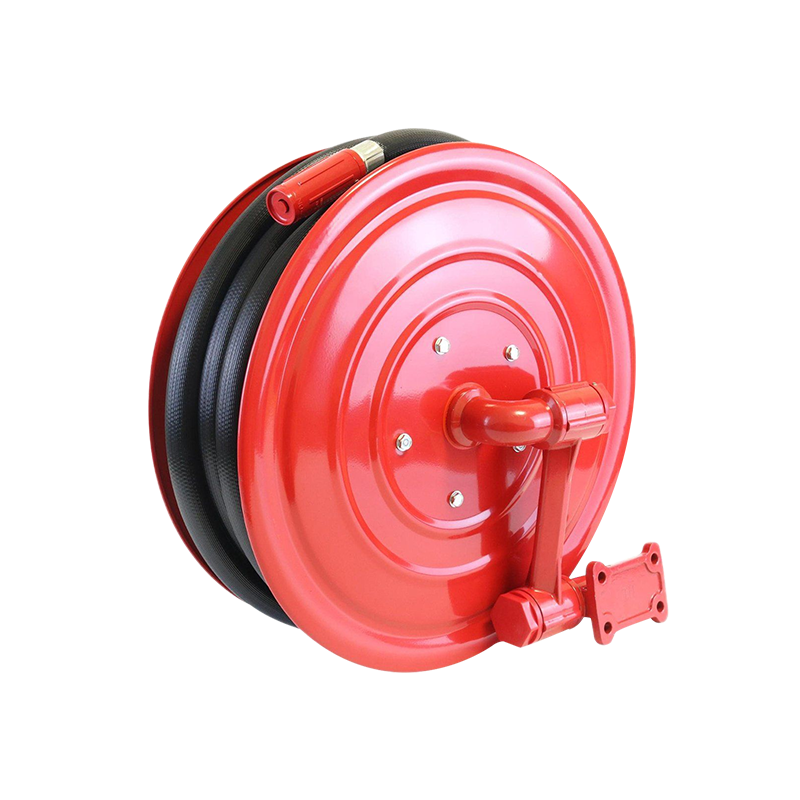
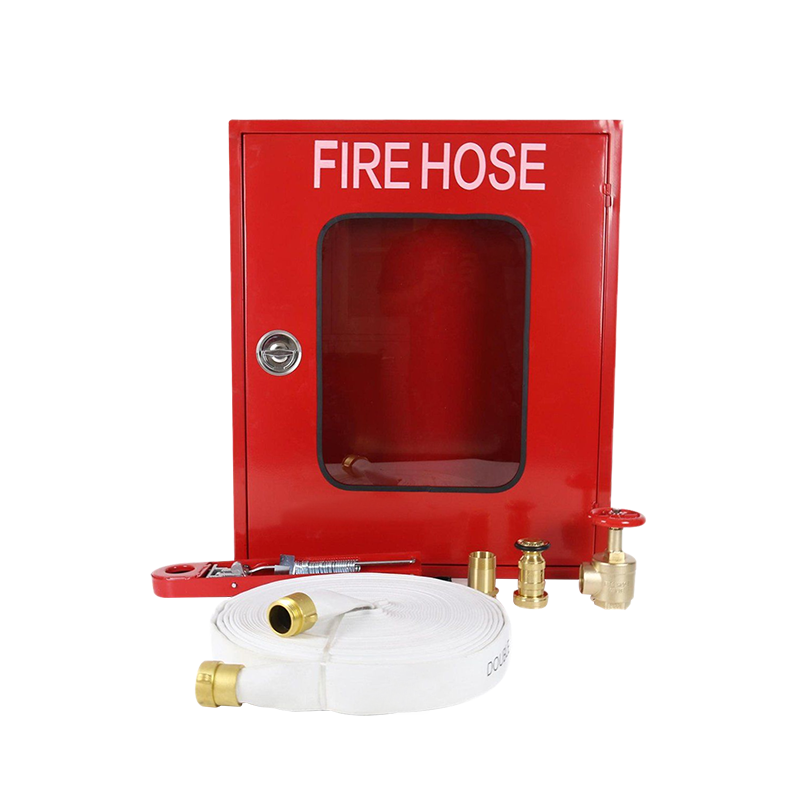
Fire cabinets are designed to accommodate fire hose,valve and other firefighting equipment. Type 201...
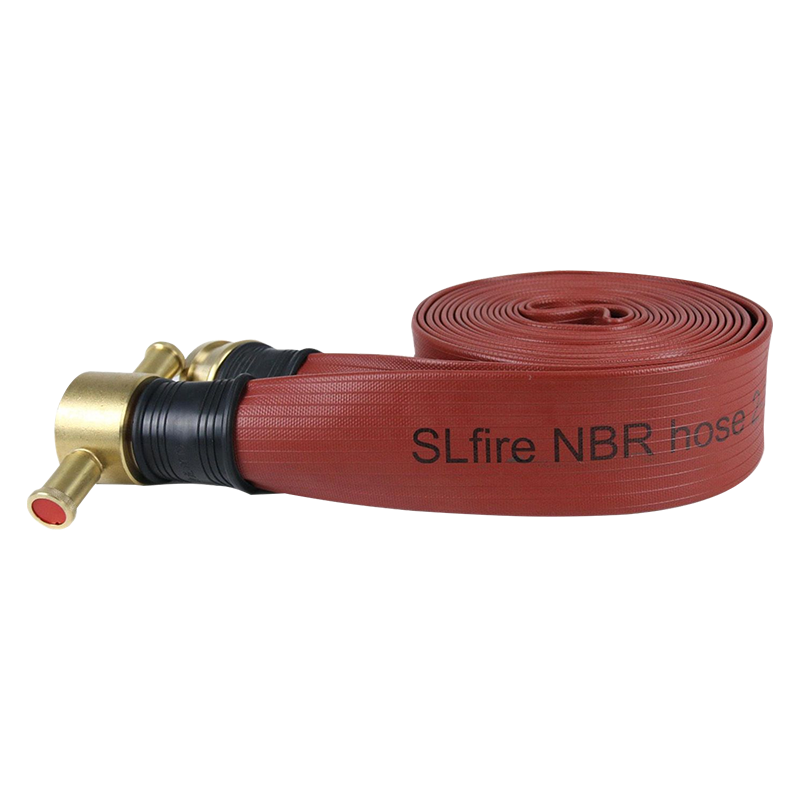
Nitrile covered hose •Nitrile/TPR blend as cover and lining, with 100% high-tenacity polyester yarn ...
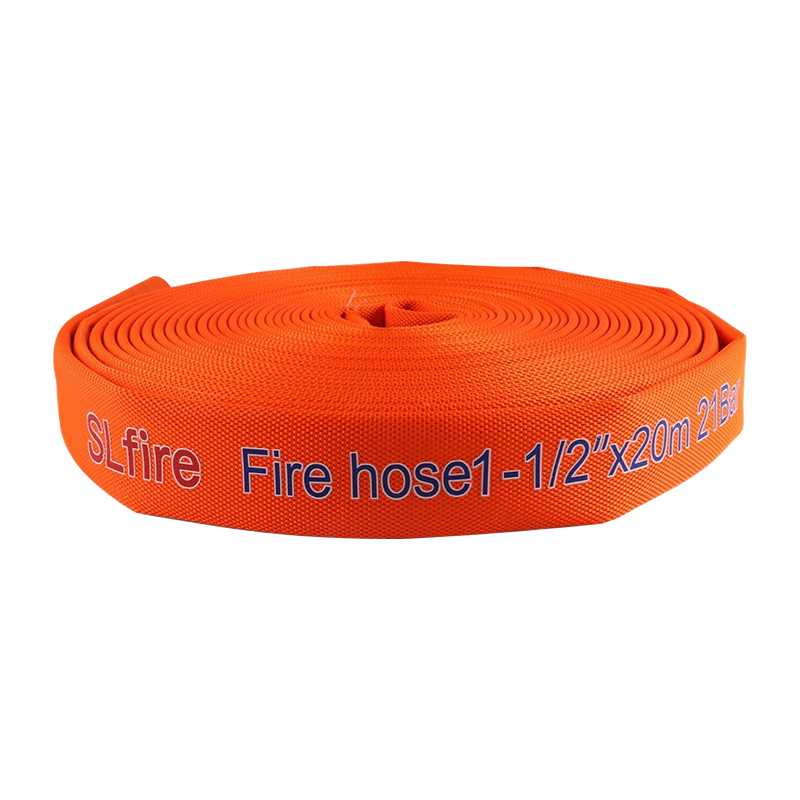
Single jacket, TPU liner •High-tenacity polyester yarn, circular woven in twill weave, TPU lining, f...
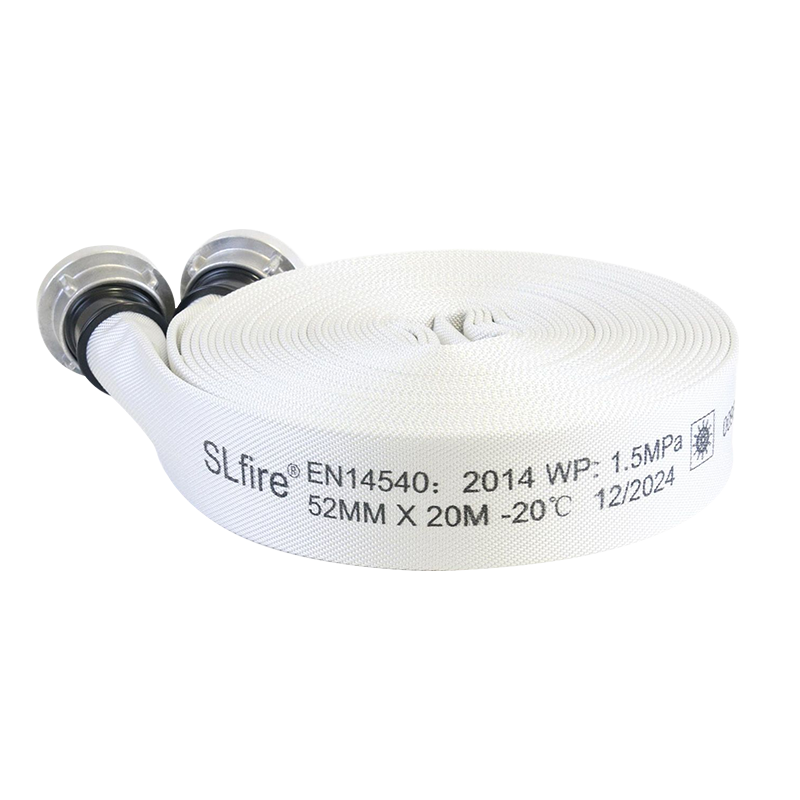
Marine hose Single jacket, PVC liner •100% high tenacity polyester yarn, circular woven in twill wea...
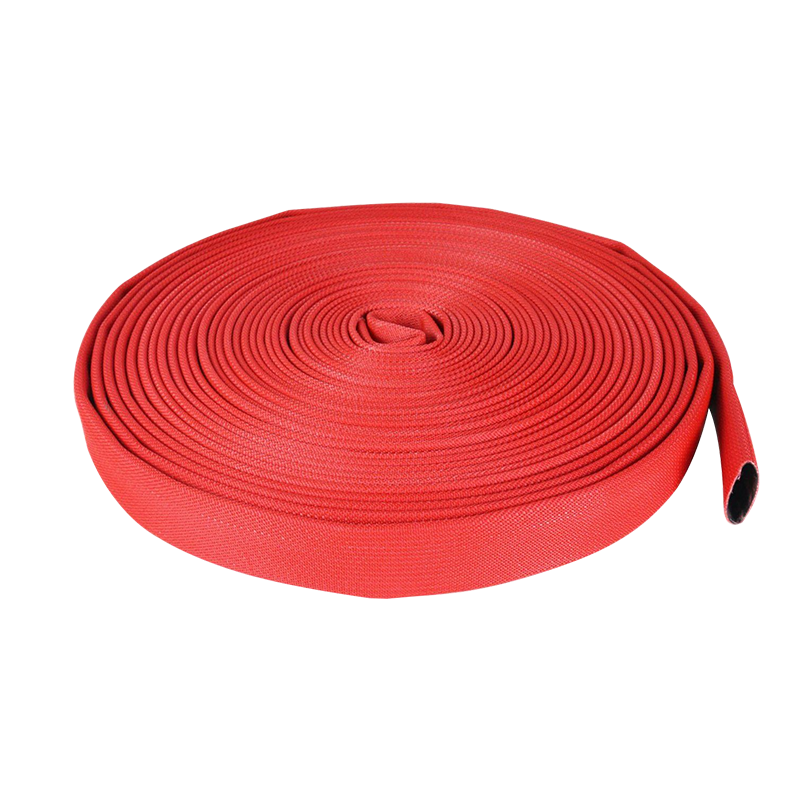
Marine hose Single jacket, PVC liner, PU coated •100% high tenacity polyester yarn,c ircular woven i...
 Call Us
+86 159-5116-9511
Need Support
Head Office
No.58, Kechuang Road, Sixiang Street Medicine Gaoxin District Taizhou City, Jiangsu Province

What Is a Fire Hose? A fire hose is a high-pressure flexible hose designed to carry water or fire retardant chemicals from a water source, such as a hydrant, pump, or tank, to a fire for suppression p...
Copyright © Taizhou Shenlong Fire Science and Technology Co., Ltd. All Rights Reserved.
 Fire Hose Manufacturers, Fire Hydrant Hose Factory