

 English
 русский
 Español
 Deutsch
 عربى
عربى Français
 Português
Don't hesitate to send a message

Single jacket, EPDM rubber liner Features • 100% high tenacity polyester jacket, high-grade EPDM rub...
Content
Modern irrigation and industrial water transfer systems require hoses that are light enough to deploy quickly, strong enough to withstand pressure, and durable enough to survive abrasion, sunlight, oil, chemicals, and repeated movement across rough terrain. The through-the-weave TPU layflat irrigation hose is designed for exactly these conditions. It combines high-strength polyester filament reinforcement with thermoplastic polyurethane lining and cover through an integrated through-the-weave process, creating a hose structure that is flexible, compact, pressure-resistant, and highly reliable in the field.
This product is especially suitable for agricultural irrigation, long-distance water distribution, temporary water supply, dewatering, construction support, industrial transfer, and other applications where traditional rubber hoses, PVC layflat hoses, or standard fabric-covered hoses may be too heavy, too rigid, or less resistant to wear. With a working temperature range from -40°C to 70°C, the hose can perform in cold environments, hot outdoor conditions, and climates with large seasonal temperature differences.
Compared with many conventional irrigation hoses, the through-the-weave TPU layflat hose offers a better balance of strength, weight, flexibility, and environmental resistance. Its polyester filament reinforcement provides tensile strength and dimensional stability, while the TPU cover and lining help protect the hose against abrasion, kink, UV, oil, ozone, and chemical exposure. The result is a hose that can be rolled, transported, connected, deployed, and recovered efficiently while maintaining dependable flow performance.
Through-the-weave TPU layflat Hose Irrigation Hose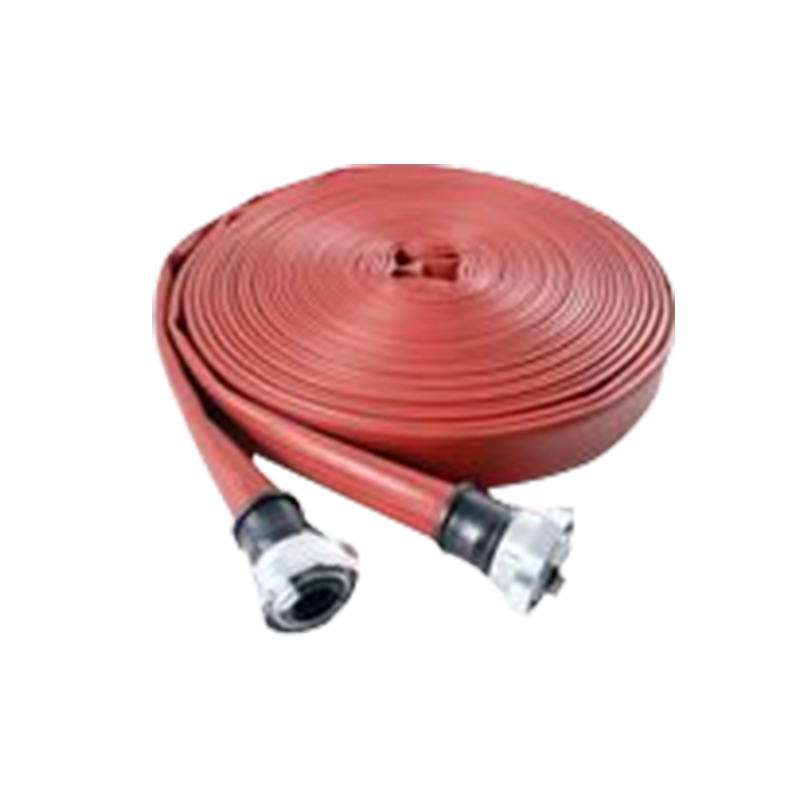
The through-the-weave TPU layflat irrigation hose is a high-performance flat hose made with a reinforced textile structure and TPU material. Unlike ordinary hoses where the cover and liner may be applied separately, the through-the-weave process allows the TPU material to penetrate and bond with the woven reinforcement. This creates a unified structure in which the textile skeleton and the polymer layers work together instead of acting as independent components.
This integrated construction improves resistance to delamination, enhances pressure performance, and increases service life under repeated bending, dragging, rolling, and unrolling. For irrigation users, this means less downtime, fewer interruptions, and better reliability during peak watering seasons. For industrial users, it means a hose that can handle demanding water transfer tasks while remaining convenient to store and move.
The hose is available in common lengths such as 100 meters and 200 meters, and custom lengths can be supplied according to project needs. This makes it suitable for both standard irrigation layouts and specialized water delivery systems. Whether used on farms, orchards, greenhouses, construction sites, municipal projects, mining support areas, or emergency water supply operations, the hose provides a practical solution for high-volume fluid transfer.
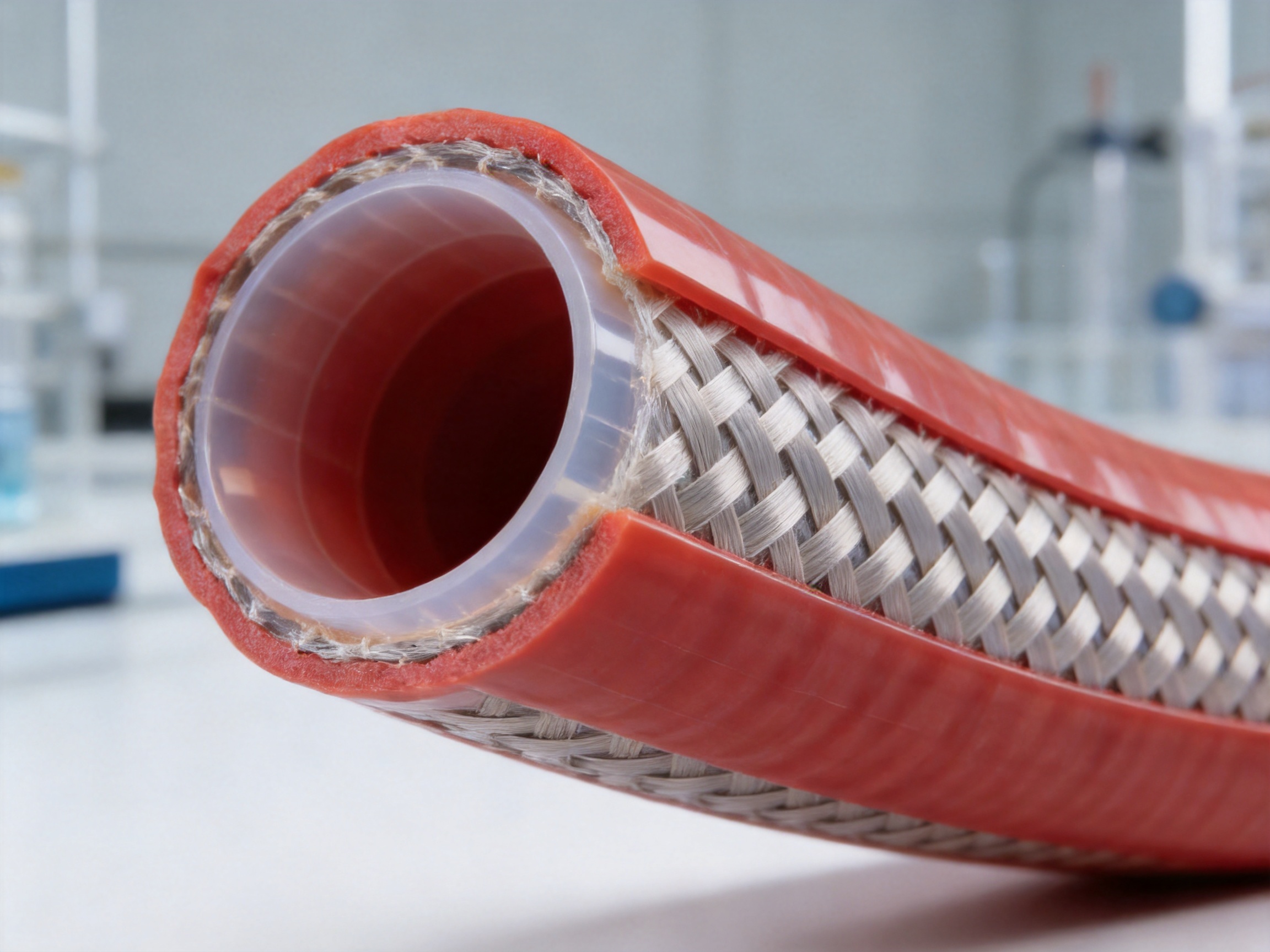
The performance of the hose begins with its structure. The reinforcement is made from high-strength polyester filament, a material known for excellent tensile strength, low elongation, and good fatigue resistance. Polyester filament helps the hose maintain stability under pressure and reduces excessive expansion when water is flowing through the line.
The lining and cover are made from TPU, or thermoplastic polyurethane. TPU is valued because it combines elasticity with toughness. It has better abrasion resistance than many standard plastics, and it can resist oil, ozone, UV exposure, and many chemicals. In hose applications, TPU provides a smooth internal surface for efficient water flow and a protective external surface for harsh outdoor use.
The through-the-weave process is one of the most important advantages of the product. In this manufacturing method, TPU is integrated with the woven reinforcement, rather than simply coating the outside. This helps create a strong bond between layers and reduces the risk of separation during service. When a hose is repeatedly pressurized, flattened, dragged, and rolled, bonding strength is crucial. A weakly bonded hose may blister, peel, crack, or fail prematurely, but a through-the-weave structure is designed to resist these common problems.
One major advantage of the through-the-weave TPU layflat hose is its lightweight design. Agricultural and industrial hoses are often moved by workers, vehicles, reels, or mobile irrigation systems. A heavy hose increases labor intensity, slows installation, and may require more equipment. This hose is designed to be light and flexible while still providing high pressure capacity.
Compared with many rubber hoses, the TPU layflat hose is easier to carry and deploy over long distances. Compared with some standard PVC hoses, it offers improved abrasion and environmental resistance. This balance is especially valuable in irrigation applications where hose lines may need to be moved frequently from one field to another.
Flexibility is important not only for convenience but also for performance. A hose that bends easily can follow terrain changes, turn around obstacles, and lie flat when depressurized. The through-the-weave TPU layflat hose can be rolled compactly for transportation and storage, helping users save space in warehouses, trucks, and equipment rooms.
Flexible handling also reduces the risk of accidental damage caused by forced bending. When hoses are too stiff, users may pull or twist them aggressively, creating stress points. A flexible layflat hose reduces this problem and supports safer, more efficient operation.
Irrigation hoses are often dragged over soil, gravel, concrete, plant residue, and uneven ground. Industrial water transfer hoses may contact metal edges, construction debris, or rough surfaces. Abrasion is one of the most common causes of hose failure. TPU provides strong abrasion resistance, helping protect the hose surface from wear.
This advantage is particularly important for long-distance irrigation and temporary water distribution. A hose may be placed across roads, field paths, or construction zones where contact friction is unavoidable. A more abrasion-resistant cover can extend service life and reduce replacement frequency, improving total cost performance.
Kinking can restrict water flow, increase pressure loss, and cause operational interruptions. In severe cases, kinking can damage the reinforcement and shorten hose life. The reinforced layflat construction of this hose helps it retain shape and flow efficiency during operation. When pressurized, the hose expands into a stable round profile; when not in use, it can be flattened and rolled.
Good kink resistance supports more consistent irrigation output and reduces the need for workers to inspect and straighten hose lines repeatedly. For large fields or remote operations, this reliability can make a significant difference in daily productivity.
Outdoor hoses are exposed to sunlight for long periods. Ultraviolet radiation can weaken some materials, causing cracking, fading, hardening, or brittleness. Ozone in the air can also degrade certain rubber and plastic materials. The TPU cover of this hose is designed to resist UV and ozone damage, helping maintain durability during outdoor use.
The hose also resists oil and many chemicals, which broadens its application range beyond simple clean-water irrigation. In agricultural environments, hoses may contact fertilizers, pesticides, fuel, lubricants, or chemically treated water. In industrial environments, exposure to oils and chemical residues may occur. Improved chemical resistance helps the hose remain dependable in these mixed-use conditions.
The hose operates from -40°C to 70°C, making it suitable for cold regions, hot climates, and seasonal use. In low-temperature environments, some hoses become stiff or brittle, making deployment difficult and increasing risk of cracking. The TPU layflat hose is designed to retain functional flexibility at low temperatures. In hot environments, it maintains stability and performance within its rated range.
This wide temperature range is valuable for users who need one hose solution across different regions or seasons. It also supports storage and transportation under varying environmental conditions.
The following table summarizes the available sizes and performance data for the through-the-weave TPU layflat irrigation hose. Specifications include inner diameter, working pressure, burst pressure, wall thickness, and weight.
Inner Diameter |
Inner Diameter |
Working Pressure |
Working Pressure |
Burst Pressure |
Burst Pressure |
Wall Thickness |
Weight |
inch |
mm |
psi |
bar |
psi |
bar |
mm |
kg/m |
1 |
25 |
400 |
28 |
1200 |
84 |
2.5 |
0.18 |
1-1/2 |
38 |
300 |
21 |
900 |
63 |
2.5 |
0.20 |
2 |
50 |
232 |
16 |
696 |
48 |
2.8 |
0.50 |
2-1/2 |
65 |
232 |
16 |
696 |
48 |
3.0 |
0.76 |
3 |
80 |
232 |
16 |
696 |
48 |
3.1 |
0.78 |
4 |
100 |
232 |
16 |
696 |
48 |
3.3 |
1.15 |
5 |
125 |
232 |
16 |
696 |
48 |
3.6 |
1.80 |
6 |
150 |
232 |
16 |
696 |
48 |
4.0 |
2.14 |
The range from 1 inch to 6 inches allows users to select the proper hose size for different flow requirements. Smaller diameters are suitable for more controlled water delivery, while larger diameters support higher volume transfer across longer distances. The burst pressure ratings provide a strong safety margin over working pressure, helping ensure dependable operation when the hose is used correctly within recommended limits.
Agriculture demands practical equipment. Farmers and irrigation contractors need hoses that are easy to deploy, resistant to damage, compatible with different layouts, and economical over time. The through-the-weave TPU layflat hose supports these needs by combining portability with durability.
In field irrigation, water lines often need to be repositioned as crops grow or as watering zones change. A lightweight layflat hose reduces labor requirements and allows teams to complete irrigation setup faster. Its flat storage profile also helps reduce transport volume when multiple hoses are needed for large farms.
For orchards and plantations, hoses may run between trees, over uneven soil, and around bends. Flexibility and kink resistance help maintain flow, while abrasion resistance protects against repeated contact with soil, stones, branches, and farm equipment. In greenhouse operations, compact storage and clean handling are important, and the hose can be rolled up neatly when not in use.
The hose is also useful for temporary irrigation during dry seasons, emergency water supplementation, and water transfer from ponds, reservoirs, canals, tanks, or mobile pumps. Because it is available in long lengths such as 100 meters and 200 meters, it can reduce the number of joints required in long-distance layouts. Fewer joints can mean fewer leakage points, faster installation, and simpler maintenance.
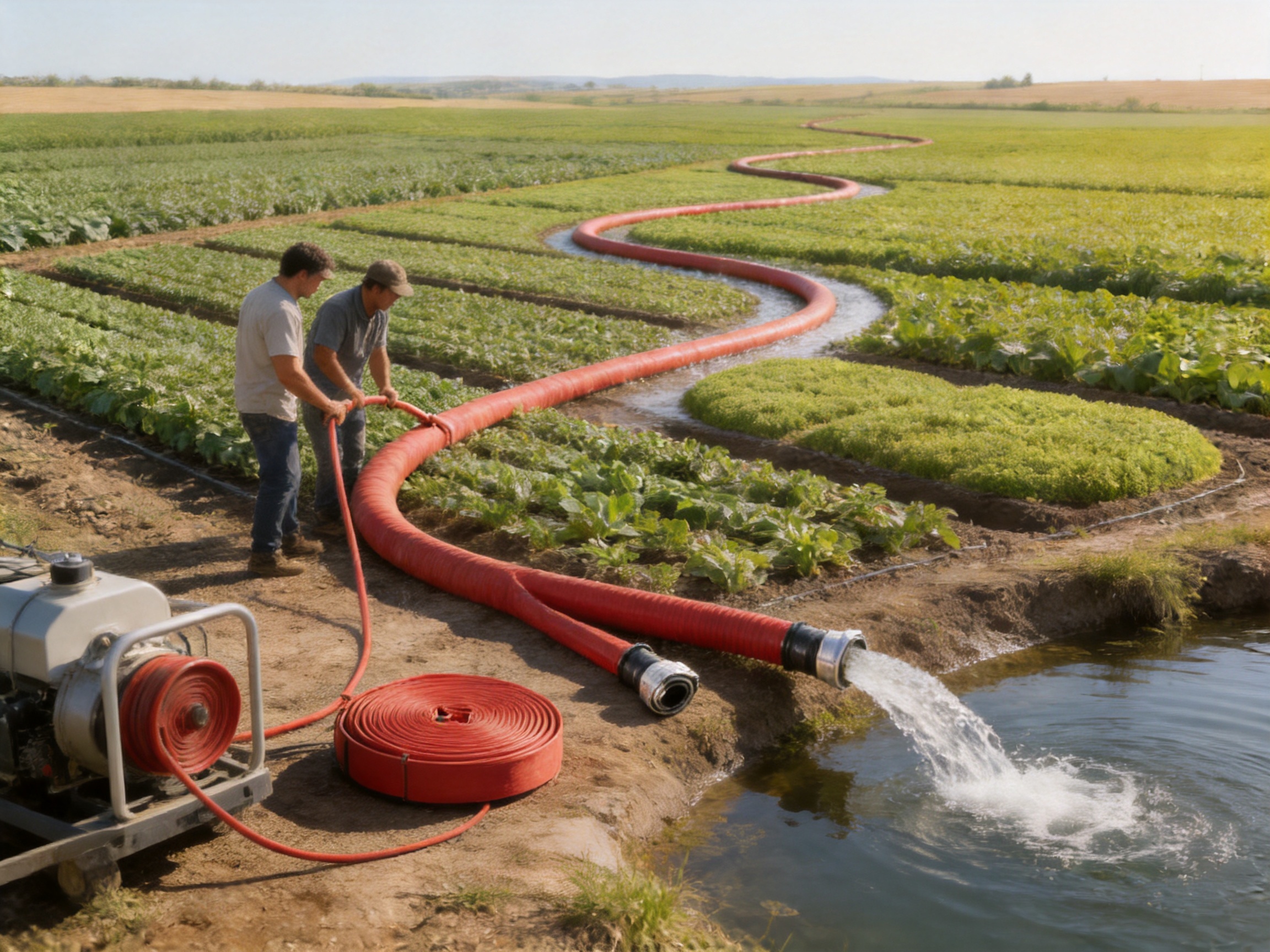
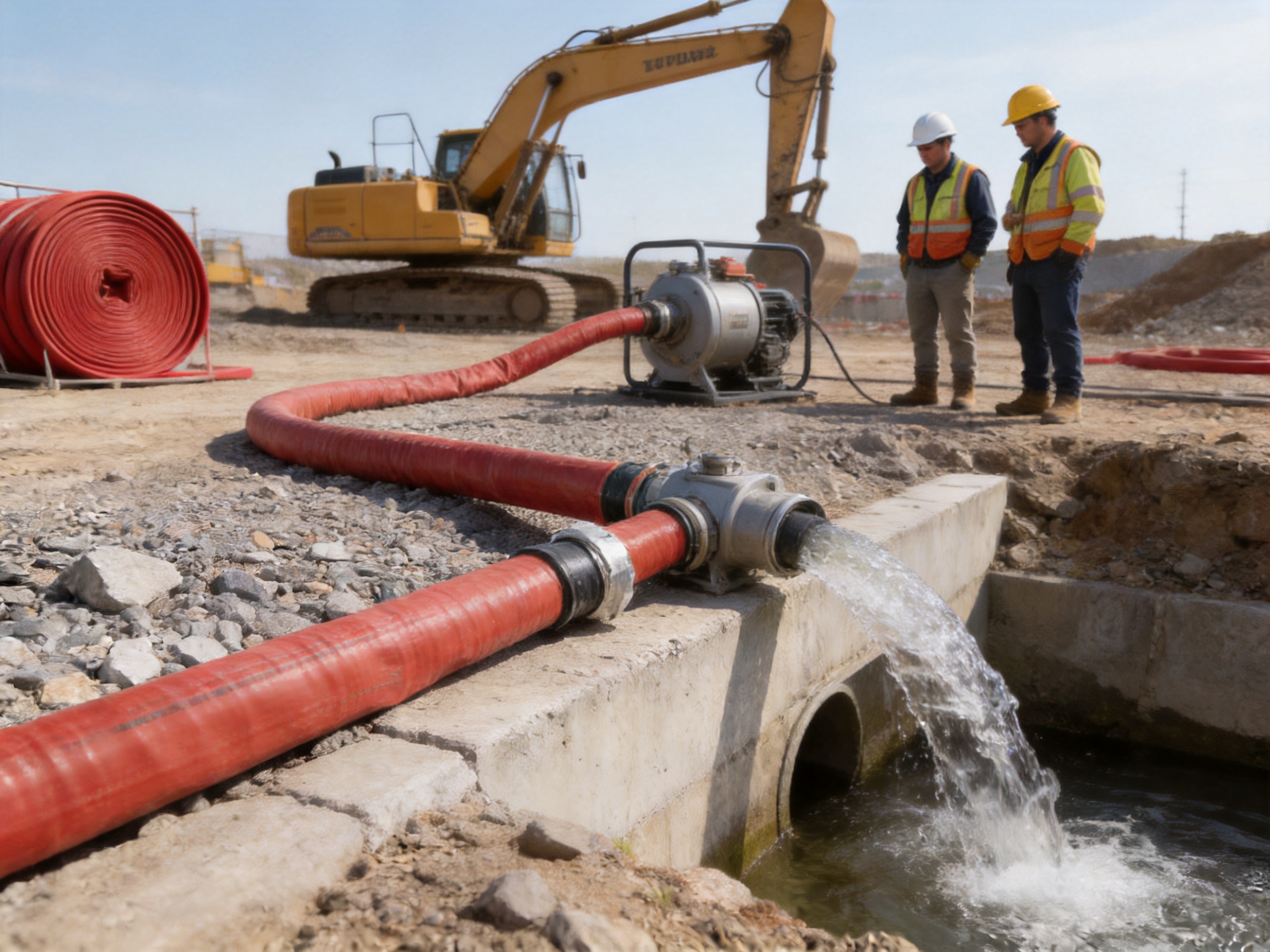
Although designed as an irrigation hose, the product is also suitable for many industrial water transfer tasks. Construction sites frequently require water for dust suppression, drilling support, concrete curing, equipment washing, temporary supply, and dewatering. Hoses used in these conditions must withstand rough surfaces, vehicle traffic risks, frequent relocation, and exposure to oil or construction chemicals.
The TPU layflat hose provides a stronger and more flexible alternative to many basic hoses used in temporary site work. Its abrasion resistance helps it endure contact with concrete, gravel, and metal structures. Its oil and chemical resistance improves reliability when the hose is used near machinery, fuel storage, or industrial residue.
Municipal and public works projects can also benefit from this hose type. Temporary bypass pumping, water distribution during maintenance, drainage support, and emergency response operations often require fast deployment and reliable pressure performance. A layflat hose that can be rolled compactly, transported easily, and connected quickly can improve response efficiency.
High-quality hose performance depends not only on raw materials but also on production control. The company behind this product has extensive experience in hose manufacturing, with capabilities covering research and development, production, sales, and service. Founded in 1995, Taizhou Shenlong Fire Science and Technology Co., Ltd. has built long-term expertise in producing hoses for fire protection, construction, water conservancy, agriculture, and industrial applications.
The company’s manufacturing strength is reflected in its ability to work with multiple hose materials, including rubber, PVC, polyurethane, and double-sided tape structures according to customer requirements. This material flexibility allows the production team to recommend suitable solutions for different markets and working environments rather than relying on a single basic product design.
For the through-the-weave TPU layflat hose, production control begins with selection of high-strength polyester filament. The reinforcement must be consistent in strength, weave density, and dimensional stability. Uneven reinforcement can cause weak points, pressure imbalance, or irregular expansion. Therefore, textile preparation is a critical step in manufacturing.
The TPU integration process then requires precise temperature, pressure, and bonding control. TPU must form a reliable lining and cover while penetrating the reinforcement structure sufficiently to create a unified hose body. If processing conditions are too low, bonding may be weak. If conditions are too high, material properties can be affected. Advanced manufacturing experience helps maintain the correct balance.
After forming, hoses are typically checked for appearance, dimensions, pressure performance, wall thickness, and consistency. Quality control is essential because layflat hoses often operate under dynamic conditions. A hose may appear acceptable at first glance but fail under repeated pressure cycles if reinforcement, bonding, or material distribution is poor. A mature production system helps reduce this risk.
The phrase “through-the-weave” describes more than a marketing concept. It refers to a structural principle that directly influences product life. In ordinary coated hoses, the coating may sit primarily on the outside of the woven layer. Under pressure and movement, the interface between textile and coating can become a weak point. Water pressure, bending stress, and abrasion may gradually separate layers.
In a through-the-weave hose, the polymer is integrated through the woven textile. This produces stronger mechanical interlocking and better bonding between the TPU and the reinforcement. The reinforcement is not simply hidden inside the hose; it becomes part of the overall composite structure.
This matters because irrigation and transfer hoses are rarely used in perfect laboratory conditions. They are pulled, twisted, stepped on, exposed to sunlight, rolled while wet, stored in vehicles, and dragged across rough ground. A hose with better internal bonding is more capable of resisting these real-world stresses.
The integrated structure also supports pressure stability. The polyester filament controls expansion, while the TPU lining and cover provide sealing and protection. Together, they create a hose that can perform under working pressures up to 28 bar for the 1-inch size and 16 bar for many larger sizes listed in the specifications.
Thermoplastic polyurethane is a premium material choice for demanding hose applications. It offers a combination of properties that are difficult for many conventional materials to match. Compared with common PVC, TPU generally provides better abrasion resistance, stronger low-temperature flexibility, and improved mechanical toughness. Compared with many rubber materials, TPU can offer lighter weight and strong resistance to certain environmental factors.
For irrigation use, a smooth TPU lining helps reduce internal friction and supports efficient water flow. Lower friction can contribute to better flow consistency, especially in long hose runs. The outer TPU surface protects the hose from abrasion and environmental exposure.
TPU also supports cleaner manufacturing and consistent product performance when processed properly. Its thermoplastic nature allows controlled forming, while its elastic properties provide flexibility and resilience. These characteristics make it particularly suitable for layflat hoses that must repeatedly change between flat and round shapes.
The reinforcement layer is the strength framework of the hose. High-strength polyester filament is used because it can resist tension and help maintain hose integrity under pressure. When water flows through the hose, internal pressure creates radial and longitudinal stress. Without strong reinforcement, the hose would expand excessively or fail.
Polyester filament also offers good resistance to moisture and fatigue. In irrigation environments, hoses may remain wet for long periods and may be repeatedly loaded and unloaded. A stable reinforcement material helps preserve pressure performance across many use cycles.
The combination of polyester filament and TPU is especially effective because each material contributes a different function. The polyester reinforcement provides strength; the TPU provides sealing, abrasion resistance, and environmental protection. The through-the-weave process binds these functions into one integrated product.
Long-distance irrigation creates special challenges. Pressure loss, terrain changes, hose movement, joint leakage, and deployment time all affect system performance. A hose used over long distances must maintain flow efficiency while remaining manageable for workers.
The through-the-weave TPU layflat hose is well suited to long-distance water delivery because it can be supplied in long lengths and rolled compactly. Longer continuous hose sections reduce the number of couplings needed. This simplifies installation and decreases potential leakage points. In field conditions, fewer connections can also reduce the risk of accidental disconnection or improper assembly.
Because the hose is lightweight relative to many heavy-duty alternatives, users can transport longer lengths more easily. This is valuable when irrigation points are far from storage areas or when hoses must be moved between different fields. The ability to quickly deploy and recover hose lines can help farmers respond to changing irrigation schedules and weather conditions.
Rough terrain can quickly damage low-quality hoses. Sharp stones, dry soil, concrete edges, uneven slopes, and vegetation can wear or cut hose surfaces. In many agricultural regions, irrigation hoses are not used on smooth lawns; they are used in demanding environments where durability is essential.
The TPU cover helps protect the hose from surface wear. Its abrasion resistance is one of the key reasons TPU is selected for this product. While no hose is indestructible, a more abrasion-resistant hose can tolerate normal dragging and outdoor handling better than many standard alternatives.
In addition, the hose’s flexibility helps it conform to ground contours rather than resisting them. A stiff hose can create pressure points where it contacts the ground, increasing local wear. A flexible layflat hose distributes contact more naturally, which can improve field durability.
Storage efficiency is an important but sometimes overlooked advantage of layflat hoses. Rigid or semi-rigid hoses occupy significant volume even when empty. Layflat hoses collapse when depressurized, allowing them to be rolled tightly. This makes them easier to store in warehouses, pump stations, service vehicles, and farm equipment sheds.
For distributors and contractors, compact storage also reduces logistics costs. More hose length can be transported in the same vehicle space, and workers can load and unload products with less effort. For end users, compact storage helps keep work areas organized and reduces the risk of hose damage caused by poor storage practices.
The availability of 100-meter and 200-meter lengths further improves planning flexibility. Users can select standard rolls for routine operations or request custom lengths for specific projects. Customization is particularly helpful for irrigation networks, construction bypass lines, and industrial temporary systems where exact layout requirements vary.
A reliable hose supplier must do more than produce a physical product. It must understand application needs, maintain stable quality, and provide responsive support. Taizhou Shenlong Fire Science and Technology Co., Ltd. integrates research and development, production, sales, and service, which allows it to support customers from product selection to delivery and after-sales communication.
The company’s product experience includes fire hoses and various material-lined hoses. This background is valuable because fire hose manufacturing requires pressure performance, flexibility, durability, and strict quality awareness. These capabilities can also benefit irrigation and industrial hose production.
The company’s products are used in fire protection, construction, water conservancy, and related industries. Such cross-industry experience helps the production team understand different operating environments and user expectations. A hose designed for one field can often benefit from lessons learned in another. For example, pressure reliability from fire hose production, abrasion resistance from construction applications, and long-distance water delivery experience from water conservancy projects all contribute to the development of better layflat irrigation hoses.
Not every irrigation or industrial project is the same. Some require small-diameter hoses for controlled water movement, while others require large-diameter hoses for high-volume transfer. Some users prioritize lightweight handling, while others need maximum pressure performance or special lengths. The ability to provide hoses according to customer request is therefore an important competitive strength.
The through-the-weave TPU layflat hose can be supplied in standard lengths and customized lengths. Depending on project requirements, customers may also request compatible coupling solutions, packaging preferences, or specifications suitable for local operating conditions. This customization capability helps contractors, distributors, and end users obtain products that fit their actual workflow.
The company’s experience with multiple materials also supports customized product development. If customers require hoses for specific environments, the production team can draw on knowledge of rubber, PVC, polyurethane, and other structures to recommend appropriate solutions. This is a meaningful advantage over suppliers that only offer fixed low-cost products without technical support.
Rubber hoses are often strong and flexible, but they can be heavy, bulky, and more difficult to deploy over long distances. In many irrigation applications, workers need to move hoses frequently, and weight becomes a major factor. The TPU layflat hose provides a lighter and more compact alternative while maintaining strong pressure and abrasion performance.
Rubber may also be affected by ozone, weathering, or oil depending on its formulation. The TPU cover of this hose is designed for resistance to UV, ozone, oil, and chemicals, making it suitable for outdoor environments and mixed-use sites.
PVC layflat hoses are common in agriculture because they are economical and widely available. However, basic PVC hoses may have limitations in abrasion resistance, low-temperature flexibility, and long-term durability under harsh use. TPU generally offers superior wear resistance and toughness, which can improve service life in demanding applications.
For users who only need short-term, low-intensity water movement, basic PVC may be sufficient. But for users who need durability, reliable pressure performance, and repeated field deployment, the through-the-weave TPU layflat hose offers a higher-value solution.
Some fabric hoses use coating methods that do not fully integrate the polymer with the reinforcement. These hoses may perform adequately at first but can suffer from delamination or reduced durability after repeated use. The through-the-weave process helps address this weakness by creating stronger bonding between TPU and woven polyester filament.
This structural advantage is important for professional users who cannot afford frequent hose replacement or unexpected failure during critical irrigation periods.
To maximize hose life, users should select the correct diameter and pressure rating for the application. The hose should operate within its rated working pressure, and pumps should be controlled to avoid sudden pressure surges beyond recommended limits. Although the hose has a strong burst pressure safety margin, routine operation should remain within working pressure specifications.
Before deployment, users should inspect the ground and remove sharp objects where possible. While the TPU cover is abrasion-resistant, avoiding unnecessary cutting hazards will extend service life. When laying the hose, avoid severe twisting. A properly aligned hose will pressurize more evenly and provide better flow.
Couplings should be installed correctly and checked before pressurization. Poorly fitted couplings can leak or detach under pressure. After use, the hose should be drained before rolling to reduce weight and prevent internal residue. If used with chemically treated water, flushing with clean water may help preserve the lining.
For storage, the hose should be rolled neatly and kept away from sharp tools, excessive compression, and unnecessary exposure when not in service. Although the hose resists UV and ozone, proper storage can further extend its service life.
The value of a hose should not be measured only by its initial purchase price. A low-cost hose that wears quickly, kinks frequently, or fails during peak use can become expensive through replacement costs, labor delays, water loss, and downtime. A more durable hose can reduce these hidden costs.
The through-the-weave TPU layflat hose provides economic value through longer service potential, faster deployment, reduced labor burden, compact storage, and reliable flow performance. For agricultural users, this can support more efficient irrigation scheduling. For industrial users, it can reduce downtime and improve project continuity.
Because the hose is resistant to abrasion, UV, ozone, oil, and chemicals, it is suitable for a broader range of environments. This versatility allows users to keep fewer specialized hose types in inventory. A single durable hose solution can serve multiple water transfer tasks, improving equipment utilization.
Taizhou Shenlong Fire Science and Technology Co., Ltd. was founded in 1995 and has developed into an enterprise integrating research and development, production, sales, and service. Its main products include various material-lined fire hoses, and it can also undertake foreign trade products according to customer requirements. The company’s products are used in fire protection, construction, water conservancy, and other industries.
This long-term manufacturing background is a major strength. Hose production requires stable process control, experienced technical staff, and practical knowledge of how products behave in real environments. A company with decades of experience is better positioned to identify material issues, improve production consistency, and respond to customer needs.
The company cooperates with domestic foreign trade companies to produce export products for many countries. Export experience is important because international customers often require consistent specifications, reliable packaging, documentation support, and communication efficiency. A manufacturer with export production experience can better serve distributors, contractors, and project buyers in different markets.
The company is located in Taizhou City, Jiangsu Province, an area with industrial manufacturing resources and transportation access. Its address is No.58, Kechuang Road, Sixiang Street, Medicine Gaoxin District, Taizhou City, Jiangsu Province. Customers can contact the company by email at [email protected] or by phone at +86 159-5116-9511 for product inquiries, customization, and cooperation.
Efficient irrigation equipment can contribute to better water management. A hose that maintains flow efficiency and reduces leakage helps deliver water where it is needed. In many agricultural regions, water conservation is increasingly important, and reliable transfer lines are part of responsible irrigation planning.
The smooth inner lining of the TPU hose supports efficient water movement. The durable outer cover reduces premature failure and replacement waste. A long-lasting hose can be more sustainable than a low-quality hose that must be replaced frequently.
Practical field performance also matters. A hose that workers can deploy quickly encourages proper irrigation practices. If equipment is difficult to move or frequently fails, users may delay watering or use inefficient methods. A lightweight, flexible, and durable layflat hose supports more consistent water delivery and better operational discipline.
In open-field crop irrigation, the hose can connect pumps to distribution lines and deliver water across long distances. Its pressure capacity supports stable operation, while its flexibility allows easy routing around field boundaries.
In orchard irrigation, the hose can be moved between rows or used as a main transfer line. Resistance to abrasion and kinking is valuable where hoses may contact branches, trunks, tools, or uneven ground.
In construction dewatering, the hose can transfer water away from excavation sites or temporary drainage areas. Compact storage and quick deployment are helpful in changing site conditions.
In emergency water supply, the hose can be rapidly transported and installed to move water from available sources to required locations. The layflat structure is especially useful when long hose lengths must be kept ready for use.
In industrial water transfer, the hose can support temporary cooling water, washdown water, or process support water where chemical and oil resistance are beneficial.
The main advantage is its integrated construction. High-strength polyester filament reinforcement and TPU lining and cover are combined through a through-the-weave process, creating strong bonding, good pressure performance, abrasion resistance, and long service potential.
It is suitable for agricultural irrigation, long-distance water transfer, construction water supply, dewatering, municipal temporary water delivery, industrial water movement, and other demanding fluid transfer applications.
The listed inner diameters range from 1 inch to 6 inches, with metric sizes from 25 mm to 150 mm. Standard lengths include 100 meters and 200 meters, and customized lengths can be supplied on request.
Compared with many basic PVC layflat hoses, the TPU layflat hose offers stronger abrasion resistance, better flexibility in low temperatures, improved toughness, and better suitability for demanding repeated-use applications.
Yes. The hose is designed to resist UV and ozone exposure, helping reduce degradation from sunlight and outdoor air conditions. Proper storage when not in use can further extend service life.
The hose operates from -40°C to 70°C, making it suitable for cold regions, hot climates, and applications with seasonal temperature variation.
Hoses are often dragged across soil, gravel, concrete, and rough terrain. Abrasion resistance helps prevent surface wear, reduces the risk of premature failure, and improves total service value.
Yes. The TPU material provides resistance to oil and many chemicals, making the hose suitable for agricultural and industrial environments where exposure to fuels, lubricants, fertilizers, or chemical residues may occur.
Fire hose manufacturing requires pressure reliability, flexibility, reinforcement control, and quality consistency. These capabilities also support the production of durable irrigation and industrial layflat hoses.
After use, drain the hose, roll it neatly, and store it away from sharp objects, excessive compression, and unnecessary weather exposure. Proper storage helps maintain flexibility, appearance, and performance.
The through-the-weave TPU layflat irrigation hose is a high-performance solution for modern water transfer needs. Its high-strength polyester filament reinforcement, TPU lining and cover, and integrated through-the-weave manufacturing process provide a strong combination of flexibility, durability, pressure resistance, and environmental protection.
For agricultural users, it offers efficient deployment, long-distance water delivery, reduced labor burden, and reliable irrigation performance. For industrial and construction users, it provides abrasion resistance, chemical resistance, compact storage, and dependable water transfer capability. Compared with many conventional rubber, PVC, or ordinary coated hoses, it delivers a better balance of strength, weight, flexibility, and service life.
Supported by an experienced hose manufacturer with decades of production knowledge, multiple material capabilities, export experience, and integrated research, production, sales, and service functions, this hose is positioned as a practical and competitive choice for demanding irrigation and industrial water transfer projects.
1. Hose Design and Application Handbook, Industrial Fluid Transfer Systems Edition.
2. Thermoplastic Polyurethane Materials in Flexible Hose Manufacturing, Polymer Engineering Reference Series.
3. Agricultural Irrigation Equipment Selection Guide, Water Management Technical Publications.
4. Layflat Hose Reinforcement and Pressure Performance Principles, Fluid Conveyance Engineering Notes.
5. Industrial Hose Safety and Maintenance Practices, Construction and Water Transfer Equipment Manual.
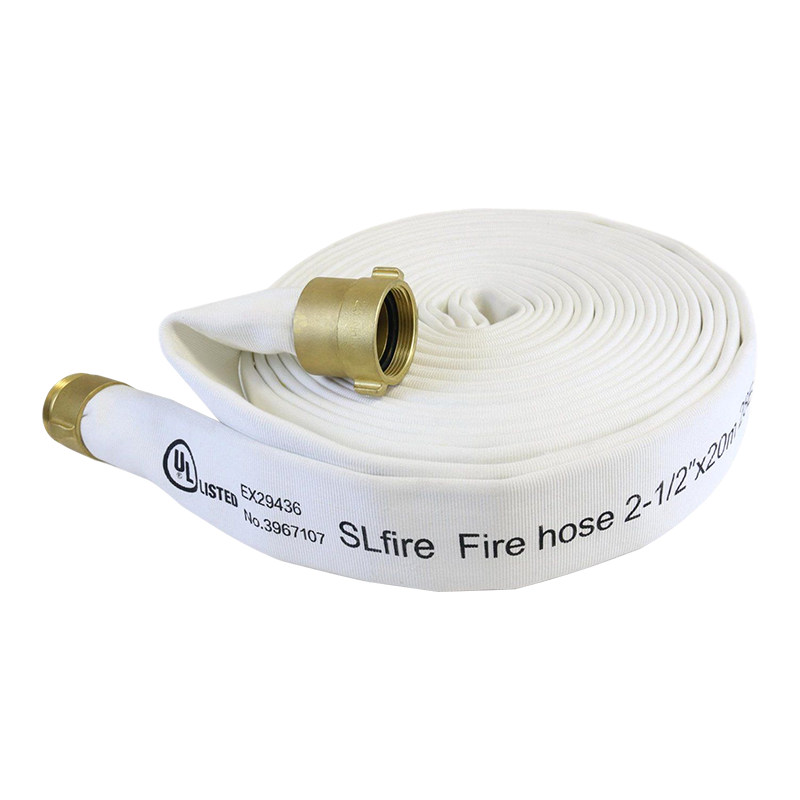
Single jacket, EPDM rubber liner Features • 100% high tenacity polyester jacket, high-grade EPDM rub...
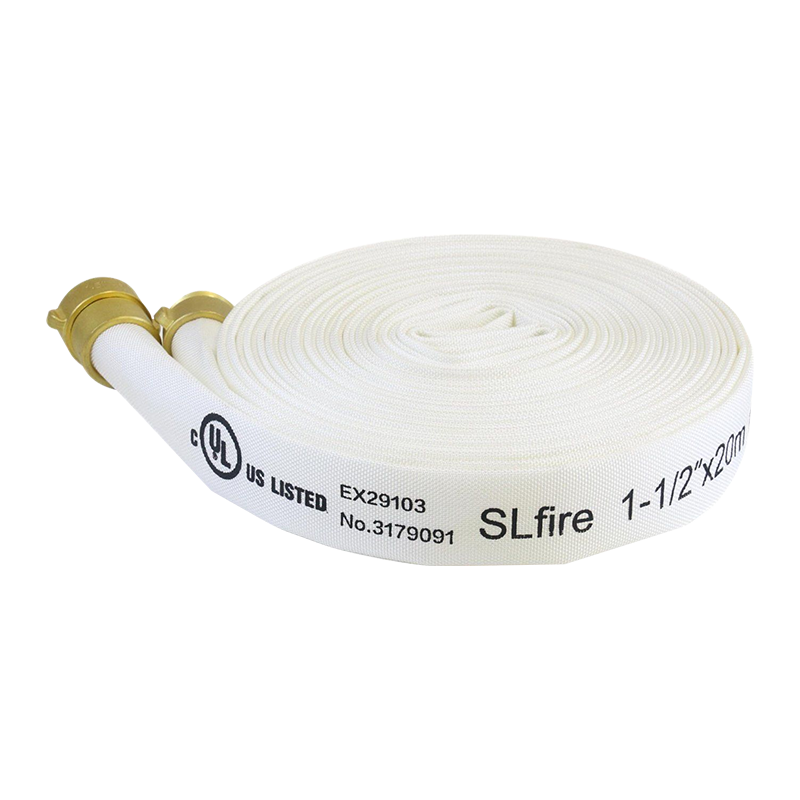
Single jacket, TPU liner •High-tenacity polyester yarn, circular woven in twill weave/plain weave,T ...
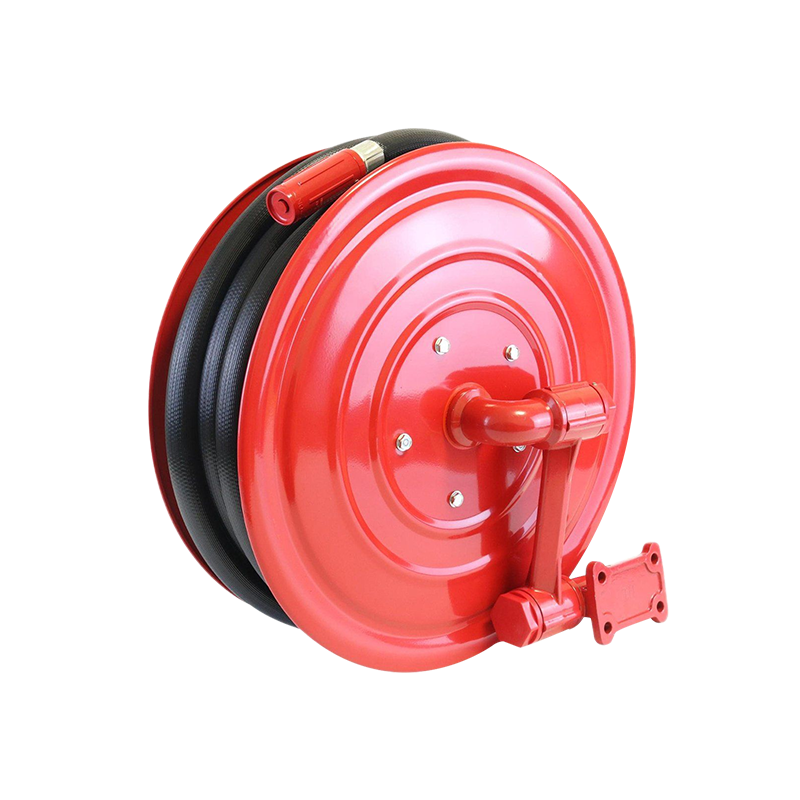
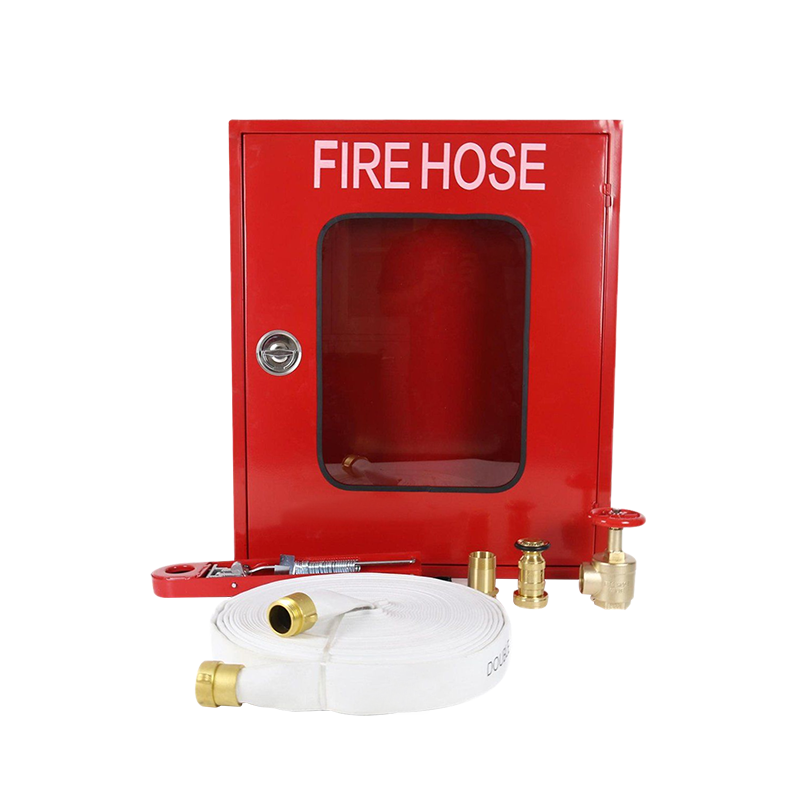
Fire cabinets are designed to accommodate fire hose,valve and other firefighting equipment. Type 201...
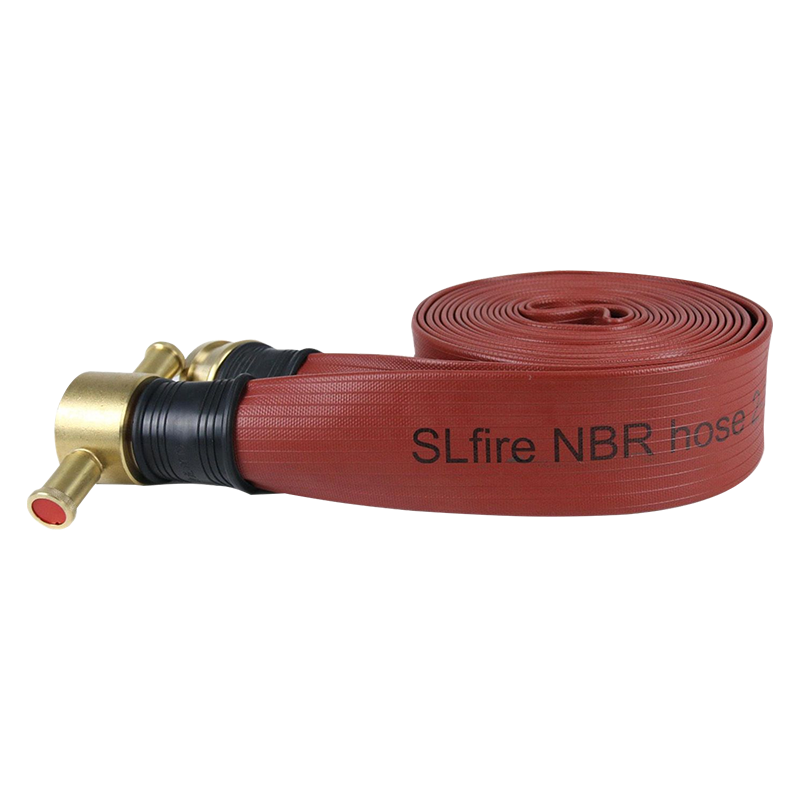
Nitrile covered hose •Nitrile/TPR blend as cover and lining, with 100% high-tenacity polyester yarn ...
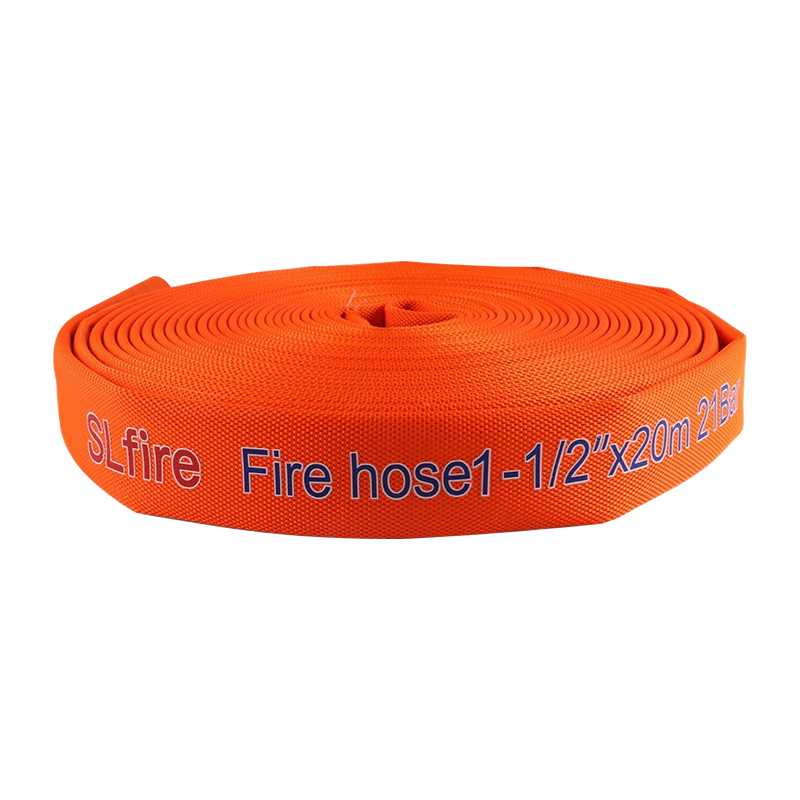
Single jacket, TPU liner •High-tenacity polyester yarn, circular woven in twill weave, TPU lining, f...
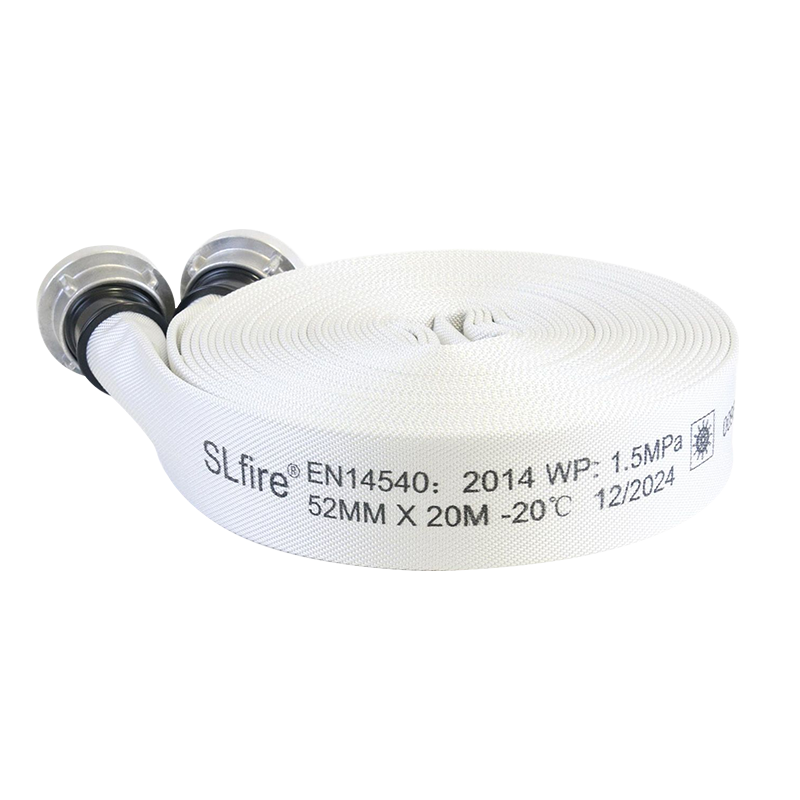
Marine hose Single jacket, PVC liner •100% high tenacity polyester yarn, circular woven in twill wea...
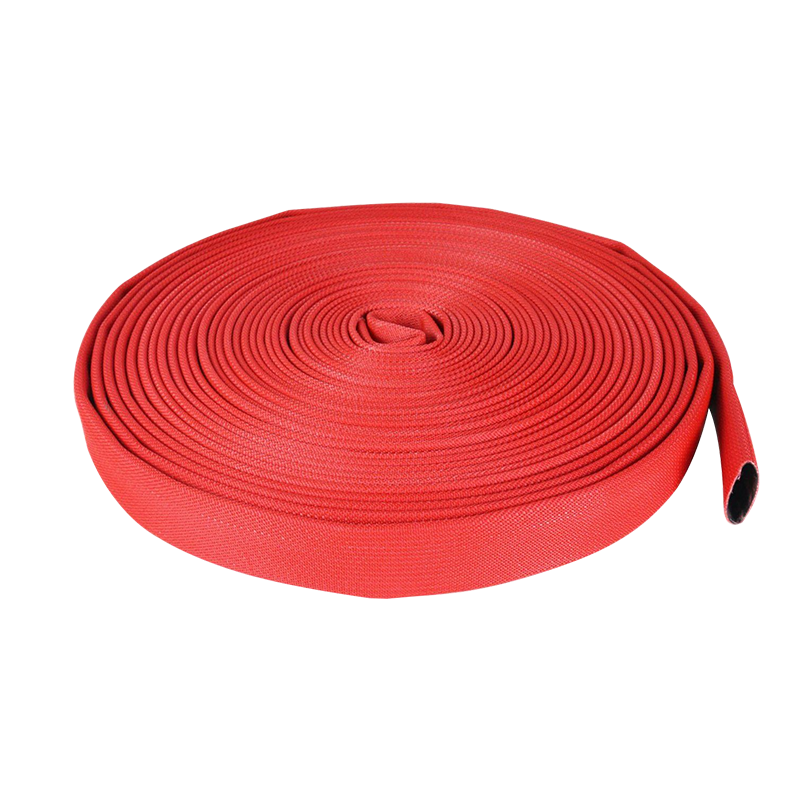
Marine hose Single jacket, PVC liner, PU coated •100% high tenacity polyester yarn,c ircular woven i...
 Call Us
+86 159-5116-9511
Need Support
Head Office
No.58, Kechuang Road, Sixiang Street Medicine Gaoxin District Taizhou City, Jiangsu Province

What Is a Fire Hose? A fire hose is a high-pressure flexible hose designed to carry water or fire retardant chemicals from a water source, such as a hydrant, pump, or tank, to a fire for suppression p...
Copyright © Taizhou Shenlong Fire Science and Technology Co., Ltd. All Rights Reserved.
 Fire Hose Manufacturers, Fire Hydrant Hose Factory