

 English
 русский
 Español
 Deutsch
 عربى
عربى Français
 Português
Don't hesitate to send a message

Single jacket, EPDM rubber liner Features • 100% high tenacity polyester jacket, high-grade EPDM rub...
Content
Firefighting hose performance is measured in seconds, pressure, durability, and confidence. When crews advance toward heat, smoke, structural hazards, and unpredictable water demand, an attack hose must remain flexible, reliable, and resistant to the real-world conditions that quickly expose weak materials. The Single Jacket EPDM Rubber Liner Attack Hose is designed for that purpose: high-pressure water conveyance in firefighting, industrial safety, municipal emergency response, construction support, water conservancy operations, and demanding outdoor service.
This hose combines a 100% high-tenacity polyester jacket with a high-grade EPDM rubber lining. The result is a lightweight yet durable hose structure that is flexible at extremely low temperatures, resistant to weathering and ozone, and suitable for fresh water, seawater, hot water, water steam, and selected chemicals. Available in practical lengths such as 50 ft, 75 ft, and 100 ft, it is engineered to meet the expectations of firefighting professionals who need reliable deployment, stable water flow, and long service life.
Compared with ordinary single jacket hoses using lower-grade liners or less consistent textile reinforcement, this EPDM-lined attack hose offers a balanced combination of flexibility, sealing performance, environmental resistance, and operational ease. Its single jacket construction supports faster handling and reduced fatigue, while the EPDM liner provides a tight inner waterway that helps prevent leakage and maintain flow efficiency under demanding pressure conditions.
Single Jacket EPDM Rubber Liner Attack Hose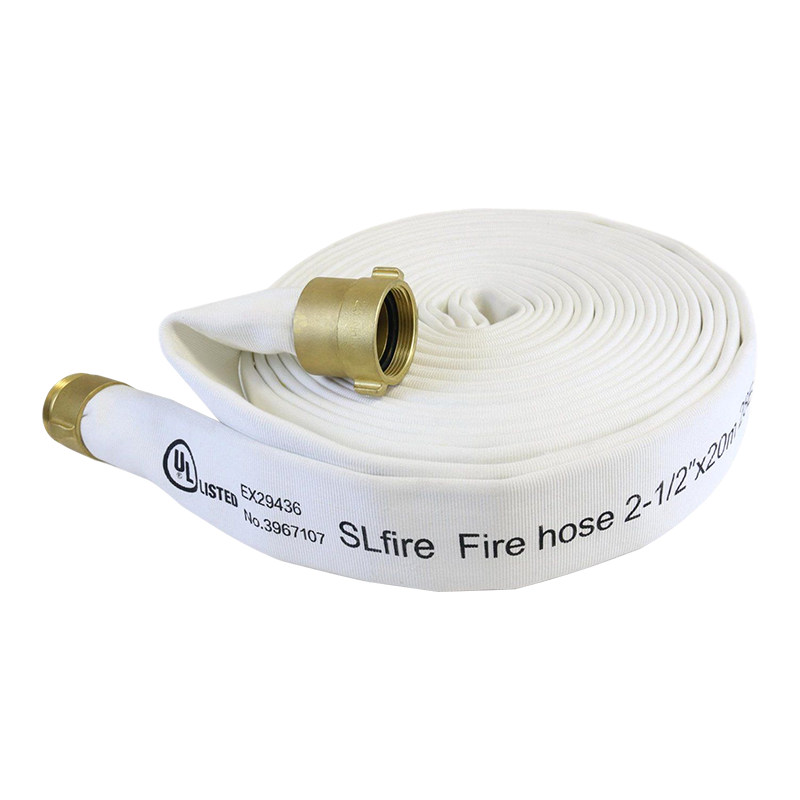
The Single Jacket EPDM Rubber Liner Attack Hose is primarily designed for water conveyance in firefighting and industrial applications. Attack hoses are normally used by firefighters to move water from a pump, hydrant, or apparatus toward the fire area. In such applications, the hose must be flexible enough for quick advancement, strong enough to withstand pressure, and dependable enough to resist leakage, kinking, and environmental degradation.
The hose uses a single woven jacket made from 100% high-tenacity polyester. This outer jacket provides reinforcement, abrasion resistance, dimensional stability, and strength. Polyester is widely respected in fire hose manufacturing because it combines durability with relatively low weight, low water absorption, resistance to mildew, and good handling properties. When properly woven and paired with an appropriate liner, polyester reinforcement helps the hose withstand repeated use in outdoor and emergency environments.
Inside the jacket is an EPDM rubber liner. EPDM, or ethylene propylene diene monomer, is a synthetic rubber known for excellent resistance to water, steam, ozone, UV exposure, aging, and weathering. These properties are especially important for fire hose because hoses may be stored in cabinets, vehicles, warehouses, or outdoor environments for long periods before being placed into service. A liner that resists cracking, hardening, and chemical degradation supports dependable performance throughout the hose’s life cycle.
In firefighting, the inner liner is not a minor feature. It determines how smoothly water moves through the hose, how effectively the hose seals under pressure, and how well the product tolerates temperature changes and exposure to different water sources. EPDM is particularly valuable when the hose may carry municipal water, seawater, hot water, or water mixed with compatible chemicals. The material helps maintain a tight inner barrier, limiting leakage and supporting efficient delivery at high pressure.
The product’s main features can be summarized as follows: a single jacket construction, a high-tenacity polyester woven cover, a high-grade EPDM rubber liner, low-temperature flexibility down to approximately -40°F or -40°C, resistance to UV, aging, ozone, mildew, and rot, suitability for water, steam, seawater, hot water, and selected chemicals, availability in 50 ft, 75 ft, and 100 ft lengths, and performance designed to meet or exceed NFPA 1961 and UL19 standards.
Each feature contributes to practical job-site value. Low-temperature flexibility matters because emergency response is not limited to mild weather. In cold climates, a stiff hose can slow deployment, increase operator fatigue, and raise the risk of handling difficulties. A hose that remains flexible at very low temperatures allows crews to unroll, position, and maneuver the line more easily, even in winter conditions.
Resistance to UV and ozone is also essential. Many hoses spend time on apparatus, in stations, on industrial sites, or near outdoor fire protection points. Sunlight and atmospheric ozone can degrade some rubber and plastic compounds over time, causing surface cracking, reduced elasticity, and premature failure. EPDM is naturally strong in this area, making it an excellent choice for long-term outdoor reliability.
Mildew and rot resistance help preserve the textile jacket. Fire hoses often become wet during use, testing, washing, and storage. If a hose jacket is vulnerable to microbial damage or moisture-related deterioration, service life can be shortened. High-tenacity polyester helps reduce this concern by resisting rot and maintaining structural integrity in wet environments.
Compatibility with seawater is valuable for coastal fire departments, marine facilities, ports, shipyards, offshore operations, and emergency water sourcing scenarios. Many materials perform adequately with clean municipal water but degrade faster when exposed to saltwater. EPDM’s water resistance, combined with the jacket’s moisture stability, makes the hose a practical option where fresh water is not always the only source.
| Item | Description | Operational Value |
|---|---|---|
| Product Type | Single jacket EPDM rubber liner attack hose | Designed for flexible fireground and industrial water delivery |
| Outer Jacket | 100% high-tenacity polyester | Provides strength, abrasion resistance, and handling efficiency |
| Inner Liner | High-grade EPDM rubber | Supports leakage prevention, water resistance, and durability |
| Temperature Flexibility | Flexible at extremely low temperatures, approximately -40°F / -40°C | Improves deployment and handling in cold environments |
| Resistance Properties | UV, aging, ozone, mildew, and rot resistance | Supports longer service life in outdoor and wet conditions |
| Media Suitability | Water, water steam, seawater, hot water, and selected chemicals | Increases application range for firefighting and industrial use |
| Standard Lengths | 50 ft, 75 ft, and 100 ft | Provides options for different deployment needs |
| Standards | Designed to meet or exceed NFPA 1961 and UL19 standards | Supports confidence in performance expectations |
EPDM rubber is one of the key reasons this hose performs well in firefighting and industrial environments. A fire hose liner must do more than simply hold water. It must resist pressure, maintain a smooth flow path, withstand repeated flexing, tolerate changes in temperature, and remain stable after exposure to outdoor conditions. EPDM is well suited to these demands because of its resistance to water, heat, ozone, and weathering.
One of the advantages of EPDM is its performance in hot water and steam environments. While every hose should be used within its rated limits and according to safety procedures, EPDM generally demonstrates better resistance to heat and water vapor than many general-purpose rubber materials. This makes it valuable in industrial fire protection and emergency water transfer applications where elevated temperatures may be encountered.
EPDM also offers strong resistance to aging. Over time, some liners may become brittle, crack, or lose elasticity. A deteriorated liner can increase friction loss, reduce pressure efficiency, or cause leaks. EPDM helps reduce these risks by maintaining flexibility and sealing ability over extended service periods, especially when the hose is properly cleaned, dried, inspected, and stored.
Another important point is seawater compatibility. Saltwater can accelerate corrosion of fittings and degrade certain materials. Although couplings and fittings must also be selected and maintained appropriately, the EPDM liner itself provides strong resistance to water-related degradation. This makes the hose a good choice for users near coastal areas, ports, marine firefighting systems, and emergency response units that may draw from natural water sources.
Compared with lower-cost liners that may be optimized only for ordinary water service, EPDM gives the hose broader usability and more dependable long-term performance. For buyers, this can reduce replacement frequency, lower downtime, and improve readiness.
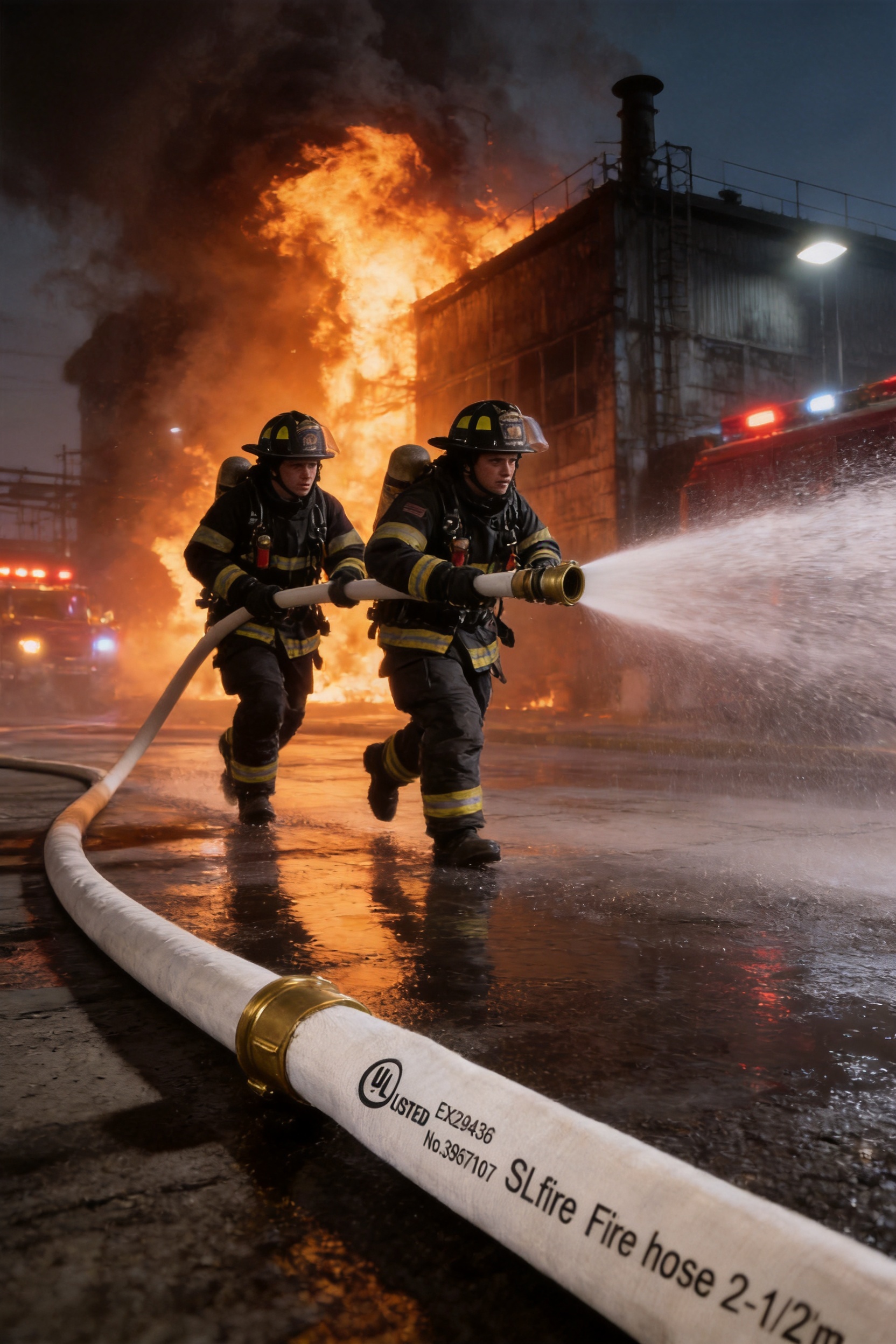
A single jacket hose is designed with one woven reinforcement layer surrounding the liner. This structure is lighter and easier to handle than many double jacket alternatives. While double jacket hoses may be preferred for extremely abrasive service or heavy-duty supply applications, a well-designed single jacket attack hose offers an excellent balance of strength, flexibility, and maneuverability.
On the fireground, weight matters. Firefighters may need to carry multiple hose lengths, advance charged lines through stairwells, move around obstacles, pull hose around corners, and operate for extended periods under physical stress. A hose that reduces unnecessary weight can improve crew efficiency and reduce fatigue. This is especially important in attack operations where mobility and speed are critical.
The high-tenacity polyester jacket gives the hose the strength needed for demanding service while keeping the construction practical for field use. High-tenacity yarns resist stretching and tearing better than ordinary textile fibers. When woven with controlled density and tension, they form a strong reinforcement shell that helps the hose maintain shape under pressure.
Single jacket construction also supports faster drying compared with heavier multi-layer designs. After use, proper cleaning and drying are essential for extending hose life. A hose that dries more efficiently can be returned to service sooner and may be easier to maintain in departments or industrial facilities with frequent testing and operations.
For many users, the appeal of this product is that it does not overcomplicate the attack hose. It focuses on what matters: a strong jacket, a high-performance liner, good flexibility, reliable sealing, and practical lengths for operational use.
The fire hose market includes many products that may look similar from a distance. However, differences in yarn quality, liner material, weaving consistency, adhesion, pressure testing, and quality control can lead to major differences in actual service performance. The Single Jacket EPDM Rubber Liner Attack Hose offers several advantages over ordinary competing hoses.
Hoses with low-grade rubber or plastic liners may lose flexibility after long exposure to sun, ozone, and outdoor storage conditions. EPDM is recognized for excellent resistance to these environmental factors. This helps the hose retain its performance even when it is stored or used in challenging outdoor environments.
Some hoses become stiff and difficult to deploy in cold weather. A hose that remains flexible at approximately -40°F or -40°C gives users a clear advantage in winter operations. Faster deployment can directly affect response time and safety.
The rubber liner is designed to create a tight internal barrier. A high-quality EPDM lining supports dependable sealing and reduces leakage risk. Leaks are not only wasteful; they can lower pressure at the nozzle, reduce attack effectiveness, and create unsafe wet surfaces.
The use of high-tenacity polyester helps the jacket resist moisture-related deterioration. This is particularly important for hoses stored in cabinets, apparatus compartments, warehouses, and industrial emergency stations where moisture control may vary.
The hose is suitable for water, water steam, seawater, hot water, and selected chemicals. This gives users flexibility across firefighting, construction, industrial washdown, emergency pumping, and water transfer tasks. Many ordinary hoses are more limited in media compatibility and may age faster when exposed to harsh water conditions.
Compared with heavier hose constructions, the single jacket design supports easier handling. Compared with low-cost lightweight hoses, the high-tenacity polyester and EPDM liner give it a stronger durability profile. This balance is valuable for users who need performance without unnecessary bulk.
As an attack hose, the product is particularly suited for moving water from pumps and hydrants to the fire area. It can be used by municipal fire departments, industrial fire brigades, building emergency teams, training centers, and fire protection contractors. Its flexibility and available lengths allow it to be selected for different hose line configurations.
In structural firefighting support, a hose must be able to move through doors, corridors, stairways, and around debris. The single jacket design supports maneuverability, while the EPDM liner helps maintain flow integrity. When charged, the hose must withstand pressure and repeated bending. The reinforcement jacket and liner work together to support stable operation.
For outdoor fire response, such as grassland, warehouse, facility, or construction site fires, resistance to UV, ozone, abrasion, moisture, and temperature variation becomes important. The hose is built for such environments. It can be stored for readiness and deployed when needed, provided it is maintained according to best practices.
In fire training, hoses experience frequent rolling, unrolling, dragging, charging, draining, and drying. Training use can wear out weak hoses quickly. The polyester jacket and EPDM liner make this hose suitable for departments and facilities that need reliable repeated-use equipment.
Although designed as an attack hose, the product also fits many industrial and agricultural water conveyance tasks. Industrial users often require hose lines for emergency response, water transfer, temporary discharge, equipment cooling, washdown, dust suppression, and site safety. A hose with EPDM lining and polyester reinforcement can serve these tasks effectively when selected within proper pressure and media limits.
In industrial environments, hoses may be exposed to sunlight, concrete surfaces, equipment movement, moisture, hot water, and occasional chemical contact. A hose that resists aging and weathering can provide better value than ordinary water hoses that fail prematurely. The EPDM liner’s compatibility with hot water and selected chemicals expands its usefulness beyond basic water transfer.
Agricultural and water conservancy operations may involve pumping water from ponds, rivers, reservoirs, tanks, or temporary storage systems. The ability to handle fresh water and seawater can be useful in coastal agricultural areas or emergency irrigation support. The hose’s flexibility helps with field deployment, while the jacket resists moisture-related deterioration.
For construction sites, temporary fire protection and water movement are common needs. A durable, flexible hose can support site safety, water distribution, drainage assistance, and emergency readiness. Because construction environments are abrasive and unpredictable, users should pair the hose with proper handling, storage, and coupling protection to maximize life.
High-performance hose manufacturing begins with material selection. Taizhou Shenlong Fire Science and Technology Co., Ltd. has focused on the research, development, production, sales, and service of lined fire hoses since 1995. Long experience in fire hose production allows the company to understand how material quality, weaving technology, liner processing, and testing procedures affect the finished product.
The outer jacket begins with high-tenacity polyester yarn. Yarn quality is important because inconsistent yarn strength can create weak points in the woven structure. The yarn must be selected for tensile strength, uniformity, moisture resistance, and compatibility with the weaving process. By using 100% high-tenacity polyester, the hose jacket is built for strength and durability rather than relying on mixed or lower-grade fibers.
Weaving is a critical step. The jacket must have consistent density, controlled tension, and stable dimensions. If the weave is too loose, the hose may deform, wear prematurely, or fail to support the liner properly. If it is too tight or uneven, flexibility may suffer. Advanced weaving processes allow the manufacturer to achieve a balance between strength, flexibility, and surface durability.
The EPDM liner is another core manufacturing element. Rubber formulation, extrusion or liner formation, curing, dimensional control, and surface finish all influence performance. A smooth liner reduces friction and helps water move efficiently. A properly cured liner maintains elasticity and resistance properties. Dimensional consistency ensures that the liner fits the jacket correctly and supports reliable coupling attachment.
The bonding or integration between liner and jacket must be carefully controlled. Even when a hose design allows the liner and jacket to function as distinct layers, they must work together under pressure and flexing. Manufacturing precision helps prevent twisting, bunching, leakage, or separation-related issues.
After formation, the hose must be tested and inspected. Quality control may include visual inspection, dimensional checks, pressure testing, leakage evaluation, adhesion or fit assessment, length verification, and packaging inspection. For users, these steps matter because a fire hose cannot be judged only by appearance. Performance must be verified before shipment.
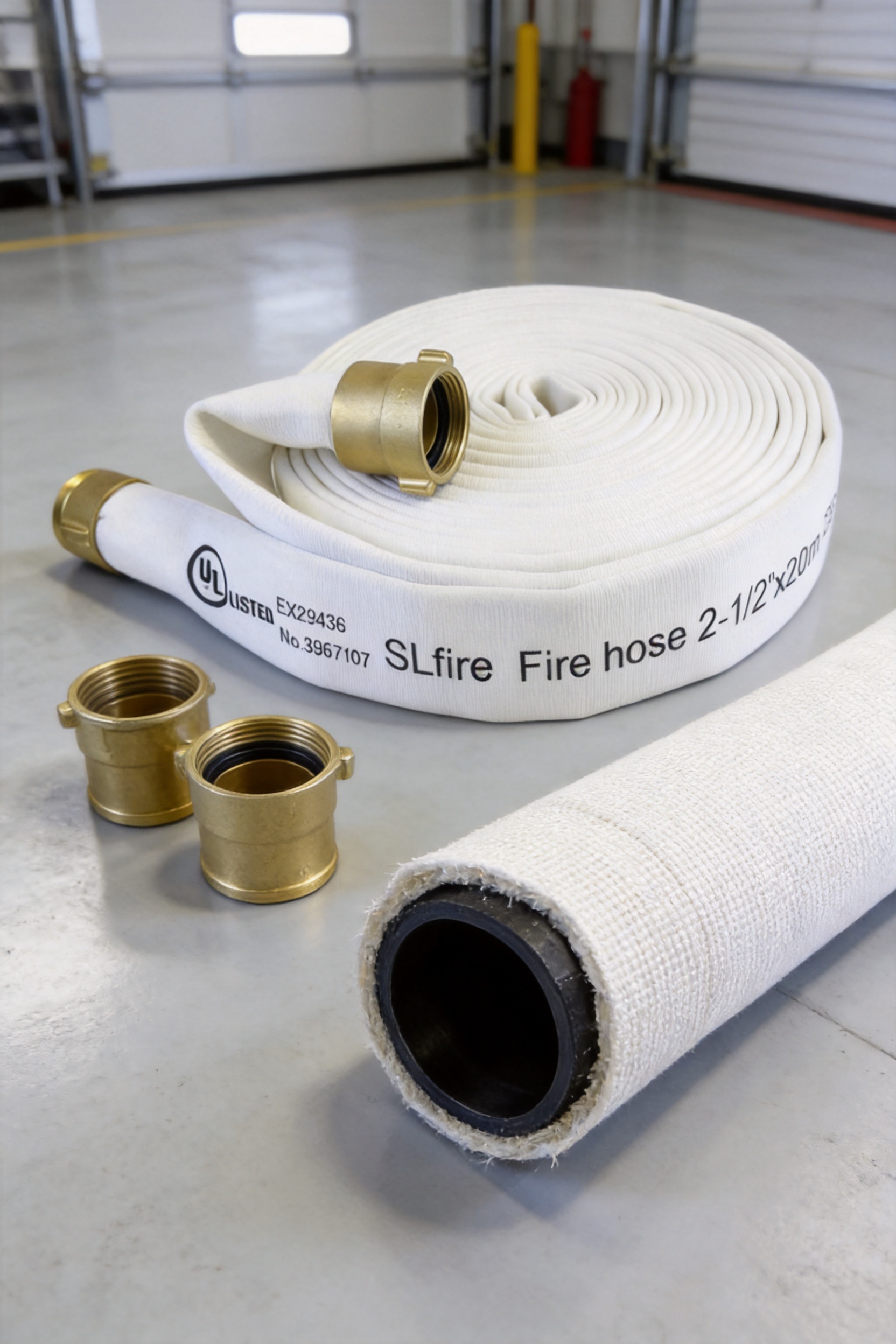
Taizhou Shenlong Fire Science and Technology Co., Ltd. was founded in 1995 and is located in Taizhou City, Jiangsu Province. The company integrates research and development, production, sales, and service, with a focus on various materials lined fire hoses. This integrated structure is important because it allows the company to connect customer feedback with product design, manufacturing control, and after-sales support.
The company’s production experience covers rubber, PVC, polyurethane, and double-sided tape products according to customer requirements. This manufacturing flexibility gives buyers more than one material option and enables customized product development for different markets. Fire hose users may have different needs depending on pressure, climate, coupling style, color, length, packing method, or working environment. A manufacturer with broad material knowledge can respond more effectively.
The company’s products are used in fire protection, construction, water conservancy, and other industries. These industries place different demands on hose products. Fire protection requires emergency reliability. Construction requires rugged handling. Water conservancy requires practical water transfer capacity. Experience across these sectors helps the company understand how hoses perform outside the laboratory.
The company also cooperates with foreign trade companies and produces export products for international markets. Export experience is important because global buyers often require consistent quality, documentation, packaging reliability, and compliance with recognized standards. A manufacturer familiar with export expectations is better positioned to serve distributors, wholesalers, fire equipment suppliers, and project contractors.
For the Single Jacket EPDM Rubber Liner Attack Hose, the company’s strengths are visible in the combination of high-tenacity polyester reinforcement, EPDM liner performance, standard length availability, and standards-oriented production. Buyers seeking wholesale supply benefit from a manufacturer that can support volume needs while maintaining product consistency.
Quality assurance in fire hose manufacturing must address both visible and invisible factors. Visible factors include jacket uniformity, color consistency, clean markings, correct length, coupling assembly, and packaging. Invisible factors include liner strength, pressure resistance, curing quality, internal defects, yarn consistency, and long-term aging behavior. A strong manufacturer controls both categories.
Material inspection is the first quality gate. Polyester yarn must be checked for strength and consistency. EPDM rubber compounds must be verified for formulation and processing suitability. If raw materials vary too much, finished hose performance will also vary. Consistent material sourcing is therefore one of the foundations of product reliability.
During weaving, production teams must monitor tension, pattern, jacket thickness, and diameter. Any irregularity can affect hose strength or coupling fit. Advanced manufacturing relies on trained operators and controlled equipment settings to maintain repeatability from batch to batch.
During liner processing, the EPDM must be formed into a smooth, continuous, defect-free tube. The curing process must be properly controlled because under-cured rubber may lack strength, while over-cured rubber may lose elasticity. Proper curing gives the liner the performance needed for pressure, flexibility, and environmental resistance.
Finished hose testing is essential. Pressure testing helps verify that the hose can handle working conditions without leakage or failure. Visual and dimensional inspection ensures that the product meets order requirements. When a hose is designed to meet or exceed NFPA 1961 and UL19 standards, manufacturing discipline and testing procedures become especially important.
For customers, quality assurance means fewer unexpected failures, better inventory reliability, fewer complaints from end users, and stronger long-term value. In emergency equipment supply, consistency is often as important as peak performance.
A fire hose is part of a complete water delivery system. Couplings, nozzles, adapters, valves, pumps, and hydrants all influence final performance. The Single Jacket EPDM Rubber Liner Attack Hose can be supplied or paired with suitable fire hose couplings and nozzles according to application requirements. Proper coupling selection is essential for safe and efficient operation.
Couplings must match local standards, thread types, hose diameter, pressure requirements, and equipment compatibility. Poor coupling fit can cause leaks, pressure loss, or unsafe disconnection. A well-manufactured hose should have stable dimensions and construction that support secure coupling installation.
Nozzle selection affects flow rate, stream pattern, reach, and firefighting tactics. A hose with a smooth EPDM liner helps deliver water efficiently to the nozzle. However, overall flow performance depends on hose diameter, length, pump pressure, elevation, friction loss, and nozzle design. Users should calculate system requirements rather than selecting hose length or diameter by habit alone.
For industrial applications, adapters and fittings should be compatible with the medium being transferred. If selected chemicals are involved, users must verify compatibility with the EPDM liner, couplings, gaskets, and nozzles. Fire hose should not be used for incompatible chemicals or pressures outside its rating.
Even the best hose requires proper maintenance. After use, the hose should be drained, cleaned, inspected, dried, and stored correctly. Dirt, chemicals, oil, sharp debris, and salt residue should be removed as soon as practical. If seawater is used, rinsing with fresh water can help protect couplings and remove salt deposits.
Drying is important. Although the polyester jacket resists mildew and rot, unnecessary prolonged moisture exposure should still be avoided. Hoses should be dried in a way that does not expose them to excessive heat or damaging mechanical stress. Proper drying helps preserve both jacket and liner.
Inspection should include checking for abrasion, cuts, burns, soft spots, delamination, liner damage, coupling looseness, gasket wear, and leakage signs. Any hose showing serious damage should be removed from service until evaluated. Fire hose testing should follow applicable standards, local regulations, and departmental procedures.
Storage conditions also affect longevity. Hoses should be stored away from sharp objects, petroleum products, excessive heat, and unnecessary direct sunlight when possible. While the hose is resistant to UV and ozone, good storage practices further extend service life. Hose rolls should not be crushed by heavy loads, and couplings should be protected from impact.
By combining a durable product with proper maintenance, users can achieve better long-term value and more dependable emergency readiness.
When selecting an attack hose, buyers should consider application, length, diameter, pressure requirements, coupling type, storage environment, expected frequency of use, and climate. The Single Jacket EPDM Rubber Liner Attack Hose is especially suitable for buyers seeking a flexible, weather-resistant, water-focused hose with strong liner durability.
For fire departments, the hose is well suited to attack line deployment where handling efficiency and dependable water delivery are priorities. For industrial facilities, it can serve emergency response and general water movement tasks. For wholesalers and distributors, the availability of standard lengths helps simplify inventory planning.
Buyers comparing this hose with lower-cost alternatives should evaluate total cost rather than only purchase price. A cheaper hose may require earlier replacement, may not perform as well in cold weather, may degrade faster outdoors, or may have a higher leakage risk. The EPDM liner and high-tenacity polyester jacket help reduce these concerns and can improve long-term value.
For project procurement, the hose can be considered along with fire cabinets, couplings, nozzles, and other fire accessories. A complete and compatible system is usually more reliable than a collection of mismatched components. Working with an experienced manufacturer helps ensure that specifications, packaging, and delivery requirements are clearly met.
Outdoor reliability is one of the defining strengths of this hose. Fire and industrial hoses are rarely used in perfect conditions. They may be exposed to sunlight, freezing temperatures, rain, standing water, dust, concrete, asphalt, mud, and salt air. Materials that cannot withstand these conditions may fail before the hose has delivered full value.
The EPDM liner resists ozone and UV-related aging better than many common rubber materials. This helps preserve elasticity and reduces the likelihood of cracking. The polyester jacket resists mildew and rot, which is important when the hose is repeatedly wet or stored in humid environments.
Cold-weather flexibility is another major outdoor advantage. In emergency response, there is no time to warm a hose gradually or struggle with stiff equipment. A hose that remains flexible at very low temperatures helps firefighters and operators deploy lines more quickly and safely. This performance is particularly relevant for northern climates, mountain regions, cold storage facilities, and winter construction sites.
Resistance to seawater also strengthens outdoor usability. Coastal and marine environments are harsh on equipment. Salt, humidity, and UV exposure combine to accelerate aging. While all equipment must still be maintained, an EPDM-lined hose provides a strong material foundation for these conditions.
Water delivery performance depends on the integrity of the hose structure. The liner must remain smooth and stable, the jacket must resist expansion, and couplings must seal correctly. A high-quality EPDM liner supports efficient flow by providing a consistent internal surface. This can reduce turbulence compared with rough or degraded liners.
Under pressure, the hose must maintain its shape without excessive elongation or twisting. The high-tenacity polyester jacket supports pressure stability by reinforcing the liner. If reinforcement is weak or uneven, the hose may become difficult to control or may fail prematurely. Consistent weaving helps prevent these problems.
Leak prevention is especially important in attack operations. Water lost through leaks is water not reaching the nozzle. Leaks can also create slip hazards, damage property, or reduce operational pressure. The EPDM rubber liner helps create a tight seal that supports dependable water conveyance.
For long hose lays or high-flow applications, users should account for friction loss and select hose diameter and pump pressure accordingly. While the hose is designed for demanding use, hydraulic planning remains essential for effective firefighting performance.
Many fire equipment buyers require more than a single standard product. They may need specific lengths, colors, couplings, markings, packing methods, or material options. Taizhou Shenlong Fire Science and Technology Co., Ltd. has the manufacturing background to support customized foreign trade products involving rubber, PVC, polyurethane, and related hose structures according to customer requirements.
For wholesalers, stable supply and repeatable quality are essential. A distributor’s reputation depends on whether each shipment matches the expected specification. The company’s long history in hose manufacturing and cooperation with export channels supports reliable wholesale supply.
For private-label or project-based procurement, communication is important. Buyers should specify applicable standards, working pressure, burst pressure expectations, coupling type, thread standard, length tolerance, packaging requirements, and documentation needs. Clear specifications help the manufacturer produce a hose that fits the intended market.
Standard lengths of 50 ft, 75 ft, and 100 ft provide practical options. Shorter lengths can support compact storage and specialized deployment, while longer lengths provide extended reach. Fire cabinets, hydrant points, apparatus compartments, and industrial emergency stations may each require different lengths.
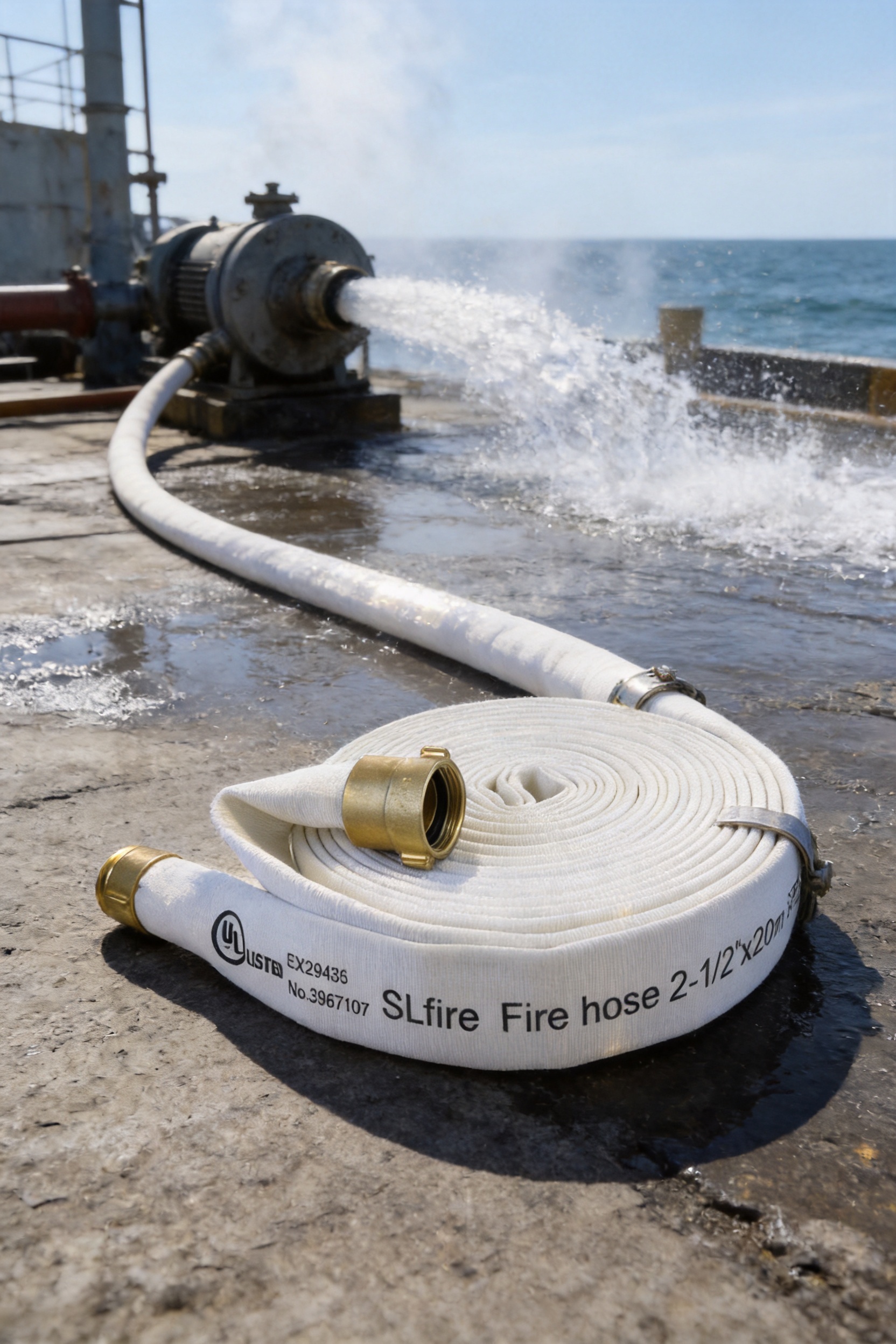
Fire hose safety depends on correct use. Operators should never exceed rated pressure limits, use damaged hose, or connect incompatible fittings. Before use, couplings should be checked for secure attachment and gasket condition. During operation, the hose should be protected from sharp edges, heavy vehicle traffic, falling debris, flame impingement, and excessive abrasion whenever possible.
When advancing a charged line, crews should avoid tight kinks that restrict flow and increase stress. If a kink occurs, it should be corrected safely. Hose bridges or ramps may be used where vehicle crossing is unavoidable. On industrial sites, hose routes should be planned to reduce trip hazards and exposure to machinery.
After use with seawater, hot water, or selected chemicals, the hose should be flushed according to appropriate procedures. Chemical compatibility must always be verified before use. EPDM has broad resistance properties, but no single material is compatible with all chemicals.
Regular testing should follow applicable fire service standards and local regulations. A hose that passes visual inspection may still have hidden weakness, so scheduled pressure testing is a key part of safety management. Proper records help track service history and replacement needs.
The long-term value of a fire hose is determined by reliability, service life, ease of use, maintenance requirements, and performance consistency. The Single Jacket EPDM Rubber Liner Attack Hose is built around materials that support these goals. The high-tenacity polyester jacket provides reinforcement and handling durability. The EPDM liner provides water resistance, weather resistance, low-temperature flexibility, and leakage prevention.
Compared with ordinary hoses that may rely on less durable liners or inconsistent reinforcement, this hose is designed to reduce premature aging and improve field reliability. Its ability to remain flexible in very cold conditions gives it a clear advantage in seasonal climates. Its resistance to UV, ozone, mildew, and rot makes it suitable for outdoor storage and repeated emergency use.
For buyers, the product also offers practical procurement advantages. Standard lengths make selection easier. The company’s manufacturing history supports volume supply. Experience with fire, construction, water conservancy, and export markets helps align production with real user expectations. The availability of related fire hose categories, hose couplings, hose nozzles, fire accessories, and fire cabinets can also support integrated purchasing.
A well-chosen attack hose does not simply move water. It helps firefighters work faster, helps industrial teams prepare for emergencies, helps facilities maintain compliance readiness, and helps distributors provide dependable products to their customers. This EPDM-lined attack hose is designed to serve that purpose.
The main purpose is high-performance water conveyance for firefighting and industrial applications. It is designed for attack line use, emergency response, water transfer, and related operations where flexibility, pressure performance, and durability are important.
EPDM is used because it resists water, steam, ozone, UV exposure, aging, and weathering. It also performs well in fresh water and saltwater environments. These properties make it suitable for fire hose liners that must remain flexible, sealed, and durable over time.
A single jacket hose is generally lighter and easier to handle than heavier multi-jacket constructions. This improves mobility and reduces fatigue during deployment. When made with high-tenacity polyester, it can still provide strong reinforcement for demanding fireground and industrial use.
Yes. The hose is designed to remain flexible at extremely low temperatures, approximately -40°F or -40°C. This makes it suitable for winter response, cold-region storage, and operations where ordinary hoses may become stiff.
Yes. The EPDM rubber liner is highly resistant to water and works well in both fresh and saltwater environments. After seawater use, proper rinsing and maintenance are recommended, especially to protect couplings and remove salt residue.
The hose is available in 50 ft, 75 ft, and 100 ft lengths. These options support different fireground layouts, cabinet storage requirements, industrial sites, and emergency response plans.
The hose is designed to meet or exceed NFPA 1961 and UL19 standards. Buyers should confirm specific certification, documentation, and testing requirements when placing orders for regulated markets or projects.
After use, the hose should be drained, cleaned, inspected, dried, and stored properly. It should be protected from sharp objects, excessive heat, petroleum contamination, crushing, and unnecessary mechanical damage. Regular inspection and pressure testing should follow applicable standards and local procedures.
Key differences include the high-grade EPDM liner, 100% high-tenacity polyester jacket, low-temperature flexibility, resistance to UV and ozone, mildew and rot resistance, and quality-focused manufacturing. These features can improve durability, reduce leakage risk, and support longer service life.
Yes. The manufacturer has experience in producing lined fire hoses and other hose products according to customer requirements. Wholesale buyers can discuss length, coupling, packaging, marking, and other specification needs.
The Single Jacket EPDM Rubber Liner Attack Hose is a practical and durable solution for firefighting and industrial water delivery. Its construction reflects a clear focus on field performance: a 100% high-tenacity polyester jacket for reinforcement and handling, a high-grade EPDM rubber liner for sealing and environmental resistance, and flexible operation even at extremely low temperatures.
Its advantages over ordinary competing hoses are significant. It resists UV, ozone, aging, mildew, and rot. It handles fresh water, seawater, hot water, water steam, and selected chemicals. It is available in common operational lengths and is designed to meet or exceed recognized fire hose standards. These qualities make it suitable for fire departments, industrial safety teams, construction sites, water conservancy operations, distributors, and emergency equipment suppliers.
Behind the product is a manufacturer with decades of experience in lined fire hose production, material processing, export cooperation, and industry service. Through careful material selection, controlled weaving, EPDM liner processing, inspection, and pressure testing, the hose is built to deliver reliability where it matters most.
For buyers seeking a balanced attack hose that combines flexibility, durability, weather resistance, and strong value, this EPDM-lined single jacket hose is a dependable choice.
National Fire Protection Association. NFPA 1961: Standard on Fire Hose.
Underwriters Laboratories. UL 19: Lined Fire Hose and Hose Assemblies.
ASTM International. Standard practices and test methods related to rubber properties, textile reinforcement, and hose performance evaluation.
Society of Fire Protection Engineers. Fire Protection Engineering Handbook, water supply and fire suppression system principles.
Industrial hose engineering literature on EPDM rubber properties, polyester reinforcement, and pressure hose construction.
Single jacket, EPDM rubber liner Features • 100% high tenacity polyester jacket, high-grade EPDM rub...
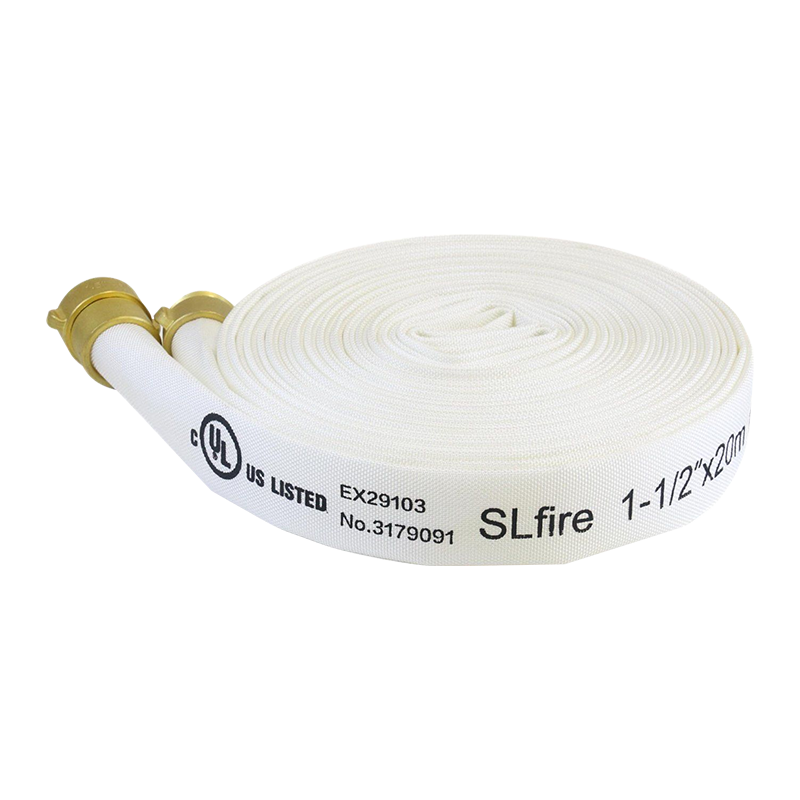
Single jacket, TPU liner •High-tenacity polyester yarn, circular woven in twill weave/plain weave,T ...
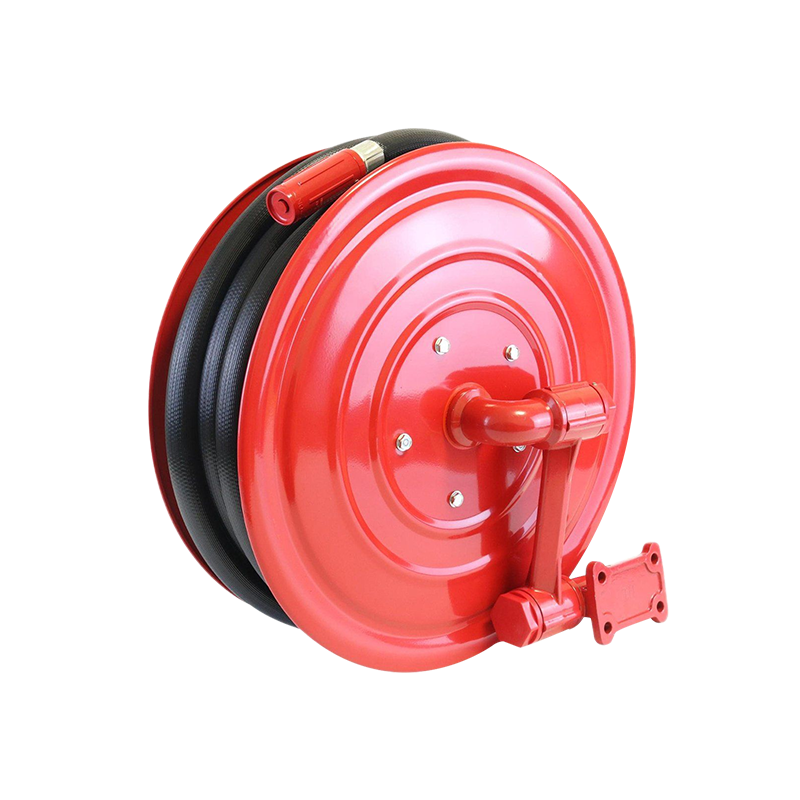
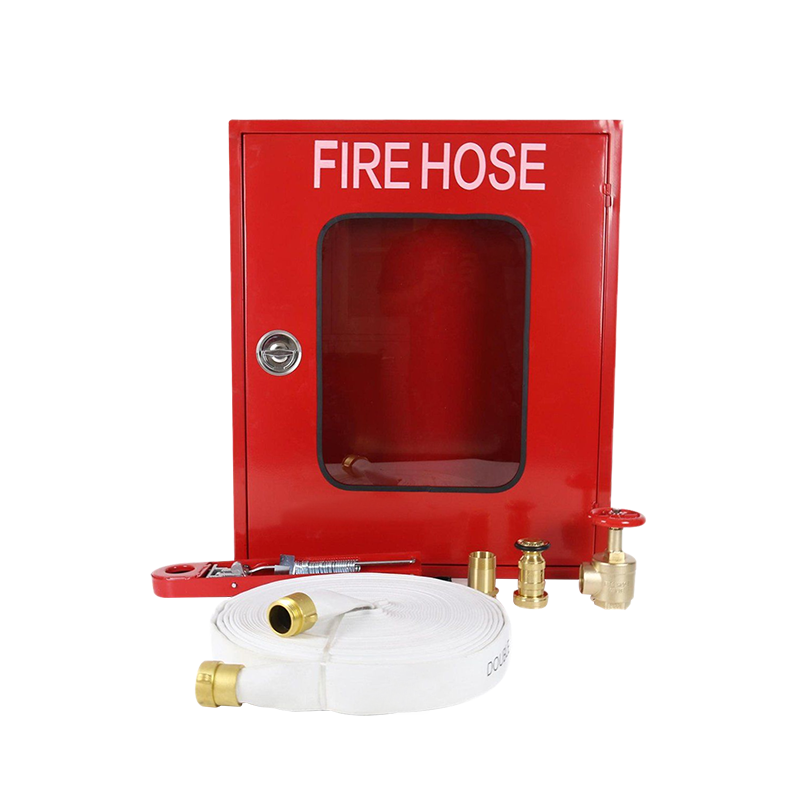
Fire cabinets are designed to accommodate fire hose,valve and other firefighting equipment. Type 201...
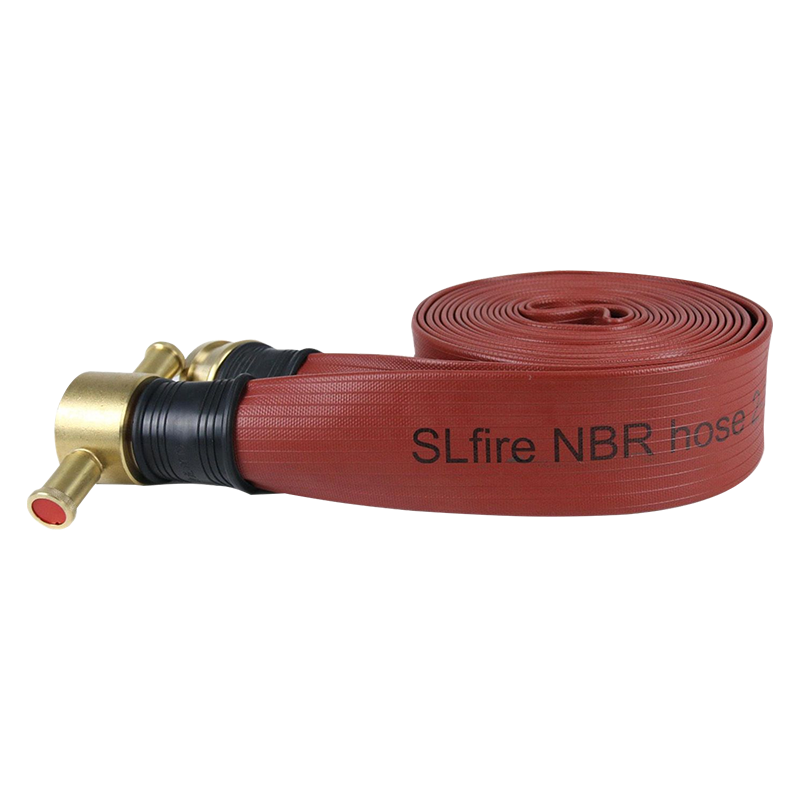
Nitrile covered hose •Nitrile/TPR blend as cover and lining, with 100% high-tenacity polyester yarn ...
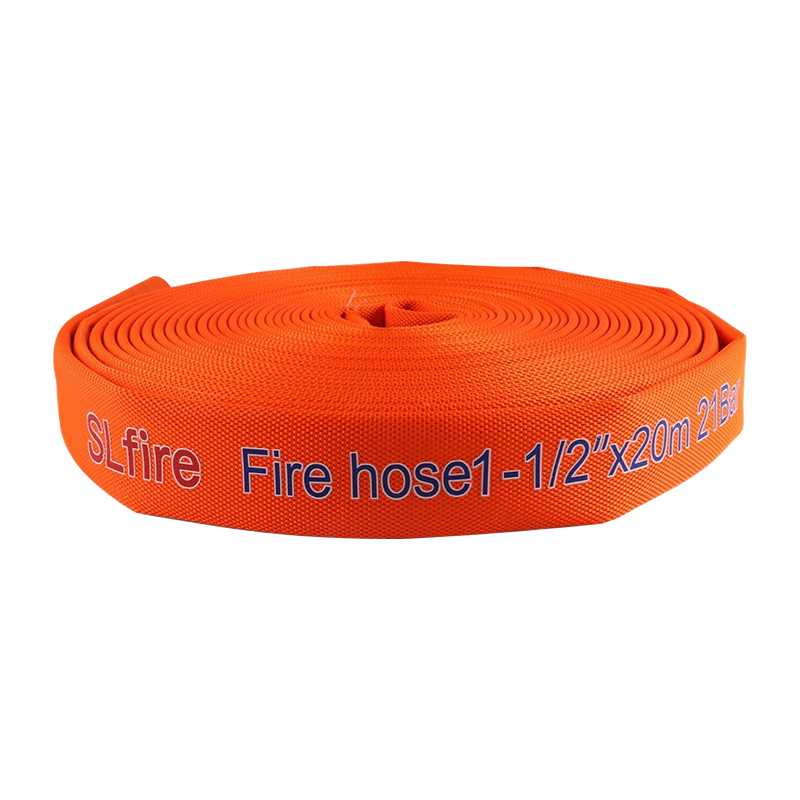
Single jacket, TPU liner •High-tenacity polyester yarn, circular woven in twill weave, TPU lining, f...
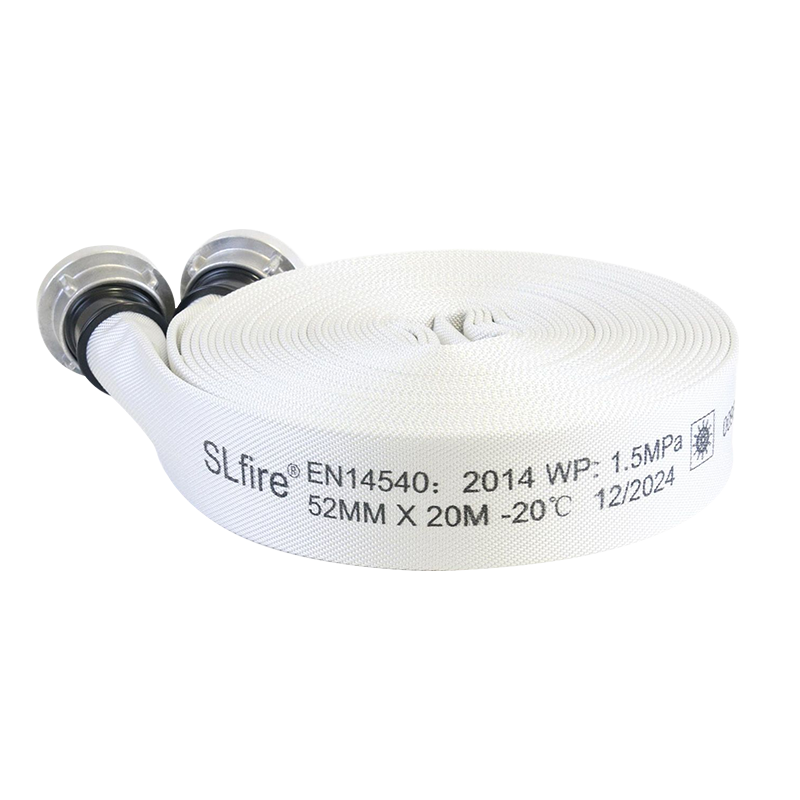
Marine hose Single jacket, PVC liner •100% high tenacity polyester yarn, circular woven in twill wea...
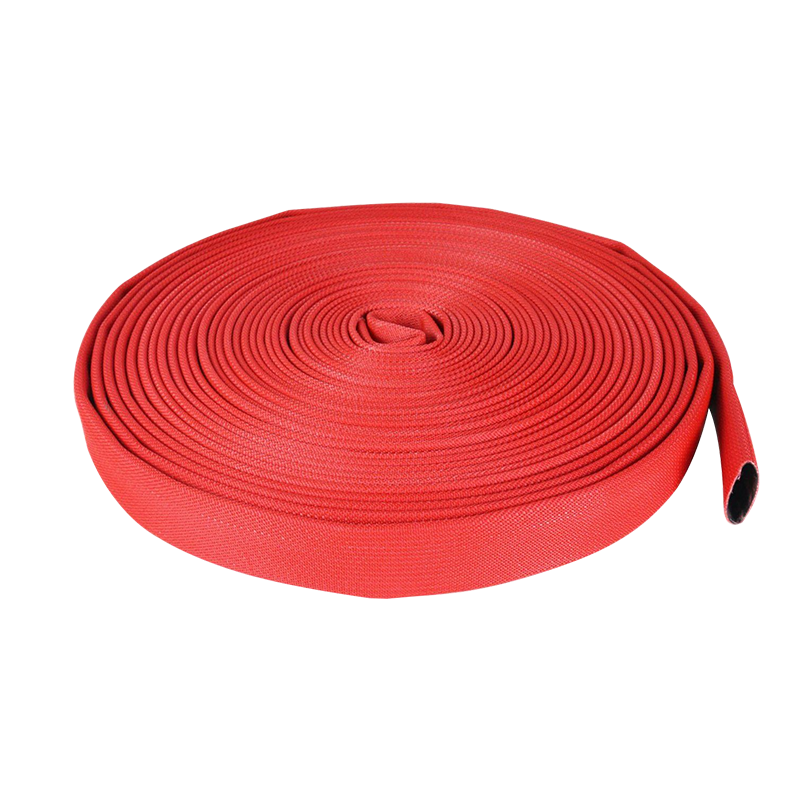
Marine hose Single jacket, PVC liner, PU coated •100% high tenacity polyester yarn,c ircular woven i...
 Call Us
+86 159-5116-9511
Need Support
Head Office
No.58, Kechuang Road, Sixiang Street Medicine Gaoxin District Taizhou City, Jiangsu Province

What Is a Fire Hose? A fire hose is a high-pressure flexible hose designed to carry water or fire retardant chemicals from a water source, such as a hydrant, pump, or tank, to a fire for suppression p...
Copyright © Taizhou Shenlong Fire Science and Technology Co., Ltd. All Rights Reserved.
 Fire Hose Manufacturers, Fire Hydrant Hose Factory