

 English
 русский
 Español
 Deutsch
 عربى
 Français
 Português
Don't hesitate to send a message

Single jacket, EPDM rubber liner Features • 100% high tenacity polyester jacket, high-grade EPDM rub...
Content
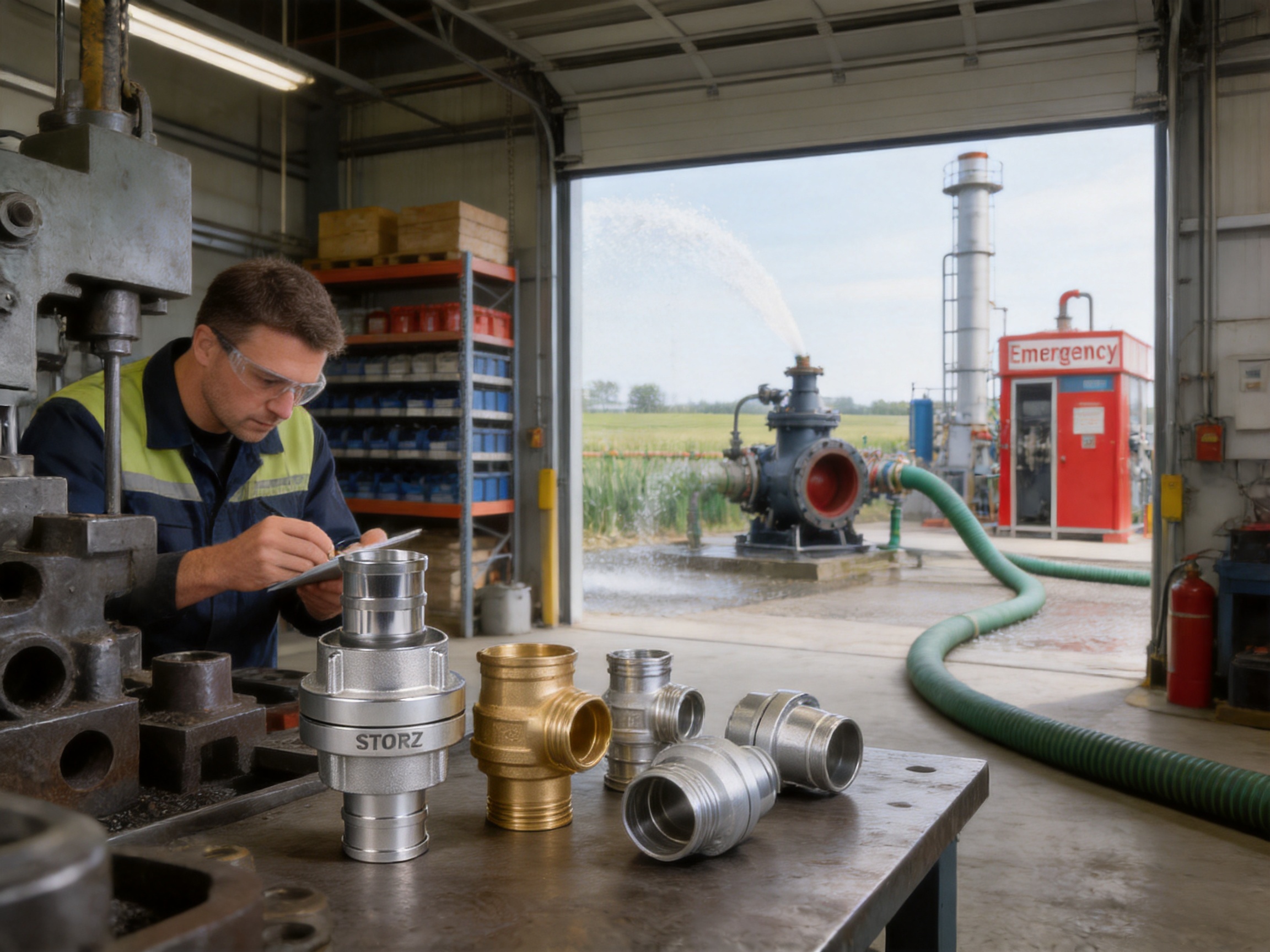
Small diameter STORZ hose couplings are essential connection components for firefighting, water transfer, industrial safety, agriculture, construction, and emergency response systems. Although compact in size, these couplings perform an important function: they connect hoses, hydrants, pumps, water guns, nozzles, fire trucks, and other equipment quickly and securely when dependable water delivery is required.
Designed according to the practical principles of the STORZ coupling system, these products provide a symmetrical, non-threaded connection. Unlike conventional male-and-female threaded couplings, STORZ couplings use identical coupling heads that connect through lugs and a rotating locking action. This design allows fast assembly, reduces connection confusion, and supports efficient operation in demanding environments.
The small diameter STORZ hose couplings supplied by Taizhou Shenlong Fire Science and Technology Co., Ltd. are manufactured in sizes from 1 inch to 6 inches. Depending on the selected specification and application, they are produced from brass or aluminum using die casting, gravity casting, or forging processes. Vibratory grinding is used as a surface treatment to improve finish quality and support resistance against corrosion, rust, acid, and alkali exposure.
With a working pressure of 16 bar, these couplings are suitable for a broad range of water conveyance and firefighting applications. Their combination of quick connection, durable materials, practical design, and carefully controlled manufacturing makes them a useful choice for organizations seeking dependable hose connection equipment.
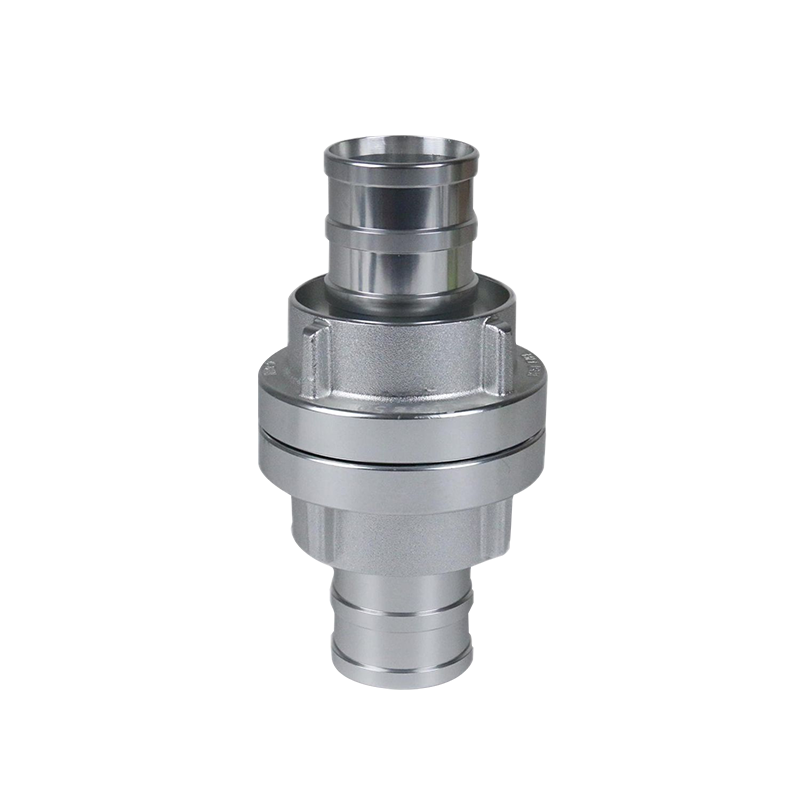
Small Diameter STORZ Hose Couplings
A STORZ hose coupling is a symmetrical coupling designed to join flexible hoses and related equipment. Both sides of the coupling use the same basic head structure, so there is no separate male coupling and female coupling. This feature is one of the main reasons STORZ couplings are widely used in emergency and industrial applications.
To connect two compatible STORZ couplings, the operators place the coupling heads together, align the lugs, and rotate one coupling until the connection is locked. A sealing gasket positioned within the coupling helps create a watertight connection. To disconnect the hose, the operator reverses the locking movement. The process is fast and does not require a wrench, threaded rotation over many turns, or special alignment of male and female threads.
Small diameter models are particularly useful where hoses, equipment, and access points have limited dimensions. They can be installed on compact fire hoses, portable pumps, small water guns, agricultural water systems, construction equipment, and other systems where a large coupling would be unnecessary or difficult to handle.
The available size range includes 1 inch, 1-1/2 inches, 1-3/4 inches, 2 inches, 2-1/2 inches, 2-3/4 inches, 3 inches, 4 inches, and 6 inches. The correct size should be selected according to the hose inside diameter, the equipment connection, the required flow rate, and the operating conditions.
In firefighting and water management, connection speed can influence the efficiency of the entire operation. A hose connection that is difficult to install can delay water delivery, increase operator fatigue, or create opportunities for leakage. The STORZ design addresses these issues through a simple and repeatable locking method.
Because the coupling halves share the same head structure, operators do not need to identify a male side and a female side. This symmetrical construction can simplify hose handling, especially in low-visibility conditions, during emergency work, or when multiple hoses must be assembled quickly.
The absence of external male and female threads also reduces the possibility of cross-threading. Thread damage, dirt trapped in threads, or incorrect thread matching can make conventional couplings difficult to use. STORZ couplings instead rely on the alignment of lugs and the rotation of the coupling heads.
The design is also practical for equipment that needs to be connected and disconnected regularly. Fire brigades, industrial facilities, agricultural operators, and construction crews can benefit from a coupling that supports repeated operation without requiring complex tools.
STORZ couplings are generally non-shut-off couplings. This means they create a connection between hoses or equipment but do not automatically stop the flow of water when disconnected. Operators should therefore close the relevant valve or pump before disconnecting a pressurized line. Correct operating procedures remain essential for safe use.
| Product | Small Diameter STORZ Hose Couplings |
| Coupling type | Symmetrical, non-shut-off STORZ coupling |
| Available sizes | 1 inch, 1-1/2 inches, 1-3/4 inches, 2 inches, 2-1/2 inches, 2-3/4 inches, 3 inches, 4 inches, and 6 inches |
| Working pressure | 16 bar |
| Available materials | Brass and aluminum |
| Manufacturing processes | Die casting, gravity casting, and forging |
| Surface treatment | Vibratory grinding |
| Main features | Quick connection, safe operation, long service life, and resistance to corrosion, rust, acid, and alkali |
| Primary applications | Fire hoses, fire trucks, fire hydrants, water guns, nozzles, pumps, agricultural systems, refineries, construction, maritime safety, and military operations |
Brass is a traditional material for hose couplings because it combines strength, durability, and useful resistance to corrosion. It can be suitable for firefighting systems, industrial water applications, and installations where the coupling may be exposed to moisture over long periods.
Brass couplings also provide a solid and substantial feel during handling. This can be advantageous for fixed equipment, hydrant connections, industrial installations, and applications where robustness is valued. Brass is also widely recognized in water-handling equipment because it can provide a dependable service life when correctly selected and maintained.
Aluminum offers a favorable strength-to-weight ratio. Aluminum STORZ couplings are easier to handle than many heavier metal alternatives, which can be important when firefighters or industrial workers need to carry, position, and connect several hoses.
Lower weight can also help reduce physical strain during emergency deployment. Portable pumps, fire trucks, mobile water systems, and agricultural equipment may benefit from lighter connection components, particularly when equipment must be moved frequently or installed in locations with limited access.
Aluminum is also suitable for a wide range of general water-handling applications. Its performance depends on the operating environment, the specific alloy, the surface condition, and correct maintenance. When the selected material is matched to the application, aluminum can provide a practical balance between strength, mobility, and cost efficiency.
The choice between brass and aluminum should be based on the intended service conditions rather than on material preference alone. Important factors include expected pressure, exposure to chemicals, ambient temperature, frequency of connection and disconnection, handling requirements, and compatibility with the connected hose and equipment.
Facilities that prioritize lower handling weight may prefer aluminum. Installations that prioritize a heavier, highly durable coupling body may select brass. In either case, the coupling must be used within its specified working pressure and in accordance with the requirements of the complete hose assembly.
The manufacturing process has a direct influence on the dimensional accuracy, structural integrity, appearance, and service life of a coupling. Small diameter STORZ hose couplings are manufactured through three principal methods: die casting, gravity casting, and forging. Each process offers different advantages and can be selected according to the material, size, design, and intended application.
Die casting uses a prepared mold into which molten metal is introduced under controlled conditions. The process is suitable for producing components with consistent shapes and repeatable dimensions. It can support efficient production when many couplings with the same design are required.
For STORZ couplings, dimensional consistency is important because the lugs, locking surfaces, and sealing areas must interact correctly with compatible coupling halves. A well-controlled die-casting process can help maintain repeatability from one production batch to another.
Die casting can also produce a relatively clean surface profile and reduce the need for extensive additional machining. The final surface treatment, inspection, and finishing operations remain important, but the process provides a strong foundation for efficient and consistent production.
Gravity casting allows molten metal to fill a mold through the natural force of gravity. This process can be used for selected coupling materials and designs where controlled filling and suitable wall thickness are required.
Gravity casting is adaptable to a range of production requirements. It can support the manufacture of robust coupling bodies and may be appropriate for product variations, moderate production quantities, or designs that require a different casting approach from high-volume die casting.
After casting, the coupling body can undergo trimming, finishing, dimensional inspection, and vibratory grinding. These steps help prepare the component for reliable assembly and use.
Forging shapes metal through controlled pressure. The process can improve the structural density of the material and produce strong components suitable for demanding service. Forged coupling parts can be selected where mechanical strength and resistance to repeated loading are especially important.
A forged STORZ coupling can be advantageous in applications involving frequent handling, impact risk, vibration, or severe operating conditions. Although the precise manufacturing route depends on the product specification, forging provides a valuable option for customers who require a high-strength coupling design.
The availability of die casting, gravity casting, and forging demonstrates manufacturing flexibility. Instead of relying on a single production method for every coupling, the manufacturer can select a process that better matches the required material, size, geometry, production quantity, and performance expectations.
This flexibility is valuable for distributors and professional users who may require several sizes or material options. It also supports the production of coupling solutions for different markets, including firefighting, agriculture, construction, industrial processing, marine safety, and military support.
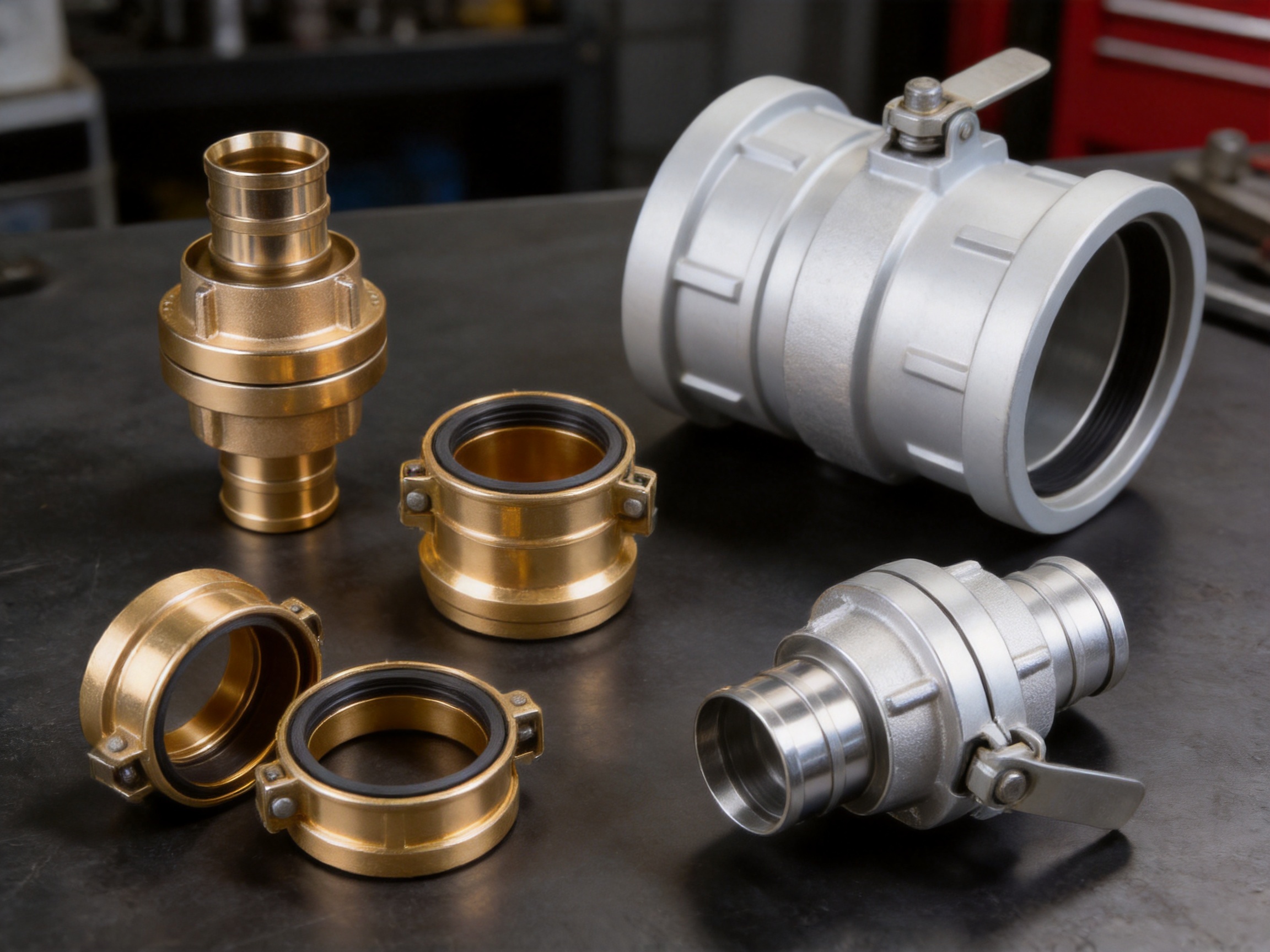
Vibratory grinding is used as the surface treatment for these STORZ hose couplings. During vibratory finishing, components are placed in a machine with suitable media that gently moves against the product surface. This process can help remove sharp edges, smooth irregularities, clean casting residues, and improve the overall finish.
Surface treatment is more than an aesthetic step. Couplings are frequently handled by workers wearing gloves, installed in outdoor environments, and exposed to water, moisture, dirt, and changing temperatures. A cleaner and smoother surface can make the product easier to handle and may reduce areas where contamination can remain trapped.
Vibratory grinding also supports improved resistance to corrosion, rust, acid, and alkali. The actual resistance of any coupling depends on the material, the chemical concentration, the exposure time, the temperature, and the maintenance program. Nevertheless, a properly finished surface can contribute to longer service life when the coupling is used within suitable conditions.
Reduced surface roughness can also support the operation of the coupling interface. The locking areas and external surfaces should be free from unnecessary burrs or rough projections that could interfere with handling. Proper finishing therefore contributes to product usability as well as appearance.
These STORZ hose couplings have a stated working pressure of 16 bar. Working pressure is the pressure at which the coupling is intended to operate under normal service conditions. It is not an invitation to exceed the rating, and users should consider the pressure rating of the hose, gasket, clamps, adapters, valves, pump, and other connected components.
A complete hose assembly is only as reliable as its least suitable component. If a hose or accessory has a lower pressure rating than the coupling, the assembly must be operated according to the lower rating. Pressure surges, water hammer, sudden valve closure, pump behavior, and temperature can also influence the demands placed on the system.
Before service, operators should inspect the coupling body, locking lugs, sealing gasket, hose attachment, and any retaining components. Damaged, cracked, heavily worn, or deformed couplings should be removed from service. A coupling that appears visually acceptable may still require replacement if it no longer locks correctly or if the gasket cannot maintain a reliable seal.
Safe operation also requires that workers avoid standing directly in front of a pressurized connection. Hoses should be restrained where necessary, and the pump or valve should be controlled before making or breaking a connection. Training and proper procedures are essential, especially in firefighting and industrial environments.
One of the most important advantages of the STORZ design is speed. The operator aligns the coupling heads and rotates them into the locked position. This can be faster than turning multiple threads, especially when gloves are being worn or when a hose must be deployed during an emergency.
Because STORZ coupling halves share the same head structure, the operator does not need to identify male and female ends. This simplifies inventory management, field use, and emergency assembly. A hose can be connected to another compatible STORZ coupling without searching for a particular gendered end.
Threaded systems can suffer from cross-threading when the components are misaligned. Dirt, grit, corrosion, and damaged threads may increase the problem. The lug-and-locking system of a STORZ coupling avoids the same type of threaded engagement and can be more convenient in dirty or high-use environments.
The compact design of small diameter couplings supports portable equipment and limited-access installations. Aluminum versions can reduce handling weight, while brass versions provide a solid and durable option for fixed or demanding applications.
STORZ couplings can be used with compatible fire hoses, fire trucks, hydrants, water guns, nozzles, pumps, and water management equipment. This broad compatibility allows one coupling principle to serve several departments and operating environments.
Material selection, suitable casting or forging, and vibratory grinding work together to support long service life. Regular inspection and correct maintenance are still necessary, but the coupling is designed to withstand demanding water-handling conditions better than poorly finished or unsuitable connection components.
Firefighting is one of the most important applications for STORZ hose couplings. Fire crews need to establish water lines quickly, often under pressure and in difficult conditions. A symmetrical coupling can help firefighters connect hoses, hydrants, pumps, and nozzles without spending unnecessary time identifying different coupling ends.
Small diameter models are useful for attack lines, auxiliary water lines, portable pumps, compact equipment, and other systems where a lower-volume hose is suitable. Their manageable size can help crews position hoses around buildings, vehicles, industrial structures, and confined spaces.
Fire trucks may use compatible STORZ connections to support hose deployment and equipment arrangement. Fire hydrant systems can also use suitable couplings where the connection design and local requirements are compatible. Water guns and nozzles may be connected through the same coupling principle, allowing efficient movement of water from the supply source to the discharge point.
Fire departments should confirm that the coupling size, pressure rating, gasket material, hose attachment method, and equipment interface match the operational requirements. Local fire regulations, national standards, and department procedures should always be followed.
Refineries and industrial plants often require reliable water connections for firefighting systems, equipment cleaning, emergency response, and process support. Industrial environments may expose couplings to oil residues, chemicals, outdoor weather, vibration, and frequent handling.
The corrosion and chemical resistance associated with properly selected and finished brass or aluminum couplings can provide a practical advantage in these environments. However, users should evaluate the specific chemical exposure before approving a coupling for service. Acidic or alkaline substances can vary significantly in concentration and aggressiveness.
STORZ couplings can be stored at strategic points around an industrial facility so that emergency teams can connect hoses and equipment quickly. Their non-threaded symmetrical structure may simplify deployment when several lines must be established at the same time.
Industrial users should maintain a documented inspection program. Couplings should be checked for damage, contamination, locking performance, gasket condition, and compatibility with the facility’s pressure and emergency response requirements.
Agricultural operations use hoses for irrigation, water transfer, livestock facilities, crop protection, equipment cleaning, and fire prevention. A coupling that connects quickly can save time when hoses are moved between fields, pumps, tanks, hydrants, and water outlets.
Small diameter STORZ couplings are suitable for compact irrigation and water management systems where a large industrial connection is unnecessary. Aluminum models can be convenient for frequent movement, while brass models may be selected for fixed points or installations that require a heavier coupling body.
Agricultural environments can be dusty, muddy, wet, and exposed to fertilizers or cleaning chemicals. Operators should rinse couplings after use when necessary and prevent soil or debris from entering the locking area. Gaskets should be inspected regularly because dry, cracked, or damaged seals can lead to leakage.
When agricultural chemicals are used near the hose system, compatibility must be reviewed before operation. The coupling material, gasket, hose lining, and any other wetted components should be suitable for the fluid being conveyed.
Construction sites commonly use hoses for dust suppression, concrete work, equipment cleaning, drainage, dewatering, and temporary water supply. Equipment is frequently relocated, and connections may be assembled in uneven or restricted areas.
STORZ couplings can support temporary hose networks because they are quick to connect and disconnect. Their compact form is useful when hoses must pass through narrow areas or be moved around machinery. A durable coupling can also help withstand the general handling demands of a busy construction site.
Construction companies should protect unused couplings from impact, heavy equipment traffic, and contamination. Couplings should not be dragged unnecessarily across sharp surfaces, and hoses should be supported to reduce excessive strain on the connection.
Marine and port environments require equipment that can operate around moisture, saltwater, changing weather, and restricted access. STORZ couplings may be used in fire protection, emergency water supply, vessel support, port operations, and maintenance systems where compatible specifications are required.
Saltwater exposure can accelerate corrosion, so material selection and cleaning are especially important in maritime applications. Couplings should be rinsed with fresh water when appropriate, dried or drained after use, and inspected for surface deterioration. Any product used on a vessel or in a port should also meet the relevant marine safety and equipment requirements.
The quick connection principle can be useful during emergency response because crews may need to establish water lines rapidly around a vessel, dock, warehouse, or fuel-handling area. As with all applications, the coupling pressure rating and connection size must match the complete system.
Military installations and emergency response organizations often require equipment that is portable, durable, and easy to operate under pressure. Small diameter STORZ hose couplings can support temporary water distribution, firefighting, field facilities, vehicle systems, and emergency water management.
The symmetrical connection reduces the need to carry separate male and female coupling types. This can simplify logistics and reduce the number of different connection components required in a mobile equipment inventory.
Aluminum versions may be useful when transportation weight is a concern. Brass versions may be preferred for specific fixed or heavy-duty installations. The choice should be based on the mission, environment, expected pressure, transport requirements, and maintenance capability.
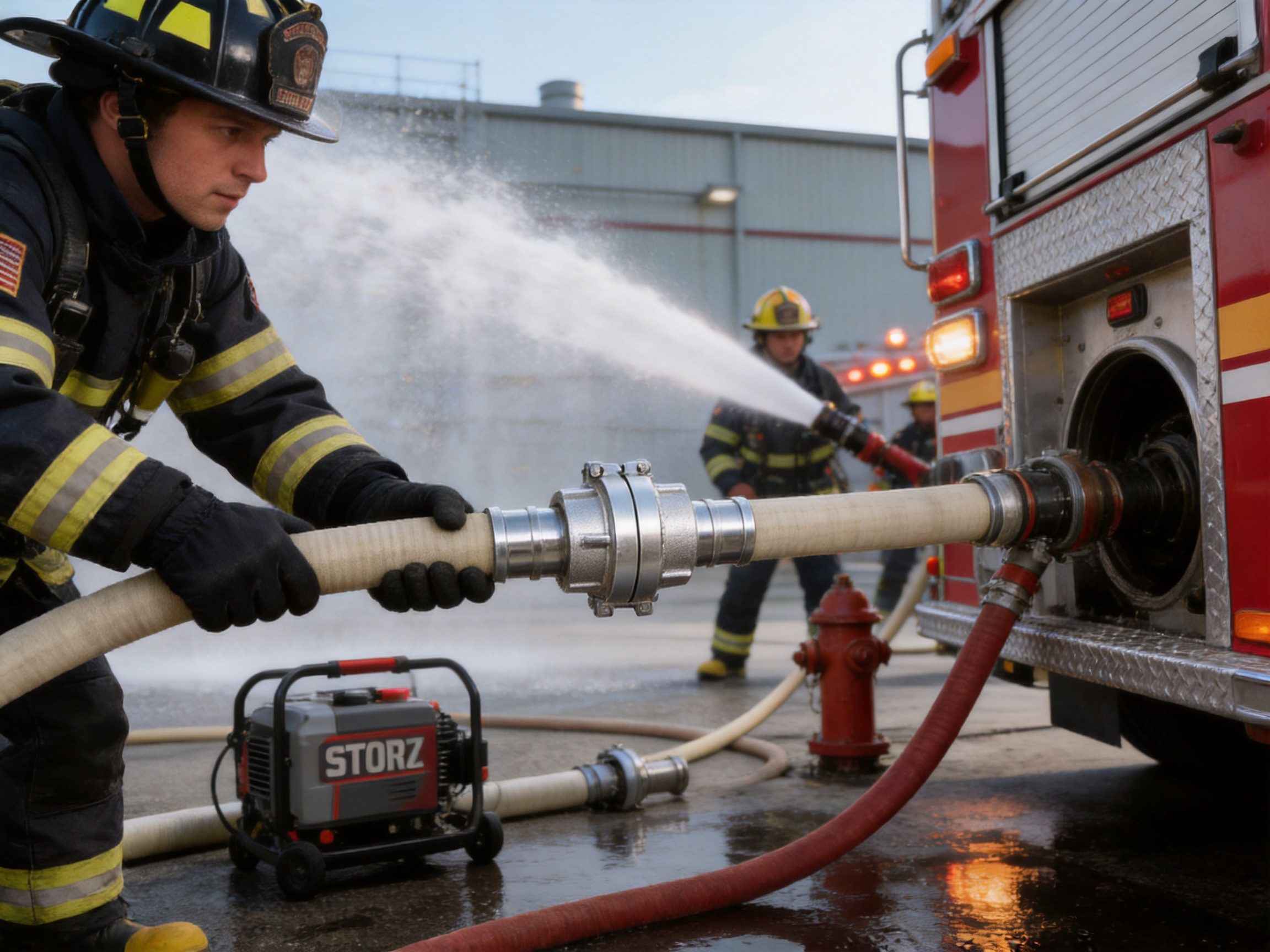
Taizhou Shenlong Fire Science and Technology Co., Ltd. was founded in 1995. The company combines research and development, production, sales, and service. This integrated structure allows the company to support products from development and manufacturing through customer communication and after-sales service.
The company’s main products include various types of lined fire hoses. It also undertakes the production of selected foreign trade products, including rubber, PVC, polyurethane, and double-sided tape products, according to customer requirements. This broader manufacturing experience contributes to familiarity with different materials, production processes, and market expectations.
The company’s products are sold in more than 20 provinces, cities, and autonomous regions. It also cooperates with four domestic foreign trade companies to produce export products for international markets. This experience supports communication with distributors, importers, industrial buyers, and project customers who may require consistent product documentation and shipment coordination.
For small diameter STORZ hose couplings, the company provides several manufacturing process options, including die casting, gravity casting, and forging. This process range is an important strength because coupling requirements vary according to material, size, use, and production quantity.
The combination of material choices, surface treatment, product range, and application experience allows the company to serve different customer requirements. Buyers can discuss whether brass or aluminum is more appropriate, which size is needed, and which coupling configuration best matches the hose and equipment in use.
When purchasing small diameter STORZ hose couplings, buyers should evaluate more than the external appearance. The following factors can help determine whether a coupling is suitable for a particular application.
The coupling size should match the connected hose and equipment. Buyers should confirm the nominal size, coupling head dimensions, lug configuration, gasket arrangement, and connection depth. A coupling that appears similar but does not match the existing system may not connect correctly or may leak during operation.
The 16-bar working pressure specification should be compared with the actual pressure of the system. Buyers should account for pressure variation, pump output, surges, and the pressure ratings of all connected components.
Brass and aluminum offer different handling and performance characteristics. The selected material should be suitable for the fluid, environment, temperature, mechanical demands, and frequency of use.
Buyers should look for smooth surfaces, clean locking areas, and the absence of harmful burrs, cracks, or casting defects. Vibratory grinding supports surface quality, but incoming inspection remains valuable for large orders and critical installations.
The gasket is essential for sealing. It should be correctly positioned, flexible, undamaged, and compatible with the service fluid. Spare gaskets should be stored in a clean, dry location away from excessive heat, sunlight, and chemicals.
Professional users may require product specifications, inspection records, packing information, material details, and pressure documentation. Clear communication with the supplier helps ensure that the delivered product matches the purchase order and intended application.
Before installation, clean the coupling and inspect the hose end. Remove dirt, stones, metal fragments, and other contaminants from the coupling head and gasket area. Confirm that the hose is correctly attached and that any clamp or retaining arrangement is secure.
Align the two compatible STORZ coupling heads. Insert the lugs into the corresponding spaces and rotate the coupling until the locking position is reached. Do not use excessive force or strike the coupling with a tool unless an approved procedure specifically permits it.
After connection, pressurize the system gradually. Check the joint for leakage, movement, or unusual deformation. If leakage occurs, depressurize the line before attempting adjustment. Never attempt to tighten or disconnect a pressurized STORZ connection.
Where hoses are long, heavy, or exposed to movement, provide suitable support and restraint. Excessive pulling, twisting, or bending at the coupling can place unnecessary stress on the hose attachment and sealing area.
Regular maintenance helps preserve the performance of small diameter STORZ hose couplings. After use, rinse off dirt, mud, salt, and chemical residues where appropriate. Allow the coupling to drain and dry before long-term storage.
Inspect the locking lugs for wear, deformation, or damage. Check the sealing gasket for cracks, flattening, hardening, cuts, or loss of elasticity. Examine the coupling body for corrosion, dents, casting defects, and signs of impact.
Lubrication requirements depend on the coupling design, gasket material, and operating procedure. If lubrication is used, it should be compatible with the gasket and service fluid. Improper lubricants can damage seals or contaminate the water system.
Store couplings in a clean, dry location away from direct sunlight, aggressive chemicals, excessive heat, and mechanical impact. Keep coupling heads protected from contact with abrasive materials. When products are stored for extended periods, periodic inspection is recommended.
Damaged components should not be repaired through unauthorized welding, drilling, grinding, or reshaping. Such modifications may affect dimensional accuracy and pressure performance. Replace defective couplings or consult the supplier for an approved solution.
Operational efficiency is not only a matter of water flow. It also includes the time required to deploy equipment, the effort needed to move components, the simplicity of training, and the ability to maintain a consistent inventory.
The STORZ design contributes to efficiency through quick connection and symmetrical construction. Workers can use compatible coupling halves without sorting male and female ends. This may reduce preparation time and simplify replacement procedures.
Material options also influence efficiency. Lightweight aluminum can be easier to move during mobile operations, while brass can provide a robust option for fixed service points. The availability of several sizes allows users to select a coupling that is appropriate for the expected flow and hose configuration rather than using an unnecessarily large component.
Manufacturing process flexibility can support supply efficiency. Die casting, gravity casting, and forging provide different production routes, allowing the manufacturer to respond to varied product requirements. For buyers, this may simplify sourcing when multiple sizes, materials, or application categories are involved.
General-purpose hose connectors may be suitable for low-demand water transfer, but they may not provide the same combination of rapid connection, symmetrical design, and firefighting-oriented application flexibility. A standard threaded connector can require more time to assemble and may be more sensitive to thread damage or contamination.
Plastic connectors can offer low weight and low cost in selected applications, but metal STORZ couplings generally provide a more robust option where impact, pressure, repeated handling, or emergency deployment are important. The correct choice still depends on the application, and plastic may be suitable for certain low-pressure systems.
Large industrial couplings may provide high flow capacity but can be unnecessarily heavy or difficult to handle for compact hose systems. Small diameter STORZ couplings offer a more proportionate solution where equipment size and portability matter.
The principal advantage is therefore not that one coupling is universally better than every alternative. Rather, the STORZ system is particularly well suited to users who need fast, repeatable, symmetrical connections for compatible hose and water equipment.
Size selection should begin with the connection points already installed on the hose, hydrant, pump, water gun, nozzle, or truck. The nominal size must match the compatible coupling system. It is not sufficient to select a coupling only because its outside diameter appears similar.
Smaller sizes, such as 1 inch and 1-1/2 inches, can be appropriate for compact hoses, auxiliary lines, portable water systems, and applications with moderate flow requirements. Intermediate sizes, including 1-3/4 inches, 2 inches, 2-1/2 inches, and 2-3/4 inches, can support a variety of firefighting and industrial hose configurations.
Three-inch, 4-inch, and 6-inch couplings may be used for larger water transfer arrangements, supply lines, hydrant connections, and other equipment requiring greater flow capacity. The selected size should always be confirmed against the system design, pump performance, hose specification, and local requirements.
When replacing an existing coupling, measure and verify the original specification instead of relying only on visual comparison. If there is uncertainty, provide photographs, drawings, dimensions, and equipment information to the supplier for confirmation.
A STORZ hose coupling is a symmetrical, non-threaded coupling used to connect compatible hoses and water-handling equipment. The two coupling halves have the same basic head structure and are joined by aligning lugs and rotating the connection into a locked position.
No. STORZ couplings are generally symmetrical and do not use separate male and female threaded ends. This is one of the main features that makes them convenient for emergency and industrial hose connection.
The stated working pressure for these small diameter STORZ hose couplings is 16 bar. Users must also consider the pressure ratings of the hose, gasket, clamp, pump, valve, and other connected equipment.
The couplings are available in brass and aluminum. Aluminum can provide lower handling weight, while brass can offer a solid and durable option for fixed or demanding applications. Material selection should be based on the environment and service requirements.
Available sizes include 1 inch, 1-1/2 inches, 1-3/4 inches, 2 inches, 2-1/2 inches, 2-3/4 inches, 3 inches, 4 inches, and 6 inches.
The couplings can be manufactured through die casting, gravity casting, or forging. The appropriate process may depend on the product design, material, size, required quantity, and intended application.
Vibratory grinding helps improve surface finish by reducing rough edges, removing residues, and smoothing surface irregularities. It also supports resistance to corrosion, rust, acid, and alkali when the coupling is used in suitable conditions.
Yes, they can be used for compatible fire hydrant connections. The coupling size, head design, pressure rating, gasket, and hydrant outlet must match the system requirements.
Yes. These couplings are designed for applications involving fire hoses, fire trucks, fire hydrants, water guns, and nozzles, provided that the connected equipment uses a compatible STORZ specification.
No. STORZ fire-fighting couplings are generally non-shut-off couplings. The water supply should be stopped and the line depressurized before disconnecting the coupling.
Applications include firefighting, refineries, agriculture, construction, maritime safety, military operations, industrial water management, and emergency response.
Users should rinse away dirt and chemical residues, inspect the locking lugs and gasket, prevent impact damage, store the couplings in a clean and dry location, and replace components that are cracked, deformed, excessively worn, or unable to maintain a secure seal.
Aluminum may be preferred when low weight and portability are important. Brass may be selected when a heavier and robust coupling is preferred. The decision should also consider chemical exposure, pressure, temperature, installation location, and frequency of handling.
Customers should discuss their requirements with the supplier. Important information includes coupling size, material, application, pressure, connection equipment, quantity, packing requirements, and any documentation needed for the project.
These couplings combine a practical symmetrical connection design with multiple material and manufacturing options. The 16-bar working pressure, available size range, brass and aluminum construction, and vibratory grinding treatment make them suitable for varied firefighting and water management applications.
Compared with conventional threaded connection systems, the STORZ design can provide faster handling, reduced cross-threading concerns, and simpler inventory management. Compared with oversized coupling solutions, small diameter models can provide a more manageable option for compact hoses and portable equipment.
The product is supported by manufacturing experience dating back to 1995. The company’s integrated research, development, production, sales, and service structure provides a foundation for technical communication and order support. Its experience with lined fire hoses and other industrial materials also strengthens its understanding of hose-related applications.
For customers seeking a dependable connection for fire hoses, fire trucks, hydrants, water guns, nozzles, pumps, agricultural systems, refineries, construction sites, maritime facilities, or military operations, small diameter STORZ hose couplings offer a practical and durable solution.
Small diameter STORZ hose couplings play a vital role in systems where water must be transferred quickly, safely, and reliably. Their symmetrical, non-threaded design simplifies connection and disconnection, while brass and aluminum material options allow users to balance durability, weight, and application requirements.
The use of die casting, gravity casting, and forging demonstrates manufacturing flexibility. Vibratory grinding improves surface quality and supports resistance against corrosion, rust, acid, and alkali. Together with a stated 16-bar working pressure and a size range from 1 inch to 6 inches, these features make the couplings suitable for a broad range of professional applications.
Correct selection, installation, inspection, and maintenance remain essential. Users should confirm compatibility with the hose and equipment, stay within the pressure rating, depressurize lines before disconnection, and replace damaged components promptly.
With an established history in fire hose manufacturing and related industrial production, Taizhou Shenlong Fire Science and Technology Co., Ltd. provides coupling products designed for practical field use and demanding water management environments. For distributors, fire protection contractors, industrial facilities, agricultural users, and emergency response organizations, these STORZ hose couplings offer a reliable connection solution built around speed, strength, and long-term serviceability.
1. General principles of symmetrical fire hose coupling design and operation.
2. Industrial guidance on hose assembly pressure ratings, inspection, and maintenance.
3. Technical literature concerning die casting, gravity casting, and metal forging processes.
4. Materials engineering references on brass and aluminum performance in water-handling equipment.
5. Fire protection equipment guidance concerning hose connections, hydrants, pumps, nozzles, and emergency water supply systems.
6. Manufacturer-provided product specifications for small diameter STORZ hose couplings.
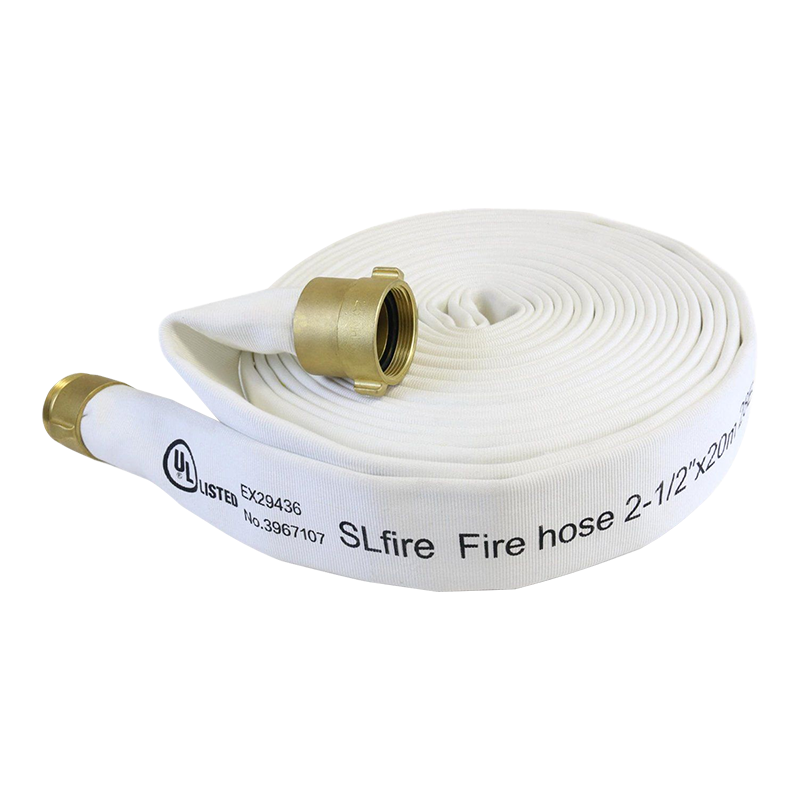
Single jacket, EPDM rubber liner Features • 100% high tenacity polyester jacket, high-grade EPDM rub...
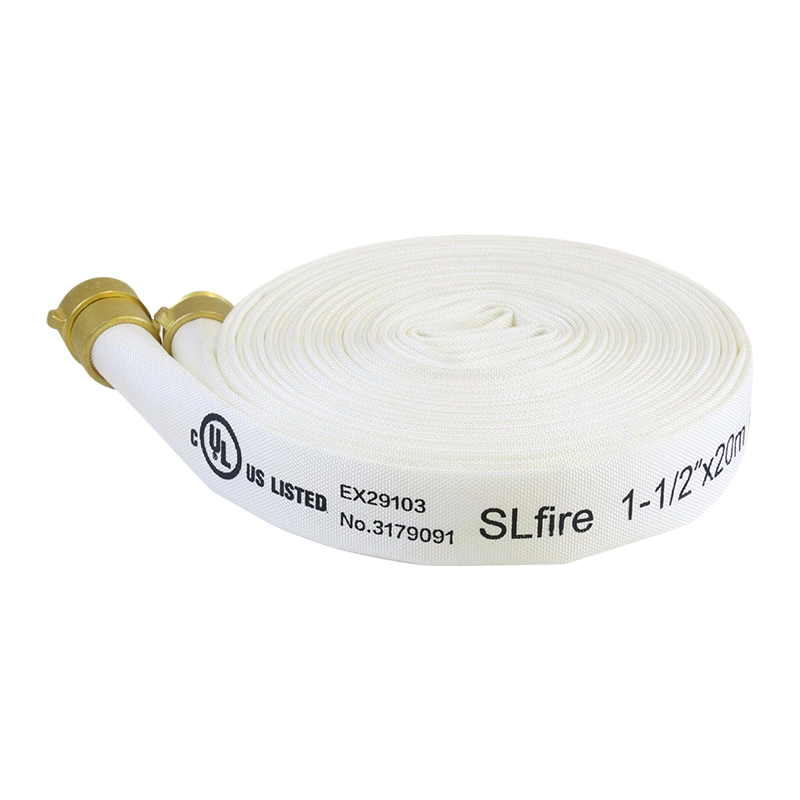
Single jacket, TPU liner •High-tenacity polyester yarn, circular woven in twill weave/plain weave,T ...
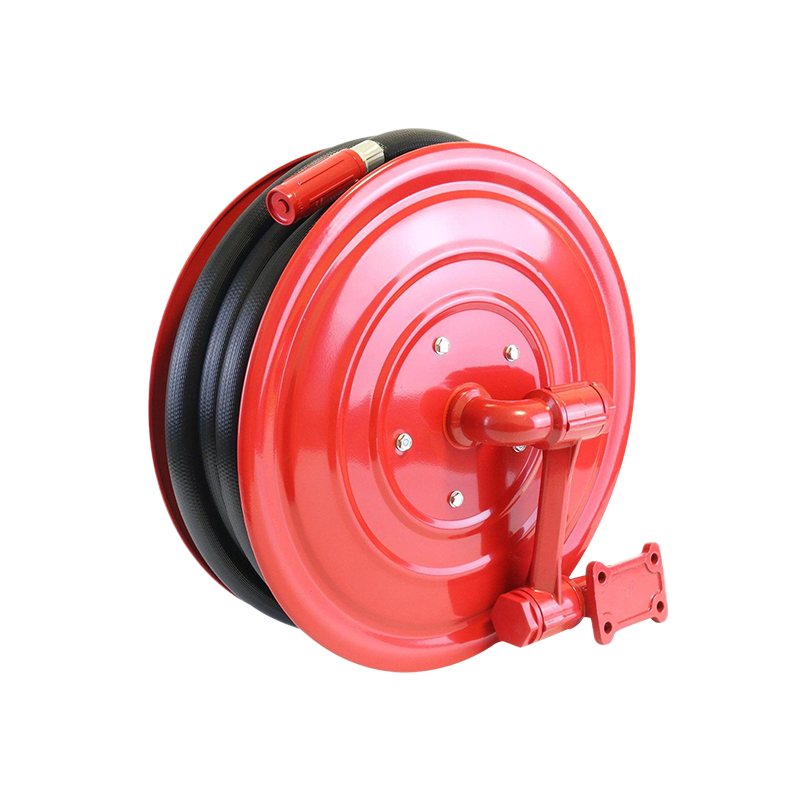
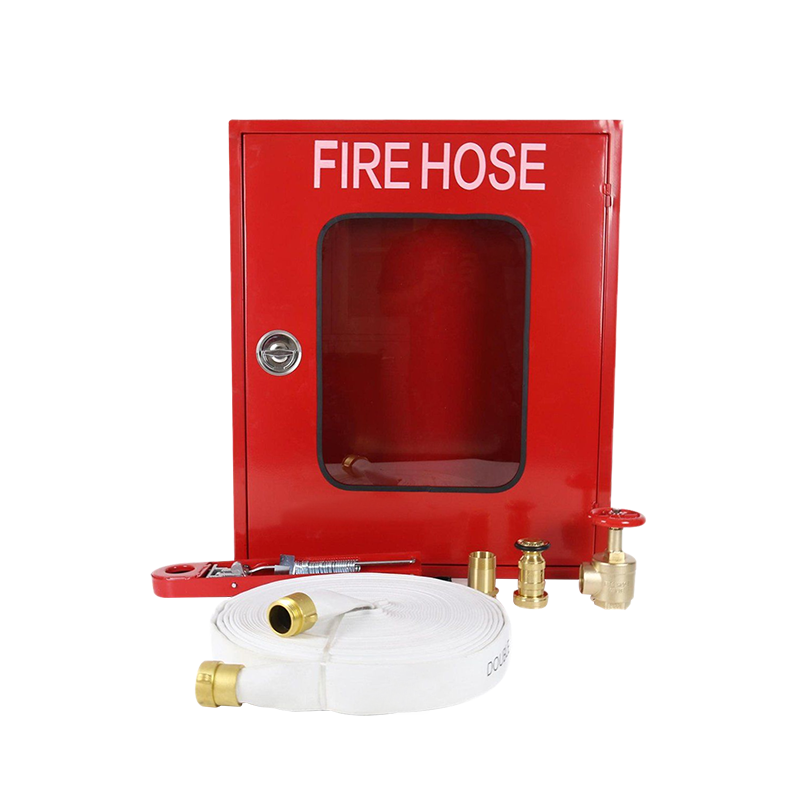
Fire cabinets are designed to accommodate fire hose,valve and other firefighting equipment. Type 201...
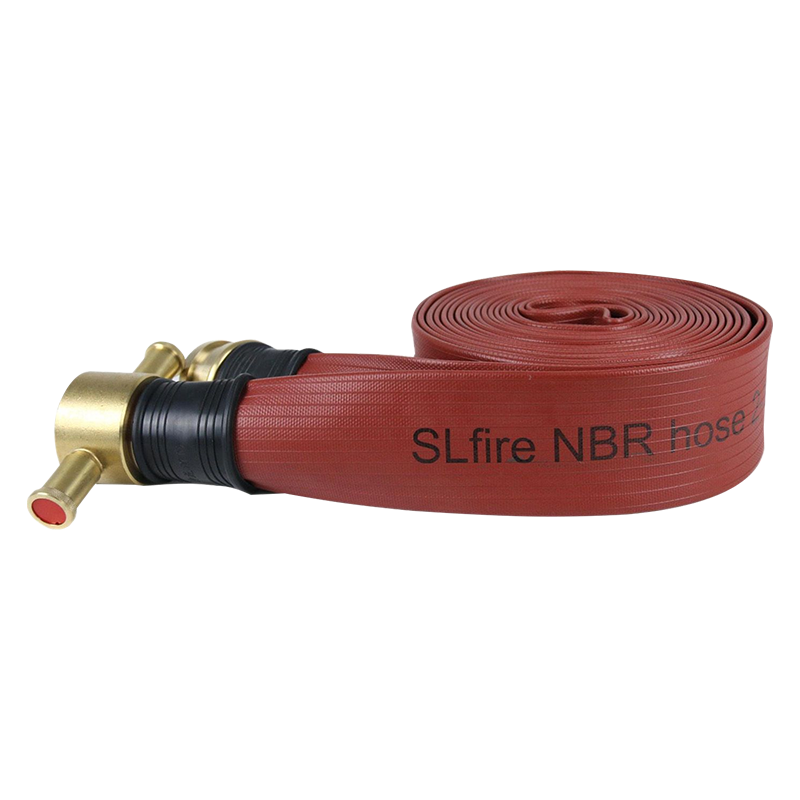
Nitrile covered hose •Nitrile/TPR blend as cover and lining, with 100% high-tenacity polyester yarn ...
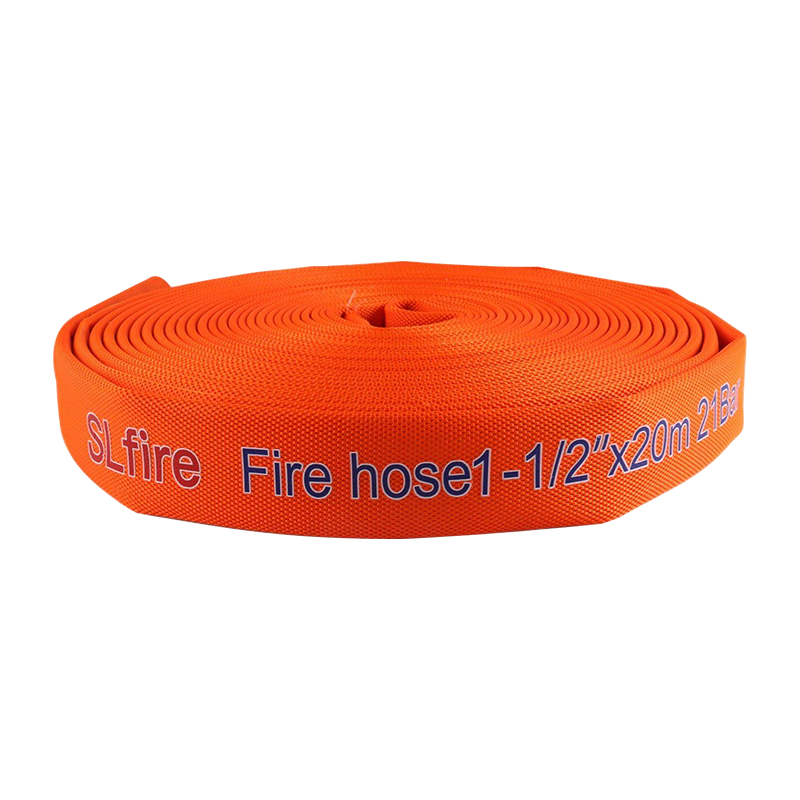
Single jacket, TPU liner •High-tenacity polyester yarn, circular woven in twill weave, TPU lining, f...
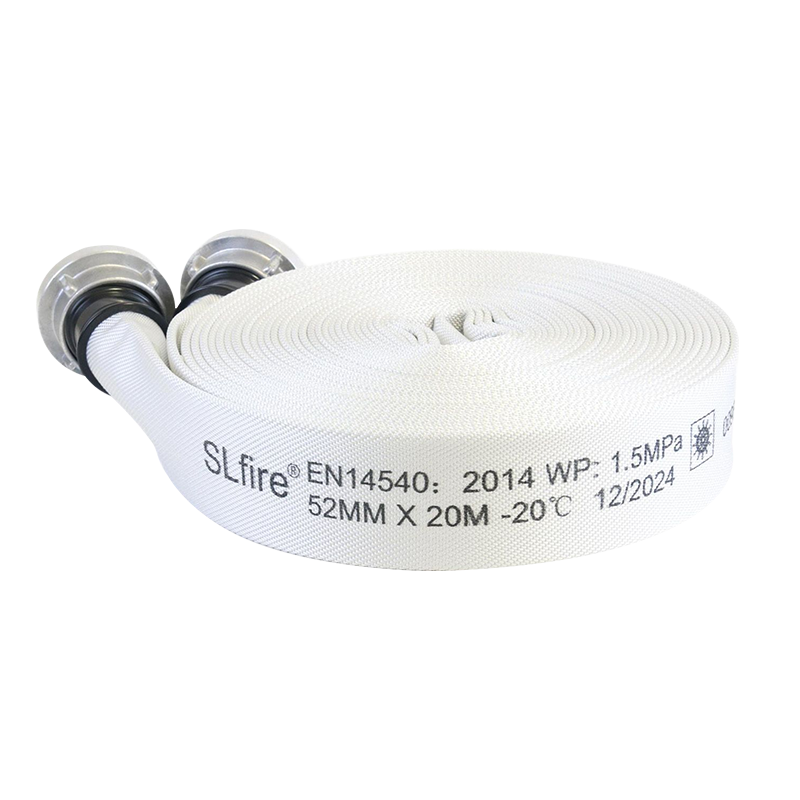
Marine hose Single jacket, PVC liner •100% high tenacity polyester yarn, circular woven in twill wea...
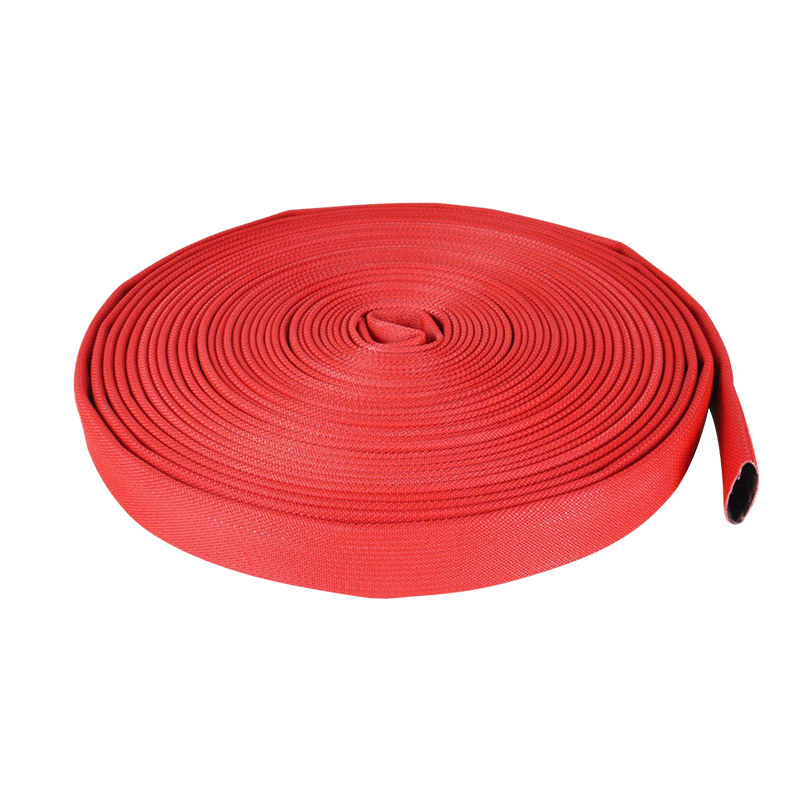
Marine hose Single jacket, PVC liner, PU coated •100% high tenacity polyester yarn,c ircular woven i...
 Call Us
+86 159-5116-9511
Need Support
Head Office
No.58, Kechuang Road, Sixiang Street Medicine Gaoxin District Taizhou City, Jiangsu Province

At a structure fire, the first line off the truck is the one that does the hardest work. Pulled around obstacles, dragged across gravel, charged with high-pressure water, and shut off at the nozzle d...
Copyright © Taizhou Shenlong Fire Science and Technology Co., Ltd. All Rights Reserved.
 Fire Hose Manufacturers, Fire Hydrant Hose Factory