

 English
 русский
 Español
 Deutsch
 عربى
 Français
 Português
Don't hesitate to send a message

Single jacket, EPDM rubber liner Features • 100% high tenacity polyester jacket, high-grade EPDM rub...
Content
Oil transfer operations require more than a hose that can simply move liquid from one point to another. The hose must resist the chemical action of hydrocarbons, tolerate mechanical wear, remain flexible across changing temperatures, withstand outdoor exposure, and help control static electricity. In environments where oil, fuel, or other combustible substances are handled, static buildup can become a serious operational risk. A properly designed anti-static hose therefore contributes to both fluid-transfer reliability and workplace safety.
The Anti-Static TPU as Cover and Lining Oil Hose is engineered for these demanding conditions. Its cover and inner lining are manufactured from anti-static thermoplastic polyurethane, commonly called TPU, while several copper wires are embedded into the reinforcement layer. During installation, the copper wires must be connected to the hose couplings so that static charges can be safely conducted away from the hose assembly.
This construction combines the benefits of TPU with an intentional electrostatic-control system. The result is a lightweight and highly resistant oil hose suitable for industrial oil handling, fuel transfer, construction operations, agricultural applications, water and oil recovery work, and other fluid-transfer environments where durability and static control are important.
The hose is available in multiple internal diameters, pressure ratings, wall thicknesses, weights, lengths, and colors. Standard production lengths include 100 meters and 200 meters, while customized lengths and technical parameters can be discussed according to project requirements.
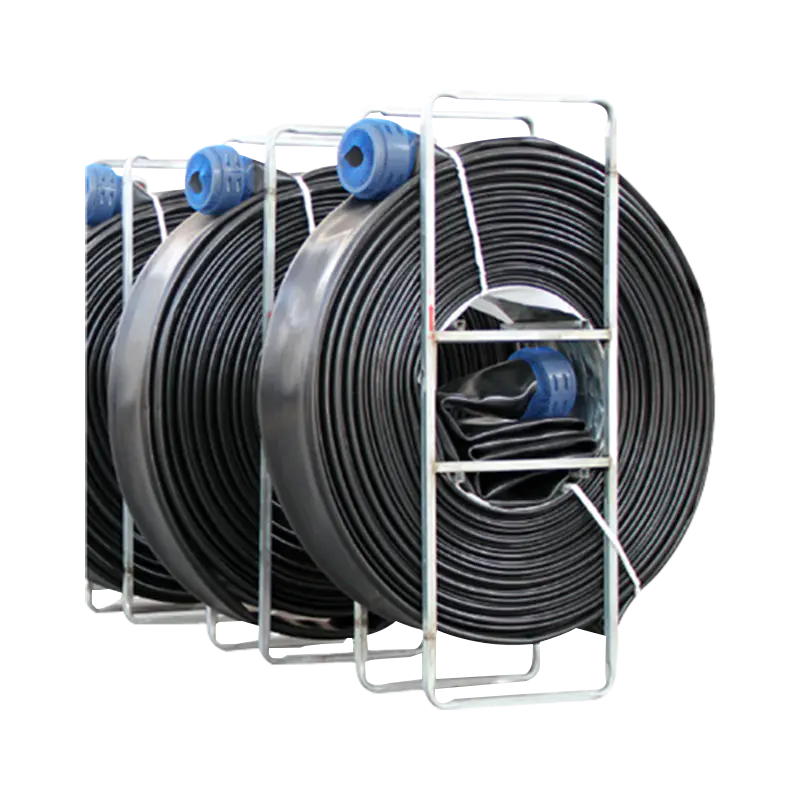
Anti-Static TPU as Cover And Lining Oil Hose
When a liquid flows through a hose, friction can generate an electrostatic charge. The charge may also develop as the hose rubs against nearby equipment, as fluids pass through filters or pumps, or as the hose is repeatedly handled and moved. If the charge has no controlled path to dissipate, it may accumulate on the hose surface or within the hose assembly.
In an oil-handling environment, uncontrolled static electricity can create an ignition concern. Many oils, fuels, solvents, and hydrocarbon products can produce flammable vapors, particularly in partially enclosed spaces, tanks, loading areas, and processing facilities. An unexpected spark near these vapors may present a serious hazard.
The anti-static TPU oil hose addresses this concern through two coordinated features. First, anti-static materials are added to the TPU raw materials used for the cover and lining. These materials help reduce the tendency of the hose to retain static charge. Second, several copper wires are embedded in the reinforcement layer. These wires provide a conductive route that can be bonded to the couplings and connected to an appropriate grounding system during installation.
This design is different from relying only on a conductive metal fitting at each end. The hose body itself is prepared for electrostatic control, while the embedded copper wires support continuity through the length of the assembly. Correct installation remains essential. The wires must be properly connected to the couplings, and the complete transfer system should be checked for electrical continuity and grounding before use.
Anti-static construction does not eliminate the need for safe operating procedures. Users should still control ignition sources, follow facility grounding requirements, select compatible couplings, inspect the hose regularly, and confirm that the hose is suitable for the specific oil or hydrocarbon being transferred.
TPU is valued in industrial hose manufacturing because it can combine flexibility, abrasion resistance, toughness, and relatively low weight. In this oil hose, TPU is used for both the inner lining and the outer cover. The lining comes into direct contact with the transferred medium, while the cover protects the reinforcement structure from external wear and environmental exposure.
Using anti-static TPU in both areas creates a more integrated hose design than using an anti-static layer in only one location. The inner lining helps control static generated during fluid movement. The outer cover helps reduce charge retention on the exterior and protects the hose from abrasion, ultraviolet radiation, ozone, and many common chemicals.
The material is also suited to hose designs that must be deployed, moved, coiled, and stored repeatedly. A hose that is too heavy or rigid can increase handling time and place additional strain on pumps, fittings, and workers. TPU provides a balance between flexibility and mechanical strength, allowing the hose to be specified for larger diameters while maintaining manageable handling characteristics.
Material selection should always be matched to the actual fluid. Oil products vary widely in composition, additives, aromatic content, temperature, and pressure. Before ordering, the user should provide information about the exact medium, concentration, operating temperature, working pressure, delivery method, and expected service conditions. The manufacturer can then confirm the most suitable construction and parameters.
Oil hoses are often dragged across concrete, metal platforms, vehicle beds, loading areas, and rough ground. Repeated movement can wear down an unprotected cover, eventually exposing the reinforcement and reducing the service life of the hose. The TPU cover is designed to resist this type of mechanical damage and is particularly useful in applications where frequent movement is expected.
Abrasion resistance is also important where the hose passes over edges, rests against equipment, or is handled with reels and lifting devices. Although a resistant cover does not make the hose indestructible, it provides an important protection layer against everyday mechanical stress.
The inner lining is designed for oil-transfer service, while the cover resists contact with oil, chemicals, and contaminated work surfaces. This helps the hose maintain its physical properties during normal exposure to hydrocarbons and industrial environments.
Chemical compatibility should be confirmed for each application rather than assumed from the general term “oil.” Crude oil, diesel fuel, lubricating oil, hydraulic oil, gasoline, solvents, and blended products may affect polymers differently. Compatibility testing or technical confirmation is recommended when the transferred medium contains unusual additives or aggressive chemicals.
Many oil hoses operate outdoors. Sunlight, ultraviolet radiation, ozone, rain, temperature changes, and airborne pollutants can gradually degrade exposed polymer surfaces. The TPU cover is designed to resist UV and ozone exposure, making the hose suitable for outdoor industrial sites, construction areas, agricultural facilities, storage yards, and transport operations.
Outdoor resistance does not remove the need for proper storage. When not in use, the hose should be drained, cleaned when appropriate, protected from sharp objects, and stored away from unnecessary heat, direct sunlight, and chemicals that are not compatible with the hose material.
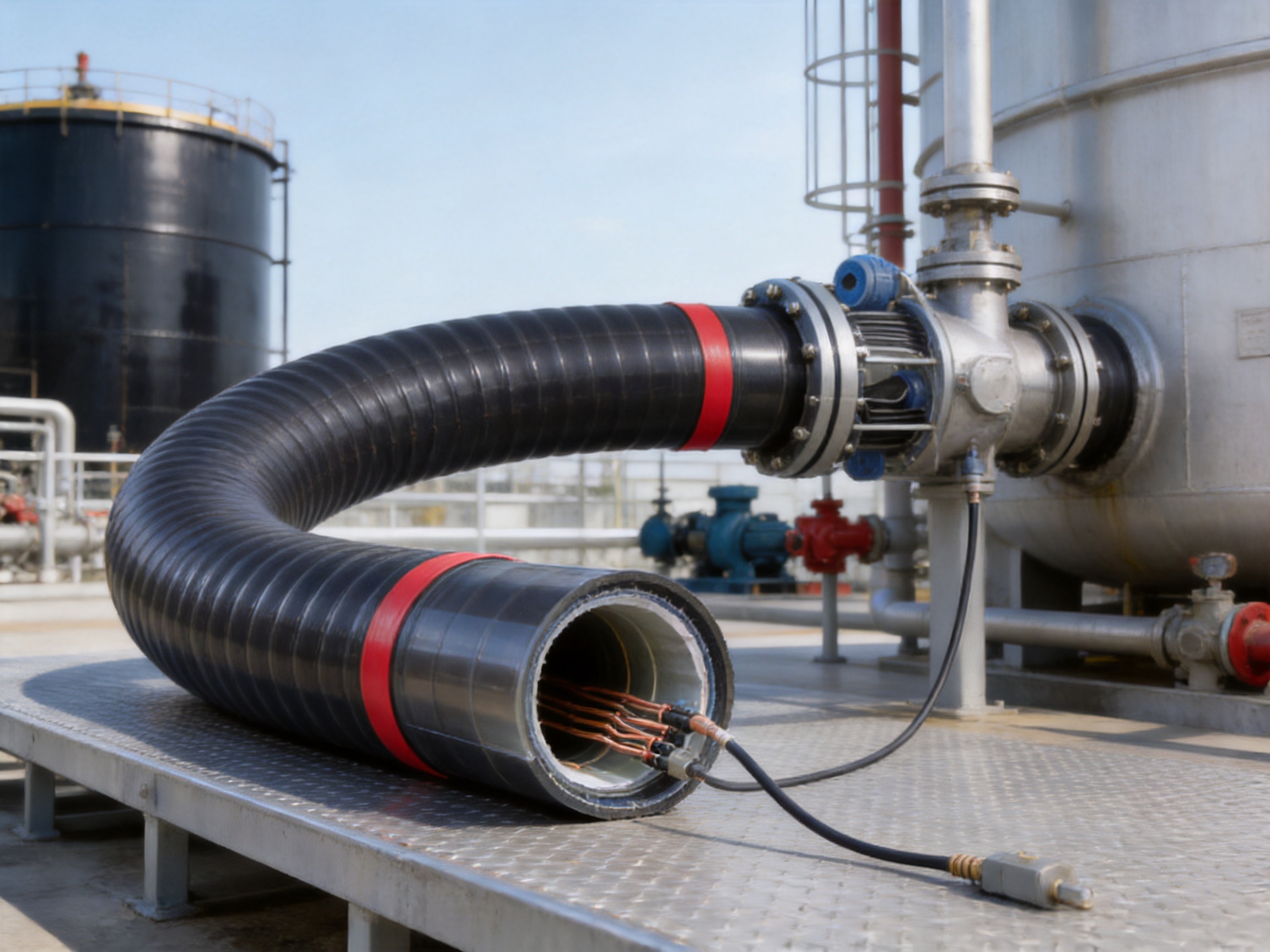
The specified temperature range of the Anti-Static TPU Oil Hose is -50°C to 80°C. This broad operating range allows the hose to function in cold climates, winter construction environments, refrigerated industrial areas, and moderately hot oil-transfer applications.
At low temperatures, polymer hoses can become less flexible. A hose designed for cold service must be able to tolerate handling and fluid movement without cracking or losing its functional integrity. The stated lower temperature rating provides a useful basis for applications exposed to severe cold, although actual performance also depends on bending radius, pressure, fluid composition, and the duration of exposure.
At elevated temperatures, the hose must retain sufficient strength and chemical stability. The upper rating of 80°C is suitable for many ambient and moderately heated oil-transfer operations. It should not be interpreted as permission to exceed the specified limit. Continuous high-temperature service, rapid temperature cycling, or hot fluids may require additional technical evaluation.
Temperature and pressure are interconnected. A hose that is suitable for a particular working pressure at normal ambient temperature may require a reduced pressure rating at higher temperatures. The operating plan should therefore consider both variables together, along with the fluid type and the expected frequency of use.
The hose uses a multilayer construction designed to distribute different responsibilities among the lining, reinforcement, conductive elements, and cover.
The inner lining forms the fluid-contact surface. It is manufactured from anti-static TPU to support oil resistance, flexibility, and electrostatic control. A smooth and stable lining can also help maintain efficient flow and reduce unnecessary turbulence in the transfer system.
The reinforcement layer provides the pressure-bearing structure. Its function is to help the hose withstand internal pressure while maintaining flexibility during handling and installation. The reinforcement design is selected according to the required diameter, working pressure, burst pressure, wall thickness, and intended application.
Several copper wires are embedded into this layer. These wires are not decorative components; they are part of the static-control system. During installation, they must be brought into electrical contact with the couplings. The finished assembly should be checked to confirm that the conductive path is continuous.
The outer cover protects the reinforcement from abrasion, oil, UV radiation, ozone, and chemical exposure. Because the cover also uses anti-static TPU, the external surface is designed to participate in the hose’s electrostatic-control performance rather than functioning only as a mechanical shield.
The cover can be supplied in standard black or red. Other colors may be available on customer request, subject to production requirements and order quantity.
The product range includes internal diameters from 2 inches to 8 inches. Working pressure options vary by size. The listed working pressures range from 348 psi to 580 psi, while the corresponding burst pressures range from 1,044 psi to 1,740 psi.
The pressure ratio between working and burst pressure provides an important safety margin in the listed specifications. However, burst pressure is not an operating target. The hose must always be operated below the specified working pressure, with suitable allowances for temperature, pressure surges, pump behavior, fluid density, and installation conditions.
The following table summarizes the available technical data.
| Nominal Size | Inner Diameter | Working Pressure | Burst Pressure | Wall Thickness | Weight |
| 2 inches | 50 mm | 406 psi / 28 bar | 1,218 psi / 84 bar | 3.4 mm | 0.66 kg/m |
| 2-1/2 inches | 65 mm | 406 psi / 28 bar | 1,218 psi / 84 bar | 3.0 mm | 0.80 kg/m |
| 3 inches | 80 mm | 406 psi / 28 bar | 1,218 psi / 84 bar | 3.6 mm | 1.00 kg/m |
| 4 inches | 100 mm | 406 psi / 28 bar | 1,218 psi / 84 bar | 4.8 mm | 1.76 kg/m |
| 4 inches | 100 mm | 580 psi / 40 bar | 1,740 psi / 120 bar | 4.8–5.6 mm | 2.26 kg/m |
| 5 inches | 125 mm | 406 psi / 28 bar | 1,218 psi / 84 bar | 4.4–5.4 mm | 2.25 kg/m |
| 6 inches | 150 mm | 348 psi / 24 bar | 1,044 psi / 72 bar | 5.3–6.3 mm | 3.15 kg/m |
| 6 inches | 150 mm | 435 psi / 30 bar | 1,305 psi / 90 bar | 5.7–6.2 mm | 3.30 kg/m |
| 8 inches | 200 mm | 406 psi / 28 bar | 1,218 psi / 84 bar | 6.0–6.5 mm | 5.20 kg/m |
Parameters such as inner diameter, wall thickness, weight, pressure, and color can be customized according to customer requirements. Customization should be agreed before production so that the material construction, reinforcement, conductive-wire arrangement, and coupling design are properly coordinated.
Conventional oil hoses may provide acceptable fluid compatibility but lack an integrated anti-static design. In applications involving combustible liquids or vapors, this can require additional grounding measures or may make the hose unsuitable for the intended risk environment.
The anti-static TPU hose offers several advantages over a standard non-conductive hose.
Anti-static material is incorporated into the TPU lining and cover, and copper wires are embedded in the reinforcement layer. This creates a hose designed specifically for electrostatic management rather than relying solely on external grounding straps or improvised conductive connections.
The hose combines abrasion resistance, oil resistance, chemical resistance, UV resistance, ozone resistance, and a broad temperature range. Competing products may emphasize only one or two of these properties, while this design is intended for broader industrial exposure.
The TPU construction offers a useful balance of strength and weight. For large-diameter transfer work, weight can affect the number of workers required, installation time, transportation cost, and strain on support equipment. The listed weight values allow buyers to plan handling and deployment more accurately.
Several sizes are available with different pressure ratings. This allows the customer to select a construction that matches the actual operating requirement instead of using a single oversized or under-specified hose for every application.
Standard lengths of 100 meters and 200 meters help reduce the number of joints in long transfer lines. Fewer joints can simplify installation and reduce the number of potential leakage points. Custom lengths are also available for projects with specific layout requirements.
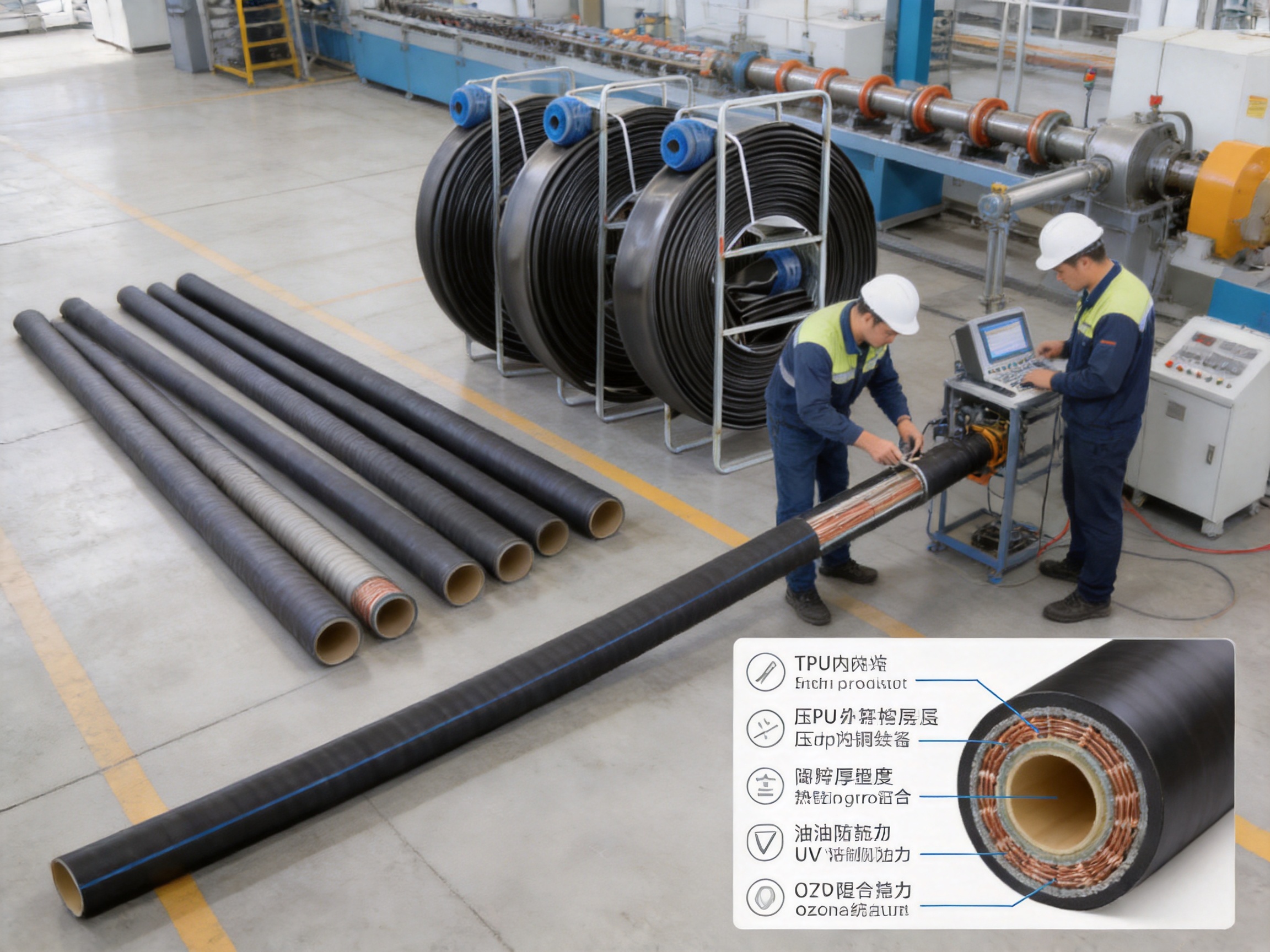
Taizhou Shenlong Fire Science and Technology Co., Ltd. was founded in 1995 and operates as an enterprise integrating research and development, production, sales, and service. Although the company is widely associated with lined fire hoses, its manufacturing experience also covers rubber, PVC, polyurethane, and other customer-specified products.
This broad material background is relevant to the production of anti-static TPU oil hoses. Hose performance depends not only on the polymer itself but also on compounding, extrusion control, reinforcement placement, bonding between layers, dimensional accuracy, and finishing. Experience with several hose materials provides a practical foundation for developing and producing specialized constructions.
An integrated research and development capability allows product construction to be adjusted according to customer requirements. For an anti-static oil hose, this may involve selecting the TPU formulation, determining the appropriate reinforcement arrangement, placing the copper wires, adjusting the wall thickness, and balancing pressure performance against flexibility and weight.
Product development can also address application-specific requirements such as unusual temperatures, customized colors, different delivery lengths, specialized coupling arrangements, and different working-pressure targets. The purpose of this approach is to provide a finished hose that matches the transfer system rather than treating every project as a standard catalog order.
TPU processing requires appropriate control of raw-material preparation, temperature, extrusion speed, cooling, and dimensional stability. Anti-static additives must be distributed consistently within the polymer so that the finished cover and lining provide uniform performance.
Consistent processing is especially important for long-length hose production. A small dimensional variation repeated over a long production run can affect inner diameter, wall thickness, weight, coupling fit, and pressure performance. Manufacturing control helps maintain a stable product from one end of the hose to the other.
The reinforcement layer must be formed accurately to support the required pressure rating while preserving flexibility. Copper wires must remain correctly positioned within the reinforcement layer and must be accessible for connection during coupling installation.
Wire continuity and connection preparation deserve particular attention because the anti-static function depends on the complete hose assembly. The manufacturing process should therefore protect the wires from displacement or damage while ensuring that the finished product can be properly terminated with compatible couplings.
Reliable hose manufacturing requires inspection of appearance, dimensions, wall thickness, weight, pressure performance, and construction consistency. Depending on the order and application, additional checks may include electrical continuity, material compatibility, coupling retention, and resistance to leakage.
Customers should request the applicable inspection documentation when the hose is intended for critical service. Technical documentation can help confirm the selected size, working pressure, burst pressure, temperature range, material construction, and installation requirements.
The company reports that its products are sold across more than 20 provinces, cities, and autonomous regions and that it cooperates with domestic foreign-trade companies for export products. This market experience supports the handling of different customer specifications, packaging requirements, documentation needs, and delivery arrangements.
A manufacturer accustomed to both domestic and international orders is better positioned to communicate about dimensions, tolerances, labeling, shipping lengths, packing methods, and technical confirmations before production. These details are particularly important for industrial hoses because an incorrect size or coupling arrangement can create installation delays.
The most direct application is the transfer of oil, fuel, and compatible hydrocarbon products between storage tanks, transport vehicles, pumps, processing equipment, and temporary transfer points. The anti-static construction is valuable where flammable liquids or vapors are present and where the hose must be moved regularly.
Factories, workshops, refineries, terminals, and equipment-maintenance facilities may require flexible connections for oil-based products. The hose can be selected for transfer lines, loading and unloading systems, equipment drainage, or temporary bypass operations, subject to fluid compatibility and pressure requirements.
Construction sites often require temporary fluid-transfer lines that can tolerate dirt, rough ground, sunlight, and frequent relocation. The hose’s resistance to abrasion and environmental exposure makes it suitable for demanding site conditions. Its available long lengths can also reduce the need for multiple short sections.
Agricultural facilities may handle diesel fuel, lubricants, heating oil, and other oil-based products used by tractors, generators, pumps, and storage systems. A flexible anti-static hose can support transfer operations in yards, workshops, fuel stations, and equipment-maintenance areas.
Temporary oil recovery and cleanup operations can require hoses that are resistant to hydrocarbons, outdoor exposure, and repeated handling. The broad temperature range is useful for field operations in changing weather conditions. The hose should be selected according to the recovered material, suction or discharge conditions, and any special environmental requirements.
Oil transfer in transport-related environments may involve trucks, tankers, storage containers, loading platforms, or service vessels. In these settings, the hose must be compatible with the transported product and securely connected to equipment. Anti-static bonding and grounding procedures are especially important where fuel vapors may accumulate.
Correct selection begins with a clear description of the application. Buyers should identify the transferred medium, temperature range, working pressure, pressure surges, required flow rate, installation length, movement frequency, and environmental exposure.
The inner diameter affects flow capacity, pressure loss, pump performance, and handling weight. A diameter that is too small may restrict flow and increase friction. A diameter that is unnecessarily large may increase cost, weight, and storage requirements.
The listed range extends from 50 mm to 200 mm. The appropriate choice should be based on the required flow rate and the connection size of the equipment. Reducers and adapters can be used in some systems, but excessive changes in diameter may affect flow behavior and should be evaluated by the system designer.
Working pressure must be selected above the highest expected continuous operating pressure, including normal fluctuations and foreseeable surges. The burst pressure should never be used as the basis for routine operation.
For systems with pumps that start and stop rapidly, valves that close quickly, or long transfer lines, pressure surges may be significantly higher than the average gauge reading. These conditions should be considered before the hose is selected.
Confirm both the ambient temperature and the temperature of the transferred fluid. If the hose will be exposed to hot equipment, steam, sunlight, cold air, or rapid temperature changes, these factors should be included in the technical review.
The standard options of 100 meters and 200 meters are suitable for many long-line installations. Custom lengths can reduce excess material, simplify deployment, and help optimize storage. When specifying length, buyers should account for routing, movement, bend allowance, and connection points.
Couplings must be selected to match the hose diameter, pressure rating, fluid, and equipment connections. Because the hose contains copper wires for static control, the coupling design must also permit proper electrical connection.
The wires should be securely connected to the couplings at installation. The complete assembly should then be bonded and grounded in accordance with the site’s electrical-safety procedures. A continuity test should be performed after assembly and repeated as part of periodic maintenance.
Before installation, inspect the hose for cuts, abrasions, exposed reinforcement, crushed sections, contamination, or other damage. Confirm that the product marking and technical specification match the intended application.
Do not drag the hose over sharp edges when avoidable. Use rollers, lifting straps, or suitable handling equipment for heavy or large-diameter sections. Avoid pulling the hose by the coupling unless the coupling and lifting method are specifically designed for that purpose.
Install the hose without twisting. A twisted hose can place stress on the reinforcement, couplings, and copper wires. The hose should be routed with a suitable bend radius and should not be forced into a bend tighter than the manufacturer’s recommendation.
Prevent the hose from rubbing continuously against sharp corners, moving machinery, hot surfaces, or abrasive structures. Where contact cannot be avoided, use suitable protective supports or wear guards that do not interfere with flexibility or grounding continuity.
After coupling installation, confirm that all connections are secure and leak-free. Check that the embedded copper wires are connected to the couplings and that the coupling-to-ground path is continuous. The hose should not be placed into service until the static-control arrangement has been verified.
Before transferring oil, flush or clean the hose when required by the application. This is particularly important when the hose has previously carried a different medium. Residual fluid can create compatibility problems, contamination, or an unexpected reaction with the new product.
Regular inspection helps identify damage before it becomes a failure. Inspect the cover for deep cuts, softening, blistering, cracking, excessive abrasion, chemical swelling, discoloration, and exposed reinforcement. Inspect the coupling area for movement, leakage, corrosion, or damage to the conductive-wire connection.
Check electrical continuity at an interval appropriate for the risk level and frequency of use. Continuity can be affected by damaged wires, poor coupling connections, corrosion, improper repairs, or mechanical stress. A hose that no longer provides the intended conductive path should be removed from hazardous service until it is assessed.
Do not exceed the rated working pressure or temperature. Avoid sudden pressure shocks whenever possible, and do not use the hose for gases or incompatible chemicals unless the manufacturer has specifically approved the application.
After use, drain the hose as appropriate and remove material that could harden, settle, or chemically attack the lining. Store the hose in a clean, dry area away from direct sunlight, excessive heat, sharp objects, and incompatible chemicals. Large-diameter hose should be stored without crushing or creating permanent kinks.
Repairs should be performed only by qualified personnel using approved methods. Cutting out a damaged section and installing a new coupling may affect the grounding path and pressure performance. Any repair should therefore include inspection of the hose construction and verification of electrical continuity.
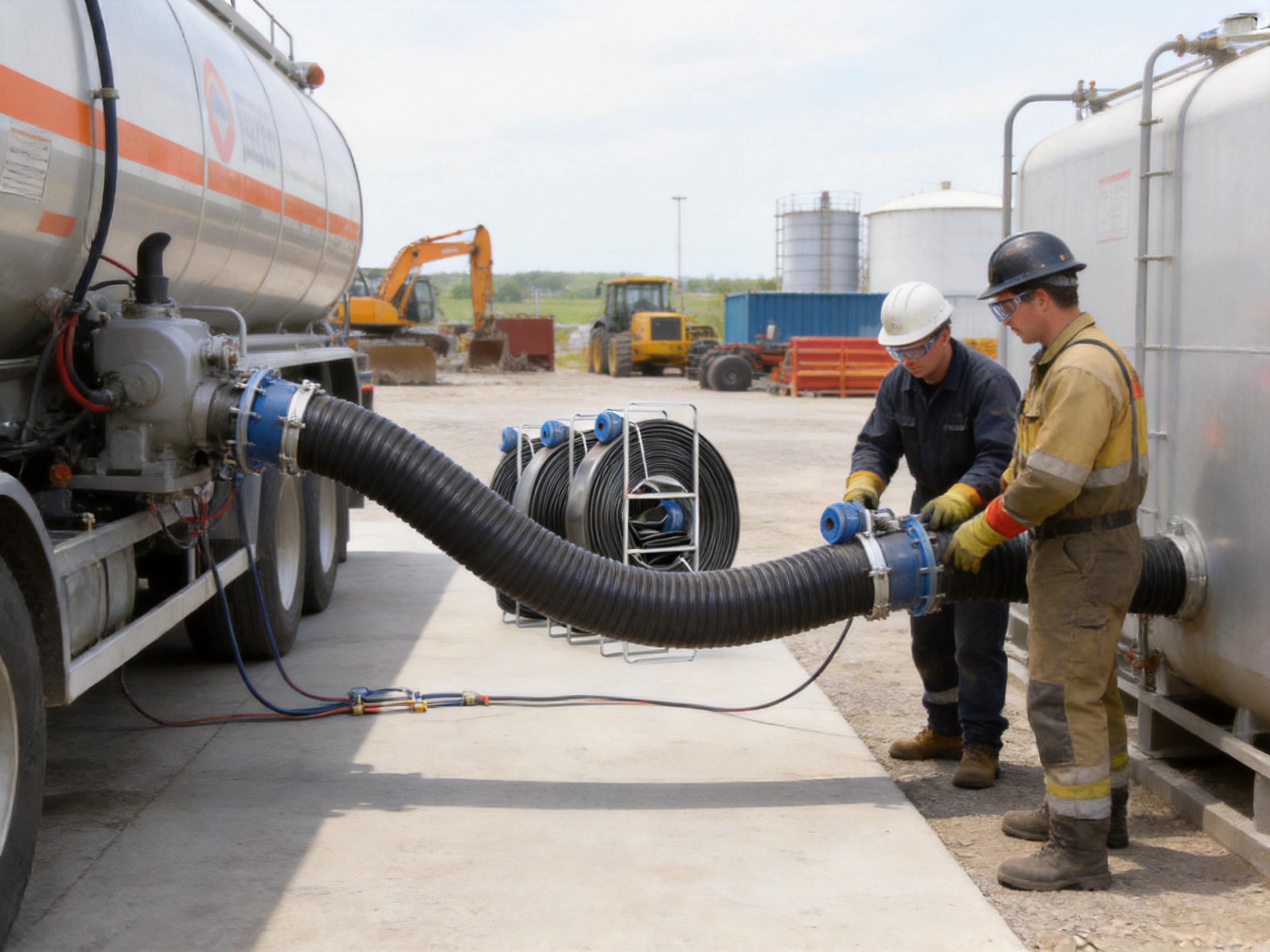
Industrial hose buyers often require more than a standard product description. They may need customized dimensions, special colors, project-specific lengths, different pressure ratings, technical drawings, inspection records, packaging instructions, or coupling arrangements.
The manufacturer can customize parameters such as inner diameter, wall thickness, weight, pressure, and color according to customer requirements. This provides flexibility for customers whose equipment does not match common catalog dimensions or whose operating conditions demand a particular balance of weight and pressure capacity.
Technical communication before production is essential. Customers should provide the following information whenever possible:
1. The exact oil, fuel, hydrocarbon, or chemical being transferred.
2. The normal and maximum operating temperature.
3. The normal and maximum operating pressure.
4. The required internal diameter and total length.
5. Whether the hose will be used for suction, discharge, or both.
6. The expected frequency of movement and bending.
7. Outdoor, underground, marine, agricultural, or industrial exposure conditions.
8. The required coupling type and connection standard.
9. The site’s grounding and electrical-continuity requirements.
10. Required color, packaging, markings, and inspection documentation.
Clear information allows the manufacturer to recommend a suitable construction and reduces the risk of ordering a hose that is technically incompatible with the system.
The Anti-Static TPU Oil Hose is designed to help control static electricity, but no hose can replace a complete safety program. The hose should be used by trained personnel who understand the risks associated with flammable liquids, pressure systems, and chemical exposure.
Before use, verify the hose’s pressure, temperature, and fluid compatibility. Confirm that the couplings are correctly installed and that the hose is properly supported. Keep ignition sources away from the transfer area, provide adequate ventilation, and follow all applicable workplace procedures.
Grounding and bonding should be designed for the entire transfer system, including tanks, pumps, vehicles, couplings, and hoses. The embedded copper wires must be connected during installation; leaving them unconnected may prevent the hose from performing its intended static-control function.
If the hose shows visible damage, an unexplained pressure drop, leakage, abnormal swelling, electrical discontinuity, or unusual stiffness, stop using it and arrange an inspection. Do not continue operating a damaged hose merely because the cover still appears intact.
The hose is designed to transfer oil and compatible hydrocarbons while helping control static electricity. It uses anti-static TPU for the cover and lining and includes copper wires in the reinforcement layer for connection to the couplings.
The copper wires must be connected to the couplings during installation. The coupling connections should then be bonded to the appropriate grounding system. Electrical continuity should be checked after assembly and during maintenance inspections.
No. Oil products differ in chemical composition and additives. The exact fluid should be provided to the manufacturer for compatibility confirmation before ordering. The hose should not be used with an unapproved medium.
The specified temperature range is -50°C to 80°C. Actual suitability also depends on pressure, fluid type, exposure time, bending conditions, and the temperature of surrounding equipment.
Listed internal diameters range from 2 inches, or 50 mm, to 8 inches, or 200 mm. Other dimensions may be customizable according to project requirements.
The listed working pressures range from 348 psi to 580 psi, or approximately 24 bar to 40 bar, depending on the size and construction. The applicable pressure must be confirmed for the selected specification.
No. Burst pressure is a failure-test value and must not be treated as a normal operating limit. The hose must be operated within its specified working pressure, with consideration for temperature and pressure surges.
Black and red are listed as standard colors. Other colors may be available on customer request.
Standard lengths include 100 meters and 200 meters. Custom lengths may be available for specific project layouts and transport requirements.
Yes. Parameters such as wall thickness, weight, inner diameter, pressure, and color can be customized according to customer requirements, subject to technical review and production feasibility.
The cover is designed to resist abrasion, oil, UV radiation, ozone, and chemicals, making the hose suitable for many outdoor applications. Proper storage and inspection are still required, particularly in severe environments.
The principal difference is the integrated anti-static design. Anti-static materials are used in the TPU cover and lining, and copper wires are embedded in the reinforcement layer. This construction is intended for applications where static control is an important safety requirement.
Confirm the fluid, diameter, working pressure, temperature, length, coupling type, installation method, outdoor exposure, static-control requirements, and required documentation. Providing complete information helps ensure correct product selection.
The Anti-Static TPU as Cover and Lining Oil Hose provides a specialized solution for oil and hydrocarbon transfer where mechanical durability and static control are both important. Its anti-static TPU cover and lining help address electrostatic buildup, while embedded copper wires provide a conductive path when correctly connected to the couplings and grounding system.
The hose offers resistance to abrasion, oil, UV radiation, ozone, and chemicals, together with a temperature range of -50°C to 80°C. Its available diameters, pressure ratings, lengths, colors, wall thicknesses, and weights make it adaptable to a wide variety of industrial, agricultural, construction, transport, and oil-transfer applications.
Its value is further supported by the manufacturer’s experience in research and development, hose production, material processing, customization, domestic distribution, and export cooperation. The combination of TPU technology, integrated conductive construction, flexible specifications, and manufacturing experience gives customers a practical alternative to ordinary non-conductive oil hoses.
For the best result, the hose should be selected according to the actual fluid, pressure, temperature, flow, installation, and grounding conditions. Correct coupling installation, continuity testing, regular inspection, and disciplined handling are essential to obtain the intended performance and service life.
1. Manufacturer-provided product specifications for Anti-Static TPU as Cover and Lining Oil Hose.
2. Manufacturer-provided technical information concerning TPU cover and lining construction, embedded copper wires, operating temperature, lengths, colors, and customization.
3. Manufacturer-provided dimensional, pressure, wall-thickness, and weight table for available hose sizes.
4. General industrial guidance on hose selection, pressure ratings, fluid compatibility, electrical continuity, bonding, and grounding.
5. General polymer engineering references concerning thermoplastic polyurethane abrasion resistance, flexibility, chemical resistance, and environmental durability.
6. General occupational safety guidance for the handling and transfer of flammable liquids and hydrocarbon products.
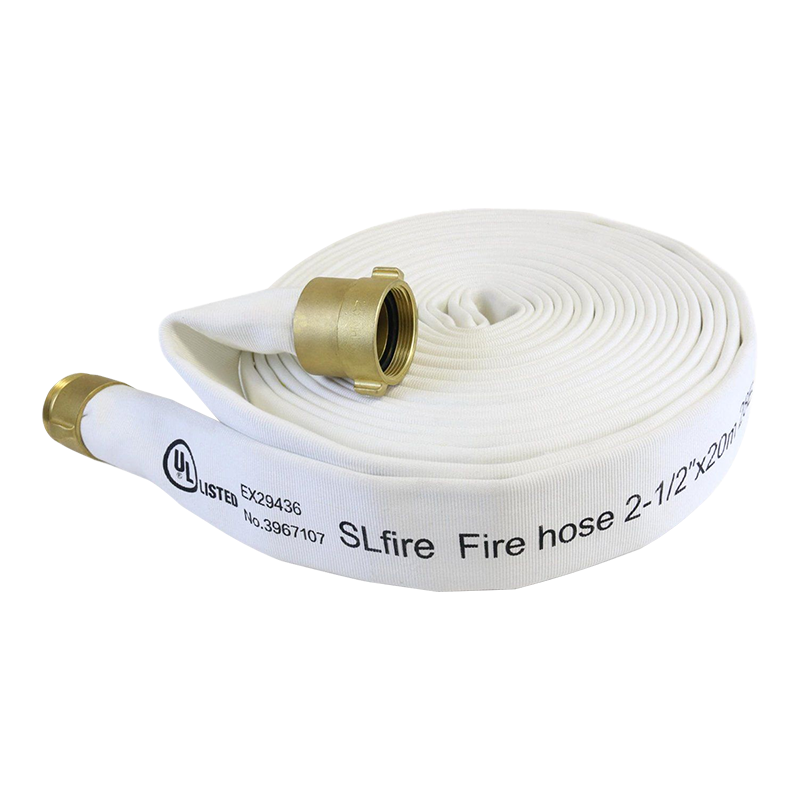
Single jacket, EPDM rubber liner Features • 100% high tenacity polyester jacket, high-grade EPDM rub...
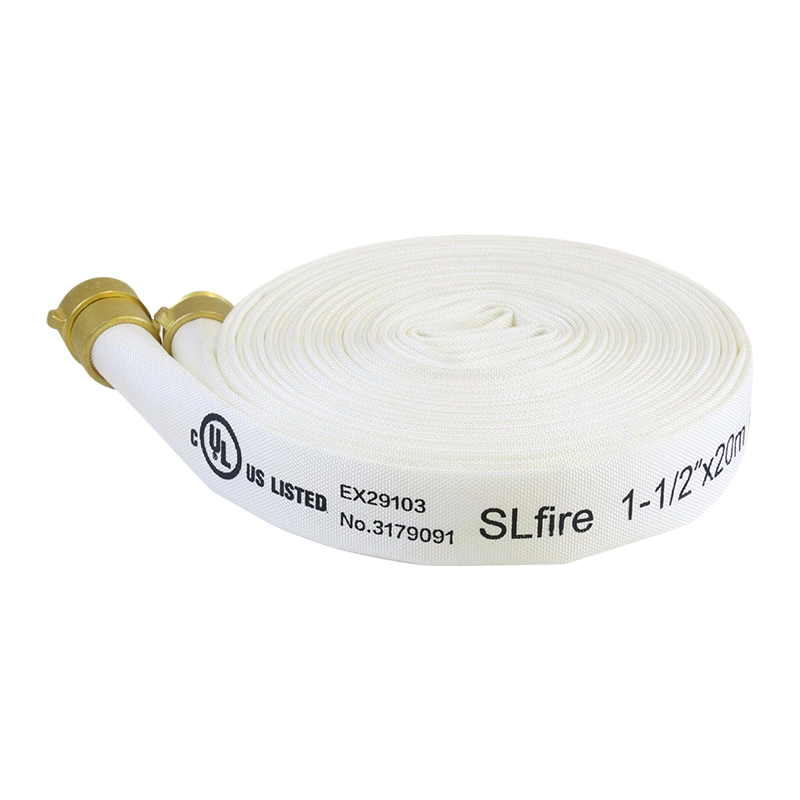
Single jacket, TPU liner •High-tenacity polyester yarn, circular woven in twill weave/plain weave,T ...
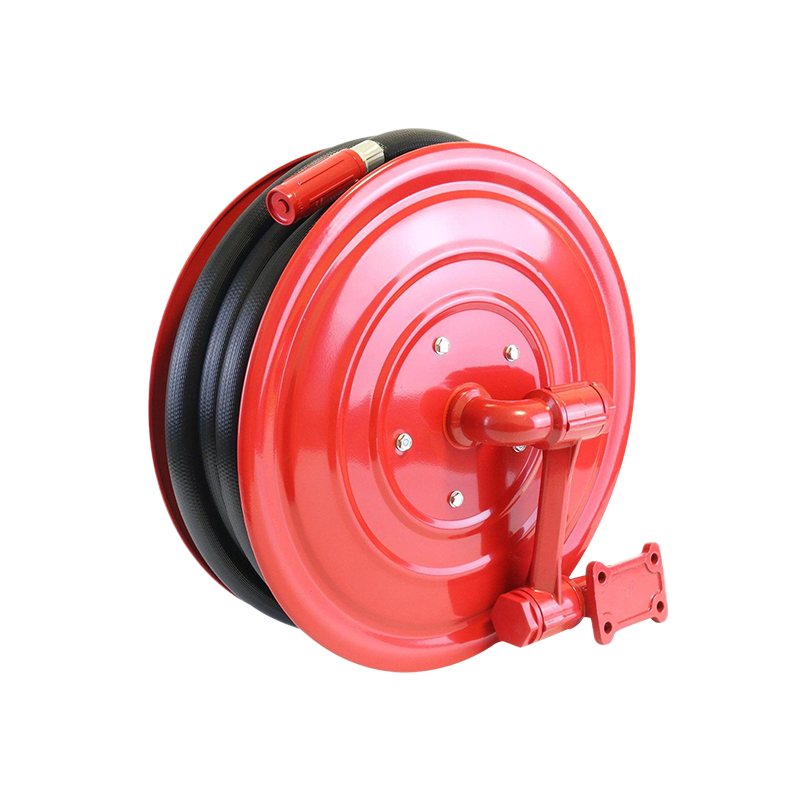
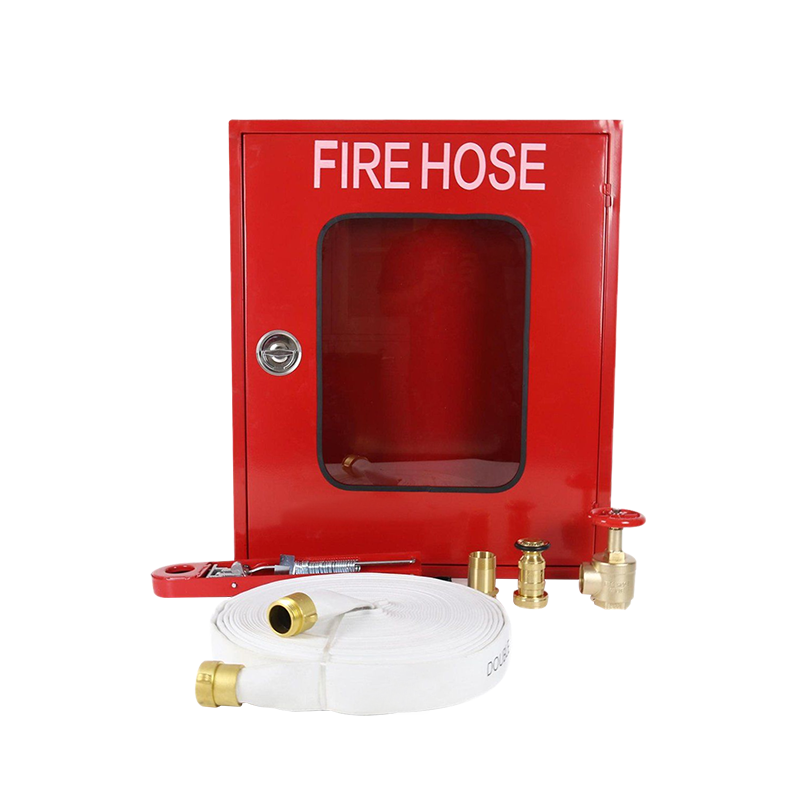
Fire cabinets are designed to accommodate fire hose,valve and other firefighting equipment. Type 201...
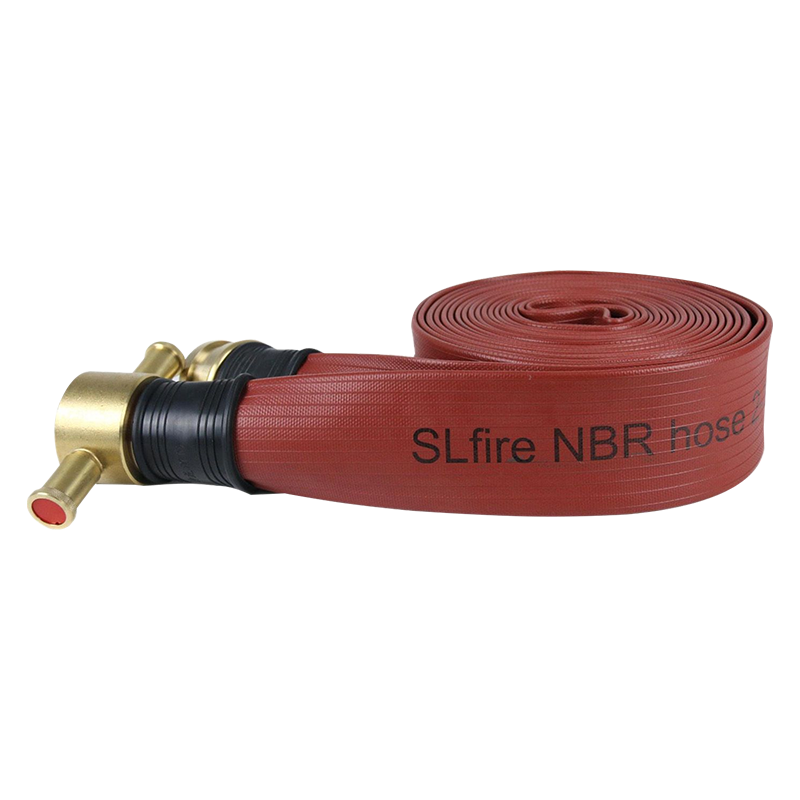
Nitrile covered hose •Nitrile/TPR blend as cover and lining, with 100% high-tenacity polyester yarn ...
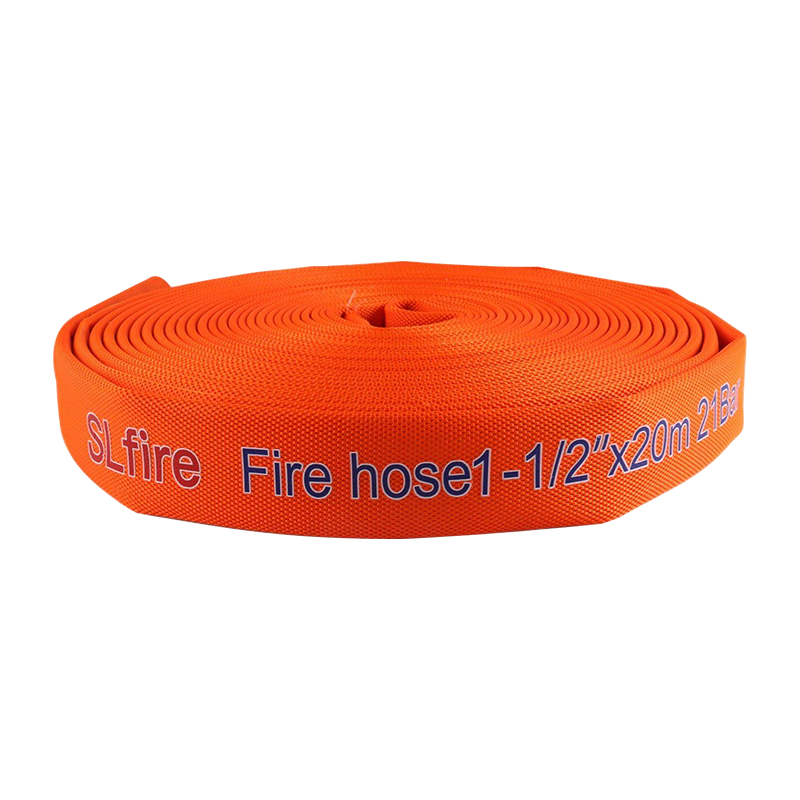
Single jacket, TPU liner •High-tenacity polyester yarn, circular woven in twill weave, TPU lining, f...
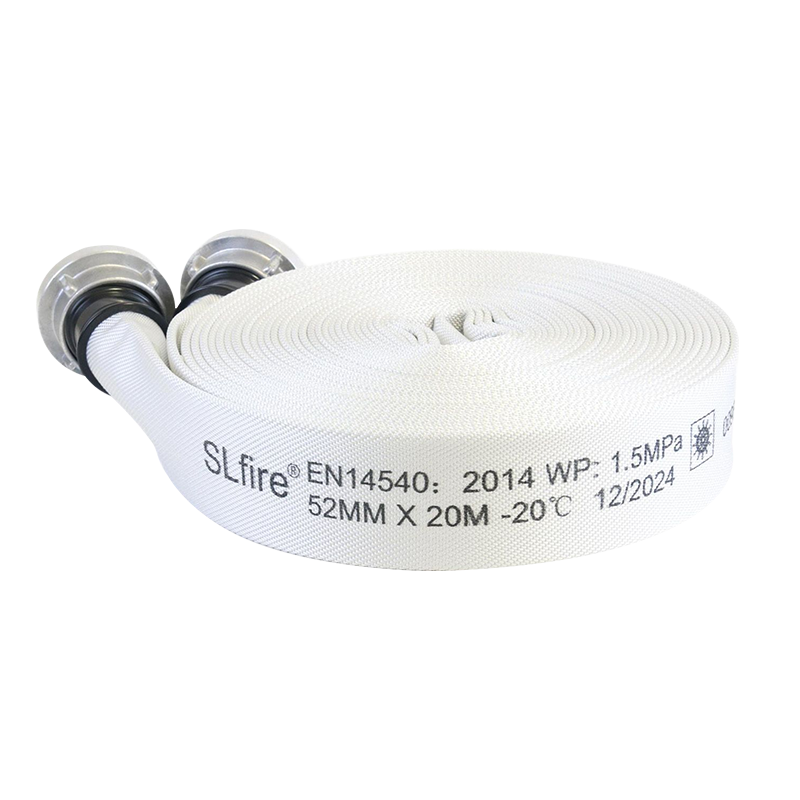
Marine hose Single jacket, PVC liner •100% high tenacity polyester yarn, circular woven in twill wea...
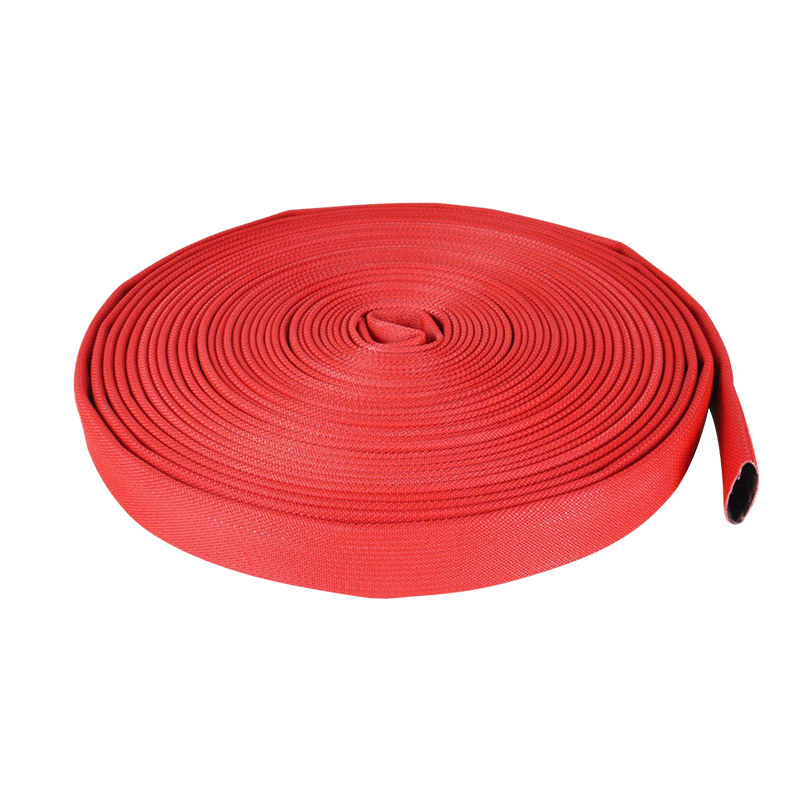
Marine hose Single jacket, PVC liner, PU coated •100% high tenacity polyester yarn,c ircular woven i...
 Call Us
+86 159-5116-9511
Need Support
Head Office
No.58, Kechuang Road, Sixiang Street Medicine Gaoxin District Taizhou City, Jiangsu Province

At a structure fire, the first line off the truck is the one that does the hardest work. Pulled around obstacles, dragged across gravel, charged with high-pressure water, and shut off at the nozzle d...
Copyright © Taizhou Shenlong Fire Science and Technology Co., Ltd. All Rights Reserved.
 Fire Hose Manufacturers, Fire Hydrant Hose Factory