

 English
 русский
 Español
 Deutsch
 عربى
عربى Français
 Português
Don't hesitate to send a message

Single jacket, EPDM rubber liner Features • 100% high tenacity polyester jacket, high-grade EPDM rub...
Content
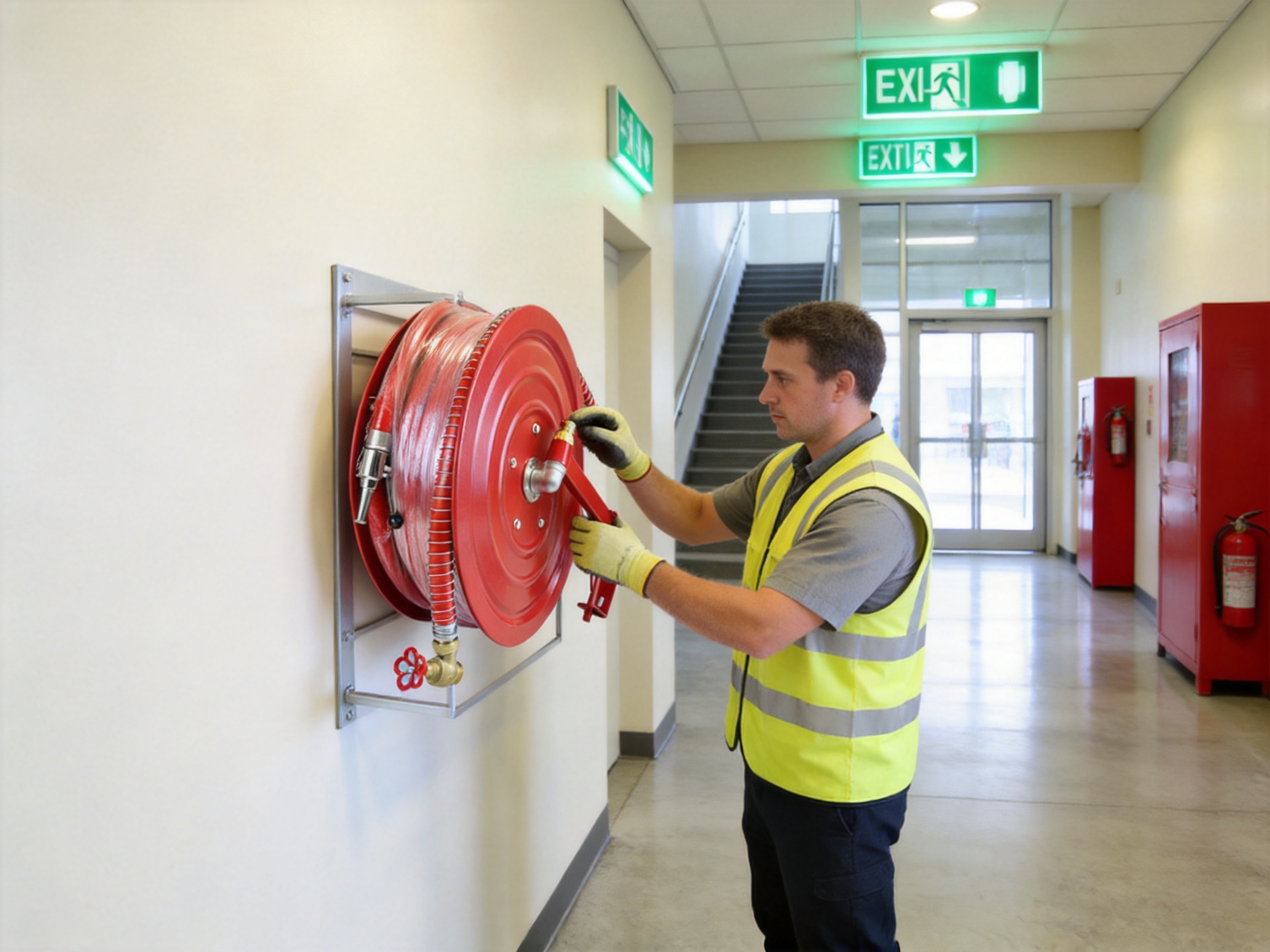
Fire hose reels are among the most accessible forms of first-response firefighting equipment used in buildings. Positioned in corridors, stairwells, public areas, workshops, commercial premises, and other locations where a fire may first be discovered, a hose reel gives occupants a direct way to apply water before a small incident develops into a serious emergency. The common style fire hose reel is designed around a simple principle: keep a hose neatly stored, make it easy to deploy, and provide a spray gun and water connection that can be operated quickly.
Unlike complex professional firefighting systems that may require specialized training, the ordinary fire hose reel is intended to be understandable and practical for general users. A person who discovers a developing fire can pull the hose from the reel, open the valve, aim the spray gun, and begin applying water when conditions are suitable. This direct operating sequence reduces unnecessary delay during the critical early stage of a fire.
A reliable fire hose reel must provide more than simple storage. It must combine stable construction, dependable water delivery, smooth hose deployment, appropriate material selection, convenient installation, and long-term resistance to wear and environmental exposure. The common style fire hose reel described in this article is built around these essential requirements. Its compact design, serviceable structure, and adaptable configuration make it a practical choice for building owners, contractors, distributors, facility managers, and fire protection projects.
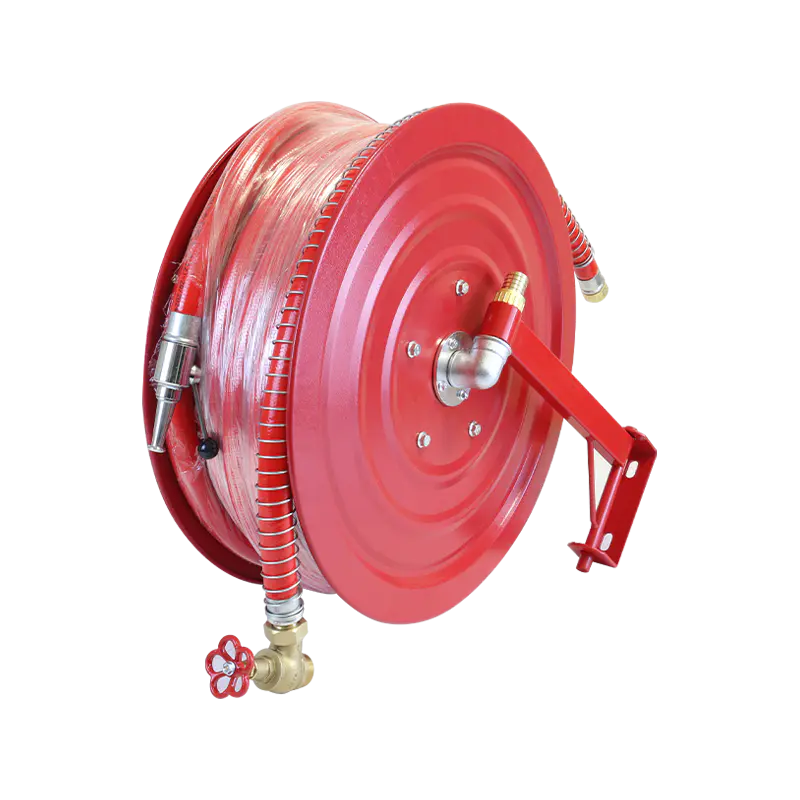
Common Style Fire Hose Reels
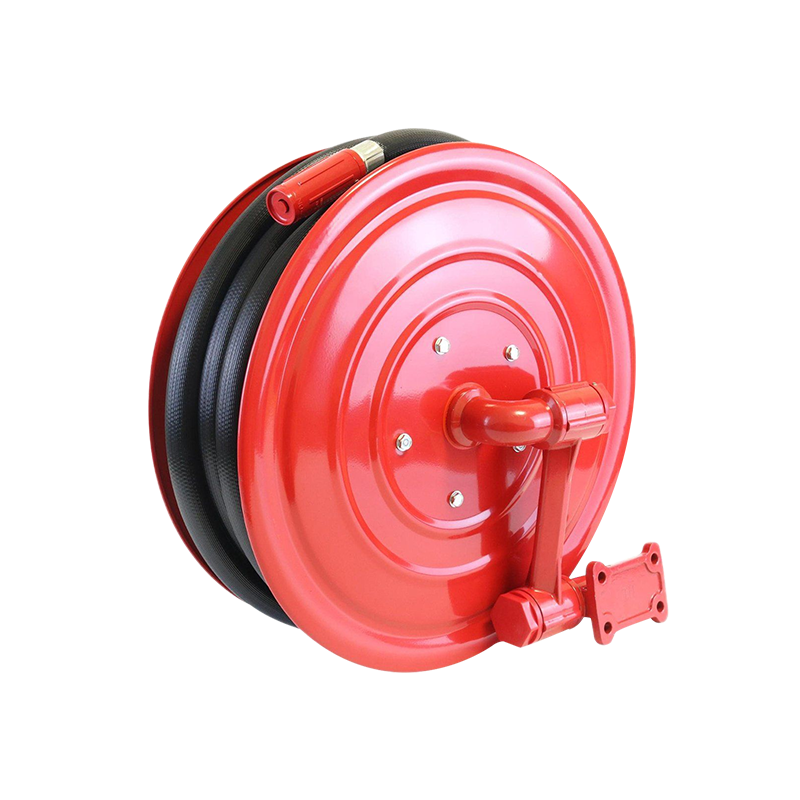
A common style fire hose reel is a wall-mounted or otherwise fixed firefighting device that stores a flexible hose on a rotating reel. The hose is connected to a water inlet pipe on one end and fitted with a spray gun or nozzle on the other. The reel keeps the hose organized when it is not in use and allows it to be pulled out rapidly when water is required.
The principal components normally include the reel body, hose, spray gun, water inlet pipe, shutoff valve, and supporting frame or mounting structure. Depending on the project, the assembly may also be installed inside a cabinet or positioned in an open wall-mounted arrangement. The basic layout is intentionally uncomplicated. Fewer operating steps make the equipment easier to understand, while an accessible design makes inspection and maintenance more convenient.
When a fire is discovered, the user generally removes or releases the hose from its stored position, pulls it toward the area requiring protection, opens the water valve, and controls the water stream with the spray gun. The hose can usually be extended progressively, allowing the user to move within the practical reach of the equipment rather than carrying a separate loose hose.
The reel is particularly useful during the initial stage of a fire, when quick action may prevent flames from spreading to nearby materials. It is not a replacement for a complete building fire protection strategy, professional emergency response, evacuation procedures, or systems designed for specialized hazards. Instead, it functions as an immediately available first-response tool within a broader safety plan.
The reel assembly holds the hose in a compact circular arrangement and supports controlled extension and retraction. A well-designed reel should rotate smoothly, resist unnecessary wobbling, and keep the hose arranged so that it can be pulled out without severe tangling. The reel also helps prevent the hose from being left on the floor, where it could become a trip hazard, suffer abrasion, or obstruct access routes.
The reel structure must balance strength with manageable weight. A heavy frame may be difficult to install and may place excessive load on a wall, while a weak frame may deform during use or transportation. A practical reel uses a stable supporting structure that is suitable for routine handling and repeated inspection.
The hose is the working element that transports water from the inlet connection to the spray gun. For ordinary hose reels, rubber or PVC-based hose materials are commonly selected because they can offer flexibility, wear resistance, corrosion resistance, and resistance to aging when appropriately manufactured and stored.
Flexibility is important because the hose must wind around the reel and extend through corridors or around limited obstacles. At the same time, the hose should maintain sufficient structural integrity under normal water pressure and handling conditions. Its outer surface must tolerate contact with mounting areas, cabinet edges, floors, and other surfaces likely to be encountered during use.
Material selection also affects service life. A hose that becomes brittle, cracked, excessively stiff, or damaged by environmental exposure may not deploy reliably. For this reason, the hose should be selected according to the expected temperature, installation environment, water conditions, operating frequency, and project requirements.
The spray gun gives the operator control over the water stream. It enables the user to direct water toward the visible fire or the material immediately involved. A suitable spray gun should be comfortable to hold, straightforward to operate, and compatible with the hose and water supply arrangement.
Simple controls are especially valuable in public or shared buildings, where users may not have professional firefighting experience. A clearly understandable control arrangement helps reduce hesitation and allows the operator to focus on safe positioning, evacuation awareness, and water application.
The water inlet pipe connects the reel to the building water supply or designated firefighting water line. The valve controls the flow and allows the equipment to remain pressurized or isolated according to the installation plan and maintenance procedure.
Connections should be assembled carefully to reduce the possibility of leakage. The inlet arrangement must also be compatible with the project’s pipework, connection standards, pressure conditions, and installation space. Since these details can differ between markets and buildings, buyers should confirm connection requirements before ordering.
The mounting frame supports the reel on a wall or other suitable structure. In some applications, the reel is installed in a fire cabinet that protects the assembly from dust, impact, unauthorized handling, and visual clutter. In other settings, an open arrangement may provide faster visibility and easier access.
The choice between an open reel and a cabinet-mounted reel depends on the building design, accessibility requirements, environmental conditions, local regulations, and project preferences. Regardless of the format, the equipment should remain clearly identified, unobstructed, and easy to reach.
The common style fire hose reel has remained popular because it focuses on the practical needs of first-response firefighting. Its value does not depend on unnecessary complexity. Instead, it comes from the combination of accessible operation, organized storage, compact installation, and maintainable construction.
In an emergency, every avoidable operating step can create delay. A reel that keeps the hose, spray gun, and water connection together is more convenient than a loose hose stored separately from its nozzle or water source. The user does not need to search for multiple components before beginning the response.
The reel also improves readiness. A properly stored hose is visible and positioned in a known location. Facility managers can inspect the assembly more easily than loose firefighting equipment scattered across a storage area. This organized arrangement supports routine checks, cleaning, and replacement planning.
Another advantage is efficient use of space. Buildings often need to provide fire protection in corridors, stairwells, workshops, retail areas, schools, offices, and public facilities without sacrificing valuable floor area. A wall-mounted reel occupies relatively little space and can be integrated into the building layout.
Compared with improvised water hoses, the common style reel provides a purpose-built storage and delivery system. Compared with more complicated firefighting installations, it can offer a simpler first-response option for locations where immediate access and ease of use are priorities. These characteristics give it a practical advantage in many routine building applications.
Loose hoses may be difficult to locate, carry, connect, and deploy. They can become folded, tangled, contaminated, or damaged during storage. A reel keeps the hose in one designated location and supports a more direct operating sequence. This improves the likelihood that the equipment will be used promptly when a small fire is first noticed.
A coiled hose on a reel occupies a controlled footprint. The assembly can be placed on a wall or within a cabinet rather than consuming floor space. This is valuable in corridors and stairwells, where circulation routes must remain open. A compact installation also helps preserve the appearance and organization of public areas.
Firefighting equipment can be intimidating when it involves numerous controls or complicated procedures. The common style reel uses a straightforward arrangement of hose, valve, and spray gun. With suitable site instruction and safety procedures, ordinary building occupants may understand the basic deployment sequence more easily than they would with specialized equipment.
The reel, hose, inlet pipe, and spray gun are identifiable components. This makes visual inspection and maintenance planning more manageable. If a hose, nozzle, seal, or connection requires attention, the relevant part can be examined without dismantling an unnecessarily complicated system.
High-quality rubber or PVC hose materials can provide useful resistance to wear, corrosion, and aging. These properties are important in equipment that may remain installed for long periods before being used. A durable hose is more likely to retain flexibility and functional integrity when it is correctly selected, installed, inspected, and stored.
The compact design can be used in many locations, including residential buildings, commercial premises, industrial facilities, schools, warehouses, public buildings, and service areas. The exact configuration can be selected according to available wall space, water supply arrangements, environmental exposure, and local project requirements.
| Evaluation Factor | Common Style Fire Hose Reel | Loose Hose Storage | Highly Specialized Firefighting Equipment |
|---|---|---|---|
| Deployment speed | Quick access through an organized reel and connected spray gun | May require searching, carrying, and connecting components | May require trained operators and multiple operating steps |
| Space efficiency | Compact wall-mounted or cabinet-mounted arrangement | May occupy floor or storage space | Can require dedicated equipment areas |
| Ease of use | Simple hose, valve, and spray gun operation | Depends on how the hose and fittings are stored | Often intended for professional or trained users |
| Maintenance access | Visible and identifiable components support routine inspection | Damage or missing parts may be difficult to identify | May require specialized servicing procedures |
| Typical role | Initial response to developing building fires | General water transfer or emergency backup | Advanced firefighting, high-risk, or specialized applications |
The comparison illustrates why a common style reel is a practical middle-ground solution. It is more organized and accessible than a loose hose, while remaining simpler and easier to deploy than equipment intended for highly specialized firefighting operations. It should nevertheless be selected as part of a complete fire safety design rather than treated as the only protective measure.
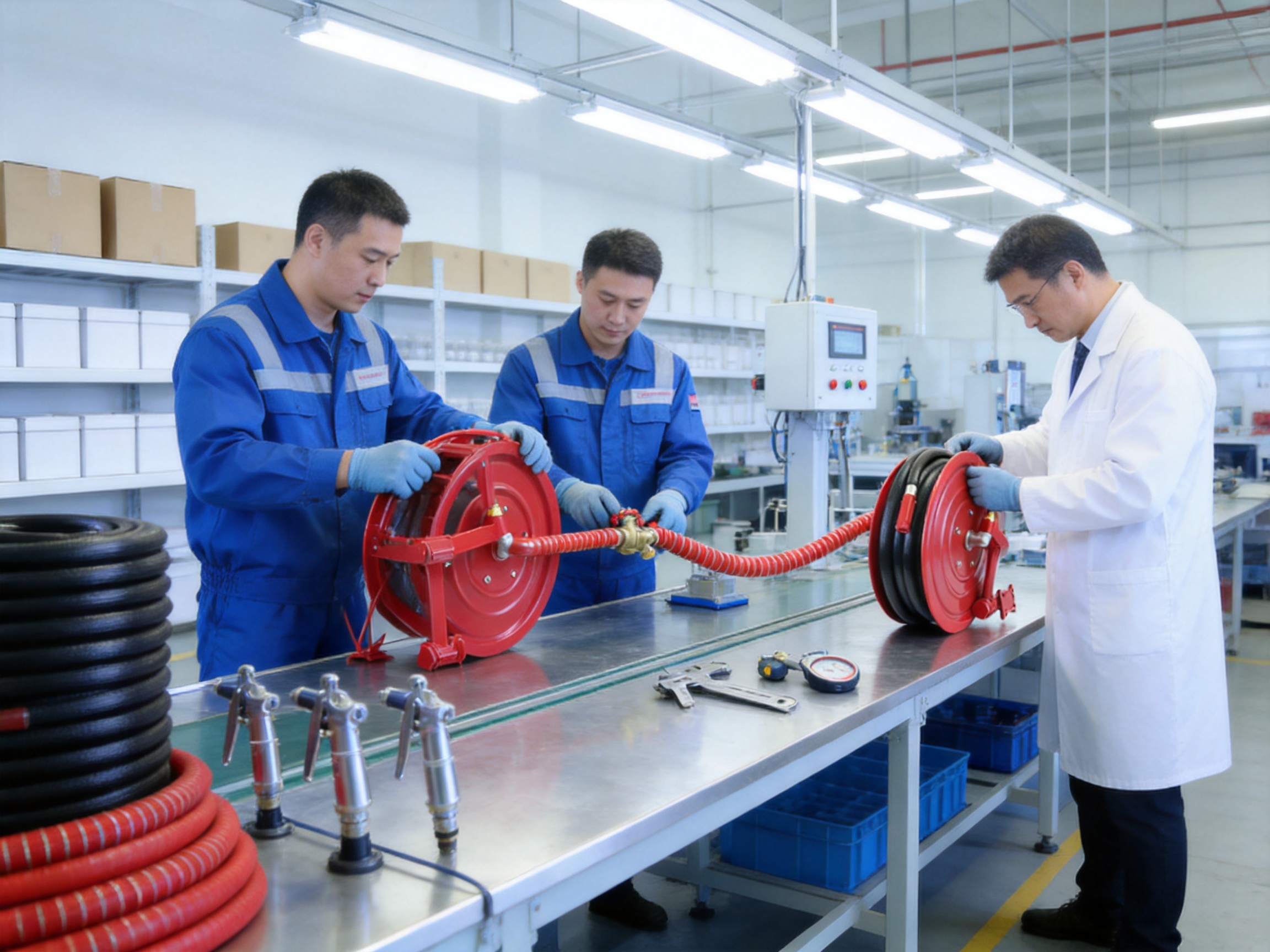
A dependable fire hose reel begins with consistent manufacturing. The performance of the finished assembly depends on the quality of its hose, reel structure, fittings, valve, spray gun, and final integration. A manufacturer with research, development, production, sales, and service capabilities can coordinate these stages more effectively than a supplier that only resells disconnected components.
Taizhou Shenlong Fire Science and Technology Co., Ltd. was founded in 1995 and operates as an integrated research and development, production, sales, and service enterprise. Its primary product range includes lined fire hoses made from different materials. This background in fire hose manufacturing provides a relevant foundation for producing and supplying hose reel assemblies in which hose quality is a central performance factor.
The company’s production experience also supports communication between product development and customer requirements. A hose reel is not simply a reel with any available hose attached. The hose material, flexibility, connection arrangement, spray gun, reel size, and intended use must work together. Integrated technical knowledge helps reduce the risk of treating each component as an unrelated item.
Different building environments place different demands on a hose. A dry indoor corridor, an industrial workshop, a water conservancy project, and an exposed service area may require different material considerations. Rubber, PVC, polyurethane, and other materials may offer different combinations of flexibility, abrasion resistance, chemical resistance, temperature performance, and cost.
The company’s experience with various lined fire hose materials is relevant to this product because the hose is the part most frequently handled during deployment. Material-oriented development allows the product to be considered according to actual application conditions rather than relying on one universal solution for every building.
Customers may also need products for export markets with different installation practices, packaging requirements, and connection preferences. An enterprise that cooperates with domestic foreign trade companies and supplies products to multiple regions is positioned to manage broader project communication and order coordination.
Manufacturing quality is influenced by how components are prepared and assembled. The reel must be aligned correctly, the hose must be wound without damaging bends, the inlet connection must be secure, and the spray gun must be properly matched to the hose. A coordinated production process can establish clearer responsibility for these details.
Integrated production also supports repeatability. When a distributor or project buyer orders multiple units, consistent dimensions, materials, appearance, and component arrangements are important. Repeated products simplify installation planning and make replacement or expansion easier for facility managers.
Although the exact production sequence may vary according to the requested model, a responsible manufacturing approach generally includes incoming material checks, component preparation, assembly, connection inspection, appearance review, functional verification, packaging, and shipment coordination. These stages help create a controlled path from raw materials to finished product.
Fire protection projects are rarely identical. The available wall space, cabinet dimensions, hose length, connection type, spray gun arrangement, and installation environment may vary. The company can undertake various foreign trade products, including rubber, PVC, polyurethane, and double-sided tape products, according to customer requirements. This broader custom production capability can support buyers that need material or configuration coordination across a project.
Customization should be based on clear technical communication. Buyers should provide the intended application, hose length, required connections, operating environment, preferred materials, packaging expectations, and any applicable local requirements. A manufacturer can then evaluate the requested configuration and advise whether it is suitable for production and use.
Products supplied to more than 20 provinces, cities, and autonomous regions require organized production and distribution. The company also cooperates with four domestic foreign trade companies to produce export products for multiple countries. This experience reflects the importance of packaging, order accuracy, documentation, and delivery coordination in addition to the physical product itself.
For international buyers, supply capability is an important part of product value. A fire hose reel may be technically suitable, but delays, inconsistent packaging, missing components, or unclear product information can create difficulties at the installation site. A manufacturer with established production and export cooperation can help reduce these practical problems through better order communication and preparation.
Production should begin with a review of the intended application. The manufacturer and buyer should confirm whether the reel is intended for a residential building, commercial facility, industrial site, school, warehouse, public building, or another environment. The expected user group and installation position are also important because they influence accessibility and operating simplicity.
At this stage, the required hose material, length, diameter, spray gun type, inlet connection, reel arrangement, cabinet option, packaging, and quantity should be clarified. Early communication reduces the risk of producing a configuration that does not match the project’s installation conditions.
Material selection affects flexibility, durability, appearance, and service life. Rubber may be chosen where a particular combination of resilience and handling performance is required. PVC can offer a practical balance for many general applications. Polyurethane and other materials may be considered where project requirements call for different performance characteristics.
Materials should be evaluated in relation to expected exposure. Factors may include indoor or outdoor placement, temperature variation, sunlight, humidity, contact with oils or chemicals, frequency of handling, and storage conditions. Selecting the right material is more valuable than simply choosing the lowest initial price.
Hose production requires attention to the consistency of the tube, reinforcement or lining structure, outer surface, dimensions, and end preparation. A hose for a reel must also be suitable for winding and unwinding without excessive deformation. Its flexibility should be compatible with the reel diameter and the intended deployment path.
Before assembly, the hose should be checked for visible damage, contamination, irregularities, or dimensional problems. Proper preparation of the ends supports reliable fitting installation and helps reduce leakage risks at the connection points.
The reel frame, rotating drum, brackets, valve, inlet pipe, and hose connection are brought together during assembly. Alignment is important because an unstable or poorly aligned reel may create uneven winding and unnecessary stress on the hose.
Hardware should be tightened appropriately, while seals and connection elements should be positioned correctly. The assembly should remain easy to operate without excessive resistance. If the reel is installed in a cabinet, the cabinet opening and internal clearances must allow the hose and spray gun to be removed without obstruction.
The hose should be wound in a controlled manner so that it can be extended progressively. Poor winding can cause flattening, tangling, or resistance during use. A practical inspection involves pulling the hose outward, observing its movement, and checking whether it returns to a stable stored position when the operation is complete.
Deployment checks are particularly important because a reel may look acceptable while stationary but become difficult to use when the hose is pulled under load. Verifying smooth extension helps identify alignment, friction, or connection issues before shipment.
Where appropriate to the production arrangement and project specification, the assembly should be checked for connection security and water leakage. The valve and spray gun should operate in a controlled way, and the hose should maintain its connection during normal handling.
Exact testing procedures, pressures, acceptance criteria, and documentation should follow the applicable product specification and local requirements. Buyers should request the relevant technical information when a project requires formal inspection records or approval documentation.
Final inspection should confirm that the finished unit includes the specified reel, hose, spray gun, inlet pipe, valve, mounting elements, and any required accessories. The product should be protected against impact, moisture, contamination, and deformation during storage and transportation.
Packaging is especially important for international shipments. The reel should be secured so that it does not rotate excessively or damage the hose. Small components should be protected from loss, and product identification should remain clear throughout handling and delivery.
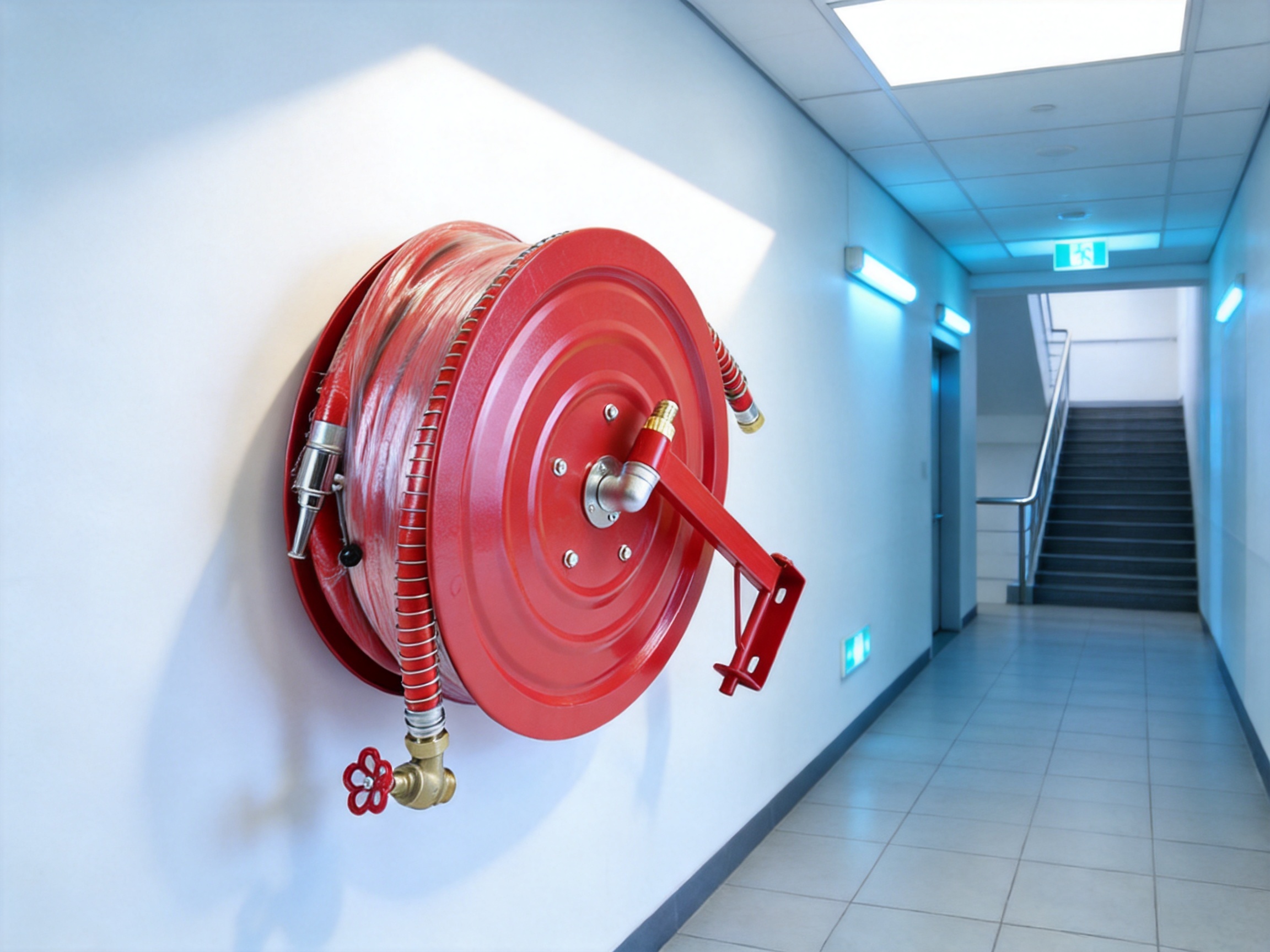
The effectiveness of a fire hose reel depends greatly on where it is installed. A high-quality product cannot provide practical protection if it is hidden behind stored materials, placed too high for intended users, blocked by furniture, or positioned far from the areas it is intended to protect.
Reels are commonly installed in corridors, stairwells, public areas, workshops, and other accessible positions. The selected location should provide a clear approach route and enough working space for the operator to remove the hose and direct the spray gun. The equipment should be visible and identified with appropriate signage.
Wall strength and fixing method should be considered before installation. The wall or supporting structure must be capable of carrying the assembly and resisting the forces created when the hose is pulled. Installers should use suitable anchors and follow the project’s structural and fire protection requirements.
The water connection should be routed in a way that protects the pipe from accidental impact and allows future maintenance. Valves and fittings should remain accessible. If a cabinet is used, the door should open freely and should not be obstructed by nearby equipment, doors, stored goods, or architectural features.
Placement should also consider the building’s emergency movement patterns. A reel should not narrow a required passageway or create a projection that presents an avoidable collision risk. The objective is to make the equipment available without compromising evacuation routes.
Fire hose reels are passive equipment for much of their service life, but passive does not mean maintenance-free. Regular inspection is necessary to confirm that the reel remains accessible, the hose is in acceptable condition, the spray gun is present, and the water connection has not developed a leak.
A basic visual inspection should look for cracked or brittle hose surfaces, cuts, abrasion, flattening, corrosion, loose fittings, damaged reel supports, missing parts, cabinet obstruction, and unclear identification. The hose should remain arranged properly on the reel rather than left partially extended or sharply folded.
Inspection personnel should also confirm that the reel can rotate and that the hose can be pulled out without abnormal resistance. If operation requires excessive force, the equipment should be examined for alignment problems, damaged hardware, incorrect winding, or environmental interference.
Valves and spray guns should be checked according to the maintenance plan. Any functional test involving water should be performed safely and in a way that prevents unnecessary property damage. After testing, the hose should be drained or restored according to the equipment design and site procedure.
Maintenance records can help facility managers identify recurring problems and plan replacement. The record may include inspection dates, observed conditions, corrective actions, replaced parts, responsible personnel, and the next scheduled check. Clear documentation is especially valuable in buildings with many reels installed across multiple floors or areas.
A hose reel is intended for initial response when conditions are suitable. Users should raise the alarm, contact emergency services, and follow evacuation procedures immediately. Firefighting should never delay evacuation or place a person in unnecessary danger.
Water should not be applied to energized electrical equipment, flammable liquids, or other hazards for which water may be unsuitable. Users must consider smoke, heat, fire growth, structural conditions, and escape access before attempting to operate the reel. If the fire is spreading rapidly or the exit route is threatened, evacuation is the priority.
Basic user training can improve the value of the equipment. Training may cover how to locate the reel, release the hose, open the valve, hold the spray gun, maintain a safe position, and stop the operation when conditions become unsafe. Instructions should be adapted to the building and should not conflict with local fire safety rules.
In residential buildings, a reel positioned in a corridor or stairwell can provide an immediately visible first-response option for residents and building staff. Its compact form helps protect shared spaces without occupying a large area. Clear signage and simple operation are particularly important because users may have different levels of training.
Offices, shopping facilities, hotels, and service buildings often require firefighting equipment that is accessible to staff and visitors while remaining compatible with the interior layout. A wall-mounted or cabinet-mounted reel can be integrated into circulation areas, provided that access and evacuation routes remain clear.
Workshops and industrial facilities may benefit from reels positioned near production areas, service zones, and access routes. Industrial environments can expose equipment to dust, impact, chemicals, or temperature variation, so material selection, protective installation, and maintenance planning become especially important.
Schools, community buildings, and public facilities require equipment that can be located quickly and understood by responsible staff. The common style reel offers an organized solution that can be included in building safety training and periodic inspection programs.
Warehouses contain stored materials that may allow a fire to spread quickly. Reels can supplement the facility’s broader fire protection strategy when installed in accessible positions and protected from obstruction by inventory or handling equipment. The installation plan should account for changing storage layouts.
Fire hoses are also used in construction, water conservancy, and related industries. A reel assembly may be selected where organized water delivery and compact storage are useful. The product configuration should be evaluated against the temporary or permanent nature of the site and the conditions under which it will be handled.
Buyers should begin by identifying the intended installation environment. Indoor general-purpose applications may require a different hose material and protection level than outdoor or industrial applications. Exposure to sunlight, moisture, chemicals, dust, and mechanical impact should be considered before the final configuration is approved.
Hose length should be selected according to the area that the reel is expected to serve. A longer hose is not automatically better. Excess length may increase weight, storage volume, winding resistance, and handling difficulty. The useful reach should be established from the building layout and the intended response area.
The water supply must also be reviewed. Buyers should confirm the available connection size, pressure conditions, valve arrangement, and compatibility with local pipework. A reel should not be selected solely by appearance or price without checking whether its water connection matches the installation.
The spray gun should be suitable for the intended users and water application. A simple, comfortable, and compatible gun supports practical operation. Where the project has specific requirements for spray patterns or shutoff arrangements, those requirements should be communicated during quotation and technical review.
Cabinet selection depends on environmental protection, appearance, access, and available space. An open reel may provide immediate visibility, while a cabinet may provide additional protection from impact or contamination. The decision should be made with reference to the building’s fire safety design and maintenance practices.
Finally, buyers should evaluate the manufacturer’s production experience, material options, service capabilities, export coordination, and ability to provide consistent repeat orders. The lowest unit price may not represent the lowest total cost if the product creates installation delays, maintenance problems, or premature replacement.
Fire hose reels are safety-related products. Their value depends on reliable construction and appropriate application, not merely on visual appearance. An experienced manufacturer is more likely to understand how hose materials, reel structures, fittings, packaging, and customer requirements interact.
Taizhou Shenlong Fire Science and Technology Co., Ltd. has operated since 1995 and focuses on research and development, manufacturing, sales, and service. Its products are used in fire protection, construction, water conservancy, and other industries. This industry coverage indicates experience with different practical environments and customer application needs.
The company’s main product background in lined fire hoses is directly relevant to hose reel supply. Since hose performance affects flexibility, durability, water delivery, and service life, specialized hose knowledge can support more appropriate product selection and production coordination.
The company’s products are reported to sell across more than 20 provinces, cities, and autonomous regions, and it cooperates with four domestic foreign trade companies for export production. For international purchasers, this type of supply experience may support communication on packaging, order quantities, product materials, and shipment requirements.
Customers seeking a customized configuration should provide complete technical information before production. Clear specifications help the manufacturer determine the appropriate hose material, connection arrangement, reel format, and packaging method. This process also makes it easier to compare quotations from different suppliers on an equivalent basis.
The purchase cost of a hose reel is only one part of its total value. A product that is easy to install, inspect, operate, and maintain may reduce long-term management effort. Durable hose materials can also help reduce the frequency of replacement when the equipment is properly used and protected.
Improperly selected products may create hidden costs. These can include additional adapters, unsuitable mounting hardware, difficult installation, repeated leakage repairs, damaged hoses, missing accessories, or replacement caused by environmental exposure. A technical review before purchase can help prevent many of these problems.
Service life depends on material quality, manufacturing consistency, installation, water conditions, exposure, frequency of use, inspection, and maintenance. No manufacturer can guarantee an identical service life in every environment. Buyers should therefore evaluate the complete application rather than relying on a general service-life statement.
A well-managed maintenance program protects the original investment. Regular inspection can identify small issues before they become major failures. Keeping access clear, preventing unauthorized use, protecting the hose from sharp edges, and maintaining suitable storage conditions all contribute to longer serviceability.
One frequent mistake is selecting a reel without confirming the water supply connection. The hose may be suitable, but an incompatible inlet pipe or valve can delay installation and require additional modification.
Another mistake is choosing a hose length based only on the largest available option. Longer hoses may be heavier and more difficult for some users to manage. The correct length should correspond to the protected area and the practical movement of the operator.
Buyers may also overlook environmental exposure. A reel intended for an indoor corridor may not be appropriate for a location exposed to direct sunlight, freezing temperatures, corrosive substances, or frequent mechanical impact without additional protection or a different material choice.
Failure to plan maintenance access is another avoidable problem. A reel hidden behind furniture or stored goods cannot provide dependable emergency access. Installation drawings should show the equipment location and required clearance before work begins.
Finally, purchasers should avoid comparing suppliers using price alone. Hose material, assembly quality, component completeness, packaging, technical communication, and after-sales support all influence the practical value of the product.
Its main purpose is to provide an accessible water delivery device for initial firefighting in buildings and other facilities. It stores a hose on a reel and connects it to a spray gun and water supply so that a suitable user can respond quickly to a developing fire.
The simple design is intended to be understandable for non-professional users, including residents, building staff, and facility personnel. Users should receive appropriate instruction and must follow evacuation and emergency response procedures. The reel should only be used when conditions are safe and water is suitable for the fire.
They are commonly installed in corridors, stairwells, public areas, workshops, commercial buildings, residential buildings, schools, warehouses, and industrial facilities. The location should be visible, accessible, clearly identified, and free from obstruction.
Rubber and PVC are common choices for ordinary fire hose reels because they can provide flexibility and resistance to wear, corrosion, and aging when properly formulated and manufactured. Other materials, such as polyurethane, may be considered for specific project requirements.
Configuration may be adjusted according to project requirements, including hose material, hose length, connection arrangement, reel format, spray gun, cabinet option, and packaging. Buyers should provide detailed technical information so the manufacturer can evaluate the requested configuration.
No. A hose reel is a first-response device and should form part of a broader fire safety strategy. Buildings may also require alarms, extinguishers, hydrants, automatic suppression systems, emergency lighting, evacuation plans, and professional emergency response depending on the hazard and applicable requirements.
It should be inspected periodically for accessibility, hose damage, leakage, corrosion, missing components, reel movement, spray gun condition, and cabinet obstruction. Functional testing and repairs should follow the site maintenance plan and applicable requirements.
Buyers should confirm the installation environment, hose material, hose length, inlet connection, water supply conditions, spray gun arrangement, mounting method, cabinet requirements, quantity, packaging, technical documentation, and any local standards or project specifications.
The hose is a central part of the reel’s performance. Experience with different lined hose materials can help the manufacturer coordinate flexibility, durability, connection compatibility, and application requirements more effectively.
The common style fire hose reel is a practical, compact, and accessible solution for initial firefighting in buildings and public facilities. Its reel, hose, spray gun, valve, and inlet pipe form an organized system that can be deployed more readily than loose hose storage. The design is straightforward enough for suitable non-professional users while remaining useful for facility managers and trained staff.
Its principal advantages include fast access, efficient space use, simple operation, serviceable construction, adaptable installation, and the availability of rubber or PVC hose materials with useful resistance to wear, corrosion, and aging. These characteristics give the product a clear practical advantage over improvised hose arrangements and make it a valuable complement to more advanced fire protection systems.
Manufacturing capability is equally important. An enterprise with experience in research and development, production, sales, service, lined fire hose materials, domestic distribution, and export cooperation can provide more than a basic assembled product. It can support material selection, configuration review, production coordination, packaging, and project communication.
For the best result, buyers should select the reel according to the building environment, water supply, hose length, connection requirements, installation position, and maintenance plan. When correctly specified, installed, inspected, and used as part of a complete fire safety program, the common style fire hose reel can help occupants respond during the first moments of a fire and support efforts to limit damage and protect lives.
1. General principles of building fire safety equipment selection and maintenance.
2. Technical guidance on flexible fire hose materials, storage, inspection, and service conditions.
3. Manufacturer-provided information on common style fire hose reel construction and applications.
4. Manufacturer-provided company information concerning research and development, production, sales, service, and export cooperation.
5. General facility management practices for emergency equipment accessibility, inspection records, and maintenance planning.
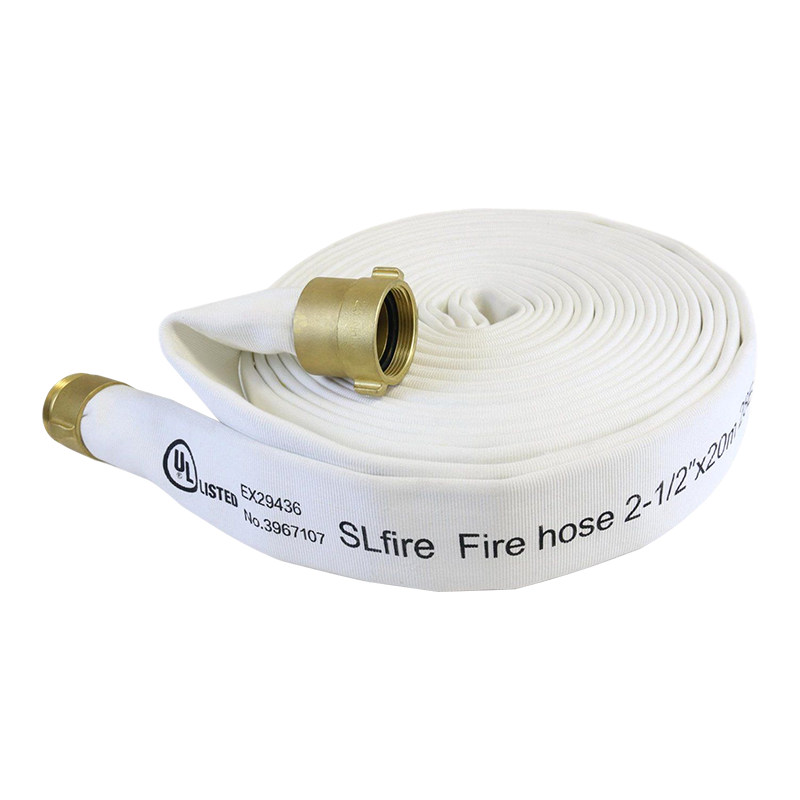
Single jacket, EPDM rubber liner Features • 100% high tenacity polyester jacket, high-grade EPDM rub...
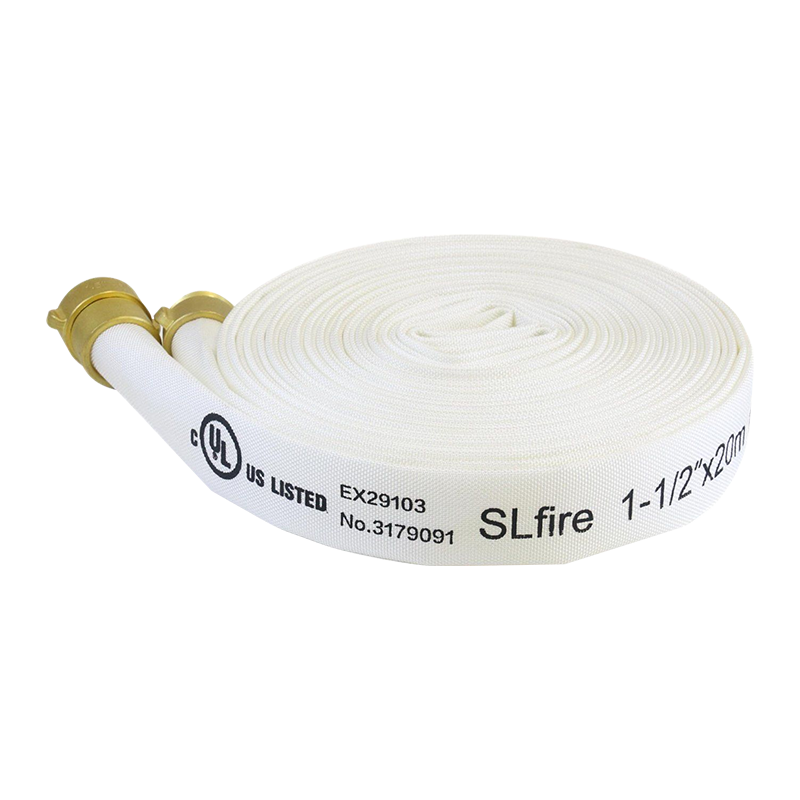
Single jacket, TPU liner •High-tenacity polyester yarn, circular woven in twill weave/plain weave,T ...
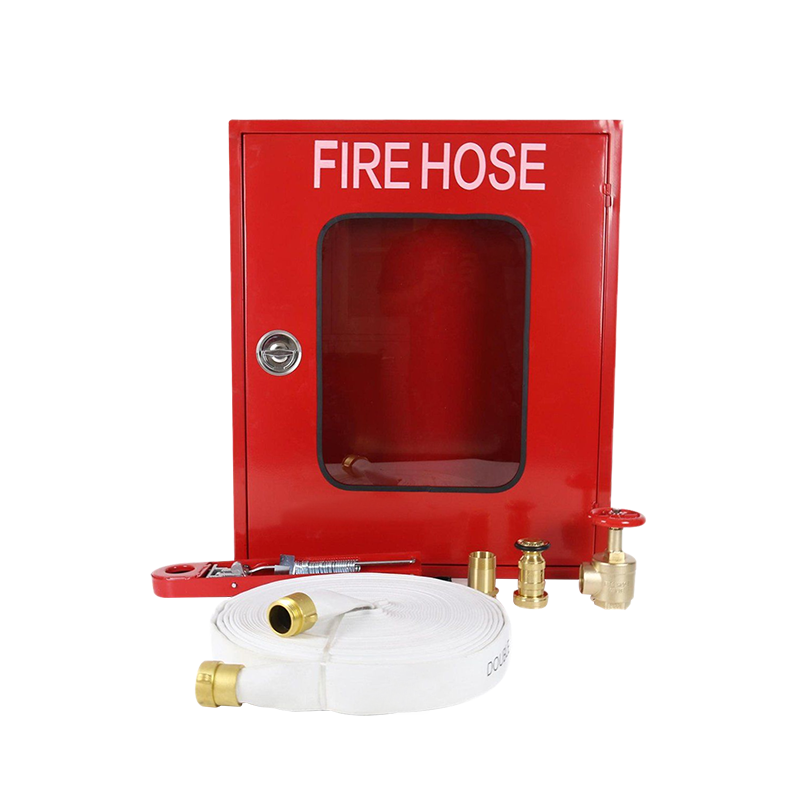
Fire cabinets are designed to accommodate fire hose,valve and other firefighting equipment. Type 201...
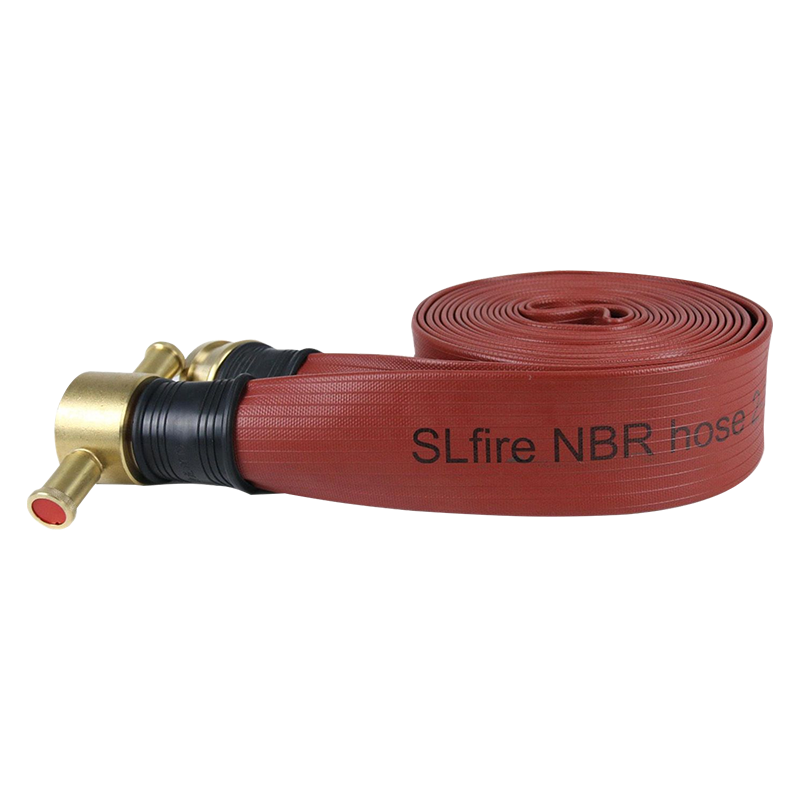
Nitrile covered hose •Nitrile/TPR blend as cover and lining, with 100% high-tenacity polyester yarn ...
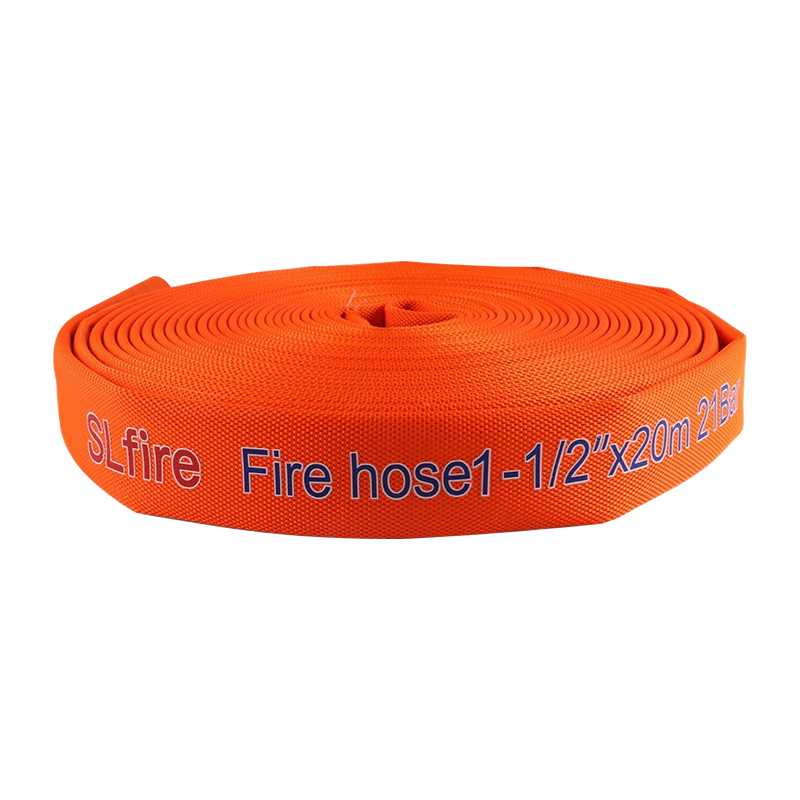
Single jacket, TPU liner •High-tenacity polyester yarn, circular woven in twill weave, TPU lining, f...
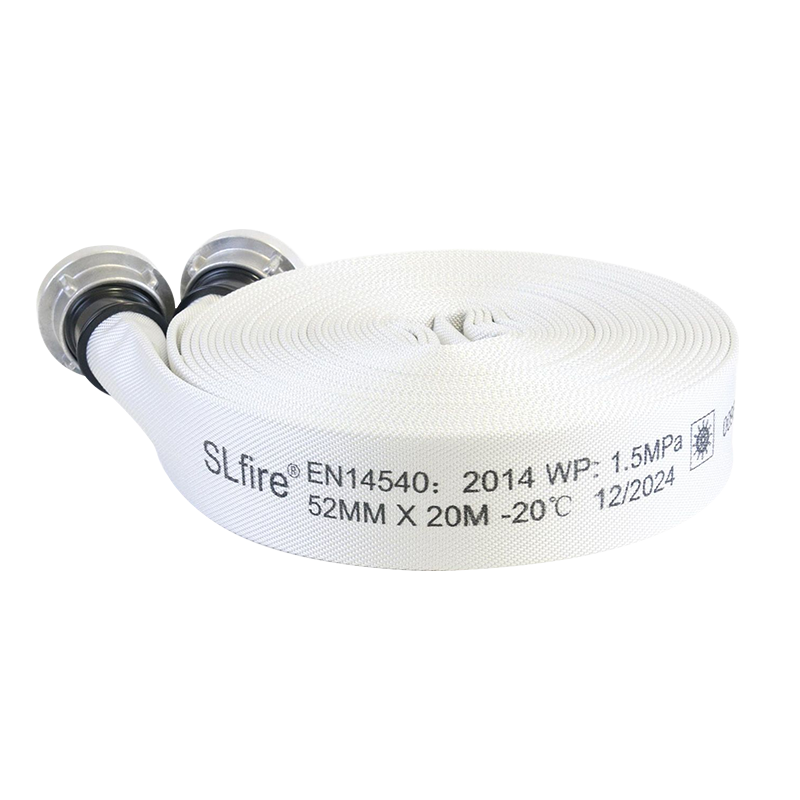
Marine hose Single jacket, PVC liner •100% high tenacity polyester yarn, circular woven in twill wea...
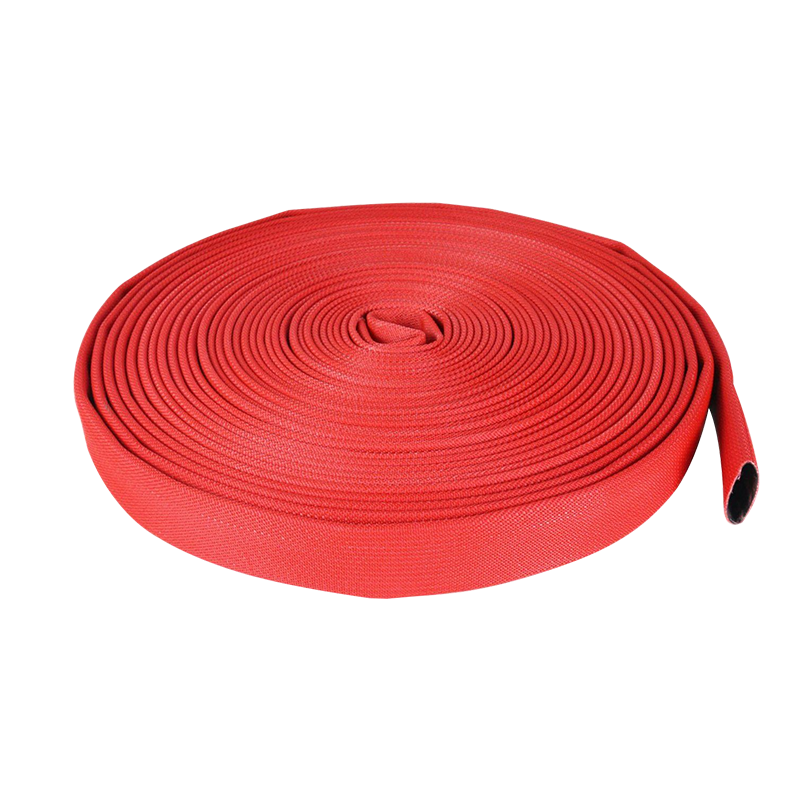
Marine hose Single jacket, PVC liner, PU coated •100% high tenacity polyester yarn,c ircular woven i...
 Call Us
+86 159-5116-9511
Need Support
Head Office
No.58, Kechuang Road, Sixiang Street Medicine Gaoxin District Taizhou City, Jiangsu Province

What Is a Fire Hose? A fire hose is a high-pressure flexible hose designed to carry water or fire retardant chemicals from a water source, such as a hydrant, pump, or tank, to a fire for suppression p...
Copyright © Taizhou Shenlong Fire Science and Technology Co., Ltd. All Rights Reserved.
 Fire Hose Manufacturers, Fire Hydrant Hose Factory