

 English
 русский
 Español
 Deutsch
 عربى
عربى Français
 Português
Don't hesitate to send a message
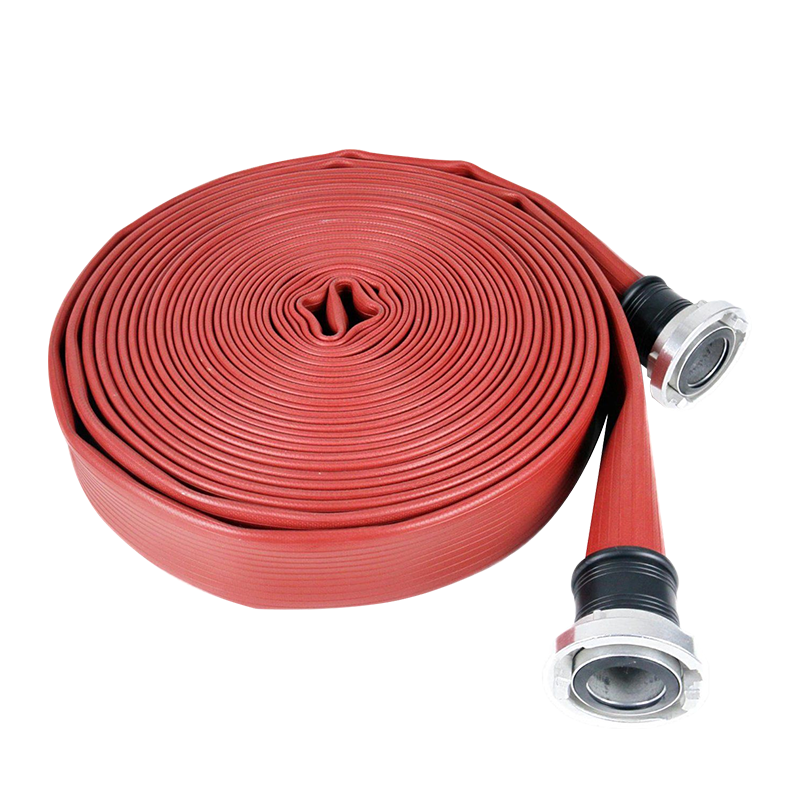

Single jacket, EPDM rubber liner Features • 100% high tenacity polyester jacket, high-grade EPDM rub...
Content
A marine hose is more than a flexible tube. In shipboard service, harbor operations, offshore support, dock maintenance, and emergency water transfer, the hose must endure abrasion, moisture, salt air, repeated handling, pressure fluctuations, and changing weather. A PVC-covered marine hose with a high-tenacity polyester yarn reinforcement is designed for precisely these demanding conditions. It combines a protective PVC cover and lining with a reinforced textile structure, creating a hose that is flexible, durable, easy to maintain, and dependable in harsh environments.
This product is built for users who need a hose that can resist punctures, corrosion, abrasion, and mildew while remaining practical for everyday operation. The ribbed exterior cover is one of its most important features. These ribs help the hose withstand dragging, rubbing, and contact with rough surfaces, which are common on decks, docks, industrial floors, and vessel storage areas. Compared with ordinary smooth-covered hoses, the ribbed PVC surface provides an additional layer of functional protection, helping extend service life and reduce replacement frequency.
The hose is suitable for use across a temperature range of minus 10 degrees C to 60 degrees C, allowing it to perform in a wide variety of marine and industrial environments. Whether the application involves cool morning conditions at a port, summer deck heat, routine washdown, or water transfer under pressure, the hose provides a practical balance of strength and flexibility. Its working pressure of 15 bar, test pressure of 23 bar, and burst pressure of 45 bar across common diameters make it a dependable option for many water delivery needs.
Beyond the product itself, the quality of a hose depends heavily on manufacturing discipline. A well-made marine hose requires controlled material selection, precise yarn reinforcement, stable extrusion or coating processes, pressure testing, visual inspection, and packaging that protects the hose before it reaches the user. The manufacturer behind this product has long experience in fire hose and industrial hose production, with capabilities covering PVC, rubber, polyurethane, and other hose structures. This background is highly valuable because marine hose performance depends on the same principles required in firefighting and industrial water delivery: pressure resistance, durability, flexibility, and safety.
The PVC-covered marine hose is constructed with PVC as both the cover and lining, reinforced by high-tenacity polyester yarn. This combination gives the hose a strong yet flexible body. The inner PVC lining supports water flow, while the outer PVC cover protects the hose from external damage. Between these layers, the polyester reinforcement helps the hose maintain pressure strength and dimensional stability.
The exterior cover includes raised ribs. These ribs are not merely cosmetic; they are a practical design feature that improves abrasion resistance and helps protect the hose when it is moved across decks, concrete, dock surfaces, vessel equipment, or uneven ground. In marine environments, hoses are frequently exposed to rough contact. A ribbed exterior can reduce direct wear on the main hose body, helping the hose resist premature failure.
The hose is also described as maintenance free, which is an important advantage for busy marine operations. In practice, no hose should be neglected completely, but a maintenance-free design means the hose does not require complicated treatment, special coating, or frequent conditioning to remain usable. Operators can clean it, drain it, store it properly, and return it to service with minimal downtime.
Its resistance to punctures, corrosion, abrasion, and mildew makes it especially suitable for humid and salt-air conditions. Unlike metal pipes or fittings that may be vulnerable to corrosion, the PVC-covered hose body offers a corrosion-resistant surface. Unlike some textile-covered hoses that absorb moisture and may be more susceptible to mildew, the PVC surface provides an easier-to-clean barrier. These characteristics are particularly important on vessels and docks, where moisture exposure is constant.
The use of PVC for both the cover and lining creates a hose structure that is protective inside and outside. The lining is responsible for carrying water or compatible fluids smoothly through the hose. It should be uniform, continuous, and resistant to internal wear. The cover is responsible for protecting the reinforcement and inner structure from environmental damage. When both layers are made with PVC, the hose gains a consistent protective system that supports durability and ease of cleaning.
PVC is valued in hose manufacturing because it can provide good resistance to moisture, weathering, mildew, and many common chemicals. In marine applications, moisture protection is especially important. A hose that absorbs water can become heavier, harder to handle, and more prone to odor or biological growth. A PVC-covered hose helps minimize these concerns.
The reinforcement layer gives the hose its pressure strength. High-tenacity polyester yarn is selected because it offers strong tensile properties, good dimensional stability, and resistance to stretching under pressure. In a marine hose, reinforcement must perform consistently even after repeated rolling, dragging, bending, and pressurization. Polyester yarn helps maintain the hose structure while keeping the product lighter and more flexible than many rigid or heavily built alternatives.
Compared with low-grade textile reinforcement, high-tenacity polyester yarn can better resist deformation under pressure. This directly contributes to the hose’s working pressure, test pressure, and burst pressure performance. It also helps the hose retain shape during use, reducing the risk of kinking or collapse when handled correctly.
The ribbed exterior cover is one of the product’s strongest competitive advantages. Marine hoses are often dragged across surfaces rather than carried gently. Smooth hose covers may suffer concentrated wear when rubbed repeatedly against abrasive surfaces. Raised ribs create protective contact points that help shield the main hose body. This design can improve durability and extend service life in rough handling environments.
The ribbed surface may also provide a better grip during handling, especially when the hose is wet. In marine work, gloves, spray, rain, and deck water are common. A surface that is easier to grasp can improve operational convenience and reduce handling difficulty. While the primary purpose is abrasion resistance, the practical handling benefit is also valuable.
The hose is supplied in common internal diameters from 1 inch to 3 inches. Across these sizes, the working pressure is 218 psi, or 15 bar. The test pressure is 327 psi, or 23 bar. The burst pressure is 653 psi, or 45 bar. These pressure ratings provide a useful safety margin between normal operation and burst strength. In practical use, the hose should always be operated within its rated working pressure and matched with appropriate couplings and nozzles.
Inner Diameter |
Inner Diameter |
Working Pressure |
Working Pressure |
Test Pressure |
Test Pressure |
Burst Pressure |
Burst Pressure |
inch |
mm |
psi |
bar |
psi |
bar |
psi |
bar |
1 |
25 |
218 |
15 |
327 |
23 |
653 |
45 |
1-1/2 |
38 |
218 |
15 |
327 |
23 |
653 |
45 |
1-3/4 |
45 |
218 |
15 |
327 |
23 |
653 |
45 |
2 |
52 |
218 |
15 |
327 |
23 |
653 |
45 |
2-1/2 |
64 |
218 |
15 |
327 |
23 |
653 |
45 |
3 |
75 |
218 |
15 |
327 |
23 |
653 |
45 |
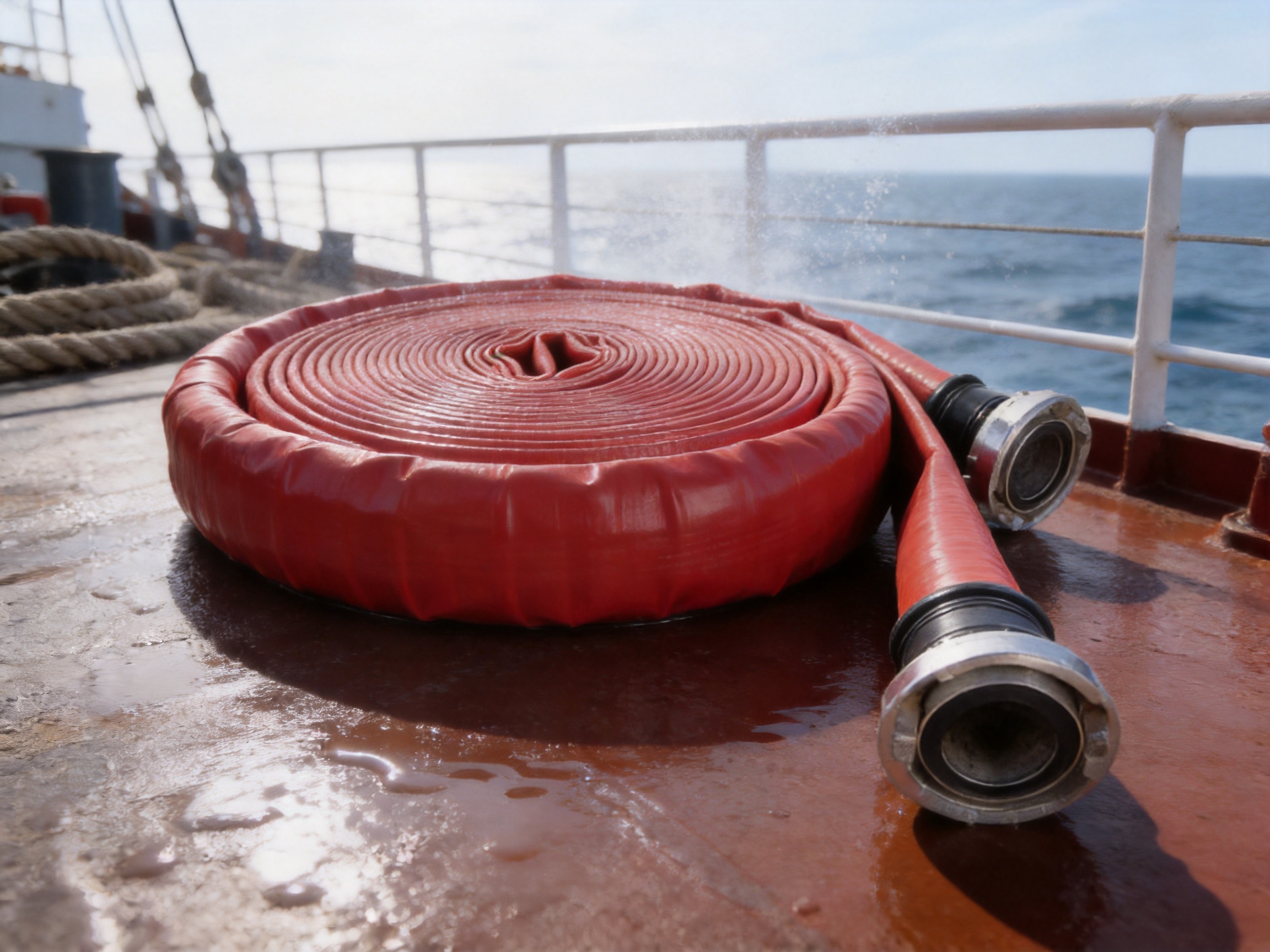
One of the most common causes of hose failure is external abrasion. On vessels, hoses may be dragged across metal deck plates, non-slip surfaces, dock edges, and storage racks. Onshore, they may contact concrete, gravel, or industrial flooring. The ribbed PVC cover gives this hose a clear advantage over many smooth-surface hoses because the raised ribs help absorb and distribute wear. This design is especially useful when users cannot always guarantee careful handling.
In many purchasing decisions, the lowest initial price does not represent the lowest operating cost. A cheaper hose may require frequent replacement if its cover wears quickly. By improving abrasion resistance, the PVC-covered marine hose can help reduce replacement frequency, emergency downtime, and inventory pressure. For fleet operators, maintenance teams, shipyards, and dock facilities, this durability can translate into meaningful long-term savings.
Marine environments are naturally wet. A hose may remain damp after use, be exposed to rain, or sit in humid storage areas. Mildew can become a problem for hose materials that absorb moisture or retain organic contamination. The PVC cover and lining create a more sealed and washable surface, helping the hose resist mildew and remain cleaner during service.
This is a significant advantage compared with hoses that have exposed textile jackets. Textile jackets can perform well in some firefighting applications, but in continuous marine moisture exposure they may hold water, increase drying time, and become heavier. The PVC-covered design is easier to rinse and dry, making it more practical for routine deck and dock operations.
Although the hose body is not metal, corrosion resistance remains an important feature because the marine environment is aggressive. Salt air and seawater can damage many materials. The PVC construction provides a corrosion-resistant barrier that does not rust. When paired with suitable corrosion-resistant couplings, the hose assembly can provide dependable service in marine conditions.
This advantage is especially important where hoses are stored near seawater, exposed to spray, or used around marine equipment. Corrosion-related degradation can weaken equipment, create leaks, and increase maintenance demands. A PVC-covered hose helps reduce these risks in the hose body itself.
The hose is suitable for temperatures from minus 10 degrees C to 60 degrees C. This range supports use in many climates and working environments. In cooler temperatures, the hose should remain serviceable for typical water delivery tasks. In warmer conditions, it remains practical for deck work, dockside service, and general marine operations within the stated range.
Temperature capability matters because hoses often experience both environmental and operational heat exposure. A hose stored in sunlight may become warm even before use. A hose used on a cold dock must still be flexible enough to deploy efficiently. The stated range helps users select the product with confidence for varied marine conditions.
A maintenance-free hose design saves labor. It does not require complicated after-use treatment, special oils, or textile drying procedures under normal conditions. Users should still follow basic hose care practices such as draining after use, avoiding sharp bends, preventing contact with incompatible chemicals, and storing away from unnecessary mechanical damage. However, the PVC-covered construction simplifies these tasks compared with hoses that demand more intensive cleaning or drying.
The PVC-covered marine hose is suitable for many water delivery and washdown applications. On vessels, it can be used for deck washing, general water transfer, equipment cleaning, and support tasks where a strong flexible hose is needed. At docks and ports, it can support maintenance, rinsing, and utility water supply. In shipyards, the hose can serve as a practical water delivery line for cleaning, testing, and general service.
Because the hose is reinforced and pressure rated, it is more capable than light-duty garden-style hoses. It is also easier to handle than many heavy rigid hoses or metal pipe systems. This balance of strength, flexibility, and abrasion resistance makes it suitable for locations where hoses are moved frequently and exposed to rough surfaces.
The product can also be considered for industrial and agricultural settings where similar conditions exist. For example, facilities that require moisture-resistant washdown hoses, temporary water transfer lines, or durable outdoor hoses may benefit from the same design. While it is categorized as a marine hose, the core performance features are useful in many demanding water delivery environments.
Correct application matching remains important. Users should confirm fluid compatibility, working pressure, temperature, coupling type, and site conditions before use. The hose is best suited to water and compatible media within its design limits. If chemicals, fuels, oils, or specialized fluids are involved, compatibility should be verified before operation.
A hose’s performance begins long before it reaches the customer. It begins with raw material control, yarn selection, process stability, and inspection. The manufacturer of this PVC-covered marine hose has experience in producing fire hoses, industrial hoses, agricultural hoses, hose couplings, hose nozzles, fire accessories, fire cabinets, and trenchless rehabilitation hoses. This wide production background supports a strong understanding of pressure-bearing flexible products.
Fire hose manufacturing experience is especially relevant. Fire hoses demand reliable pressure resistance, strong reinforcement, careful lining quality, and dependable couplings. These same principles apply to marine hoses. A company that understands fire hose production can apply similar discipline to marine hose design, including reinforcement uniformity, pressure testing, and attention to durability.
The company was founded in 1995 and has developed as an enterprise integrating research and development, production, sales, and service. This integrated structure is important because it allows product improvement to be connected with customer feedback. When users report requirements for abrasion resistance, pressure stability, flexibility, or custom materials, the manufacturer can adjust development and production practices accordingly.
The company can produce products in multiple material systems, including rubber, PVC, polyurethane, and double-sided hose structures according to customer requirements. This flexibility demonstrates material knowledge and process adaptability. For customers, it means the manufacturer is not limited to a single basic hose type. Instead, it can evaluate application needs and recommend an appropriate structure.
Production begins with material selection. PVC compound quality affects the hose’s flexibility, surface finish, weather resistance, abrasion performance, and long-term stability. High-quality PVC should be processed consistently so that the cover and lining maintain uniform thickness and performance. Reinforcement yarn selection is equally important. High-tenacity polyester yarn must provide sufficient tensile strength and consistency to support the pressure rating.
In a controlled manufacturing process, raw materials are checked before production. This may include visual inspection, batch confirmation, and performance verification according to internal quality requirements. Stable raw materials help reduce variation in finished hoses.
The reinforcement layer is the structural backbone of the hose. Polyester yarn must be arranged evenly and securely so that pressure loads are distributed throughout the hose wall. Uneven reinforcement can lead to weak points, deformation, or reduced burst strength. Advanced production practices focus on maintaining yarn tension, alignment, and density during hose formation.
For pressure-bearing hoses, reinforcement uniformity is essential. The listed burst pressure of 45 bar depends on a structure that can withstand internal force without localized failure. This is why experienced hose manufacturers pay close attention to textile reinforcement quality.
The PVC lining must be smooth, continuous, and well bonded to the hose structure. A smooth lining supports efficient water flow and reduces internal turbulence. The cover must be tough enough to resist abrasion while protecting the reinforcement from environmental exposure. The ribbed exterior requires controlled forming so that the ribs are consistent along the length of the hose.
Consistent rib geometry matters because uneven ribs could create inconsistent wear performance or appearance. A controlled process helps ensure that every section of the hose benefits from the ribbed protective design.
Finished hoses should be tested to verify pressure performance. The product data includes working, test, and burst pressure values. Working pressure indicates the intended operating pressure. Test pressure provides a higher pressure level used to confirm production quality. Burst pressure indicates the pressure at which failure may occur under controlled testing conditions. These values help customers understand safety margins and select the hose responsibly.
Testing is a key advantage over low-cost products that may lack reliable quality control. A hose that looks acceptable externally may still have internal weaknesses if reinforcement or bonding is inconsistent. Pressure testing helps identify defects before the hose reaches the customer.
Visual inspection checks the hose surface, rib consistency, diameter, markings, and overall finish. Packaging protects the hose during storage and transport. Proper packaging is important because even a durable hose can be damaged if it is crushed, sharply bent, or mishandled before use. A reliable manufacturer treats packaging as part of quality assurance, not merely as a shipping detail.
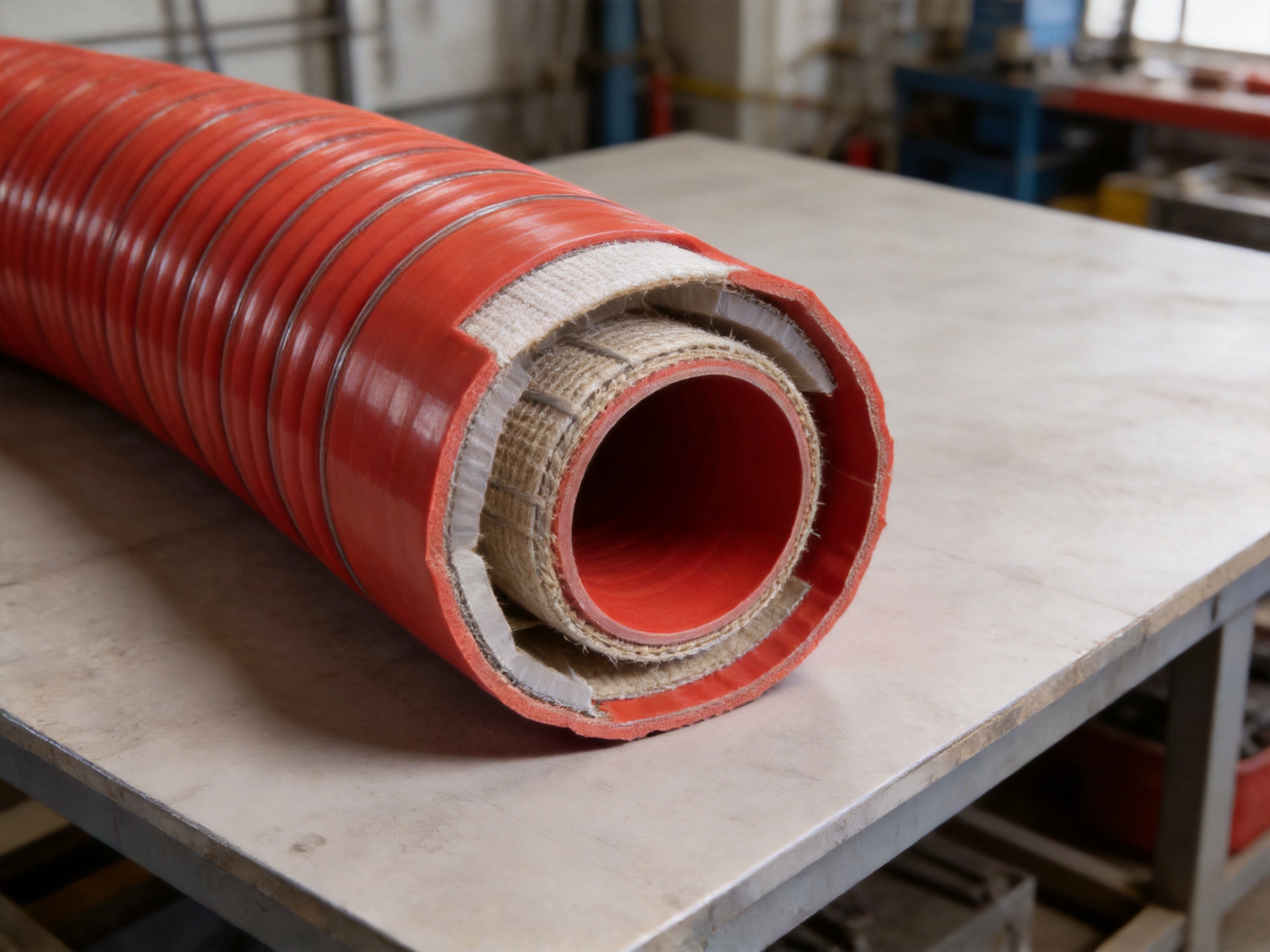
Quality control is central to marine hose reliability. The operating environment is unforgiving, and a failed hose can interrupt work, waste water, create safety concerns, and increase operating costs. The PVC-covered marine hose is designed with a practical safety margin: 15 bar working pressure, 23 bar test pressure, and 45 bar burst pressure. This structure gives users confidence when the hose is used within its rated limits.
Dimensional control is another important quality factor. The hose must match couplings, nozzles, and storage systems. Internal diameter consistency affects flow rate, coupling fit, and pressure loss. The available diameters from 25 mm to 75 mm cover common marine and industrial needs, allowing users to choose the right balance between flow capacity and handling convenience.
Surface quality also matters. A well-formed PVC cover protects the hose against moisture and abrasion. A defective cover could expose reinforcement, allow damage to progress, or reduce service life. Therefore, the cover must be inspected for uniformity, adhesion, and visible defects. The ribbed cover must be formed with consistent height and spacing to provide dependable abrasion resistance.
Reliability is not achieved by one feature alone. It results from the combined effect of material strength, reinforcement design, pressure testing, surface protection, and manufacturing experience. This product’s design reflects that combined approach. It is not simply a hose with PVC on the outside; it is a reinforced pressure hose built for marine handling and environmental exposure.
Compared with ordinary textile-covered hoses, the PVC-covered marine hose offers better moisture protection and easier cleaning. Textile-covered hoses can be useful in firefighting because they are flexible and easy to roll, but in wet marine storage they may absorb moisture and take longer to dry. The PVC cover reduces water absorption and helps resist mildew.
Compared with smooth PVC hoses, the ribbed exterior provides superior abrasion resistance. A smooth cover can wear rapidly when repeatedly dragged over rough surfaces. The ribs add a protective surface structure that helps extend durability in real-world handling.
Compared with heavy rubber hoses, this PVC-covered hose may offer easier handling in many applications. Rubber hoses can be very strong, but they may be heavier depending on construction. For routine marine water delivery and washdown, operators often prefer a hose that balances durability with manageable weight and flexibility.
Compared with low-cost unreinforced hoses, the high-tenacity polyester yarn reinforcement provides much stronger pressure capability. Unreinforced hoses may be suitable only for low-pressure tasks and can expand, kink, or fail under higher pressure. The reinforced marine hose is designed for more demanding service.
Compared with metal piping, a flexible hose is easier to deploy, store, and reposition. Metal piping is suitable for fixed systems, but marine operations often require temporary or movable water delivery. A flexible hose can reach locations that rigid systems cannot access easily. The PVC-covered marine hose gives users this flexibility while maintaining pressure resistance and durability.
Choosing the correct hose diameter depends on required flow, available pressure, handling needs, and coupling compatibility. A 1-inch hose is easier to handle and suitable for lower flow needs. Larger diameters such as 2-1/2 inch and 3 inch provide greater flow capacity but require more storage space and may be heavier when filled with water. Users should select a diameter that matches the task rather than simply choosing the largest option.
Working pressure should always be respected. The hose is rated at 15 bar working pressure. Pumps, valves, and nozzles should be selected so that operating pressure remains within safe limits. Sudden valve closure can create pressure surges, so users should avoid water hammer and operate equipment smoothly.
Coupling selection is equally important. A high-quality hose can still perform poorly if fitted with unsuitable couplings. Couplings should match the hose diameter, pressure rating, and marine environment. Corrosion-resistant materials are recommended for salt-air exposure. Proper assembly helps prevent leaks and separation under pressure.
Storage conditions influence hose life. Even though the PVC cover provides weather and moisture resistance, the hose should be stored away from sharp objects, excessive heat, and unnecessary UV exposure when not in use. It should be drained after operation and coiled without tight kinks. Proper storage protects the reinforcement and helps maintain flexibility.
Before use, operators should inspect the hose for visible cuts, punctures, severe abrasion, coupling damage, or deformation. The hose should be laid out to avoid twists and sharp bends. During operation, pressure should be increased gradually when possible. Sudden pressure spikes can stress the hose and couplings.
After use, the hose should be flushed if necessary, drained, and allowed to dry before storage. Although the hose resists mildew, good housekeeping further improves service life. If the hose has been exposed to chemicals or contaminated water, compatibility and cleaning requirements should be reviewed.
Operators should avoid dragging the hose over sharp metal edges, even though the ribbed cover is abrasion resistant. Abrasion resistance improves durability, but no hose is immune to cutting damage. Protective sleeves, ramps, or routing controls can be used in high-risk areas.
The hose should not be used above the stated temperature range. Exposure to excessive heat may affect flexibility and material stability. Similarly, using the hose below its recommended range may reduce flexibility. Following the rated temperature range helps preserve product performance.
In hose production, experience is difficult to replace. A manufacturer with decades of involvement in fire hose and industrial hose production understands how small process differences affect finished product performance. Yarn tension, PVC compound behavior, wall thickness, bonding, curing or setting conditions, and pressure testing all influence the final result.
The manufacturer’s background in supplying products to many regions and cooperating with foreign trade companies also supports export-oriented quality awareness. International customers often require consistent specifications, reliable packaging, documentation, and repeatable production. A company that has experience with export products is better prepared to meet such expectations.
Research and development capability allows the manufacturer to respond to different market needs. Some customers may require special colors, coupling types, lengths, or material adjustments. Others may need hoses for fire, construction, water conservancy, agriculture, or marine service. A manufacturer with broad product knowledge can help customers choose suitable solutions rather than offering only one standard item.
Service capability also matters. A hose supplier should help customers understand specifications, application limits, and selection details. This reduces the risk of misapplication and improves customer satisfaction. The combination of production and service is a key strength for professional hose manufacturing.
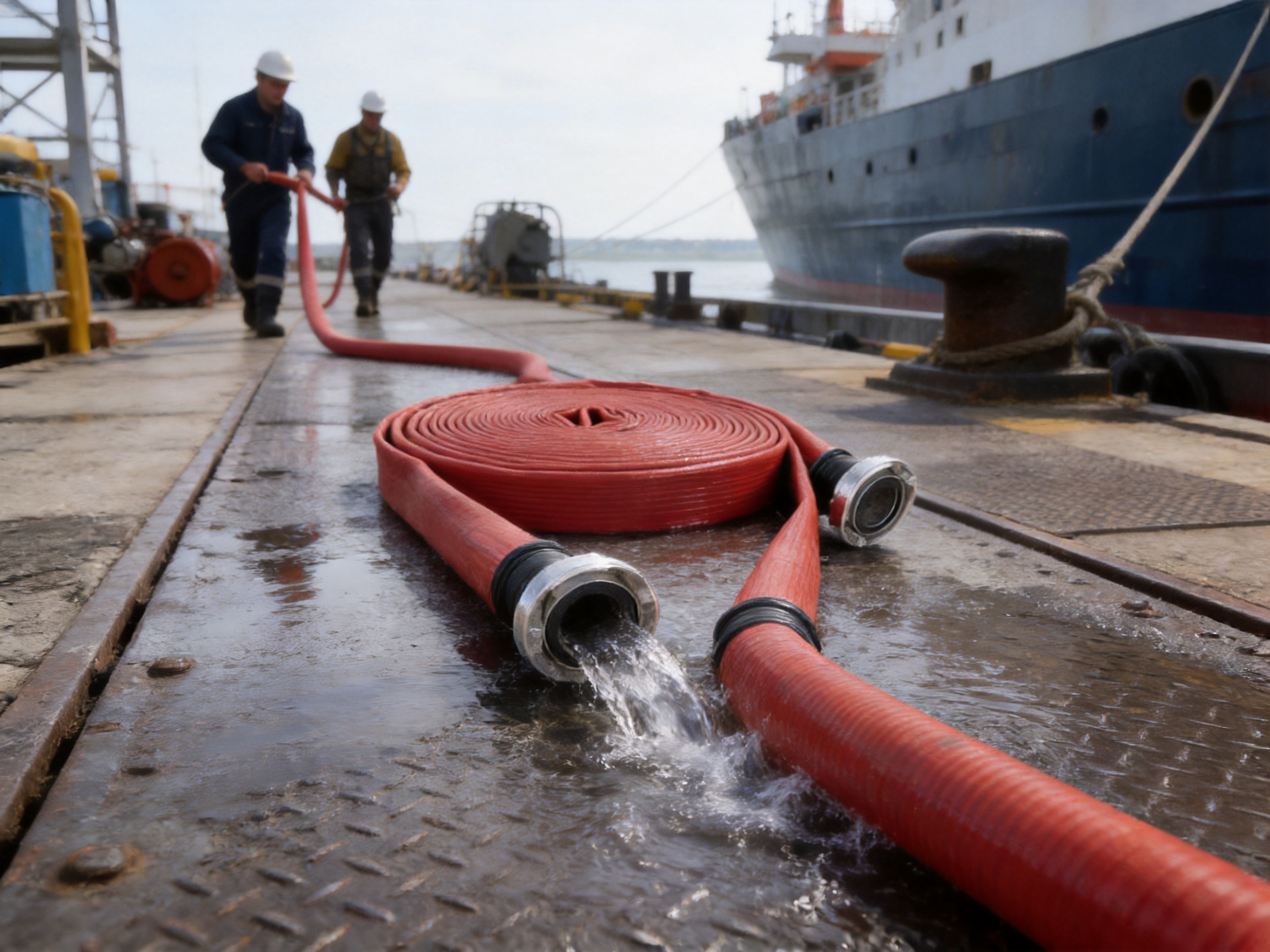
Durability has environmental value. A hose that lasts longer reduces waste, replacement frequency, and transport demand. The ribbed PVC-covered marine hose is designed to resist wear and environmental damage, helping users extend service life under proper conditions. This is beneficial for both operating cost and resource efficiency.
Operational value comes from reliability and simplicity. A maintenance-free, abrasion-resistant hose reduces the time crews spend dealing with hose problems. In marine work, labor time is valuable. Equipment that is easy to deploy, clean, store, and reuse supports efficient daily operations.
The hose’s resistance to corrosion and mildew also supports cleaner storage and safer handling. A hose that remains cleaner and less affected by moisture is more pleasant to use and easier to manage. This may seem minor, but for crews handling hoses every day, convenience and cleanliness make a significant difference.
The hose is designed for marine and related industrial water delivery applications, including deck washdown, dock service, vessel maintenance, shipyard use, and general water transfer within its rated pressure and temperature limits.
The hose uses PVC as both the cover and lining, with high-tenacity polyester yarn reinforcement. This structure provides moisture resistance, abrasion protection, flexibility, and pressure strength.
The exterior ribs improve abrasion resistance by helping protect the hose body when it is dragged or rubbed against rough surfaces. They may also improve grip during wet handling.
The hose is suitable for use from minus 10 degrees C to 60 degrees C. Users should avoid operating outside this range to preserve performance and service life.
The hose has a working pressure of 218 psi, or 15 bar; a test pressure of 327 psi, or 23 bar; and a burst pressure of 653 psi, or 45 bar across the listed diameters.
Yes. The PVC cover and lining help resist moisture absorption and mildew, making the hose suitable for humid marine environments. Proper draining and storage are still recommended.
The PVC-covered hose body is resistant to corrosion and moisture, making it suitable for marine environments. However, full assembly suitability also depends on couplings, fittings, and the specific operating conditions. Users should confirm compatibility before long-term seawater service.
After use, the hose should be drained, cleaned if needed, and coiled without sharp bends. It should be stored away from sharp objects, excessive heat, and unnecessary mechanical damage.
The ribbed exterior cover gives it improved abrasion resistance, which is especially useful on decks, docks, and industrial surfaces where hoses are frequently dragged or moved.
The manufacturer has long experience in fire hose and industrial hose production, integrated research and development, production and service capabilities, and experience with multiple hose materials including PVC, rubber, and polyurethane. This background supports consistent quality and flexible customization.
The PVC-covered marine hose is a practical, durable, and efficient solution for marine water delivery and related industrial applications. Its PVC cover and lining provide protection against moisture, corrosion, mildew, and environmental exposure. Its high-tenacity polyester yarn reinforcement supports reliable pressure performance. Its ribbed exterior cover gives it a clear advantage in abrasion resistance, making it especially valuable where hoses are dragged across rough surfaces or used frequently in demanding conditions.
With a working pressure of 15 bar, test pressure of 23 bar, burst pressure of 45 bar, and available internal diameters from 1 inch to 3 inches, the hose meets a wide range of operational needs. Its temperature range of minus 10 degrees C to 60 degrees C further expands its usefulness in varied climates and working environments.
The product’s value is strengthened by experienced manufacturing. Professional hose production requires material knowledge, reinforcement control, consistent PVC application, pressure testing, inspection, and customer-focused service. A manufacturer with decades of experience in fire hose, industrial hose, and related flexible hose products can bring proven process discipline to marine hose production.
For users seeking a hose that combines durability, flexibility, easy maintenance, and strong resistance to marine environmental challenges, this PVC-covered marine hose offers a compelling choice. It is built for practical work, designed for long service, and supported by manufacturing expertise that understands pressure, protection, and performance.
1. Industrial Hose Design and Application Handbook, Fluid Power and Hose Systems Reference Series.
2. Fire Hose Construction and Performance Principles, Technical Guide for Pressure-Rated Textile-Reinforced Hoses.
3. Marine Equipment Maintenance Manual, Section on Flexible Hose Handling and Storage.
4. Polymer Materials in Hose Manufacturing, PVC Performance and Environmental Resistance Overview.
5. Pressure Testing Practices for Flexible Hose Assemblies, Quality Control Reference Manual.
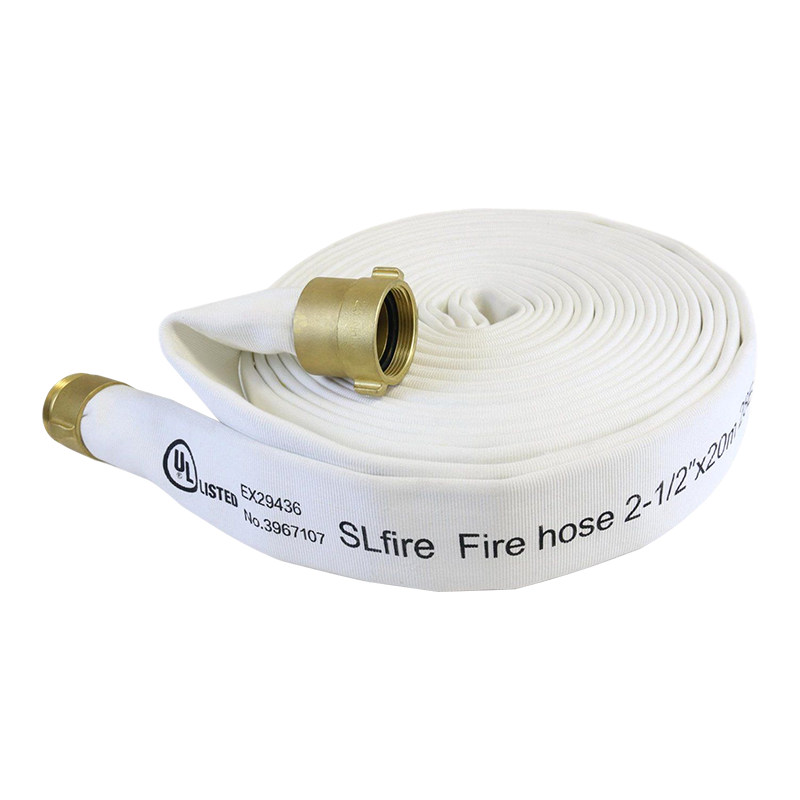
Single jacket, EPDM rubber liner Features • 100% high tenacity polyester jacket, high-grade EPDM rub...
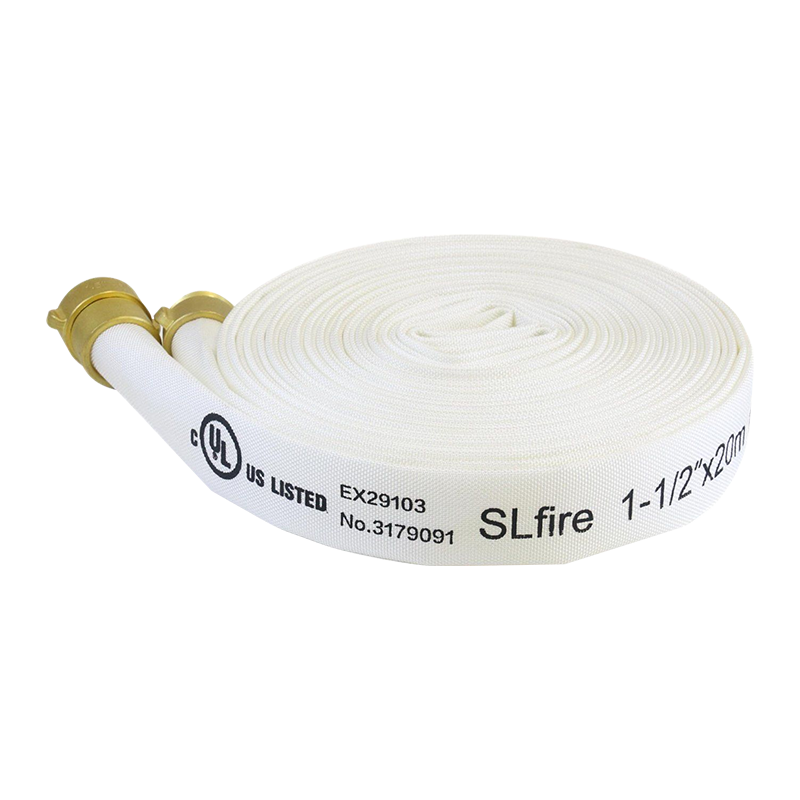
Single jacket, TPU liner •High-tenacity polyester yarn, circular woven in twill weave/plain weave,T ...
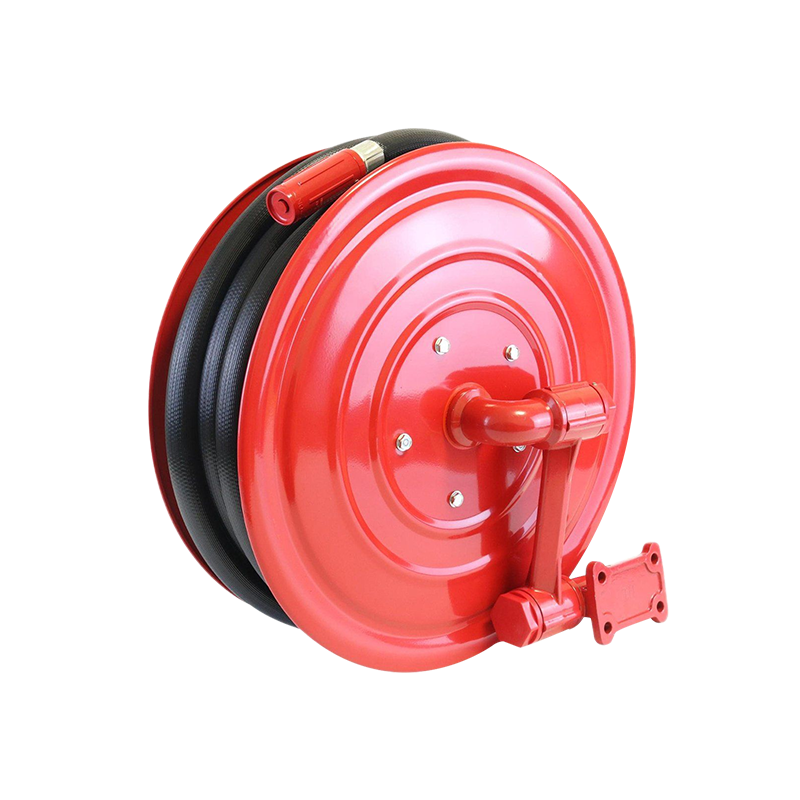
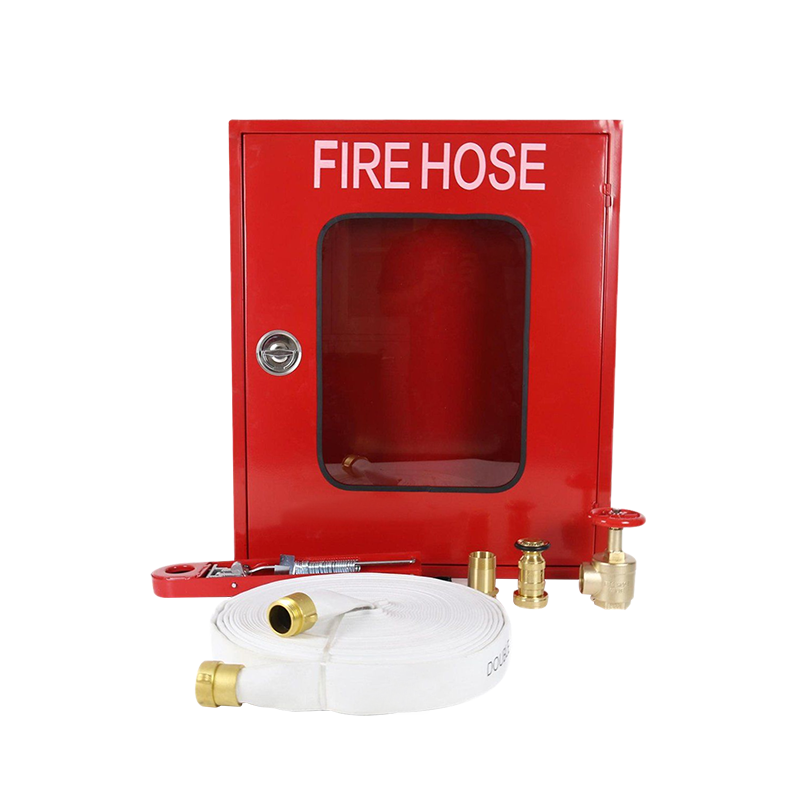
Fire cabinets are designed to accommodate fire hose,valve and other firefighting equipment. Type 201...
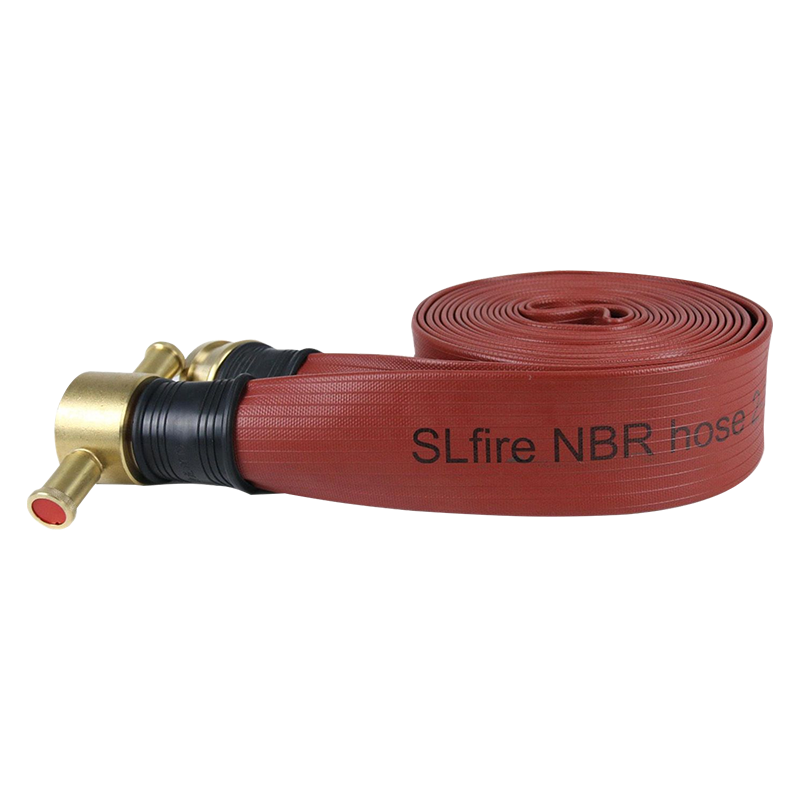
Nitrile covered hose •Nitrile/TPR blend as cover and lining, with 100% high-tenacity polyester yarn ...
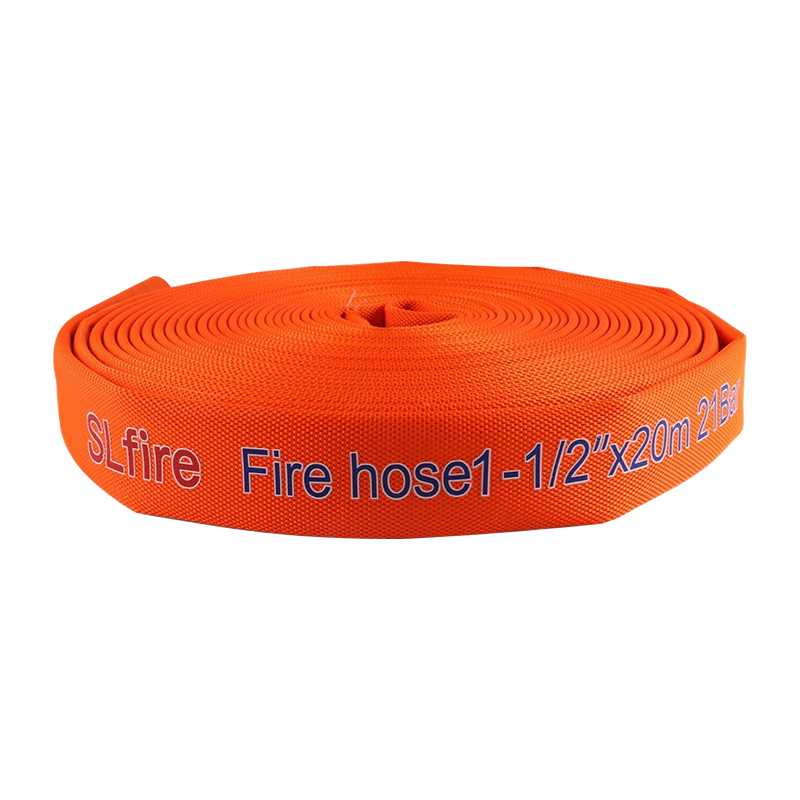
Single jacket, TPU liner •High-tenacity polyester yarn, circular woven in twill weave, TPU lining, f...
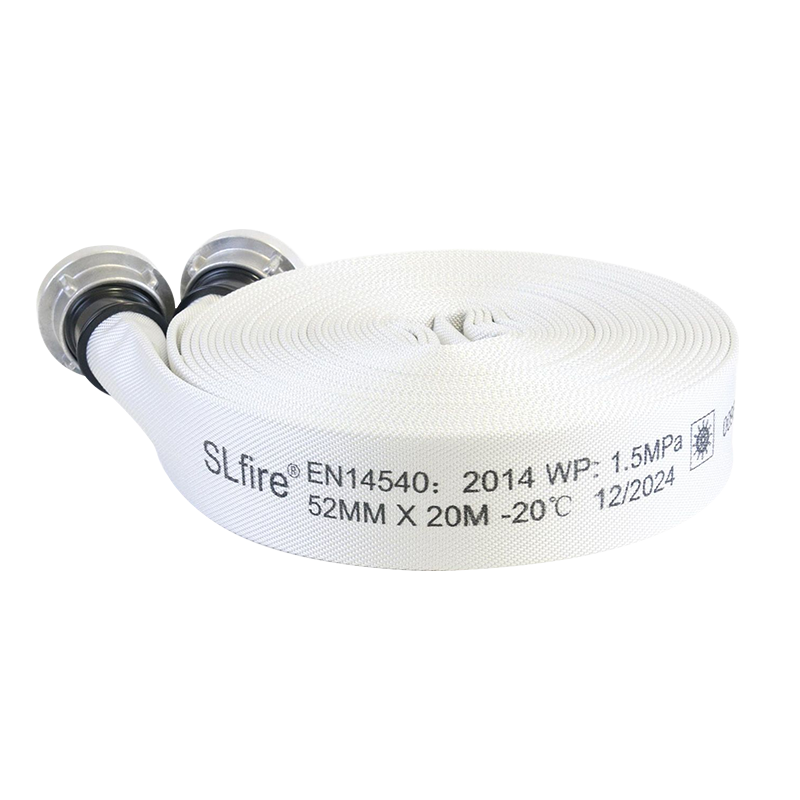
Marine hose Single jacket, PVC liner •100% high tenacity polyester yarn, circular woven in twill wea...
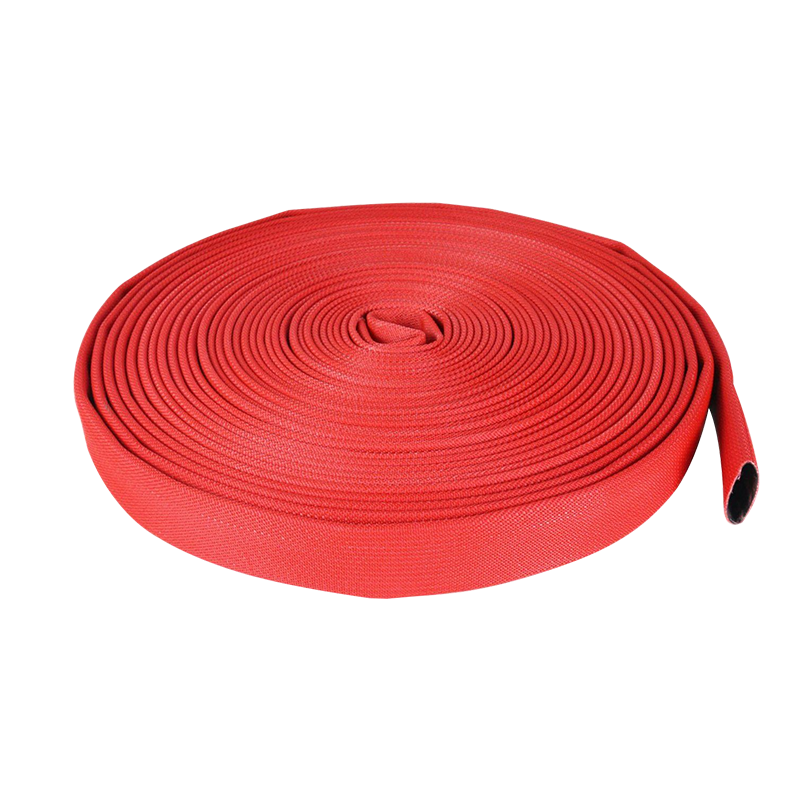
Marine hose Single jacket, PVC liner, PU coated •100% high tenacity polyester yarn,c ircular woven i...
 Call Us
+86 159-5116-9511
Need Support
Head Office
No.58, Kechuang Road, Sixiang Street Medicine Gaoxin District Taizhou City, Jiangsu Province

What Is a Fire Hose? A fire hose is a high-pressure flexible hose designed to carry water or fire retardant chemicals from a water source, such as a hydrant, pump, or tank, to a fire for suppression p...
Copyright © Taizhou Shenlong Fire Science and Technology Co., Ltd. All Rights Reserved.
 Fire Hose Manufacturers, Fire Hydrant Hose Factory