

 English
 русский
 Español
 Deutsch
 عربى
 Français
 Português
Don't hesitate to send a message

Single jacket, EPDM rubber liner Features • 100% high tenacity polyester jacket, high-grade EPDM rub...
Content
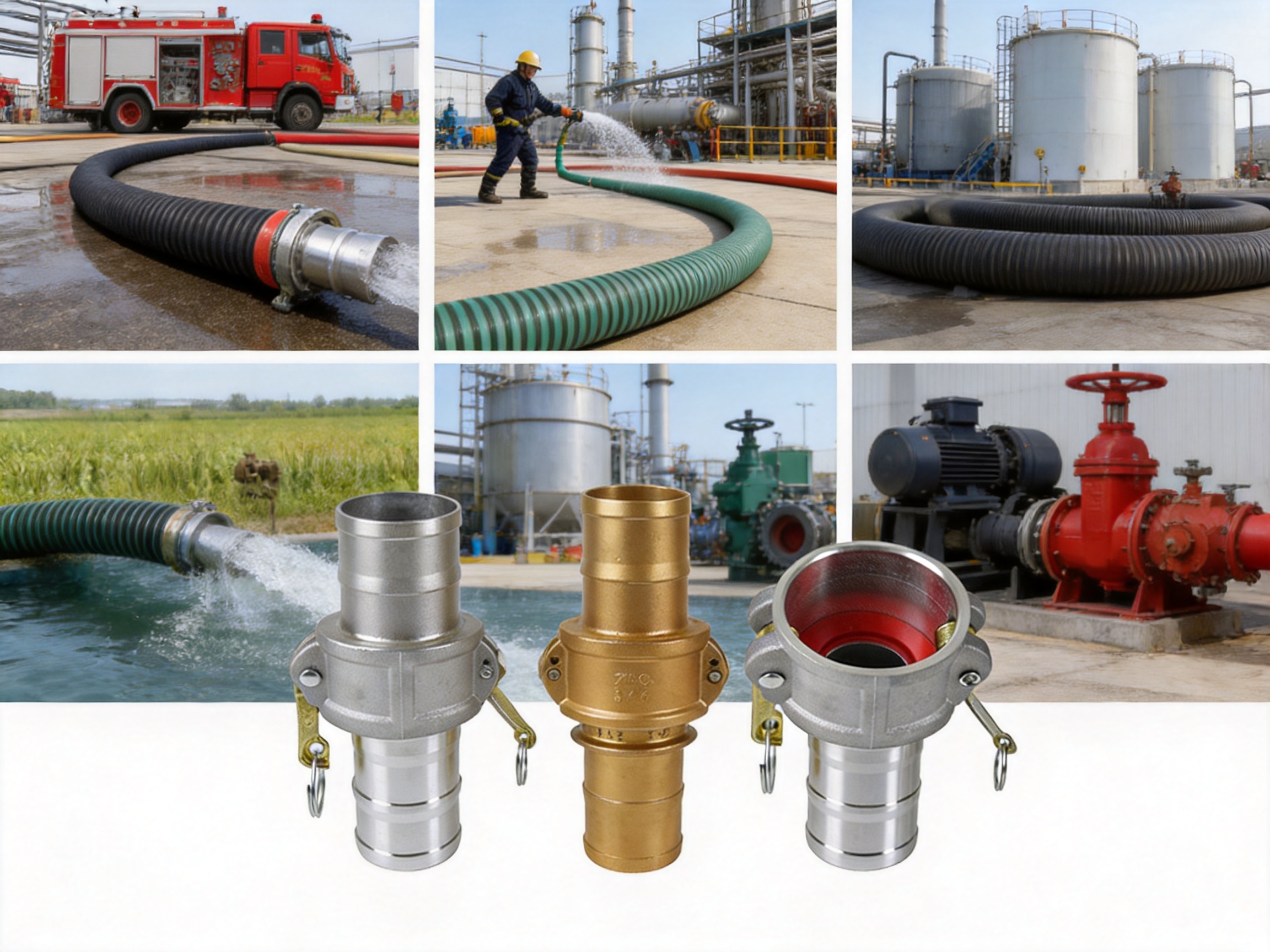
Reliable hose connections are essential wherever liquids, chemicals, water, petroleum products, or firefighting media must be transferred safely and efficiently. A hose may be manufactured from high-quality materials, but the entire transfer system can still be vulnerable if the coupling is difficult to operate, poorly finished, or unable to withstand working pressure. For this reason, the selection of a suitable hose coupling is an important engineering and purchasing decision.
Casting and forged camlock hose couplings provide a practical solution for industries that require secure connections, efficient handling, and dependable service. Designed for tool-free operation, these couplings can be connected and disconnected quickly by hand. This reduces installation time, simplifies routine maintenance, and helps minimize downtime during hose replacement or system adjustment.
The camlock coupling described in this article is manufactured through advanced casting and forging techniques. It is available in aluminum alloy, brass, and stainless steel, allowing users to select a material according to the working environment, fluid characteristics, weight requirements, and budget. With a working pressure of up to 16 Bar and sizes from 1-1/2 inches to 4 inches, the coupling is suitable for many water, fire protection, irrigation, petroleum, and chemical applications.
Its vibratory grinding surface treatment improves the general finish of the coupling and supports resistance to corrosion and chemical exposure. Combined with robust construction and economical operation, this product offers a balanced alternative to connection systems that may require special tools, more complicated installation procedures, or higher maintenance costs.
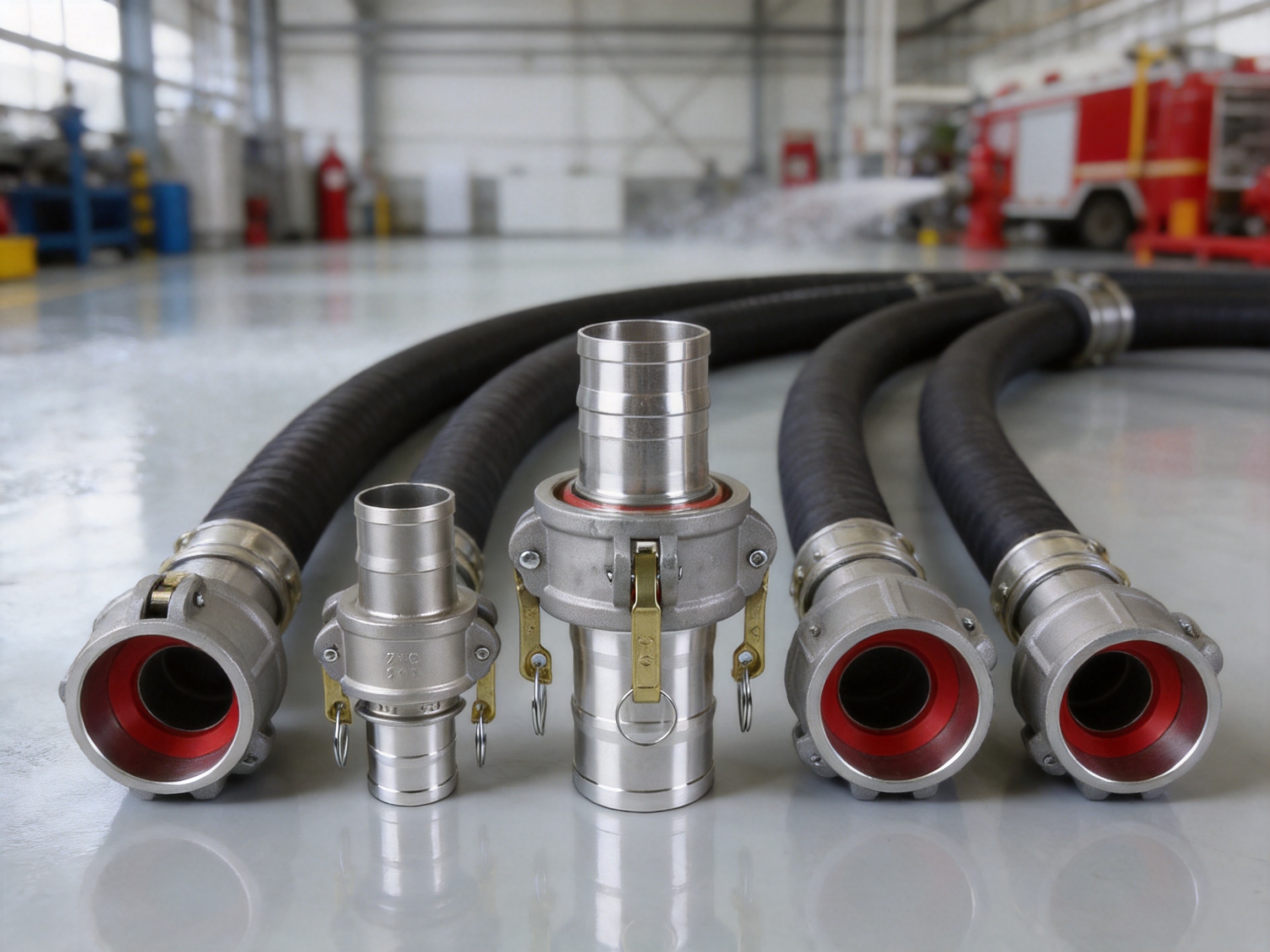
A camlock hose coupling, also known as a cam-and-groove coupling, is a mechanical connection used to join hoses, pipes, pumps, tanks, manifolds, and other fluid-handling equipment. Its basic design consists of a male adapter and a female coupler. The female coupler normally contains cam arms that lock into a groove on the male adapter. When the arms are moved into position, the two parts are secured together without the use of a wrench or other installation tool.
This simple operating principle makes camlock couplings especially useful in applications where hoses must be connected frequently. Firefighting operations, irrigation systems, tanker loading, petroleum transfer, chemical handling, and industrial water circulation often require equipment to be assembled, moved, and rearranged within a short period. A tool-free coupling supports these activities by allowing trained operators to work quickly and efficiently.
The coupling must always be selected according to the intended pressure, temperature, fluid, hose construction, sealing arrangement, and connection size. A 16 Bar working pressure rating does not mean that every hose assembly or connected component can safely operate at the same pressure. The complete system should be evaluated as a unit, and all safety procedures should be followed during installation and operation.
When correctly matched with a suitable hose and seal, a high-quality camlock coupling provides a firm and convenient connection. Its design also makes visual inspection relatively straightforward. Operators can check whether the cam arms are fully closed, whether the adapter is seated correctly, and whether the sealing surfaces show signs of damage or contamination.
The casting and forged camlock hose coupling is intended for users who need a dependable, economical, and easy-to-operate connection system. The product is produced using casting and forging methods, with material options that include aluminum alloy, brass, and stainless steel. Each material provides different benefits, allowing the coupling to be adapted to a wide range of industrial conditions.
The available size range covers 1-1/2 inches, 2 inches, 2-1/2 inches, 3 inches, and 4 inches. This range supports many common hose and equipment configurations. The coupling can be used in portable hose systems as well as fixed or semi-fixed transfer arrangements, subject to correct selection and installation.
The maximum stated working pressure is 16 Bar. This rating makes the coupling suitable for many general industrial, agricultural, water-transfer, and firefighting applications. Pressure performance depends on the coupling material, connection configuration, seal condition, temperature, hose compatibility, and installation quality. Buyers should confirm the required pressure and service conditions before placing an order.
| Item | Specification |
|---|---|
| Product type | Casting and forged camlock hose coupling |
| Working pressure | Up to 16 Bar |
| Available materials | Aluminum alloy, brass, and stainless steel |
| Surface treatment | Vibratory grinding |
| Available sizes | 1-1/2 inches, 2 inches, 2-1/2 inches, 3 inches, and 4 inches |
| Primary applications | Firefighting, irrigation, petroleum, chemicals, and industrial fluid transfer |
| Operating method | Tool-free cam-and-groove connection |
| Main features | Simple operation, corrosion and chemical resistance, economical use |
The product is designed to balance performance and practicality. It is not limited to one industry, and its material flexibility makes it suitable for different operating environments. Aluminum alloy can be selected where low weight and ease of handling are important. Brass can provide a durable option for many water and general-purpose applications. Stainless steel is appropriate for users who require enhanced resistance in more demanding or corrosive environments.
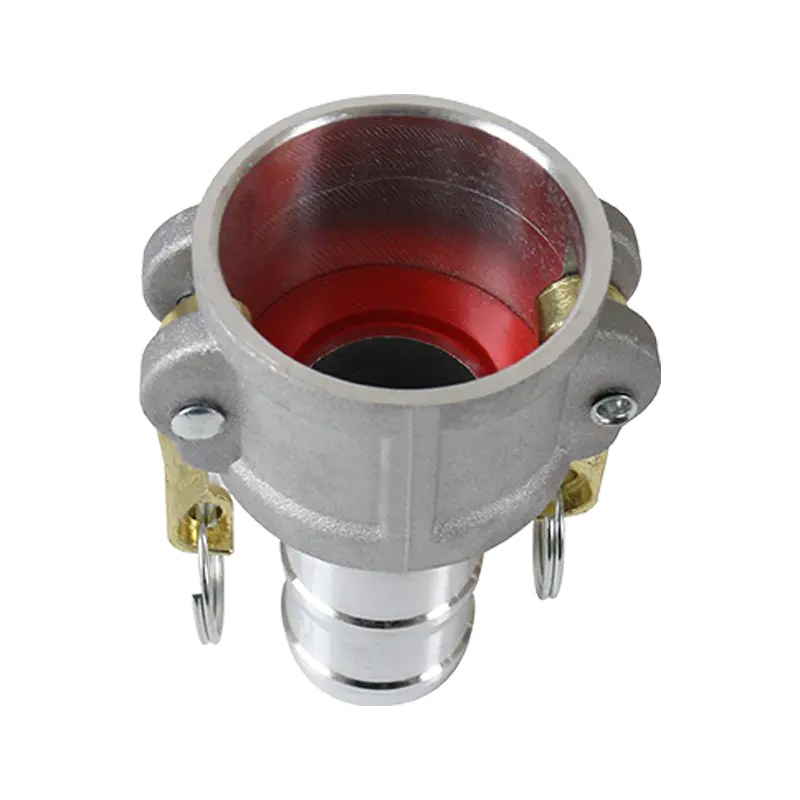
Casting/Forged Camlock Hose Couplings
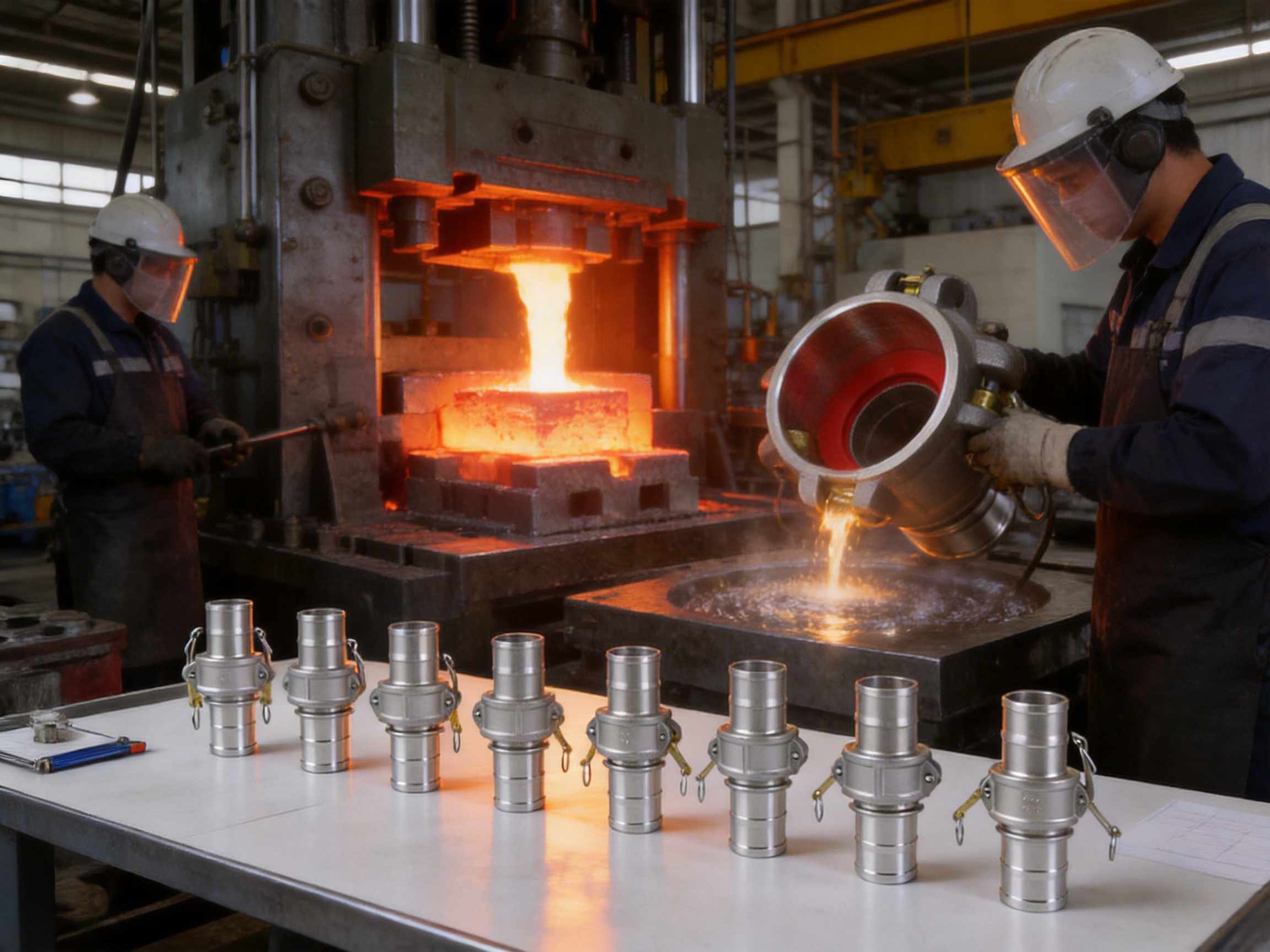
Casting is a manufacturing process in which molten metal is introduced into a prepared mold and allowed to solidify into a defined shape. For hose couplings, casting can support the production of complex forms, integrated features, and consistent external geometry. The accuracy of the mold, the quality of the metal, temperature control, and post-casting inspection all influence the final product.
Advanced casting technology allows manufacturers to produce coupling bodies with efficient material distribution. This is important because a coupling must be strong enough to withstand internal pressure and handling loads without becoming unnecessarily heavy or expensive. A well-designed cast component can provide an effective balance between strength, weight, and production efficiency.
After casting, components may undergo processes such as removal of excess material, cleaning, dimensional inspection, surface treatment, and machining of connection areas. The connection surfaces must be properly formed so that adapters, seals, and hose ends can be assembled correctly. Careful processing helps reduce the risk of leakage caused by poor alignment, rough sealing surfaces, or dimensional variation.
Forging shapes metal through controlled pressure or impact. The process can improve the structural integrity of a component by forming the material under force and creating a dense, durable part. Forged components are often selected for applications where mechanical strength, resistance to handling damage, and dependable service are important.
For camlock hose couplings, forging can be especially valuable in parts that experience repeated operating loads. Cam arms, locking features, connection elements, and other functional components benefit from careful material forming and controlled production. A properly forged part can help support reliable engagement and long-term durability when used within its rated conditions.
The combined availability of casting and forging methods gives the manufacturer greater flexibility. Different coupling components can be produced using the method best suited to their shape, load, and intended function. This approach supports product consistency while allowing material and design choices to be adapted to different markets and applications.
Manufacturing does not end when the metal has been cast or forged. Finishing operations are necessary to prepare the coupling for use. Vibratory grinding is used as a surface treatment to smooth and clean the product. During vibratory grinding, components are placed in a vibrating machine with suitable media. The movement helps remove minor burrs, sharp edges, surface irregularities, and residual processing marks.
A properly finished surface is beneficial for several reasons. It improves the appearance of the coupling, supports easier handling, and reduces the presence of rough areas that could interfere with assembly. A cleaner and more uniform surface can also contribute to resistance against corrosion and chemical exposure, especially when the coupling is used in wet or industrial environments.
Quality control should include checks of dimensions, material condition, operating components, connection surfaces, and general appearance. Pressure-related products also require attention to structural integrity and correct assembly. By combining controlled production methods with inspection and finishing, the manufacturer can provide couplings that are better suited to repeated industrial use.
Aluminum alloy is frequently chosen when low weight is a major requirement. Firefighting teams, irrigation operators, construction crews, and mobile transfer systems may need to carry or reposition hoses regularly. A lighter coupling can reduce the physical effort required during installation and handling, especially when large-diameter hoses are being moved by one or more operators.
Aluminum alloy also provides useful resistance to many environmental conditions. Its relatively low density makes it practical for portable equipment, temporary water-transfer systems, and applications where transportation costs are important. The final performance still depends on the specific alloy, design, seal, fluid, and operating environment, so compatibility should be evaluated before use.
For users comparing aluminum couplings with heavier alternatives, the main advantages are often easier handling, reduced system weight, and economical transportation. These benefits can be particularly valuable in emergency response, agricultural irrigation, and mobile industrial operations.
Brass is a widely used engineering material for fluid-handling components. It provides a combination of durability, machinability, and resistance suitable for many general-purpose water and industrial applications. Brass couplings are often selected when users want a robust metal connection with a traditional appearance and dependable handling characteristics.
Brass can be suitable for firefighting support systems, water transfer, irrigation, and other applications where the fluid and operating conditions are compatible with the material. It offers a practical middle ground between lightweight aluminum alloy and higher-performance stainless steel in certain installations.
As with every material, brass selection should be based on the complete service environment. Fluid chemistry, temperature, pressure, contact with other metals, and cleaning chemicals can all influence long-term performance. The manufacturer or technical supplier should be consulted when the coupling will be exposed to unusual chemicals or severe conditions.
Stainless steel is valued for its strong corrosion resistance and durable performance in demanding environments. It is often specified for chemical handling, industrial processing, petroleum-related work, marine or wet areas, and applications where the coupling may experience repeated exposure to moisture or aggressive substances.
Stainless steel generally has a higher material cost than aluminum alloy or brass, but the investment may be justified when service life, resistance, and reduced replacement frequency are priorities. Stainless steel couplings are also useful where a strong and durable connection is required and the additional weight is acceptable.
Users should confirm the appropriate stainless steel grade for the fluid and environment. Not all stainless steel grades perform identically in every chemical or temperature condition. Correct material selection is essential for achieving the expected service life.
The most recognizable advantage of a camlock coupling is its tool-free operating principle. Traditional threaded connections may require wrenches, sealant, and considerable tightening effort. Flanged connections can require bolts, nuts, gaskets, and alignment procedures. In contrast, a camlock system can generally be connected by inserting the male adapter into the female coupler and closing the cam arms.
This saves time during normal assembly and emergency response. It also reduces the number of tools that must be carried to a worksite. In mobile applications, fewer tools can simplify logistics and reduce the possibility that a connection will be delayed because the correct wrench or fitting accessory is unavailable.
Industrial systems often lose productivity when hoses cannot be replaced or repositioned quickly. A coupling that allows fast disconnection and reconnection can support more efficient maintenance. If a hose becomes worn or if the system configuration changes, operators can carry out the adjustment more rapidly than with a connection that requires extensive disassembly.
Reduced downtime is valuable in firefighting, agricultural irrigation, construction dewatering, petroleum transfer, and chemical processing. The economic benefit is not limited to labor savings. Faster maintenance can also reduce interruptions to production, water delivery, emergency response, and scheduled transfer operations.
The visible cam arms make it easier to check the connection before operation. Operators can verify that the arms are fully engaged and that the fitting is seated correctly. This straightforward inspection can support safer working practices, provided that personnel are trained and the coupling is used within its rated conditions.
Some coupling ranges are available in only one material, which may limit their suitability for different working environments. The availability of aluminum alloy, brass, and stainless steel gives buyers more flexibility. The material can be selected according to weight, corrosion resistance, chemical compatibility, expected service life, and purchasing budget.
The economic value of a coupling should be considered over its service life rather than only by its initial price. A practical coupling can reduce installation time, lower labor requirements, simplify maintenance, and support repeated use. The camlock design is economical because it combines a relatively simple operating method with durable metal construction and multiple material choices.
Cost effectiveness also depends on correct storage, inspection, seal replacement, and use within the recommended pressure and application range. A low purchase price cannot compensate for incorrect
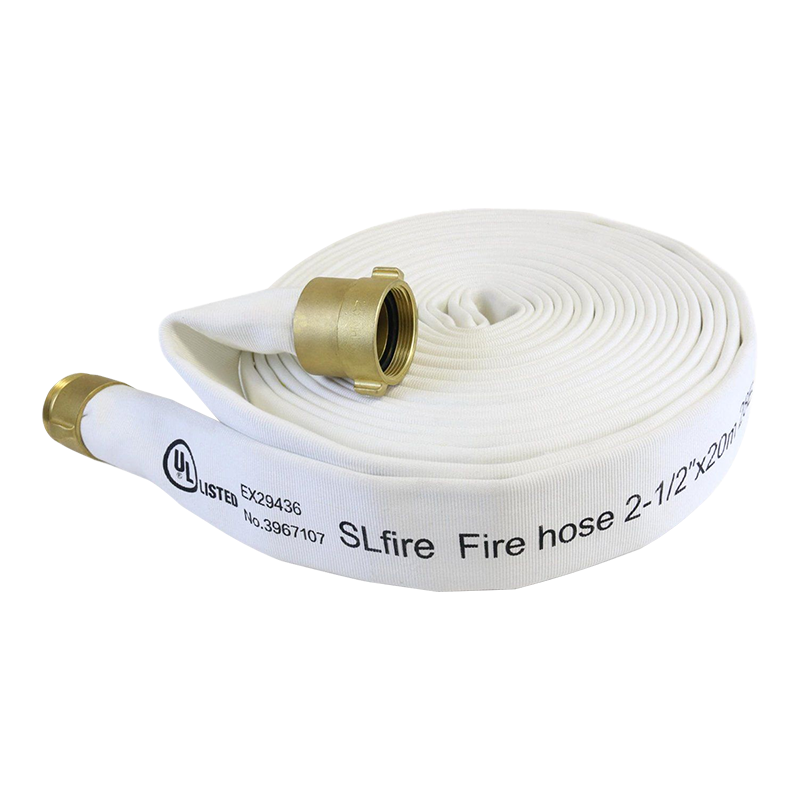
Single jacket, EPDM rubber liner Features • 100% high tenacity polyester jacket, high-grade EPDM rub...
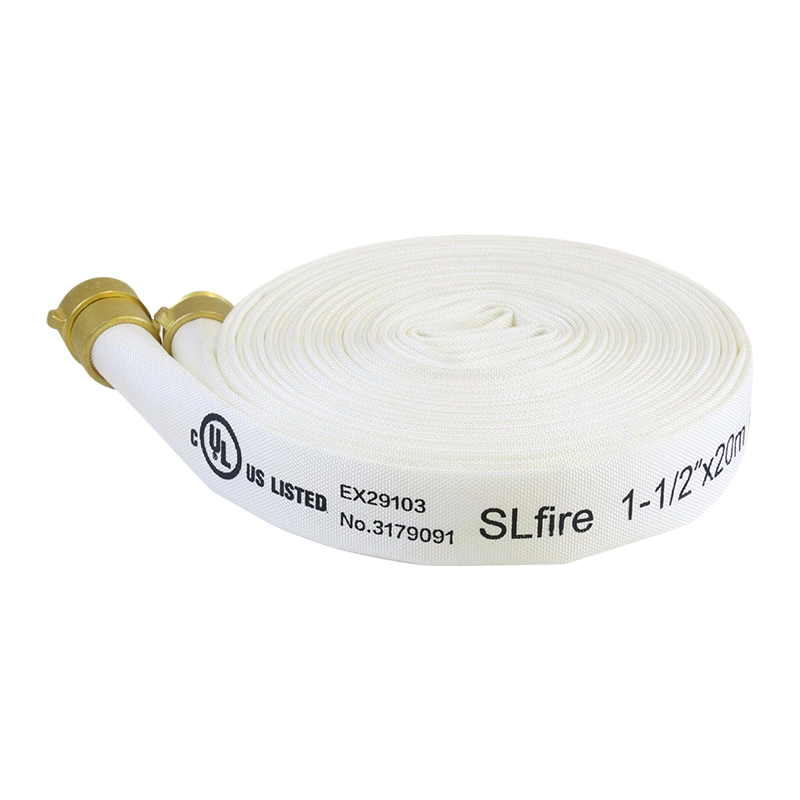
Single jacket, TPU liner •High-tenacity polyester yarn, circular woven in twill weave/plain weave,T ...
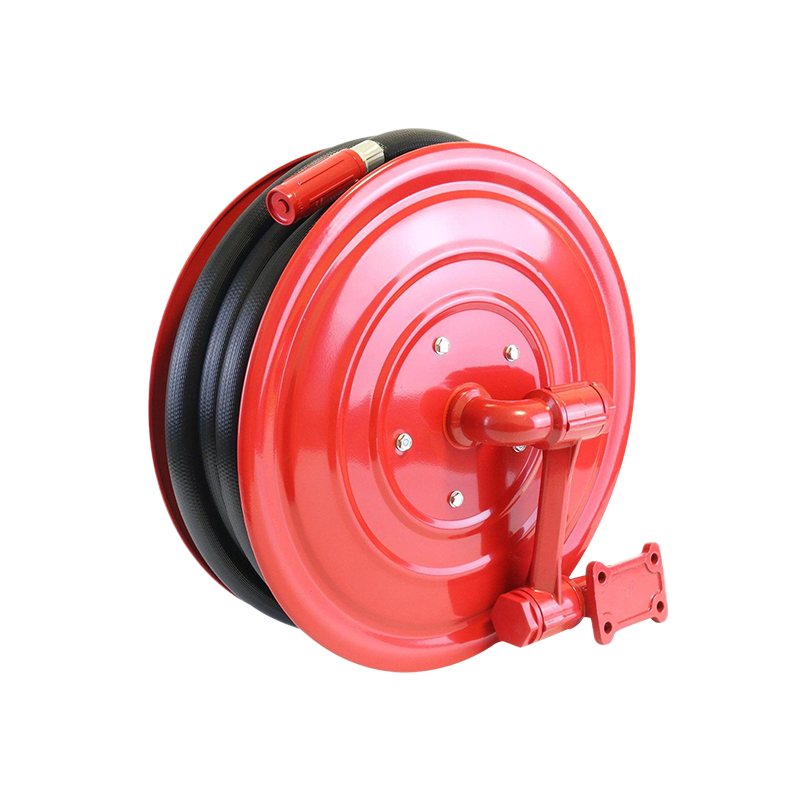
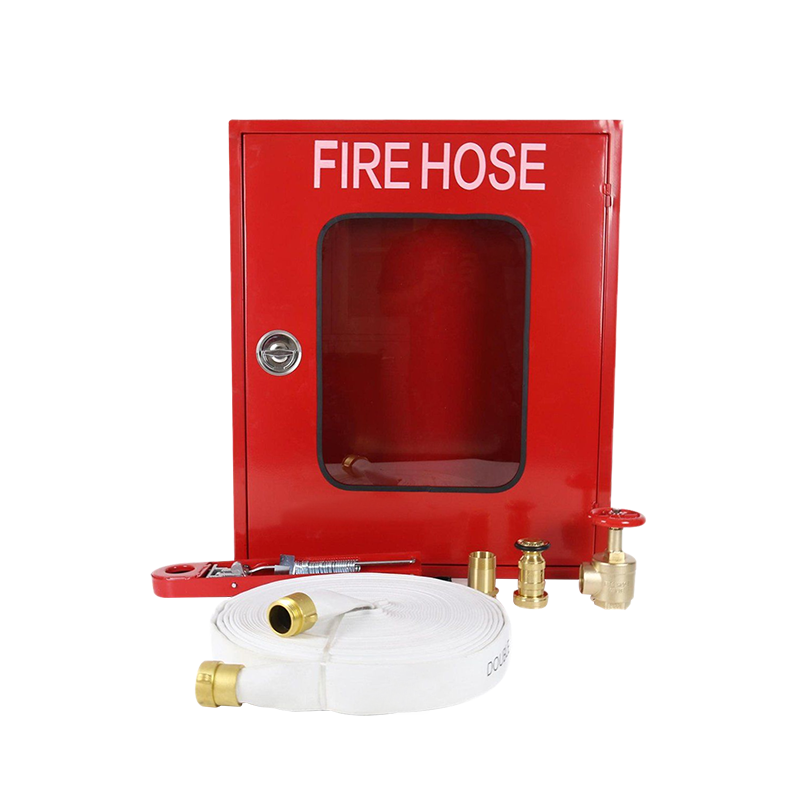
Fire cabinets are designed to accommodate fire hose,valve and other firefighting equipment. Type 201...
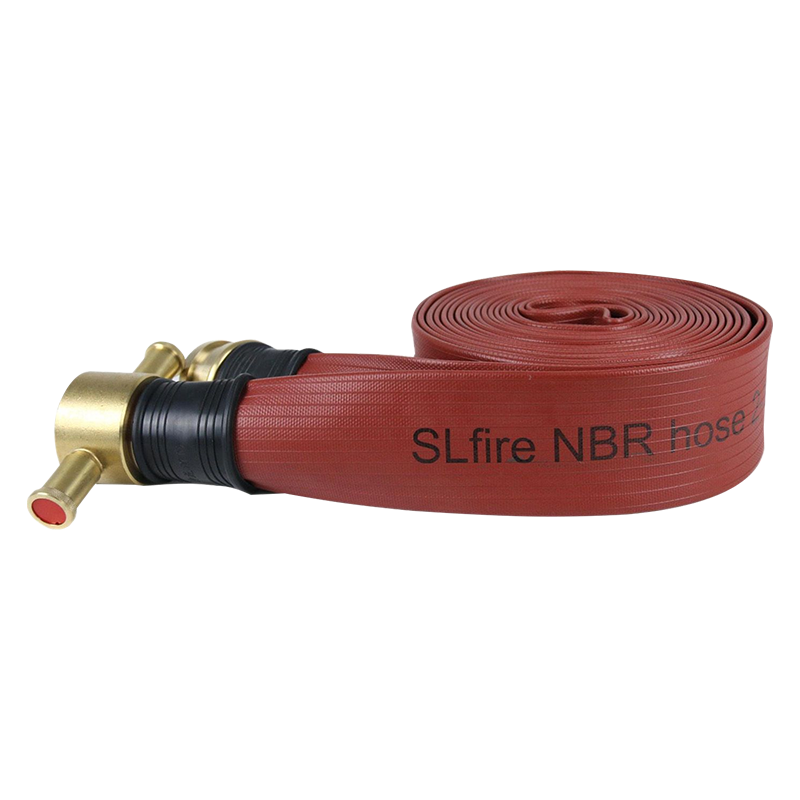
Nitrile covered hose •Nitrile/TPR blend as cover and lining, with 100% high-tenacity polyester yarn ...
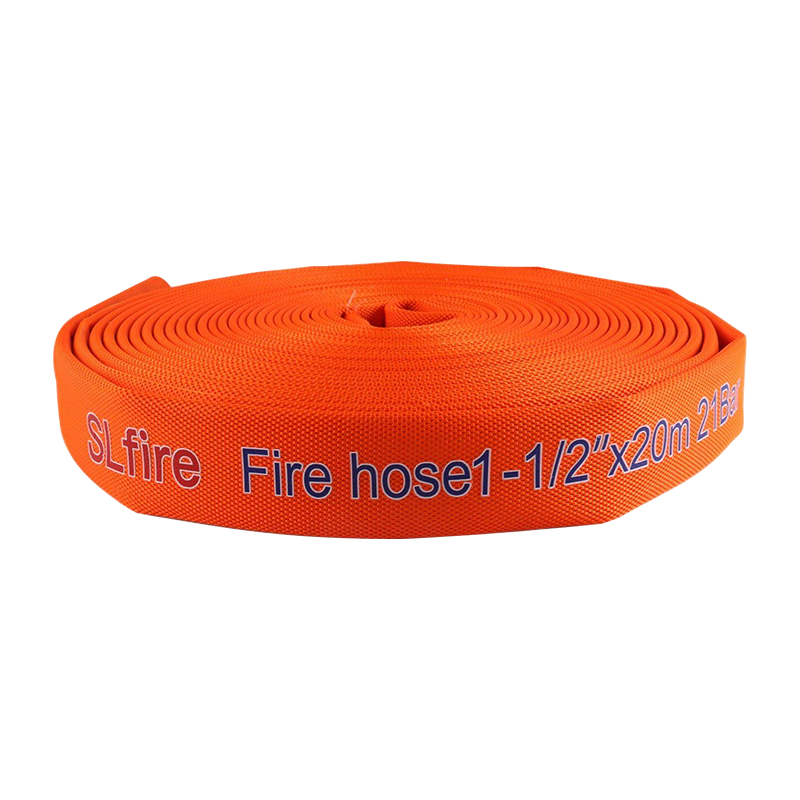
Single jacket, TPU liner •High-tenacity polyester yarn, circular woven in twill weave, TPU lining, f...
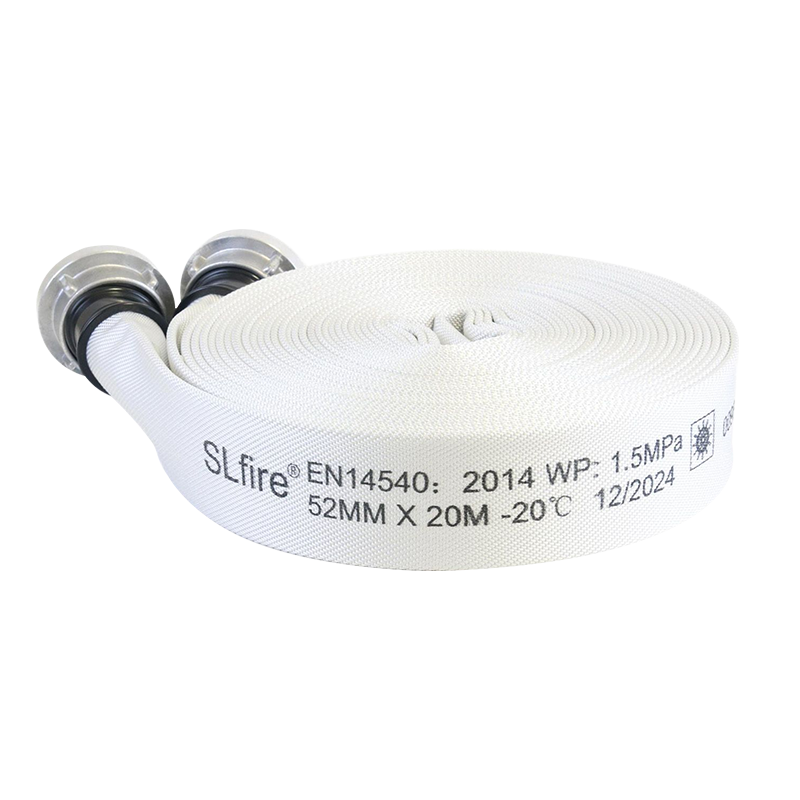
Marine hose Single jacket, PVC liner •100% high tenacity polyester yarn, circular woven in twill wea...
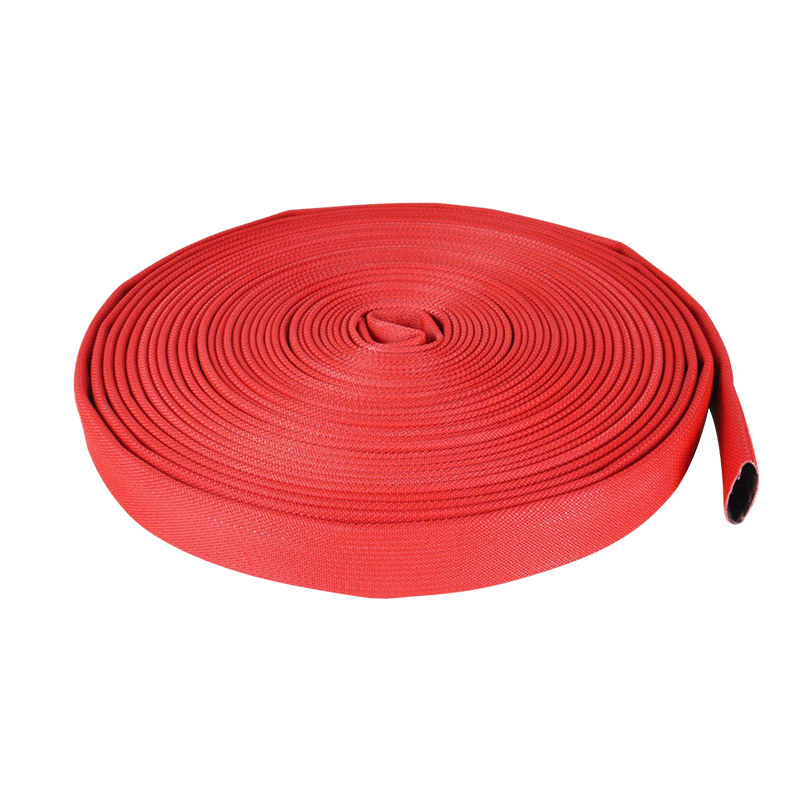
Marine hose Single jacket, PVC liner, PU coated •100% high tenacity polyester yarn,c ircular woven i...
 Call Us
+86 159-5116-9511
Need Support
Head Office
No.58, Kechuang Road, Sixiang Street Medicine Gaoxin District Taizhou City, Jiangsu Province

At a structure fire, the first line off the truck is the one that does the hardest work. Pulled around obstacles, dragged across gravel, charged with high-pressure water, and shut off at the nozzle d...
Copyright © Taizhou Shenlong Fire Science and Technology Co., Ltd. All Rights Reserved.
 Fire Hose Manufacturers, Fire Hydrant Hose Factory