

 English
 русский
 Español
 Deutsch
 عربى
 Français
 Português
Don't hesitate to send a message

Single jacket, EPDM rubber liner Features • 100% high tenacity polyester jacket, high-grade EPDM rub...
Content
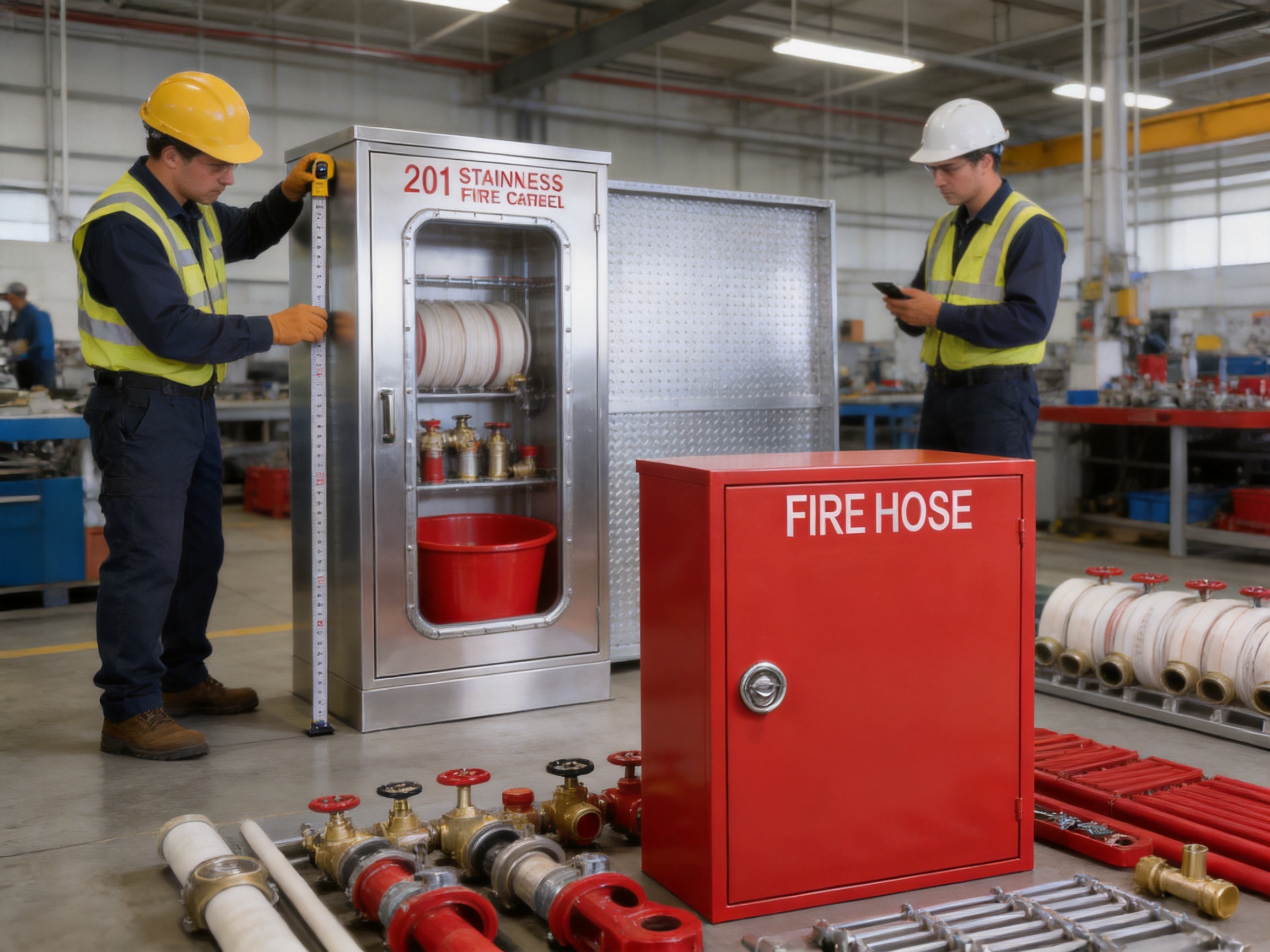
Firefighting equipment must be easy to identify, quick to access, and protected from unnecessary damage. A well-designed fire cabinet provides the organized enclosure needed for fire hose, valves, nozzles, and related equipment while helping maintain a clean and professional installation. The 201 stainless steel fire cabinet is developed for commercial buildings, industrial facilities, warehouses, construction projects, public buildings, and other locations where dependable equipment storage is essential.
These cabinets are designed to accommodate fire hose, valves, and other firefighting equipment. Their practical construction combines a Type 201 stainless steel door and frame with cabinet configurations suitable for surface-mounted, recessed, and semi-recessed installation. Depending on the selected model, the cabinet may include rolled edge trim, a stainless steel tub, a galvanized back panel, a recessed flange, or a cold rolled steel tub with a red powder-coated finish.
The result is a versatile storage solution that balances appearance, accessibility, structural protection, and manufacturing flexibility. Customers can select from multiple cabinet arrangements, door styles, locking systems, dimensions, and lettering options. Standard sizes are available for common hose capacities, while custom dimensions can be produced according to project requirements.
A fire hose cabinet is more than a metal enclosure. It is part of the overall organization of a building’s fire protection system. When a hose, valve, or nozzle is stored in a clearly designated cabinet, authorized personnel can locate the equipment more efficiently during an emergency. The enclosure also helps keep the equipment protected from accidental impact, dust, construction debris, and everyday interference.
In busy environments, firefighting equipment may be installed in corridors, stairwells, plant rooms, warehouses, workshops, parking structures, and service areas. Without a dedicated cabinet, the hose or valve may be exposed, difficult to organize, or vulnerable to damage. A purpose-built cabinet creates a defined storage location and provides a more orderly appearance.
The cabinet can also support regular inspection and maintenance. A solid door or clear tempered-glass door allows the equipment arrangement to be managed according to the project’s needs. A clear window may provide visual access, while a solid door can offer a more concealed appearance. Press-button and rotary lock options give installers flexibility when selecting an access arrangement.
For building owners and contractors, the cabinet’s value lies in the combination of accessibility and protection. For architects and interior designers, the selection of a surface, recessed, or semi-recessed model makes it easier to coordinate the cabinet with the surrounding wall. For distributors, the range of configurations supports different market requirements without requiring a completely different product family for every project.
The main visible components of the cabinet are the frame and door. Type 201 stainless steel is used for the door and frame in the stainless steel configuration. This material provides a clean metallic appearance and a durable surface suitable for many indoor and semi-protected building environments.
The stainless steel construction is especially useful where appearance matters. In commercial buildings, hospitals, schools, hotels, shopping centers, office buildings, and public facilities, a cabinet should protect firefighting equipment without looking improvised. The smooth stainless steel surface offers a professional appearance and can be coordinated with other architectural or service equipment.
Type 201 stainless steel is also selected for its practical balance between performance and cost. Compared with higher-cost stainless steel grades, it can provide a more economical option for projects that require a stainless appearance and durable cabinet construction but must manage the overall budget carefully. The appropriate material choice should always consider the installation environment, exposure conditions, cleaning requirements, and project specifications.
The cabinet structure can include different material combinations depending on the mounting style. Surface-mounted models have rolled edge trim and stainless steel tubs with a galvanized back panel. This arrangement is suitable when the cabinet is installed directly onto the wall surface and a complete external enclosure is required.
Recessed models have a recessed flange and a tub constructed of cold rolled steel with a red powder-coated finish. The recessed flange helps the cabinet integrate into a wall opening, while the red finish provides a strong visual identity commonly associated with firefighting equipment. The different construction arrangements allow the product to meet both functional and architectural requirements.
The available frame materials include mild steel and Type 201 stainless steel. Mild steel may be selected for projects where a coated or painted cabinet is preferred, while Type 201 stainless steel offers a bright, durable, and professional appearance. This choice gives customers greater control over the final product configuration.
When a project requires consistent visual coordination, the frame material can be selected to match the door, trim, and surrounding equipment. The ability to offer both mild steel and stainless steel components also allows the manufacturer to support different price points and installation environments.
The cabinet door can be supplied as a solid door or as a door with clear tempered glass. A solid door provides a simple, enclosed appearance and can be suitable where the equipment is not required to remain visible. A clear-glass option allows users to identify the contents without opening the cabinet, which may help with routine inspection and equipment recognition.
Tempered glass is used where a clear viewing panel is required. As with any glass component, the final selection should be evaluated in relation to the building environment, local installation requirements, and the expected level of impact exposure. The availability of both door styles makes the cabinet adaptable to residential, commercial, industrial, and institutional applications.
Two listed locking options are a press-button lock and a rotary lock. The selected lock can depend on the project’s access policy, the cabinet location, and the preferred appearance. A press-button arrangement can provide straightforward operation, while a rotary lock offers a different mechanical format for securing the door.
The lock should be selected together with the intended emergency access procedure. Firefighting equipment must remain accessible to authorized users, and building operators should establish inspection routines to ensure that the door, lock, glass, and cabinet interior remain in good condition.
The product is available in three primary installation styles: surface wall mounted, recessed, and semi-recessed. These configurations are important because every building has different wall construction, available space, appearance requirements, and installation conditions.
A surface wall mounted cabinet is installed directly on the face of an existing wall. This configuration is practical when creating a wall cavity is not desirable or when the project requires a comparatively straightforward installation process. It is also useful for retrofit projects, renovations, and locations where the wall structure cannot easily accommodate a recessed cabinet.
Surface-mounted cabinets project from the wall, making their position clear and accessible. The rolled edge trim can provide a finished perimeter around the cabinet, while the stainless steel tub and galvanized back panel form a practical enclosure for the stored equipment. This type of cabinet can be used in corridors, service areas, warehouses, plant rooms, and other locations with sufficient wall clearance.
A recessed cabinet is installed within a prepared wall opening so that much of the cabinet body is positioned inside the wall. This can reduce the projection into the room and create a more integrated appearance. Recessed installation is often considered where corridor width, interior appearance, or space utilization is important.
The recessed model includes a recessed flange and a cold rolled steel tub with a red powder-coated finish. The flange helps form the visible transition between the wall and cabinet. Before installation, the contractor should confirm the opening dimensions, wall construction, service clearances, and required cabinet depth.
A semi-recessed cabinet combines characteristics of surface and recessed installation. Part of the enclosure is positioned inside the wall while the front remains visible. This option can be useful where the available wall depth is limited but the customer still wants to reduce the cabinet projection.
Semi-recessed installation should be coordinated with the wall system and surrounding finishes. Accurate preparation of the opening helps the frame sit correctly and supports a neat final appearance. The appropriate mounting style should be selected before fabrication whenever possible, particularly when custom dimensions or lettering are required.
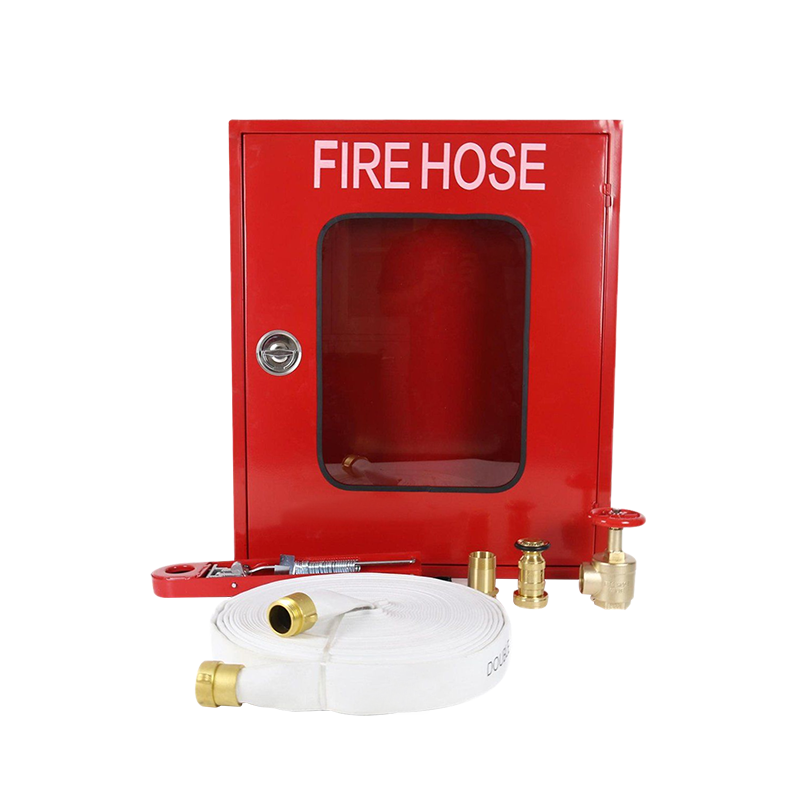
201 stainless steel Fire cabinets
The cabinet range includes sizes for common hose capacities. The available information identifies two standard capacity options: 1.5-inch by 30-meter hose and 2.5-inch by 30-meter hose. The corresponding dimensions are provided as depth, width, and height.
| Hose Capacity | Depth | Width | Height |
|---|---|---|---|
| 1.5-inch × 30-meter hose | 180 mm | 700 mm | 800 mm |
| 2.5-inch × 30-meter hose | 300 mm | 900 mm | 1100 mm |
The listed dimensions provide a starting point for design and purchasing decisions. Actual cabinet selection should consider the hose arrangement, valve size, nozzle dimensions, coupling configuration, required operating clearance, and the space available at the installation location. A cabinet that is too small may make equipment placement difficult, while an unnecessarily large cabinet may consume valuable wall or floor area.
Dimensions are available on customer request. This customization capability is valuable for projects that use nonstandard hose arrangements, larger valves, additional firefighting accessories, or architectural layouts that cannot accept the standard sizes. Before production, the buyer and manufacturer can confirm the required width, height, depth, door configuration, mounting style, and internal arrangement.
Custom dimension service also supports original equipment manufacturing and project-based supply. Contractors, distributors, and fire protection system integrators can request cabinets that fit their own equipment packages. This may reduce the need for field modification and help maintain a consistent appearance across a large building or multi-site project.
Many general-purpose metal boxes can store equipment, but a dedicated fire hose cabinet offers advantages that a basic enclosure may not provide. Its dimensions are developed around firefighting equipment, its appearance communicates a specific safety function, and its mounting options are suited to building installation.
The cabinet is designed for fire hose, valves, and related firefighting equipment rather than for unrestricted general storage. This helps the project team plan the location and arrangement of the equipment from the beginning. The available capacities provide a clear starting point for matching the cabinet to the hose size and length.
A visible cabinet helps users identify where fire equipment is stored. The red powder-coated interior or cabinet elements used in recessed models can reinforce the visual association with firefighting equipment. In addition, lettering can be supplied according to customer request, allowing the cabinet to carry project-specific words or markings.
The option of a solid door or a clear tempered-glass window allows the cabinet to be adapted to different environments. Clear glass can support visual checking, while a solid door may be preferred for a cleaner or more concealed appearance. This choice is particularly useful when the cabinet is installed in an architecturally sensitive interior.
Surface, recessed, and semi-recessed formats offer more flexibility than a single fixed cabinet design. A surface model may simplify retrofit work, a recessed model may preserve corridor space, and a semi-recessed model may help address limited wall depth. This range enables contractors to select the cabinet style that best suits the building rather than forcing the building to adapt to one cabinet format.
Customer-requested dimensions and lettering are significant advantages for project supply. Standard products are efficient for common requirements, but custom production is important when equipment, wall openings, or project branding does not match standard dimensions. The manufacturer can review the requested specifications before production and develop the cabinet around the agreed requirements.
The manufacturer is an integrated research and development, production, sales, and service enterprise established in 1995. Its principal product range includes fire hoses made with various lining materials. This specialization provides a relevant industrial background for producing and supplying cabinets intended to store fire hose and associated equipment.
A company involved in fire hose production understands the practical relationship between hose dimensions, couplings, valves, nozzles, storage arrangements, and field use. That product knowledge can support more effective cabinet selection and project communication. Customers are not limited to purchasing an isolated metal box; they can discuss cabinet requirements with a supplier familiar with the broader firefighting equipment environment.
The company also undertakes various foreign trade products according to customer requirements, including rubber, PVC, polyurethane, and double-sided tape products. This demonstrates experience with customer-specific production and international product coordination. Although the fire cabinet remains the focus of this article, the broader manufacturing and trading capability can be useful for distributors seeking a supplier able to handle different industrial product categories.
Research and development is identified as one of the company’s core activities. For a product such as a fire cabinet, development work can involve material selection, cabinet structure, mounting configuration, door design, locking methods, dimensional adaptation, and compatibility with different fire hose arrangements.
A development-oriented production process is especially valuable when the customer requires a nonstandard cabinet. Instead of treating every custom request as an isolated modification, an experienced manufacturer can evaluate the request in relation to the cabinet’s structure, material behavior, fabrication sequence, and intended installation environment.
Combining research and development, production, sales, and service allows communication to continue across the complete order process. Product requirements can be discussed before fabrication, manufacturing details can be confirmed during production, and after-sales questions can be addressed through the same supplier relationship.
This integrated model may simplify purchasing for distributors and contractors. It can also reduce misunderstandings that sometimes occur when design, production, and sales responsibilities are divided among unrelated companies. Clear communication remains important, but a single experienced manufacturer can provide a more coordinated path from inquiry to delivery.
The company’s products are reported to sell in more than 20 provinces, cities, and autonomous regions and to be exported to multiple countries through cooperation with domestic foreign trade companies. This market experience indicates familiarity with different customer expectations, packaging requirements, communication processes, and project supply arrangements.
International buyers should still confirm the applicable technical requirements, labeling expectations, documentation, packaging, and import conditions for their market. However, experience with export products can help support smoother cooperation, especially when the customer requests a customized cabinet or a combined order involving firefighting hoses and accessories.
Material selection should be matched to the intended installation environment. Type 201 stainless steel provides the door and frame with a metallic appearance and a durable surface for many applications. Mild steel is also available for selected frame configurations. The cabinet tub and back panel vary according to the mounting model, allowing the product to balance appearance, structure, and cost.
Surface-mounted models use stainless steel tubs and a galvanized back panel. Galvanized steel is commonly selected for its protective zinc coating and practical use in fabricated enclosures. Recessed models use a cold rolled steel tub with a red powder-coated finish, providing a visually recognizable and durable coated surface.
Powder coating is applied as a dry finishing process that creates a continuous coated surface after curing. The red finish can help the cabinet stand out in its intended safety application. The final performance of any finish depends on surface preparation, coating quality, curing, handling, and the environment in which the cabinet is installed.
Customers should identify whether the cabinet will be installed indoors, in a humid service area, near chemicals, in a coastal region, or in a location exposed to weather. The appropriate material and finish should be discussed at the quotation stage. Stainless steel does not eliminate the need for proper cleaning and maintenance, and no cabinet should be assumed suitable for severe exposure without reviewing the specific conditions.
Office buildings, shopping facilities, hotels, and mixed-use developments require fire equipment to be visible, organized, and compatible with the surrounding architecture. A stainless steel door and frame can provide a refined appearance, while recessed or semi-recessed installation can reduce the cabinet’s visual projection.
Factories, workshops, processing plants, and warehouses often require durable equipment storage in areas where impact, dust, and frequent activity are present. A dedicated cabinet protects the hose and related equipment from being left in open work areas. Surface mounting can be practical in industrial spaces where straightforward access and installation are priorities.
Large construction projects can use fire cabinets in newly built facilities, infrastructure buildings, service tunnels, equipment rooms, and other planned installations. Custom dimensions and lettering can help contractors align the cabinets with project drawings, equipment packages, and site identification systems.
Schools, hospitals, public offices, and other institutional buildings may benefit from cabinets that present a clear and orderly appearance. A glass door can help staff identify the stored equipment, while a solid door may be preferred where a more enclosed appearance is required.
The company’s products are used in fire, construction, water conservancy, and other industries. Fire cabinets can support organized equipment placement in pumping stations, utility buildings, maintenance facilities, and other locations where fire hose and valves must be stored in an identifiable enclosure.
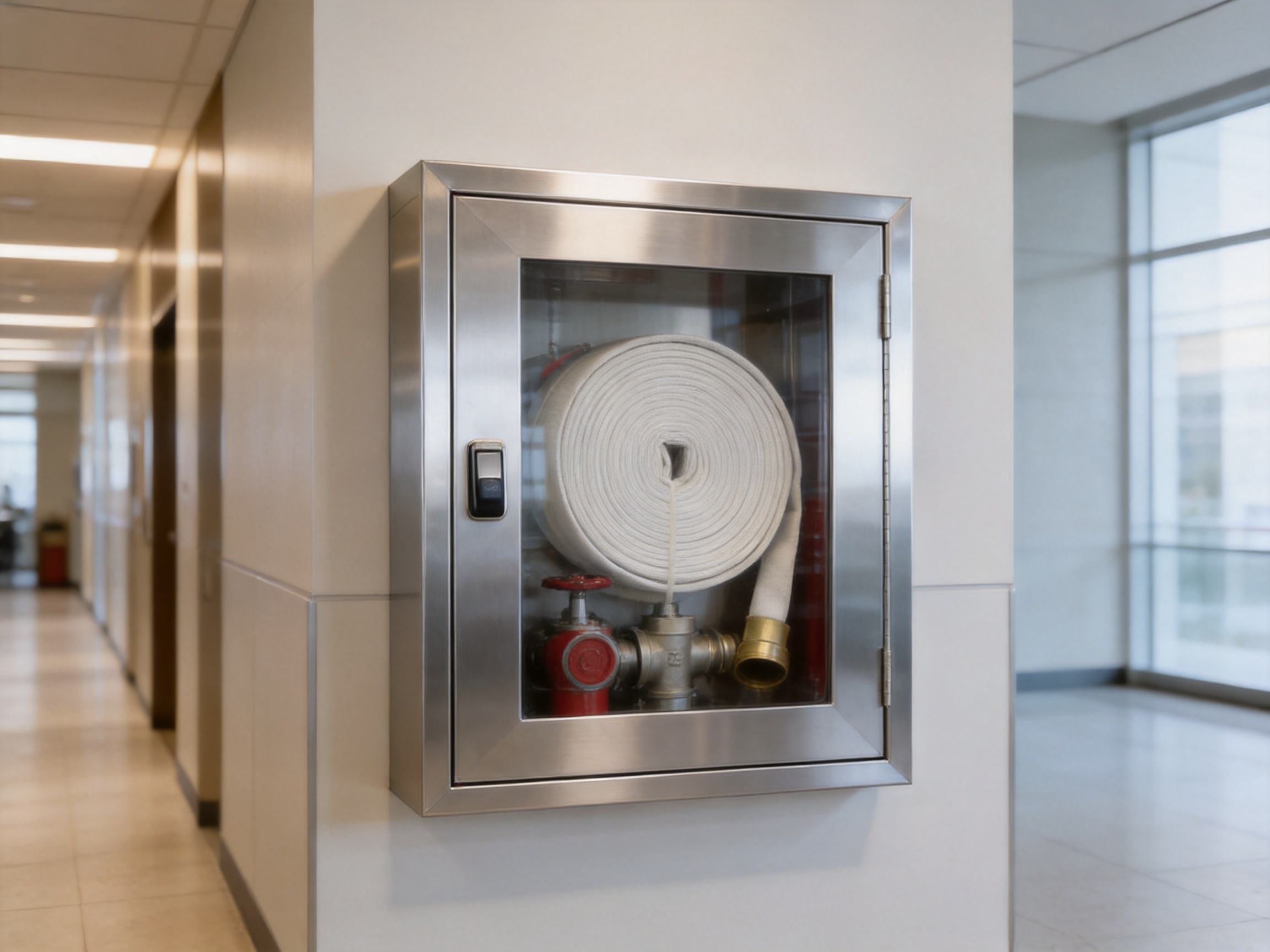
Choosing the correct cabinet begins with identifying the equipment to be stored. The buyer should confirm the hose diameter and length, valve dimensions, nozzle shape, coupling size, and any additional accessories. The 1.5-inch by 30-meter and 2.5-inch by 30-meter capacities provide standard reference points, but custom dimensions are available when the equipment does not fit these arrangements.
The next consideration is the wall and installation location. A surface-mounted cabinet is generally considered where the wall cannot be opened or where a simple external installation is preferred. A recessed cabinet requires a suitable wall cavity and accurate opening preparation. A semi-recessed cabinet may be useful when the available wall depth is limited.
Door selection should reflect the desired visibility and appearance. A solid door provides enclosed storage, while a clear tempered-glass door allows visual identification of the contents. The lock should be selected according to the access procedure and project preference, with press-button and rotary options available.
Material selection should consider the building environment and appearance requirements. Type 201 stainless steel is suitable for customers seeking a stainless finish at a practical cost. Mild steel can be considered for selected frames or coated configurations. The manufacturer should be informed of humidity, chemical exposure, outdoor placement, coastal conditions, and cleaning practices before the order is finalized.
Finally, the customer should confirm lettering and identification requirements. Lettering is available on customer request and can help make the cabinet’s purpose immediately recognizable. The exact wording, language, color, size, and placement should be agreed before production.
The installation location should be selected so the cabinet remains accessible and is not blocked by furniture, stored materials, vehicles, doors, or other equipment. The front of the cabinet should have enough clearance for the door to open fully and for authorized personnel to remove the hose or operate the valve.
For recessed and semi-recessed models, the wall opening should be prepared according to the confirmed cabinet dimensions. The installer should verify the wall thickness, structural conditions, service routes, and finished surface before fixing the cabinet. For surface-mounted models, the wall must be capable of supporting the cabinet and its stored equipment.
After installation, the cabinet should be inspected periodically. The inspection can include the door alignment, lock function, glass condition, frame, finish, internal space, hose arrangement, valve accessibility, and visible signs of corrosion or impact. Any water, dust, or debris should be removed using a cleaning method appropriate for the selected material and finish.
The cabinet should not be used as general storage. Unrelated items can obstruct the hose or valve and delay access. Building operators should ensure that the equipment remains arranged as intended and that custom lettering or identification remains visible.
Maintenance requirements depend on the site environment. Stainless steel surfaces should be cleaned with suitable non-damaging materials, while powder-coated and galvanized surfaces should be protected from harsh chemicals and unnecessary abrasion. If the cabinet is installed in a particularly demanding environment, the maintenance plan should be adjusted accordingly.
Fire cabinets are closely associated with the equipment they contain. A manufacturer experienced in fire hoses and related products can better understand the practical storage requirements created by different hose constructions, diameters, couplings, valves, and nozzles. This product knowledge can support more accurate cabinet selection and more useful technical discussions.
An established manufacturer can also provide continuity when the customer needs multiple product categories. The company’s main products include various materials of lined fire hoses, while its product and service capabilities extend to other industrial and foreign trade products. This broader background can be valuable for wholesalers, importers, contractors, and project suppliers seeking coordinated purchasing.
The company’s history, beginning in 1995, provides long-term experience in research and development, production, sales, and service. Its reported domestic distribution and export cooperation indicate familiarity with different order sizes and customer groups. For customized fire cabinets, supplier experience is particularly important because the order may require detailed confirmation of dimensions, materials, door styles, locks, lettering, and mounting conditions.
Customers can request product information, standard dimensions, custom cabinet sizes, door configurations, and project-specific lettering before placing an order. Early technical communication helps reduce errors and ensures that the selected cabinet is appropriate for the intended fire hose and installation location.
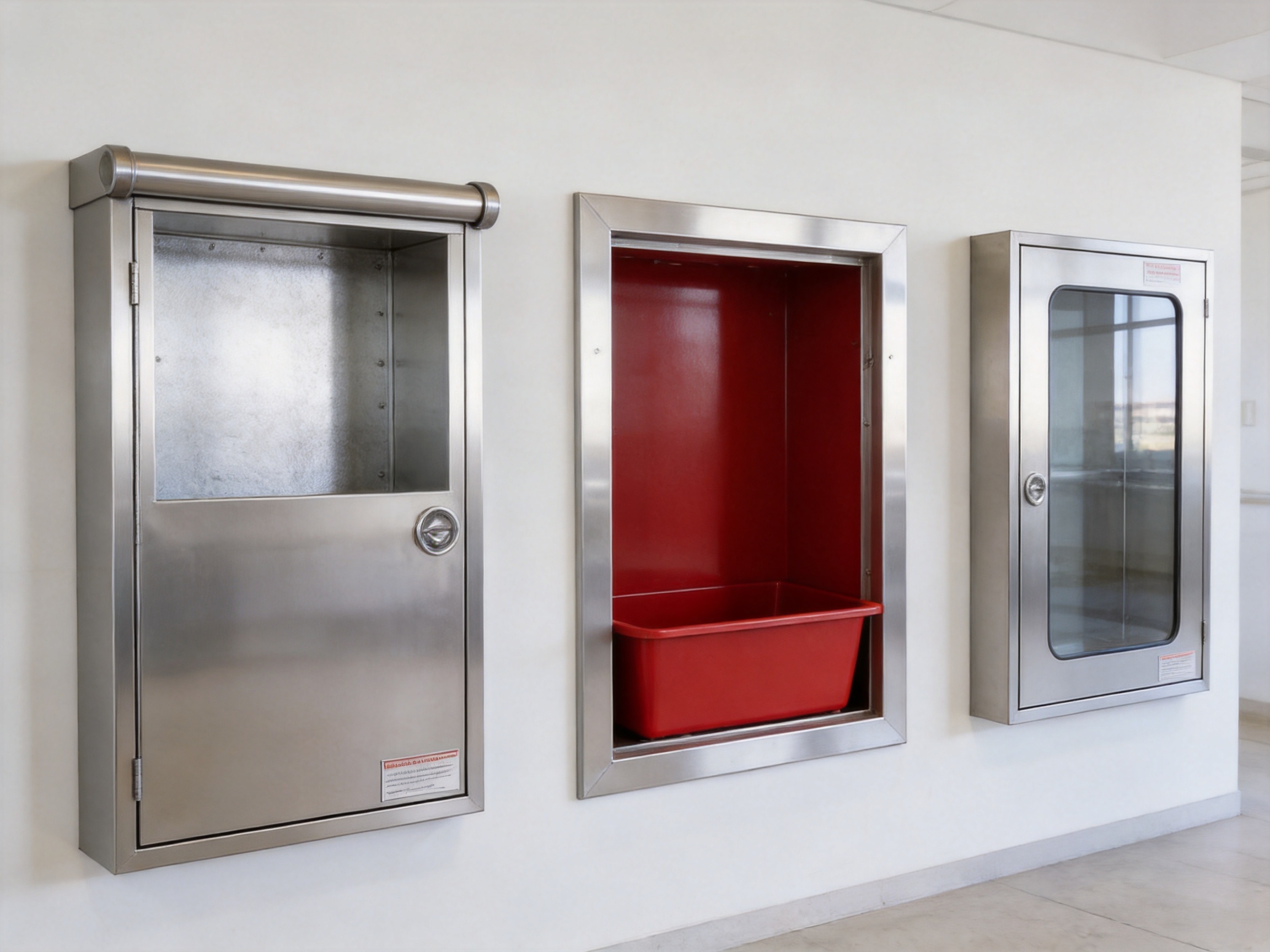
The cabinet is designed to accommodate fire hose, valves, and other firefighting equipment. The exact internal arrangement depends on the selected capacity, hose dimensions, valve configuration, nozzle size, and customer requirements.
The stainless steel configuration uses Type 201 stainless steel for the door and frame. Type 201 offers a practical stainless appearance and can be a cost-conscious choice for suitable indoor and semi-protected applications.
Yes. The available models include a surface wall mounted cabinet, a recessed cabinet, and a semi-recessed cabinet. The correct style depends on the wall construction, available depth, appearance requirements, and installation plan.
For a 1.5-inch by 30-meter hose, the listed dimensions are 180 millimeters deep, 700 millimeters wide, and 800 millimeters high. For a 2.5-inch by 30-meter hose, the listed dimensions are 300 millimeters deep, 900 millimeters wide, and 1100 millimeters high.
Yes. Dimension is available on customer request. Buyers should provide the equipment dimensions, hose arrangement, wall opening requirements, and preferred door and mounting style so the cabinet can be specified accurately.
Yes. Lettering is available on customer request. The wording and placement should be confirmed before production.
The listed door choices are a solid door and a door with clear tempered glass. The solid option provides enclosed storage, while the glass option allows the equipment to remain visible.
The available lock choices include a press-button lock and a rotary lock. Selection should be based on the project’s access requirements and customer preference.
Surface-mounted models have rolled edge trim, stainless steel tubs, and a galvanized back panel. They are intended for installation directly on the wall surface.
Recessed models have a recessed flange and a tub made from cold rolled steel with a red powder-coated finish. They are intended for installation within a prepared wall opening.
Material suitability depends on the installation environment. Customers should consider humidity, chemicals, salt exposure, outdoor conditions, cleaning requirements, and other site factors before selecting the material. The manufacturer can review the intended application during the quotation process.
The company’s main product range includes various lined fire hoses, and it also supplies fire-related products and accessories. Customers should confirm the desired combination of cabinet, hose, coupling, valve, nozzle, and other equipment when requesting a quotation.
Routine maintenance should include checking the door, lock, glass, frame, finish, interior, and equipment accessibility. The cabinet should be kept free from unrelated storage, dust, water, and obstructions. Cleaning methods should be suitable for stainless steel, galvanized steel, or powder-coated surfaces.
The 201 stainless steel fire cabinet provides a practical and adaptable enclosure for fire hose, valves, and other firefighting equipment. Its Type 201 stainless steel door and frame offer a professional appearance, while the available surface-mounted, recessed, and semi-recessed configurations support different architectural and installation conditions.
Product flexibility is strengthened by the choice of solid or clear tempered-glass doors, press-button or rotary locks, mild steel or stainless steel frame options, standard hose capacities, customer-requested dimensions, and optional lettering. Surface models use rolled edge trim, stainless steel tubs, and galvanized back panels, while recessed models use a recessed flange and a red powder-coated cold rolled steel tub.
The manufacturer’s experience in research and development, production, sales, and service, together with its long history in fire hose manufacturing, provides a strong foundation for project-based supply. Its domestic and export experience, custom product capability, and broader industrial product background make it a suitable source for distributors, contractors, fire protection integrators, and facility projects.
For the best result, customers should confirm the stored equipment, hose capacity, dimensions, wall construction, material requirements, door style, lock type, lettering, and installation environment before ordering. When correctly specified and maintained, the cabinet can provide organized, accessible, and durable storage for essential firefighting equipment.
1. Product specification information for 201 stainless steel fire cabinets, including cabinet models, materials, dimensions, door options, and lock options.
2. Manufacturer-provided company information concerning fire hose production, research and development, production, sales, service, and export cooperation.
3. General fire protection equipment storage and maintenance principles for hose cabinets, valves, nozzles, and related firefighting equipment.
4. General material and finishing considerations for stainless steel, galvanized steel, cold rolled steel, and powder-coated fabricated enclosures.
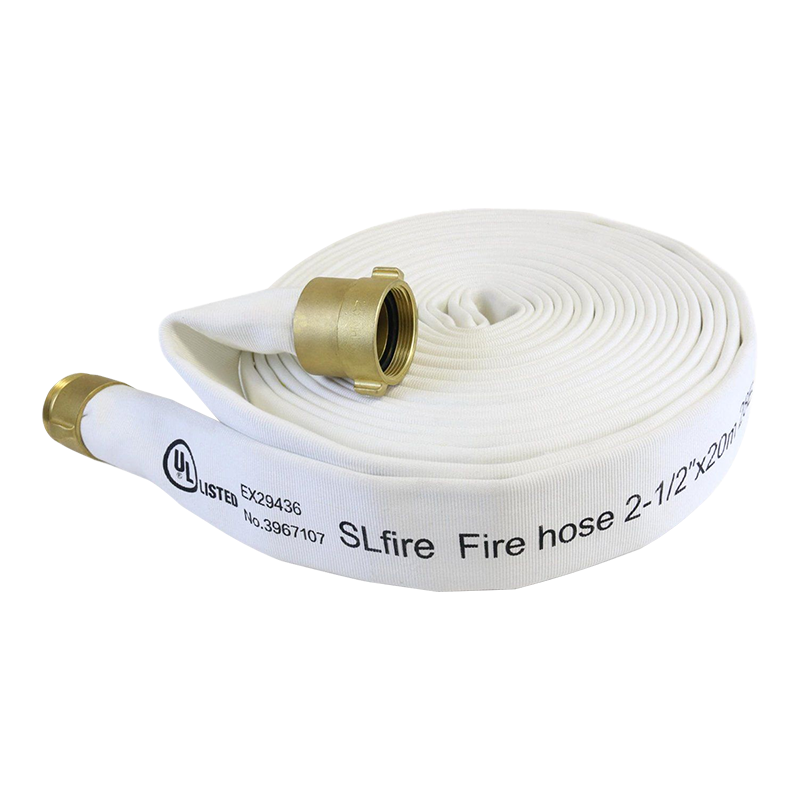
Single jacket, EPDM rubber liner Features • 100% high tenacity polyester jacket, high-grade EPDM rub...
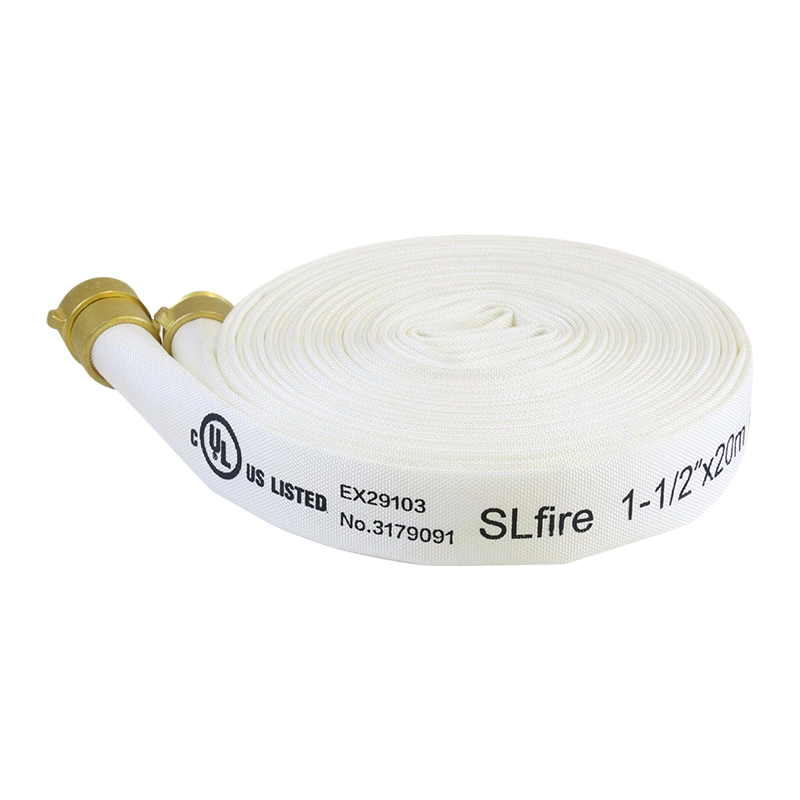
Single jacket, TPU liner •High-tenacity polyester yarn, circular woven in twill weave/plain weave,T ...
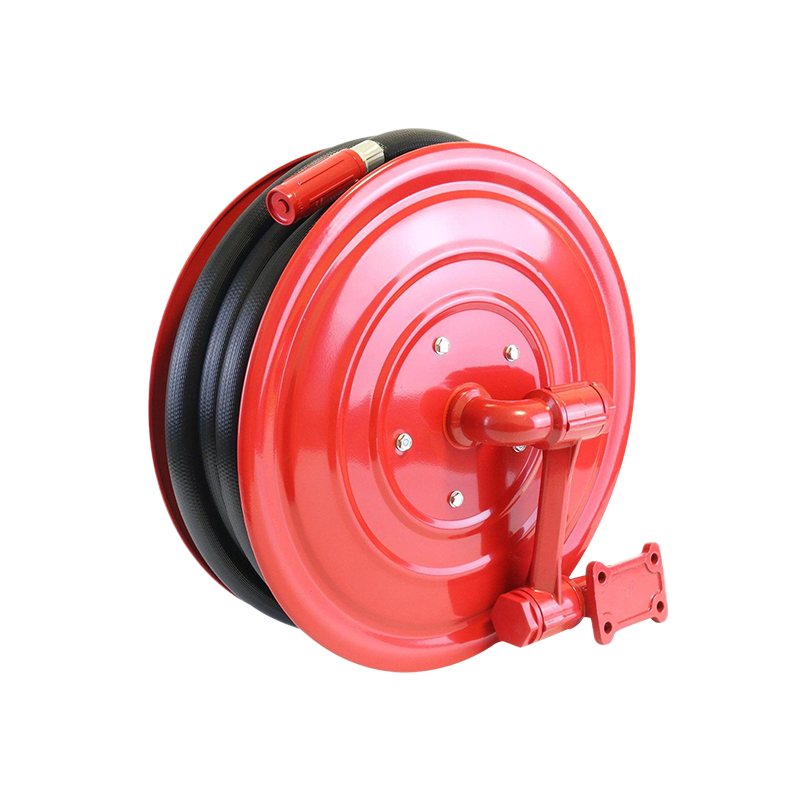
Fire cabinets are designed to accommodate fire hose,valve and other firefighting equipment. Type 201...
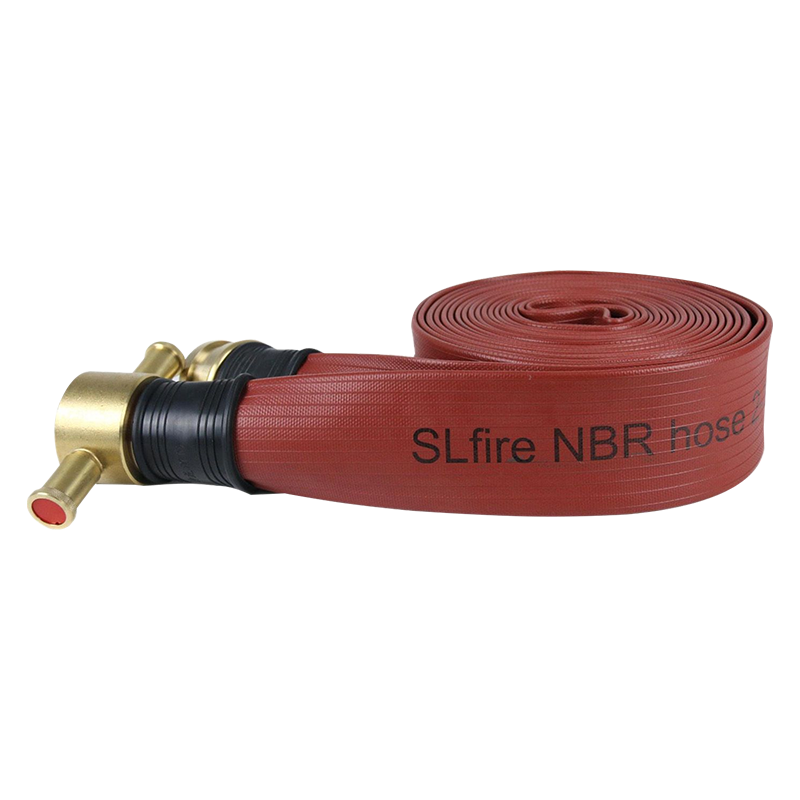
Nitrile covered hose •Nitrile/TPR blend as cover and lining, with 100% high-tenacity polyester yarn ...
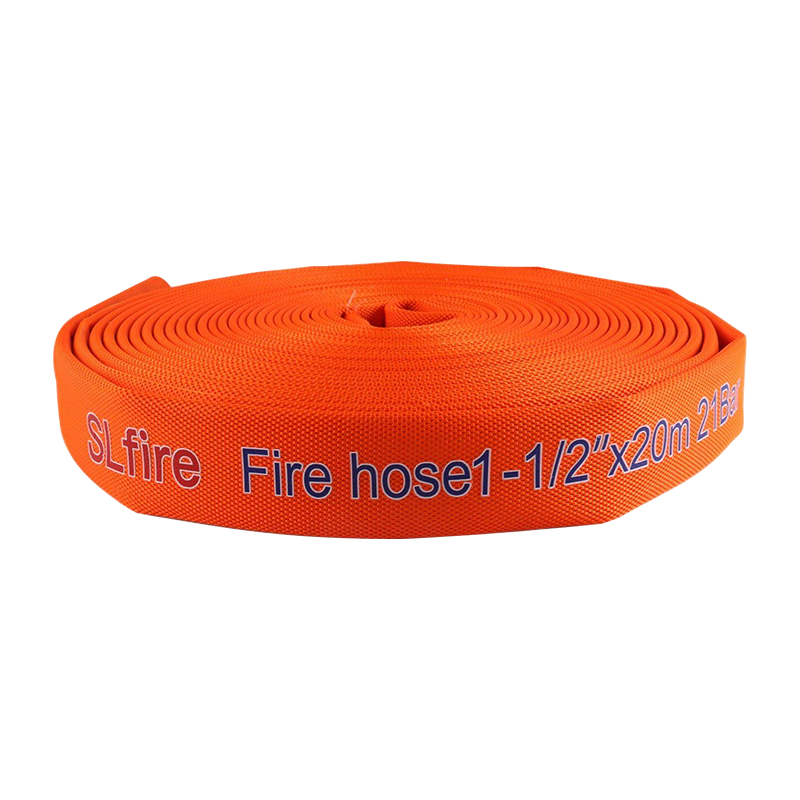
Single jacket, TPU liner •High-tenacity polyester yarn, circular woven in twill weave, TPU lining, f...
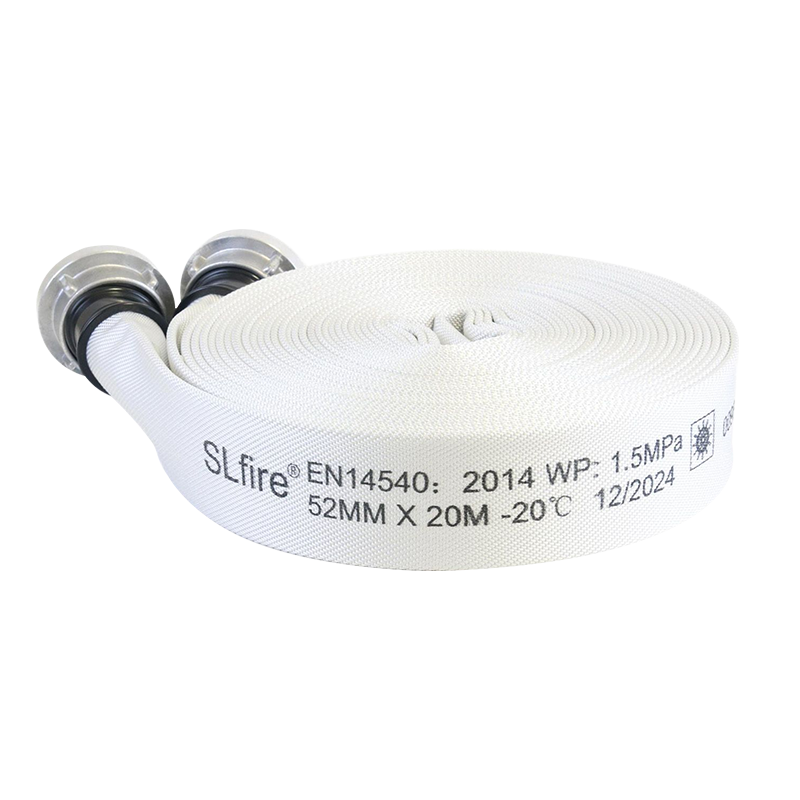
Marine hose Single jacket, PVC liner •100% high tenacity polyester yarn, circular woven in twill wea...
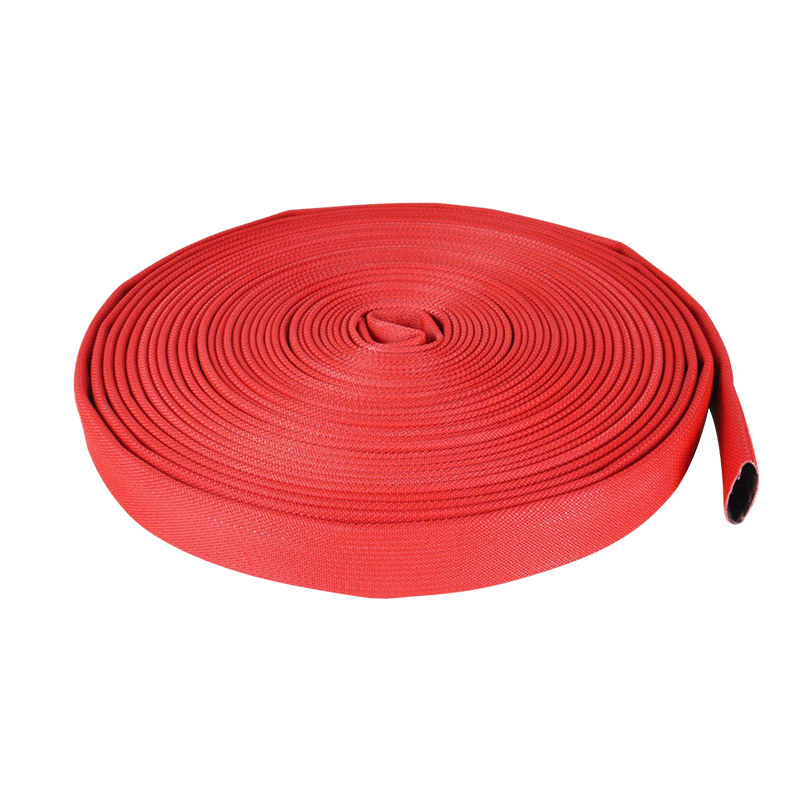
Marine hose Single jacket, PVC liner, PU coated •100% high tenacity polyester yarn,c ircular woven i...
 Call Us
+86 159-5116-9511
Need Support
Head Office
No.58, Kechuang Road, Sixiang Street Medicine Gaoxin District Taizhou City, Jiangsu Province

At a structure fire, the first line off the truck is the one that does the hardest work. Pulled around obstacles, dragged across gravel, charged with high-pressure water, and shut off at the nozzle d...
Copyright © Taizhou Shenlong Fire Science and Technology Co., Ltd. All Rights Reserved.
 Fire Hose Manufacturers, Fire Hydrant Hose Factory